

shutterstock

Top 9 Central European Tarts

Last updated on May 15, 2026
01

Appeltaart

4.2 ·

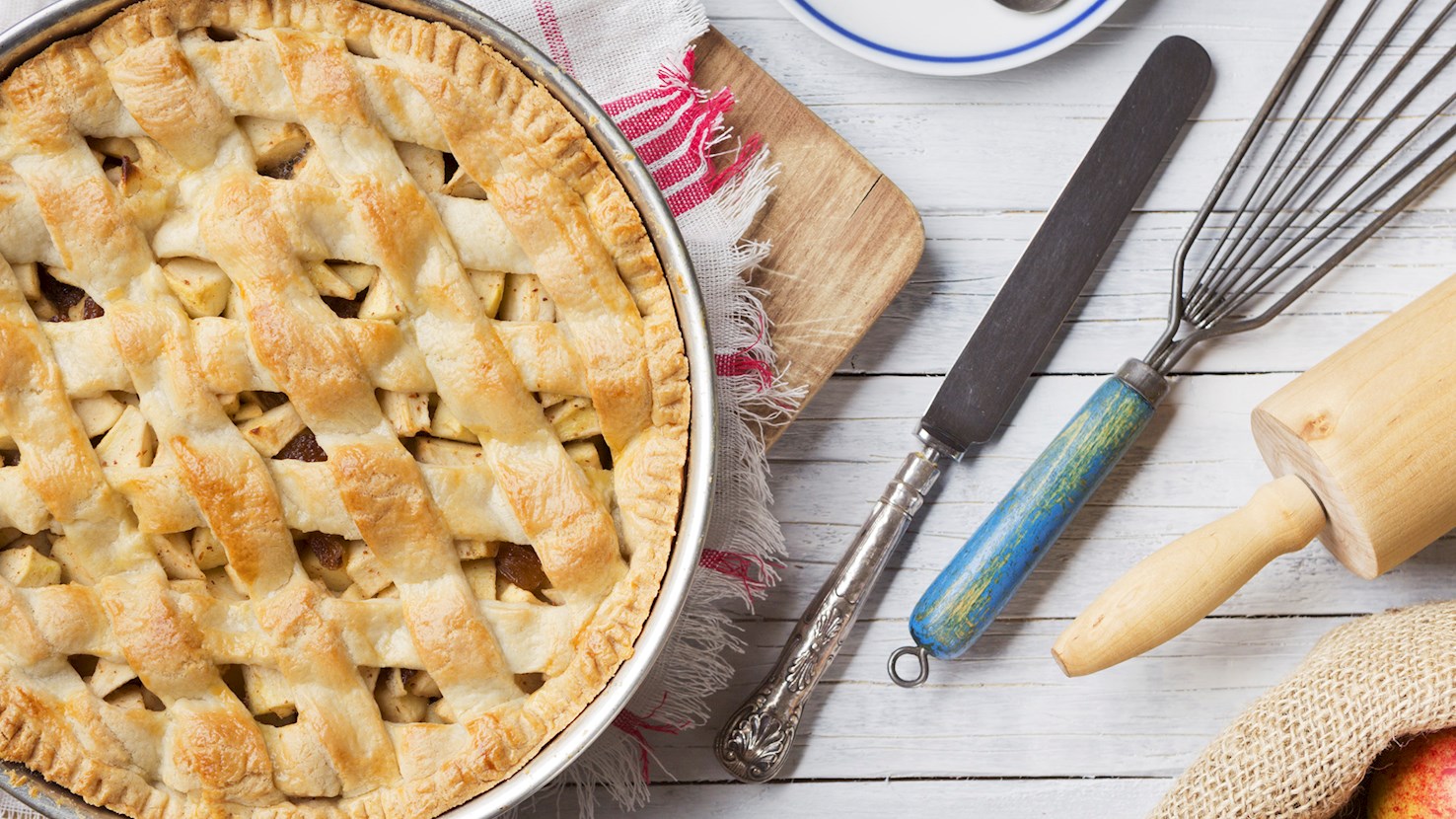
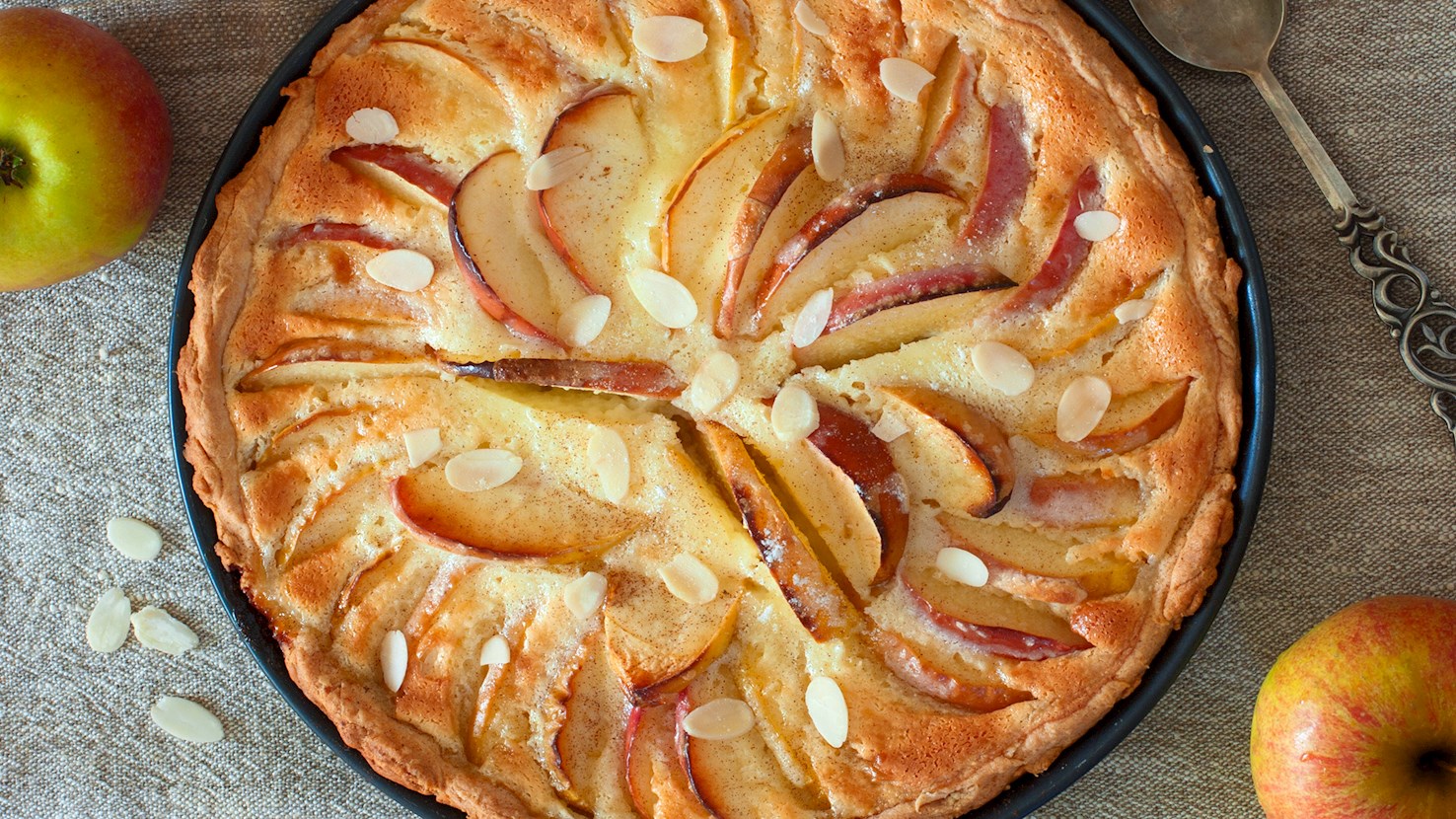
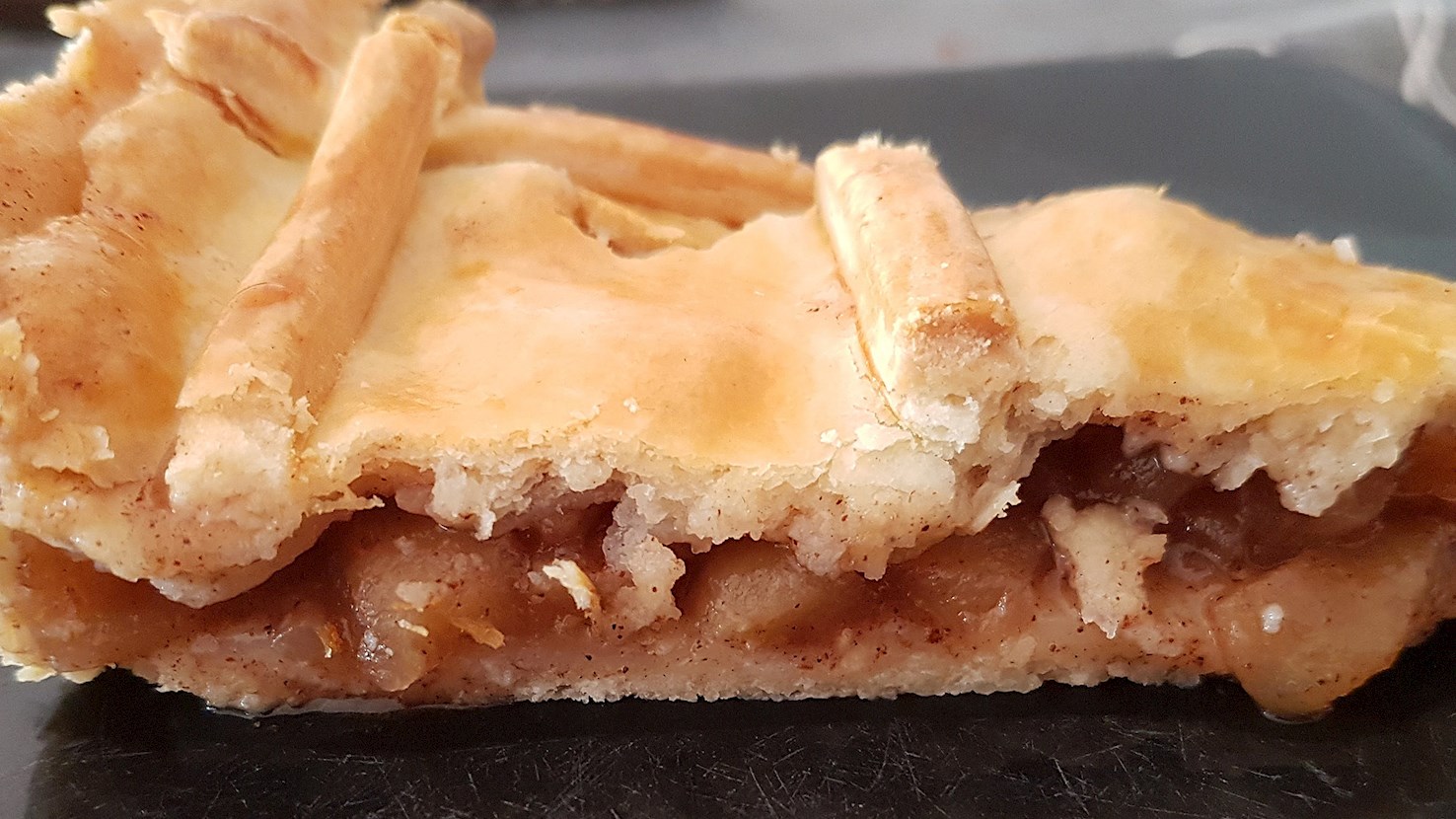
Appeltaart is a traditional apple pie that is very often accompanied by a cup of hot coffee. Although it is essentially the same as most apple pies, Dutch appeltaart differs from the classic American apple pie in many ways: it is baked in a spring-form pan, making it deeper; it is drier on the interior; it is full of big chunks of apple, currants, and raisins, and it is full of speculoos spices such as cinnamon, lemon juice, and other warm spices. Appeltaart dates back to the Middle Ages and it is believed that the baking time was measured by the number of prayers one had to say until it was ready to be taken out of the oven since ovens with temperature controls didn't exist at the time. In the Netherlands, appeltaart is usually served at room temperature and topped with a dollop of whipped cream, what is known as appeltaart met slagroom. This traditional dessert is one of the first pies that the young people learn to prepare in the Netherlands, but it is believed that the best ones are made by grandmas.

02

Linzer Torte

3.8 ·

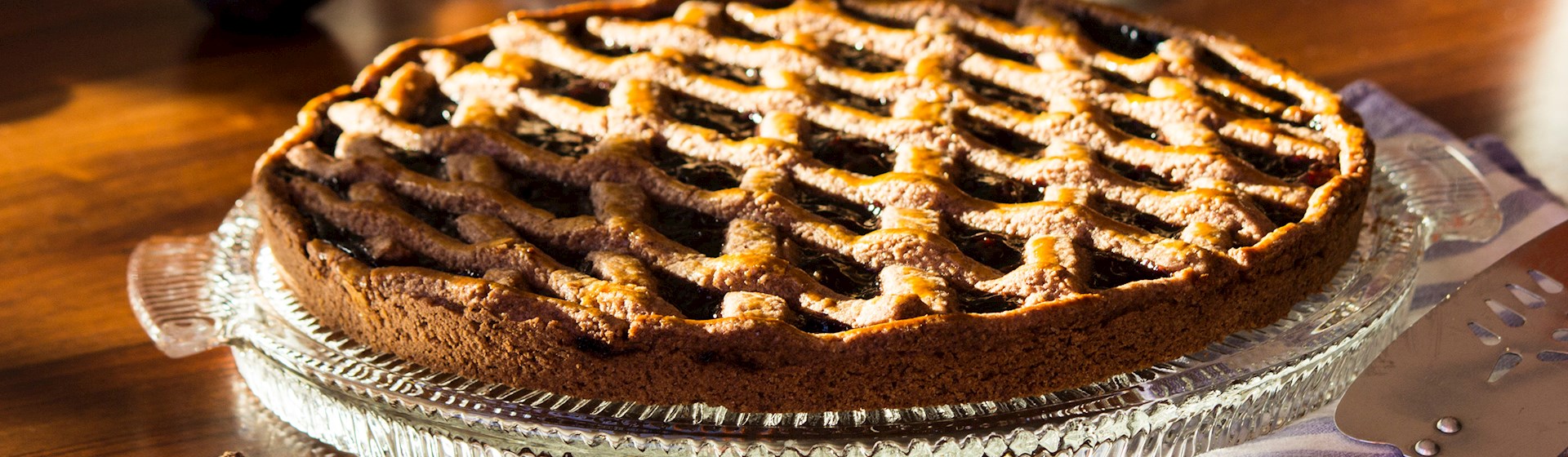
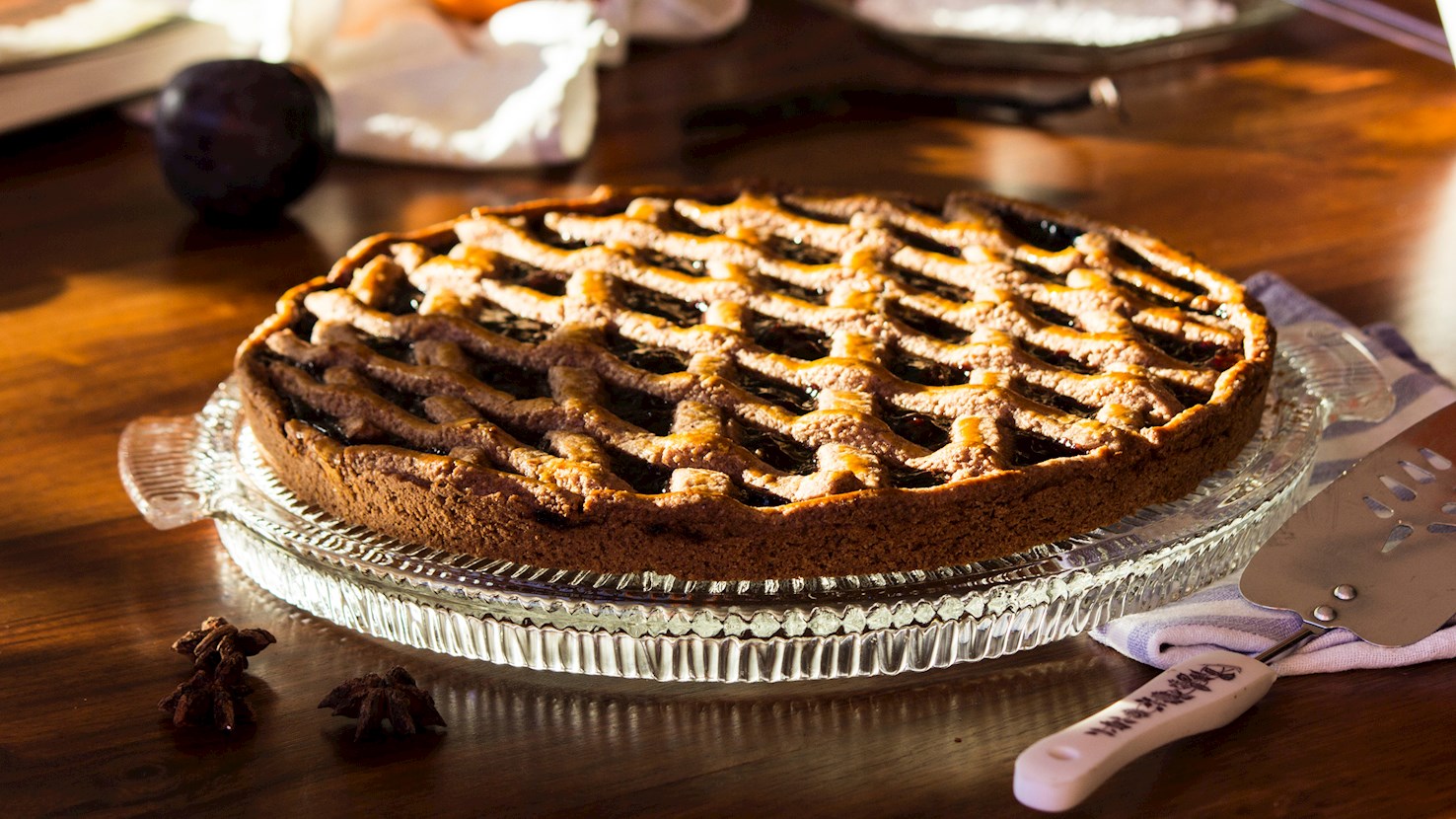
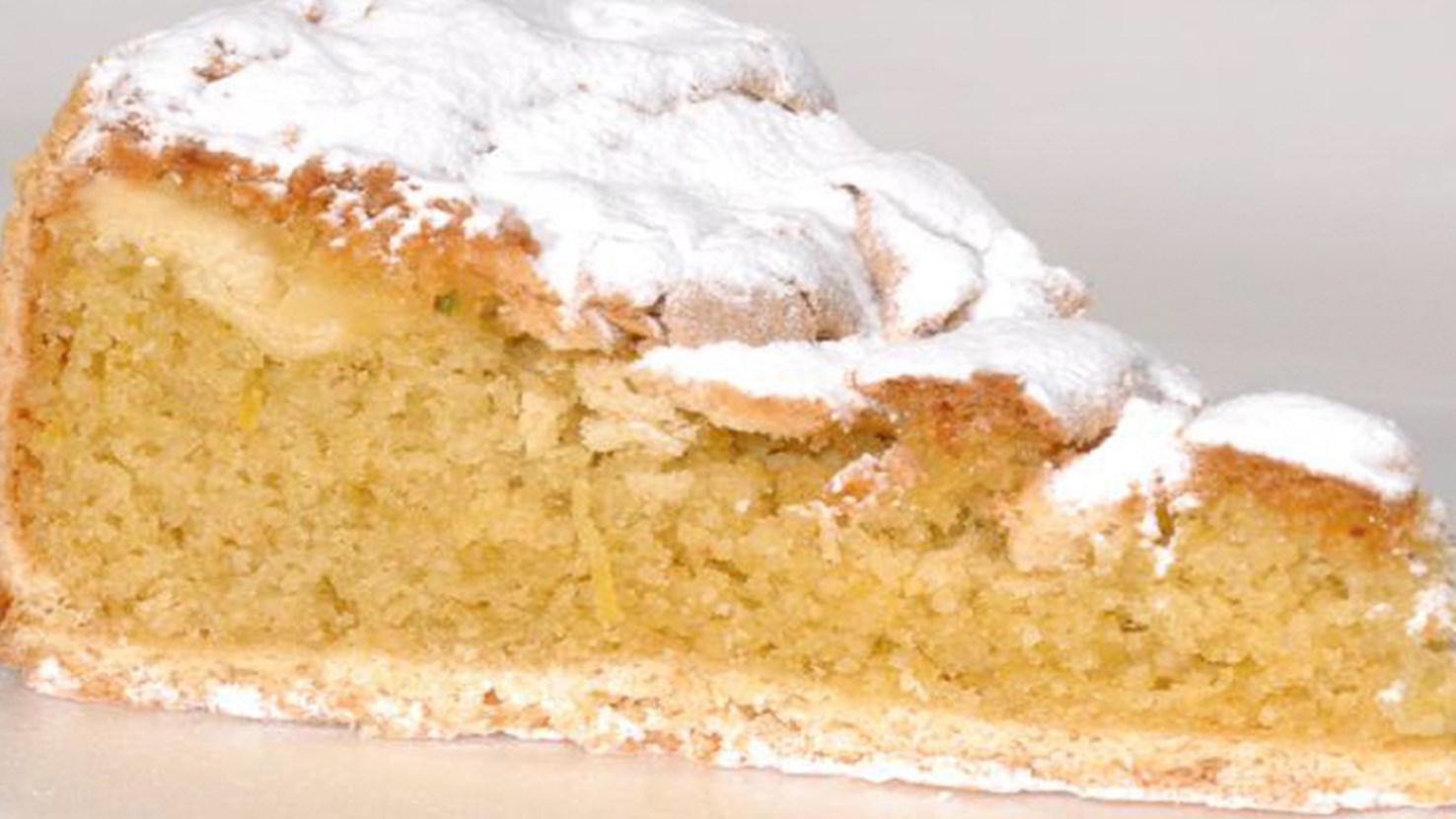
Named after the Austrian city of Linz, Linzertorte is a short cake with a crumbly, buttery pastry shell that is accentuated by lemon juice, cinnamon, and either almonds, walnuts, or hazelnuts. It's also the oldest cake named after a city. This sweet delicacy is ideally filled with redcurrant jam, but it can be replaced by raspberry or apricot jam. On the top of the cake is a lattice crust, carefully arranged in a criss-cross design, giving it a unique visual appearance. The cake can be traced back to 1696, according to Jindrak, an Austrian confectioner famous for their Linzertorte, but whoever named the recipe or invented the cake will remain a mystery. Today, the famous cake is a true Austrian holiday classic, often consumed at Christmas, when it's ideally served warm, accompanied by a big dollop of whipped cream, and dusted with some confectioners' sugar on top.

03

Bündner Nusstorte

3.5 ·

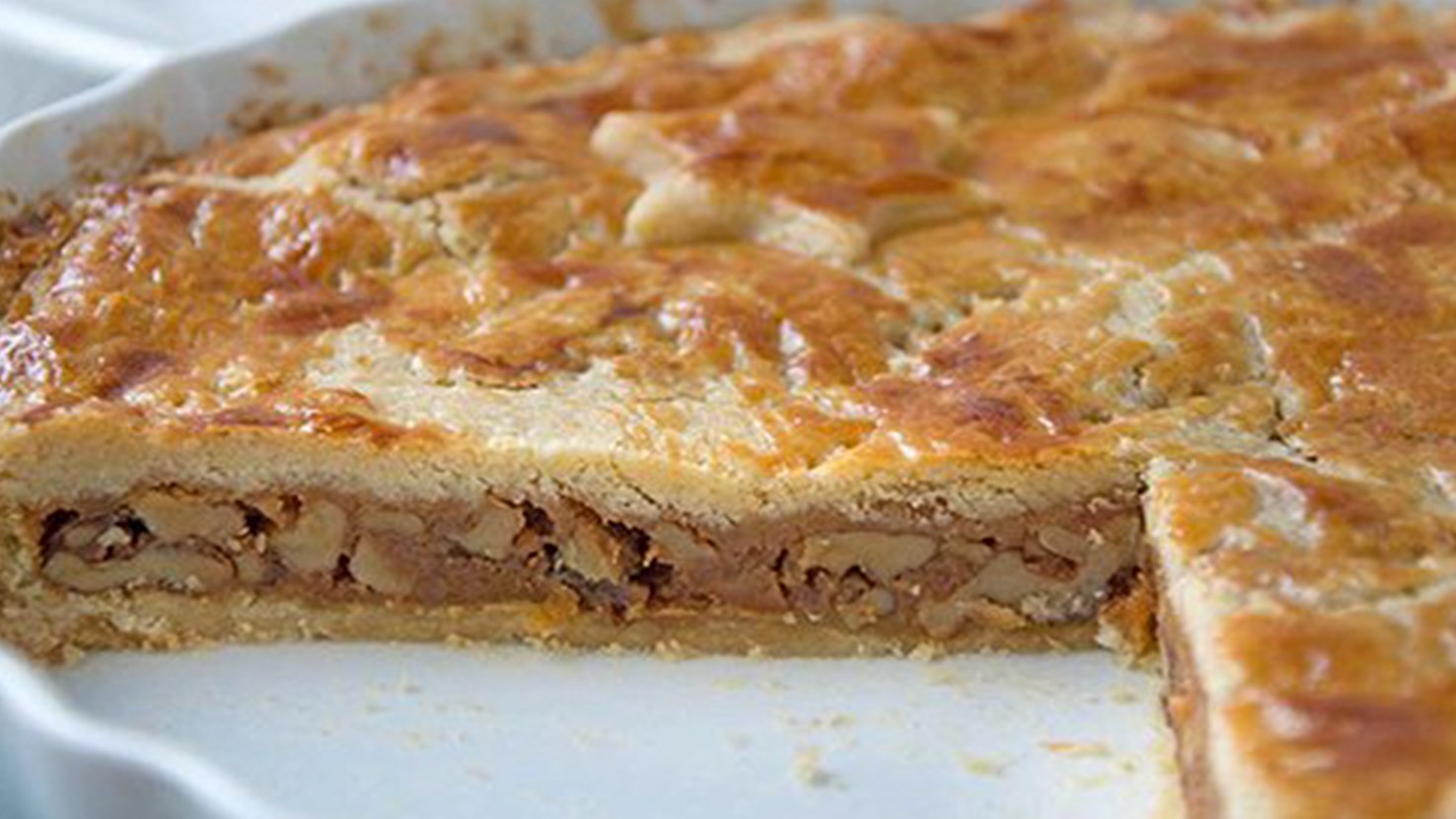
Originating from Graubünden in Switzerland, this dish is a traditional tart consisting of a shortbread pastry filled with nuts and caramel. Walnuts are typically used for the filling, but other nuts may also be used, although very rarely. The oldest known recipe dates back to 1900, and in 1934, a confectioner named Fausto Pult presented the cake to the public at the Swiss Sample Fair in Basel. Nowadays, the cake is usually served cut into slices and paired with coffee or tea on the side.

04

Wähe

3.4 ·

Wähe is a delicious Swiss tart made in sweet and savory versions. The sweet version is prepared with seasonal fruits such as plums, apricots, rhubarb, and apples, while the savory ones typically include cheese, spinach, or onions, similar to the French quiche. It is believed that the first versions of wähe were baked at home with leftover bread dough. Even though wähe was considered a poor man’s meal in the past, over time, the dish became popular with the middle class and was often consumed during fasting or on Fridays. Nowadays, both the sweet and the savory versions are prepared throughout the country.

05

Quetschentaart

3.2 ·

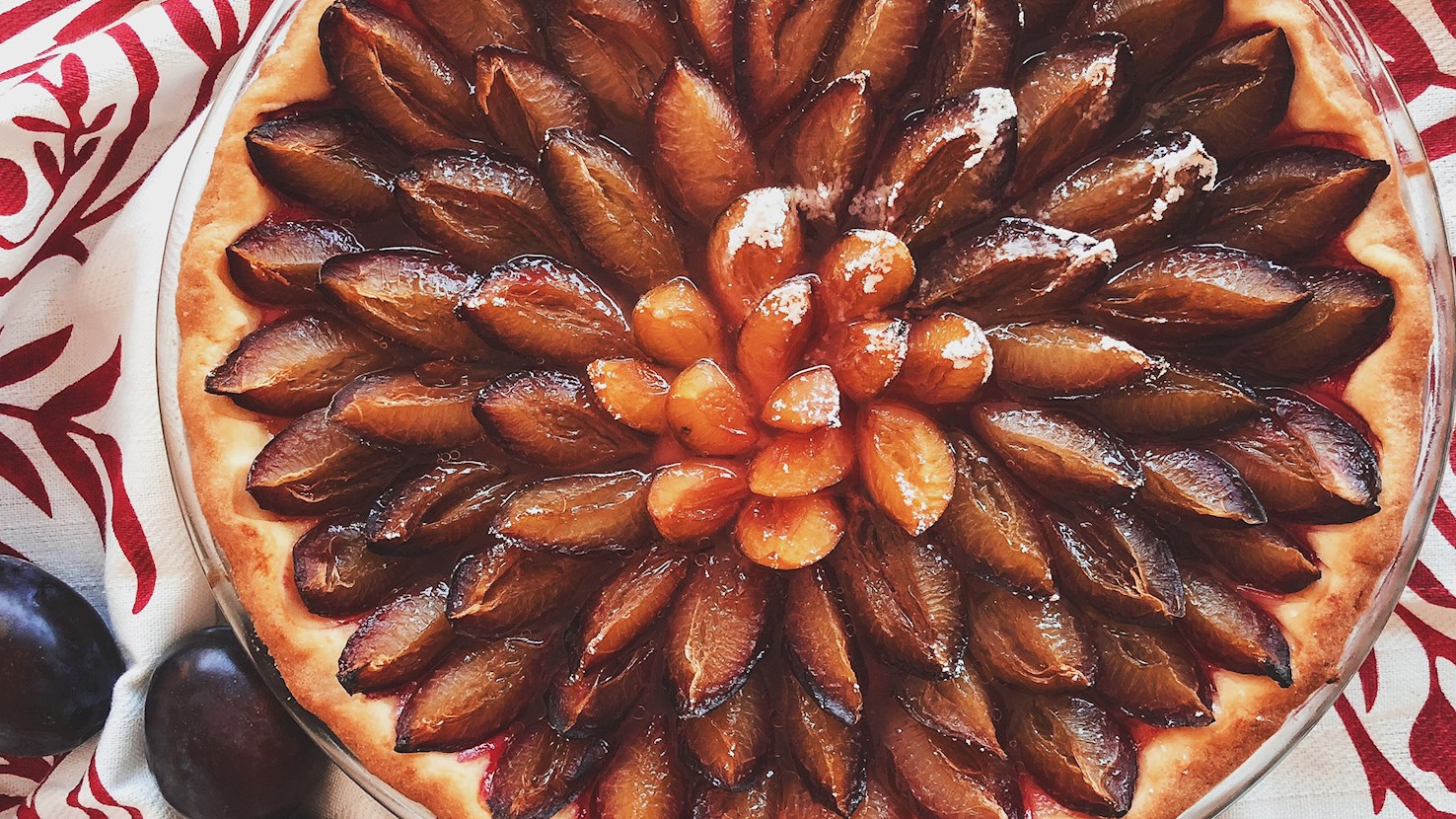
Quetschentaart (also known as quetscheflued) is a Luxembourgish damson plum tart that is traditionally prepared during autumn, when damson plums are in season. To make the tart base, flour, sugar, butter, salt, and eggs are combined into a firm dough that is then rolled out and tucked snugly into a buttered tart tin before it is finished with slices of fresh damson plums and baked to perfection. The tart can optionally be dusted with powdered vanilla sugar for extra flavor and a pleasant aroma. A dollop of whipped cream, crème fraîche, or even a scoop of ice cream go perfectly with this sweet fruit tart. Quetschentaart can be bought at almost any pastry shop, bakery, and restaurant in the country, especially during the damson plum season.

06

Carac

3.1 ·

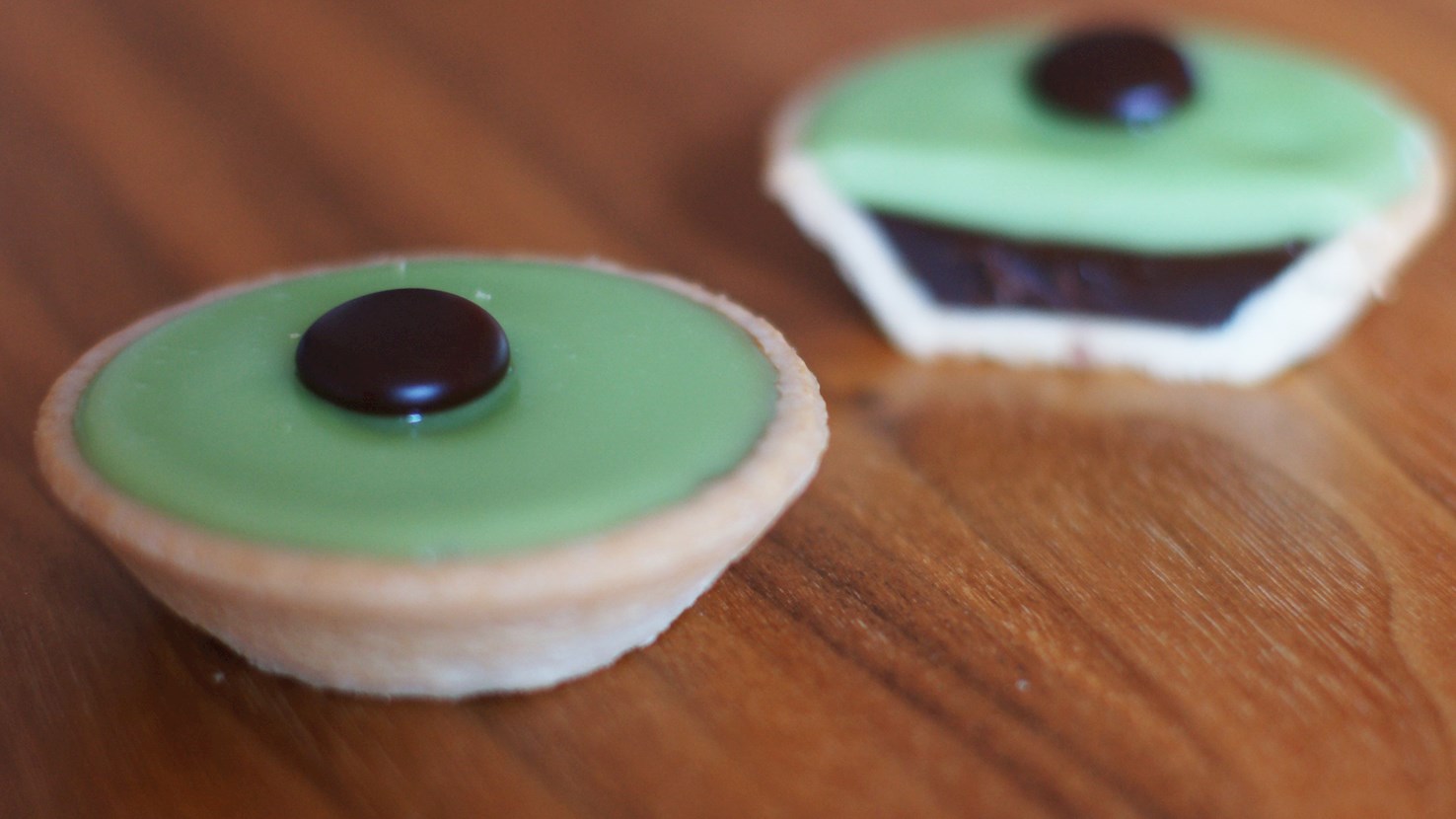
Carac is a small Swiss pastry prepared with shortbread pie crust, chocolate, cream, and green icing. It is especially popular in the French part of the country. Even though most of these pastries are prepared in smaller sizes, they can also be enlarged for festive events and gatherings, when they are served sliced, just like regular pies or cakes. The origin of carac is still quite murky, but it is known that the pastry was available in the early 20th century, while the name carac is phonetically linked to caraque, referring to a type of cocoa of high quality.

07

Liers vlaaike

3.1 ·

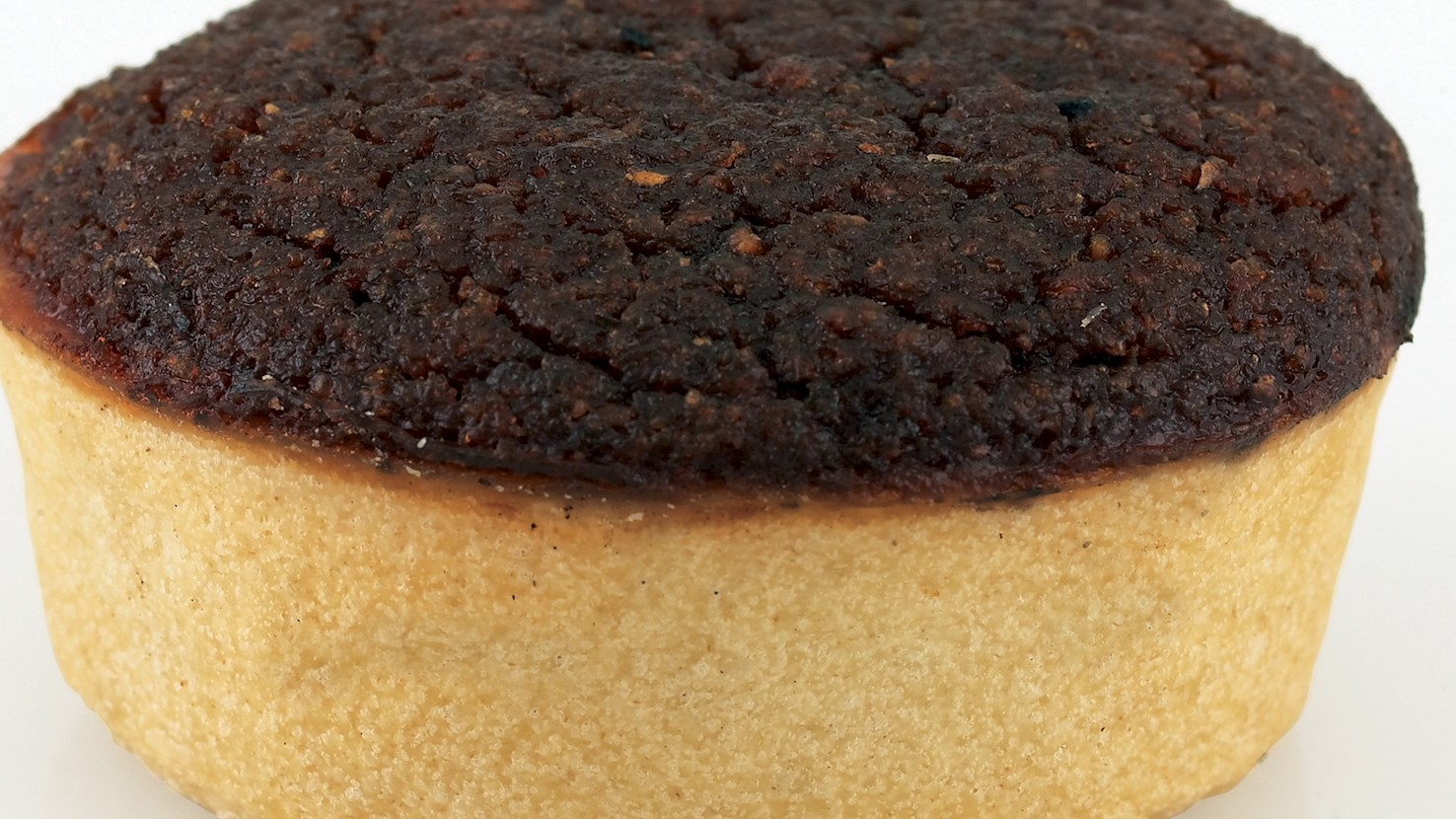
One of the most famous Belgian desserts, this sweet and spicy, tart-shaped filled pastry is prepared exclusively in the Flemish town of Lier. The delectable Liers vlaaike consists of thin, pâté brisée crust filled with a thick, creamy purée—the base is a typical, unsweetened shortbread pie crust, while the aromatic filling consists of coarse breadcrumbs, candy syrup, milk, and flour. However, the spicy flavor of vlaaike tarts comes from a secret combination of spices including cinnamon, cloves, nutmeg, and coriander. The original recipe is believed to be more than 300 years old, which makes Liers vlaaike one of the oldest baked goods from the province of Antwerp.

08

Imotska torta

2.9 ·

This tart with a long tradition originates from the town of Imotski, and consists of a shortcrust pastry base and a flavorful almond filling. Both are heavily seasoned with various spices and different types of alcohol, from prošek or white wine in the pastry to maraschino cherry liqueur used in the filling. Another important element of this cake is the elaborate woven lattice top which is typically studded with whole almonds.

Best restaurants
09

Mummentaart

n/a ·

Mummentaart is a traditional Luxembourgish pie or tart filled with a cinnamon-flavored apple filling. The dough is made by combining flour, butter, quark, water, and salt, while the filling typically consists of sliced or cubed slightly sour apples that are sprinkled with sugar, cinnamon, and lemon juice, then mixed with raisins. A layer of dough is placed inside a baking tin, and it is then covered with the apple filling before being finished with another layer of dough on top, glazed with beaten egg yolks, and baked until nicely colored and done. Slices of this scrumptious apple pie can be enjoyed both warm and chilled, and they are often accompanied by a dollop of whipped cream or fresh fruit on the side.

Read more
View all
View map
About this ranking

TasteAtlas food rankings are based on the ratings of the TasteAtlas audience, with a series of mechanisms that recognize real users and that ignore bot, nationalist or local patriotic ratings, and give additional value to the ratings of users that the system recognizes as knowledgeable. For the “Top 9 Central European Tarts” list until May 15, 2026, 498 ratings were recorded, of which 433 were recognized by the system as legitimate. TasteAtlas Rankings should not be seen as the final global conclusion about food. Their purpose is to promote excellent local foods, instill pride in traditional dishes, and arouse curiosity about dishes you haven’t tried.

Similar lists