Wuyi Star Tea is a modern tea producer from Fujian Province, rooted in the long-standing traditions of the Wuyi Mountains, a region renowned for its “rock tea” oolong styles and distinctive mineral-rich terroir. Founded in 2001, the company manages the entire process - from cultivation and leaf selection to processing, packaging, and export - while adhering to certified quality standards.
Their portfolio includes some of the most iconic Wuyi teas, such as Da Hong Pao and other yancha oolongs known for their mineral, lightly smoky, and fruity notes, as well as black, white, and green teas tailored to a wide range of preferences. Wuyi Star emphasizes traceability, authenticity, and the preservation of local techniques, establishing itself as a brand that successfully bridges traditional Chinese tea craftsmanship with the expectations of the modern global market.
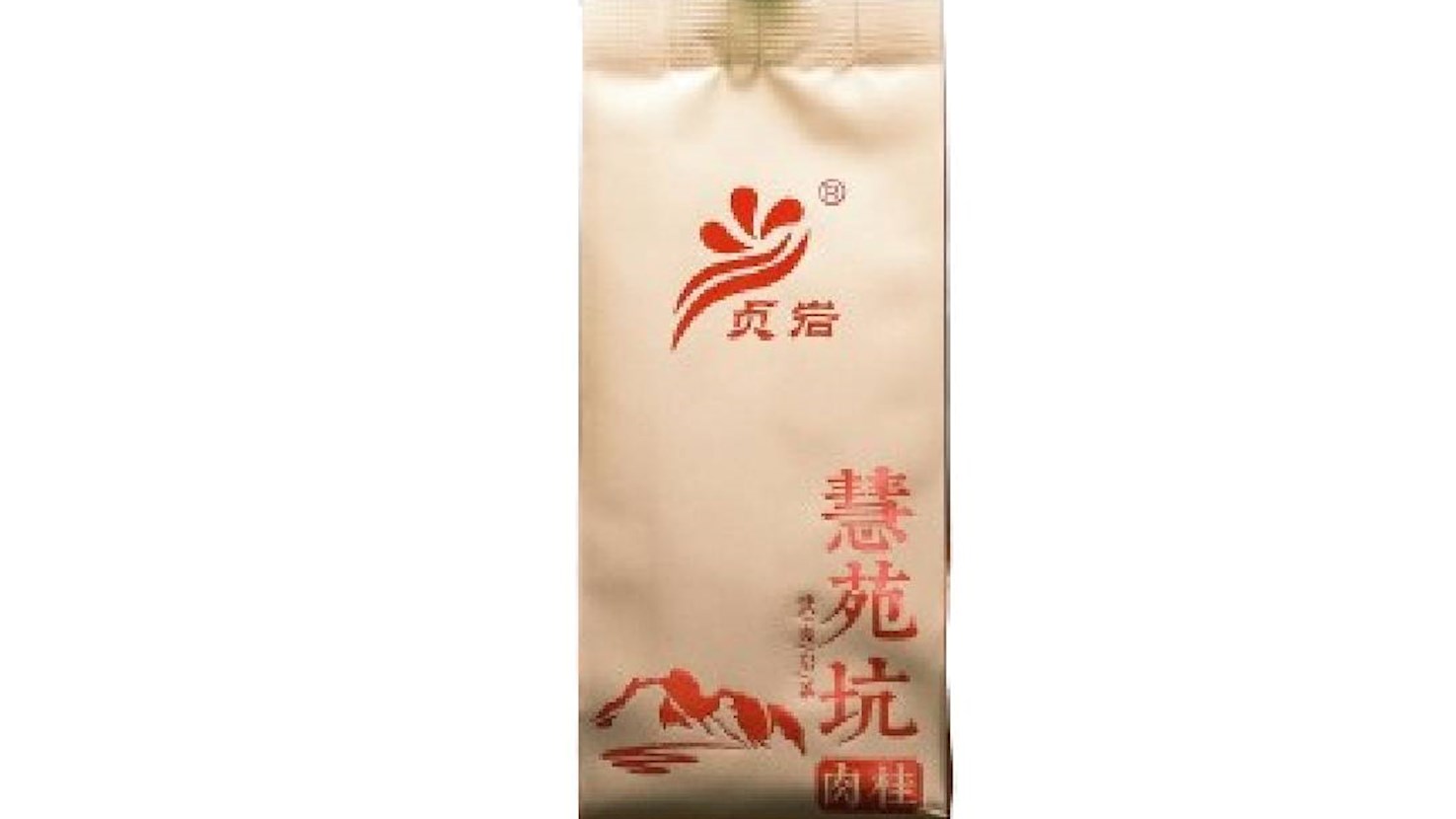
Gaopeng Tea Factory is a renowned producer of Wuyi rock teas (Yancha), located in the Zheng Yan region of Wuyi Mountain, China. The factory specializes in traditional charcoal-roasted teas, such as Huiyuan Pit Rougui and Dolomite Floral Shui Xian, known for their rich flavors and mineral complexity.
Their teas undergo meticulous processing, including multiple rounds of roasting, to enhance their aromatic depth and smooth mouthfeel. Gaopeng is highly regarded for preserving the heritage of Wuyi tea craftsmanship, ensuring high-quality production.
Their teas are sought after by tea connoisseurs worldwide for their unique terroir and distinctive yan yun (rock rhyme).
Sea Dyke is a historically significant Chinese tea brand closely associated with Xiamen Tea Import & Export Co. Ltd., a major tea producer and exporter based in Fujian Province.
Established in 1960, the brand became especially well known for its traditional Chinese oolong teas, particularly Fujian styles such as Tieguanyin. Sea Dyke played an important role in introducing Chinese tea to international markets during the second half of the 20th century, gaining strong recognition across Southeast Asia and among overseas Chinese communities.
Its teas are known for combining traditional Chinese tea-making heritage with reliable large-scale production, making classic tea styles more widely accessible. The brand is also recognizable for its distinctive retro packaging design, which has become iconic among long-time tea drinkers.
While best known for oolong tea, the Sea Dyke portfolio also includes jasmine tea, black tea, and other traditional Chinese tea categories. It remains one of the enduring names in China’s export tea industry and a notable representative of Fujian’s tea heritage.
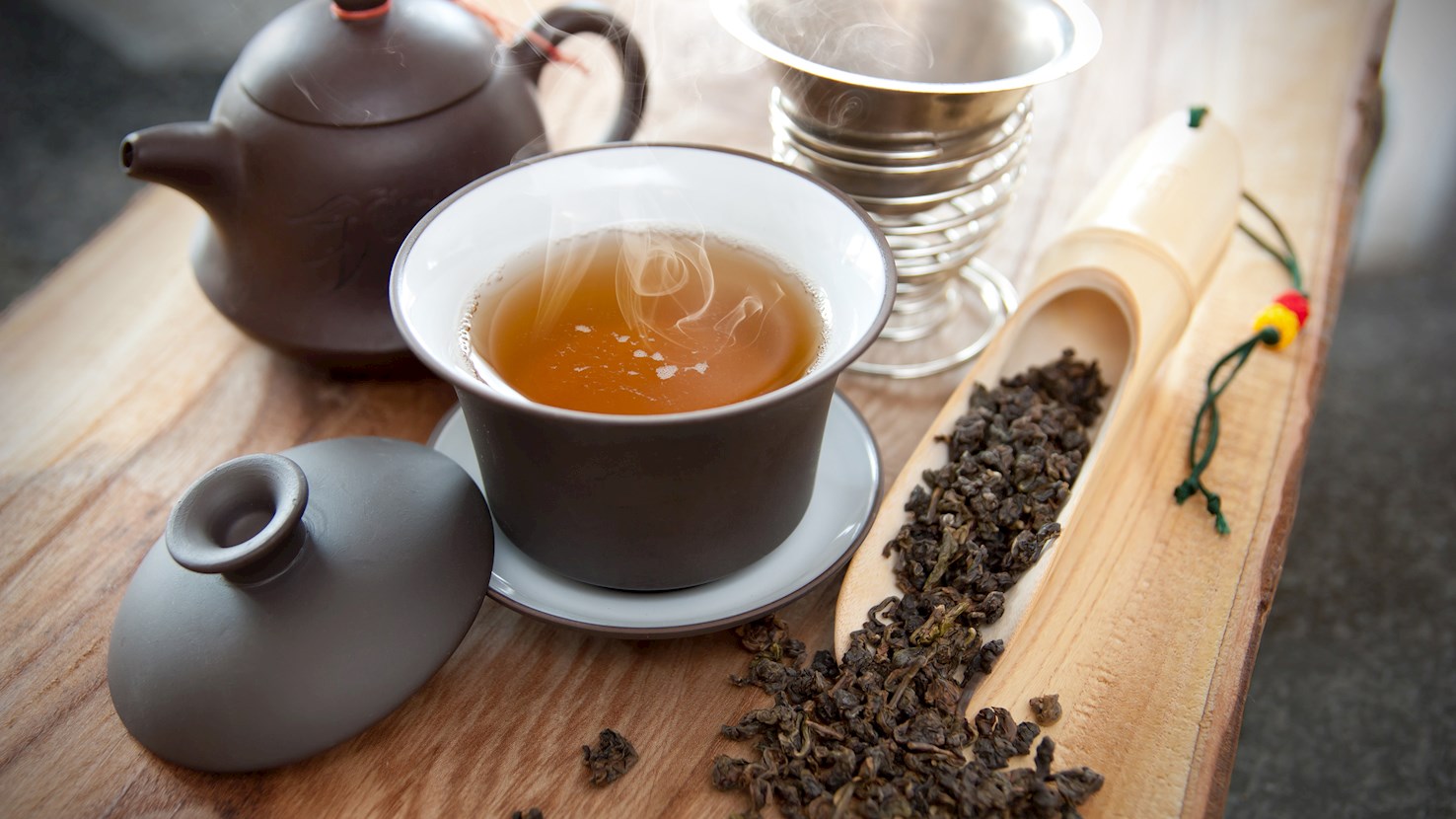
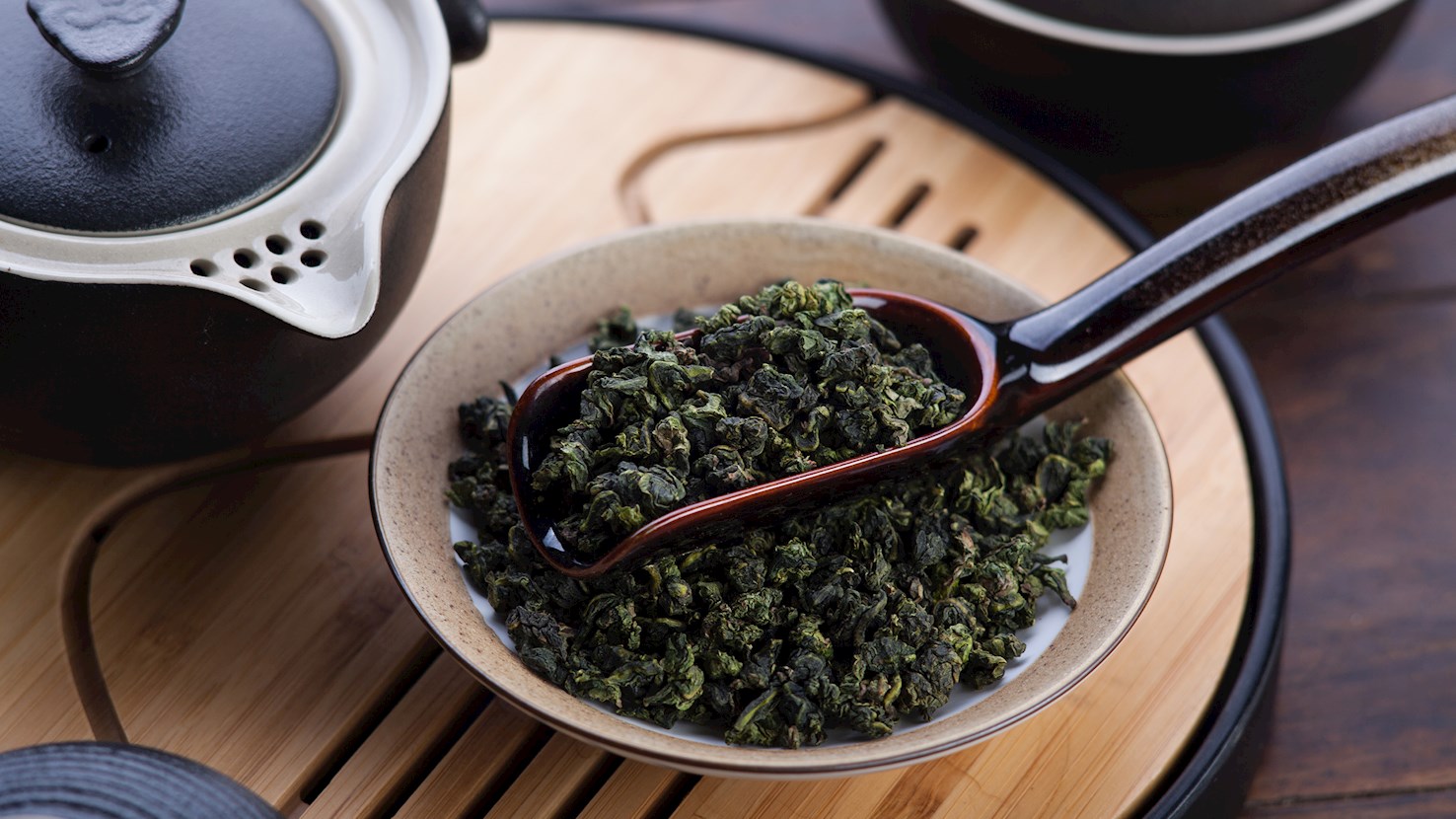
Oolong is a semi-oxidized tea that can vary depending on the leaf style, level of oxidation, color, and the roasting degree. Falling somewhere between green and black teas, it is one of the most complex varieties regarding production, and it can take on a wide variety of flavors and aromas. Their color can vary from pale green or yellow to dark orange, while the aromas often include notes of melons, apricots, wood, orchids, or spices. The level of oxidation can vary anywhere from 10-80%. The less oxidized styles resemble green teas, while more oxidized varieties, typically over 50% percent, share more characteristics with black teas. Oolong originated in China, most probably in the Wuyi Mountains. Although China remains one of the biggest producers, significant amounts of oolong are also cultivated in Taiwan. Traditionally, Taiwanese varieties will be less oxidized. The oolong tea category is broadly categorized into long, strip-style curly oolong tea and small, wrap-curled oolongs. Lightly-oxidized oolong teas can be paired with lighter dishes and seafood, while darker styles generally go well with smoked or cured meat and desserts.
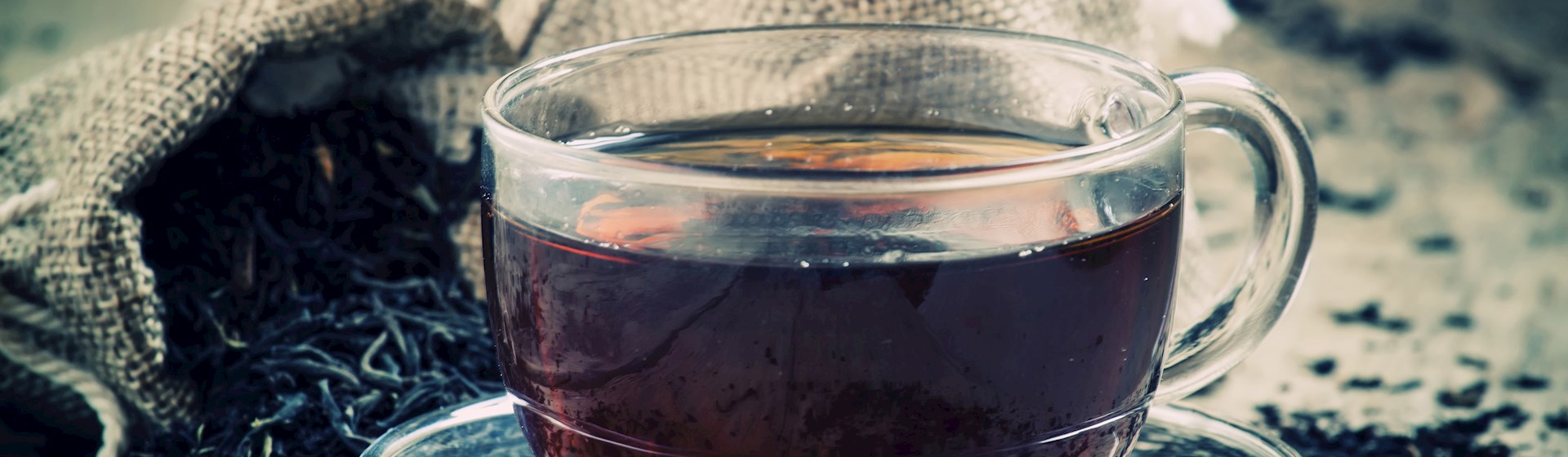
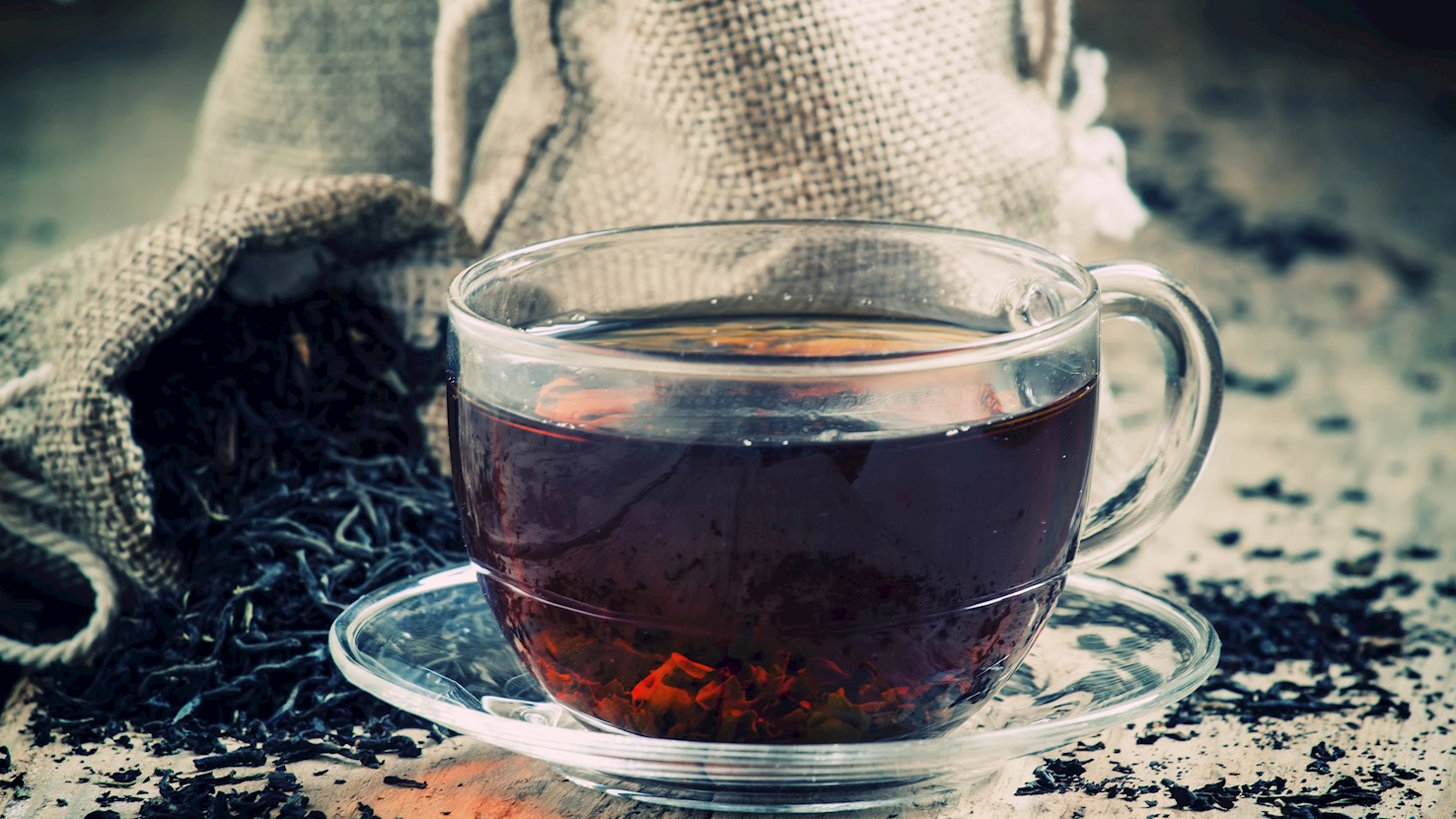
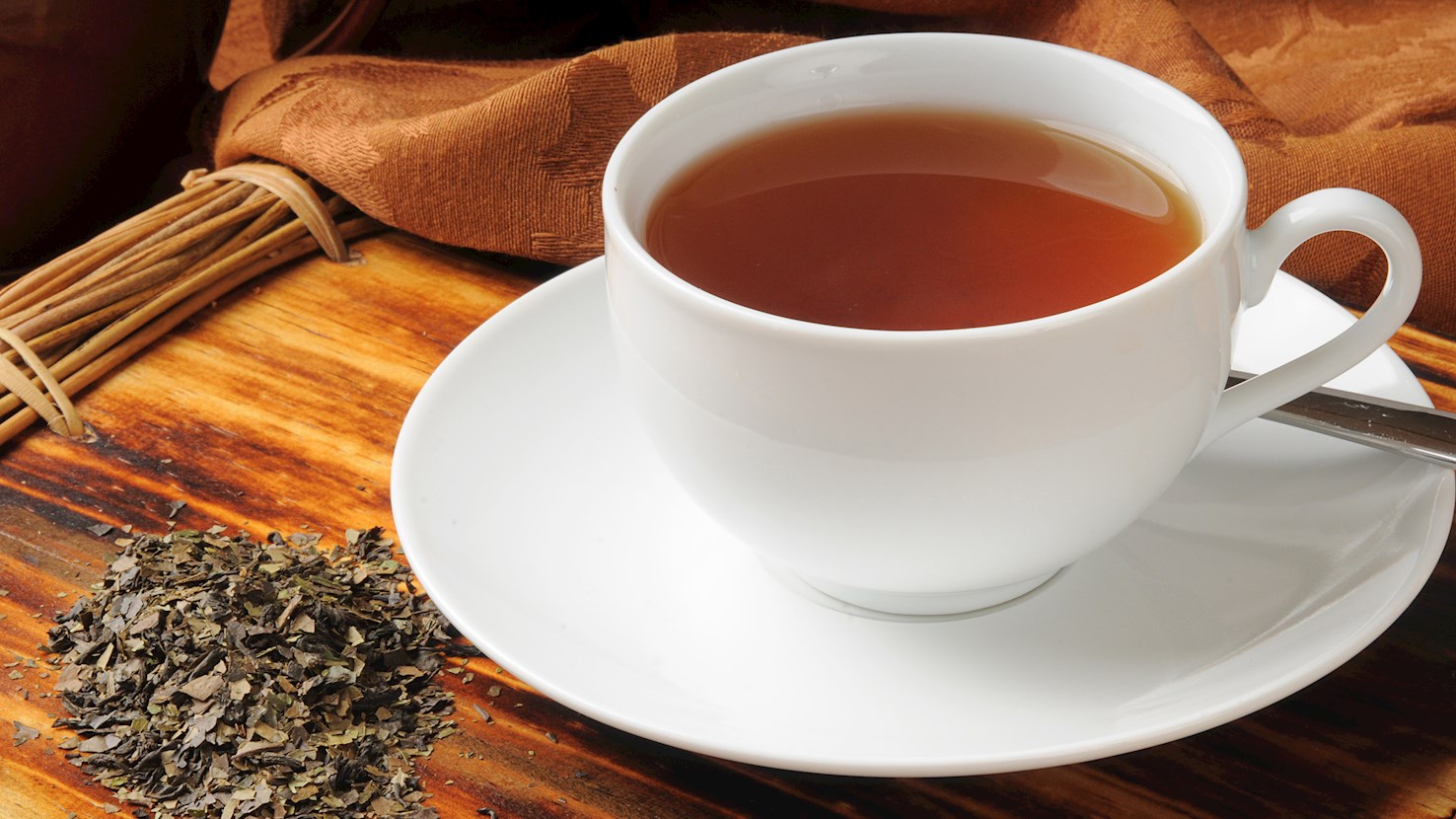
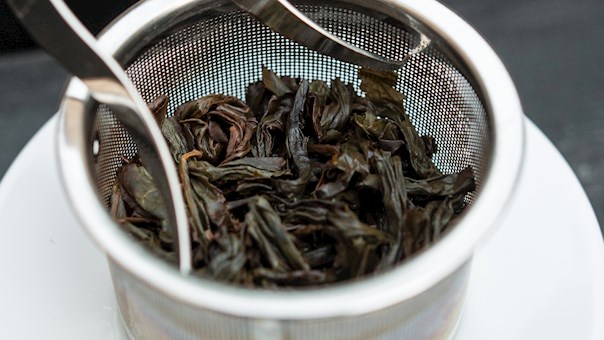
Black tea is a large and diverse category, and what differentiates it from other tea varieties is heavy oxidation—in the process, the tea leaves of the Camellia sinensis plant attain their distinctive dark color and develop earthy notes. When brewed, black tea will usually have a typical amber or brownish hue and stronger flavors and aromas, which may range from savory to sweet and include typical earthy, malty, nutty, and fruity nuances. However, since there are numerous variations and blends available, the final taste profile may significantly vary. Interestingly, in China, black tea is in known as red tea (hong cha)—due to its distinctive red color. The tradition stems from the fact that Pu Erh tea was already known as black tea. There are several legends about how black tea came to be, but it was undoubtedly first made in China. Most historians believe that it originated in Fujian. British and Dutch traders then exported the tea to Western markets, and although in its native country, black tea did not enjoy great success, in the West, it became the most popular tea variety. Eventually, the British went to explore other markets, namely in the Indian region of Assam, where several different sub-varieties of black tea were harvested. Black tea is nowadays mostly produced in China, India, and Sri Lanka. This bold tea is a classic pairing with afternoon tea, but it generally matches a wide variety of rich and savory dishes, desserts, and chocolate.
Tieguanyin is one of the most popular Chinese oolong teas. It is native to the Anxi province of Fujian, and it comes in several styles that vary in quality, oxidation, and roasting levels. Traditional styles are more oxidized and roasted. They are typically amber-colored, rich, toasty, and sweet, with persistent and complex flavor and aromas reminiscent of caramel and toasted nuts. Less baked and less oxidized versions became more prominent in the last couple of decades. They will have a lighter, fresher, and more vegetal character, mild flavor, and an orchid aroma. Tieguanyin is nowadays cultivated in other Chinese regions and Taiwan. This tea can be used in several infusions, and it would pair well with chocolate, while lighter versions may also work well with spicy dishes, dim sum, and sushi.
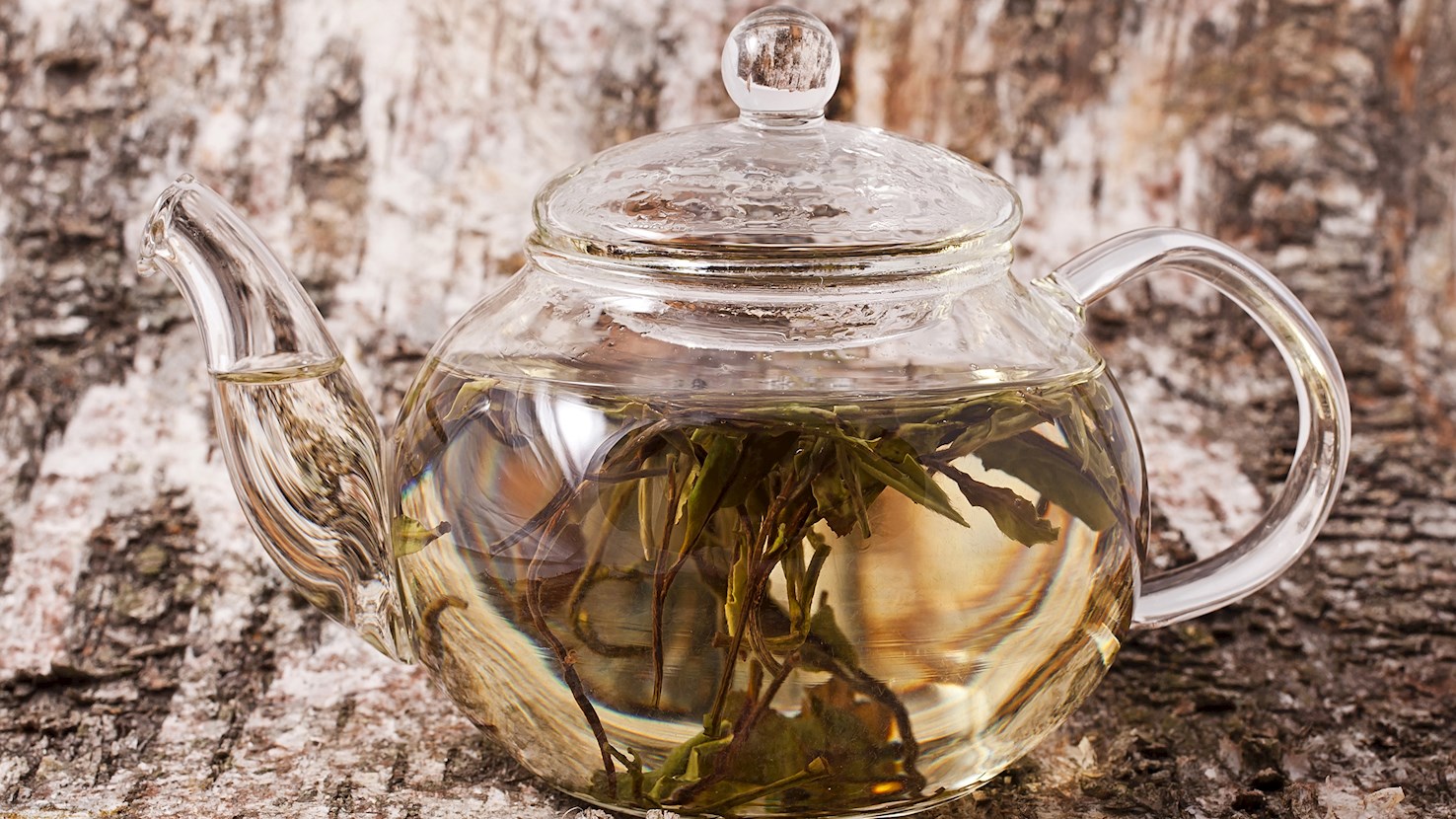
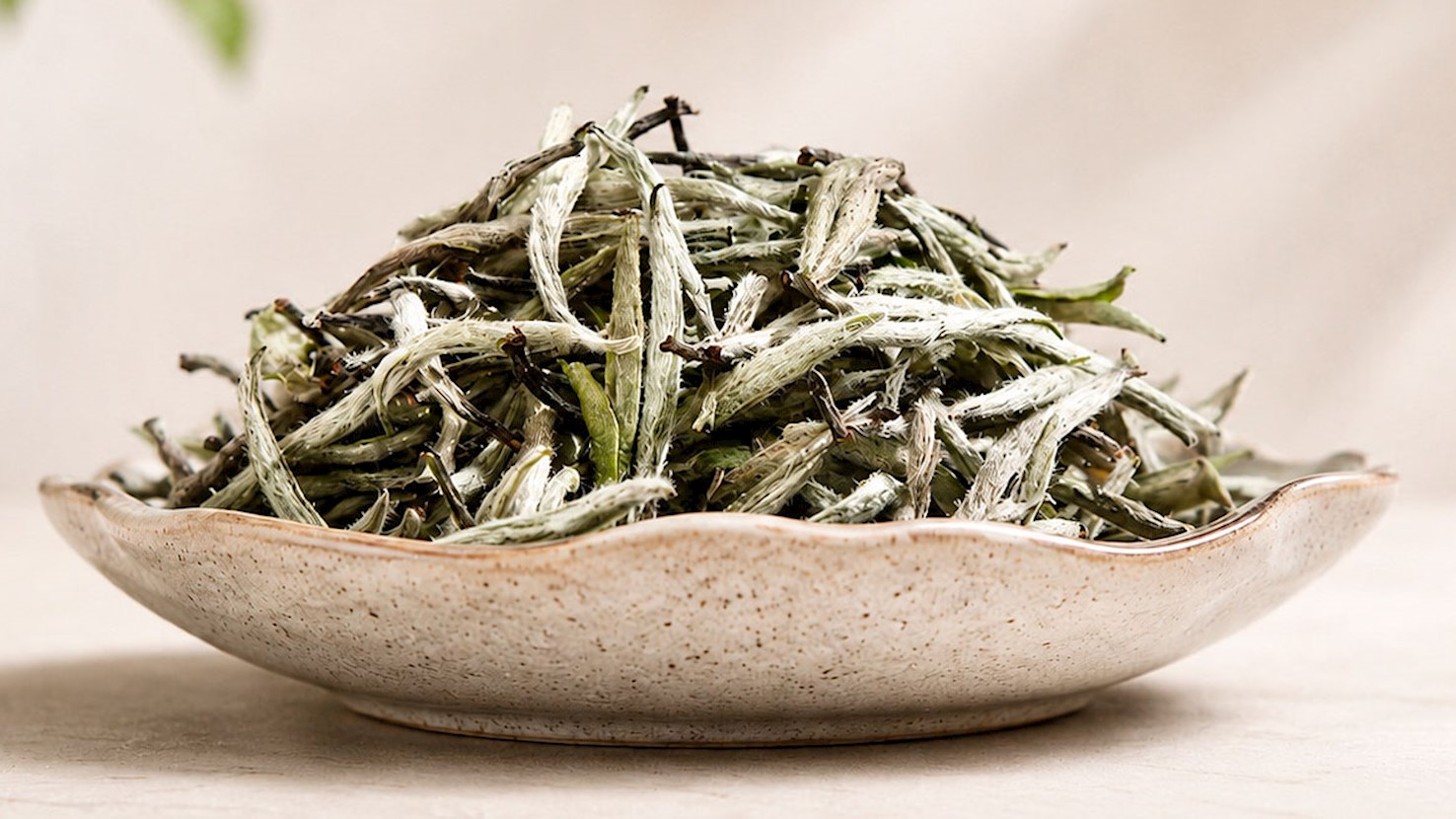
White tea is a category of Chinese tea that has a somewhat vague classification. Still, it is generally considered that this variety is lighter in color and has a more delicate flavor than green or black tea varieties. Although there are several variations, white tea is harvested from the tea plant (Camellia sinensis) when the tea leaves are not fully opened, and the buds are covered in tender white hairs—a trait that gave the tea its name. Usually, white tea is non-oxidized, or it is just lightly oxidized, which helps to preserve its delicate character. When brewed, the tea is usually subtly sweet with a light straw color and subtle aromas and flavors that are often reminiscent of flowers, fruit, honey, vanilla, herbs, or citrus fruit. Although it is not certain, it is believed that white tea originated in Fujian, a region where the most popular Chinese white tea (Silver Needle) is still produced. Because it is hand-picked and time-consuming to produce, white tea is usually more expensive than green or black tea varieties. White tea should never be served with rich and spicy dishes. Its subtle and soft character is best appreciated with mild cheese varieties, subtly-sweet desserts, light salads, and fish dishes, or it can just be sipped before the meal or between the courses.
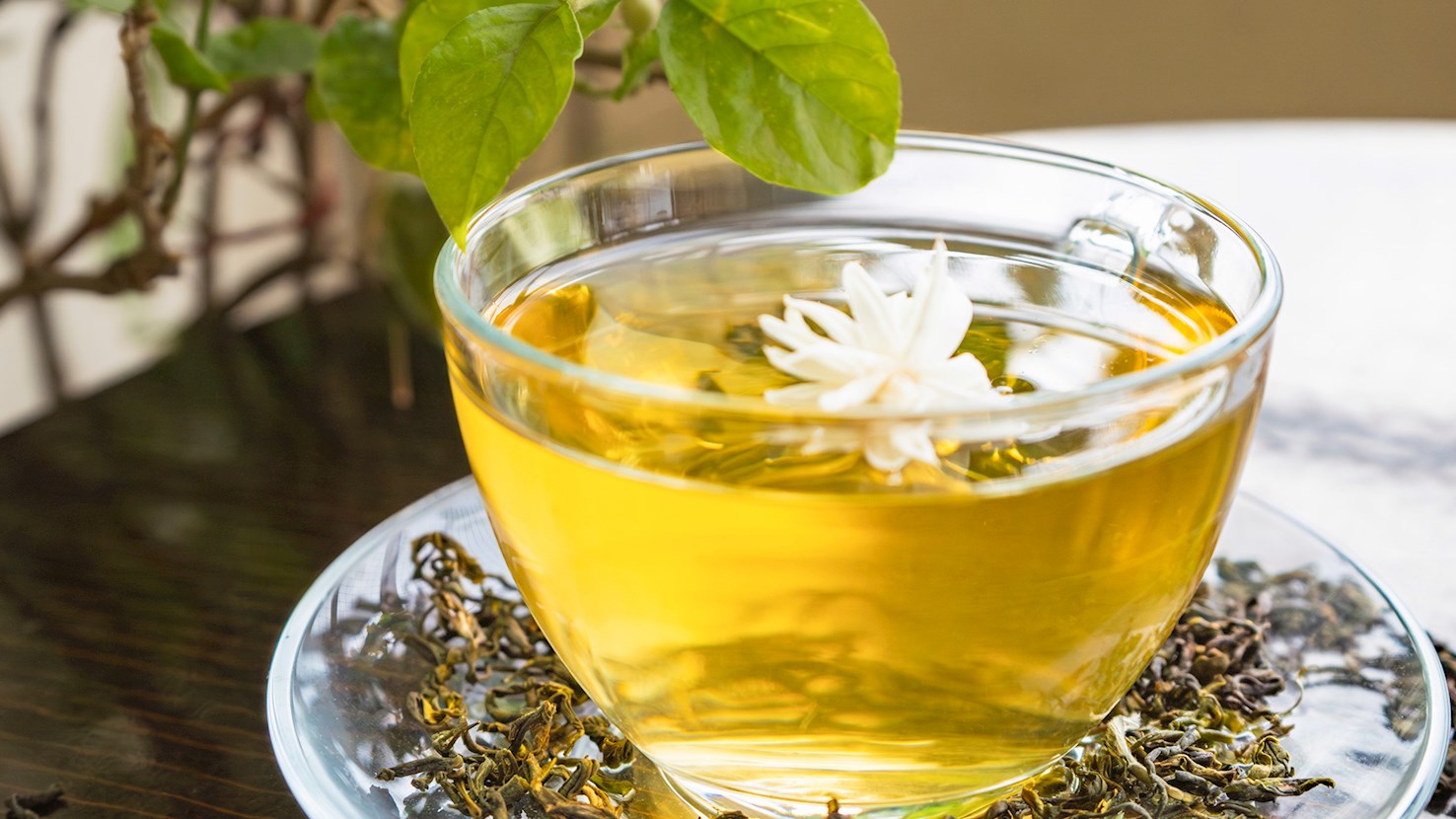
Jasmine tea is a fragrant tea that is typically made by infusing green tea leaves with the delicate aroma of jasmine blossoms. Originating from China, jasmine tea is one of the most famous scented teas, known for its floral fragrance, smooth taste, and calming properties. While green tea is the most common base, jasmine tea can also be made with white, black, or oolong tea. The traditional process of making jasmine tea involves layering freshly picked jasmine flowers with tea leaves. As the blossoms open and release their natural oils, the tea absorbs their sweet, floral aroma. This scenting process is repeated several times to achieve a balanced and long-lasting fragrance. Some premium jasmine teas even include dried jasmine petals for added visual appeal and flavor. Jasmine tea has a light, refreshing taste with sweet and floral undertones, often accompanied by the mild grassy or earthy notes of the tea base. It is prized for its antioxidant properties, relaxing effects, and digestive benefits, making it a popular choice for both daily enjoyment and traditional Chinese tea ceremonies. It can be served hot or cold, plain or lightly sweetened, and pairs well with light snacks, dim sum, or delicate Asian cuisine. Some of the most well-known varieties include Jasmine Dragon Pearl Tea, where tea leaves are rolled into small pearls that unfurl in hot water, releasing a slow, delicate infusion of flavor.
Lapsang souchong is a type of smoky black tea that is traditionally smoke-dried over pinewood. The production process is similar to standard black tea production, with the additional smoking step in which the leaves are dried over a pinewood fire. The smokiness level can vary, but it should never be overpowering. It typically remains even after several infusions. Apart from smokiness, this tea is usually described as malty, subtly sweet, and mellow. It is traditionally enjoyed without any additions, but milk and sugar can be added depending on preference. This distinctive tea originated in Fujian's Wuyi Mountains, and it is traditionally produced from the Bohea cultivar, which is native to the area. Its origin is mainly associated with Tongmu Guan—which is still considered the best and the ideal location for the cultivation and production of authentic version. This tea would pair well with savory dishes, especially meat-based dishes such as pork and lamb. It can also be a good pairing with cheese, game meat, tuna, and breakfast or brunch dishes. Lapsang can also be used in cooking to impart a subtle smoky flavor, and it is sometimes used in blends, particularly breakfast blend and Russian Caravan. Similar tea is also produced in Taiwan.
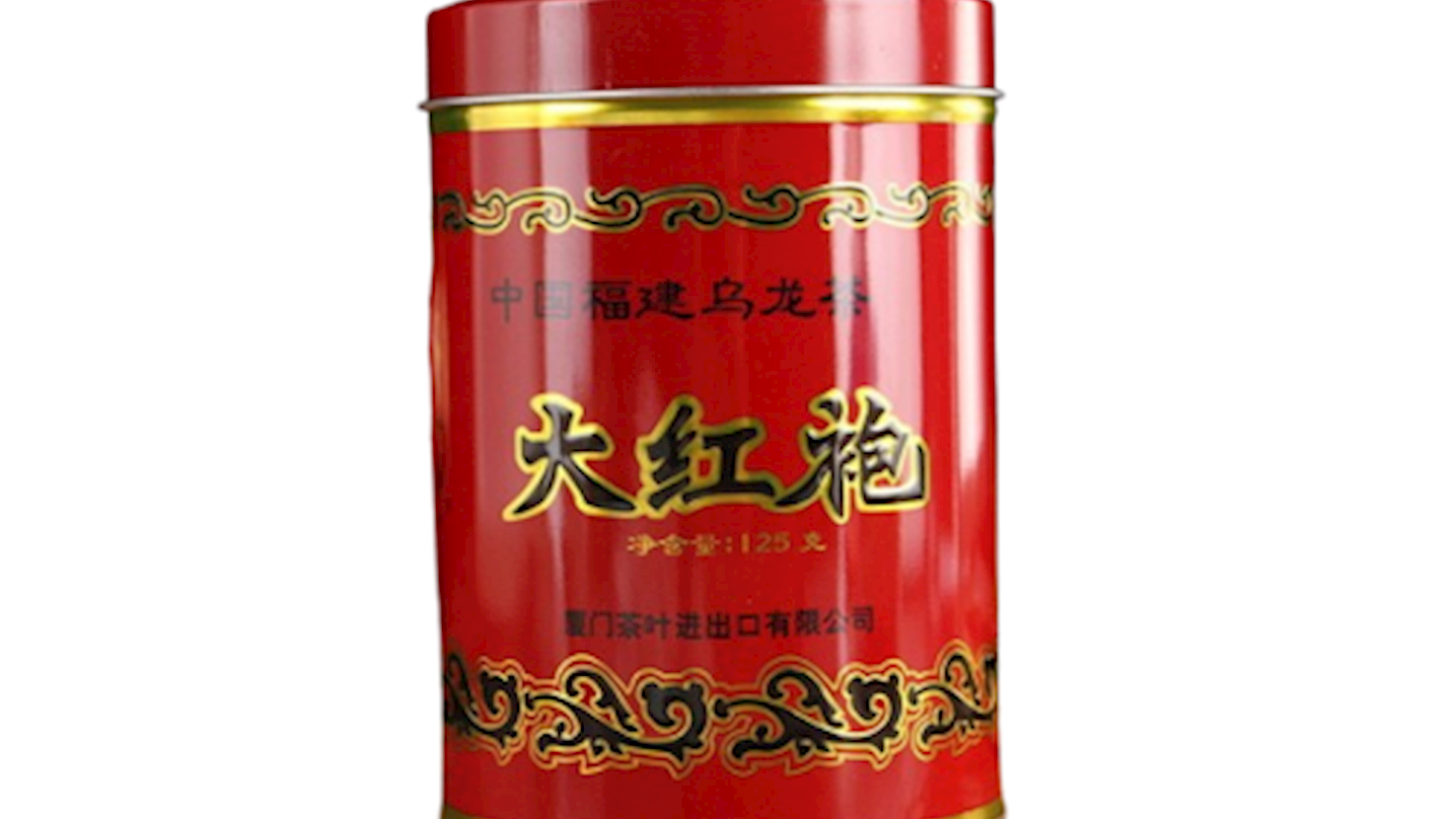
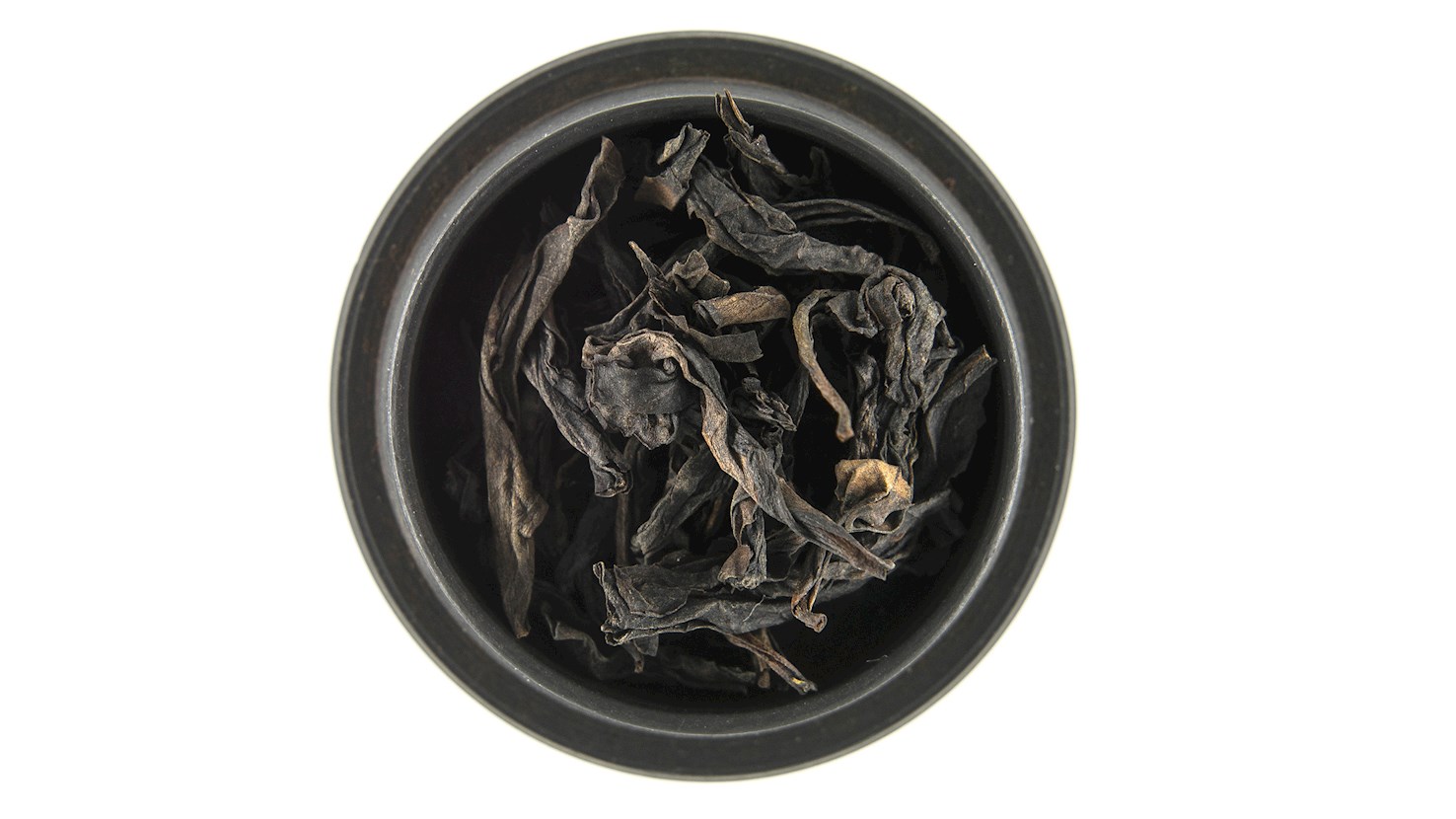
Da hong pao is an esteemed variety of Chinese oolong tea and one of the most expensive teas in the world. It is cultivated and harvested in the Wuyi Mountains of northern Fujian from the plants that mostly grow on cliffs and ledges. This tea is usually heavily-oxidized and typically has an earthy and mineral character with complex aromas and a sweet finish. Da hong pao has a centuries-old tradition and holds a somewhat mythical status in China. The most expensive varieties came from six mother trees, which are considered the only authentic type of da hong pao. These mother trees are no longer used for harvesting and have been protected and insured. In 1998, 20g of da hong pao harvested from mother trees was sold for a remarkable $28,000. Some amount of da hong pao is produced from the mother tree cultivars, but it is mostly available as da hong pao blend, which is made by master tea blenders.
Bai mudan is a type of Chinese white tea that translates as white peony. The tea comes from Fujian, and it is usually hand-picked in spring. Traditionally, one or two leaves and a bud are plucked, and the tea undergoes minimal processing, which typically only includes air-drying. White peony is mostly divided into two varieties: lighter and less fermented version from Fuding and a variety from Zhenghe that usually has a slightly fuller body. Both of these teas praised for their subtle sweetness, refreshing flavor, and typical herbaceous and earthy notes. They also have a light floral and fruity nuances. Bai mudan is slightly stronger than silver needle tea.
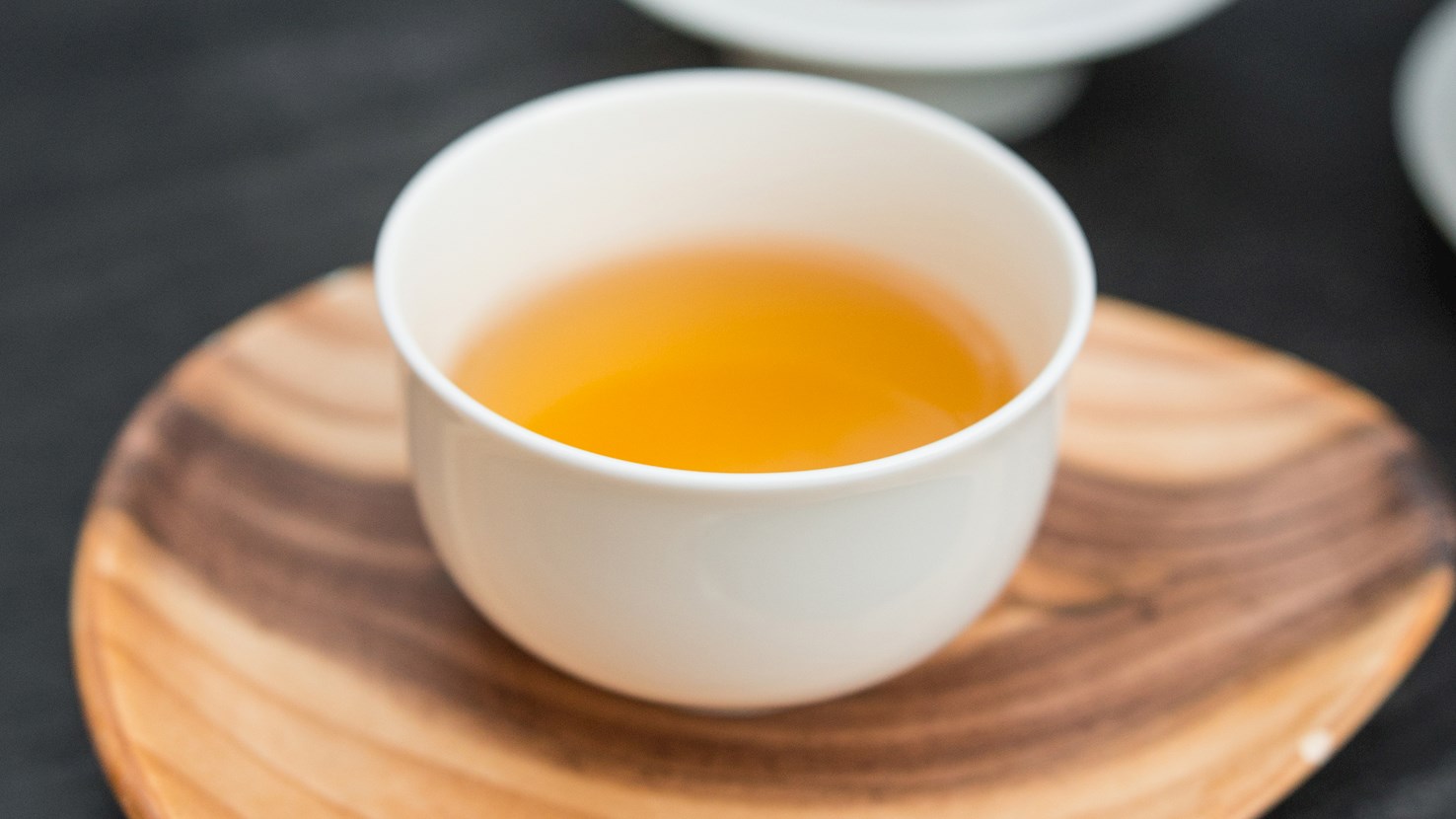
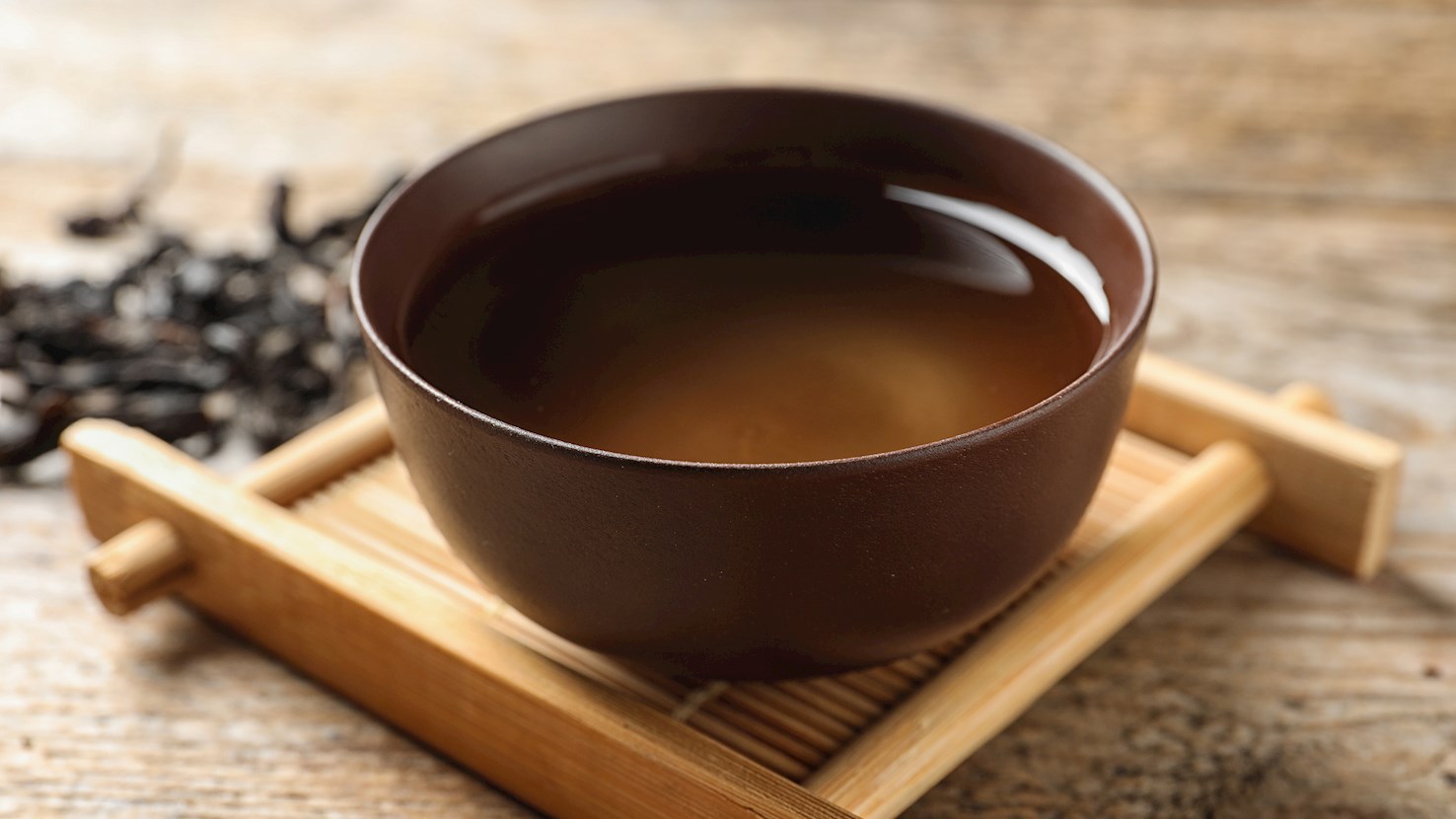
Rougui is an oolong tea that hails from the Wuyi Mountains in Fujian. It is one of the most esteemed Wuyi rock teas known for its persistent and complex aromas. Though roasting levels may differ, the tea will usually have brown, bright, and curly leaves. The brewed tea is clear, orange-yellow to amber, and has a long-lasting, warm, and sweet floral aroma. The flavor is mellow, smooth, floral, and fruity, often displaying woody and mineral notes, while the finish is long and sweet. As it matures, rougui tea will typically become milder. It can be paired with seafood.
Fuding white tea is a category of Chinese white tea produced in and around Fuding, a coastal city in northeastern Fujian known for cultivating the Da Bai tea cultivar, which is valued for its large buds and light processing requirements. It is recognized as one of the key white tea production areas in China, with official records identifying Fuding as a major source of white tea since the early Qing period when local growers began selecting and propagating cultivars suited to low-intervention processing and sun-withering methods. Over time, farmers in Fuding refined selective harvesting of buds and young leaves, and by the nineteenth century the region was already associated with teas such as Silver Needle and White Peony, which relied on minimal handling and specific drying techniques that local climate conditions made feasible. Preparation begins with early spring picking focused on buds or buds with young leaves, depending on the desired grade. The leaves are spread out for natural withering, allowing moisture to evaporate slowly while preserving the downy surface on the buds. They are then subjected to gentle drying, either using controlled heat or extended sun-drying, which stops oxidation without altering the chemical profile through rolling or pan-firing. This limited processing gives the tea a pale liquor and a restrained aroma while preserving a high level of amino acids. One feature that sets Fuding white tea apart is its capacity to age; stored properly, it deepens in color and flavor over years without undergoing the intensive fermentation associated with other aging teas. This is possible because the low-intervention processing leaves enzymes and microflora intact, allowing gradual transformation under controlled humidity and airflow. Fuding white tea is consumed across China and internationally, prepared with water below boiling temperature to maintain clarity and prevent bitterness. It is served in glass cups, porcelain gaiwan, or small teapots, depending on preference. In Fuding and throughout Fujian, it appears in daily tea sessions, at meals, and as a beverage offered to guests. It pairs well with mild foods such as steamed seafood, neutral pastries, and lightly seasoned vegetables, while aged versions can accompany richer dishes due to their deeper, slightly woody character. For beverages, its lighter styles match well with plain water infusions and fruit-based snacks, and aged forms complement mellow teas or low-tannin wines when served in tasting contexts.
TasteAtlas food rankings are based on the ratings of the TasteAtlas audience, with a series of mechanisms that recognize real users and that ignore bot,
nationalist or local patriotic ratings, and give additional value to the ratings of users that the system recognizes as knowledgeable.
For the “Top 13 Fujian Teas” list until September 15, 2026, 679 ratings were recorded, of which 639 were recognized by the system as legitimate.
TasteAtlas Rankings should not be seen as the final global conclusion about food. Their purpose is to promote excellent local foods,
instill pride in traditional dishes, and arouse curiosity about dishes you haven’t tried.
The initial list of top producers was compiled based on available reviews, awards, local recommendations, media and blog coverage, and consumer reviews.
The list will be updated with ratings from TasteAtlas local ambassadors and TasteAtlas users.






What People Say