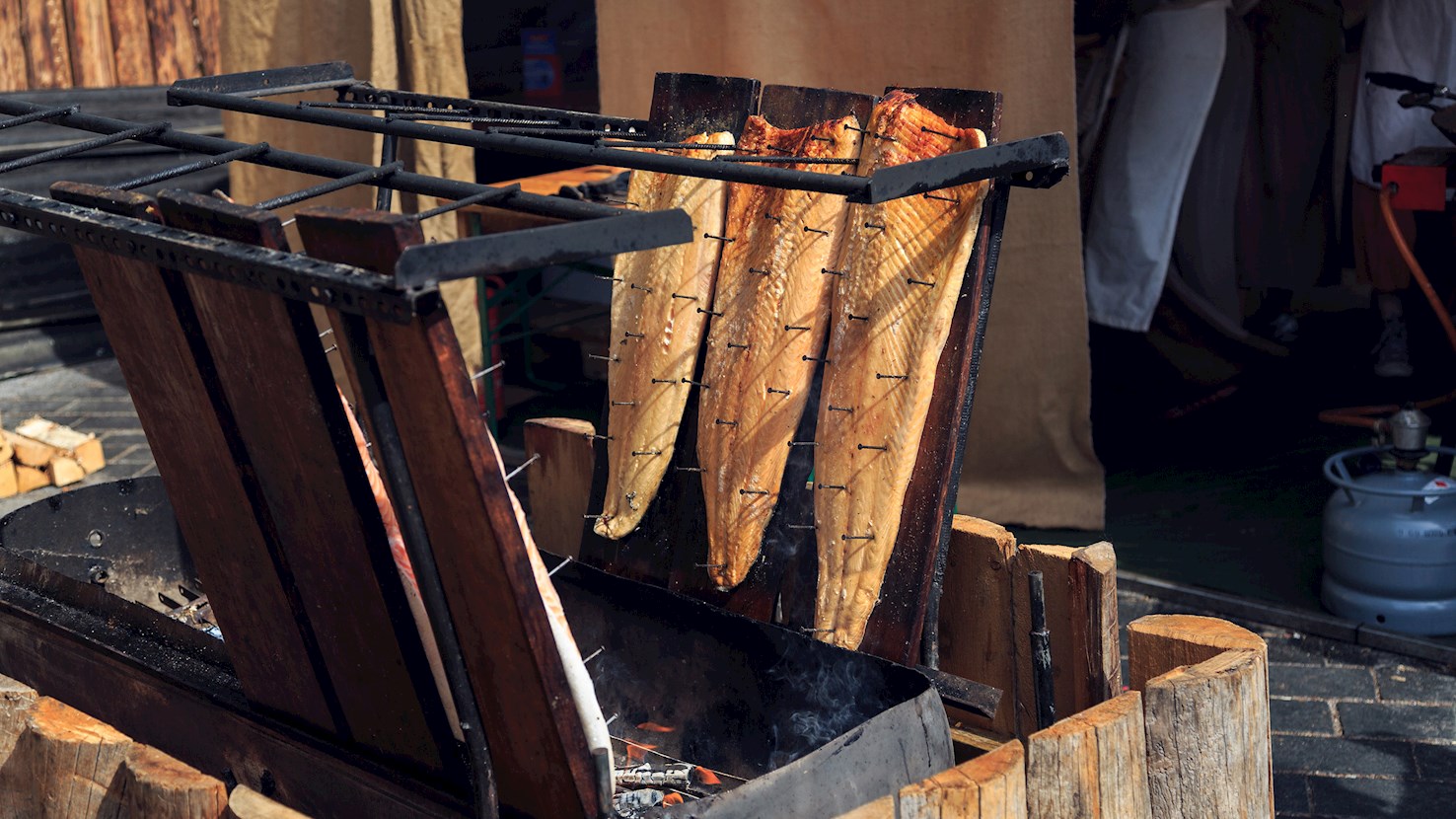
Loimulohi is a traditional method of preparing salmon or rainbow trout. The fish is smoked on a wooden plank that's placed vertically over an open fire. Before the process, the salmon is usually seasoned with sea salt and drizzled or brushed with lemon juice, honey, or juniper berries. The cooking time depends on the distance from the coals. Once done, the smoky fish can be eaten straight off the plank.
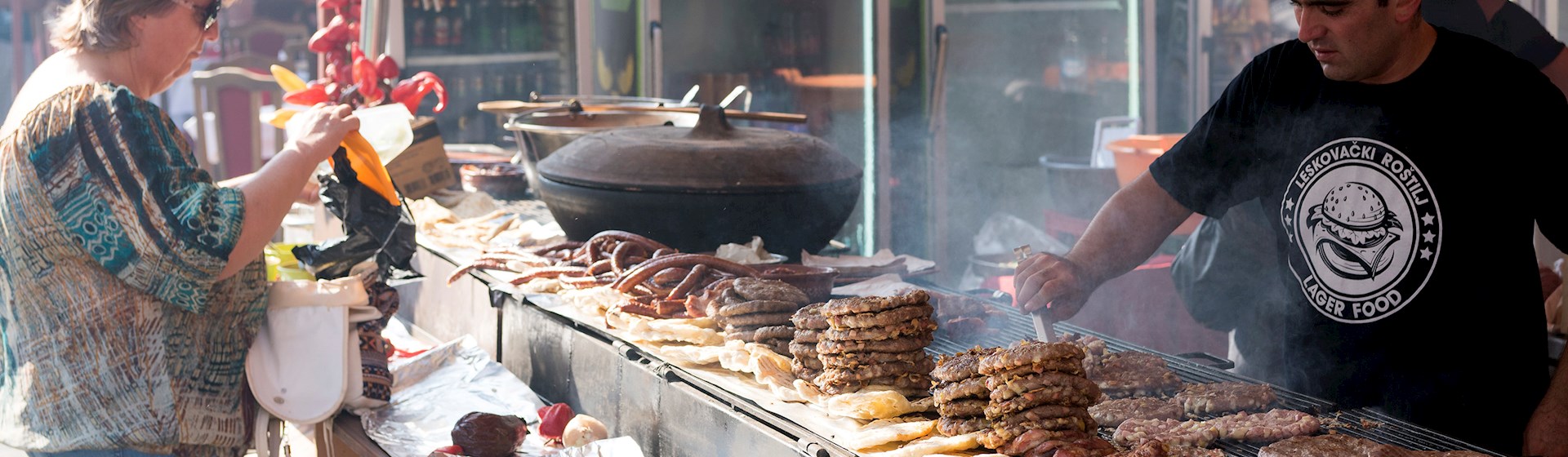
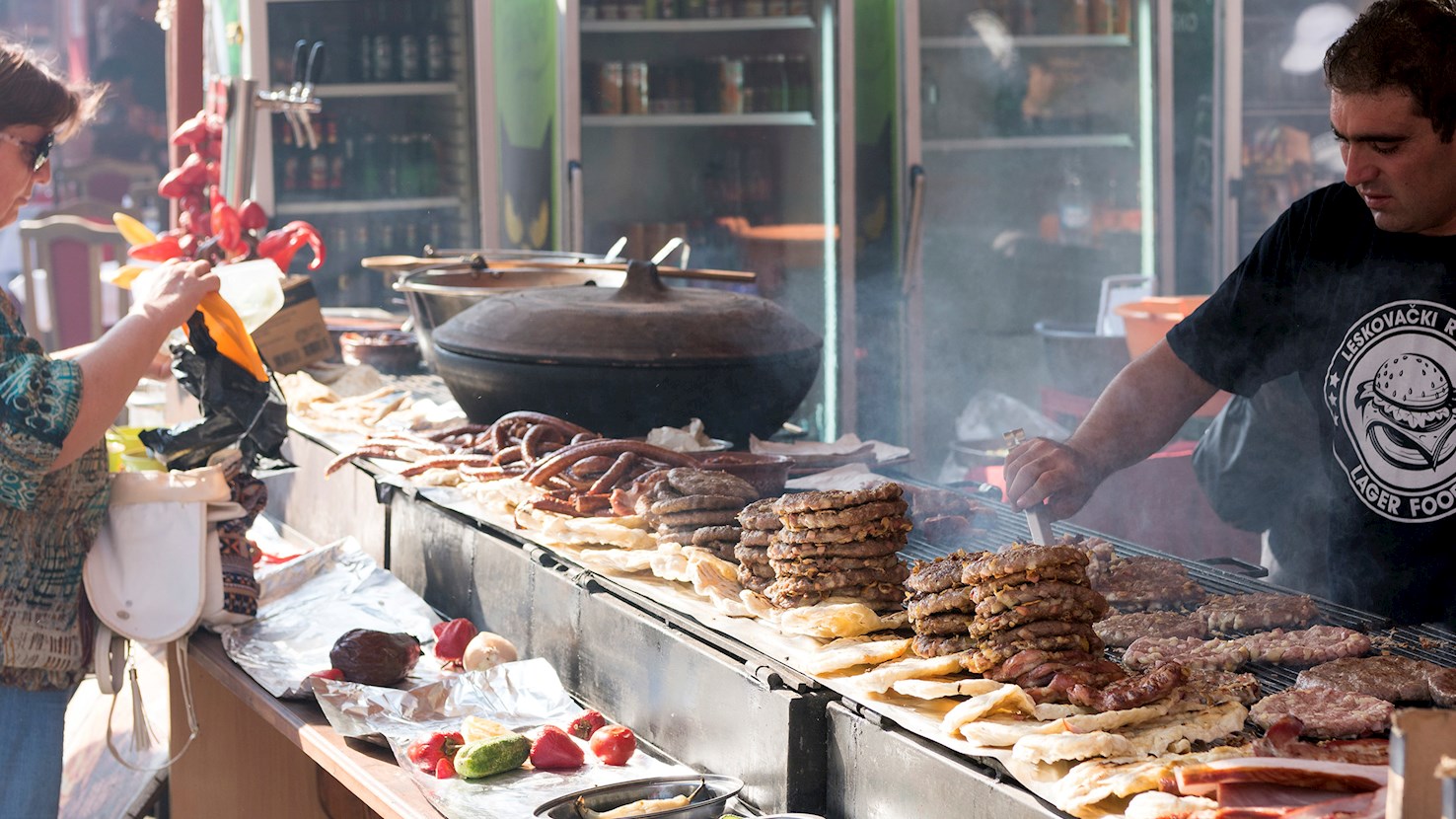
Leskovački roštilj refers to a traditional method of grilling meat which is considered the highest form of barbecue art in Serbia and beyond. Hailing from Leskovac, the technique, according to local belief, is thought to have been brought over from the Caucasus via Turkey, Greece, and Macedonia hundreds of years ago. Although the exact preparation of the meat remains a secret known only to Leskovac barbecue masters, what is generally known is that the ground mixture traditionally consists of beef that is chopped, ground (first coarsely and then finely), seasoned, and allowed to sit for at least 48 hours before cooking. Apart from the meat, the ground mixture also typically contains chopped onions and ground pepper. Leskovac grilling method calls for cooking the meat on a grill over glowing coals, a process that produces juicy flesh with a pleasant, smoky fragrance. Although beef is the most traditional choice, pork and chicken specialties are also featured on a Leskovac grill. The traditional meat specialties that go on the Leskovac grill include pljeskavica (a Serbian-style burger or meat patty), ćevapi (small skinless sausages, similar to kebabs), mućkalica (mixed meat dish), smoked sausages, uštipci (meatballs), vešalica (pork steak in lambrequin), and skewered meat, among others. Leskovac barbecue is not just a cooking technique but an essential part of local and national cuisine, tradition, and culture. This barbecue style has become internationally known over the years, and nowadays, restaurants serving Leskovac-style barbecue specialties can be found in numerous countries in Europe, USA, and Australia. To honor Leskovac barbecue, a barbecue festival called Roštiljijada is held annually in Leskovac in September. As of November 1, 2018, Leskovac barbecue has officially become a protected regional brand in Serbia.
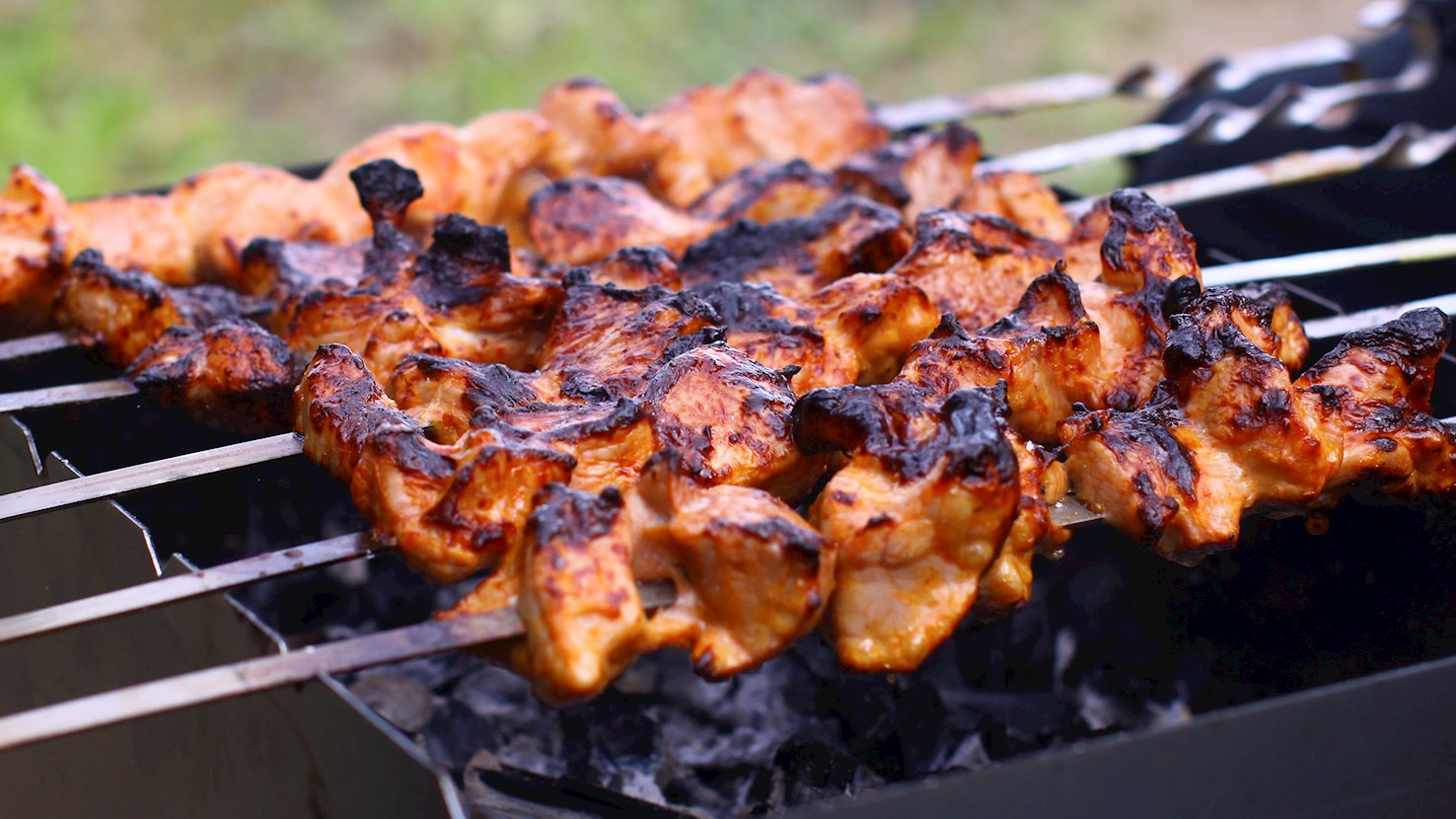
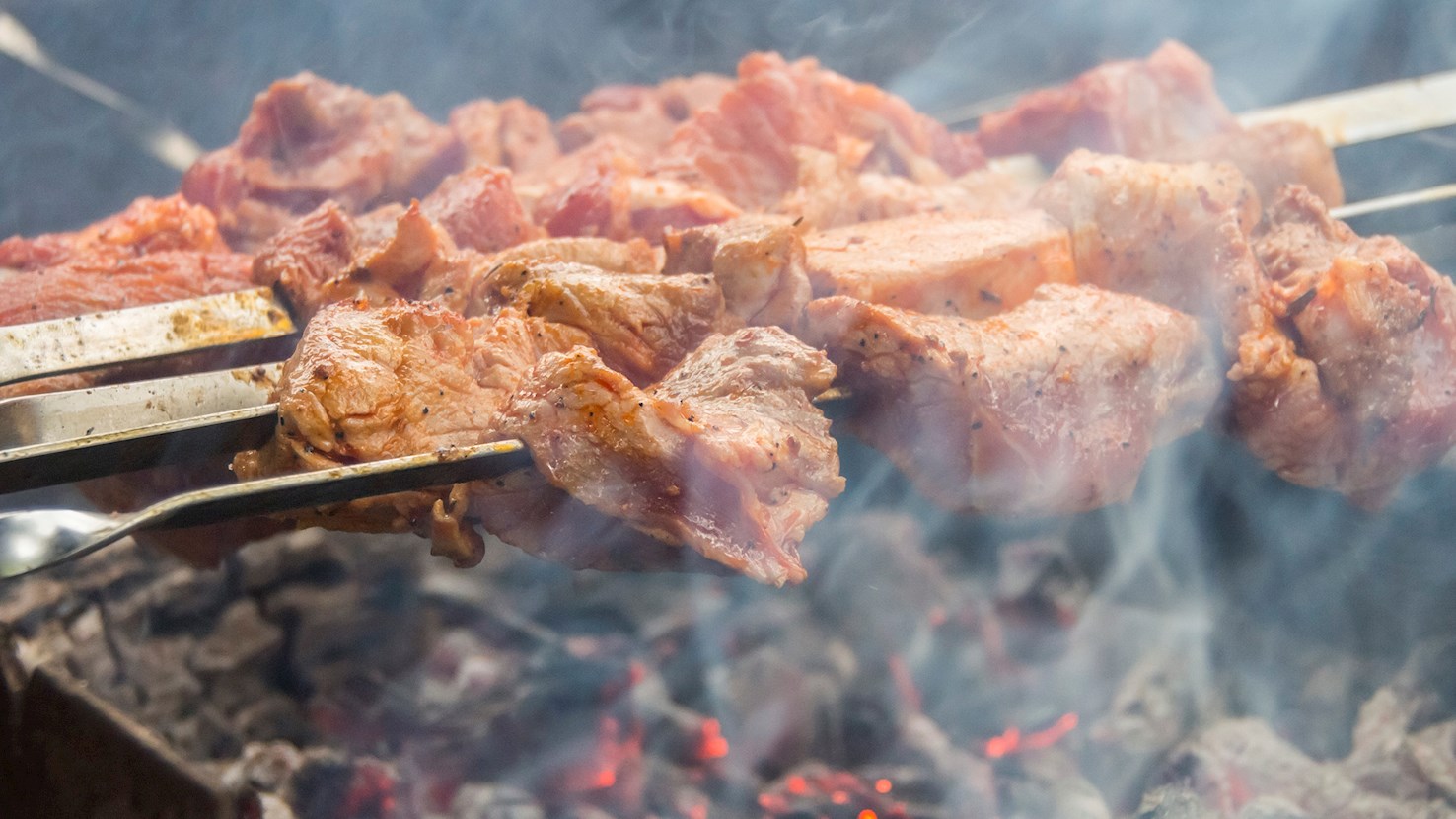
Shashlik is the name for a traditional Central and West Asian barbecue consisting of marinated, skewered, and grilled chunks of meat such as lamb, beef, or pork, depending on regional and religious preferences. Lamb, beef, or pork is usually combined with chunks of vegetables such as bell peppers, onions, mushrooms, or tomatoes. The meat is typically marinated overnight in vinegar, herbs, spices, and dry wine. In Russia, barbecue is traditionally reserved for men, who are in charge of the whole grilling process, while the women are usually busy slicing vegetables and setting the tables. Shashlik is traditionally prepared for events with a large number of people gathered around the fire, cooperating and socializing in the process, making the dish a communal affair. Because the origins of the dish lie between Turkey and Russia, many believe that the name is derived from the Turkish word shish, meaning skewer. In Georgia, shashlik is known as mtsvadi.
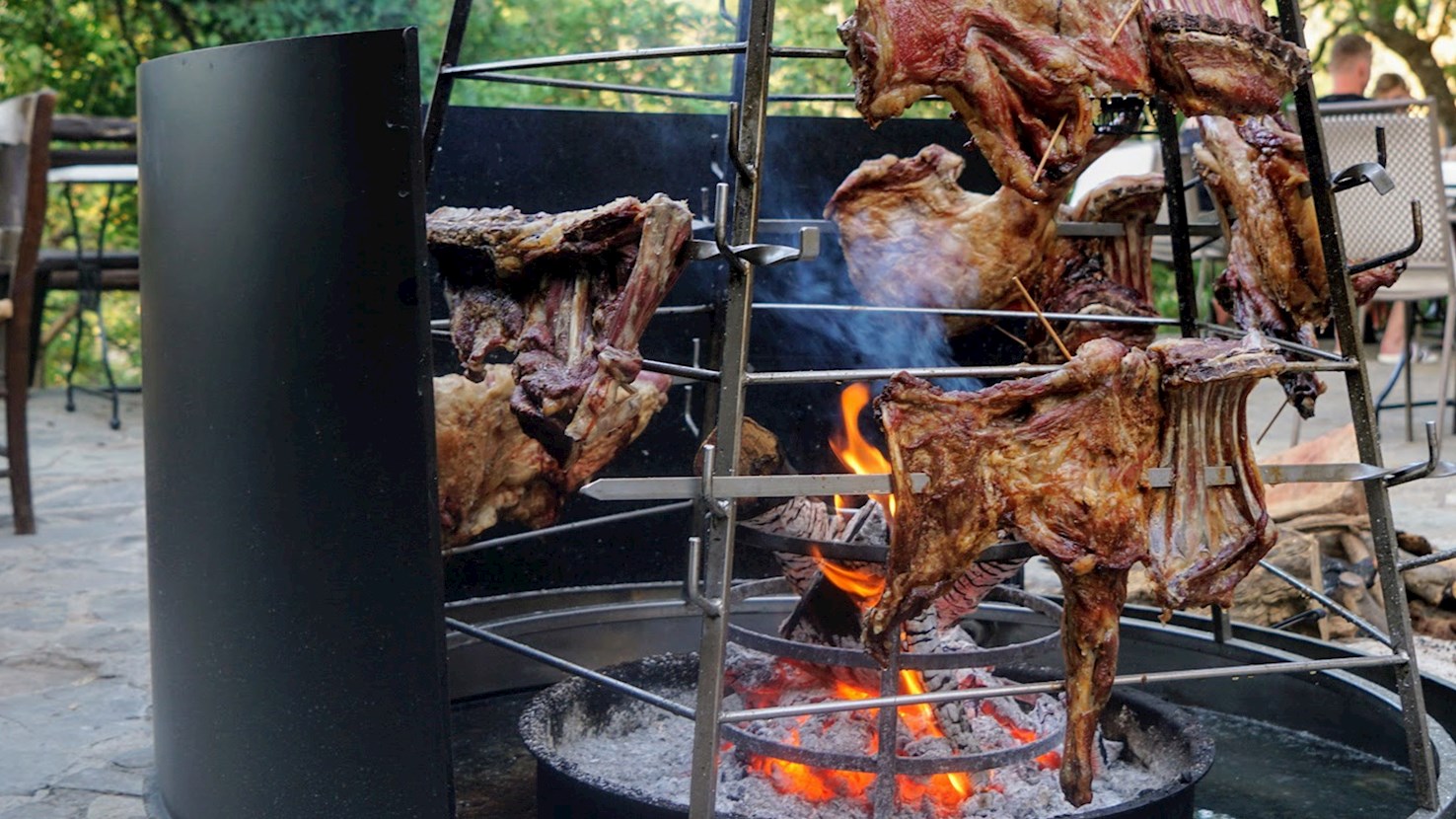
Antikristo is a traditional technique of cooking meat on Crete. A young lamb (or a goat, on rare occasions) is cut into four pieces (called goulidia), salted, then placed on big wooden skewers that are arranged around the fire in a circular formation, taking into consideration the direction of the wind, the intensity of the fire, and the distance between the fire and the meat. This process lets the meat cook in its own fat and salt with the heat coming from the flames instead of coals. The name antikristo means across the fire, describing this unique technique. The meat is slowly cooked, sometimes up to 6 hours, and it develops different flavors in the process. In the past, antikristo was common in the villages of Psiloritis mountain, but nowadays it can be found anywhere in Crete. Traditionally, it's prepared and cooked exclusively by men, most often shepherds.
Khorovats is a unique Armenian barbecue method where the meat is first placed on a set of high-quality skewers called shish and shampoors, then grilled on mangal, a grill often shared among neighbors, or less commonly, baking it in tonir, a built-in clay oven. Although any quality meat is suitable for khorovats, most often it is prepared with pork chops and pork ribs that are typically only seasoned with salt and pepper, and marinated for a short time in a marinade that should not contain any vinegar, as it affects the meat's flavors. One popular version of Armenian barbecue is Gharsi khorovats, named after the city of Kars, where meat is cooked on a revolving vertical spit, then served wrapped in lavash flatbread. Typical side dishes include roasted vegetables, onions, flatbreads, cheese, tomato-cucumber salad, and pickled green chili peppers.
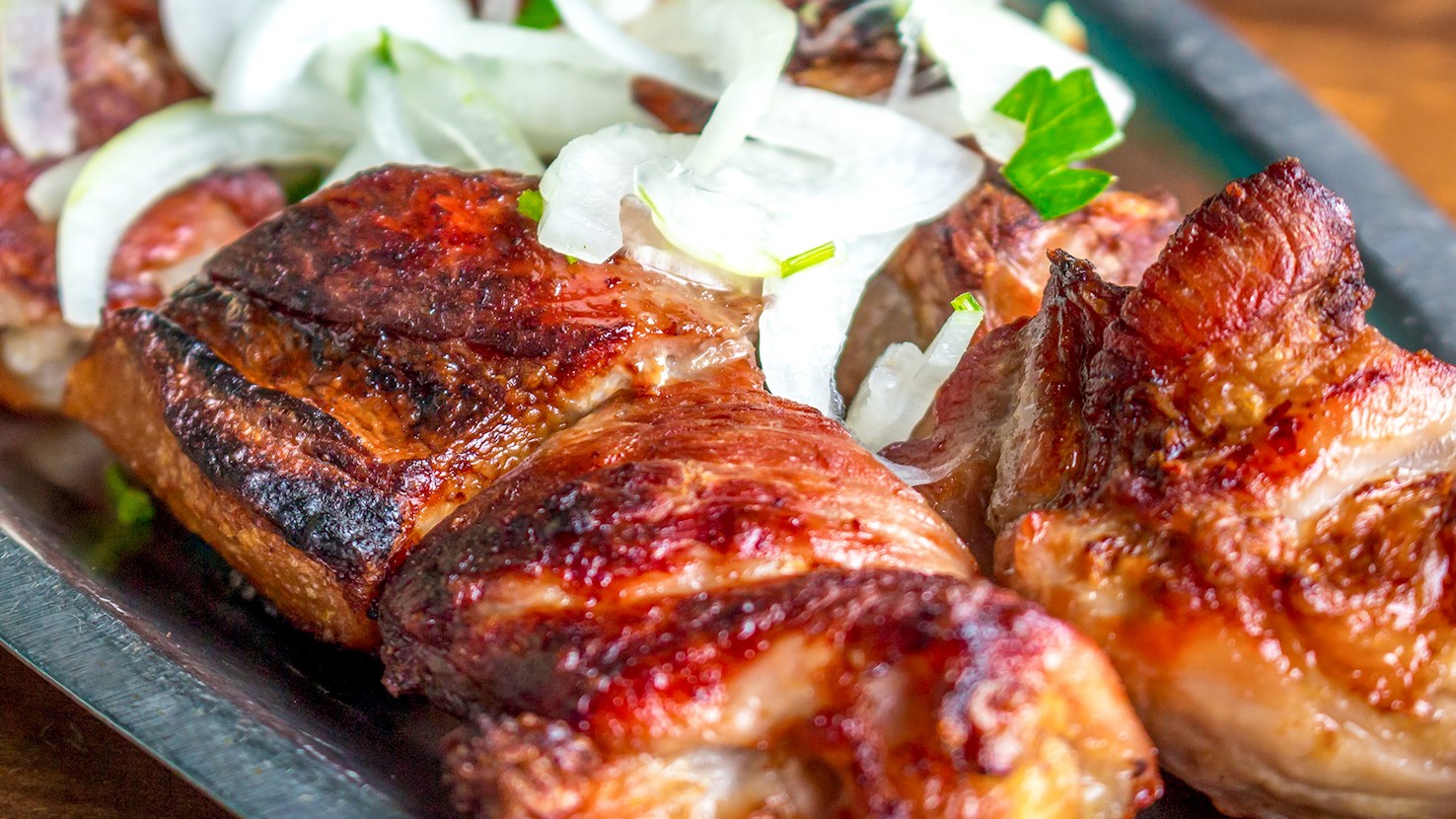
Mtsvadi is a traditional dish consisting of a skewered shish kebab. Pork, mutton, or veal is typically marinated in a mixture of lemon juice, pomegranate juice, tarragon, salt, pepper, and chopped onions, so that it remains tender and juicy when grilled. Mtsvadi is often prepared outdoors over an open fire. It is recommended to serve the dish with tkemali plum sauce, raw onion rings, sliced tomatoes, and pomegranate seeds.
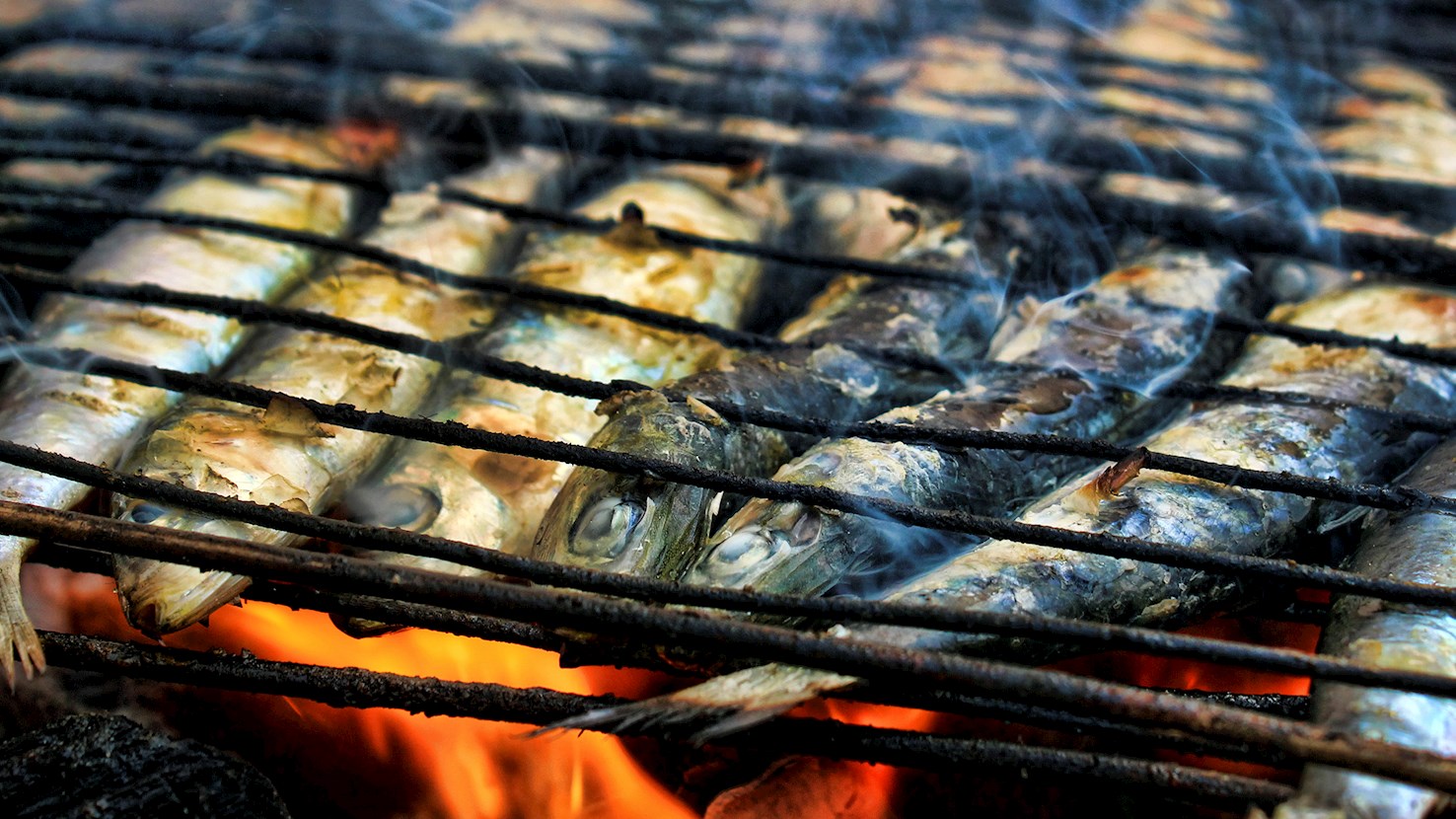
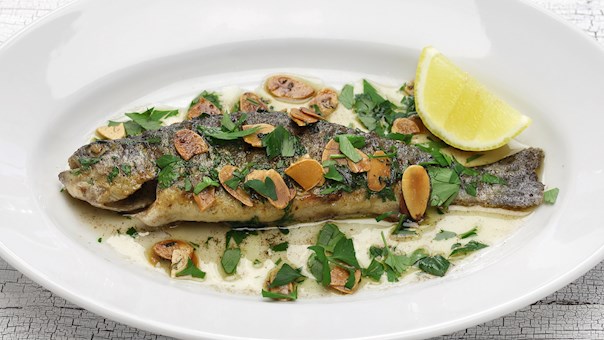
Originating from the Croatian coast, gradele is a traditional way of grilling fresh fish over an open fire. Although fish is the most common option, meat and snails can also be prepared in the same way. The word gradele refers to a simple metal grate, but it's also a Dalmatian ideology and lifestyle during summer. The fish can be small or big, heads included, and what's important is to perfectly grill the fish while keeping it juicy at the same time. During the preparation, the fish is usually brushed with a rosemary branch that's been dipped in olive oil. Once prepared, the fish is traditionally served with a combination of olive oil, parsley, and garlic, while typical side dishes include boiled potatoes or blanched swiss chard. For the best experience, end the meal with a glass of local wine.
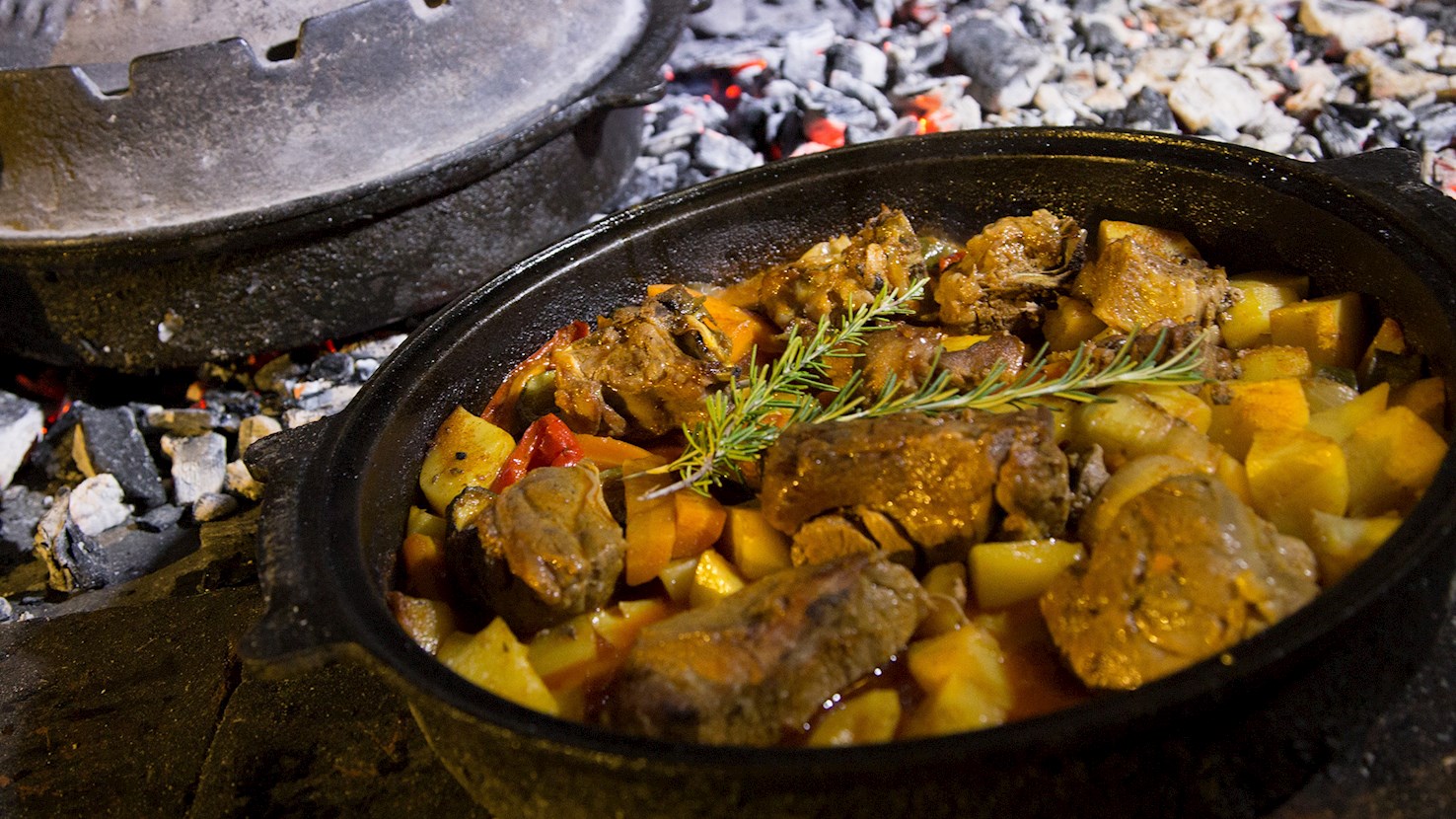
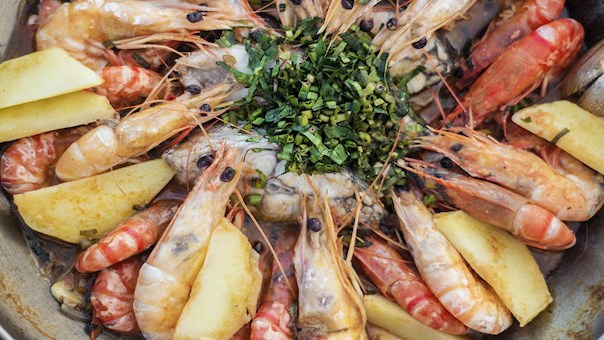
Peka or sać is an ancient technique of preparing various dishes inside the eponymous bell-shaped cooking vessel. The technique is mostly used for the preparation of meat, vegetables, or seafood that are seasoned and cooked together with olive oil, other types of fat, herbs, and occasionally wine. The dome-shaped lid is put on top, and the whole vessel is then placed in an outdoor fireplace, while the lid is covered with hot embers. This preparation technique allows the ingredients to cook slowly and keeps all the flavors and aromas intact. Peka was once a staple method of preparation that was common throughout Croatia, Bosnia, and Serbia, used not only for cooking meat, but for baking bread, pastries, or cakes. It is believed it initially appeared as an adaptation of primitive techniques for baking ingredients covered in clay, and later as an affordable option in households that could not afford ovens. Nowadays, peka is one of the signature techniques in Dalmatia, used to create hallmark dishes of the region such as veal (teletina) or lamb (janjetina) under the lid (peka), as well as octopus or bread baked under the lid. Apart from Dalmatia, the technique is also used in Istria and Bosnia, while it is also occasionally found in continental Croatia, Serbia, and other Balkan regions. The vessel is most commonly made from cast iron, though some traditional versions may also be made from clay. The lid is usually rigged and has a metal ring which is used to hold the embers on top. Dishes baked under the lid are commonly found in traditional restaurants, where you usually have to order it in advance, but some households also cherish this tradition and prepare these dishes for special occasions and various social gatherings.
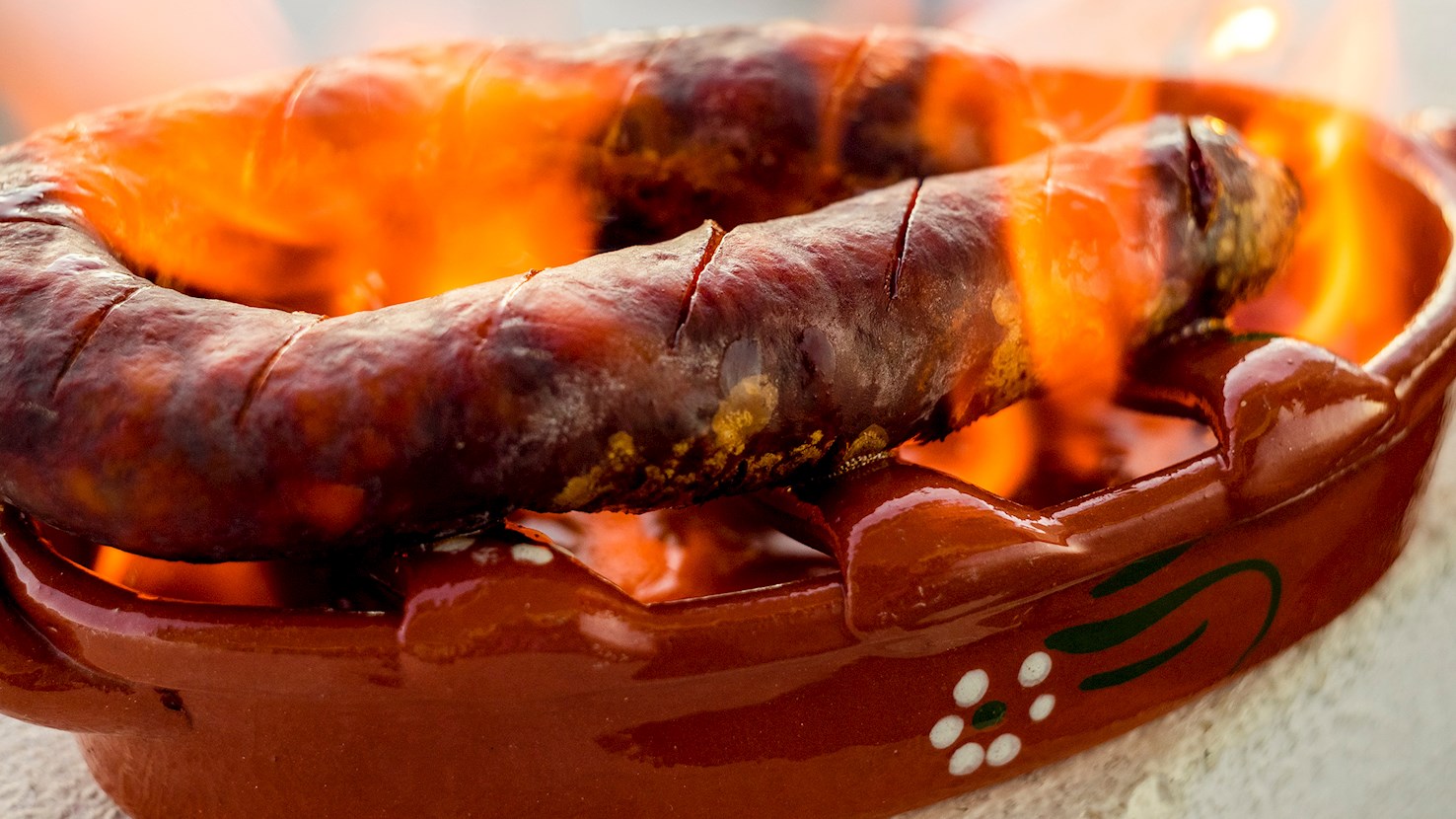
Chouriço assado is a Portuguese technique of grilling chouriço, a traditional pork sausage, over boat-shaped terracotta bowls (assador). The bottom of the vessel is filled with aguardente—a strong local spirit—which is set on fire before the sausage is placed on top and is then allowed to cook over flames until it is crisp and slightly charred. This preparation technique is common in Portuguese restaurants, and it is often prepared tableside. Apart from the chouriço, the technique can be used for grilling other types of sausages such as linguiça, farinheira, and alheira.
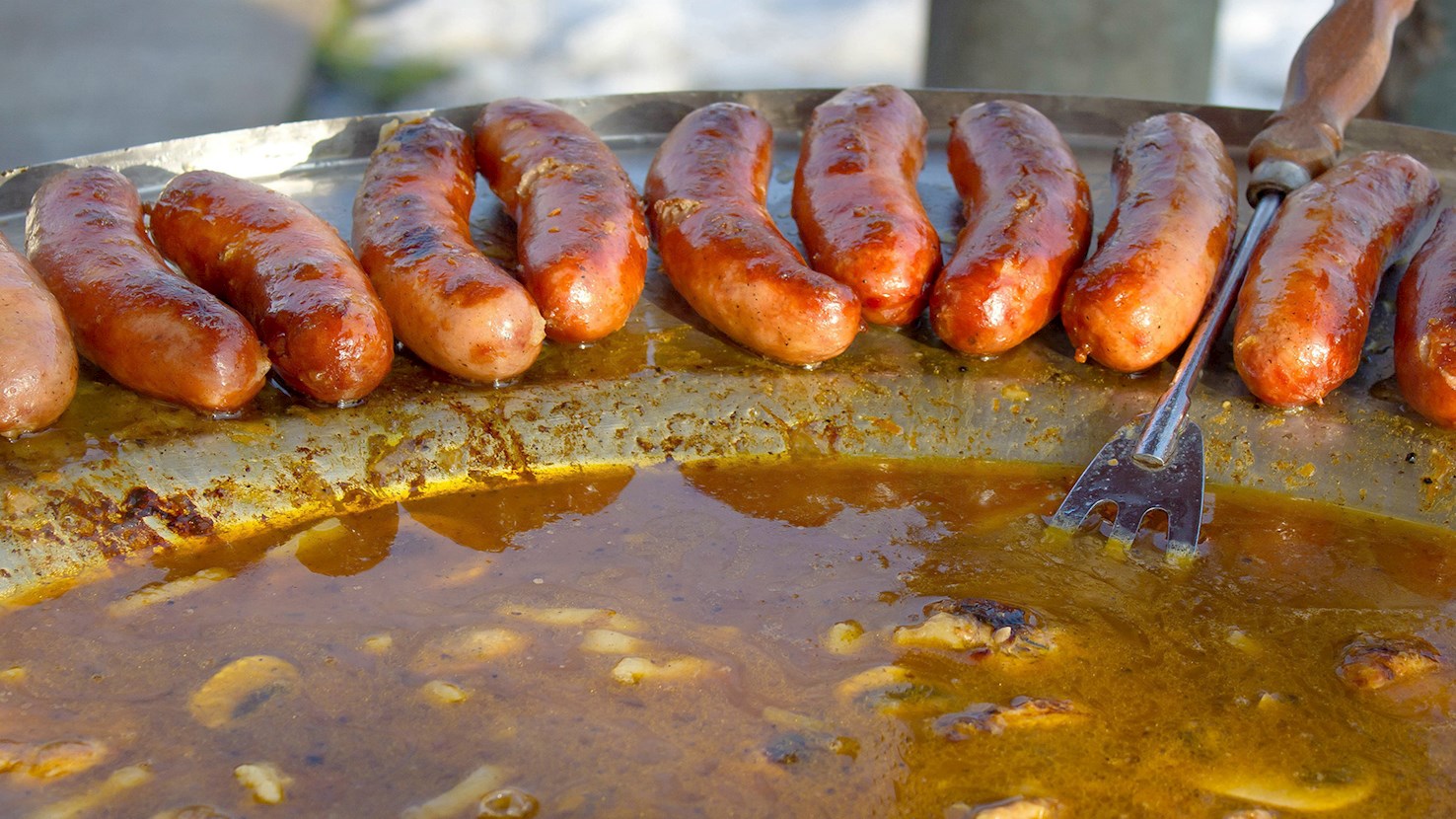
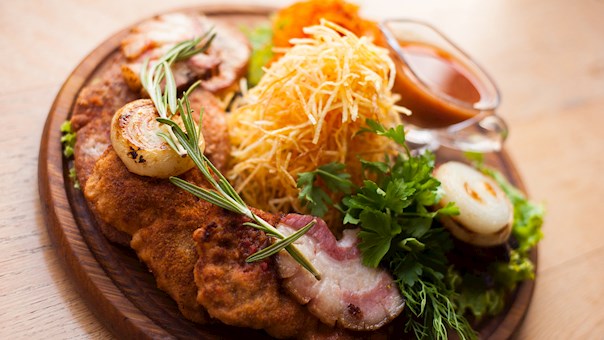
Kotlovina is a traditional dish made by cooking various types of meat, sausages, and vegetables in a large, shallow plate that is placed over an open fire. The dish is typically prepared outdoors, often in gardens or courtyards. There are numerous recipes for kotlovina, but the meat is usually seasoned with salt, pepper, and oil. It is recommended to serve the dish with roasted potatoes or a fresh salad on the side.
TasteAtlas food rankings are based on the ratings of the TasteAtlas audience, with a series of mechanisms that recognize real users and that ignore bot,
nationalist or local patriotic ratings, and give additional value to the ratings of users that the system recognizes as knowledgeable.
For the “Top 28 European Techniques” list until September 15, 2026, 3,111 ratings were recorded, of which 2,259 were recognized by the system as legitimate.
TasteAtlas Rankings should not be seen as the final global conclusion about food. Their purpose is to promote excellent local foods,
instill pride in traditional dishes, and arouse curiosity about dishes you haven’t tried.






What People Say