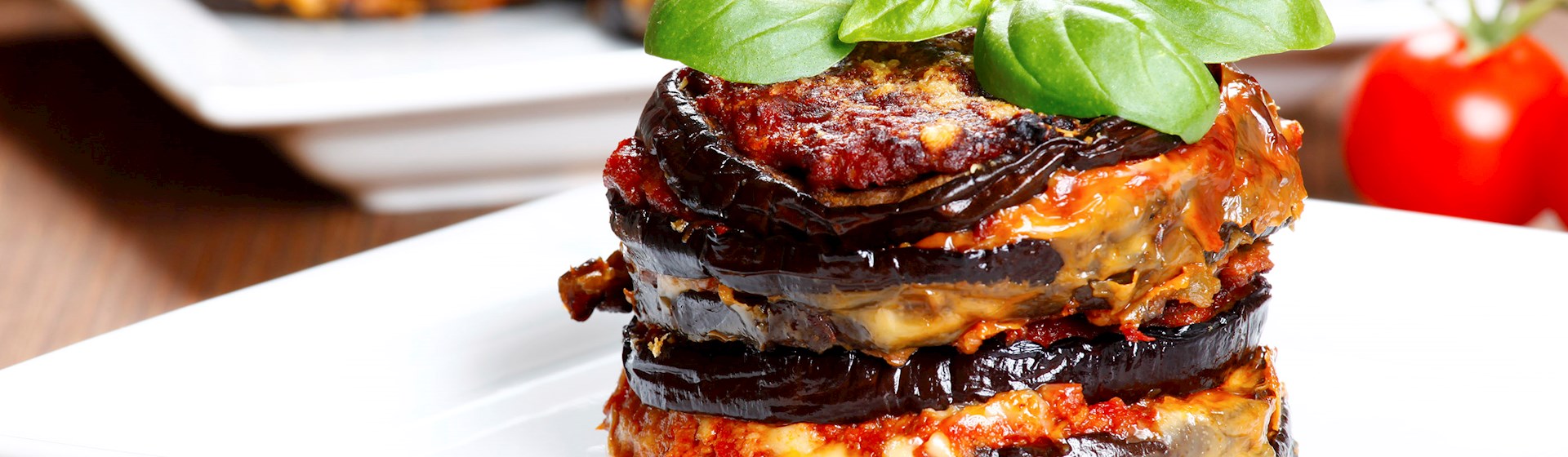
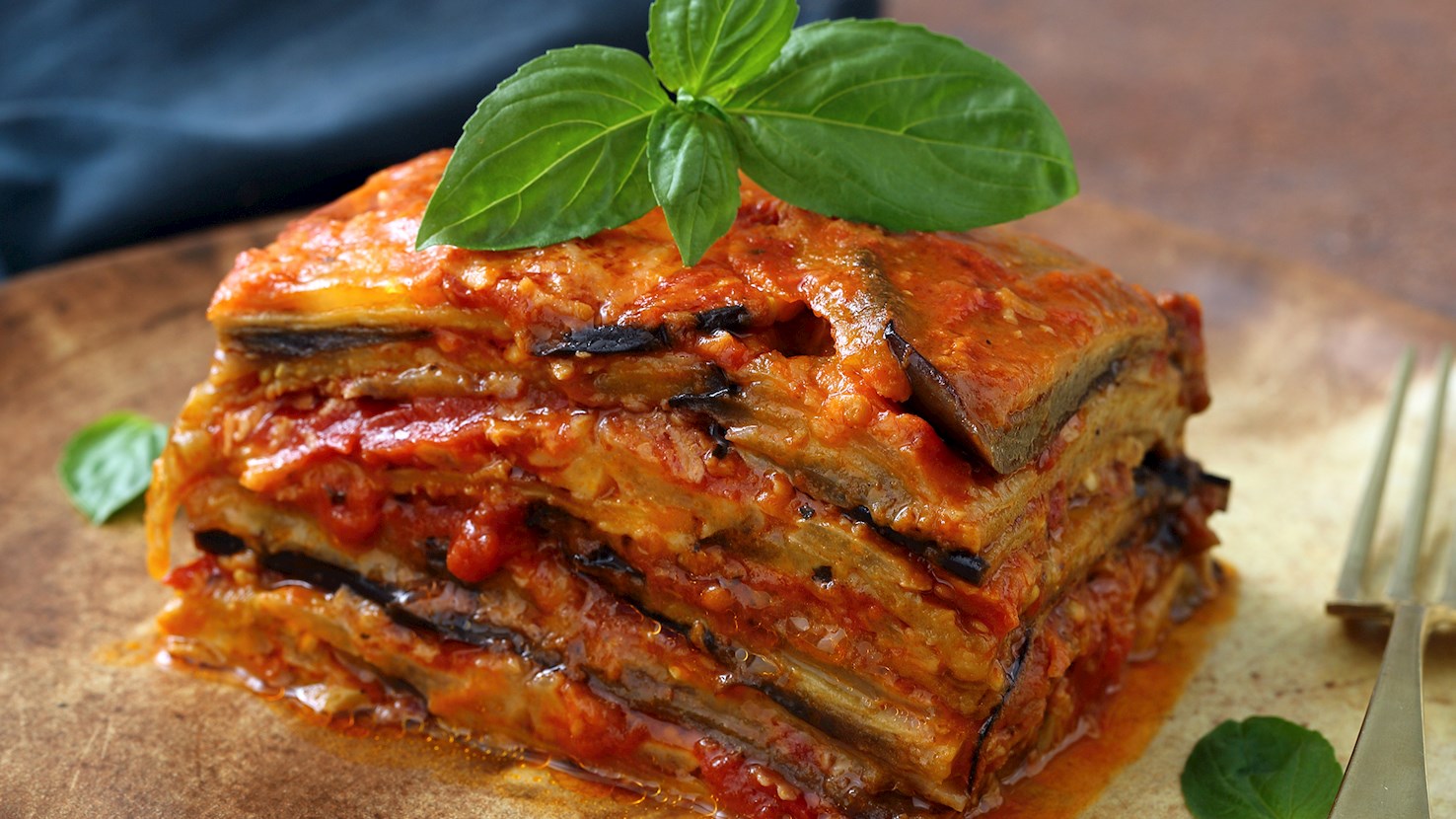
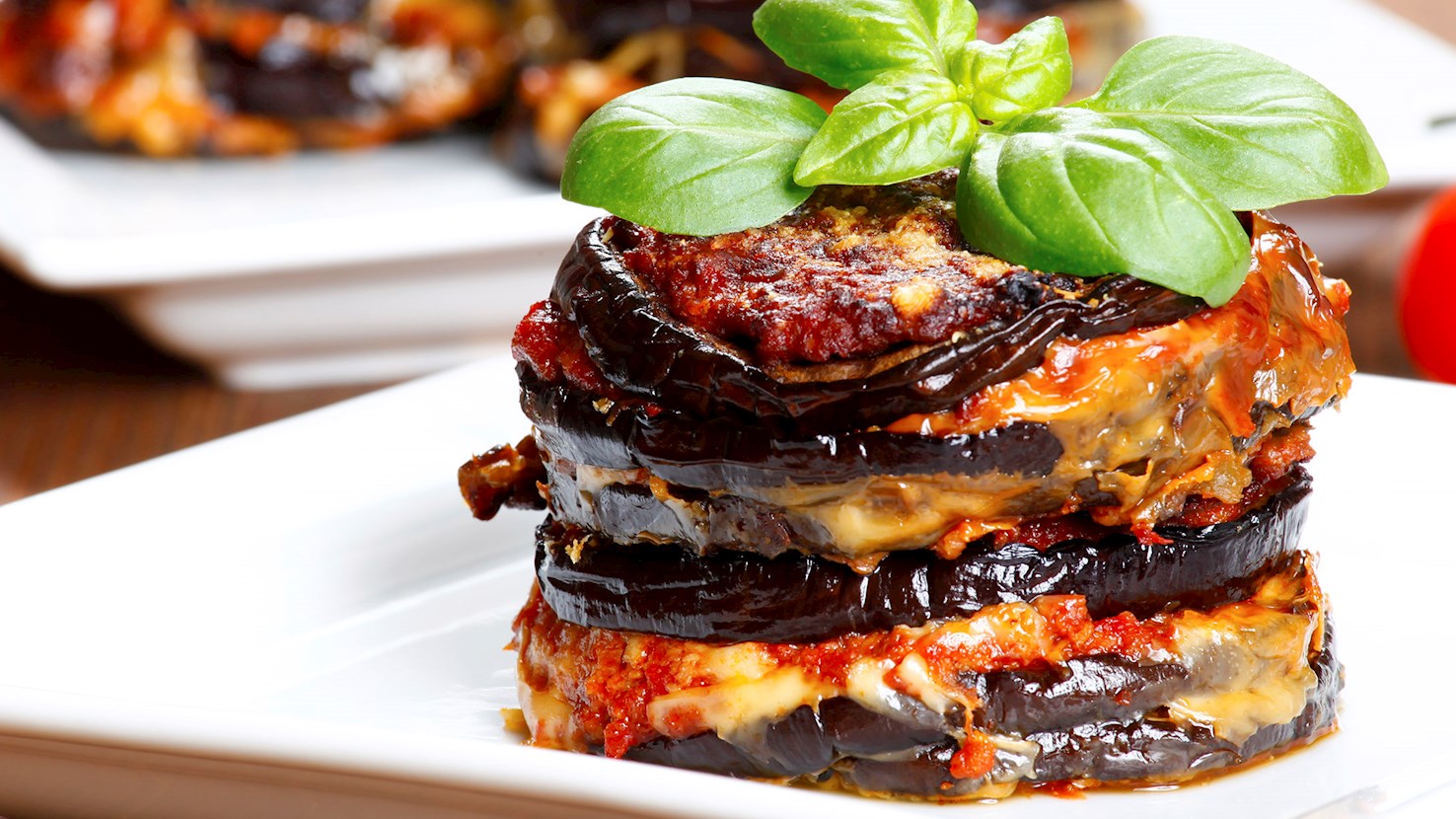
This version of eggplant parmigiana is the most popular outside of Italy. Hailing from Campania, this variation on a dish is made with eggplants, olive oil, onions, basil, tomatoes, mozzarella or fior di latte cheese, and grated Parmigiano-Reggiano. The eggplants are peeled, sliced, and shortly fried, then arranged in a baking dish over the tomato sauce along with the cheese, basil leaves, and grated Parmigiano-Reggiano. The layers are repeated, and the final one should end with tomato sauce and grated cheese. The dish is baked until the surface becomes crisp, and it is then served, ideally at room temperature.
Found throughout southern Italy, parmigiana di melanzane is a type of gratinated vegetable casserole traditionally made of fried or grilled slices of eggplant layered with basil-flavored tomato sauce and topped with one or more cheeses, such as mozzarella, pecorino Siciliano, scamorza, and caciocavallo Silano. Contrary to popular belief, parmigiana has nothing to do with parmigiano Reggiano cheese, even though it is used in many recipes as it makes for a crunchier crust. Nor, in fact, does it have any connection with the city of Parma whatsoever. In fact, the name of this scrumptious summer dish supposedly stems from parmisciana, the word for “Persian” in the Sicilian dialect, and it is often suggested that the word is rooted in the Arabic badhnajan or Turkish patlıcan, both of which mean “eggplant”. Although the eggplant was introduced to Italy by the Arabs as early as the 8th century, the parmigiana we know today may have originated in Sicily at around the 16th century, when tomatoes were first brought to Italy from the New World by the Spaniards. Later, the eggplant casserole spread across the country, taking on a version of its own in each region. Regardless of its true origins and the many different takes on the classic recipe, parmigiana di melanzane remains Southern Italian comfort food at its best, and is one of the most popular Italian dishes today.
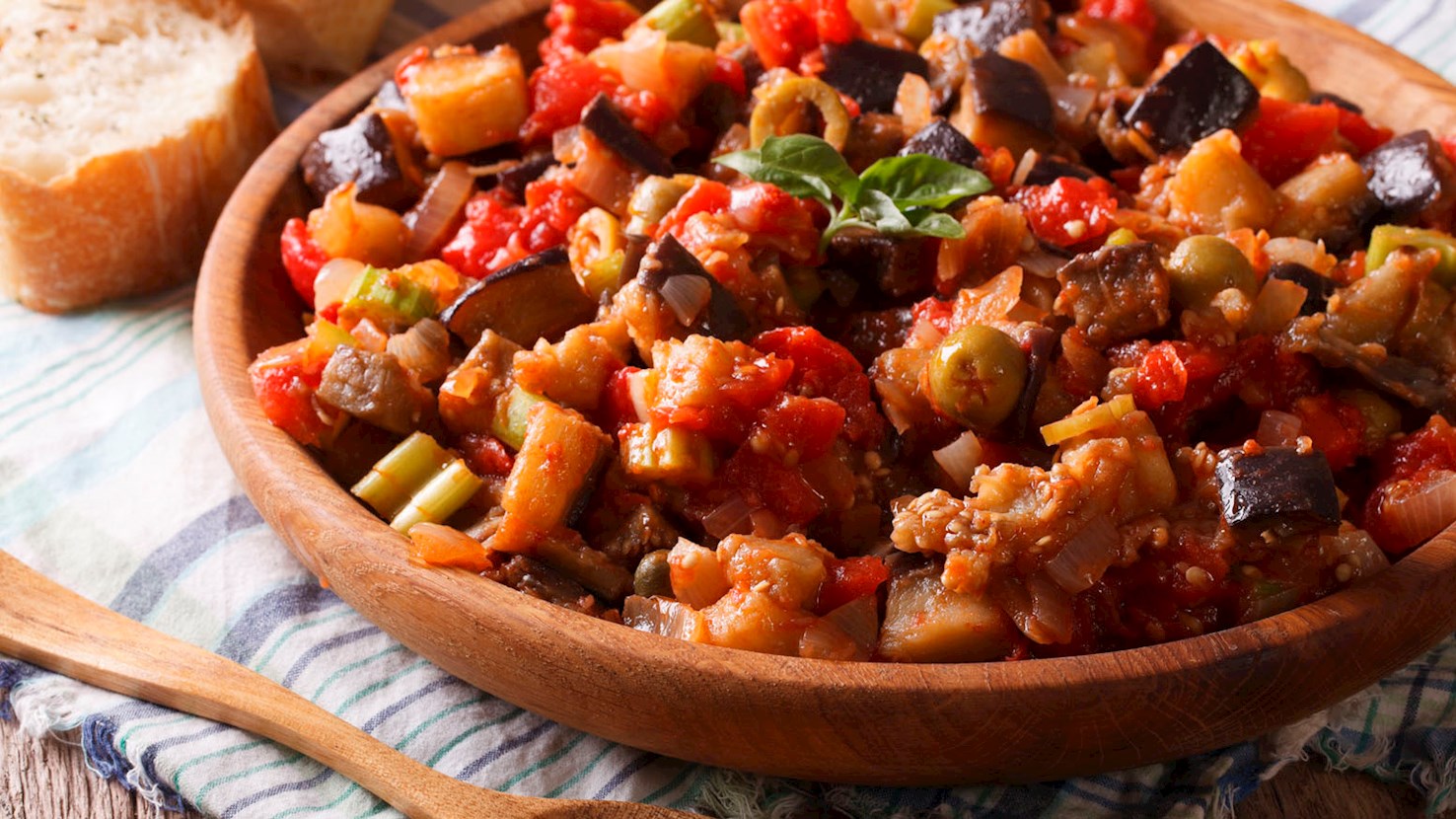
Even though it is prepared throughout southern Italy, the flavorful caponata is a typical Sicilian vegetable dish whose origins date back to the early 18th century. In the original recipe, the most important ingredient was gurnard fish (capone in Italian), but due to its price, gurnard was soon replaced by the widely available and much cheaper eggplant. This version that has remained the most popular to this day. Today, there are over 30 different recipes for caponata, all of which make an amazing use of the rich late summer harvest of eggplants and tomatoes. Capers, olives, onions, and celery lend an invigorating bite to this delicately piquant dish, and with other ingredients such as pine nuts, raisins, almonds, and friggitello peppers, the colorful caponata easily becomes a wonderful embodiment of the true essence of Sicily. After being sautéed one at a time, the vegetables are seasoned with a pinch of sugar and simmered in vinegar, which slowly melts into a tangy medley of sweet and sour flavors. Caponata can be enjoyed while still warm, as a side with various meat, poultry, and seafood dishes, or it can be served atop rigatoni or ziti for a filling pasta meal. In Sicily, caponata is typically kept for a couple of days after cooking, allowing time for the flavors to deepen, after which it is most often served as a cold antipasto on a crispy bruschetta or alongside sfincione Palermitano - Sicilian-style focaccia bread.
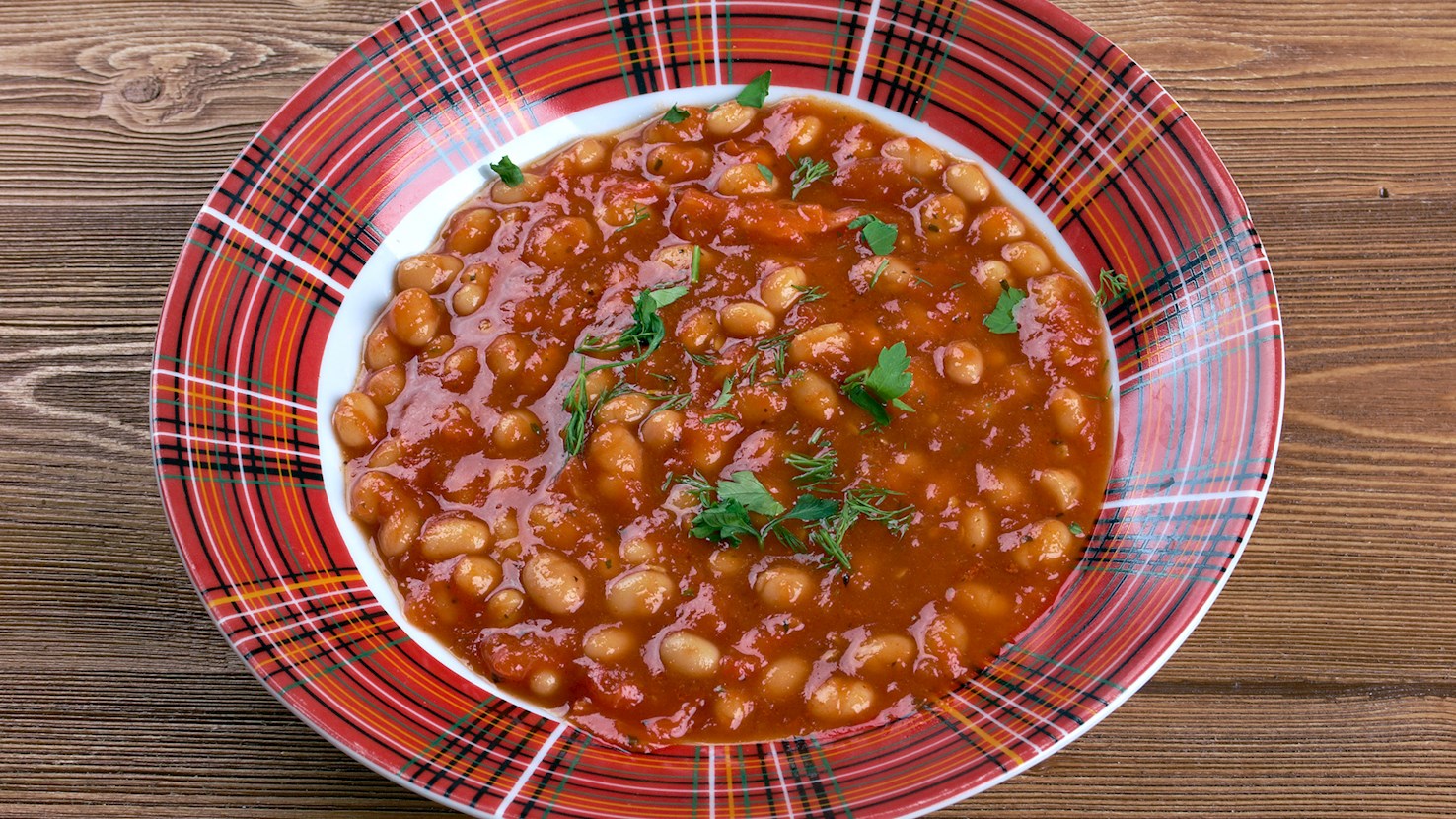
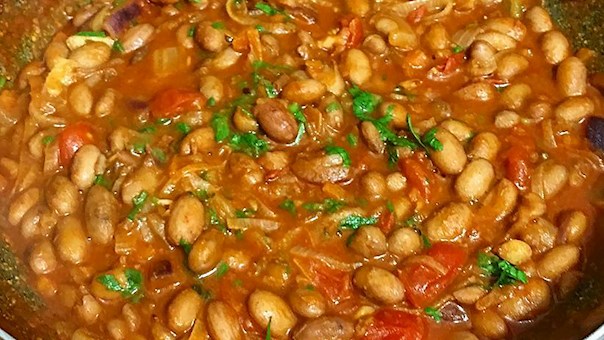
Fagioli all'uccelletto is an italian dish originating from Tuscany. It's made with a combination of cannellini beans, sage leaves, garlic, extra virgin olive oil, tomato paste, and fresh pork sausages. The beans and sausages are simmered over a low flame, then served with bread on the side. The beans should become creamy, while the sausages shoudn't release their fat and flavor. Fagioli all'uccelletto are served in nearly every trattoria in Tuscany, either as a hearty side dish or a main course. The name of the dish refers to sage and garlic, which are typically used for little birds known as uccelletti.
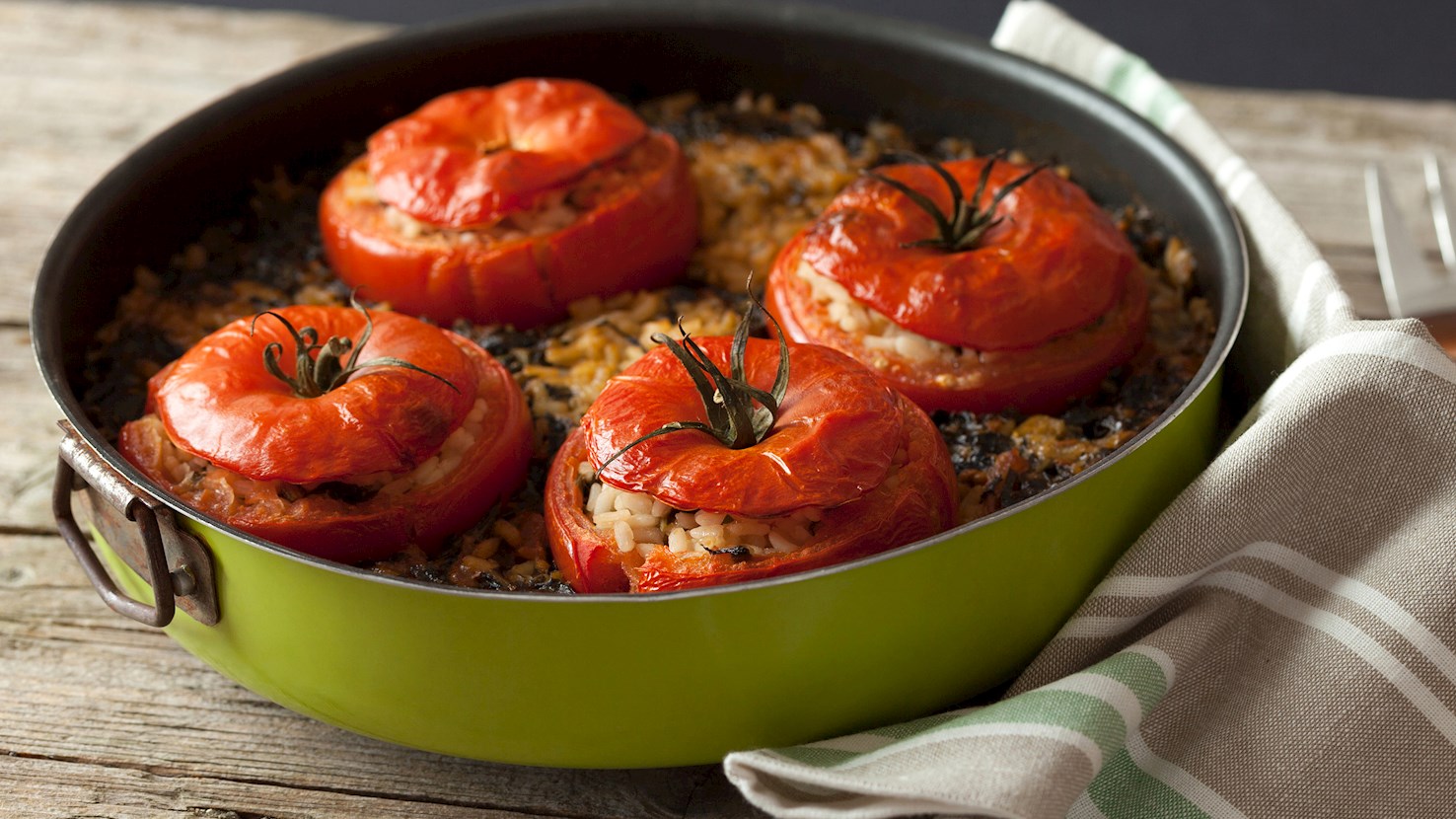
Pomodori col riso is a traditional dish originating from Rome. It's made with a combination of firm tomatoes, olive oil, rice, salt, and pepper. The tomatoes are hollowed out and the contents are set aside in a bowl. They are then stuffed with a combination of leftover tomatoes, rice, salt, olive oil, and pepper. The tops are placed back on the tomatoes, which are baked in the oven until the rice mixture turns slightly brown and the dish is ready to be served. As an alternative, cubed potatoes can be placed around the tomatoes while they're being baked.
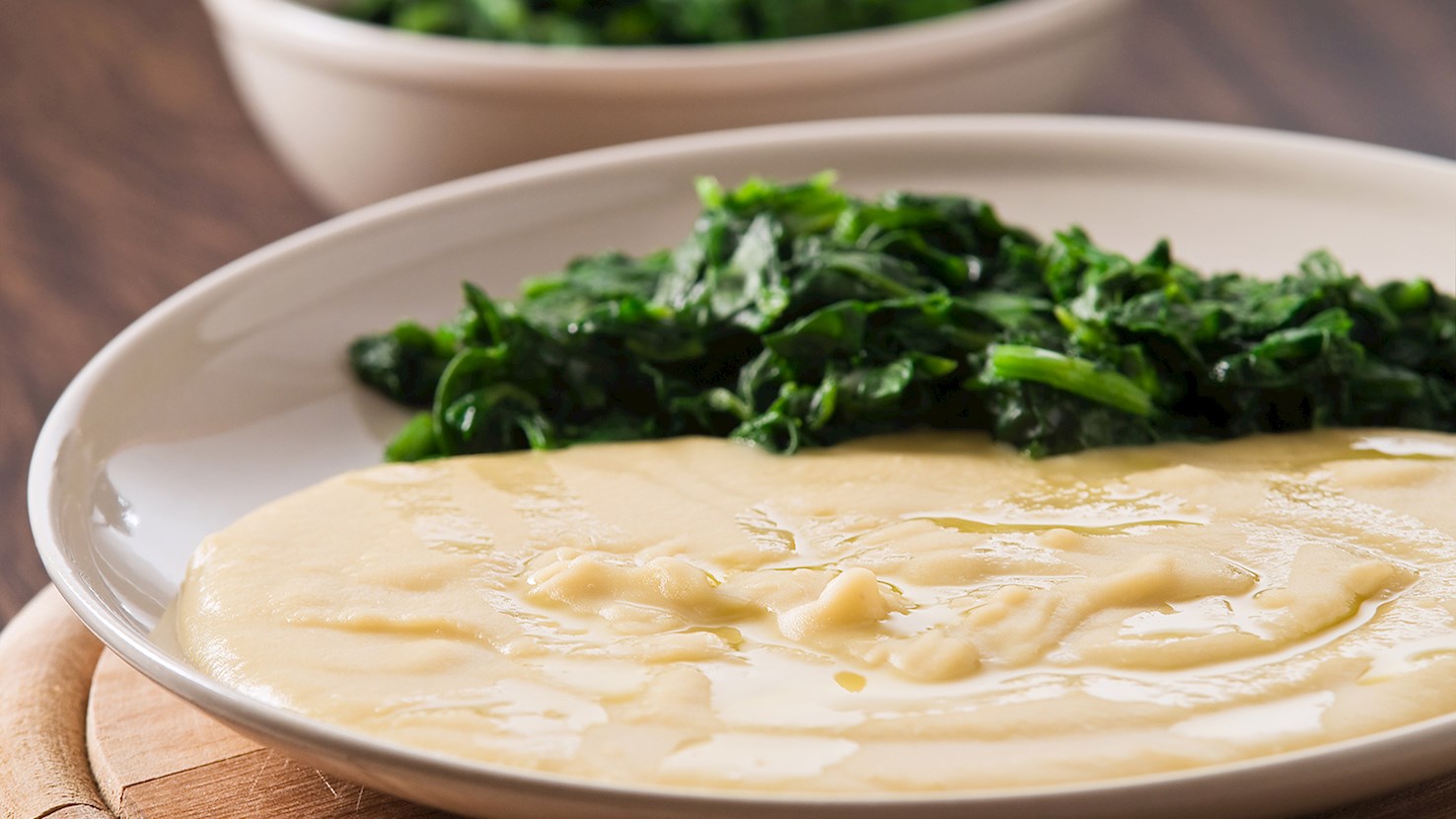
Fave e cicoria is a traditional dish that's especially popular in Puglia. It consists of fava beans that are mashed into a purée, while wild chicory or similar greens are served on the side. The beans are soaked, drained, boiled until tender, then mashed into a purée until the consistency becomes similar to that of mashed potatoes. The chicory is cooked until tender, drained, then served with the bean purée. The dish is drizzled with a good glug of extra-virgin olive oil and sprinkled with sea salt. It's recommended to serve it as an appetizer with crusty bread on the side. The beauty of fave e cicoria lies in the contrast between the bitter flavors of chicory and the nutty flavors of the beans.
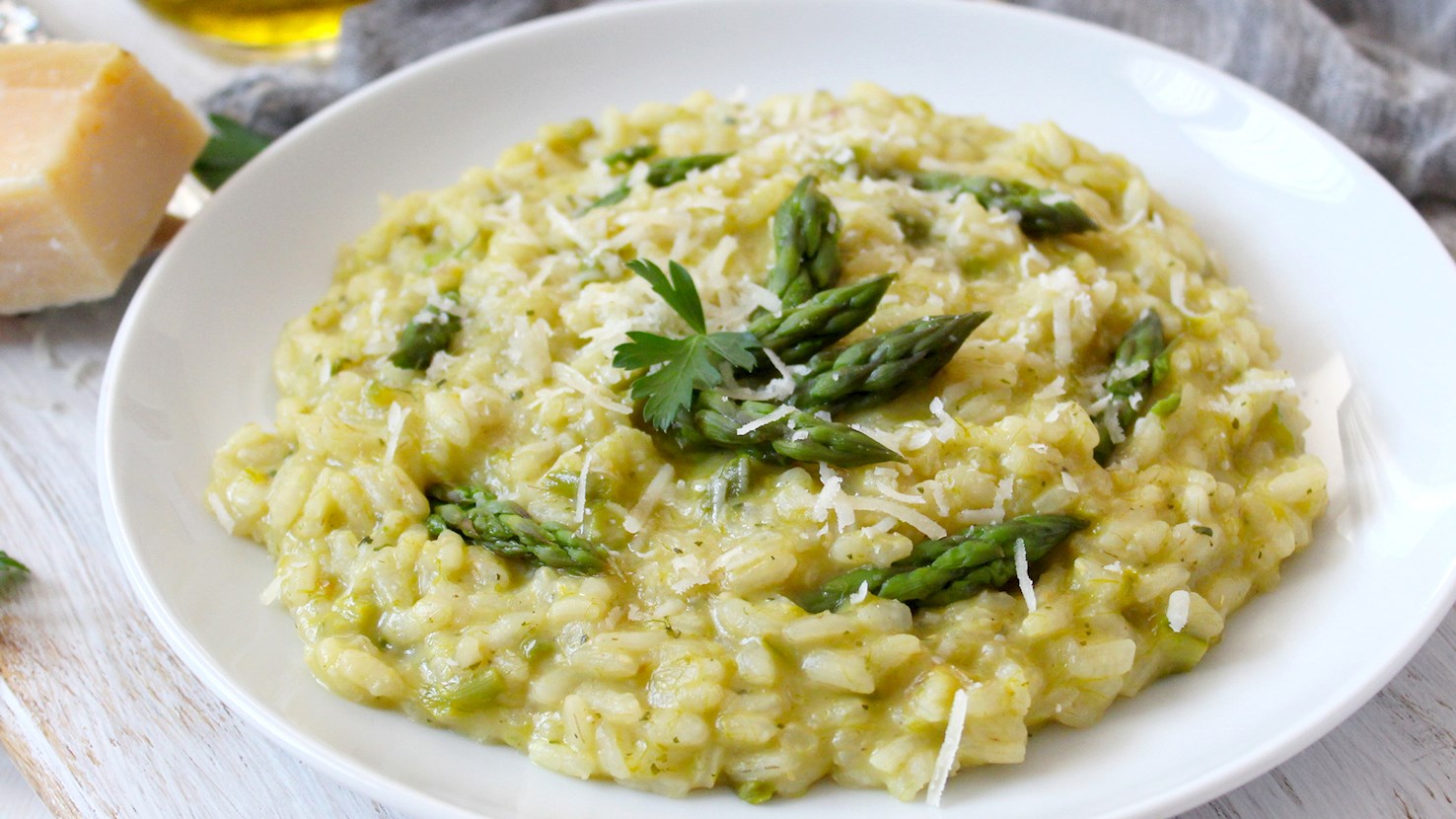
A true messenger of spring, risotto primavera is a creamy Italian rice dish studded with colorful vegetables such as asparagus, spring onions, shallots, fresh peas, and broad beans. Other ingredients include butter, chicken or vegetable stock, Arborio or Carnaroli rice, and a splash of dry white wine. The dish is typically finished with grated Parmigiano-Reggiano, and it is recommended to serve the risotto warm, preferably garnished with a few basil leaves.
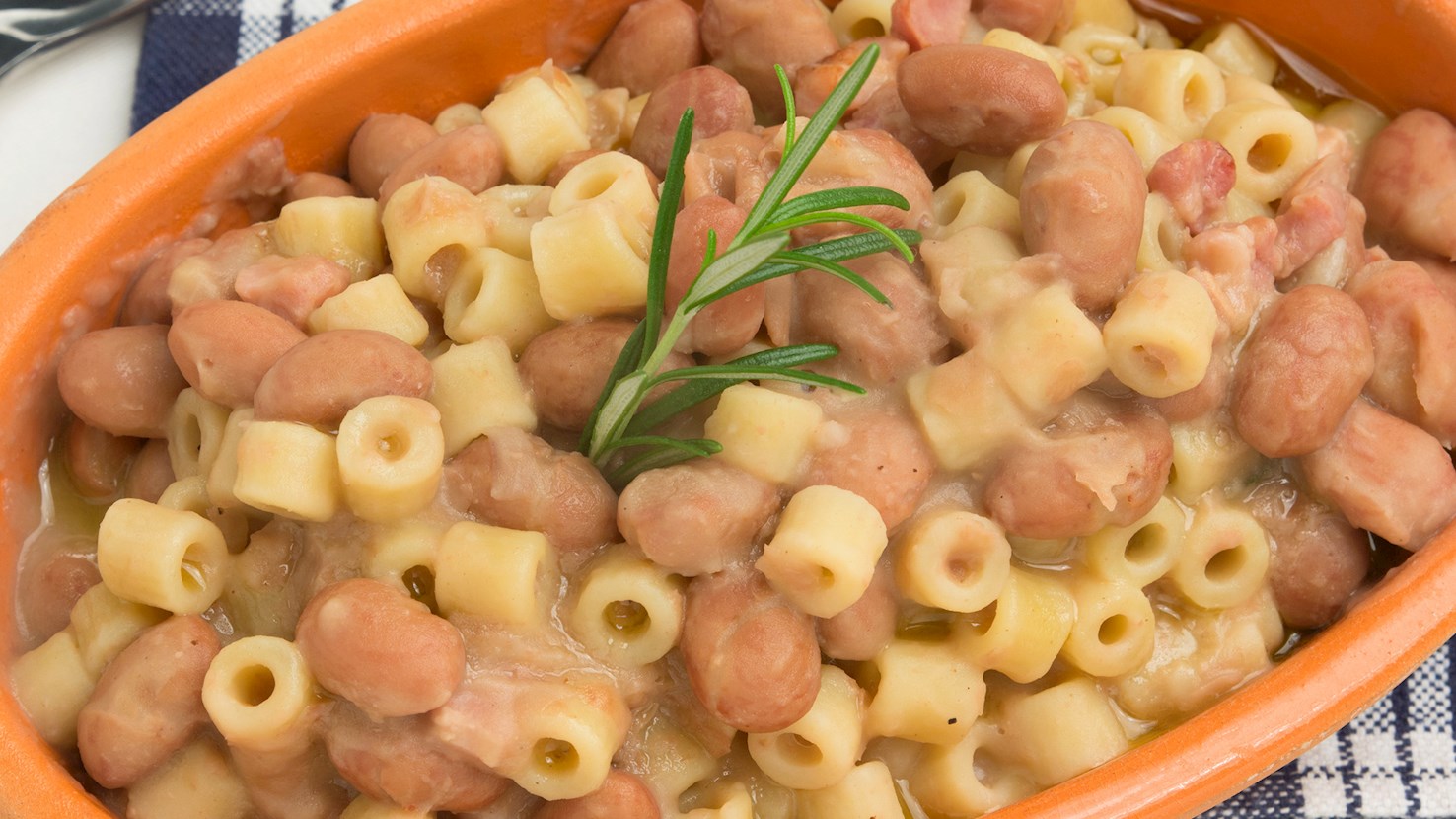
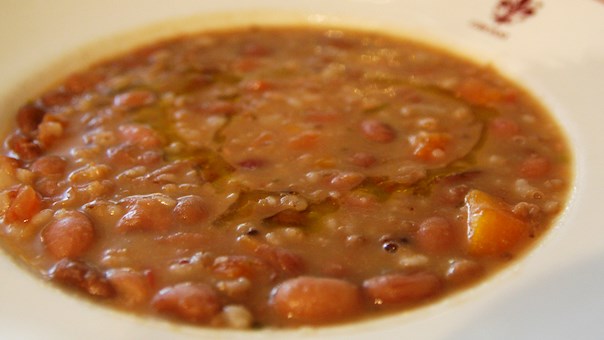
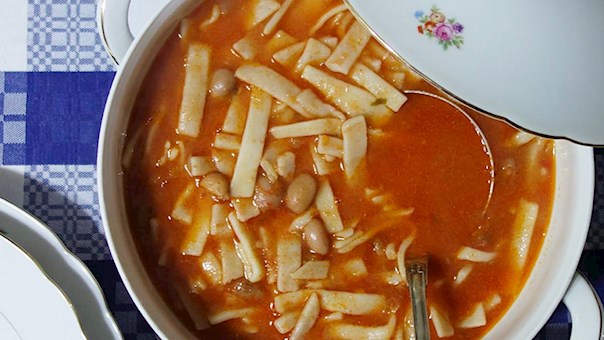
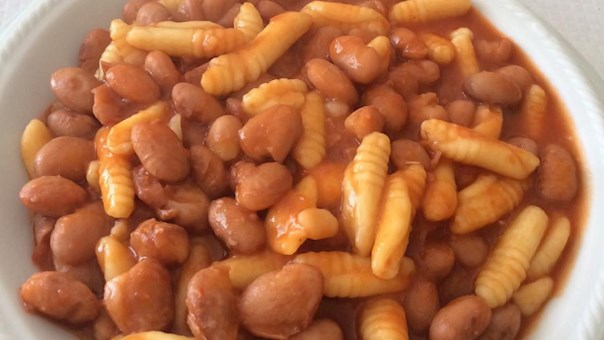
Pasta e fagioli is a traditional dish for which there are recipes throughout all Italian regions, and although there is no official recipe, there are numerous regional variations of the dish. Most often, the dish is made with beans and small varieties of pasta, cooked in a base of olive oil, onions, celery, carrots, garlic, and stewed tomatoes, or a broth which can be vegetarian or meat-based. Pasta e fagioli can have a soupy texture, but sometimes it is much thicker, depending on the regional variations. The dish started as a meal of the poor people and as a replacement for the expensive meat. In the past, it was mostly consumed as a winter soup because it is healthy, inexpensive, and filling. Today, it is consumed throughout the country, and in Veneto, pasta e fagioli is often enriched with pork and potatoes, while in Naples, it is very popular to eat it reheated the next day, because it is believed to taste even better.
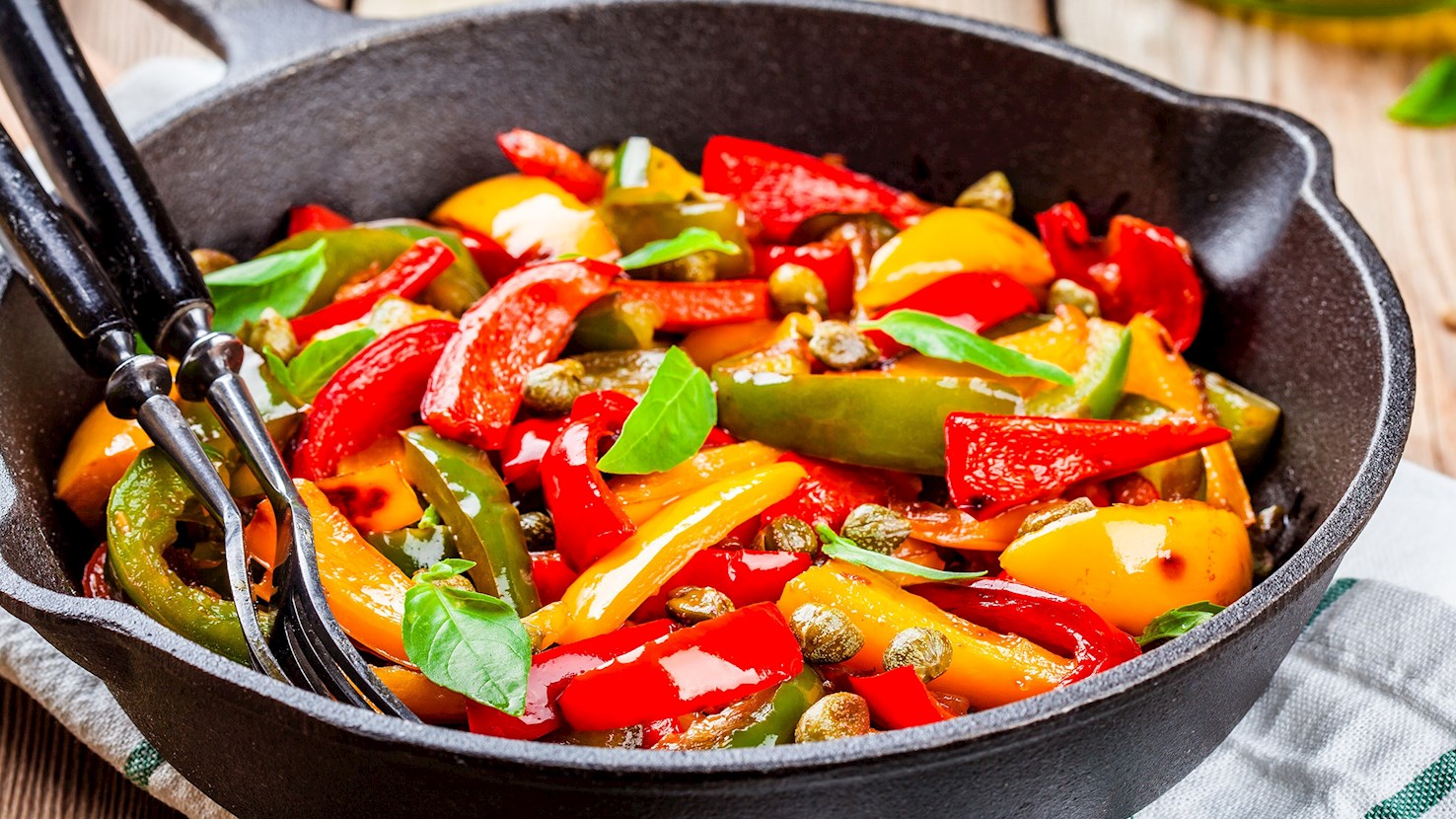
Even though each Italian region has its own variations of the same dish, the balance of vegetables in this rustic side dish always leans toward bell peppers, or peperoni in Italian – hence the name. Other ingredients may include eggplants, tomatoes, onions, zucchini, and sometimes even potatoes. Peperonata is the perfect accompaniment to various meats, especially grilled ones, but it can also be great as a bruschetta topping.
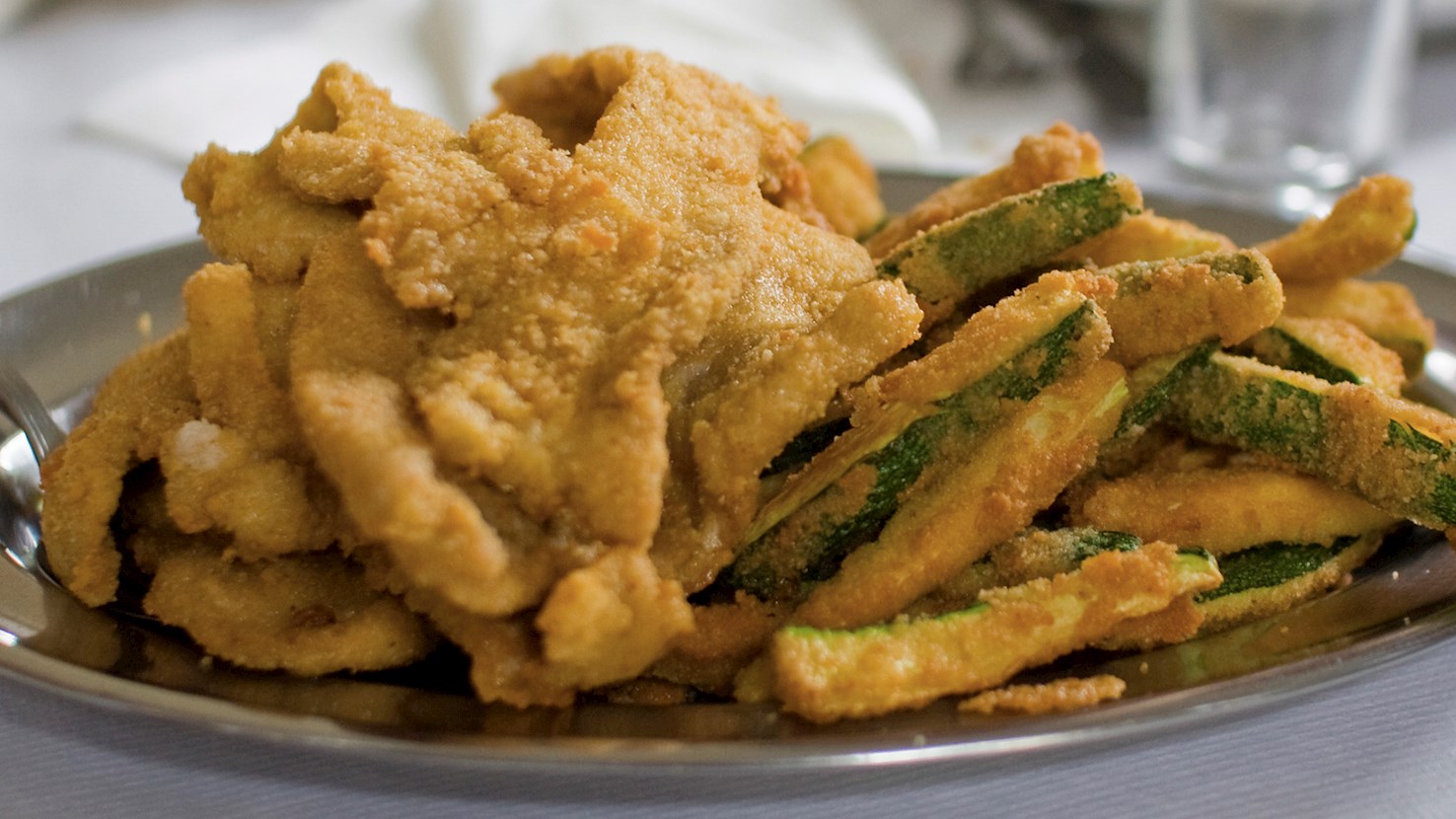
Hailing from Piedmont, fritto misto alla piemontese is a rich, traditional gourmet specialty that consists of a wide range of ingredients (both sweet and savory), which have been dipped in eggs and then breaded before being deep-fried until nicely colored and crispy. Typical food items used in this dish include meat and offal, chicken croquettes, porcini mushrooms, semolina fritters, amaretti di Monbaruzzo, and various types of vegetables and fruits such as apples, pears, zucchini, eggplants, and artichokes. Associated with the time of animal slaughter in the area, this specialty is believed to have been created as a flavorful way to use every single part of the slaughtered animals. This fried dish is typically enjoyed as an appetizer but it can also be eaten as a second course, and it is usually washed down with a glass of fine red or sparkling white Piedmont wine.
TasteAtlas food rankings are based on the ratings of the TasteAtlas audience, with a series of mechanisms that recognize real users and that ignore bot,
nationalist or local patriotic ratings, and give additional value to the ratings of users that the system recognizes as knowledgeable.
For the “Top 49 Italian Vegetable Dishes” list until July 15, 2026, 1,466 ratings were recorded, of which 1,122 were recognized by the system as legitimate.
TasteAtlas Rankings should not be seen as the final global conclusion about food. Their purpose is to promote excellent local foods,
instill pride in traditional dishes, and arouse curiosity about dishes you haven’t tried.