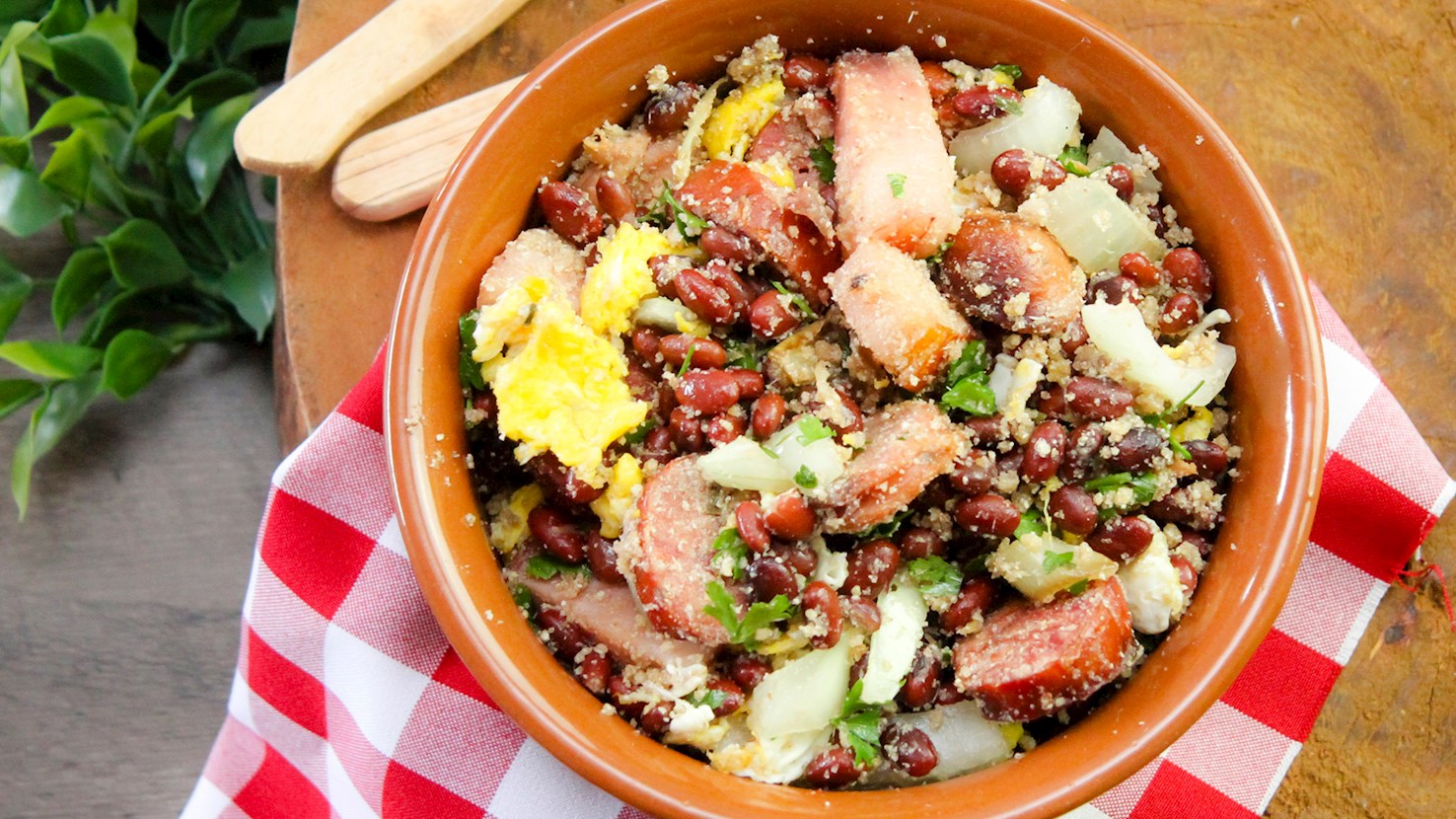
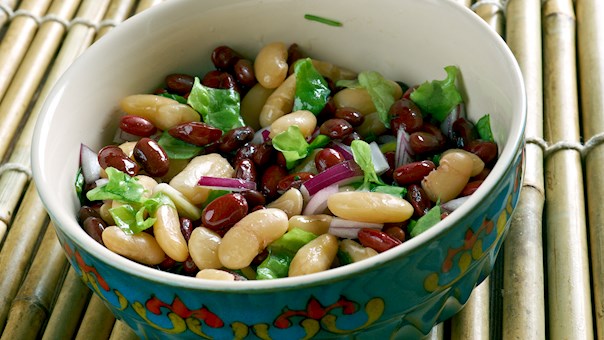
Feijão tropeiro is a traditional dish from the Brazilian state of Minas Gerais. A favorite dish of cattle rangers (tropeiros), it consists of beans that are cooked with salted or dried meat, manioc flour, and various flavorings, herbs, and vegetables. Today, there are numerous variations on the dish, so the type of beans and meat vary from one part of the country to the next. It is believed that the dish was invented during the Brazilian Colonial period, when tropeiros used to sell things while traveling on horses, bringing beans, manioc flour, and dried meat with them on long journeys.
Tutu de feijão is a traditional dish originating from the region of Minas Gerais. The dish is made with a combination of puréed beans (traditionally black beans) and cassava flour that's used as a thickening agent. Other ingredients used in the dish include onions, garlic, olive oil, parsley, and bay leaves. Although there are many variations on the dish, it's usually served accompanied by pork sausages, rice, eggs, or sometimes kale.
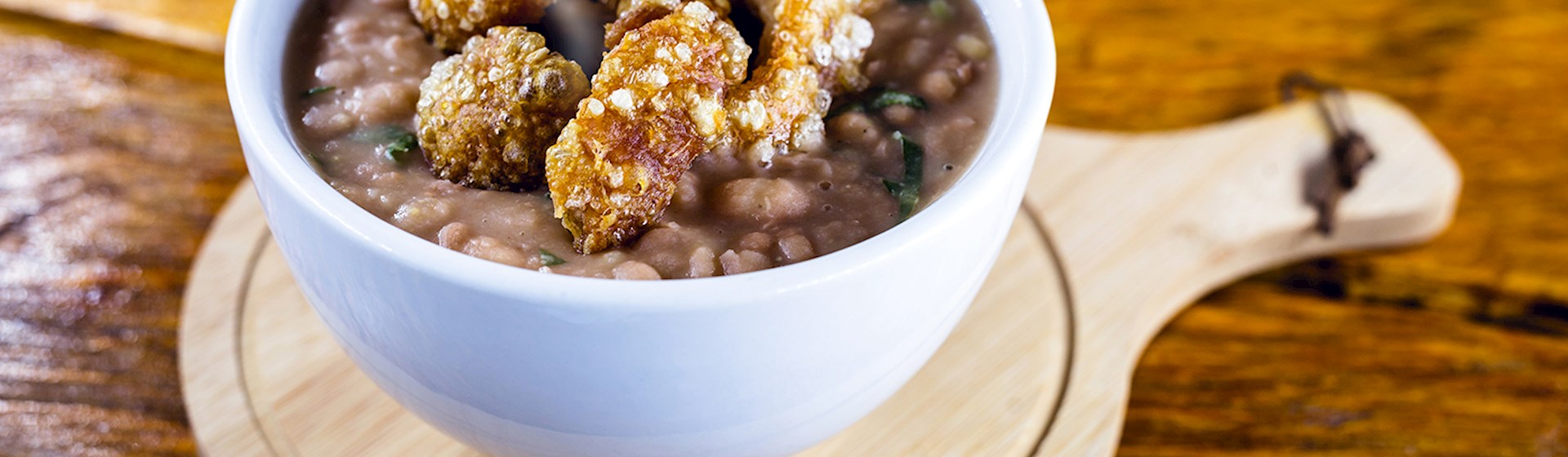
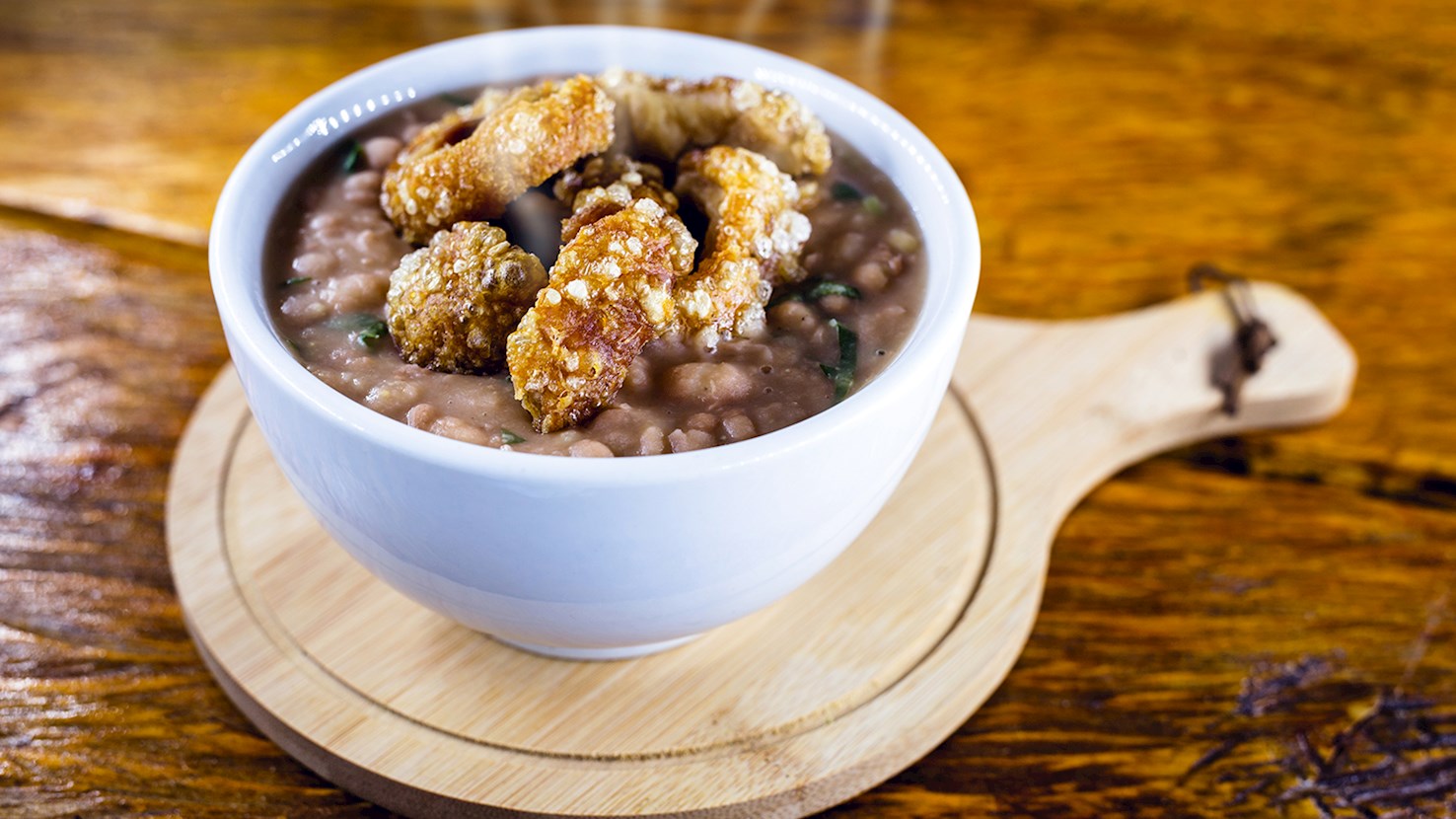
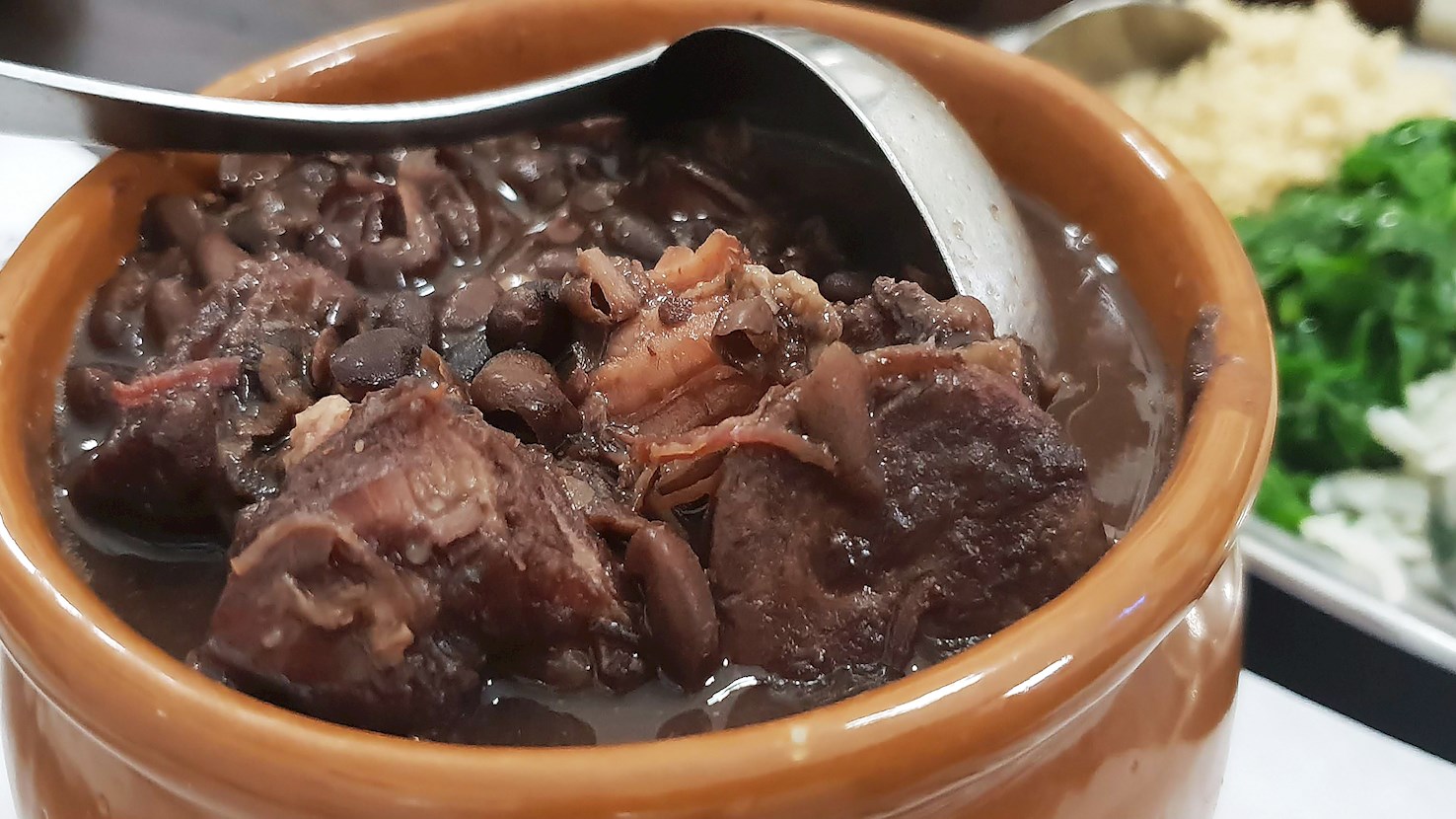
Feijoada or feijoada completa is Brazil's national dish, a hearty stew featuring pork and black beans. The dish is consumed throughout the country, and every family in Brazil has their own, special recipe. Sautéed greens, cheese rolls, rice, and fresh, sliced oranges are served as an accompaniment to the smoked pork and richly flavored black beans. Traditionally, it is prepared for Saturday lunch, so that the consumers may sleep it off. The beans are flavored with onions, tomatoes, coriander, and garlic, while pork meat can be additionally enriched with dried beef and smoked pork sausages. Before the main meal, consumers are offered caldinho de feijao, a bean broth served in shot glasses or small ceramic cups and garnished with pork rinds known as torresmos. The name feijoada is derived from the Portuguese word for beans, feijão, and it probably originated in the 1600s in Recife, on sugar plantations built by the Portuguese colonists, although some believe that it was created in Rio de Janeiro. The Brazilian version usually uses black beans, while the Portuguese one typically uses white or kidney beans. Feijoada is artfully displayed on platters full of ingredients, so that the consumers may choose their favorites and enjoy them at a leisurely pace. The meats are sliced and placed on platters; the beans served in large serving bowls, and the accompaniments include Brazilian rice, kale, cassava with butter or hard-boiled eggs, sliced oranges, and hot pepper-lime sauce. During the meal, cachaca, a sugarcane brandy and Brazil's most popular liquor, is served as a traditional accompaniment to feijoada.
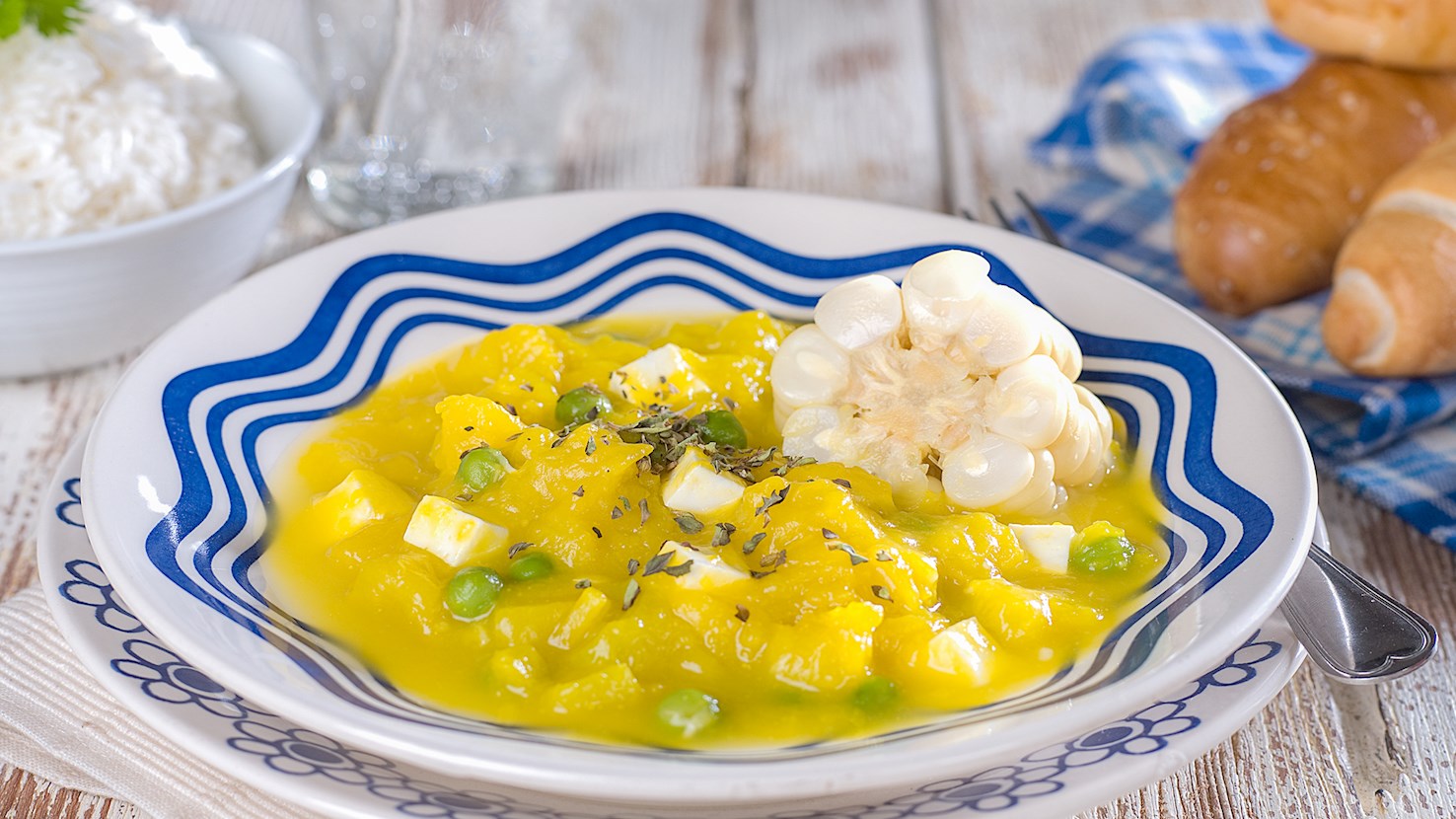
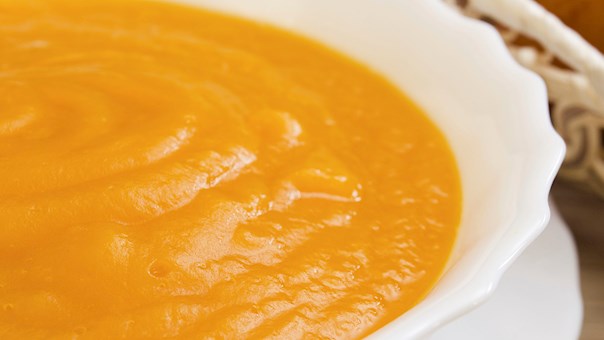
Locro de zapallo is a classic Peruvian dish consisting of squash pieces, potatoes, evaporated milk, queso fresco, vegetables (onions, peas, corn), and aji amarillo peppers. Because the stew is quite light, many people had locro for dinner, then went straight to bed during Colonial times. When the stew is ready, it is recommended to serve it with white rice and fried plantains.
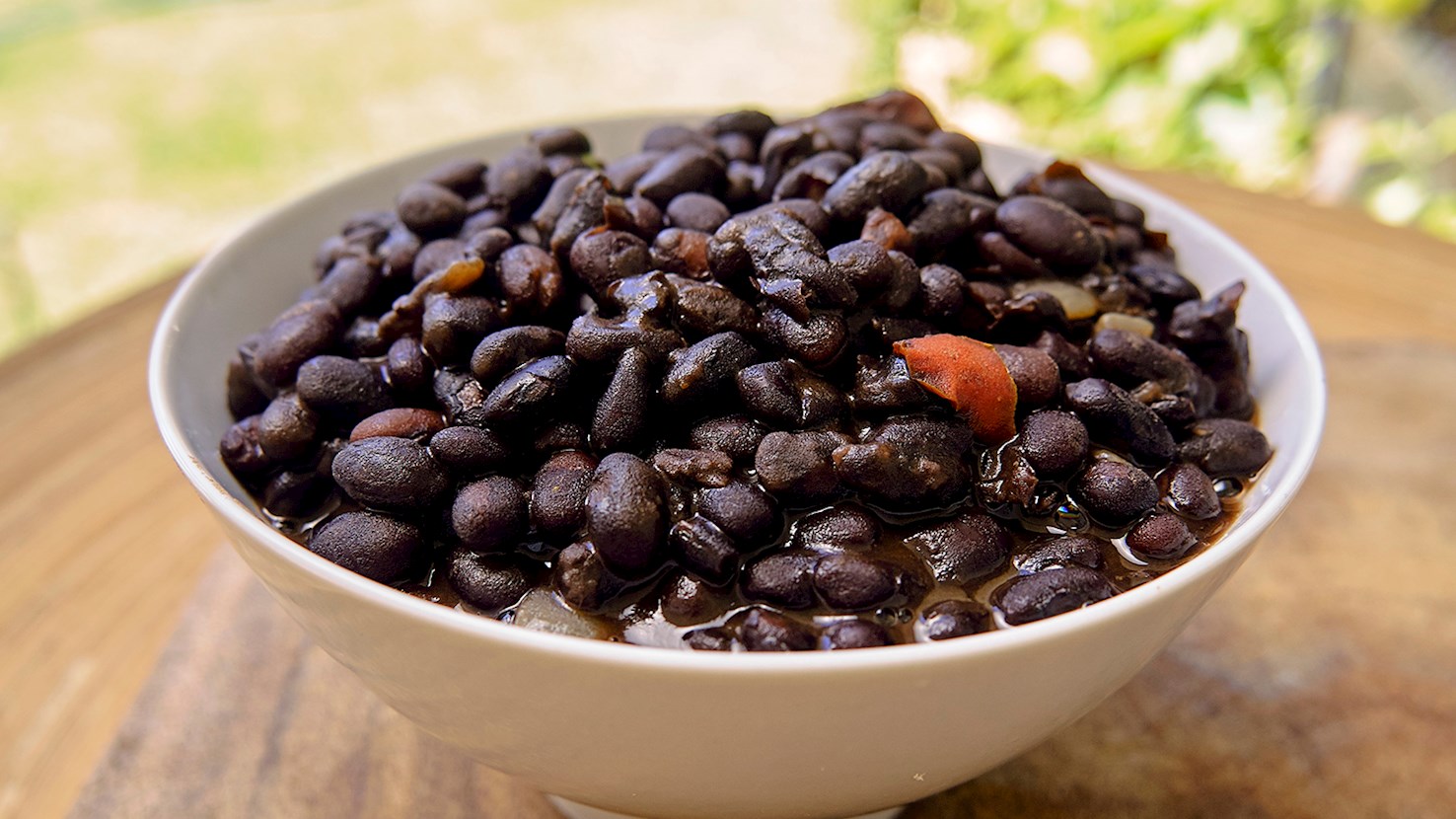
Caraotas negras is the Venezuelan name for black beans, also known as turtle beans. They are a part of the Venezuelan national dish called pabellon criollo, but can also be included in various soups or side dishes, and when refried they are an essential ingredient of empanadas or arepas. Caraotas negras can also be used as a substitute for kidney beans in chili con carne, but they can also be cooked and served in cold salads. Generally speaking, black beans are indigenous to Central and South America and are called differently depending on the region: frijoles negros or caviar criollo. Its origins can be traced back to Mayan cuisine, which means they have been a part of the South American diet for nearly 4,000 years.
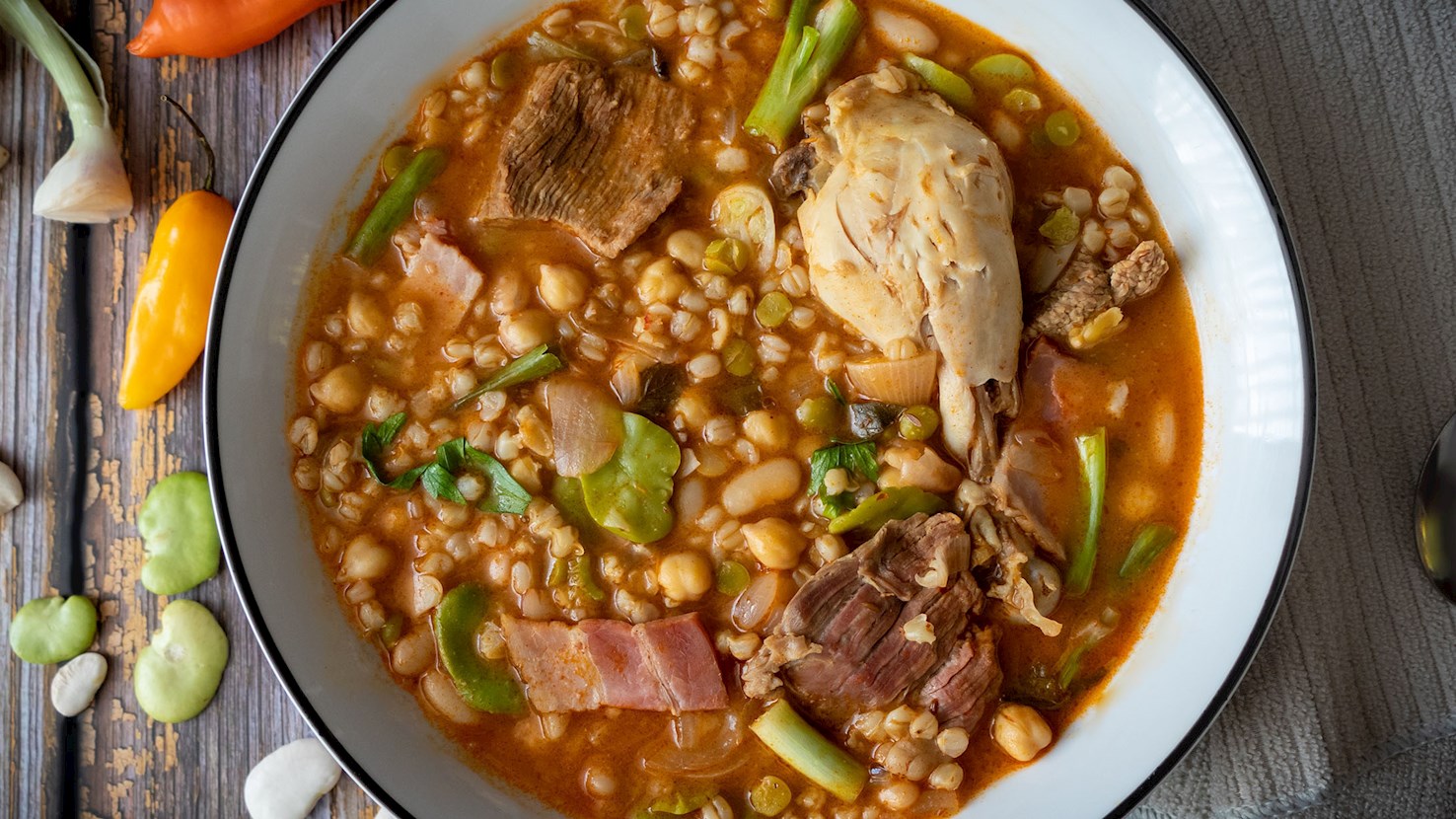
Shambar is a traditional soup originating from the region of Trujillo. It is made with various types of beans, wheat, chickpeas, peas, and at least three different types of meat such as smoked pork, ham, pork skin, pork ears, beef, and chicken. It is typically seasoned with cumin, garlic, and hierba buena. The end result is a thick and nourishing soup filled with nutrients. Shambar is traditionally consumed only on Mondays in order to prepare the working people for the upcoming week.
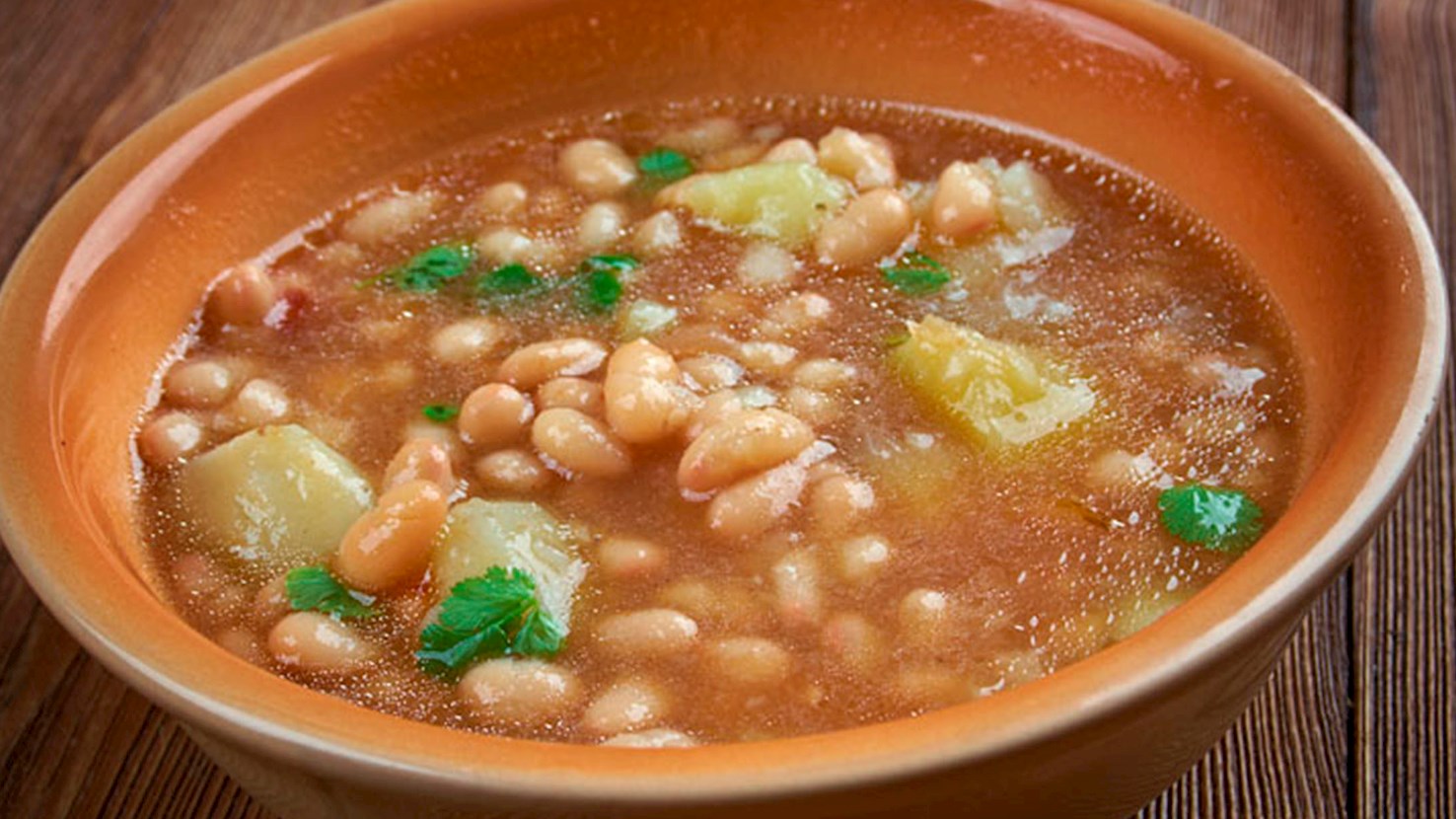
Porotos granados is the national dish of Chile. This hearty stew is made with corn, squash, and cranberry beans – known in Chile as porotos. The dish hails from the Mapuche tribe and reflects the powerful native heritage in Chilean cuisine. This dish was particularly popular during the times of hardship in Chile because it can be made with ingredients that are easily available. It is commonly served as comida, the main mid-day meal. Porotos granados was once made exclusively with seasonal ingredients, making it a dish that was mainly consumed during the summer harvest season. Today, the ingredients for porotos granados are available all year round, giving it a place on the table even when the summer months have passed away. It is always served hot with a dollop of pebre – a traditional Chilean pepper sauce
Plato paceño is a traditional dish consisting of a combination of lima beans, potatoes, corn, and fried cheese. In La Paz, it is typically consumed for lunch or dinner. Although the dish typically does not contain meat, there are many Bolivians who disregard the rules and put some meat such as grilled beef or pork on the plate. Locals also like to add the famous Bolivian hot sauce called llajua to plato paceño in order to add some spiciness to the meal.
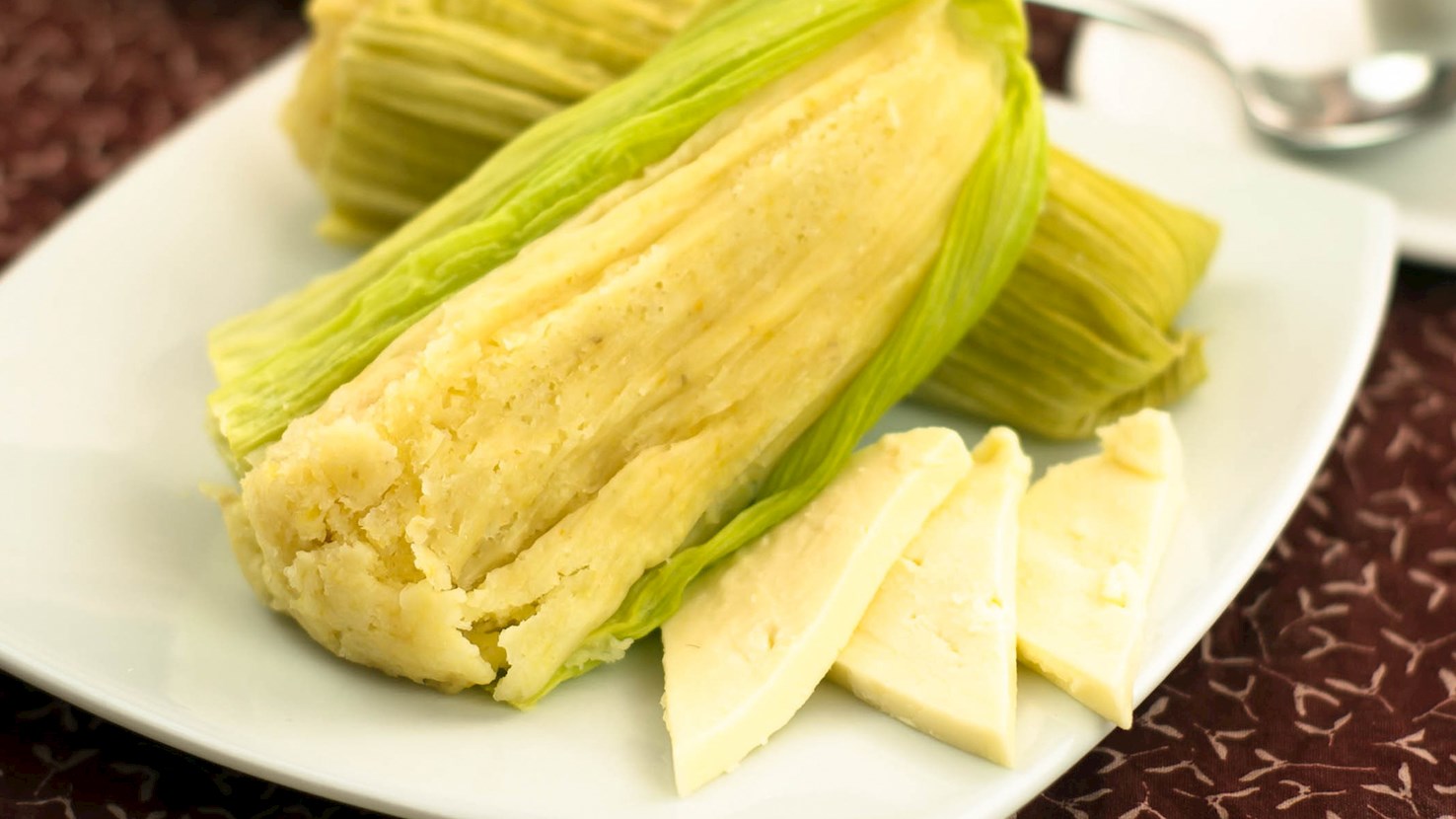
Humitas is a dish popular throughout South America, especially in Chile, Argentina, Peru, Bolivia, and Ecuador. The dish consists of corn cakes that are cooked in corn husks. In Argentina, humitas are usually made with corn, onions, and spices, and depending on the region, milk, red peppers, cheese, and spring onions might also be added to the combination, which is wrapped in corn husks and boiled. In Ecuador, humitas are steamed and are usually made with ground corn, eggs, onions, and variable spices. The Chilean version adds basil and butter to corn and onions, and their humitas are boiled or baked. In Peru and Bolivia, people also prepare sweet humitas with added cinnamon and raisins. Regardless of the varieties, humitas can be found at almost all corner stores and food stalls throughout these countries.
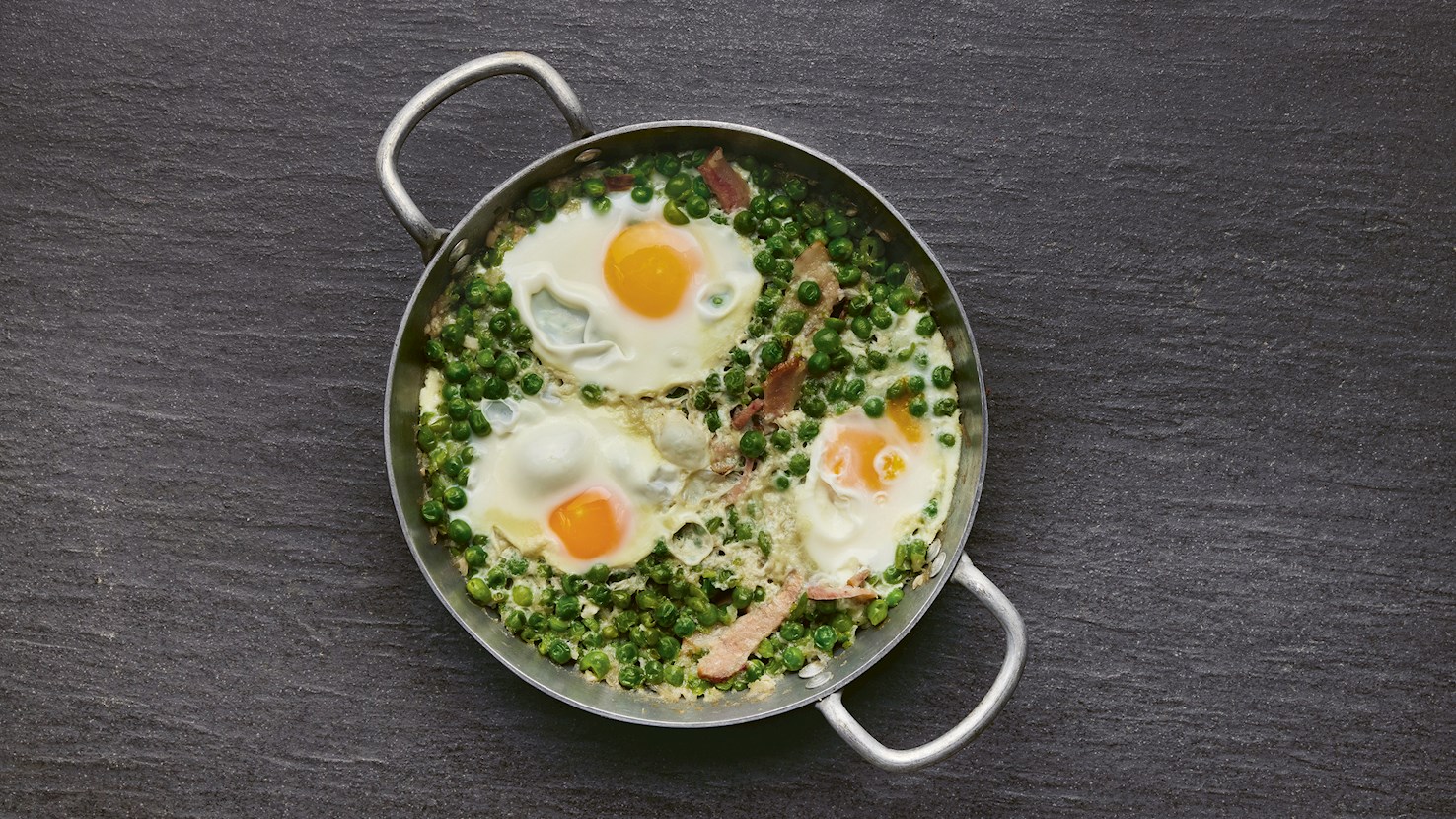
Colchón de arvejas (lit. pea mattress) is a hearty vegetable dish hailing from Argentina. It typically consists of sautéed onions, tomatoes, bell peppers, carrots, and peas. The combination is usually seasoned with salt, pepper, and paprika, and it is then topped with whole eggs. The dish is cooked until the vegetables are tender and the eggs are done, and it is usually enjoyed while still warm. Other types of vegetables, potatoes, or sausages can also be added to the combination.
TasteAtlas food rankings are based on the ratings of the TasteAtlas audience, with a series of mechanisms that recognize real users and that ignore bot,
nationalist or local patriotic ratings, and give additional value to the ratings of users that the system recognizes as knowledgeable.
For the “Top 19 South American Vegetable Dishes” list until May 15, 2026, 1,913 ratings were recorded, of which 871 were recognized by the system as legitimate.
TasteAtlas Rankings should not be seen as the final global conclusion about food. Their purpose is to promote excellent local foods,
instill pride in traditional dishes, and arouse curiosity about dishes you haven’t tried.