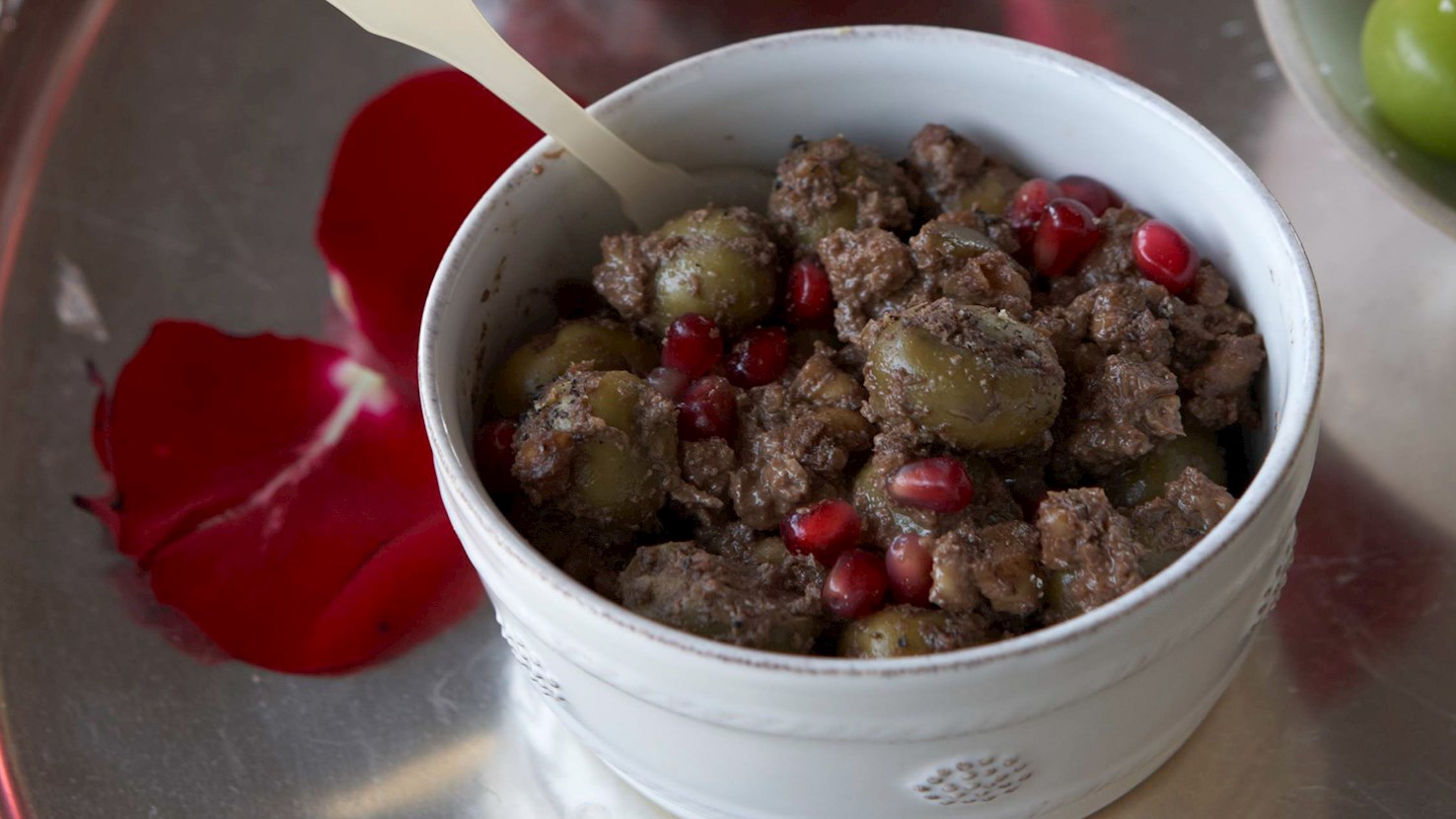
Zeytoon parvardeh is an olive-based appetizer originating in Iran’s northern Caspian region, particularly the province of Gilan. Known for combining pitted green olives with pomegranate molasses, walnuts, garlic, and herbs, it balances tangy, earthy, and aromatic notes that reflect the diverse agricultural produce of the area. The dish belongs to the group of flavorful mezze and accompaniments that characterize Gilani cuisine, where local olives are cultivated in abundance near the coastal plains. The history of zeytoon parvardeh is tied to the long-standing cultivation of olives and pomegranates in northern Iran. The Caspian provinces have been centers of horticulture for centuries, benefiting from humid subtropical weather and fertile soils. Olives were introduced to the region many generations ago and became a staple crop, integrated into recipes that made use of other locally available ingredients such as walnuts and aromatic herbs. Over time, families developed their own versions of the seasoned olive mixture, often preparing it in small batches to serve with meals or offer to guests. Preparation starts with high-quality green olives that are rinsed, drained, and sometimes pitted, depending on preference. Walnuts are finely ground or chopped to a coarse texture, then mixed with crushed garlic and fresh herbs, usually mint and sometimes savory or cilantro. Pomegranate molasses is stirred in to create a sweet and sour base that clings to the olives. A touch of salt, sometimes a squeeze of fresh lemon juice, and a drizzle of olive oil complete the mixture. The ingredients are combined thoroughly so that the flavors soak into the olives, then the dish is covered and left to rest in the refrigerator for several hours or overnight. In Gilan, zeytoon parvardeh is a common feature of meals served alongside rice dishes, kebabs, or fish. Some households also offer it as an appetizer with flatbread. The dish stands out for its combination of textures: the firmness of the olives, the crunch of walnuts, and the syrupy richness of the pomegranate molasses. Although it is sometimes prepared fresh, many cooks believe it tastes better after sitting for a day so the flavors meld. Today, zeytoon parvardeh remains widely eaten in northern Iran and has gained popularity in other parts of the country as a specialty product often sold in jars at markets or brought home as a souvenir from trips to the Caspian coast. It is enjoyed both at family gatherings and in restaurants that showcase Gilani cooking, where it is valued for its vibrant taste and connection to the region’s agricultural traditions.
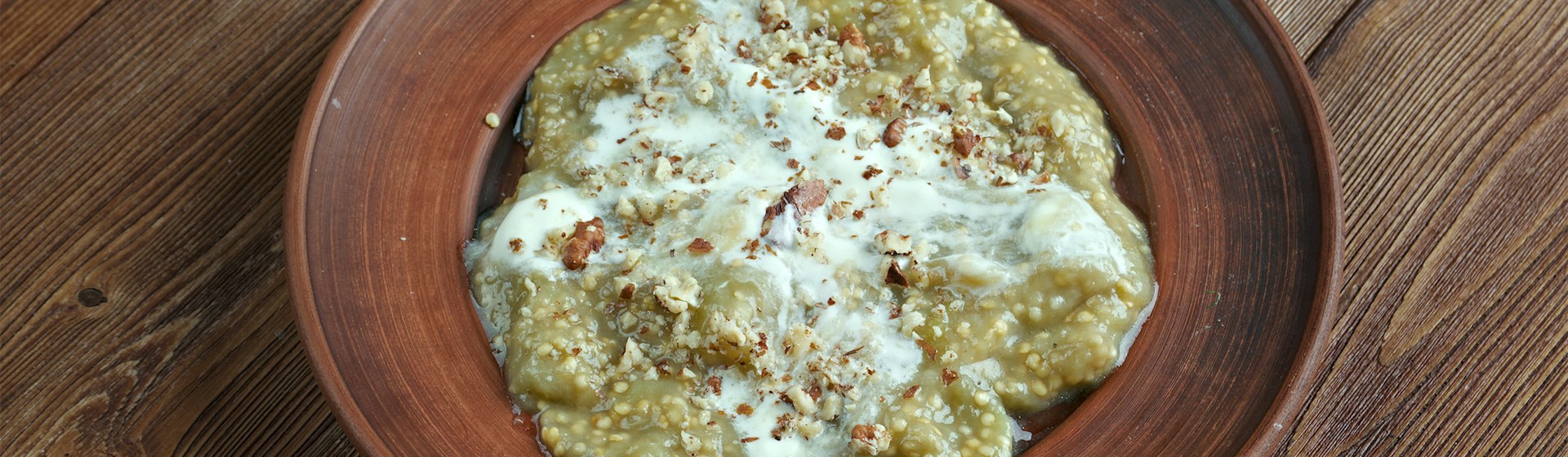
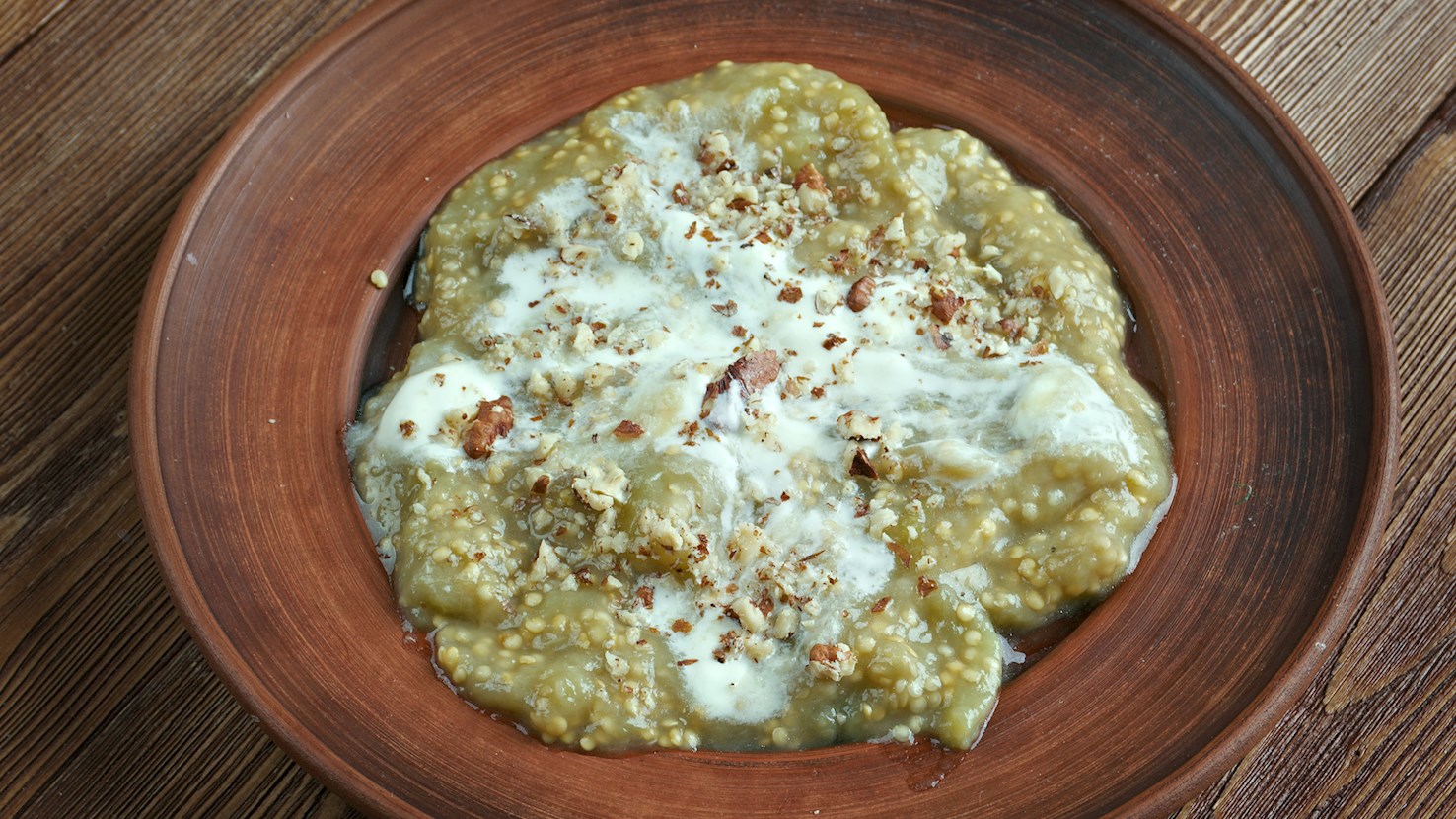
Kashk-e bademjan is an Iranian dish that brings together mashed roasted eggplant with kashk, a fermented dairy product similar to whey, seasoned with fried onions, garlic, and aromatic spices. It originates in central and northern Iran, where eggplant is a staple ingredient and kashk has long been used to enrich stews, dips, and soups. Kashk-e bademjan is commonly prepared as an appetizer or light meal and is typically served warm with flatbread. The history of the dish reflects the evolution of Persian cooking techniques that highlight vegetables and dairy. For centuries, eggplant has been cultivated in Iran and cooked in many forms, from simple grilled slices to elaborate stews. Kashk, produced by fermenting and drying drained yogurt, has been a source of protein and flavor since ancient times. The combination of these ingredients, along with caramelized onions and mint, developed into a recognizable preparation that has been passed down in Iranian households. Preparation begins by roasting or frying eggplants until they are very soft, which gives the dish its characteristic creamy texture. The cooked eggplant is mashed or chopped finely, then gently simmered with sautéed onions, garlic, turmeric, and sometimes ground walnuts for richness. Kashk is stirred in gradually to create a smooth consistency and a tangy depth of flavor. A portion of fried onion and dried mint is reserved for garnish, adding both aroma and visual contrast. Kashk-e bademjan is served in a shallow dish, topped generously with the reserved onions and mint, and often drizzled with additional warm kashk. While some recipes use a food processor for a smoother finish, others retain more texture by mashing the eggplant by hand. In Iran, it is usually accompanied by warm sangak or lavash bread and sometimes served alongside fresh herbs, radishes, and pickled vegetables.
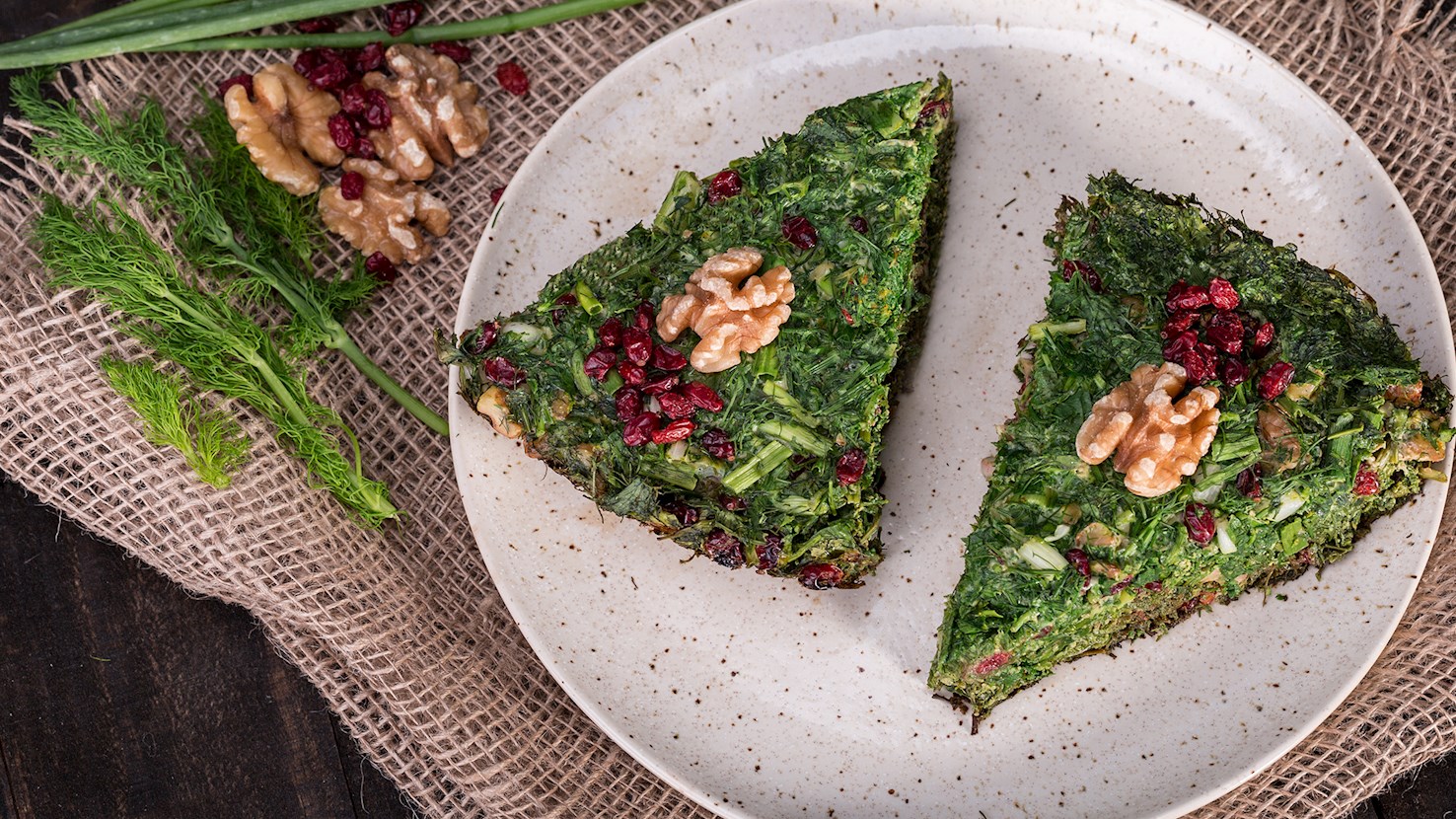
Kuku sabzi is a vibrant Iranian herb frittata that comes from Persian cuisine and is especially associated with Nowruz celebrations marking the Persian New Year. This dish relies on a mixture of finely chopped fresh herbs bound together with eggs and lightly seasoned with turmeric, walnuts, and barberries or dried berries for a bright, tangy contrast. The origins of kuku sabzi are centuries old, connected to the Persian use of herbs as both culinary and medicinal staples. Early references appear in Persian cookery texts that document recipes combining eggs with fresh vegetables and herbs as a way to create nourishing meals using whatever was locally available. Over generations, cooks refined the proportions to achieve a balance where the herbs remain dominant, and the eggs act more as a binder than a filling. While kuku sabzi is eaten year-round, it became particularly linked with the symbolic renewal of spring during Nowruz, when meals emphasize fresh greens as a sign of life and prosperity. Preparation begins by thoroughly washing and drying a variety of herbs, typically including parsley, coriander, chives or green onions, dill, and sometimes spinach or fenugreek leaves. These are chopped very finely by hand or with a food processor. Eggs are whisked separately and seasoned with salt, pepper, and turmeric. The herbs are folded into the eggs until the mixture is thick and vividly green. Some recipes add crushed walnuts for texture and soaked barberries or zereshk to provide a subtle tartness. The batter is then poured into a well-oiled pan and cooked gently over low to medium heat until the edges set. It can be finished by flipping or by baking briefly to firm the center. The result is a tender, cohesive cake that is rich in herbs with a golden crust. In Iran, kuku sabzi is commonly cut into wedges or squares and served warm or at room temperature. Some families garnish it with additional barberries or sprinkle it with ground walnuts before serving. During Nowruz, it often appears alongside rice, pickles, yogurt, and fresh flatbread. One aspect of kuku sabzi is how its preparation reflects personal and regional tastes: some cooks prefer it thick and dense with a soft middle, while others spread it thin for more browning and a crisp texture. Throughout Iran, kuku sabzi is enjoyed as a main dish, side, or mezze.
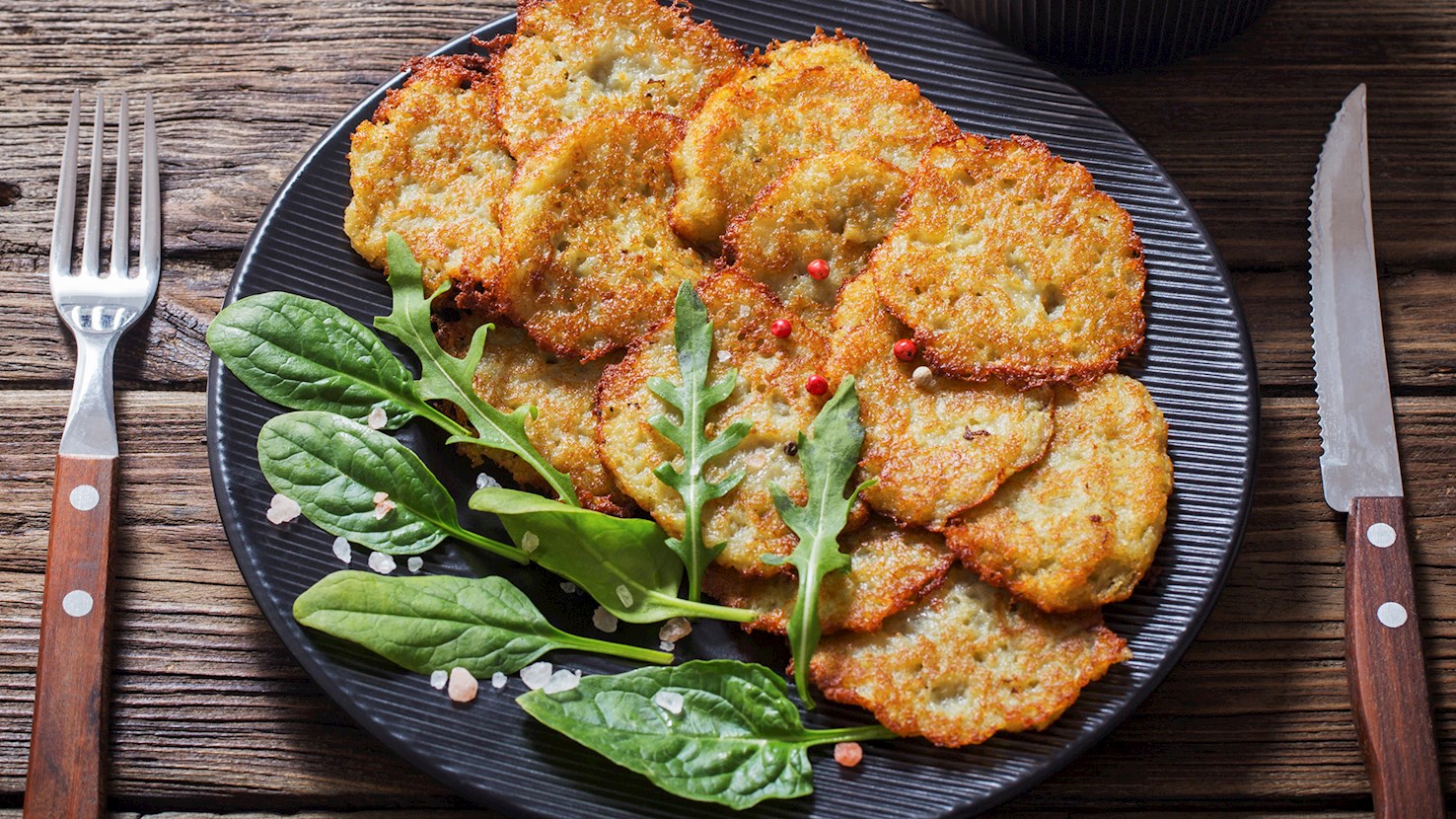
Kuku sibzamini is an Iranian potato-based dish prepared by combining mashed or grated potatoes with eggs, herbs, and spices to create a thick mixture that is gently pan-fried until golden on both sides. The name comes from Persian, where “kuku” refers to an egg-bound dish similar to an omelet or frittata, and “sibzamini” means potato. This style of kuku is popular across Iran as a convenient, satisfying meal that can be served warm or cold, often enjoyed as a light lunch, dinner, or picnic food. Preparation begins by cooking and mashing the potatoes until smooth or grating raw potatoes, depending on the desired texture. The potatoes are mixed with eggs, finely chopped onion, turmeric, salt, and pepper. Some cooks also include baking powder for a fluffier result. Fresh herbs like parsley or cilantro may be added for extra flavor, while a small amount of flour is sometimes incorporated to help bind the mixture. The seasoned batter is spread evenly into an oiled skillet and cooked over moderate heat until the bottom develops a firm, golden crust. It is then carefully inverted onto a plate or flipped in sections to cook the second side until fully set. Kuku sibzamini is served in wedges or squares and accompanied by flatbread, fresh herbs, yogurt, and pickled vegetables. The flavor is mild, with the sweetness of potato balanced by the earthy notes of turmeric and onion. Because the dish is not heavily spiced, it is popular with children and is often prepared as an everyday family meal. Its simplicity and reliance on inexpensive, accessible ingredients have made it a staple in Iranian households. Outside Iran, kuku sibzamini has found a place in Persian restaurants and home kitchens, where it is often introduced as an example of the versatility of kuku recipes. It is sometimes compared to other potato dishes like Spanish tortilla, though the Iranian version typically uses fewer eggs and lighter seasoning. The recipe is adaptable, allowing cooks to adjust the herbs, spices, or even the cooking method, with some opting to bake it rather than fry.
Kaleh Joosh is a savory and tangy Iranian soup originating primarily from central Iran, with strong ties to regions such as Isfahan and surrounding provinces. This dish is recognized for its distinctive use of kashk, a fermented whey product that imparts a creamy and slightly sour flavor to the broth, which is enriched by sautéed herbs like parsley, cilantro, and mint, along with garlic and onions. The origins of kaleh joosh are closely linked to rural Iranian households, where resourcefulness with locally available ingredients has shaped the dish over generations. The use of kashk not only adds depth of flavor but also provides nutritional benefits, making the soup both satisfying and healthful. While the recipe varies from one family to another, the core components remain consistent, preserving its identity as a flavorful, herbaceous soup that balances richness with acidity. Over time, kaleh joosh has moved from home kitchens to local restaurants, becoming a recognized part of central Iranian cuisine. Preparation of kaleh joosh involves slowly sautéing onions and garlic to develop their sweetness before adding a generous amount of fresh herbs, which are cooked until fragrant. Kashk is then incorporated, blending smoothly with the sautéed mixture to create the soup’s signature creamy texture and tangy taste. Turmeric and dried mint are commonly added to enhance the aroma and complexity. The soup is usually served hot, garnished with fried onions or additional herbs, and accompanied by flatbread or rice to complement its robust flavors. Kaleh joosh remains a staple dish in the central regions of Iran, particularly enjoyed in Isfahan and nearby areas. It is often featured in family meals, local eateries, and during cultural gatherings, valued for its comforting qualities and distinctive flavor profile.
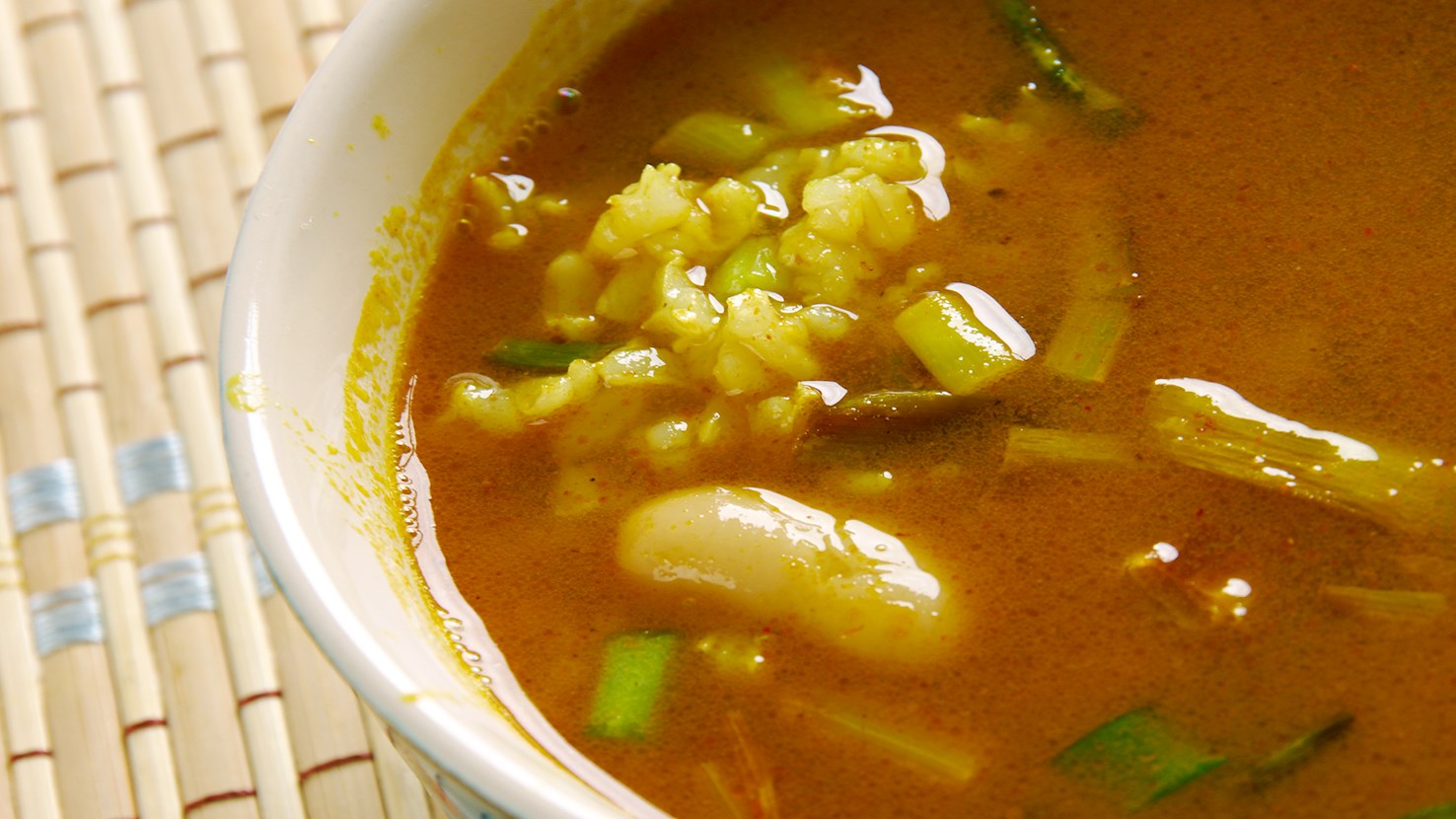
Ash-e jo is a barley-based soup from Iran, where it is widely prepared as a nourishing, slow-cooked meal often shared among families and neighbors. The name comes from the Persian word ash, which refers to thick soups or stews, and jo, meaning barley. The history of ash-e jo is closely tied to Iran’s agricultural heritage. Barley has been cultivated in the Iranian plateau for thousands of years, valued both as animal fodder and a staple grain in human diets. Recipes for barley soups appear in Persian culinary records that date back centuries, where they were recommended for their filling and restorative qualities. Over time, ash-e jo developed as a distinct dish, incorporating vegetables, herbs, legumes, and occasionally meat, making it a versatile preparation that could be adapted to seasonal produce and household means. Preparation begins by soaking barley to soften the grains. In many households, dried legumes such as lentils and beans are also soaked in advance to shorten cooking time. The base of the soup is built by gently frying onions, turmeric, and sometimes garlic in oil until aromatic. Chopped carrots, celery, and sometimes tomatoes are added for sweetness and depth. Water or meat broth is poured over the mixture, and the drained barley and legumes are stirred in. The pot simmers over low heat for several hours, allowing the barley to swell and release starch, which gives the soup a naturally thick consistency. Toward the end of cooking, generous amounts of chopped herbs, most often parsley, cilantro, dill, and spinach, are mixed in to brighten the flavor and add a green tint. Ash-e jo is typically seasoned with salt, black pepper, and occasionally a splash of verjuice or lemon juice to balance the richness. When served, the soup is ladled into bowls and often garnished with kashk, a tangy fermented whey sauce that is drizzled over the surface. Fried onions and dried mint in hot oil are also common toppings that bring aromatic contrast to the dish. While some variations include small pieces of lamb or beef, vegetarian versions are equally popular and widely consumed. Ash-e jo is most commonly eaten as a hearty lunch or dinner, particularly during colder months when warming foods are favored. It is served both at home and in small eateries specializing in ash, where pots of different varieties simmer side by side. In Iran, sharing ash-e jo is a gesture of hospitality, and it is often prepared in large quantities to offer to guests, neighbors, or during religious commemorations.
Dal adas is a hearty lentil stew originating from southern Iran, a region known for its rich culinary heritage shaped by diverse cultural influences and abundant local ingredients. This dish centers around red or brown lentils cooked until tender, combined with sautéed onions, garlic, and a fragrant mix of spices such as turmeric, cumin, and sometimes cinnamon, creating a warm and comforting meal that reflects the flavors and traditions of southern Iranian cuisine. The history of dal adas in southern Iran is closely tied to the agricultural practices and dietary habits of communities that have relied on lentils as a vital protein source for centuries. Over time, local cooks adapted this staple by incorporating regional spices and sometimes adding vegetables or dried limes to enhance the flavor complexity. Dal adas became a common dish in households and markets, valued not only for its sustenance but also for its ability to bring warmth and comfort, especially during cooler months or festive occasions. Preparation of dal adas typically involves rinsing and simmering lentils with sautéed onions and garlic, then seasoning the stew with turmeric, cumin, and occasionally cinnamon or dried lime for a distinctive tang. The lentils are cooked until soft and creamy, sometimes with the addition of vegetables like tomatoes or carrots. Fresh herbs such as cilantro or parsley are often added just before serving to brighten the dish. Dal adas is usually accompanied by flatbread or rice, allowing diners to enjoy the stew as part of a balanced meal.
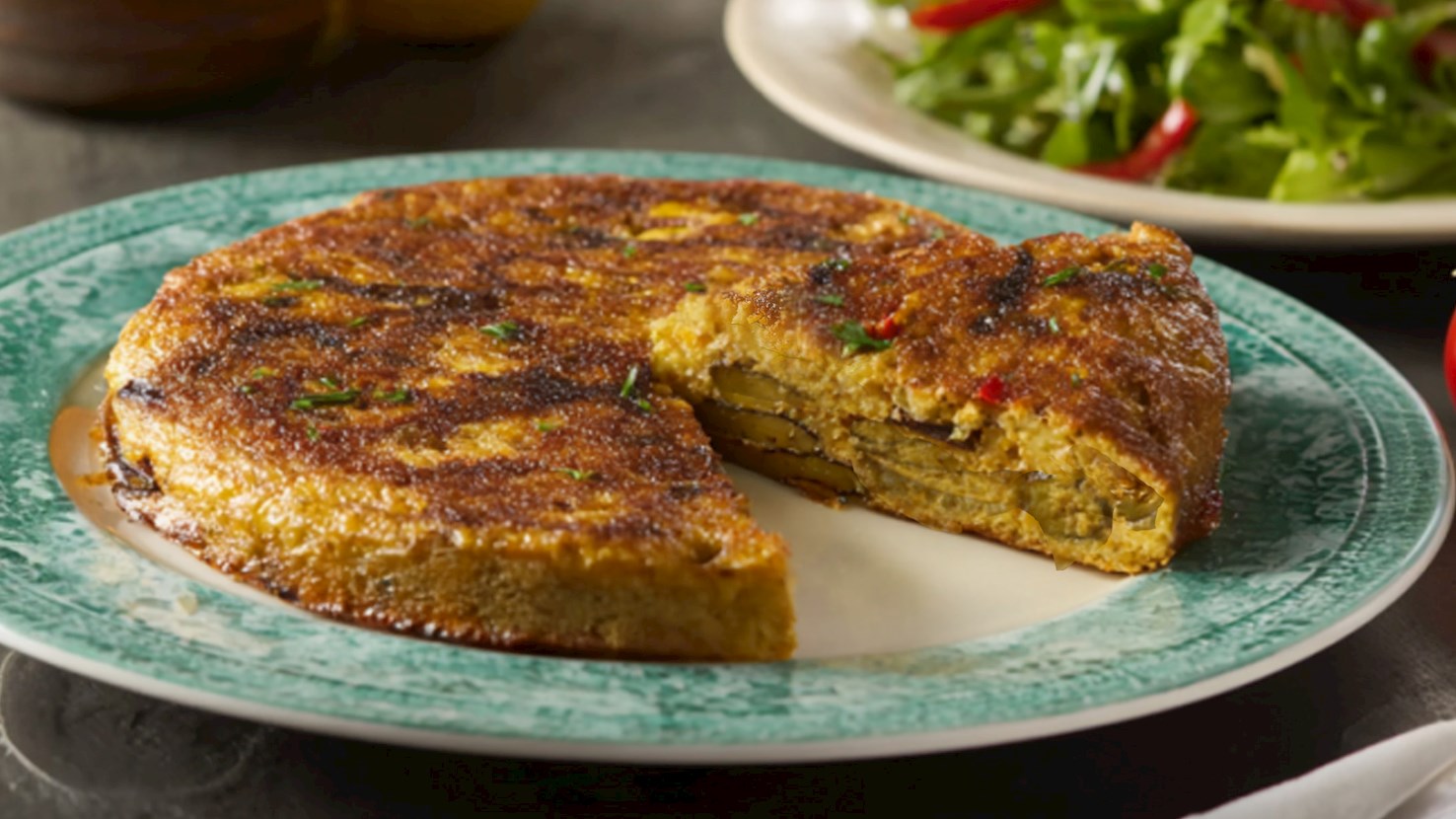
Kuku bademjan is a savory Persian egg-based dish prepared with eggplants, commonly enjoyed across Iran as a main or side course. It belongs to the broader family of kuku recipes, which are similar to frittatas and often combine eggs with vegetables or herbs. The history of kuku as a cooking method dates back centuries, with references in Persian culinary manuscripts to dishes that bind seasonal vegetables with eggs to create a nourishing and economical meal. Over time, variations developed to showcase regional produce, and eggplant became a favored choice because of its soft texture and ability to absorb flavors. As eggplants spread from India and the Middle East to Iran, they gained prominence in many dishes, including stews and kuku preparations. To make kuku bademjan, eggplants are peeled and sliced before being salted and left to rest briefly to reduce bitterness. They are then fried or sautéed in oil until tender and lightly golden. In a bowl, the cooked eggplants are combined with beaten eggs, finely chopped onions, turmeric, salt, black pepper, and sometimes crushed garlic or fresh herbs such as parsley or dill. This mixture is poured into a skillet and cooked over gentle heat until the eggs set and the edges become crisp. In some recipes, the pan is briefly finished in the oven to firm the center without burning the bottom. Kuku bademjan is cut into wedges or squares for serving. It can be served hot, warm, or cold, and is often accompanied by fresh herbs, flatbreads like lavash or sangak, and a side of yogurt or torshi (pickled vegetables). The combination of soft eggplant and fluffy eggs creates a texture that pairs well with rice dishes and salads. Kuku bademjan is commonly eaten at family gatherings, picnics, and as part of shared meals where multiple small dishes are presented together.
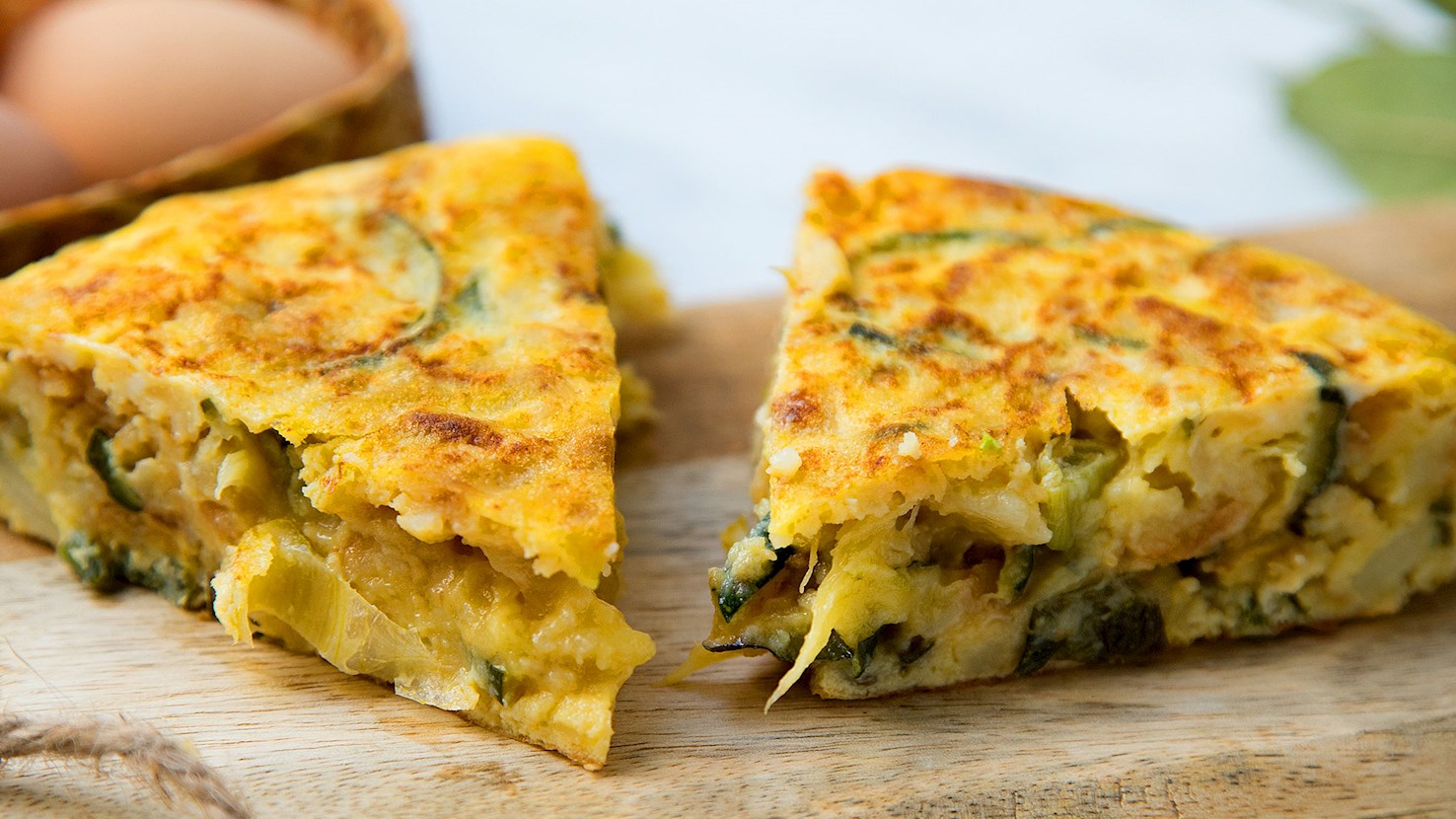
Kuku kadoo is an Iranian egg-based dish prepared with zucchini, known for its soft texture and subtle flavor that highlights the natural sweetness of the vegetable. The word “kuku” refers to a class of Persian recipes that resemble an omelet or frittata, made by binding finely chopped or grated ingredients with eggs and gently frying them until set. In this version, “kadoo” simply means zucchini, which becomes the main component of the mixture. Kuku kadoo is popular across Iran as a light meal served with flatbread, yogurt, and pickles, often appearing on family tables when fresh zucchini is in season. The preparation begins by grating zucchini and lightly salting it to draw out excess moisture. After resting for several minutes, the zucchini is squeezed to remove liquid, ensuring the kuku holds its shape. The grated vegetable is then mixed with beaten eggs, finely chopped onions, turmeric, salt, pepper, and sometimes a small quantity of flour for better binding. Some recipes include fresh herbs like parsley or dill, which add extra color and aroma. The mixture is poured into a skillet coated with oil and cooked over moderate heat until the bottom becomes golden. It is then flipped or turned carefully to cook the second side, yielding a lightly browned surface and a tender interior. Kuku kadoo can be served warm or at room temperature, often cut into wedges or squares. It is enjoyed as a simple lunch, a vegetarian side dish, or part of a larger spread with rice dishes and stews. The mild flavor makes it especially popular among children and those who prefer less heavily spiced foods. In many households, it is also prepared as an easy way to use surplus zucchini during the summer harvest. Beyond Iran, kuku kadoo has become more widely known among Persian diaspora communities and in cookbooks that introduce Iranian home cooking. The recipe adapts easily to modern kitchens, with some cooks opting to bake it in the oven rather than frying. The technique of using a high ratio of vegetables to eggs is characteristic of kuku recipes and distinguishes them from Western omelets, which tend to rely more on egg volume.
Kadoo polo is a Persian rice dish known for its harmonious blend of saffron-infused rice with tender, sautéed pumpkin. This dish combines the subtle sweetness of the pumpkin with aromatic spices and the fluffy texture of basmati rice, resulting in a comforting and balanced meal. The history of kadoo polo is tied to the agricultural cycles of Iran, where pumpkins have been cultivated for centuries and integrated into the local diet alongside grains and spices. Over time, this dish became popular in home kitchens as well as in festive settings, celebrated for its simplicity and the way it highlights natural flavors. Preparation of kadoo polo involves peeling and slicing fresh pumpkin, which is then sautéed gently with onions, turmeric, and sometimes cinnamon or other warming spices. The pumpkin is cooked until tender but not mushy, preserving its shape and sweetness. Meanwhile, basmati rice is parboiled and then steamed with saffron water to develop a fragrant, golden hue. The sautéed pumpkin is either mixed into the rice or layered within it during the final steaming stage, allowing the flavors to meld. Kadoo polo is often served alongside grilled meats, stews, or yogurt-based side dishes, creating a balanced meal. Kadoo polo is enjoyed throughout Iran, especially during autumn when pumpkins are in season. It is a staple in family meals and is also featured during cultural celebrations and gatherings.
TasteAtlas food rankings are based on the ratings of the TasteAtlas audience, with a series of mechanisms that recognize real users and that ignore bot,
nationalist or local patriotic ratings, and give additional value to the ratings of users that the system recognizes as knowledgeable.
For the “Top 10 Iranian Vegetarian Dishes” list until July 15, 2026, 488 ratings were recorded, of which 278 were recognized by the system as legitimate.
TasteAtlas Rankings should not be seen as the final global conclusion about food. Their purpose is to promote excellent local foods,
instill pride in traditional dishes, and arouse curiosity about dishes you haven’t tried.