Top 62 Vinegars
in the World

Last updated on June 05, 2026

Best Vinegars in the World
01

Valdespino

5 ·
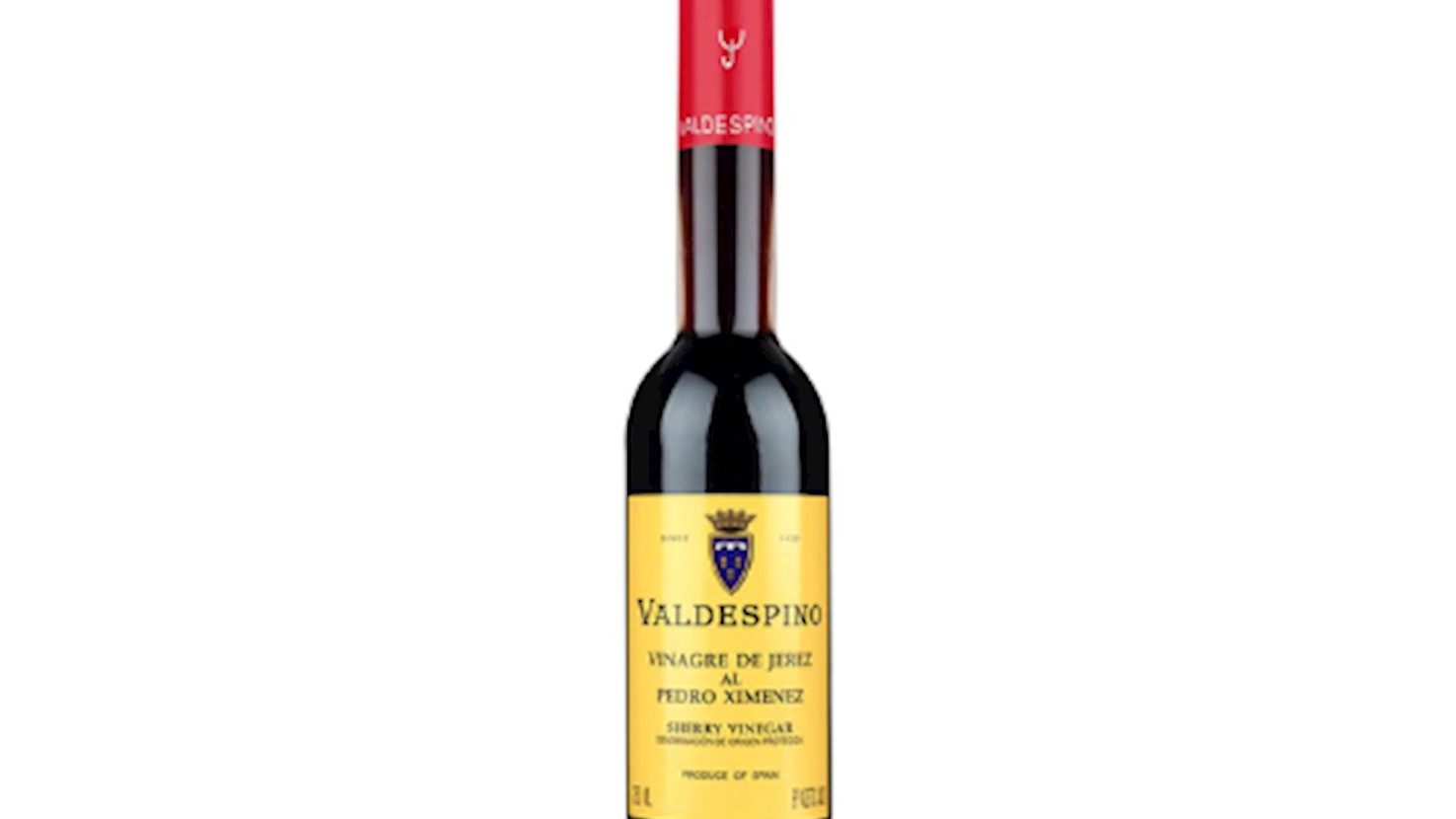
Valdespino is one of the oldest and most prestigious wineries in the Jerez de la Frontera region of Spain, with a sherry-making tradition dating back to the 13th century. The winery is unique for producing wines from the renowned Pago de Macharnudo Alto vineyard, the most important "cru" in Jerez and one of the most esteemed in the world. Valdespino is known for its commitment to traditional production methods, including fermentation in oak barrels and long aging processes, resulting in sherry wines of exceptional complexity and character. Their collection includes various styles of sherry, such as Fino, Manzanilla, Amontillado, Oloroso, and Palo Cortado, each with its own distinctive characteristics.
Awards
Decanter World Wine Awards - Platinum (2022, 2020)
Falstaff - 100
02

Sichuan Baoningcu

4.9 ·
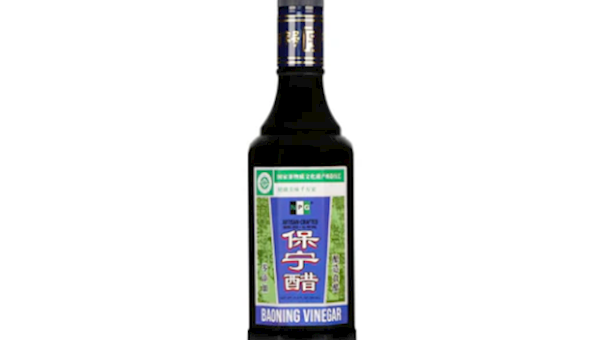
Sichuan Baoningcu is a traditional vinegar producer from Sichuan Province, known for its long history and preserved fermentation methods rooted in local artisanal practices. Production relies on slow, natural fermentation in clay vessels, using high-quality grains and region-specific water, which give the vinegar its characteristic aroma, gentle acidity, and layered flavor. Their range includes classic and long-aged vinegars, organic varieties, and specialty lines designed for both professional kitchens and everyday home cooking. Today, Baoningcu is regarded as one of the key representatives of authentic Sichuan vinegar craftsmanship, with products widely used in traditional Chinese cuisine as well as in international gastronomy that values pronounced, naturally fermented character.
03

Lee Kum Kee

4.8 ·
Lee Kum Kee is a well-known and reputable Chinese food manufacturer, specializing in sauces and condiments. Founded in 1888 in Guangdong, China, the company has a long history of producing high-quality products that are widely used in Asian cooking. Lee Kum Kee is particularly famous for its oyster sauce, soy sauce, and various other cooking sauces, which are staples in both home kitchens and professional restaurants around the world. The company uses traditional recipes combined with modern production techniques to ensure consistency and authenticity in its products. With a strong focus on innovation and quality, Lee Kum Kee has expanded its product range to include seasonings, marinades, and ready-to-cook products, catering to a diverse global audience.
Awards
Great Taste Awards - 3 Stars (2024, 2023)
Great Taste Awards - 2 Stars (2024, 2023)
04

Sennari

4.8 ·
Sennari is a family-owned company from Hiroshima, founded in 1927, known for its dedication to traditional, artisanal production of vinegars, dressings, natural seasonings, and more recently, organic tomato ketchup. At the heart of its philosophy lies the method of static fermentation - a slow and quiet maturation process, free from industrial acceleration, which allows for the development of rich, well-balanced, and naturally refined flavors. All of Sennari’s products are based on carefully selected local and organic ingredients, sourced in close collaboration with Japanese farmers and fishermen. Key raw materials include rice from Akita Prefecture, lemons and yuzu from the Setouchi region, green perilla (shiso), and oysters from Hiroshima. The same level of care is applied to their organic tomato ketchup, made from organically grown tomatoes and onions, enhanced with their own house-made vinegar and a minimal amount of natural seasonings. The water used in fermentation is drawn from Hiroshima’s underground springs, known for their softness and purity, which further enhances the subtle character of all Sennari products. Thanks to their commitment to craftsmanship and sustainable partnerships with producers, Sennari has earned a strong reputation in Japan and is gaining increasing international recognition.
05

Opg Matulić

4.8 ·
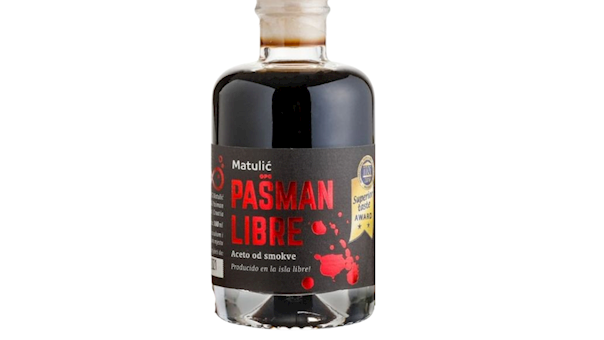
Opg Matulic is a family-owned agriculture business located on the island of Pašman, Croatia, specializing in the production of handmade chocolates and other artisanal products. The business incorporates locally sourced ingredients, highlighting the island's native flavors and traditions in their products.
Awards
Great Taste Awards - 3 Stars (2021)
Academy of Chocolate - Bronze (2023)
06

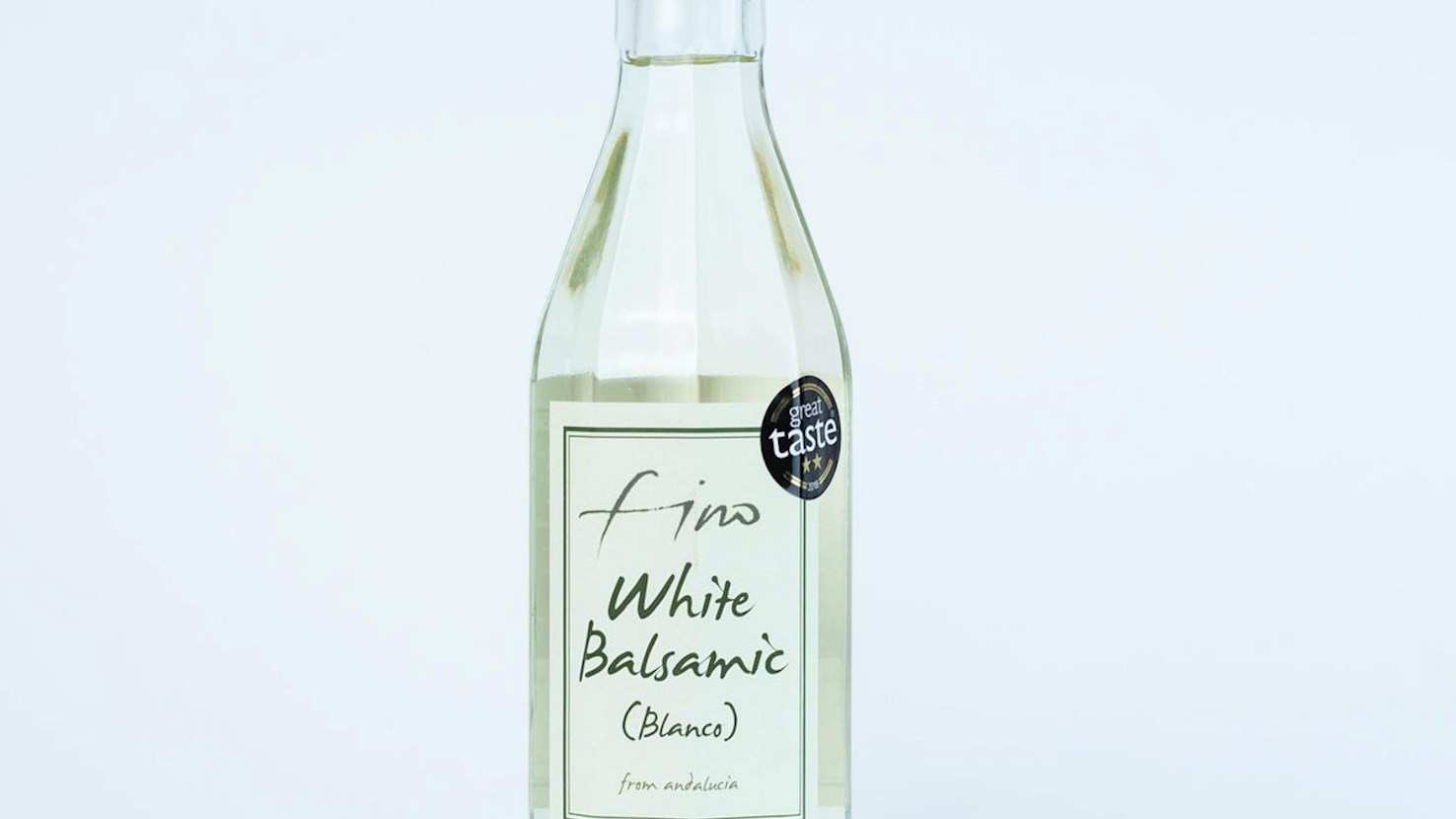
Fino

4.8 ·
Awards
Great Taste Awards - 3 Stars (2024, 2023, 2021)
07

Willy's

4.8 ·
Awards
Great Taste Awards - 3 Stars (2024, 2023, 2021)
Great Taste Awards - 2 Stars (2023, 2022, 2021)
08

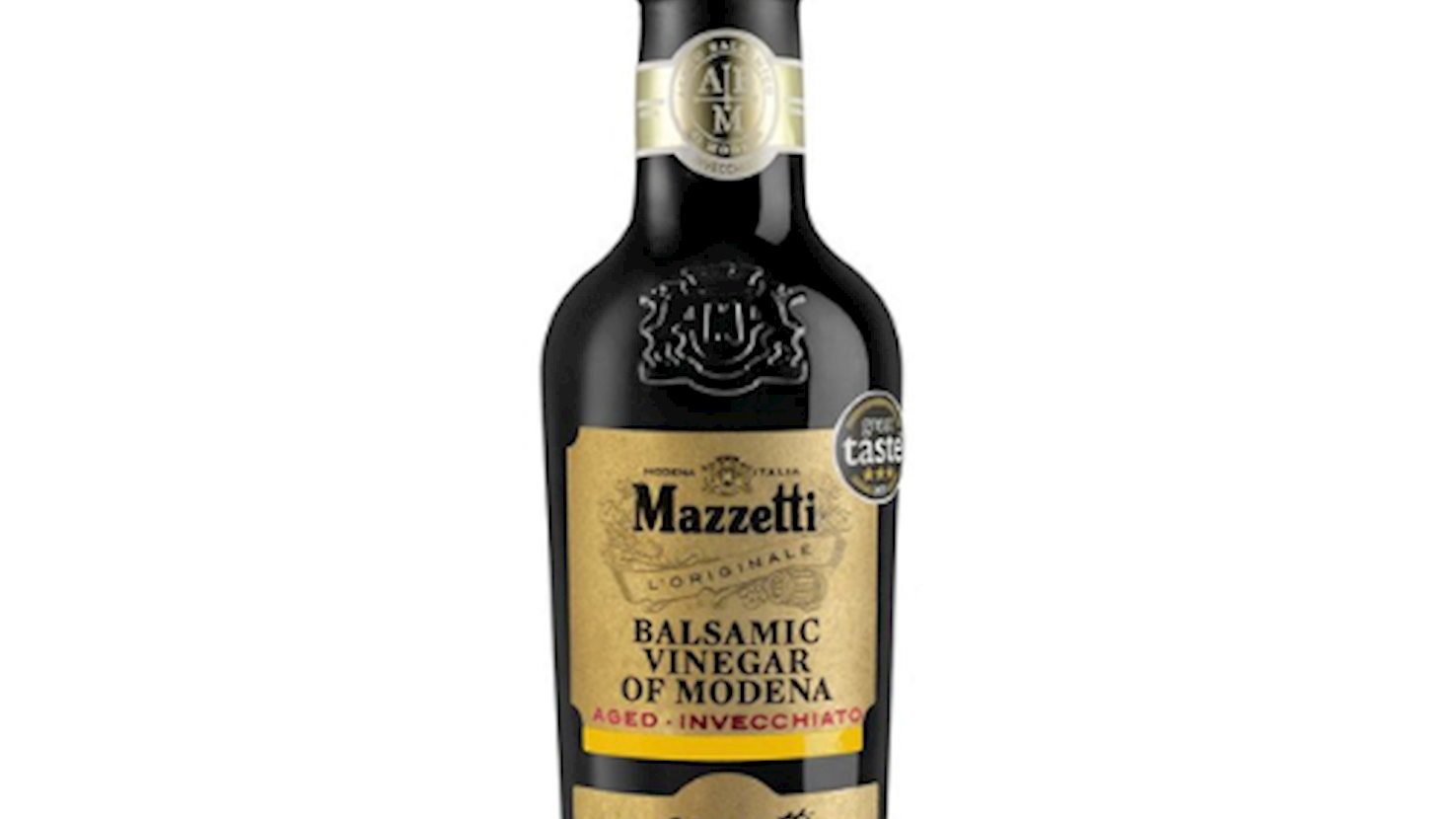
Mazzetti L’Originale

4.8 ·
Mazzetti l’Originale is a family-owned Italian company based in Cavezzo, in the Emilia-Romagna region, renowned for its nearly eight decades of tradition in producing premium balsamic vinegar from Modena (Aceto Balsamico di Modena). From founder Felice Mazzetti to the current generation, the family has remained faithful to traditional methods - carefully selecting grapes, cooking the must in open vats, and allowing it to age in wooden barrels made of various types of wood. Mazzetti is praised in expert reviews as one of the leading balsamic brands, known for its rich, layered flavor – reviewers often highlight its density, balance, and the elegant appearance of the bottle. The brand also offers specialty products such as single-varietal wine vinegars (Prosecco, Chianti), emphasizing their dedication to authenticity and innovation.
Awards
Great Taste Awards - 3 Stars (2021)
Great Taste Awards - 2 Stars (2023, 2022)
09

Vinegar Tips

4.8 ·
Awards
Great Taste Awards - 3 Stars (2024, 2022)
Great Taste Awards - 2 Stars (2023, 2022, 2021)
10

Mizkan

4.8 ·
Mizkan is a Japanese food company that specializes in the production of condiments and sauces. It was originally founded in 1804 by Matazaemon Nakano. Mizkan produces a variety of products, including vinegar, soy sauce, and ready-made sauces. The company's headquarters are located in Handa, Aichi Prefecture, Japan. Mizkan has expanded its operations internationally, acquiring brands such as Branston and Holland House.
Awards
Great Taste Awards - 3 Stars (2023)

Best Vinegar Types in the World
01

Aceto Balsamico di Modena

4.5 ·

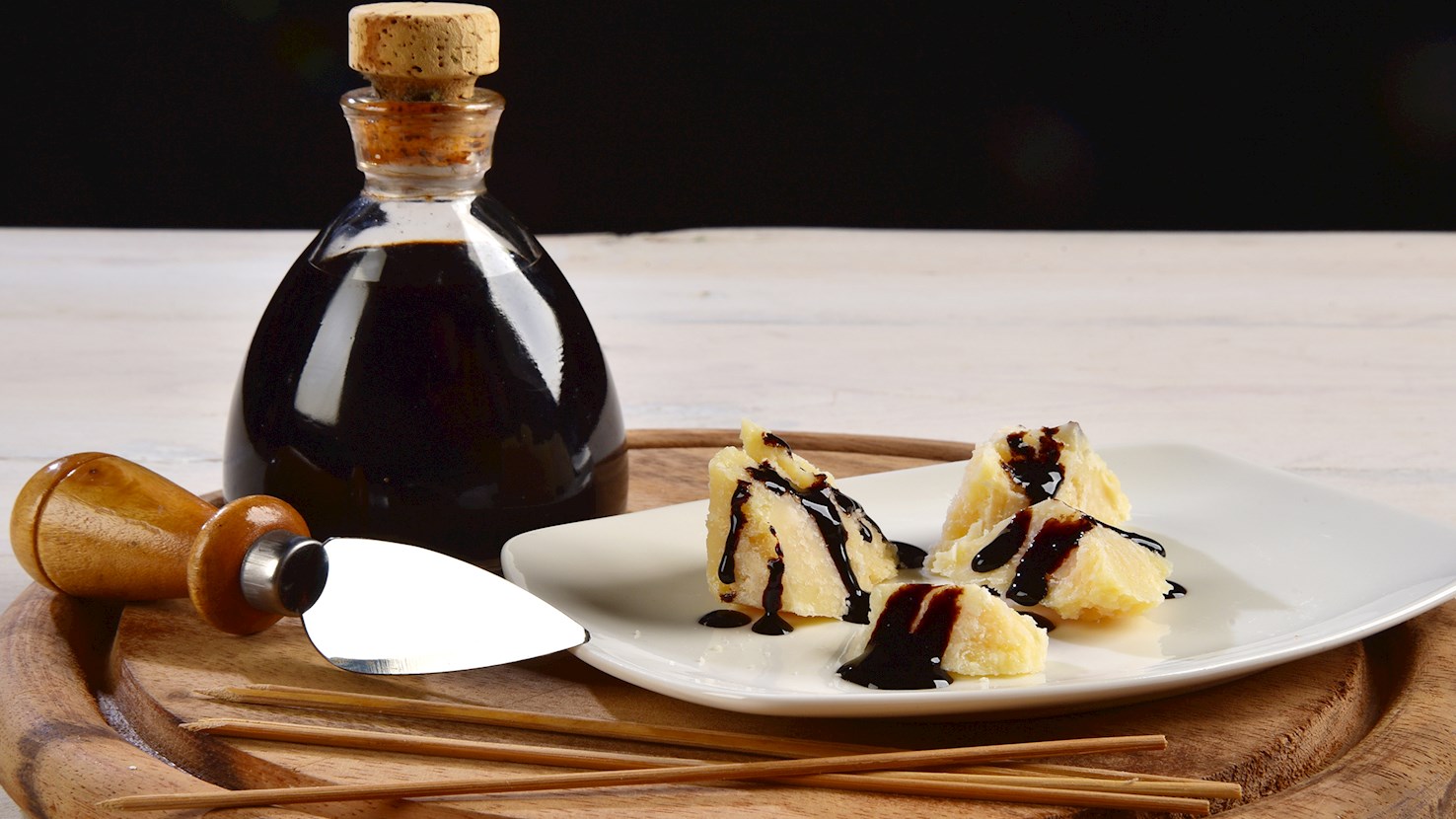
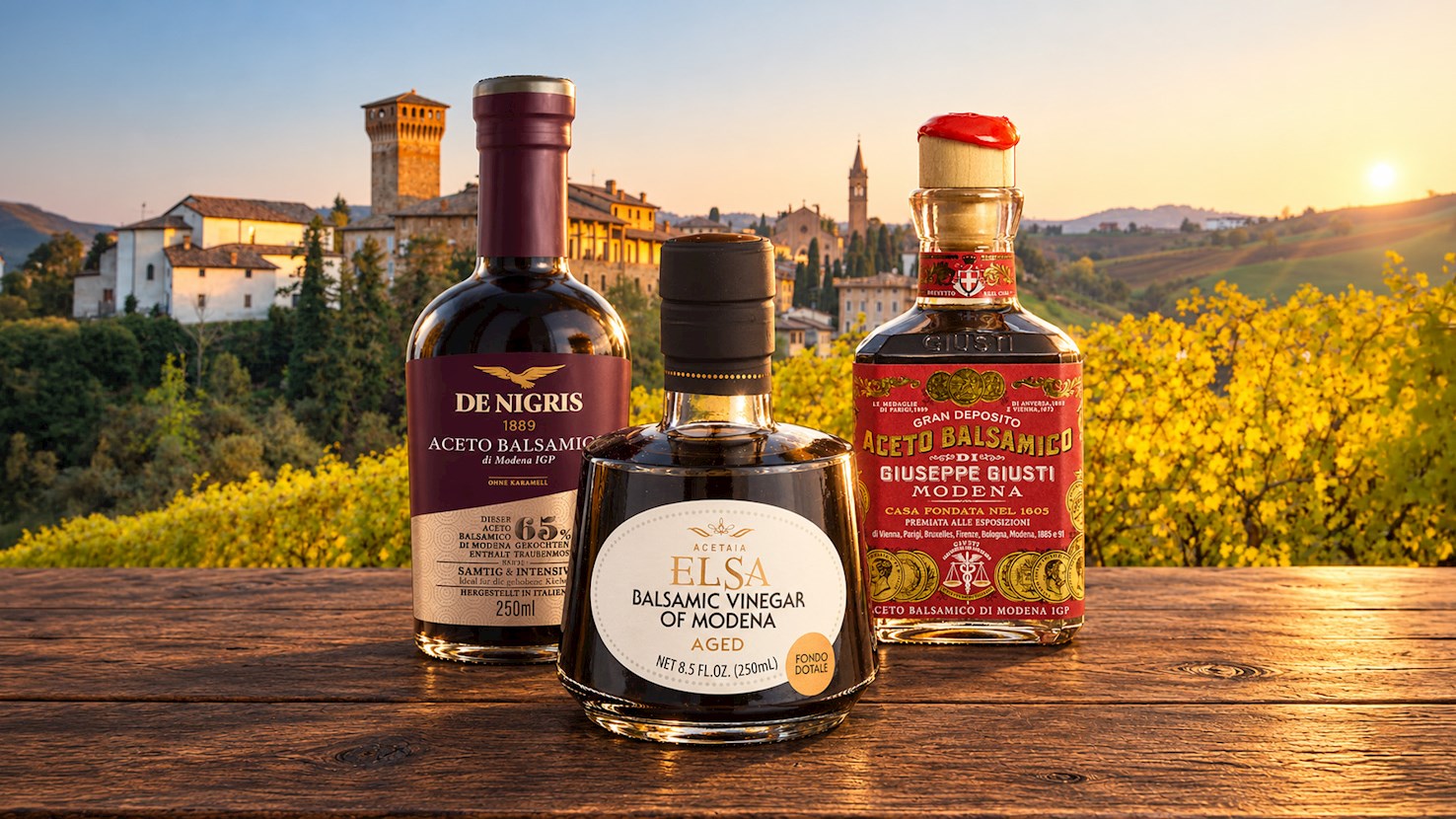
Widely used and commonly found on restaurant tables across Europe, Aceto Balsamico di Modena is produced in the neighboring provinces of Modena and Reggio Emilia. Aceto di Modena is an inexpensive, less aged variety of Aceto Balsamico Tradizionale di Modena. It usually sells for approximately $10-20 an ounce, and should never be mistaken for the highly prized Tradizionale that can sell for up to $200 an ounce. Traditionally, balsamic vinegar is made from late harvested, locally grown Trebbiano grapes. The grape juice is cooked, reduced and matured in barrels made of different types of wood. Over time, the reduced must takes on complex aromas of wood, a balanced taste of caramel sweetness and fruity acidity, finally turning into a dense, rich balsamic vinegar. Even though it is most often enjoyed drizzled over parmesan chunks, Aceto Balsamico di Modena is quite a versatile product, used both in cooking and for various salad dressings.

02

Aceto Balsamico Tradizionale di Modena

4.4 ·

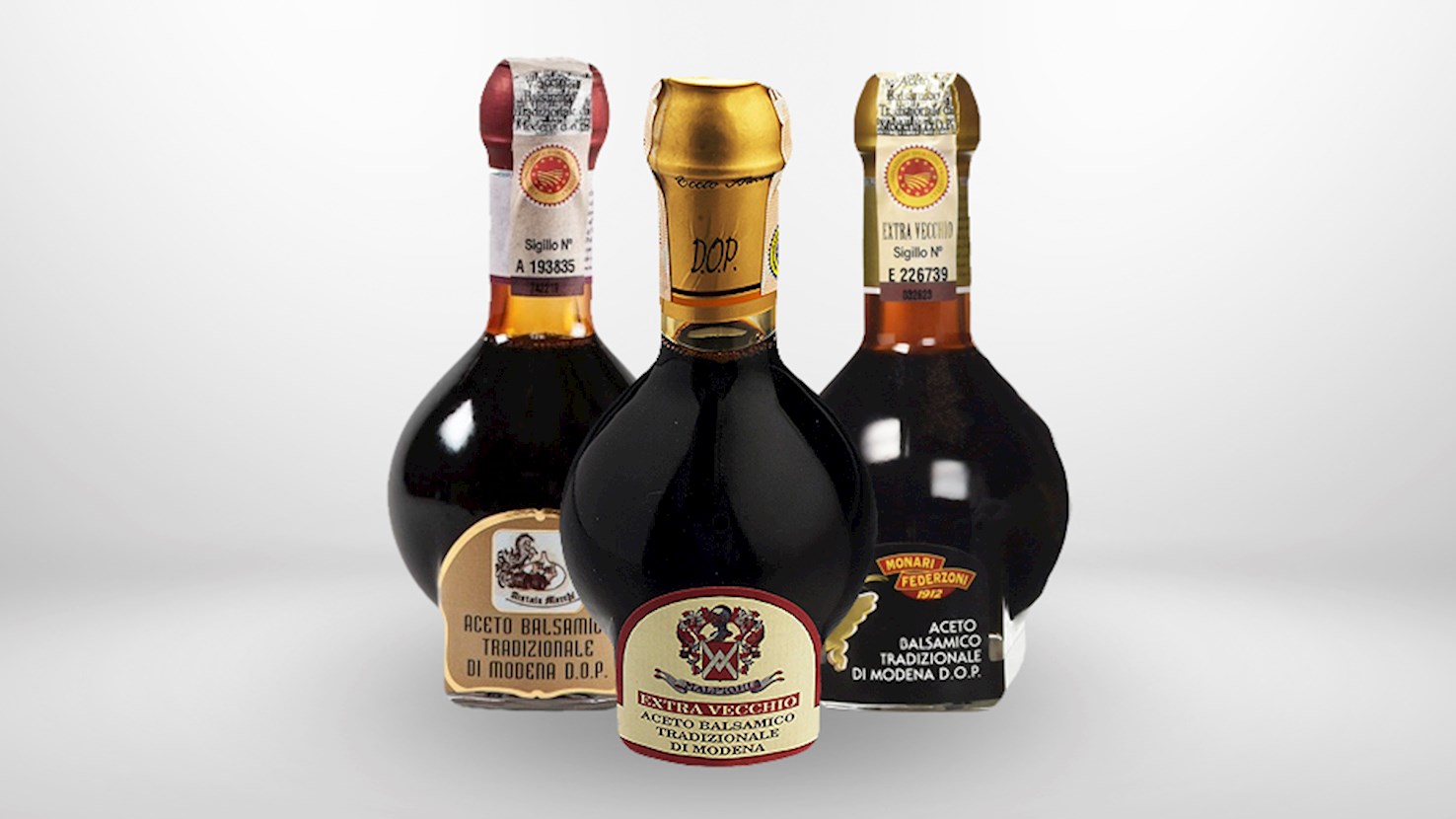
Produced since the Middle Ages and famous throughout the world, the traditional balsamic vinegar of Modena is made from a reduction of pressed and cooked Trebbiano and Lambrusco white grapes. The grape juice is boiled down to approximately 30% of the original volume, which produces a thick syrup called mosto cotto in Italian. Aceto Balsamico Tradizionale di Modena is then stored in wooden barrels and fermented with a slow aging process for a minimum of 12 years. During this time, the traditional Modena vinegar becomes sweeter, viscous and very concentrated, which intensifies the flavor even more. Aceto balsamico is rich, glossy, deep brown in color and has a complex flavor that balances the natural sweet and sour elements of the cooked grapes with hints of wood from the barrels: chestnut, cherry, oak, mulberry, ash or juniper. Aceto Balsamico Tradizionale di Modena can sell for up to $200 an ounce, and should never be mistaken with the regular Aceto Balsamico. Highly prized by modern chefs and gourmet food lovers, the Extravecchio variety of Modena balsamic vinegar, the one that's aged for 25 years or even more, is marketed in bottles with gold-colored caps. The most famous Modena desserts made with this balsamic vinegar are Zabaione, Latte alla Portoghese, and Panna Cotta.

03

Vinagre de Jerez

4.1 ·

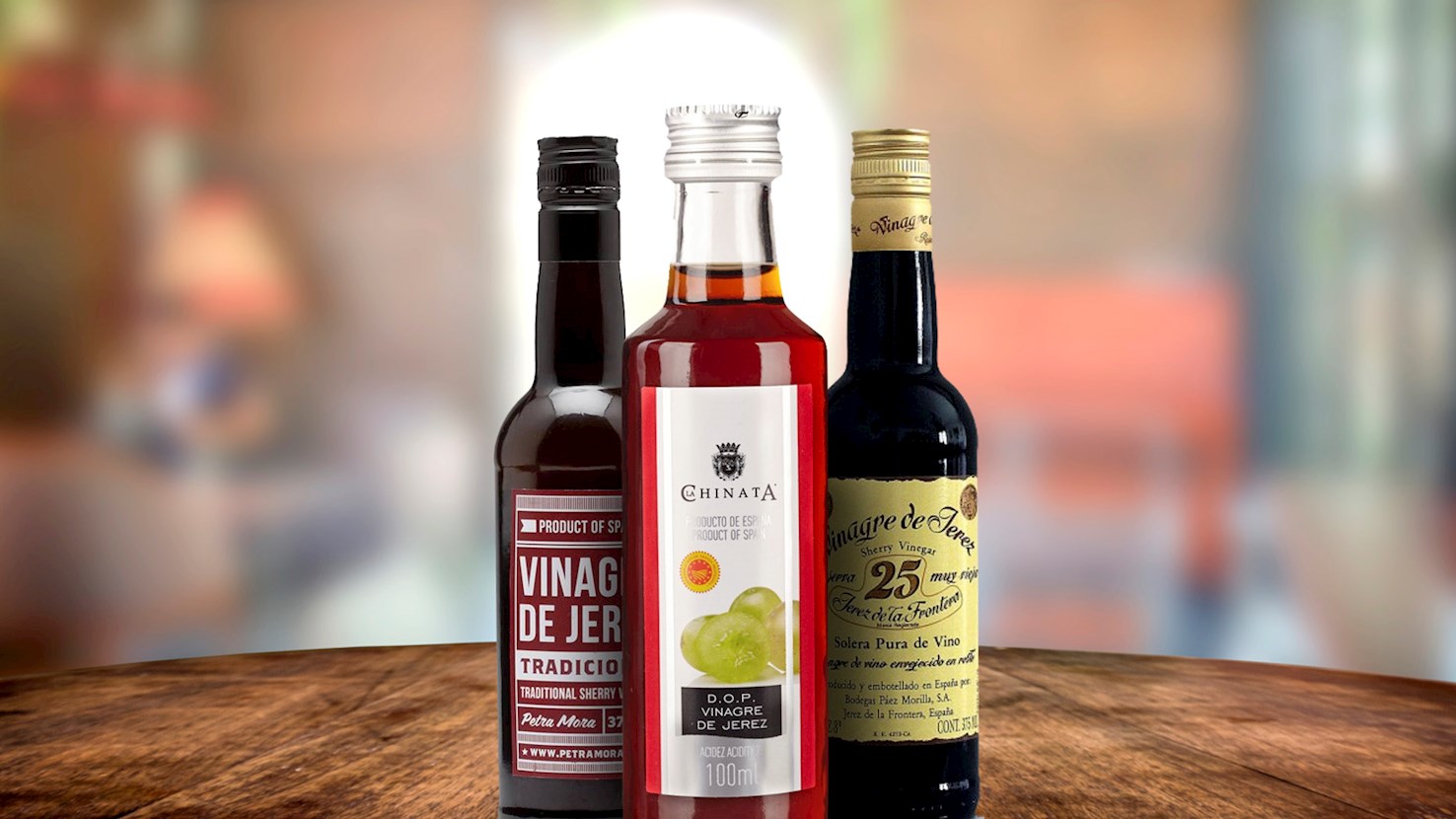
Vinagre de Jerez is a vinegar obtained from the acetous fermentation of wines from Palomino, Pedro Ximénez or Jiménez and Muscatel grape varieties produced in the provinces of Cádiz, Lebrija and Seville. It is aged in American oak barrels using the traditional solera system. The vinegar has a characteristic pale-golden color with light and sweet aroma. Depending on the aging period, there are three types of this vinegar: Vinagre de Jerez is aged at least six months, Vinagre de Jerez Reserva is aged at least two years and Vinagre de Jerez Gran Reserva has a minimum aging period of ten years. Also, depending on the wine used, there are two categories of all the previous kinds of vinegar mentioned: Vinagre de Jerez al Pedro Ximénez to which Pedro Ximénez wines are added during the production process and Vinagre de Jerez al Moscatel to which Pedro Moscatel wines are added. This vinegar is also known as sherry vinegar and is used in cuisine all around the world, especially in France. It is used to flavor the variety of stews, sauces, casseroles and salad dressings.

04

Sarson's malt vinegar

3.9 ·

Sarson’s malt vinegar is a traditionally brewed and matured malt vinegar that’s produced in Manchester. This type of malt vinegar is made with a combination of barley malt vinegar and barley malt extract. Every year, 7.5 million litres of malt vinegar are produced in Sarson’s factories. Sarson’s uses traditional methods and wooden vats to make the malt vinegar, which matures over seven days. This condiment is traditionally used with fish and chips, and it can be found in all good chip shops across the United Kingdom.

Best producers
05

Aceto Balsamico Tradizionale di Reggio Emilia

3.9 ·

Named after the province and region of its origin, Aceto Balsamico Tradizionale di Reggio Emilia is a balsamic vinegar obtained by fermenting and refining cooked grapes of the Lambrusco and Trebbiano varieties. The grapes are boiled down to approximately 30% of their original volume, turning into a thick syrup called mosto cotto in Italian, which is then stored in wooden barrels and fermented with a slow aging process for a minimum of 12 years. This traditional vinegar variety is incomparably more expensive than regular Aceto Balsamico because of the high purity requirements and a much longer aging process. In fact, if tasted straight from the bottle, not even the best commercial vinegars can compete with the rich aroma and flavor of a true, traditional Aceto Balsamico, which is a complex array of caramel, raisin, wood and honey notes, blended in a perfect balance of sweet and sour. Reggio Emilia differentiates the three ages of their balsamic vinegar by label color: Bollino Aragosta (Red lobster seal) is for vinegar that's been aged for at least 12 years; Bollino Argento (Silver seal) means that the vinegar has aged for at least 18 years, and lastly - Bollino Oro (Gold seal) is considered to be the best of the best and designates aceto balsamico which has aged for 25 years or even more! In Emilia Romagna, the traditional balsamic vinegar is most often enjoyed in precious drops drizzled over chunks of Parmigiano Reggiano or Mortadella slices but it's also used sparingly to enhance steaks or even grilled fish, as well as drizzled over fresh fruits like strawberries and pears or even desserts such as Crema gelato, custard ice cream.

06

Aceto balsamico

3.8 ·

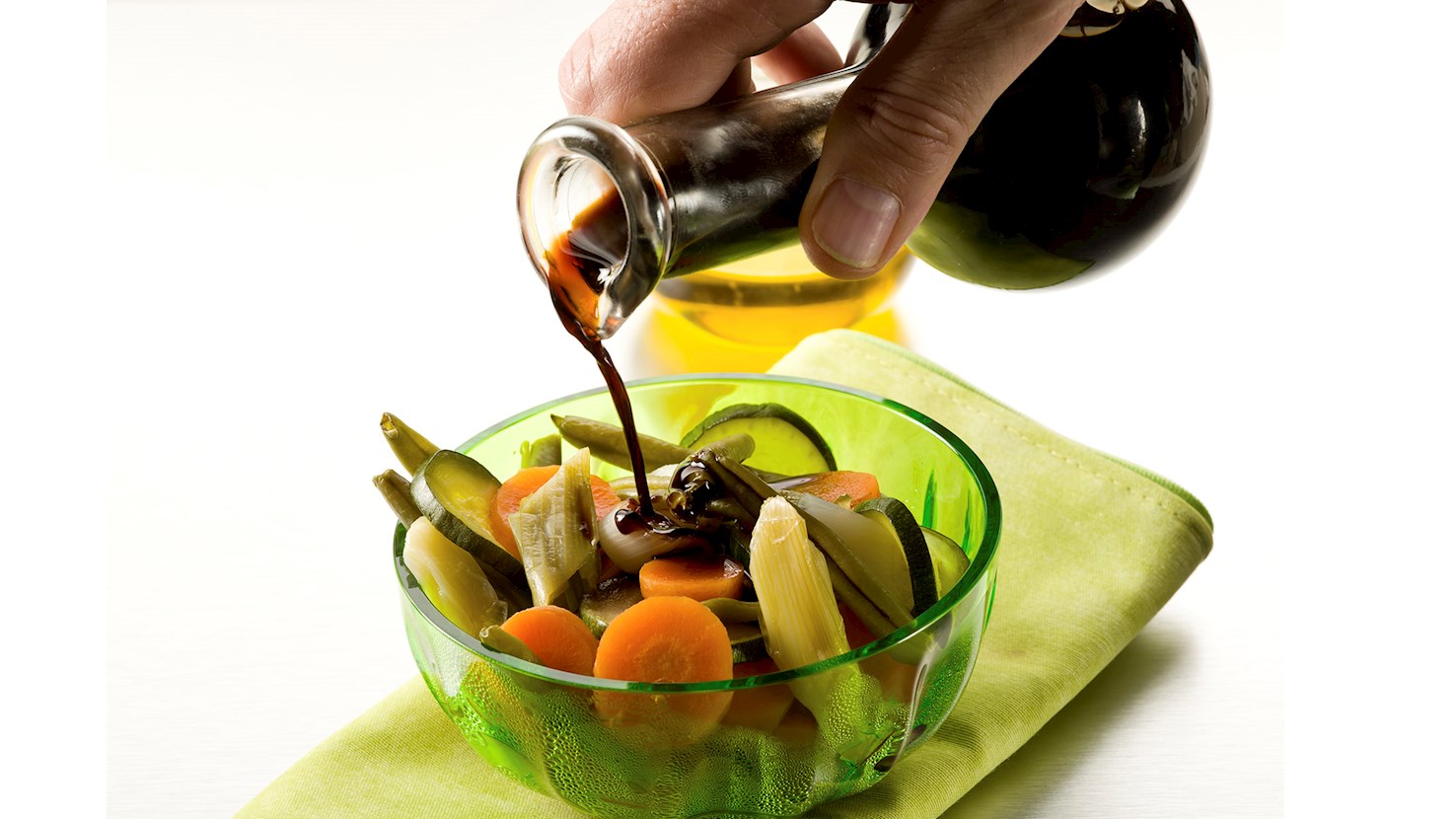
Aceto Balsamico, or balsamic vinegar, is a traditional vinegar from Italy, specifically from the Emilia-Romagna region, with its most famous origins in the cities of Modena and Reggio Emilia. It is crafted from the must of white Trebbiano grapes, which are cooked down into a syrup and then aged in wooden barrels. The aging process can vary greatly, with some balsamic vinegars being aged for over 25 years. There are two primary types of balsamic vinegar. The first, Aceto Balsamico Tradizionale, is the highest-quality variety, aged for at least 12 years, sometimes even longer. This traditional version is known for its rich, complex flavor, striking a perfect balance between sweetness and acidity, making it a luxurious addition to dishes such as meats, cheeses, and even desserts. The second type is Aceto Balsamico di Modena, which is more widely available and less expensive. It is produced faster, sometimes with the addition of wine vinegar and caramel to enhance the flavor and color. Balsamic vinegar is widely appreciated for its deep, tangy sweetness and is commonly used to enhance the flavors of salads, meats, fruits, and even ice cream.

07

Zhenjiang xiang cu (Black rice vinegar)

3.4 ·

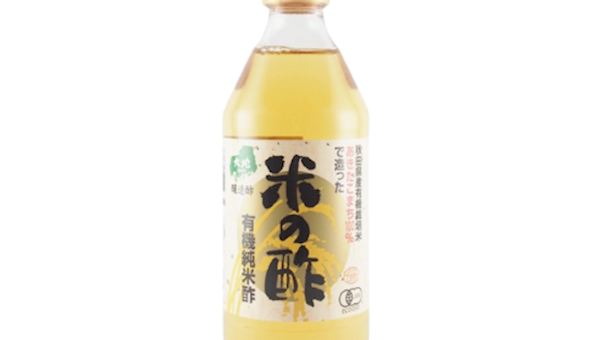
Zhenjiang xiang cu is a rice vinegar of a unique taste and production process, made in the Zhenjiang region. It comes in two varieties, depending on its shelf life - Fragrant Vinegar has a shelf life of over 180 days, and Mature Vinegar has a shelf life of over a year. There are only six raw materials used in the production process - sticky rice with strong glutinosity, wheat bran of premium quality, rice husk that forms the special gaseous environment, daqu, frying rice that gives it the fragrance and colour, and pure water rich in minerals and with an appropriate hardness for brewing vinegar. The final product has a delicate flavour and scent, mild and dense, fresh, slightly sweet, sour but not astringent. It is quite dark, reddish brown in colour. It is an extremely versatile and loved product, best used with dumplings, soy sauce, caramelized onions and chili peppers for a true gourmet dish.

08

Vinagre de Montilla-Moriles

n/a ·

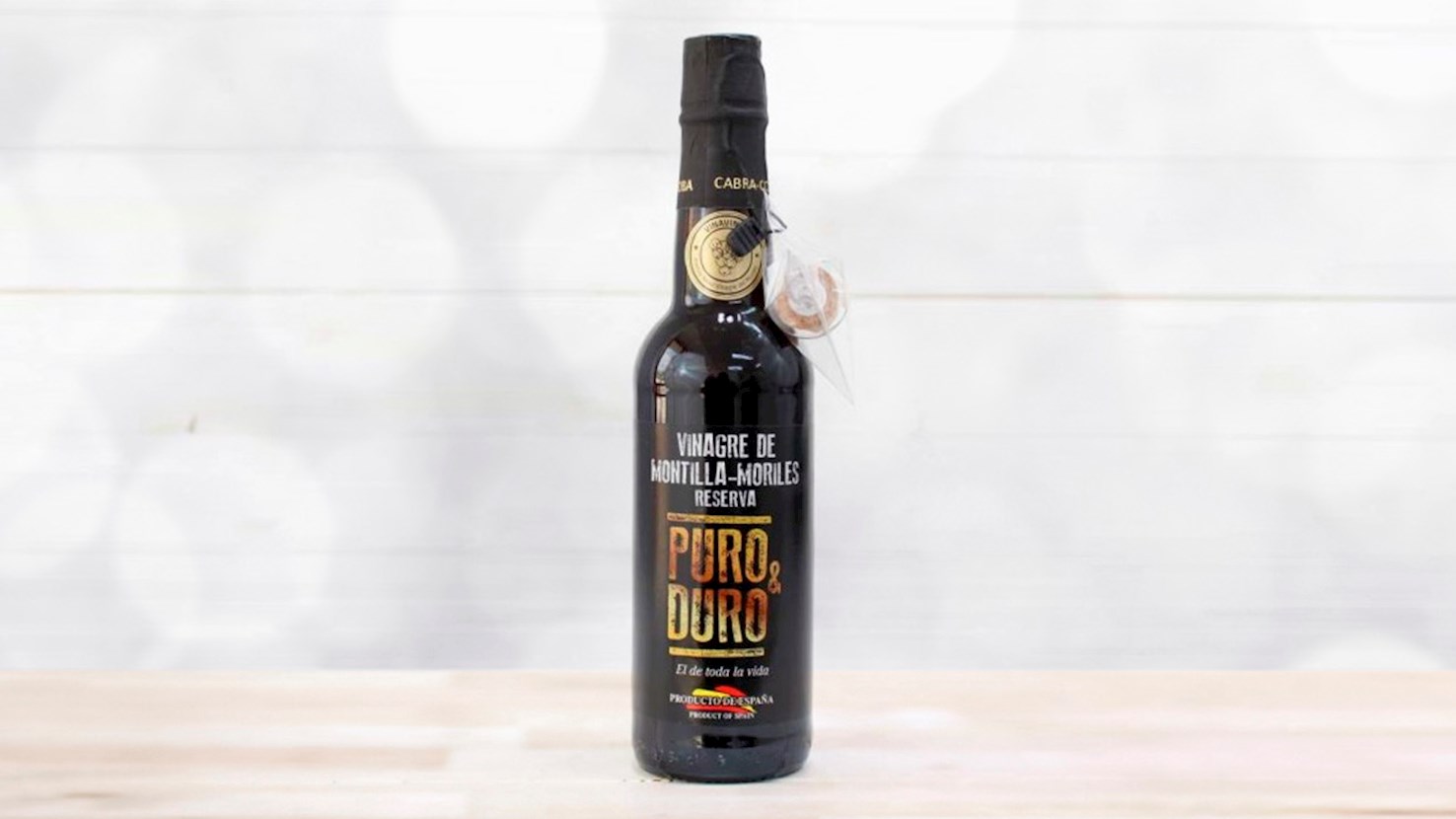
Vinagre de Montilla-Moriles is a wine vinegar obtained by the acetous fermentation of Montilla-Moriles PDO wine, with the addition, where appropriate, of muscatel varieties of the same wine and concentrated must (juice from freshly mashed grapes) of the Pedro Ximénez. This vinegar is matured in botas made of American oak, and has previously been seasoned with Montilla-Moriles PDO wines. There are three types of Vinagre de Monitlla-Moriles depending on the length and systems of aging: Añada (Vintage) vinegars are aged at least 3 years in a single oak barrel, and vinegars aged using the 'criaderas y solera' system are called Crianza and are aged at least six months, Reserva aged at least two years and Gran Reserva aged at least ten years. There is also a classification according to their sweetness and grape varieties: Vinagres Dulces, Vinagres Dulces PX and Vinagres Dulces Muscatel in which either concentrated must or a small amount of aromatic wine was added. Montilla-Moriles vinegars are a dark-colored combination of sour and sweet notes and 90% of them is exported to the United States, Canada and France.

09

Vinagre Del Condado de Huelva

n/a ·

Originating from one of the most abundant wine growing regions of Spain, Condado de Huelva vinegar is produced by fermenting wine made from the following grape varieties: Zalema, Palomino Fino, Listán de Huelva, Garrido Fino, Moscatel de Alejandría and Pedro Ximénez. After the fermentation, the vinegar is aged using the traditional 'criaderas y solera' method, a dynamic process in which the youngest vinegars are mixed with the aged ones so that they gradually, over the course of several years, develop their signature flavor. Depending on the time of aging, Condado de Huelva vinegar is available in three varieties: Solera (6-12 months), Reserva (more than 12 months) and Añada (more than 3 years). Enriched with fortified wine, Solera has an intense aroma with nutty notes and a rich yet balanced flavor of wine, reminiscent of Oloroso sherry. Reserva vinegar has a much sharper flavor and exudes a strong aroma of Condado Viejo wine with notes of dried fruits. Añada has a pronounced aroma of oak barrels with hints of Oloroso sherry and an intense nutty to spicy aftertaste.

10

Da hong zhe cu (Chinese red vinegar)

n/a ·

Chinese red vinegar, often recognized for its subtle, sweet, and mildly tart flavor profile, is a vibrant and integral component in numerous Asian dishes, particularly within the diverse and intricate world of Chinese cuisine. Crafted from fermented red rice, and occasionally, a blend of other grains such as sorghum and barley, this distinct vinegar showcases a rich, reddish-brown hue, providing not only a nuanced depth of flavor but also a visual allure to various culinary creations. Commonly utilized in a multitude of dishes, it shines in dipping sauces for delectable dumplings, acts as a harmonizing agent in sweet and sour concoctions, and serves as a tenderizing marinade for various proteins, offering a balanced acidity and a subtle sweetness that delicately elevates the overall harmony of flavors within a dish. Available widely in Asian supermarkets and online platforms, brands like Koon Chun and Gold Plum have popularized this versitile ingredient, making it accessible to chefs and home cooks around the globe.

About this ranking

TasteAtlas food rankings are based on the ratings of the TasteAtlas audience, with a series of mechanisms that recognize real users and that ignore bot, nationalist or local patriotic ratings, and give additional value to the ratings of users that the system recognizes as knowledgeable. For the “Top 62 Vinegars in the World” list until June 05, 2026, 505 ratings were recorded, of which 422 were recognized by the system as legitimate. TasteAtlas Rankings should not be seen as the final global conclusion about food. Their purpose is to promote excellent local foods, instill pride in traditional dishes, and arouse curiosity about dishes you haven’t tried.

The initial list of top producers was compiled based on available reviews, awards, local recommendations, media and blog coverage, and consumer reviews. The list will be updated with ratings from TasteAtlas local ambassadors and TasteAtlas users.

Similar lists