shutterstock

Top 8 European Wafers

Last updated on August 15, 2026

Best European Wafers
01

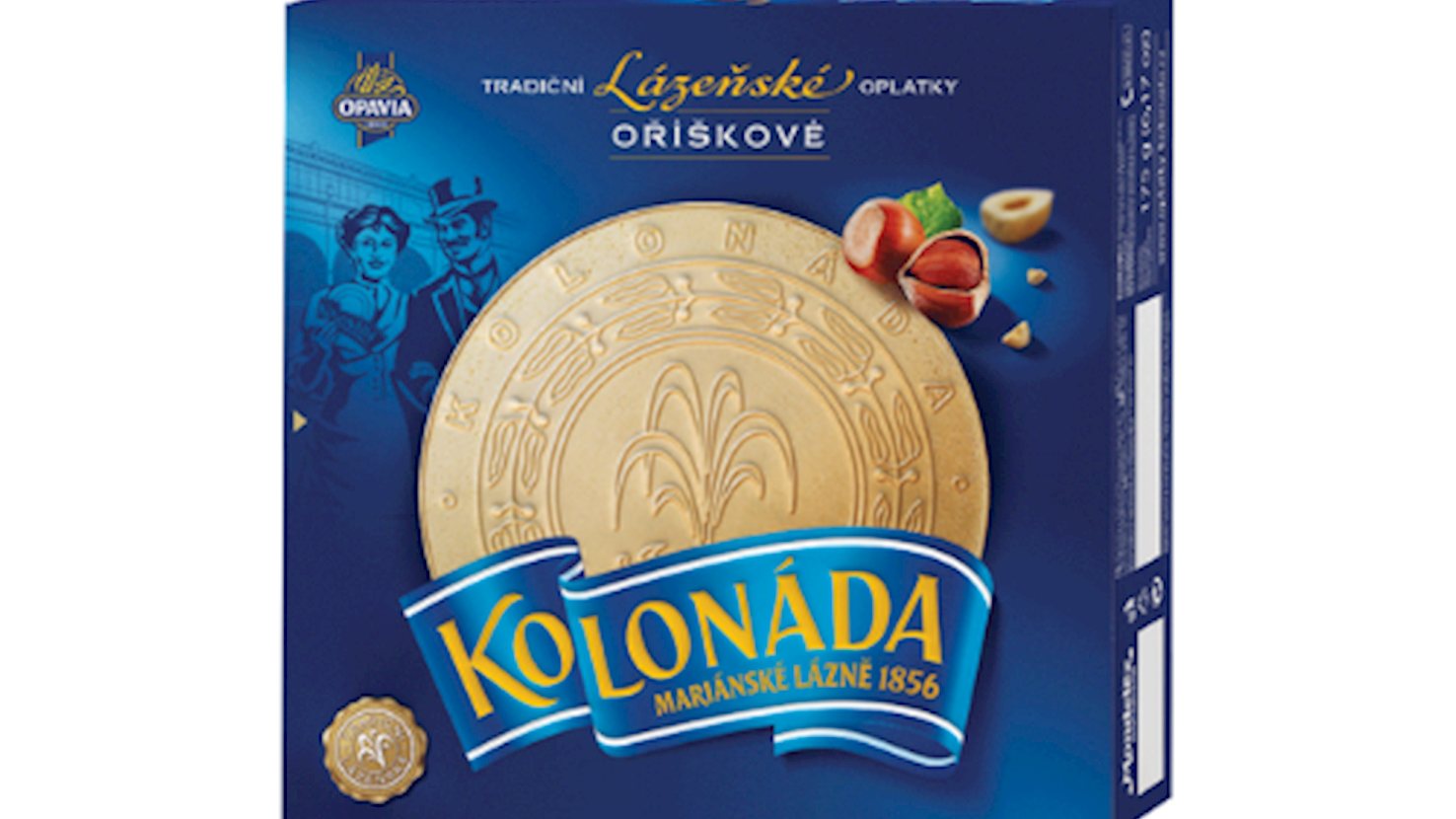
Kolonáda

2.8 ·

Kolonáda is a well-known Czech brand of spa wafers, the thin and crisp wafer confection strongly associated with the country’s historic spa culture. The brand is closely linked to Mariánské Lázně, where the tradition of producing this specialty dates back to 1856.

Kolonáda builds on the heritage of traditional spa wafers that were originally prepared in special metal molds with embossed patterns and delicate thin layers of batter. Its most recognizable products are the classic round spa wafers filled with blends such as hazelnut, sugar, and cinnamon, flavors that have become closely associated with this traditional Czech treat.

The brand also offers chocolate, vanilla, and triangular wafer variations, though its identity remains rooted in the iconic round format. Kolonáda products are positioned as a light, crisp confection typically enjoyed with coffee or tea, as well as a classic souvenir from Czech spa towns.

Today, the brand combines long-standing regional tradition with modern industrial production while preserving the recognizable texture, shape, and flavor profile of this historic specialty. Because of its strong connection to spa culture, Mariánské Lázně, and Czech confectionery heritage, Kolonáda is considered one of the most recognizable commercial representatives of traditional Czech spa wafers.

Best European Wafers

01

Karlovarské oplatky

3.9 ·

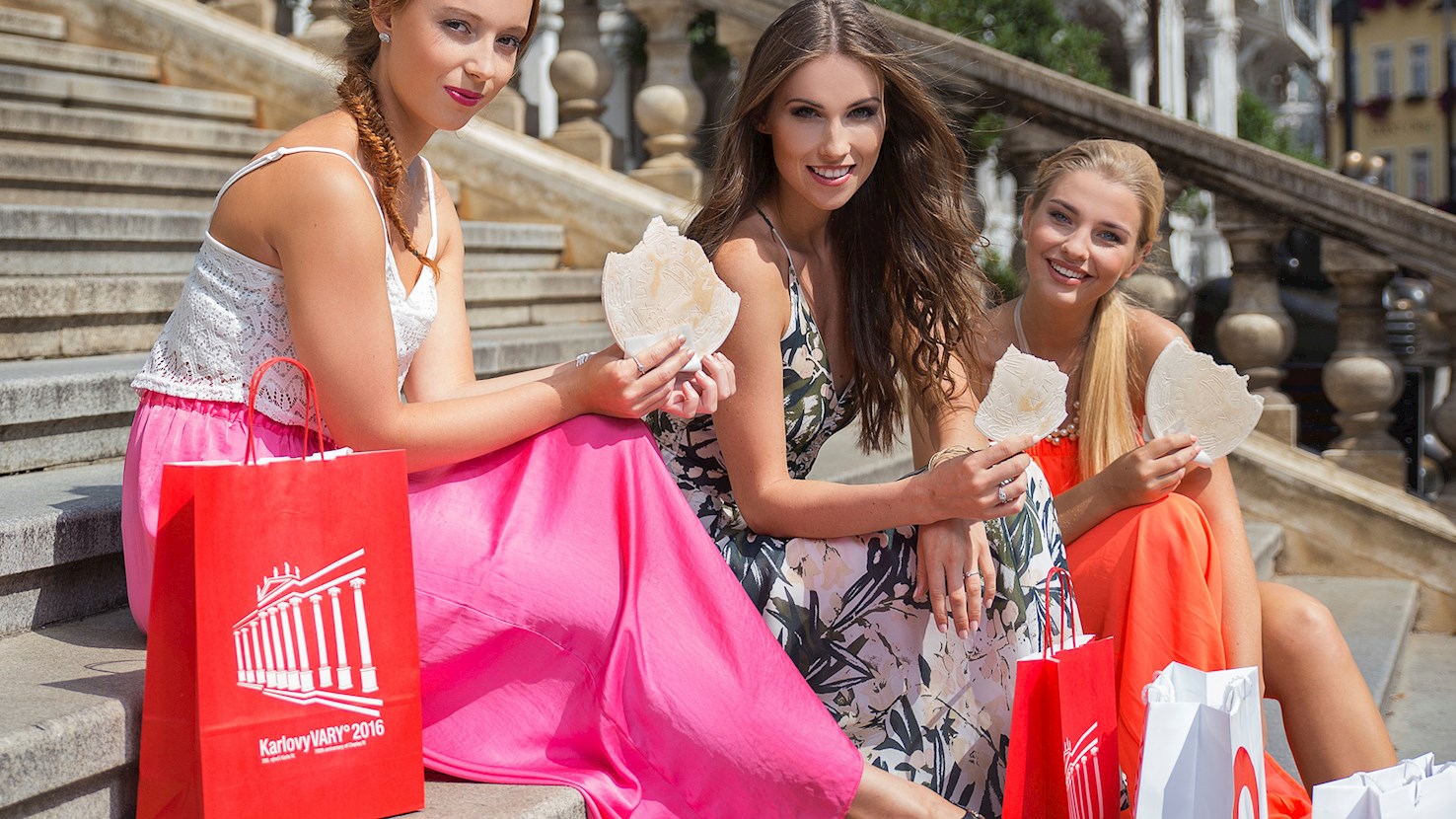
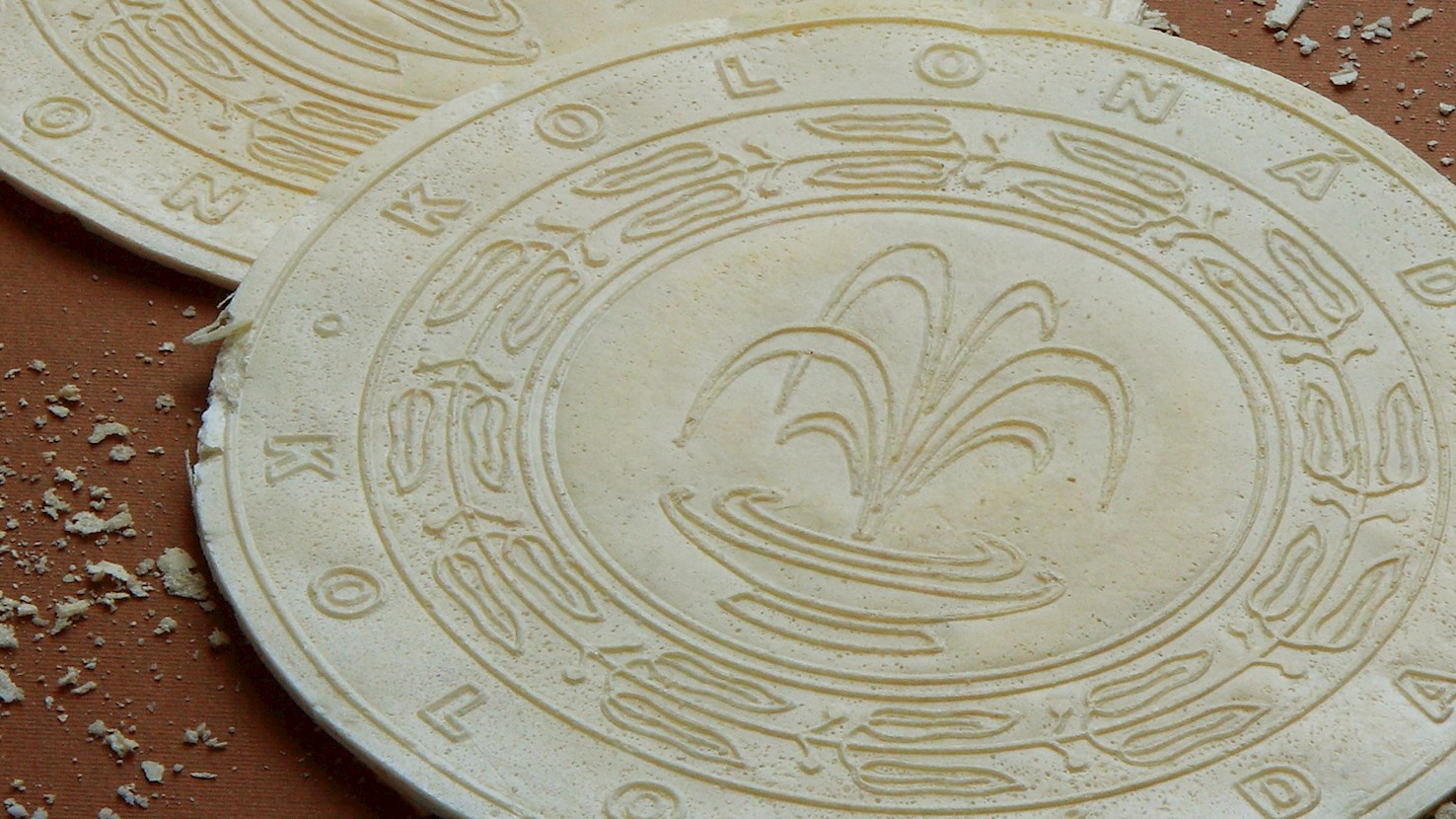
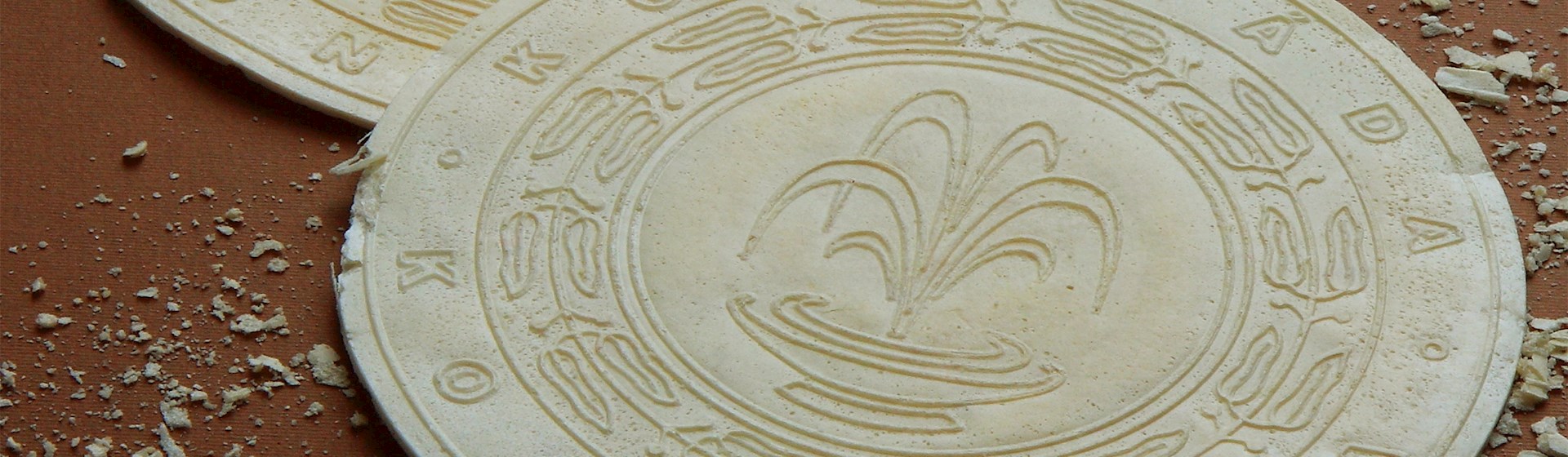
Karlovarské oplatky are flat wafers made according to an old, traditional recipe in the area of Karlovy Vary in the Czech Republic since the mid-18th century when they were originally homebaked. As evidence, today there are the oldest wafer-making irons in the Karlovy Vary Museum. In the past, cooks would make wafers sprinkled with sugar for the guests of the Karlovy Vary spa. The wafers have a diameter of 19 centimeters and, in the middle, there is a water fountain or a chamois, a symbol of the spa town. The thermal spring water is used in the production process, acting as a moisturizer for the wafers. They are sprinkled with sugar, hazelnuts, almonds, cocoa, vanilla or cinnamon, and then baked until they are crisp, thin and develop their characteristical flavor and scent. The wafers are extremely popular in the area, eaten as a snack or bought as a souvenir from Karlovy Vary.

02

Mariánskolázeňské oplatky

3.9 ·

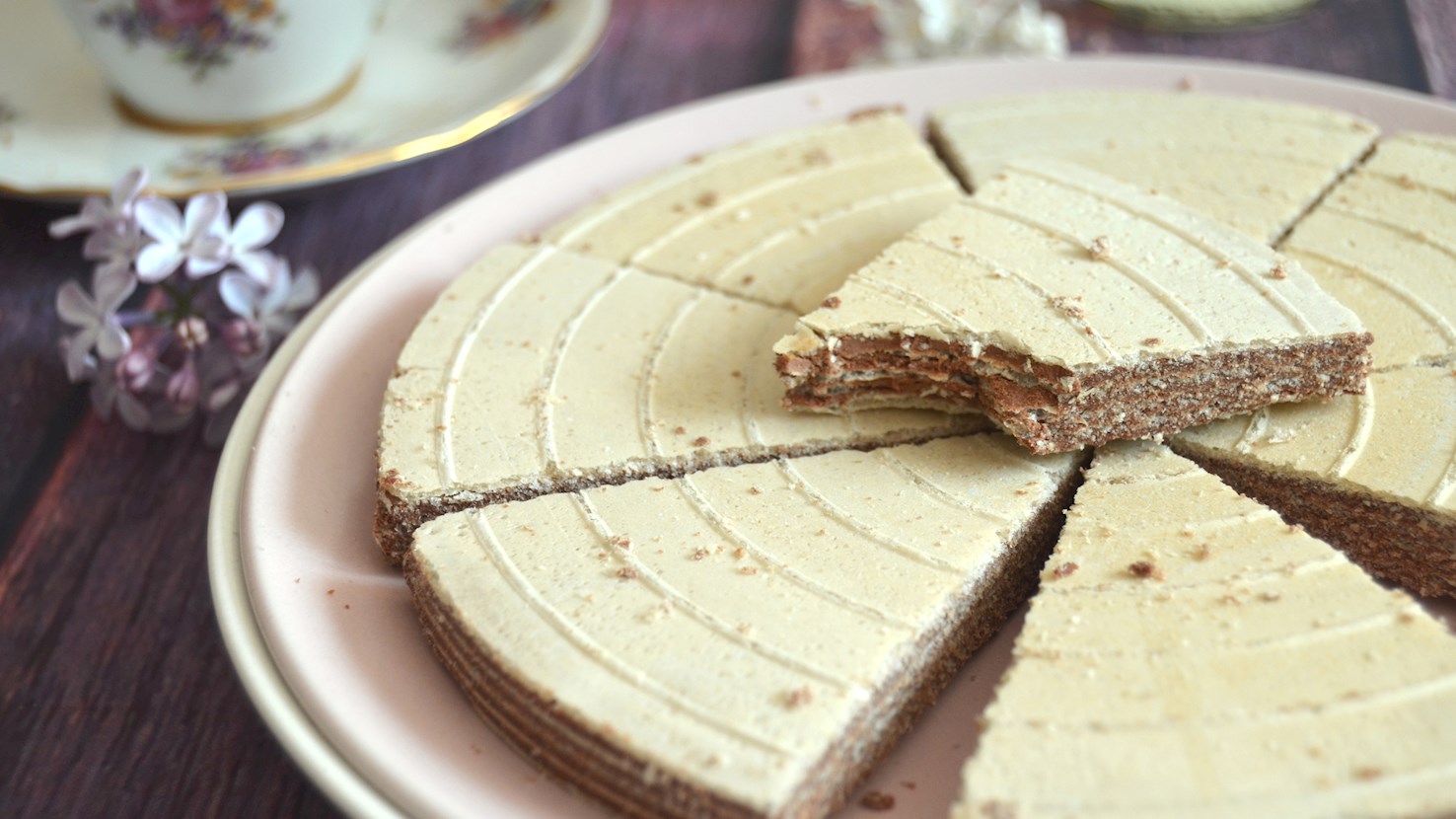
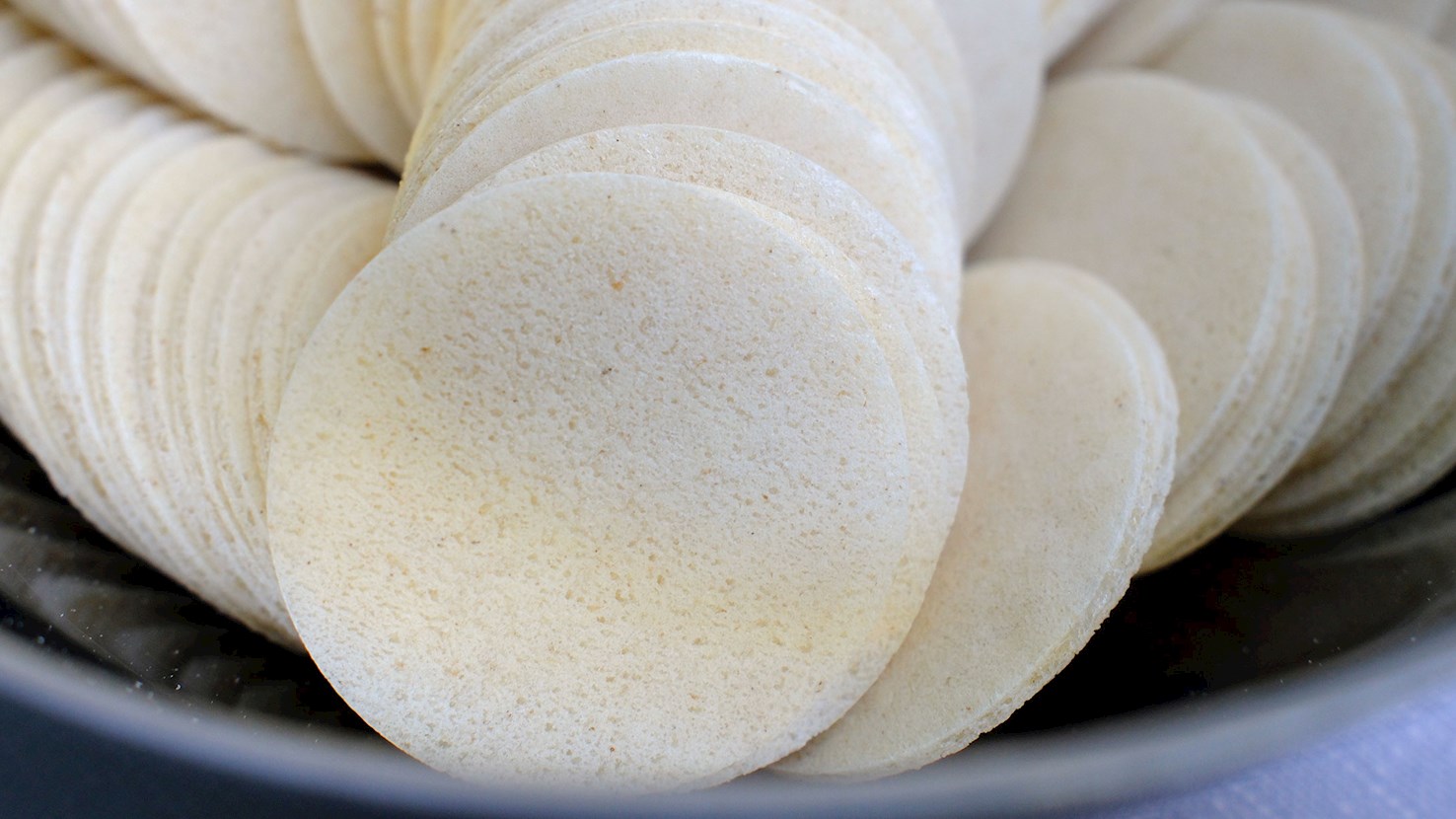
Mariánskolázeňské oplatky are wafers with an unusually large and round shape, produced in the municipalities of Mariánské Lázně and Velka Hled'sebe in the Czech Republic since 1856. The final product consists of two thin wafers glued together by a layer of filling, which can be made with hazelnuts or cocoa. The edge is crumbled, and the wafers break with a characteristical crack once they are bitten into. The wafers are either light brown or cream in color, consisting of wheat flour, sugar, egg yolks, salt, starch, and flavorings. The fillings have a texture that is granular, while the flavor is delicately sweet. The wafers are sold in aluminum foil or carton packages and are mostly eaten as a tasty snack.

03

Karlovarské trojhránky

3.9 ·

Karlovarské trojhránky are traditionally made wafers, produced from the Karlové oplatky wafers when they are cut in eight pieces, forming small triangles and can be sold either individually or in batches of several pieces. They are produced in the area of Karlovy Vary in the Czech Republic since the mid-18th century, when they were originally home-baked. The whole wafers have a diameter of 19 centimeters and, in the middle, there is a water fountain or a chamois, a symbol of the spa town. Thermal spring water is used in the production, acting as a moisturizer for the wafers. They are sprinkled with sugar, hazelnuts, almonds, cocoa, vanilla or cinnamon, and then baked until they are crisp, thin and develop their characteristical flavor and scent. Whether whole or cut into triangles, the wafers are extremely popular in the area, eaten as a snack or bought as a souvenir from Karlovy Vary.

04

Hořické Trubičky

3.7 ·

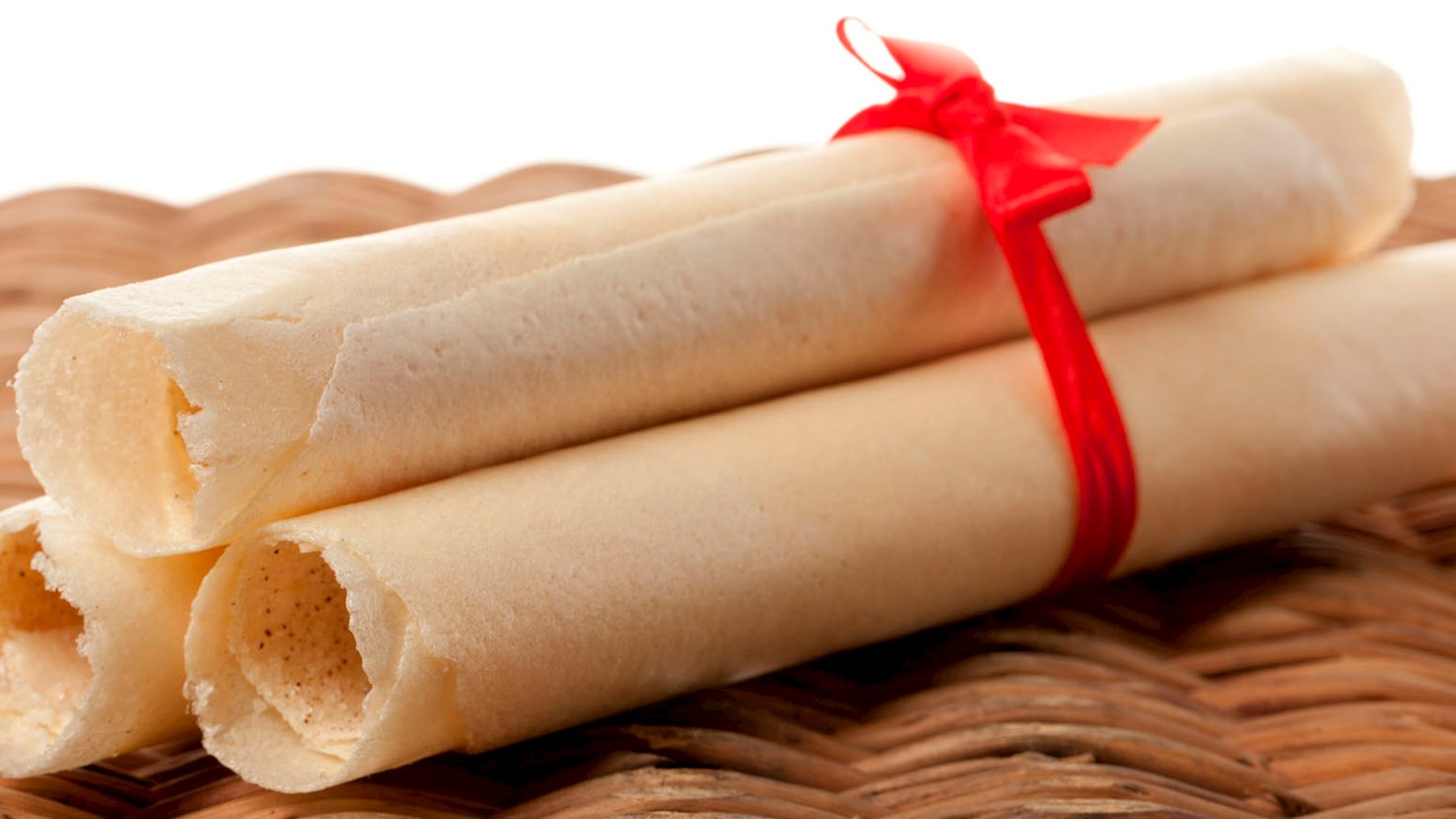
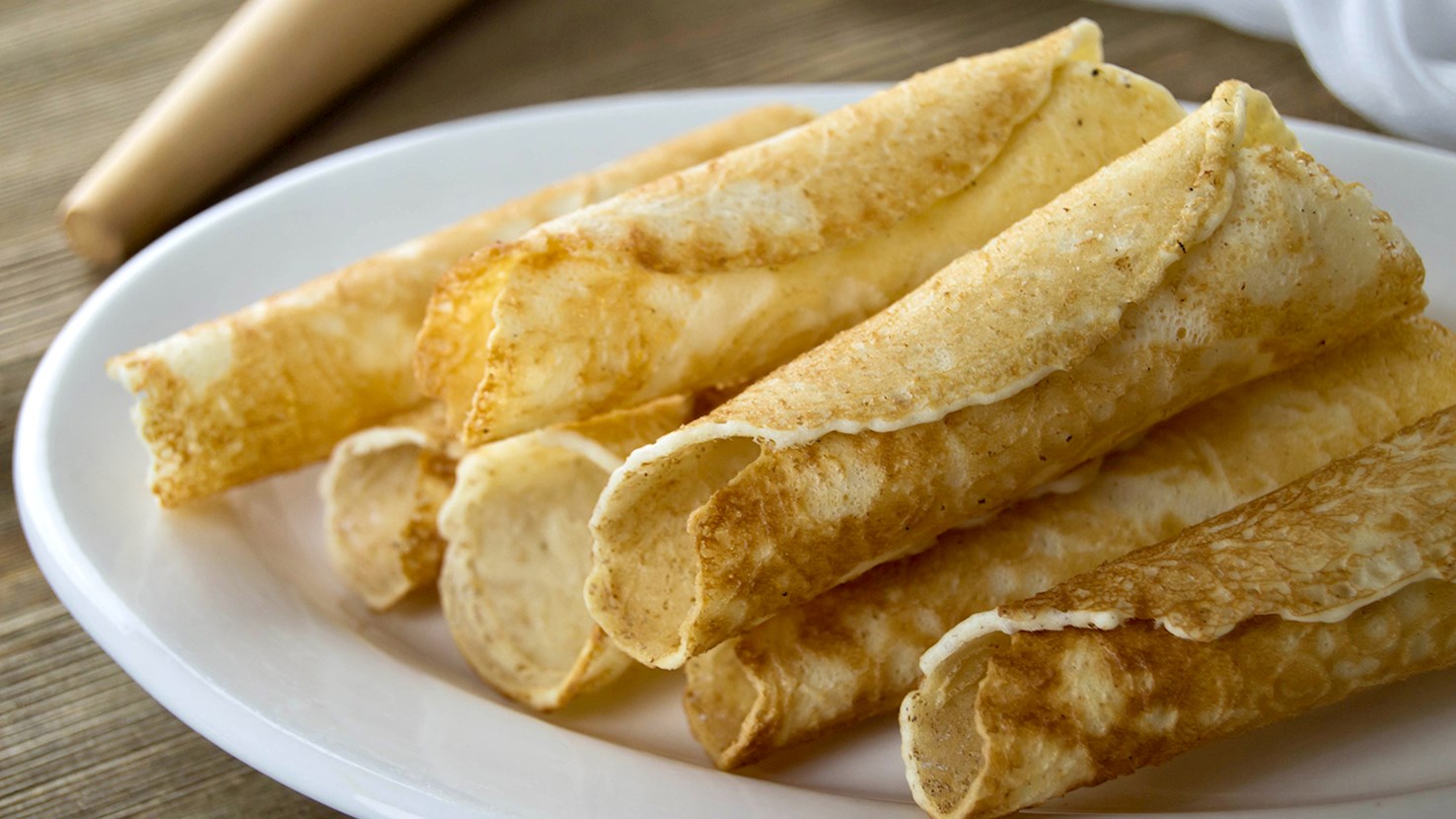
Hořické trubičky are rolled wafers produced in the town of Hořice and neighbouring municipalities in the Czech Republic. The rolls are from 5 to 19 centimetres long and light beige in colour. They have the scent and taste of a wafer, with a crunchy, smooth and porous texture. The wafers are made from only six ingredients - wheat flour, powdered milk, sugar, water, egg yolks and vegetable oil. They come in different varieties, so the rolls can be filled, half-coated, coated and sprinkled. When filled, the filling consists of whipped butter cream with cocoa powder and vanilla. When sprinkled, they are coated with melted butter mixed with honey and sprinkled with sugar or hazelnuts, almonds, cinnamon, raisins, cocoa powder and vanilla. The recipe for this delicacy exists since 1812 when Napoleon's wounded general and chef gave it to a local woman as a reward for healing his wounds. To eat them as the locals do, dip them in a cup of warm, melted chocolate.

05

Krumkake

3.6 ·

Krumkake are traditional Norwegian wafer cookies. The batter is made with a combination of eggs, sugar, vanilla, flour, baking powder, cardamom, and butter. Once prepared, the batter is cooked on a special griddle that imprints the wafers with a visually attractive design. After they've been baked, these wafer cookies are rolled, then often filled with whipped cream and dusted with powdered sugar. Krumkake are prepared and consumed throughout Scandinavia, and they're especially popular during the festive Christmas season.

06

Andruty Kaliskie

3.4 ·

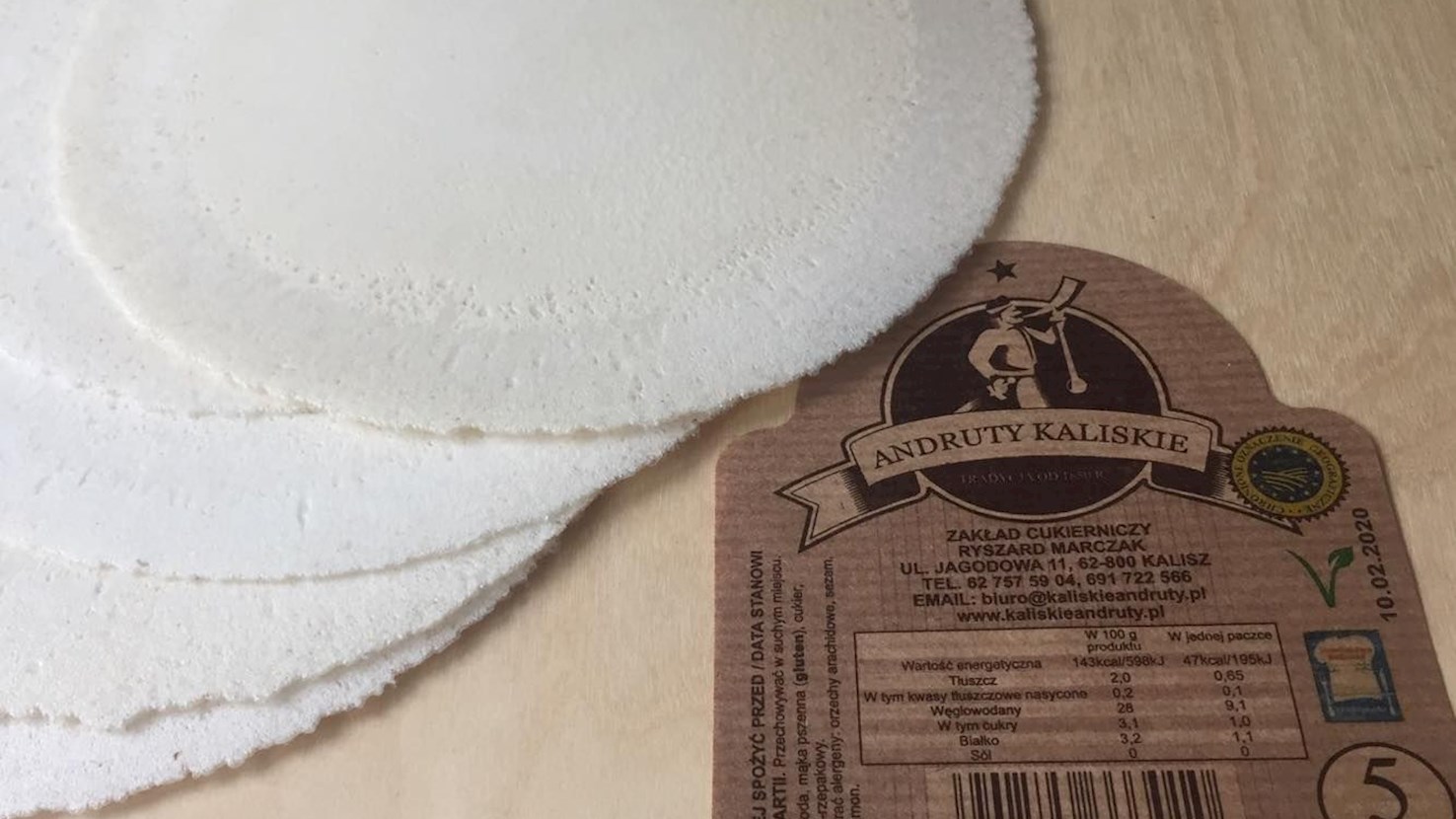
Andruty kaliskie, also known as Kalisz wafers, are thin, sweet and crisp cream-colored wafers with a shiny surface produced in the city of Kalisz in Poland since the 19th century. They have become a symbol of the town in the Wielkopolska region. To achieve their delicate, dry, crisp and smooth taste, water, sugar, flour and rapeseed oil are mixed to form a dough that is then pressed between the two plates of a traditional waffle iron. In the past, they have regularly been sold on Sundays and holidays at the park in Kalisz and were a favorite snack of families on their outings. The wafers are mostly eaten on their own, as they are crunchy and soft that there is no need to spread or stuff them with any accompaniments, yet adults are sometimes known to consume them alongside a cold beer or two.

07

Kniepertjes

n/a ·

Kniepertjes are a traditional Dutch treat popular in the northeastern provinces of the Netherlands, particulary Drenthe, during the holiday season. These thin, crispy, wafer-like cookies are made from a simple batter of flour, butter, sugar, and eggs, often flavored with vanilla, cinnamon, or anise. Kniepertjes hold symbolic meaning tied to the New Year. The flat versions represent the old year, symbolizing that it has been fully "unrolled," while rolled Kniepertjes, shaped into a cylindrical roll resembling a waffle cone, represent the new year, which is yet to "unfold." They are made using a special waffle iron called a kniepertjesijzer or a flat waffle press. The batter is poured into the iron, flattened, and baked until golden and crispy. Kniepertjes can be left flat or rolled while still warm to form their signature cylindrical shape. Some variations include adding spices or liquor to the dough or filling the rolled versions with whipped cream to create a dessert treat. Traditionally enjoyed during Christmas and New Year, they are often served with coffee, tea, or festive drinks like boerenjongens or sweet liqueurs.

08

Ostie

n/a ·

Ostie are thin, unleavened wafers composed of wheat flour and water, produced throughout Italy with historical concentrations in Lombardy and Piedmont. They are physically defined by a paper-thin, brittle texture and a neutral flavor, serving as a structural barrier for high-sugar confections. The item emerged from ecclesiastical baking practices for the Eucharist, with standardized production involving heated iron plates appearing by the 12th century. Confectioners later integrated these wafers into the production of honey-based sweets to prevent the sticky masses from adhering to surfaces or hands. Preparation involves a liquid batter poured onto specialized iron presses engraved with geometric or symbolic patterns. The batter is baked briefly until the moisture evaporates, creating a crisp sheet that is then stamped into circular or rectangular shapes. A unique technical requirement for confectionery-grade ostie is a specific degree of flexibility, allowing the wafer to be pressed onto hot, expanding nougat paste without fracturing. A unique application exists in the ostie ripene of Agnone, where the wafers are used as the primary casing for a dense honey-and-nut filling. Ostie are primarily eaten as a structural component of desserts like torrone and panforte.

About this Ranking

TasteAtlas food rankings are based on the ratings of the TasteAtlas audience, with a series of mechanisms that recognize real users and that ignore bot, nationalist or local patriotic ratings, and give additional value to the ratings of users that the system recognizes as knowledgeable.

TasteAtlas Rankings should not be seen as the final global conclusion about food. Their purpose is to promote excellent local foods, instill pride in traditional dishes, and arouse curiosity about dishes you haven’t tried.

The initial list of top producers was compiled based on available reviews, awards, local recommendations, media and blog coverage, and consumer reviews. The list will be updated with ratings from TasteAtlas local ambassadors and TasteAtlas users.

What People Say

Similar Lists