Top 3 Austrian Washed Rind Cheeses

Last updated on June 05, 2026

Best Austrian Washed Rind Cheeses
01

Almenland Stollenkäse

5 ·
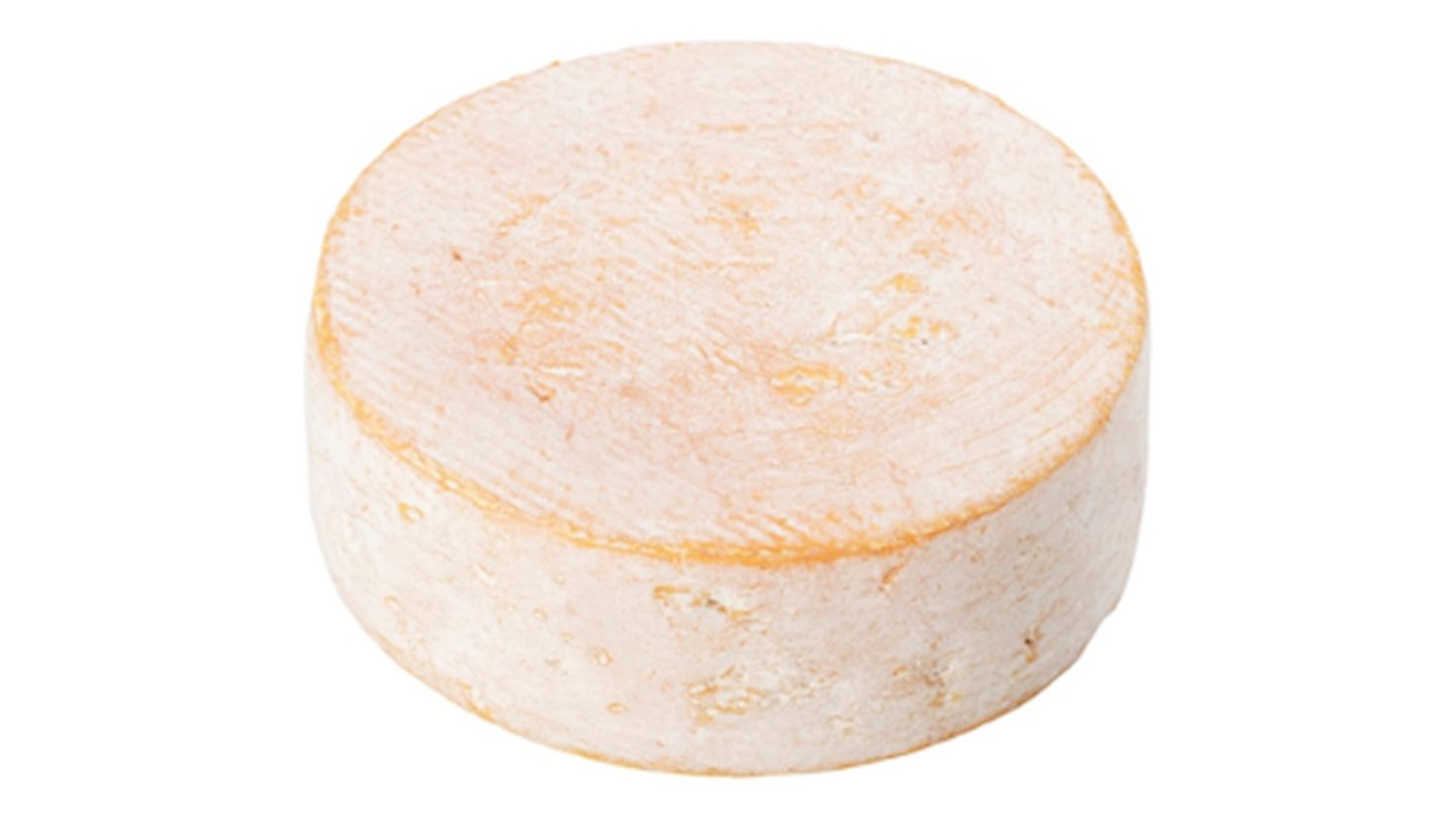
Almenland Stollenkaese is a cheese producer located in Austria, specifically in the region known as the Almenland Nature Park in Styria. The company specializes in producing cheese that is aged in a natural cave, or "stollen," which contributes to the unique flavor profile of their products. They offer a variety of cheeses, including their signature Stollenkäse, which is matured in these cave environments, taking advantage of the constant temperatures and humidity levels ideal for cheese aging.
Awards
World Cheese Awards - Super Gold (2023)
World Championship Cheese Contest - Best of Class (2024, 2022, 2020, 2018, 2016, 2014, 2012)
02

Obersteirische Molkerei

4.5 ·
Obersteirische Molkerei is a dairy cooperative based in Knittelfeld, Austria, specializing in the production of various cheese types alongside other dairy products like milk and yogurt. Established in 1900, it sources high-quality milk from about 1,400 local dairy farmers in the region, where high alpine pastures contribute to the distinct flavor of its products. The cooperative is known for implementing sustainable practices and modern technology in dairy production.
Awards
World Cheese Awards - Super Gold (2024)
World Championship Cheese Contest - Best of Class (2024, 2022, 2020, 2014, 2010)

Best Austrian Washed Rind Cheese Types
01

Mondseer

3.4 ·

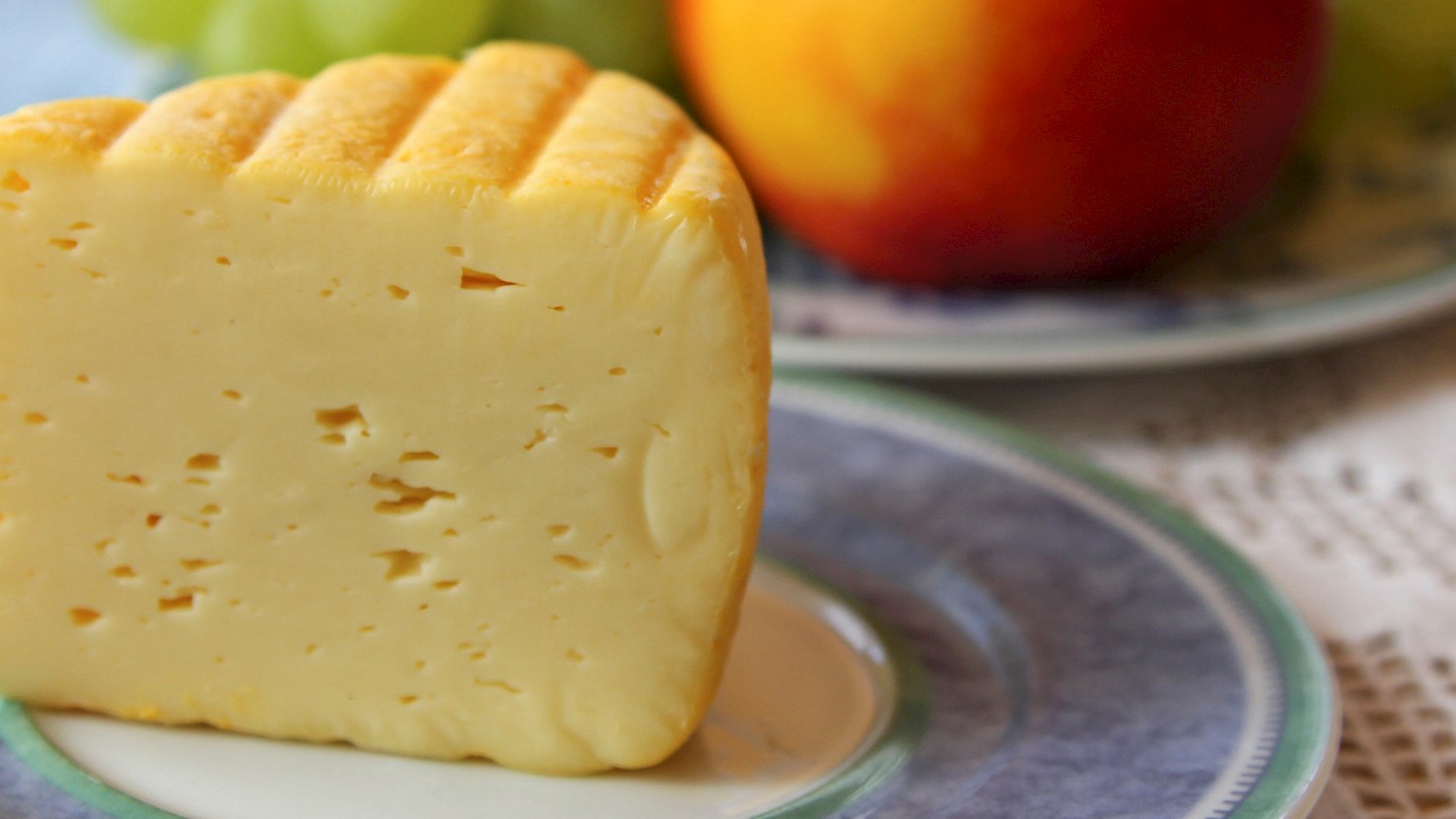
Mondseer is an Austrian cheese made from pasteurized cow’s milk. It originates from the town of Mondsee, hence the name. This semi-hard cheese has a pale yellow color, and its rind is washed, while the texture of the cheese is firm, smooth, open, and creamy. It has a strong aroma and its flavor can be described as sweet, spicy, and slightly acidic or sour due to the infusion of red cultures and salt water. Mondseer is quite popular in Austrian cuisine, and it is recommended to use it in au gratin dishes and cheese salads.

02

Lüneberg

n/a ·

Lüneberg is an Austrian Alp-style cheese originating from Vorarlberg. The cheese is made from cow's milk with added saffron, giving it a yellowish color and a distinct flavor. The milk is warmed, and the curd is then cut into smaller pieces that are heated while stirring. After the press, the cheeses are turned and taken to a cellar to mature. The rind is salted, rubbed, and washed during the maturation process. Once ripe, Lüneberg is usually described as a cross between Emmental and Limburger. When cut, it is characterized by numerous irregular eyes dispersed throughout its body.

03

Bachensteiner

n/a ·

Bachensteiner is a semi-soft, washed-rind cow’s milk cheese from the Bregenzerwald region of Vorarlberg in western Austria. The production of Bachensteiner begins with fresh, pasteurized cow’s milk, which is coagulated and formed into loaves before undergoing a smear-ripening process. During this stage, the surface is regularly washed with brine or treated to encourage the growth of specific bacteria, which give the cheese its reddish-orange rind and distinctive aroma. The loaves are aged for about three weeks, during which the interior develops into a light yellow to white paste that is creamy, silky smooth, and melts effortlessly on the palate. The result is a cheese with a soft, supple texture and a flavor profile that evolves as it matures — from fruity and delicately floral to slightly piquant and gently tart. Subtle notes of biscuit and white bread contribute to its complexity, making it both comforting and refined. Bachensteiner is most commonly served as part of a cheese platter, accompanied by rustic rye or dark bread, pickled onions, or thinly sliced charcuterie. It also pairs beautifully with crisp white wines or light beers, which complement its richness and highlight its layered flavors. In alpine kitchens, it is often melted over boiled potatoes or added to warm dishes, where its creamy texture enhances simple, comforting meals.

Read more
View all
View map
About this ranking

TasteAtlas food rankings are based on the ratings of the TasteAtlas audience, with a series of mechanisms that recognize real users and that ignore bot, nationalist or local patriotic ratings, and give additional value to the ratings of users that the system recognizes as knowledgeable. For the “Top 3 Austrian Washed Rind Cheeses” list until June 05, 2026, 22 ratings were recorded, of which 17 were recognized by the system as legitimate. TasteAtlas Rankings should not be seen as the final global conclusion about food. Their purpose is to promote excellent local foods, instill pride in traditional dishes, and arouse curiosity about dishes you haven’t tried.

The initial list of top producers was compiled based on available reviews, awards, local recommendations, media and blog coverage, and consumer reviews. The list will be updated with ratings from TasteAtlas local ambassadors and TasteAtlas users.

Similar lists