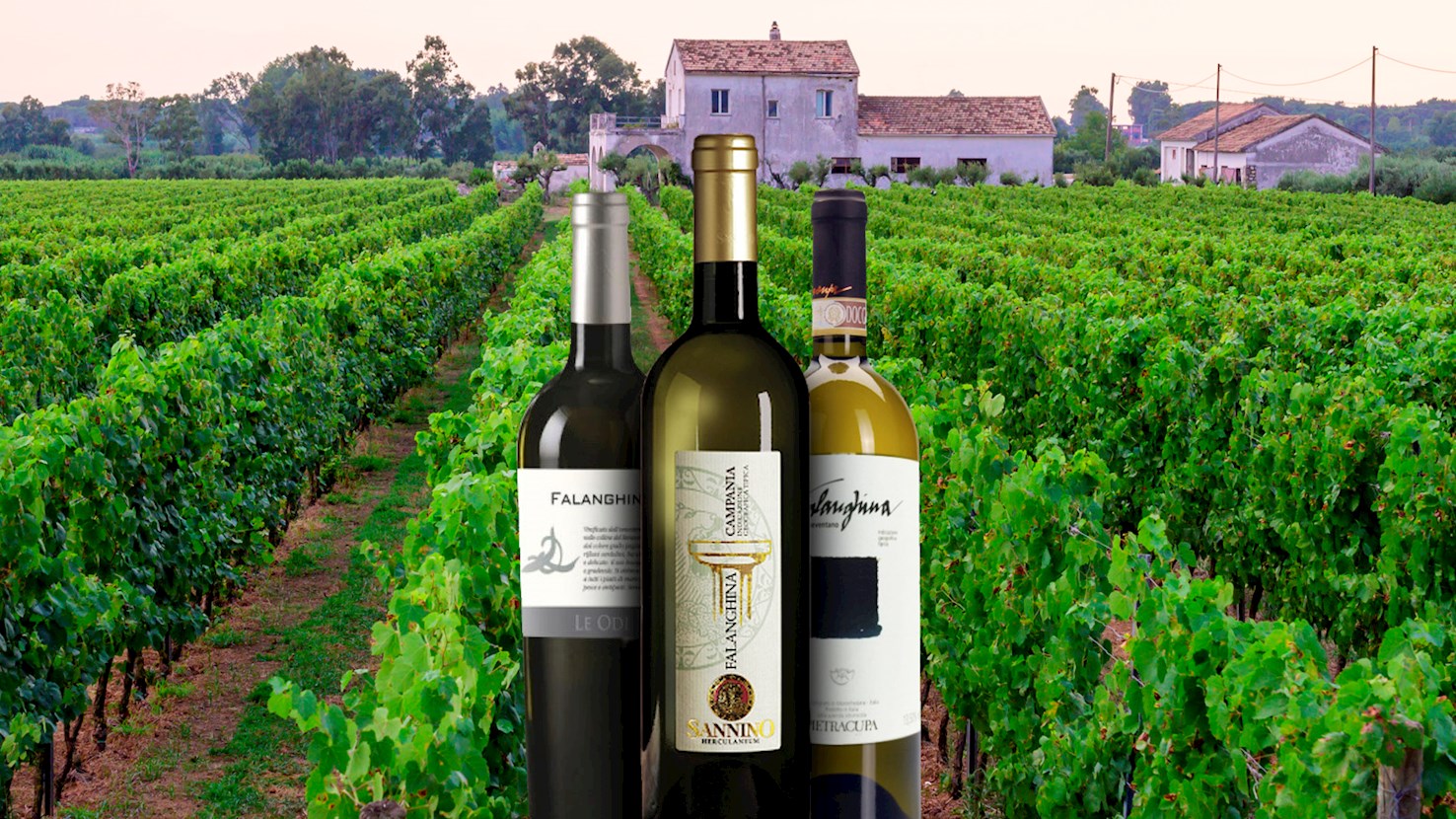
Falanghina is an old Italian white grape variety that is mostly associated and cultivated in Campania. For a very long time, it was not known that the name was used for two distinct sub-varieties: Falanghina Beneventana and the better known Falanghina Flegrea. Both grapes are used in several regional appellations, and the distinction has not yet been officially recognized. The grapes share similar characteristics and mostly produce straw-colored wines that have fruity and floral notes. They often have a mineral character and sometimes hints of tropical fruit. Flegrea tends to be more herbaceous and citrusy, while Beneventana is often more floral. Both varieties are a good match with fish-based dishes, seafood, and goat or fresh cheese.
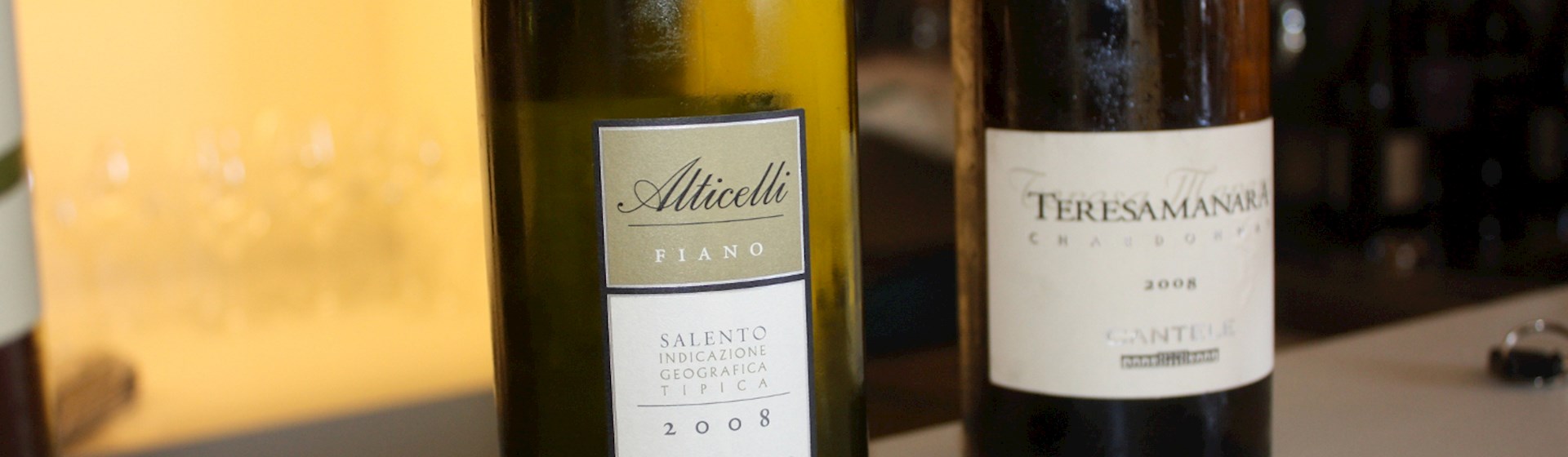
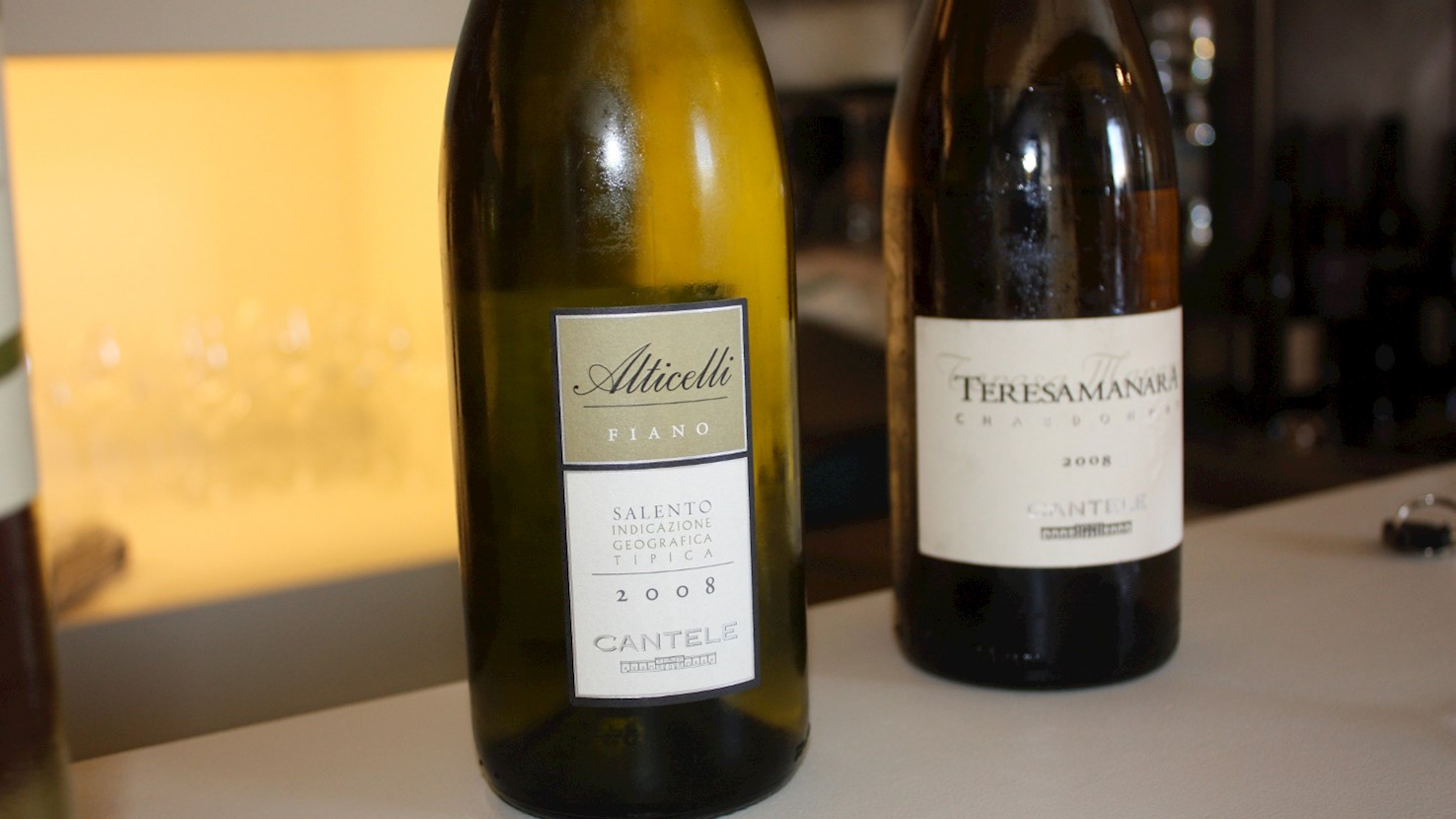
Mostly cultivated in Campania,Fiano is an old Italian variety that has seen a significant revival since the 1980s. This low-yielding, early-ripening grape is praised for its ability to produce crisp and aromatic wines with a lot of character and herbaceous and fruity notes. These wines are typically medium-bodied and intensely flavored. Young Fiano wines often display aromatic honey notes, and as they age, they tend to develop smoky and spicy notes dominated by hazelnut. The aromas are perfectly balanced with bright acidity. Fiano is used in varietal and blends, and it can also be used in the production of sparkling and dessert wines. They can be enjoyed young, and it is generally recommended to age them for up to five years. The most important appellation for Fiano is Fiano di Avellino, which holds a DOCG status. Fiano-based wines can be enjoyed as an aperitif. They can be a good match with seafood and white meat. Apart from Campania, the grape is cultivated in Puglia (Apulia) and Sicily. Small amounts of Fiano can also be found in Australia.
The Forastera grape is a white grape variety primarily grown in Italy, particularly in the Campania region and on the island of Ischia. Believed to have been introduced from Spain or Greece, its name "Forastera" indicates its foreign origin, meaning "foreigner" in Italian. This grape thrives in the volcanic soil and coastal climate of Ischia. The grape clusters are typically small to medium in size, with compact bunches of greenish-yellow berries. Wines made from Forastera grapes are known for their fresh, fruity flavors with good acidity, often exhibiting notes of citrus, green apple, and floral undertones, sometimes accompanied by a mineral quality due to the volcanic soil. These wines are usually light to medium-bodied with a crisp, clean finish, making them refreshing and easy to drink. Forastera can be used to produce varietal wines but is also commonly blended with other local grape varieties, such as Biancolella, to create more complex and balanced wines. The vinification process typically aims to preserve the grape's natural acidity and fresh fruit flavors, often involving fermentation in stainless steel tanks and minimal aging.Forastera is a key component of the Ischia Denominazione di Origine Controllata (DOC) wines. Wines labeled under the Ischia DOC often feature Forastera either as a single varietal or in blends. Several notable producers on the island of Ischia and in Campania work with Forastera grapes, focusing on traditional and sustainable viticulture practices to highlight the unique characteristics of this variety. Forastera wines pair well with a variety of foods, particularly those from Mediterranean cuisine. They complement seafood dishes, light pasta, and risotto, as well as fresh cheeses and salads. The Forastera grape is significant in the region's viticultural heritage, known for its adaptability to volcanic soil and coastal climates, and its historical roots. This versatile grape continues to be celebrated for its contribution to the vibrant wine culture of Campania and Ischia.
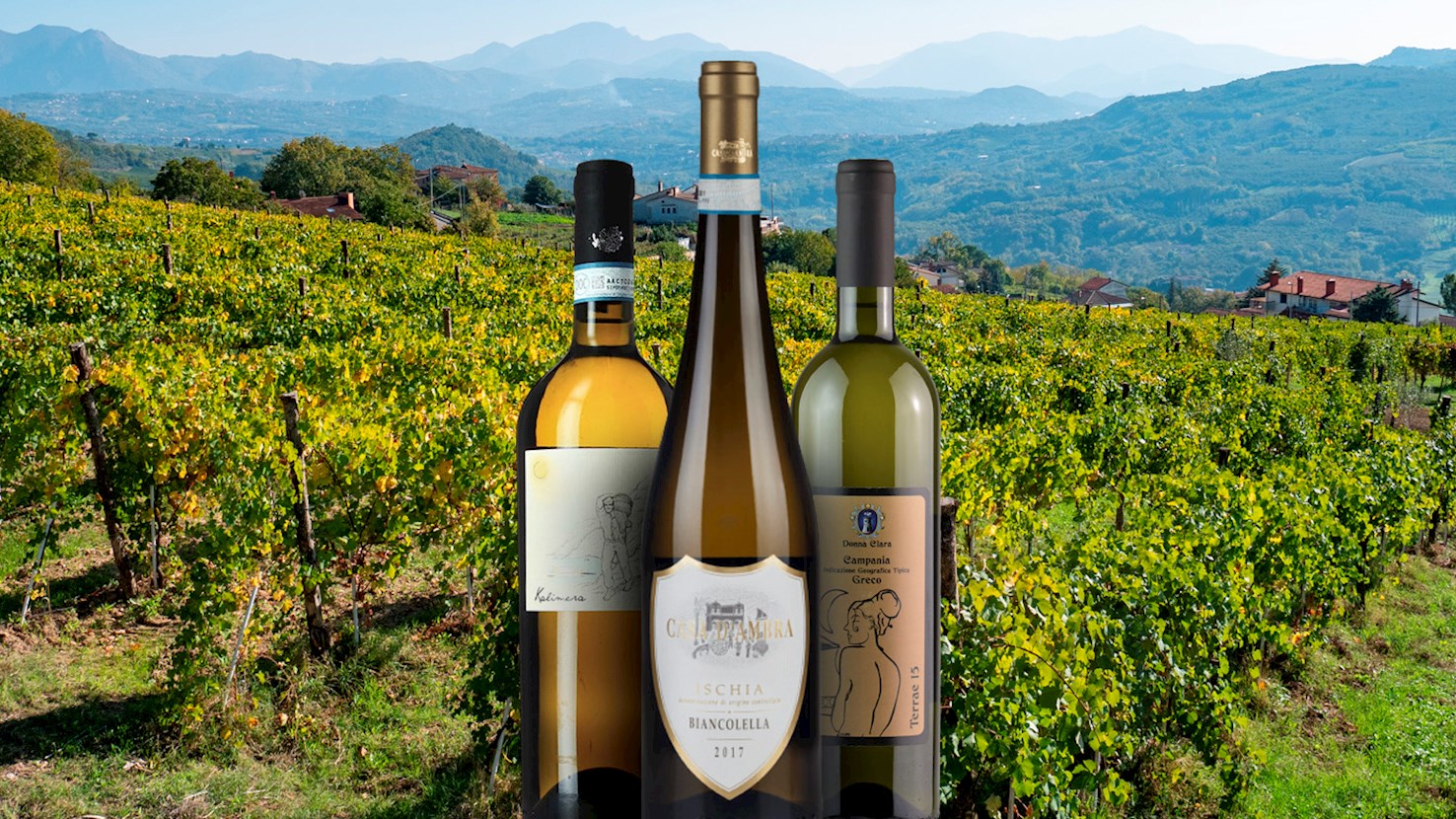
Biancolella is a native Italian white grape that is mostly cultivated in Campania. It is found in Caserta and Naples, but the best expressions come from Ischia. The grape is used in varietals and blends, and it can produce straw-colored, aromatic white wines. Biancolella wines have an interesting aroma reminiscent of Mediterranean herbs, sometimes with hints of citrus, yellow fruit, and spices. Depending on the terroir, these wines can have mineral character and herbal nuances, while ripe examples may display subtle hints of tropical fruits and almonds. Biancolella is best paired with seafood, including fish, clams, and crustaceans. It could also go well with fresh cheese. On Ischia, the wines labeled as Ischia Biancolella are 100% Biancolella grape. The origin of Biancolella is still vague. It is suggested that it could be native to Greece, and it is believed that it was primarily planted in Corsica, where it is known as Petite Blanche.
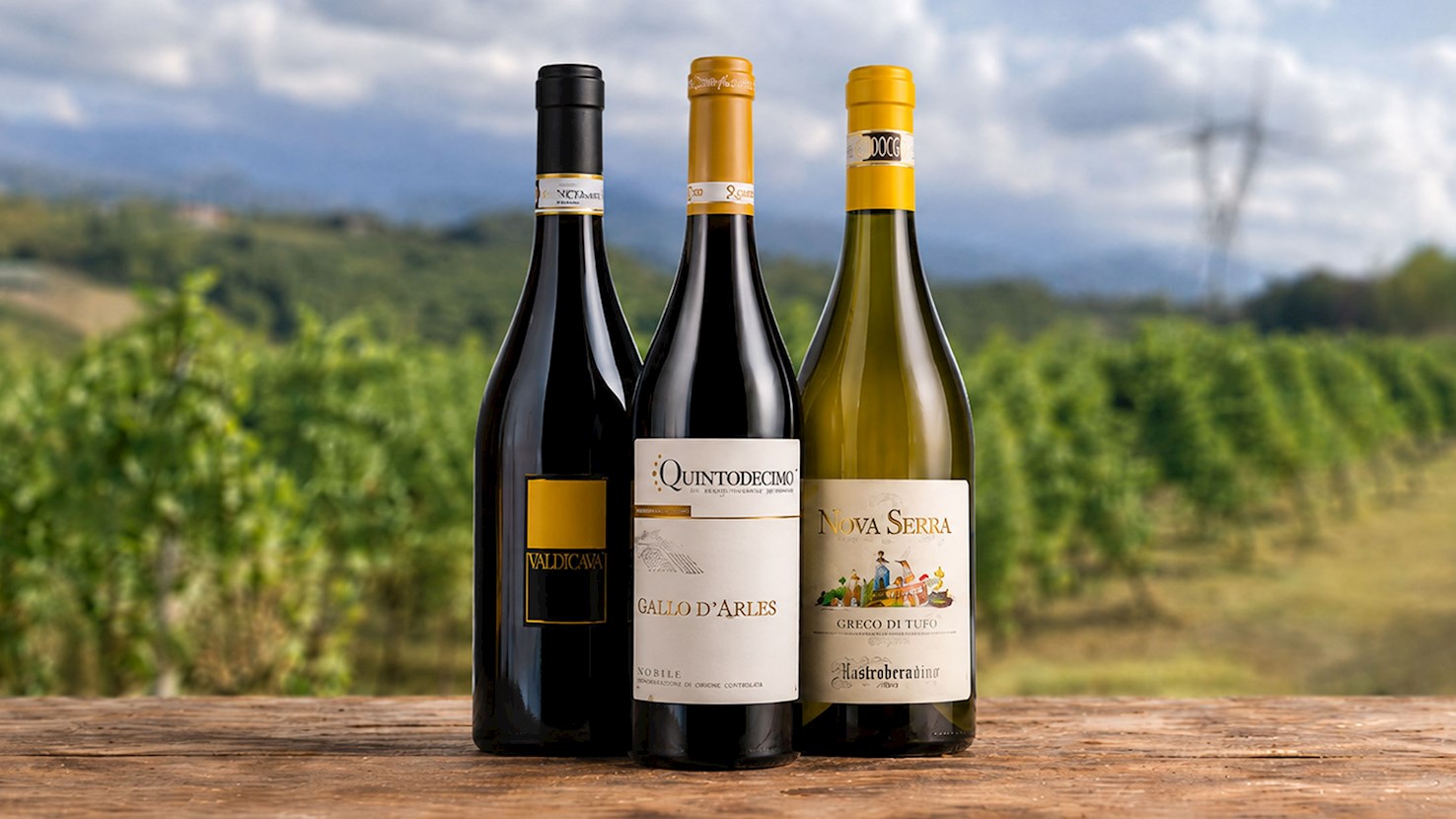
Greco is a grape family used to produce both white and red wines in southern Italy, most strongly associated with Campania for white Greco and with Calabria for red Greco Nero, and it appears under several regional appellations and local names depending on color and zone. Its establishment in southern Italy is tied to ancient Mediterranean settlement patterns, with Greek colonists introducing grape material and viticultural practices to the peninsula, after which distinct biotypes adapted to local soils and climates over centuries, leading to the separation between white-berried Greco cultivated in inland Campanian areas and red-berried forms maintained further south, particularly in Calabria. Winemaking approaches differ according to grape color, with white Greco typically harvested at full ripeness and vinified through gentle pressing and temperature-controlled fermentation, most often in stainless steel, to preserve structure and acidity, while Greco Nero undergoes skin fermentation and is produced as red or rosé wine, generally emphasizing freshness and moderate extraction rather than heavy tannin. Wines from both forms are bottled dry, with whites served cool and reds served slightly below room temperature, and decanting is applied selectively based on concentration and age. A defining aspect of the Greco family is the naturally high phenolic content found especially in the white form, which contributes to texture and aging potential without reliance on oak, while the red form remains lighter in body and suited to earlier consumption. Greco wines are consumed primarily with meals in southern Italy and export markets, paired with seafood, shellfish, vegetables, poultry, and semi-aged cheeses in the case of white Greco, and with grilled meats, legumes, tomato-based dishes, and aged cheeses for Greco Nero, allowing the two expressions to occupy distinct but complementary roles at the table.
Arilla is a native Italian grape that is mainly cultivated in southern Italy. It is a rare but very productive white grape, mostly found on Ischia, where it is usually used in Ischia Bianco blends. The grape most likely originated in Sicily. Because Arilla is highly productive, it can often produce bland wines, but with a careful approach, it can result in fresh wines with medium acidity. The grape is still rare, but there have been efforts to improve vinification and promote it as a resistant local grape. Arilla is often blended with Forastera, Biancolella, and Don Lunardo.
TasteAtlas food rankings are based on the ratings of the TasteAtlas audience, with a series of mechanisms that recognize real users and that ignore bot,
nationalist or local patriotic ratings, and give additional value to the ratings of users that the system recognizes as knowledgeable.
TasteAtlas Rankings should not be seen as the final global conclusion about food. Their purpose is to promote excellent local foods,
instill pride in traditional dishes, and arouse curiosity about dishes you haven’t tried.





What People Say