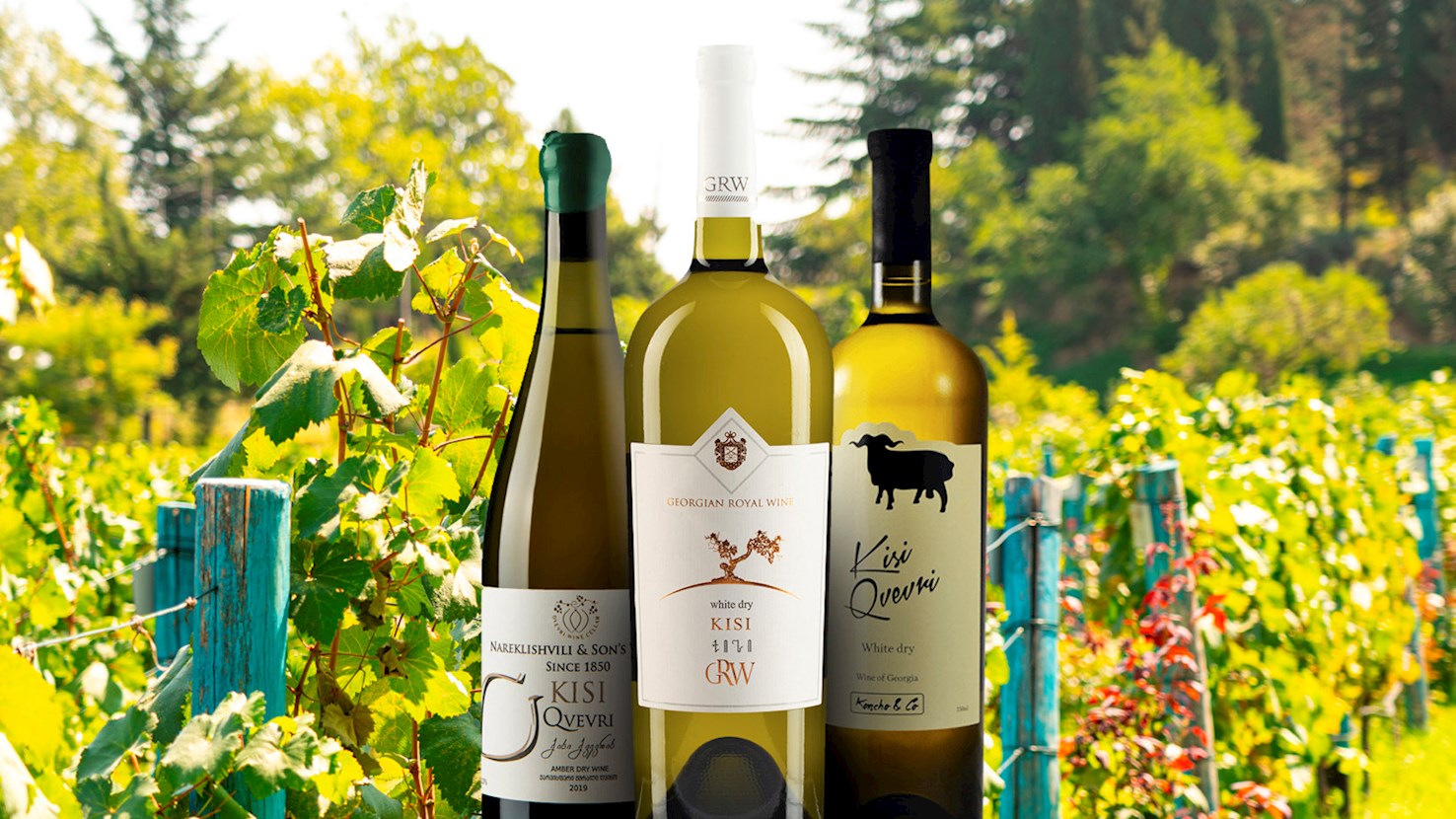
Kisi is a native Georgian variety that is mainly associated with Kakheti. Like many Georgian grapes, this white variety is also used for classic dry styles and traditional Georgian amber wines made in large clay vessels (qvevri). The grape is often blended with Rkatsiteli and Mtsvane Kakhuri. By the 2000s, Kisi was almost extinct, but it is slowly being introduced as a local grape with excellent potential. Classic dry wines are crisp and bright. They have a medium body and aromas reminiscent of flowers, citrus fruit, apples, pears, and peaches. Qvevri-made wines will have a juicier and more complex character, full-body, and darker color. They usually have ripe fruit, orange, apricot, and honey-like aromas, often with hints of spices and nuts. Dry styles can be enjoyed as an aperitif, and they also pair well with salads, seafood, and cheese. Qvevri wines will go well with chicken, creamy sauces, and spicy dishes.
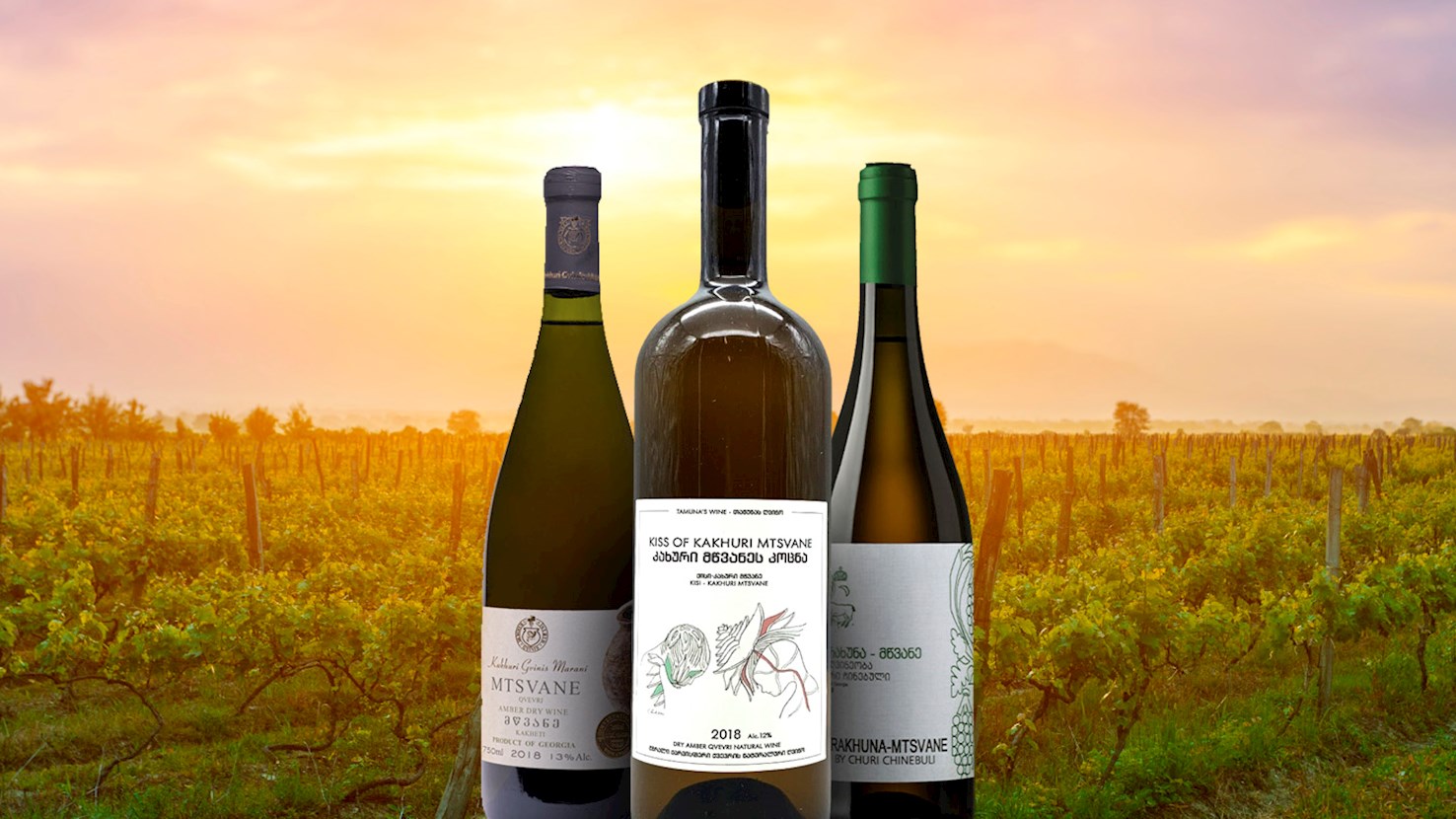
Mtsvane Kakhuri, or simply Mtsvane, is an aromatic white grape native to Georgia. The grape produces alcoholic and tannic white wines. It is mainly found in Kakheti, where it is used in varietals and blends and several regional appellations. Although suitable for various styles, it is primarily used for dry wines and traditional wines made in qvevri—terracotta pots used for fermentation and maturation. Dry white wines made from Mtsvane are fresh and light. They will usually have aromas reminiscent of white and yellow fruit, flowers, and citrus, often accompanied by herbal and mineral notes. Qvevri-made wines have a slightly darker, amber color, more body, and juicier aromas often similar to orange zest, apricots, and spices. Manavi and Tsinandali are the most popular Georgian appellations that use Mtsvani. Confusingly, this variety is one of many Georgian grapes named Mtsvane. They are not genetically identical, and typically region is added to the name to signifying their origin. Dry wines pair with salads, appetizers, and snacks, while qvevri wines may be a good match with pork, poultry, and spicy dishes.
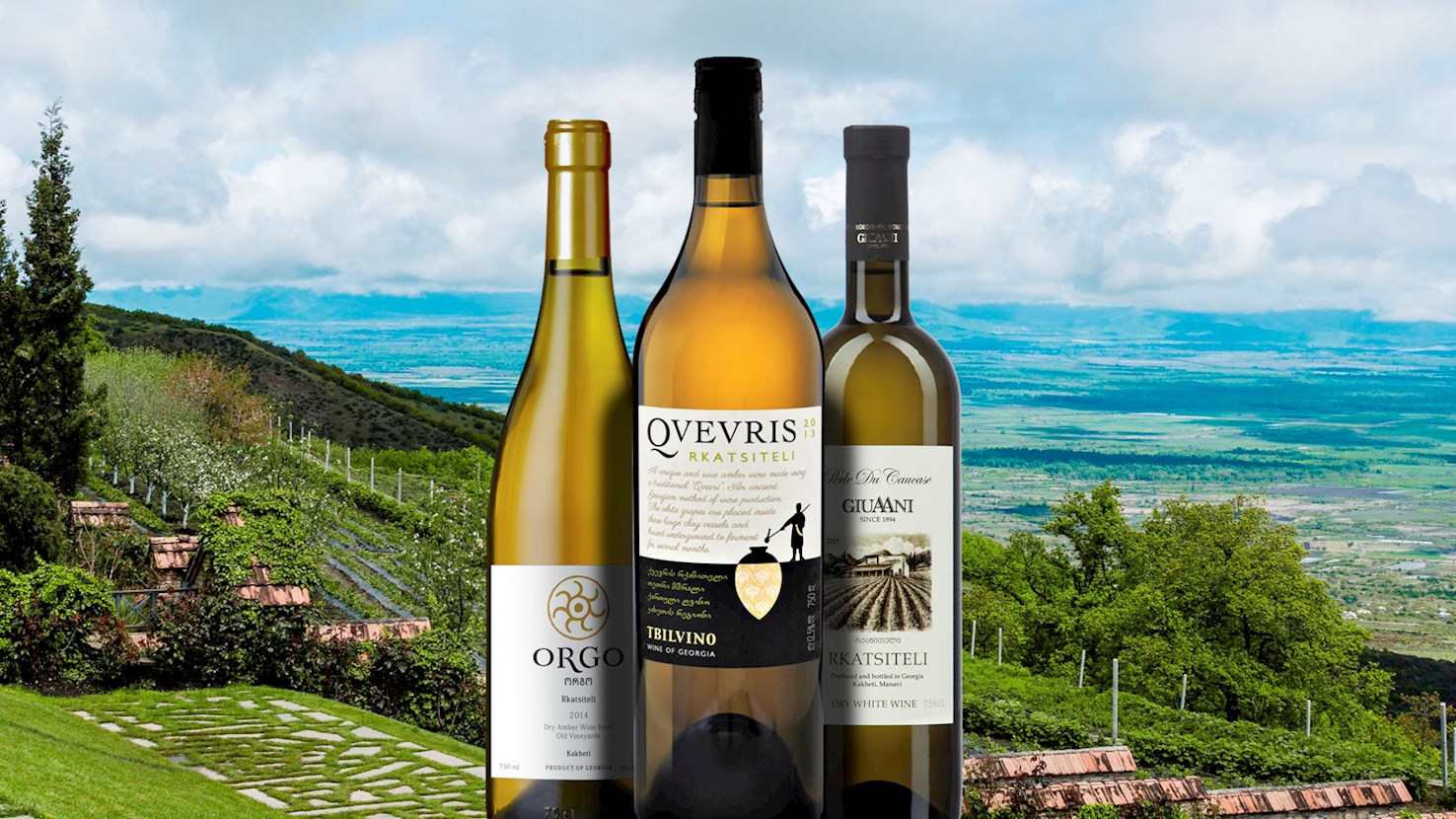
Arguably the most popular white grape in Georgia and possibly one of the oldest grapes in the world, Rkatsiteli is an incredibly versatile variety used in the production of brandy and dry, sparkling, fortified, and dessert wines. Although it is grown in several other European countries, this ancient grape remains one of the flagship Georgian varieties. Although it is grown in other regions, it is native to Kakheti. It is resilient to harsh weather conditions, retains excellent acidity, and achieves high sugars. Dry Rkatsiteli wines are light and refreshing. They tend to have an excellent balance of crisp acidity and sweetness that is complemented by complex and subtly spicy aromas of flowers, green apple, quince, and white peaches. Rkatsiteli is often vinified on the skins—pressed juice is fermented with the skins, often along with stalks and pips. These skin-contact wines are usually made in qvevri (kvevri) —traditional Georgian clay amphorae. These slightly tannic wines will have a distinctive orange or amber color with complex and intense aroma and flavor, often reminiscent of orange zest, honey, caramel, spices, and stone fruit. Rkatsiteli wines are quite universal and can pair well with various dishes, including fish, pork, and poultry. They could also work well with Middle Eastern and Indian fare. Skin contact, amber styles pair well with more complex rich dishes and pungent cheese varieties.
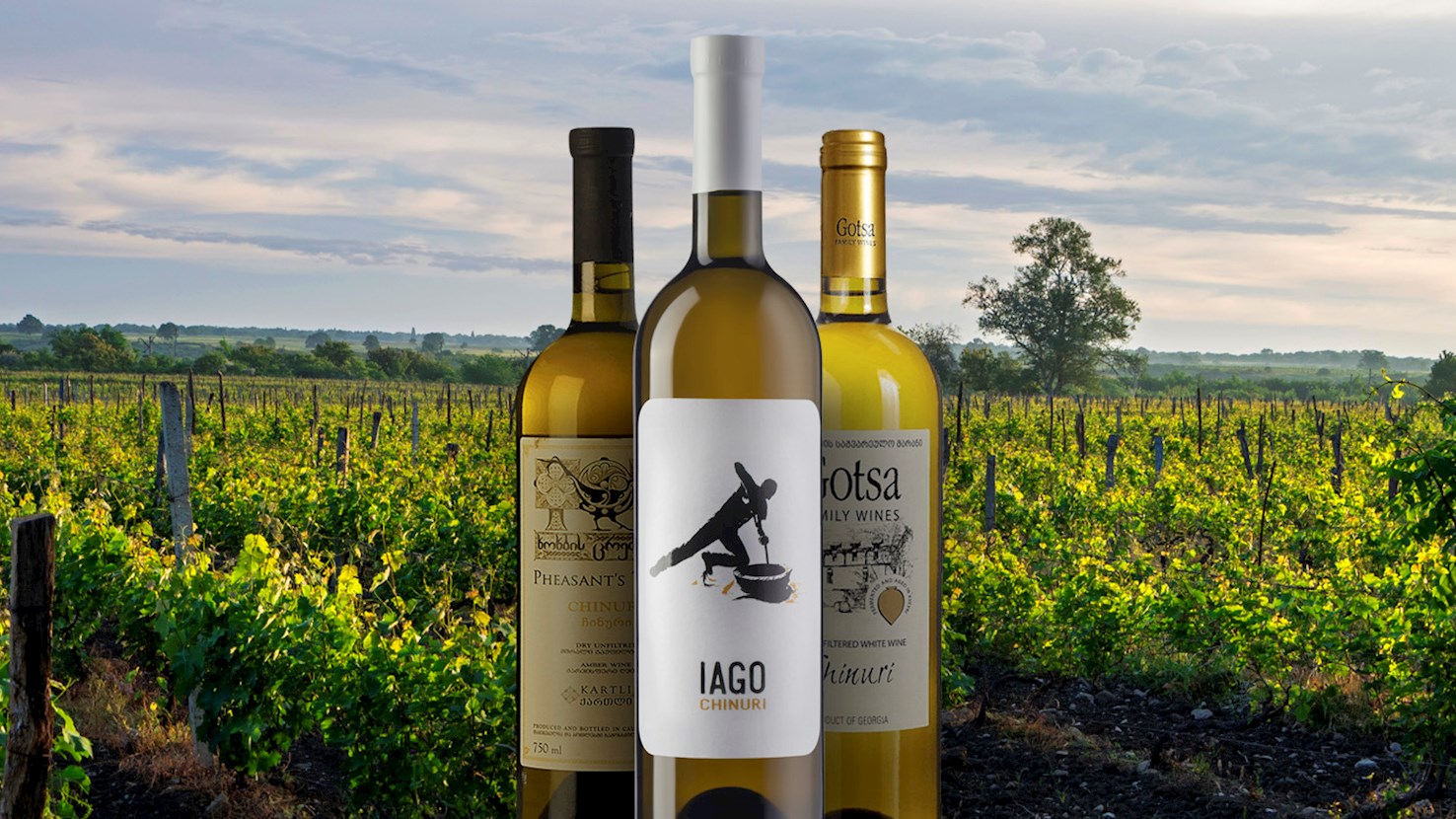
Chinuri is a native Georgian grape that originated in Kartli, but it is also cultivated in Kakheti. This late-ripening grape produces high yields, and it is known for its ability to achieve crisp acidity and moderate sugar. It is used in the production of dry wines, but it is also known for fruity sparkling wines from the Atenuri appellation. Chinuri wines have a floral and herbal character, with aromas reminiscent of yellow fruit and mint. The wines are commonly vinified with standard European techniques, but some producers opt to produce amber Chinuri wines made in traditional terracotta pots (qvevri). These wines will have more tannins and complexity, along with a distinctive yellow or amber hue. Sparkling Chinuri wines make an excellent aperitif, while dry wines pair with lighter fare, such as salads or poultry. Amber styles can be paired with slightly heavier dishes, such as fried chicken, fish, or vegetables. The name Chinuri stems from chinebuli, which roughly translates as excellent.
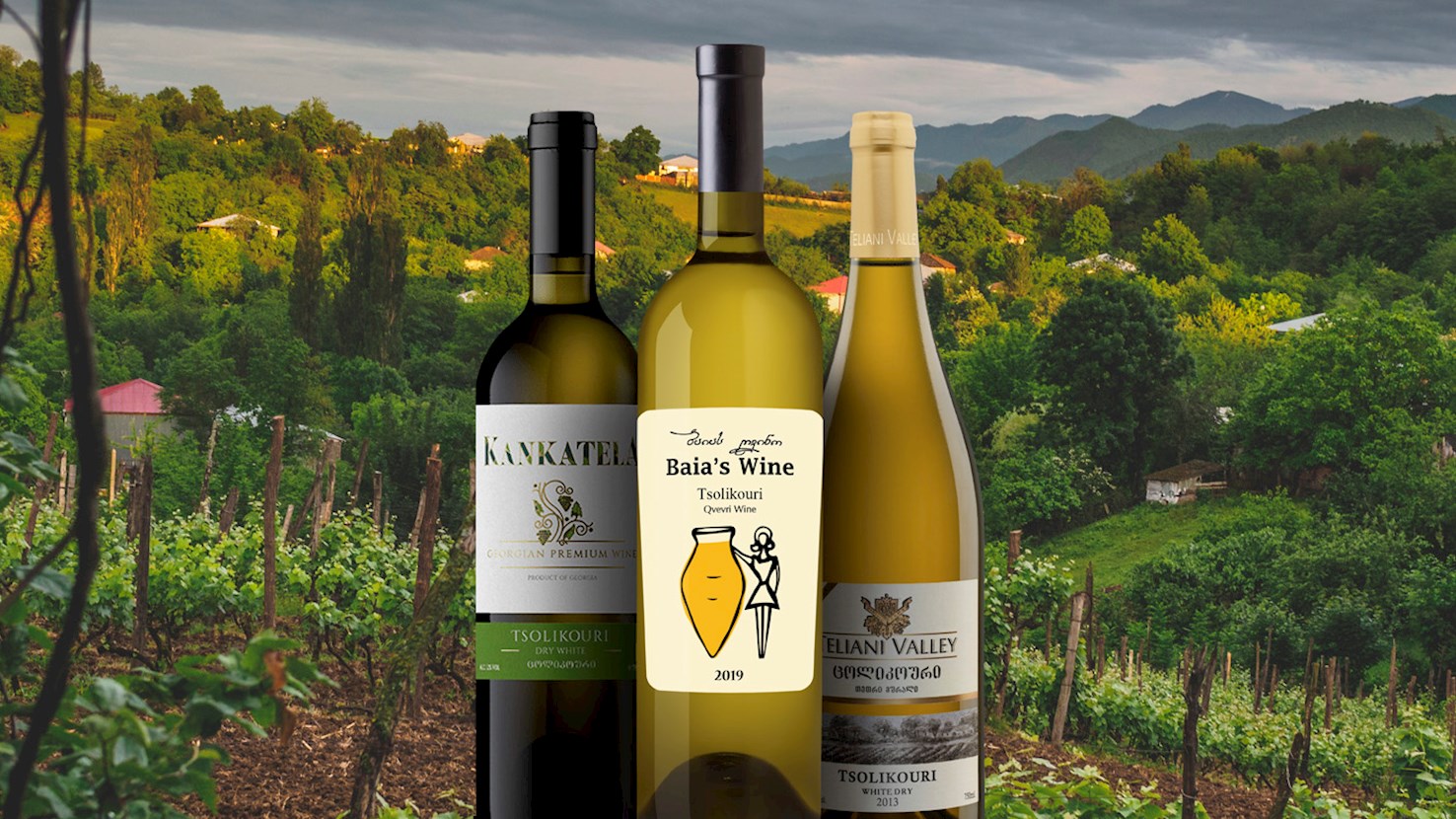
Tsolikouri is a native white grape widely planted in western Georgia. This versatile, late-ripening variety is used in the production of dry white wines and semi-sweet dessert styles from the Tvishi appellation. It also shows some potential to produce good sparkling wines. The grape is used in varietals and blends. It is often blended with Tetra and Tsitska. The wines produced from Tsolikouri will have a fruity and floral character, medium to full body, and bright acidity. It usually has aromas reminiscent of yellow fruit, such as pear and quince, along with some citrus nuances. The wines are mostly enjoyed young, but there are some rare examples of aged styles. The grape is sometimes used to produce skin-contact wines in traditional Georgian qvevri (churi) vessels. These wines will have darker color and aromas that are reminiscent of apricots and spices. Tsolikouri wines generally pair well with poultry, light main courses, appetizers, and cheese.
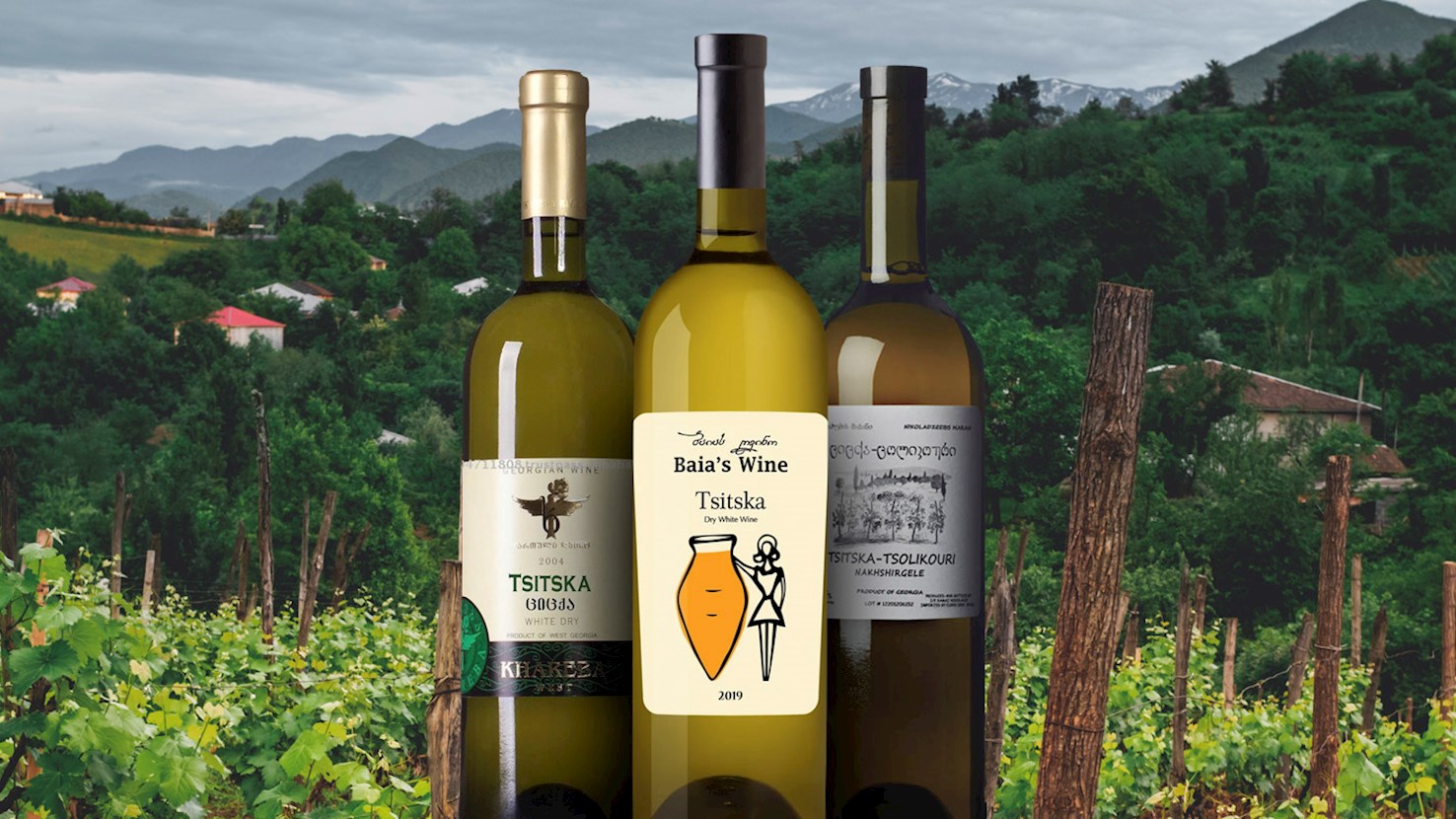
Tsitska is an old native Georgian grape hailing from the Imereti region. This late-ripening grape produces wines of excellent quality that are typically light and vibrant. The grape is often blended with Tsolikouri and sometimes Krakhuna (Sviri appellation). Dry Tsitska wines are straw-colored, aromatic, and packed with acidity. They typically display green apple, melon, and lime aroma, along with equally crisp lemon and green pear flavor. They are sometimes made as qvevri wines—traditional Georgian vinification in large clay vessels that are often buried underground. The grape is also suitable for sparkling wines. Tsitska wines pair well with chicken and freshwater fish.
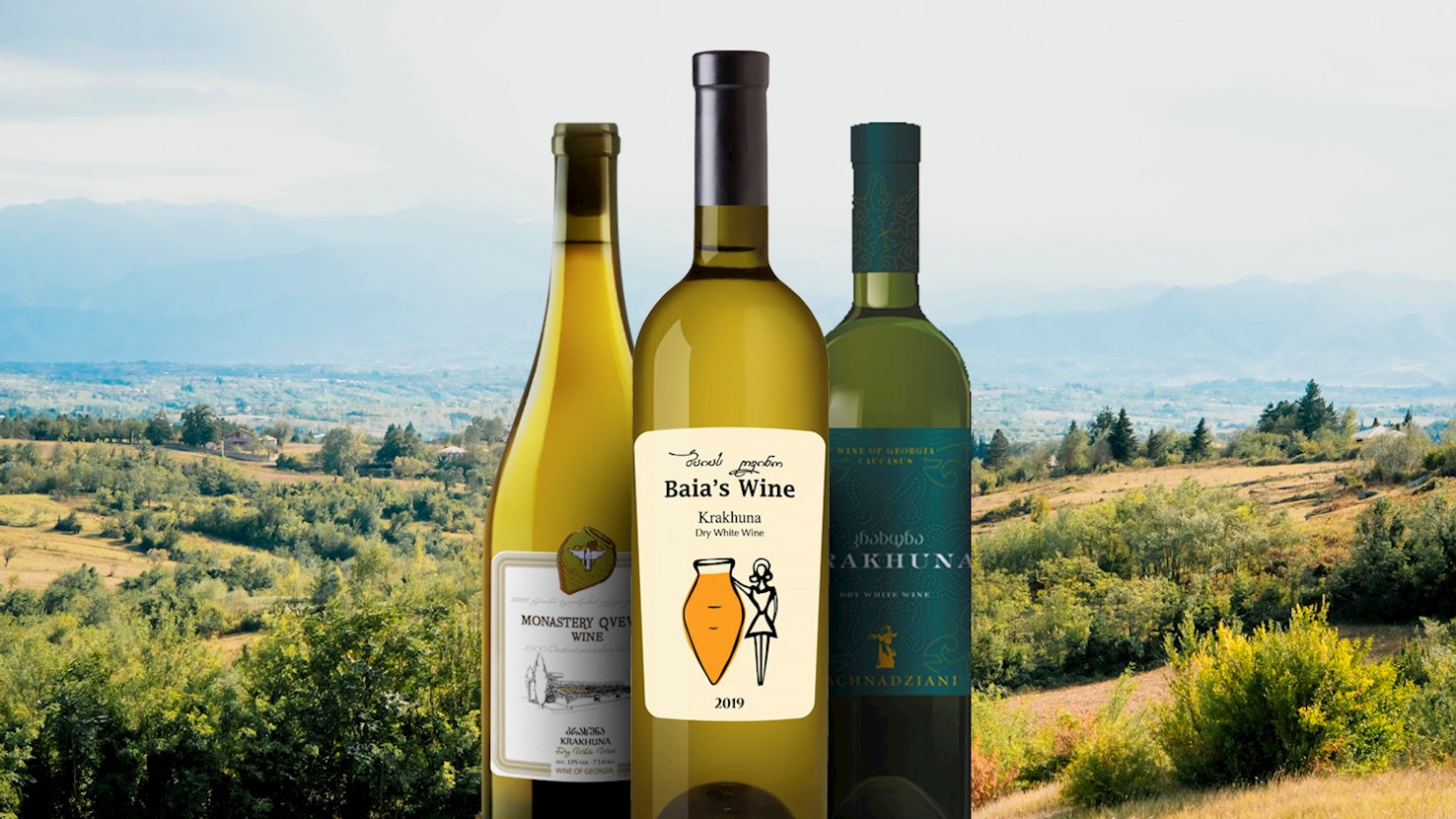
Krakhuna is a native Georgian grape that originates from Imereti. The grape is used for standard dry wines and traditional Georgian styles that are fermented in large clay vessels (qvevri). It is often blended with Tsitska and Tsolikouri. The wines are typically fresh and crisp—even the name krakhuna translates as crisp, possibly describing its character. Classic dry wines are straw-colored with a floral and fruity aroma reminiscent of wildflowers and citrus fruit, usually with hints of apricot and banana-like nuances. Amber-colored qvevri wines will have a more complex, honeyed, and earthy character with a ripe fruit aroma. Krakhuna wines show good potential to age. These wines would pair well with seafood or poultry.
Khikhvi is a single-varietal white or amber wine produced from the indigenous Khikhvi grape cultivar, which is grown primarily in the Kakheti macro-region of eastern Georgia, with dense concentrations found along the right bank of the Alazani River in the Gurjaani, Sighnaghi, and Akhmeta municipalities. Botanical and ampelographic examinations classify Khikhvi as one of the ancient components of the Kakhetian varietal assortment, showing genetic links to wild vine varieties of the South Caucasus and thriving historically in the micro-zones of Kardenakhi and Tsinandali where well-drained, calcareous alluvial soils allow the vine to regulate moisture absorption. Nineteenth-century state agricultural censuses recorded that while the grape yielded high-quality juice, its cultivation systematically declined due to its vulnerability to powdery mildew (Oidium) and low average bunch weight, leaving only small, fragmented vineyard plots until state-sponsored preservation initiatives in the late twentieth and early twenty-first centuries re-established the variety in commercial nurseries to prevent its extinction. The preparation of Khikhvi wine follows two distinct chemical and physical pathways. For classical, light-bodied white wines, the grapes undergo immediate machine or pneumatic pressing after harvest, separation from the solid parts of the cluster, and cold fermentation in stainless steel vats at 15 to 17 degrees Celsius to preserve volatile monoterpenes and delicate fruit esters. For the dry amber variant, the crushed grapes, juice, and a calculated percentage of skins, seeds, and stems are transferred into buried clay vessels where fermentation occurs concurrently with extended maceration, remaining sealed underground for three to six months to allow the extraction of specialized polyphenols and condensed tannins that alter both the color and structural weight of the liquid. The wine is served globally within specialty wine bars, commercial tasting rooms, and culinary establishments, poured at 8 to 10 degrees Celsius in standard white wine glasses for the fresh, stainless-steel vinified versions, or at 12 to 14 degrees Celsius in wider-bowled glasses for the skin-contact amber iterations to ensure the rich tertiary aromatic compounds of dried apricot, honey, clove, and tobacco are fully expressed. For food and beverage pairings, the crisp acidity of the fresh white Khikhvi matches light proteins and fats, meaning it is eaten alongside boiled or grilled poultry, white fish, fresh green salads, and soft cheeses. The robust, highly tannic profile of the amber skin-contact Khikhvi cuts through dense proteins and complex fats, which makes it a suitable pairing for roasted pork, lamb kebabs seasoned with local herbs, walnut-based sauces like bazhe, roasted root vegetables, and mature, salt-cured sheep milk cheeses.
Goruli Mtsvane is a single-varietal white wine or white wine blend produced from the indigenous Goruli Mtsvane grape cultivar, which is grown predominantly in the Shida Kartli and Kvemo Kartli regions of central Georgia along the plains and slopes of the Mtkvari River basin. Agronomic records and ampelographic studies trace the development of this late-ripening grape to the specific ecological conditions of the Gori administrative municipality, where the variety adapted to cold winters and hot, dry summers by developing thick skins and a late vegetative cycle that protects the buds from early spring frosts. Nineteenth-century viticultural surveys conducted in the Mukhrani and Ateni valleys documented Goruli Mtsvane as a vital structural component for regional wine production due to its high natural acidity and resistance to regional vine diseases, leading to its systematic integration into the estate vineyards of the local nobility. The preparation of Goruli Mtsvane wine utilizes two primary mechanical methods depending on the target wine style. For crisp, European-style white wines, the manually harvested grapes undergo immediate pneumatic pressing followed by juice clarification, after which the must is fermented in temperature-controlled stainless steel vessels at 14 to 16 degrees Celsius to preserve the delicate primary volatile aromatics. For full-bodied amber versions, the must is transferred to underground clay vessels where it ferments in contact with a portion of the grape skins and staves, remaining sealed for three to six months to extract complex phenolics, non-flavonoid tannins, and terpene compounds. Furthermore, because the juice possesses high levels of tartaric acid and moderate potential alcohol, it is frequently combined with the Chinuri grape variety to undergo a secondary fermentation process that produces high-quality sparkling wines within the Ateni Protected Designation of Origin. A specific botanical characteristic of the Goruli Mtsvane grape is its tendency to develop bloom, a powdery wax coating on the skin that contains wild yeast strains, and its high concentration of specific aromatic precursors that yield distinct flavor profiles of lime, green apple, pine, and white flowers when vinified without prolonged skin contact. The wine is served globally and across Georgian hospitality networks, poured into standard white wine glasses at a temperature of 8 to 10 degrees Celsius for clean, stainless-steel iterations, or 12 to 14 degrees Celsius for skin-contact amber variants to allow the extracted structural compounds to express fully on the palate without excessive chilling. For food and beverage pairings, the pronounced acidity and crisp finish of the fresh white wine style cut through animal fats and clean the palate, making it a suitable match for roasted pork belly, fried chicken, grilled river trout, and soft cheeses. The heavier, clay-vessel amber style pairs effectively with more substantial savory dishes, meaning it is consumed alongside roasted lamb seasoned with tarragon, stews with dense walnut sauces (satsivi), or baked mushrooms with sulguni cheese.
TasteAtlas food rankings are based on the ratings of the TasteAtlas audience, with a series of mechanisms that recognize real users and that ignore bot,
nationalist or local patriotic ratings, and give additional value to the ratings of users that the system recognizes as knowledgeable.
TasteAtlas Rankings should not be seen as the final global conclusion about food. Their purpose is to promote excellent local foods,
instill pride in traditional dishes, and arouse curiosity about dishes you haven’t tried.





What People Say