shutterstock

Top 9 White Sausages
in the World

Last updated on April 15, 2026

Best White Sausages in the World
01

Metzgerei Reichenbach

4.6 ·
Metzgerei Reichenbach is a family-owned butcher shop located in the picturesque Glottertal, near Freiburg in Germany’s Black Forest region. Founded in 1958, the business has grown into a unique production chain that encompasses all stages of meat production: from livestock farming and slaughtering to meat processing and retail. This approach ensures full control over the quality and freshness of its products. The livestock—around 1,000 cattle and 1,500 pigs - is raised on the company’s own pastures and in cooperation with local partners. The butcher shop is renowned for its traditional specialties and offers a wide range of products including beef and veal, game, sausages, cured meats, and barbecue items. Metzgerei Reichenbach operates several retail locations. A special innovation is the “Reichenbach24 Smartstore” - a self-service shop open 24/7, allowing customers to shop at any time of day.
02

Metzgerei Burkhardt

4.6 ·
Metzgerei Burkhardt is a family-owned butchery with a long-standing tradition, founded in 1961 in Mannheim, where the third generation continues to passionately craft premium-quality meat products. Their dedication to the craft and commitment to excellence have earned them numerous prestigious awards, including the titles of German and European champion in white sausage making. They are particularly renowned for their seamless blend of tradition and innovation, constantly refining their recipes to satisfy even the most discerning connoisseurs of fine meats. Their selection includes a wide range of fresh and cured meats, all prepared according to carefully guarded family recipes, with an unwavering focus on quality. The love for their craft is evident in every piece of meat that leaves their workshop. In addition to classic delicacies, Metzgerei Burkhardt also stands out with creative innovations such as their unique sausage cake, proving that tradition and modern culinary trends can go hand in hand.
03

Metzgerei Schäbitz

4.6 ·
Metzgerei Schäbitz is a traditional artisanal butcher with a long-standing presence at Munich’s renowned Viktualienmarkt, operating as an integral part of the city’s everyday food culture. It is best known for classic Bavarian specialties, with a strong focus on fresh meat, house-made sausages, Weißwurst, and Leberkäse, all prepared according to well-established recipes and sold directly at the market. The butcher’s concept is built around close interaction with customers, quick preparation, and products intended for immediate consumption, which makes it popular with both local residents and visitors to Munich. Metzgerei Schäbitz is positioned as an authentic market butcher, clearly focused on freshness, practicality, and the recognizable flavors of everyday Bavarian cuisine. Its location at Viktualienmarkt further underscores the role of this butcher as part of the city’s living culinary heritage.
04

Metzgerei Gaßner

4.5 ·
Metzgerei Gaßner is a renowned family-owned butcher shop in Munich, known for its premium sausages and meat specialties. Founded in 1937 by Engelbert Gaßner and his wife Katharine in Haimhauserstraße, the shop has grown over the years into a symbol of Bavarian butchery tradition. Their products are highly regarded for the high quality of the meat and the careful selection of spices, which give them an authentic and rich flavor. In addition to the butcher shop, the Marktstüberl restaurant offers homemade specialties in a cozy atmosphere, where visitors can enjoy freshly prepared dishes. This butcher shop, with its 85-year tradition, is not only a place where high-quality meat is produced but also a cornerstone of Bavarian culinary heritage, bringing authentic flavors that generations of Munich residents have loved and continue to seek out.

Best White Sausages in the World

01

Weißwürste

3.7 ·

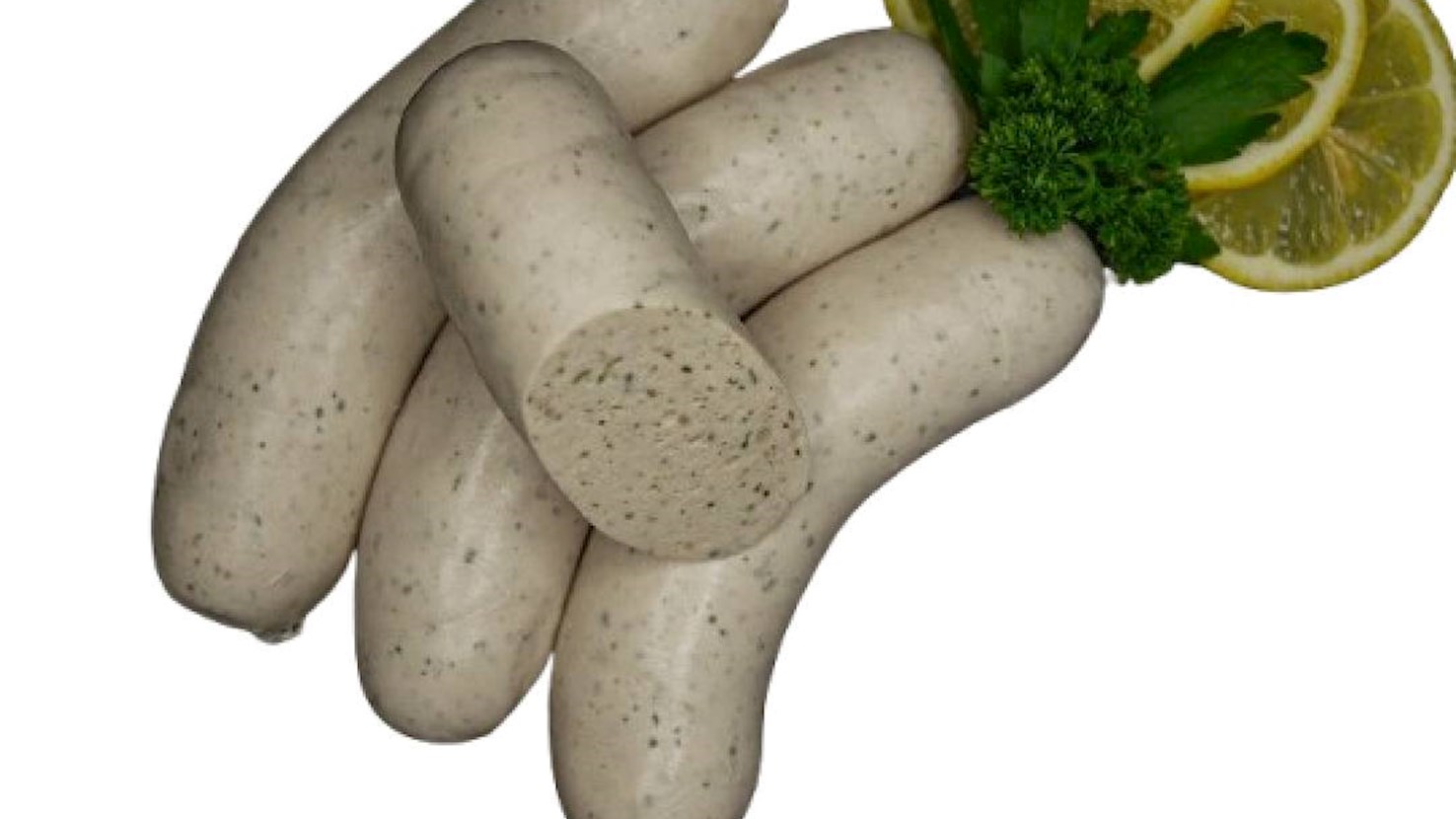
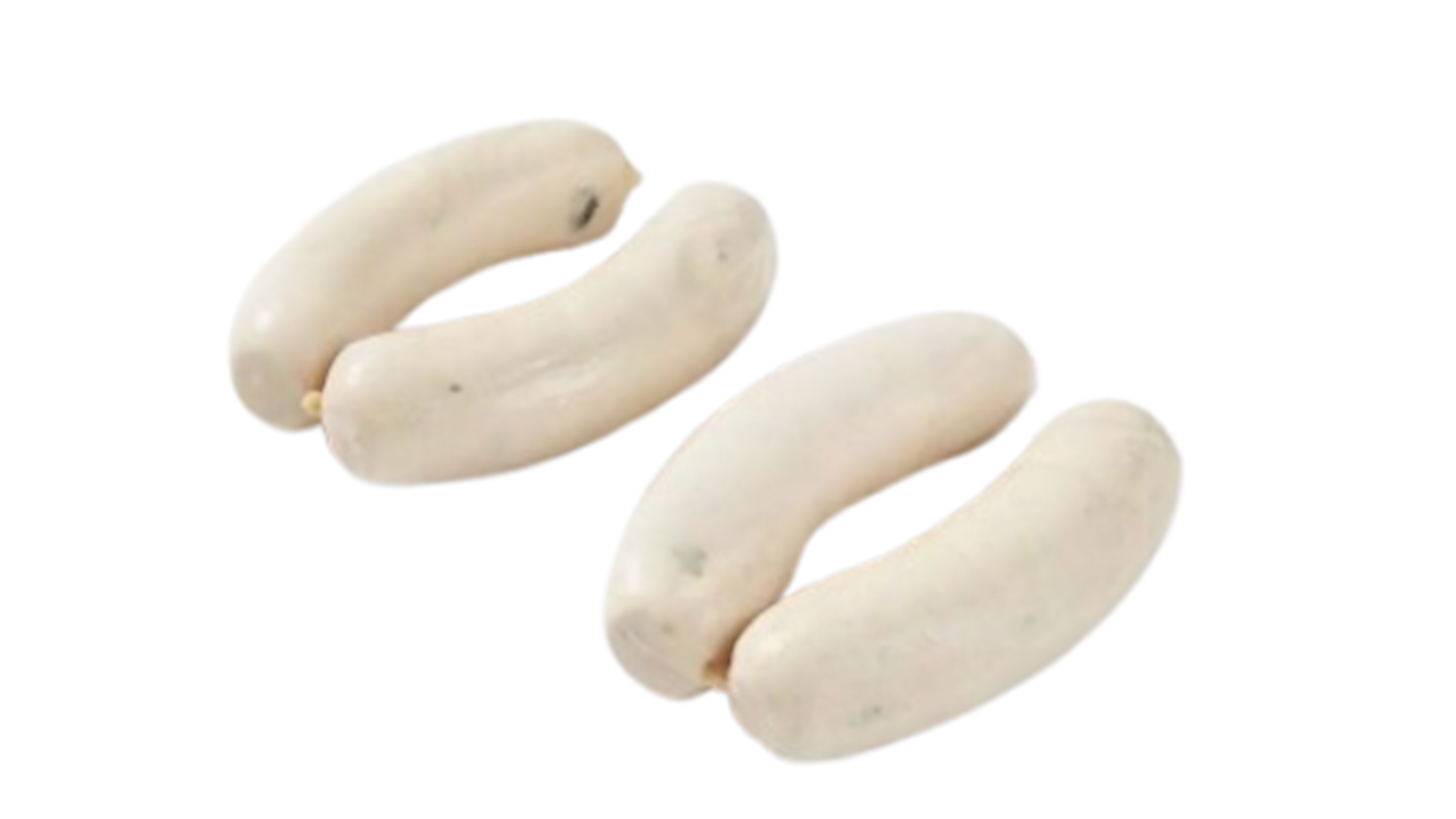
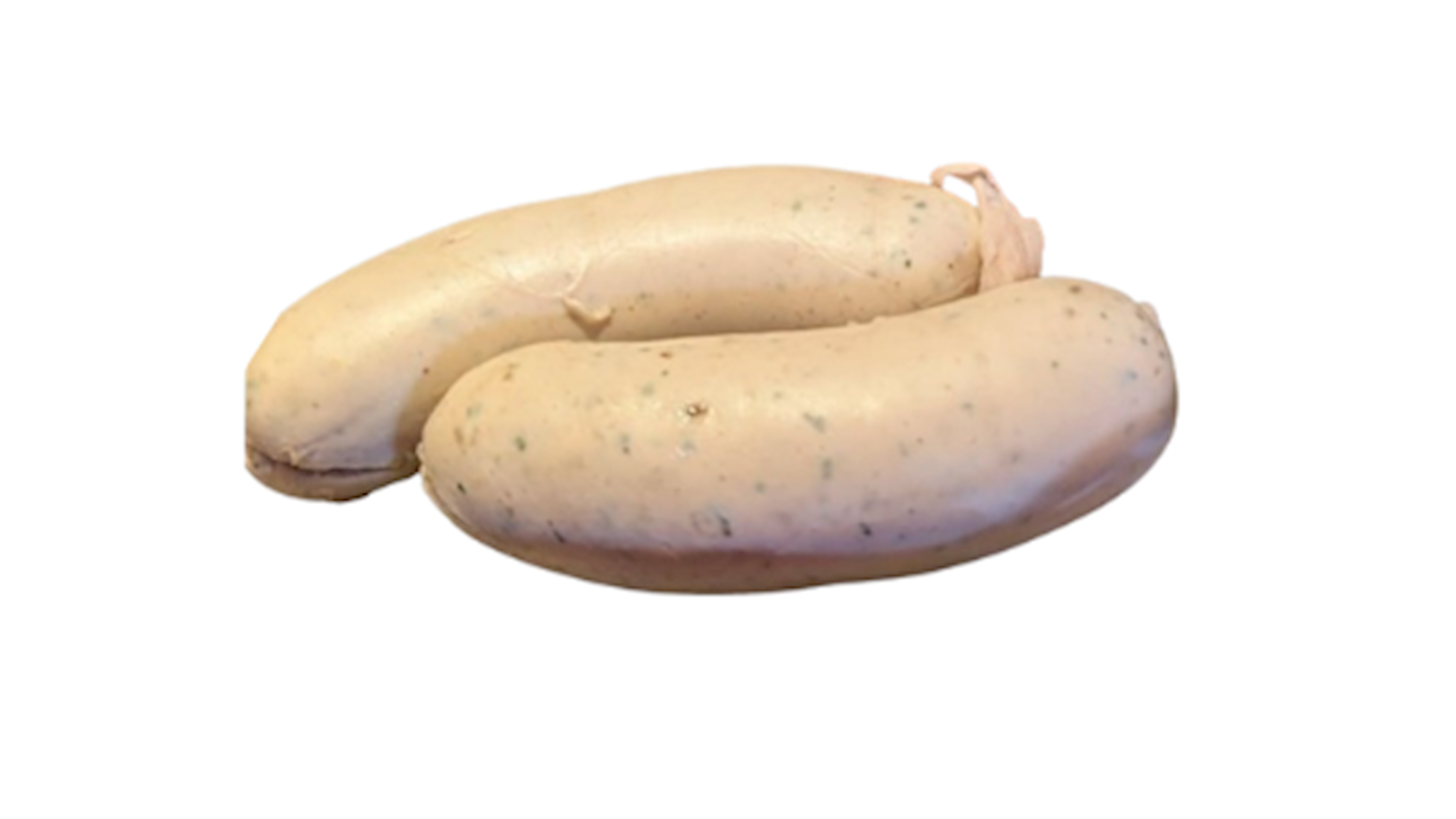
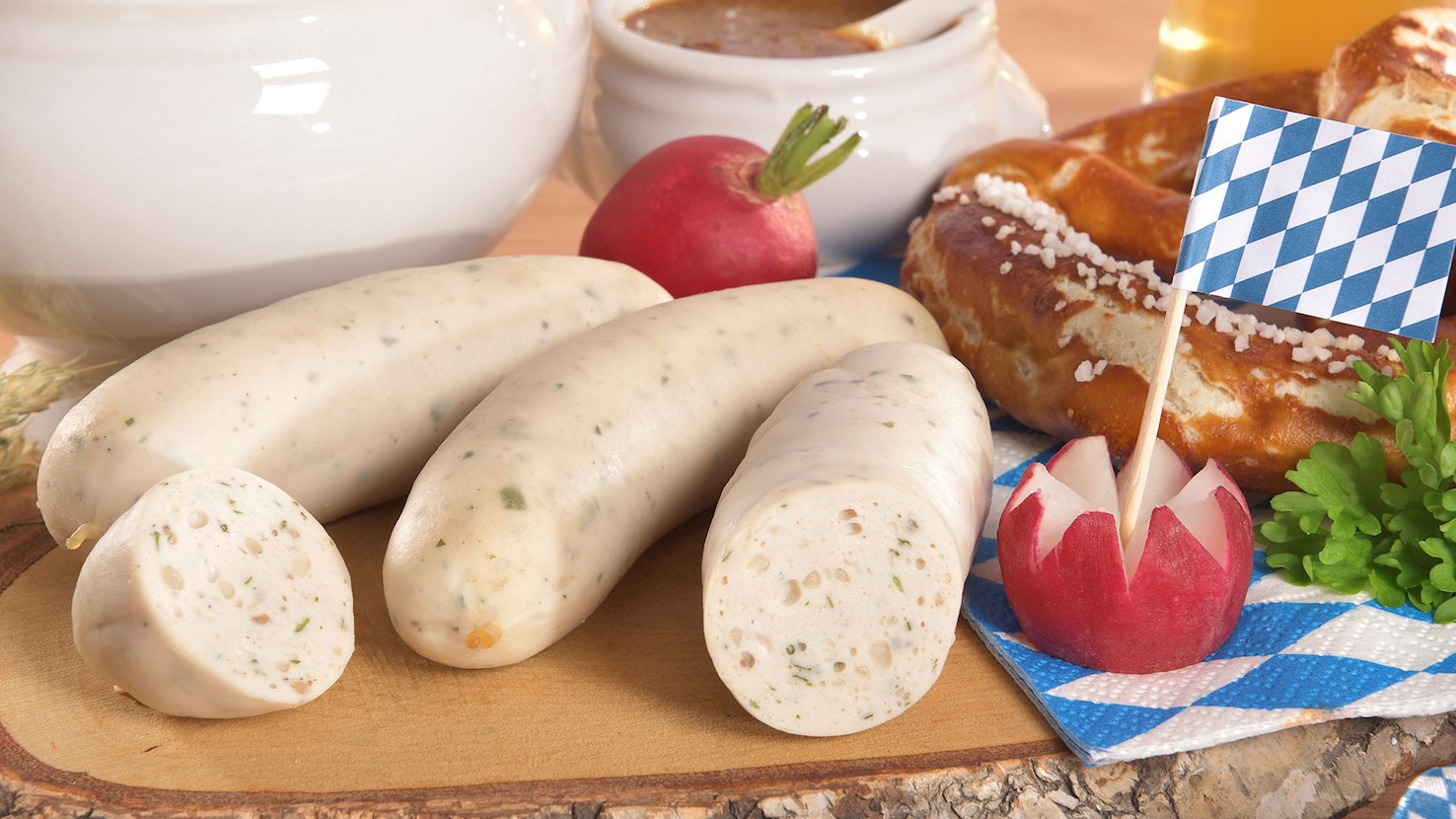
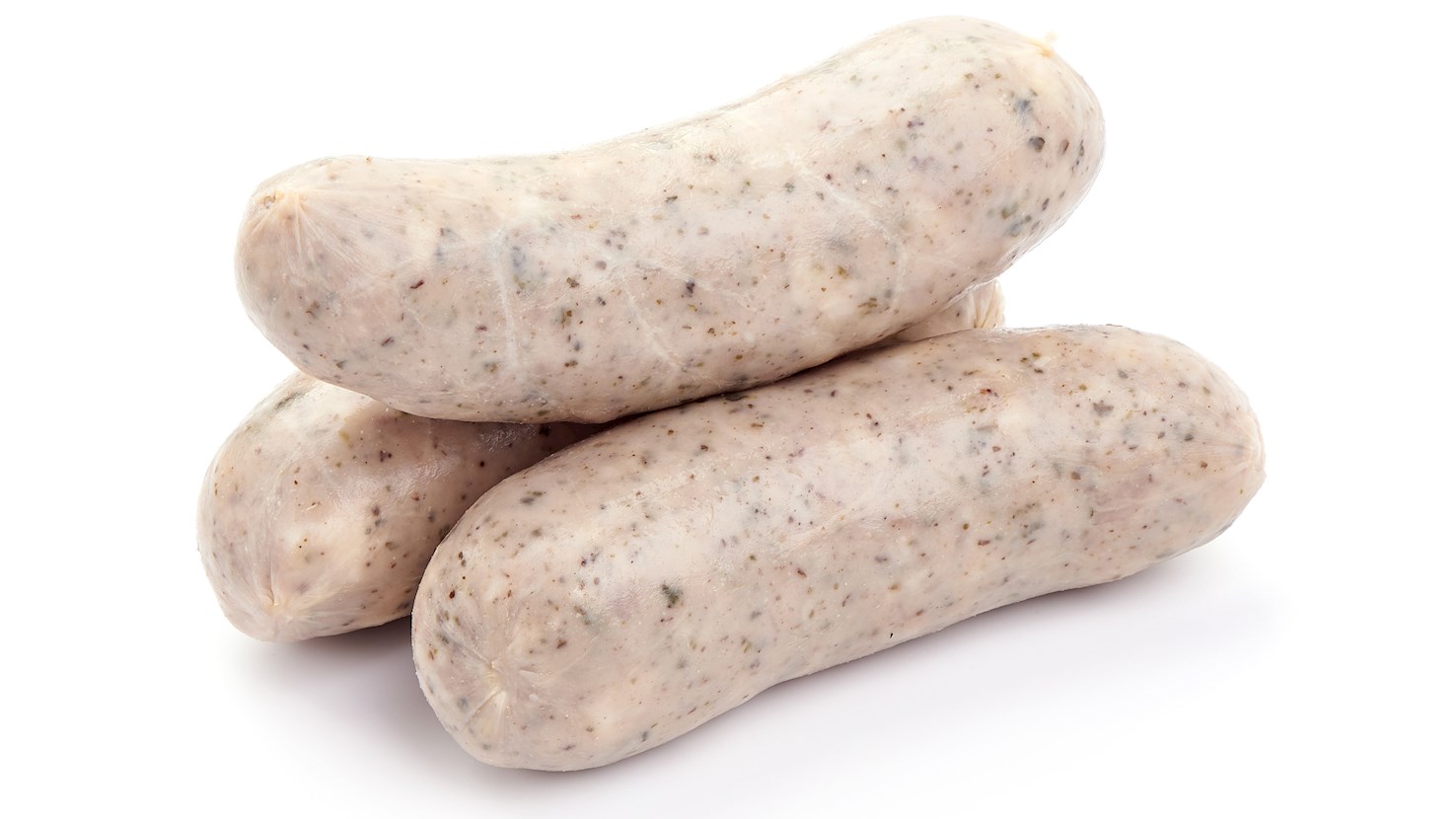
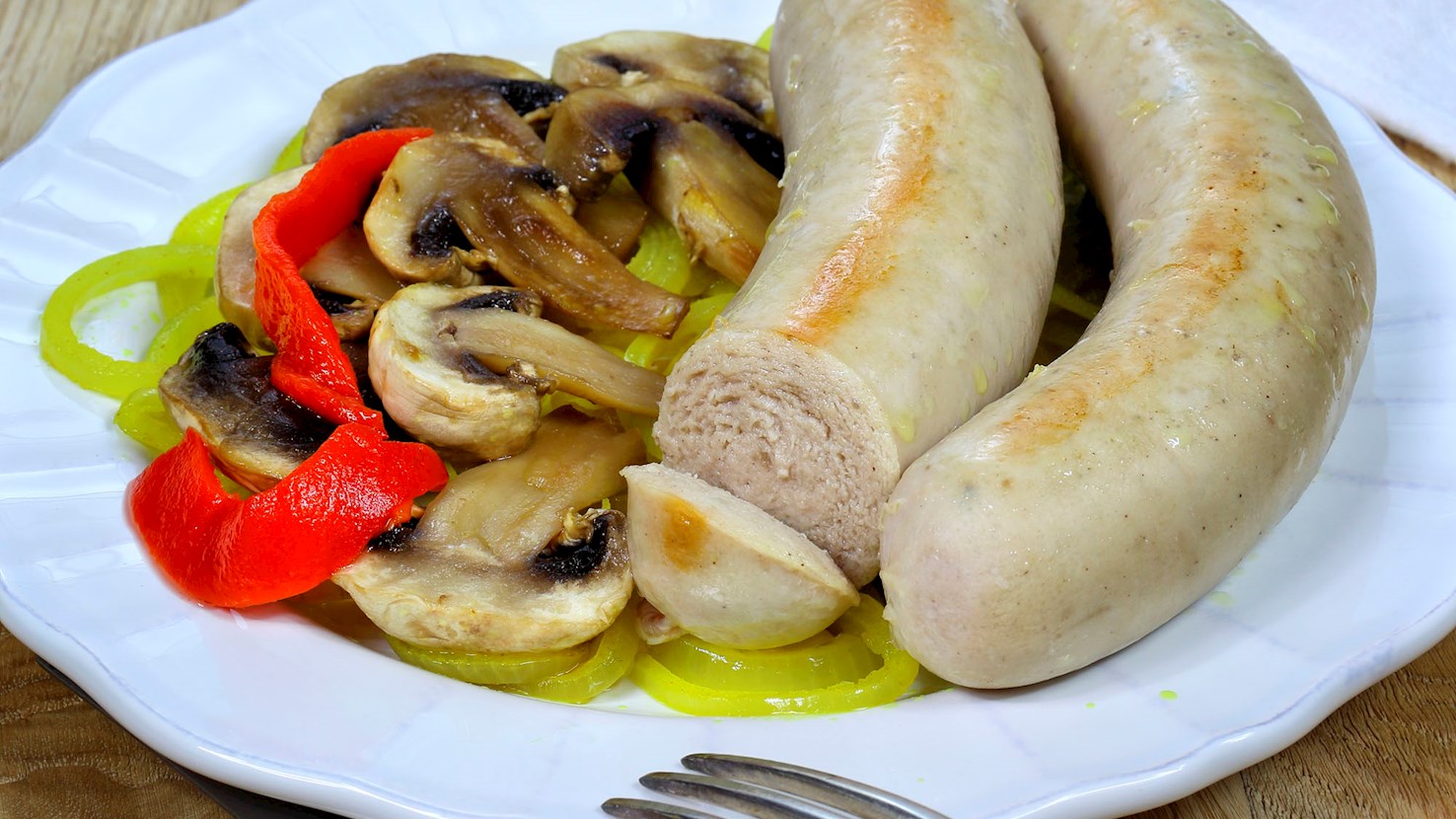
Weisswurst or white sausage is a famous specialty of the city of Munich, invented in 1857 by a butcher named Sepp Moser. He was working in a restaurant next to his butcher's shop and had used the last of thick sausage skins used to make regular sausages. To solve the problem, he opted for thin skins. As he made the sausage, he was worried that it would burst open during the frying process, so he put them in hot water and cooked them for 10 minutes. After serving the cooked sausages to the guests, the new dish was praised, and Weisswurst was born. The sausages consist of a mixture of pork, veal, and pork fat, seasoned with parsley, pepper, lemon, and salt. Today, the sausages are most popular in southern Germany, and they are one of the most consumed items at Oktoberfest. In restaurants, Weisswurst is always served hot, usually accompanied by pretzels and, ideally, Händlmaier's Hausmacher Senf, although it can be served with other Bavarian sweet mustard varieties if the original Händlmeier brand is unavailable. The sausage casing is not intended for consumption, so the sausages are often sliced along their length, and the casing is peeled. Interestingly, it is considered a taboo to eat Weisswurst after noon in Bavaria. This tradition stems from the past when the sausages were made fresh, and were supposed to be consumed as quickly as possible.

02

White pudding

3.6 ·

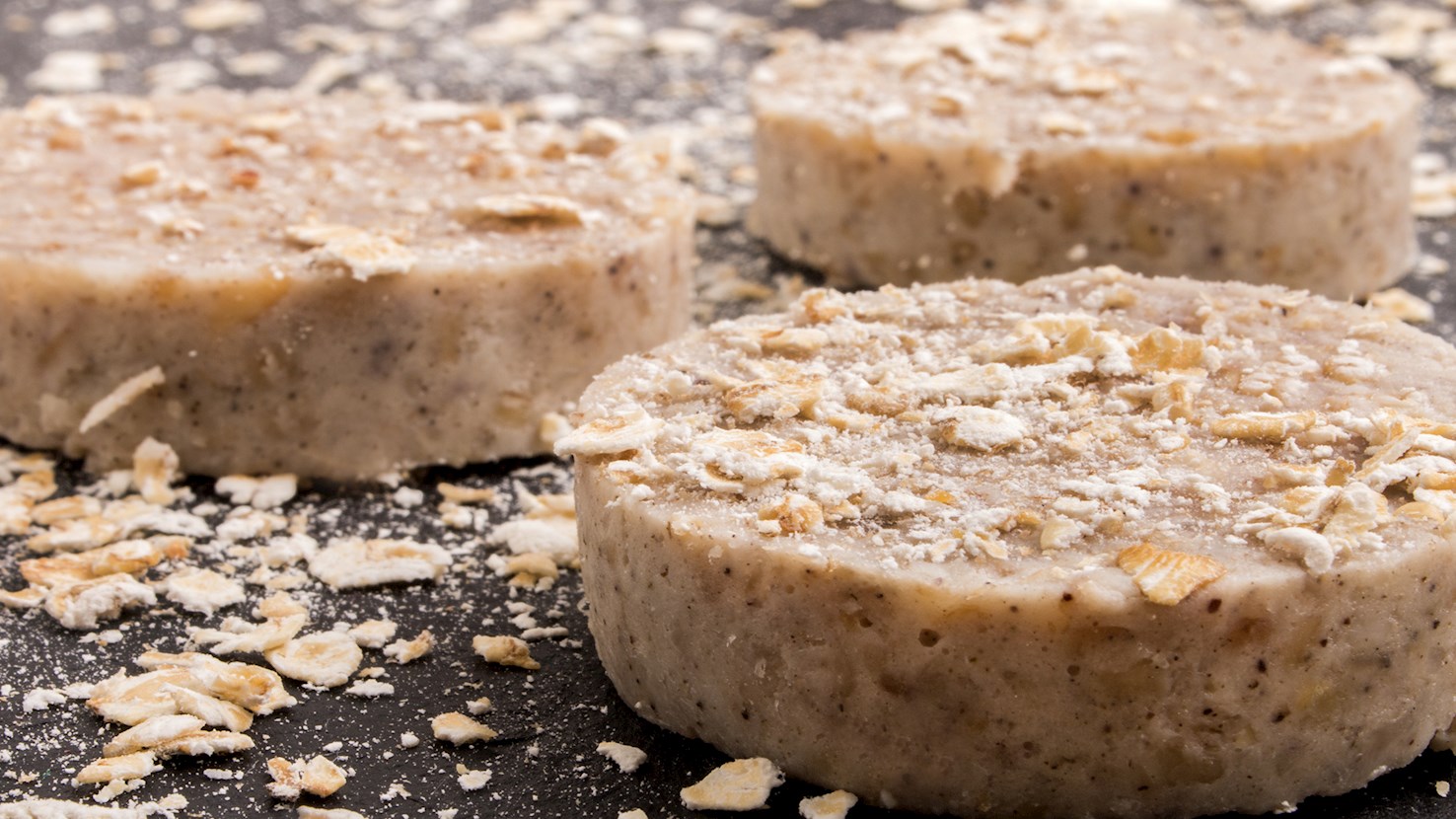
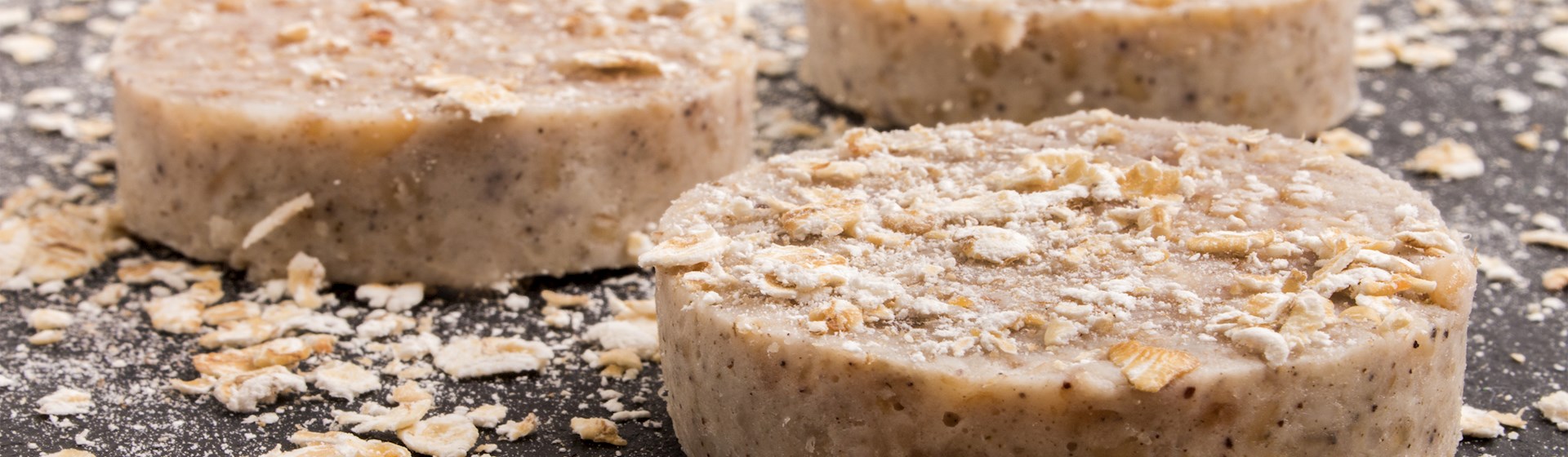
White pudding is a type of sausage found mainly in Ireland and Scotland, known for its pale color and hearty ingredients. It shares some similarities with black pudding, but the defining difference is the absence of blood, which gives it a lighter appearance and a milder flavor. Made from oatmeal, pork meat or fat, suet, breadcrumbs, and seasonings, it has been part of rural diets for centuries, providing a way to stretch limited resources and create a filling, energy-rich food. The origins of white pudding go back to early European meat preservation and sausage-making practices, with oats or other grains used as fillers in many regions. In Ireland and Scotland, where oats were abundant and central to the diet, they became a natural base for this type of sausage. Over time, the dish became a staple in working-class households, valued for being both nourishing and versatile. It was eaten not only at breakfast but also as part of meals throughout the day. Preparation involves mixing finely ground pork or offal with suet, oats, breadcrumbs, and herbs such as white pepper and nutmeg. The mixture is tightly packed into natural casings and then boiled or steamed until firm. Once cooked, the sausages are sliced into rounds and fried or grilled, developing a crisp exterior while staying soft inside. The balance of the oats and fat creates a distinct texture that sets it apart from meatier sausages. Today, white pudding is eaten most often as part of a full Irish or Scottish breakfast, served alongside eggs, bacon, black pudding, toast, and sometimes tomatoes or mushrooms. Beyond breakfast, it can also appear in sandwiches, with potatoes, or as a side dish in pub meals. It pairs well with fried or baked eggs, root vegetables, and in more modern settings, even with delicate greens or mustard-based sauces.

03

Jitrnice

3.5 ·

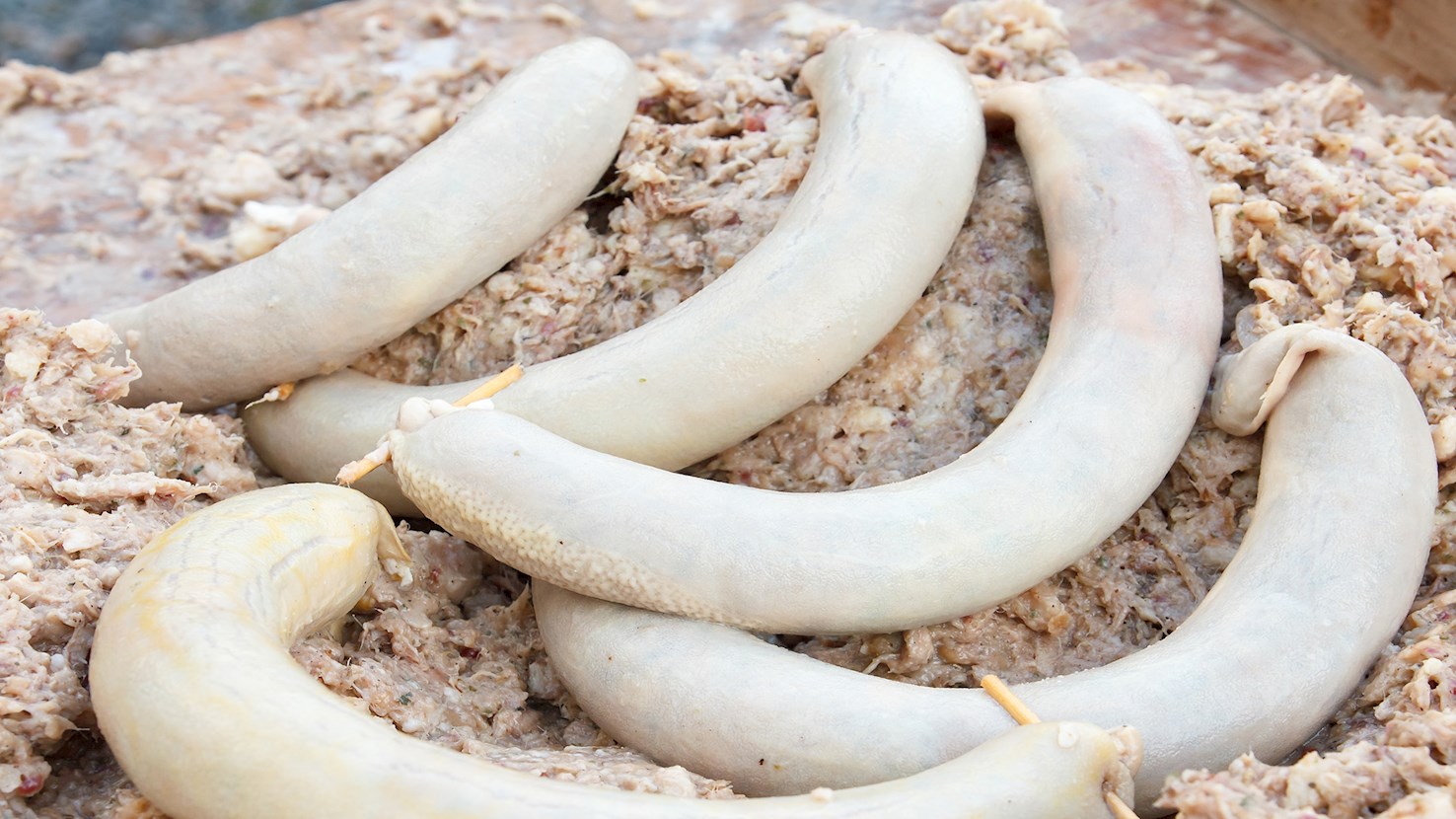
Jitrnice are one of the most common pork sausages in the Czech Republic. Although there are numerous regional varieties, they mostly consist of pork cuts, various internal organs, and pork liver. Depending on the tradition, some prefer to incorporate barley or soaked wheat buns in the basic mixture. The sausages are often seasoned with a variety of herbs and spices such as marjoram, allspice, garlic, and pepper. Jitrnice are usually large, they vary in color and consistency, but are distinguished by a wooden stick tied at each end. Although they can be fried or grilled and eaten as other sausage varieties, the Czechs prefer to enjoy them sliced, drizzled with vinegar, and served alongside freshly chopped onions.

04

Kiełbasa biała parzona Wielkopolska

3.5 ·

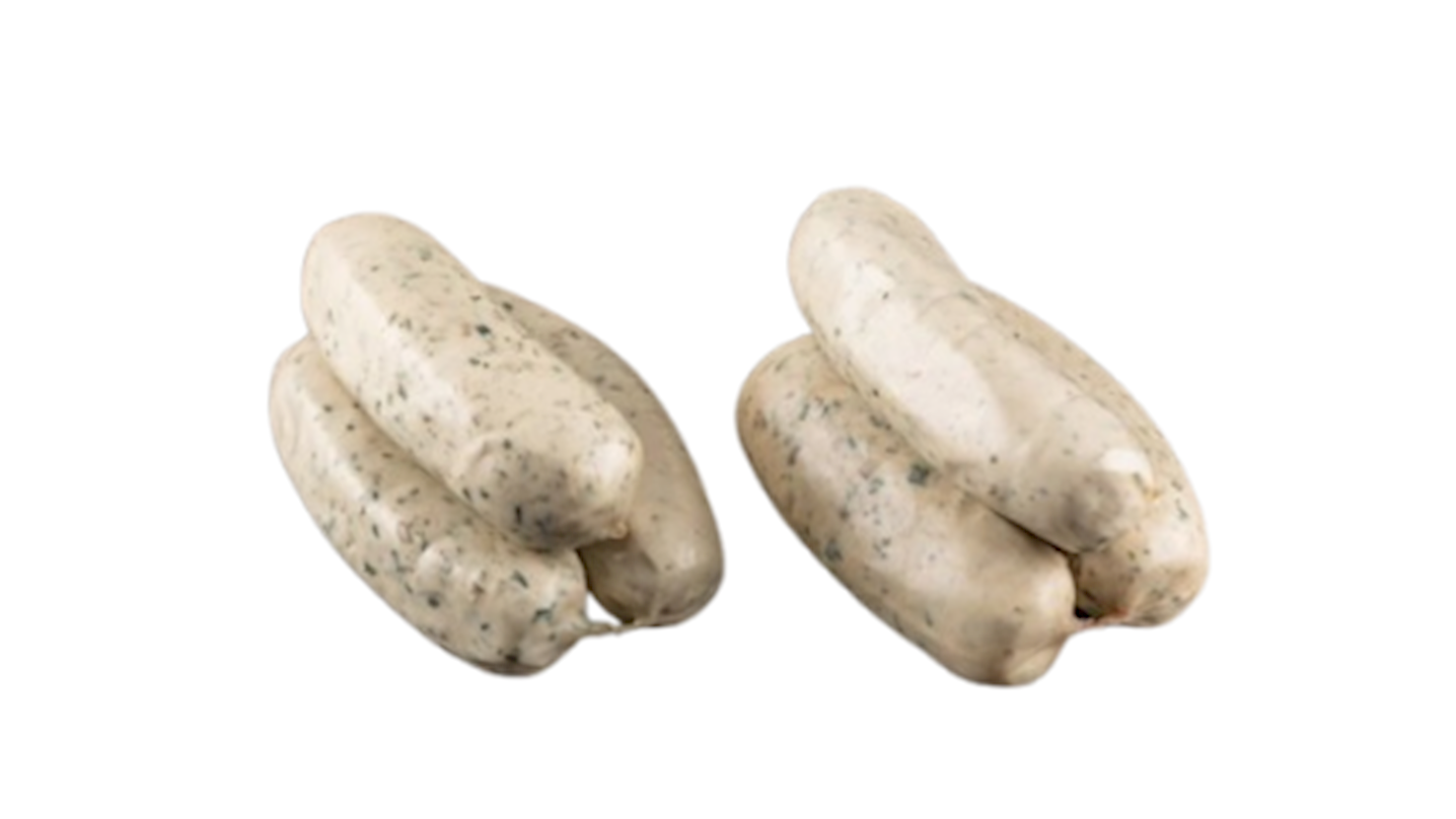
Kiełbasa biała parzona wielkopolska is an uncured sausage made with ground pork that is encased in natural pig's intestines. Its slightly moist, matte grey surface is dotted with green specks of marjoram, used to flavor the sausage. Once cooked, kiełbasa biała parzona wielkopolska has a flavor that is similar to cooked pork, with a strong marjoram flavor and a hint of garlic and pepper.

05

Boudin blanc de Liège

3.4 ·

Boudin blanc de Liège is a Belgian white sausage made from pork shoulder and belly, crumbled white bread, onions, cream, and milk. All of the ingredients are combined, stuffed in casings, and cooked in hot water, then left to cool and dry for a short period of time. What distinguishes boudin blanc de Liège from other white puddings is a hint of marjoram, but it can be flavored with other ingredients such as bay leaves, carrots, or cloves.

06

Boudin blanc de Rethel

3.1 ·

Boudin blanc de Rethel is a white pudding sausage made from prime cuts of pork, pork fat, fresh eggs, milk and a secret blend of seasonings which has been protectively treasured since the 17th century. It is traditionally produced in the Rethel district of the French region of Ardennes. This sausage is light in color and its texture can be either fine or medium-coarse. It is available in several varieties: plain, forest, mushroom, truffle, or truffle juice. Boudin Blanc de Rethel is typically grilled and served with roasted or mashed potatoes and a glass of champagne on the side.

07

Kalberwurst

2.8 ·

Kalberwurst is a fresh Swiss sausage made with a combination of veal, ground crackers, and milk, although pork is sometimes also added to the combination. Its flavor is often described as mild and creamy. The sausage is typically cooked alongside onions and gravy, but it can also be grilled.

08

Wollwurst

n/a ·

Wollwurst is a Bavarian white sausage originating from southern Germany, particularly in regions such as Upper Bavaria and Swabia. It is a finely textured, pale sausage made primarily from veal and pork, similar in composition to Weisswurst but distinct in its preparation and appearance. The name "Wollwurst" refers to the sausage's unique surface texture, which becomes slightly fuzzy or woolly after cooking due to the lack of a casing. This gives the sausage a soft, delicate outer layer that sets it apart from other similar sausages. The meat mixture is seasoned mildly, often with parsley, lemon zest, white pepper, mace, and salt, and then filled directly into hot water without an outer casing, allowing it to poach and firm up into shape. Once cooked, Wollwurst is typically cooled and stored until ready to be served. It is most commonly eaten by lightly frying it in butter, sometimes after briefly dipping it in milk, which enhances its softness and gives the exterior a subtle browning without becoming crisp. It is usually served with potato salad, pretzels, or sweet mustard, though it can also accompany other regional side dishes. Though less internationally known than Weisswurst, Wollwurst holds a steady place in Bavarian culinary culture, particularly appreciated for its smooth texture and gentle flavor. It is often available in local butcher shops and markets, prepared fresh and meant to be cooked shortly before eating.

09

Stockwurst

n/a ·

Stockwurst is a mild, finely textured German sausage historically produced across southern regions such as Bavaria, where it has been appreciated for its smooth consistency and clean flavor. The recipe relies primarily on finely ground beef blended with a smaller proportion of pork fat to achieve the desired tenderness. The mixture is seasoned gently with salt, white pepper, and mace, and sometimes flavored with hints of fresh herbs or a touch of cardamom. Unlike smoked sausages, Stockwurst is cooked by blanching, which helps it retain a pale color and delicate taste. The production process begins with very finely minced beef, which is mixed until it reaches a uniform, emulsified texture. The prepared meat is stuffed into natural casings, shaped into short, plump links, and simmered carefully until cooked through. This method keeps the casing tender and the filling moist without overpowering the natural beef flavor. Stockwurst has traditionally been served warm, reheated gently in hot water to preserve its smooth texture, and accompanied by mild mustard, crusty bread, or potato salad. It is sometimes eaten cold in sandwiches or sliced onto salads, but warm preparation is more common. In many ways, it resembles Weißwurst, although its higher proportion of beef and less pronounced seasoning set it apart. Today, Stockwurst has become less widespread than in the past and is rarely found in large supermarkets or mass production. It survives mainly through small local butchers and specialty shops, which continue to prepare it using time-tested methods and fresh regional meat. The decline in everyday consumption is partly due to changing eating habits and the rise of more widely marketed sausage varieties. Despite this, Stockwurst retains a modest but loyal following among customers who appreciate its subtle flavor and soft texture.

About this ranking

TasteAtlas food rankings are based on the ratings of the TasteAtlas audience, with a series of mechanisms that recognize real users and that ignore bot, nationalist or local patriotic ratings, and give additional value to the ratings of users that the system recognizes as knowledgeable. For the “Top 9 White Sausages in the World” list until April 15, 2026, 630 ratings were recorded, of which 519 were recognized by the system as legitimate. TasteAtlas Rankings should not be seen as the final global conclusion about food. Their purpose is to promote excellent local foods, instill pride in traditional dishes, and arouse curiosity about dishes you haven’t tried.

The initial list of top producers was compiled based on available reviews, awards, local recommendations, media and blog coverage, and consumer reviews. The list will be updated with ratings from TasteAtlas local ambassadors and TasteAtlas users.

Similar lists