Top 24 Asian White Wines

Last updated on June 10, 2026

Best Asian White Wines
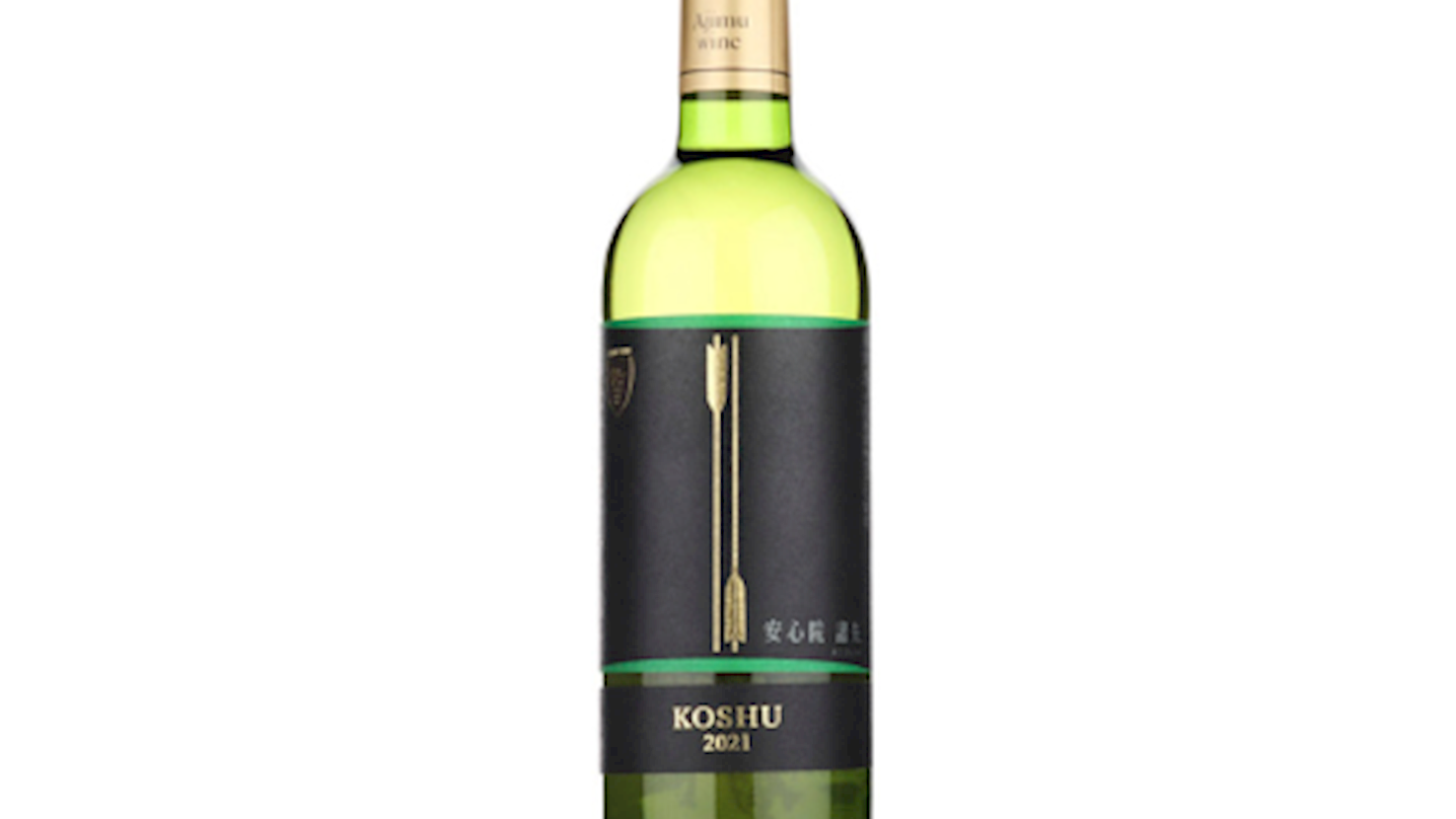
01

Iichiko

4.9 ·
Iichiko is a renowned Japanese producer of shochu, a traditional Japanese spirit made from various ingredients like barley, sweet potatoes, and rice. Founded by Sanwa Shurui, Iichiko is famous for its commitment to high-quality production and innovation. Headquartered in the Oita Prefecture of Kyushu, Japan, an area known for its clean water and natural beauty, Iichiko has become a global leader in the shochu industry. Iichiko's most notable products include its flagship barley-based shochu, iichiko Saiten, which is crafted using unique methods such as the "all Koji" fermentation technique. This involves using barley Koji, a special mold that helps break down the starches in barley into sugars, enhancing the flavor profile of the spirit. The production also focuses on the single distillation process, preserving the delicate aromas and flavors of the barley.
Awards
SFWSC - San Francisco World Spirits Competition - Double Gold (2024, 2023)
ISC-International Spirits Challenge - Double Gold (2022)
02

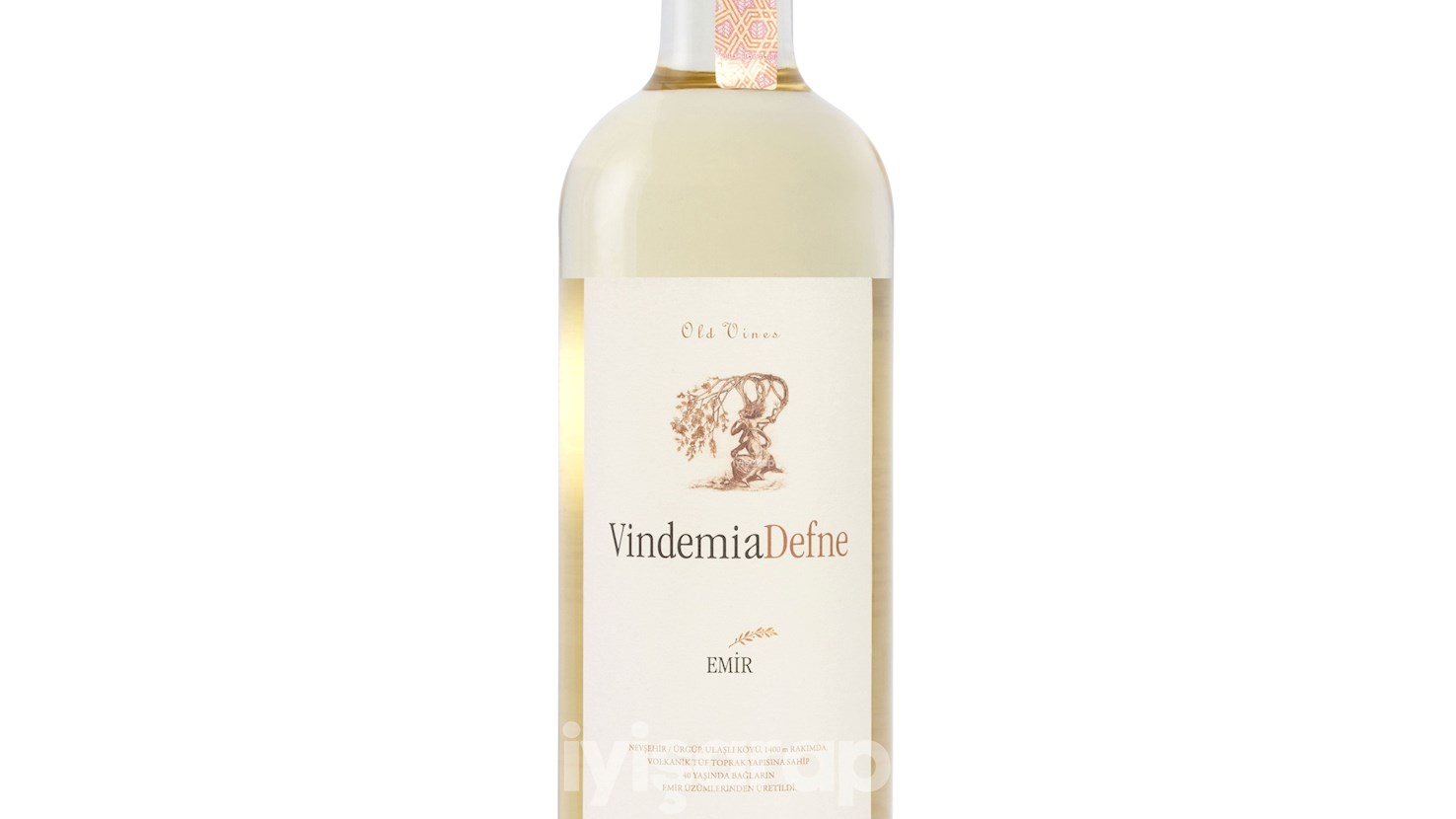
Yedi Bilgeler Sarapcilik

4.9 ·
Awards
IWSC- International wine & spirit competition - Gold (2023)
03

Shirayuri Winery

4.9 ·
Awards
Decanter World Wine Awards - Platinum (2021)
04

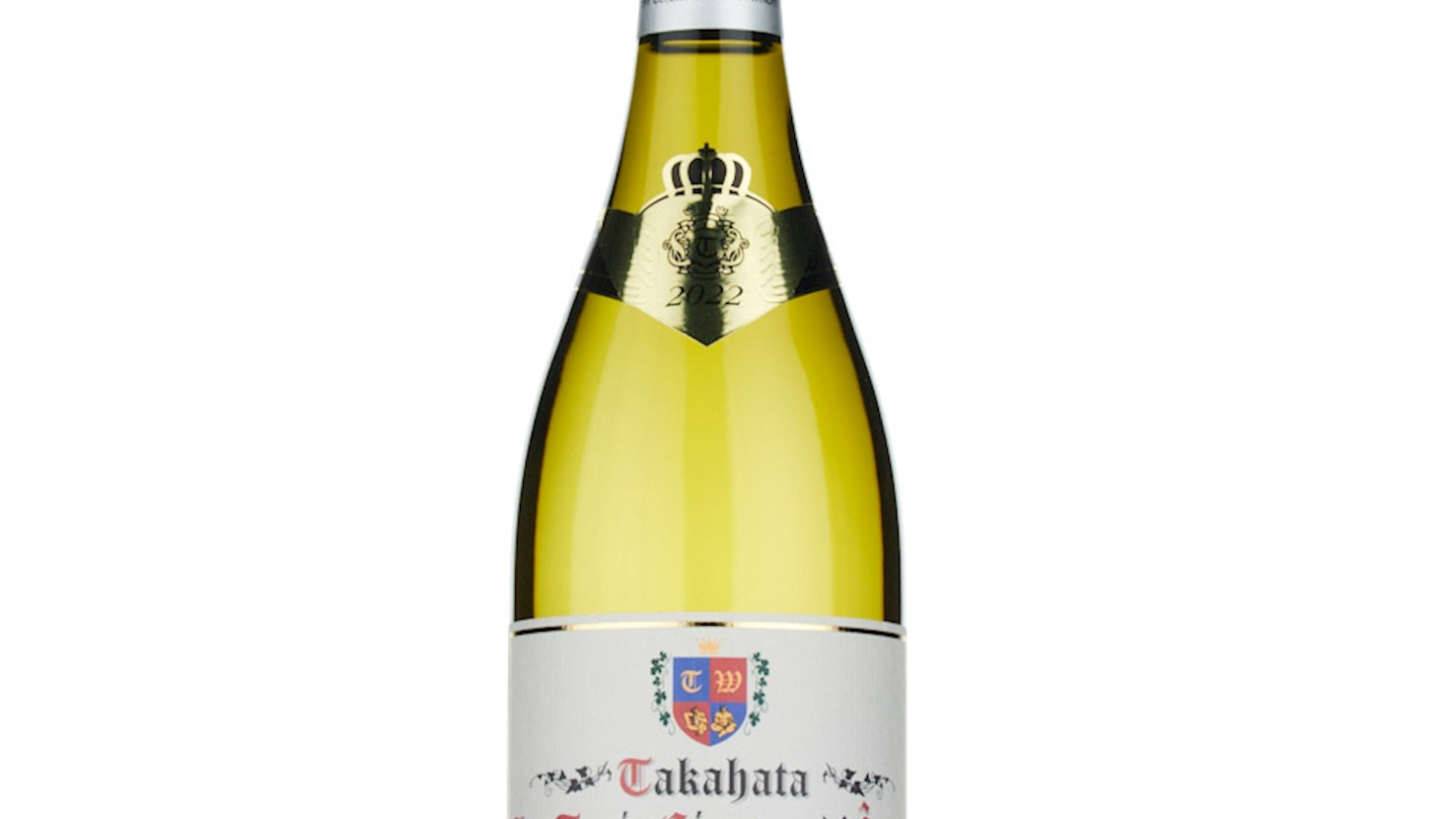
Takahata Winery

4.9 ·
Awards
IWSC- International wine & spirit competition - Gold (2024, 2021)
05

Yunnan Zangditianxiang Wine

4.9 ·
Awards
IWSC- International wine & spirit competition - Gold (2024)
06

Domaine Wardy / Solifed sarl

4.9 ·
Awards
IWSC- International wine & spirit competition - Gold (2019)
07

Grace Wine

4.7 ·
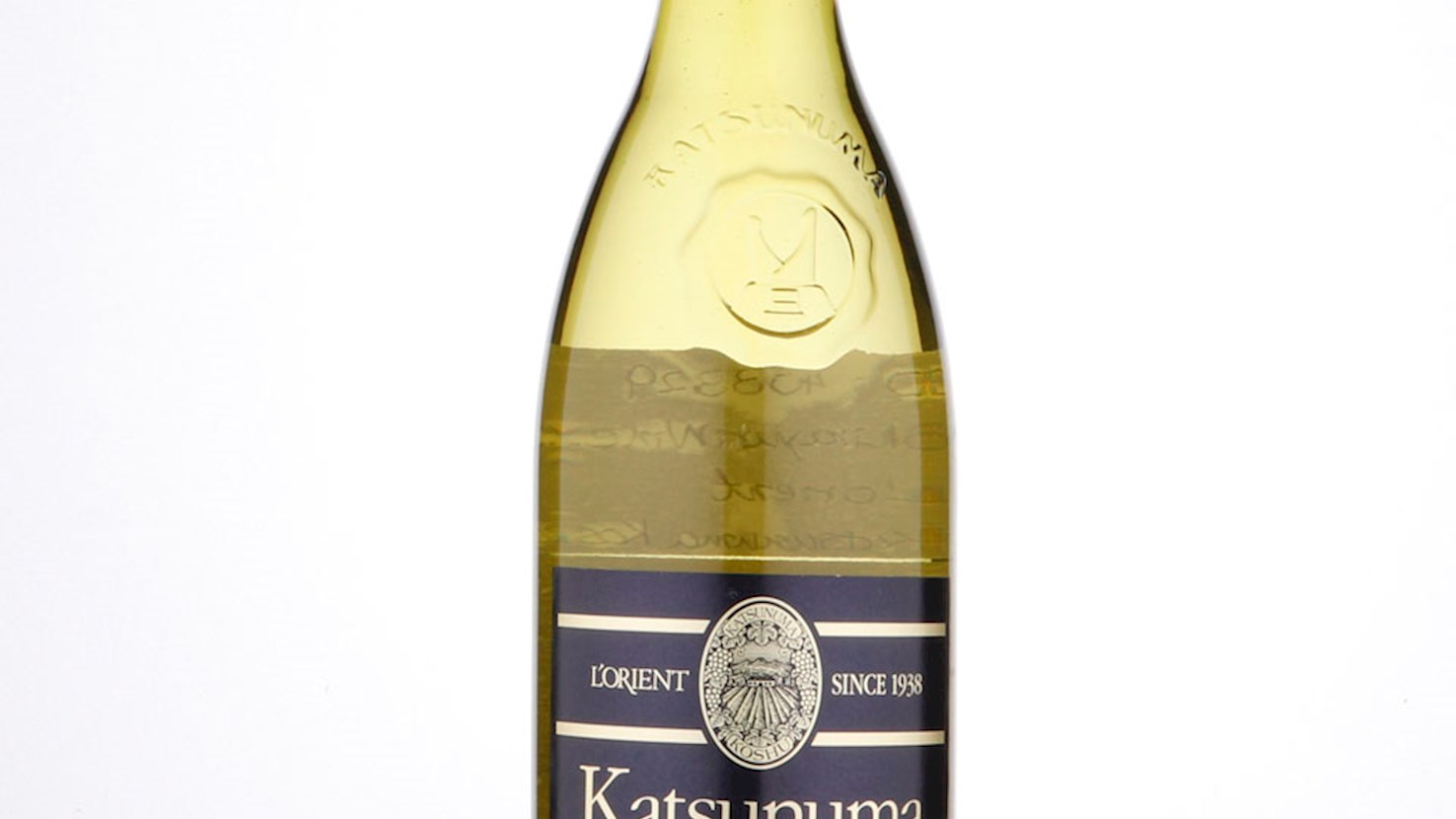
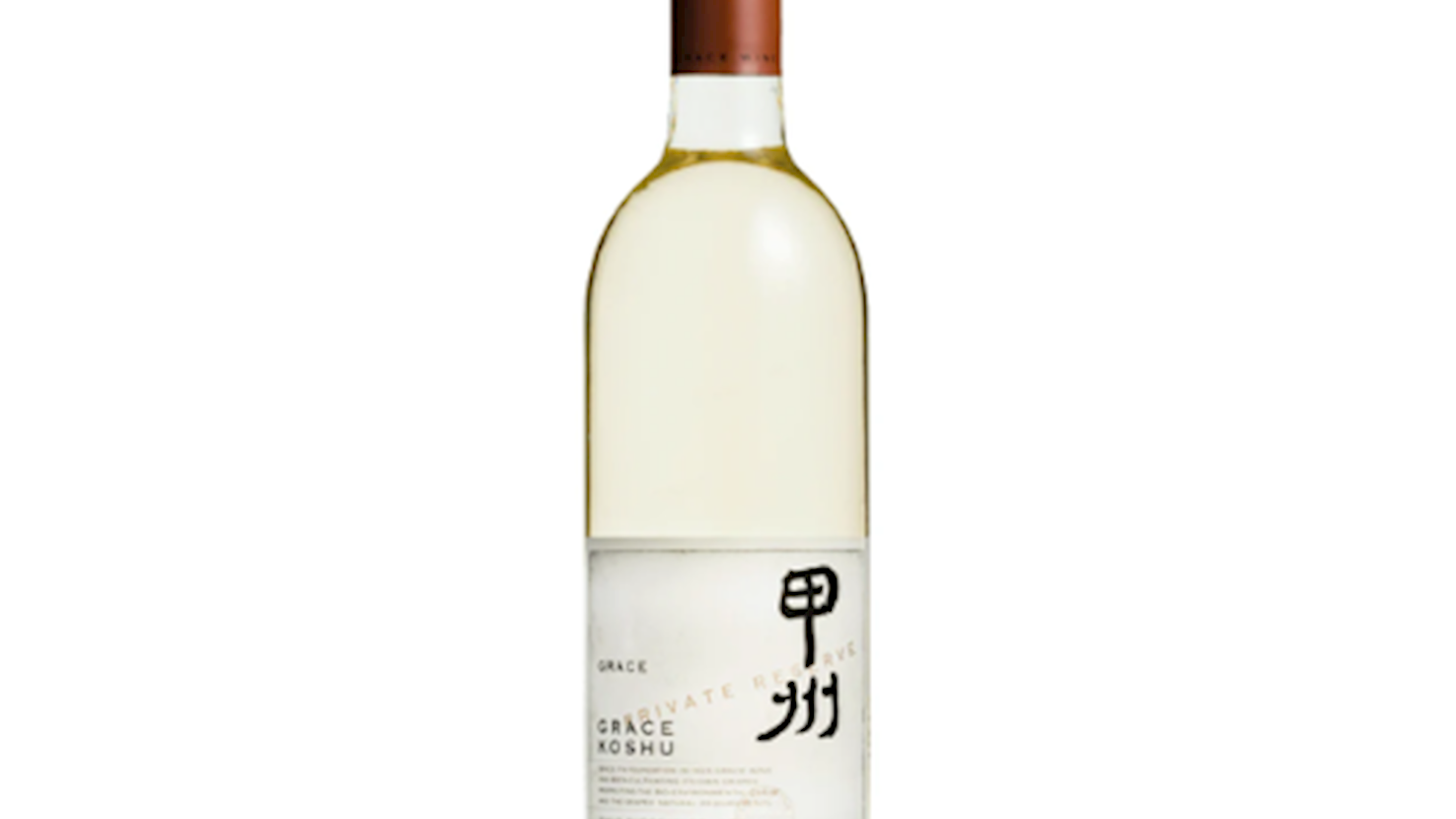
Grace Wine is a family-owned winery in Japan, founded in 1923 in Katsunuma, Yamanashi Prefecture, a region considered the cradle of Japanese winemaking. The winery’s main focus is the indigenous Japanese grape Koshu, a delicate white variety with pink-tinged skins that produces wines known for their minerality and subtlety. The vineyards are located at higher elevations, often above 700 meters, where cool nights and strong air circulation allow slow ripening and preserve natural acidity. The soils are rich in volcanic and alluvial sediments, contributing to the wines’ clean and linear profile. Their Koshu wines are characterized by elegance, discreet citrus notes, a saline mineral finish, and remarkable purity. In addition to Koshu, Grace Wine also produces red wines and traditional-method sparkling wines, but Koshu remains the defining element of the winery’s identity. Their wines pair exceptionally well with light and refined cuisine - especially fish, sashimi, and sophisticated Asian fusion dishes. Thanks to authenticity, consistent quality, and a long winemaking tradition, Grace Wine is considered a benchmark producer of Koshu in Japan. The winery preserves tradition while simultaneously pushing the boundaries of modern Japanese wine.
Awards
Decanter World Wine Awards - Platinum (2017, 2016)
Vivino - 4.1
08

Hombo Shuzo

4.6 ·
Awards
SFWSC - San Francisco World Spirits Competition - Double Gold (2024, 2023)
ISC-International Spirits Challenge - Double Gold (2022, 2021)
09

Urla Sarapcilik

4.6 ·
Awards
Decanter World Wine Awards - Platinum (2024, 2019, 2017, 2016)
10

Kavaklidere Saraplari

4.6 ·
Awards
IWSC- International wine & spirit competition - Gold (2021, 2019)

Best Asian White Wine Types

01

Narince

3.7 ·

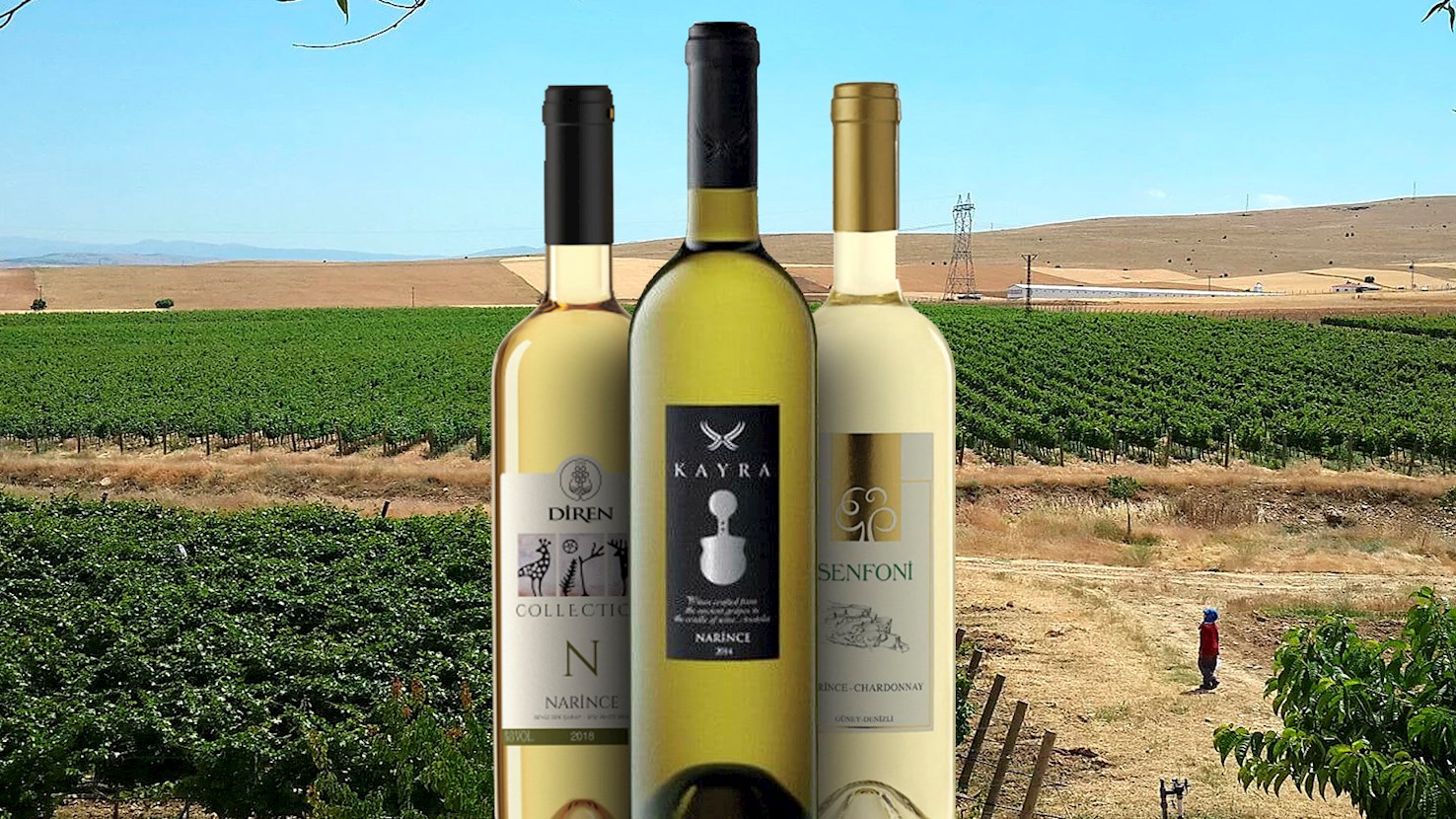
Narince is a native Turkish grape that is now cultivated in several regions, but its origin is mainly associated with Tokat, Anatolia. Narince is a versatile grape that is often terroir-driven, but it mainly produces medium to full-bodied wines with a fruity and floral character. These straw-colored wines will usually display floral and citrusy notes, often reminiscent of pear, quince, grapefruit, lime, and acacia. They are generally well-balanced with acidity and alcohol and will often benefit from aging. Oak-aged versions have more complexity and aromas that evolve into vanilla, caramel, and woody nuances. Narince wines can pair with various dishes, including vegetarian dishes, seafood, pork, chicken, and cheese. Some styles would also match spicy Indian or Mexican fare.

02

Emir

2.8 ·

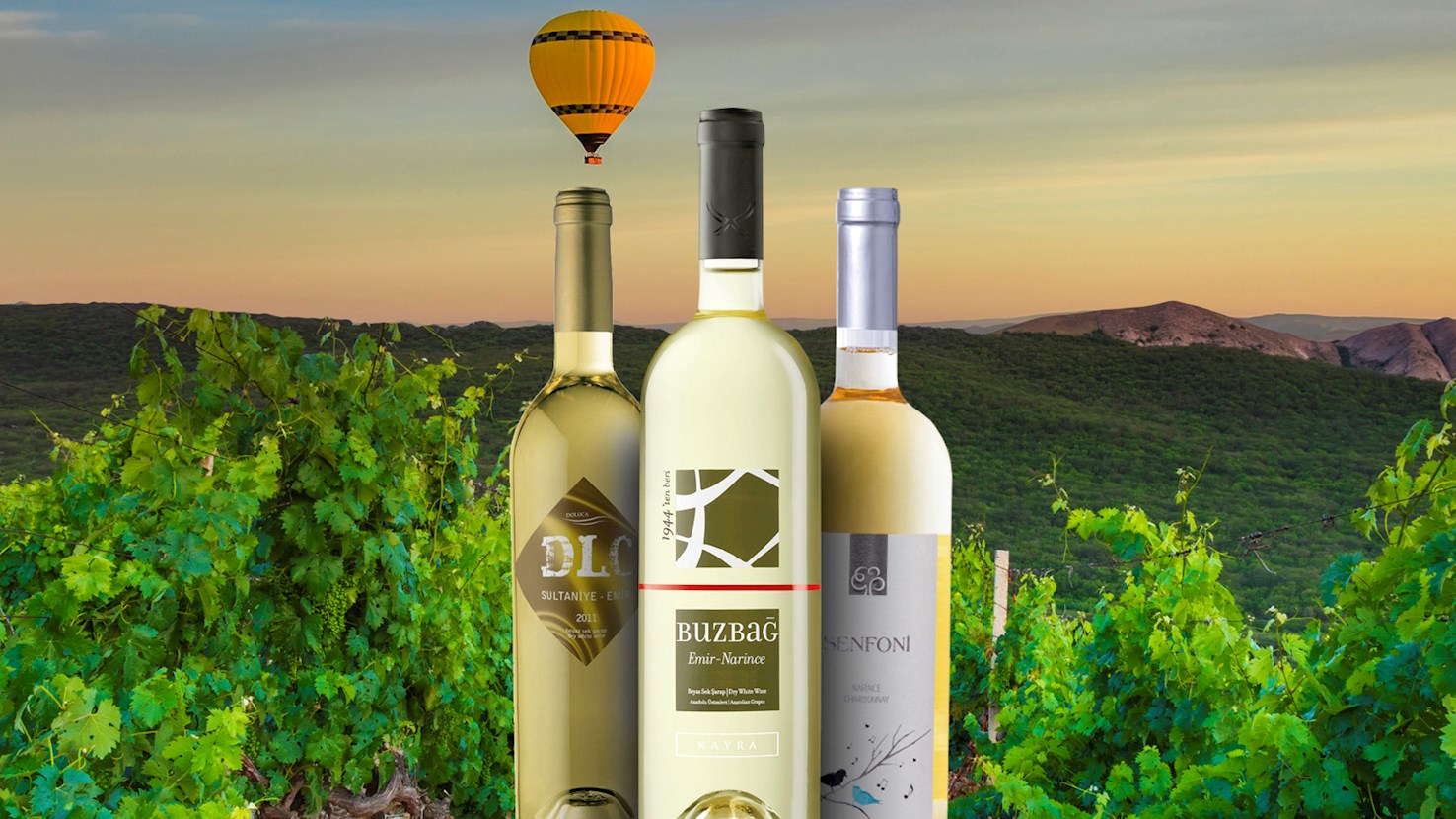
Emir is a white Turkish grape native to Cappadocia. It is used in varietals and blends, and it produces clean and crisp white wines. Emir is often lauded as a prime Turkish grape that can produce excellent quality wine. Apart from outstanding dry wines, it is also used in the production of sparkling wines. Wines made with Emir are typically well-balanced and lively, often with some mineral character. They are generally high in acidity, bright, and crisp. On the nose, they usually display a blend of apple, white fruit, citrus, and herbal nuances. Emir-based wines are mostly enjoyed young, and the grape is often blended with Narince, another important white variety from Turkey. These fresh wines are an excellent match with seafood, including fish and shellfish. They can also pair nicely with spicy Asian dishes.

03

Judean Hills

n/a ·

The Judean Hills appellation is a defined wine-growing area in central Israel that stretches through elevated limestone ridges west of Jerusalem, covering sites between roughly 400 and 1,000 meters above sea level and producing both red and white wines from grapes such as Cabernet Sauvignon, Syrah, Merlot, Chardonnay, and Sauvignon Blanc. Its status formed as Israeli viticulture shifted toward quality-focused, cooler upland regions in the late twentieth and early twenty-first centuries, when growers recognized the advantages of thin, mineral soils, sharp diurnal shifts, and moderate slopes that differed from the hotter plains where much of the country’s volume production once took place. Winemaking relies on hand selection or precise mechanical harvesting depending on the producer, followed by controlled fermentation in stainless steel or small tanks, with many wineries choosing oak maturation to refine texture and stabilize structure, while white wines may be made in a leaner or barrel-influenced style depending on desired expression; bottling occurs once clarity, acidity balance, and phenolic integration are reached. The elevation, geological composition, and variation within short distances give the region a marked diversity of microclimates, which has allowed both small family wineries and larger estates to pursue site-specific bottlings that highlight soil and altitude differences within a compact area. Wines from the Judean Hills are consumed locally throughout Israel and exported to markets that follow Eastern Mediterranean wine regions, and they are served at cool cellar temperatures for reds and lightly chilled for whites alongside foods such as grilled lamb, poultry, herb-based dishes, roasted vegetables, legumes, soft cheeses, and fish with moderate seasoning, with still water, sparkling water, and restrained aperitifs often accompanying them during meals.

04

Merwah

n/a ·

Merwah is a white grape variety grown in Lebanon, particularly in high-altitude vineyards in Mount Lebanon and the northern part of the country. It is used to produce still white wines and serves as one of the bases for arak, Lebanon’s aniseed spirit. The vine is well adapted to rocky mountain slopes, thin soils, and significant temperature shifts between day and night, conditions that shape its moderate acidity and relatively firm structure. Merwah is regarded as an indigenous grape, cultivated in small, scattered parcels that were historically mixed with other local varieties and harvested for household winemaking or distillation. Its development as a recognized variety took form when Lebanese growers and wineries began isolating native grapes rather than fermenting mixed plantings together. Producers noted that Merwah maintained acidity at high elevations and produced musts suited to both fermentation and distillation. As modern Lebanese wineries shifted focus toward expressing local identity, Merwah gained visibility in single-varietal bottlings and blends that highlighted characteristics not found in imported grapes. Research on local viticulture also reinforced the significance of the variety in mountainous zones where vineyards can exceed 1,400 meters in altitude. Preparation depends on the intended product. For wine, Merwah grapes are harvested when acidity and ripeness align, then pressed and fermented in stainless steel or sometimes neutral oak to preserve clarity of flavor. The wines are generally dry, with moderate alcohol and a profile shaped by altitude: citrus notes, firm acidity, and a clean finish. For arak production, Merwah is fermented into a neutral base wine before undergoing distillation and subsequent infusion with anise. Because Merwah has a slightly more aromatic profile than Obeideh, the resulting wines may show greater acidity and floral tones, while still remaining restrained. Merwah wines are consumed chilled and served with mezze, seafood, grilled vegetables, and dishes seasoned with lemon, herbs, or olive oil. They appear in Lebanese coastal restaurants, mountain homes, and urban dining settings where local varietal wines are promoted. Arak made with Merwah is poured alongside mezze, lamb skewers, kibbeh, and stews. The grape’s acidity and clean profile make it suitable for pairing with fried seafood, fattoush, herb-based salads, and lighter poultry dishes.

Best producers
05

Obaideh

n/a ·

Obaideh is a white grape variety grown in Lebanon, primarily in the Bekaa Valley and surrounding high-altitude viticultural zones. It is used to produce still white wines and is one of the principal grapes distilled into arak, Lebanon’s anise-based spirit. The grape thrives in the region’s dry summers, limestone soils, and elevated vineyards that benefit from significant day–night temperature variation. Obeideh is considered one of Lebanon’s indigenous varieties, with its cultivation documented in areas where mixed plantings of local white grapes were long maintained for household winemaking and arak production. Its development as a distinct wine grape took shape when Lebanese growers began separating local varieties instead of fermenting field blends. Producers observed that Obeideh yielded musts with moderate acidity and a profile suited to both fermentation and distillation. During the twentieth century, research into local viticulture identified Obeideh as a variety that could stand on its own, though plantings remained limited. Wineries later incorporated it into bottlings aimed at emphasizing Lebanese varietal character rather than relying exclusively on imported grapes such as Chardonnay or Sauvignon Blanc. Preparation depends on the final product. For wine, the grapes are harvested at optimal ripeness, pressed, and fermented in stainless steel or oak depending on the producer’s aim. The resulting wines often feature moderate alcohol, a soft structure, and subtle fruit notes shaped by the Bekaa Valley’s climate. For arak, the grape juice is fermented into a base wine, which is then distilled before aniseed is added in a secondary distillation. Because Obeideh has a neutral aromatic profile, it provides a clean base for distillation, a characteristic that distinguishes it from more perfumed white varieties. A notable aspect of Obeideh is its status as a native grape rather than an imported one, giving it a regional identity tied to Lebanese highland viticulture. Obeideh-based wines are served chilled in Lebanese restaurants and at home, accompanying mezze, grilled fish, poultry dishes, and lighter vegetable preparations. Wines featuring Obeideh blend well with salads, fried seafood, and dishes seasoned with lemon and herbs. Arak made from Obeideh is consumed alongside mezze, lamb skewers, kibbeh, and slow-cooked vegetable dishes. Both the wine and the distilled spirit appear across Lebanon, particularly in the Bekaa Valley, Mount Lebanon, and coastal cities where restaurants highlight local production.

Best producers
Read more
View all
View map
About this ranking

TasteAtlas food rankings are based on the ratings of the TasteAtlas audience, with a series of mechanisms that recognize real users and that ignore bot, nationalist or local patriotic ratings, and give additional value to the ratings of users that the system recognizes as knowledgeable. For the “Top 24 Asian White Wines” list until June 10, 2026, 116 ratings were recorded, of which 30 were recognized by the system as legitimate. TasteAtlas Rankings should not be seen as the final global conclusion about food. Their purpose is to promote excellent local foods, instill pride in traditional dishes, and arouse curiosity about dishes you haven’t tried.

The initial list of top producers was compiled based on available reviews, awards, local recommendations, media and blog coverage, and consumer reviews. The list will be updated with ratings from TasteAtlas local ambassadors and TasteAtlas users.

Similar lists