Top 42 Burgundian White Wines

Last updated on June 15, 2026

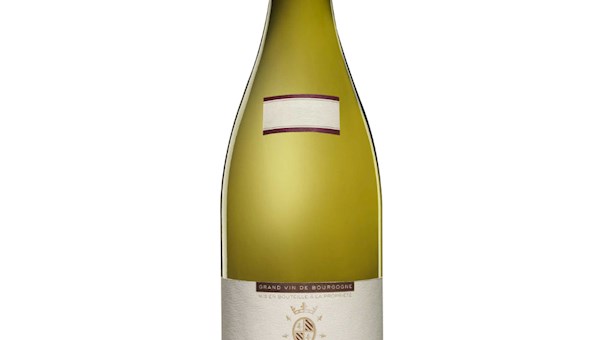
Best Burgundian White Wine Types
01

Chablis

4.1 ·

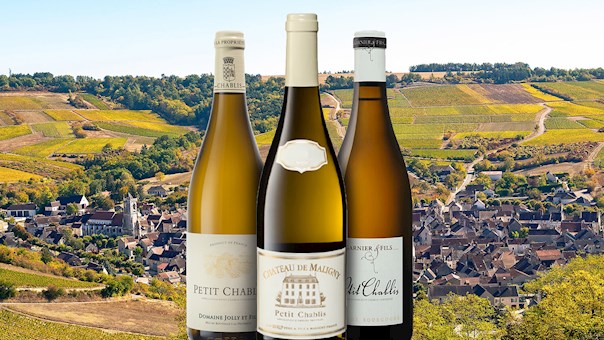
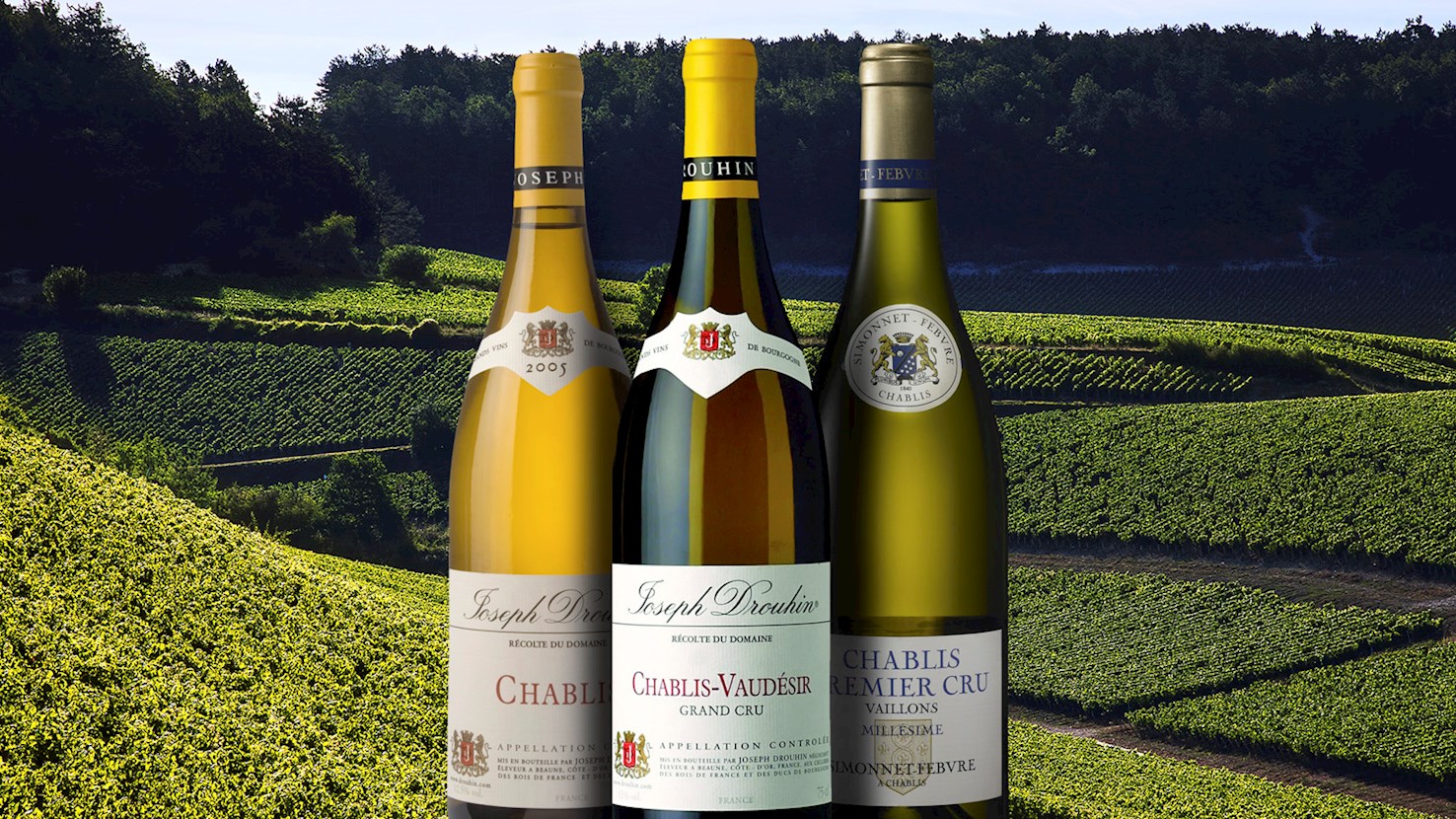
Chablis is the name of the wine region in northern Burgundy, but it is also the name of a white wine coming from this very region. Chablis is made with 100% Chardonnay, but unlike other Chardonnay wines, it rarely utilizes oak-aging, resulting in different taste profile and style. It has white flower and citrus aromas with light-bodied and dry flavors of pear, salinity, and minerality. Among the most desirable traits of Chablis is a long finish of flint-like minerality and high acidity, which makes the wine exceptionally well for pairing with creamy sauces, chicken, trout, bass, quail, clams, cod, halibut, or scallops.

02

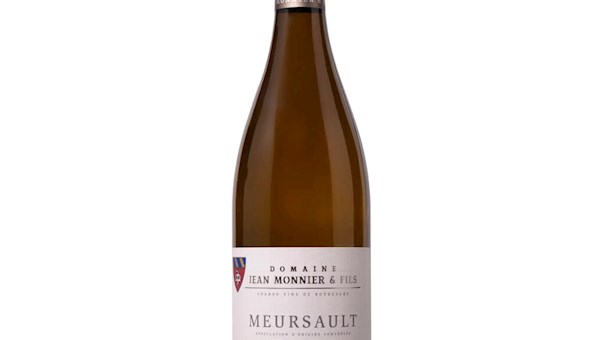
Meursault Blanc

4 ·

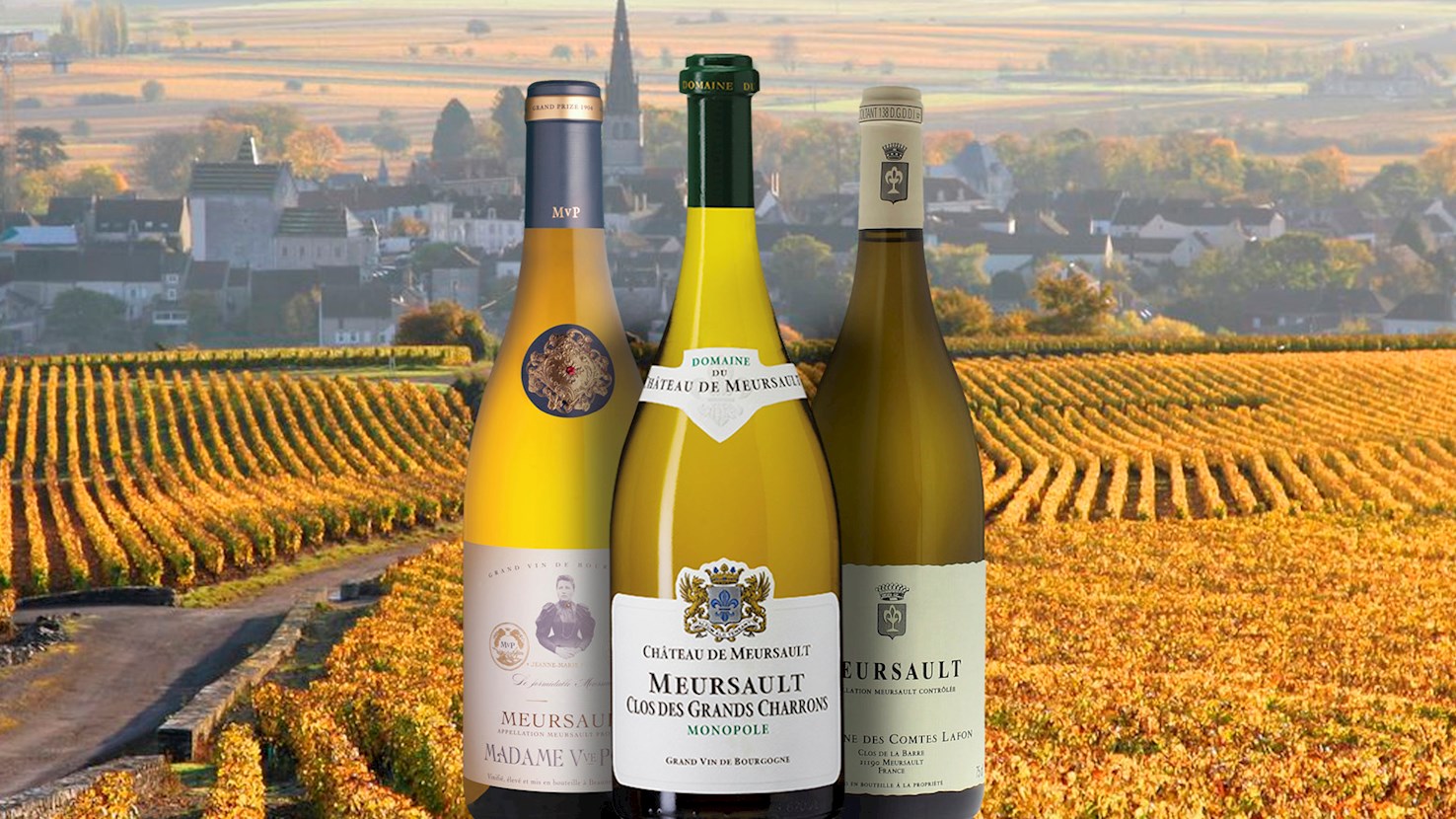
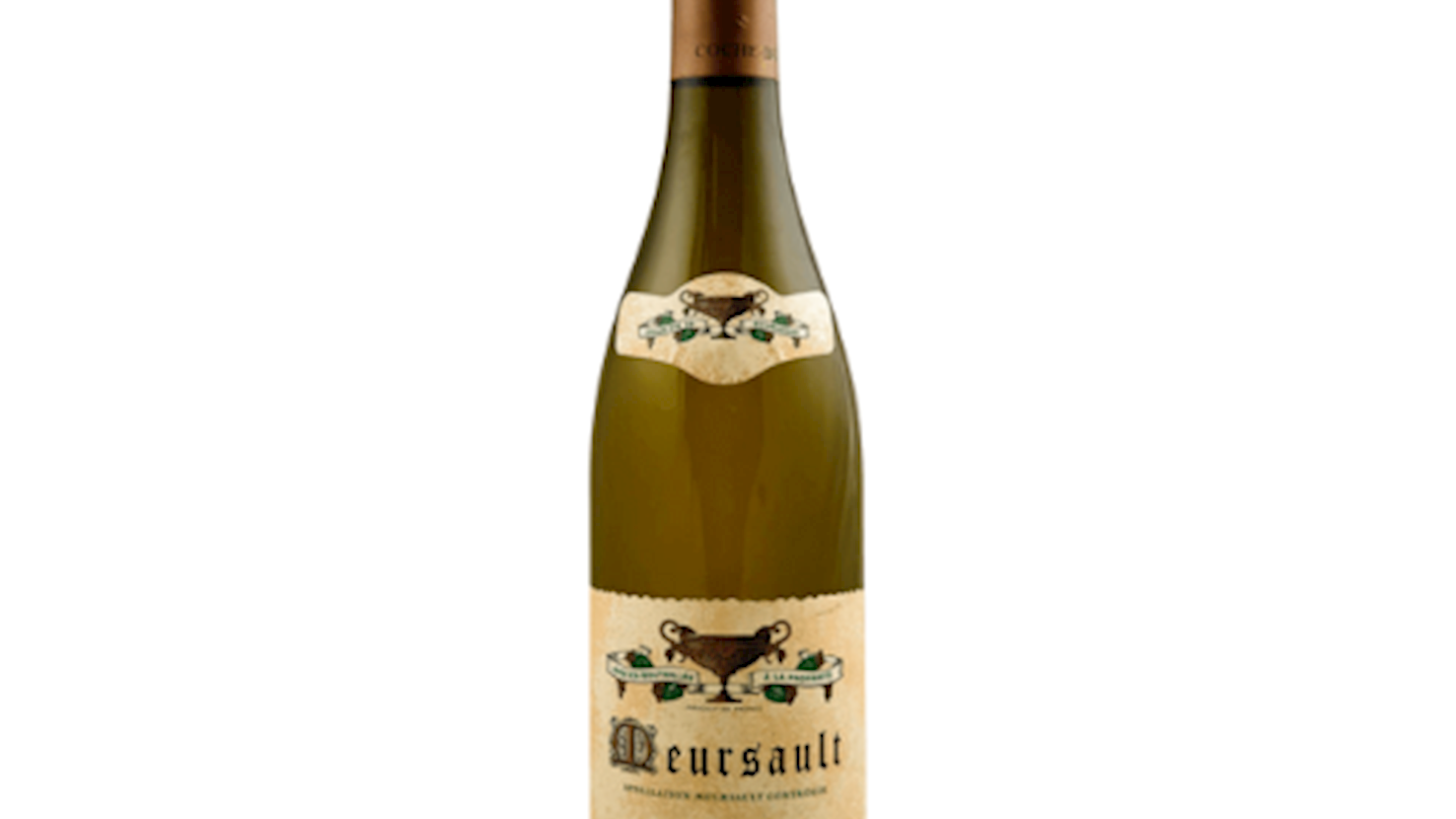
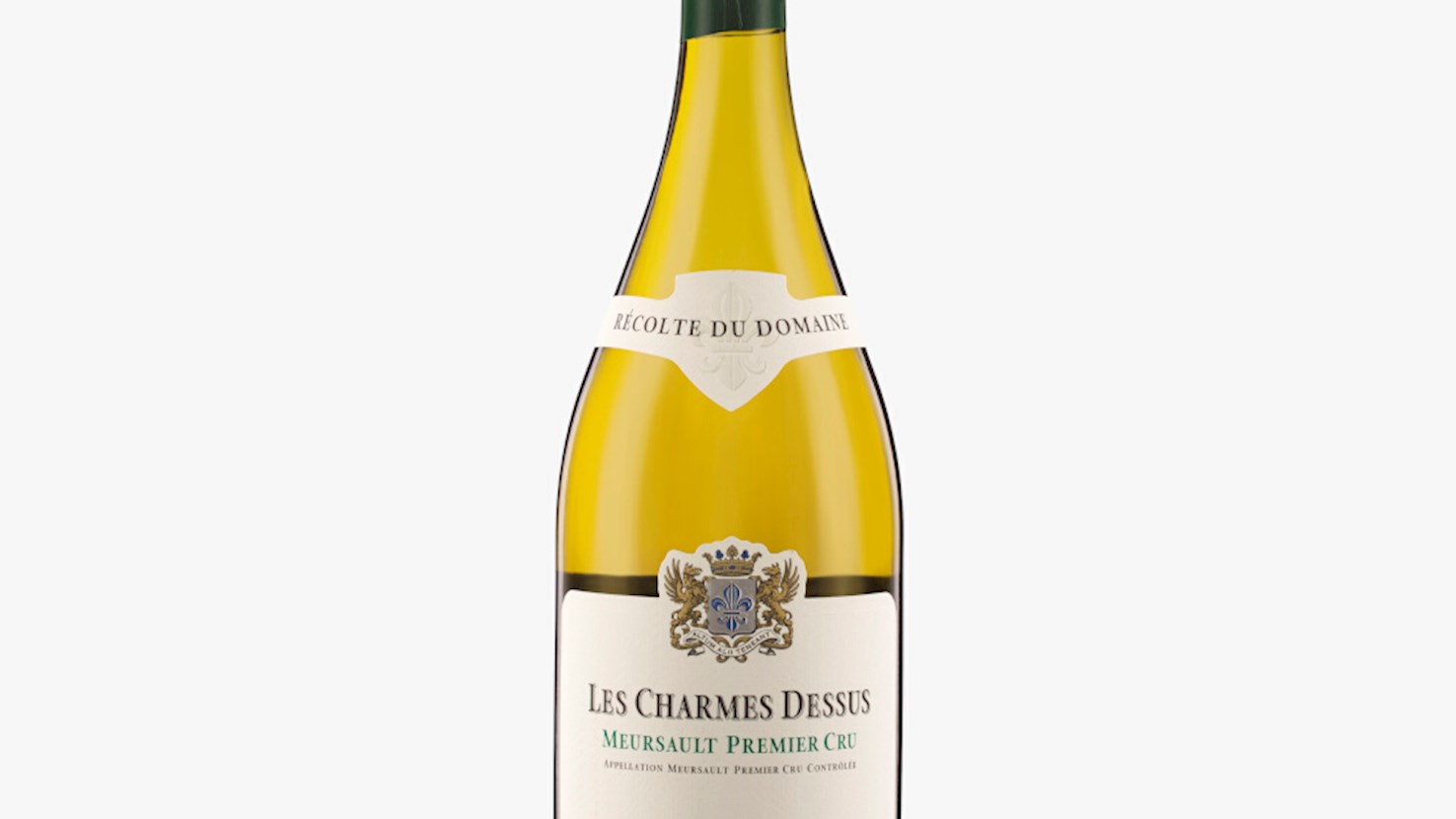
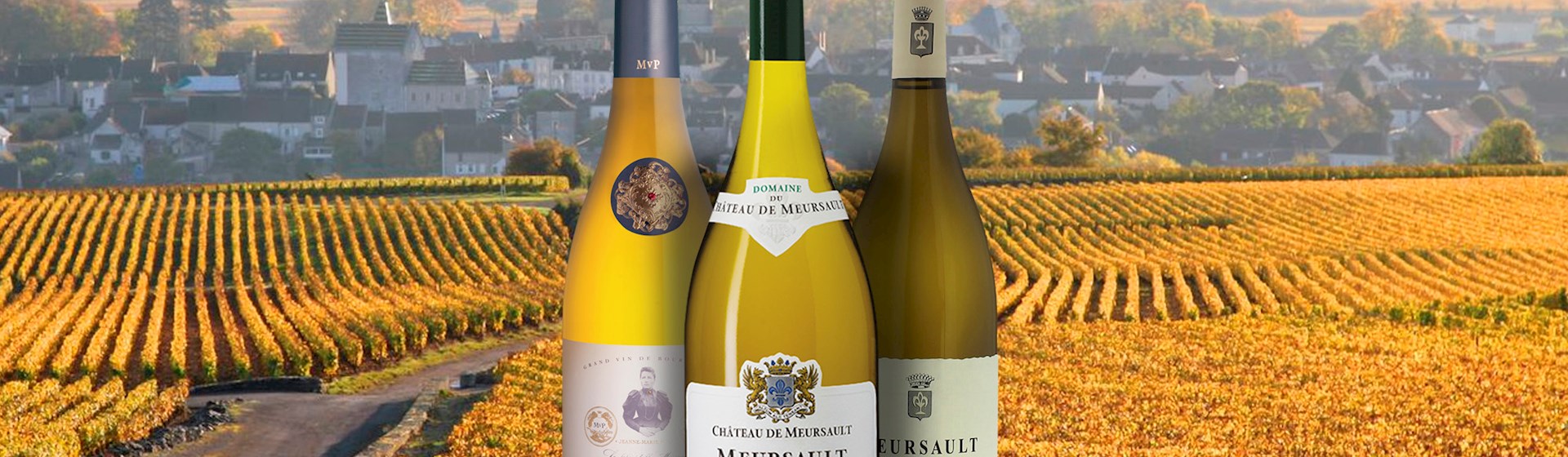
Meursault is a French appellation located around the namesake village in Côte de Beaune (Côte-d’Or) region of Burgundy. The appellation consists of nineteen premier cru vineyards that produce some of the best expressions of Chardonnay grapes. Although there are subtle differences in style, depending on the location, Meursault wines are typically rich, buttery, and creamy, while remaining fresh. They can usually age well, and they often display nutty flavors and aromas of toasted almonds and hazelnuts, as well as citrus, floral and mineral nuances. These balanced and well-structured wines pair well with fish and seafood dishes, as well as foie gras, blue cheese, or veal and poultry served in creamy sauces.

03

Chardonnay

3.8 ·

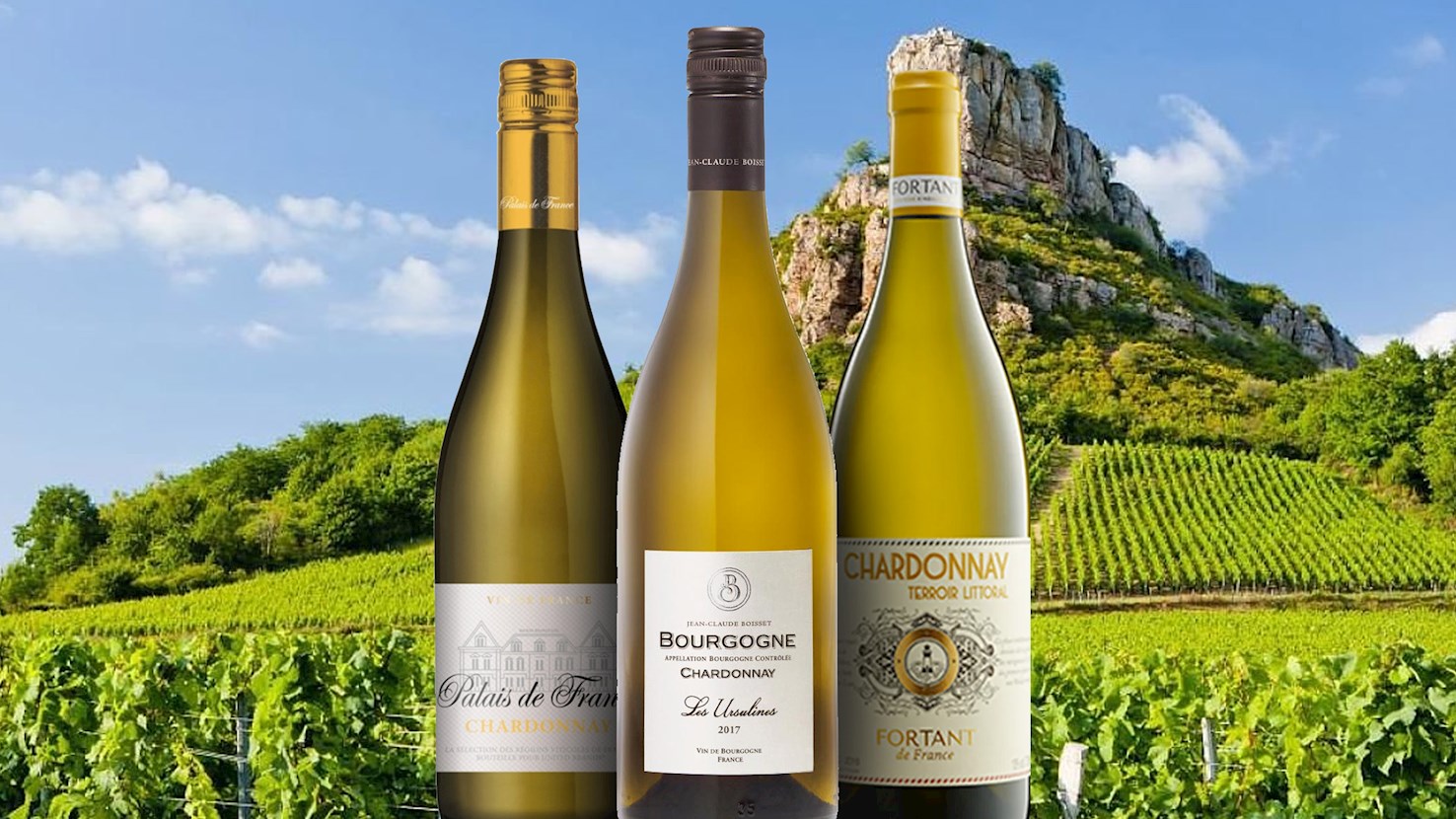
Chardonnay is a popular and widely cultivated white grape variety that is used to produce white wine. Originating from the Burgundy region of France, Chardonnay is now grown in wine regions around the world, including the United States, Australia, Italy, and South Africa. It is known for its versatility in wine production, as it can be used to make a range of wine styles from crisp and unoaked to rich and oaked varieties. Chardonnay grapes are relatively neutral in flavor, allowing the characteristics of the wine to be heavily influenced by the terroir (the environment where the grapes are grown) and the winemaking techniques used. In cooler climates, Chardonnay wines often exhibit flavors of green apple, pear, and citrus, with high acidity. In warmer climates, the wines can have riper fruit flavors like tropical fruits, melon, and peach, with a fuller body and lower acidity. Winemaking techniques also play a significant role in the final flavor profile of Chardonnay wines. For example, aging in oak barrels can impart flavors of vanilla, butter, and toast, while malolactic fermentation can give the wine a creamy texture and buttery taste. Unoaked Chardonnays, on the other hand, are typically lighter and more refreshing, showcasing the grape's natural fruit flavors and acidity. Chardonnay is also a key grape in the production of sparkling wines, including Champagne, where it is often blended with Pinot Noir and Pinot Meunier.

04

Pouilly-Fumé

3.7 ·

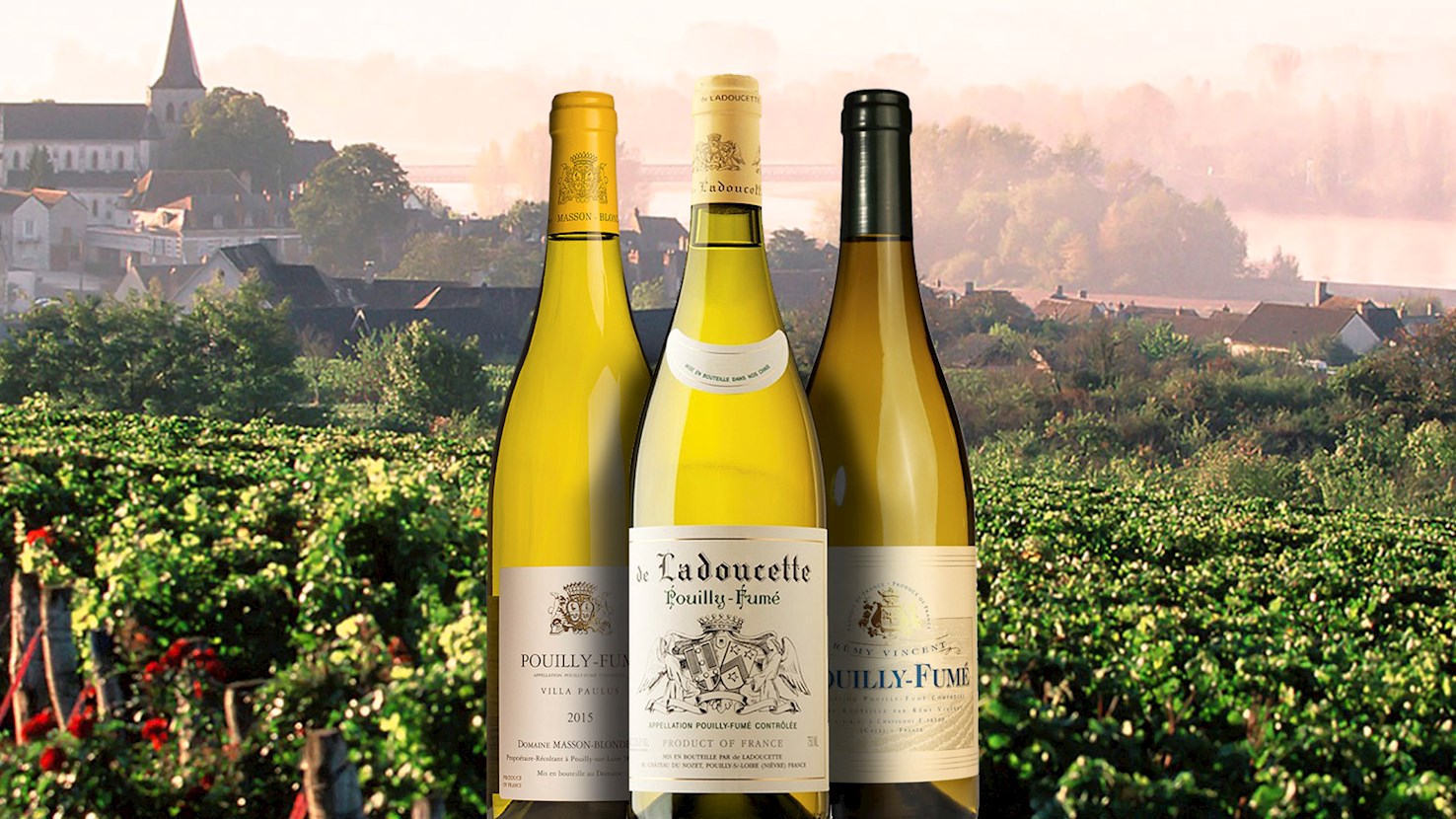
Pouilly-Fumé is a French appellation located in the Loire Valley that produces what is believed to be some of the best expressions of Sauvignon Blanc grapes in the world. These prized full-bodied wines are often distinguished for their unmistakable flint aromas that are often accompanied by the notes of green and citrus fruit as well as white flowers, hazelnuts, or acacia. They can be enjoyed young, but some vintages can also age quite well. Because of their lively character that is accompanied by good minerality, these wines can match grilled or roasted fish, scallops, white meat served in creamy sauces, and goat cheese.

05

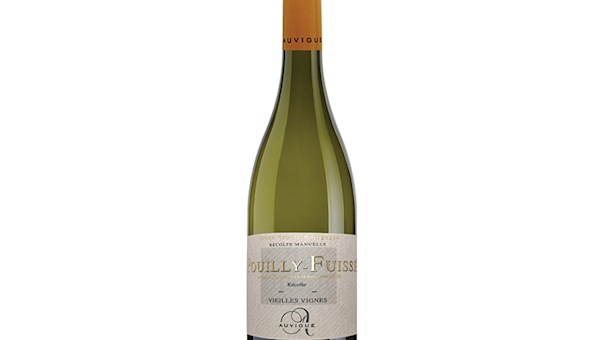
Pouilly-Fuissé

3.6 ·

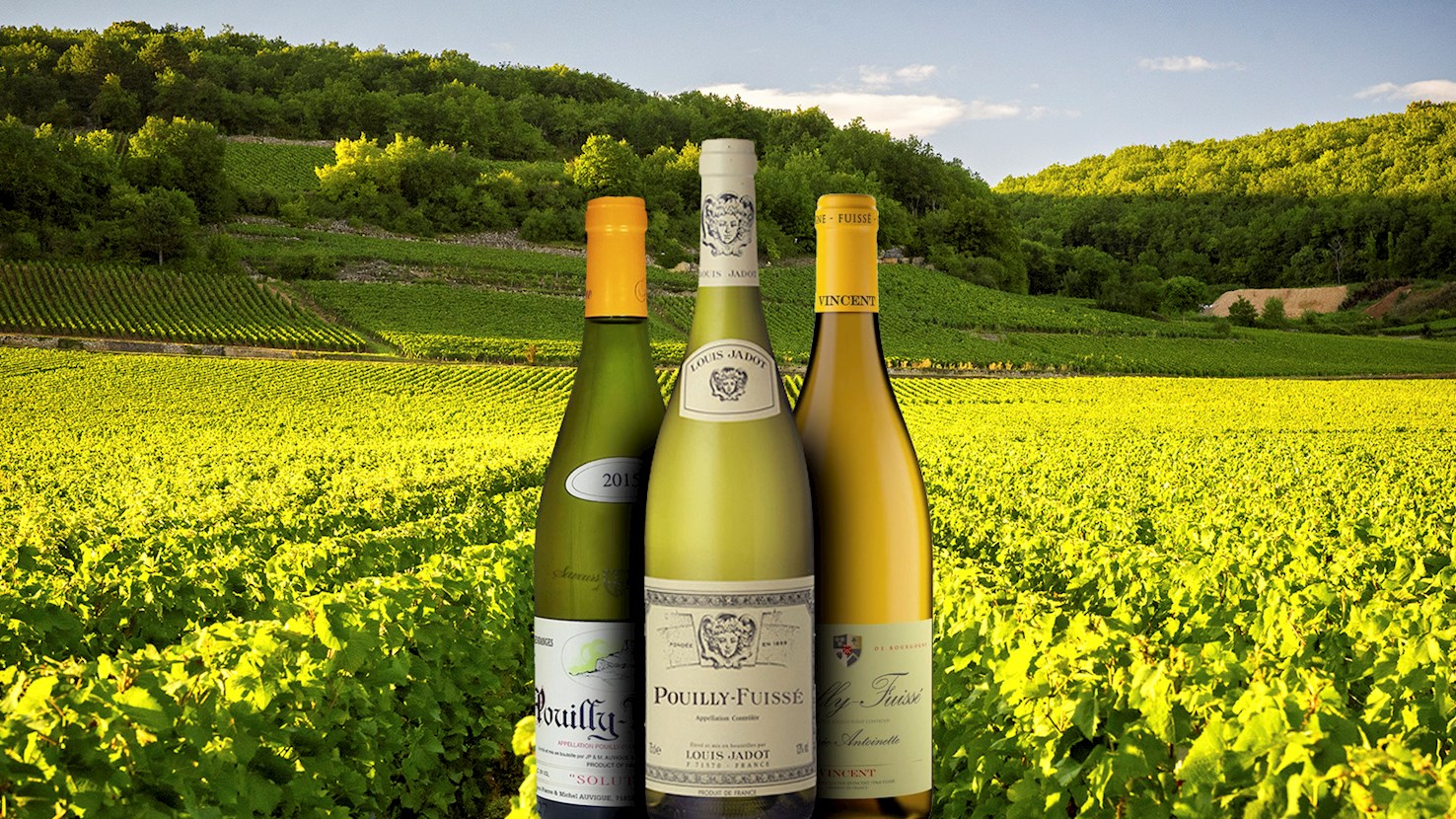
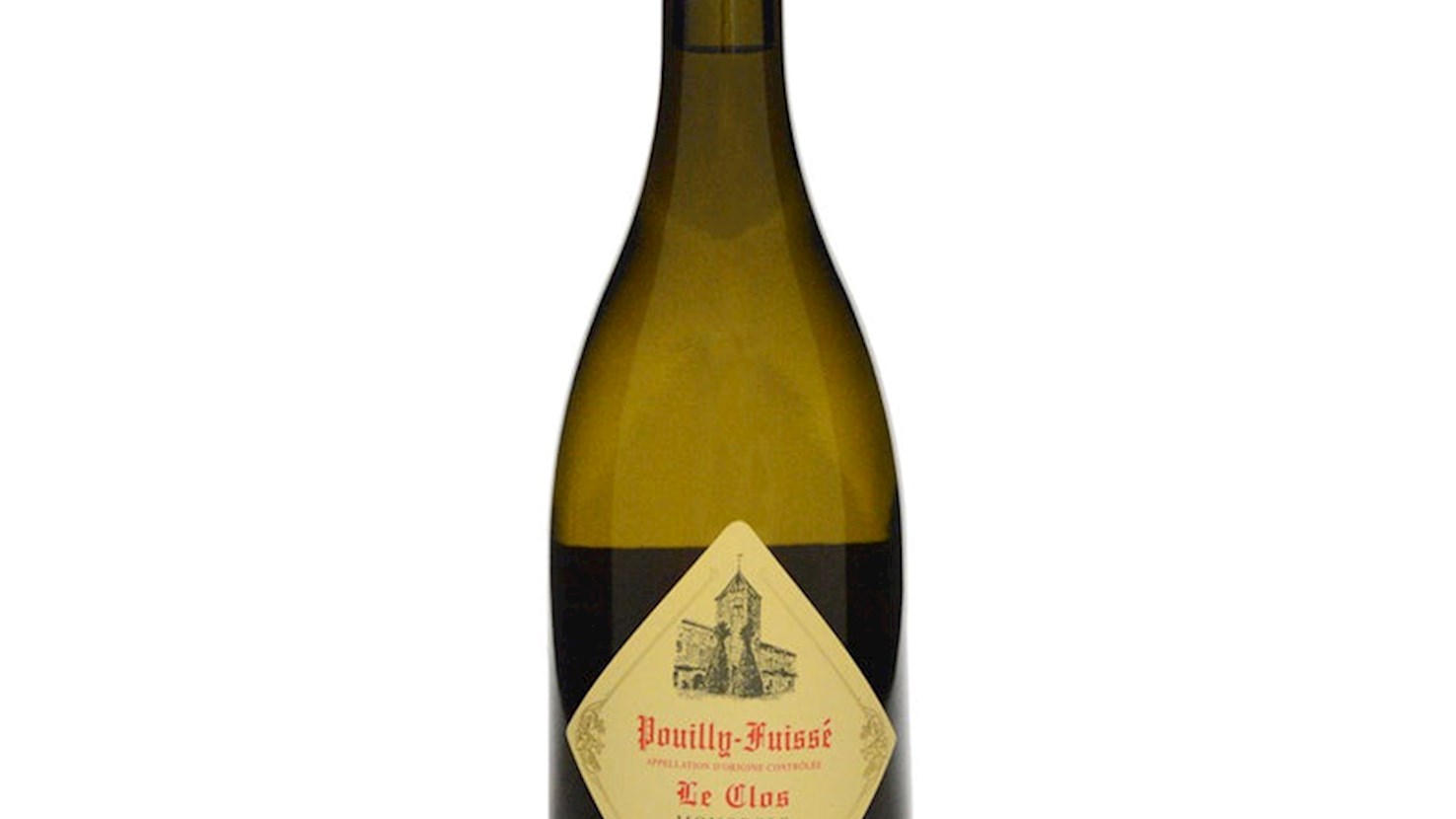
Pouilly-Fuissé is a French appellation for Chardonnay-based white wines that is located in the Mâconnais subregion of Burgundy. The entire appellation includes the villages of Fuissé, Solutré Pouilly, Vergisson, and Chaintré. The wines produced in the region are often praised for their rich texture and aromatic complexity. They range from pale to deep gold, usually streaked with green highlights. Typical aromas found in Pouilly-Fuissé wines include hazelnuts, almonds, citrus, white fruit, honey, brioche, as well as herbaceous nuances. They are usually mineral, refreshing, and elegant wines that pair well with crustaceans, poultry, veal, and spicy or aromatic dishes. Goat cheese, sushi, and sashimi can also be suitable pairings to Pouilly-Fuissé.

06

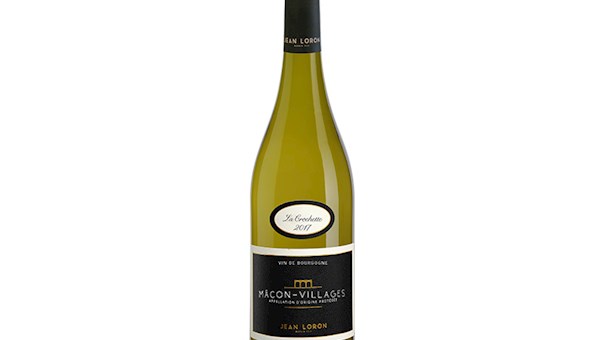
Mâcon-Villages

3.6 ·

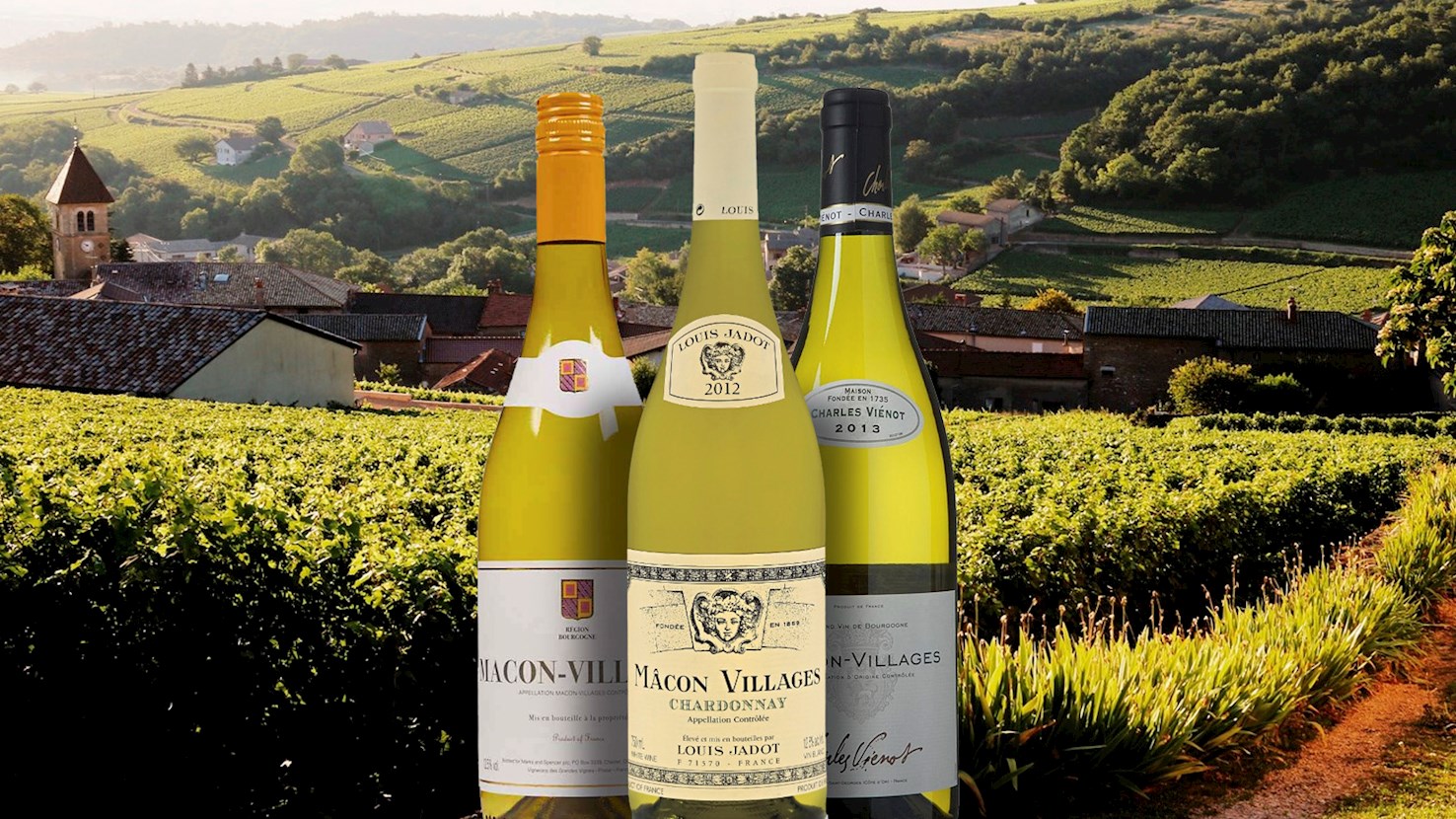
This French appellation includes twenty-six villages in the Mâconnais wine region of southern Burgundy. The region of Mâcon-Villages produces Chardonnay-based wines that may slightly differ in character due to different soil composition, but they are typically smooth, medium-bodied, light, and refreshing. Their color ranges from pale to straw yellow, while the typical aromas include acacia, honeysuckle, citrus, and white flowers, as well as herbal notes of fern, verbena, or fennel. These wines make a great aperitif, but they can also match various appetizers such as and creamy meat or fish-based dishes.

07

Pinot Gris

3.5 ·

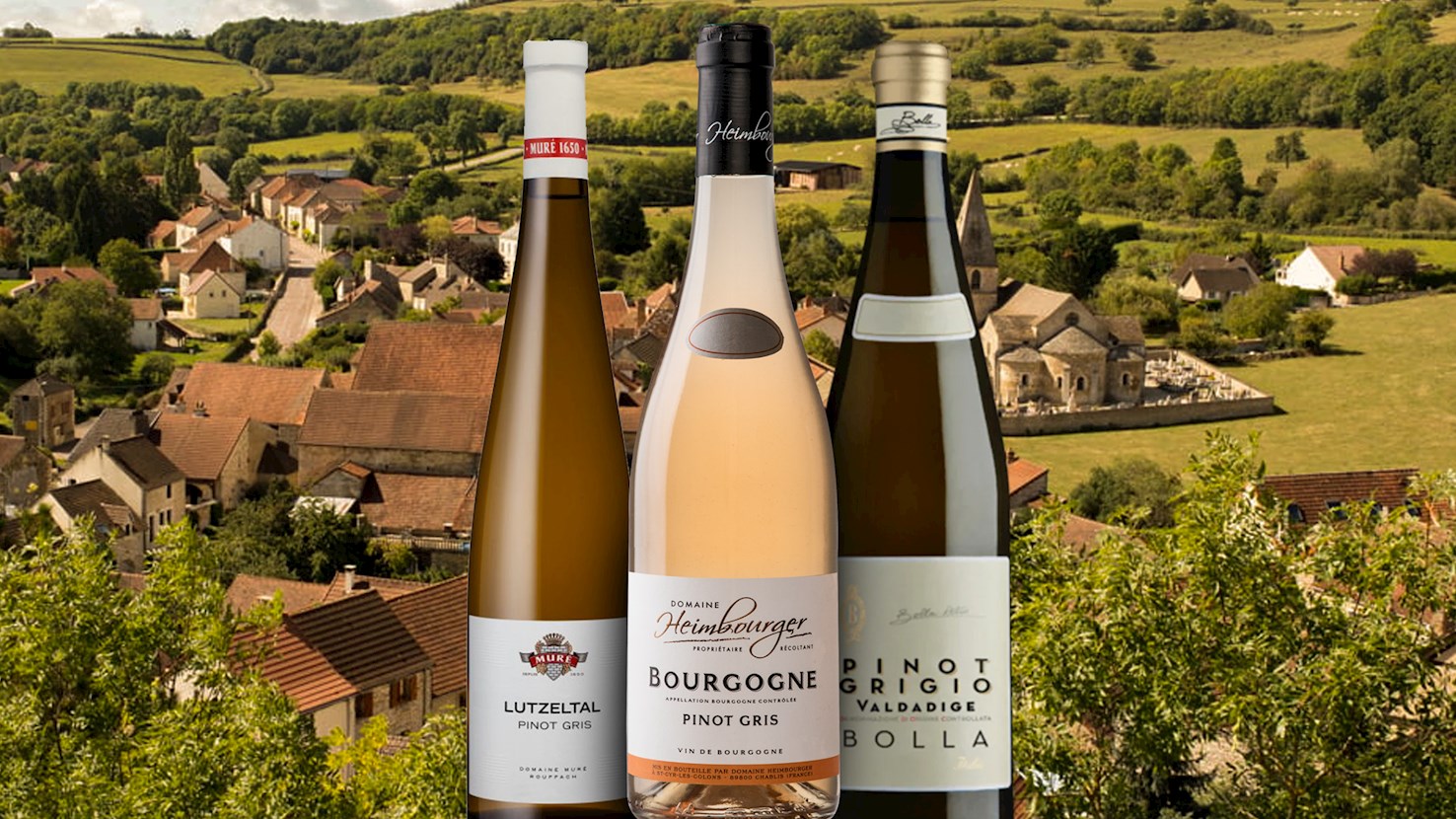
Pinot Gris is a white wine grape variety that is believed to be a mutation of the Pinot Noir grape. It is known for producing wines that can vary widely in style depending on the region and winemaking techniques used. The grape is characterized by its grayish-blue fruit, which gives it the name "gris" (French for "gray"). In France, particularly in the Alsace region, Pinot Gris wines are typically full-bodied with a rich, complex flavor profile. These wines often exhibit notes of ripe pear, apple, stone fruits like peach and apricot, and sometimes tropical fruits. They can also have a slightly spicy or smoky character, along with a pronounced minerality. Alsace Pinot Gris is often made in a slightly off-dry to sweet style, although dry versions are also produced. In Italy, where it is known as Pinot Grigio, the wines tend to be lighter and more straightforward. Italian Pinot Grigio is typically dry, with a crisp, refreshing acidity and flavors of lemon, green apple, and pear. These wines are often lighter in body and more delicate compared to their Alsatian counterparts, making them very popular for casual drinking and pairing with a variety of light dishes. Pinot Gris is also grown in other wine regions around the world, including Germany (where it is called Grauburgunder or Ruländer), the United States (notably Oregon and California), New Zealand, and Australia. Each region brings its own unique characteristics to the wine, influenced by the local terroir and winemaking practices. Pinot Gris wines are versatile when it comes to food pairings. The richer, fuller-bodied styles from Alsace pair well with dishes like roasted poultry, pork, and creamy sauces, as well as Asian cuisine with a touch of spice. The lighter, crisper Pinot Grigio from Italy is excellent with seafood, salads, light pasta dishes, and fresh cheeses.

08

Chassagne-Montrachet Blanc

3.5 ·

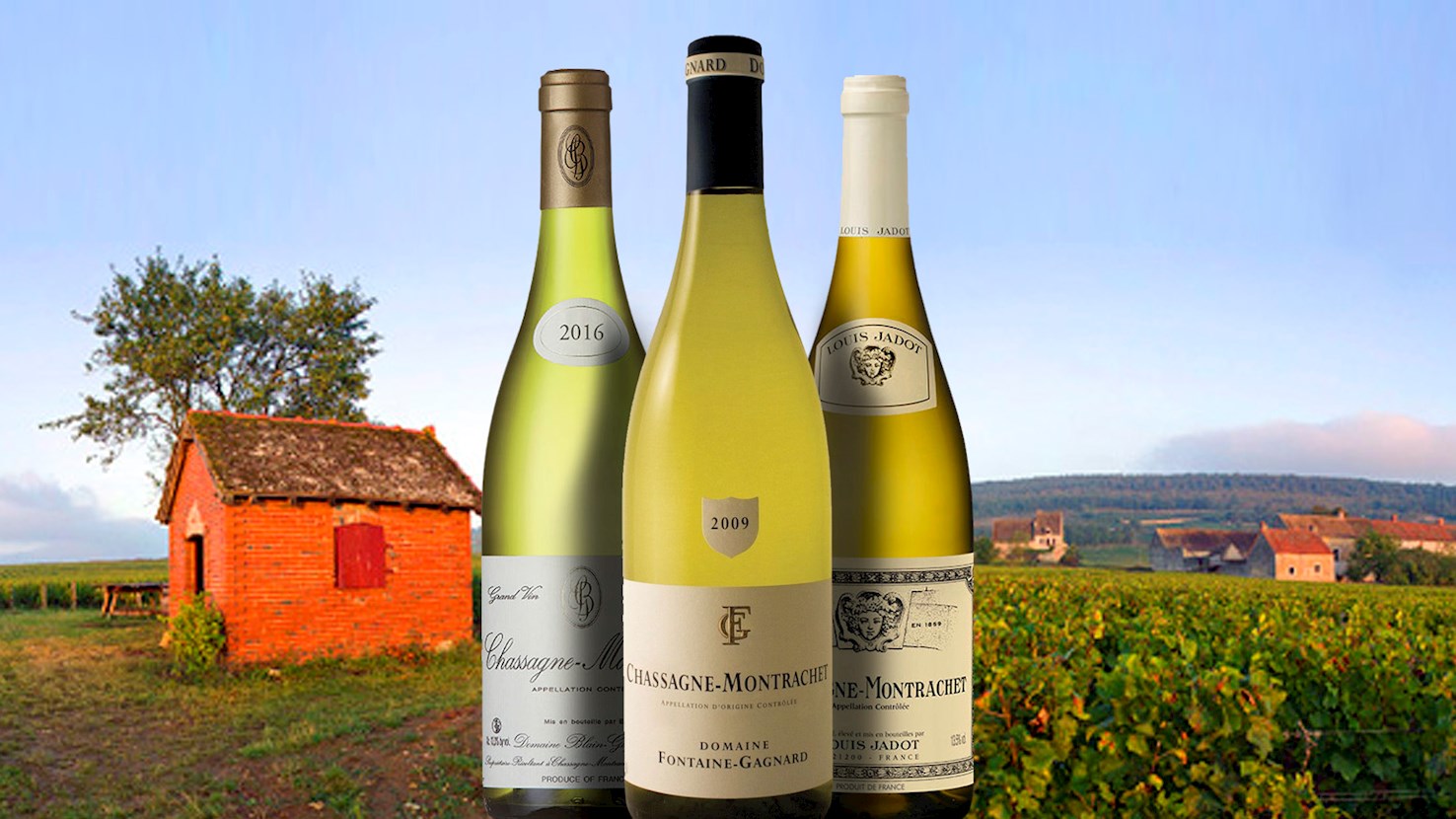
Chassagne-Montrachet is a French appellation for white and red wines which is located in Côte de Beaune (Côte-d’Or) region of Burgundy. The region is best known for its exceptional white wine that is produced from Chardonnay grapes. These powerful and opulent wines tend to display complex and harmonious aromas of white flowers, acacia, honeysuckle, and hazelnuts. Buttery aromas of honey, pear, and toast are also occasionally present, as well as the typical mineral character (flint). These rounded and full-bodied wines are best matched with white meat such as poultry or veal served in creamy sauces. They can also work well with fish and crustaceans, foie gras, and cheese.

09

Chevalier-Montrachet

n/a ·

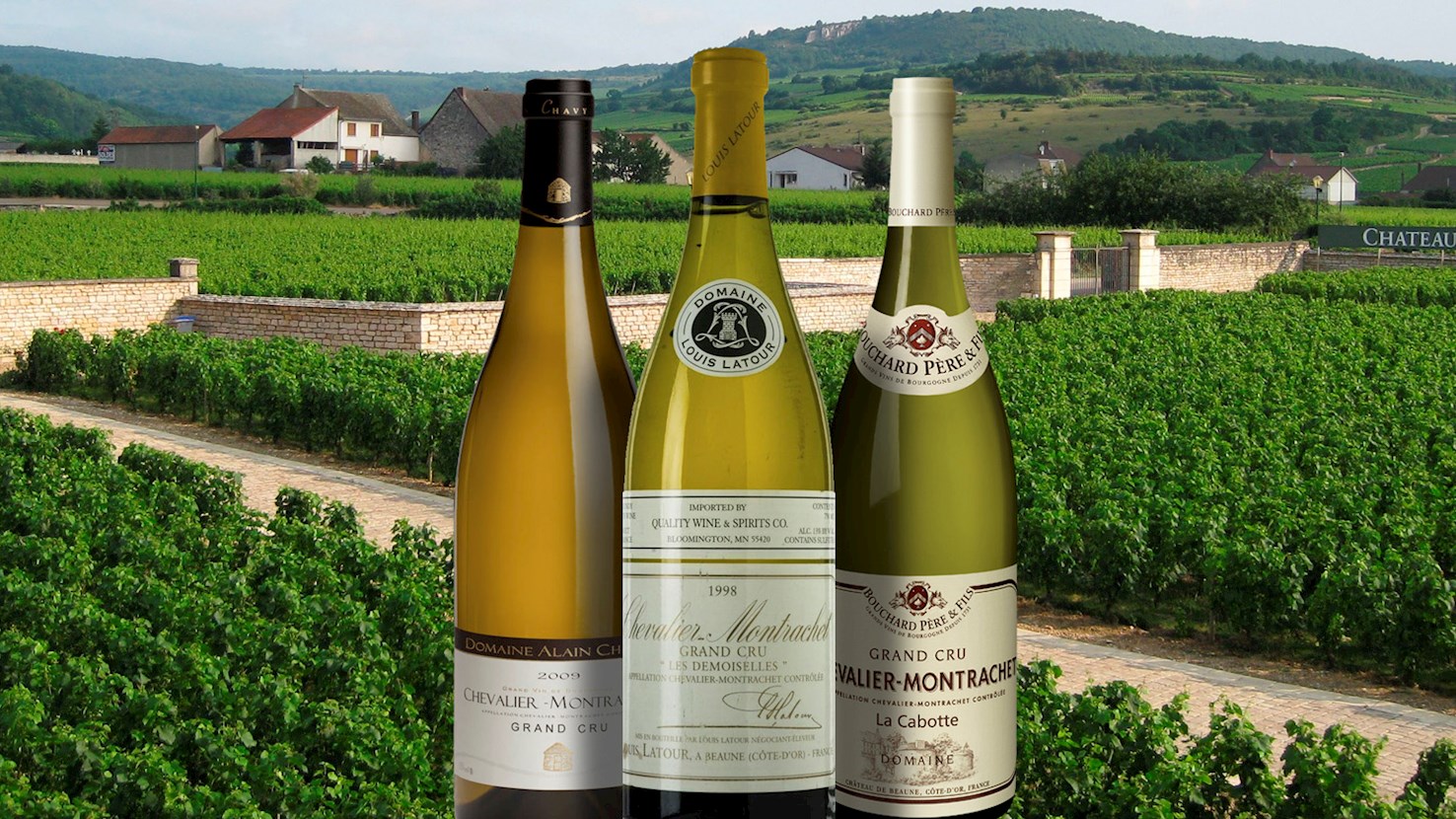
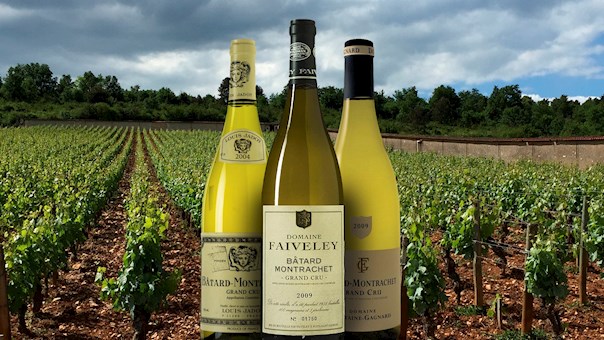
Chevalier-Montrachet is French appellation and a grand cru vineyard located in Côte de Beaune (Côte-d’Or) wine region of Burgundy. These white Chardonnay-based wines are complex, concentrated, well-structured, and elegant, with a smooth texture and a great aging potential. They typically display aromas of apple, yellow and exotic fruit, as well as almonds and cinnamon. Because of their mineral quality, Chevalier wines go exceptionally well with creamy sauces and fish or seafood such as lobster, crayfish, or scallops. It can also be a match to foie gras, poultry, and mushrooms.

10

Saint-Véran

n/a ·

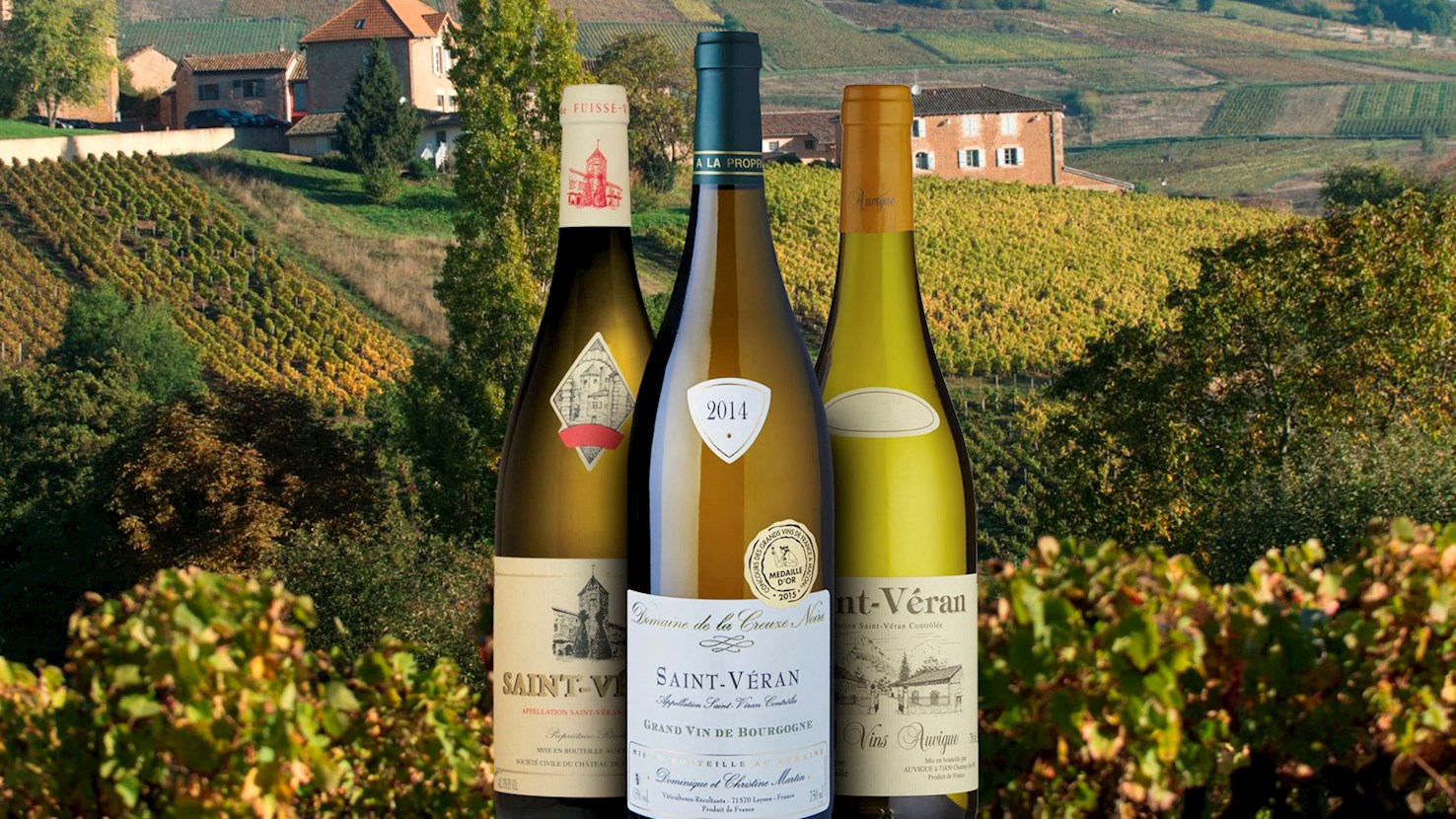
Saint-Véran is a French wine region that produces Chardonnay-based white wines. The appellation is located around Saint-Vérand, a commune in the Saône-et-Loire department of Bourgogne. The wines produced in the region are mineral, lively, and fresh. They are usually pale yellow and crystal clear with typical floral and fruity notes reminiscent of peach, pear, acacia, and honeysuckle. With age, they tend to develop richer expressions of honey and nuts, and they can also display nuances of citrus and exotic fruit. Saint-Véran wines can be a good match with seafood, veal, and poultry. They can also pair well with different cheese varieties.

Best Burgundian White Wines
01

Domaine Leflaive

5 ·
Domaine Leflaive stands as a symbol of elegance and deep respect for the Burgundian terroir. Located in the heart of Puligny-Montrachet, this historic estate has cultivated its legacy for over three centuries, shaped by generations committed to refining a distinctive style and philosophy. Chardonnay is at the core of the domaine’s identity, and from it, Domaine Leflaive produces some of the most graceful and age-worthy white wines in the world. The vineyards include prestigious Grand Cru and Premier Cru parcels, all farmed using biodynamic principles. Since the 1990s, the estate has been a pioneer of biodynamics in Burgundy, guided by the belief that a healthy vineyard yields truly expressive wines. Vinification follows a minimalist approach, with a focus on balance and purity, allowing the unique character of each site to emerge. The resulting wines are defined by their precision, minerality, and refined texture, evolving beautifully with time in the bottle. Domaine Leflaive never compromises—each wine reflects a commitment to excellence, a profound connection to nature, and a continual pursuit of harmony between man, earth, and wine. It is a place where tradition and modern vision coexist in perfect balance.
Awards
Vivino - 4.6
Vivino - 4.7
02

Château de Fuissé

5 ·
Château de Fuissé is a historic family-owned estate located in the village of Fuissé in southern Burgundy, within the Mâconnais, and is widely regarded as one of the benchmark producers of Pouilly-Fuissé. Owned by the Vincent family since 1862 and now run by the fifth generation, the estate combines long-standing tradition with a precise, terroir-focused approach. Its vineyards span around 40 hectares across multiple parcels, allowing for detailed site expression and careful selection in winemaking, with Chardonnay as the dominant grape variety. The soils - primarily limestone and clay with some granitic influence - contribute to wines that balance richness with freshness and a distinct mineral character. The style is defined by clarity and structure, with aromas of citrus, apple, and stone fruit layered with subtle notes of hazelnut and light toast from measured oak aging. On the palate, the wines are rounded yet focused, supported by vibrant acidity and a persistent mineral backbone. Château de Fuissé’s approach results in wines that are both approachable and age-worthy, offering a refined interpretation of modern Pouilly-Fuissé while remaining deeply rooted in Burgundian tradition.
Awards
Decanter World Wine Awards - Best in Show (2024)
Decanter World Wine Awards - Platinum (2020, 2019)
03

Joseph Drouhin

5 ·
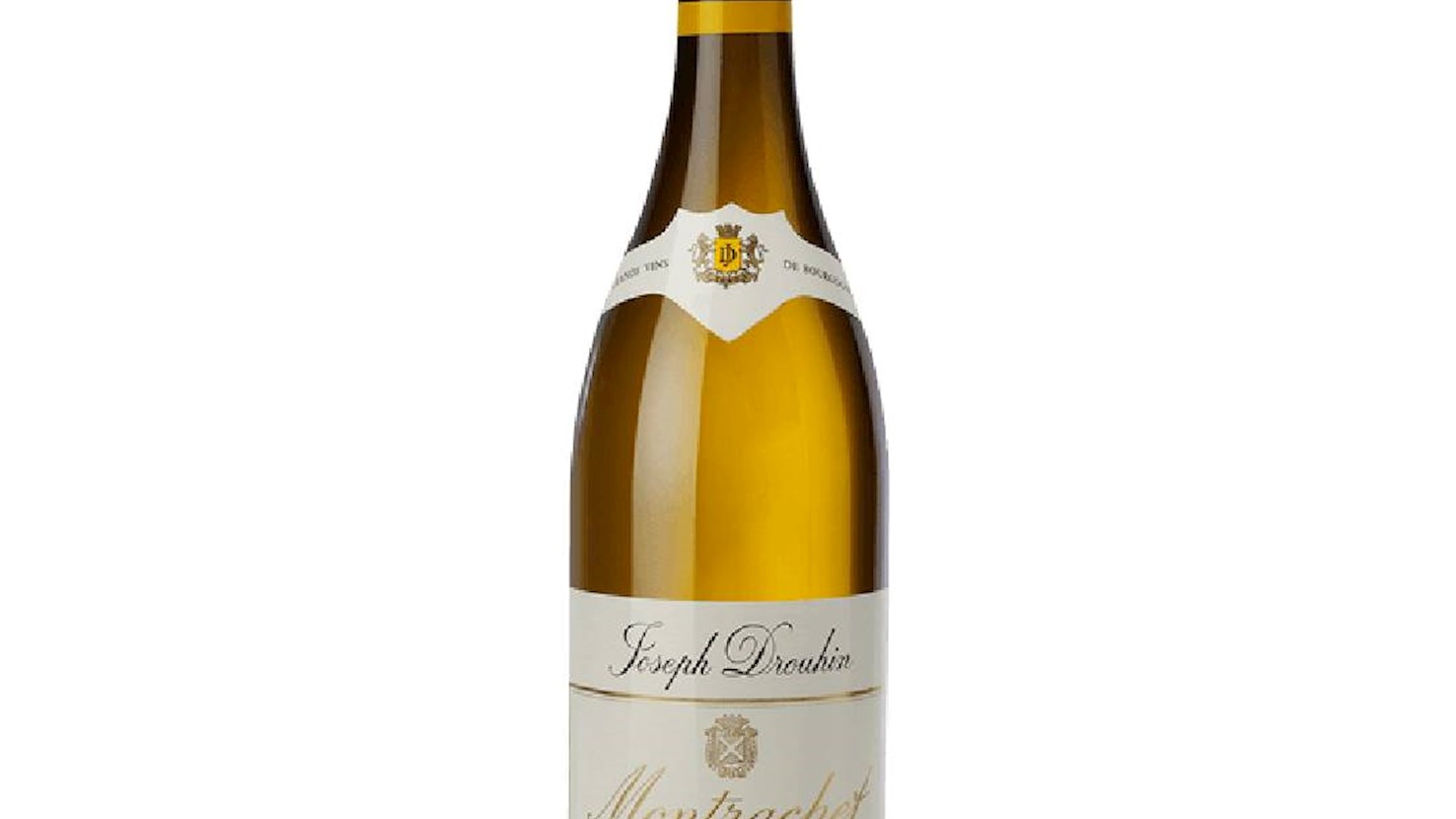
Maison Joseph Drouhin is a family-owned estate founded in 1880 in the heart of Burgundy. For more than a century it has built a reputation rooted in elegance, consistency, and respect for tradition. The vineyards are cultivated with great care, following practices that preserve the authenticity of the soils and the natural harmony of the vines. The wines reflect the finesse and clarity of the Burgundian terroir, with distinctive fruit, minerality, and refined structure. Each label carries the spirit of its origin and the signature of a family that has upheld the same vision for generations. Joseph Drouhin today stands as one of Burgundy’s most important names and a symbol of wine culture that bridges history with a modern approach. Their wines are crafted for those who seek purity of expression and a sophisticated pleasure in every glass.
Awards
Vivino - 4.6
Vivino - 4.3
04

Domaine Coche-Dury

5 ·
Domaine Coche-Dury is a legendary family estate from Meursault in Burgundy, renowned for producing some of the most distinctive and sought-after expressions of Chardonnay in the world. Founded by Georges Coche, the domaine achieved cult status under the meticulous stewardship of Jean-François Coche, whose signature style is rooted in extreme vineyard precision and exceptionally careful vinification. Their parcels - including Meursault village sites, Premier Crus such as Les Charmes and Les Perrières, and the iconic Corton-Charlemagne - lie on limestone- and clay-rich soils that provide tension, vibrant acidity, and deep minerality. In the cellar, the team practices gentle, slow pressing, spontaneous fermentation in small oak barrels, and extended aging on fine lees. The domaine’s recognizable notes of toast and subtle smokiness come from their highly specific approach to barrel selection and use. The resulting wines combine concentration with crystalline purity, showing aromas of lemon, white peach, hazelnut, chalk, and a delicate smoky touch. Production is extremely limited, which, together with exceptional quality, makes Coche-Dury one of the most coveted producers in Burgundy. Their wines have remarkable aging potential, developing complexity and finesse over several decades.
Awards
Vivino - 4.6
Vivino - 4.7
05

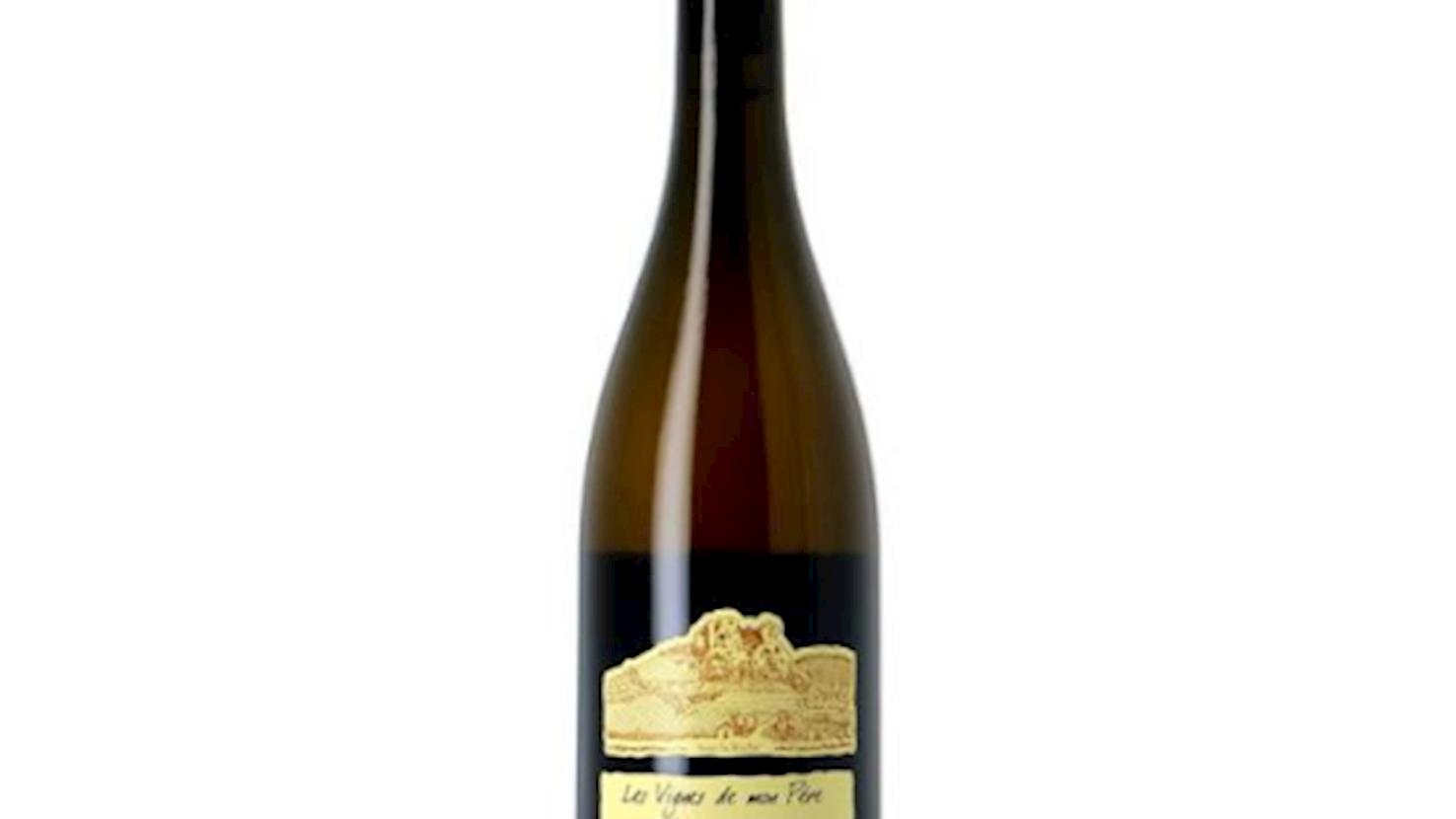
Domaine Ganevat

5 ·
Domaine Ganevat is a family-run winery located in the village of Rotalier in the Jura region of France, known for extremely small production batches and a strong focus on authentic terroir expression. The estate is led by Jean-François Ganevat, who took over in the late 1990s and gradually transformed it into one of the most respected small domaines in France. The vineyards are farmed according to organic and biodynamic principles, relying on manual work and avoiding chemical inputs. In the cellar, the approach is minimal intervention - fermentation with native yeasts, aging on the lees, and avoiding sulfur additions whenever possible. Ganevat cultivates old Jura varieties such as Savagnin, Poulsard, and Trousseau, while also working with Chardonnay and Pinot Noir, which he vinifies with exceptional precision and purity. Many of the vines are over a hundred years old, giving the wines notable complexity and depth. In addition to wines from their own parcels, Ganevat produces a separate line of labels sourced from small growers who share the same philosophy. Due to limited production and high demand, Domaine Ganevat wines often sell out before they officially reach the market. They are considered a benchmark of natural winemaking in France and beyond, successfully combining the traditions of Jura with a contemporary minimal-intervention approach.
Awards
Vivino - 4.6
Vivino - 4.5
06

Château de Meursault

4.9 ·
With over 1000 years of history, Château de Meursault follows an approach of excellence in respect of nature, the environment and the climates. With the 2022 vintage, the entire vineyard of Château de Meursault is conducted in organic farming.
Awards
Decanter World Wine Awards - Best in Show (2023, 2021, 2019)
Decanter World Wine Awards - Platinum (2020, 2019)
07

Maison Albert Bichot

4.9 ·
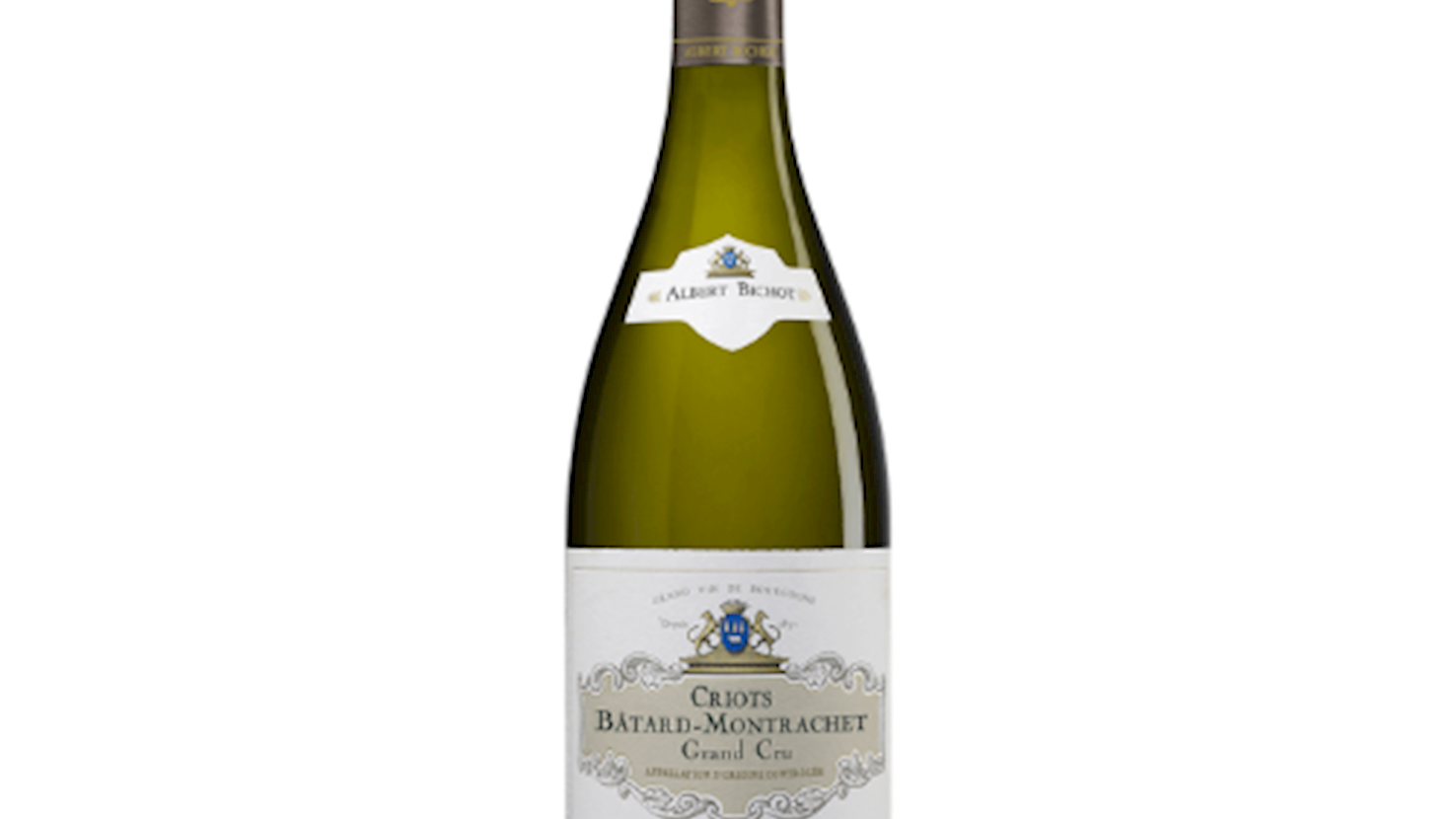
Maison Albert Bichot is a historic Burgundy wine house founded in 1831 and based in Beaune, at the heart of the region. Still family-owned, it has evolved from a traditional négociant into a major vineyard owner, managing over 100 hectares across six estates in key areas such as Chablis, Côte de Nuits, Côte de Beaune, and Beaujolais. The house combines estate-grown fruit with grapes sourced from long-term partner growers, all vinified under strict quality control to ensure consistency and authenticity. Its philosophy centers on expressing Burgundy’s “climats,” emphasizing the unique identity of each vineyard through minimal intervention and precise winemaking. The portfolio focuses mainly on Pinot Noir and Chardonnay, ranging from regional appellations to Premier Cru and Grand Cru wines. Sustainability is a core principle, with most estates farmed organically and a strong commitment to environmentally responsible practices. The wines are known for their balance, purity, and clear sense of origin. Over time, Maison Albert Bichot has built a strong international reputation, supported by numerous awards and consistent critical recognition.
Awards
Decanter World Wine Awards - Platinum (2024, 2023, 2022, 2021, 2020)
Decanter World Wine Awards - Best in Show (2021, 2020)
08

Domaine Badoz

4.9 ·
Awards
Decanter World Wine Awards - Platinum (2022, 2021)
09

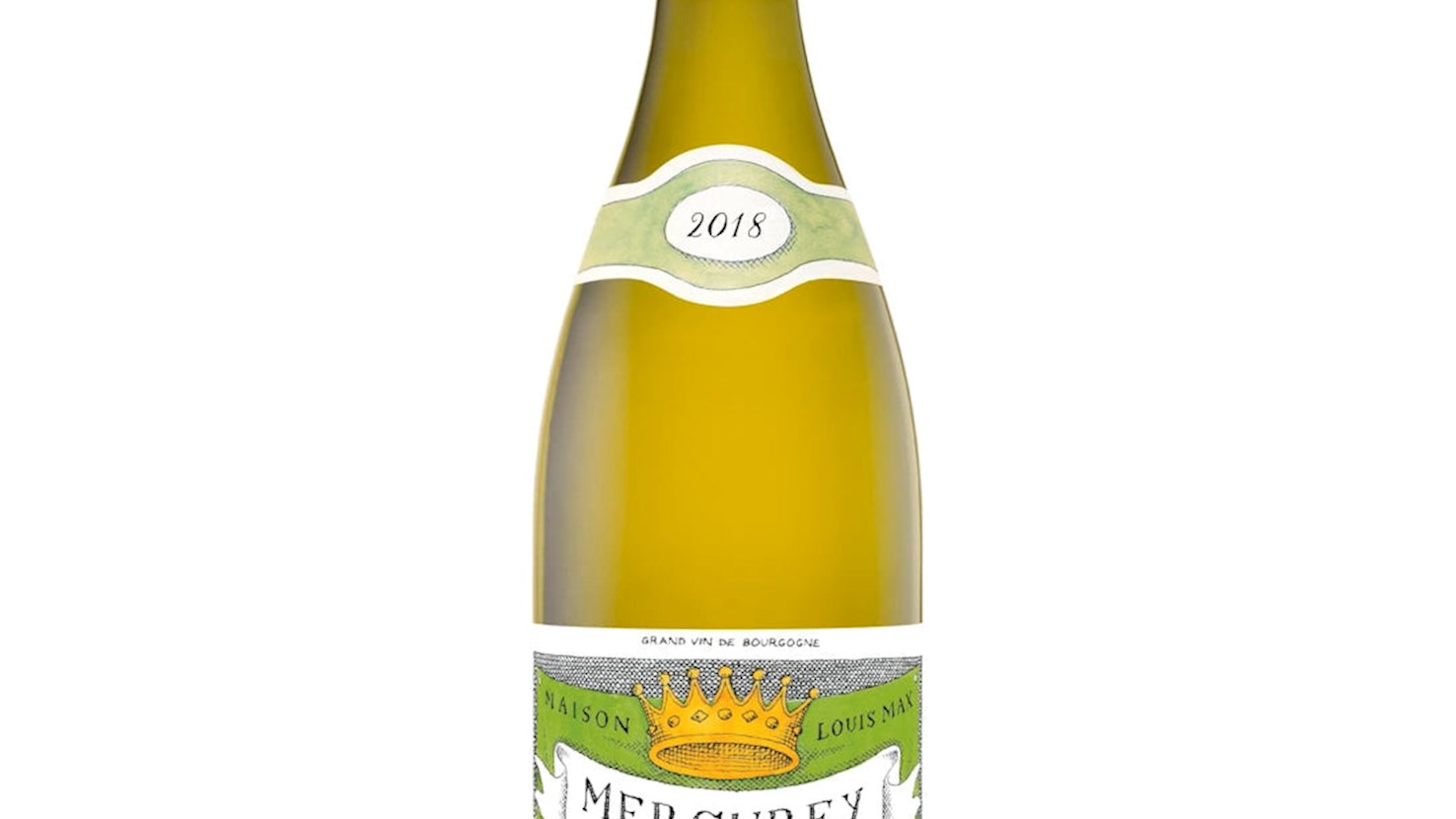
Domaine Louis Max

4.9 ·
Awards
Decanter World Wine Awards - Platinum (2019)
10

La Chablisienne

4.9 ·
Awards
Decanter World Wine Awards - Platinum (2022, 2021, 2017, 2016)
IWSC- International wine & spirit competition - Gold (2024, 2023, 2022, 2021, 2020, 2019)
Read more
View all
View map
About this ranking

TasteAtlas food rankings are based on the ratings of the TasteAtlas audience, with a series of mechanisms that recognize real users and that ignore bot, nationalist or local patriotic ratings, and give additional value to the ratings of users that the system recognizes as knowledgeable. For the “Top 42 Burgundian White Wines” list until June 15, 2026, 252 ratings were recorded, of which 218 were recognized by the system as legitimate. TasteAtlas Rankings should not be seen as the final global conclusion about food. Their purpose is to promote excellent local foods, instill pride in traditional dishes, and arouse curiosity about dishes you haven’t tried.

The initial list of top producers was compiled based on available reviews, awards, local recommendations, media and blog coverage, and consumer reviews. The list will be updated with ratings from TasteAtlas local ambassadors and TasteAtlas users.

Similar lists