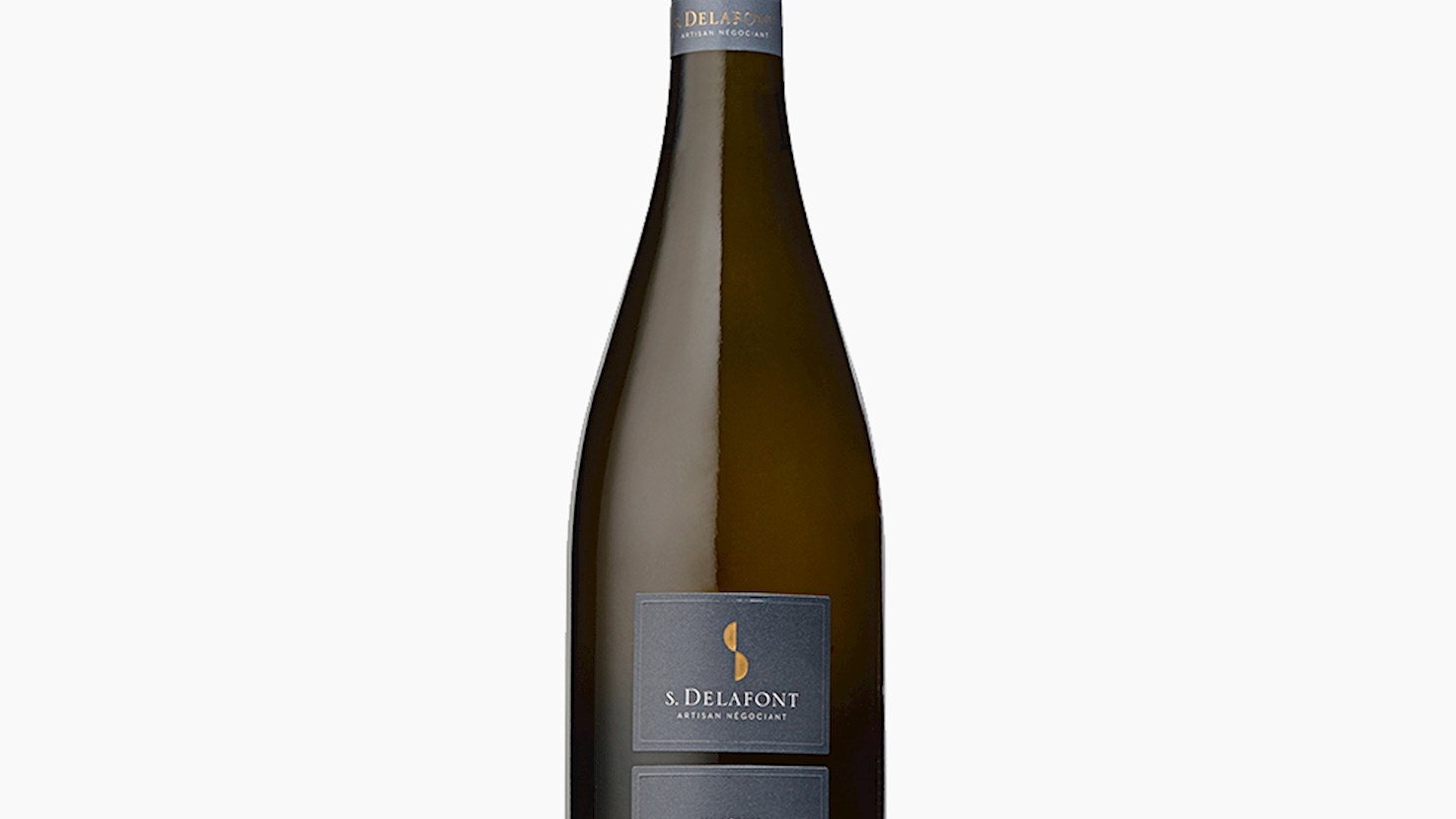
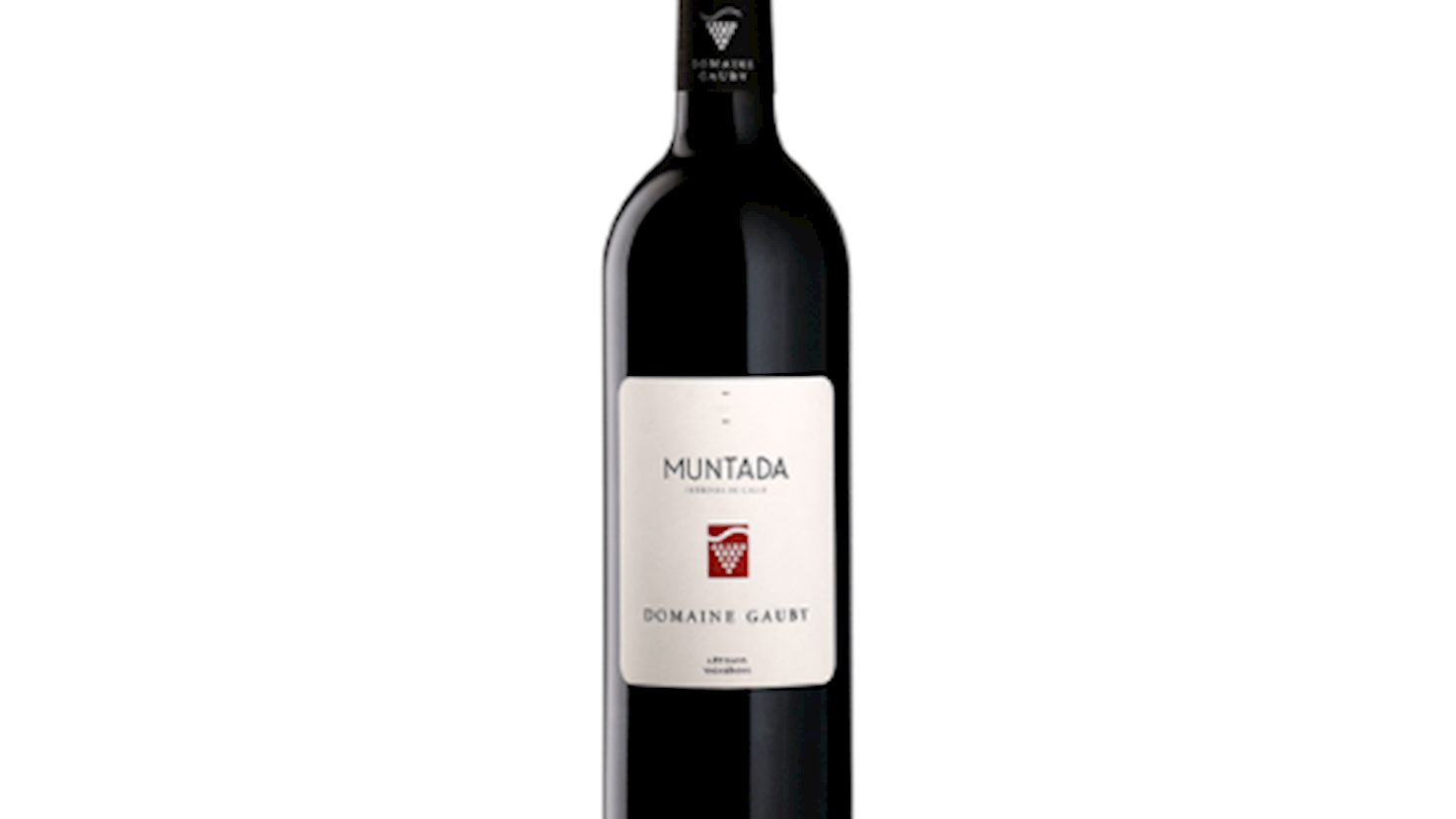
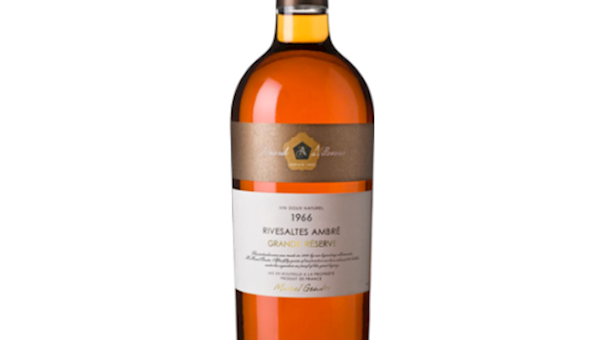
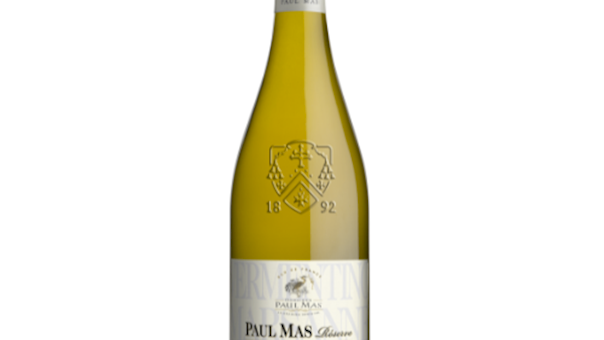
Domaine Gauby is one of the most influential estates in Roussillon, located in the village of Calce, an area shaped by strong winds, elevation, and a complex geological structure that creates a distinctive terroir. The estate is run by the Gauby family, known for transitioning to fully organic and biodynamic farming in the mid-1990s, eliminating all chemical treatments and focusing on restoring biodiversity in their vineyards. The vines include many old parcels, some over a century in age, planted on limestone, schist, clay, and marl soils that give the wines depth, layers, and pronounced minerality. Their cellar philosophy is built on minimal intervention: spontaneous fermentation, very low or no added sulphur, avoidance of filtration, and the use of cement tanks, large wooden foudres, and neutral barrels instead of new oak. The resulting style stands in complete contrast to the stereotype of “heavy southern wines” - Domaine Gauby produces bottles that are bright, precise, aromatically pure, and strikingly elegant. Today, the estate is a benchmark for authentic Roussillon wines and a key reason why Calce has become a symbol of the modern, terroir-driven approach to viticulture in southern France. These wines are long-lived, complex, and rewarding, ideal for those seeking depth, subtlety, and a clear sense of place in the glass.
Picpoul de Pinet is Languedoc's amazingly crisp and dry wine made from the ancient local grape variety called Piquepoul—often translated as lip-stinger—which has been grown near the Thau lagoon for centuries, and which is noted for its acidity and lots of bright, fresh flavors. Wines made with 100% Piquepoul are crystal clear with green highlights, bright and buoyant, invigorating and refreshing with enough texture, fruit, floral fragrance, and a nice clean finish. Picpouls are best enjoyed young and well-chilled. They're a perfect match to any fish and seafood, especially shellfish and other crustaceans, but also some traditional Mediterranean dishes, rich cheeses, and charcuterie.
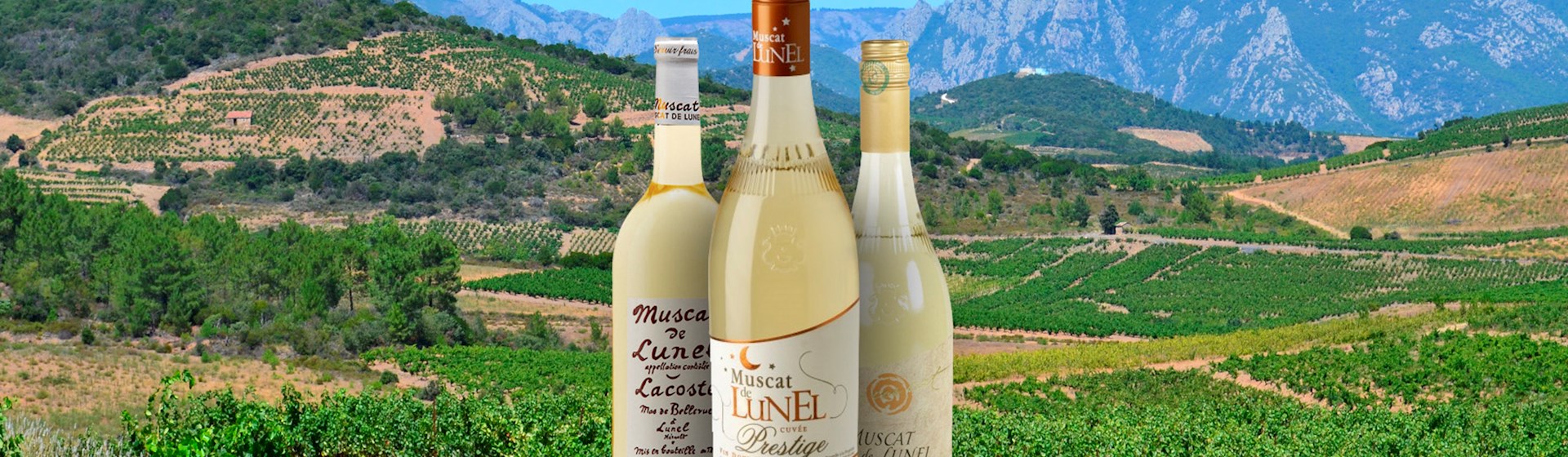
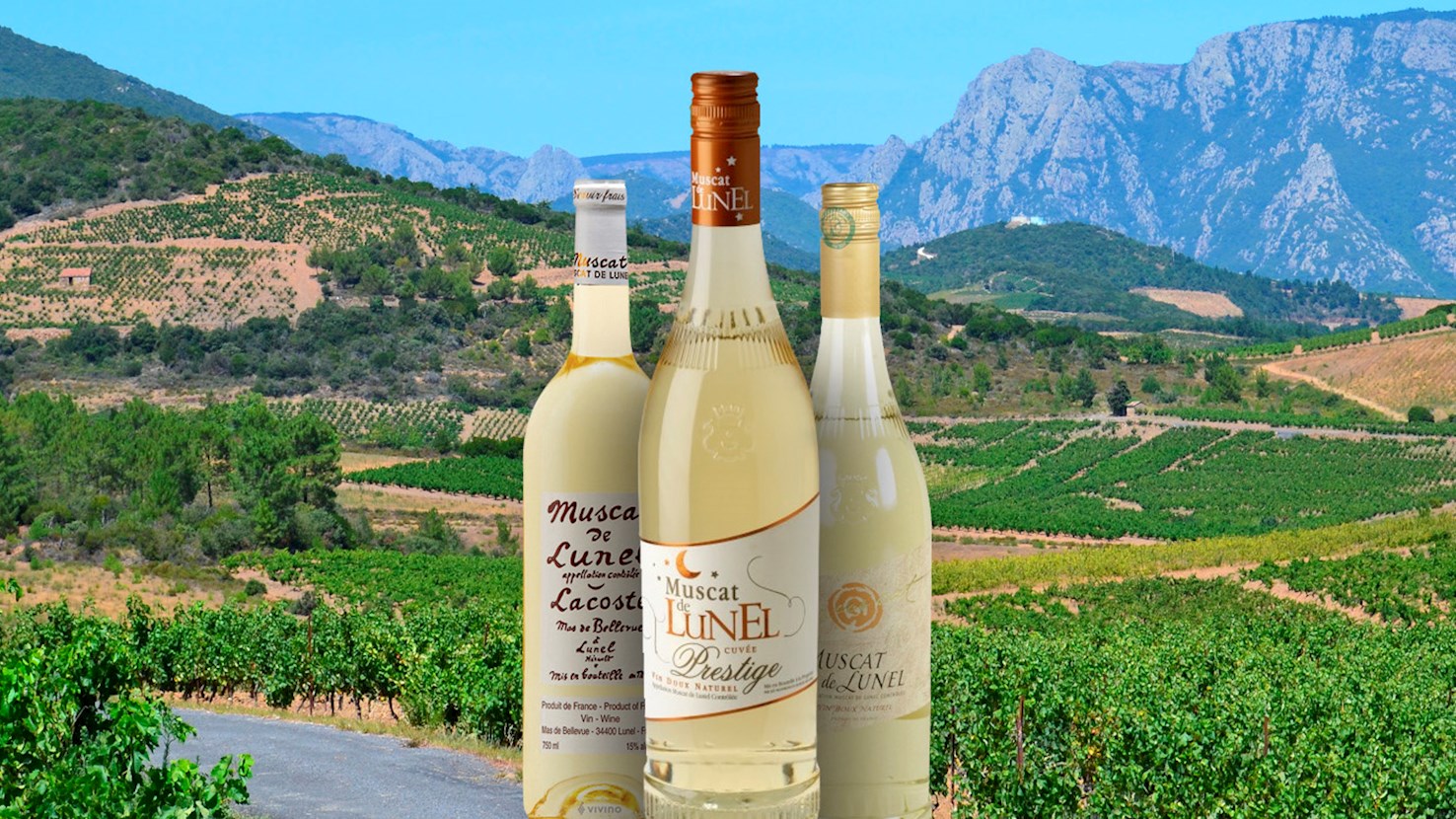
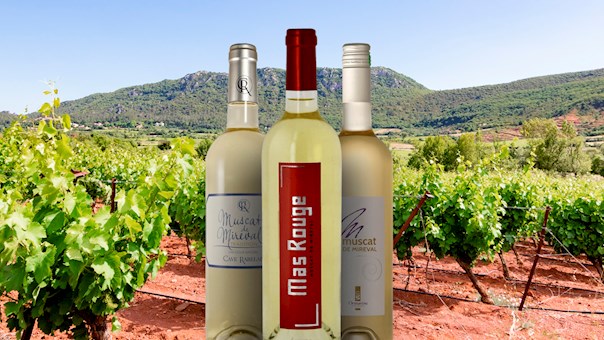
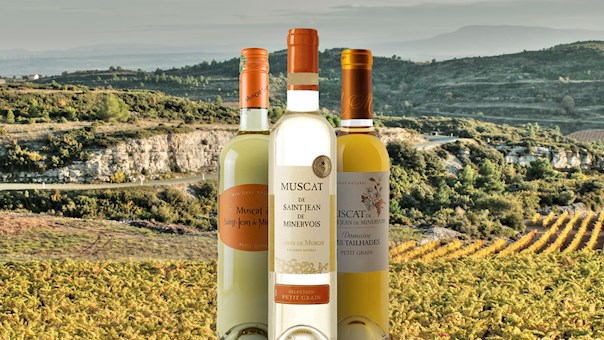
Muscat de Lunel is a French appellation located in Herault that produces naturally sweet fortified wines from Muscat Blanc à Petits Grains. They are made using a mutage process in which alcohol is added to stop fermentation and preserve natural sugars. Muscat de Lunel wines are naturally sweet, but this sweetness is well balanced with acidity and freshness. They are golden-colored, with an intense fruity and floral aroma. They are usually dense and rich but with good acidity that balances the sweetness. The finish is long and persistent. These wines are best paired with desserts or blue cheese.
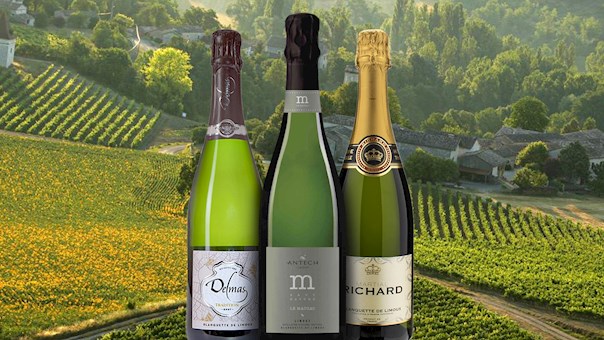
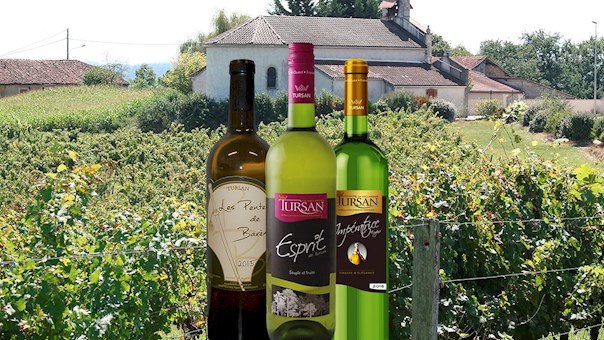
Gaillac is a diverse wine designation in Southwest France that encompasses red, white, rosé, and sparkling wines. The appellation is defined by its reliance on indigenous grape varieties, producing wines that balance moderate alcohol with distinct varietal expression. The flavor profiles vary significantly, ranging from crisp, floral whites to robust, tannic reds, all united by a fresh character and balanced acidity. Viticulture in the region is ancient, with roots stretching back to the Roman era. The wine trade expanded significantly during the Middle Ages, driven by the needs of religious institutions and access to river-based trade routes. This established a deep tradition of winemaking that has maintained a continuous lineage of production through centuries of economic shifts and recovery. Winemaking relies on managing yields and utilizing both manual and mechanical harvesting, depending on the estate. Production techniques are tailored to the style: white wines are fermented at cool temperatures to retain aromatic freshness, while reds are typically vinified in stainless steel or concrete vats, with some receiving oak aging. Sparkling wines are notably produced using the ancestral method, where a single fermentation is completed inside the bottle to create natural bubbles. The character of the wine varies based on the winemaker's approach and the specific blend of grapes. Red wines primarily utilize Duras, Braucol (Fer Servadou), and Syrah, while white wines feature Mauzac, Loin de l’Œil, Sauvignon Blanc, and Muscadelle. Styles range from light, thirst-quenching bottles to complex, age-worthy examples. The sparkling Méthode Ancestrale is particularly distinct for its lower alcohol and gentle effervescence compared to standard sparkling wines. Gaillac wines are designed as versatile food partners rather than standalone tasting samples. They are enjoyed locally and internationally as staples for both daily meals and special occasions. Common pairings include grilled meats, poultry, and charcuterie for reds, while whites and sparkling versions accompany freshwater fish, mild cheeses, and regional specialties.
La Clape is a French wine appellation located in southern France within the Languedoc, centered on the limestone massif east of Narbonne and extending toward the Mediterranean coast, where vineyards are planted on dry, rocky slopes exposed to strong maritime and northerly winds. Viticulture in this area developed as vines were established on land that was once an island and later became connected to the mainland through sedimentation, and over time the combination of calcareous soils, low rainfall, and persistent winds led producers to focus on low-yielding vineyards capable of producing concentrated wines, a pattern that eventually resulted in formal appellation recognition as a distinct cru within the wider Corbières framework. The appellation is dominated by red wines made primarily from Syrah, Grenache, and Mourvèdre, with smaller amounts of Carignan, while white wines are produced in more limited quantities from varieties such as Bourboulenc, Grenache Blanc, and Marsanne. Vineyard work emphasizes careful water management and late harvesting to achieve phenolic maturity, and winemaking generally involves controlled fermentation followed by aging in tanks or oak barrels depending on producer style, with reds often showing firm structure and whites marked by freshness and saline notes linked to the site. Wines are served at moderate cellar temperature, with reds benefiting from aeration and whites served cool to maintain balance. Consumption takes place mainly with meals in the region and beyond, where La Clape wines are paired with grilled lamb, game, roasted vegetables, seafood stews, firm cheeses, and Mediterranean dishes, and they are also drunk on their own at the table over extended meals.
Côtes Catalanes is an IGP wine designation from the Pyrénées-Orientales department in France, covering the eastern portion of French Catalonia near the border with Spain. It encompasses red, white, and rosé wines produced across coastal plains, inland valleys, and the lower foothills of the Pyrenees. The zone includes a wide set of permitted grape varieties such as Grenache, Syrah, Mourvèdre, Carignan, Merlot, Cabernet Sauvignon, Chardonnay, Macabeu, Grenache Blanc, Vermentino, and Muscat. The IGP was introduced in 2009 when France reorganized its wine classification system, replacing the former Vin de Pays des Côtes Catalanes designation that had been in use since the late twentieth century. It was created to provide a recognized geographic identity for wines produced outside the stricter AOC rules of the region, while still tying them to a specific area known for viticulture. The emergence of Côtes Catalanes reflects the winegrowing trajectory of the Pyrénées-Orientales, where records show continuous vine cultivation dating back to Roman settlement, expanding during medieval trade through the port of Collioure and later through fortified wine production under the Kingdom of Majorca and subsequent French administration. When the modern Vin de Pays category was established, producers in this part of Roussillon sought a designation that allowed for flexibility in grape choice and winemaking style while acknowledging the region’s geographic coherence. The adoption of the IGP framework in 2009 preserved this flexibility but placed it within the European protected-origin system. Wine production under Côtes Catalanes benefits from dry, windy conditions shaped by the Tramontane, a strong northern wind that reduces humidity and helps maintain healthy vineyard conditions. Soils include schist in the foothills, limestone and clay on inland terraces, and alluvial deposits along the Agly and Têt river basins. These differences permit a range of wine styles: reds may be structured and concentrated when sourced from older vines on poorer soils, or fruit-forward and approachable when produced from vineyards closer to the coast. Whites range from crisp and aromatic to fuller expressions using varieties such as Grenache Blanc or Macabeu. Rosés are typically fermented cool and bottled young to preserve freshness. The IGP’s broad rules allow producers to use stainless steel, concrete, or oak as they choose, and to work with single varietal wines or blends that would not fit into nearby AOCs such as Collioure, Rivesaltes, or Côtes du Roussillon. Côtes Catalanes wines are consumed locally in the Pyrénées-Orientales, throughout France, and abroad. Reds are served at moderate room temperature and pair with grilled meats, cured pork, lamb, and stews seasoned with Mediterranean herbs. Whites are served chilled and accompany seafood, shellfish, vegetable dishes, and mild cheeses. Rosés pair with lighter fare, charcuterie, and coastal dishes common to the region. In local restaurants and homes, these wines appear alongside Catalan-influenced preparations such as grilled sardines, pa amb tomàquet, anchoïade, and dishes featuring olives, peppers, and fresh herbs, reflecting the blend of Mediterranean and Pyrenean ingredients characteristic of the area.
Languedoc is an AOC wine region in southern France that stretches from the outskirts of Nîmes to the area around Narbonne, with vineyards extending inland toward the Montagne Noire and the foothills of the Cévennes. It includes red, white, and rosé wines and functions as the principal appellation covering a wide, diverse set of terroirs across the former Languedoc-Roussillon area. The designation was formalized in 2007 as AOC Languedoc, replacing and consolidating earlier structures such as Coteaux du Languedoc while allowing for many local zones to operate as named sub-appellations within its framework. The region’s vineyards grow on varied soils including limestone, schist, sandstone, clay, and alluvial terraces, and are influenced by Mediterranean winds, coastal exposure, and warmer inland conditions. The emergence of AOC Languedoc reflects decades of regulatory refinement aimed at organizing a region long associated with high-volume production yet possessing pockets of quality viticulture documented since antiquity. Roman agricultural accounts describe winegrowing along the Mediterranean coast, and medieval archives show monastic involvement in vineyard maintenance and land management. By the twentieth century, replanting after phylloxera and shifts in agricultural policy encouraged producers to reduce yields and adopt varieties better suited to the region’s climate and soils. This development laid the groundwork for restructuring the appellation system, ultimately leading to the creation of AOC Languedoc as a unifying entity while still recognizing distinct sub-regions such as Minervois, Corbières, La Clape, Picpoul de Pinet, and Pic Saint-Loup. Production under AOC Languedoc follows regulations specifying permitted grape varieties and blending requirements. Red wines rely on Grenache, Syrah, Mourvèdre, Carignan, and Cinsault as core components, with proportions varying by area. Whites use varieties such as Vermentino (Rolle), Marsanne, Roussanne, Grenache Blanc, Clairette, and Bourboulenc. Rosés generally combine Grenache, Cinsault, Syrah, and Mourvèdre. Winemaking methods vary across the region: reds may be fermented in stainless steel, concrete, or oak depending on style, with some producers favoring longer macerations to build structure. Whites and rosés are often fermented at controlled temperatures to retain aromatics and freshness. The wide geographic range of the appellation means wines express different levels of ripeness, acidity, and aromatic intensity depending on whether grapes come from coastal plains, river valleys, or elevated foothills. A characteristic feature of AOC Languedoc is its tiered structure, which allows producers to label wines under the broader appellation or under more specific geographic names attached to recognized subzones. This system integrates regional coherence with local expression. Languedoc wines are consumed throughout France and internationally, appearing in restaurants, bistros, wine bars, and home settings. Reds are served at moderate room temperature and pair with grilled meats, lamb, hearty stews, and dishes seasoned with regional herbs such as rosemary and thyme. Rosés, served chilled, are matched with seafood, salads, charcuterie, and lighter Mediterranean fare. Whites complement shellfish, fish dishes, vegetable preparations, and cheeses with mild to moderate intensity. Within the region itself, these wines accompany local cuisine shaped by olive oil, tomatoes, peppers, olives, and seafood from the nearby coast, reflecting the breadth of the Languedoc landscape and its culinary traditions.
Pays d’Hérault is a wine designation from southern France belonging to the IGP (Indication Géographique Protégée) category and covering a large portion of the Hérault department in the Languedoc region. It includes red, white, and rosé wines made from a broad range of grape varieties, such as Syrah, Grenache, Mourvèdre, Carignan, Merlot, Cabernet Sauvignon, Chardonnay, Sauvignon Blanc, Viognier, and Grenache Blanc. The area is geographically diverse, extending from Mediterranean coastal plains to inland foothills and higher plateaus, giving producers access to limestone, schist, clay, and alluvial soils. The Pays d’Hérault designation was established in 1982 under the former Vin de Pays system and transitioned to IGP status in 2009 when France restructured its wine classification framework. Viticulture in the Hérault has a long documented presence, with Roman-era agricultural records and medieval monastic holdings indicating continuous wine production across the region. By the twentieth century the department had become one of France’s major wine-producing areas, though much of its output was based on high-yielding varieties. When the Vin de Pays system was introduced in the 1970s and 1980s, it provided producers in the Hérault with an opportunity to differentiate their wines by region and quality level while retaining flexibility in grape choice. This served both cooperative cellars and independent estates, allowing them to experiment with blends or international varieties that fell outside the strict rules of AOC regulations such as Minervois, Saint-Chinian, or Languedoc. Producing wine under the Pays d’Hérault IGP requires adherence to defined geographic boundaries, maximum yields, and permitted varieties, but.winmakers retain considerable freedom in vineyard management and cellar practices. Red wines may be fermented in stainless steel, concrete, or oak depending on the intended style, with some producers emphasizing fruit-forward profiles and others opting for longer macerations and barrel aging. Whites and rosés are typically fermented at cooler temperatures to preserve freshness, with styles ranging from crisp and aromatic to fuller-bodied expressions. The geographic spread of the IGP allows wines of differing structure and intensity, depending on whether grapes come from coastal lowlands, river terraces, or higher-elevation foothills. Pays d’Hérault wines are consumed throughout the Languedoc, across France, and internationally due to their accessibility and range of styles. They are served in casual restaurants, wine bars, homes, and summer terraces, often chilled in the case of whites and rosés or at moderate room temperature for reds. Pairings depend on the style of the wine: reds accompany grilled meats, charcuterie, and stews; whites pair with seafood, salads, and vegetable dishes; rosés complement Mediterranean cuisine, grilled fish, and lighter fare. In the Hérault region itself, these wines often appear alongside dishes incorporating olive oil, herbs, and local produce, reflecting the area’s combination of coastal and inland culinary influences.
Saint-Guilhem-le-Désert is an IGP (Indication Géographique Protégée) wine designation from the Languedoc region of southern France, covering a broad area that stretches from the foothills of the Cévennes to the Hérault Valley. It includes red, white, and rosé wines made from a wide range of grape varieties permitted under French IGP regulations, such as Syrah, Grenache, Carignan, Mourvèdre, Cinsault, Chardonnay, Viognier, Sauvignon Blanc, and Marsanne. The designation is named after the historic village of Saint-Guilhem-le-Désert, located near the Gorges de l’Hérault, though the vineyards are spread across surrounding communes rather than concentrated within the village itself. The IGP Saint-Guilhem-le-Désert was formally established in 2009 when France reorganized its wine classifications, transitioning from the former Vin de Pays system to the current IGP framework.The development of this designation reflects the long-standing winegrowing activity in the Hérault department, where records show extensive viticulture dating back to antiquity and continuing through medieval monastic holdings and later commercial expansion. With modern regulatory changes, the IGP category aimed to give producers greater flexibility while still linking wines to identifiable geographic zones. The Saint-Guilhem-le-Désert name was chosen because of its strong cultural resonance and connection to the surrounding valleys and plateaus where vineyards are planted on soils ranging from limestone and schist to alluvial terraces. These varied geological conditions and the broad permitted varietal palette allow for diverse wine styles under a single geographic label. Producing wine under the Saint-Guilhem-le-Désert IGP involves adhering to limits on yields, respecting defined boundaries, and using authorized grape varieties, but it does not impose the stricter rules found in AOC designations. This flexibility allows producers to experiment with blends or winemaking techniques that would not fit within higher-tier appellations. Reds are typically fermented in stainless steel or concrete, with some estates using oak for maturation depending on the intended style. Whites and rosés are usually produced with cool fermentation to preserve freshness and aromatics, and many are bottled young. Because the area includes vineyards at various elevations and exposures, producers can source fruit with different ripening profiles, contributing to the diversity of expressions within the designation. A characteristic of Saint-Guilhem-le-Désert wines is the breadth of grape varieties allowed, which is broader than most AOCs in the region. This makes the IGP well suited for producers who wish to work with international grape varieties or combinations that fall outside the appellation rules of nearby terroirs such as Terrasses du Larzac or Languedoc AOC. Another point of distinction is the use of the name of a well-known historic site to designate a large geographic zone, linking cultural identity and modern wine production. Saint-Guilhem-le-Désert wines are consumed locally in the Languedoc, throughout France, and increasingly abroad due to the accessibility of the IGP category. They are served in casual bistros, wine bars, and homes, often at slightly chilled temperatures for reds with lighter structure and well chilled for whites and rosés. Pairings vary by style: reds accompany grilled meats, charcuterie, and stews; whites match with seafood, salads, and mild cheeses; rosés pair with Mediterranean dishes, vegetables, and lighter fare. In the region surrounding the Hérault Valley, these wines are commonly enjoyed with local cuisine influenced by olive oil, herbs, and the mix of coastal and inland ingredients characteristic of southern France.
Côtes du Vivarais is an appellation for red, white, and rosé wines from Ardèche and Gard, France. Viticulture in the Vivarais area dates back to the Roman era, when vines were cultivated by the Helvii tribe, and later expanded under monastic influence during the Middle Ages, supplying wine to nearby Rhône valley markets. In the modern period, wine production was revived after a decline caused by phylloxera and rural depopulation, leading to the area being classified as a VDQS in 1962 and later recognized as an Appellation d’Origine Contrôlée (AOC) in 1999. The vineyards extend across parts of the Ardèche and Gard departments, situated on limestone, marl, and sandstone soils at elevations that lend freshness to the wines. The appellation covers both the northernmost zone of the southern Rhône and the southernmost slopes of the Massif Central, creating a climatic transition that influences the balance of fruit and minerality in the wines. The grape varieties authorized under the AOC vary by wine color but emphasize blends rather than single-varietal expression. For red and rosé wines, Grenache Noir and Syrah dominate, with Syrah required to represent at least 40% of the blend and Grenache at least 30%. Complementary grapes include Cinsault, Carignan (allowed until 2017), Mourvèdre, and Counoise. For white wines, Grenache Blanc is the principal variety, accompanied by Clairette Blanche, Marsanne, Roussanne, and Viognier, which contribute aromatic and textural complexity. Vinification typically involves mechanical or manual harvesting followed by destemming or light crushing, temperature-controlled fermentation in stainless-steel or concrete vats, and minimal oak aging to maintain fruit purity. Reds are macerated on the skins for structure and color, rosés are produced through brief maceration or direct pressing, and whites are fermented at lower temperatures to preserve freshness. The wines display distinctive regional typicity: reds show aromas of blackcurrant, blackberry, and spices with moderate tannins; rosés are pale and fruit-driven with notes of strawberry and citrus; and whites exhibit floral and stone-fruit scents balanced by minerality. A notable feature of Côtes du Vivarais lies in its dual identity between Mediterranean warmth and Central French altitude, producing wines that are simultaneously ripe and tense. Côtes du Vivarais wines are enjoyed both locally and beyond, served with foods that complement their balance of fruit and structure. Reds pair well with grilled meats, game, or stews, rosés accompany salads, charcuterie, or light summer dishes, and whites go well with seafood, goat cheese, or simple vegetable preparations.
Côtes-de-Millau is an appellation for white wines from France, produced around the Millau area. Viticulture in the area dates back to medieval times when monks and local farmers planted vines on the steep slopes near the Tarn and Dourbie rivers; over the centuries the vineyard area expanded and then contracted because of disease, economic changes and rural depopulation, until a revival in the late 20th century led to formal recognition of the appellation with delivery of the controlled designation of origin status. The vineyards of Côtes-de-Millau lie on schist and limestone soils, often on steep, south-facing slopes, where grape varieties such as Marsanne and Roussanne dominate, sometimes blended with Viognier; yields are kept low and harvesting is manual to preserve the fruit’s character. Winemaking practices include pressing the grapes gently and fermenting at low temperatures to retain freshness, with some producers choosing short ageing on fine lees to add texture and complexity. Variants of Côtes-de-Millau white wines range from light, crisp styles aimed at early drinking with pure fruit and minerality to richer, more structured wines with extended lees ageing offering honeyed or nutty notes; some producers bottle a reserve designation indicating older vines or longer ageing. A distinctive attribute of Côtes-de-Millau wines is the combination of mountain-influenced altitude, schist soils and warm sunlight in the valley which results in white wines showing both freshness and ripe fruit richness within a small, dedicated enclave of vines. These wines are best enjoyed chilled and often accompany local dishes such as freshwater fish, goat cheese or light poultry; they pair well with seafood, white meats or mild cheeses, and their balance of acidity and weight makes them suitable for both everyday consumption and more formal meals.
TasteAtlas food rankings are based on the ratings of the TasteAtlas audience, with a series of mechanisms that recognize real users and that ignore bot,
nationalist or local patriotic ratings, and give additional value to the ratings of users that the system recognizes as knowledgeable.
For the “Top 18 Occitan White Wines” list until June 15, 2026, 21 ratings were recorded, of which 18 were recognized by the system as legitimate.
TasteAtlas Rankings should not be seen as the final global conclusion about food. Their purpose is to promote excellent local foods,
instill pride in traditional dishes, and arouse curiosity about dishes you haven’t tried.
The initial list of top producers was compiled based on available reviews, awards, local recommendations, media and blog coverage, and consumer reviews.
The list will be updated with ratings from TasteAtlas local ambassadors and TasteAtlas users.