Top 11 Ligérien White Wines

Last updated on June 03, 2026

Best Ligérien White Wines
01

Domaine FL

4.9 ·
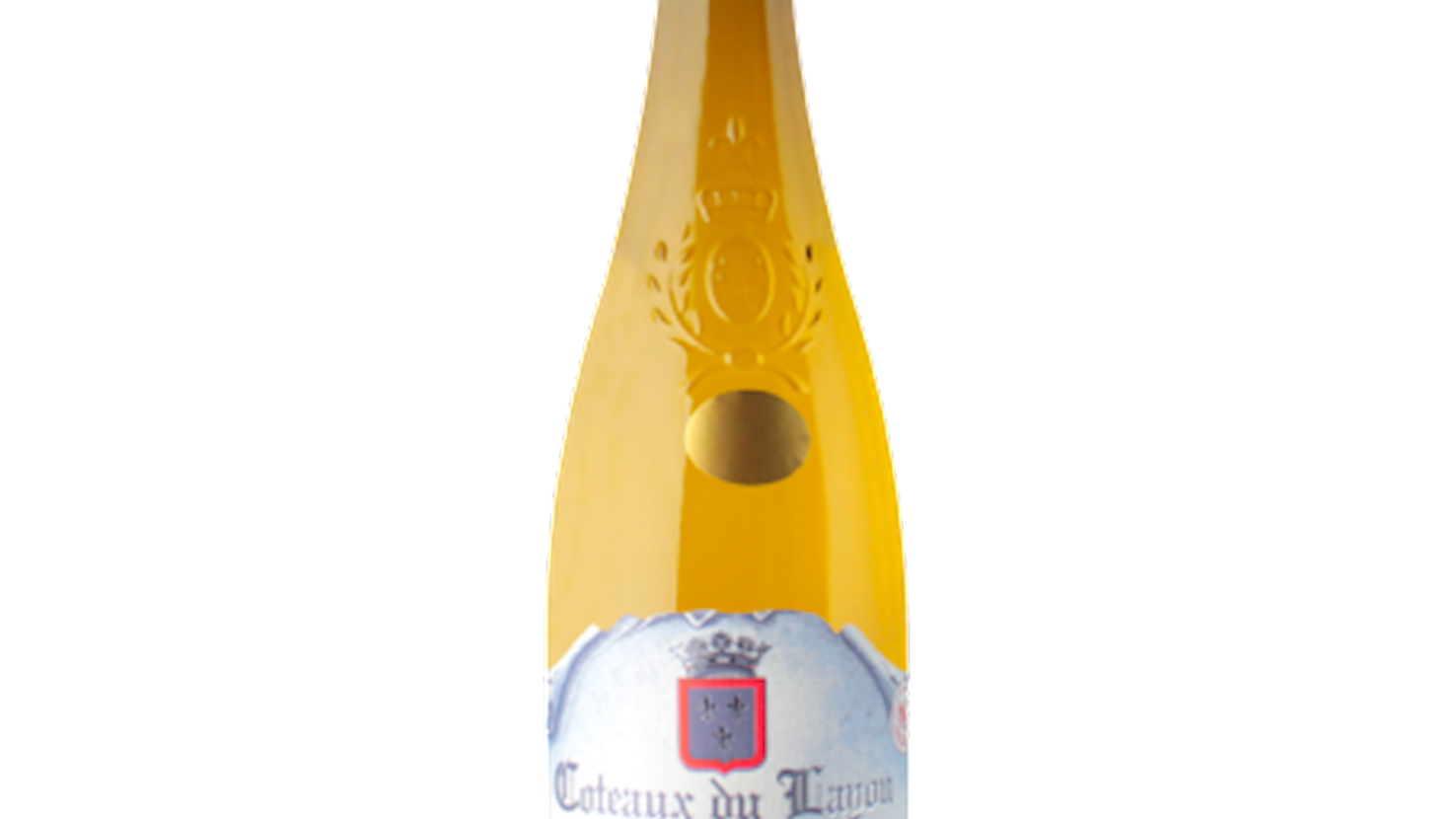
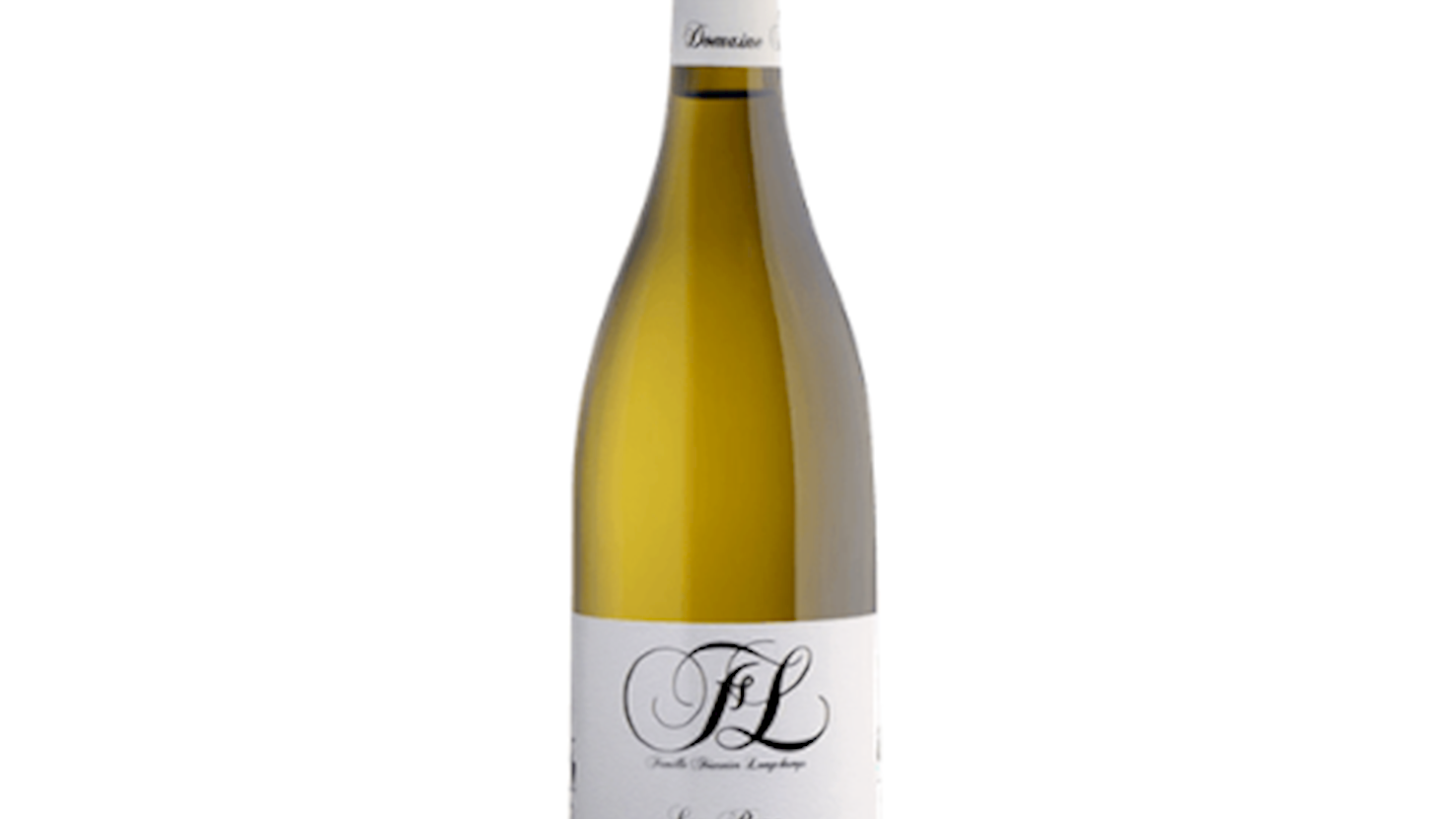
Domaine FL (Fournier Longchamps) is a family-owned winery based in Rochefort-sur-Loire in the Anjou region of the Loire Valley, France. The estate was established in the mid-2000s when Philippe Fournier Longchamps consolidated several historic vineyard parcels into a single domain focused on high-quality, terroir-driven wines. The vineyards extend across both banks of the Loire River, planted on diverse soils rich in schist, limestone, and volcanic elements, which contribute to the wines’ pronounced minerality. Production is centered primarily on Chenin Blanc, a variety that in this region delivers wines with strong structure, vibrant acidity, and excellent aging potential, alongside smaller quantities of Cabernet Franc for red wines. The style is precise and expressive, with typical notes of citrus, white flowers, honey, and mineral undertones. The estate is certified organic and follows biodynamic principles, emphasizing manual harvesting and minimal intervention in the cellar. Winemaking often avoids malolactic fermentation to preserve freshness and tension, while oak is used with restraint to maintain clarity of fruit and terroir. Domaine FL is recognized for its work in appellations such as Savennières, Coteaux du Layon, and Quarts de Chaume, producing wines that combine depth, balance, and long-term evolution potential.
Awards
James Suckling - 98 points (2023)
Decanter World Wine Awards - Platinum (2024, 2022)
02

Andre Davy

4.9 ·
Awards
Decanter World Wine Awards - Platinum (2016)
03

Le Lude

4.9 ·
Awards
Decanter World Wine Awards - Platinum (2019)
04

SCEA Domaine de la Motte

4.9 ·
Awards
IWSC- International wine & spirit competition - Gold (2019)
05

Bouvet Ladubay

4.9 ·
Awards
IWSC- International wine & spirit competition - Gold (2024, 2023)
06

Coulée de Serrant

4.7 ·
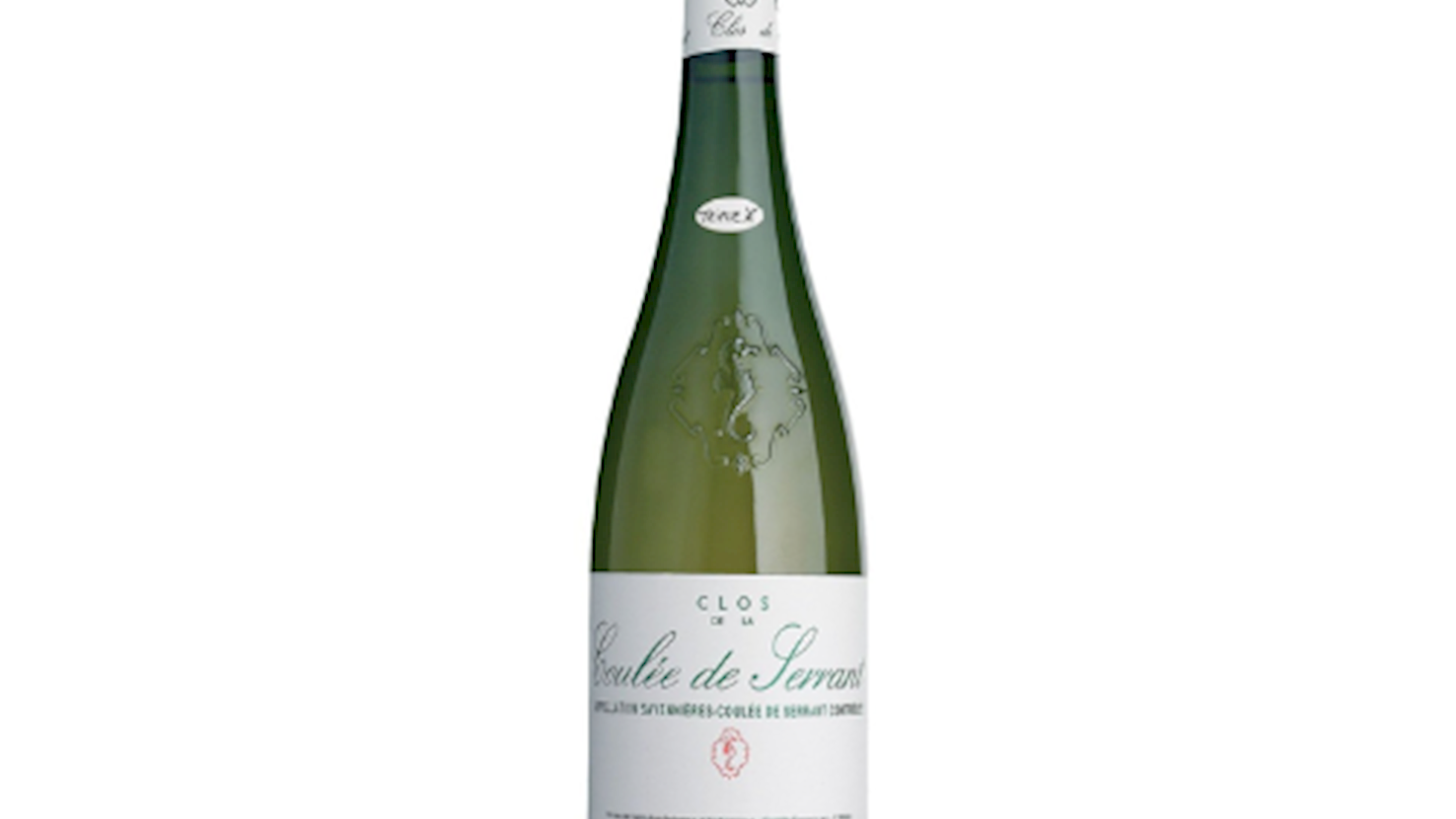
Coulée de Serrant is one of the most distinctive wine estates in France, located in the Loire Valley within the Savennières appellation. The vineyard was planted in 1130 by Cistercian monks and has been cultivated continuously ever since, making it one of the oldest actively farmed vineyards in Europe. The entire Coulée de Serrant appellation consists of just 7 hectares and holds a monopole status, meaning the estate is the sole producer of wine from this appellation. It is owned and managed by the Joly family, with Nicolas Joly - one of the most influential advocates of biodynamic viticulture worldwide - leading the domaine. The vineyards lie on steep slopes overlooking the Loire River, with soils composed of schist and red rock, which give the wines remarkable depth and mineral tension. Winemaking is minimalist: spontaneous fermentation with native yeasts, little to no filtration, and very limited use of new oak, allowing the terroir to remain the dominant voice. Throughout the entire process, the focus is on respecting the soil, biodiversity and authenticity, which is why Coulée de Serrant has become a symbol of wine produced through an almost “direct dialogue” between nature and the vintner. The estate stands as a reference point for those seeking a truly natural approach to winemaking and as an example of how biodynamics can result in wines of exceptional energy, character and longevity.
Awards
Vivino - 4.3
Vivino - 4.1
07

Damien Et Vincent Papin

4.6 ·
Awards
Decanter World Wine Awards - Platinum (2022)
08

Château la Variere

4.6 ·
Awards
Decanter World Wine Awards - Platinum (2018)
09

Domaine Des Petits Quarts

4.6 ·
Awards
Decanter World Wine Awards - Platinum (2024, 2023)
10

Chateau Princé

4.6 ·
Awards
Decanter World Wine Awards - Platinum (2022)

Best Ligérien White Wine Types

01

Chenin Blanc

3.8 ·

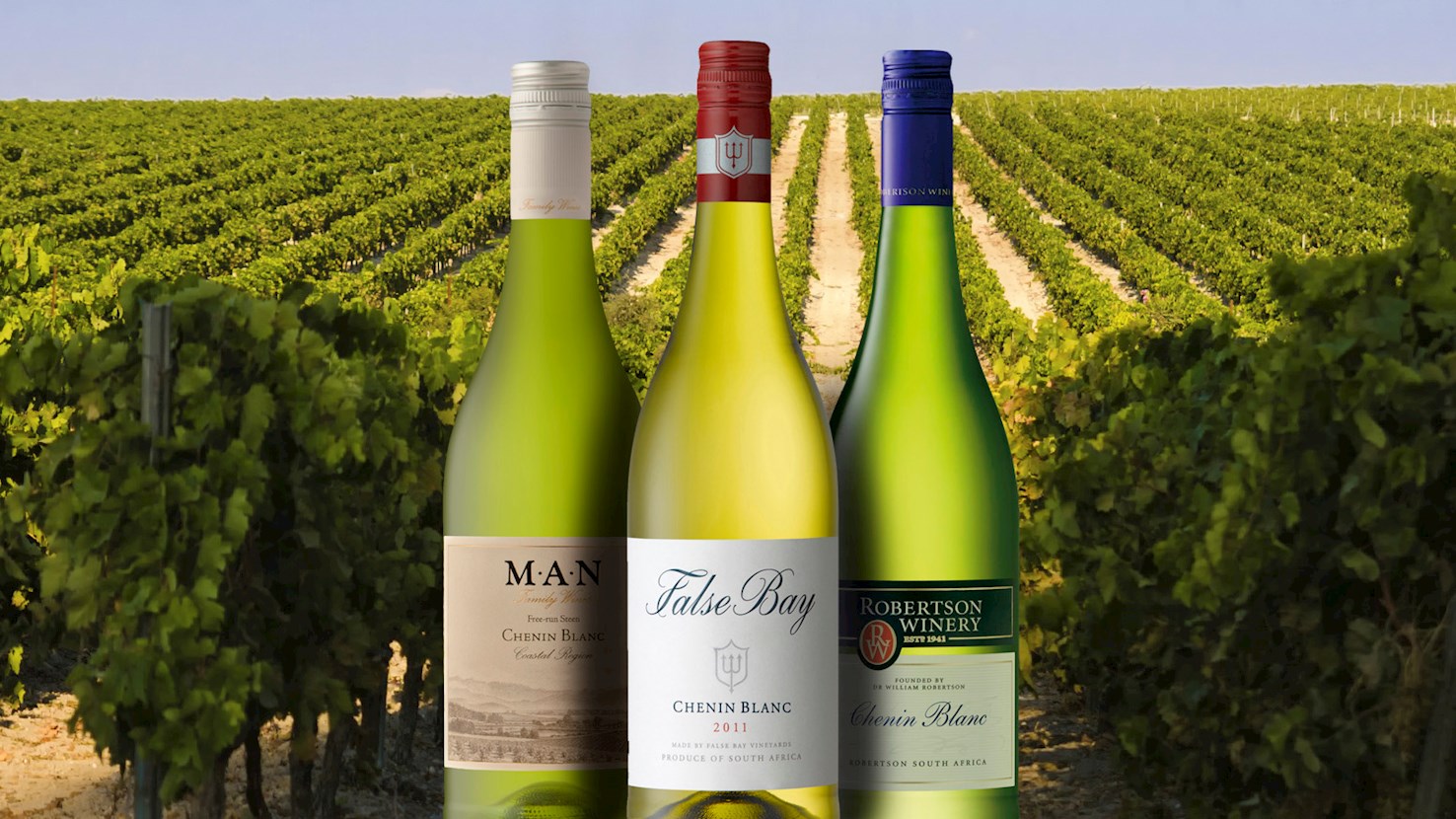
Chenin Blanc is a grape variety grown in the Loire valley of France, from where it spread to South Africa and became popular as Steen. Due to its versatility, it comes in a few varieties, such as bubbly, dry, or sweet. The dry version of Chenin Blanc from the Loire has a good aging potential with its assertive acids and typical honey, apple, pear, and quince aromas while the great Loire Chenins are the sweet wines of Vouvray, Bonnezeaux, Coteaux du Layon, and Quarts de Chaume. Depending on the style and character, Chenin Blanc wines can match a variety of dishes, while dry styles may accompany poultry, pork, fish, terrines or pâtes, sweeter versions would be a good match to desserts, Asian cuisine, cheese, and creamy sauces.

02

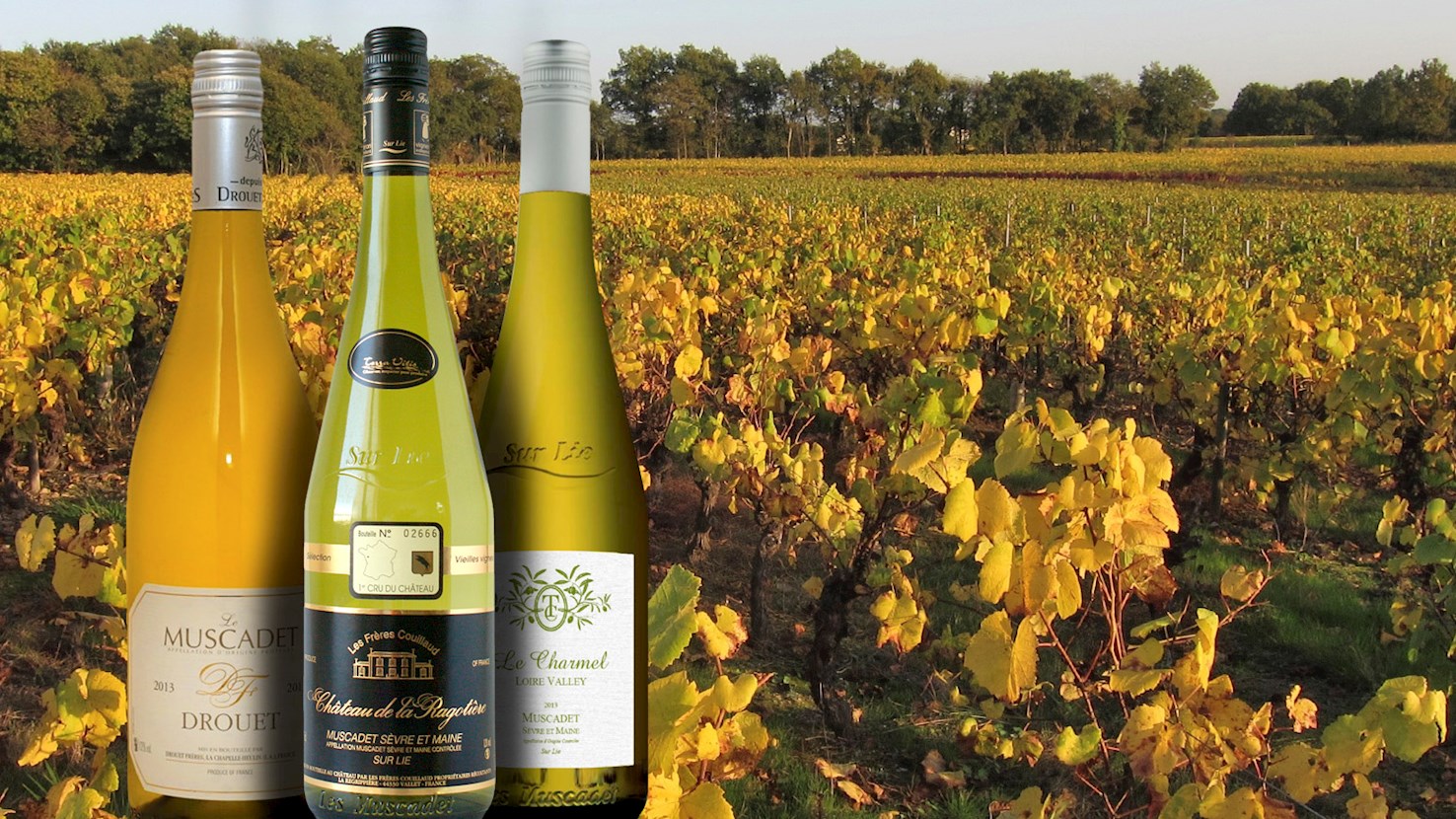
Muscadet Sèvre et Maine

3.7 ·

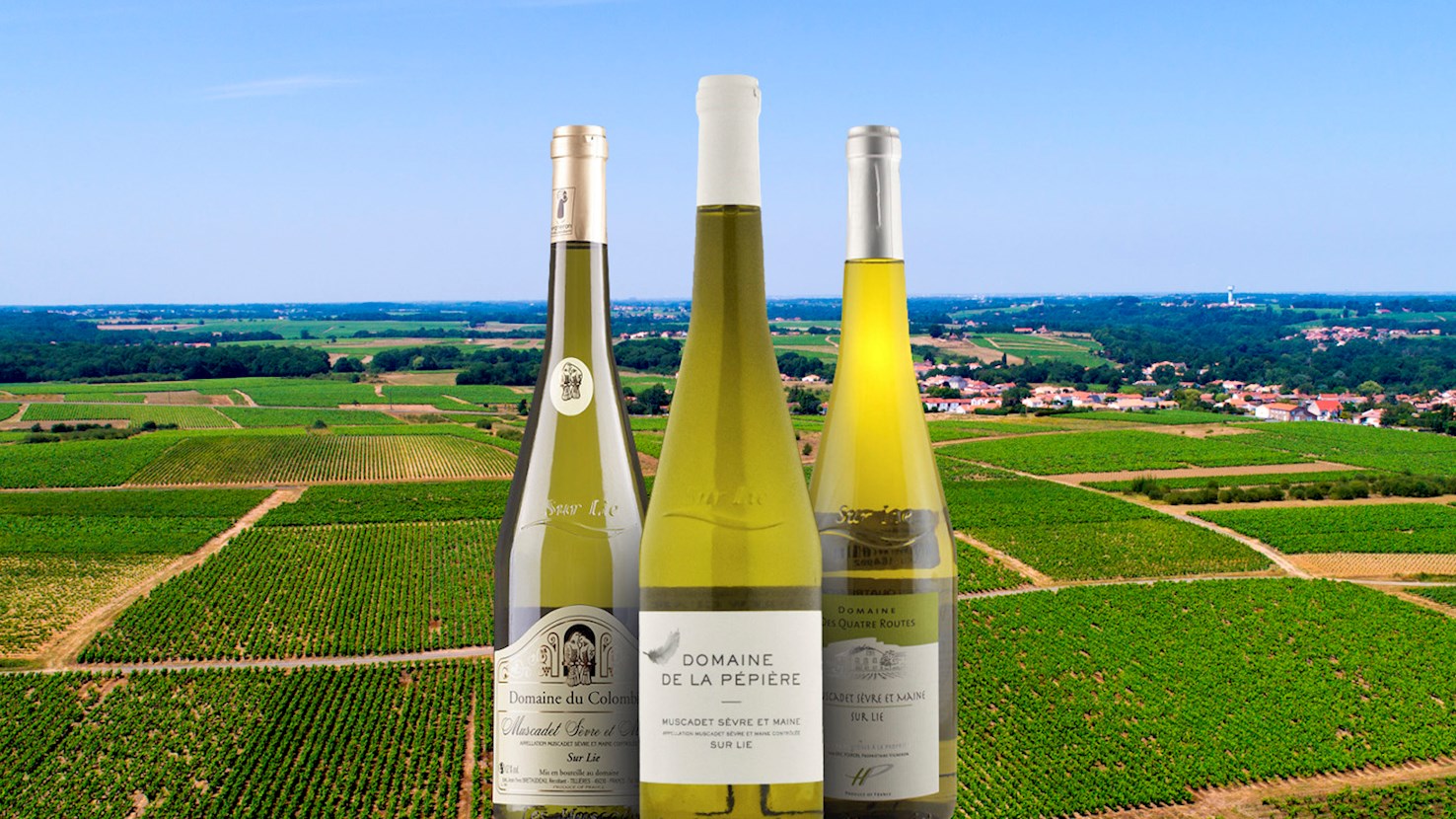
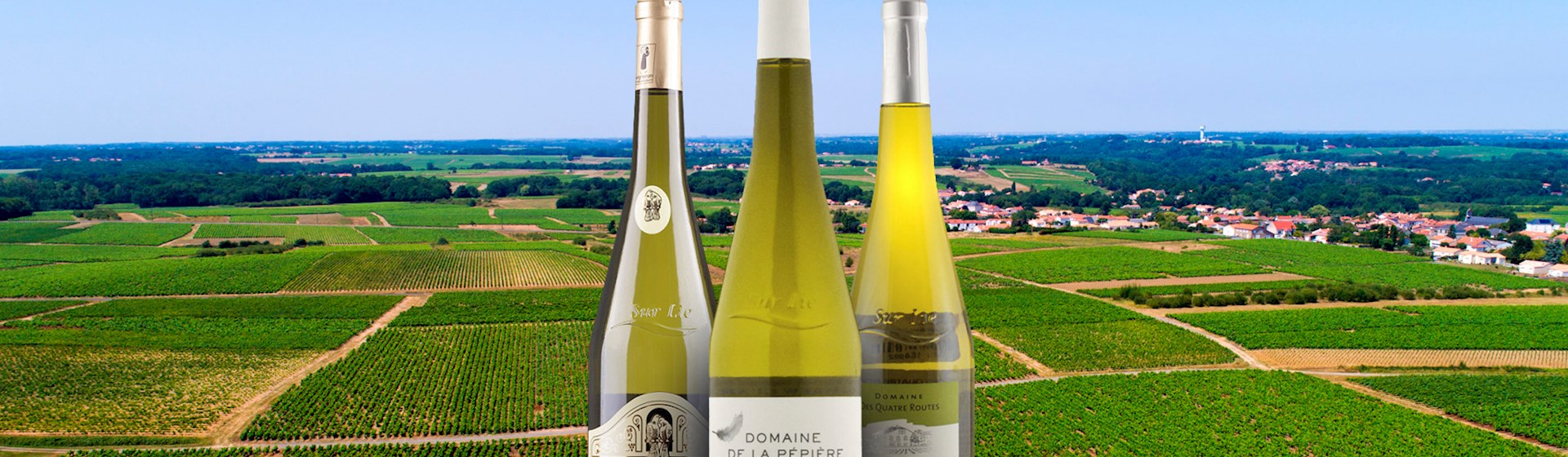
Muscadet Sèvre et Maine is the best-known region of the Muscadet appellation. The region is also one of the largest in terms of production and size. It spreads across twenty communes in the Loire-Atlantique department. The name is a reference to the two rivers that flow through the area, Sèvre Nantaise and Maine. All the wines are produced from Melon de Bourgogne variety. The entire region is focused on the production of dry white wines and sur lie (aged on lees) styles. The wines are quite versatile and terroir-driven. They include floral, fruity, and mineral examples. Most have an appealing golden color, and a rich, round, and well structured palate, while the aroma is reminiscent of citrus and dried fruit. These wines would nicely pair with appetizers or main courses. They are best paired with seafood, but poultry could also work.

03

Coteaux du Layon

3.7 ·

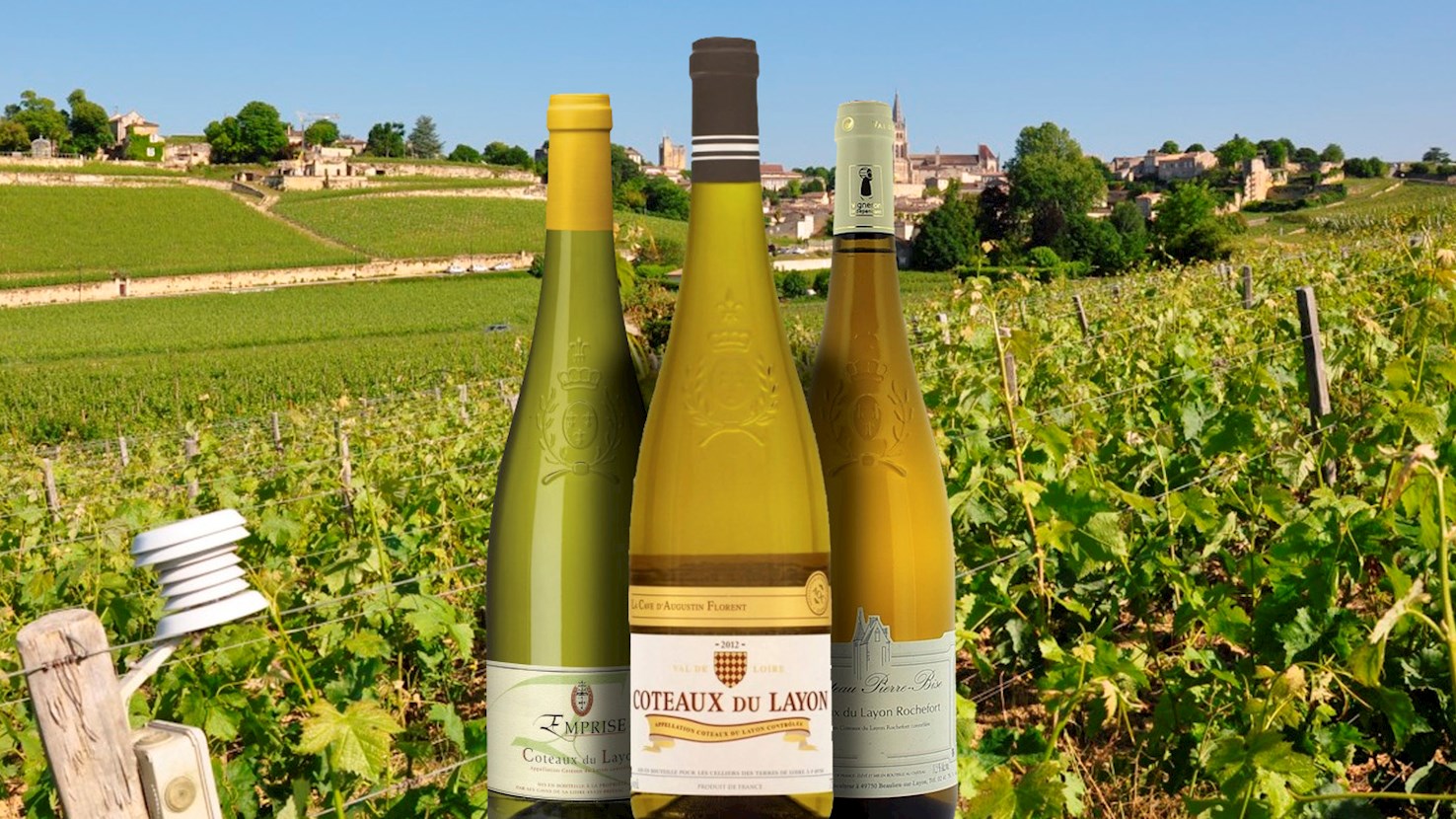
Coteaux du Layon is a French appellation located in the Loire wine region. It is known for their sweet Chenin Blanc (Pineau de Loire) wines that are produced from late harvested or noble rot grapes. Typical aromas found in these well-balanced wines include acacia flowers, honey, and yellow fruit such as apricot or quince. They can be enjoyed young, but the best examples can age quite well and develop a typical amber color and a more complex aromatic profile that displays aromas of candied fruit. Because of their creamy texture and fresh acidity, Coteaux du Layon are an excellent match to blue cheese, foie gras, and tangy frangipane or fruit-based desserts.

04

Muscadet

3.5 ·

Muscadet is a French white wine made in the valley of the Loire River, around the town of Nantes in the Pays de la Loire region, near the Atlantic Ocean. They are exclusively made with Melon de Bourgogne variety. Muscadet wines are fresh and crisp, often with a distinctive saline character. Fruit aromas are usually absent, although it sometimes has a touch of citrus or apples. In the past, they were often underestimated and mostly regarded as approachable, easy-drinking wines that are meant to be enjoyed young. However, some producers have slowly oriented towards smaller production and improvement in quality. New strategies tend to create wines with more complexity and finesse. The best examples follow traditional techniques. Most of them are aged on lees (sur lie label)—they mature on yeast particles left from the fermentation process. These examples will display the best of the region, wines with a creamy and rich texture that attain roundness and depth. It should be noted that some producers don’t use the designation, although the wines could qualify as sur lie. The region is divided into three sub appellations, Muscadet-Coteaux de la Loire, Muscadet-Côtes de Grandlieu, and as the most important Muscadet-Sèvre et Maine, which was established in 1936. It also includes ten cru locations, each having a distinctive terroir-driven character. Oysters are the most common pairing with Muscadet, but these intriguing Loire wines can pair with most seafood, snacks, and cheese.

05

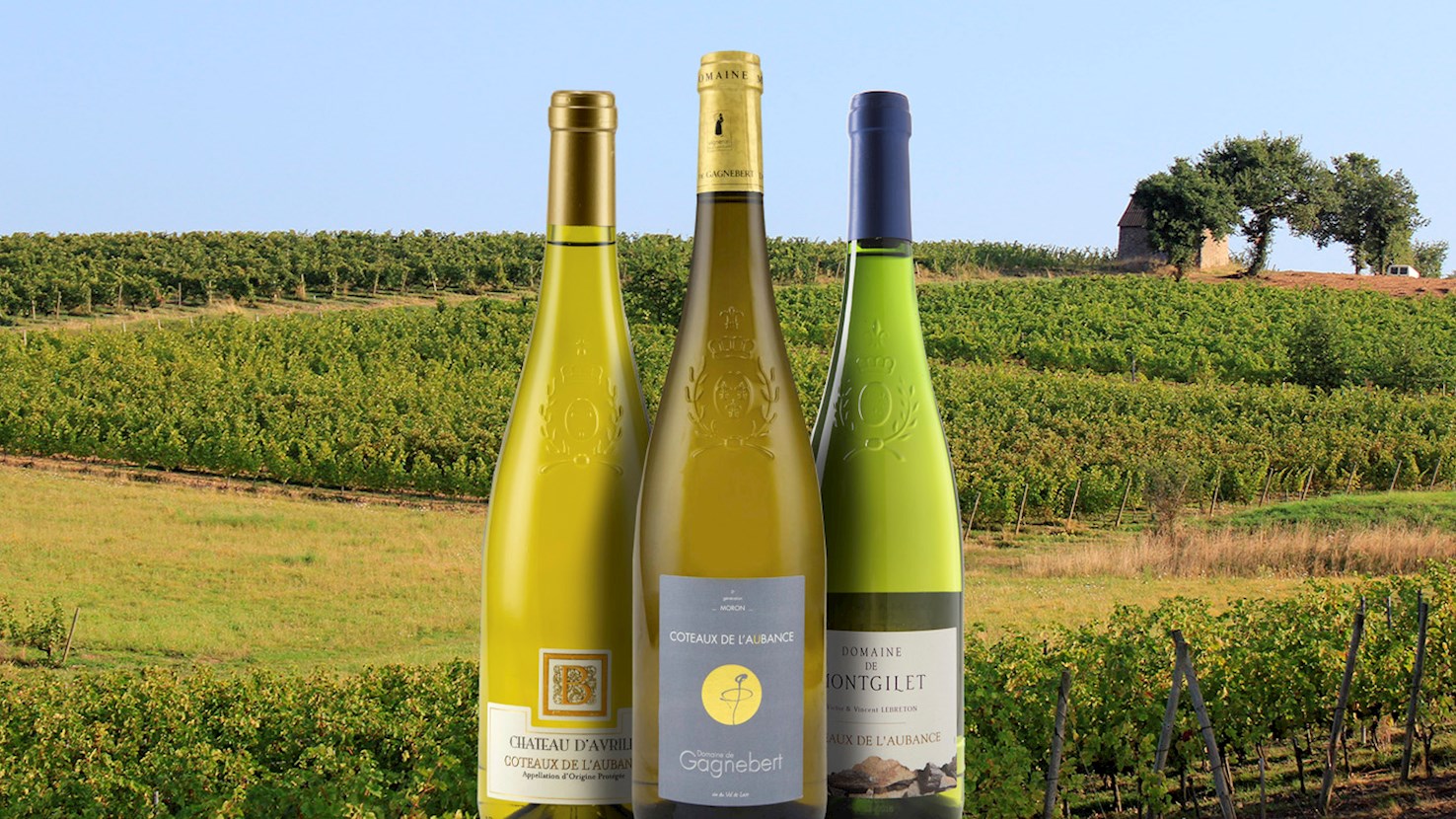
Coteaux de l'Aubance

n/a ·

Coteaux de l'Aubance is a French appellation located in the Loire valley. The region exclusively produces sweet white wines that are based on Chenin Blanc (Pineau de la Loire). These fresh and mineral wines tend to display aromas of white fruit and white flowers, while their texture is delicate and lively. They showcase a perfect balance of sweetness and acidity, and they can match a variety of dishes, including foie gras, lamb, fish, and poultry. Coteaux de l'Aubance makes a great aperitif, but it can also pair well with appetizers, fresh fruit, desserts, or pastries.

06

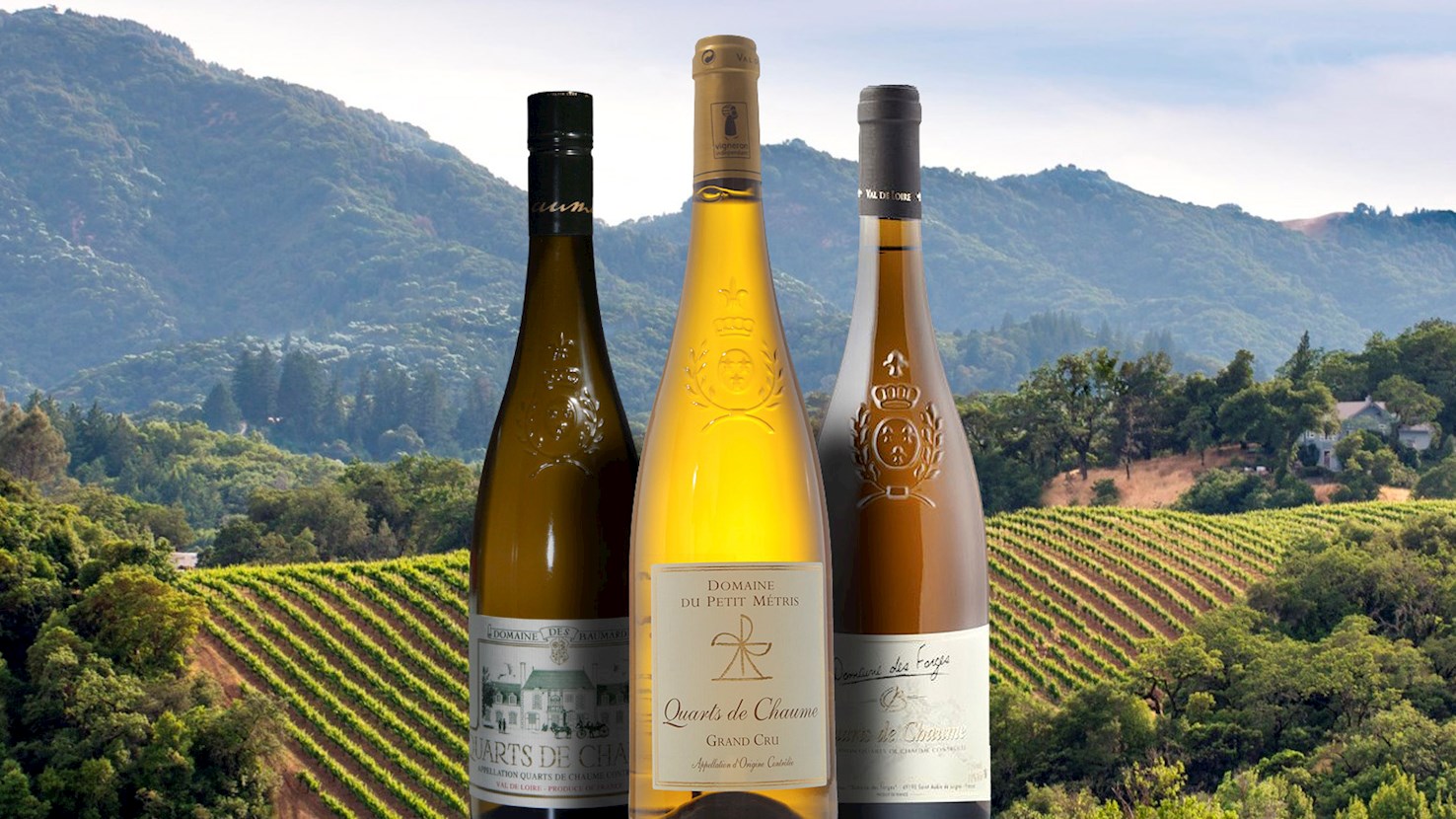
Quarts de Chaume

n/a ·

Quarts de Chaume is a French appellation located in the Loire that produces well-known dessert wines from Chenin Blanc grapes. These golden-colored wines are well-balanced and harmonious, lively, and fresh, with typical aromas of flowers, citrus fruit, quinces, peaches, spices, and honey. They have excellent aging potential, and some vintages can be matured for over twenty years. Quarts de Chaume is an excellent wine to serve with appetizers and foie gras, and they naturally pair with desserts and blue cheese.

07

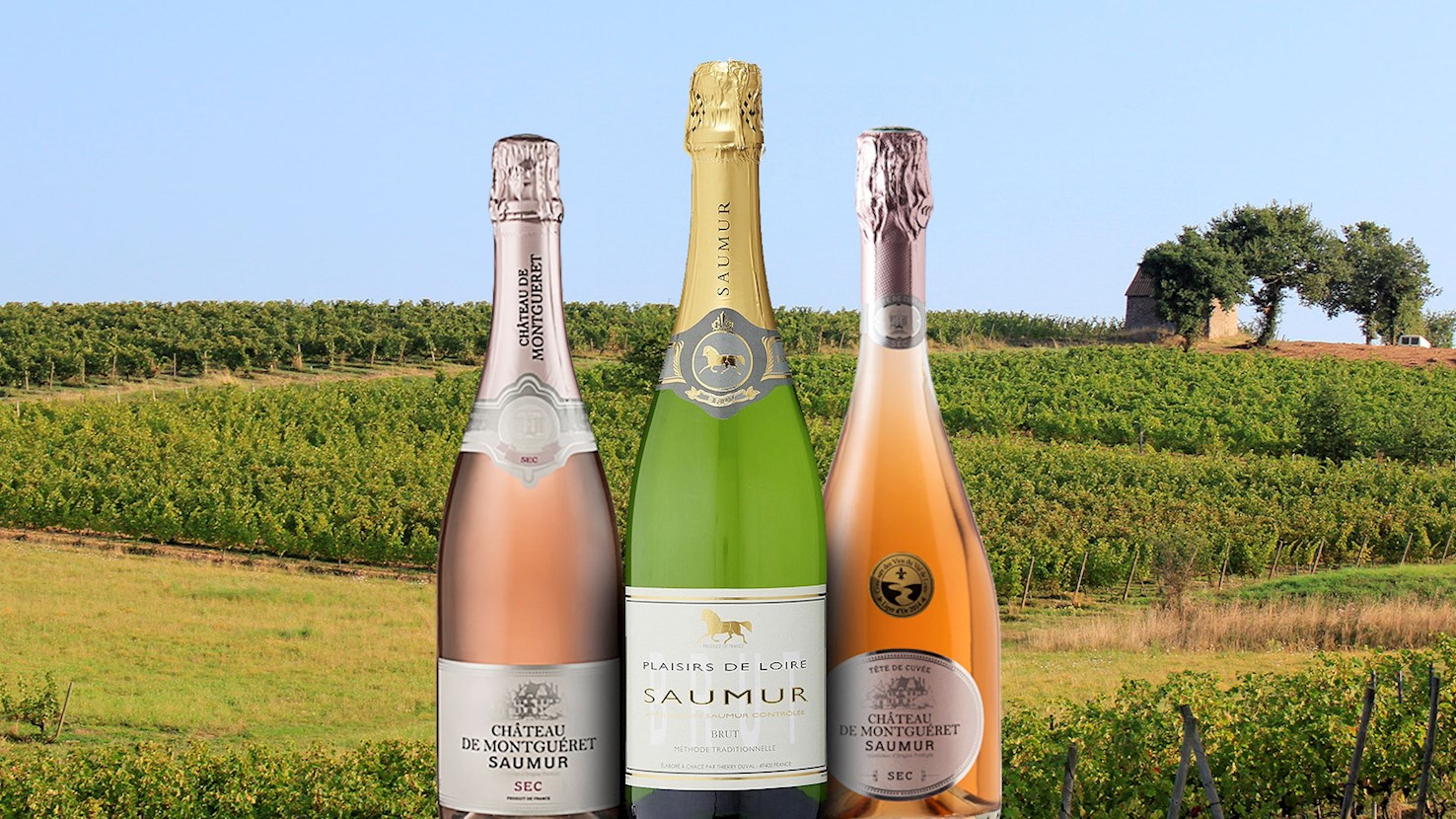
Saumur mousseux

n/a ·

This French appellation is exclusively reserved for white and rosé sparkling wines that are predominantly based on Chenin Blanc, while the blends may also include, Chardonnay, Sauvignon Blanc, as well as Pinot Noir, Cabernet Franc, and many other. All sparkling wines under the appellation are produced using the traditional method—méthode traditionnelle—in which the wines go through the second fermentation in the bottle. Both white and rosé sparkling Saumur will have delicate and persistent bubbles, and while white version will display aromas of white and yellow flowers and white-fleshed fruit such as apples and pears, rosés will be dominated by red fruit notes. These fresh, light, and delicate wines are best served well-chilled. They can be enjoyed as an aperitif, but they can also match light appetizers and desserts. Officially, sparkling Saumur wines are produced in the Loire, more specifically the production is restricted to the departments of Maine-et-Loire, Deux-Sèvres, and Vienne.

08

Folle Blanche

n/a ·

Folle Blanche is a white grape variety primarily grown in the Loire Valley and the Cognac and Armagnac regions of France. It is best known for its role in producing high-quality brandies, particularly Cognac and Armagnac, as well as in the production of the traditional French spirit known as "Pineau des Charentes." The grape is also used to make crisp, acidic white wines, although it is less common for this purpose today. Folle Blanche wines typically exhibit a light body with high acidity and fresh, clean flavors. The flavor profile often includes notes of green apple, lemon, pear, and sometimes floral or herbal hints. The grape's high acidity makes it particularly suitable for distillation, as it contributes to the production of bright, aromatic spirits with a smooth finish. In the Cognac and Armagnac regions, Folle Blanche was historically the dominant grape variety until the phylloxera epidemic in the late 19th century drastically reduced its plantings. Since then, it has been largely replaced by Ugni Blanc (also known as Trebbiano), which is more resistant to disease and easier to grow. However, Folle Blanche is still prized for the exceptional quality of the spirits it produces, and some producers continue to use it for premium brandies. In addition to its use in brandy production, Folle Blanche is used in the Loire Valley to produce light, refreshing white wines. These wines are typically consumed young to take advantage of their vibrant acidity and fresh fruit flavors.

09

Jasnières

n/a ·

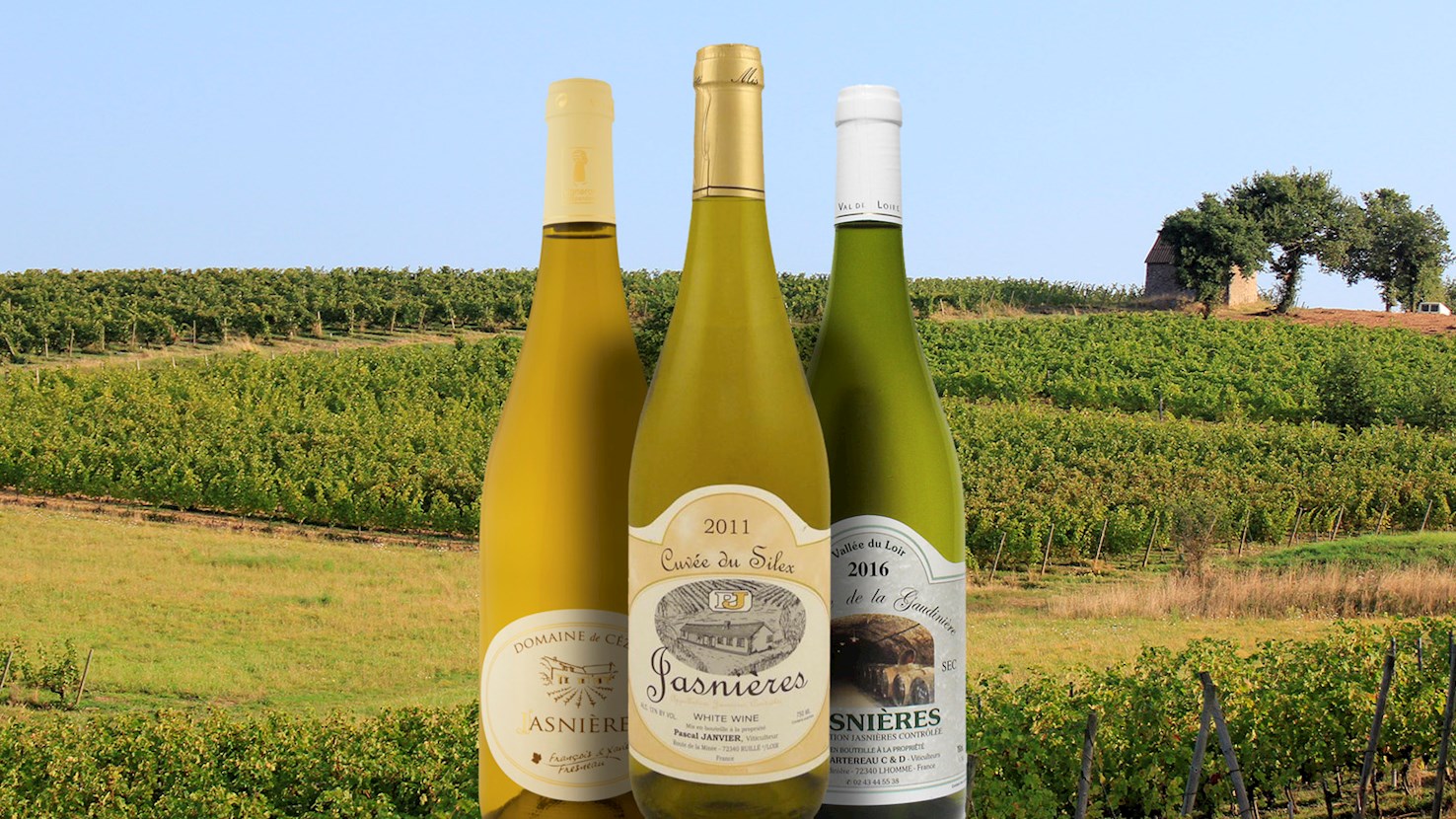
Jasnières is a French appellation located in the Loire valley that produces golden-colored white wines from Chenin Blanc grapes. These age-worthy wines typically display floral and fruity aromas of citrus fruit, apricots, or acacia, which may develop into more intense notes of honey or ripe and dried fruit. Because of their freshness and minerality, these well-structured wines are an excellent match to fish, shellfish, poultry, or veal. They can also pair well with goat cheese.

10

Savennières

n/a ·

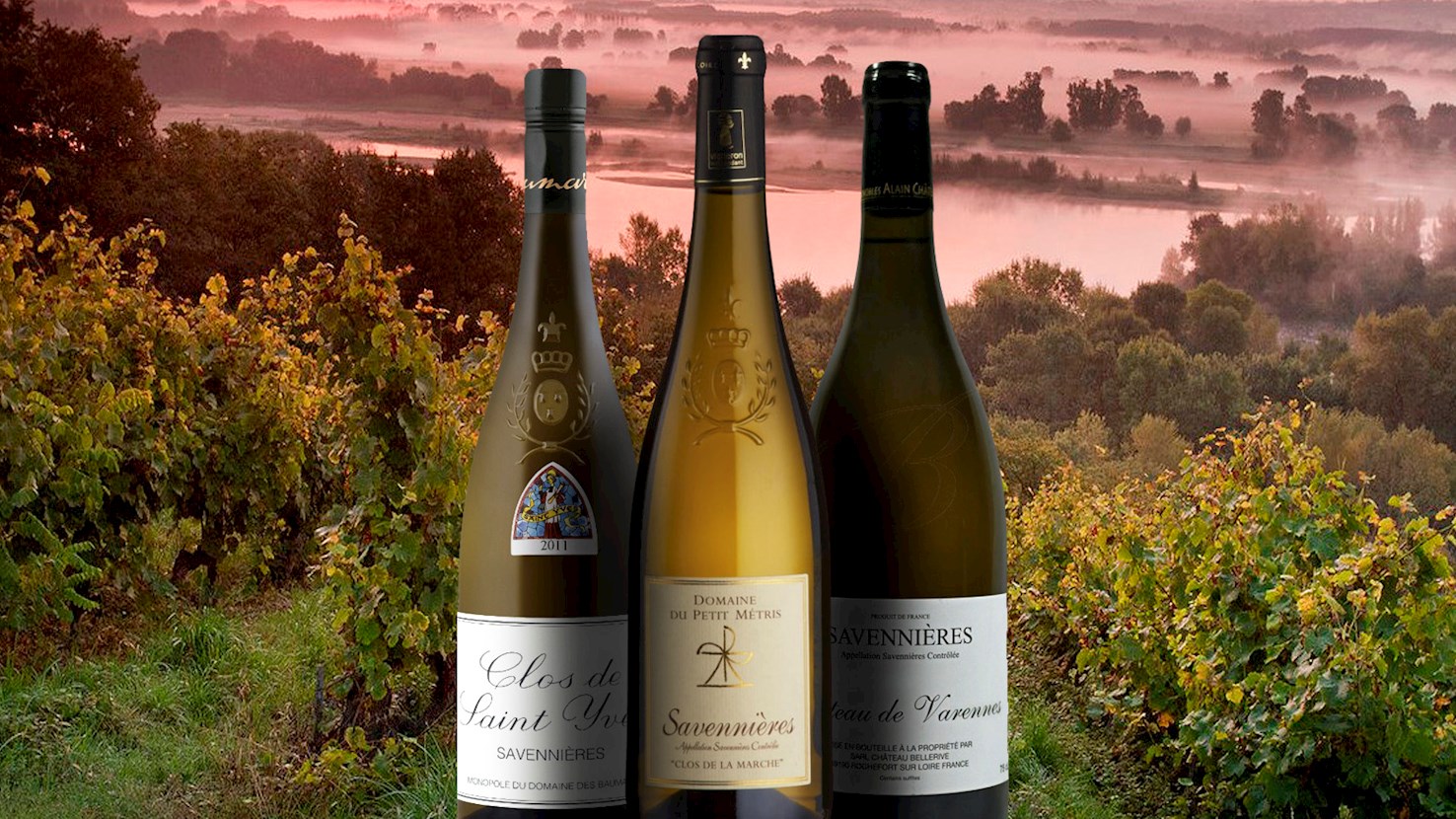
Hailing from the Anjou region of the Loire Valley, this white French wine is produced from Chenin Blanc grape variety. Typically full-bodied and age-worthy Savennières wines have a unique character and usually display complex aromas of white fruits and flowers, citrus, or beeswax, all complemented by sharp acidity and lots of minerality. The whole region is divided into two smaller sub-regions, La Roche-aux-Moines and Coulée de Serrant, with the latter being a single estate owned by the father of biodynamic winemaking Nicolas Joly. Savennières is best paired with fish, crustaceans, poultry, pâté, and dishes with the creamy beurre blanc sauce.

Read more
View all
View map
About this ranking

TasteAtlas food rankings are based on the ratings of the TasteAtlas audience, with a series of mechanisms that recognize real users and that ignore bot, nationalist or local patriotic ratings, and give additional value to the ratings of users that the system recognizes as knowledgeable. For the “Top 11 Ligérien White Wines” list until June 03, 2026, 60 ratings were recorded, of which 58 were recognized by the system as legitimate. TasteAtlas Rankings should not be seen as the final global conclusion about food. Their purpose is to promote excellent local foods, instill pride in traditional dishes, and arouse curiosity about dishes you haven’t tried.

The initial list of top producers was compiled based on available reviews, awards, local recommendations, media and blog coverage, and consumer reviews. The list will be updated with ratings from TasteAtlas local ambassadors and TasteAtlas users.

Similar lists