Top 62 Australian Wine Appellations

Last updated on June 10, 2026

Best Australian Wine Appellation Types

01

Heathcote

n/a ·

The Heathcote Geographical Indication (GI) in Central Victoria, located between the Goulburn Valley and Bendigo, provides the specific viticultural environment for the production of high-quality wine. The region is defined by a temperate climate and its position along the Mt Camel Range, which provides varying elevations and a specific orientation for vineyard placement. Viticultural development began in the mid-19th century following the Victorian gold rush, though the modern industry accelerated in the 1970s with significant plantings by producers like Alberici and later the establishment of the Jasper Hill and Wild Duck Creek estates. The geological profile is dominated by a strip of Cambrian-era greenstone, which has weathered into deep, red calcium-rich clay soils that are approximately 500 million years old. Preparation of Heathcote wine is primarily focused on Shiraz, with winemaking techniques calibrated to manage the high sugar ripeness and phenolic density characteristic of the area. Shiraz grapes are often fermented in open-top fermenters and matured in a combination of French and American oak to balance the natural power of the fruit with structural tannins. A technical attribute unique to the Cambrian soil is its ability to retain moisture deep within the clay profile while the surface remains dry, allowing vines to maintain hydration during the warm summer months without excessive irrigation. The wines are served at temperatures that allow the high alcohol and dense fruit profiles to remain balanced, with red varieties typically served at 16°C to 18°C and the smaller volume of white varieties, such as Viognier or Marsanne, served at 10°C to 12°C. Heathcote wines are consumed as premium varietal selections and are frequently sought after for their significant aging potential and deep color extraction. They are frequently paired with high-protein and savory dishes, such as Shiraz served with slow-roasted lamb shoulder, wagyu beef, or game meats like venison and kangaroo.

02

Coonawarra

n/a ·

The wine originating from the Coonawarra Geographical Indication (GI) represent a highly specialized viticultural zone in the Limestone Coast region of South Australia. The region is characterized by a Mediterranean climate with maritime influences from the Southern Ocean and is defined by a specific geological formation known as the Terra Rossa ridge, a strip of land measuring approximately 15 kilometers in length and 2 kilometers in width. Initial viticultural activity began in 1891 when John Riddoch planted the first vines and established the Coonawarra Fruit Colony, though the region's focus shifted toward commercial wine production in the 1950s following the acquisition of the Riddoch winery by S. Wynn and Co. The soil profile consists of a thin, iron-rich red clay layer overlying a deep base of porous Gambier limestone, which provides excellent drainage and allows vine roots to access water stored in the limestone during dry periods. Preparation of Coonawarra wine is centered on Cabernet Sauvignon and Shiraz, with winemaking techniques emphasizing the extraction of structural tannins and the preservation of varietal fruit intensity. Cabernet Sauvignon grapes are typically fermented in stainless steel or concrete vats before undergoing maturation in French oak barrels for 12 to 24 months to integrate flavors of blackcurrant, cedar, and mint. A technical attribute of the region is the influence of the Great Australian Bight, which generates a persistent cloud cover that lowers the average daily temperature and extends the ripening period into the autumn months. The wines are served at temperatures that accommodate their dense phenolic structures, with red wines served at 16°C to 18°C and white wines, primarily Chardonnay or Riesling, served at 8°C to 11°C. Coonawarra wines are consumed globally and are noted for their significant aging potential, often developing further complexity over several decades. They are frequently paired with high-protein dishes such as wood-fired ribeye steak, rack of lamb with rosemary, or hard, salt-crystallized cheeses like aged Gouda or cheddar.

03

Mount Gambier

n/a ·

Mount Gambier is a viticultural region located in the southeastern corner of South Australia that surrounds the city and its notable volcanic features. The region is defined by a cool maritime climate and its specific location on the Limestone Coast, characterized by high winter rainfall and significant influence from the Southern Ocean. Commercial viticulture in the area commenced in 1982 when the first vines were planted at the Herbert vineyard, followed by further expansion in the 1990s as producers sought out the region's cooler temperatures compared to northern South Australian zones. The geological composition is a defining characteristic, featuring a thin layer of fertile soil over a deep base of Gambier limestone, punctuated by more recent volcanic activity that deposited ash and basalt across the landscape. Preparation of Mount Gambier wine centers on Pinot Noir, Chardonnay, and Sauvignon Blanc, with winemaking techniques emphasizing the preservation of high natural acidity and bright primary fruit characters. Chardonnay and Pinot Noir are often fermented in temperature-controlled stainless steel or neutral oak to maintain the structural tension and mineral notes derived from the limestone subsoil. A specific attribute of the region is the presence of the extensive Gambier Limestone karst system, which regulates the water table and provides a consistent subterranean temperature used by some producers for natural cellaring. The wines are served at temperatures that highlight their crispness and aromatic precision, with white wines served at 8°C to 11°C and Pinot Noir served at 14°C to 16°C. Mount Gambier wines are consumed as premium table wines and are frequently found in boutique wine markets and regional South Australian dining establishments. They are frequently paired with local produce from the Limestone Coast and the nearby ocean, such as Sauvignon Blanc served with Southern Rock Lobster or King George Whiting, and Pinot Noir paired with grass-fed wagyu beef or local artisanal cheeses.

04

Langhorne Creek

n/a ·

Langhorne Creek is an established viticultural zone located on the Fleurieu Peninsula in South Australia, approximately 70 kilometers southeast of Adelaide. The area is situated on an ancient flood plain created by the Bremer and Angas Rivers, which flow into Lake Alexandrina. Commercial viticulture began in 1850 when Frank Potts established the Bleasdale vineyard, followed by the Metala vineyard in 1891, which contains some of the oldest family-owned Cabernet Sauvignon vines in the world. The geological composition consists of deep, fertile alluvial sandy loams and silt over limestone, which are periodically enriched by natural flooding events. Preparation of Langhorne Creek wine focuses on full-bodied red varieties, specifically Cabernet Sauvignon and Shiraz, with winemaking techniques emphasizing the extraction of soft, approachable tannins and intense fruit character. A technical attribute specific to the region is the "Bonney Breeze," a cooling wind from the Southern Ocean that lowers night-time temperatures and extends the ripening period despite the region's low rainfall. Another distinct feature is the use of a specialized flood irrigation system, where a series of banks and sluice gates are used to divert nutrient-rich river water across the vineyards during winter and spring. The wines are served at temperatures that allow for the expression of their dense fruit profiles, with red varieties served at 16°C to 18°C and white or rosé varieties served at 8°C to 11°C. Langhorne Creek wines are consumed as premium table wines and are frequently used as blending components to provide mid-palate weight and soft tannins for major South Australian wine labels. They are frequently paired with regional South Australian meats and hearty dishes, such as Shiraz served with slow-cooked beef brisket or lamb shanks, and Cabernet Sauvignon paired with aged cheddar or venison.

05

Frankland River

n/a ·

Wines originating from the Frankland River Geographical Indication (GI) represent a premier sub-region of the Great Southern wine zone in Western Australia. The region is defined by a Mediterranean climate with significant continental influences, characterized by cool nights and warm days, and is geographically positioned inland away from the immediate coastal strip. Viticultural development was initiated in 1967 when the Westfield vineyard was planted following a report by Dr. John Gladstones which identified the area as having climatic similarities to the Médoc region in France. This was followed by the establishment of the Roche family’s Houghton vineyards in 1970 and the subsequent growth of independent estates throughout the late 1980s and 1990s. The geological profile of the area is dominated by ancient, weathered granite and ironstone gravelly loams (laterite) over clay, providing efficient drainage and restricted vine vigor. Preparation of Frankland River wine centers on Riesling, Shiraz, and Cabernet Sauvignon, with winemaking techniques focusing on the preservation of primary fruit intensity and structural tannin. Riesling is typically fermented in stainless steel at low temperatures to maintain a high concentration of free-run juice and preserve the characteristic lime and mineral aromatics. Shiraz and Cabernet Sauvignon are often fermented in open-top vessels and matured in French oak to integrate the fine-grained tannins that result from the region’s long, cool ripening season. A specific technical attribute of the region is the "afternoon gully breeze" that moves through the river valley, significantly lowering the ambient temperature during the ripening period and allowing for the retention of high natural acidity in the grapes. The wines are served at temperatures calibrated to their chemical structures, with Riesling served at 7°C to 10°C and red varieties served at 16°C to 18°C. Frankland River wines are consumed as high-quality table selections and are increasingly recognized in international export markets for their aging potential. They are frequently paired with regional Western Australian produce, such as Riesling served with Albany oysters or marron, and Shiraz or Cabernet Sauvignon paired with grass-fed lamb, venison, or hard matured cheeses.

06

Gippsland

n/a ·

The viticultural products of Gippsland consist of the diverse range of wines sourced from the Gippsland Geographical Indication (GI), an expansive territory in southeastern Victoria, that reaches from the urban fringes of Melbourne to the border of New South Wales. The region is functionally divided into three distinct zones: West Gippsland, centered around Warragul and the Strzelecki Ranges; South Gippsland, characterized by maritime influence near Leongatha and Inverloch; and East Gippsland, extending from the Gippsland Lakes toward the snowy river country. Modern viticulture began in the early 1970s with plantings by pioneers such as the Stubbs and Guy families, though commercial momentum accelerated in 1979 with the establishment of high-density vineyards by Phillip Jones at Bass Phillip. The geological profile is highly variable, featuring the deep red volcanic loams (basalt) of the Thorpdale and Strzelecki areas, ancient sedimentary clays in the south, and alluvial river flats in the central and eastern sections. Preparation of Gippsland wine is primarily focused on Pinot Noir and Chardonnay, with winemaking techniques calibrated to the region’s high natural rainfall and cool maritime climate. Pinot Noir is often produced with a focus on structural elegance and earthy complexity, while Chardonnay styles range from lean and citrus-driven in the cooler south to more texturally generous iterations in the west. A technical attribute specific to this region is the presence of the giant Gippsland earthworm, which contributes to the high levels of soil aeration and nutrient cycling in the deep, mineral-rich red soils of the southern vineyards. The wines are served at temperatures that respect their aromatic delicacy, with Chardonnay served at 9°C to 12°C and Pinot Noir served at 14°C to 16°C. Gippsland wines are consumed as premium accompaniments to the region's diverse agricultural output and are a staple of the "paddock-to-plate" culinary scene in Victorian regional centers. They are frequently paired with local dairy and seafood, such as Chardonnay served with Lakes Entrance scallops or soft brie-style cheeses, and Pinot Noir paired with grass-fed Gippsland beef, lamb, or wild-foraged mushrooms.

Best producers
07

Macedon Ranges

n/a ·

Macedon Ranges identifies the range of high-altitude wines produced within the Macedon Ranges Geographical Indication (GI), situated in the Great Dividing Range of central Victoria, approximately 60 kilometers northwest of Melbourne. The region is defined by its status as the coldest wine-growing district on the Australian mainland, with vineyard elevations ranging from 400 to 800 meters above sea level and a climate characterized by high rainfall and significant frost risk. Modern viticultural development in the area was initiated in 1968 with the planting of the Virgin Hills vineyard by Tom Lazar, followed by the establishment of Granite Hills by the Knight family in 1970 and Hanging Rock Winery in 1983. The geological composition of the region is predominantly divided between ancient granitic outcrops and weathered Ordovician shale and sandstone soils. Preparation of Macedon Ranges wine is centered on Chardonnay, Pinot Noir, and sparkling wine production, with winemaking techniques adapted to manage the exceptionally high natural acidity and low pH levels achieved in the fruit. Pinot Noir is typically fermented using a high proportion of whole bunches to introduce savory tannins and spice, while Chardonnay is often fermented and matured in French oak to balance its intense linear acidity with textural complexity. A specific technical attribute of the region is its extreme diurnal temperature range, which often necessitates the use of overhead frost protection systems and specialized canopy management to ensure fruit reaches phenolic ripeness before the onset of winter. The wines are served at temperatures that preserve their structural tension, with sparkling and white varieties served at 7°C to 10°C and Pinot Noir served at 14°C to 16°C. Macedon Ranges wines are consumed as premium table selections in domestic and international fine dining markets and are highly sought after by collectors for their longevity. They are frequently paired with regional Victorian agricultural products, such as Pinot Noir served with roasted lamb, game birds, or truffles, and Chardonnay and sparkling wines paired with local trout, hazelnuts, or hard alpine-style cheeses.

Best producers
08

Tasmania

n/a ·

Tasmanian wine consists of the diverse range wine produced within the state of Tasmania, which is designated as a single Geographical Indication (GI) but functionally divided into seven distinct sub-regions including the Tamar Valley, Coal River Valley, and Derwent Valley. The region is defined by its high southern latitude between 41°S and 43°S, resulting in a cool maritime climate where moderate summer days and cool nights allow for a prolonged ripening period. Initial viticultural efforts were recorded in 1823 with Bartholomew Broughton planting vines at Prospect Farm near Hobart, and later Jean-Pierre Fawkner establishing a vineyard in 1834, though the modern commercial industry was established in the mid-1950s by Claudio Alcorso and Graham Wiltshire. The geological foundation of the island features diverse soil types, most notably Jurassic dolerite and basalt in the south and east, and ancient gravelly loams in the north. Preparation of Tasmanian wine is centered on the production of Pinot Noir, Chardonnay, and aromatic whites, with winemaking techniques emphasizing the preservation of high natural acidity and delicate flavor profiles through temperature-controlled fermentation and measured use of oak maturation. A technical attribute that separates the region from mainland Australia is the consistently high acidity levels found in the grapes at phenolic ripeness, which facilitates the production of sparkling wines using the method of secondary fermentation in the bottle. The wines are served at specific temperatures to optimize their chemical expression, with sparkling and white varieties served at 6°C to 10°C and Pinot Noir served at 14°C to 16°C. Tasmanian wines are consumed as premium accompaniments in fine dining contexts and are a primary export of the state's agricultural sector. They are frequently paired with local Tasmanian seafood such as Pacific oysters, abalone, and scallops for the white and sparkling styles, while the red wines are paired with grass-fed beef, venison, or washed-rind cheeses.

09

Geographe

n/a ·

Produced within a Western Australian viticultural zone that encompasses both the coastal reaches of Geographe Bay and the undulating hinterland of the Darling Scarp, Geographe wine constitutes a specific range of Geographical Indication (GI) products. The region is defined by a Mediterranean climate characterized by cooling afternoon sea breezes, known as the "Sou’wester," and topographical variations ranging from sandy coastal plains to the steeper, gravelly slopes of the Ferguson Valley. The establishment of modern viticulture in the area occurred in the early 1970s, specifically in 1971 with the planting of vines in the Ferguson Valley, following earlier 19th-century attempts by European settlers that were primarily focused on fruit orchards. The geological composition of the region is varied, featuring sandy loams over limestone along the coast and ironstone gravels (laterite) over clay in the inland hills. Preparation of Geographe wine focuses on a broad spectrum of varieties including Chardonnay, Shiraz, Cabernet Sauvignon, and an increasing proportion of Spanish and Italian grapes such as Tempranillo, Nebbiolo, and Fiano. The winemaking process for red varieties often involves fermentation in temperature-controlled stainless steel or open-top vessels, followed by maturation in French or American oak to stabilize tannins and integrate flavor profiles. A technical attribute specific to the Geographe region is its rapid adaptation to Mediterranean varieties, as the thermal heat units and soil drainage profiles closely mirror the Iberian Peninsula and parts of Italy, allowing these grapes to maintain structural balance without excessive irrigation. The wines are served at temperatures calibrated to their chemical composition, with white and rosé varieties served at 8°C to 11°C, while red wines like Shiraz and Tempranillo are served at 16°C to 18°C to allow the phenolic compounds to express fully. Geographe wines are consumed as premium table wines and are a significant component of the hospitality industry in the Bunbury and Margaret River periphery. They are frequently paired with regional Western Australian produce, such as Shiraz served with local venison or beef, and Verdelho or Fiano paired with Marron, Dhufish, or various preparations of South West shellfish.

Best producers
10

Mornington Peninsula

n/a ·

Mornington Peninsula designates the range of wines produced within the Mornington Peninsula Geographical Indication (GI), a maritime wine-growing zone located approximately 75 kilometers south of Melbourne. The region is defined by its coastal geography, being surrounded by Port Phillip Bay, Western Port Bay, and Bass Strait, which results in a cool, maritime climate with a narrow diurnal temperature range and high wind exposure. Small-scale viticulture in the area was documented in the late 19th century, specifically by the Swan family in the 1880s, but the modern industry was established in 1972 when Baillieu Myer planted the first modern commercial vines at Elgee Park. Following this, significant expansion occurred during the late 1970s and 1980s as producers identified the red volcanic soils of the "Up-Hill" sub-regions and the yellow brown clays of the "Down-Hill" coastal sites as suitable for early-ripening varieties. Preparation of Mornington Peninsula wine focuses heavily on Pinot Noir and Chardonnay, with winemaking techniques utilized to manage the high natural acidity and fruit purity provided by the long growing season. Pinot Noir is typically fermented in small open-top fermenters, often incorporating whole-bunch fermentation to introduce structural complexity and savory tannins before maturation in French oak. Chardonnay production frequently involves barrel fermentation and lees stirring to balance the citrus-driven acidity with textural weight. A specific technical attribute of the region is the prevalence of Pinot Gris and Pinot Grigio, as the area produces the highest volume of premium iterations of these varieties in Australia, utilizing two distinct styles: the rich, barrel-fermented "Gris" and the crisp, stainless steel-fermented "Grigio." The wines are served at specific temperatures to preserve their delicate volatile compounds, with white wines served at 8°C to 11°C and Pinot Noir served at 14°C to 17°C to avoid masking its aromatic profile with excessive heat. Mornington Peninsula wines are consumed as premium table selections and are integral to the region's culinary tourism sector. They are frequently paired with regional Victorian produce, such as Pinot Noir served with roasted duck, lamb, or game meats, and Chardonnay and Pinot Grigio paired with locally caught King George Whiting, calamari, or soft goat cheeses.

Best Australian Wine Appellations
01

Henschke

5 ·
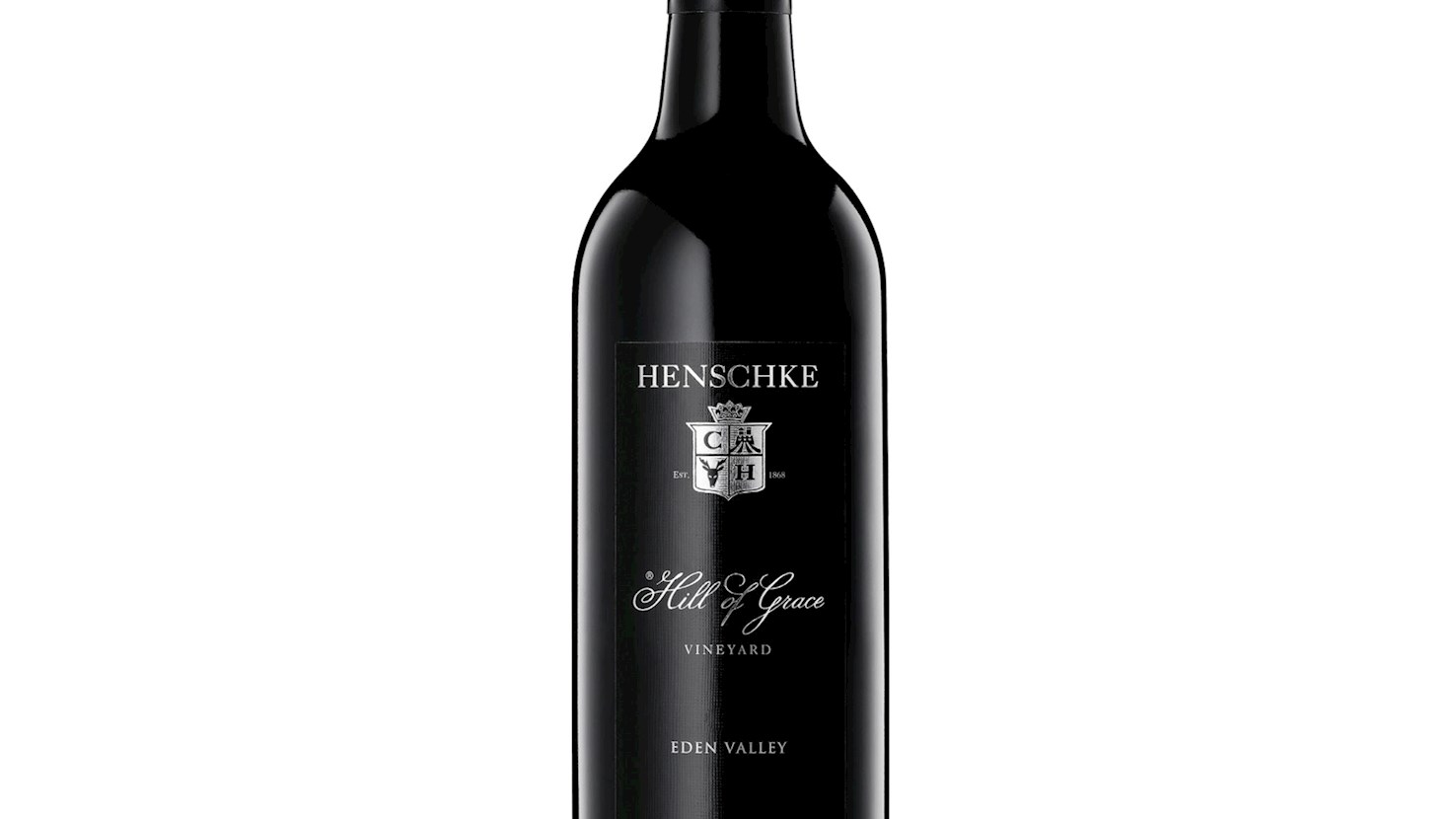
Henschke is one of Australia’s most prestigious family-owned wineries, with a legacy spanning over 150 years. Located in the renowned Eden Valley and Barossa Valley regions of South Australia, the estate has remained in the hands of the same family since its founding in 1868. Today, the sixth generation - Stephen and Prue Henschke - continue the tradition with a strong commitment to sustainability, preservation of ancient vineyards, and a faithful expression of terroir. Its most celebrated wine, Hill of Grace Shiraz, stands among Australia’s greatest, while Mount Edelstone and the Lenswood vineyard range further highlight the diversity and character of South Australian terroirs. By combining heritage, innovation, and respect for nature, Henschke creates wines of authenticity, refinement, and enduring global acclaim.
Awards
Falstaff - 100
Vivino - 4.6
02

Sami-Odi

5 ·
Sami-Odi is a small, independent wine project based in Barossa Valley, South Australia, founded and led by Fraser McKinley with a strong focus on expressing old-vine Syrah. The fruit is sourced primarily from the historic Hoffmann Dallwitz vineyard, where some vines date back to the late 19th century, producing naturally low yields and deeply concentrated yet balanced wines. Production volumes are extremely limited, and releases are typically offered through a mailing list, contributing to the winery’s cult reputation among collectors. Winemaking follows a minimal-intervention philosophy, including spontaneous fermentation, gentle handling, and no fining or filtration, in order to preserve texture and vineyard character. The portfolio includes single-vineyard bottlings as well as the “Little Wine” series, which blends multiple vintages to achieve complexity and stylistic continuity. In the glass, the wines show layered dark fruit, savory spice, earthy undertones, and firm but finely structured tannins with long aging potential. Sami-Odi is widely regarded as one of the most distinctive contemporary interpretations of Barossa Syrah, emphasizing site transparency and longevity over power alone.
Awards
Vivino - 4.6
Wine-Searcher - 95/100
03

Passel Estate

5 ·
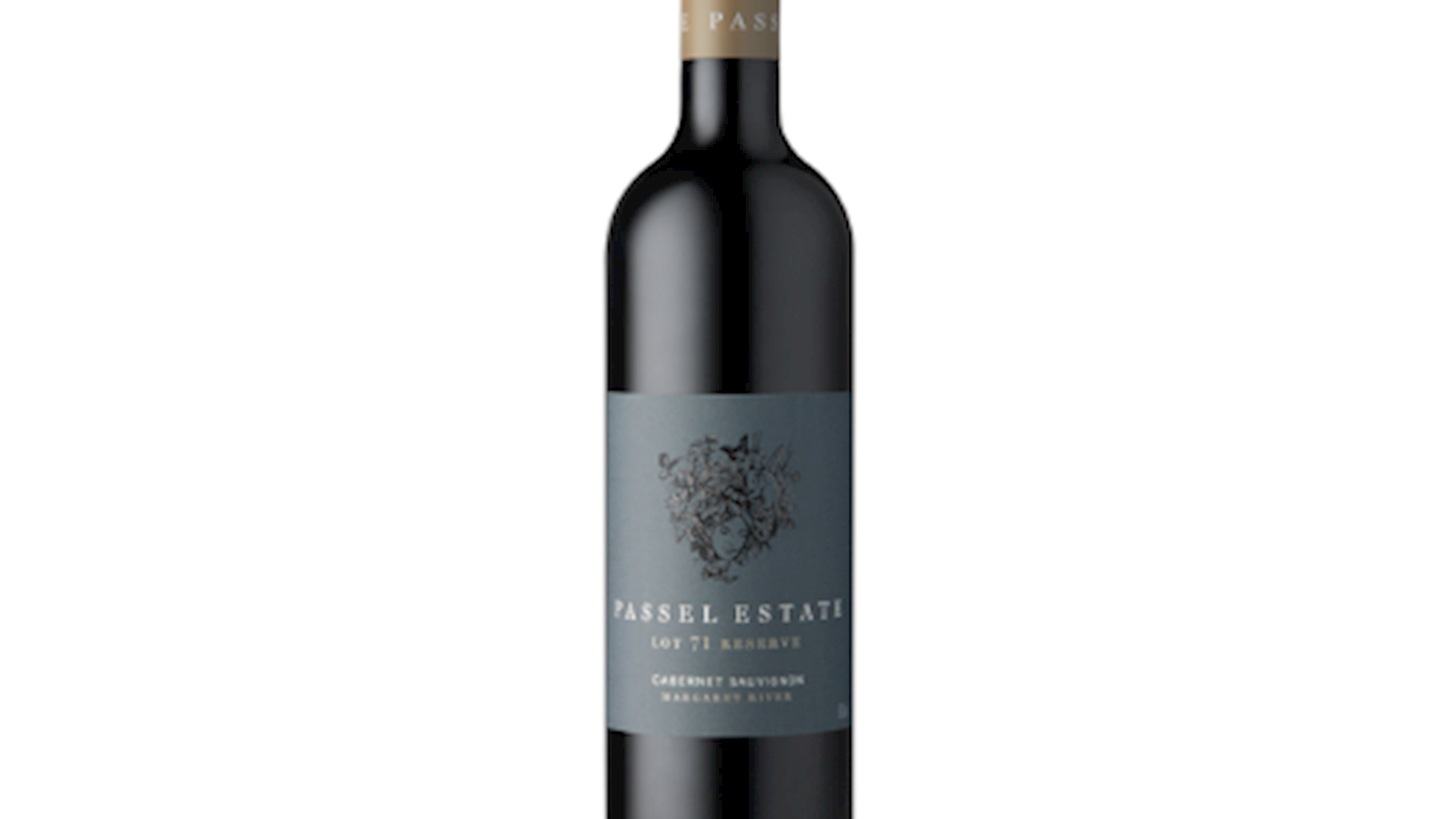
Passel Estate is a family-owned, single-vineyard winery located in the Margaret River region of Western Australia, producing small-batch wines that reflect site specificity and maritime influence. The vineyard was first planted in the mid-1990s on ironstone gravel loam soils, with Cabernet Sauvignon and Shiraz forming the backbone of the estate, later joined by Chardonnay and other varieties. The winery emphasizes sustainable farming and biodiversity, with conservation efforts on the property inspired by the endangered Western Ringtail Possum, from which the name “Passel” is derived. Production volumes are intentionally limited to maintain quality and vineyard expression. The portfolio focuses on classic Margaret River styles, particularly structured Cabernet Sauvignon and refined Chardonnay, crafted with balance and aging potential in mind. Passel Estate has received strong critical recognition, including 5-star ratings from leading Australian wine reviewers. The cellar door experience is designed to connect visitors with both the wines and the surrounding natural environment, reinforcing the estate’s commitment to provenance and stewardship.
Awards
Vivino - 4.6
Vivino - 4.4
04

Brokenwood Wines

5 ·
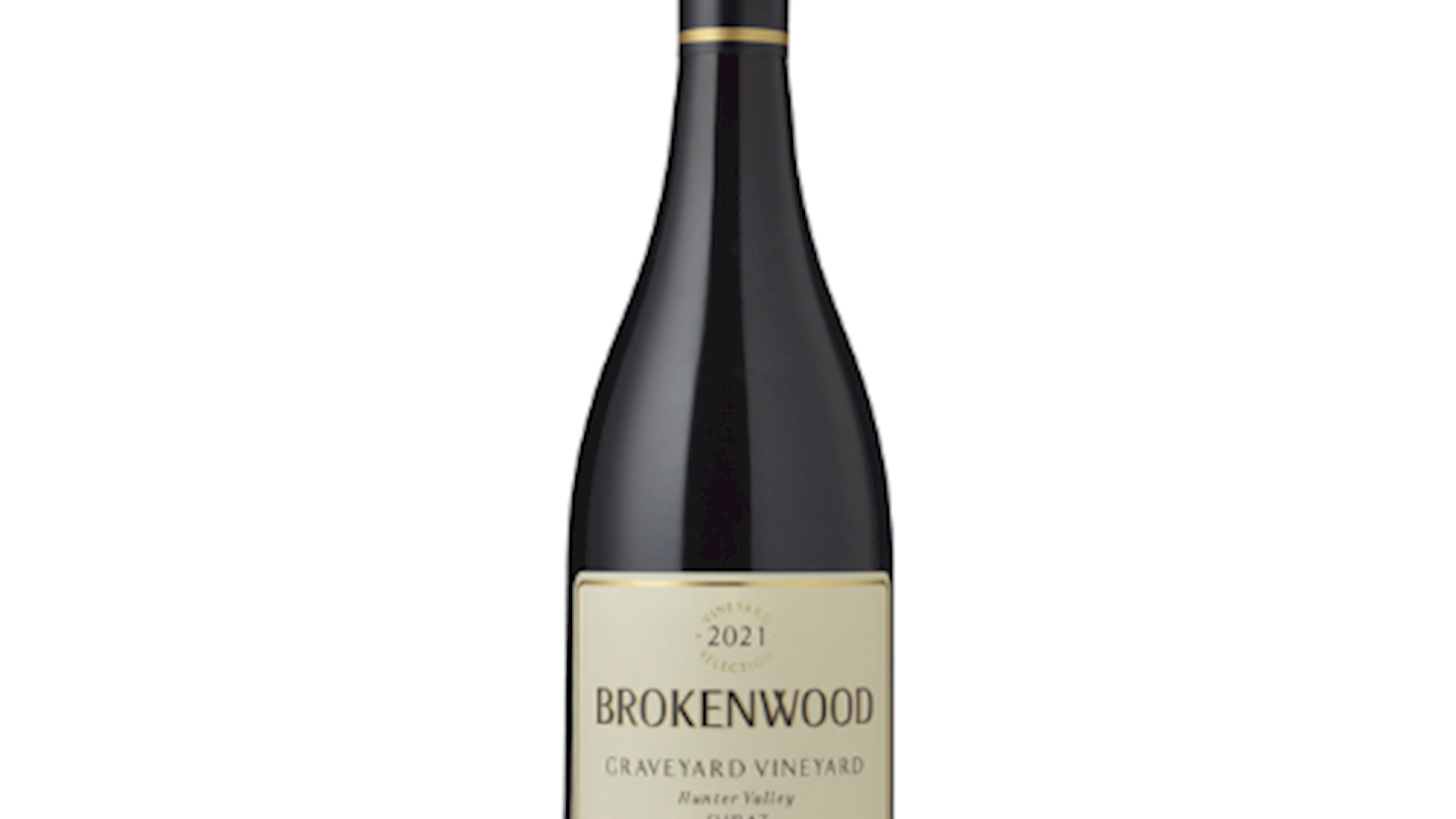
Brokenwood Wines is a prominent Hunter Valley winery established in 1970, recognized for producing site-driven wines that reflect both regional character and precise winemaking. Originally founded as a small collaborative venture, the estate has evolved into one of Australia’s respected premium producers while maintaining a strong focus on vineyard quality and stylistic consistency. Brokenwood is particularly known for its ILR Reserve Semillon, a benchmark expression of Hunter Valley Semillon that combines high natural acidity, citrus purity, and notable ageing potential. Another flagship wine, Graveyard Shiraz, is sourced from a single historic vineyard and is valued for its structure, depth, and longevity. The winery works with carefully selected vineyard sites across New South Wales, allowing variation in soil types and microclimates to shape individual wine profiles. Winemaking emphasizes controlled fermentation, measured oak influence, and preservation of fruit clarity rather than overt extraction. Over the decades, Brokenwood has built an international reputation for reliability and balance, producing wines that are both accessible in youth and capable of developing complexity over time.
Awards
Decanter World Wine Awards - Best in Show (2023, 2019)
Decanter World Wine Awards - Platinum (2023, 2020, 2018, 2017)
05

Sons of Eden

4.9 ·
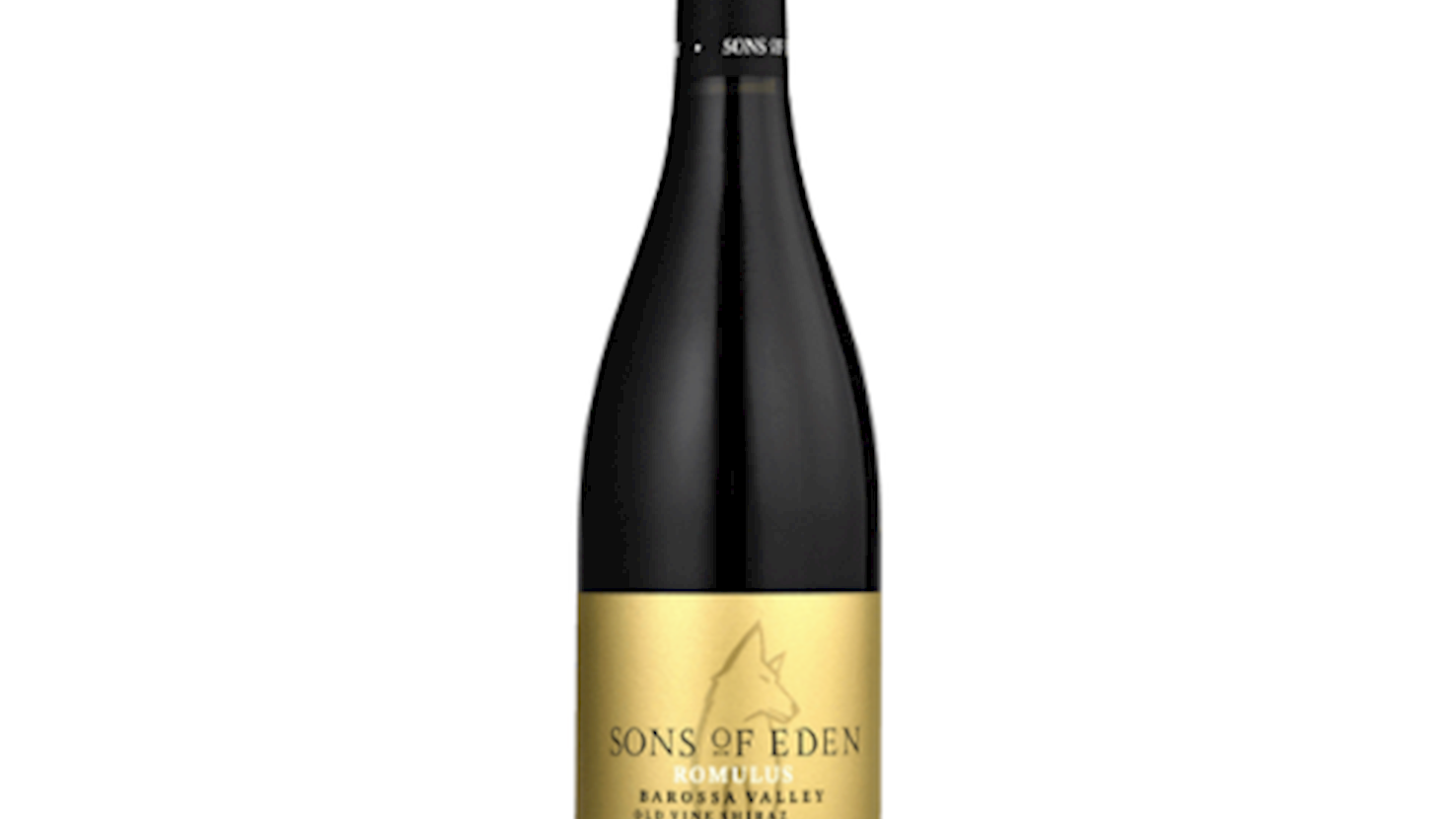
Sons of Eden is a boutique winery based in the Barossa Valley and Eden Valley in South Australia, founded in 2000 by winemaker Corey Ryan and viticulturist Simon Cowham. The estate focuses on small-batch, site-driven wines, sourcing fruit from carefully selected vineyards across both regions to highlight differences in soil, altitude, and microclimate. Their philosophy centers on minimal intervention, allowing vineyard character to define the final wine rather than heavy winemaking influence. The portfolio is built around varieties well suited to the region, particularly Shiraz, Grenache, and Mourvèdre from Barossa Valley, alongside Riesling and Cabernet Sauvignon from the cooler Eden Valley. The wines are typically structured and expressive, balancing ripe fruit with natural acidity and freshness, especially from higher-elevation sites. Sustainability is an integral part of their approach, with certification under Sustainable Winegrowing Australia, reflecting responsible vineyard management and production practices. With decades of combined experience in the region, the founders bring both technical precision and deep local knowledge. Sons of Eden has gained consistent recognition from critics and international competitions, positioning it as a modern, quality-focused producer within the Barossa landscape.
Awards
Decanter World Wine Awards - Platinum (2023, 2021)
Decanter World Wine Awards - Best in Show (2022)
06

The Standish Wine

4.9 ·
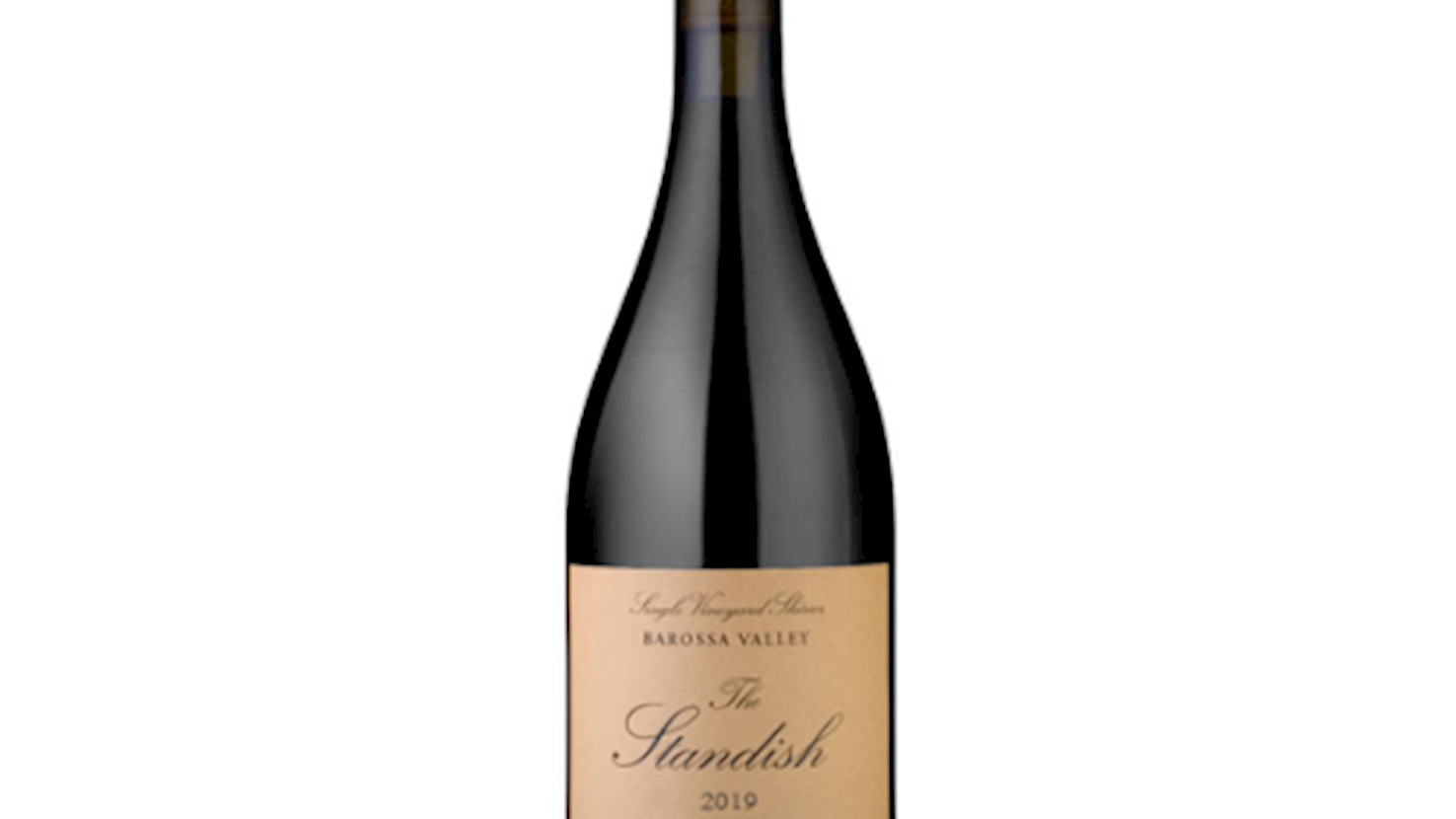
The Standish Wine Company is a small, family-owned producer based in the Barossa Valley, founded in 1999 by sixth-generation Barossan Dan Standish. The winery focuses exclusively on single-vineyard Shiraz, working with old-vine sites across Barossa and Eden Valley to highlight site-specific character. Production volumes are intentionally limited, with each release reflecting a particular vineyard parcel rather than a regional blend. Fermentation is carried out in small batches, often including a proportion of whole bunches to enhance structure and aromatic complexity. Wines are matured in French oak barrels, typically with careful integration of new wood, and are bottled with minimal intervention, sometimes without fining or filtration. The style is concentrated yet structured, combining dark berry fruit, spice, floral lift, and savory undertones with firm but refined tannins. Despite their depth and intensity, the wines retain freshness and balance rather than overt heaviness. Labels such as The Standish, The Relic, Lamella, and The Schubert Theorem each express distinct soil and microclimate differences. The wines have received strong critical acclaim and are often sought after by collectors due to limited availability. Overall, The Standish Wine Company represents a focused, terroir-driven approach to Shiraz, emphasizing precision, vineyard identity, and long-term aging potential.
Awards
Vivino - 4.5
Vivino - 4.4
07

Clarendon Hills

4.9 ·
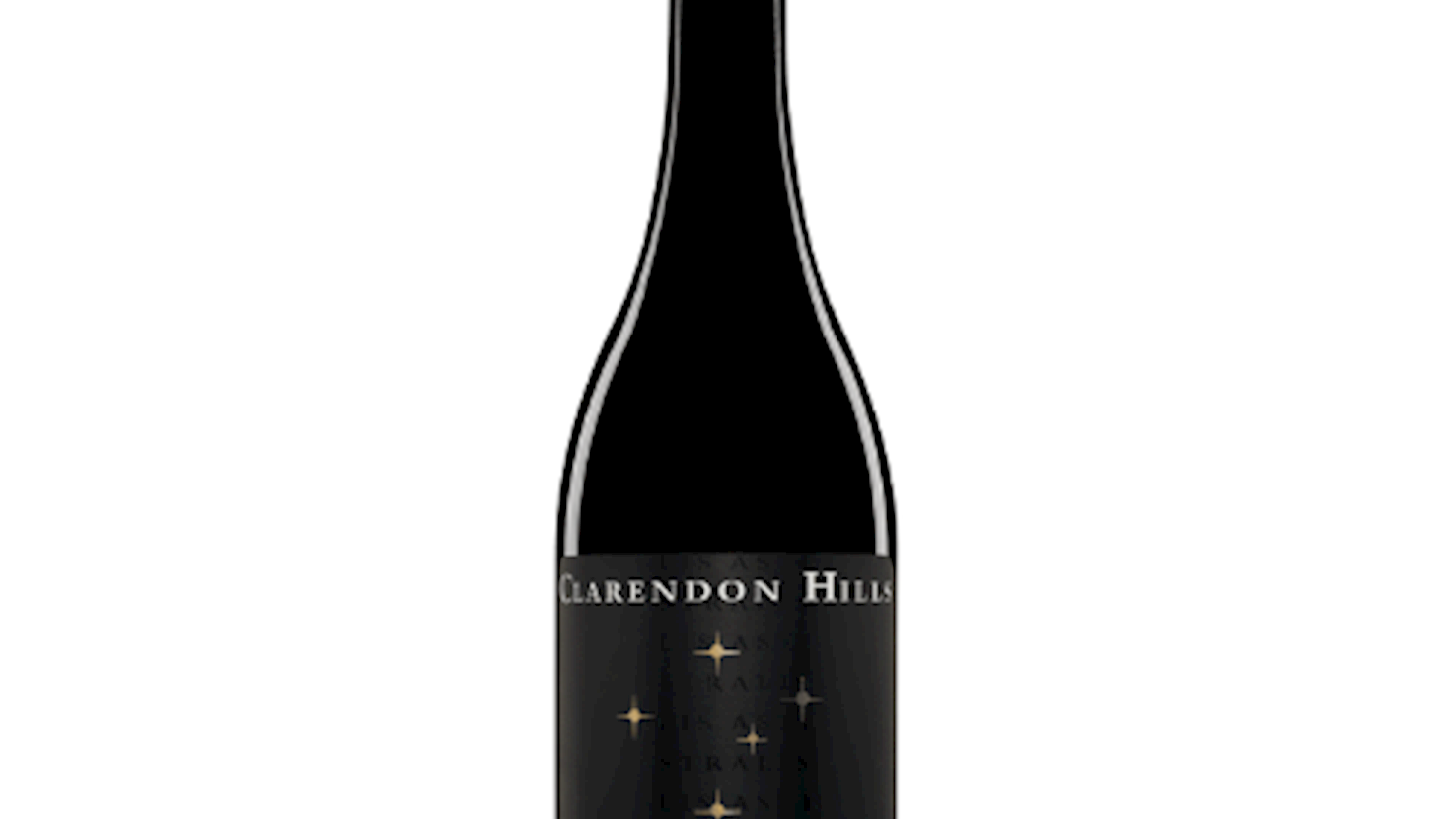
Clarendon Hills is an Australian winery founded in 1990 by Roman Bratasiuk. Located in the McLaren Vale region, it specializes in producing wines from unique single vineyards, focusing on Grenache, Syrah, and Cabernet Sauvignon varieties. The winery is renowned for its old-vine wines, including the iconic Astralis Syrah, which has achieved cult status on the international stage. Additionally, Romas Grenache comes from the oldest and rockiest part of the Blewitt Springs vineyard, with vines planted in the 1920s and 1940s. Clarendon Hills is a pioneer in Grenache production in Australia, introducing the first single-vineyard wine made from 100% Grenache, Blewitt Springs Grenache, in 1991. The winery emphasizes expressing the unique terroir of each vineyard through minimal intervention in the winemaking process. Their wines are celebrated for their depth, complexity, and aging potential, making them highly esteemed among wine enthusiasts worldwide.
Awards
James Suckling - 97 points (2024)
Vivino - 4.5
08

Tapanappa

4.9 ·
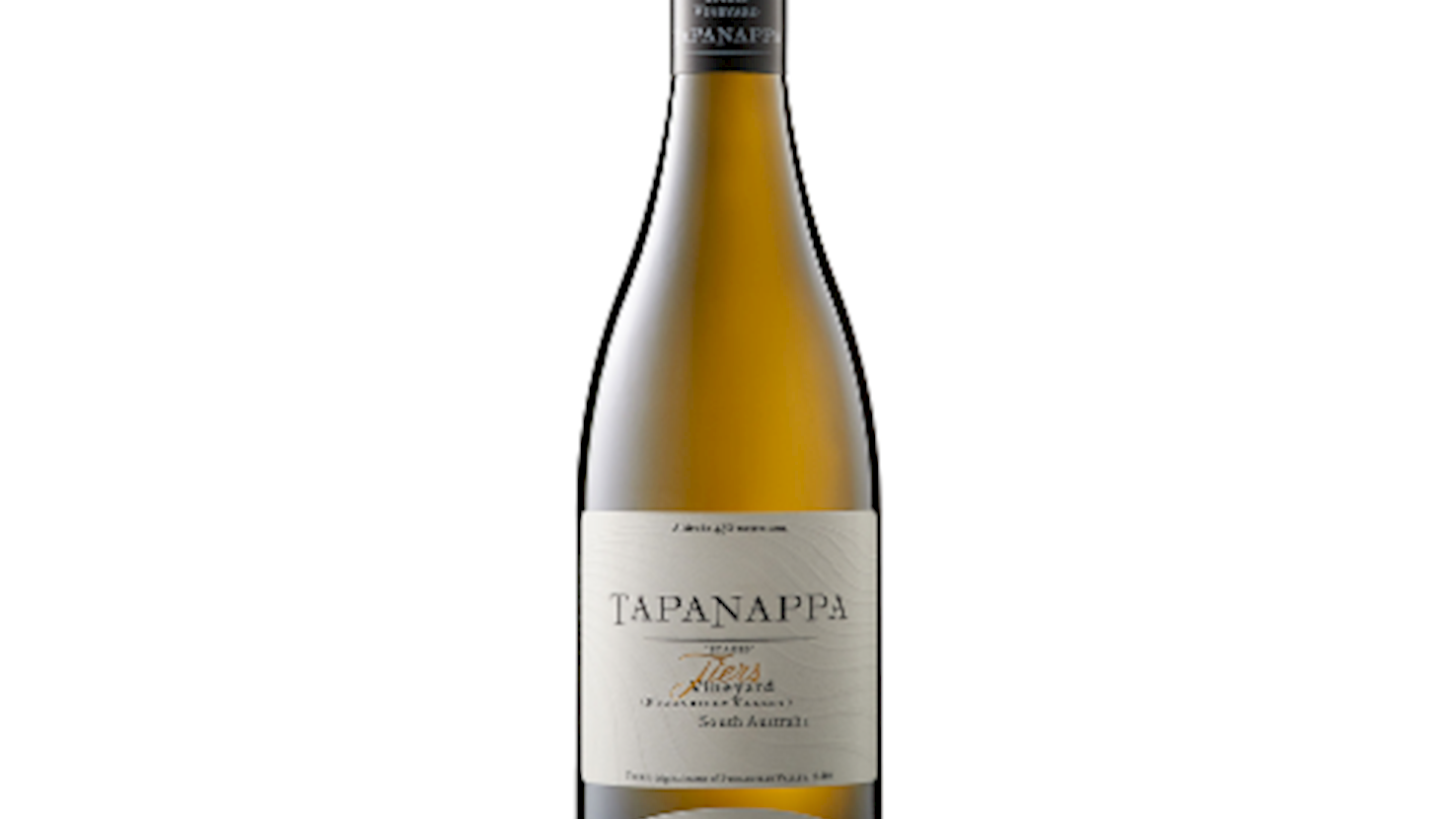
Tapanappa Wines is a South Australian family-owned winery founded by acclaimed winemaker Brian Croser AO and his wife Ann, with a philosophy centered on producing terroir-driven wines from what they call “Distinguished Sites”. The name Tapanappa comes from an Indigenous word referring to an ancient geological formation on the Fleurieu Peninsula and reflects the idea of “sticking to the path”, symbolizing a long-term commitment to site expression and precision viticulture. The estate focuses on three key vineyard locations: Tiers Vineyard in Adelaide Hills, known for cool-climate Chardonnay planted in 1979; Whalebone Vineyard in Wrattonbully, planted on limestone soils suited to structured Cabernet-based reds; and Foggy Hill Vineyard on the Fleurieu Peninsula, ideal for Pinot Noir. Each site is managed to highlight soil, climate and aspect, with careful hand harvesting and restrained winemaking practices. The portfolio emphasizes balance, structure and longevity, with wines designed to transparently reflect their origin rather than heavy stylistic influence. Today, the winery is guided by the Croser family’s next generation while maintaining Brian Croser’s strong involvement in viticulture and blending decisions. Tapanappa is widely regarded as a benchmark producer for site-specific Australian fine wines.
Awards
Decanter World Wine Awards - Best in Show (2018)
Decanter World Wine Awards - Platinum (2017)
09

Xanadu

4.9 ·
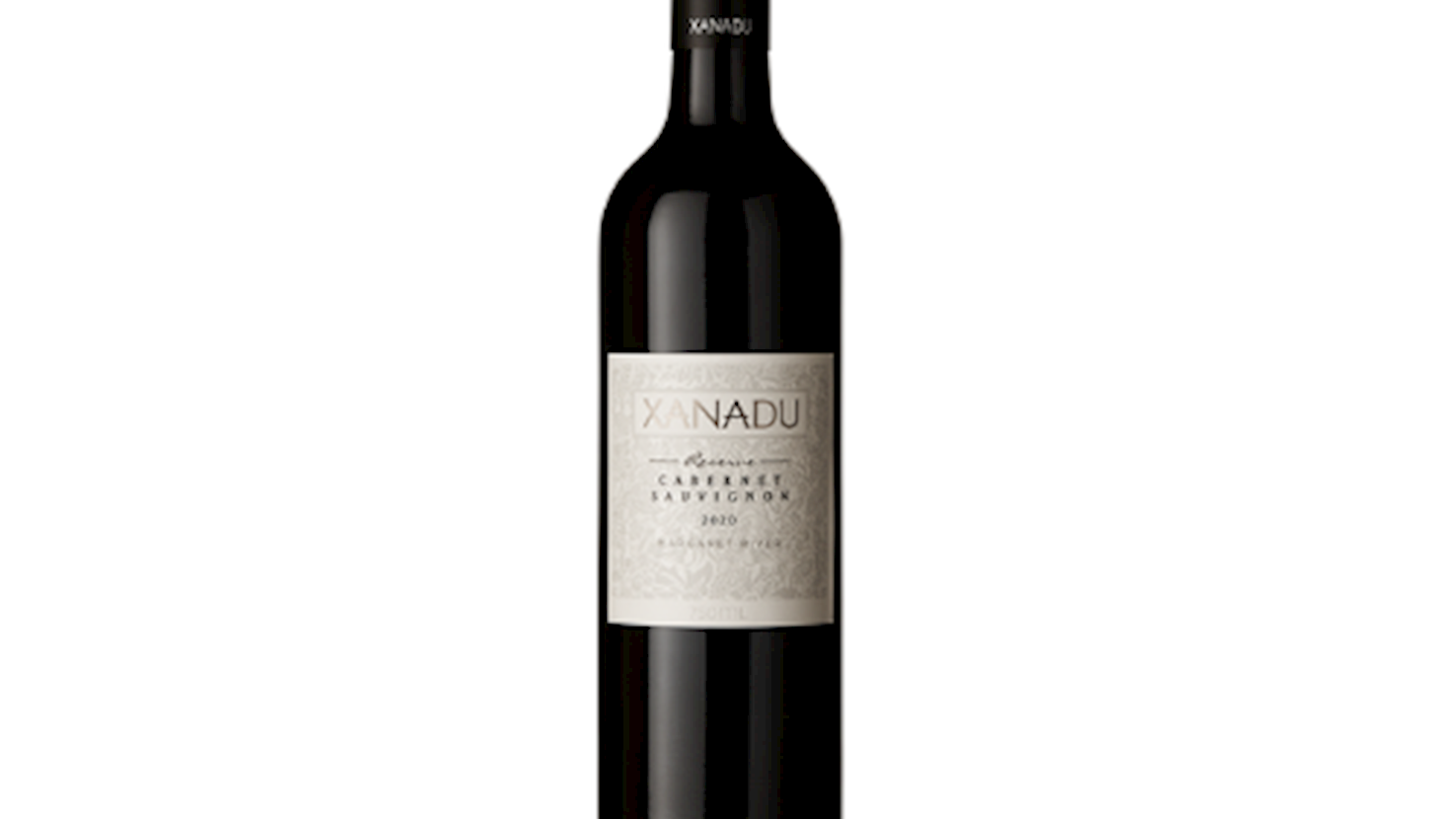
Xanadu is a leading estate in Margaret River, founded in 1977 by Dr John Lagan as one of the region’s pioneering wineries. The estate was later acquired by the Rathbone family in 2005, marking a period of renewed focus on vineyard precision and refined winemaking. Xanadu farms extensive vineyard holdings, including sites such as Lagan Estate and Stevens Road, concentrating on classic Margaret River varieties - Cabernet Sauvignon, Chardonnay, Sauvignon Blanc–Semillon blends and Shiraz. The maritime Mediterranean climate, influenced by the Indian and Southern Oceans, supports long ripening periods that help preserve acidity while achieving phenolic maturity. The winery places strong emphasis on sustainable viticulture and careful site selection to express regional identity rather than overt winemaking intervention. Its Cabernet Sauvignon is known for structure, blackcurrant depth and fine tannins, while Chardonnay typically balances stone fruit richness with mineral tension and restrained oak. Over the years, Xanadu has consistently received high scores and international recognition, reinforcing its position among the benchmark producers of Margaret River. In addition to wine production, the estate operates a contemporary cellar door and restaurant, making it one of the region’s established wine tourism destinations.
Awards
Decanter World Wine Awards - Best in Show (2025)
Decanter World Wine Awards - Platinum (2023)
10

Grant Burge

4.9 ·
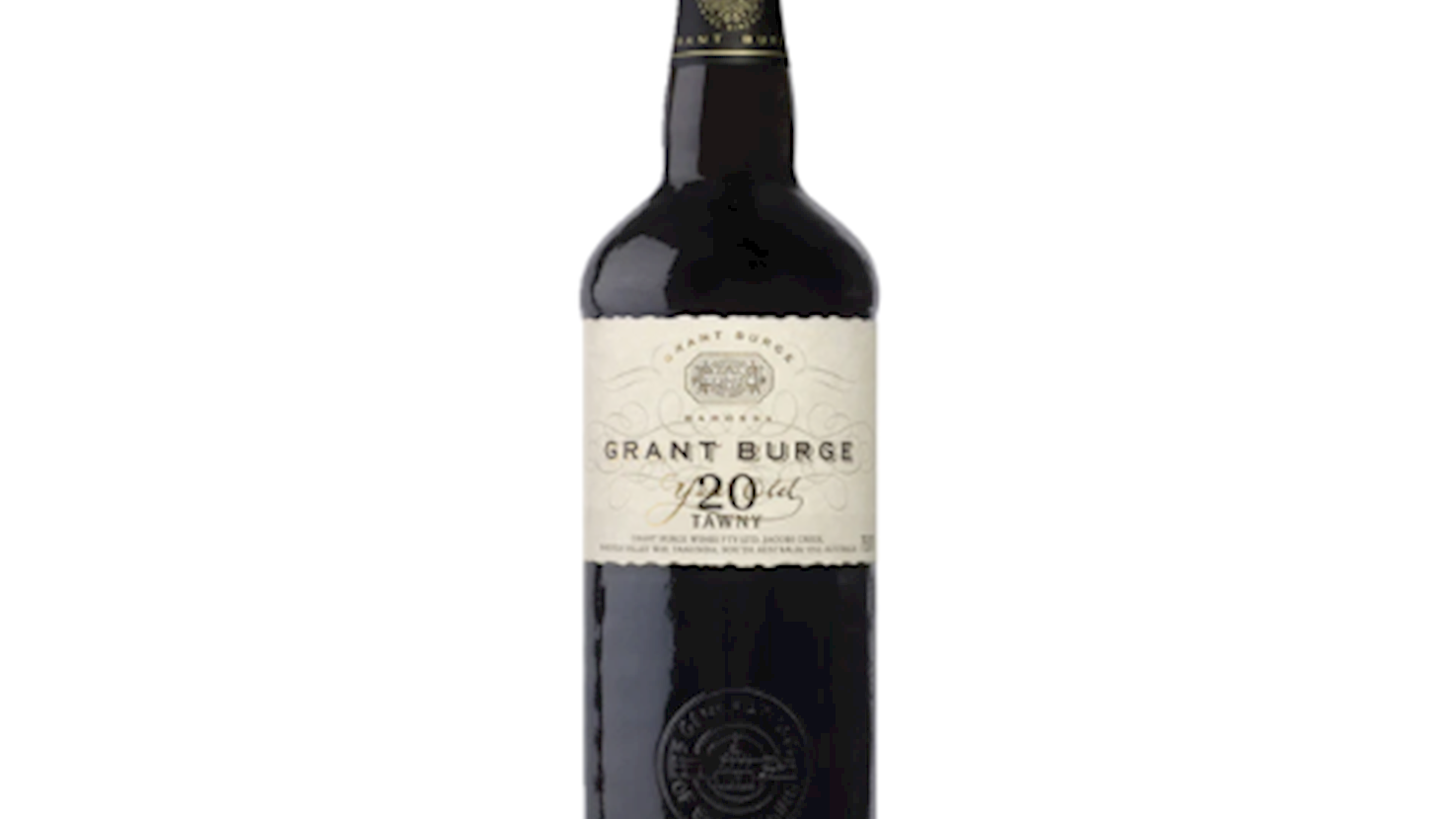
Grant Burge Wines is a well-established producer based in Barossa Valley, South Australia, with family viticultural roots dating back to 1865. Although the brand itself was formally launched in 1988, the Burge family has been growing grapes in the region for over a century, making it one of the historically significant names in Barossa. The winery focuses primarily on regional benchmarks such as Shiraz, Cabernet Sauvignon, and Chardonnay, sourcing fruit from both Barossa Valley and the cooler Eden Valley. Its portfolio is structured into several tiers, ranging from accessible, fruit-forward wines to premium single-vineyard expressions like Meshach Shiraz and Shadrach Cabernet Sauvignon. The house style emphasizes ripe fruit concentration, structural depth, and aging potential, while maintaining balance and regional typicity. Wines from old-vine vineyards play a key role, contributing complexity and intensity. Grant Burge operates a cellar door in Barossa Valley, offering tastings that showcase the diversity of its range. Today, the winery holds a strong position in both domestic and international markets, recognized for consistent quality and a clear Barossa identity.
Awards
Decanter World Wine Awards - Platinum (2020, 2018)
Vivino - 4.5
Read more
View all
View map
About this ranking

TasteAtlas food rankings are based on the ratings of the TasteAtlas audience, with a series of mechanisms that recognize real users and that ignore bot, nationalist or local patriotic ratings, and give additional value to the ratings of users that the system recognizes as knowledgeable. For the “Top 62 Australian Wine Appellations” list until June 10, 2026, 3 ratings were recorded, of which 3 were recognized by the system as legitimate. TasteAtlas Rankings should not be seen as the final global conclusion about food. Their purpose is to promote excellent local foods, instill pride in traditional dishes, and arouse curiosity about dishes you haven’t tried.

The initial list of top producers was compiled based on available reviews, awards, local recommendations, media and blog coverage, and consumer reviews. The list will be updated with ratings from TasteAtlas local ambassadors and TasteAtlas users.

Similar lists