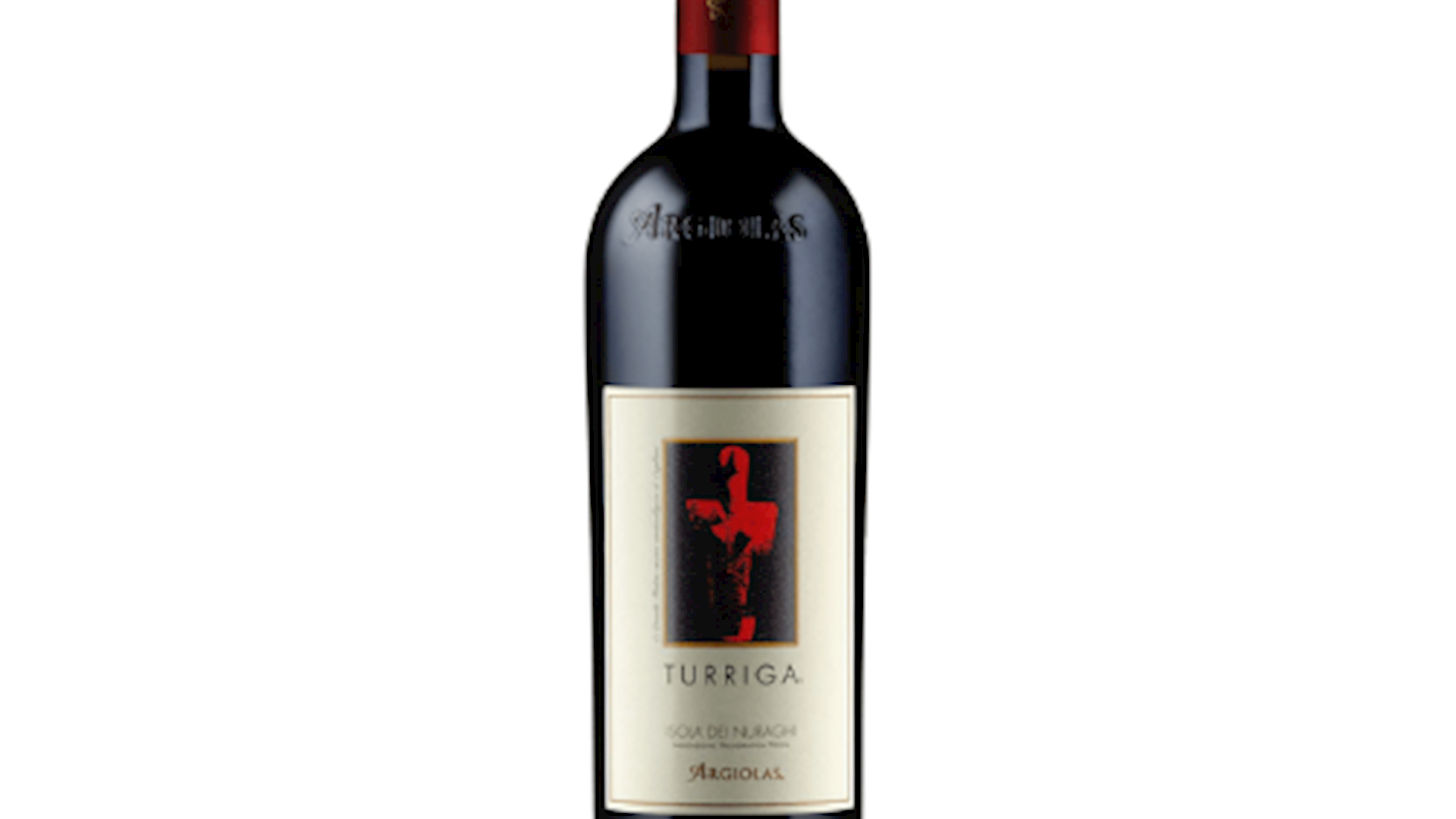
Argiolas is a family-owned winery from Sardinia, based in the village of Serdiana, and is regarded as one of the key producers behind the modern recognition of Sardinian wines. Founded in 1938, Argiolas has consistently focused on indigenous grape varieties such as Cannonau, Carignano, Monica, Nuragus, and Vermentino, using them to express the island’s Mediterranean character and diverse terroirs. The vineyards span different altitudes and soil types, from limestone to sandy-clay formations, allowing for a broad range of styles and structures. Winemaking combines traditional knowledge with a contemporary enological approach, with strict control of yields and careful grape selection. The house style is defined by balance, maturity, and clear structure, producing wines with expressive aromatics and the capacity to age. Argiolas places strong emphasis on terroir identity and sustainable vineyard practices. Today, the winery is considered a reference point for understanding the true potential of Sardinian grape varieties and modern winemaking on the island.
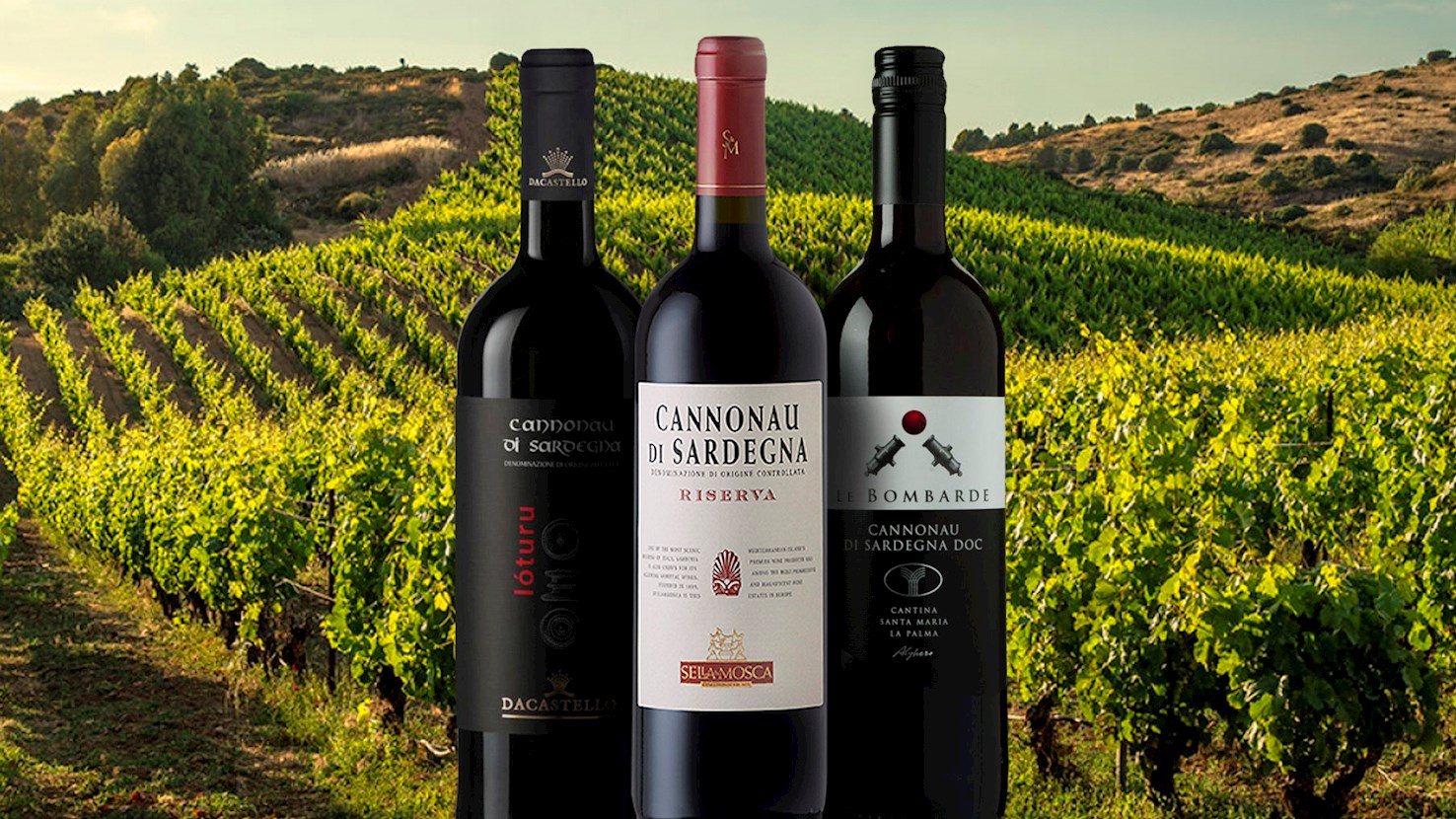
This robust red wine is produced in Sardinia from a special, thick-skinned Cannonau grape variety, also known as Garnacha or Grenache. The wine is low in acidity and tannins, with herbal and spicy notes and aromas of dark fruit, such as cherries and raspberries, chocolate, coffee, and licorice. It pairs well with roasted meat, charcuterie, meat stews, or matured cheese. Special varieties of Cannonau di Sardegna that are aged for at least two years are labeled as Riserva, while other styles include rosés and fortified liquoroso varieties.
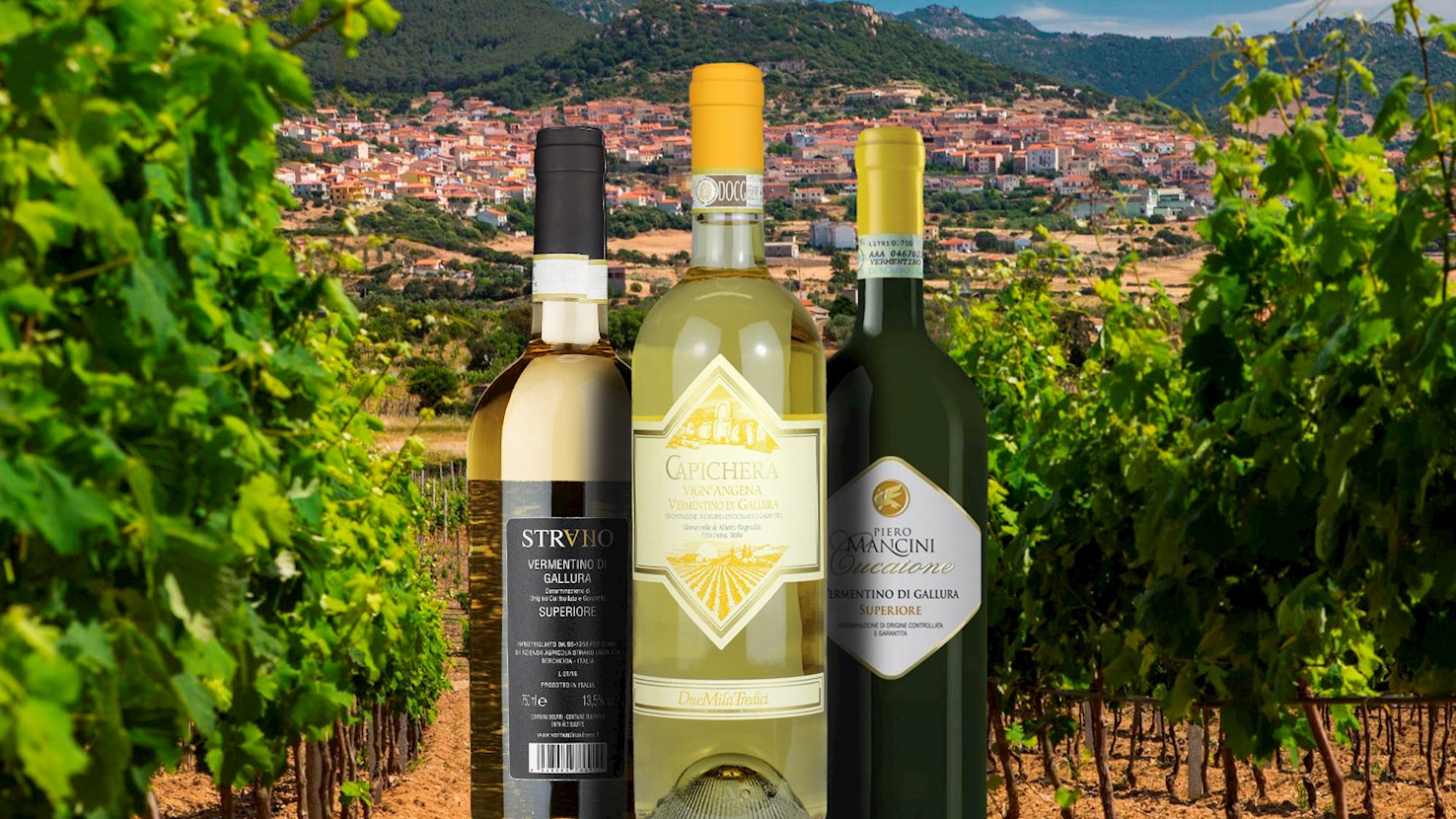
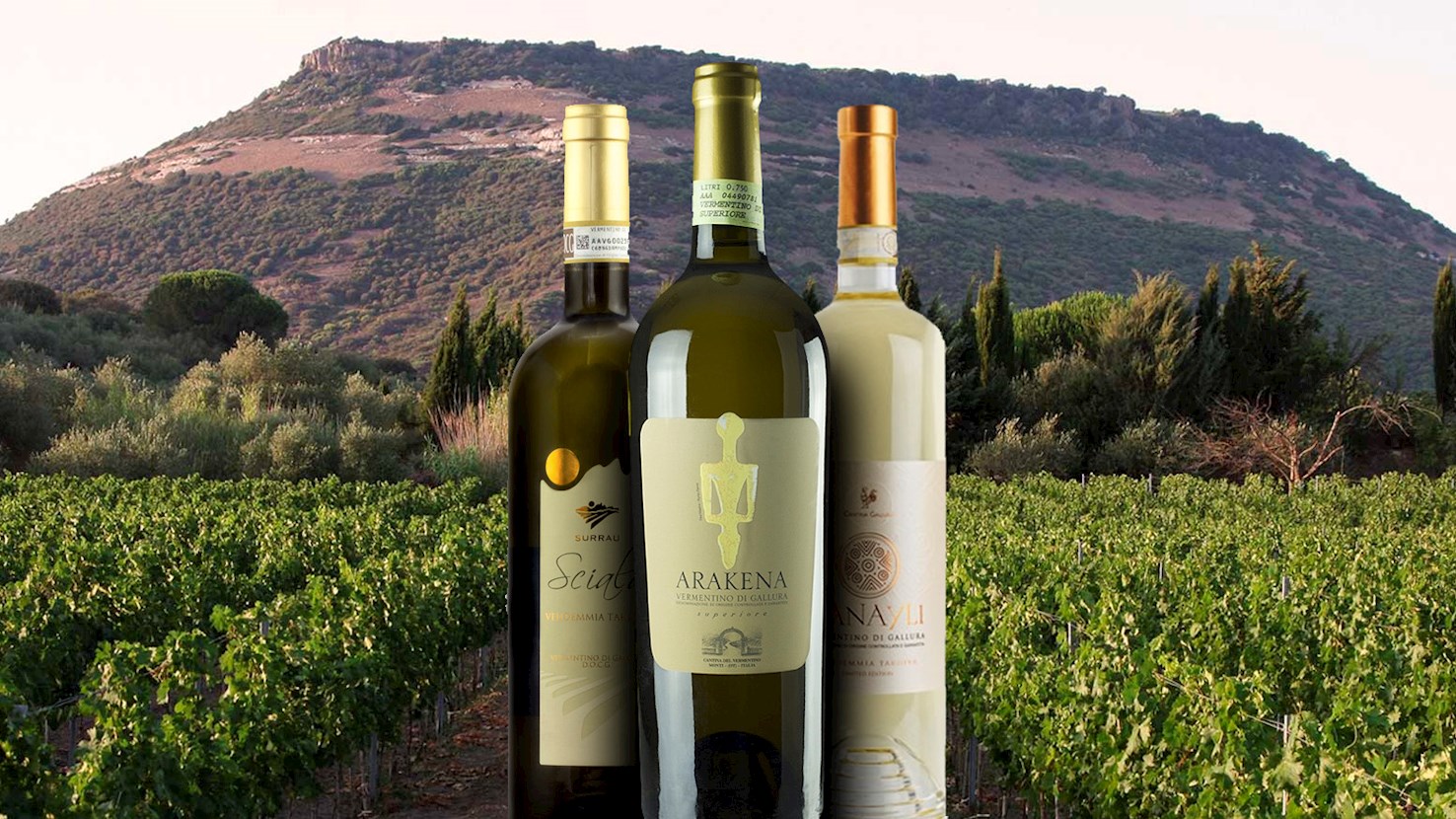
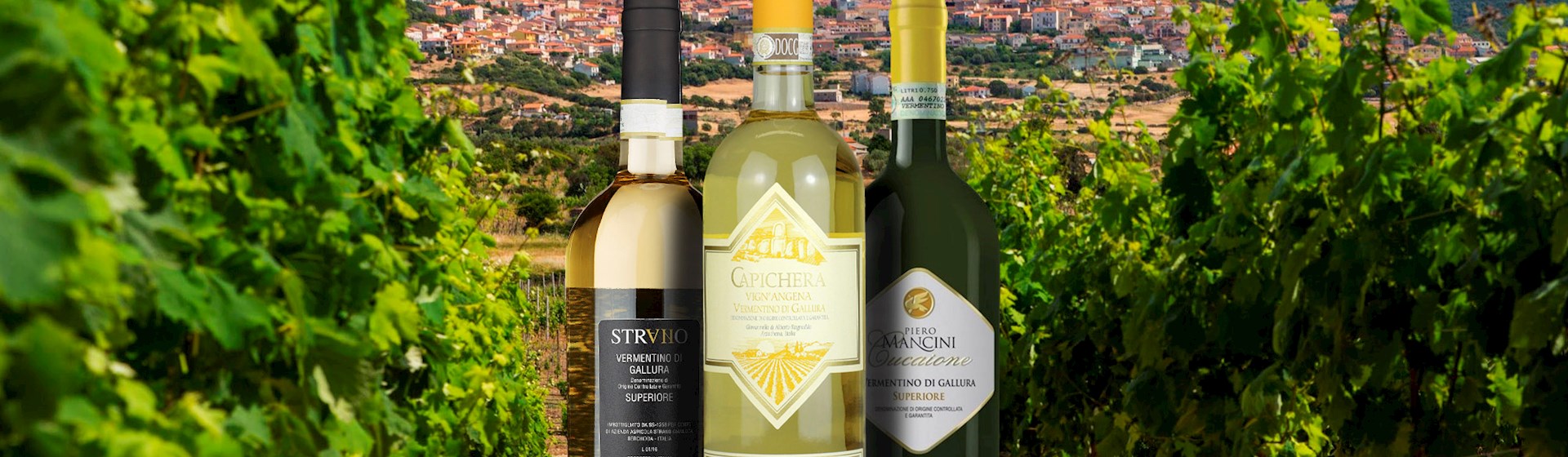
Vermentino di Gallura is an Italian appellation located in the historical Sardinian region of Gallura. The official production area includes twenty-three municipalities that were mostly located in the former region Olbia-Tempio—which is now a part of the larger province of Sassari. These Vermentino-based wines may come as the classic Bianco, sparkling spumante, the intense and pleasant late harvested Vendemmia Tardiva and as sweet dessert wines. Still Vermentino di Gallura has a rich straw color, good minerality, and displays notes of grapes, citrus blossom, and summer fruit. It pairs well with fish, shellfish, crustaceans, seafood risottos and pasta dishes, as well as with Pecorino Sardo.
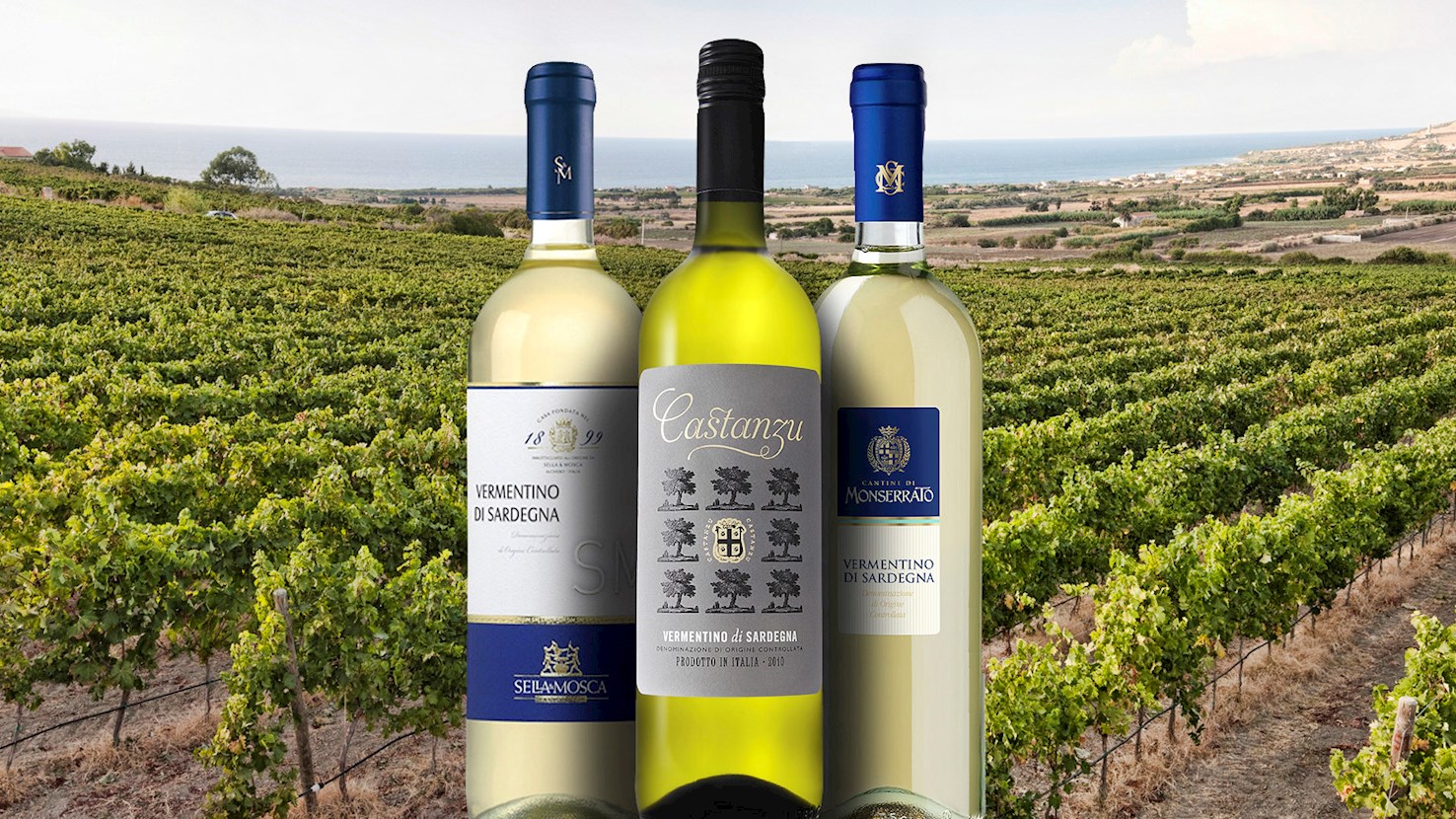
Produced from Vermentino grapes, Vermentino di Sardegna is a dry, crisp wine native to Sardinia. Characterized by their light skin and yellow color, the grapes provide the wine with a light body and typical amber color. It is a complex wine that has a herbal flavor with subtle aromas of pear, peach, lime, citrus, and basil, while it can also have a slightly bitter finish. Vermentino pairs naturally with white fish, and calamari, but it can also go well with spicy dishes, vegetables, and soft cheeses such as ricotta or mozzarella.
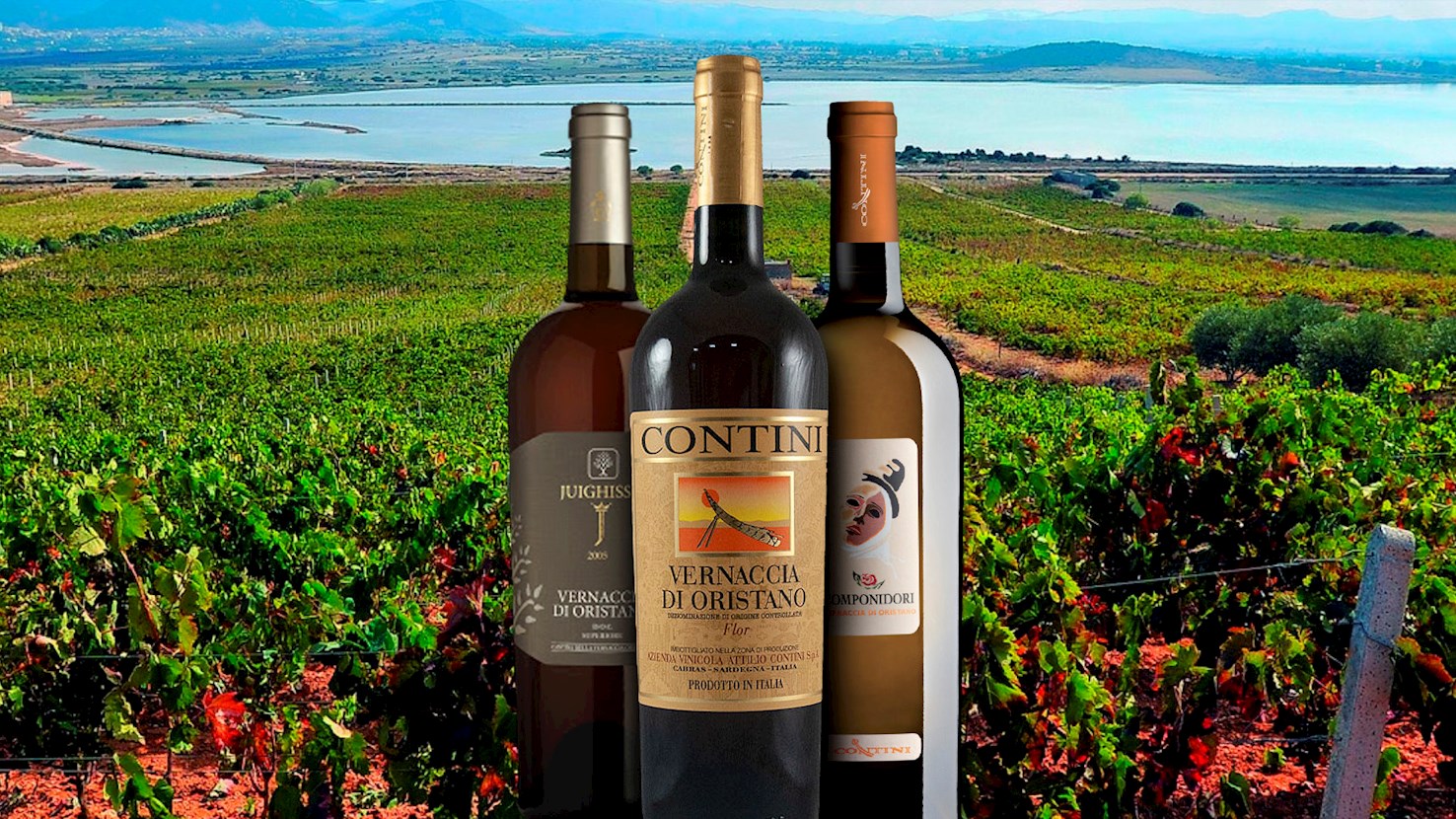
Vernaccia di Oristano is a type of oxidized wine that hails from Sardinia. It is made with the eponymous grape variety, and it is matured in barrels that are not completely filled, which allows a layer of flor yeast to form on top. This method is similar to the one applied in the production of sherry, and it results in complex and exceptional wines with a wide variety of aromas and flavors. Vernaccia di Oristano is an intense, full-bodied wine that usually improves with age. Younger styles are more floral and herbaceous, and amber-colored aged versions typically develop a complex aromatic profile reminiscent of almond blossom, orange zest, hazelnuts, dried fruit, truffles, and spices. In 1971, Vernaccia di Oristano was the first wine from Sardinia that was awarded DOC status. The appellation also includes fortified liquoroso designation, as well as Superiore and Riserva labels that are barrel-aged for three and four years, respectively. Most Vernaccia di Oristano wines can be enjoyed as an aperitif, preferably served well-chilled, but they can also pair with desserts, cheese, and seafood.
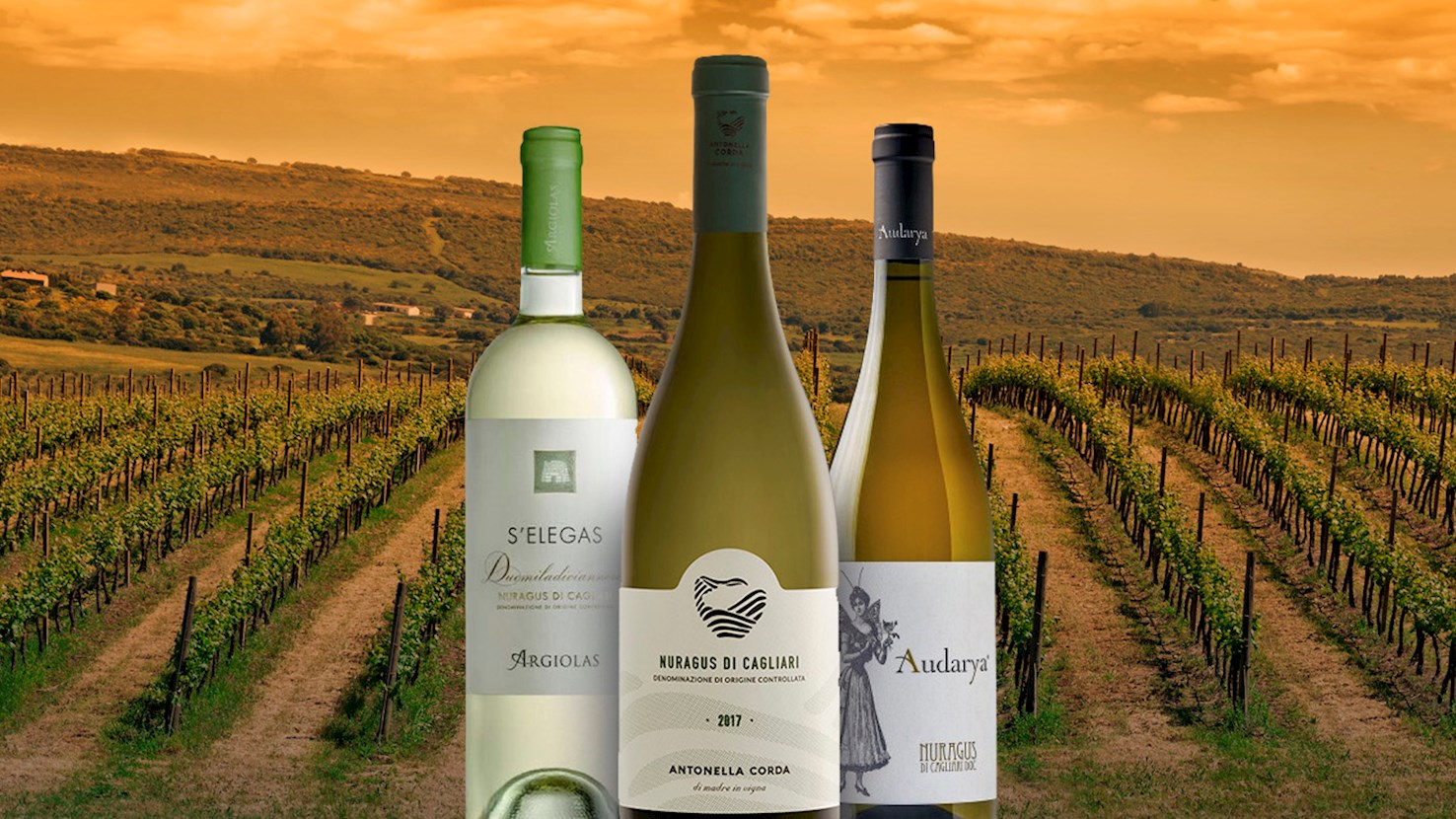
Nuragus di Cagliari is an Italian appellation located on Sardinia. The wines are made with the local Nuragus grape that has to make at least 85% of the blend. Nuragus is a fertile grape and one of the most common varieties on Sardinia. The wines coming from Nuragus di Cagliari are believed to be some of the best expressions. The wines are typically light in color, body, and aroma. The best examples have good acidity and fruity aromas reminiscent of citrus and white fruit. They can also have a discreet bitter finish. These light wines are best enjoyed young. They are best paired with seafood, especially simple fish dishes, but they can also work well with light appetizers, Sardinian cheese, and seafood-based risottos or pasta dishes.
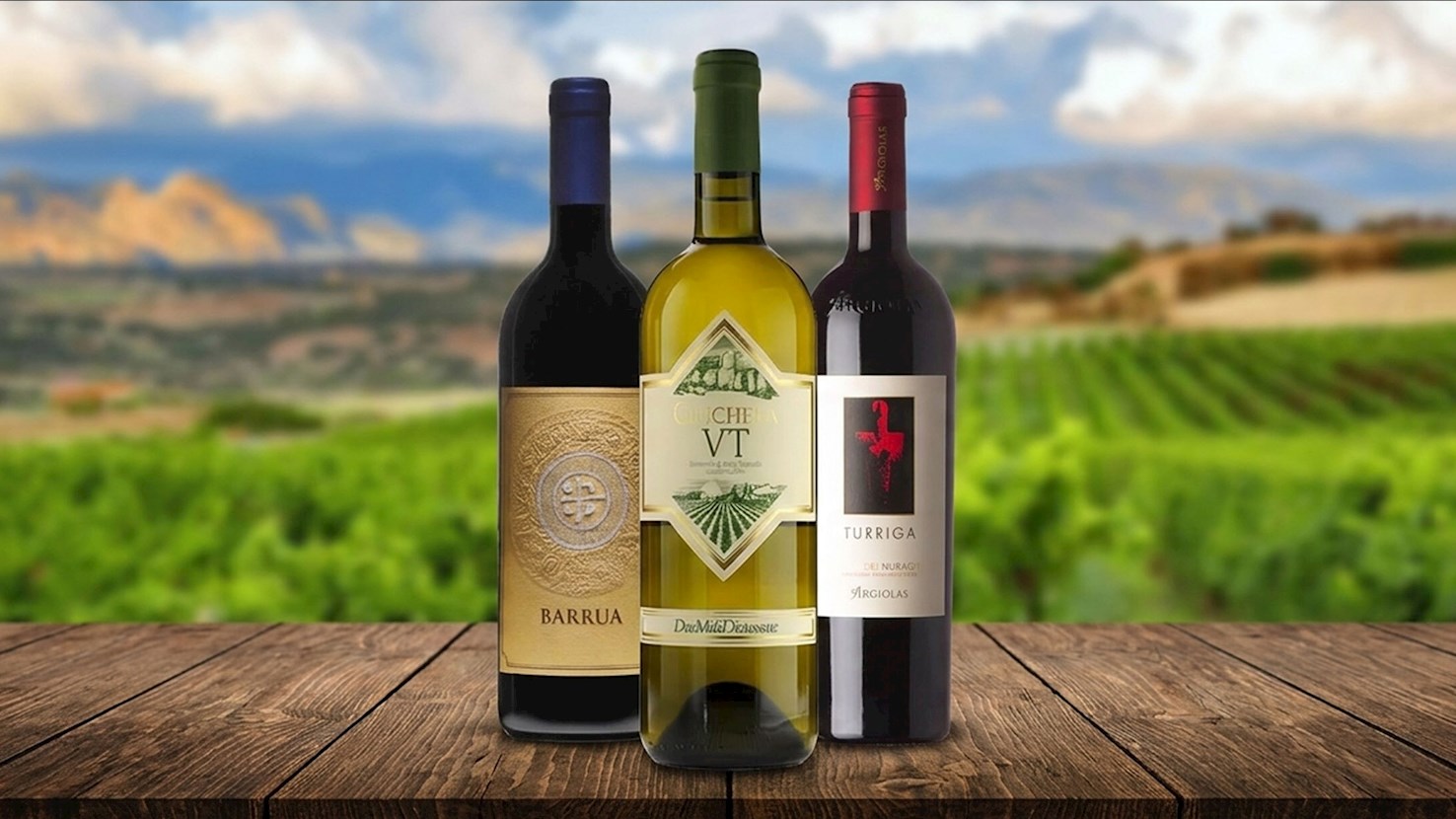
Isola dei Nuraghi is an Italian wine designation applied to wines produced across the island of Sardinia in Italy, classified as an IGT that allows both red and white wines made from a wide range of grape varieties, including native Sardinian grapes and selected international cultivars. The designation was established in the late twentieth century as part of Italy’s geographical indication system to provide a framework for wines that did not fit the stricter rules of Sardinia’s DOC appellations, reflecting the island’s diverse soils, climates, and experimental approaches that had developed as producers sought flexibility beyond local denominational limits while still signaling geographic origin. Wines labeled Isola dei Nuraghi are produced from grapes grown anywhere on the island, vinified using methods chosen by the producer, with fermentation and aging taking place in stainless steel, concrete, or oak depending on style, and the designation permits blending across varieties and zones, which results in a broad stylistic spectrum rather than a single defined profile. Serving practices follow general wine conventions, with whites and lighter reds chilled and fuller reds served at moderate cellar temperature, and decanting used selectively based on structure and age. A notable aspect of Isola dei Nuraghi is its role as a platform for innovation, allowing winemakers to work with grapes such as Cannonau, Carignano, Vermentino, or international varieties in combinations or formats not otherwise permitted under DOC rules, making the designation a reflection of contemporary Sardinian winemaking rather than codified typicity. Isola dei Nuraghi wines are consumed primarily with meals in Sardinia and export markets, paired according to style with foods such as grilled fish, seafood, roasted meats, pasta dishes, and aged cheeses, and they are also served on their own in casual dining settings, functioning as versatile table wines that adapt to a wide range of cuisines and dining contexts.
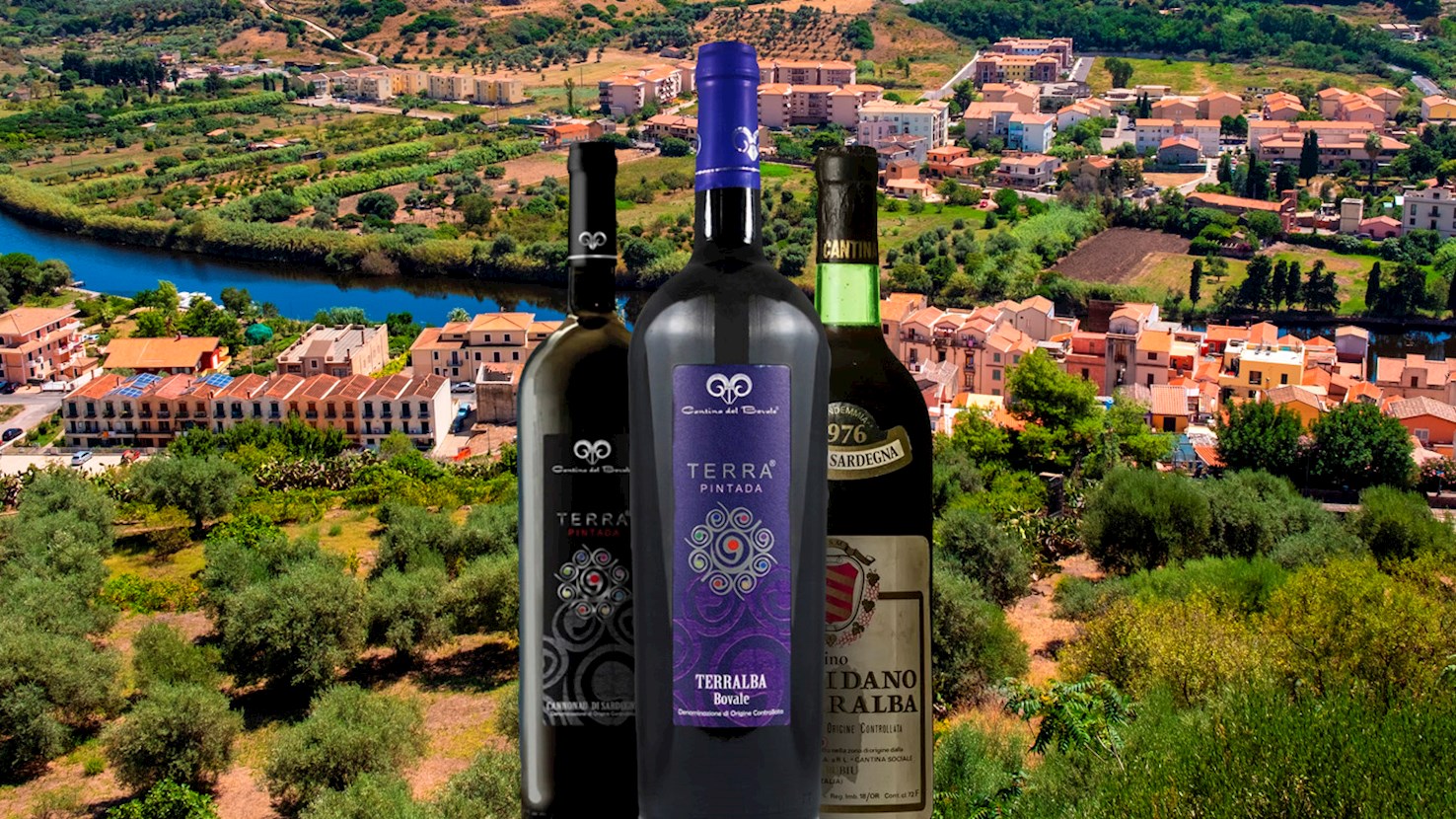
Campidano di Terralba is a small Sardinian appellation that produces only red wines from the local Bovale variety. The region stretches throughout the Marmilla region and the provinces of Oristano and Medio-Campidano in south-central Sardinia. The wines can be made with both Bovale (Bovaleddu) and Bovale Grande (Bovale di Spagna) grapes—the local variants of Spanish Bobal. Red Terralba wines are deeply colored, intensely aromatic, and fruity. The aroma is usually reminiscent of red fruit, berries, and herbs. The wines are well structured and balanced, with soft tannins and enough freshness. They will usually have slightly higher alcohol content. Terralba wines are produced on a small scale and are rarely found outside Italy. The appellation also includes Riserva (minimum aging period of 2 years) and Superiore labels. Terralba wines pair well with meat sauces and roasted or grilled red meat or pork.
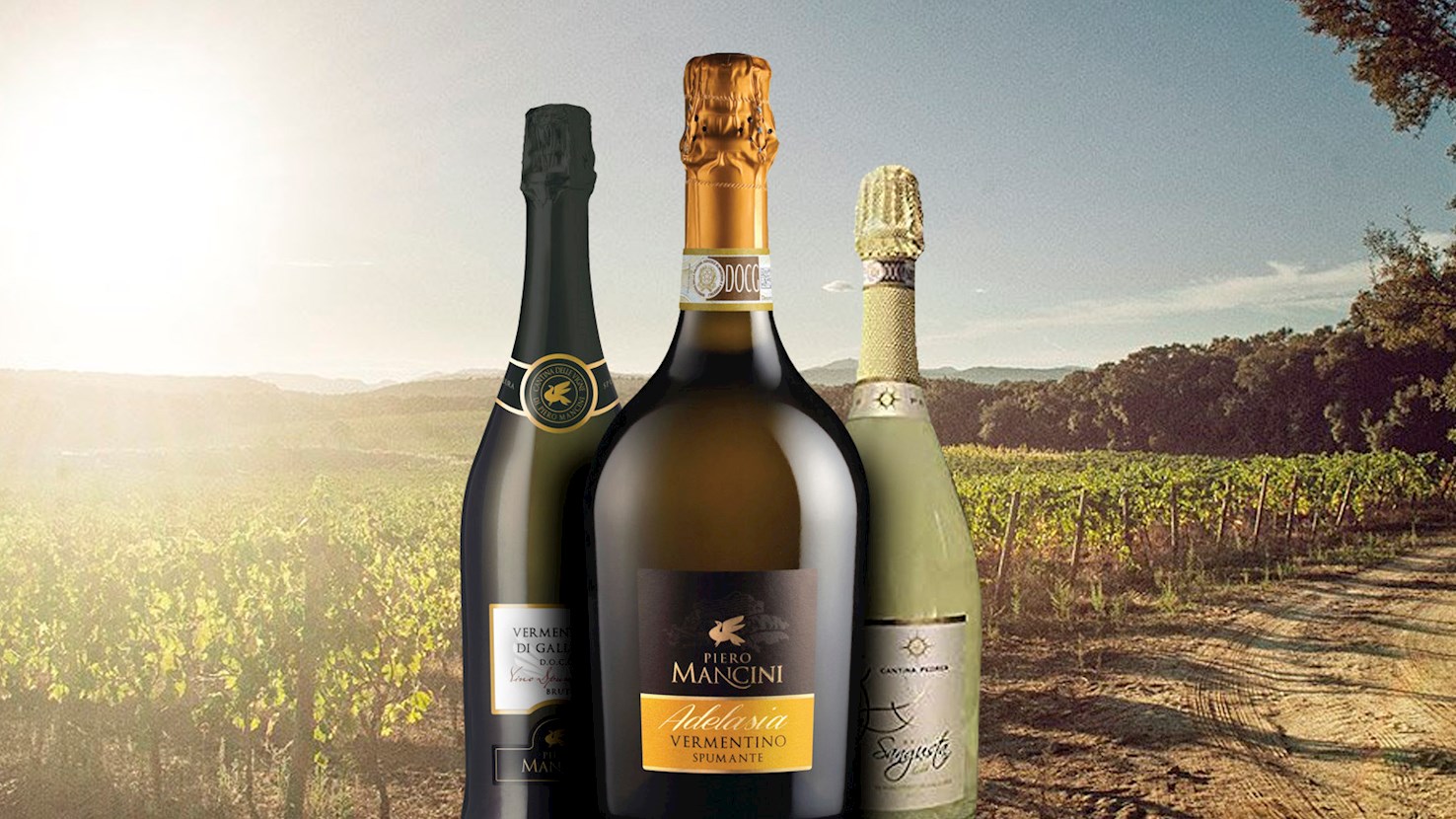
Vermentino di Gallura spumante is an Italian appellation designated for Vermentino-based sparkling wines. They are produced with the Charmat method (metodo italiano) in which the first or second fermentation takes place in large pressurized tanks. These fresh and fruity wines will typically display aromas of aromatic herbs, citrus fruit, and sage. They are lively, crisp, and harmonious, with the right balance of acidity and sweetness. Sparkling Vermentino makes an ideal aperitif, but it can also match various seafood dishes and pairs exceptionally well with crustaceans.
Vermentino di Gallura is a Sardinian appellation located in the historical region of Gallura. The wines are based on Vermentino grapes, and they can come in various styles. Late harvested grapes are used in the production of Vendemmia Tardiva - straw-colored wines that are typically smooth and mellow. They show notes of ripe summer fruit, sage, and thyme, which are often accompanied by subtle citrus notes. Baked desserts and blue cheese are suggested pairings for these rich and intense wines.
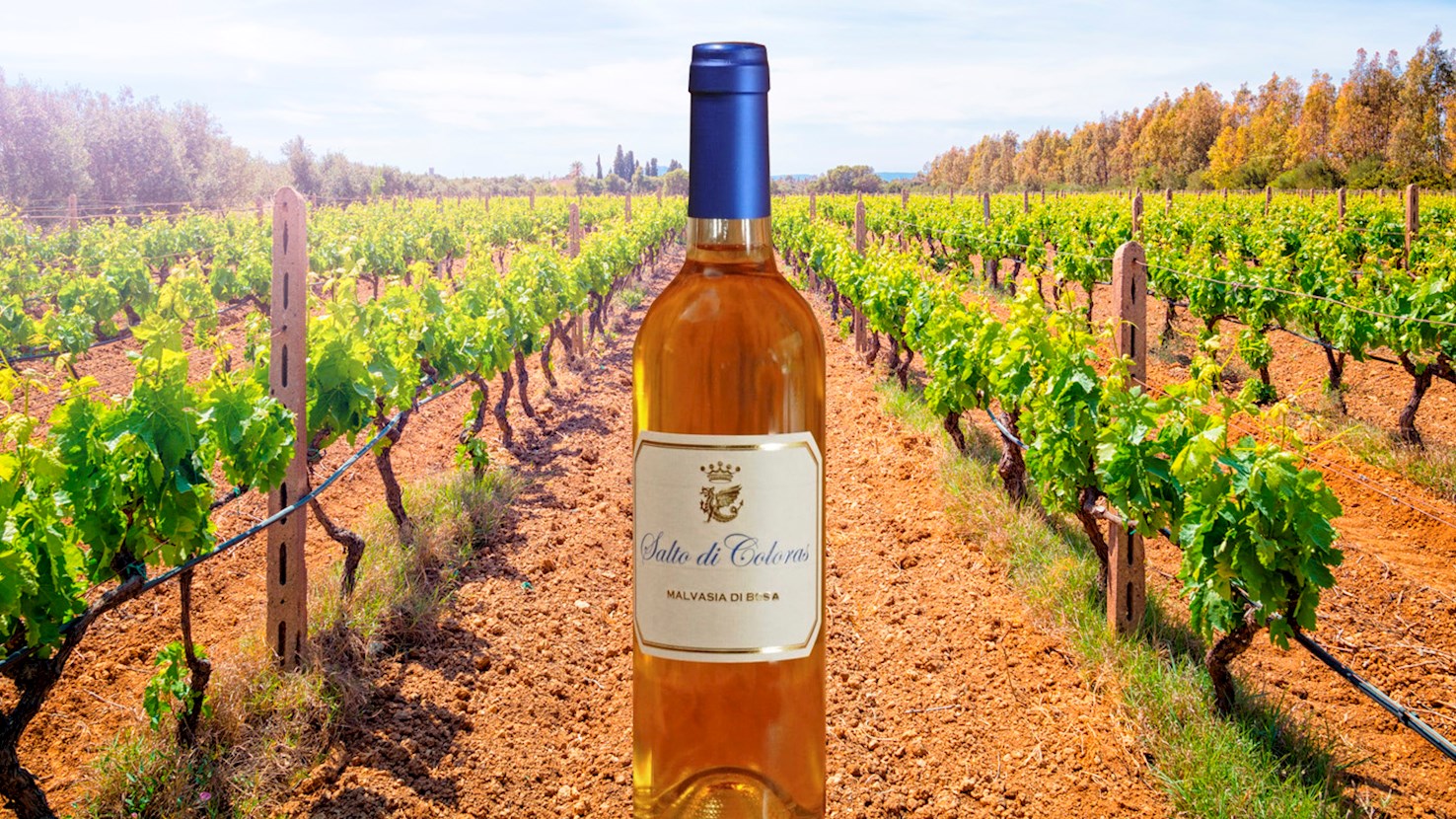
Malvasia di Bosa is an Italian appellation located in western Sardinia. Apart from passito wines—produced with dried grapes—the region also produces dry and sparkling wines with Malvasia di Sardegna as the principal grape variety. Passito wines are usually amber-colored with intense aromas reminiscent of ripe fruit and jams. They will usually have a subtle almond finish. These wines are mostly enjoyed on their own, but they also pair well with desserts and cheese.
TasteAtlas food rankings are based on the ratings of the TasteAtlas audience, with a series of mechanisms that recognize real users and that ignore bot,
nationalist or local patriotic ratings, and give additional value to the ratings of users that the system recognizes as knowledgeable.
For the “Top 11 Sardinian Wine Appellations” list until June 15, 2026, 57 ratings were recorded, of which 31 were recognized by the system as legitimate.
TasteAtlas Rankings should not be seen as the final global conclusion about food. Their purpose is to promote excellent local foods,
instill pride in traditional dishes, and arouse curiosity about dishes you haven’t tried.
The initial list of top producers was compiled based on available reviews, awards, local recommendations, media and blog coverage, and consumer reviews.
The list will be updated with ratings from TasteAtlas local ambassadors and TasteAtlas users.