Top 14 Aurhalpin Wine Varieties

Last updated on June 04, 2026

Best Aurhalpin Wine Varieties
01

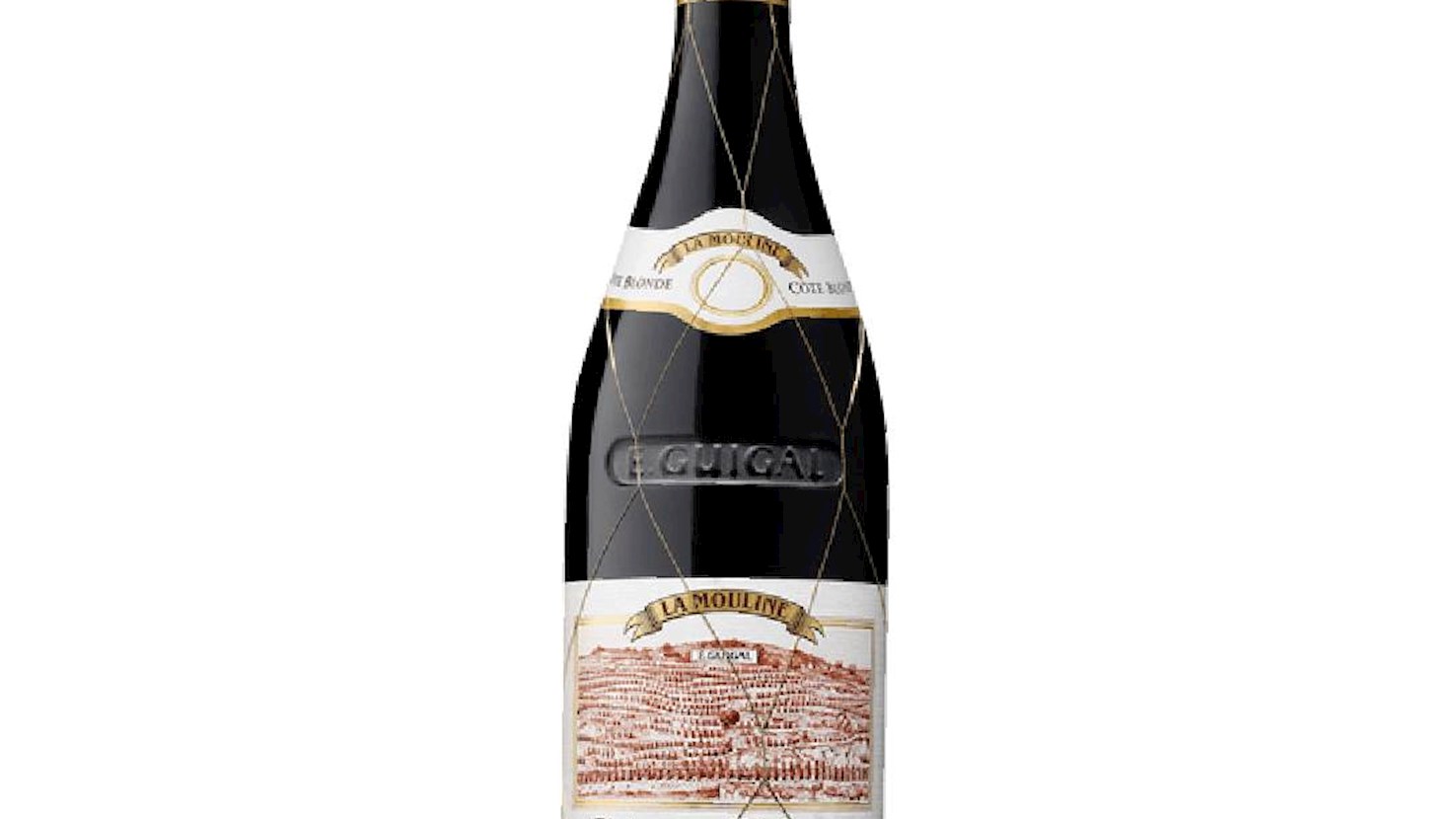
E. Guigal

5 ·
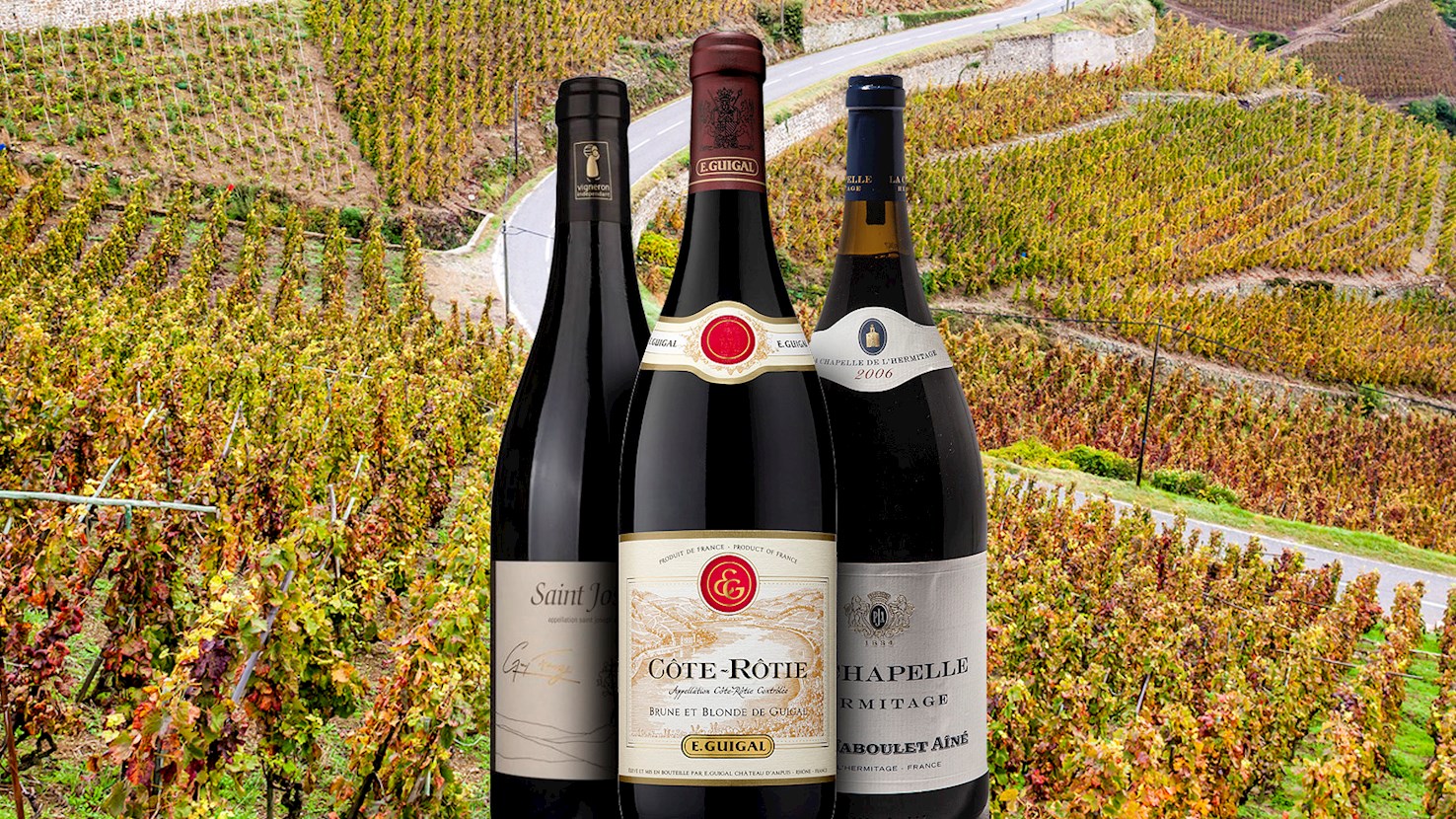
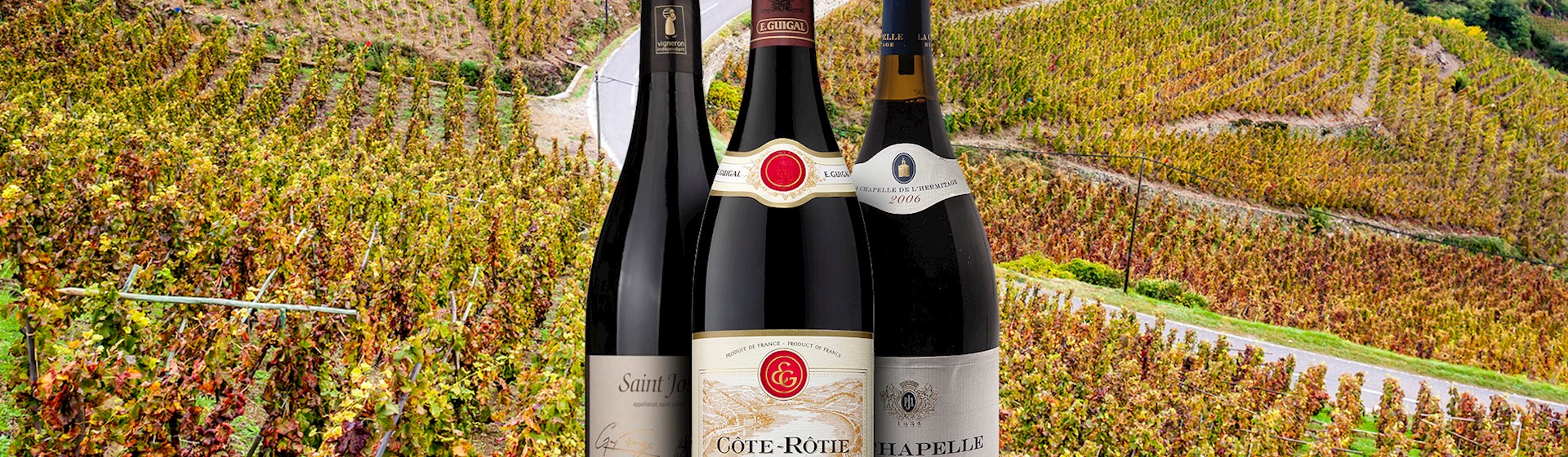
E. Guigal, established in 1946 by Étienne Guigal in Ampuis, France, is a renowned winery in the Rhône Valley. The estate is particularly celebrated for its Côte-Rôtie wines, notably the single-vineyard "La La's": La Mouline, La Landonne, and La Turque. Under the leadership of Marcel Guigal since 1961, and now his son Philippe, the family has expanded their holdings to include prestigious vineyards across the Rhône, including Hermitage, Saint-Joseph, and Crozes-Hermitage. Their commitment to quality and traditional winemaking techniques has solidified E. Guigal's reputation as a producer of some of the world's finest wines.
Awards
James Suckling - 99 points (2024)
Falstaff - 100
02

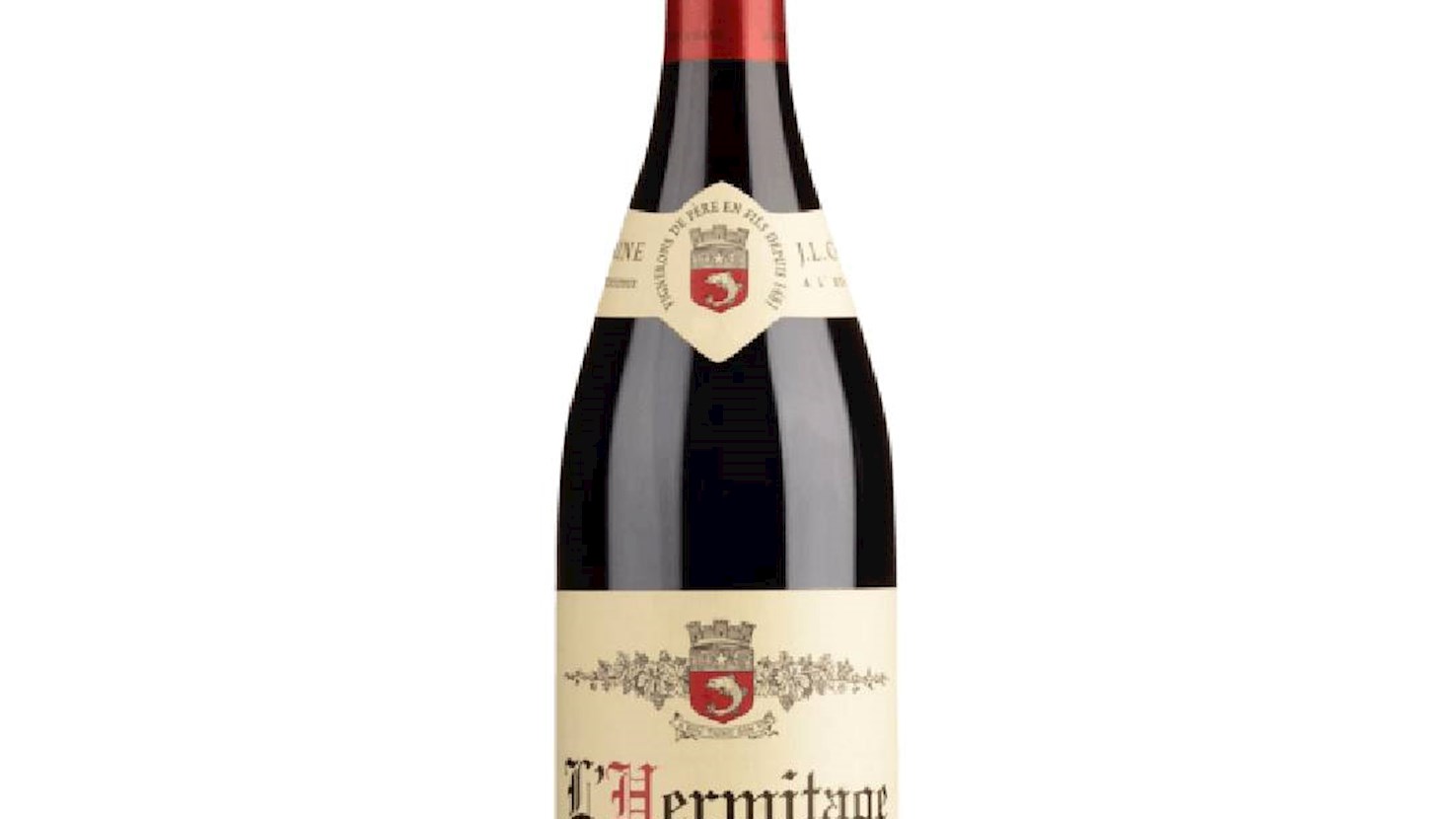
Domaine Jean-Louis Chave

5 ·
Domaine Jean-Louis Chave is a prestigious wine producer located in the village of Mauves, in the Saint-Joseph region, across the Rhône River from Hermitage - the source of their most renowned wines. The Chave family has been cultivating vines since 1481. Today, Jean-Louis Chave leads the estate, which encompasses 14.5 hectares in Hermitage, making them one of the largest landowners in the appellation. Their wines, including both red and white Hermitage, are crafted primarily from Syrah, Marsanne, and Roussanne grape varieties. These wines rank among the most esteemed in the Rhône Valley, consistently achieving high prices and exceptional ratings. The Chave family is renowned for their commitment to traditional winemaking techniques. They practice organic farming, prioritize low yields, harvest grapes at full ripeness, minimize the use of new oak, and avoid filtration, focusing on minimal intervention. Their goal is to produce wines that authentically express the noble terroir of Northern Rhône.
Awards
James Suckling - 99 points (2024)
Wine Spectator - 95 (2022)
03

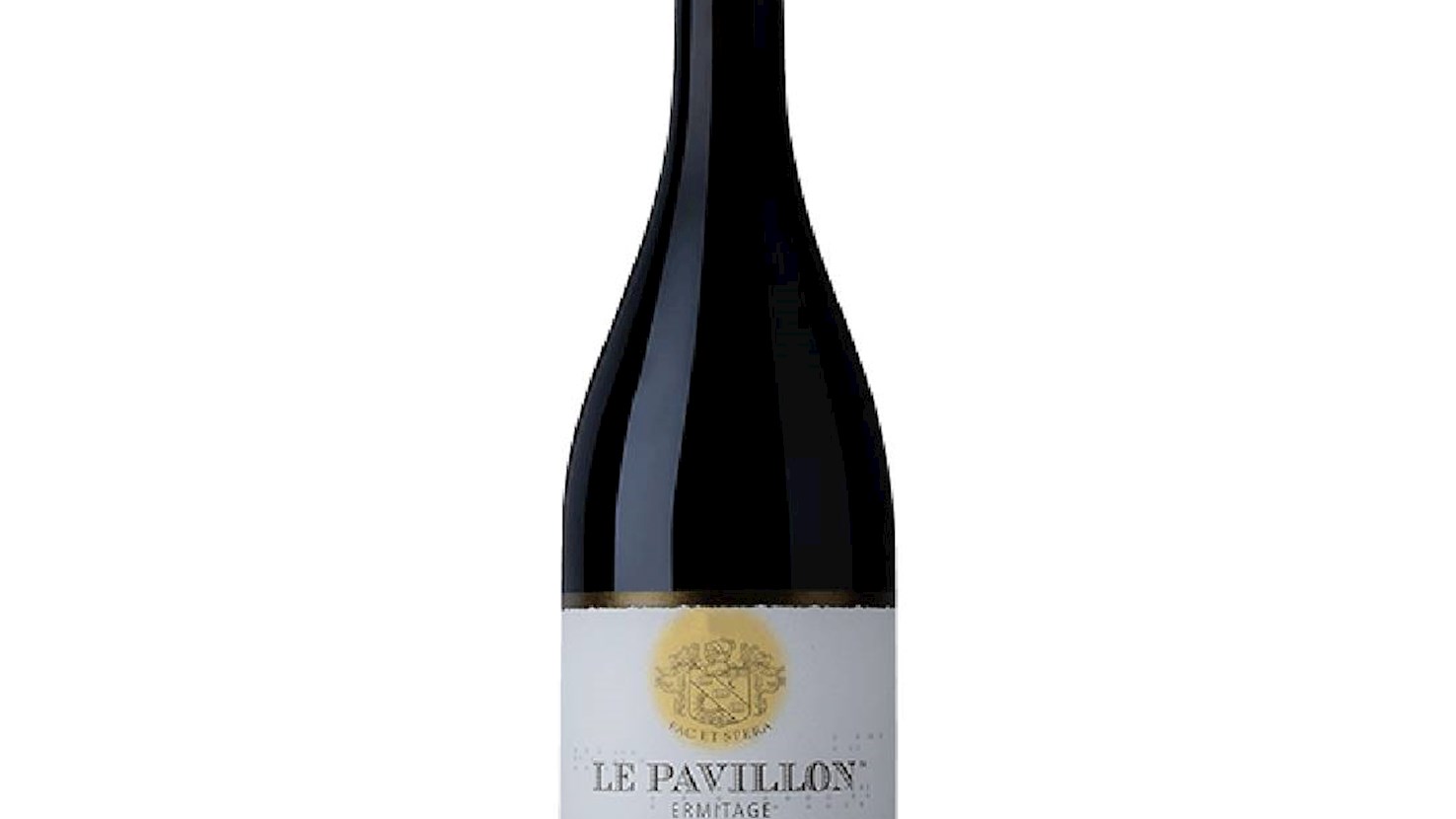
M. Chapoutier

4.9 ·
Maison M. Chapoutier is a prestigious winery with a long-standing tradition, founded in 1808 in the heart of the Rhône Valley. Under the visionary leadership of Michel Chapoutier, who took the helm in 1990, the estate has become synonymous with innovation and the authentic expression of terroir. Michel introduced biodynamic viticulture as a core philosophy, cultivating vineyards in harmony with the natural rhythms of the earth, sun, moon, and seasons. Renowned for its unique approach, the winery has included Braille on all its labels since the mid-1990s, symbolizing inclusivity and respect for all wine lovers. Today, Maison M. Chapoutier extends beyond the celebrated appellations of the Northern Rhône to vineyards in Australia, Portugal, Spain, Alsace, Provence, and Roussillon, always remaining true to its biodynamic principles. A fusion of tradition, passion, and an unwavering pursuit of excellence has made M. Chapoutier one of the most respected names in the world of wine, with its creations earning top accolades and the admiration of connoisseurs worldwide.
Awards
Decanter World Wine Awards - Platinum (2021)
Falstaff - 100
04

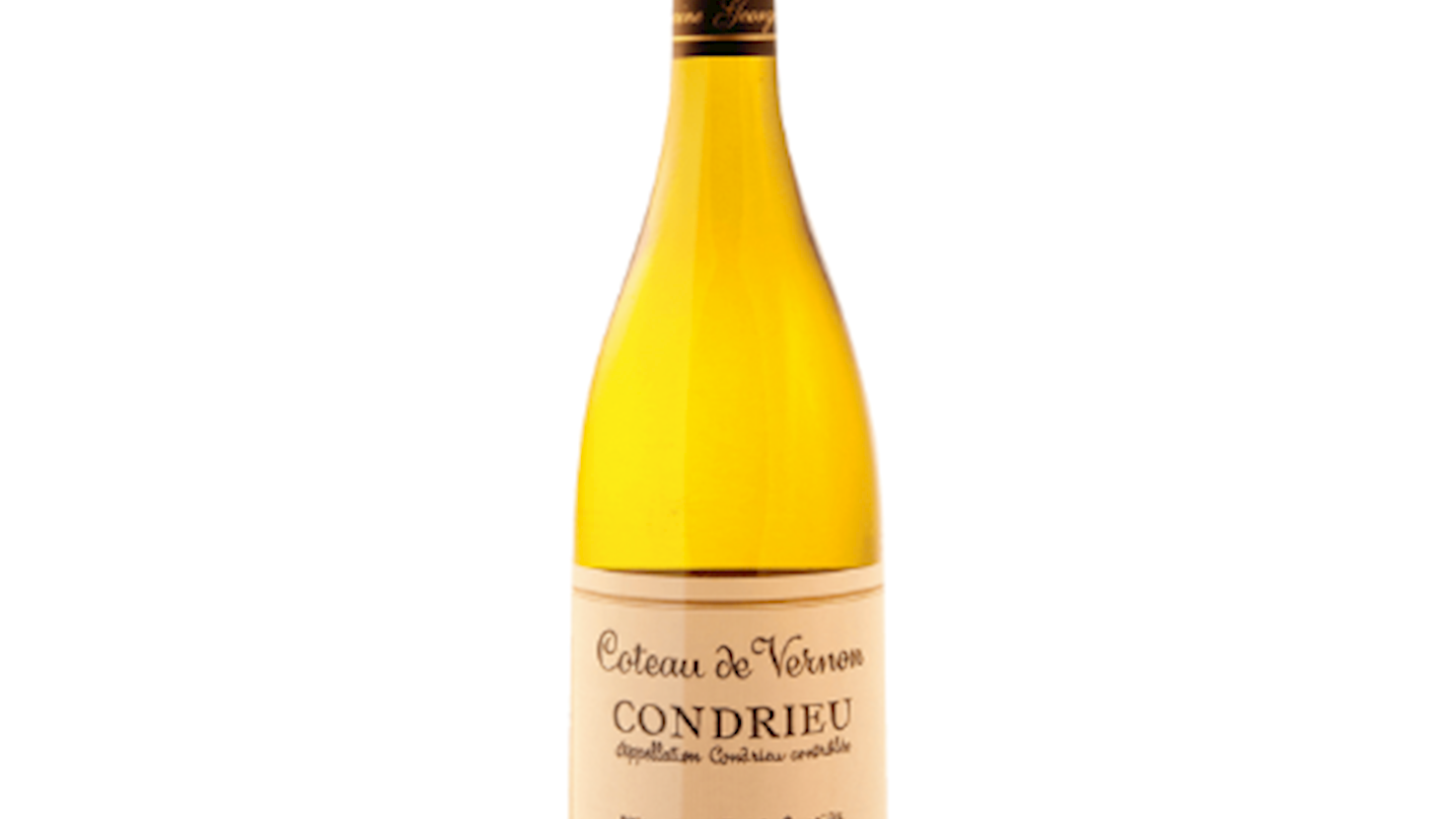
Domaine Georges Vernay

4.9 ·
Domaine Georges Vernay is a prestigious family-owned winery based in the Condrieu appellation of the northern Rhône Valley and is widely regarded as a benchmark producer of Viognier. The estate was founded in the early 20th century by Francis Vernay, while his son Georges played a decisive role in preserving the Condrieu appellation at a time when it was close to disappearing, earning him the reputation as one of the key figures behind Viognier’s survival. Today, the domaine is led by Christine Vernay, who continues the family legacy with a strong commitment to organic and biodynamic vineyard practices. The vineyards are planted on steep, terraced granite slopes that require meticulous manual work and strongly shape the wines’ character. Domaine Georges Vernay is especially renowned for its Condrieu whites, as well as for refined red wines from Côte-Rôtie and Saint-Joseph based primarily on Syrah. The wines are defined by precision, elegance, pronounced minerality, and the ability to age gracefully. The estate is considered one of the most influential and respected producers in the northern Rhône and a global reference point for Viognier.
Awards
Vivino - 4.5
Vivino - 4.2
05

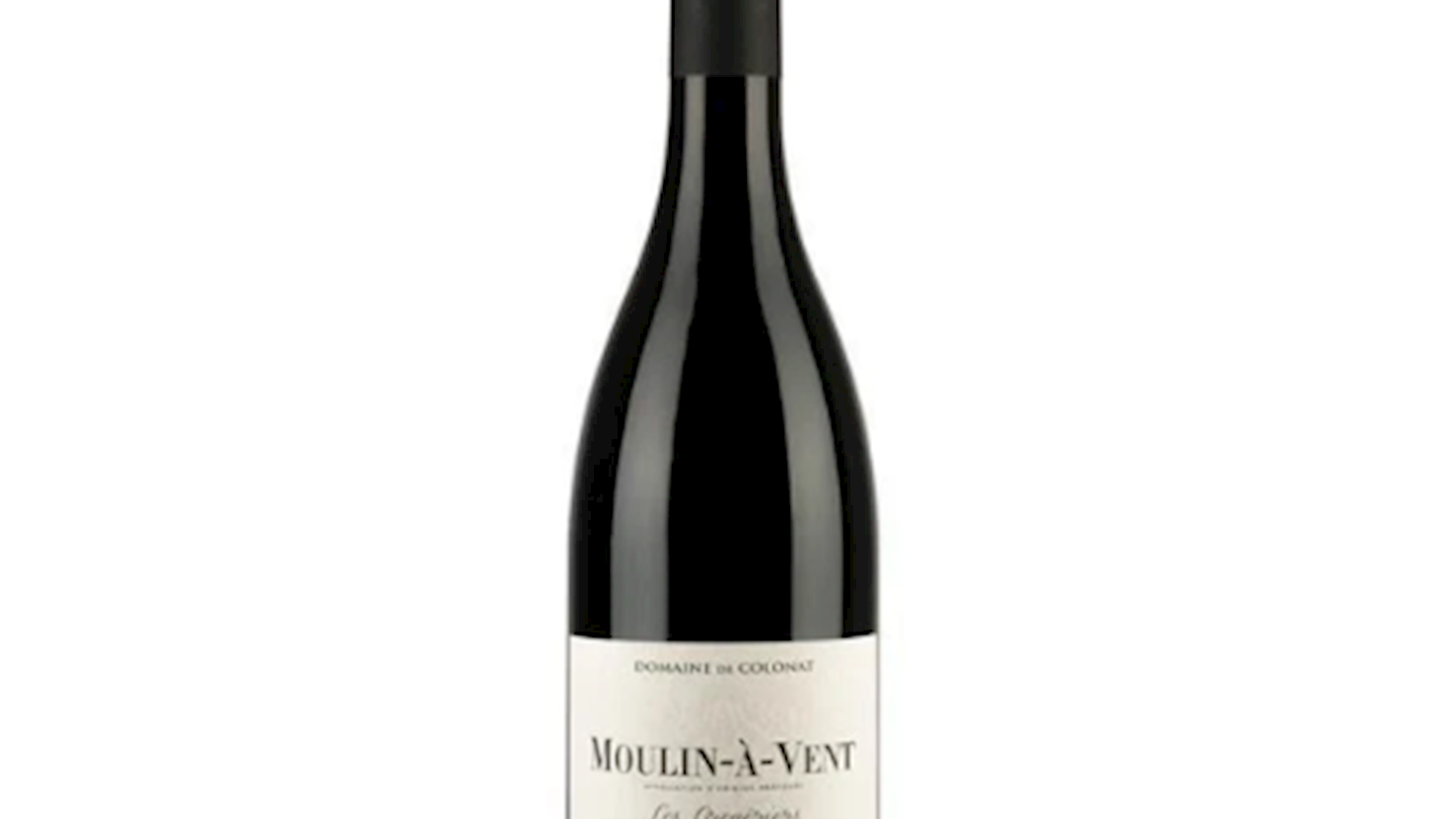
Domaine de Colonat

4.7 ·
Domaine de Colonat is a family-owned winery located in the heart of Beaujolais, in the village of Villié-Morgon, with a winemaking tradition dating back to 1828. Today, the estate is run by the seventh generation of the Collonge family, Thomas and Julie Collonge, who combine inherited knowledge with a modern, sustainability-focused approach. The vineyards cover around 12 hectares across key appellations such as Morgon and Moulin-à-Vent, planted predominantly with Gamay, the grape that defines the region’s identity. The estate benefits from granitic soils and elevated vineyard sites, which contribute freshness, minerality, and structure to the wines. Production follows environmentally responsible practices (HVE certified), with ongoing efforts toward organic farming and biodiversity preservation. The wines typically show a clear fruit profile—notes of strawberry, cherry, and dark berries—balanced by elegance and drinkability, while more structured cuvées offer depth and aging potential. Domaine de Colonat’s style reflects a precise expression of terroir, bridging traditional Beaujolais character with a clean, contemporary profile.
Awards
Decanter World Wine Awards - Best in Show (2024)
Vivino - 4.1
06

Michel & Stéphane Ogier

4.7 ·
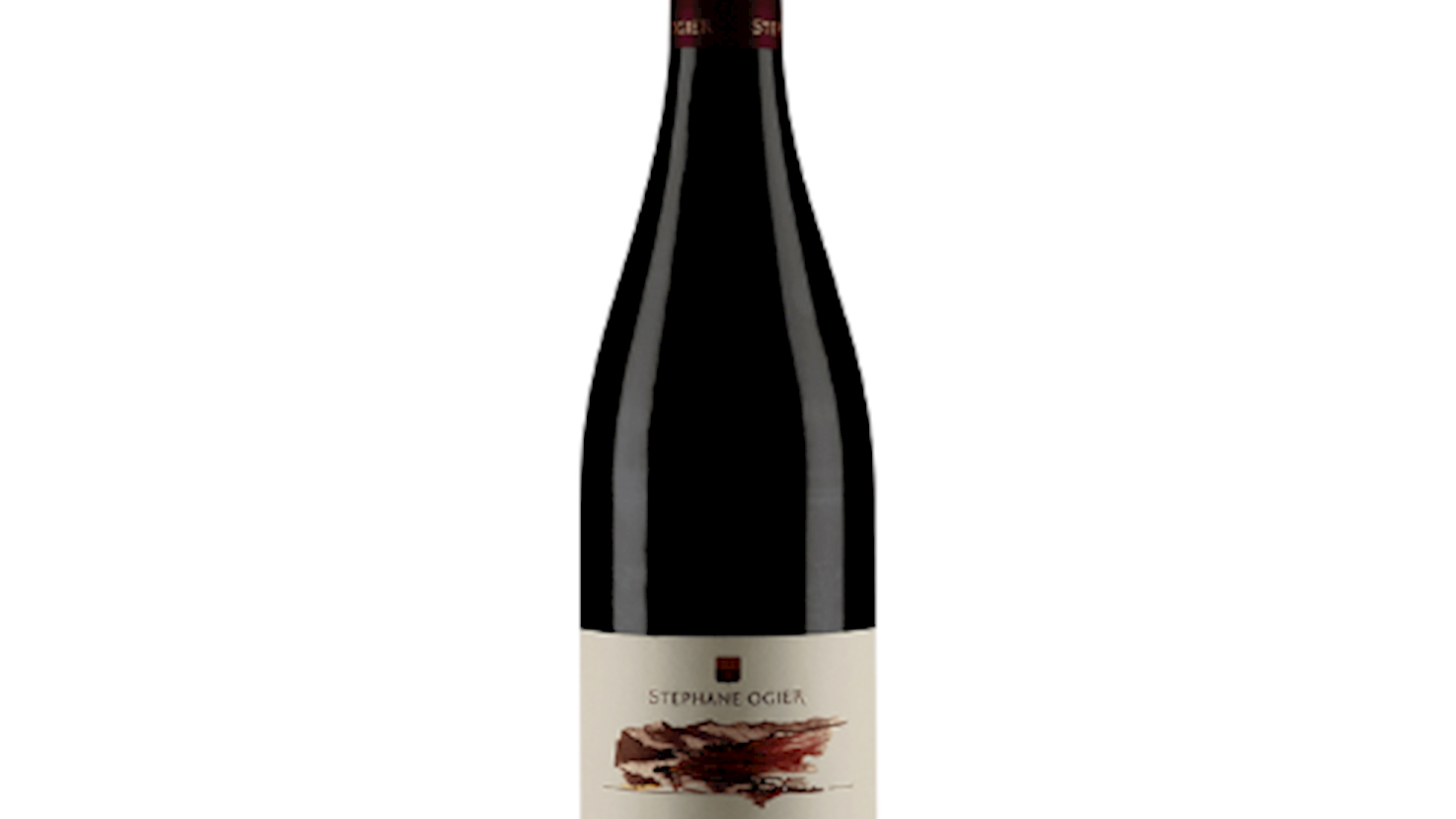
Michel & Stéphane Ogier is a respected family wine estate based in Ampuis, at the heart of the Northern Rhône, best known for its refined and terroir-focused expressions of Syrah. The domaine represents the collaboration between Michel Ogier and his son Stéphane, who together have elevated the estate through a precise balance of tradition and modern winemaking. Their vineyards span key appellations such as Côte-Rôtie, Cornas, Saint-Joseph, and Condrieu, often located on steep, granite-rich slopes that define the character of the region. Vineyard work is meticulous, with an emphasis on low yields, hand harvesting, and sustainable practices that respect site identity. In the cellar, vinification is carefully adapted to each parcel, using a mix of concrete, stainless steel, and oak to preserve purity and structure. The wines are known for their clarity, mineral tension, and elegant power, with Syrah showing dark fruit, spice, and savory depth rather than excessive weight. White wines, particularly Condrieu from Viognier, are handled with restraint to maintain freshness and balance. Michel & Stéphane Ogier is widely recognized for producing Northern Rhône wines that are precise, expressive, and built to age, while remaining firmly rooted in their origin.
Awards
Vivino - 4.3
Vivino - 4.2
07

Domaine Jean Foillard

4.6 ·
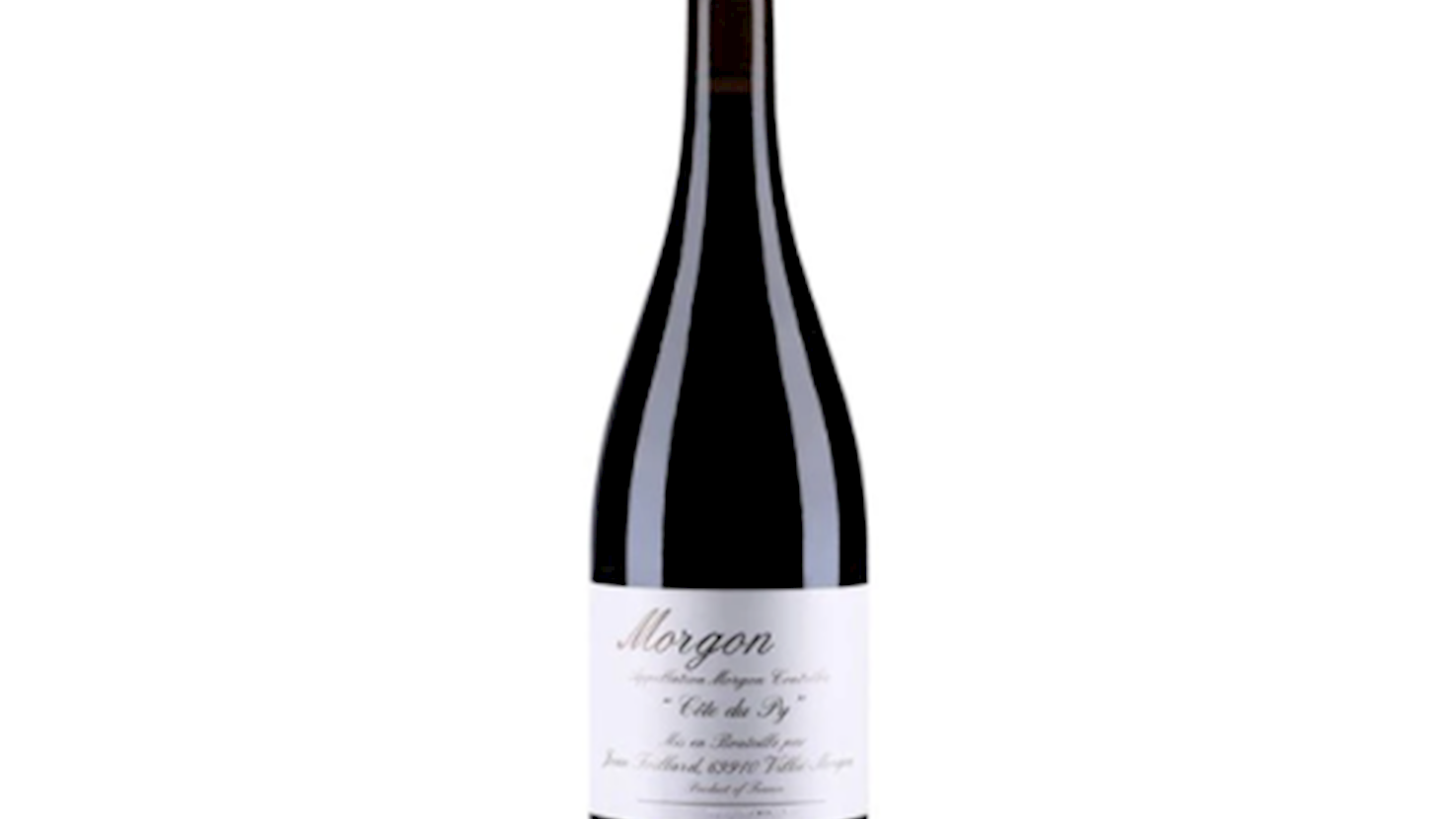
Domaine Jean Foillard is one of the most respected estates in Beaujolais, located in the village of Villié-Morgon and particularly renowned for wines from the Côte du Py, the most prestigious slope in the Morgon appellation. Foillard’s wines are known for aromas of cherry, raspberry, blackcurrant, subtle floral accents, and gentle earthy notes, all supported by a consistently fresh, lively acidity. The tannins are silky yet present - something rarely found in the lighter styles associated with Beaujolais. In the cellar, sulphur is used minimally or not at all, and filtration is avoided to preserve the wine’s purity and authenticity. Jean Foillard is considered one of the pioneers of the “natural approach” in Beaujolais, though without any extreme tendencies; his wines remain technically flawless, elegant, and stable. Despite their delicacy, they have impressive aging potential, often developing beautifully for 5-10 years, sometimes even longer. Thanks to this balance of authenticity and finesse, Domaine Jean Foillard stands as a benchmark for anyone seeking to understand the depth and seriousness that Gamay can achieve.
Awards
Vivino - 4.2
08

Domaine Marcel Lapierre

4.6 ·
Domaine Marcel Lapierre is one of the most influential estates in Beaujolais and a cornerstone of the natural-wine movement that emerged in the 1980s as part of the famed “Gang of Four” (Lapierre, Foillard, Breton, Thévenet). The domaine is located in Villié-Morgon, in the heart of the Morgon appellation, where granite soils, old vines, and a distinctive microclimate create ideal conditions for Gamay. Marcel Lapierre introduced practices that were revolutionary for the time: eliminating pesticides and herbicides, farming entirely organically, harvesting only perfectly healthy grapes by hand, using spontaneous fermentation, and applying minimal - sometimes zero - sulphur. After his passing in 2010, the estate was taken over by his children, Mathieu and Camille, who have faithfully preserved the philosophy and style that made the domaine iconic. The wines are known for their pure, juicy aromas of red and dark fruit, delicate floral nuances, mineral undertones, and an exceptionally drinkable, supple texture. The body is typically medium, driven by lively acidity and silky tannins that emphasize elegance rather than power. The flagship wine is Morgon, often described as a Gamay with a Burgundian sensibility, capable of aging beautifully for 5–10 years. Domaine Marcel Lapierre remains a symbol of honest, unpretentious, terroir-driven Beaujolais, demonstrating how complex Gamay can become when crafted with care and minimal intervention.
Awards
Vivino - 4.2
09

Château de la Chaize

4.5 ·
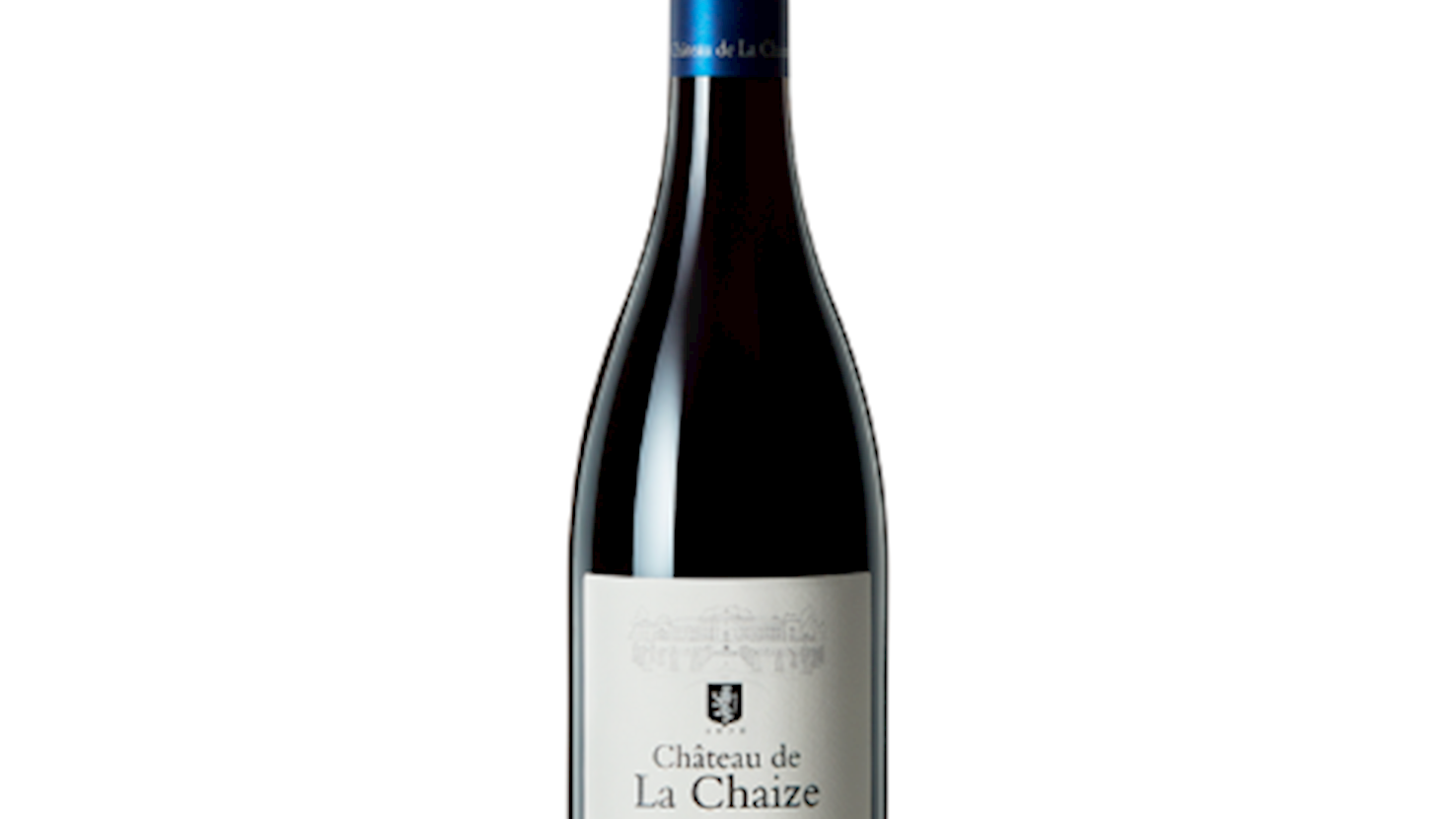
Château de La Chaize is one of the most important and historically significant wine estates in the Beaujolais region, located in the Brouilly appellation, near Mont Brouilly. The estate dates back to the 17th century and is renowned for its remarkable architecture: the château was designed by Jules Hardouin-Mansart, the principal architect of the Palace of Versailles, while the gardens were created by André Le Nôtre, making it a site of major cultural and historical importance. The vineyards extend over more than 300 hectares, making Château de La Chaize the largest single-estate vineyard holding in Beaujolais, planted predominantly with Gamay. The terroir is defined by granite and sandy soils, which are ideally suited to producing wines of freshness, elegance, and aromatic clarity. Winemaking combines traditional practices with a modern, precise approach, with a strong emphasis on sustainable viticulture. Wines from Château de La Chaize are known for their vibrant fruit character, balance, and clear expression of the Brouilly appellation, and are considered a benchmark for high-quality Beaujolais.
Awards
Vivino - 4.1
Wine-Searcher - 92/100
10

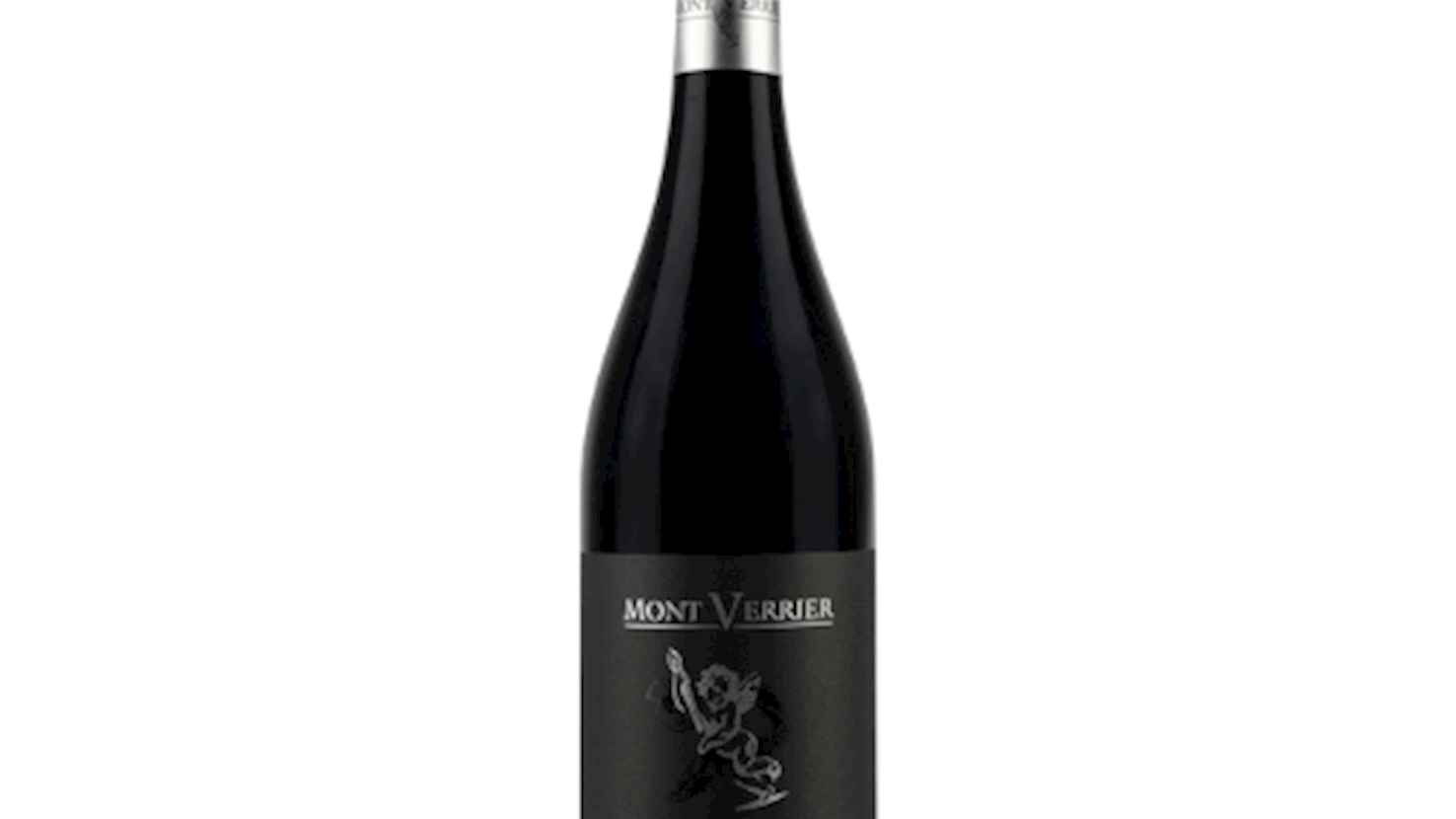
Domaine du Mont Verrier

4.4 ·
Domaine du Mont Verrier is a historic wine estate located in the heart of the Beaujolais region, within the “Pierres Dorées” area known for its distinctive golden-stone landscapes. The estate dates back to the 17th century and has longstanding ties to local institutions such as the Hospices de Villefranche, reflecting its deep cultural and winemaking heritage. Today, the vineyard spans around 40 hectares, where classic regional varieties such as Gamay, Chardonnay, and Pinot Noir are cultivated, alongside an extensive collection of lesser-known grape varieties. The production approach is rooted in sustainable and organic practices, with hand harvesting and a focus on expressing the authenticity of the terroir. The cellar, renovated in recent years, combines traditional elements like old wooden vats with modern vinification techniques. Domaine du Mont Verrier is also developed as a wine tourism destination, offering accommodation and a restaurant that highlights seasonal, locally sourced, and estate-grown ingredients. The philosophy of the estate is built on the integration of tradition, innovation, and hospitality, where wine is part of a broader experience that connects landscape, gastronomy, and regional history.
Awards
Decanter World Wine Awards - Best in Show (2022)
Vivino - 3.7

Best Aurhalpin Wine Variety Types
01

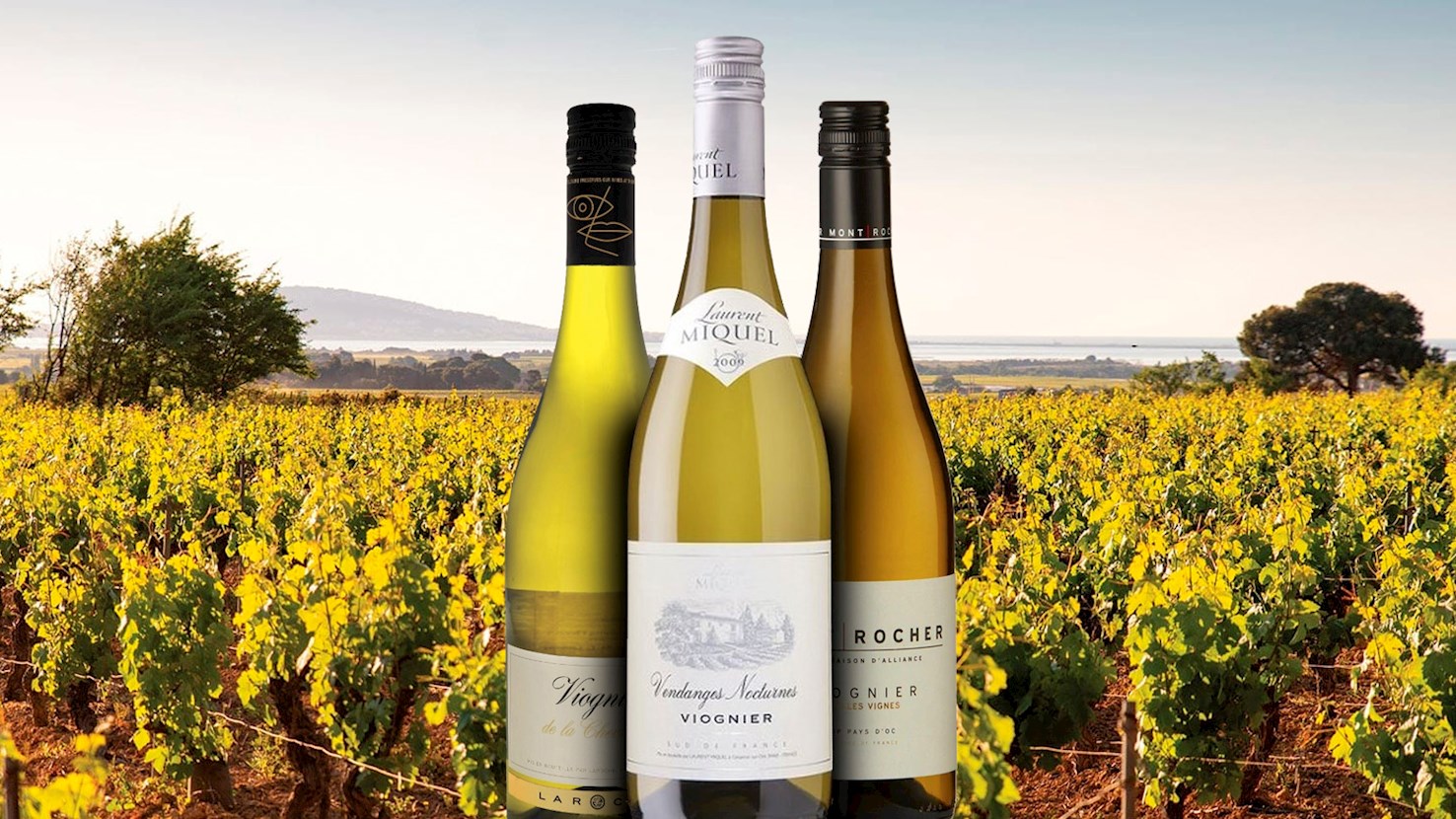
Viognier

4 ·

Viognier is a grape variety with unclear origins that found its home in the northern Rhône, where it has been cultivated for centuries. It is best known as the single varietal used in the Condrieu appellation, though it is also used as a blending variety in Côte-Rôtie. The grape makes heavily perfumed, mostly full-bodied wines whose character may range from light to rich and creamy. Typical flavors found in most Viognier wines include peach and apricots, while the aromas may range from lighter expressions of stone fruit, honeysuckle, and spring blossom to heartier notes of vanilla and spices. These richly-textured wines pair with equally rich dishes, especially seafood, but they can also match spice-laden Asian fare. Apart from France, Viognier is cultivated in the United States, South America, South Africa, New Zealand, and Australia.

02

Syrah

4 ·

Although Syrah is an internationally known grape that is planted worldwide, it attains distinctive character in northern Rhône—which is often dubbed as Mecca for Syrah. There are several theories about the origin of the grape, but it has been widely accepted that Syrah is native to France and that it probably originated somewhere in the Rhône valley. Syrah-based wines from northern Rhône often differ in style, but they are powerful, full-bodied reds that can age exceptionally well. They usually display aromas of dark fruit that evolve into peppery, earthy, and herbaceous nuances. Northern Rhône is also home to the premier Syrah-based appellations such as Côte Rôtie, Hermitage, Saint-Joseph, Crozes-Hermitage, and Cornas. In the southern Rhône, Syrah is mostly used as an addition to the dominant Grenache. Syrah-based wines generally pair well with grilled or braised meat, stews, and game. Traditionally, French appellations do not include the name of the grape on the label.

03

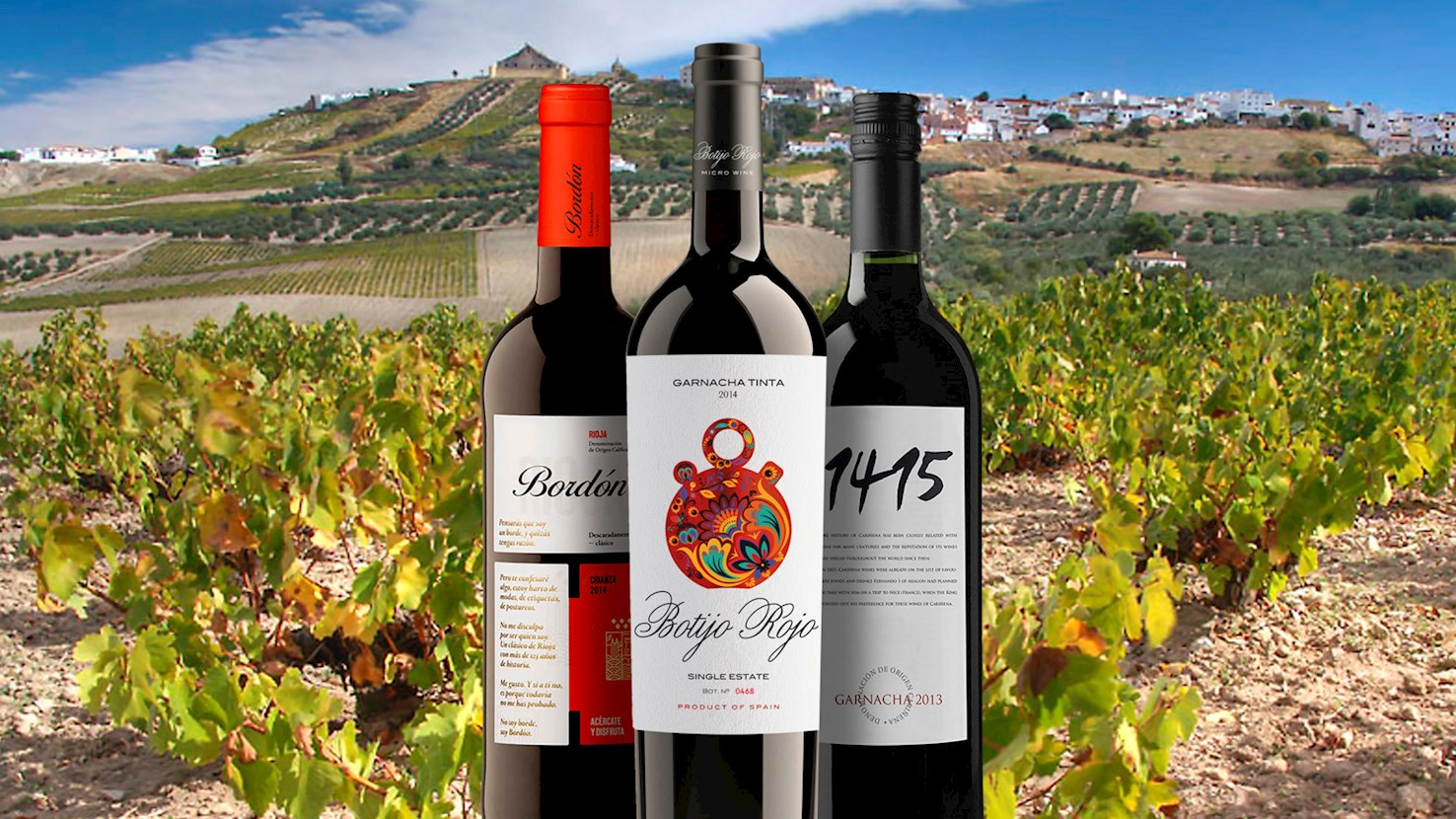
Garnacha

3.8 ·

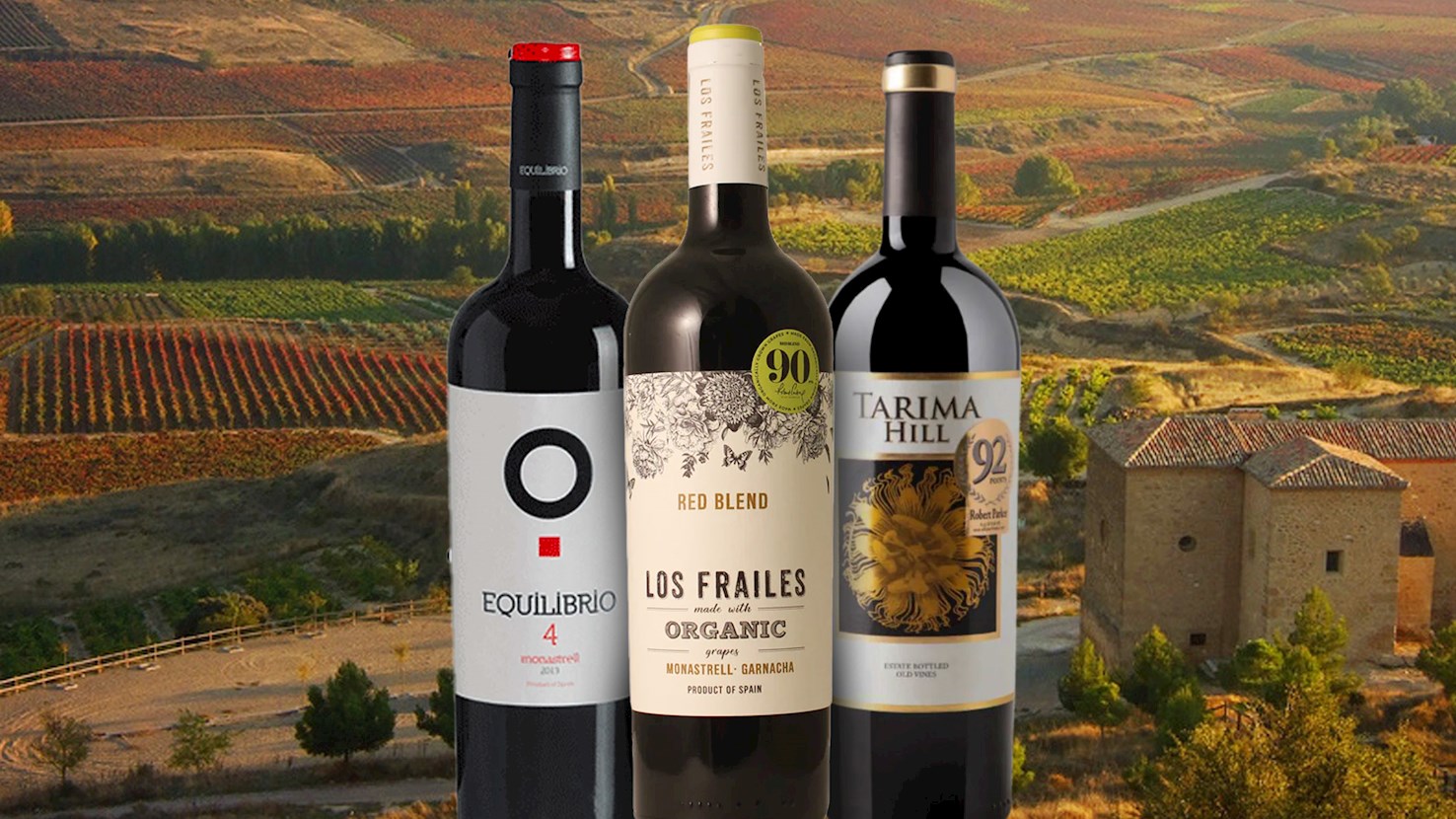
Garnacha, also known as Grenache in France, is a widely cultivated red wine grape variety known for producing wines with rich, fruity flavors and high alcohol content. It is one of the most versatile and widely planted grape varieties in the world, thriving in warm, dry climates. Garnacha grapes are typically medium to large in size with thin skins, which contribute to the grape's characteristic light color and relatively low tannin levels. Wines made from Garnacha often exhibit flavors of red fruits such as raspberry, strawberry, and cherry, along with spicy notes of white pepper, cinnamon, and hints of herbs and earthiness. As the wines age, they can develop more complex flavors, including leather, tobacco, and dried fruits. Garnacha is grown in several wine regions around the world, with notable concentrations in France, Spain, Australia, and the United States. In France, Garnacha is a key grape in the southern Rhône Valley, particularly in Châteauneuf-du-Pape, where it is often blended with Syrah, Mourvèdre, and other varieties to create complex, full-bodied wines. It is also prominent in the Languedoc-Roussillon region. In Spain, it is widely grown in regions such as Rioja, Priorat, and Aragon. In Priorat, Garnacha produces powerful, intense wines with great aging potential. In Australia, Garnacha is significant in regions like McLaren Vale and Barossa Valley, where it is often used in GSM (Garnacha, Syrah, Mourvèdre) blends. In the United States, California, particularly the Central Coast and Paso Robles, has seen a rise in Garnacha plantings, producing both single-varietal wines and blends. Garnacha is incredibly versatile and can be used to produce a variety of wine styles, including red wines that range from light and fruity to rich and full-bodied, rosé wines, particularly in Provence, and fortified wines such as Banyuls and Maury in France. Garnacha wines pair well with a variety of foods due to their fruit-forward nature and moderate tannins, complementing dishes such as roasted meats, stews, grilled vegetables, and Mediterranean cuisine. The spicier and earthier notes of aged Garnacha make it an excellent match for game meats and hearty, rustic dishes.

04

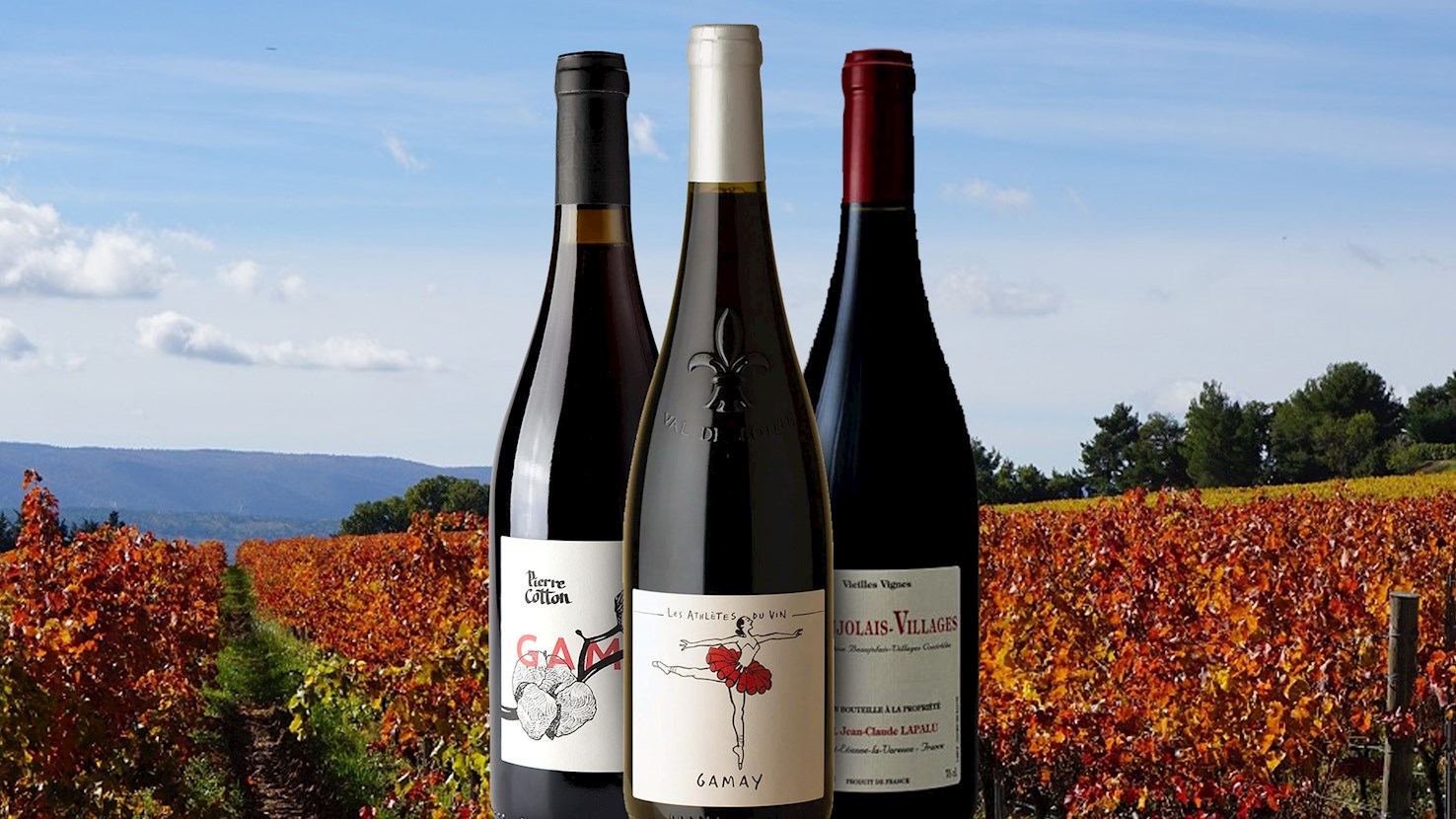
Gamay

3.4 ·

Gamay is a red wine grape variety best known for producing Beaujolais, a light-bodied red wine from the Beaujolais region in France. It is renowned for its bright fruit flavors, low tannins, and high acidity, making it a refreshing and approachable wine suitable for various occasions. The grape's full name is Gamay Noir à Jus Blanc, which reflects its dark skin and white juice. Gamay is particularly well-suited to the granite soils found in the Beaujolais region, where it thrives and develops its characteristic flavor profile. The wines made from Gamay often exhibit aromas and flavors of red fruits such as cherry, raspberry, and strawberry, along with floral notes like violet and sometimes subtle hints of banana or bubblegum, especially in wines made using carbonic maceration. One of the most famous expressions of Gamay is Beaujolais Nouveau, a young, fruity wine released just weeks after the grapes are harvested. Beaujolais Nouveau is celebrated annually on the third Thursday of November, known as Beaujolais Nouveau Day, and is intended for immediate consumption. The wine's vibrant, fruity character and low tannin levels make it very popular as a festive and casual drink. In addition to Beaujolais Nouveau, Gamay is also used to produce more serious and age-worthy wines in the Beaujolais region, particularly from the ten designated Crus. These Crus, such as Morgon, Moulin-à-Vent, and Fleurie, produce more structured and complex wines that can benefit from a few years of aging. These wines often show deeper fruit flavors, more pronounced minerality, and a greater depth of character compared to the simpler Beaujolais and Beaujolais Villages wines. Outside of France, Gamay is grown in other regions, including Switzerland, where it is often blended with Pinot Noir to create Dôle, and in parts of North America, particularly in Oregon and Canada, where winemakers appreciate its ability to produce fresh and fruity wines.

05

Monastrell

3 ·

Monastrell, also known as Mourvèdre, is a red wine grape variety widely grown in several wine regions, particularly in Spain and France. Believed to have originated in Spain, it is most commonly known as Monastrell there, while in France it is called Mourvèdre, notably in the Provence and Rhône Valley regions. It is also referred to as Mataro in parts of Australia and California. In Spain, Monastrell is primarily cultivated in the southeastern regions, such as Jumilla, Yecla, and Alicante. In France, it is found in the southern Rhône Valley and Provence and is often used in blends for wines like Châteauneuf-du-Pape and Bandol. Additionally, it is grown in other parts of the world, including Australia and the United States (particularly California). Monastrell wines are typically dark in color with high tannin and alcohol levels, exhibiting rich, robust flavors with notes of blackberries, plums, black pepper, and earthy undertones. They can be meaty or gamey and sometimes show hints of herbs and spices. This grape variety is used to produce a variety of wine styles, including single-varietal wines and blends. It is often blended with Grenache (Garnacha) and Syrah in both Spain and France to create balanced and complex wines, and it is also used to make rosé wines, particularly in Provence. Monastrell wines pair well with hearty and robust dishes, such as grilled meats, stews, and game. The high tannin content makes it a good match for rich and fatty foods, including lamb and beef, and it also pairs well with spicy dishes and strong cheeses. Due to their structure and tannin levels, Monastrell wines often have good aging potential, especially those from top-quality vineyards and producers, developing more complex flavors and softer tannins with a few years of aging. Monastrell is a versatile and robust grape variety that produces rich and flavorful wines, reflecting the characteristics of the regions where it is grown.

06

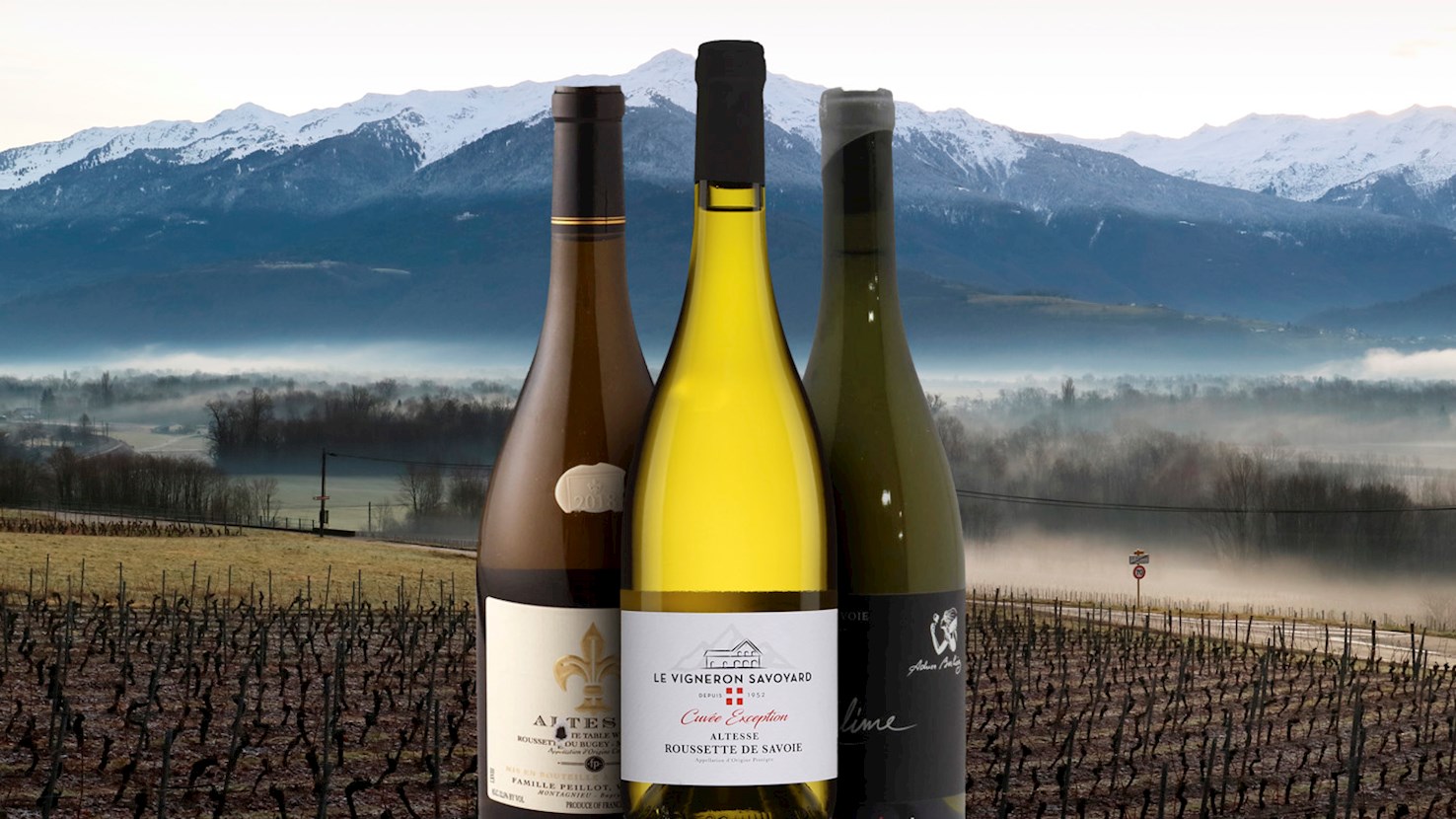
Altesse

n/a ·

Altesse is a grape variety that is mostly cultivated in the Savoie region of eastern France. It is believed that this a native French variety, but its origin has not yet been clarified. In Savoie, this white-skinned grape is mostly used in the production of dry white wines, though it is also suitable for sparkling wines. Altesse-based wines are usually characterized by good acidity and mineral character, as well as hazelnut, almond, violet, and bergamot aromas. They typically age well, and with time, tend to develop richer nutty and tropical fruit notes but retain their characteristic acidity. Some producers age the wine in tanks, while some opt for oak-aging. The most important Altesse appellations are Roussette de Savoie (100% Altesse) and Roussette du Bugey. The grape is also sometimes referred to as Roussette. The wines made with Altesse pair well with appetizers, salads, seafood, and cheese or cheese-based dishes.

07

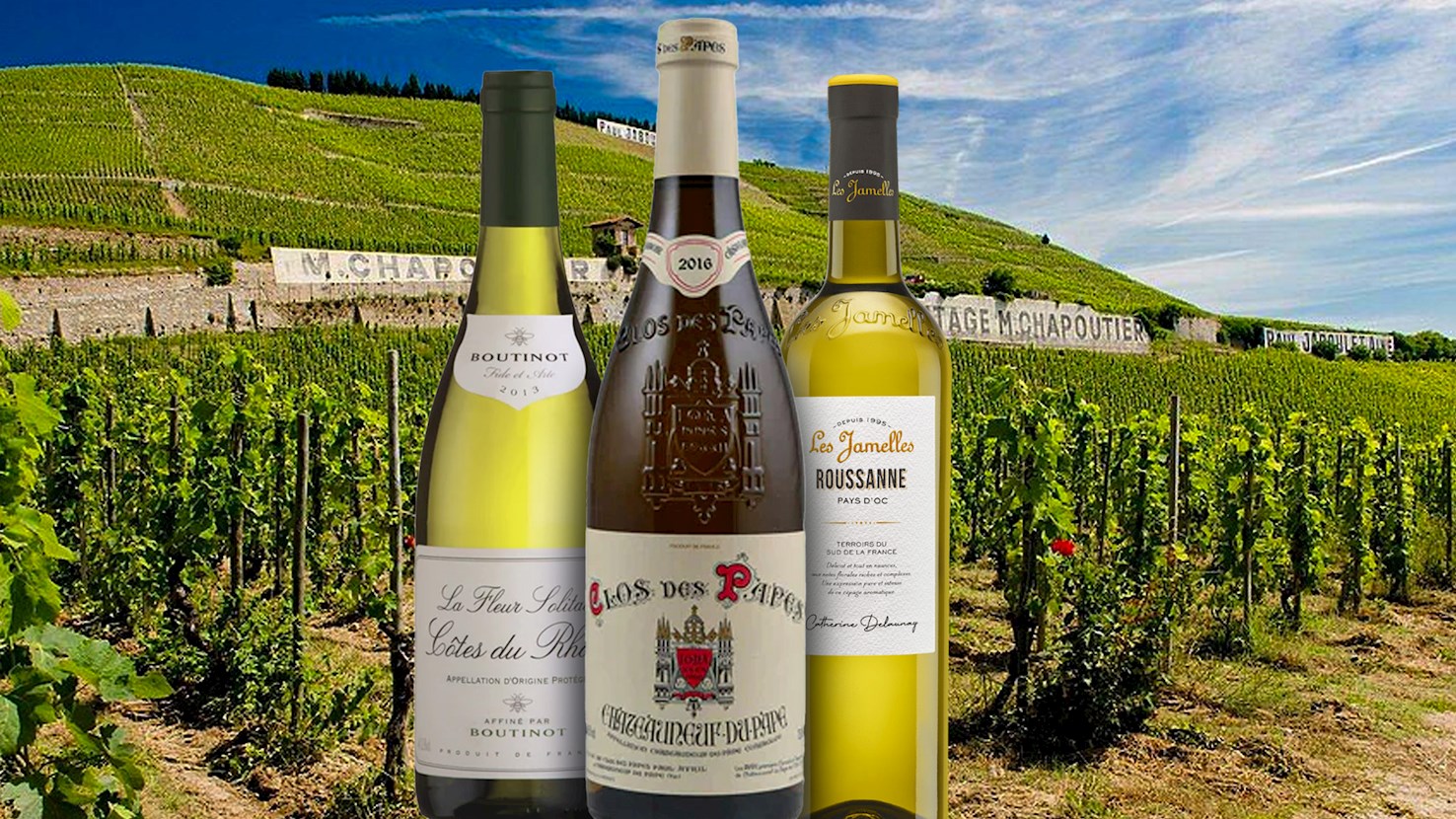
Roussanne

n/a ·

Roussanne is a white wine grape variety originating from the Rhône Valley in France. It is known for producing aromatic and complex wines with good aging potential. Roussanne is often blended with other Rhône white grape varieties, particularly Marsanne, but it can also be made into varietal wines that showcase its unique characteristics. Roussanne wines typically exhibit a rich and elegant flavor profile. Common tasting notes include pear, apple, and citrus fruits, such as lemon and orange, along with floral aromas like honeysuckle and jasmine. As the wine ages, it can develop more complex flavors, including honey, nuts (like almond or hazelnut), and herbal or tea-like nuances. The wines often have a good balance of acidity and a medium to full body, giving them a pleasing texture and structure. In the Rhône Valley, Roussanne is a key component in the white wines of several appellations, including Hermitage, Crozes-Hermitage, Saint-Joseph, and Châteauneuf-du-Pape. It is also used in some of the region's white blends, often partnered with Marsanne, which adds body and richness to complement Roussanne's aromatic intensity and acidity. Outside of France, Roussanne is grown in various other wine regions around the world, including California, Australia, and Italy. In these regions, it is appreciated for its ability to produce high-quality, distinctive wines that reflect the local terroir. In California, particularly in the Central Coast and Sierra Foothills, Roussanne is used both in blends and as a single varietal wine, often showing a slightly riper fruit profile compared to its French counterparts. Roussanne wines pair well with a variety of foods due to their complexity and balanced acidity. They are excellent with rich seafood dishes, such as lobster and scallops, as well as roasted poultry, pork, and creamy pasta dishes. The wine's herbal and floral notes also make it a good match for dishes with herbs and spices, such as Mediterranean and Middle Eastern cuisine.

08

Mondeuse

n/a ·

Mondeuse Noire is a red wine grape variety native to the Savoie region in the Auvergne-Rhône-Alpes of France. It is known for producing distinctive, characterful wines that are deeply colored and have a complex flavor profile. Mondeuse Noire is highly valued for its ability to reflect the unique terroir of the Savoie region, making it an important part of the local wine heritage. Wines made from Mondeuse Noire typically exhibit a rich, dark color and a medium to full body. The flavor profile often includes intense notes of dark fruits such as blackberry, black cherry, and plum. In addition to the fruit characteristics, Mondeuse Noire wines often have a spicy, peppery quality, with hints of licorice, herbs, and sometimes a touch of earthiness or smokiness. These wines are also known for their good acidity and firm tannins, which contribute to their structure and aging potential. Mondeuse Noire is typically grown in the Savoie appellations, such as Bugey and the sub-regions around the city of Chambéry. It thrives in the region's mountainous terrain and cooler climate, which help to preserve its acidity and aromatic intensity. In terms of food pairings, Mondeuse Noire wines are versatile and can complement a wide range of dishes. They pair particularly well with savory, hearty foods, including roasted meats, game, stews, and dishes featuring mushrooms or root vegetables. The spice and acidity in the wine make it a good match for flavorful, robust cuisine, including traditional Savoie dishes such as fondue and raclette.

09

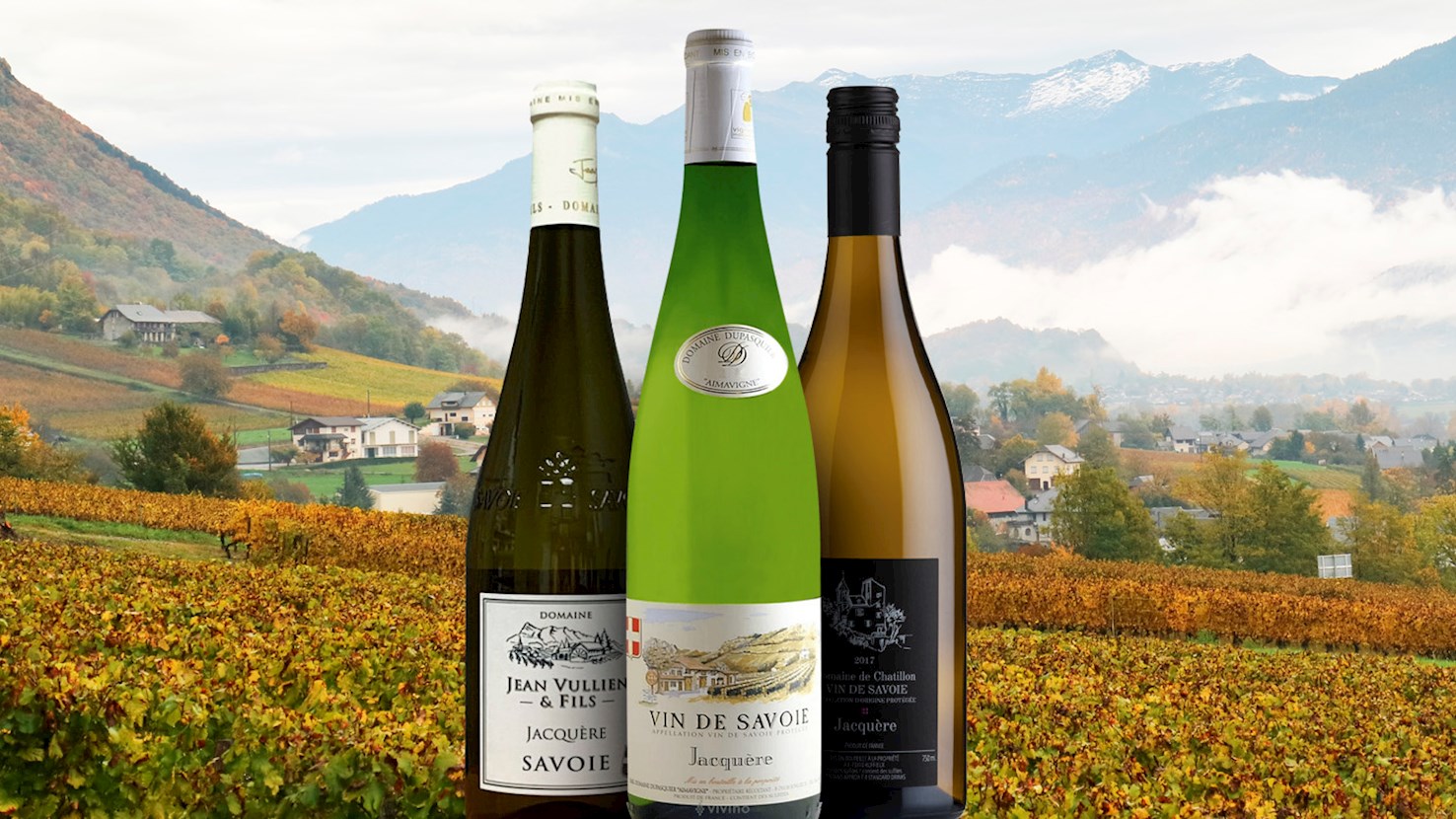
Jacquère

n/a ·

Jacquère is a French grape variety that produces bright and fresh alpine wines. It is one of the classic French varieties and the most widely planted grape variety in Savoie. The best examples come from the villages Abymes and Apremont, where Jacquère has to make at least 80% of the blend, though most producers use 100%. The wines are light and approachable, typically low in alcohol and high in acidity. They usually have citrusy aromas reminiscent of lime, lemon, and grapefruit, often accompanied by subtle fruity nuances and distinctive mineral notes. These wines are typically enjoyed young, and because of their lively character, they are a suitable pairing with various dishes. They particularly pair well with seafood, especially oysters, local specialties, and cheese. The grape is also used for sparkling and sur lie (on the lees) styles.

10

Grenache Blanc

n/a ·

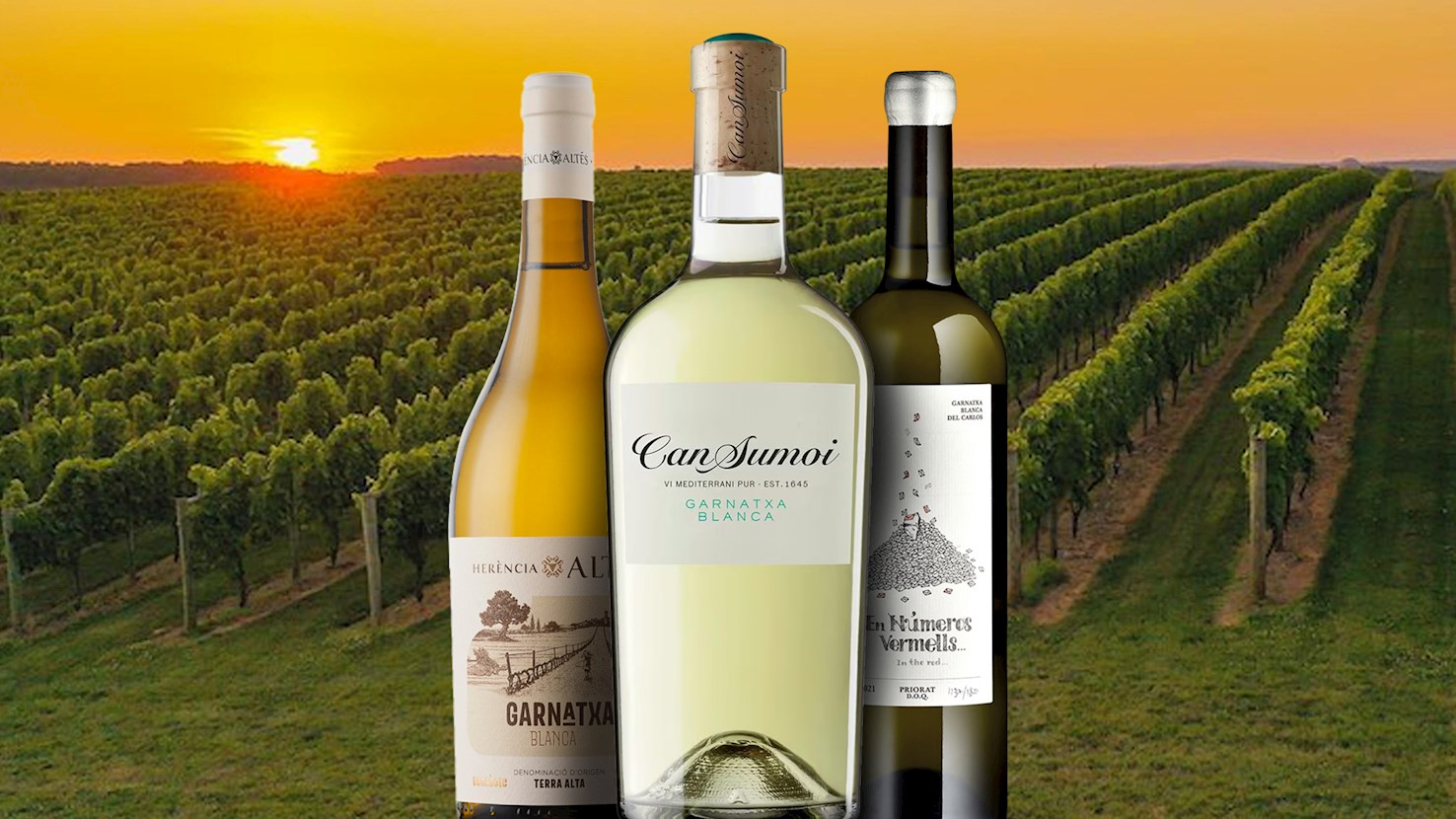
Garnatxa Blanca or Grenache Blanc is a white wine grape variety that is a mutation of the red Garnacha grape. It is predominantly grown in Spain and France, but it is also found in other wine regions around the world. Garnatxa Blanca is known for producing wines that are full-bodied and aromatic with a rich texture and relatively high alcohol content. In terms of flavor profile, Garnatxa Blanca wines often exhibit notes of green apple, pear, citrus (such as lemon and lime), and white flowers. They can also have hints of stone fruits like peach and apricot, along with a distinctive minerality. When aged or fermented in oak, the wines can develop additional flavors of vanilla, almond, and spices. Garnatxa Blanca is particularly significant in the Rhône Valley in France, where it is one of the key grape varieties in white Côtes du Rhône blends. It is also an important component in the white wines of Châteauneuf-du-Pape and other southern Rhône appellations. In Spain, where it is known as Garnatxa Blanca, it is widely planted in regions such as Catalonia and Rioja, often used in both single-varietal wines and blends. The grape's ability to thrive in warm climates makes it well-suited to regions with hot, dry summers. Its thick skin helps it to withstand drought and heat, while its ability to retain acidity ensures that the wines remain balanced and fresh even in warm conditions. Garnatxa Blanca wines are versatile in terms of food pairings. Their full-bodied nature and balanced acidity make them an excellent match for a variety of dishes, including seafood, poultry, pork, and Mediterranean cuisine. They also pair well with creamy sauces, grilled vegetables, and dishes featuring herbs like rosemary and thyme.

Read more
View all
View map
About this ranking

TasteAtlas food rankings are based on the ratings of the TasteAtlas audience, with a series of mechanisms that recognize real users and that ignore bot, nationalist or local patriotic ratings, and give additional value to the ratings of users that the system recognizes as knowledgeable. For the “Top 14 Aurhalpin Wine Varieties” list until June 04, 2026, 184 ratings were recorded, of which 164 were recognized by the system as legitimate. TasteAtlas Rankings should not be seen as the final global conclusion about food. Their purpose is to promote excellent local foods, instill pride in traditional dishes, and arouse curiosity about dishes you haven’t tried.

The initial list of top producers was compiled based on available reviews, awards, local recommendations, media and blog coverage, and consumer reviews. The list will be updated with ratings from TasteAtlas local ambassadors and TasteAtlas users.

Similar lists