Top 12 Catalan Wine Varieties

Last updated on June 04, 2026

Best Catalan Wine Varieties
01

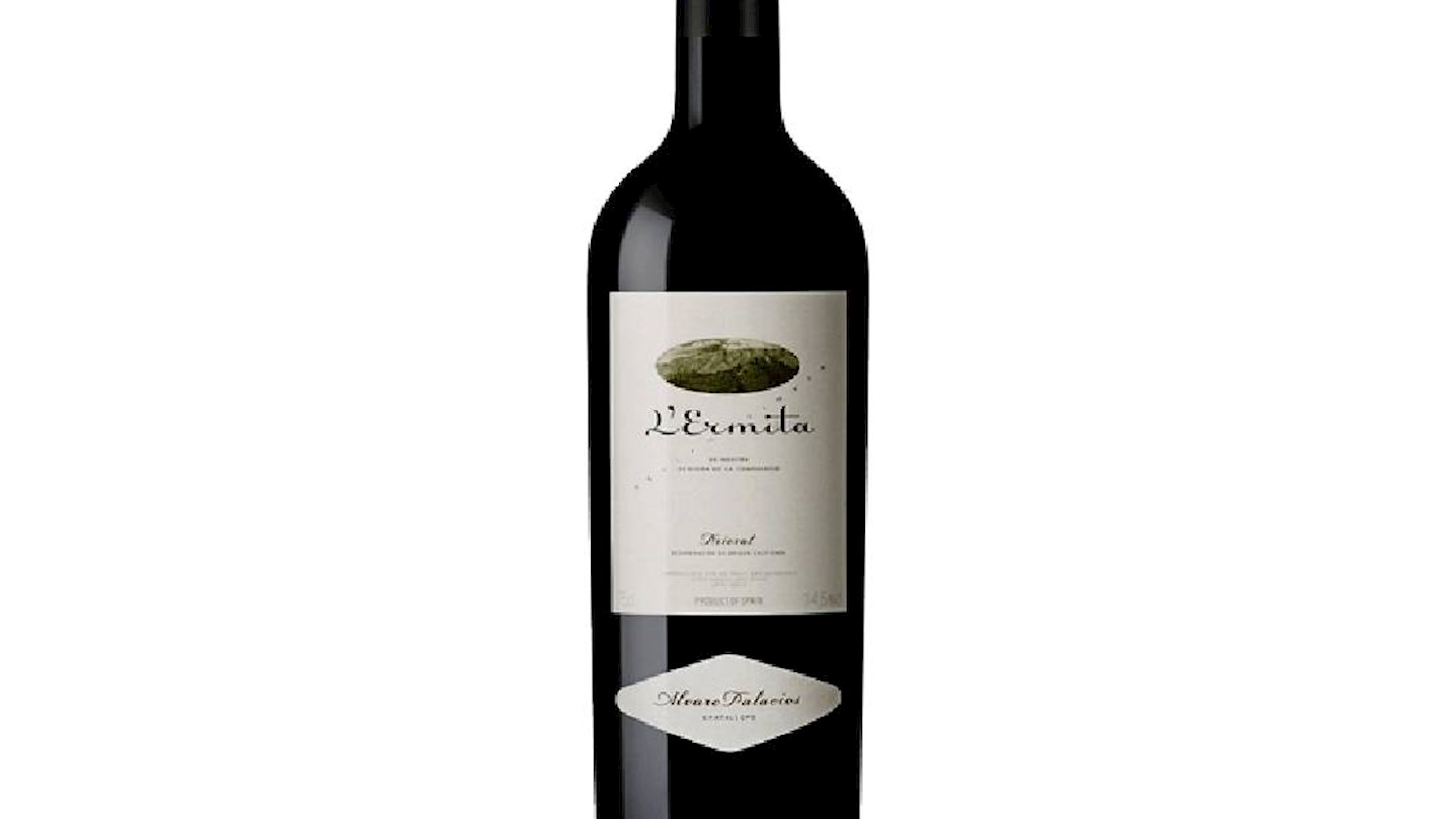
Álvaro Palacios

5 ·
Álvaro Palacios comes from a renowned winemaking family in Rioja, yet he built his reputation through the bold decision to revive forgotten regions of Spain. His passion and vision led him to Priorat, where on steep slopes with ancient Garnacha vines he created wines that became symbols of elegance, depth, and authentic terroir expression. Among his most celebrated vineyards are Finca Dofí and the iconic L’Ermita, now regarded among the finest in the world. Beyond Priorat, Palacios also restored the winemaking tradition of Bierzo, where through Descendientes de J. Palacios he crafts distinctive wines from the Mencía grape. His approach combines deep respect for land and tradition with modern viticultural insight, establishing him as one of the most influential winemakers of his generation. Álvaro Palacios remains true to simplicity and to the belief that wine is more than a beverage - it is a story of the land, of time, and of the people who shape it.
Awards
Falstaff - 100
Vivino - 4.7
02

Alicia i Josep Viticultors

5 ·
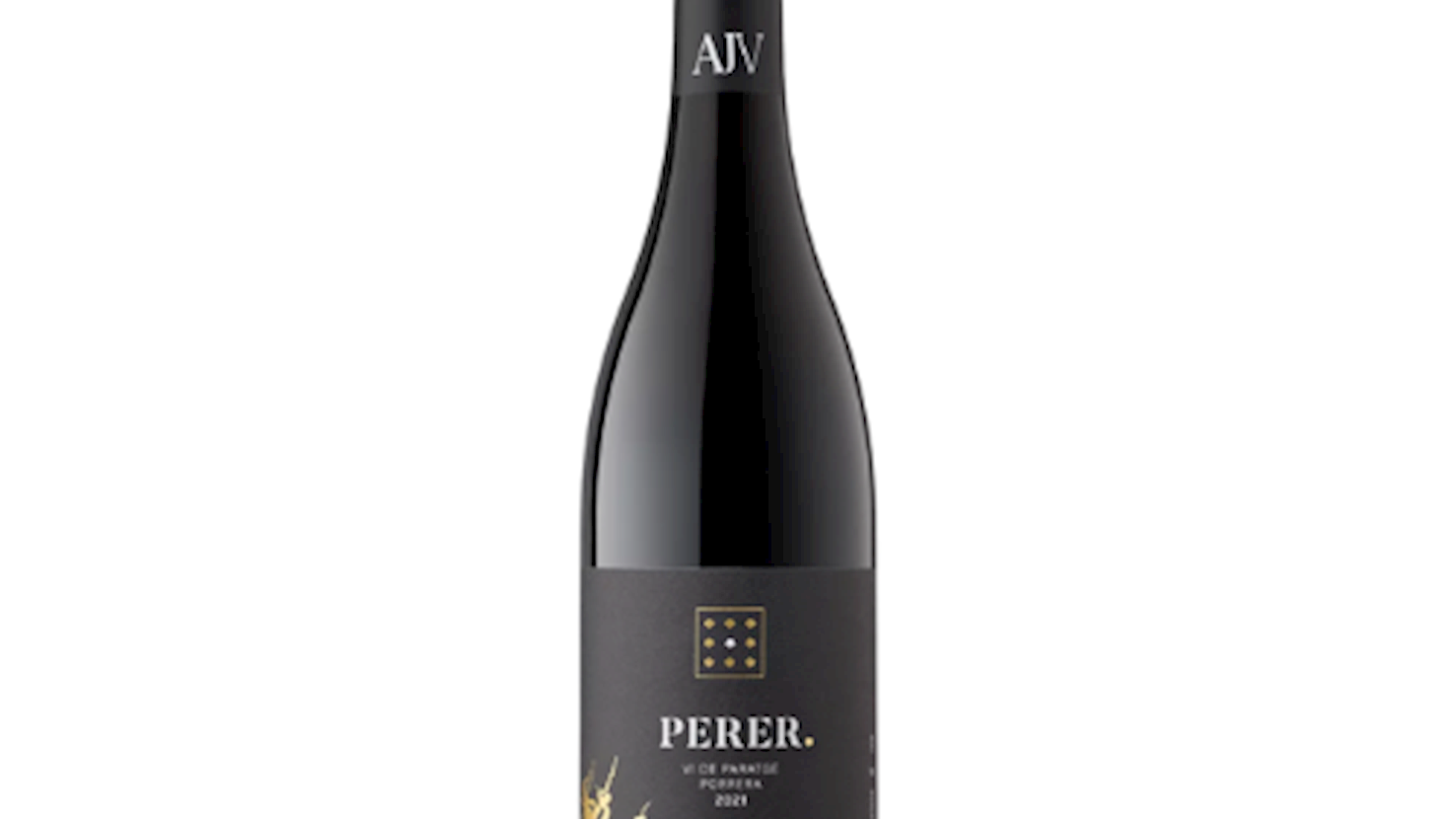
Alicia i Josep Viticultors is a small family winery based in Porrera in the DOCa Priorat, founded in 2017 as a joint project of two winegrowers who work both in the vineyard and in the cellar. Their approach is rooted in organic and regenerative farming, with a strong focus on preserving old parcels and maintaining healthy soils, without aggressive interventions. Wines are produced in small batches, with a clear intention to express the character of the local terroir, especially the iconic llicorella slate soils that define Priorat. The core of their production is built around traditional varieties such as Garnatxa and Carinyena, shaping wines that combine structure with a sense of balance and elegance. The house style is restrained, precise and authentic, avoiding technical excess and emphasizing the pure expression of place and vintage. Today, Alicia i Josep Viticultors are recognized as part of a new generation of Priorat winemakers who successfully connect tradition with a modern, sustainable vision of viticulture.
Awards
Decanter World Wine Awards - Best in Show (2024)
03

Terroir al Limit

4.9 ·
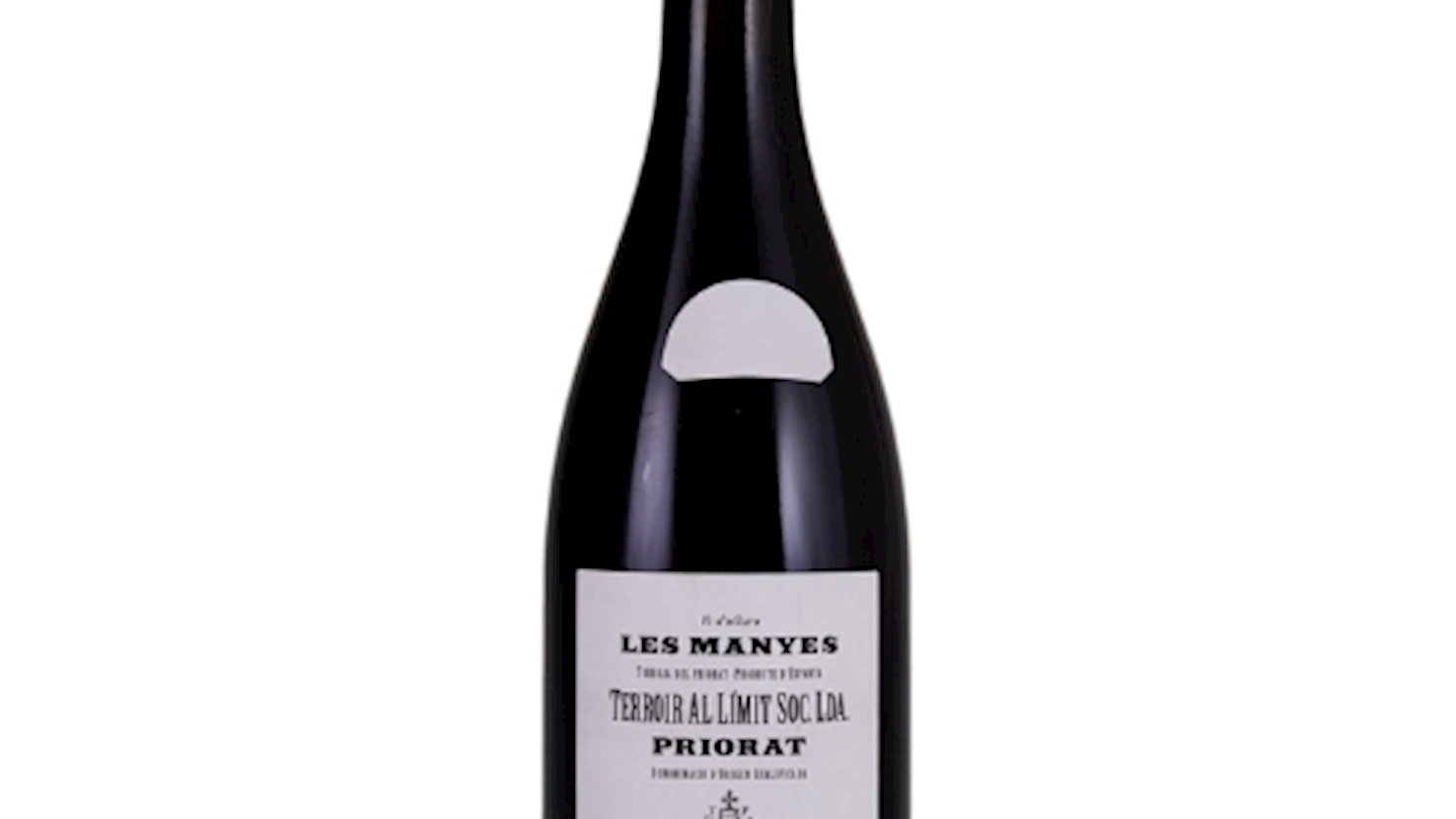
Terroir al Limit is a contemporary winery in DOQ Priorat that has reshaped the region’s image by shifting the focus from power and extraction to elegance, freshness, and a pure expression of terroir. Led by Dominik Huber, the project is built on the idea that wine should reflect soil and climate rather than cellar technique. The vineyards are farmed according to biodynamic principles, while winemaking relies on minimal intervention, frequent use of whole-cluster fermentation, and aging in concrete and amphorae instead of new oak. The focus is on old vines of Garnacha and Cariñena planted on the steep slopes around Torroja del Priorat, where the region’s distinctive llicorella slate soils give the wines tension and mineral depth. The resulting style is not massive but precise, airy, and deeply site-driven, marked by aromatic clarity and long, elegant finishes. Today, Terroir al Limit is considered one of the key producers behind Priorat’s more refined, contemporary identity, proving that intensity can coexist with finesse and authenticity.
Awards
Falstaff - 100
Falstaff - 99
04

Familia Torres

4.9 ·
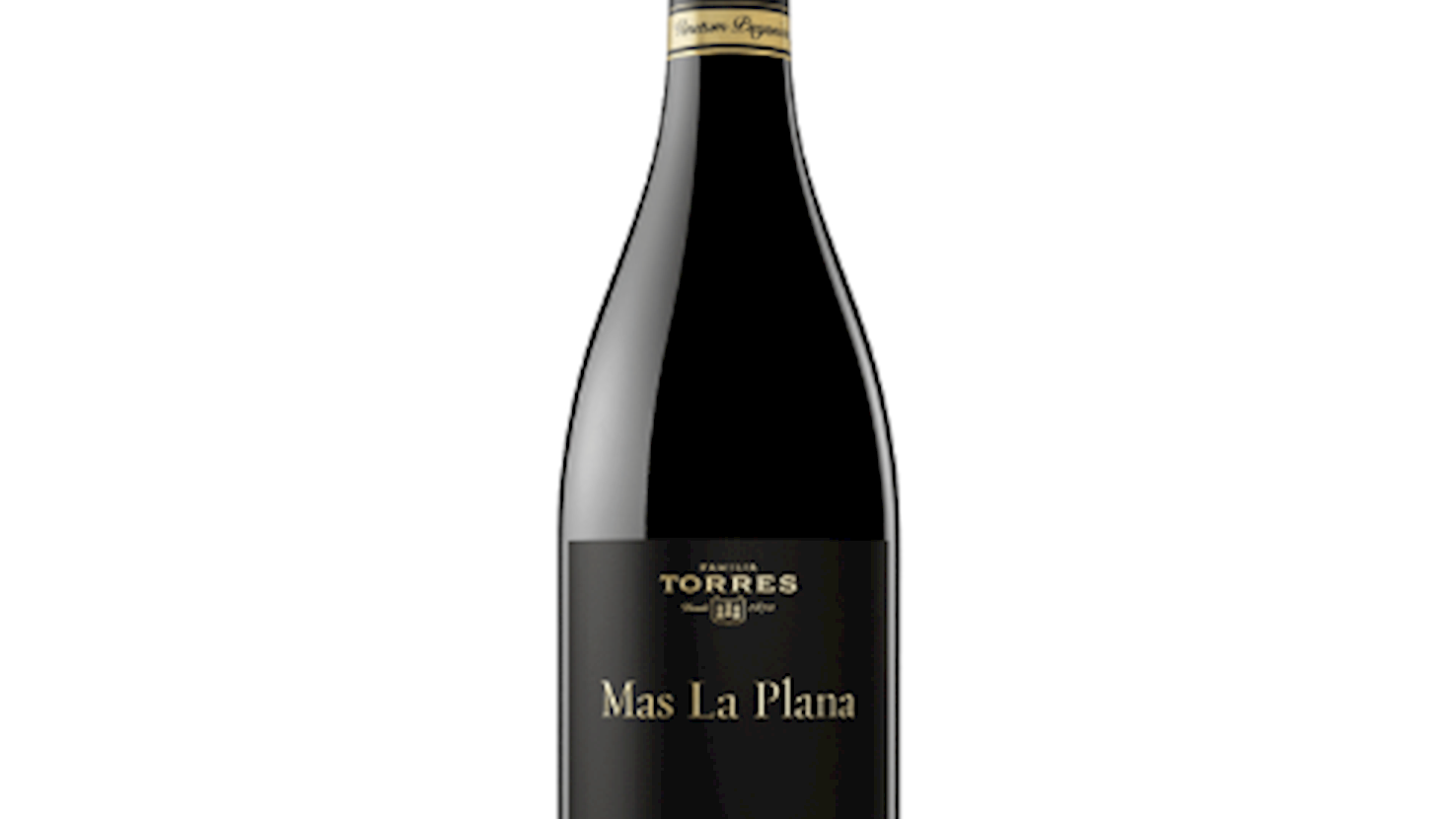
Familia Torres is a prominent Spanish winery founded in 1870 by the Torres family in the Penedès region of Catalonia. Renowned for its commitment to quality and innovation, the winery produces a wide range of wines, including red, white, rosé, and sparkling wines, primarily using native grape varieties such as Tempranillo, Garnacha, and Parellada. The Torres family emphasizes sustainable vineyard practices and has been a pioneer in organic and biodynamic farming. Their vineyards are located in various regions of Spain, including Penedès, Priorat, and Ribera del Duero, allowing them to craft wines that reflect the distinct terroir of each area.
Awards
Decanter World Wine Awards - Platinum (2022, 2021, 2019, 2017)
Decanter World Wine Awards - Best in Show (2021, 2020, 2019, 2016)
05

Alta Alella

4.8 ·
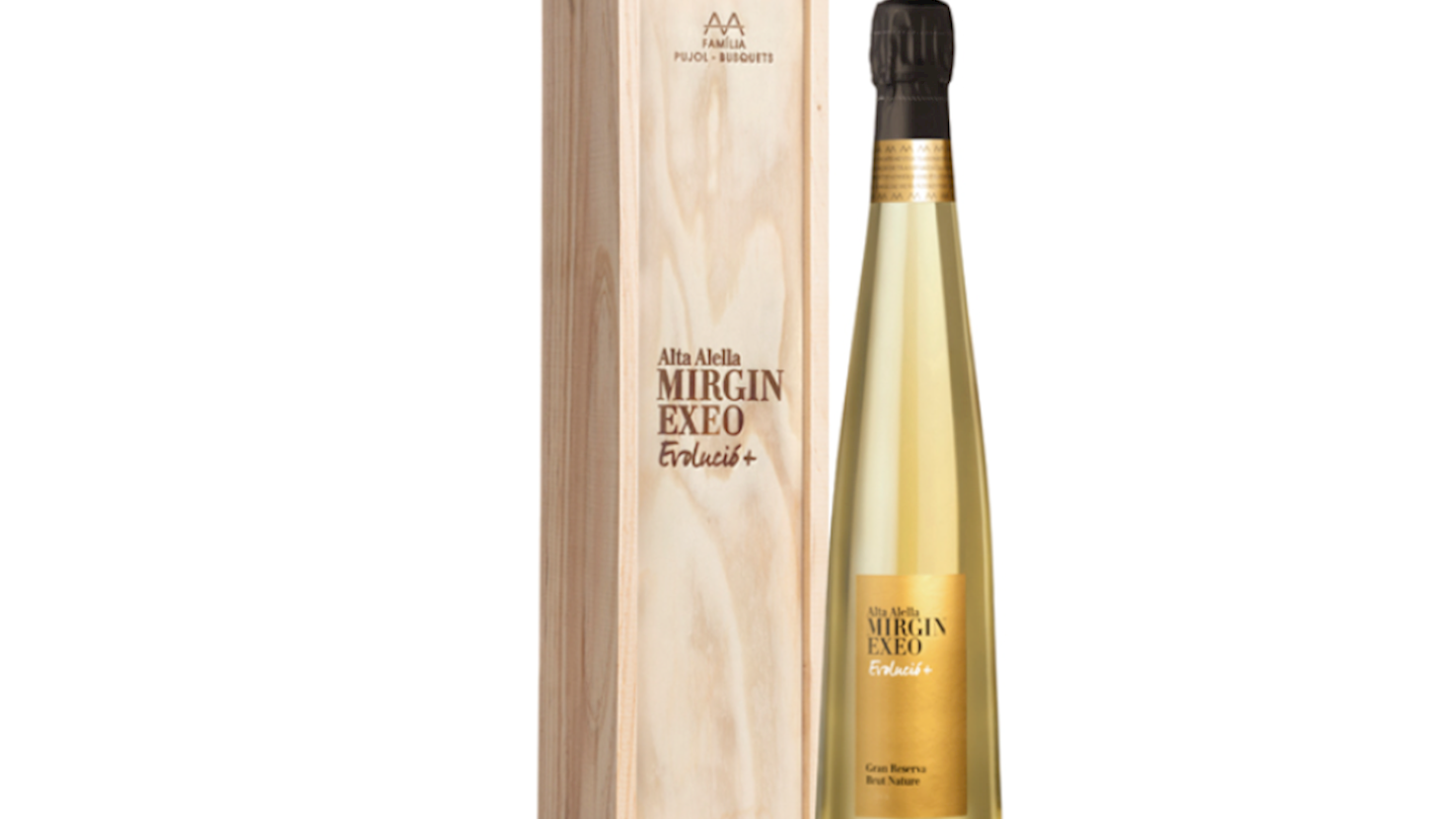
Alta Alella is a family-run wine project founded in 1991 by oenologist Josep Maria Pujol-Busquets and his wife Cristina Guillén, located just 10 km from Barcelona. The vineyards stretch across elevations ranging from 100 to 250 meters above sea level, on the prized granitic-limestone soil known locally as sauló, which provides excellent drainage and contributes to the grapes’ natural acidity. The estate cultivates approximately 50 hectares of certified organic vineyards, including classic varieties such as Xarel·lo, Mataró, Chardonnay, and Pinot Noir, while also pioneering work with local grapes and micro-vinification techniques. Their production is diverse and innovative - always grounded in a commitment to traditional and sustainable practices. Wines from Alta Alella are known for their elegance, pronounced freshness, and minerality, with the calcareous soils clearly expressed in the glass. The white varieties offer notes of honey, white fruit, and aromatic herbs, while the cava line stands out with a clean, precise profile and rich complexity. Alta Alella seamlessly combines organic viticulture, local terroir, and innovative winemaking, producing authentic wines and cava that embody the distinct charm of the Alella region - a perfect destination for lovers of natural and elegant wines near Barcelona.
Awards
Decanter World Wine Awards - Best in Show (2024)
Vivino - 4.3
06

Gramona

4.7 ·
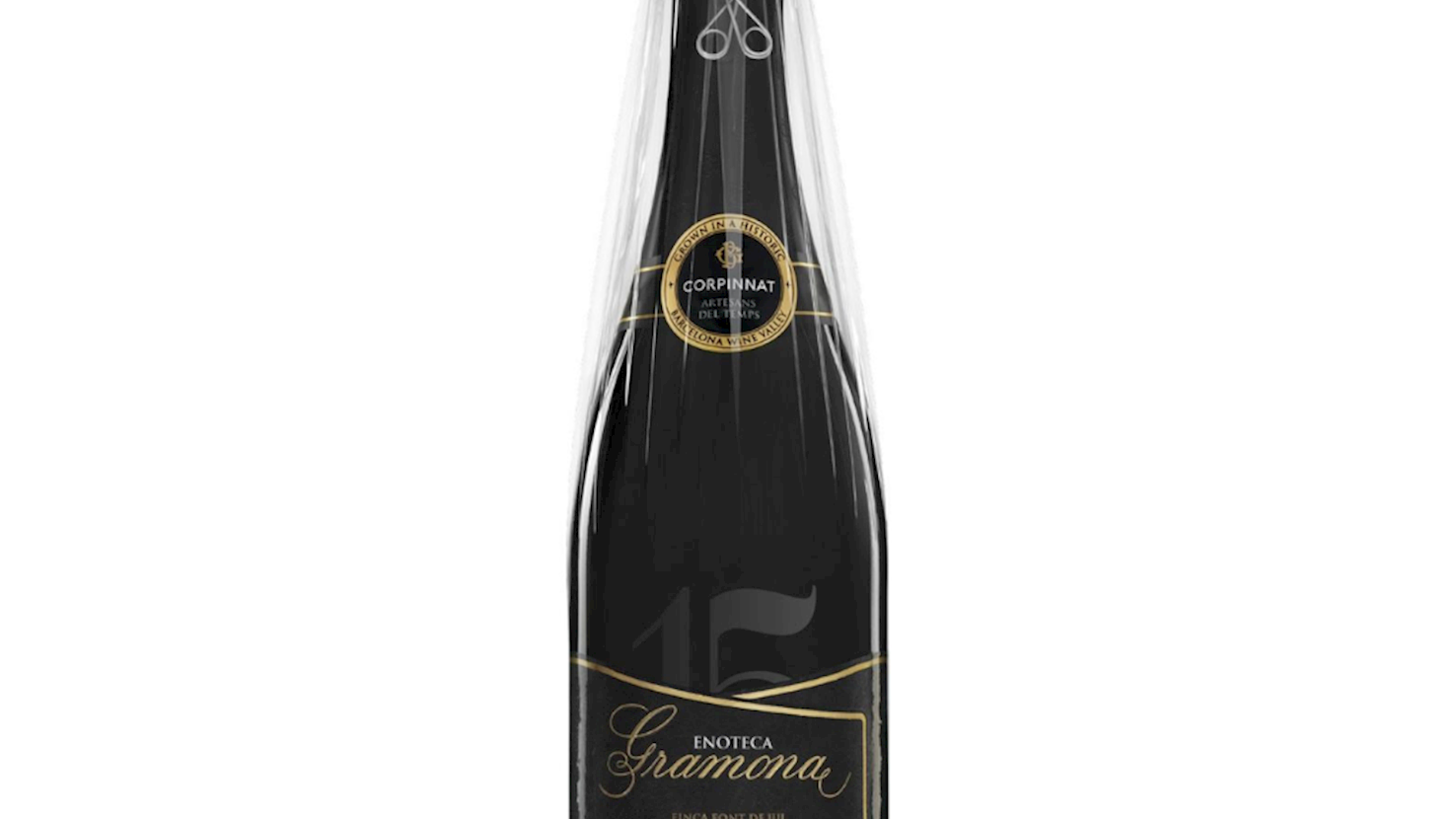
Gramona is a renowned wine producer with a rich tradition dating back to the mid-19th century. Their winemaking philosophy is rooted in respect for nature, as reflected in their use of organic and biodynamic principles in vine cultivation. The Gramona family tradition spans the fifth and sixth generations of winemakers, who are dedicated to preserving quality and fostering innovation. Their wines, especially those crafted from the native Xarel·lo grape variety, are known for their complexity, rich flavor, and exceptional structure. Gramona is also a founding member of the exclusive Corpinnat group, which unites producers committed to creating premium sparkling wines. Gramona takes pride in its "terroir viticulture" approach, which includes careful land cultivation, manual pruning of vines, and the use of biodynamic preparations to preserve plant health. Their wines, such as Cellar Batlle, are often considered some of the finest sparkling wines in Spain, rivaling even the most exquisite champagnes. Gramona is a symbol of excellence, tradition, and passion for winemaking, making every sip of their products a true pleasure.
Awards
Decanter World Wine Awards - Platinum (2020, 2019)
Vivino - 4.4
07

Recaredo

4.7 ·
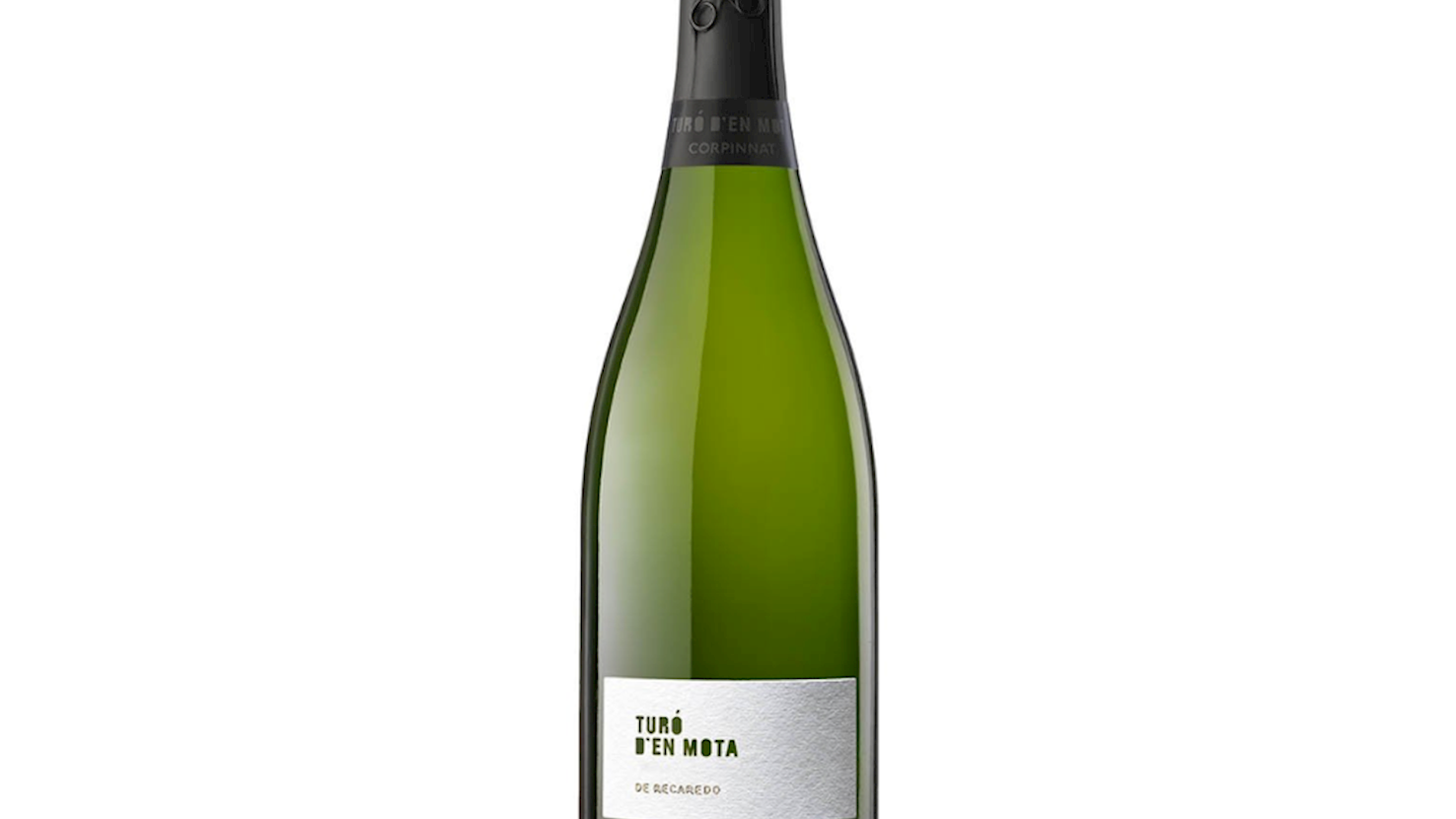
Recaredo is a family-owned winery from Sant Sadurní d’Anoia, Catalonia, founded in 1924 by Josep Mata Capellades. Recaredo is synonymous with premium sparkling wines made exclusively in the Brut Nature style, without added sugar, characterized by long aging periods and a strong emphasis on terroir. The winery cultivates 46 hectares of vineyards without irrigation, using only organic and biodynamic methods, with no herbicides or pesticides. The main grape varieties are Xarel·lo, Macabeu, and Parellada, with smaller amounts of Monastrell and Garnatxa. The production process is entirely manual and traditional: fermentation is carried out with native yeasts, the wines age for at least 30 months in bottles sealed with natural cork stoppers, and disgorgement is done by hand, without freezing the bottle neck. All wines are vintage and contain no added sugar, allowing the pure expression of the terroir to come through. Today, the third generation of the Mata family runs the winery, continuing a tradition of innovation and respect for nature, making Recaredo one of the most esteemed sparkling wine producers in Spain.
Awards
Vivino - 4.5
Vivino - 4.1
08

Cellers de Scala Dei

4.7 ·
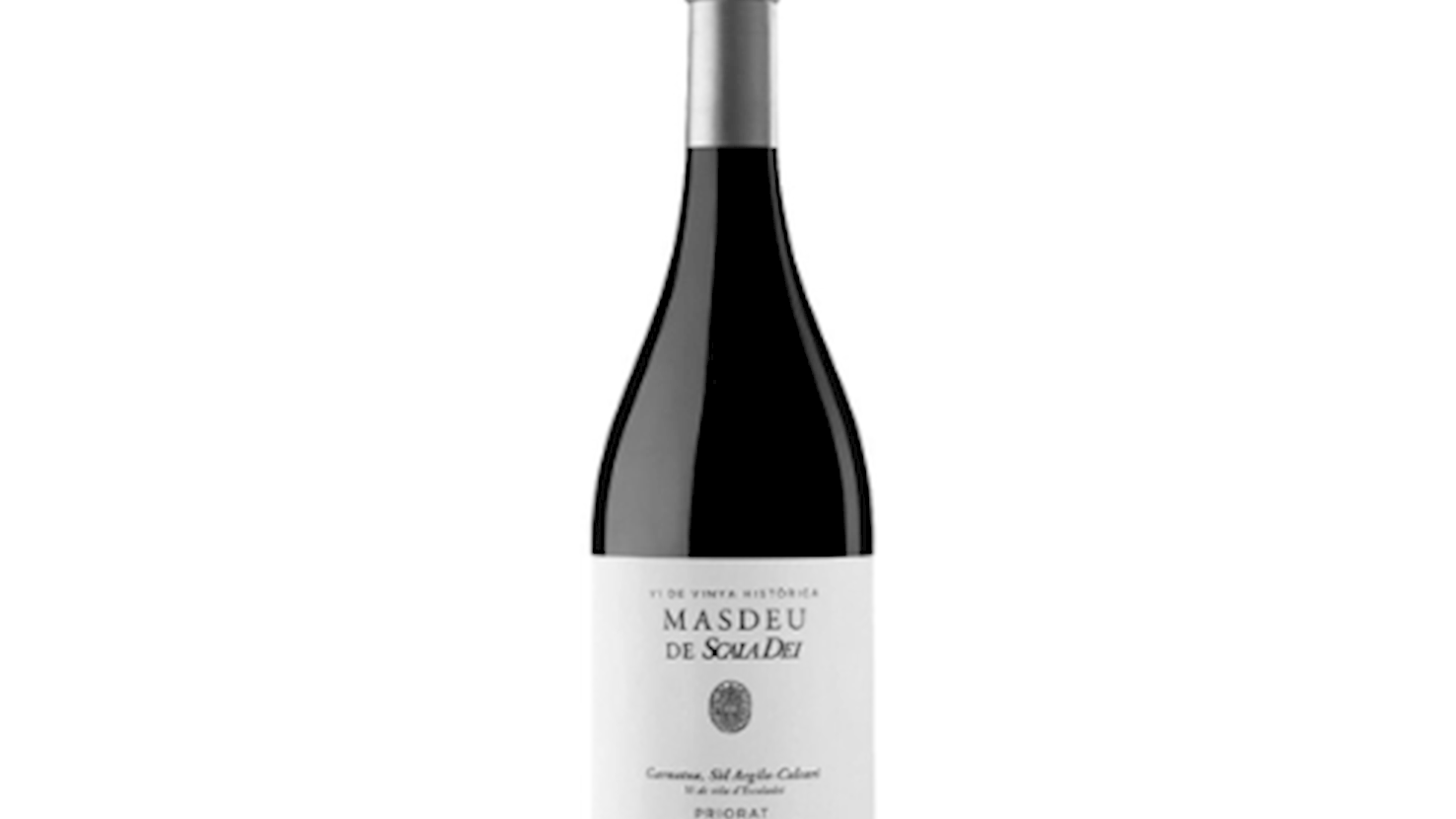
Cellers de Scala Dei is a historic winery in the heart of DOQ Priorat, widely regarded as the oldest organized wine project in the region and a true symbol of its identity. Its roots go back to the 12th century, when Carthusian monks from the Scala Dei monastery planted the first vineyards and laid the foundations of winemaking in Priorat. Today, the winery continues this legacy by working with old vines of Garnacha and Cariñena on steep slopes with the region’s distinctive llicorella slate soils, which give the wines depth and a strong mineral character. Viticulture is based on hand harvesting and sustainable practices, with minimal intervention in the cellar to preserve the authentic expression of terroir. Fermentations are often spontaneous, and aging in a combination of concrete, large-format barrels, and neutral oak emphasizes elegance over power. The style is precise, serious, and clearly site-driven, with a strong focus on structure and longevity. Scala Dei is today considered one of the key wineries that bridge Priorat’s historical heritage with its refined modern expression.
Awards
Decanter World Wine Awards - Best in Show (2021)
Vivino - 4.3
09

Venus la Universal

4.7 ·
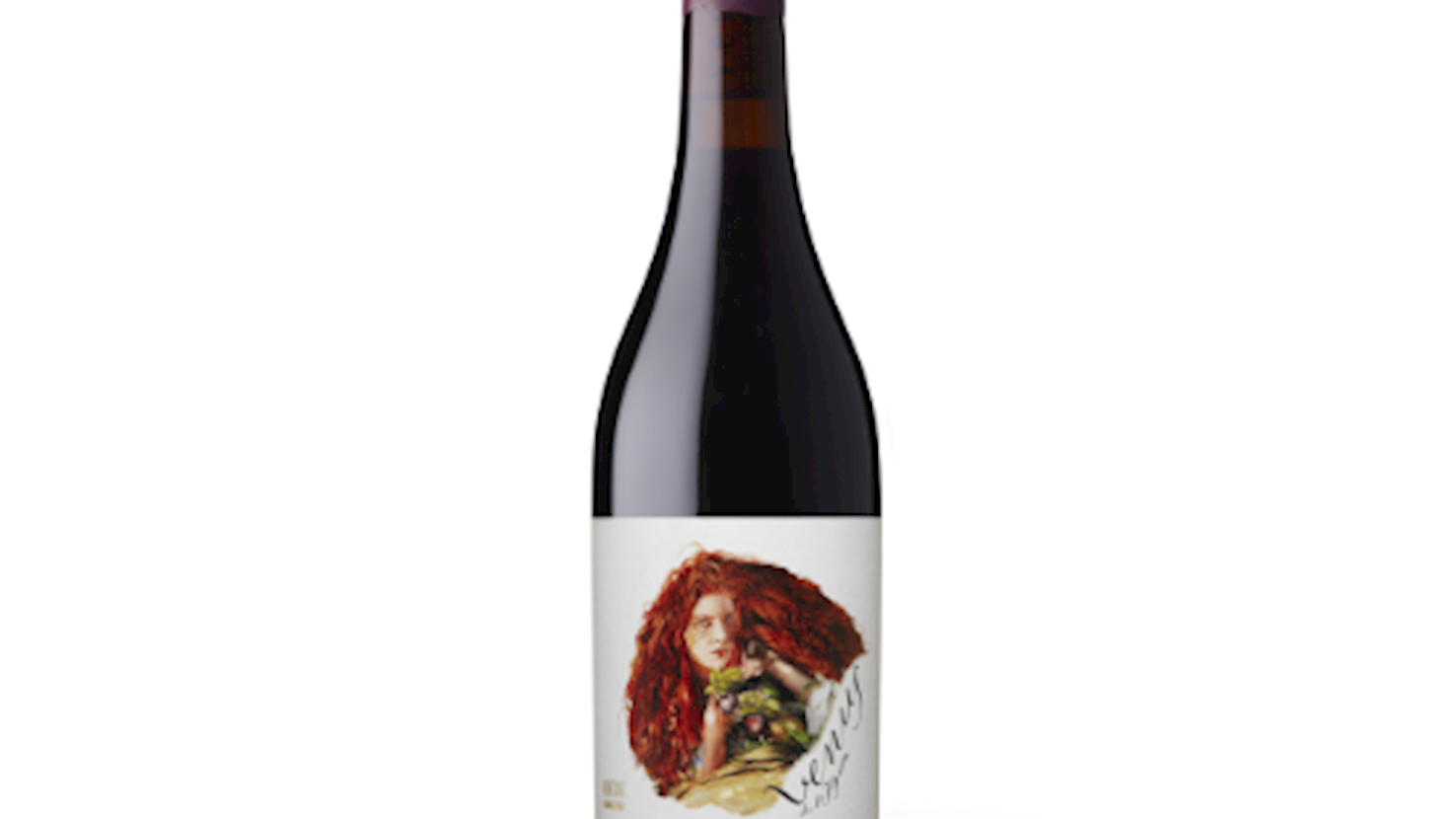
Venus la Universal is a family-run winery based in the DO Montsant appellation, founded by Sara Pérez and René Barbier Meyer, and rooted in a clear organic and biodynamic philosophy. The project was conceived as a long-term, thoughtful engagement with land and time, prioritizing balance, vitality and authenticity over volume or immediacy. Vineyards are located on clay-limestone and slate-influenced soils typical of Montsant, where indigenous varieties - especially Carignan and Garnacha - play a central role. Viticulture is carried out without synthetic treatments, with manual harvesting and careful attention to each parcel. In the cellar, fermentations are spontaneous and interventions are kept deliberately low. Aging takes place mainly in large-format wooden vats and neutral barrels to avoid masking the natural expression of the fruit and soil. The wines are defined by finesse, textural depth and restrained power rather than overt concentration. Freshness and mineral tension are consistent hallmarks across vintages. Stylistically, Venus la Universal sits at the crossroads of Priorat and Montsant, yet maintains a distinctly individual voice. The winery is widely regarded as one of the most coherent and authentic expressions of contemporary Catalan terroir-driven winemaking.
Awards
Vivino - 4.3
Vivino - 4.0
10

Josep Grau Viticultor

4.5 ·
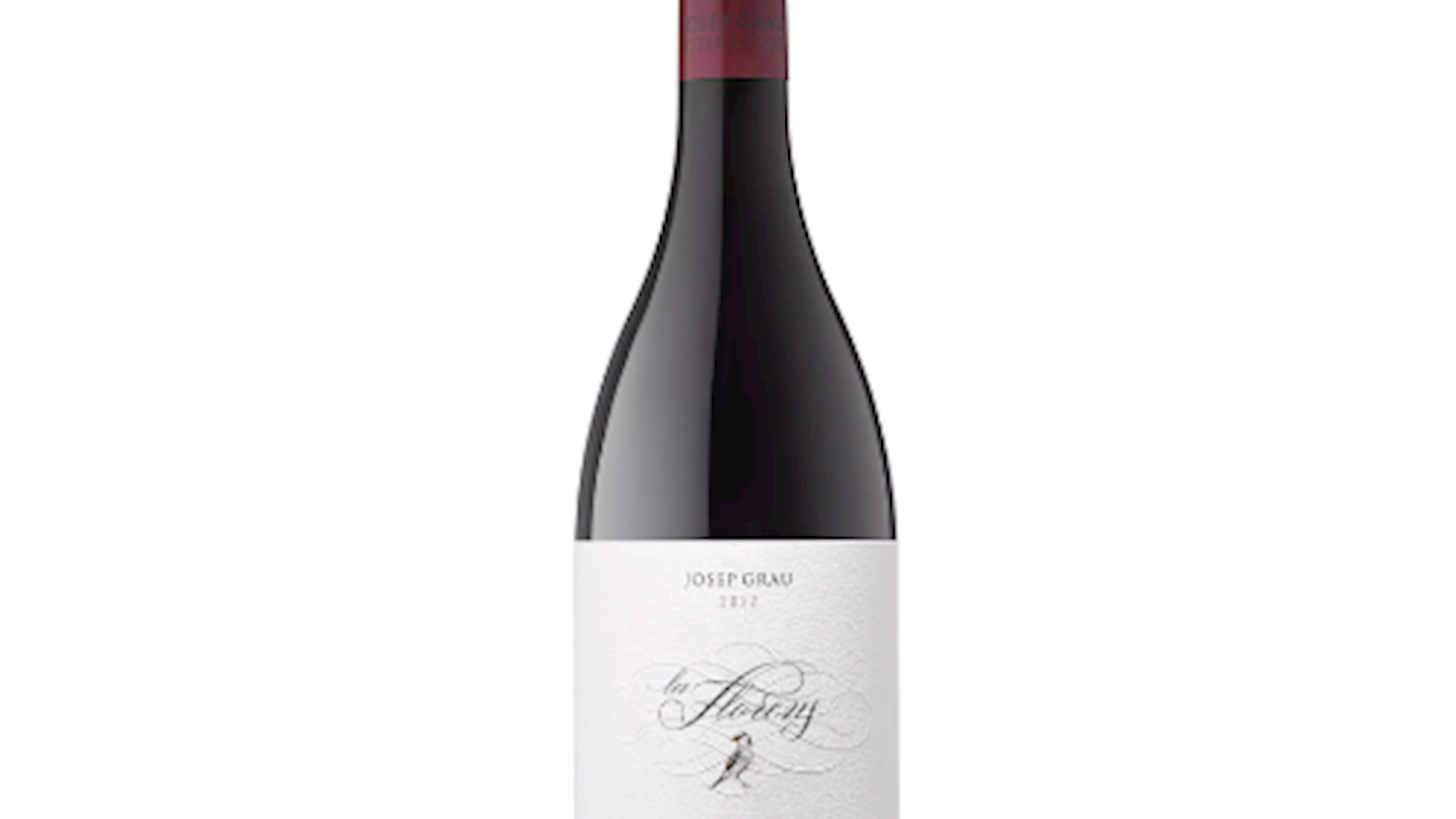
Josep Grau Viticultor is a terroir-driven wine project rooted in Catalonia, created by Josep Grau as a personal commitment to express the character of the land through low-intervention winemaking. His work is based on organic viticulture, often supported by biodynamic principles, with a strong focus on biodiversity and healthy soils as the foundation of wine quality. The project began in DO Montsant in 2003, when Grau acquired his first vineyard parcels in Capçanes, and later expanded to Priorat, where since 2016 he has been working from a historic 17th-century cellar in Gratallops. Across both regions, his wines are shaped by a clear philosophy: respect for native grape varieties such as Garnacha and Cariñena, fermentation with indigenous yeasts, and ageing mainly in large, neutral oak vessels to preserve purity rather than impose style. Production remains intentionally limited, allowing close attention to each parcel and vintage. The resulting wines are known for their balance, finesse, and strong sense of place, offering a more restrained and elegant interpretation of Montsant and Priorat. Josep Grau Viticultor is today recognized as a reference for authentic, site-focused winemaking that prioritizes identity over trends.
Awards
Vivino - 4.1
Wine-Searcher - 91/100

Best Catalan Wine Variety Types
01

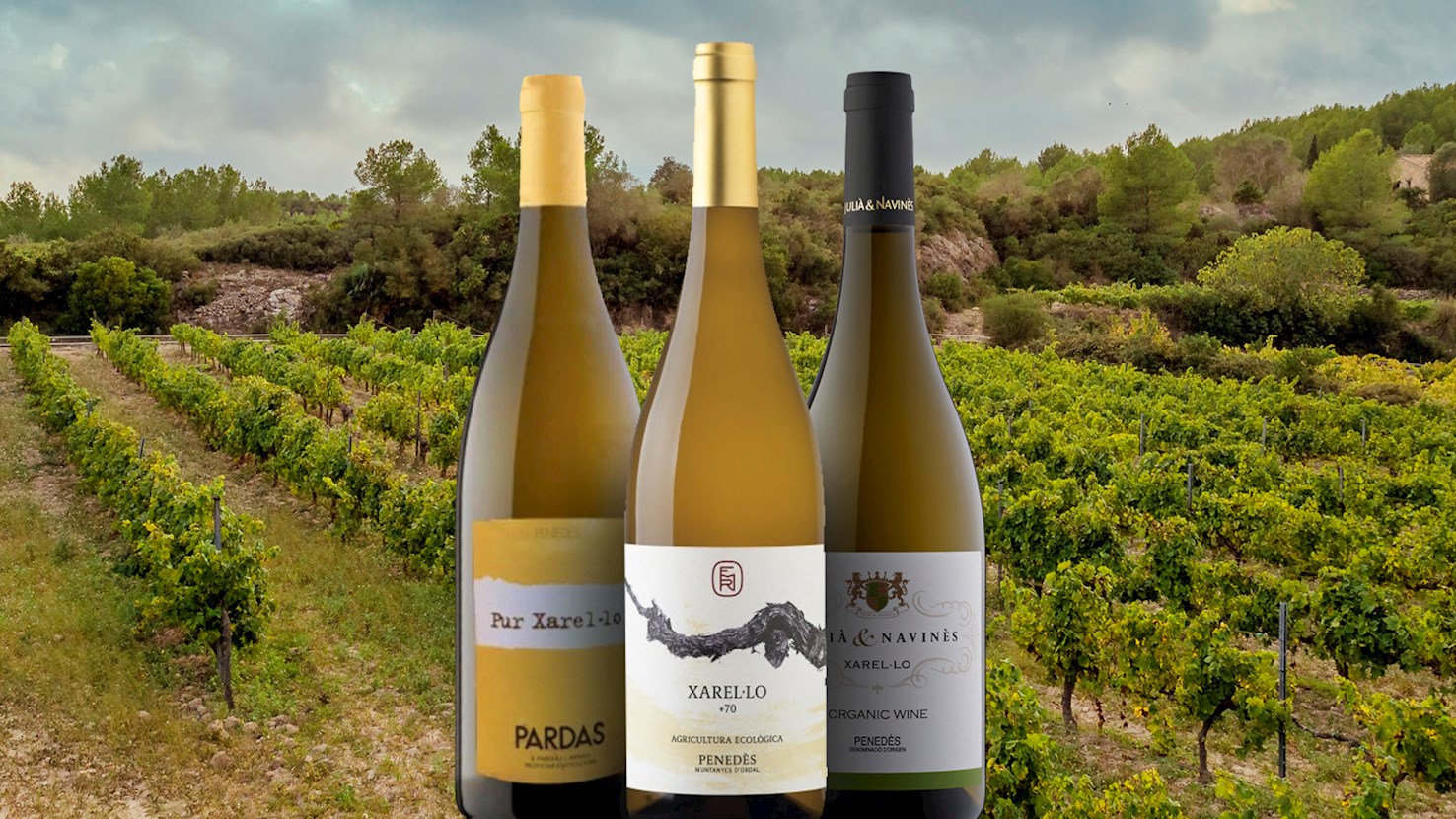
Xarel·lo

3.2 ·

Xarel·lo is a Spanish grape variety best known for its use in sparkling Cava, where it is used along with Macabeo and Parellada. It is a high-quality grape that provides power, body, and structure in Cava wines. It is the most planted variety in DO Penedès. Apart from sparkling wines, the grape is used for dry white wines, both varietals and blends. Wines made from Xarel·lo are medium-bodied and aromatic, with good acidity and alcohol content. The aromas are reminiscent of citrus and stone fruit, and the wines will typically have herbal and mineral character. The grape is quite versatile and suitable for various vinification methods. Xarel·lo wines pair well with lighter fare. They go incredibly well with fish and oysters and make an excellent aperitif.

02

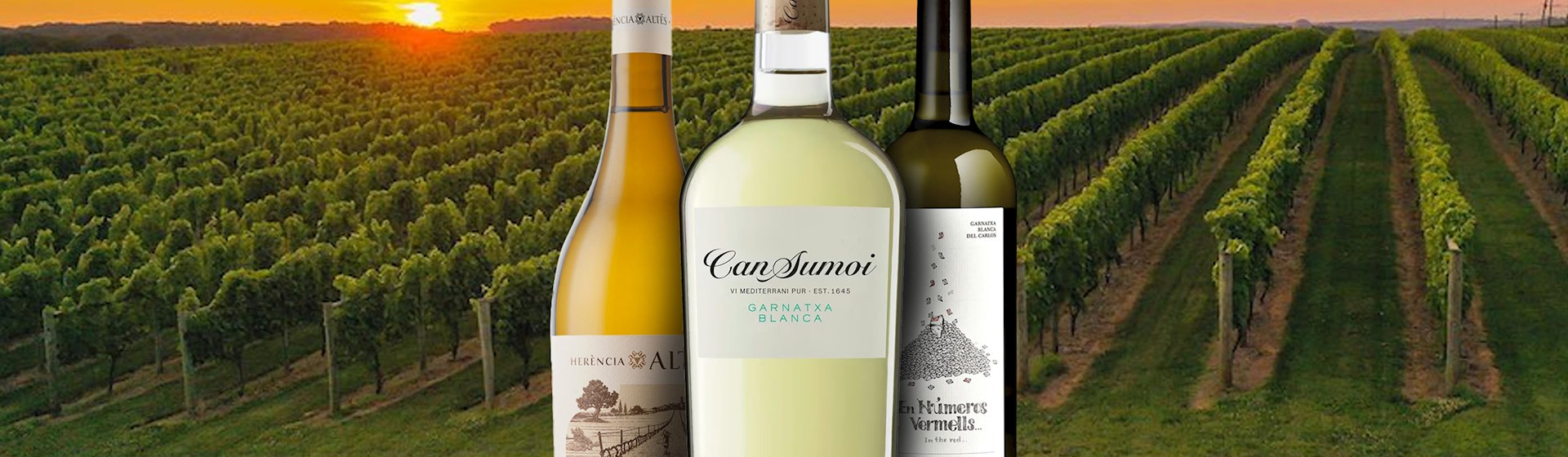
Grenache Blanc

n/a ·

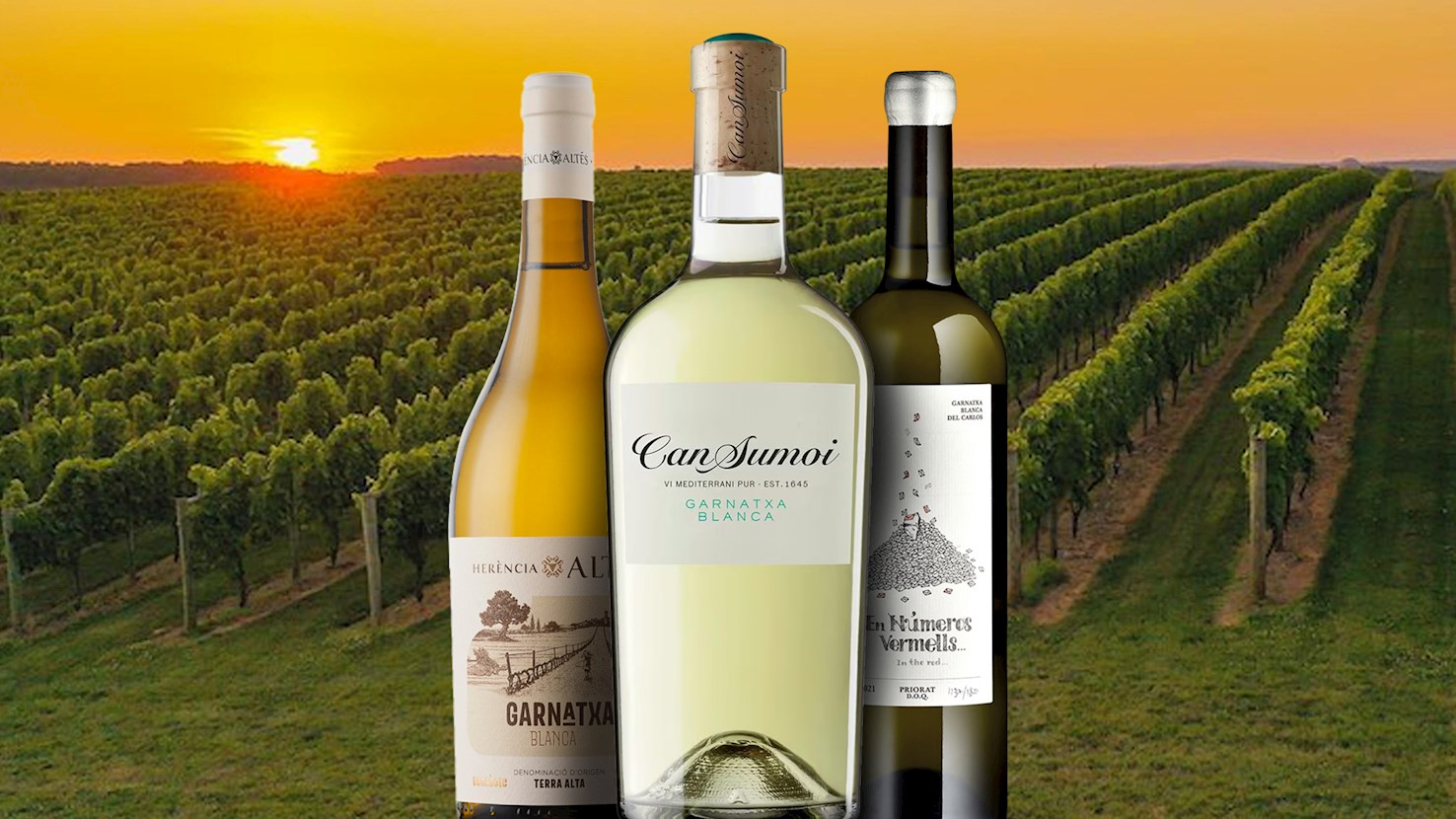
Garnatxa Blanca or Grenache Blanc is a white wine grape variety that is a mutation of the red Garnacha grape. It is predominantly grown in Spain and France, but it is also found in other wine regions around the world. Garnatxa Blanca is known for producing wines that are full-bodied and aromatic with a rich texture and relatively high alcohol content. In terms of flavor profile, Garnatxa Blanca wines often exhibit notes of green apple, pear, citrus (such as lemon and lime), and white flowers. They can also have hints of stone fruits like peach and apricot, along with a distinctive minerality. When aged or fermented in oak, the wines can develop additional flavors of vanilla, almond, and spices. Garnatxa Blanca is particularly significant in the Rhône Valley in France, where it is one of the key grape varieties in white Côtes du Rhône blends. It is also an important component in the white wines of Châteauneuf-du-Pape and other southern Rhône appellations. In Spain, where it is known as Garnatxa Blanca, it is widely planted in regions such as Catalonia and Rioja, often used in both single-varietal wines and blends. The grape's ability to thrive in warm climates makes it well-suited to regions with hot, dry summers. Its thick skin helps it to withstand drought and heat, while its ability to retain acidity ensures that the wines remain balanced and fresh even in warm conditions. Garnatxa Blanca wines are versatile in terms of food pairings. Their full-bodied nature and balanced acidity make them an excellent match for a variety of dishes, including seafood, poultry, pork, and Mediterranean cuisine. They also pair well with creamy sauces, grilled vegetables, and dishes featuring herbs like rosemary and thyme.

03

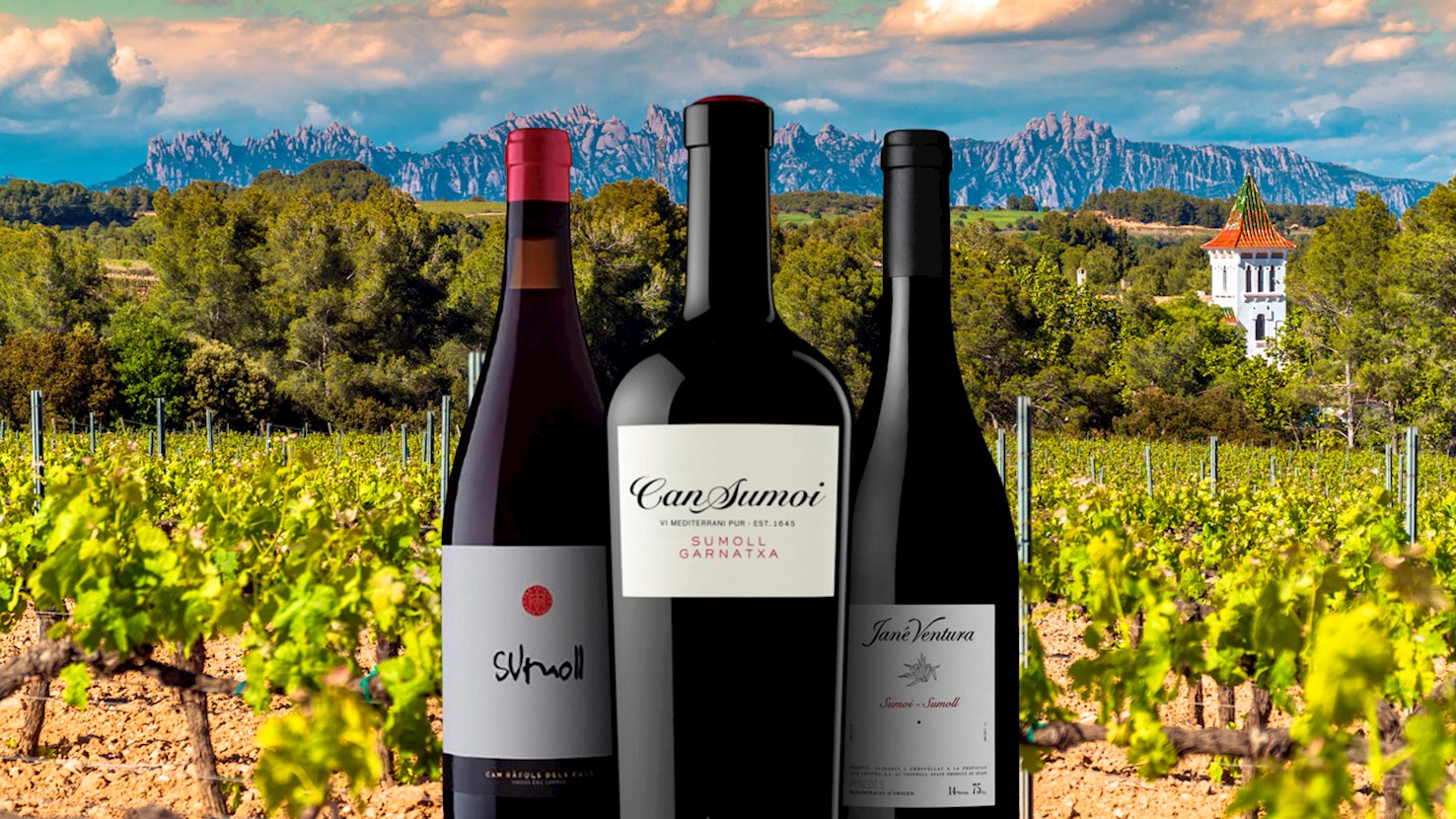
Sumoll

n/a ·

Sumoll is a rare red grape native to Catalonia. It is an old, late-ripening variety that is somewhat finicky to cultivate and vinify. Although it declined in popularity throughout the 20th century, it is still important in Penedès DO, where it is used both in varietals and blends, and for still and sparkling wines. Sumoll will usually result in full-bodied, somewhat rustic red wines. The aroma is fruity, usually with some herbal notes and a mineral character. Sumoll is excellent at retaining freshness, creating lively and bright wines with vibrant acidity. It was proven that Sumoll is identical to Vijariego Nego, a variety grown on the Canary Islands where it is used in several regional appellations. Sumoll-based wines pair with a variety of dishes. They can be served with first courses, and they would be great with various tapas dishes.

04

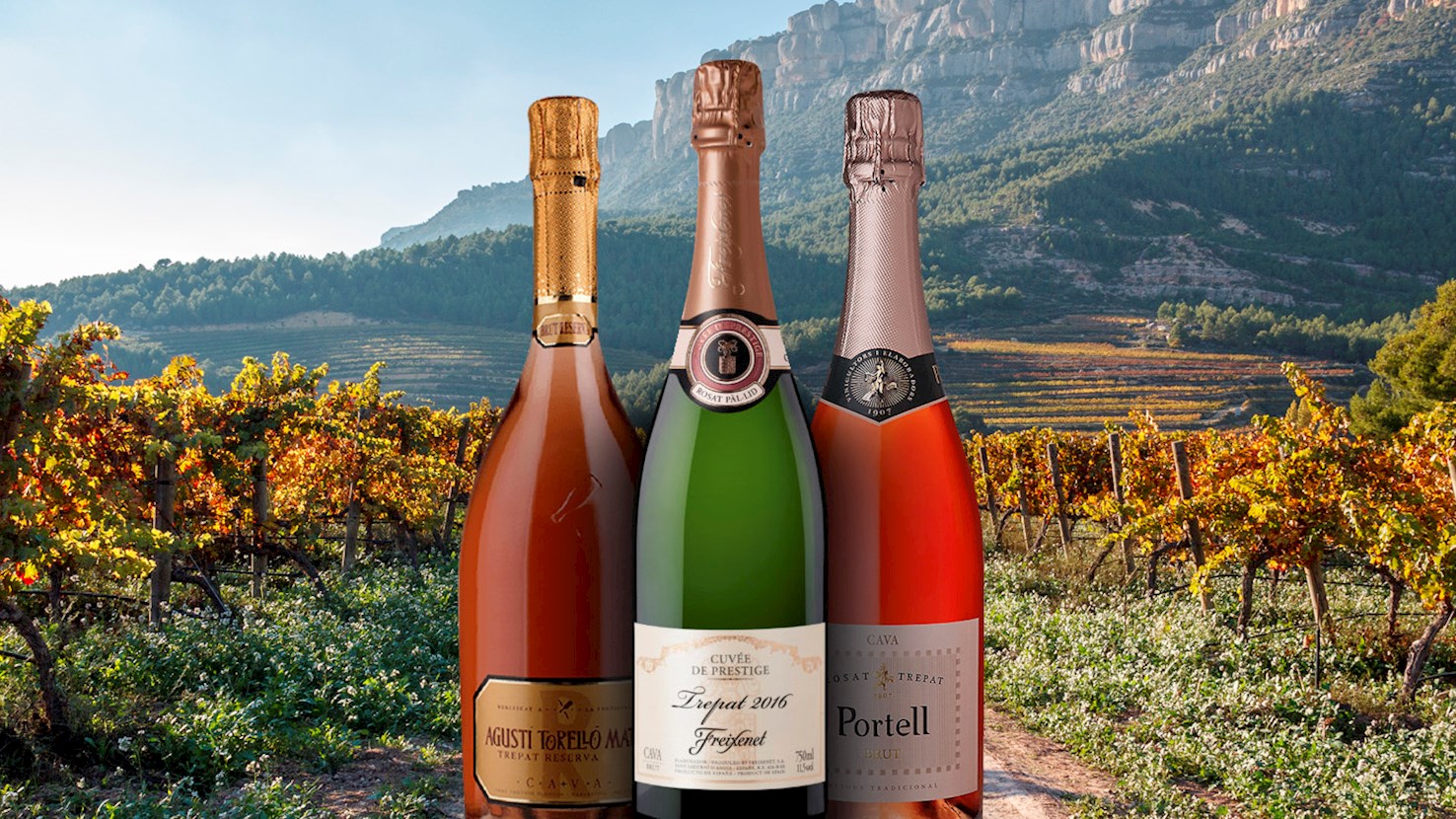
Trepat

n/a ·

Trepat is a pale red grape variety from Catalonia that is traditionally used for sparkling Cava rosés and dry rosé styles. The grape is most likely native to Conca de Barberà region. Although it is still primarily used for sparkling wines, it is also suitable for still wines that are usually elegant and light in color, body, and alcohol. Sparkling Trepat wines are fresh and light, with fruity notes reminiscent of strawberries, cherries, and raspberries, sometimes with floral nuances and a hint of spice. Both dry and sparkling wines are well-balanced and have a bright, juicy acidity. Trepat wines are best paired with Spanish tapas.

Read more
View all
View map
About this ranking

TasteAtlas food rankings are based on the ratings of the TasteAtlas audience, with a series of mechanisms that recognize real users and that ignore bot, nationalist or local patriotic ratings, and give additional value to the ratings of users that the system recognizes as knowledgeable. For the “Top 12 Catalan Wine Varieties” list until June 04, 2026, 20 ratings were recorded, of which 17 were recognized by the system as legitimate. TasteAtlas Rankings should not be seen as the final global conclusion about food. Their purpose is to promote excellent local foods, instill pride in traditional dishes, and arouse curiosity about dishes you haven’t tried.

The initial list of top producers was compiled based on available reviews, awards, local recommendations, media and blog coverage, and consumer reviews. The list will be updated with ratings from TasteAtlas local ambassadors and TasteAtlas users.

Similar lists