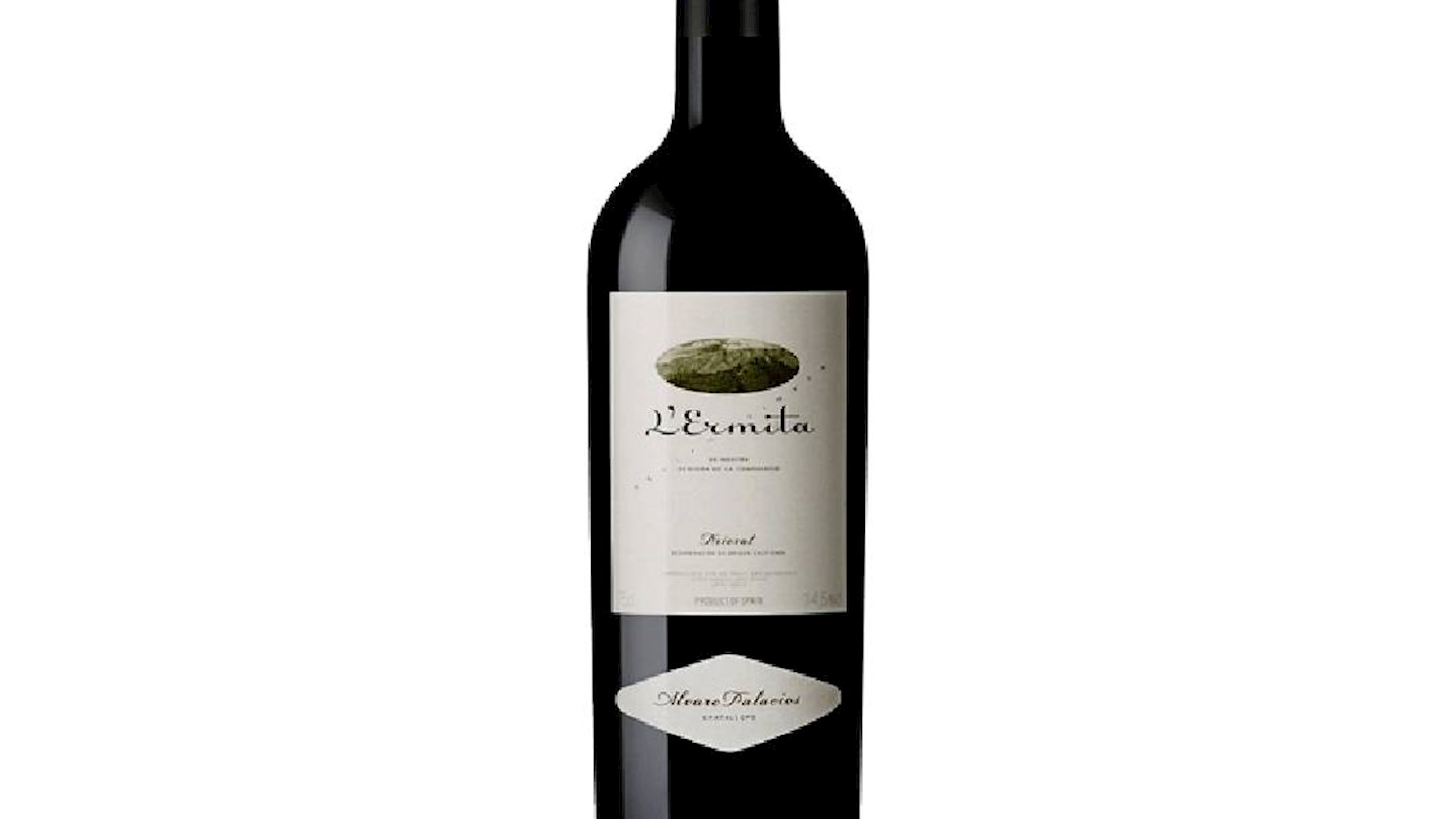
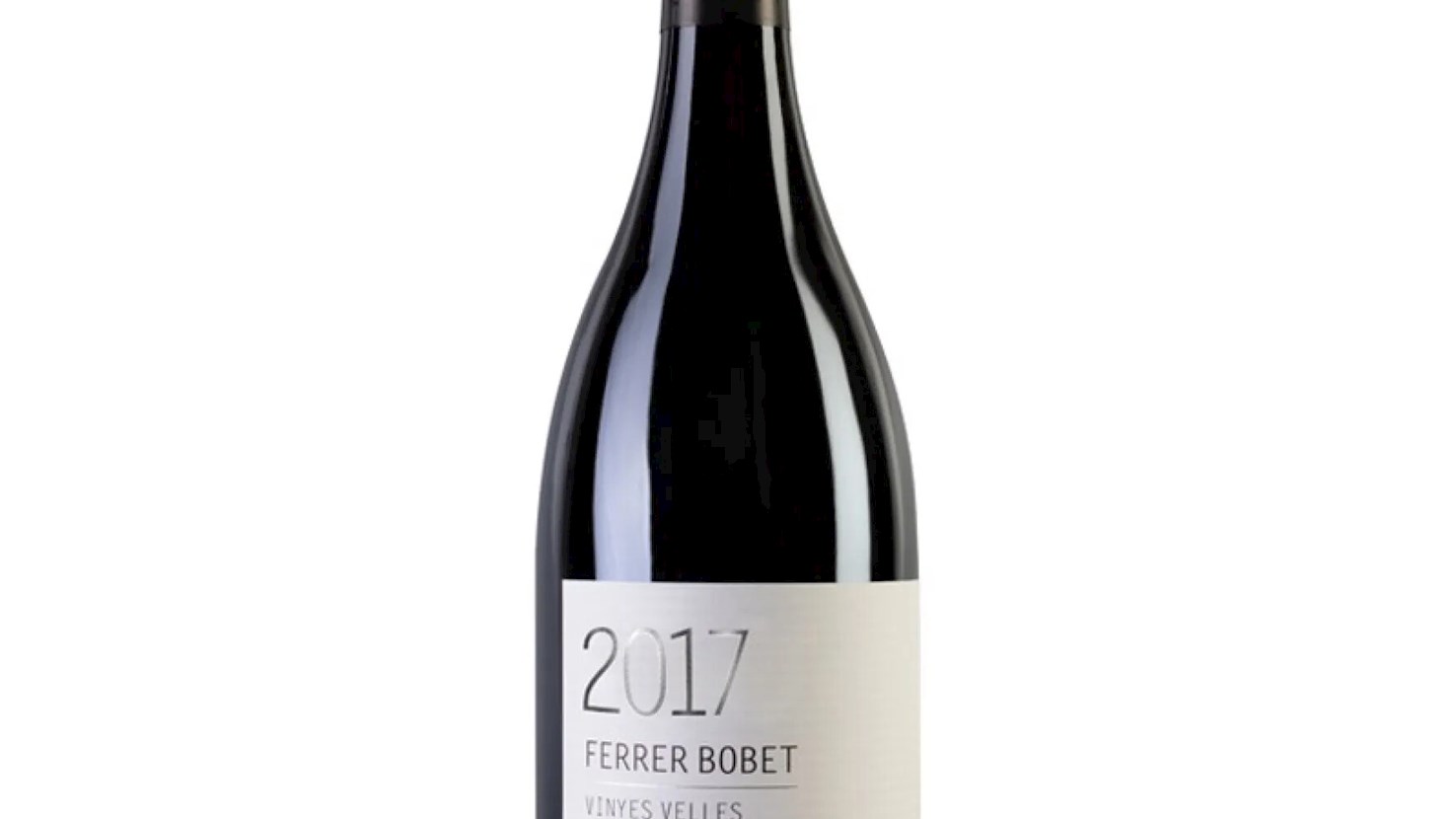
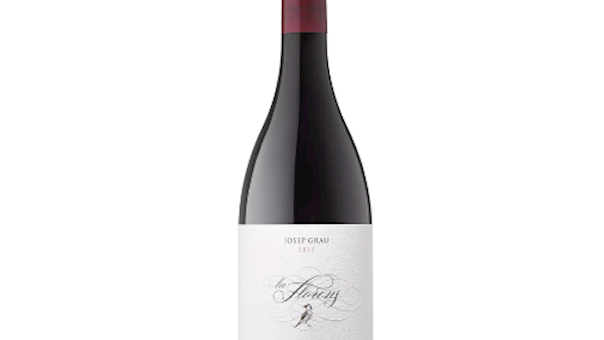
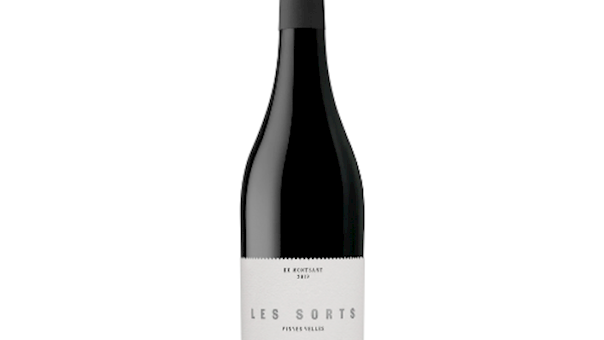
Álvaro Palacios comes from a renowned winemaking family in Rioja, yet he built his reputation through the bold decision to revive forgotten regions of Spain. His passion and vision led him to Priorat, where on steep slopes with ancient Garnacha vines he created wines that became symbols of elegance, depth, and authentic terroir expression. Among his most celebrated vineyards are Finca Dofí and the iconic L’Ermita, now regarded among the finest in the world.
Beyond Priorat, Palacios also restored the winemaking tradition of Bierzo, where through Descendientes de J. Palacios he crafts distinctive wines from the Mencía grape. His approach combines deep respect for land and tradition with modern viticultural insight, establishing him as one of the most influential winemakers of his generation.
Álvaro Palacios remains true to simplicity and to the belief that wine is more than a beverage - it is a story of the land, of time, and of the people who shape it.
Alicia i Josep Viticultors is a small family winery based in Porrera in the DOCa Priorat, founded in 2017 as a joint project of two winegrowers who work both in the vineyard and in the cellar. Their approach is rooted in organic and regenerative farming, with a strong focus on preserving old parcels and maintaining healthy soils, without aggressive interventions. Wines are produced in small batches, with a clear intention to express the character of the local terroir, especially the iconic llicorella slate soils that define Priorat. The core of their production is built around traditional varieties such as Garnatxa and Carinyena, shaping wines that combine structure with a sense of balance and elegance. The house style is restrained, precise and authentic, avoiding technical excess and emphasizing the pure expression of place and vintage. Today, Alicia i Josep Viticultors are recognized as part of a new generation of Priorat winemakers who successfully connect tradition with a modern, sustainable vision of viticulture.
Bodegas y Viñedos de Cal Grau is a winery located near El Molar in the Priorat region, one of Spain’s most prestigious appellations known for its mineral-rich slate soils, locally called llicorella. The project was established in the early 2000s as part of the Osborne Group, with a focus on expressing the rugged terroir of Priorat through carefully managed vineyards situated at higher altitudes. The estate cultivates varieties such as Garnacha, Cariñena, Syrah, and Cabernet Sauvignon, which thrive in the region’s dry climate and poor soils, resulting in low yields and highly concentrated fruit. The wines are typically structured, intense, and mineral-driven, with pronounced notes of dark berries, herbs, and spice. Winemaking combines modern precision with respect for traditional practices, often including aging in oak to enhance complexity and integration. Cal Grau’s style balances power with freshness, aiming to preserve elegance despite the natural richness of Priorat wines. Today, the winery is recognized for producing consistent, terroir-focused wines that reflect both the identity of Priorat and a contemporary approach to Spanish winemaking.
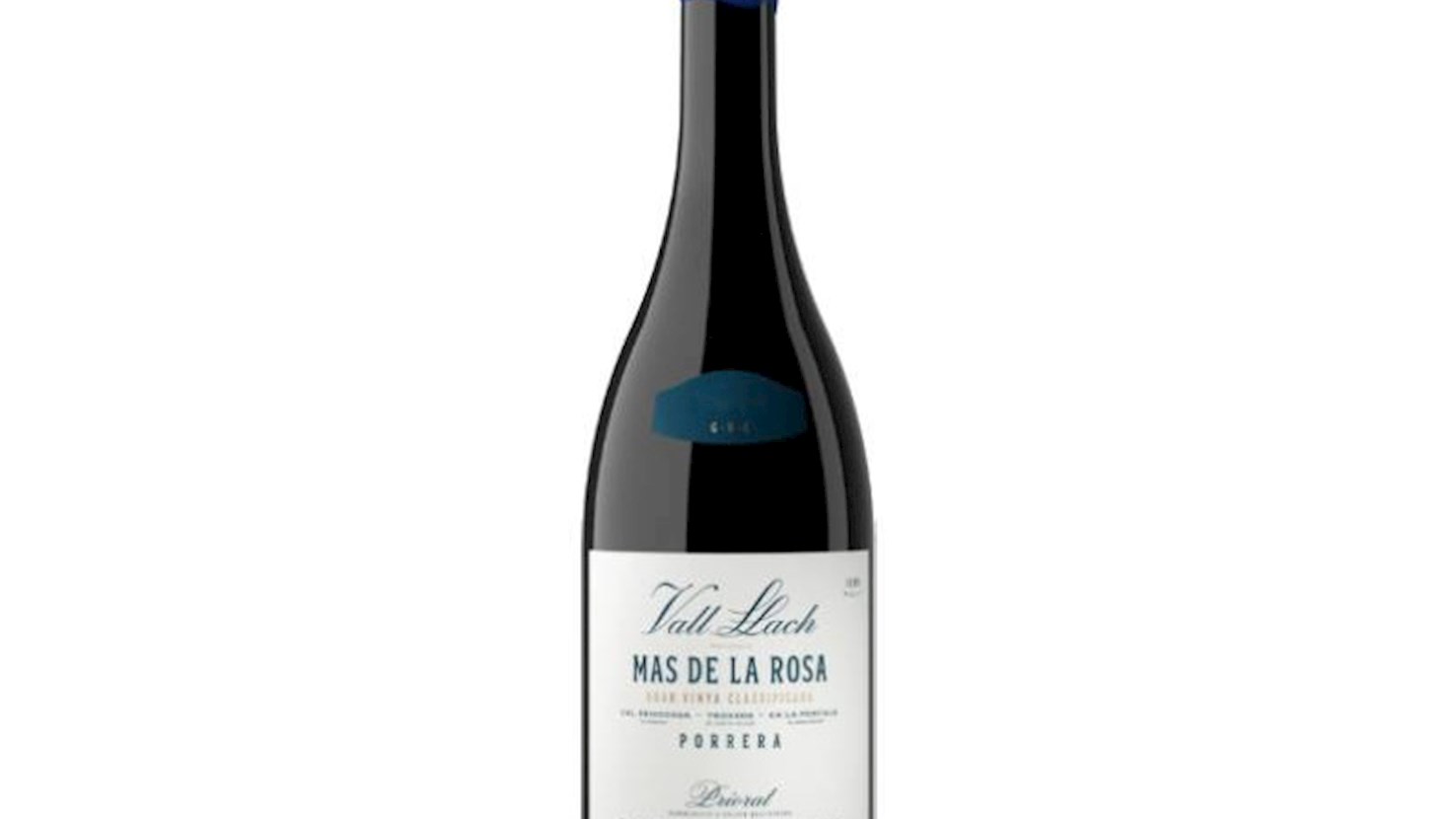
Celler Vall Llach is a boutique winery based in the village of Porrera, in the prestigious DOQ Priorat region, known for its strong focus on terroir and small-scale, high-quality wine production. It was founded in the 1990s as a joint project of Catalan musician and writer Lluís Llach and winemaker Enric Costa, with the idea that winemaking could contribute to the revitalization of the local community. From the very beginning, the winery was conceived as a socially responsible initiative, aimed at preserving old vineyards and the traditional way of life in Porrera. The vineyards are planted on steep terraces with distinctive llicorella slate soils, which give the wines a pronounced mineral character and depth. Old vines of Carignan and Garnacha, often more than 80 years old, form the backbone of the winery’s identity. Traditional practices are combined with modern enology, with strict control of yields and careful grape selection. Vall Llach embraces limited production to preserve the authenticity of each wine. Their wines are recognized for their structure, concentration, and long ageing potential. Among the best-known labels are Embruix, Porrera Vi de Vila, and Mas de la Rosa, each clearly expressing the character of its specific vineyard site. Particular attention is paid to vineyard work, where sustainable and increasingly organic practices are applied. Today, the winery operates under the leadership of Albert Costa, who continues the family philosophy of precision and responsibility in winemaking.
Awards
Decanter World Wine Awards - Platinum
(2021, 2020)
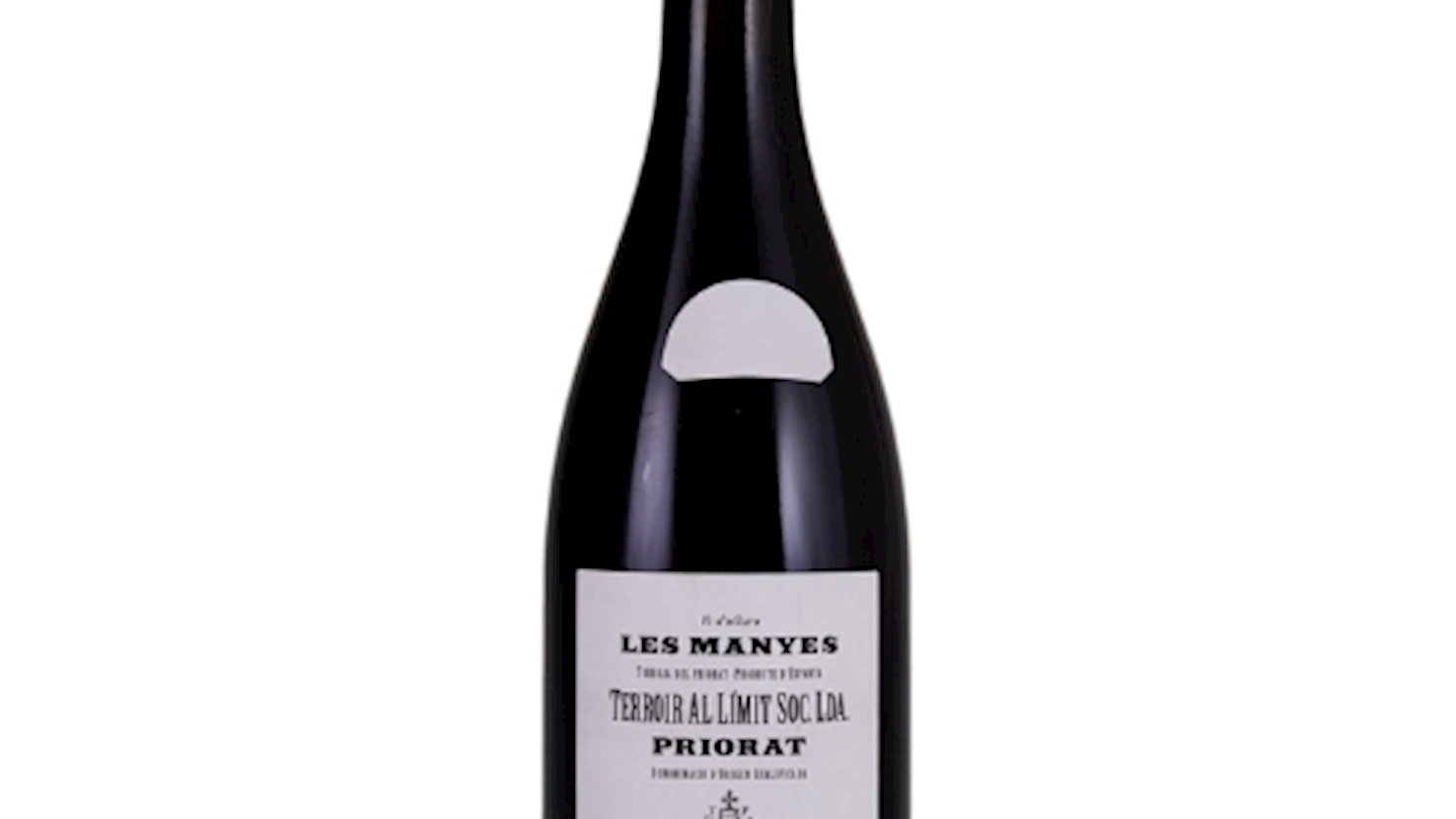
Terroir al Limit is a contemporary winery in DOQ Priorat that has reshaped the region’s image by shifting the focus from power and extraction to elegance, freshness, and a pure expression of terroir. Led by Dominik Huber, the project is built on the idea that wine should reflect soil and climate rather than cellar technique. The vineyards are farmed according to biodynamic principles, while winemaking relies on minimal intervention, frequent use of whole-cluster fermentation, and aging in concrete and amphorae instead of new oak. The focus is on old vines of Garnacha and Cariñena planted on the steep slopes around Torroja del Priorat, where the region’s distinctive llicorella slate soils give the wines tension and mineral depth. The resulting style is not massive but precise, airy, and deeply site-driven, marked by aromatic clarity and long, elegant finishes. Today, Terroir al Limit is considered one of the key producers behind Priorat’s more refined, contemporary identity, proving that intensity can coexist with finesse and authenticity.
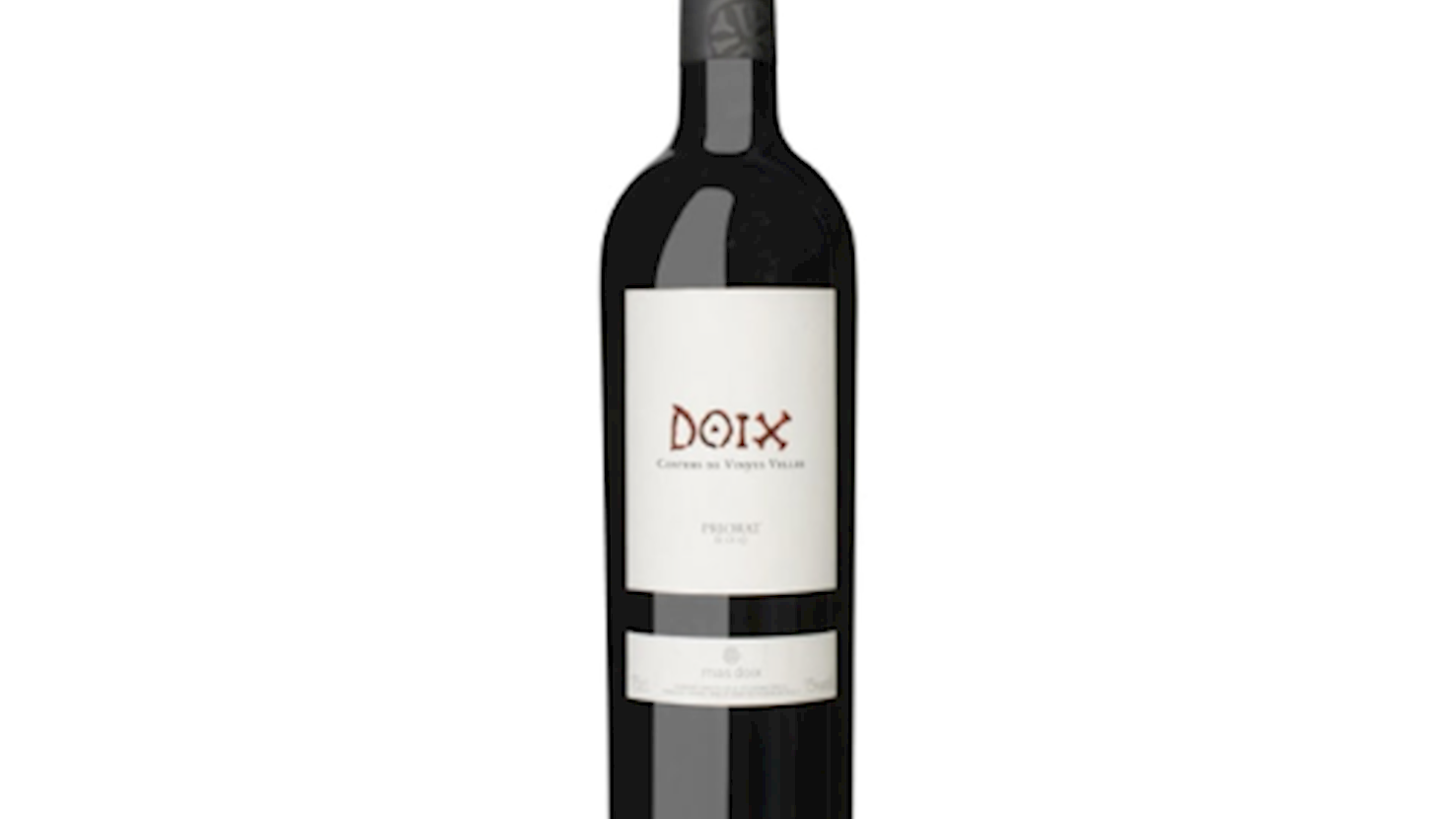
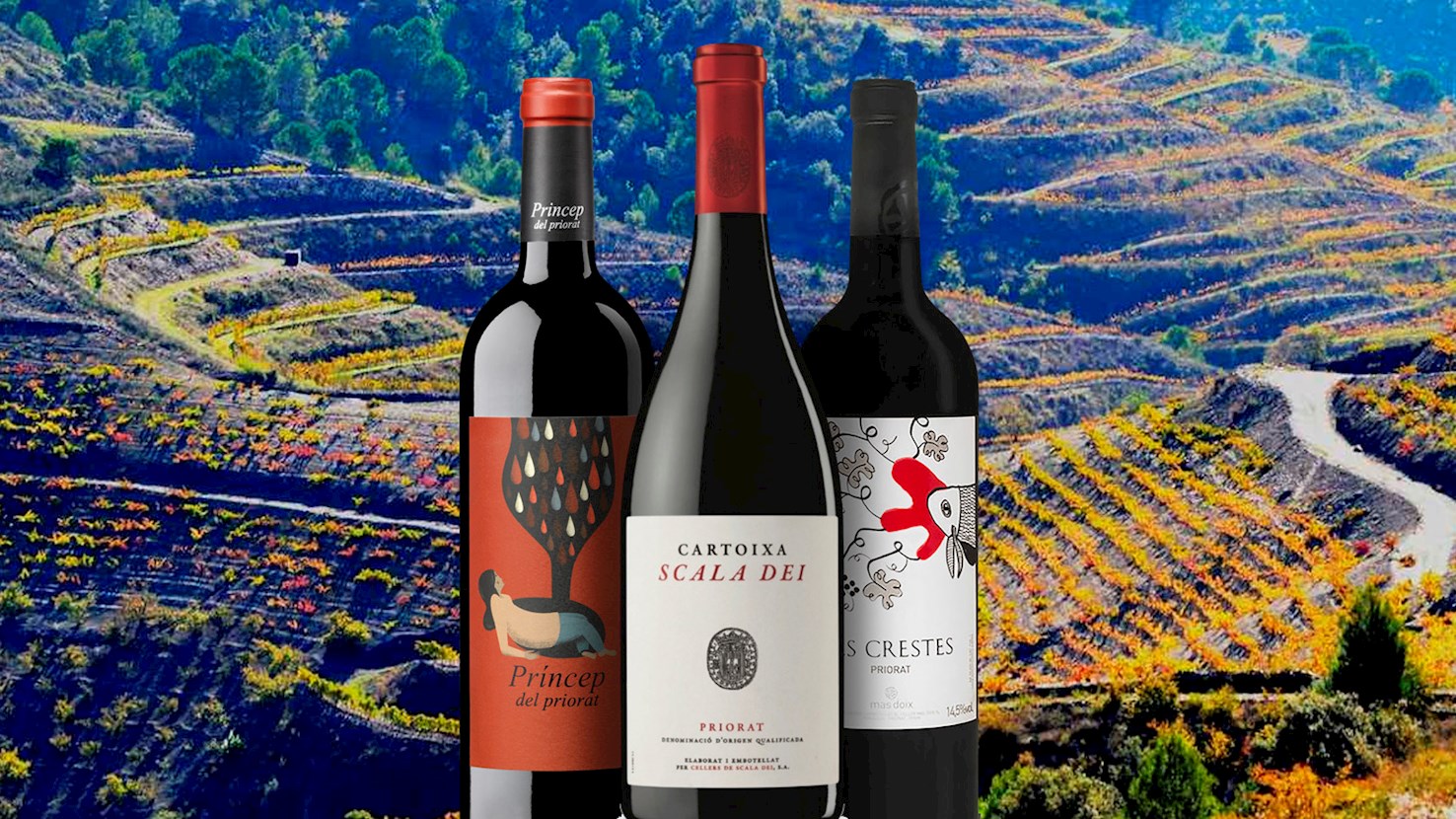
Mas Doix is a family-run winery from the village of Poboleda, in the heart of the prestigious DOQ Priorat region, whose modern story began in 1998 but is rooted in more than a century of winemaking heritage of the Doix and Llagostera families. Their philosophy is strongly focused on terroir and on preserving the authentic character of their vineyards, with particular attention to old vines of Garnacha and Carignan growing on steep slopes of distinctive llicorella slate soils. The vineyards are managed using sustainable and often organically oriented practices, with minimal intervention and hand harvesting to maintain the natural balance of the grapes. In the cellar, traditional methods are combined with modern enology, aiming to retain the power typical of Priorat while achieving precision, elegance, and clarity of expression. Today, Mas Doix is regarded as one of the consistent representatives of modern Priorat, a winery that respects tradition while building a recognizable style through a precise interpretation of terroir.
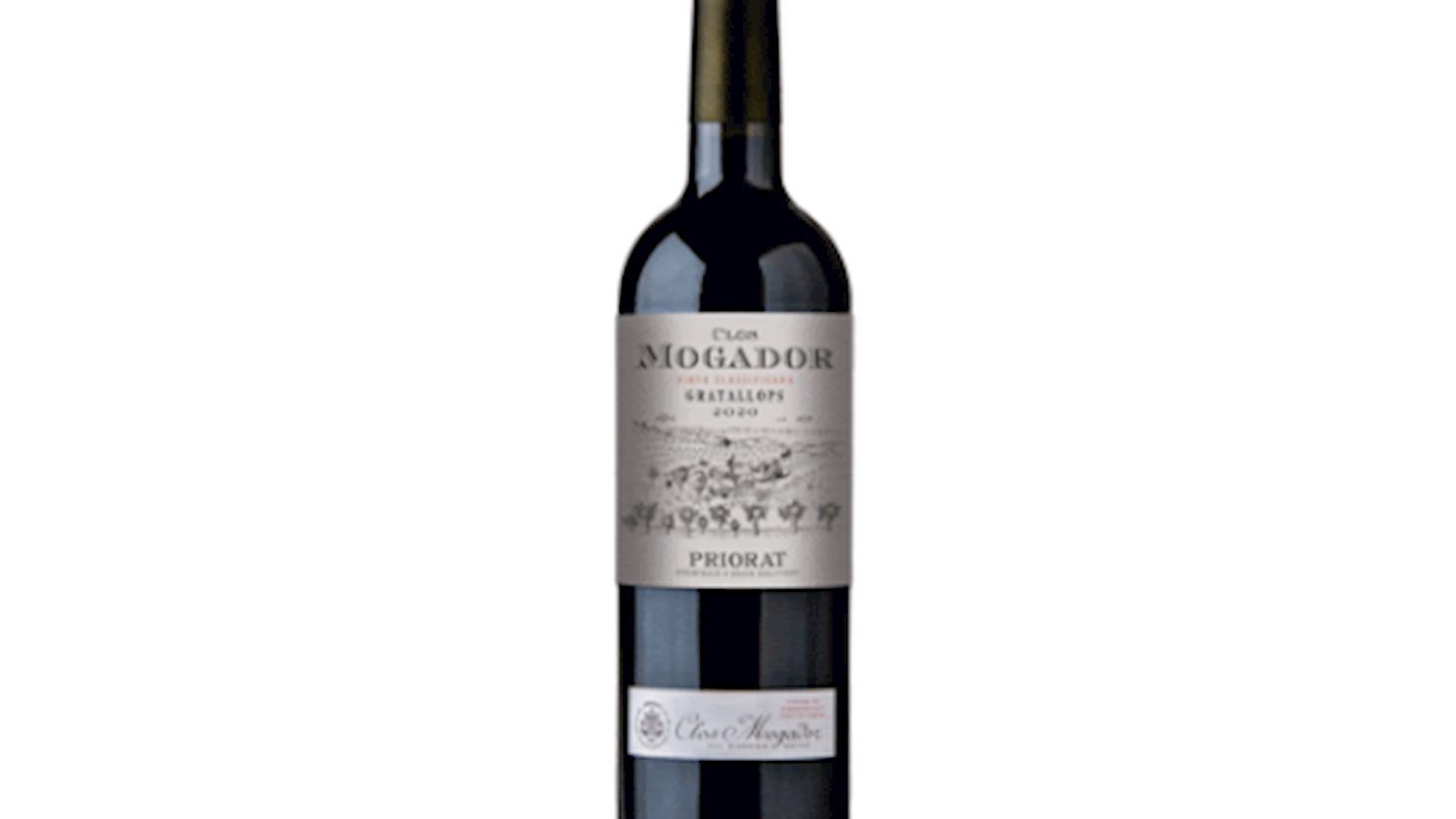
Clos Mogador is one of the most influential and highly regarded wineries in the Priorat region, widely recognized for its key role in the modern renaissance of this historic yet long-overlooked wine area. It was founded by René Barbier in the late 1970s with a clear vision to reveal the full potential of the steep vineyards planted on the distinctive slate soils known as llicorella. The winery is located in the village of Gratallops, in the very heart of Priorat, where extreme conditions - poor soils, low rainfall, and intense temperatures - produce grapes of exceptional concentration and character. Clos Mogador was among the first producers to focus on low yields, hand harvesting, and a parcel-by-parcel approach to viticulture, setting new quality standards for the region. Its philosophy is rooted in deep respect for terroir and minimal intervention in the cellar, allowing the wines to preserve the authenticity of their origin. Today, the estate enjoys global recognition and is widely considered one of the pillars of prestige in Spanish fine winemaking.
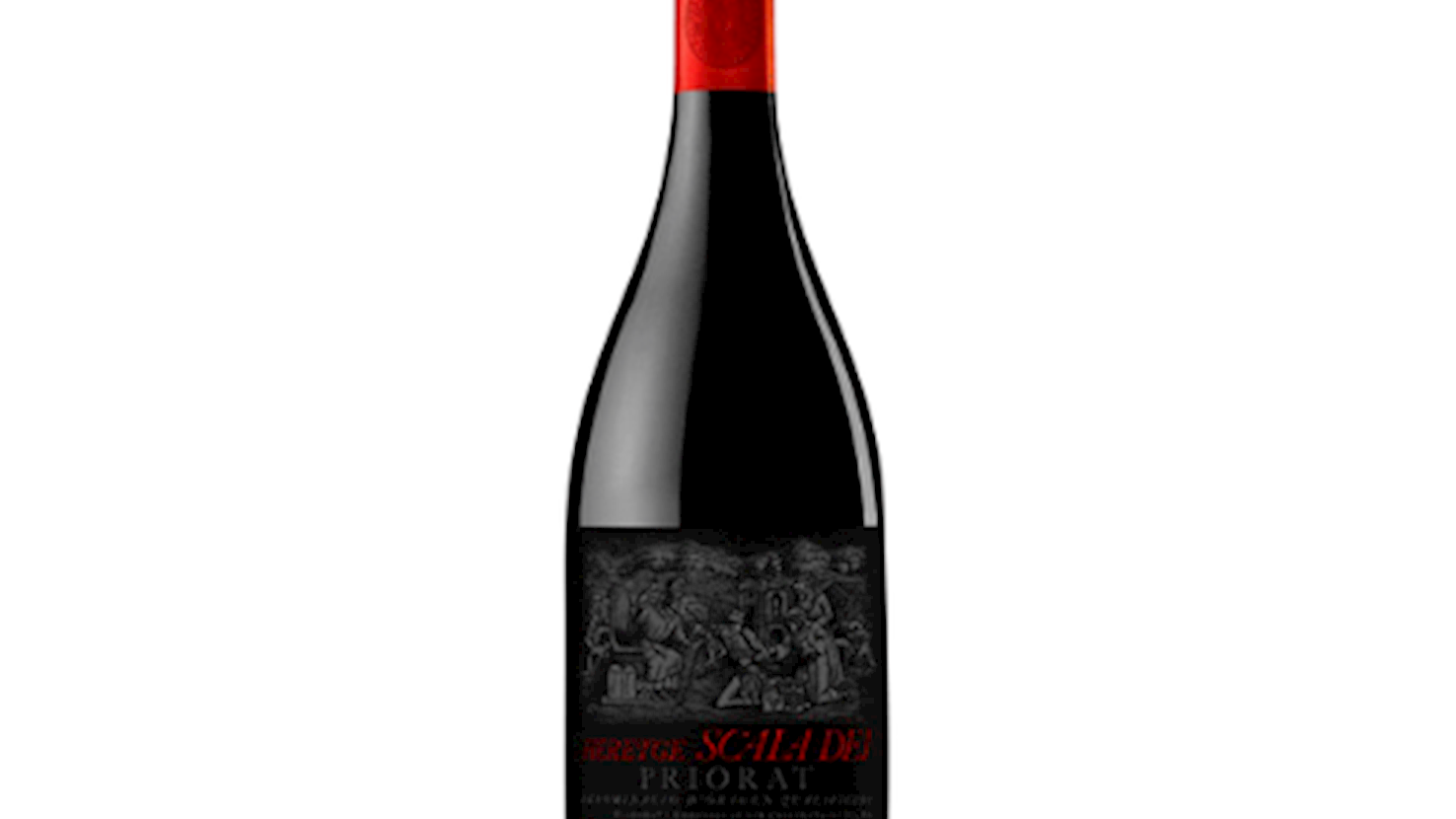
Cellers de Scala Dei is a historic winery in the heart of DOQ Priorat, widely regarded as the oldest organized wine project in the region and a true symbol of its identity. Its roots go back to the 12th century, when Carthusian monks from the Scala Dei monastery planted the first vineyards and laid the foundations of winemaking in Priorat. Today, the winery continues this legacy by working with old vines of Garnacha and Cariñena on steep slopes with the region’s distinctive llicorella slate soils, which give the wines depth and a strong mineral character. Viticulture is based on hand harvesting and sustainable practices, with minimal intervention in the cellar to preserve the authentic expression of terroir. Fermentations are often spontaneous, and aging in a combination of concrete, large-format barrels, and neutral oak emphasizes elegance over power. The style is precise, serious, and clearly site-driven, with a strong focus on structure and longevity. Scala Dei is today considered one of the key wineries that bridge Priorat’s historical heritage with its refined modern expression.
Priorat is a Spanish wine region—located in the Catalonian province of Tarragona—which has been awarded DOC status (DOQ in Catalan) - the highest category in Spanish wine regulations. Established in the 12th century, Priorat has undergone significant changes through centuries, but it was René Barbier who realized the real potential of the region in the 1980s. The backbone of red Priorat wines is made from local Garnacha and Carineña, with some amounts of French Cabernet Sauvignon, Merlot, and Syrah. The most common flavors and aromas found in rich and powerful Priorat wines include dark fruit and berries that may be accompanied by salty, spicy, mineral, and herbal notes. Their tannins are typically firm, and the wines tend to have high alcohol content. Depending on their character and style, these wines can match bold and hearty grilled or roasted meat dishes, stews, paella, spicy dishes, wild game, tomato sauces, and aged cheese.
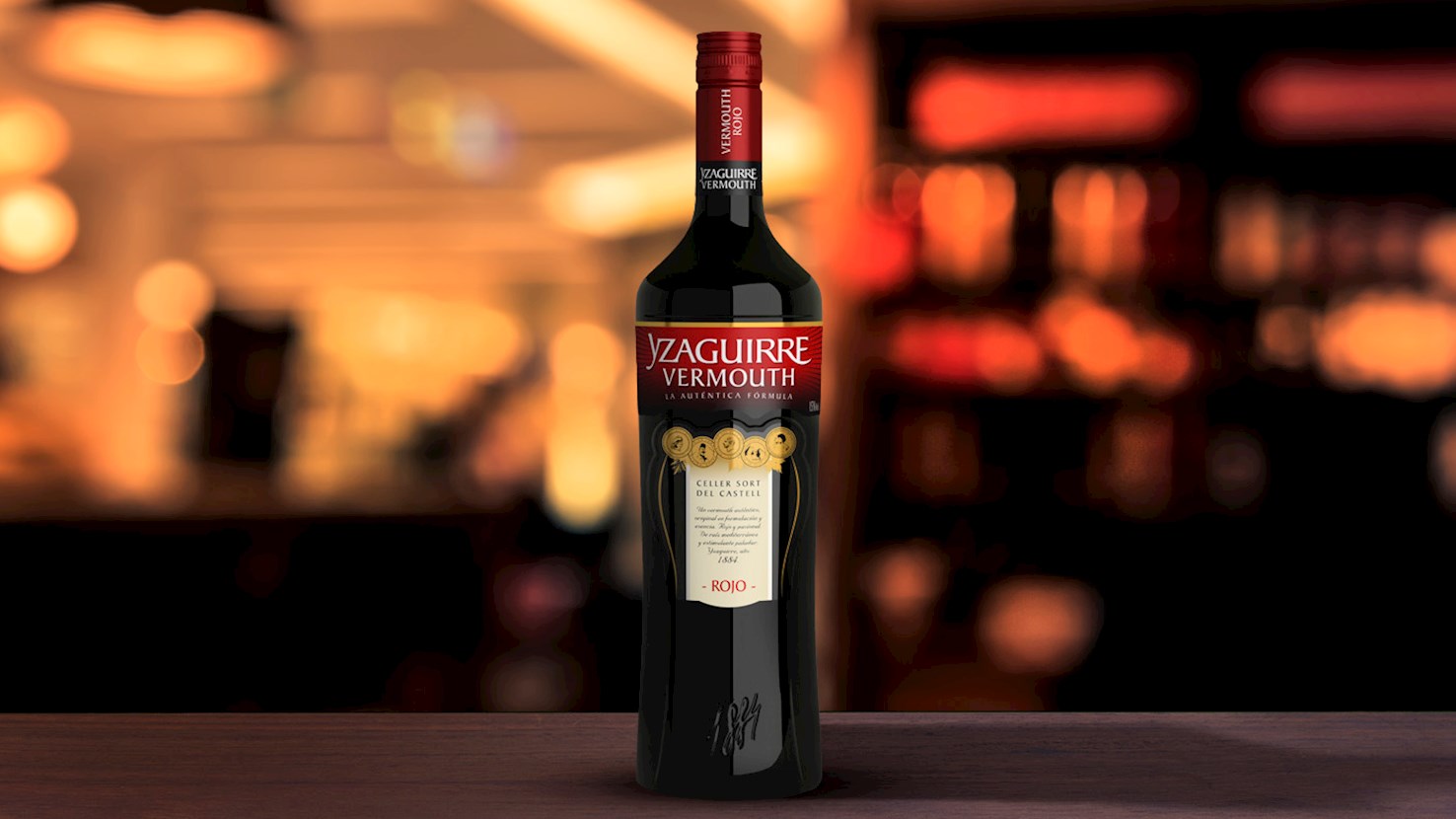
Yzaguirre is often called the oldest vermouth in Spain. It is the first Spanish vermouth brand, and though the company produces several styles, the first and signature label is Yzaguirre Rojo, the sweet (red) vermouth. This classic has been produced since 1884, and it is still one of the most popular varieties on the market. This vermouth starts as a white wine made from the local Macabeo variety that is mixed with herbal macerate and is then left to age in oak. The resulting vermouth is aromatic, smooth, and pleasantly balanced with sweetness and acidity. It has fruity, herbal, and spice aromas with hints of balsamic notes. The finish is long and intense. Yzaguirre is usually enjoyed on the rocks, traditionally with an orange slice or an olive. It is also a great ingredient in cocktails and long drinks.
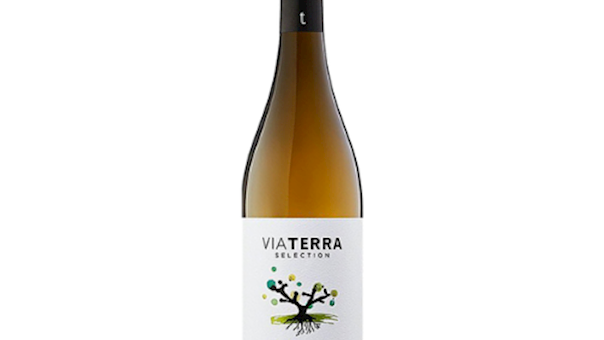
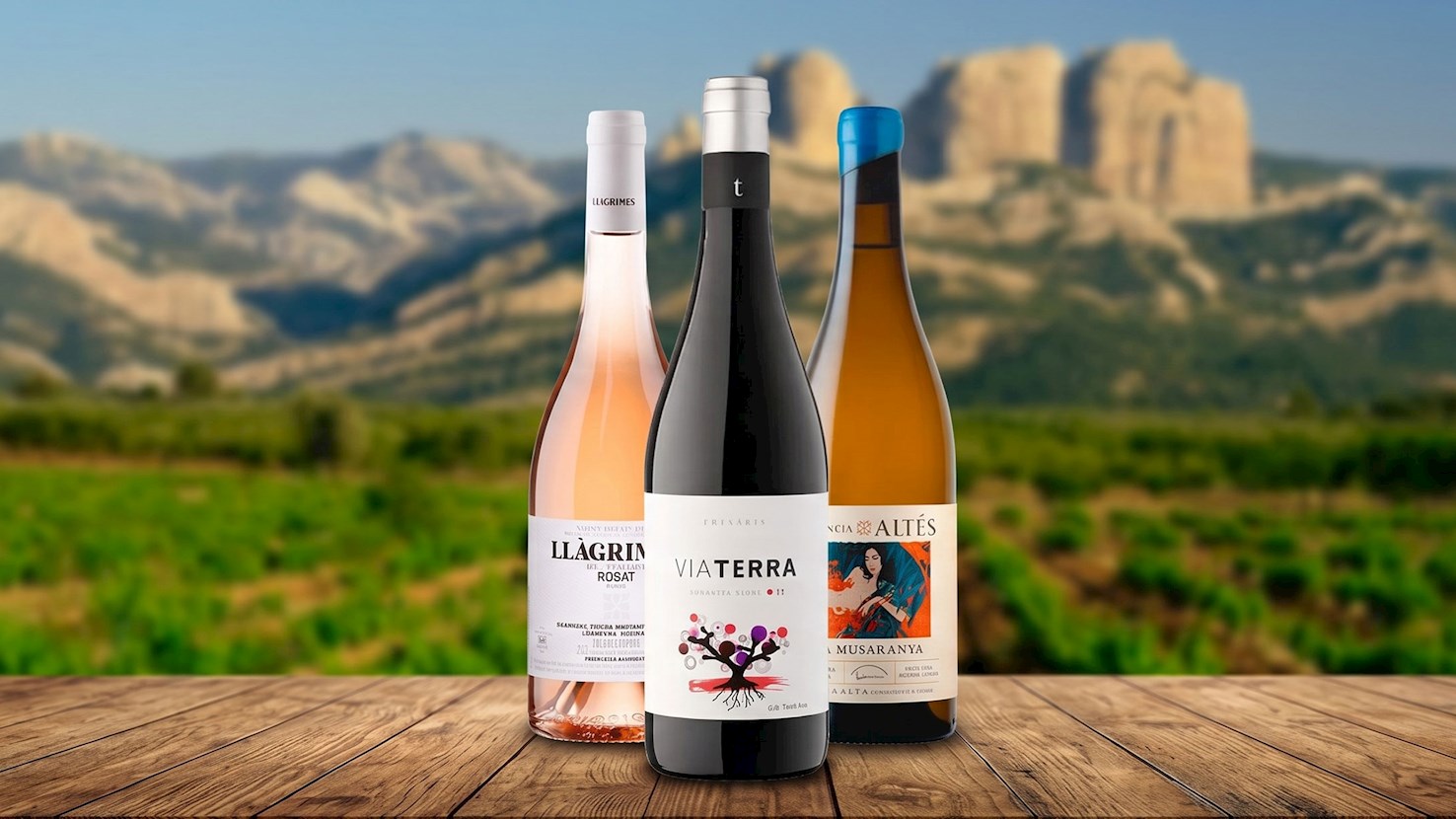
Terra Alta is a Spanish Protected Designation of Origin (PDO) located in the southernmost highlands of Catalonia, within the province of Tarragona. The viticultural zone occupies a limestone plateau bordered by the Ports d'Horta mountain range and the Ebro river basin, with vineyard elevations ranging from 350 to 550 meters above sea level. The climate is Mediterranean but features strong continental influences, characterized by low rainfall and the significant impact of two dominant winds: the Cerç, a cold and dry northwesterly wind that prevents vine diseases, and the Garbinada, a humid maritime breeze that provides relief during the summer ripening period. The soil is predominantly composed of "panal," a silty loam texture with high calcium carbonate content and low organic matter. Viticulture in this specific plateau was established by the Romans during their expansion along the Ebro valley. Following the Roman era, the Knights Templar managed the land in the 13th century, introducing specific regulations for vine cultivation and wine trade that were documented in the "Costums d'Horta" and "Costums de Miravet." In the early 20th century, the region became a center for the agricultural cooperative movement, leading to the construction of "wine cathedrals", large-scale modernist wineries designed by architects like Cèsar Martinell. The region received its first official jurisdictional recognition in 1972, focusing on its high concentration of Garnatxa Blanca (White Grenache) vines, which account for approximately 33% of the world's total production of this specific variety. Preparation of the wine relies heavily on the Garnatxa Blanca grape, which is utilized to produce the region’s signature "Terra Alta White." These wines often undergo skin maceration and fermentation in temperature-controlled stainless steel or concrete vats. A significant portion of the production is aged on the fine lees or in French oak barrels to develop oxidative stability and body. Red wines are primarily composed of Garnatxa Negra, Peluda, and Syrah, often undergoing long maceration periods to extract tannins from the thick-skinned grapes. White wines are served at 10°C to 12°C, while the structured reds are presented between 16°C and 18°C. A unique feature of the Terra Alta PDO is the "Garnatxa Blanca" quality seal, which is only granted to 100% varietal wines that score above a specific threshold in sensory analysis by the regulatory council. Furthermore, the region produces "Amber" or orange wines, known locally as vi brisat, which are fermented with grape skins and stems in a manner similar to red wine production. The region is also specialized in the production of Mistela and Vi de Licor, which are fortified sweet wines made by adding wine alcohol to the must before or during fermentation to preserve natural residual sugars. The wines are consumed as a primary component of the inland Catalan diet. The structured white Garnatxa wines are paired with heavy rice dishes, roasted vegetables known as escalivada, and fatty fish such as salt cod or tuna. The red wines are served with braó (pork knuckle), grilled lamb, and game meats. The sweet Mistelas are paired with dried fruits, nuts, and local honey-based pastries. Due to the high alcohol and body of these wines, they are frequently utilized to accompany stews and cured meats like fuet and longanissa.
Montsant is a Denominación de Origen (DO) wine region located in the province of Tarragona, within the Catalonia region of northeastern Spain. It forms a horseshoe shape that almost entirely surrounds the Priorat region, encompassing approximately 1,900 hectares of vineyards distributed across 17 municipalities. The topography is rugged, with vineyards situated at altitudes ranging from 200 to 700 meters above sea level, primarily resting on a mix of calcareous clays, granitic sands, and slate. The climate is Mediterranean with continental influences, characterized by dry summers and an average annual rainfall of 500 to 600 millimeters. Evidence of viticulture in the Montsant hills dates to the Roman era, but the systematic organization of the vineyards was primarily developed by the monks of the Carthusian Monastery of Escaladei during the 12th century. For centuries, the area functioned under the broader Tarragona designation until it achieved its own independent status as a protected denomination in 2001. This administrative separation was based on the distinct soil compositions and microclimates that differentiated the high-altitude hillside fruit from the lowland coastal production. The region has maintained a high proportion of old-growth vines, particularly Garnacha and Cariñena, some of which are over 80 years old and have survived without the need for extensive irrigation due to the water-retentive properties of the clay subsoils. Preparation of the wine involves a high percentage of Garnacha Negra and Cariñena grapes, often supplemented by Syrah or Cabernet Sauvignon. Many producers utilize cold pre-fermentation maceration to extract aromatics without harsh tannins, followed by aging in 225-liter or 500-liter French oak barrels to refine the wine's structure. White wines are produced in smaller quantities from Garnacha Blanca and Macabeo, often seeing some skin contact or lees stirring to increase body. Serving temperatures should be held at 16°C to 17°C for red wines and 9°C to 11°C for whites. Decanting is frequently utilized for red blends to aerate the wine and soften the firm acidity characteristic of the region's high-altitude viticulture. A specific feature of Montsant is the production of "Vins Rancis," which are oxidative wines aged in glass carboys or wooden barrels in the sun, a method that creates a profile of dried fruits and nuts. Most Montsant wines are consumed as part of a meal in Catalonia and exported as premium alternatives to its more expensive neighbor, Priorat. The wine is eaten with heavy, savory dishes such as "Arròs de Muntanya" (mountain rice with meat and mushrooms), grilled lamb chops with alioli, or "Cap i Pota" (a gelatinous beef stew). The high mineral content and acidity of the wines also make them compatible pairings for aged goat cheeses, roasted root vegetables, and dishes seasoned with rosemary and thyme.
TasteAtlas food rankings are based on the ratings of the TasteAtlas audience, with a series of mechanisms that recognize real users and that ignore bot,
nationalist or local patriotic ratings, and give additional value to the ratings of users that the system recognizes as knowledgeable.
For the “Top 20 Local Wines in the Province of Tarragona” list until June 02, 2026, 40 ratings were recorded, of which 33 were recognized by the system as legitimate.
TasteAtlas Rankings should not be seen as the final global conclusion about food. Their purpose is to promote excellent local foods,
instill pride in traditional dishes, and arouse curiosity about dishes you haven’t tried.
The initial list of top producers was compiled based on available reviews, awards, local recommendations, media and blog coverage, and consumer reviews.
The list will be updated with ratings from TasteAtlas local ambassadors and TasteAtlas users.