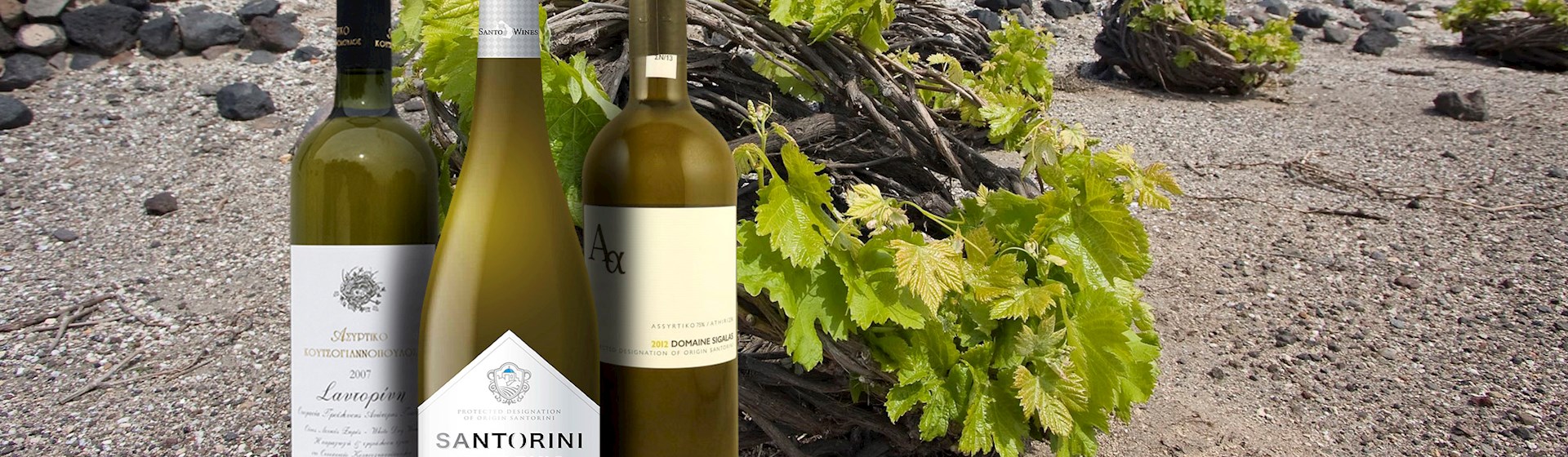
Estate Argyros is a family-owned winery on the island of Santorini, founded in 1903 in the village of Episkopi Gonia, in the heart of the island’s volcanic wine-growing zone. The estate covers more than 120 hectares of vineyards, making Argyros one of the largest private vineyard owners on Santorini. Most vines are 70-100 years old, while some parcels of Assyrtiko exceed 150-200 years, resulting in extremely low yields but grapes of remarkable concentration and purity. The terroir is harsh and distinctive - volcanic, rocky and sandy soil with almost no organic material, naturally protecting the vines from disease and allowing them to remain ungrafted on their original rootstock. The traditional training method known as kouloura, where the vine is shaped into a basket, protects the grapes from strong winds and intense sun. The winery is especially devoted to the native variety Assyrtiko, which here expresses a unique combination of salinity, minerality and sharp linear structure. Argyros combines minimal intervention in the vineyard with precise winemaking, preserving both varietal character and terroir expression. Their dry Assyrtiko wines are known for high acidity, tension and exceptional aging potential. The estate also produces other indigenous varieties such as Aidani and Mavrotragano. A signature of the winery is Vinsanto, a traditional dessert wine made from sun-dried grapes and aged for years in oak barrels, resulting in deep complexity and richness.
Awards
Decanter World Wine Awards - Best in Show
(2023, 2020)
Volcanic Slopes Vineyards is a small, high-quality winery on Santorini operating from a restored 18th-century kanava in the village of Episkopi Gonias, transformed into a modern cellar in 2013. Its philosophy centers on honoring the island’s volcanic terroir, with vineyards rooted in mineral-rich soil that shapes the distinctive character of Assyrtiko. The winery produces a single wine, Pure Santorini, choosing focus and precision over portfolio expansion. Grapes are hand-harvested from old vines and vinified with a minimal-intervention approach to preserve the natural freshness, pronounced salinity and clarity typical of Santorini whites. Pure Santorini is defined by marked mineral notes, vibrant acidity, citrus and herbal nuances, and a long, clean finish. The winery’s subterranean architecture carved into volcanic rock provides ideal aging conditions and reinforces its cultural identity. Visitors can enjoy guided tastings and purchase wine directly on site, in an intimate environment away from mass tourism. VSV represents a synthesis of historical tradition, meticulous viticulture and modern enological precision, resulting in a wine that faithfully expresses the uniqueness of Santorini’s landscape.
Awards
Decanter World Wine Awards - Platinum
(2022, 2020)
Domaine Sigalas is one of Santorini’s most respected wineries, located in the flatlands near the village of Oia, where the volcanic soil produces wines with a strong sense of place. Founded in 1991 by Paris Sigalas, the estate is known for its research-driven approach and the integration of modern techniques without compromising the island’s tradition. The vineyards grow on sandy, rocky, mineral-rich terrain, and the vines are trained in the distinctive “kouloura” basket shape to protect them from strong winds and intense sunlight. Assyrtiko is the core variety, and Sigalas is renowned for a minimalist style that highlights its natural acidity, salinity and structure. The portfolio includes labels such as Santorini Assyrtiko, Barrel-Aged Assyrtiko, Kavalieros, Nychteri, the sweet Vinsanto and reds such as Mavrotragano. The winery’s style is defined by precision, purity of aroma and notable aging potential. Domaine Sigalas also operates as an eno-gastronomic destination, offering tastings and vineyard tours. Thanks to consistent quality and a strong international reputation, its wines are considered benchmark expressions of the modern Santorini style.
Awards
Vivino - 4.1
IWSC- International wine & spirit competition - Gold
(2024)
Artemis Karamolegos is one of Santorini’s most compelling wineries, located in the village of Exo Gonia, where it blends the island’s long winemaking tradition with a modern, detail-driven enological approach. The estate is centered on Assyrtiko, a variety that thrives in the island’s volcanic soils and produces intensely mineral, focused and age-worthy wines. Vineyard work is meticulous - hand harvesting, strict fruit selection and minimal intervention in the cellar ensure a clean, precise expression of the terroir. The portfolio spans several tiers, from the Terra Nera line that introduces the essential Santorini style, to the Fine Selection and Single Vineyard labels that highlight specific parcels and old vines. The winery also produces traditional styles such as Nykteri and Vinsanto, bridging the island’s heritage with contemporary craft. Its cellar and tasting room form an important visitor destination, while the on-site restaurant, Aroma Avlis, reinforces the connection between wine and local gastronomy. Artemis Karamolegos consistently captures the character of Santorini through elegance, precision and deep respect for the volcanic landscape.
Hatzidakis Winery, founded in 1997 by Haridimos Hatzidakis and Konstantina Chryssou, stands as a benchmark producer on Santorini, built on the revival of an abandoned family vineyard in Pyrgos Kallistis and a philosophy rooted in restoring and expressing the island’s volcanic terroir, with a strong focus on organic, low-intervention viticulture and indigenous grape varieties such as Assyrtiko, Aidani, and Mavrotragano, which are cultivated on ancient, often ungrafted vines that can exceed a century in age and are trained in the traditional basket shape to withstand the island’s harsh winds and arid conditions, while the winery itself is uniquely constructed as an underground cave beneath the vineyards to ensure natural temperature stability and minimal environmental impact; beyond production, Hatzidakis played a key role in reviving nearly forgotten local varieties like Mavrotragano, contributing to the broader renewal of Santorini’s wine identity, and today the winery continues to produce limited quantities of wines defined by pronounced minerality, vibrant acidity, and structural precision, maintaining a clear and consistent expression of origin through a minimalist approach that prioritizes authenticity, sustainability, and a direct connection between vineyard and bottle.
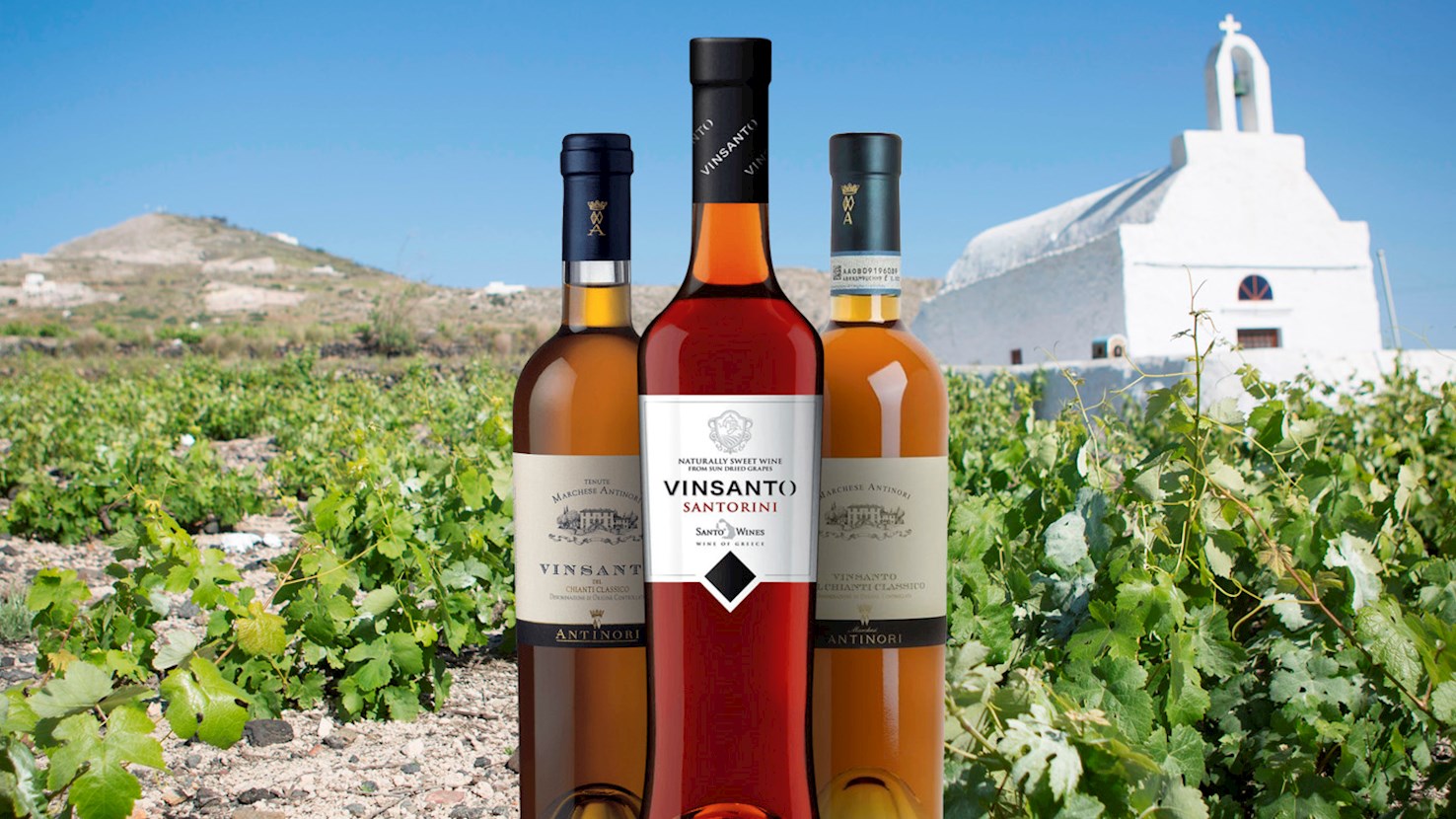
Vinsanto is a dessert wine hailing from Santorini. It is made with sun-dried Assyrtiko and Aidani grapes. Despite a surprisingly similar name, this Greek wine does not have much in common with the more famous Vin Santo from Tuscany. The grapes are sun-dried for approximately fourteen days and are then fermented and aged. This wine has to be oak-aged for a minimum of two years, but most producers opt for longer maturation. The result is a sweet and dense wine packed with flavor and rich in aromas. Although both grape varieties are white-skinned, Vinsanto will attain a luscious golden color that tends to turn into darker amber hues as the wine ages. On the palate, the wine is honeyed, sweet, and full-bodied, and the aromas are reminiscent of figs, raisins, apricots, caramel, nuts, and sweet spices. Despite concentrated flavors and dense texture, Vinsanto manages to remain balanced by retaining acidity and freshness. In the past, producers sometimes fortified the wines, but modern techniques mainly rely on adding yeast to prolong fermentation and increase the alcohol content. Vinsanto wines need to have a minimum of 9% ABV, but excellent examples usually reach 13% ABV. These wines should always be served chilled. They can be sipped on their own, but they also pair well with desserts and cheese. Young and lighter styles go well with sweet, caramel desserts, while older varieties work well with dark chocolate and nuts.
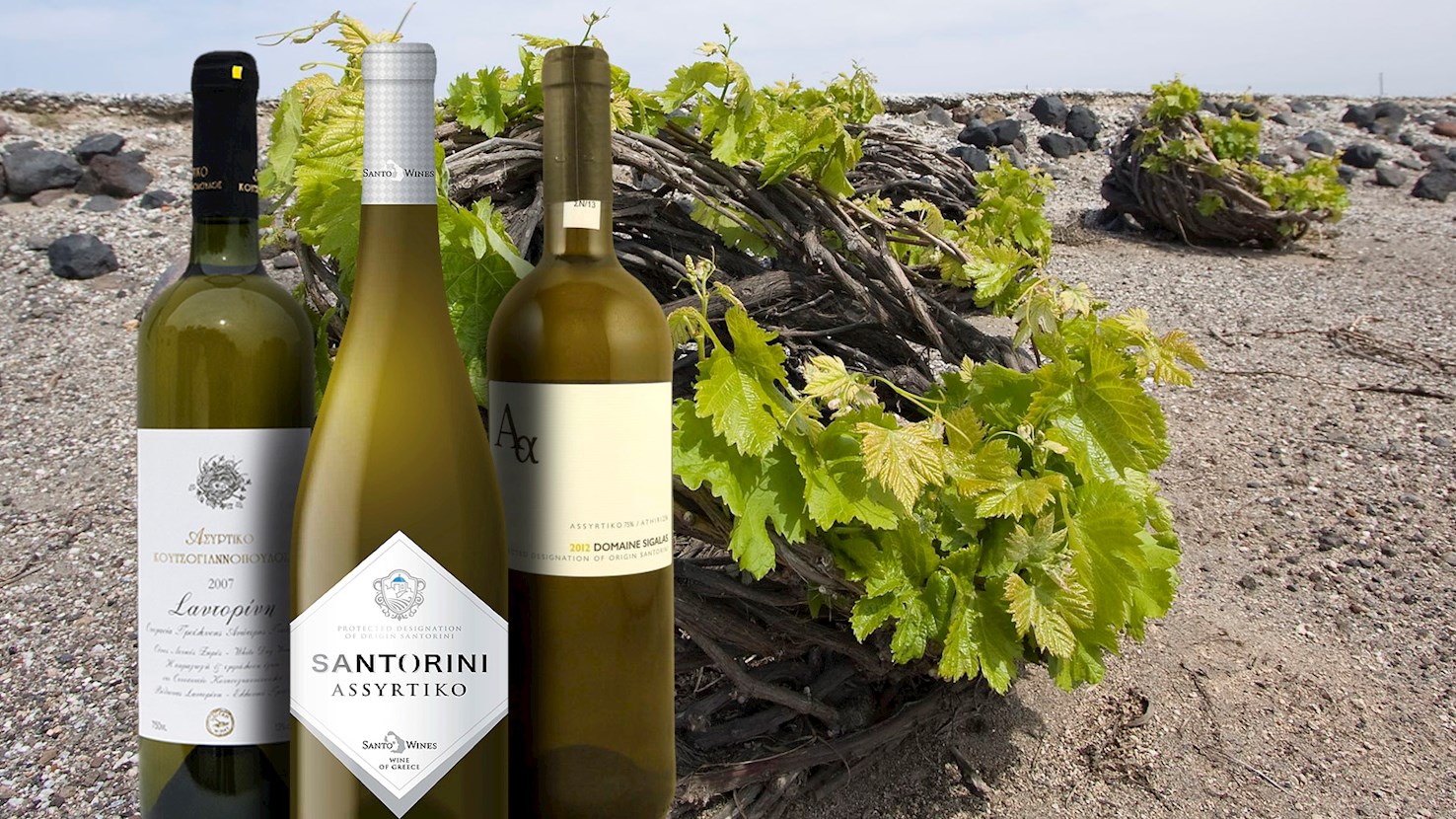
This Greek white grape variety is indigenous to the island of Santorini, but it can also be found on other Aegean island such as Paros. The soil of the island, which is rich in volcanic ash, seems to enable the grapes to retain their acidity regardless of how long they ripen, which gives these wines a long aging potential. Its popularity has grown recently due to its unusual character, which does not reflect the hot climate it comes from. Assyrtiko wines are dry, full-bodied white wines with citrus aromas and a pleasant minerality. This wine can also be blended with two other local varieties, Aidani and Athiri, during the production of the sweet wine Vinsanto. The dry version makes a great complement to fish, seafood, and anything salty or briny.
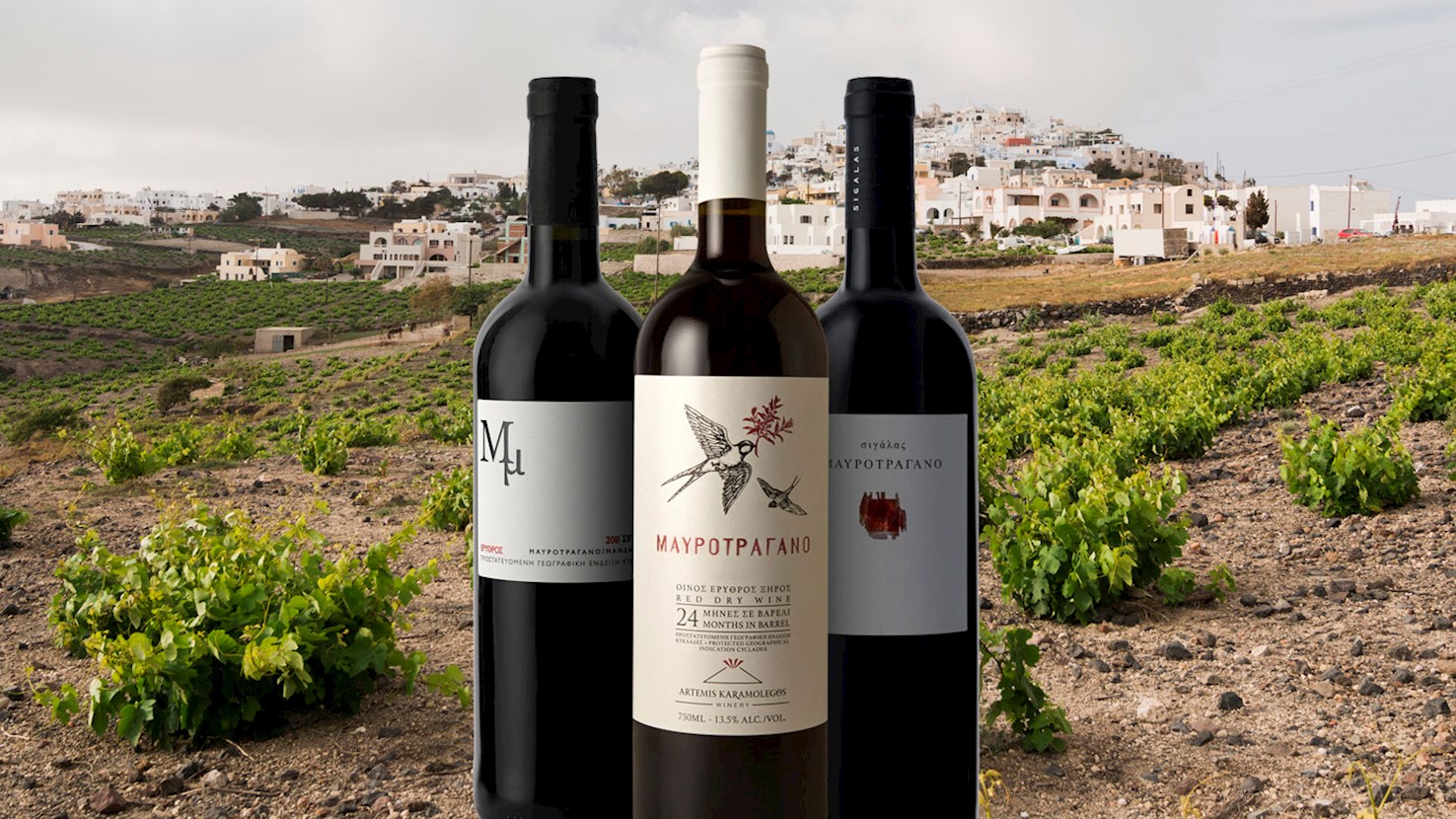
Mavrotragano is an old Greek variety that is currently experiencing a revival. The grape originates from Santorini, and it was mostly used in bland dessert wines and blends. It was nearly extinct until the winemakers Haridimos Hatzidakis and Paris Sigalas used a novel approach to create concentrated dry wines that showed fantastic potential. The wines made from Mavrotragano are densely colored with fruity and spicy notes reminiscent of dark berries, cinnamon, tobacco, and white pepper. They often have herbal and earthy nuances, and most examples will have bright acidity and firm, velvety tannins. They usually have excellent aging potential. These wines pair well with red meat, game, charcuterie, and aged cheese.
Aidini is a white grape variety from Greece, grown mainly on Santorini, but also present on the other Cycladic islands. It is valued for producing white wines with moderate alcohol, relatively soft acidity, and aromatic notes shaped by the warm, dry, maritime climate of the Aegean. The grape thrives in volcanic and limestone soils, where limited rainfall and strong island winds encourage low yields and concentrated fruit. Aidini is often used in blends alongside grapes such as Assyrtiko or Athiri, though several producers bottle it as a single-varietal wine to highlight its distinct character. Its recognition as a separate variety developed in Viticultural zones of the Cyclades where multiple white grapes were grown side by side for local consumption, and where growers distinguished Aidini for its ability to maintain aromatic expression in hot, arid conditions. Vineyard observations showed that the grape ripened reliably and provided softer structure than Assyrtiko, making it useful in blends that required a more moderate profile. As Greek winemaking modernized, Aidini gained attention for its suitability to light, aromatic wines aimed at showcasing regional identity rather than relying solely on more dominant indigenous grapes. In the islands where it is grown, its cultivation is closely tied to bush-trained vines adapted to strong winds and shallow soils. Preparation for winemaking begins with harvesting grapes in late summer, pressing them gently, and fermenting the juice in stainless steel tanks to preserve aromatic clarity. Some producers experiment with neutral oak, but the grape is most often vinified in a manner that emphasizes freshness. The resulting wines are typically dry, with citrus, floral, and stone-fruit notes, shaped by the warm climate and the grape’s relatively low acidity. Aidini’s moderate structure makes it accessible as a standalone varietal wine and useful as a blending partner that softens the edges of more austere Cycladic grapes. Aidini wines are served chilled in tavernas, coastal restaurants, and wine bars across the Greek islands and mainland. They pair well with seafood such as grilled fish, calamari, and shellfish; vegetable dishes including fava, tomato-based stews, and roasted zucchini; and lighter poultry preparations flavored with lemon and herbs. The wine’s gentle acidity and aromatic profile also complement mezze dishes like dolmades, fried cheese, and salads with olives and capers. It is consumed locally during summer months and increasingly appears in export markets where regional Greek varieties are highlighted.
TasteAtlas food rankings are based on the ratings of the TasteAtlas audience, with a series of mechanisms that recognize real users and that ignore bot,
nationalist or local patriotic ratings, and give additional value to the ratings of users that the system recognizes as knowledgeable.
For the “Top 5 Local Wines in Santorini” list until June 15, 2026, 207 ratings were recorded, of which 94 were recognized by the system as legitimate.
TasteAtlas Rankings should not be seen as the final global conclusion about food. Their purpose is to promote excellent local foods,
instill pride in traditional dishes, and arouse curiosity about dishes you haven’t tried.
The initial list of top producers was compiled based on available reviews, awards, local recommendations, media and blog coverage, and consumer reviews.
The list will be updated with ratings from TasteAtlas local ambassadors and TasteAtlas users.