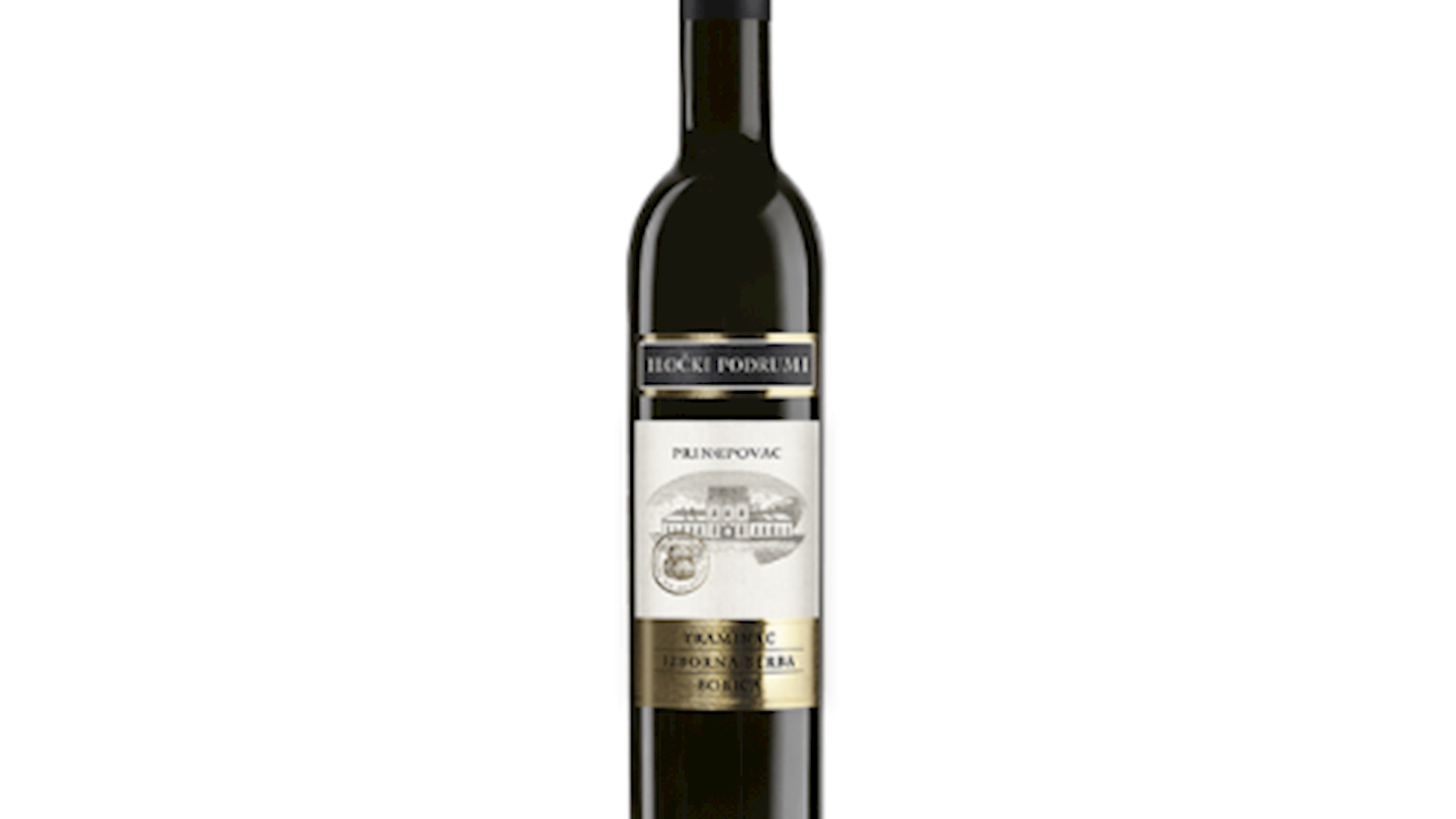
Iločki Podrumi is one of the oldest and most prominent wineries in Croatia, located in the town of Ilok in the Srijem wine region along the banks of the Danube River. The tradition of viticulture in this area dates back more than two thousand years to Roman times, while the historic wine cellars beneath the Ilok castle were established in the 15th century.
Today the winery manages extensive vineyards on notable sites such as Principovac and Vukovo, where loess soils, gentle slopes and the moderating influence of the Danube create favorable conditions for growing high-quality grapes. The winery cultivates several varieties, with Traminer (Traminac) considered its flagship grape, alongside Graševina, Chardonnay, Frankovka and Cabernet Sauvignon.
Iločki Podrumi produces several million liters of wine annually and ranks among the largest wine producers in Croatia. Its wines have received numerous international recognitions, and the winery’s Traminac holds particular historical significance, as a wine from Ilok was served at the coronation of Queen Elizabeth II in 1953.
Combining centuries-old cellar tradition with modern production and the distinctive Danube terroir, Iločki Podrumi represents an important pillar of Croatian wine heritage.
Galić Vina is a modern Croatian winery located in Kutjevo in the Slavonia region, an area historically known as Vallis Aurea or the “Golden Valley”, with a long tradition of viticulture. The winery was founded by Josip Galić with the aim of presenting the potential of the Kutjevo terroir through contemporary winemaking techniques and careful vineyard management.
The estate cultivates vineyards across several sites around Kutjevo, including Radovanci, Vetovo, Kaptol and Venje, where diverse soils and microclimates contribute to wines with a clear regional character. Graševina plays a central role in the winery’s production, reflecting the importance of this variety in Slavonia, while international grapes such as Chardonnay, Sauvignon Blanc, Merlot and Cabernet Sauvignon are also grown.
Vinification takes place in a modern cellar equipped with technology that allows precise control of fermentation and aging processes. In addition to fresh and mineral white wines, the winery also produces wines aged in oak barrels as well as sparkling wines made using the traditional method.
The portfolio includes several wine lines that present different styles and interpretations of the Kutjevo wine region. Galić wines are distributed beyond Croatia and regularly appear at international wine competitions.
The winery combines a contemporary approach to winemaking with a strong connection to the long-standing wine tradition of Slavonia. Careful vineyard work, modern cellar practices and a focus on local varieties form the foundation of its identity.
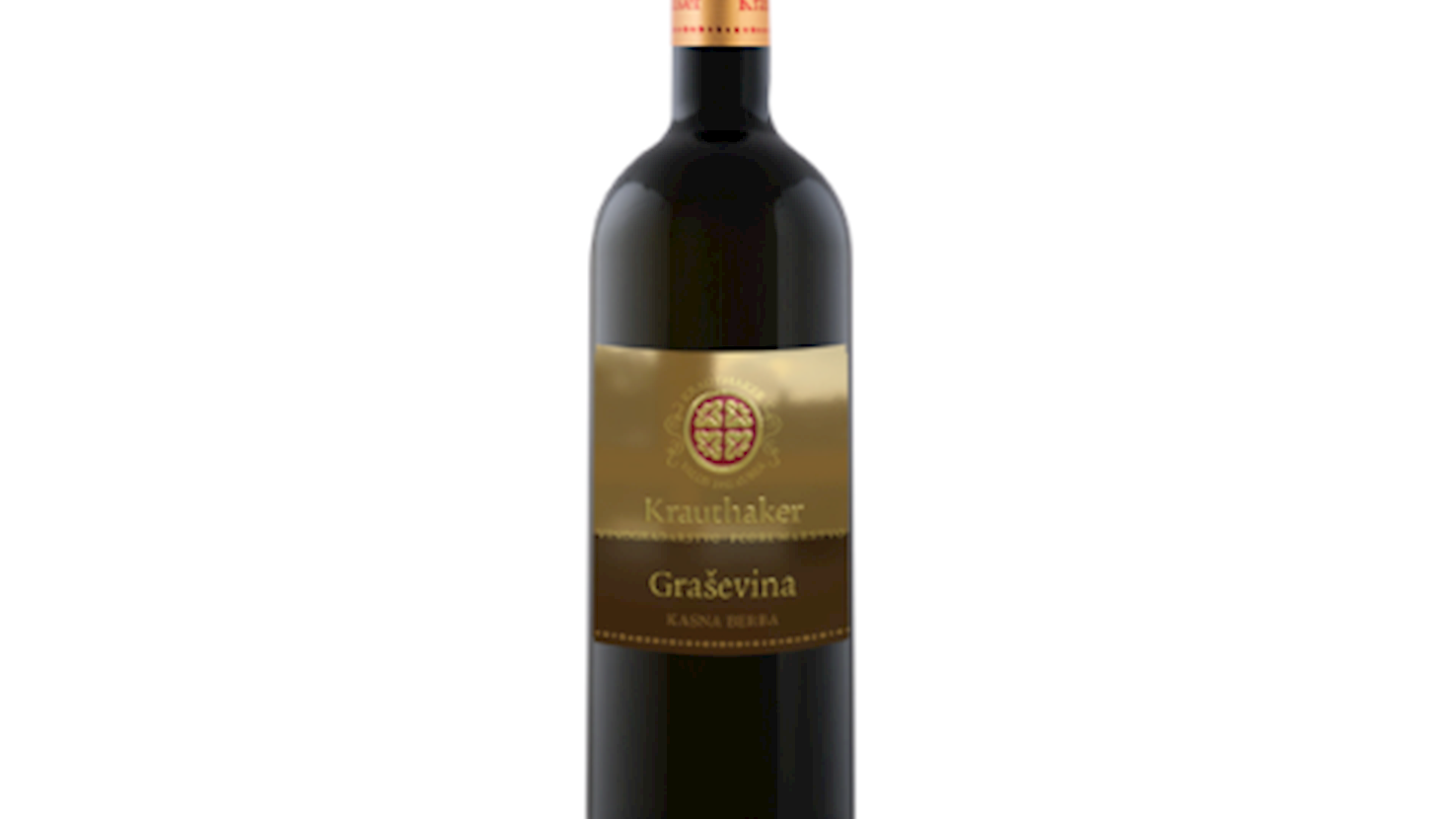
Krauthaker is a well-known Croatian winery located in Kutjevo in the Slavonia region, one of the country’s most important wine-growing areas. The winery was founded in the early 1990s by winemaker and enologist Vlado Krauthaker, who had previously worked for many years in the Kutjevo wine region before establishing his own estate.
The vineyards are situated on several notable sites around Kutjevo, including Mitrovac and other slopes of the Papuk and Krndija mountains, where continental climate conditions and mineral-rich soils provide favorable conditions for quality grape cultivation. Graševina plays a central role in the winery’s production and is considered the signature variety of both the estate and the Slavonian wine region.
In addition to Graševina, the winery cultivates varieties such as Chardonnay, Sauvignon Blanc, Pinot Gris, Merlot and Cabernet Sauvignon, as well as some traditional regional grapes. Krauthaker is also known for exploring older Central European varieties and producing wines in a range of styles, including late-harvest and predicate wines.
Winemaking combines modern vinification techniques with maturation in traditional large Slavonian oak barrels. Over the years the winery’s wines have received numerous recognitions at international wine competitions.
Krauthaker has built a reputation as one of the leading producers of Graševina in Croatia. Careful vineyard management, respect for local varieties and strong enological expertise form the foundation of the winery’s identity.
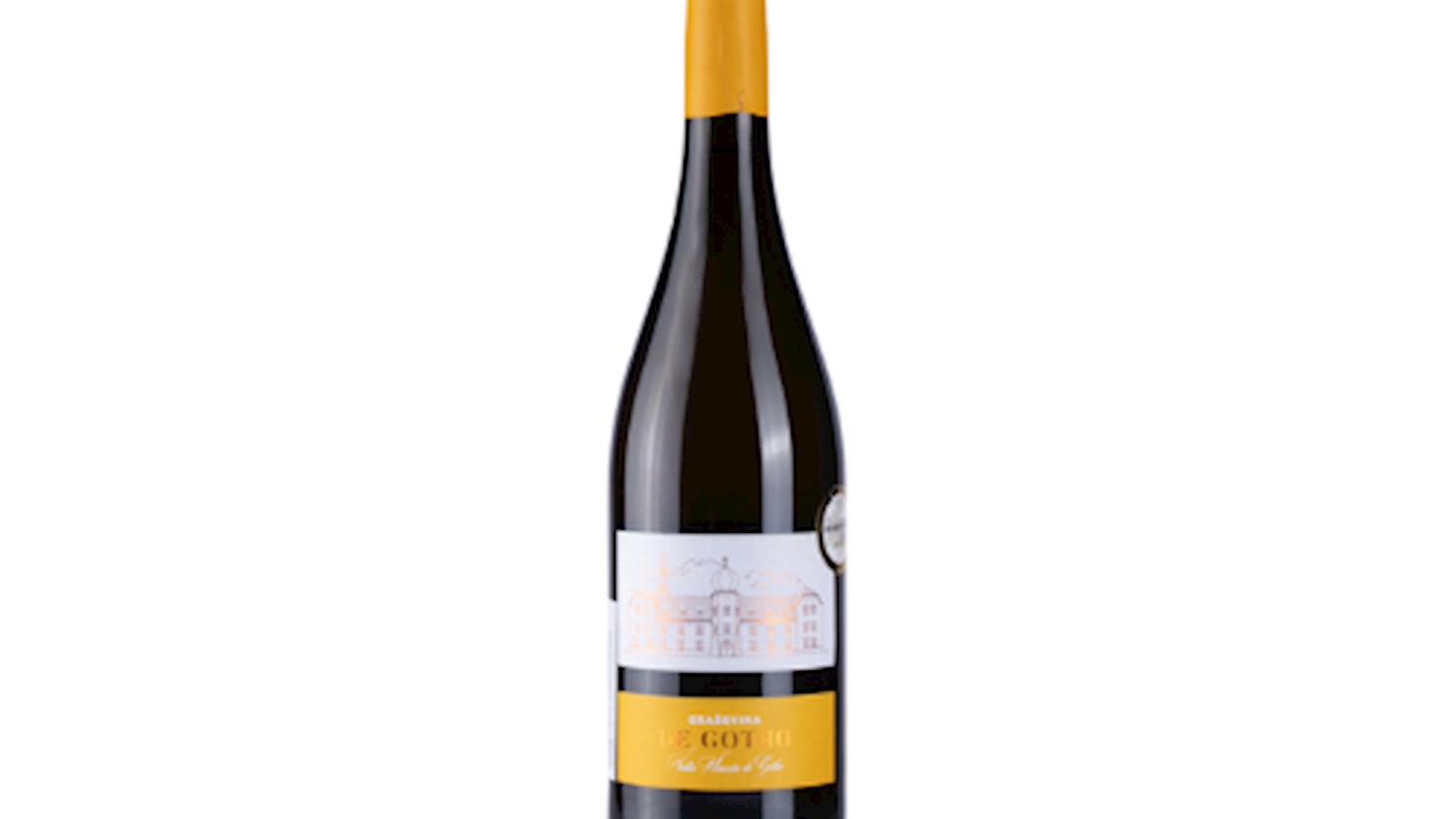
Kutjevo is one of the oldest wineries in Southeast Europe, with a winemaking tradition continuously traced back to 1232, when Cistercian monks founded a monastery and the first cellars. Located in the Požega Valley, also known as the Golden Valley, this region combines a continental climate, south-facing vineyard slopes, and mineral-rich soils, creating ideal conditions for cultivating grapevines.
Graševina is Kutjevo’s flagship variety - it produces wines with delicate aromas, clean flavors, pronounced freshness, and minerality, and this specific terroir makes it recognizable in the European wine landscape. Besides Graševina, they grow Chardonnay, Pinot Noir, Blaufränkisch (Frankovka), and other varieties, but none are as deeply tied to Kutjevo’s identity as Graševina.
The old cellar from the 13th century is still in use today, making it one of the oldest continuously operating wine cellars in Europe. The modern winery blends tradition with contemporary technology - controlled fermentation, selected yeast strains, and aging in both oak barrels and stainless steel tanks are applied depending on the wine series.
Kutjevo produces several lines, ranging from fresh, young wines to archive and barrique editions intended for long aging. A key role is played by the microclimate between the Papuk and Krndija mountains, which protect the vineyards from cold northern winds.
Vineyards are situated at elevations between 200 and 350 meters, on soils rich in marl and iron that contribute to the character of the wines. The Kutjevo brand nurtures a story of continuity – wine has been produced here for centuries, not as folklore, but as a living economic activity.
The focus is not on mass production, but on preserving the authentic style of Slavonian wine. The winery is also open to visitors, tastings, and wine tourism, strengthening its connection with local heritage and tradition.
Despite operating on an industrial scale, Kutjevo still conveys the spirit of family heritage transformed into institutional knowledge.
Awards
Decanter World Wine Awards - Platinum
(2020)
Concours Mondial de Bruxelles - Grande Médaille d'or
(2022)
Graševina is an aromatic white wine grape variety, predominantly cultivated in the Slavonia and Danube regions of continental Croatia, where it occupies approximately 25% of all vineyard area. It is physically defined by its small, round, greenish berries, which yield wines characterized by high natural acidity, medium body, and a primary sensory profile of green apple, citrus, and white floral notes. While the precise geographic emergence of the vine remains a subject of ampelographic study, it has been established in Central Europe for several centuries, with current DNA research suggesting a lineage that likely originated in the Danube Basin. The variety is chemically distinguished from other continental whites by a specific concentration of norisoprenoids and terpenes, which contribute to a persistent, slightly bitter finish reminiscent of almonds. Preparation of Graševina wine is categorized by its adaptability to diverse vinification techniques, ranging from standard stainless steel fermentation to extended aging in Slavonian oak or acacia barrels. Fresh iterations are processed at low temperatures to retain volatile thiols and primary fruit esters, resulting in crisp, dry wines intended for early consumption. In specific microclimates such as Kutjevo, the grapes are frequently left on the vine for late-harvest or ice-wine production, where noble rot (Botrytis cinerea) concentrates the sugars and introduces aromas of honey and quince. Serving standards dictate that fresh Graševina be served at 10°C to 12°C in medium-sized tulip glasses, while more complex, aged, or dessert-style versions are served at 12°C to 14°C to allow the secondary aromatic compounds to become perceptible. A unique technical aspect of the variety is its performance in sparkling wine production via the traditional method, where its high acidity provides the necessary structure for long-term lees aging. Graševina is consumed as a versatile gastronomic accompaniment, appearing at both formal tastings and daily meals. Fresh Graševina is paired with freshwater fish such as trout or carp, seafood salads, and poultry dishes, as its acidity balances lighter fats and proteins. More structured, oak-aged versions are served alongside pork chops, veal, or creamy pasta dishes. In its regional center of Slavonia, the wine is the standard pairing for cured meat delicacies like kulen and smoked bacon, where the slight bitterness of the finish cleanses the palate of spice and fat. Sweeter predicate harvests are served at the conclusion of a meal, often paired with nut-based cakes or soft, creamy cheeses such as Brie or Camembert.
Traminac is an aromatic wine grape variety that is cultivated extensively in the Danube region of Croatia, specifically within the Ilok wine-growing district, as well as in Slovenia and across Central Europe. It is physically defined by its thick, pink-to-reddish skins and its chemical composition, which features high levels of monoterpenes that produce scents of rose petals, lychee, and honeyed spice. The variety is a mutation of the ancient Savagnin Blanc variety, with its nomenclature tracing back to the village of Tramin in South Tyrol, where it was documented as early as the 11th century. The specific lineage prevalent in the Croatian Danube region was expanded in the early 18th century, particularly after 1710 when Odescalchi family members brought specific clones from Italy to their estates in Ilok, finding that the loess soil and elevated positions of the Fruška Gora hills were conducive to achieving high sugar concentrations and phenolic ripeness. Preparation of Traminac wine requires careful temperature management during fermentation to retain its volatile aromatic profile, often involving stainless steel tanks for fresh styles or large oak vats for more complex iterations. The wine is produced in various classifications, ranging from bone-dry to semi-sweet and lusciously sweet predicate styles, such as late harvests and berry selections. Serving standards dictate that dry and semi-dry Traminac should be served chilled at 10°C to 12°C, while dessert versions are served slightly cooler at 8°C. A specific technical aspect of the Traminac from the Ilok region is its historical inclusion in the official wine list of the British Royal Court, a practice that began following its service at the coronation of Queen Elizabeth II in 1953. This specific regional expression is noted for its high alcohol content, which often exceeds 14%, and its naturally low acidity compared to other white varieties. The wine is consumed both as an aperitif and as a primary beverage during multi-course meals, particularly in continental Europe and among collectors of aromatic varieties. Because of its structural weight and residual sugar, it is paired with pâté, foie gras, and spicy oriental dishes where the wine’s sweetness counteracts heat and salt. It is also paired with noble blue cheeses and local walnut-based desserts such as orehnjača. In the context of the Srijem and Slavonia regions, it is frequently served at the end of a meal with dry almond biscuits or as a standalone dessert wine when harvested as an ice wine.
Kutjevo is a central wine-growing district located in the Požega Valley of eastern Croatia, specifically situated on the southern slopes of the Papuk and Krndija mountains within the Slavonia region. It is defined by its location on the 45.3° parallel, a geographical coordinate shared with prominent global viticultural areas like Piedmont and Bordeaux, and its "Golden Valley" (Vallis Aurea) microclimate, which is shielded from northern winds by the surrounding mountain ring. The item developed as a major viticultural center in 1232 following the arrival of Cistercian monks, who established an abbey known as Vallis Honesta de Gotho. These monks, originating from the same order that pioneered viticulture in Burgundy, recognized the potential of the mineral-rich, loamy-sand soils and southern-facing slopes for vine cultivation. This period saw the construction of the oldest wine cellar in Southeast Europe, which remains in functional use for the aging of contemporary vintages. Preparation of Kutjevo wines is centered on Graševina, which accounts for the vast majority of the region's output. The grapes are harvested at varying stages of ripeness to produce distinct styles; fresh versions are fermented in stainless steel tanks at controlled temperatures to maintain primary green apple and citrus aromatics, while premium lines often undergo aging in large Slavonian oak barrels to introduce structural complexity. A unique technical aspect of the region is the production of predicate wines, including late harvests and ice wines. These require specific environmental conditions where temperatures must drop below -7°C for several consecutive days, allowing for the harvest of frozen grapes that yield a highly concentrated, sweet nectar with high natural acidity. Kutjevo wines are primarily consumed as a high-quality table wine and is a standard requirement in Slavonian hospitality. Fresh Graševina is served chilled at 8°C to 10°C, typically in tulip-shaped glasses to concentrate its floral scent, whereas fuller-bodied, aged varieties are served at 12°C. In its primary regional context, the wine is paired with heavy, spice-forward Slavonian proteins. It is the standard accompaniment for kulen (a dry-cured pork sausage seasoned with hot paprika) and čobanac (a spicy meat stew cooked in a cauldron), as the wine's characteristic "noble bitterness" and acidity cleanse the palate after rich fats. For dessert pairings, the ice wines of Kutjevo are served alongside walnut rolls (orehnjača) or poppy seed cakes, providing a balance to the dense sugars of the pastries.
TasteAtlas food rankings are based on the ratings of the TasteAtlas audience, with a series of mechanisms that recognize real users and that ignore bot,
nationalist or local patriotic ratings, and give additional value to the ratings of users that the system recognizes as knowledgeable.
For the “Top 4 Slavonian Wines” list until July 22, 2026, 3 ratings were recorded, of which 3 were recognized by the system as legitimate.
TasteAtlas Rankings should not be seen as the final global conclusion about food. Their purpose is to promote excellent local foods,
instill pride in traditional dishes, and arouse curiosity about dishes you haven’t tried.
The initial list of top producers was compiled based on available reviews, awards, local recommendations, media and blog coverage, and consumer reviews.
The list will be updated with ratings from TasteAtlas local ambassadors and TasteAtlas users.