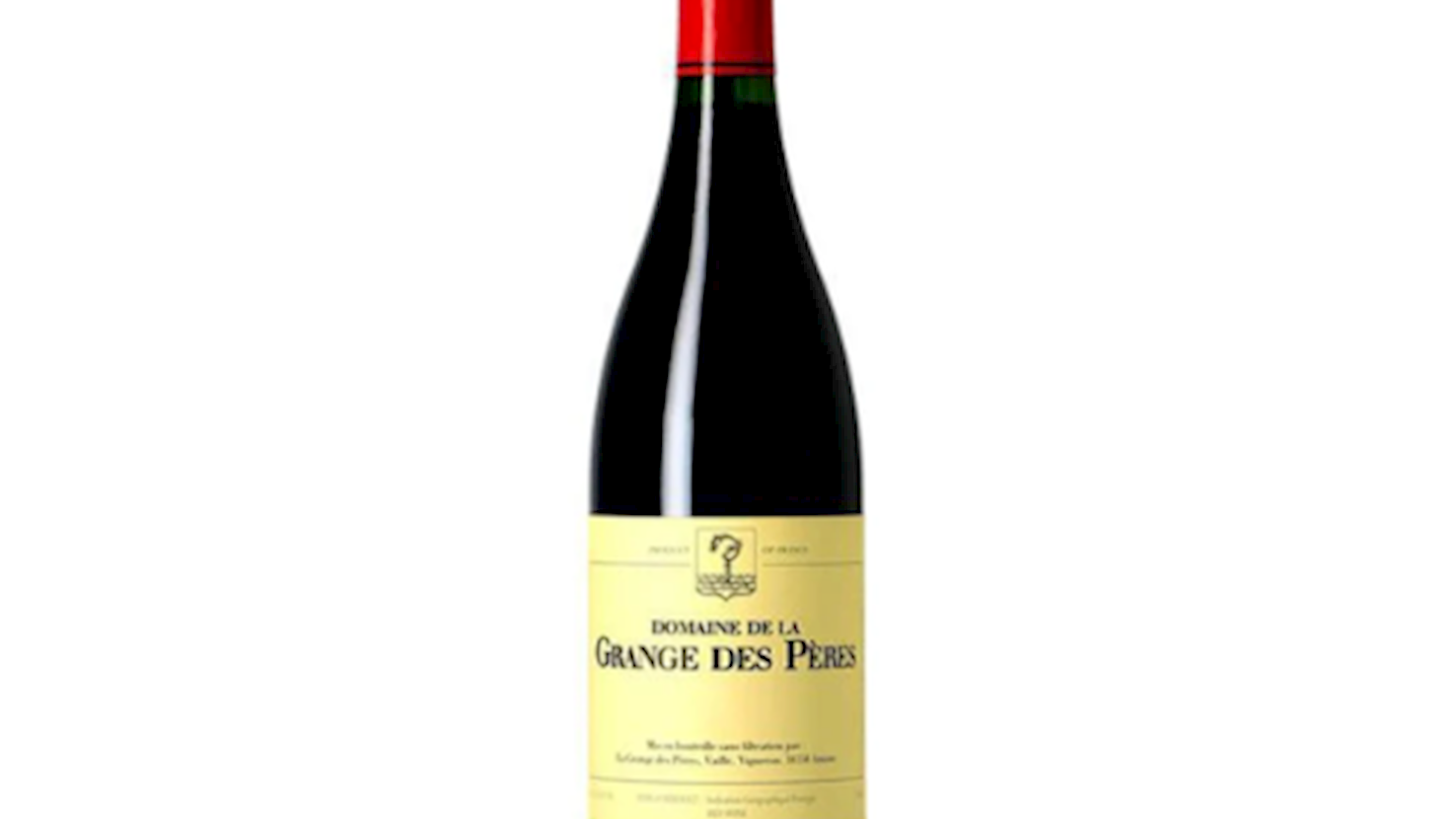
Domaine de la Grange des Pères is one of the most influential and highly regarded estates in Languedoc, located in Aniane on parcels that Laurent Vaillé carefully selected for their stony, limestone-rich soils and naturally cooler conditions. Founded in the early 1990s, the estate has followed a philosophy of low yields, hand harvesting and minimal intervention in the cellar, placing full emphasis on terroir expression. The vineyards cover roughly 11 hectares and are planted with Syrah, Mourvèdre, Cabernet Sauvignon and Counoise for the red wine, while the white cuvée is built around Roussanne, Marsanne and Gros Manseng. The limestone-heavy soils enable slow, even ripening and pronounced minerality, while the site’s elevation and contours contribute to freshness and aromatic precision. Due to limited production and its cult reputation, the wines are allocated strictly and rarely reach the broader market. The estate has thus become a symbol of independent, highly ambitious winemaking that has elevated the standing of the entire region. Domaine de la Grange des Pères remains a rare combination of authenticity, vision and longevity - wines that make a lasting impression and continue to evolve gracefully over many years.
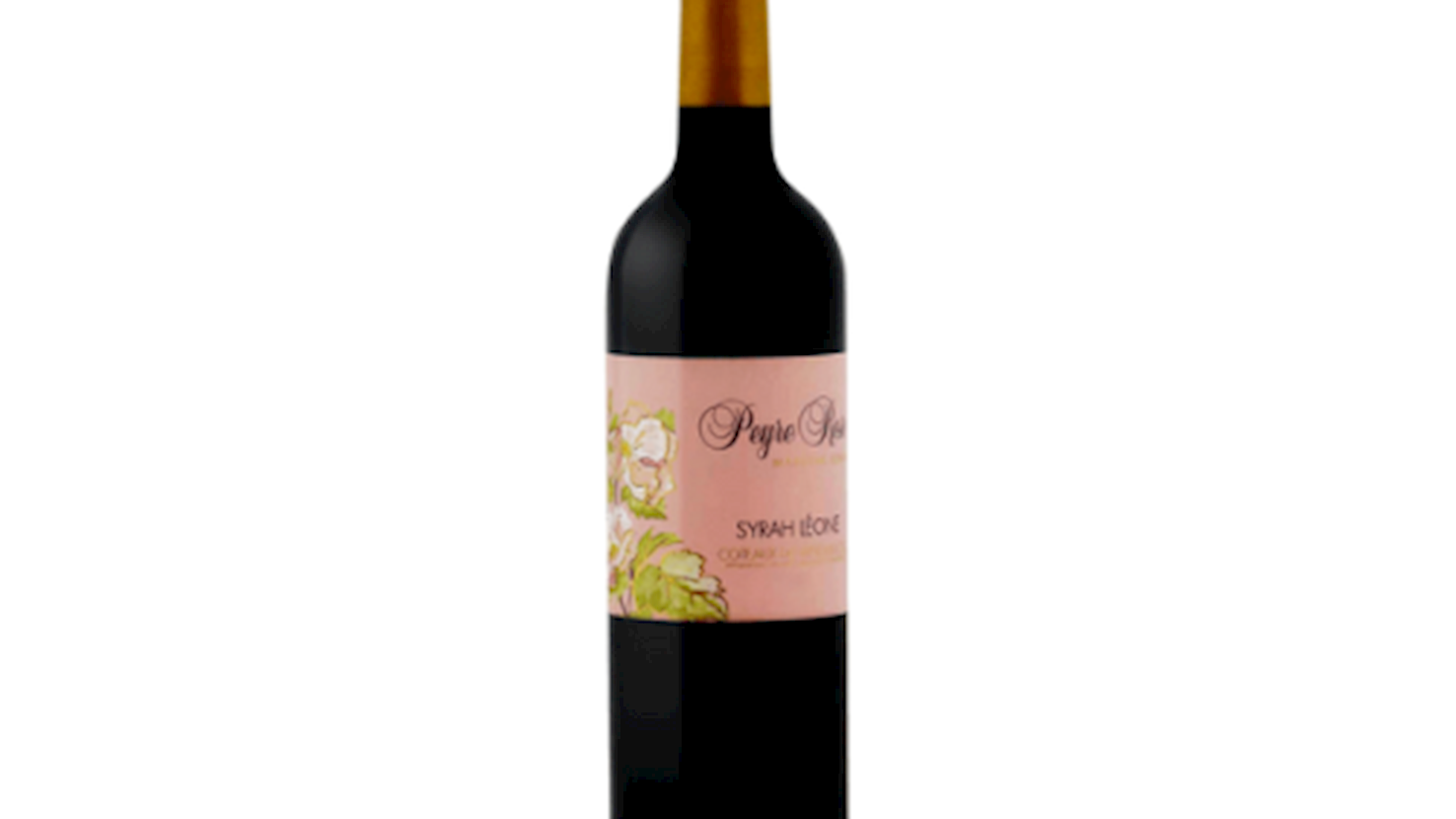
Domaine Peyre Rose is a cult, remarkably secluded estate in the Languedoc region, founded by Marlène Soria in the early 1990s after she left her real-estate career to devote herself to vineyards on isolated parcels around Saint-Pargoire. The vineyards lie on rocky, limestone-rich, arid soils at about 300 meters of elevation, conditions that encourage slow ripening and pronounced mineral expression. The estate covers roughly 20 hectares, yet production remains small because yields are intentionally kept extremely low, while vinification is slow and marked by long aging in stainless steel and oak. The red wines are built primarily on Syrah, Mourvèdre, and Grenache, while Viognier and Roussanne form the backbone of the white cuvées. Signature wines such as Clos des Cistes and Syrah Léone are known for their striking concentration, dark fruit, powerful structure, and long aging potential. Stylistically, Domaine Peyre Rose unites southern richness with surprising freshness and vibrant acidity, giving the wines a distinctive identity compared to the broader Languedoc profile. Marlène Soria insists on minimal intervention, hand harvesting, and slow, natural processes, with some wines released only after more than a decade of maturation. Because of this singular approach, the estate is considered one of the most unusual and authentic producers in southern France.
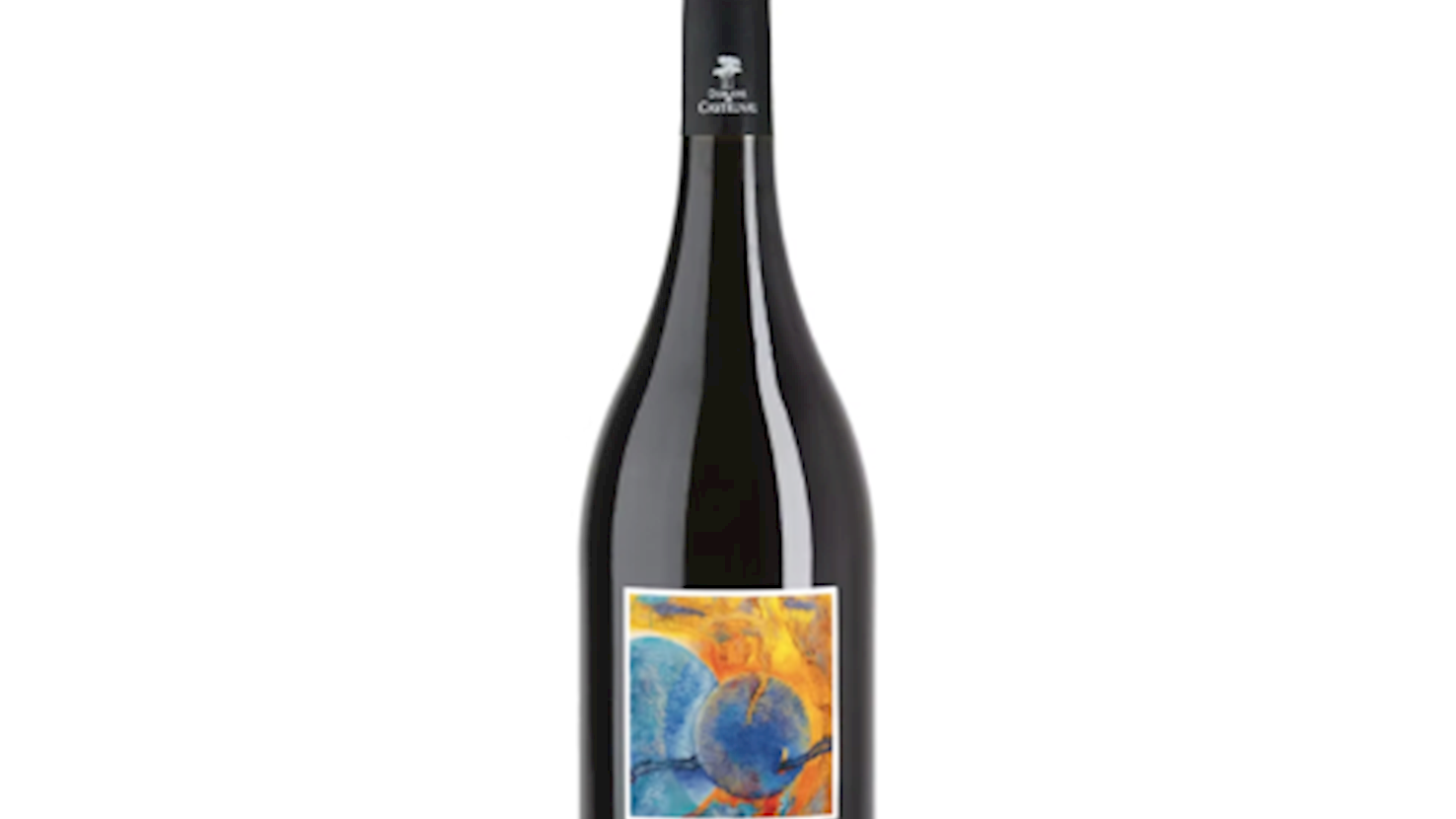
Domaine de Castelnau is a family-owned winery located in Castelnau-de-Guers in the Hérault department of southern France’s Languedoc region. The estate has a history dating back several centuries and is now managed by Béatrice and Christophe Muret, who have overseen its development since the late 1990s. The vineyard covers around 100 hectares situated between the Mediterranean coast and the historic town of Pézenas, benefiting from a climate and terroir well suited to both white and red grape varieties. Domaine de Castelnau is particularly recognized for its wines from the Picpoul de Pinet appellation, one of the most respected white wine regions in southern France. The estate follows sustainable vineyard practices and focuses on expressing the character of its terroir through careful vineyard management and modern winemaking techniques. Its portfolio includes wines made from varieties such as Picpoul, Chardonnay, Viognier, Sauvignon Blanc, Syrah, Merlot, and Cabernet Sauvignon. Combining historical heritage with contemporary expertise, Domaine de Castelnau has established a reputation for producing fresh, balanced, and expressive wines that reflect the distinctive character of the Languedoc region.
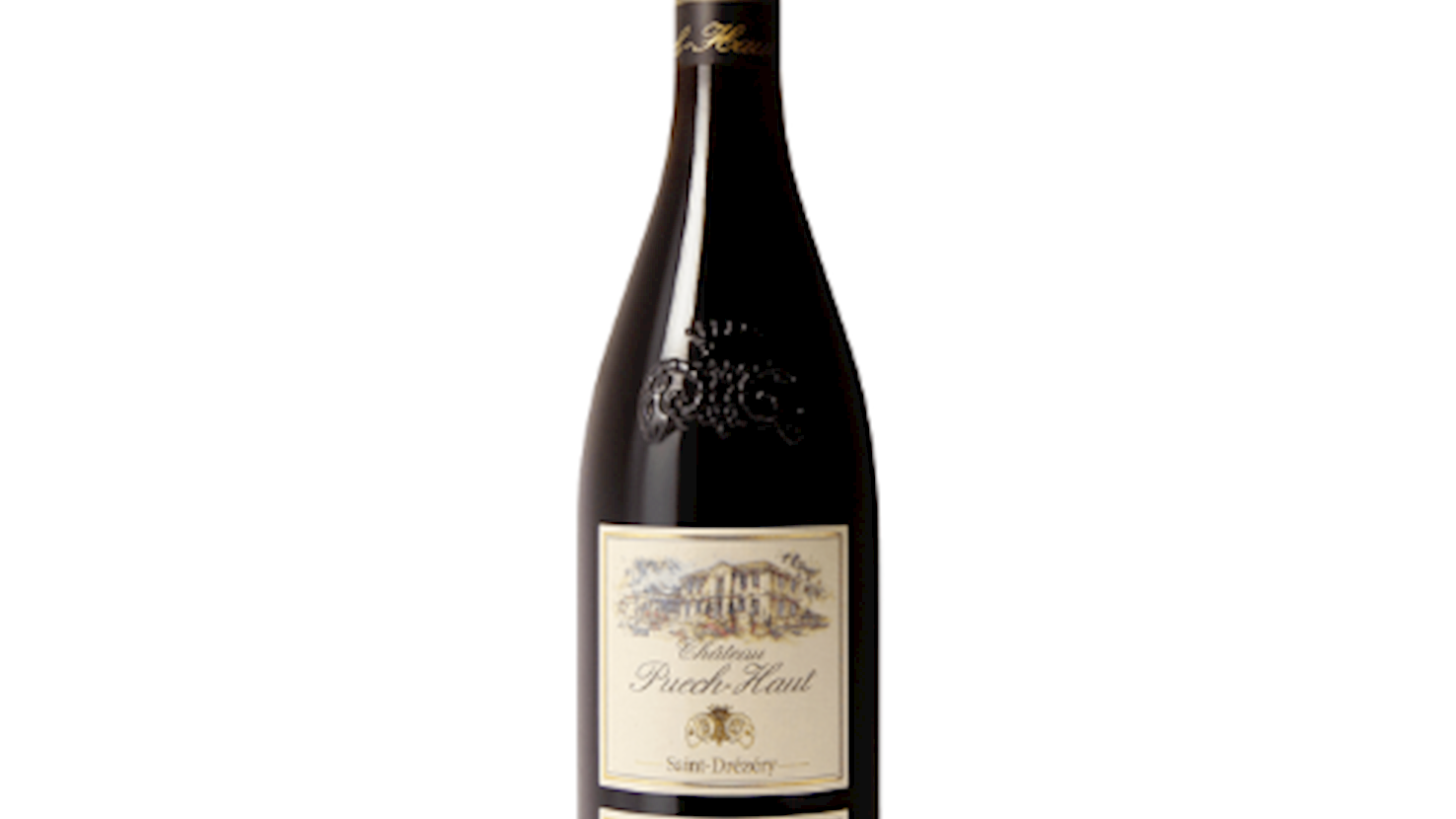
Château Puech-Haut is a prominent wine estate in southern France and is regarded as one of the key producers that have shaped the modern reputation of the region. The estate was founded in the early 1990s by Gérard Bru, with a clear vision of combining the power of Mediterranean terroirs with a precise, contemporary approach to winemaking. The vineyards are planted on limestone and clay soils strongly influenced by the Mediterranean climate, and are cultivated with varieties such as Syrah, Grenache, Mourvèdre, and Carignan, as well as white grapes including Roussanne and Marsanne. The winery is particularly known for its prestigious cuvées, such as Prestige Rouge and Tête de Bélier, which represent the most concentrated and expressive wines of the estate. The style is defined by depth, structure, and an intense aromatic profile of dark fruit, spice, and characteristic garrigue notes, while maintaining freshness and clarity. Vinification is carried out on a parcel-by-parcel basis, with carefully measured use of French oak to enhance complexity without allowing wood to dominate. Today, Château Puech-Haut is considered a benchmark estate of modern Languedoc, recognized for its strong identity and consistent quality.
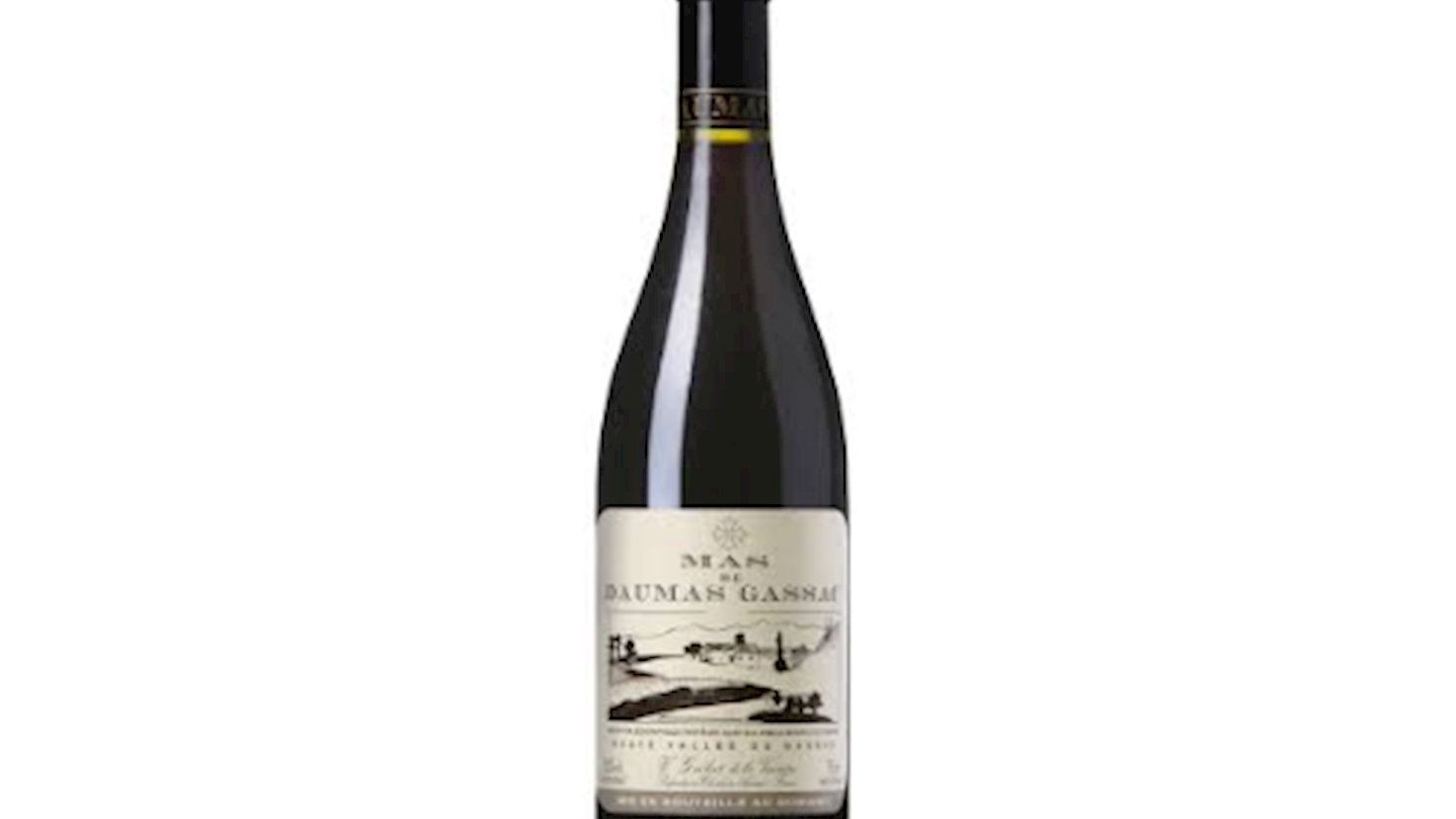
Mas de Daumas Gassac is one of the most influential estates in Languedoc, often described as the “Grand Cru of the Midi” thanks to its unique terroir and the visionary approach of Aimé and Véronique Guibert. The vineyards are located in a secluded valley of the Gassac River, surrounded by forests and fed by cold mountain springs, creating a microclimate with pronounced day-night temperature shifts that are unusual for southern France. The soil consists of glacial gravel and limestone formations reminiscent of Burgundy, allowing for slow ripening and a marked mineral character in the wines. Vinification follows a low-intervention philosophy, with spontaneous fermentations and careful cellar work to preserve the purity of the terroir. The estate’s red wines are known for their elegance, freshness and remarkable aging potential, often reaching their peak after more than a decade. The white wines, though less prominent, offer striking aromatics, mineral tension and a structure rarely seen in Languedoc. The estate remains family-run, with the Guibert children continuing the philosophy of respecting nature and minimizing intervention in the vineyard. Mas de Daumas Gassac stands as a symbol of a different, more ambitious Languedoc - wines that combine the warmth of the south with the finesse and longevity associated with Europe’s greatest terroirs.
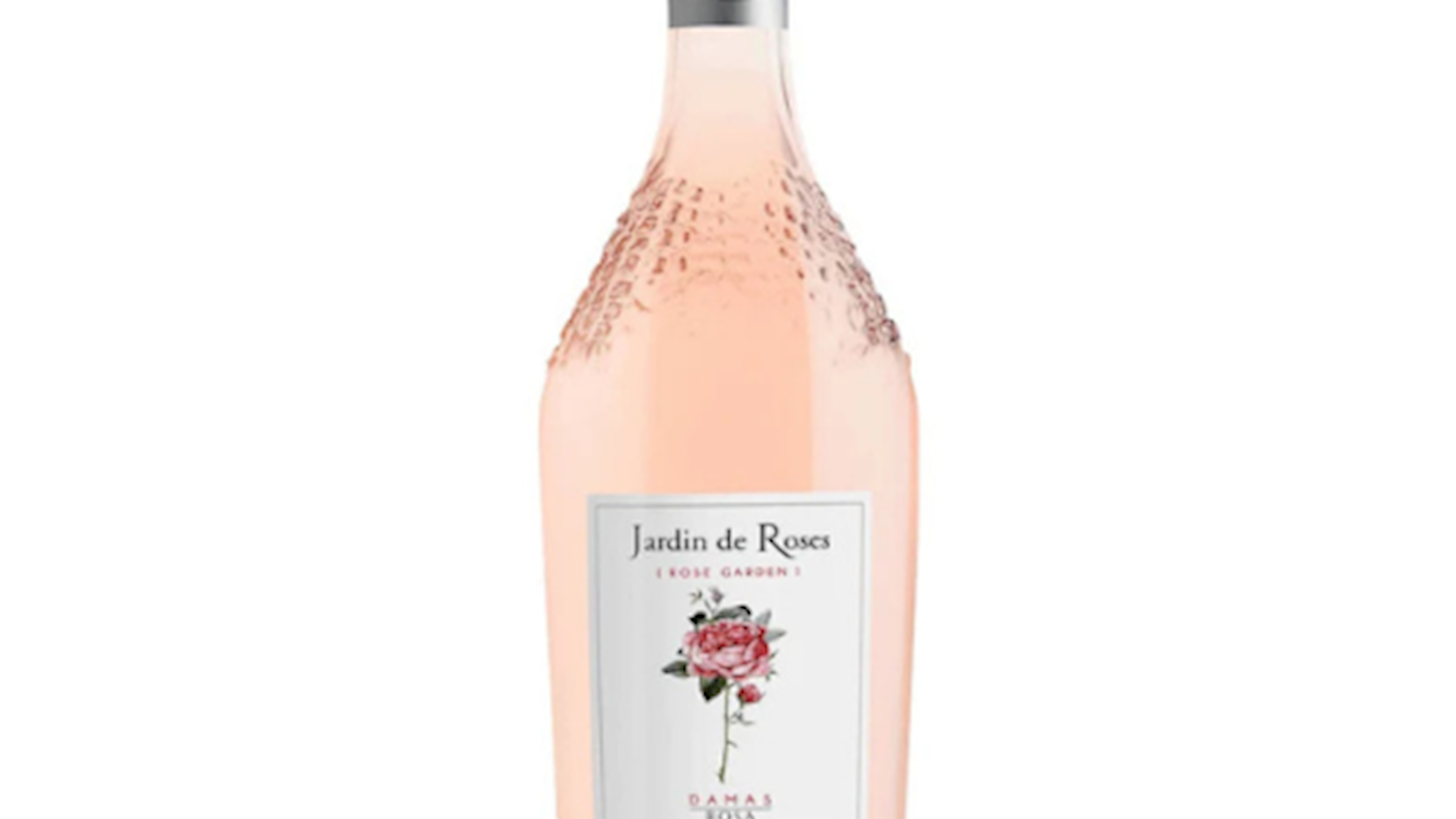
Les Domaines Paul Mas is a major wine producer from the Languedoc region in southern France, founded in 2000 by Jean-Claude Mas, whose family has been involved in winemaking since 1892. The company has expanded from a small family vineyard into a large network of estates, managing around 850 hectares of its own vineyards and collaborating with growers across a much wider area. Located between Pézenas and Montpellier, near the Mediterranean, it benefits from a diverse range of terroirs that combine coastal and inland influences. The philosophy, known as “Luxe Rural”, blends traditional winemaking with modern techniques, aiming to produce wines that are both expressive and approachable. The portfolio is highly diverse, covering over 40 grape varieties, including both local and international types, and ranges from easy-drinking wines to more structured, premium cuvées. The wines are typically fruit-forward, balanced, and reflective of their origin, with a strong emphasis on consistency and style. Sustainability is a key focus, with many vineyards farmed organically and with environmentally responsible practices. With global distribution and a wide presence on international markets, Les Domaines Paul Mas has become one of the most recognizable names representing modern Languedoc wines.
Awards
Vivino - 4.0
International Wine Challenge - IWC Great Value Champion White 2022
(2022)
Picpoul de Pinet is Languedoc's amazingly crisp and dry wine made from the ancient local grape variety called Piquepoul—often translated as lip-stinger—which has been grown near the Thau lagoon for centuries, and which is noted for its acidity and lots of bright, fresh flavors. Wines made with 100% Piquepoul are crystal clear with green highlights, bright and buoyant, invigorating and refreshing with enough texture, fruit, floral fragrance, and a nice clean finish. Picpouls are best enjoyed young and well-chilled. They're a perfect match to any fish and seafood, especially shellfish and other crustaceans, but also some traditional Mediterranean dishes, rich cheeses, and charcuterie.
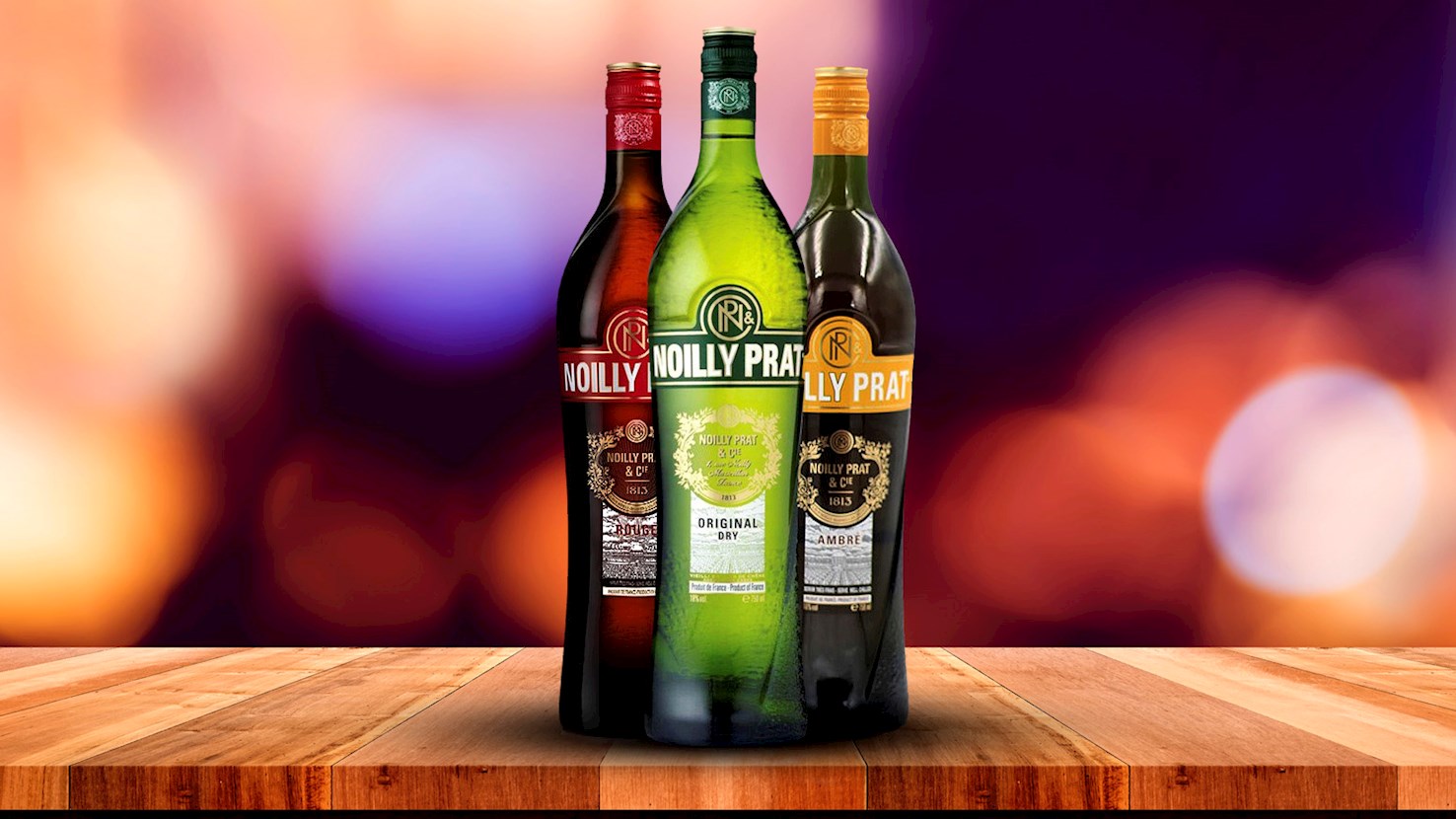
Noilly Prat (Original Dry) is a variety of dry vermouth hailing from the south of France. It is made from dry white wines that are fortified and infused with various herbs and botanicals such as orange zest, chamomile, gentian root, and nutmeg. Noilly is pale golden and light with a subtly bitter finish that is accompanied by herbal and floral aromas. Although it is often enjoyed as an aperitif, preferably served over ice, this vermouth is also used in cooking, mostly in sauces and deglazing. It is also an important ingredient in some of the most popular classic cocktails such as Martini and Perfect Manhattan. Apart from the original Noilly, the brand also produces Red and Amber vermouth.
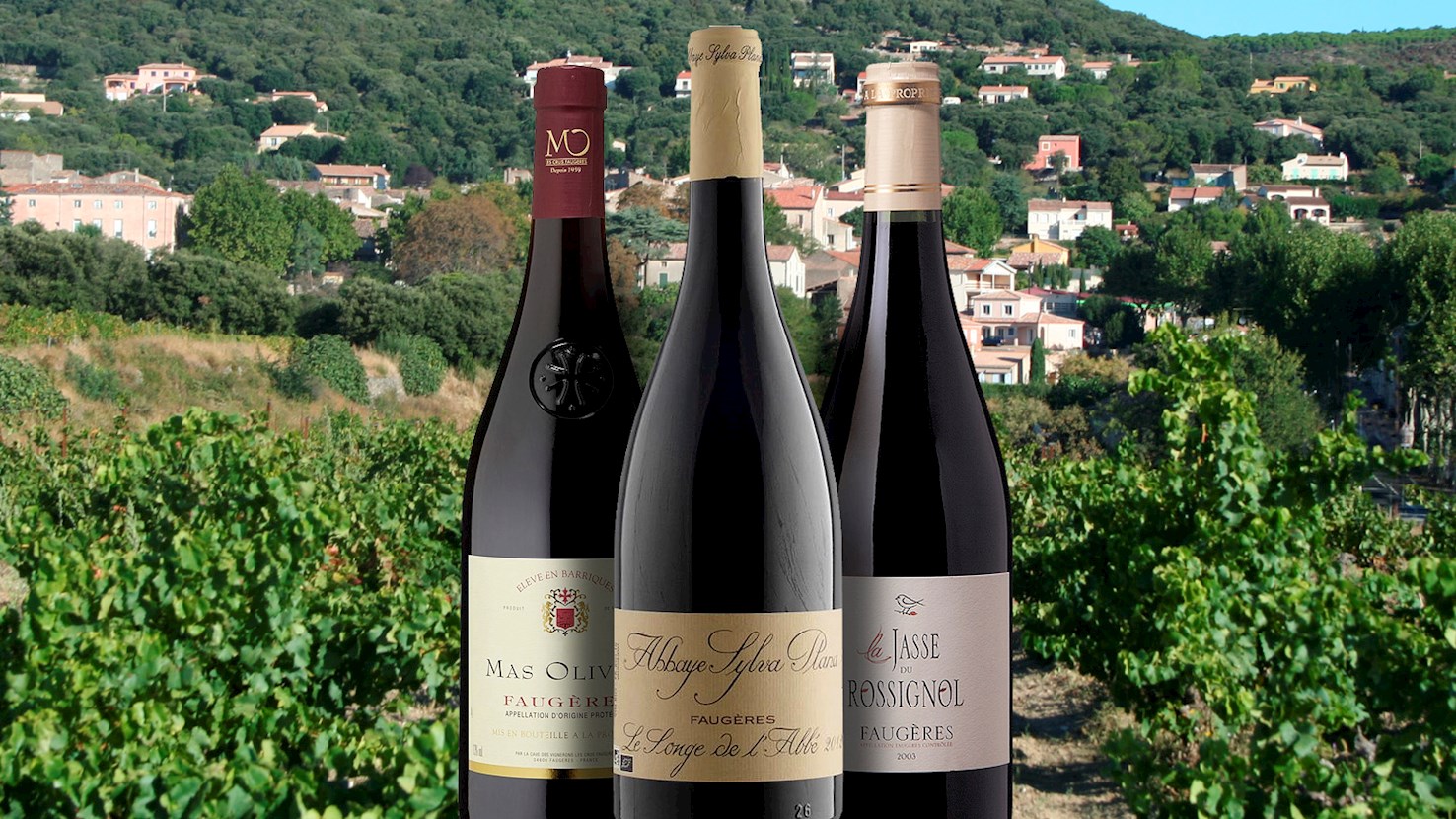
Although it also produces white and rosé wines, Faugères is a French appellation located in Languedoc-Roussillon that is mostly known for their ripe and fruity red wines based on Syrah, Grenache, and Mourvedre, with the occasional addition of Cinsaut and Lladoner Pelut. These ruby red wines typically display primary aromas of ripe red and black fruits that are usually complemented by nuances of coffee, underbrush, or pepper. With age, the wines may develop more robust expressions of leather or tobacco. Because of their well-structured tannins, red Faugères wines are an excellent match to red meat, game, or stews.
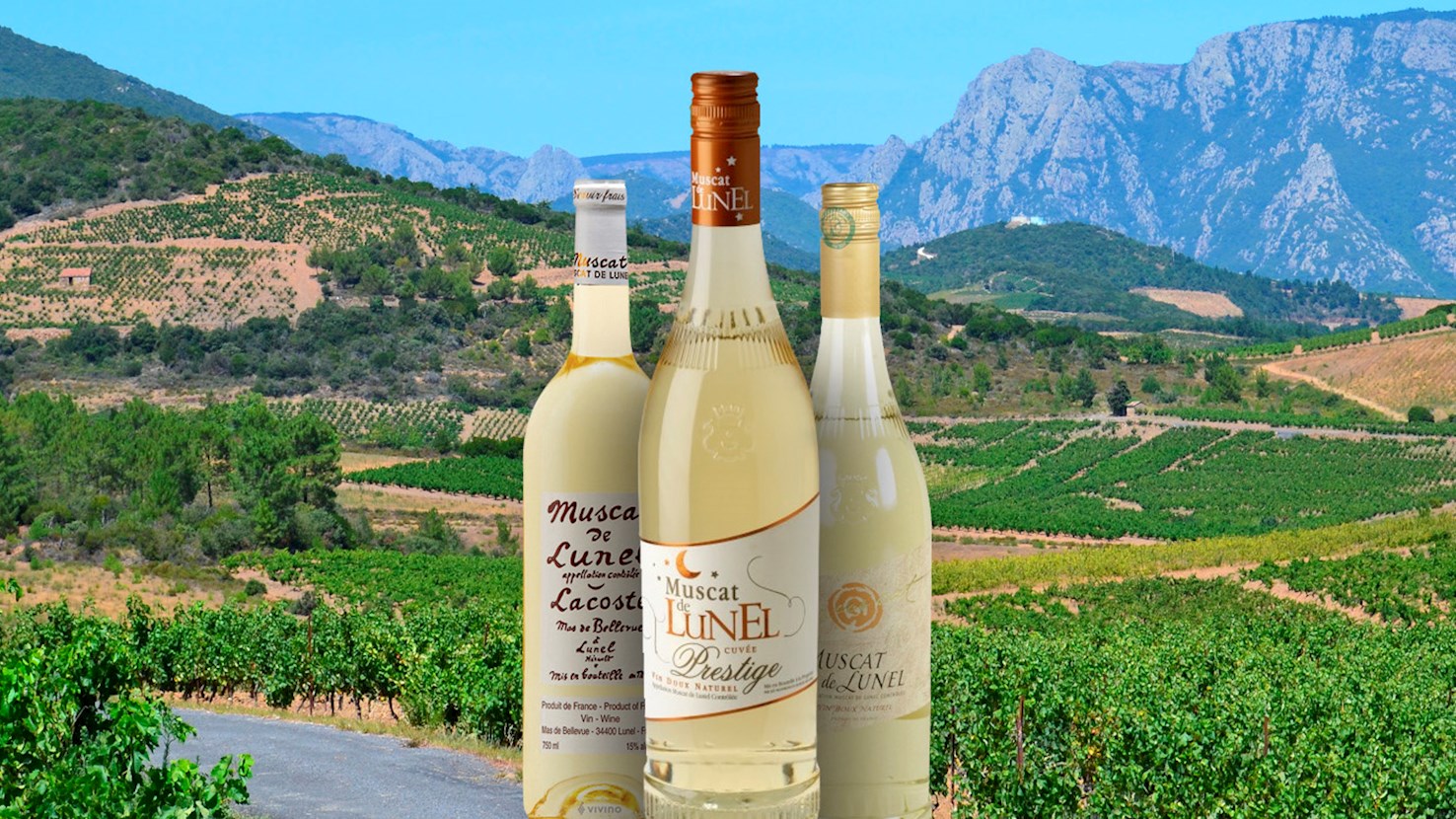
Muscat de Lunel is a French appellation located in Herault that produces naturally sweet fortified wines from Muscat Blanc à Petits Grains. They are made using a mutage process in which alcohol is added to stop fermentation and preserve natural sugars. Muscat de Lunel wines are naturally sweet, but this sweetness is well balanced with acidity and freshness. They are golden-colored, with an intense fruity and floral aroma. They are usually dense and rich but with good acidity that balances the sweetness. The finish is long and persistent. These wines are best paired with desserts or blue cheese.
Saint-Drézéry is a French wine appellation located in southern France within the Languedoc, centered on vineyards surrounding the village of Saint-Drézéry to the northeast of Montpellier, where vines are planted on gently sloping land composed mainly of limestone and clay-limestone soils under a Mediterranean climate tempered by inland airflow. Wine production in this area developed as viticulture expanded from the Montpellier hinterland toward sites offering better drainage and exposure, and over time producers consolidated a local identity through consistent grape selection and site-focused practices, leading to official recognition as a distinct appellation within the Languedoc framework. The wines are produced almost exclusively as reds based on blends dominated by Syrah and Grenache, often complemented by Mourvèdre and Carignan, with grapes harvested at full maturity and vinified through controlled fermentations aimed at balancing structure and fruit expression, followed by aging in tanks or oak barrels depending on producer choice. The wines tend to show firm tannins, moderate acidity, and alcohol levels aligned with warm-climate conditions, and they can be consumed young or after short to medium aging. They are usually served at cellar temperature and may benefit from brief aeration before drinking. Consumption is primarily at the table, where Saint-Drézéry wines accompany grilled or roasted meats, lamb, sausages, tomato-based dishes, firm cheeses, and regional vegetable preparations, and they are also enjoyed on their own alongside meals where the wine is consumed steadily with food.
Pays d’Hérault is a wine designation from southern France belonging to the IGP (Indication Géographique Protégée) category and covering a large portion of the Hérault department in the Languedoc region. It includes red, white, and rosé wines made from a broad range of grape varieties, such as Syrah, Grenache, Mourvèdre, Carignan, Merlot, Cabernet Sauvignon, Chardonnay, Sauvignon Blanc, Viognier, and Grenache Blanc. The area is geographically diverse, extending from Mediterranean coastal plains to inland foothills and higher plateaus, giving producers access to limestone, schist, clay, and alluvial soils. The Pays d’Hérault designation was established in 1982 under the former Vin de Pays system and transitioned to IGP status in 2009 when France restructured its wine classification framework. Viticulture in the Hérault has a long documented presence, with Roman-era agricultural records and medieval monastic holdings indicating continuous wine production across the region. By the twentieth century the department had become one of France’s major wine-producing areas, though much of its output was based on high-yielding varieties. When the Vin de Pays system was introduced in the 1970s and 1980s, it provided producers in the Hérault with an opportunity to differentiate their wines by region and quality level while retaining flexibility in grape choice. This served both cooperative cellars and independent estates, allowing them to experiment with blends or international varieties that fell outside the strict rules of AOC regulations such as Minervois, Saint-Chinian, or Languedoc. Producing wine under the Pays d’Hérault IGP requires adherence to defined geographic boundaries, maximum yields, and permitted varieties, but.winmakers retain considerable freedom in vineyard management and cellar practices. Red wines may be fermented in stainless steel, concrete, or oak depending on the intended style, with some producers emphasizing fruit-forward profiles and others opting for longer macerations and barrel aging. Whites and rosés are typically fermented at cooler temperatures to preserve freshness, with styles ranging from crisp and aromatic to fuller-bodied expressions. The geographic spread of the IGP allows wines of differing structure and intensity, depending on whether grapes come from coastal lowlands, river terraces, or higher-elevation foothills. Pays d’Hérault wines are consumed throughout the Languedoc, across France, and internationally due to their accessibility and range of styles. They are served in casual restaurants, wine bars, homes, and summer terraces, often chilled in the case of whites and rosés or at moderate room temperature for reds. Pairings depend on the style of the wine: reds accompany grilled meats, charcuterie, and stews; whites pair with seafood, salads, and vegetable dishes; rosés complement Mediterranean cuisine, grilled fish, and lighter fare. In the Hérault region itself, these wines often appear alongside dishes incorporating olive oil, herbs, and local produce, reflecting the area’s combination of coastal and inland culinary influences.
Cartagène is a fortified wine from the Languedoc. Its origins lie in the vineyards planted in antiquity around the Mediterranean coast and inland inland from Marseille toward Béziers, with the vine cultivated since Roman times and fortified sweet wines appearing later on. Production of Cartagène involves fresh grape must drawn from local grape varieties, which is immediately fortified by addition of a high-proof grape spirit (or marc from the same grapes) that halts fermentation and preserves the natural sugars in the must. Traditionally the ratio is between four and seven parts must to one part of approximately 94 % alcohol, resulting in a final strength of 16 % to 18% alcohol by volume. After mixing the must and spirit, the blend is filtered and bottled, or sometimes aged in large oak or chestnut casks (foudres) for several years during which the color deepens and nutty, prune and dried-fruit notes develop. Common variations of Cartagène arise from the choice of must (white grape, red grape or rosé), the grape varieties (Grenache blanc, Grenache noir, Roussanne, etc.), and whether the spirit used is a neutral grape brandy or the local marc, which affects aromatics considerably. A particular characteristic of Cartagène is that its name likely derives from the proportion of must to spirit (four parts must to one of liquor) rather than any connection to the city of Cartagena, making it unique among mistelles. This beverage is typically served chilled as an aperitif in Languedoc wine-bars, and it also performs well as a digestif or paired with foie gras, chocolate desserts, dried fruit or blue cheeses; it can equally accompany a melon at the start of the meal or be sipped slowly at the end.
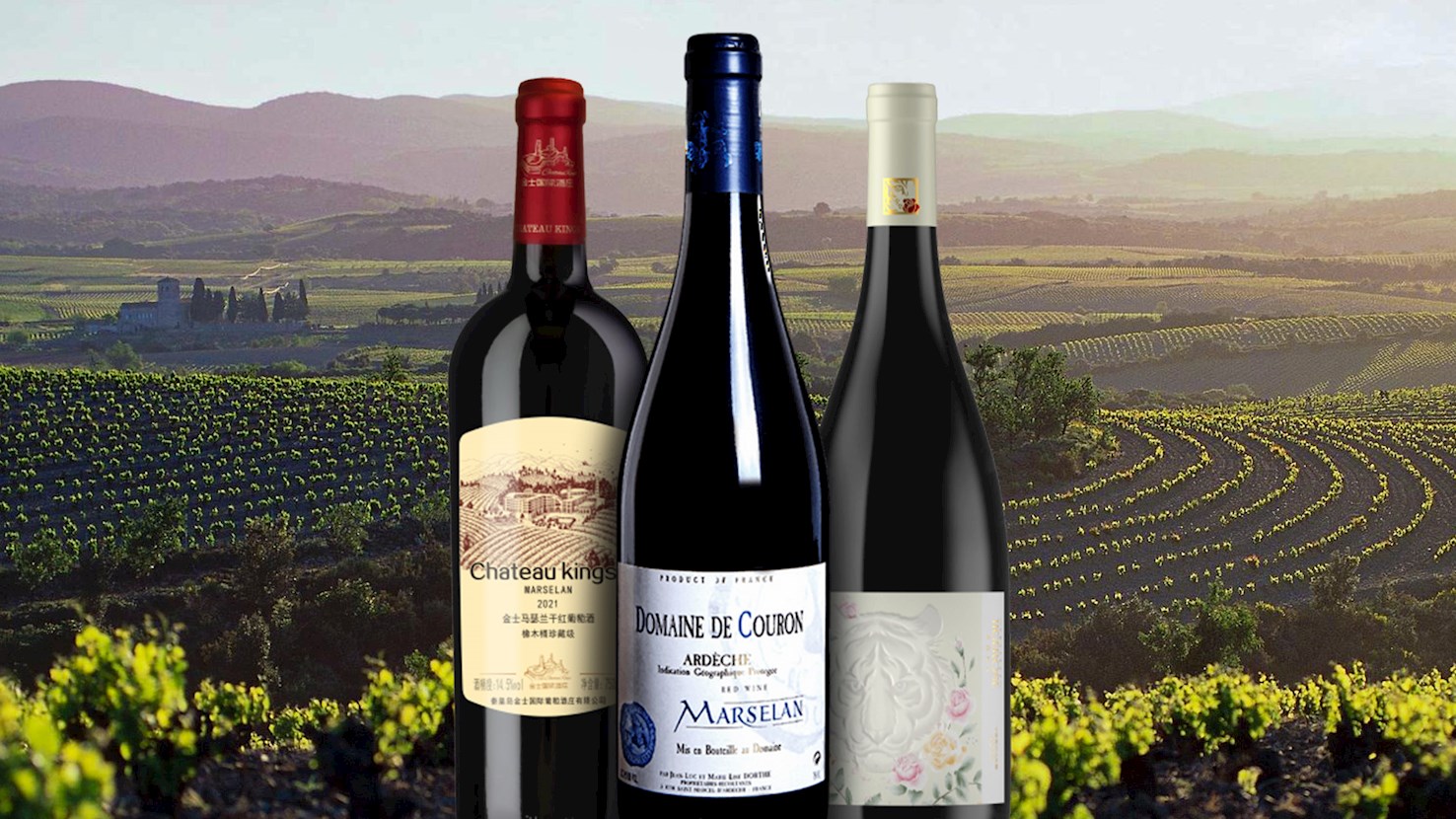
Marselan is a relatively recent red wine grape variety that is a cross between Cabernet Sauvignon and Grenache. It was created in 1961 by French viticulturist Paul Truel near the town of Marseillan in southern France, from which it derives its name. Initially, Marselan was not widely planted, but its popularity has grown over the years due to its potential to produce high-quality wines with unique characteristics. Marselan grapes produce wines that combine the best attributes of its parent varieties. The wines typically exhibit deep color, moderate tannins, and good acidity. The flavor profile often includes rich, ripe fruit notes such as blackberries, black cherries, and plums, along with spicy and earthy undertones. These wines can also display floral aromas, particularly violet, and sometimes hints of chocolate or tobacco. This grape variety is well-suited to warm climates and is primarily grown in the Languedoc-Roussillon region of southern France, though it is also increasingly cultivated in other parts of the world, including Spain, China, Brazil, and the United States. Marselan's resistance to diseases and its ability to produce consistent yields have contributed to its growing popularity among winemakers.
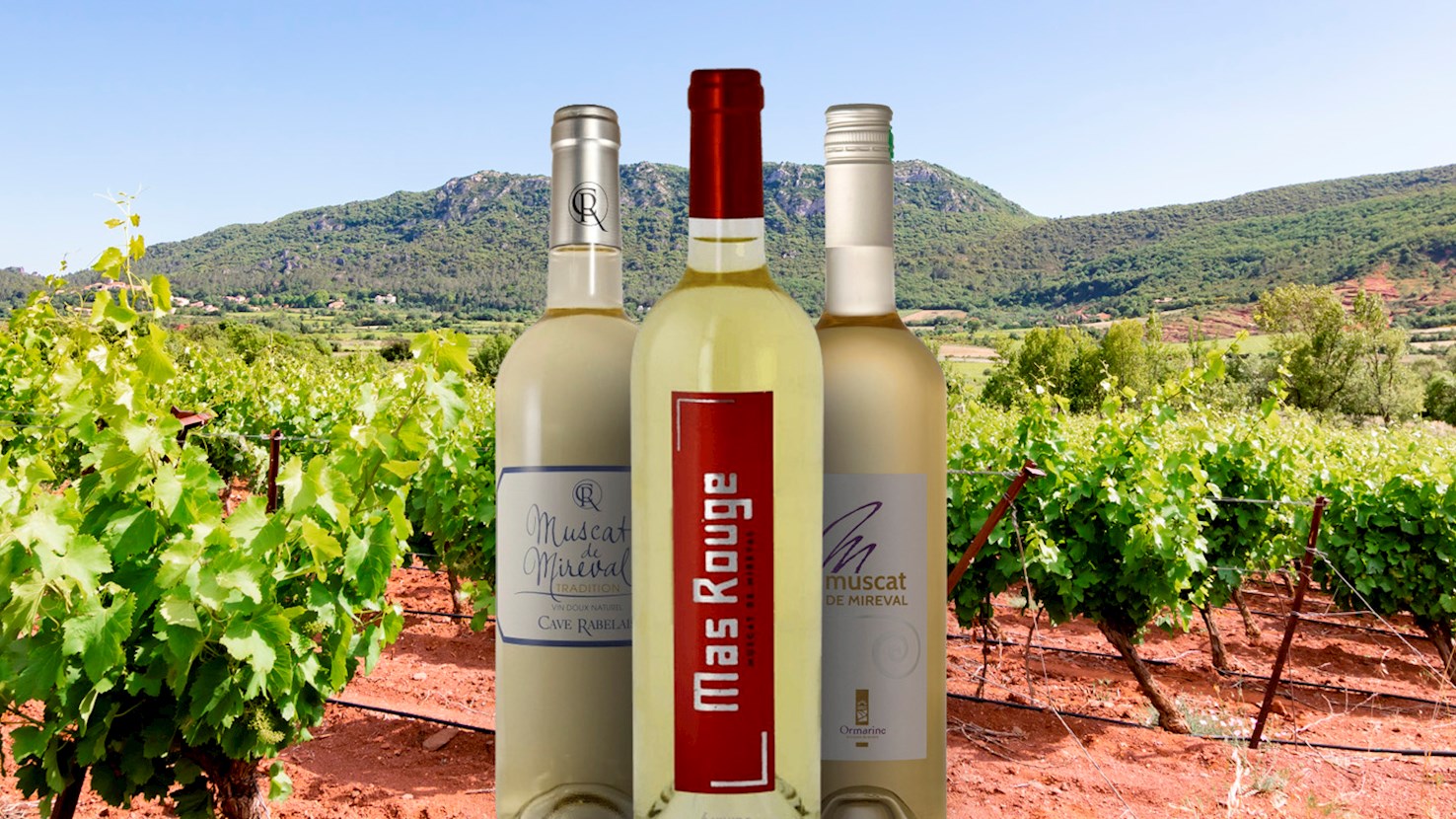
Muscat de Mireval is a French fortified wine from Languedoc Roussillon. It is a type of vin doux naturel, a traditional style found in the south of France in which alcohol is added before the end of fermentation. The technique preserves sugar and results in subtly sweet wines. These wines are made from the aromatic Muscat Blanc à Petits Grains. The grape and the production result in pale golden wines with an intense floral and citrusy aroma. On the palate, these wines are rich, creamy, and dense but well balanced with acidity and freshness. They are best served with appetizers, foie gras, fruit desserts, or blue cheese.
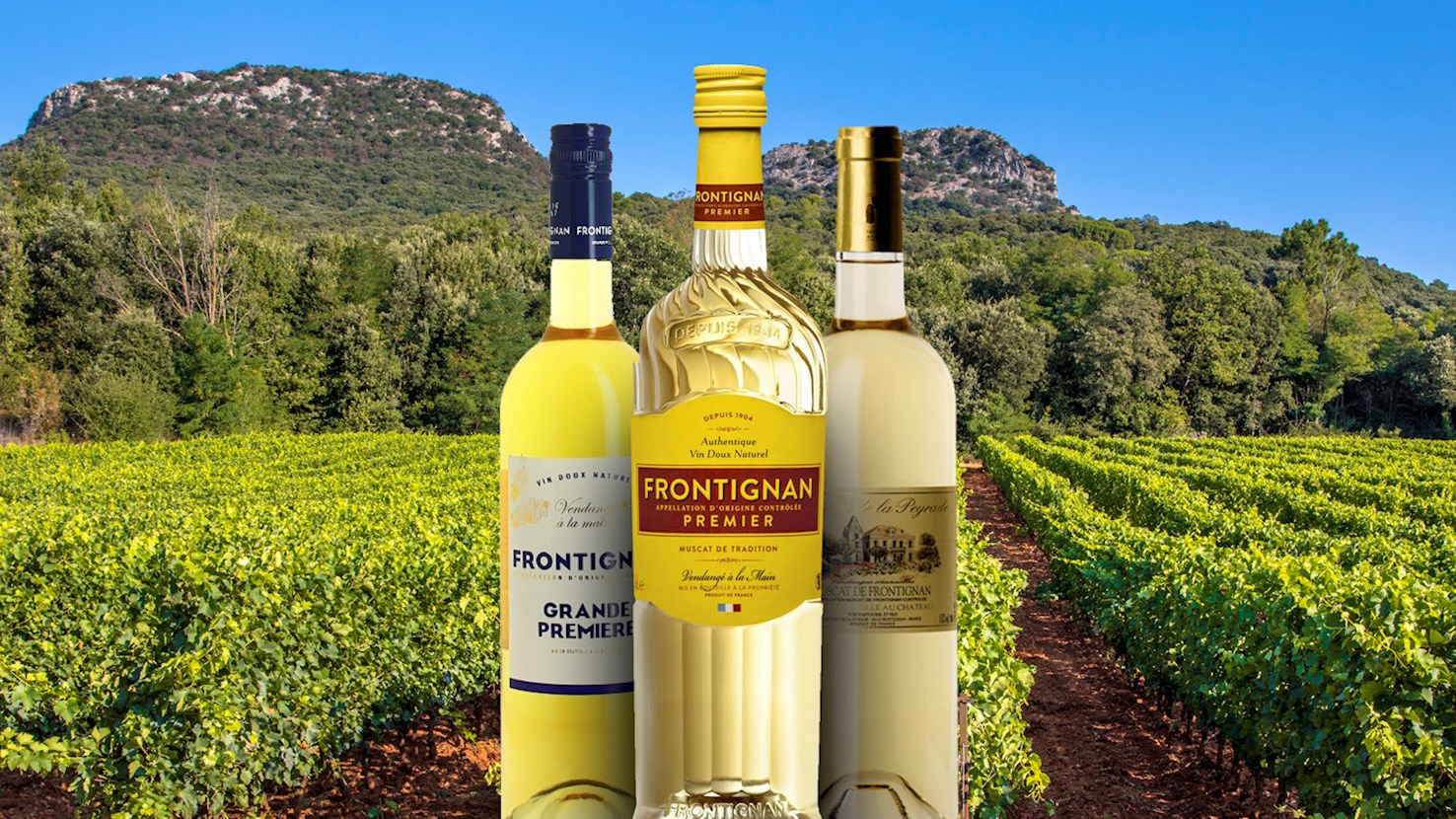
Muscat de Frontignan is a white dessert wine that falls into naturally sweet wines. The wines were once known for their density and richness, but modern styles often tend to have a lighter character with a more tropical and citrusy profile. The wines are made from Muscat à Petits Grains. These golden-colored wines have intense aromas reminiscent of apricots, citrus fruit, tropical fruits, and white flowers. The wines are rich and dense, with an excellent balance of alcohol, sweetness, and acidity. As they age, these wines take on luscious honeyed notes. Muscat de Frontignan goes well with appetizers or desserts. It also goes well with blue cheeses.
TasteAtlas food rankings are based on the ratings of the TasteAtlas audience, with a series of mechanisms that recognize real users and that ignore bot,
nationalist or local patriotic ratings, and give additional value to the ratings of users that the system recognizes as knowledgeable.
For the “Top 11 Local Wines in Hérault” list until June 10, 2026, 20 ratings were recorded, of which 16 were recognized by the system as legitimate.
TasteAtlas Rankings should not be seen as the final global conclusion about food. Their purpose is to promote excellent local foods,
instill pride in traditional dishes, and arouse curiosity about dishes you haven’t tried.
The initial list of top producers was compiled based on available reviews, awards, local recommendations, media and blog coverage, and consumer reviews.
The list will be updated with ratings from TasteAtlas local ambassadors and TasteAtlas users.