Top 44 Hungarian Wines

Last updated on July 15, 2026

Best Hungarian Wines
01

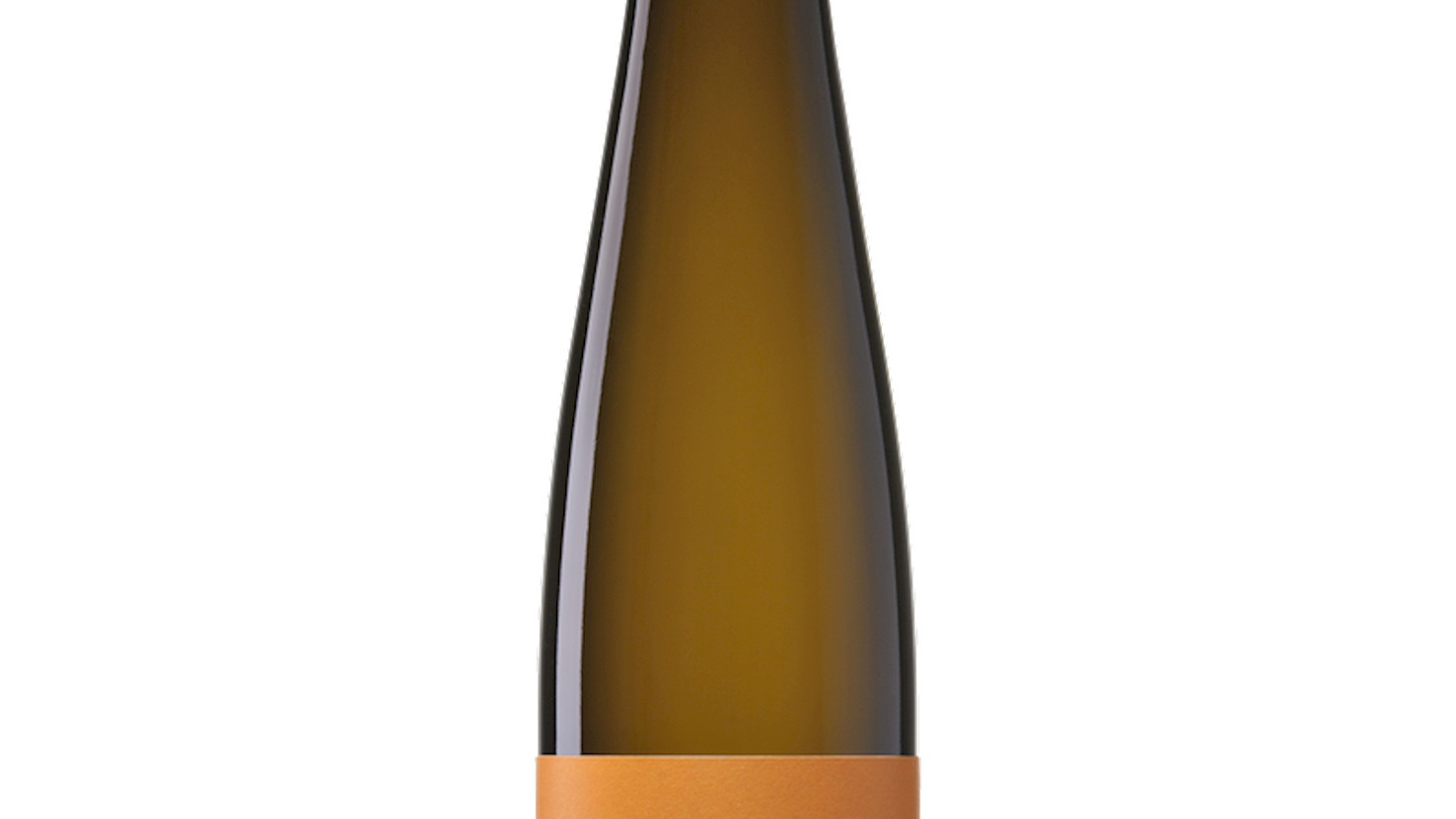
Szepsy

5.0 ·

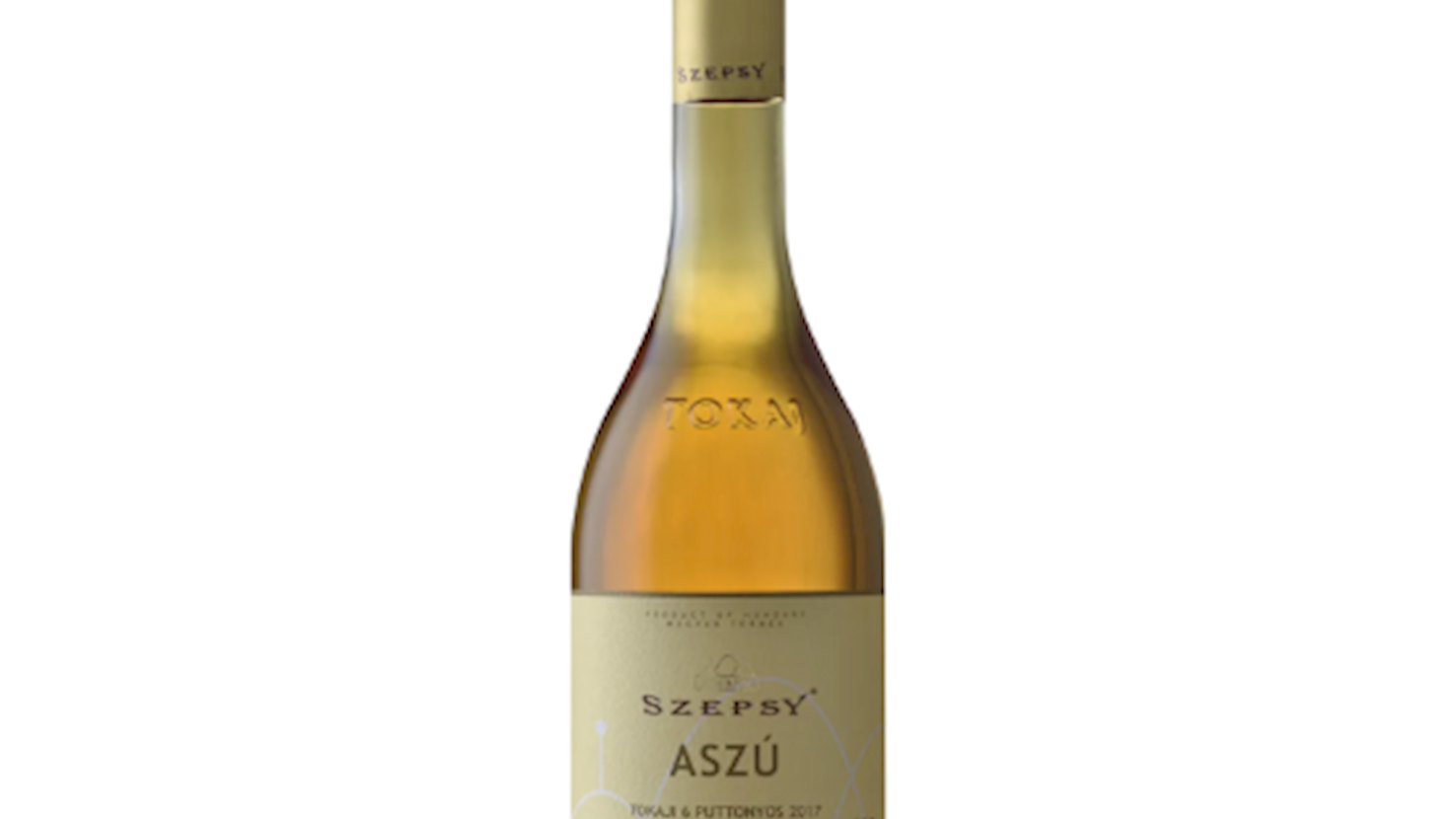
Szepsy is one of the most prestigious and influential wineries in the Tokaj region of northeastern Hungary, with a documented family winemaking history dating back to the 16th century. One of their ancestors, Szepsy Laczko Máté, was the first to record the method of producing Tokaji Aszú in 1631, laying the foundation for the identity of this iconic wine style.

Today, the winery is led by István Szepsy, a visionary widely regarded as a “Tokaj legend” thanks to his uncompromising precision in both viticulture and winemaking. His philosophy revolves around terroir and micro-parcel selection - each vineyard plot is vinified separately so that Furmint and Hárslevelű can fully express their specific site characteristics.

The vineyards sit on steep terraces around the village of Mád, rooted in volcanic soils rich in quartz, tuff and zeolite, which give the wines their distinctive minerality. The vines are notably old, averaging 40-50 years, and yields are intentionally kept extremely low to achieve maximum concentration and purity of flavor.

Szepsy was one of the pioneers of high-quality dry Furmint in Tokaj, demonstrating that the region can offer more than its traditional sweet wines. Szepsy wines have an exceptional capacity for aging due to their vibrant acidity and firm structure.

The winery is a key force behind the modern renaissance of Tokaj and is largely responsible for restoring the region to the global fine-wine stage. Their work unites tradition, terroir, and a contemporary approach with no compromise on quality.

Szepsy represents a rare combination of history, precision and passion, making it one of the most important producers of both dry and sweet wines in the world.

Awards
Vivino - 4.7
Vivino - 4.5
02

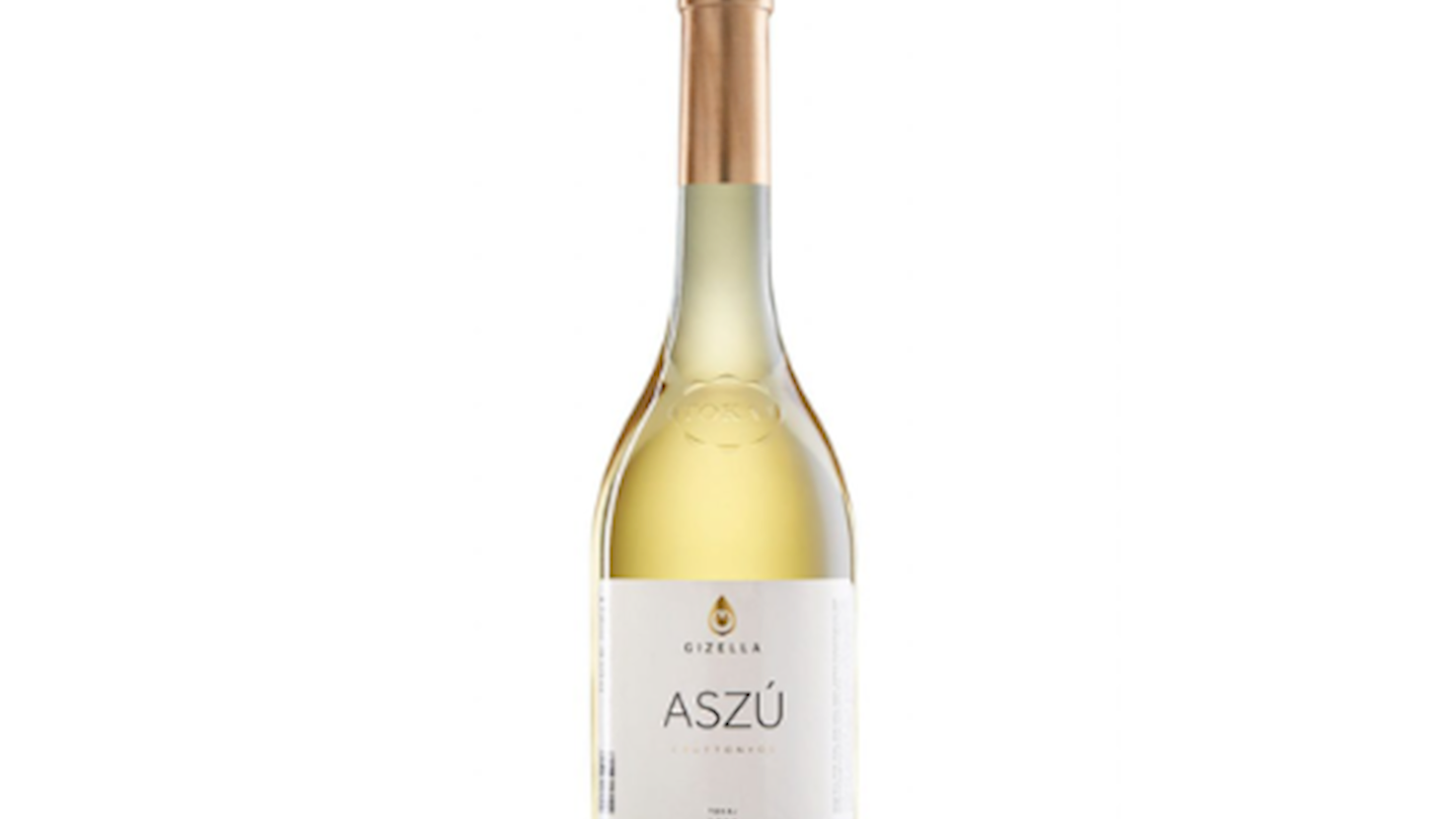
Gizella Winery

5.0 ·

Gizella Winery is a family-run estate located in the renowned Tokaj region of Hungary, known for both its historic sweet wines and increasingly refined dry styles. The winery is led by László Szilágyi, who took over the estate in 2005 and developed it into a terroir-focused operation with vineyards spread across several key sites.

The soils are predominantly volcanic - ter and structural depth. Gizella produces both dry and sweet wines, including traditional styles such as Szamorodni and Aszú, often made from botrytized grapes.

The main varieties include Furmint, Hárslevelű, and Sárgamuskotály, each contributing to the winery’s diverse portfolio. The wines are typically defined by purity, vibrant acidity, and a clear expression of fruit, whether in fresh, mineral-driven dry wines or concentrated, long-lived sweet cuvées.

Winemaking combines traditional methods, such as aging in historic volcanic cellars, with modern precision and a sustainable approach in the vineyards. Overall, Gizella Winery offers a contemporary interpretation of Tokaj, balancing heritage with clarity and finesse.

Awards
Decanter World Wine Awards - Best in Show (2024)
Decanter World Wine Awards - Platinum (2023)
03

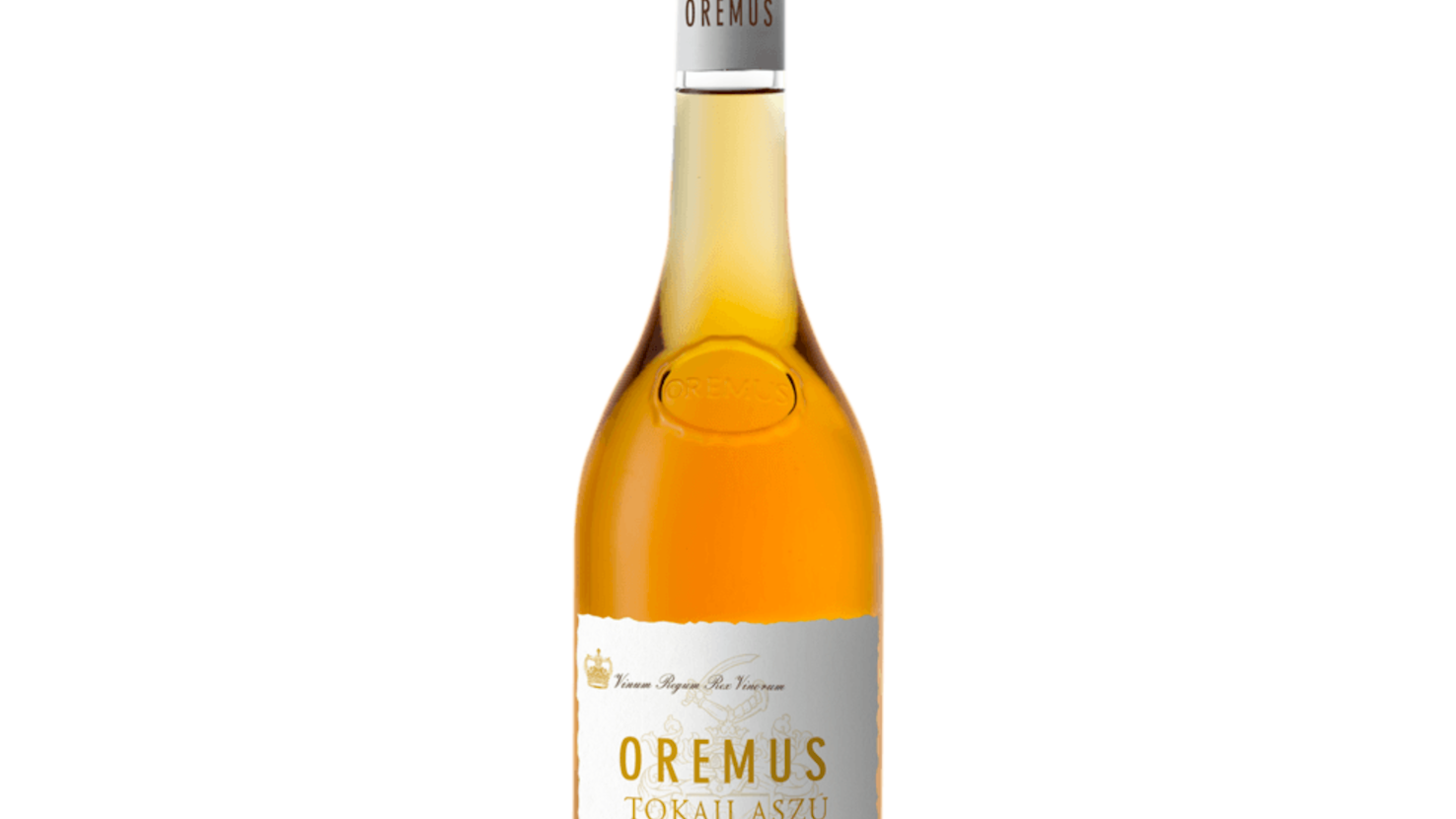
Oremus

5.0 ·

Oremus is a renowned winery located in Hungary’s historic Tokaj region and has been part of the Vega Sicilia group since 1993. The estate manages vineyards across some of Tokaj’s most prestigious sites, cultivating indigenous grape varieties such as Furmint, Hárslevelű, Sárgamuskotály, and Zéta.

Benefiting from volcanic soils and a unique climate influenced by the Bodrog and Tisza rivers, the vineyards provide ideal conditions for producing both exceptional dry wines and the famous sweet Tokaji Aszú wines. The winery combines centuries-old winemaking traditions with modern technology, while its wines mature in historic underground cellars that help preserve their complexity and character.

Oremus is particularly recognized for its meticulous vineyard management, low yields, and focus on expressing the distinctive terroir of Tokaj. Alongside its celebrated Aszú wines, the estate has gained international acclaim for dry Furmint wines that showcase remarkable freshness, minerality, and aging potential.

Today, Oremus is regarded as one of the benchmark producers of Tokaj, representing the region’s rich heritage and world-class winemaking standards.

Awards
Decanter World Wine Awards - Best in Show (2026)
Decanter World Wine Awards - Platinum (2023)
04

Patricius

4.9 ·
Awards
Decanter World Wine Awards - Platinum (2021)
05

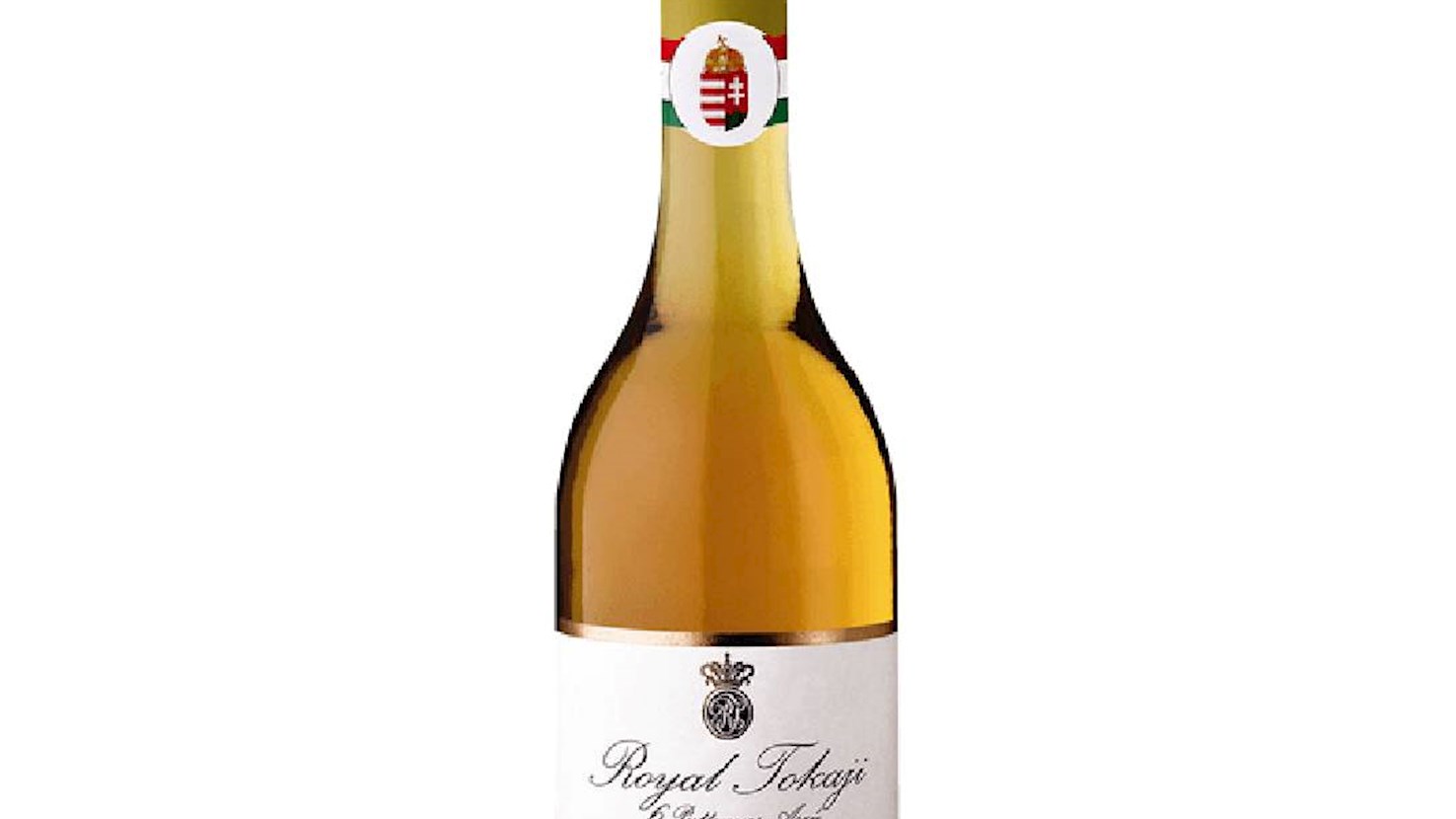
Royal Tokaji

4.9 ·

The Royal Tokaji Wine Company is one of the most renowned producers in Hungary’s historic Tokaj region, founded in 1990 by celebrated wine expert Hugh Johnson together with local growers and investors. From the very beginning, the winery set out to revive the prestige of Tokaji wines—once praised by Louis XIV as “the wine of kings and the king of wines” and cherished by figures like Goethe, Beethoven, and Catherine the Great. With a deep respect for tradition and a focus on quality, Royal Tokaji cultivates some of the region’s most prestigious single-vineyard sites, including Mézes Mály, Nyulászó, Szt.

Tamás, and Betsek. Their wines, made primarily from native varieties such as Furmint, Hárslevelű, Muscat de Lunel, and Kabar, range from the legendary sweet Aszú and rare Essencia to elegant late-harvest and fresh, expressive dry whites. Today, Royal Tokaji is recognized worldwide for its excellence, with an impressive collection of awards and exports to more than 30 countries.

Each bottle reflects the unique terroir of Tokaj and the winery’s dedication to producing wines of exceptional character, elegance, and longevity.

Awards
Vivino - 4.5
Vivino - 4.4
06

Pajzos

4.9 ·
Awards
Decanter World Wine Awards - Platinum (2017)
Berlin Wine Trophy - Grand Gold (2024)
07

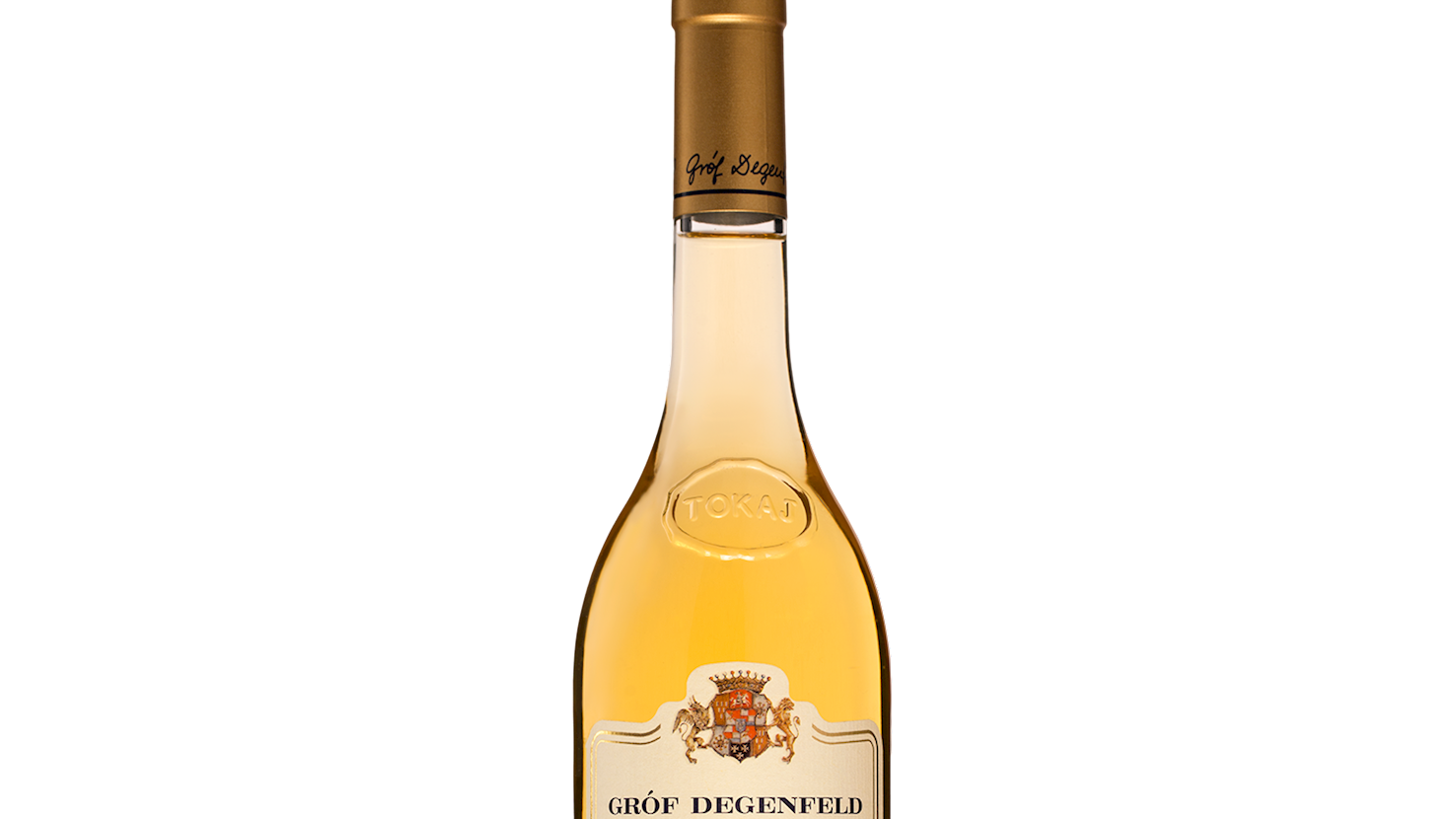
Gróf Degenfeld Wine Estate

4.9 ·
Awards
Decanter World Wine Awards - Platinum (2022)
Berlin Wine Trophy - Grand Gold (2023, 2022)
08

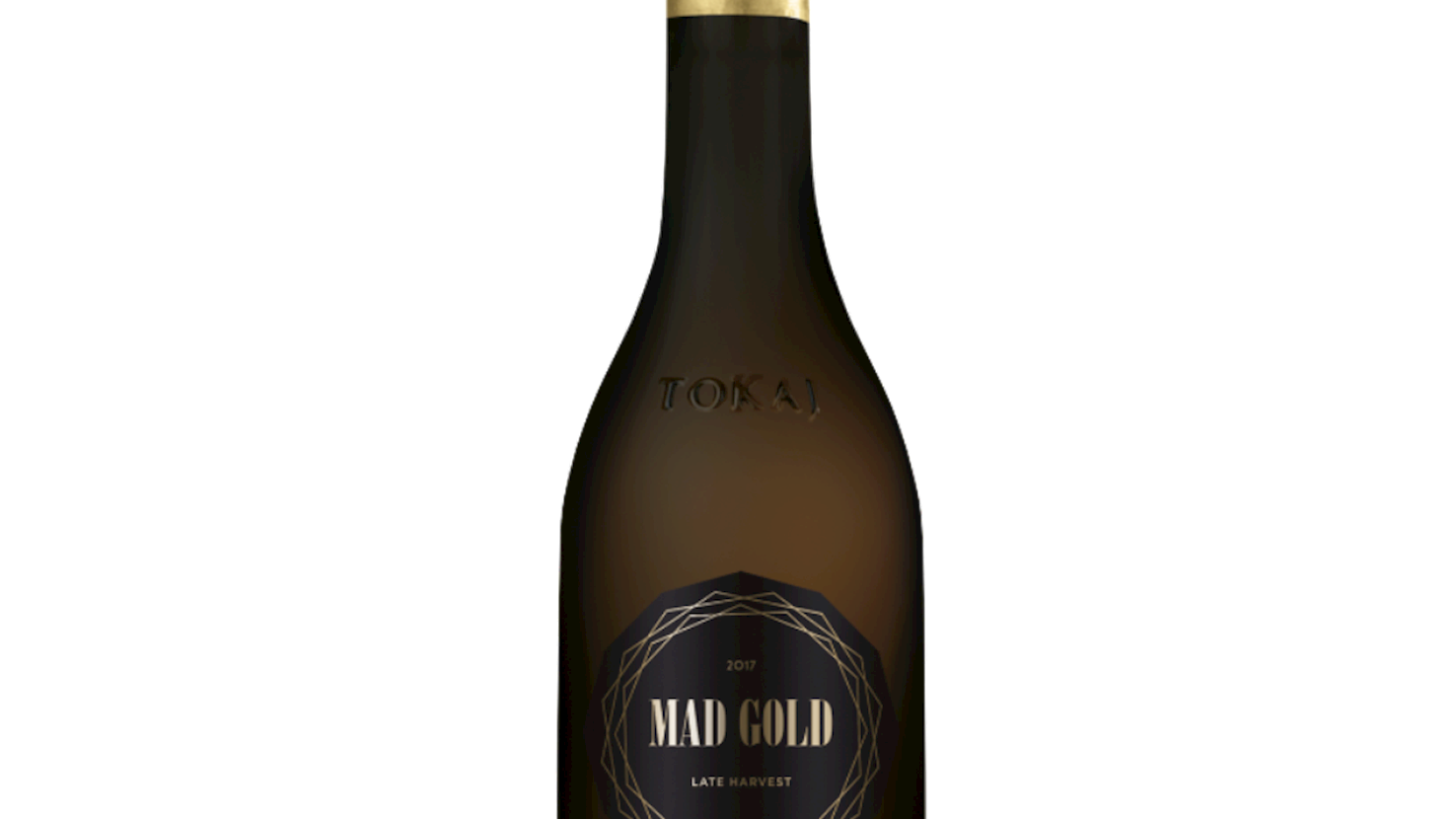
Mad Wine

4.9 ·
Awards
IWSC- International wine & spirit competition - Gold (2020, 2019)
09

Balassa Bor

4.9 ·
Awards
Decanter World Wine Awards - Platinum (2024)
IWSC- International wine & spirit competition - Gold (2022, 2021)
10

Sauska

4.9 ·

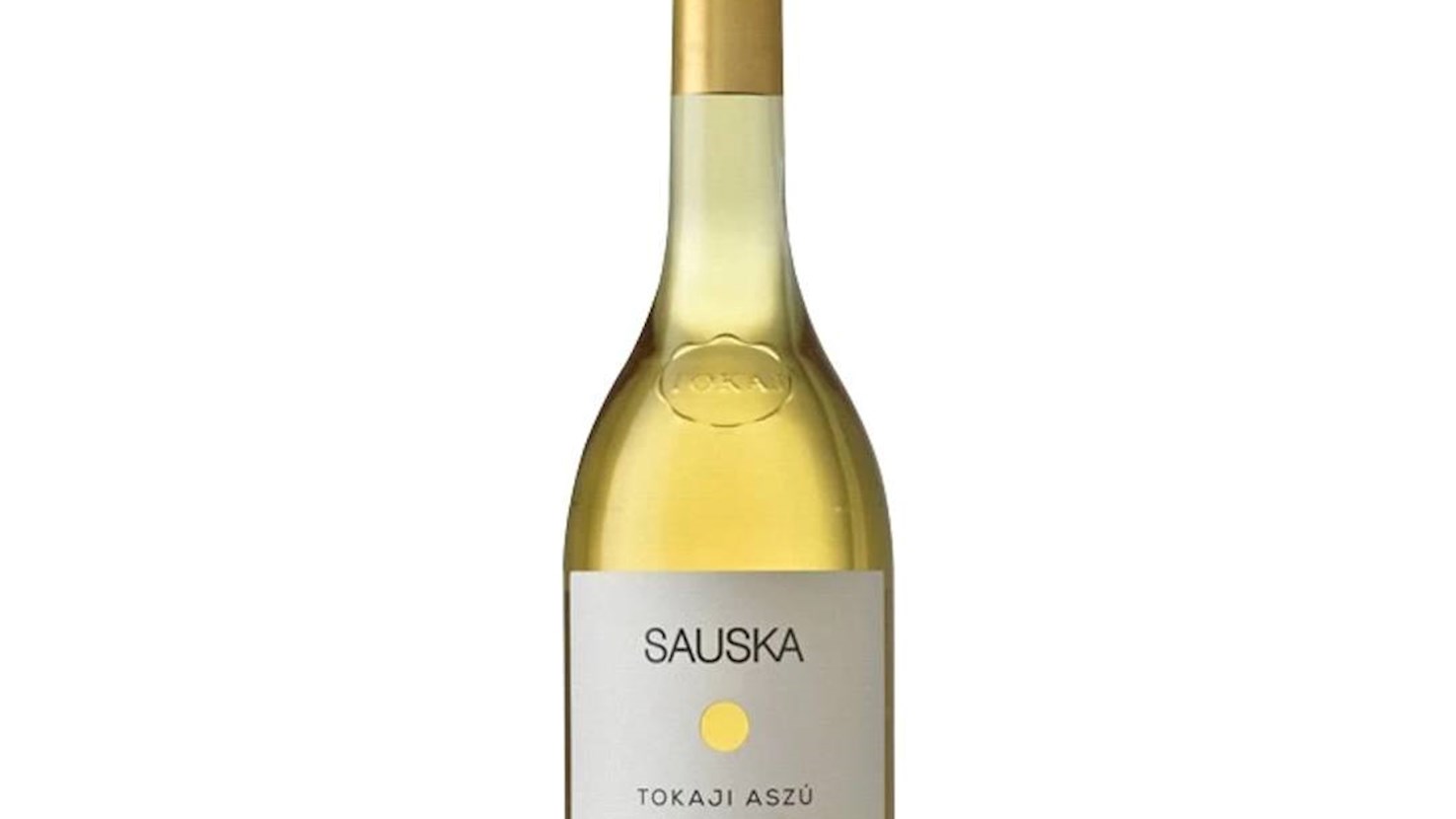
Sauska is a family-owned winery with vineyards in both Tokaj and Villány, Hungary. They produce a diverse range of wines, including sparkling, still, dry, and sweet varieties, utilizing both indigenous and international grape varieties.

The winery employs gravity flow and ambient yeasts in their winemaking process to craft precise and elegant wines that honor nature, terroir, and tradition. In Tokaj, Sauska focuses on traditional Hungarian varietals such as Furmint and Hárslevelű, producing both sparkling and still wines that reflect the region's rich winemaking heritage.

In Villány, the winery is known for its sophisticated and expressive red wines, including Cabernet Franc and Cabernet Sauvignon, which have garnered multiple accolades.

Awards
James Suckling - 96 points (2023)
Decanter World Wine Awards - Platinum (2024, 2020, 2018)

Best Hungarian Wine Types
01

Tokaji Aszú

4.3 ·

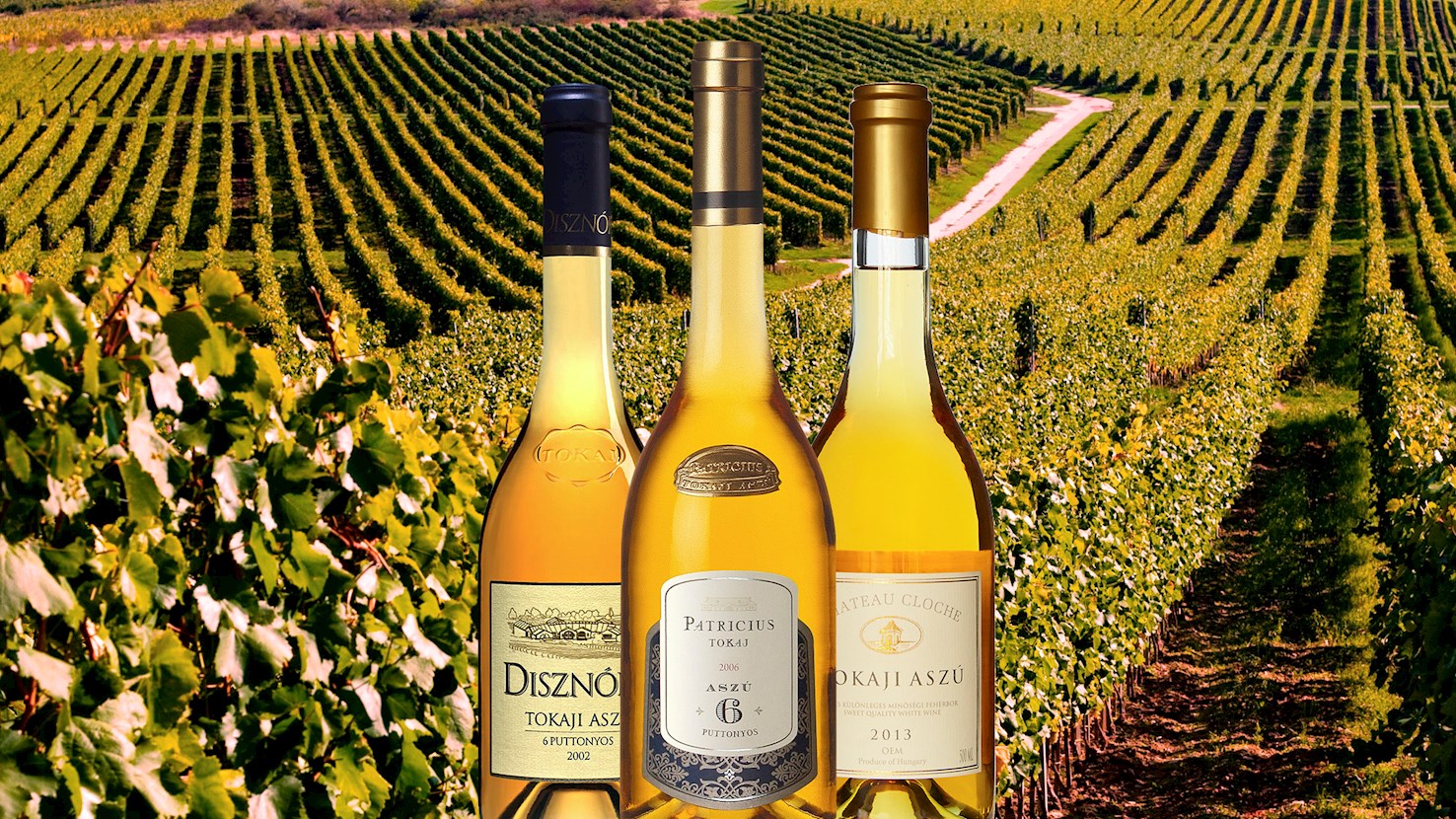
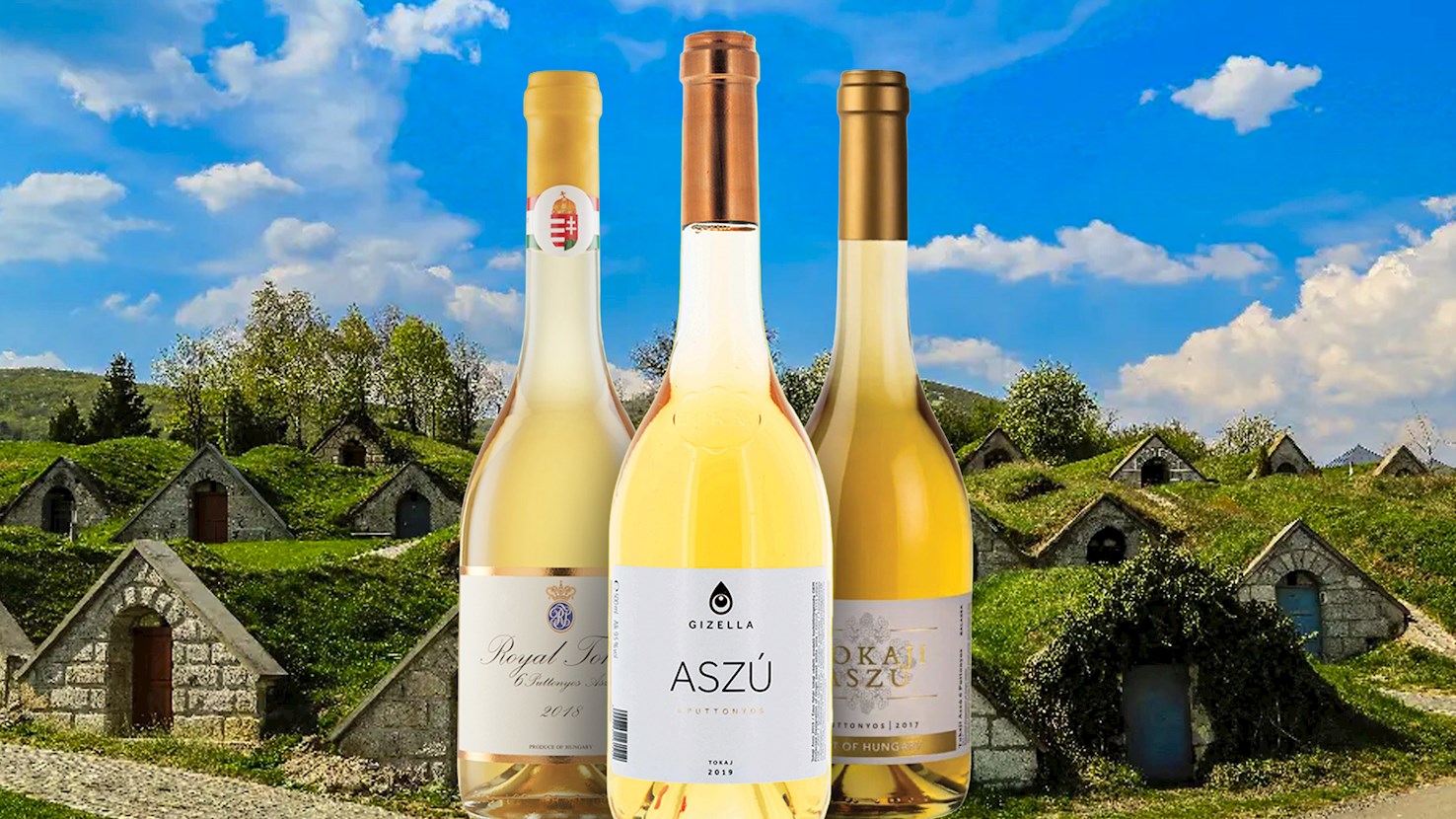
Tokaji Aszú (vyber) is a full-bodied dessert wine produced in the Tokaj wine region, which is shared by Hungary and Slovakia. It is produced from six grape varieties including Furmint as the predominant grape, but also Hárslevelü, Kabar, Kövérszölö, Zéta, and Sárgamuskotály (Muscat Blanc). The wine is made from grapes that have been affected by noble rot and are then mixed into a fermenting must or a new wine. The noble rot concentrates the sugars and gives aszú its complex and fragrant aromas of honey, fruit, and spices, which are usually complemented by rich minerality. The wines must be aged for a minimum of eighteen months, and are classified by their sweetness, that is, the amount of residual sugar which is expressed in puttonyos. Although often labeled as a dessert wine that works especially well with fruit, Tokaji Aszú can also pair well with foie gras and blue cheeses.

02

Irsai Olivér

4.2 ·

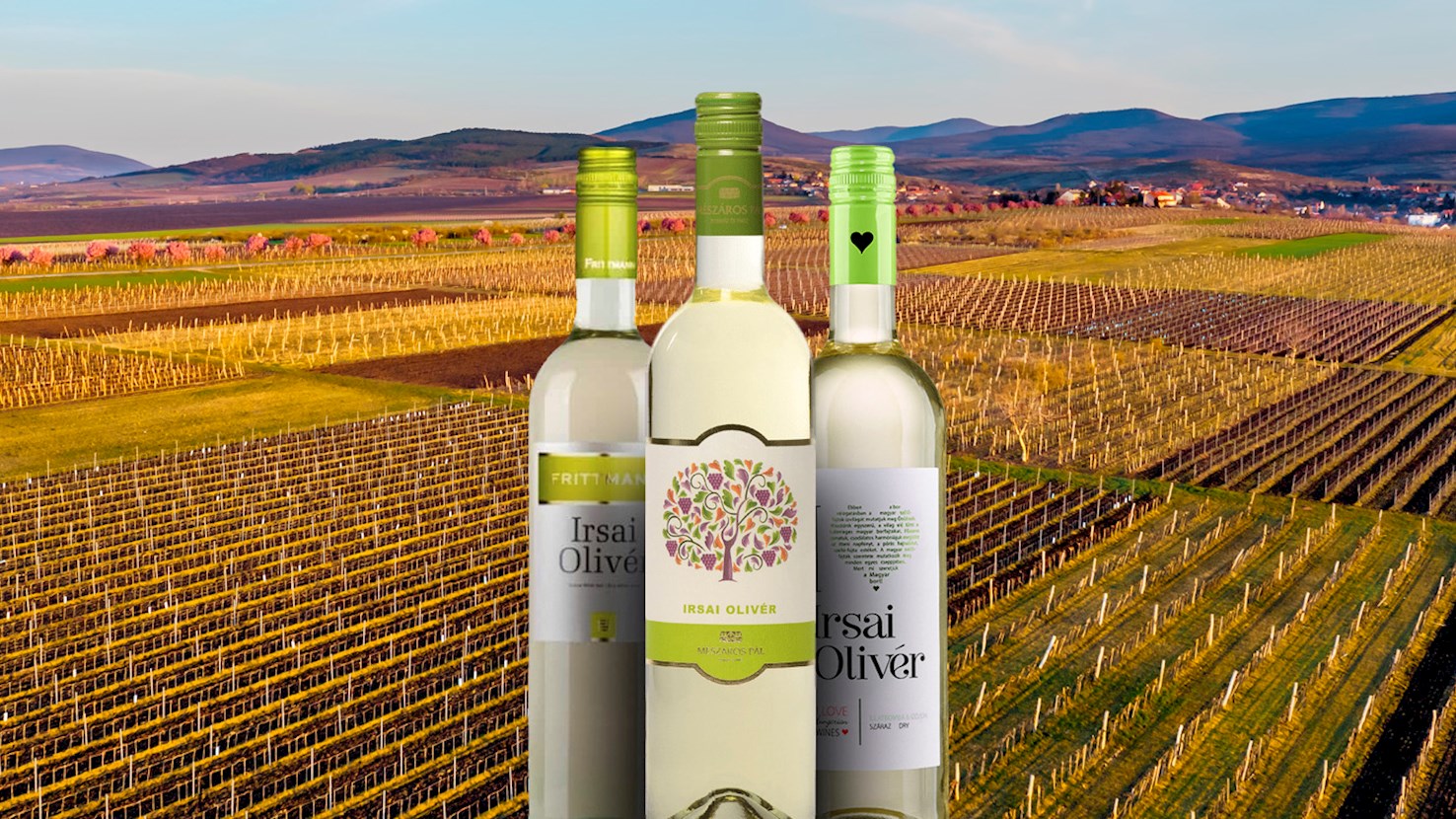
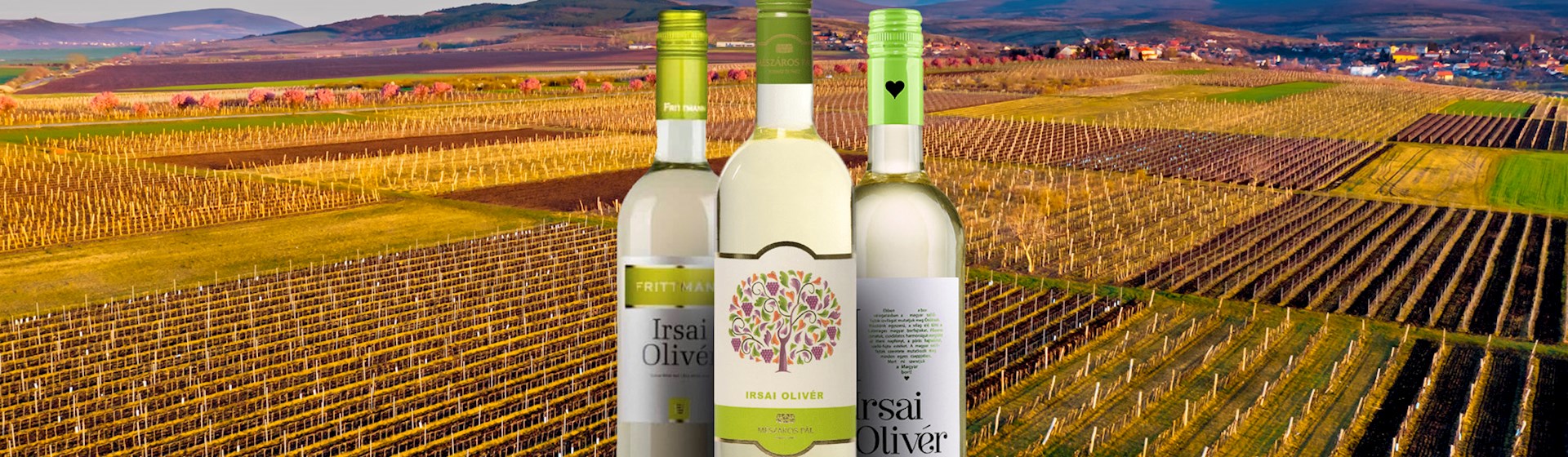
Irsai Olivér is a Hungarian white grape created in 1930 by Pál Kocsis as a cross between Pozsonyi and Pearl of Csaba. The grape is used in varietals and blends and is cultivated in several Hungarian wine regions. It is best suited for cooler areas, and the best expressions generally come from Mátra, where the grape prospers on volcanic soils. Irsai Olivér is an early-ripening grape. It was initially used as a table grape, but since the 1980s, it has been promoted as an excellent wine grape that can produce aromatic and fresh white wines. The grape is sometimes compared with Muscat because of its subtle acidity and citrusy, tropical, and floral aromas. These wines are best enjoyed young, and they should be paired with appetizers, vegetable dishes, and light fish-based main courses. There are many legends about the origin of the grape's name, but Kocsis most likely named it after his friend's son.

03

Tokaji Szamorodni

4.1 ·

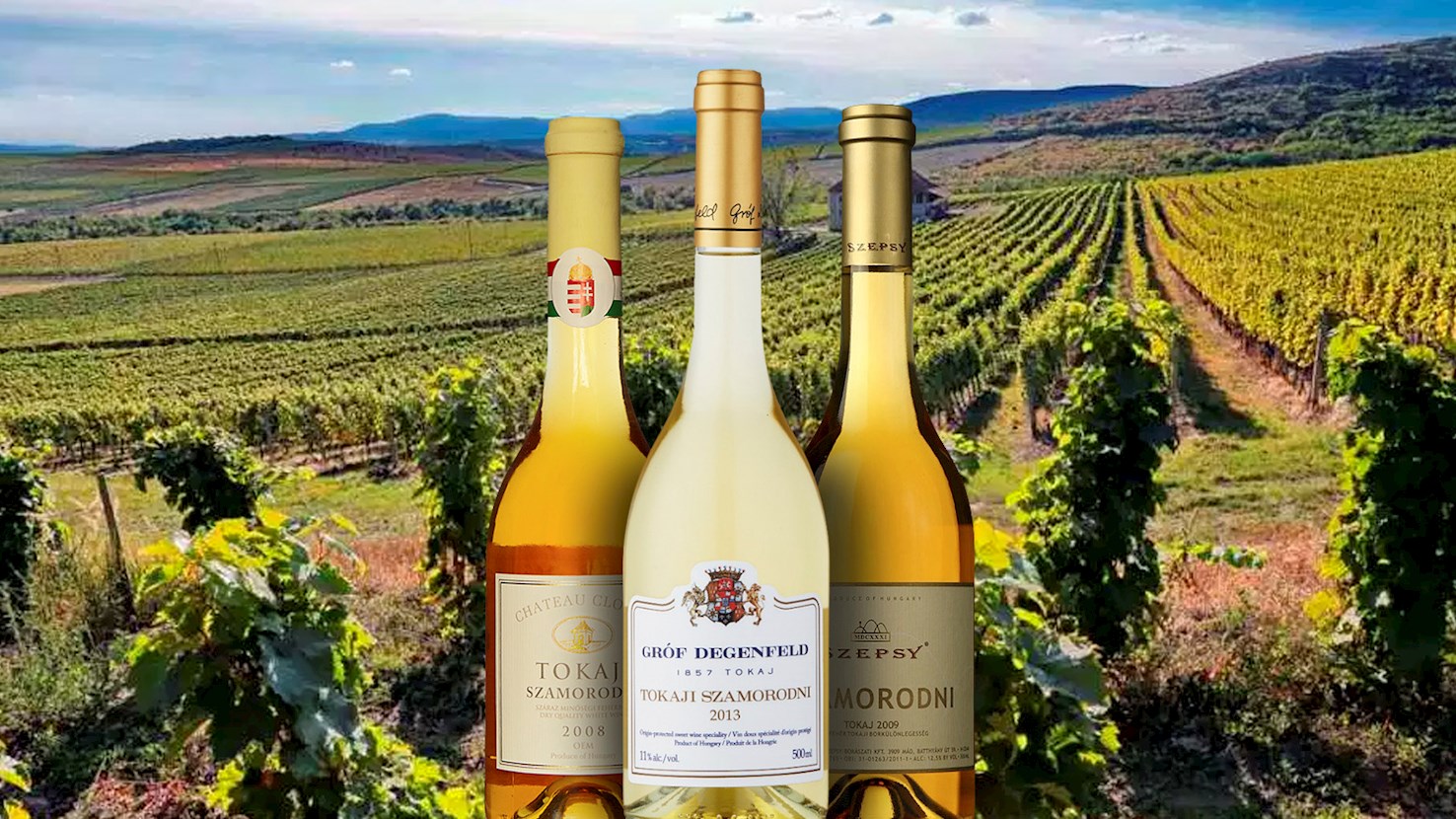
Szamorodni is a variety of Tokaji wine produced in the Tokaj wine region (Tokaj-Hegyalja) predominately from Furmint, and some amount of Hárslevelü, Kabar, Kövérszölö, Zéta, and Sárgamuskotály (Muscat Blanc) grape varieties. The wines are produced from grape clusters containing ripe, overripe, and moldy grapes, and it can be made as a sweet (édes) style—which has a higher amount of residual sugar—or as the dry (száraz) style. Depending on the age, the final taste profile of this prized wine can vary from fruity to nutty, while their character is often compared to some dry sherry styles. The wine can age well, while its color ranges from light yellow to amber. Both dry and sweet styles are great aperitif wines, while dry szamorodni can also work well with meat or seafood.

04

Tokaji

3.8 ·

Tokaj is a wine from northeastern Hungary, produced within the Tokaj-Hegyalja region, an area defined by volcanic soils, a cool continental climate, and autumn humidity influenced by the Bodrog and Tisza rivers. The region is protected under a controlled designation of origin and is known for white wines made from Furmint, Hárslevelű, and Sárgamuskotály, with production ranging from dry wines to sweet styles dependent on the development of botrytis cinerea on late-harvested grapes. The wine culture of Tokaj formed in an environment where long, mild autumns allowed noble rot to appear with consistency, giving growers the ability to harvest shriveled aszú berries that contributed concentrated sugar and acidity to various categories of wine. Records from the seventeenth century document the organized production of sweet wines from botrytised berries, the use of cellar systems carved into volcanic rock for stable maturation, and the integration of defined categories such as Aszú, Szamorodni, Fordítás, Máslás, and Eszencia. Over time, both domestic and foreign markets recognized the region’s capacity to produce wines with high natural sugar, firm acidity, and long aging potential. Preparation depends on the category. Dry and late-harvest wines are produced through standard white-wine vinification using ripe grapes pressed and fermented in stainless steel or oak. Sweet wines involving botrytised grapes follow a different process: in Aszú wine, individually selected aszú berries are collected, macerated in must or finished wine, pressed, and then fermented slowly to create a dense, sweet wine with elevated acidity. Szamorodni is made from whole clusters containing a mixture of healthy and botrytised berries, resulting in a wine that may be dry or sweet depending on concentration. Eszencia is produced from the free-run juice that drips naturally from aszú berries, forming a syrup-like must that ferments extremely slowly due to its immense sugar concentration. Tokaj wines are consumed in a range of contexts: dry Furmint is served with seafood, poultry, and light dishes; sweet Aszú appears at the end of meals, with pastries, foie gras, blue cheeses, or on its own; Szamorodni and late-harvest styles accompany mild desserts or soft cheeses. Eszencia is consumed in small amounts due to its density and is generally served alone or with neutral pastries. These wines are enjoyed both within Hungary, particularly in restaurants in Tokaj, Budapest, and regional wine towns, and internationally, where they appear in cellars, tastings, and fine-dining settings that highlight wines with strong acidity and long-lived sweetness.

05

Welschriesling

3.6 ·

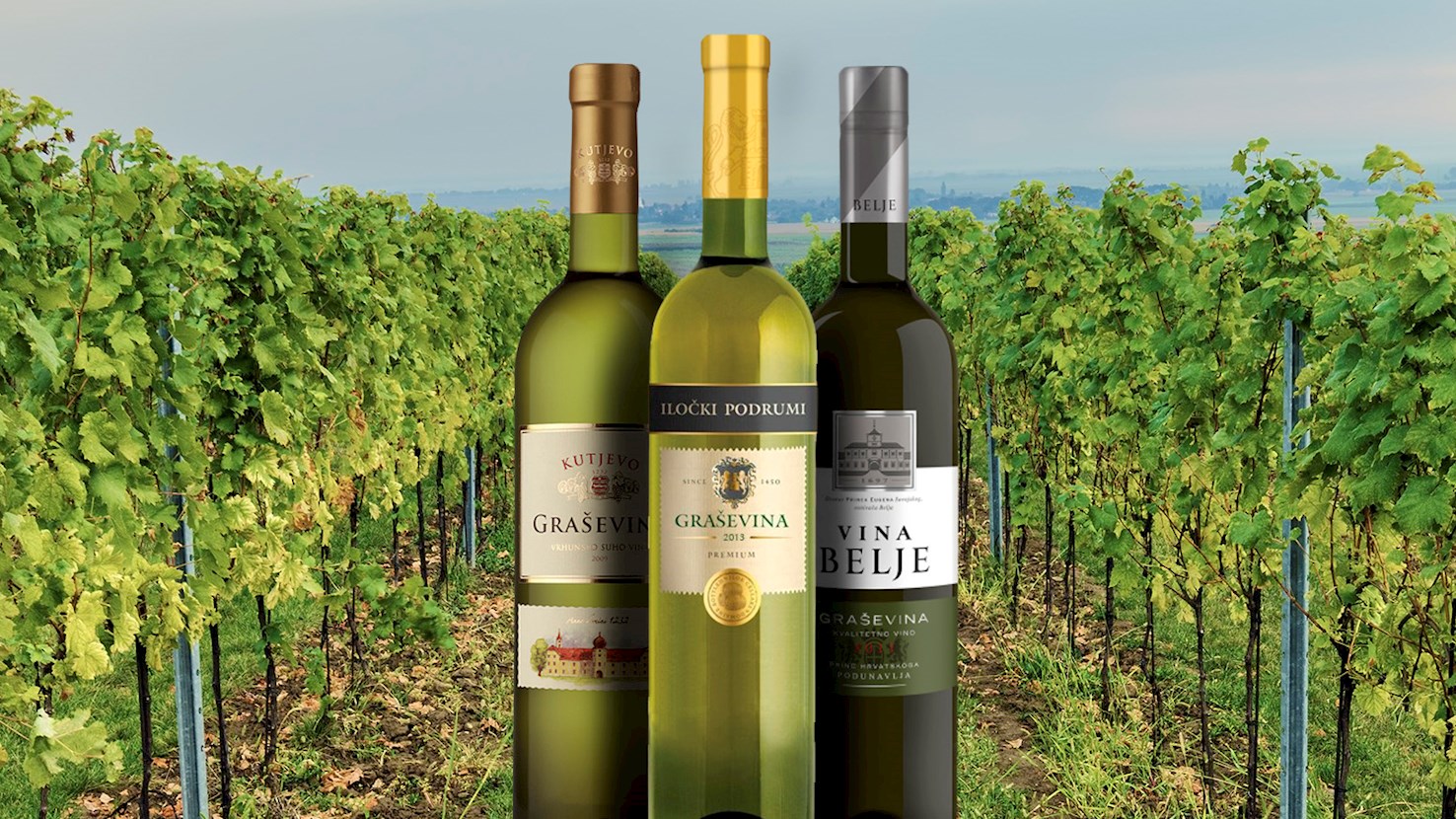
Welschriesling is a white grape variety cultivated widely across Central and Eastern Europe, particularly in Austria, Hungary, Croatia, and Slovenia, where it produces wines known for their crisp acidity, freshness, and subtle fruit character. Despite its name, it bears no genetic relation to Riesling; the term “Welsch” once meant “foreign,” reflecting the grape’s uncertain origin and introduction into German-speaking regions. It is believed to have been grown in the Danube basin and surrounding areas since at least the Middle Ages, spreading through trade and viticulture expansion within the Austro-Hungarian Empire. Its adaptability to a variety of climates and soils allowed it to become one of the most planted white grape varieties in Central Europe, valued for its ability to express local terroir and produce wines suited to a wide range of styles. The cultivation of Welschriesling typically focuses on preserving its natural acidity and aromatic delicacy. It ripens relatively late, and the timing of harvest significantly influences the style of wine produced. Early harvests yield light, zesty wines with high acidity and notes of green apple, citrus, and fresh herbs, ideal for everyday drinking. Grapes left on the vine longer can develop more richness and weight, and under the right conditions, they can be affected by noble rot, producing sweet dessert wines with complex honeyed flavors. Fermentation is usually carried out in stainless steel tanks at controlled temperatures to retain freshness and preserve the grape’s primary aromas, though some producers allow brief aging on lees to add texture and depth. The result is typically a pale, aromatic wine with a clean finish and a balance of fruit and acidity. In Austria’s Burgenland region, it is often used for sweet wines, while in Hungary it appears as Olaszrizling in both dry and dessert styles. In Croatia, where it is known as Graševina, it is the most widely planted grape and forms the backbone of the country’s white wine production. This adaptability reflects not only the grape’s viticultural resilience but also its cultural importance across different wine traditions. Welschriesling wines are typically served chilled and are most enjoyable within a few years of harvest, though the sweeter styles can develop additional complexity with age. Their bright acidity and delicate fruit profile make them excellent partners for a wide range of dishes. Lighter, dry versions pair well with salads, freshwater fish, shellfish, and soft cheeses, while richer examples complement roasted poultry or vegetable dishes. Sweet styles are best served with fruit-based desserts or creamy cheeses, and they also pair well with foie gras. In wine-producing regions where it is grown, Welschriesling is a staple at local taverns, festivals, and family meals, valued for its refreshing character and versatility at the table.

06

Hárslevelű

3.6 ·

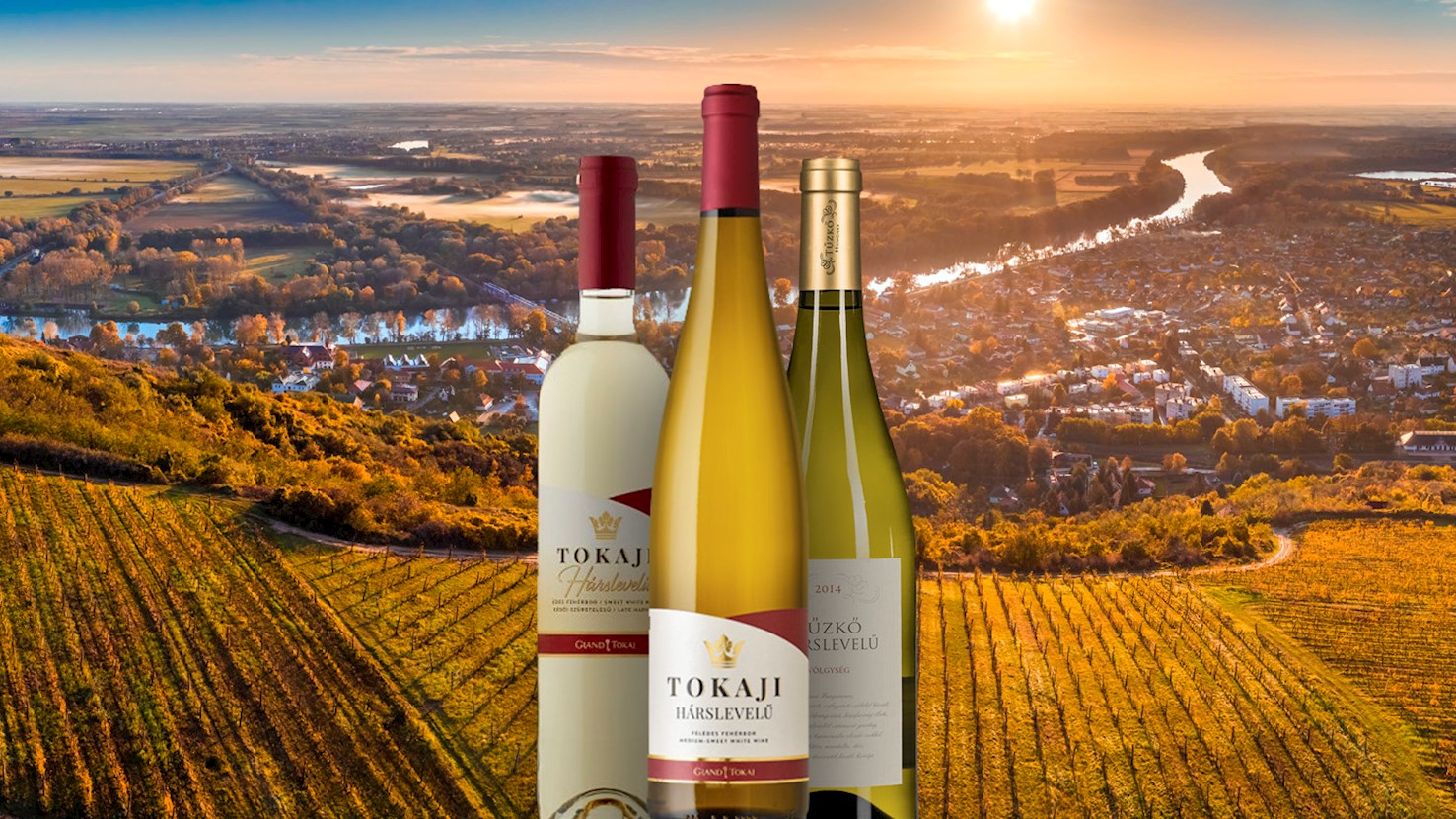
Hárslevelű is a native Hungarian grape that is predominantly cultivated in Tokaj. The grape is a cross, with Furmint as one of its parents. Despite being regularly overshadowed by Furmint, this aromatic grape has been growing in popularity because it was proven that controlled yields and careful vinification result in excellent dry and sweet varietal wines. The wines are aromatic, soft, and subtly spicy. They usually have distinctive linden honey and blossom notes accompanied by pear, chestnut, and nutty nuances. The wines are medium or full-bodied and usually have medium acidity. The name of the grape translates as linden leaf, possibly as a reference to its linden-like aromas. Apart from Tokaj, the grape is also planted in Somló, where the wines tend to be more mineral than aromatic. Dry Hárslevelű would pair with poultry or veal, while sweet styles can be paired with desserts.

Best producers
07

Egri Bikavér

3.5 ·

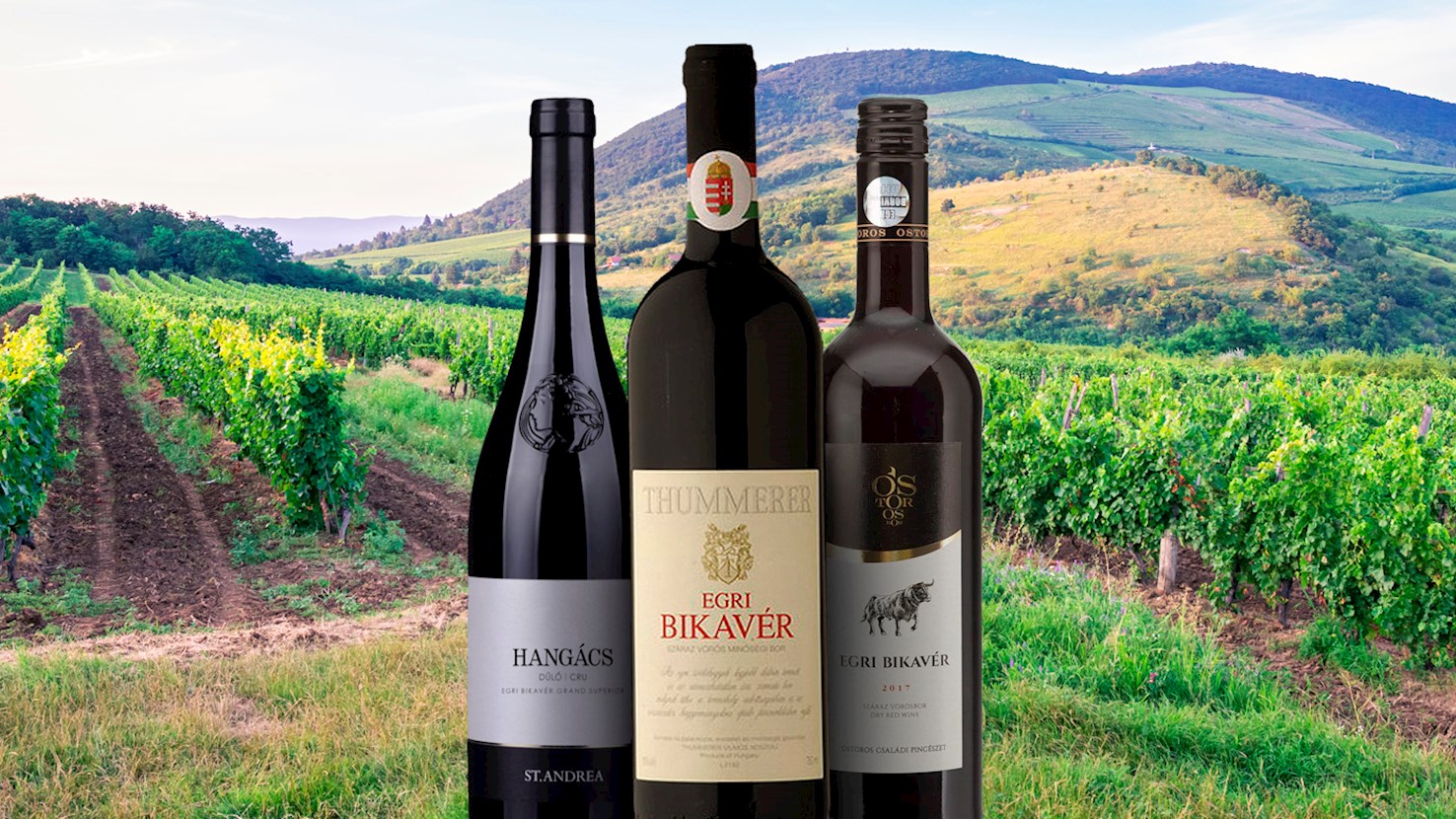
Egri Bikavér is a red blend that is probably the most popular Hungarian red wine. It is produced in the south near Szekszárd and around Eger in the northeast. Bikavér is always a blend, usually of at least three different grapes. Kékfrankos (Blaufränkisch) is the flagship variety, along with Kadarka, Cabernet Sauvignon, Cabernet Franc, Merlot, Zweigelt, Pinot Noir, and other regional and international varieties. As it is a cold-climate red blend, Egri Bikavér is typically fresh and approachable. The wines are spicy and fruity, with a medium body and good aging potential. Their final profile depends on the grape selection, terroir, and vinification, but the best contemporary examples show finesse, balance, and elegance. In the past, especially during Communist rule, emphasis was put on quantity and mass production rather than quality. As a result, most of the wines were simple, somewhat rustic, and often low in quality, giving Egri Bikavér an overall bad reputation. The quality has significantly improved in the last two decades, and producers now show that Egri Bikavér can be excellent quality wine. Egri Bikavér has three quality designations, Classicus, which needs to have at least three varieties in the blend, and Superior and Grand Superior, which need to include at least five grapes. The name Egri Bikavér, translated as bull's blood from Eger, allegedly came up when Eger was under Ottoman siege in 1552. As the legend says, the locals drank a copious amount of wine to prepare for the fight and supposedly added some bull's blood to the wine. The locals managed to overturn the attackers, and the legend and the name were later associated with regional wines.

08

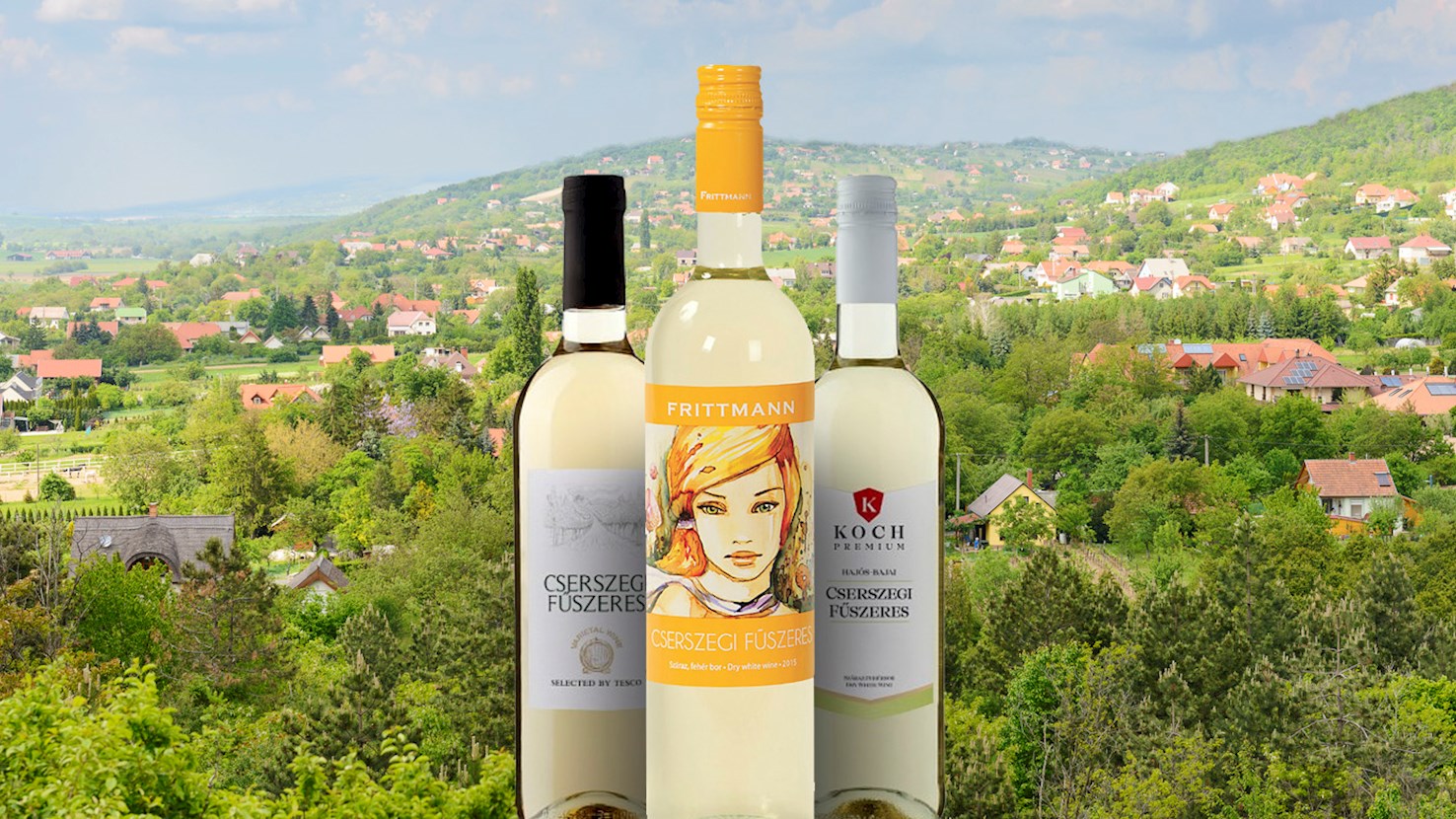
Cserszegi Fűszeres

3.3 ·

Cserszegi Fűszeres is a white Hungarian grape that produces light and refreshing white wines. The grape is a hybrid between Savagnin Rose and Irsai Olivér, which is also a white Hungarian cross introduced in 1930. Cserszegi Fűszeres was created in 1960, but it was released in 1982. It became one of the most successful Hungarian varieties and is now the second most common white grape in the country. Cserszegi Fűszeres produces approachable, aromatic wines that typically have a hint of spiciness. The grape is used for dry and off-dry styles, though dry wines are usually of better quality. They are lively and bright with a floral and fruity aroma and a light body. Cserszegi Fűszeres wines are best enjoyed young, and they can be paired with pair well poultry or seafood. The unusual name is a reference to its origin—Cserszegtomaj village—while the and fűszeres, meaning spicy, is a reference to its character. The grape is not very popular outside Hungary.

09

Juhfark

3.2 ·

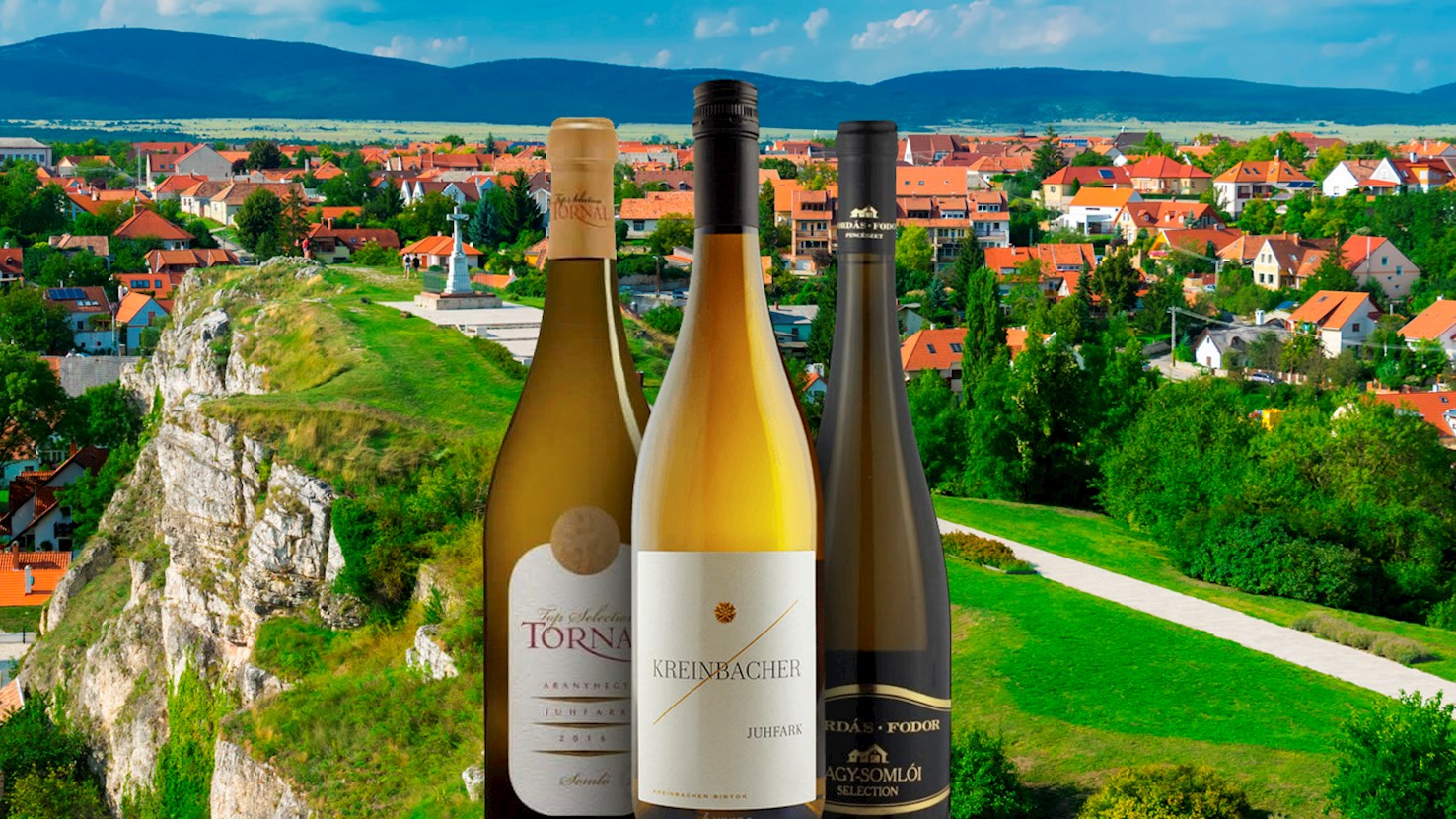
Juhfark is one of the old Hungarian white varieties. It was once a common and popular grape, but it is now primarily cultivated in Somló, the smallest Hungarian wine region located north of Lake Balaton, known for its volcanic basalt soil. Juhfark is now almost synonymous with the region where it prospers and results in intriguing, long-living white wines. Juhfark wines from Somló have interesting smoky notes and a distinctive mineral character. They are refreshing, lively, and zesty, with great acidity and excellent aging potential, attaining floral and honey-like notes with age. The aromas are reminiscent of citrus and ripe green fruit. Juhfark translates as sheep’s tail, which refers to the elongated shape of the clusters. The grape is still rare as it is sensitive and somewhat finicky to grow, but it shows excellent regional potential as a terroir-driven variety.

10

Kadarka

2.8 ·

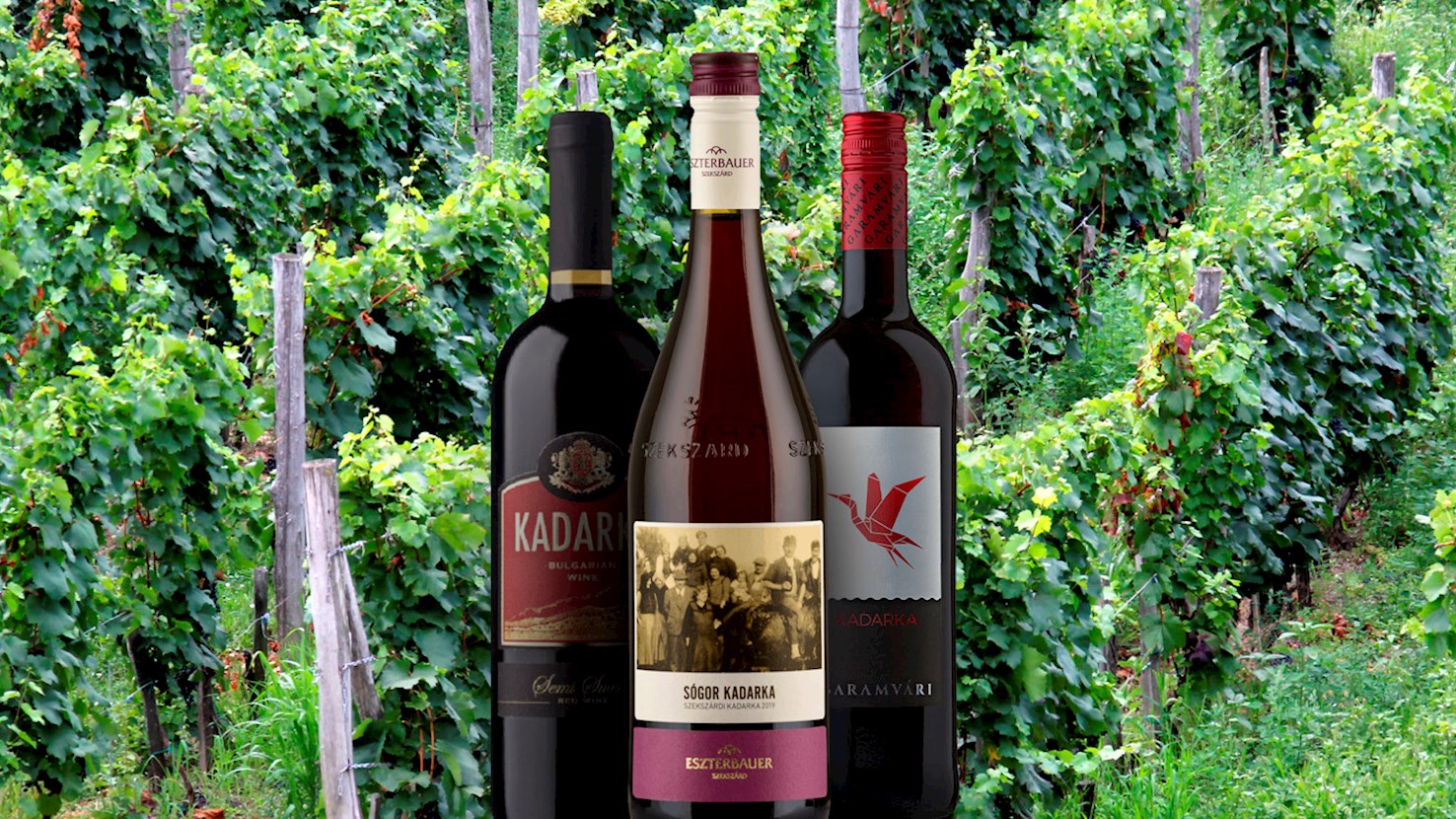
Kadarka is a red grape with an uncertain origin. It is most likely a native Balkan variety that spread during Ottoman rule. Due to its finicky nature, it has slightly declined in popularity, but it is still an important red variety, especially in Hungary. Kadarka is a late-ripening grape that mainly produces fruity and elegant red wines. It is versatile and terroir-driven, so the wines can often vary in character, but they usually have light to medium body, bright acidity, and low tannins. The aroma is typically fruity, often with hints of spice and sometimes with subtle floral notes. Kadarka is an ideal partner for spicy meat dishes. Apart from Hungary and Serbia, Kadarka is also cultivated in Romania and Bulgaria, where it is known as Gamza. In Hungary, it is mostly associated with Szekszárd and Villány, but it is also popular in Eger, where it is used in the Egri Bikavér red blend.

Read more
View all
View map
About this ranking

TasteAtlas food rankings are based on the ratings of the TasteAtlas audience, with a series of mechanisms that recognize real users and that ignore bot, nationalist or local patriotic ratings, and give additional value to the ratings of users that the system recognizes as knowledgeable. For the “Top 44 Hungarian Wines” list until July 15, 2026, 348 ratings were recorded, of which 254 were recognized by the system as legitimate. TasteAtlas Rankings should not be seen as the final global conclusion about food. Their purpose is to promote excellent local foods, instill pride in traditional dishes, and arouse curiosity about dishes you haven’t tried.

The initial list of top producers was compiled based on available reviews, awards, local recommendations, media and blog coverage, and consumer reviews. The list will be updated with ratings from TasteAtlas local ambassadors and TasteAtlas users.

Similar lists