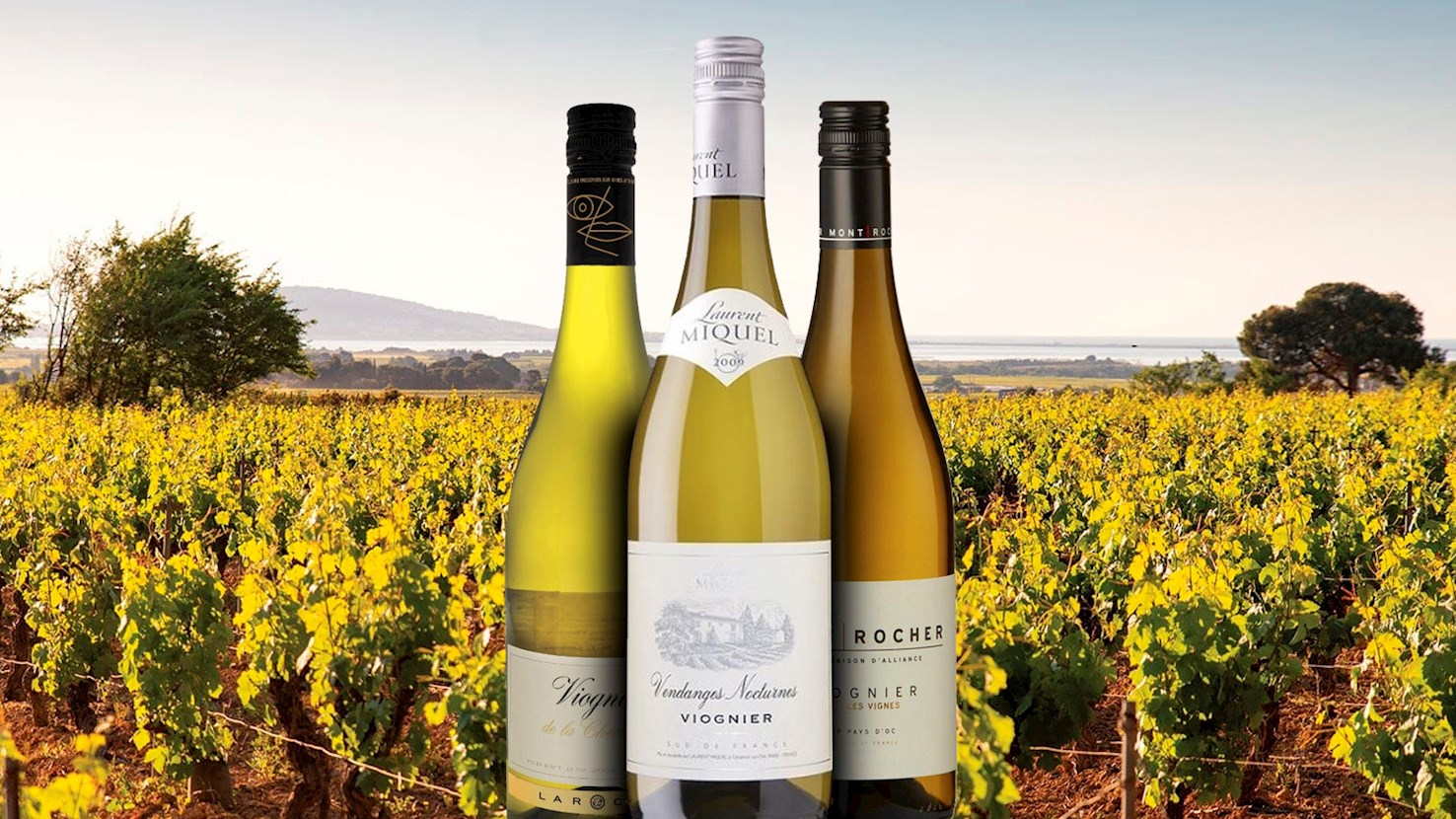
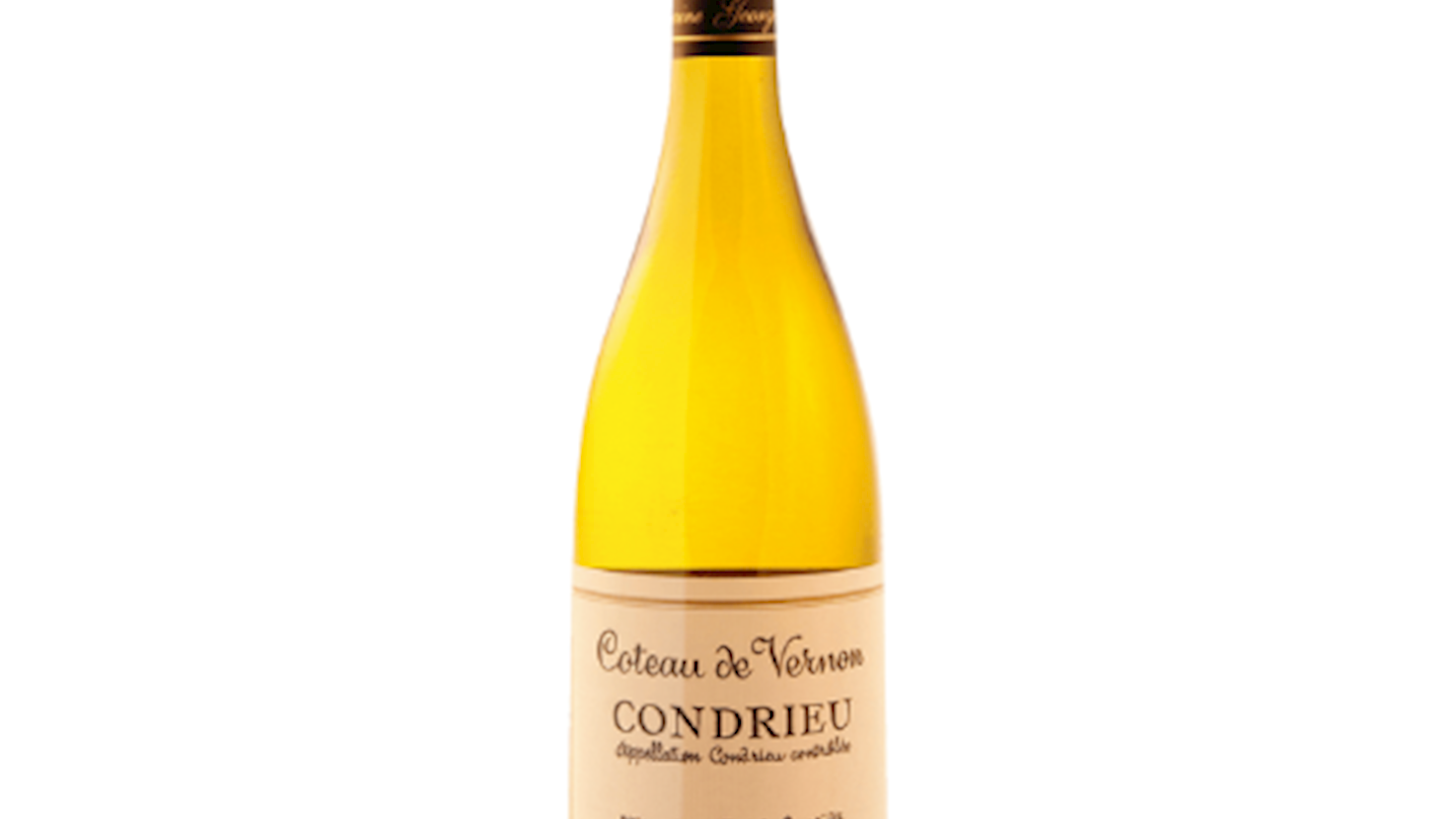
Viognier is a grape variety with unclear origins that found its home in the northern Rhône, where it has been cultivated for centuries. It is best known as the single varietal used in the Condrieu appellation, though it is also used as a blending variety in Côte-Rôtie. The grape makes heavily perfumed, mostly full-bodied wines whose character may range from light to rich and creamy. Typical flavors found in most Viognier wines include peach and apricots, while the aromas may range from lighter expressions of stone fruit, honeysuckle, and spring blossom to heartier notes of vanilla and spices. These richly-textured wines pair with equally rich dishes, especially seafood, but they can also match spice-laden Asian fare. Apart from France, Viognier is cultivated in the United States, South America, South Africa, New Zealand, and Australia.
Although Syrah is an internationally known grape that is planted worldwide, it attains distinctive character in northern Rhône—which is often dubbed as Mecca for Syrah. There are several theories about the origin of the grape, but it has been widely accepted that Syrah is native to France and that it probably originated somewhere in the Rhône valley. Syrah-based wines from northern Rhône often differ in style, but they are powerful, full-bodied reds that can age exceptionally well. They usually display aromas of dark fruit that evolve into peppery, earthy, and herbaceous nuances. Northern Rhône is also home to the premier Syrah-based appellations such as Côte Rôtie, Hermitage, Saint-Joseph, Crozes-Hermitage, and Cornas. In the southern Rhône, Syrah is mostly used as an addition to the dominant Grenache. Syrah-based wines generally pair well with grilled or braised meat, stews, and game. Traditionally, French appellations do not include the name of the grape on the label.
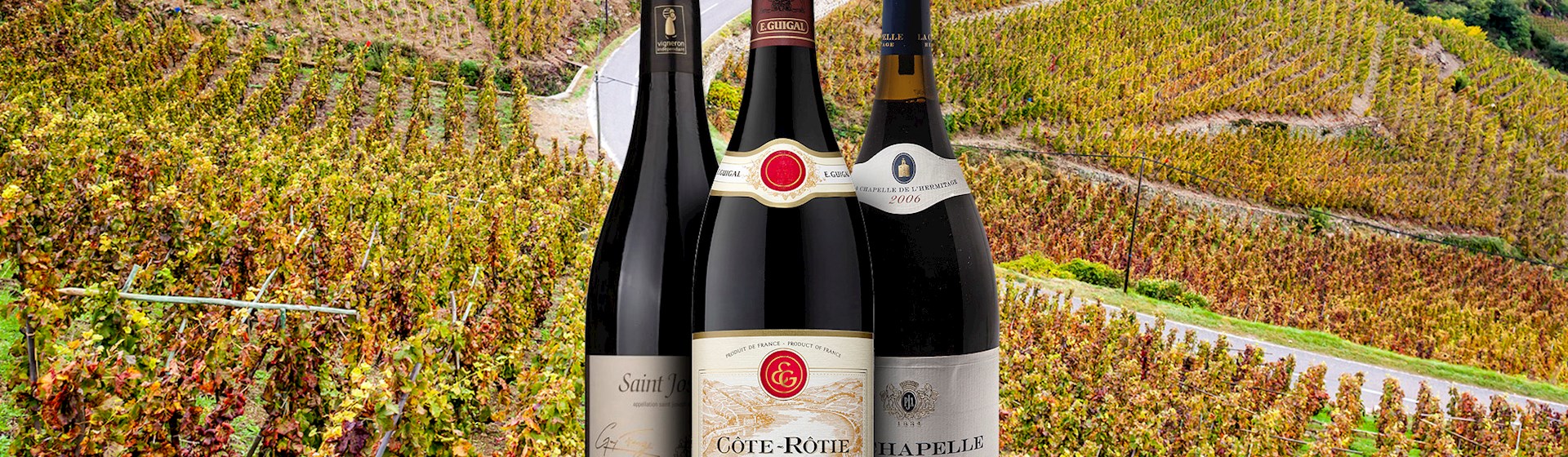
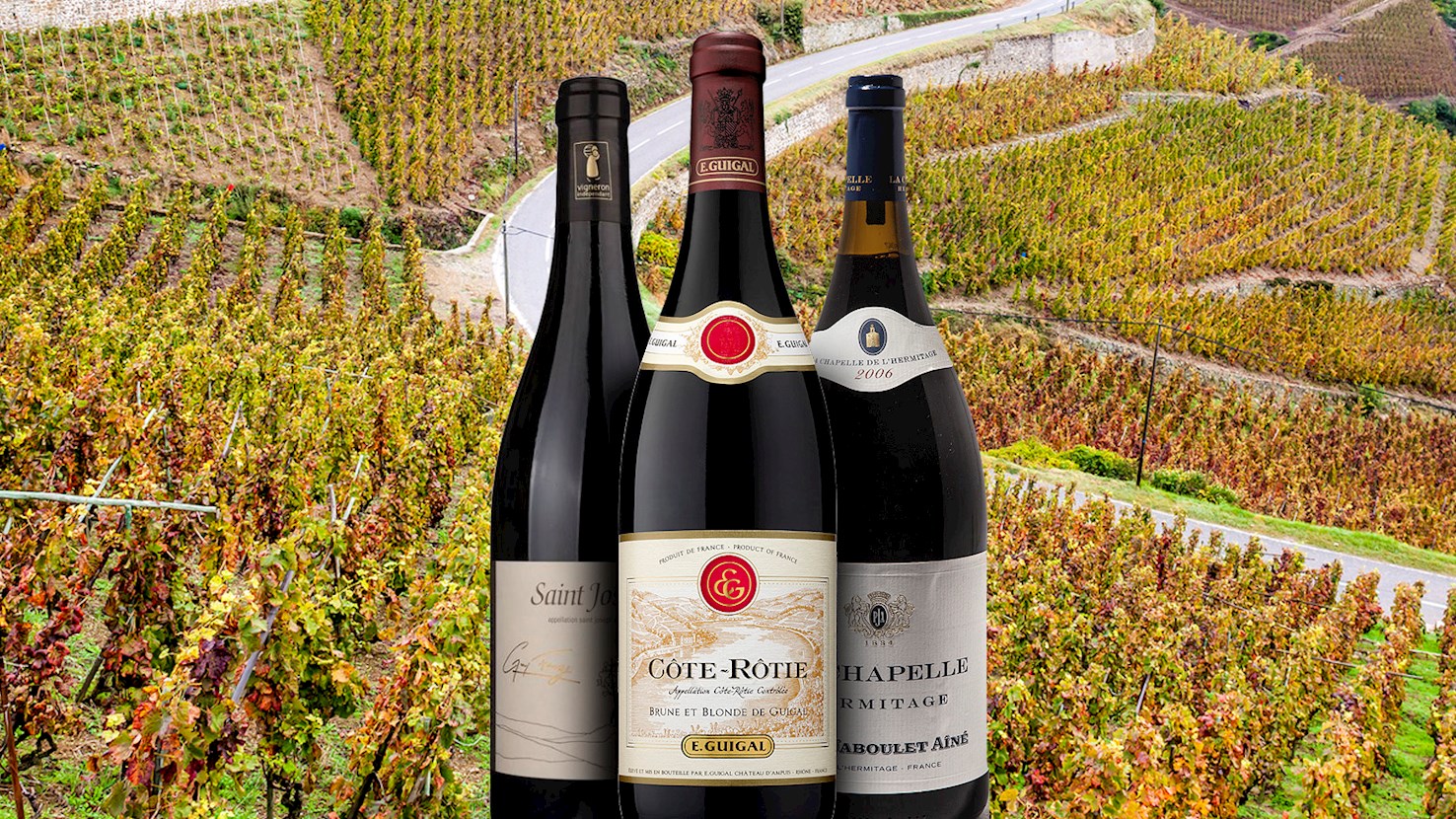
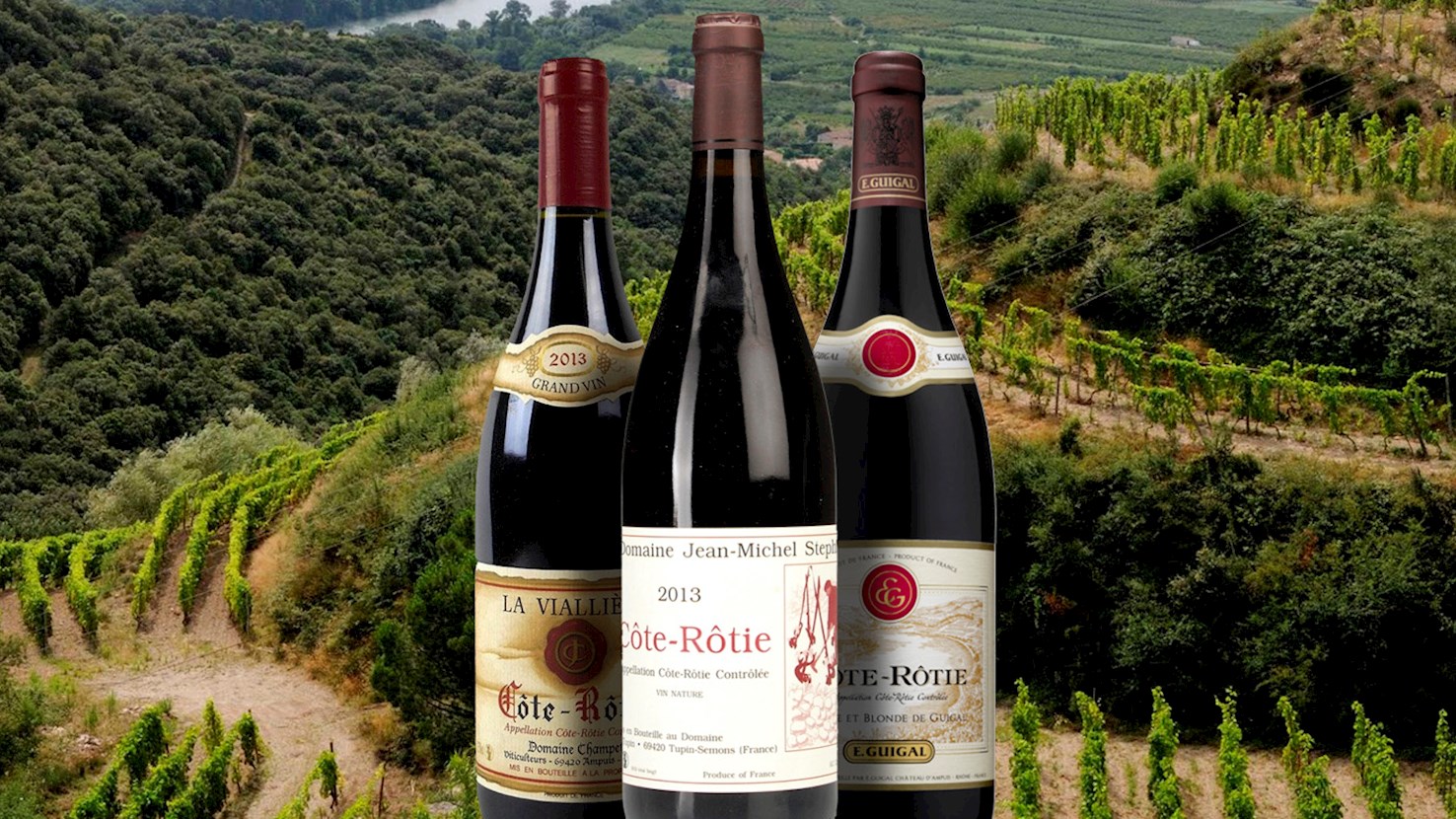
Côte-Rôtie is a French appellation located in the northern Rhône. The region produces highly-prized wines that are primarily based on Syrah, which is often complemented by small percentages of white Viognier variety. These age-worthy, perfectly balanced wines are characterized by their complex aromatic profile that includes a combination of red and black fruit, violets, earth, spices, and leather, while the best examples may also display notes of smoked bacon. They can match grilled red meat, poultry, or game, but they also pair well with braised meat, stews, or fatty fish varieties and cheese. The two most distinct parts of the appellation are sub-regions Côte Blonde and Côte Brune. While Côte Blonde produces more elegant expressions of the wine, Côte Brune mainly creates more tannic and robust varieties.
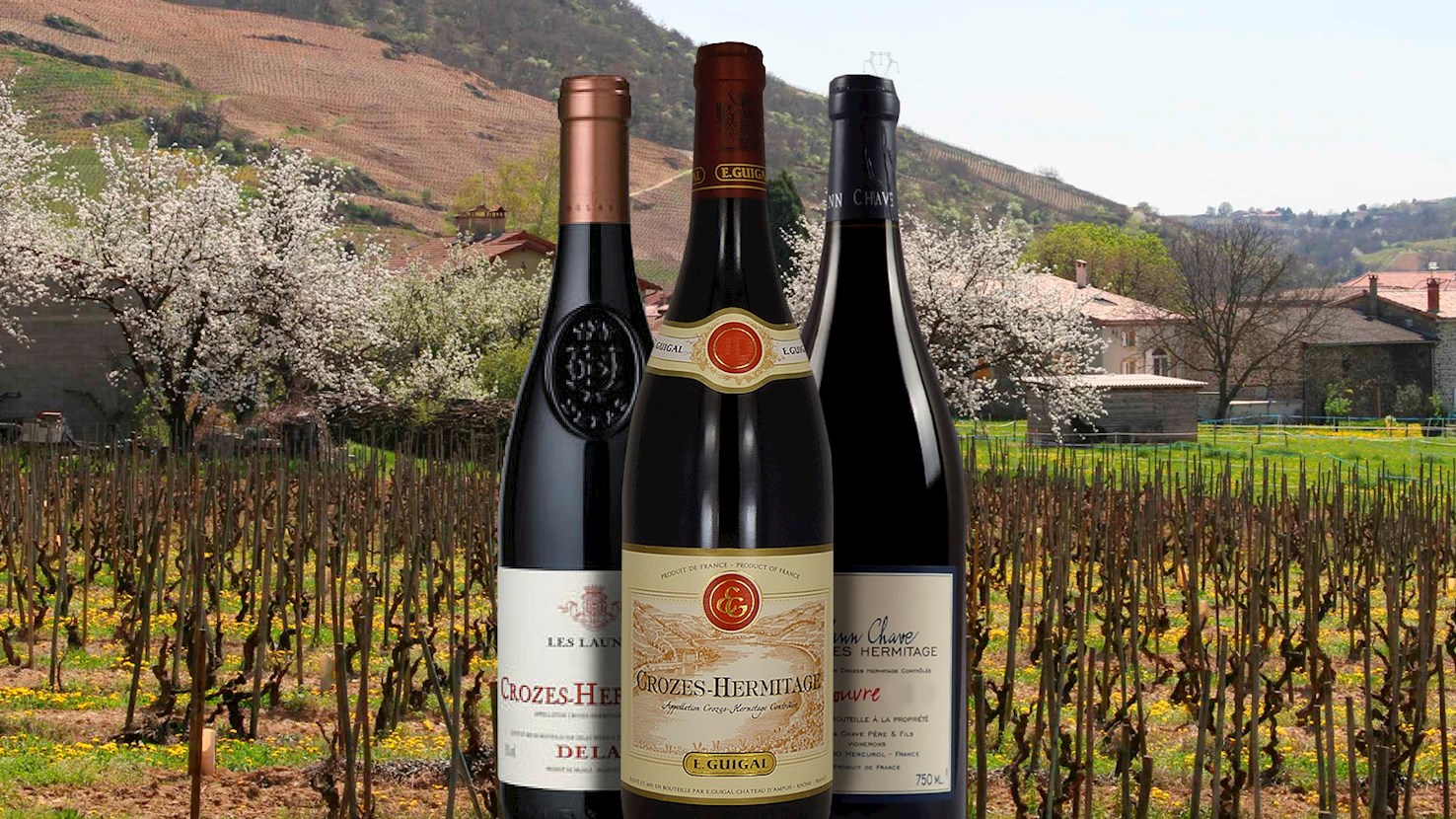
Located on the eastern bank of Rhône, Crozes-Hermitage is a French appellation that mainly produces Syrah-based red wines, though the official guidelines also allow the production of whites from Marsanne and Roussanne grapes. Red Crozes-Hermitage wines are light, elegant, fruity, and floral, usually displaying bright red and black fruit aromas, which can develop into spicy notes over the years. These easy-drinking and approachable wines are usually enjoyed young, and they perfectly pair with roasted poultry, pork, lamb, or stews, while vintages may be an excellent match to game or red meat.
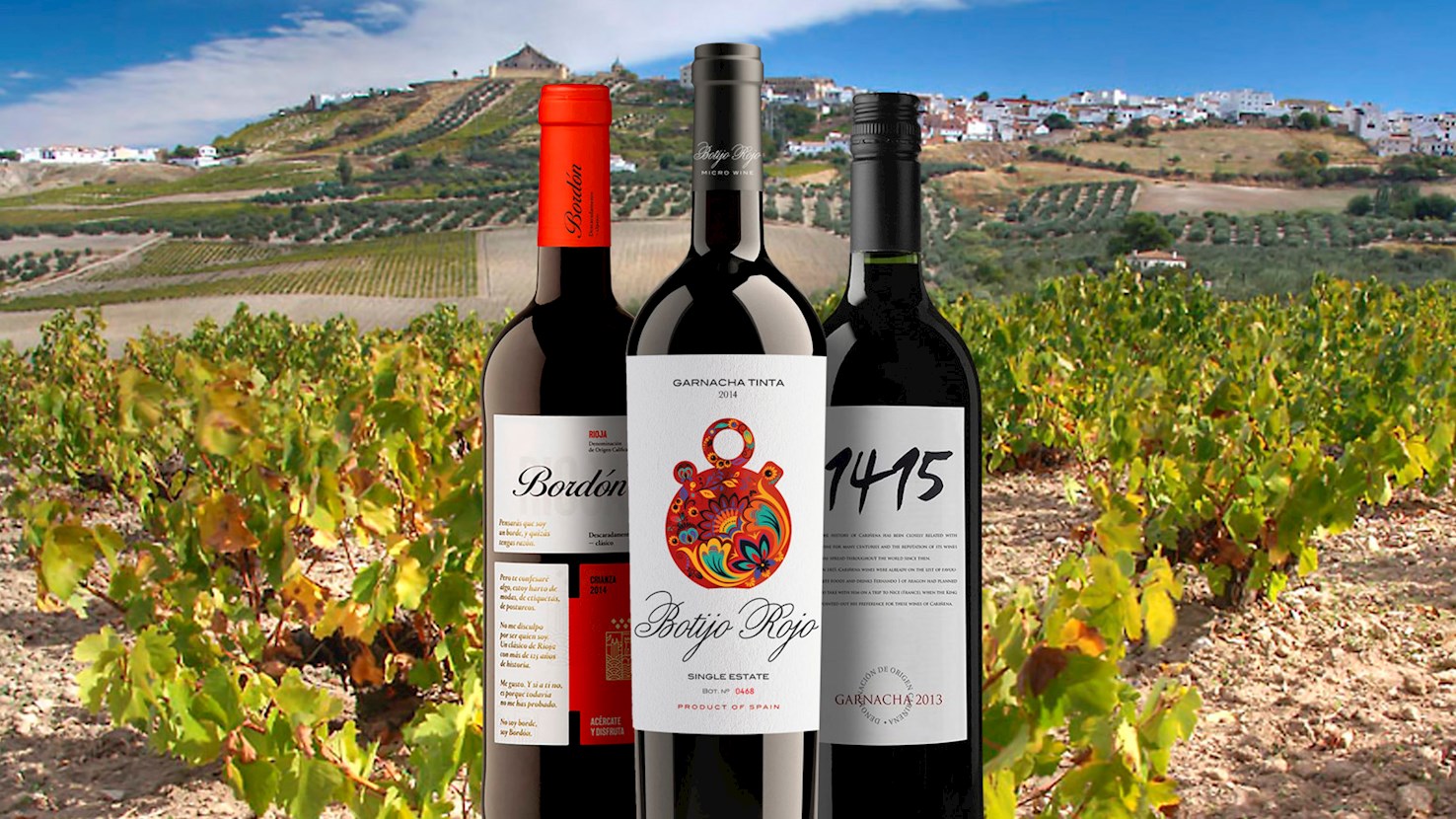
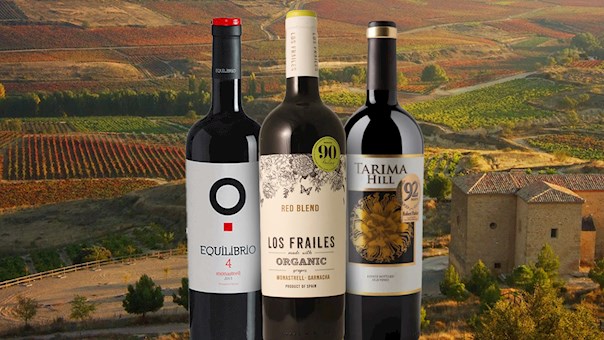
Garnacha, also known as Grenache in France, is a widely cultivated red wine grape variety known for producing wines with rich, fruity flavors and high alcohol content. It is one of the most versatile and widely planted grape varieties in the world, thriving in warm, dry climates. Garnacha grapes are typically medium to large in size with thin skins, which contribute to the grape's characteristic light color and relatively low tannin levels. Wines made from Garnacha often exhibit flavors of red fruits such as raspberry, strawberry, and cherry, along with spicy notes of white pepper, cinnamon, and hints of herbs and earthiness. As the wines age, they can develop more complex flavors, including leather, tobacco, and dried fruits. Garnacha is grown in several wine regions around the world, with notable concentrations in France, Spain, Australia, and the United States. In France, Garnacha is a key grape in the southern Rhône Valley, particularly in Châteauneuf-du-Pape, where it is often blended with Syrah, Mourvèdre, and other varieties to create complex, full-bodied wines. It is also prominent in the Languedoc-Roussillon region. In Spain, it is widely grown in regions such as Rioja, Priorat, and Aragon. In Priorat, Garnacha produces powerful, intense wines with great aging potential. In Australia, Garnacha is significant in regions like McLaren Vale and Barossa Valley, where it is often used in GSM (Garnacha, Syrah, Mourvèdre) blends. In the United States, California, particularly the Central Coast and Paso Robles, has seen a rise in Garnacha plantings, producing both single-varietal wines and blends. Garnacha is incredibly versatile and can be used to produce a variety of wine styles, including red wines that range from light and fruity to rich and full-bodied, rosé wines, particularly in Provence, and fortified wines such as Banyuls and Maury in France. Garnacha wines pair well with a variety of foods due to their fruit-forward nature and moderate tannins, complementing dishes such as roasted meats, stews, grilled vegetables, and Mediterranean cuisine. The spicier and earthier notes of aged Garnacha make it an excellent match for game meats and hearty, rustic dishes.
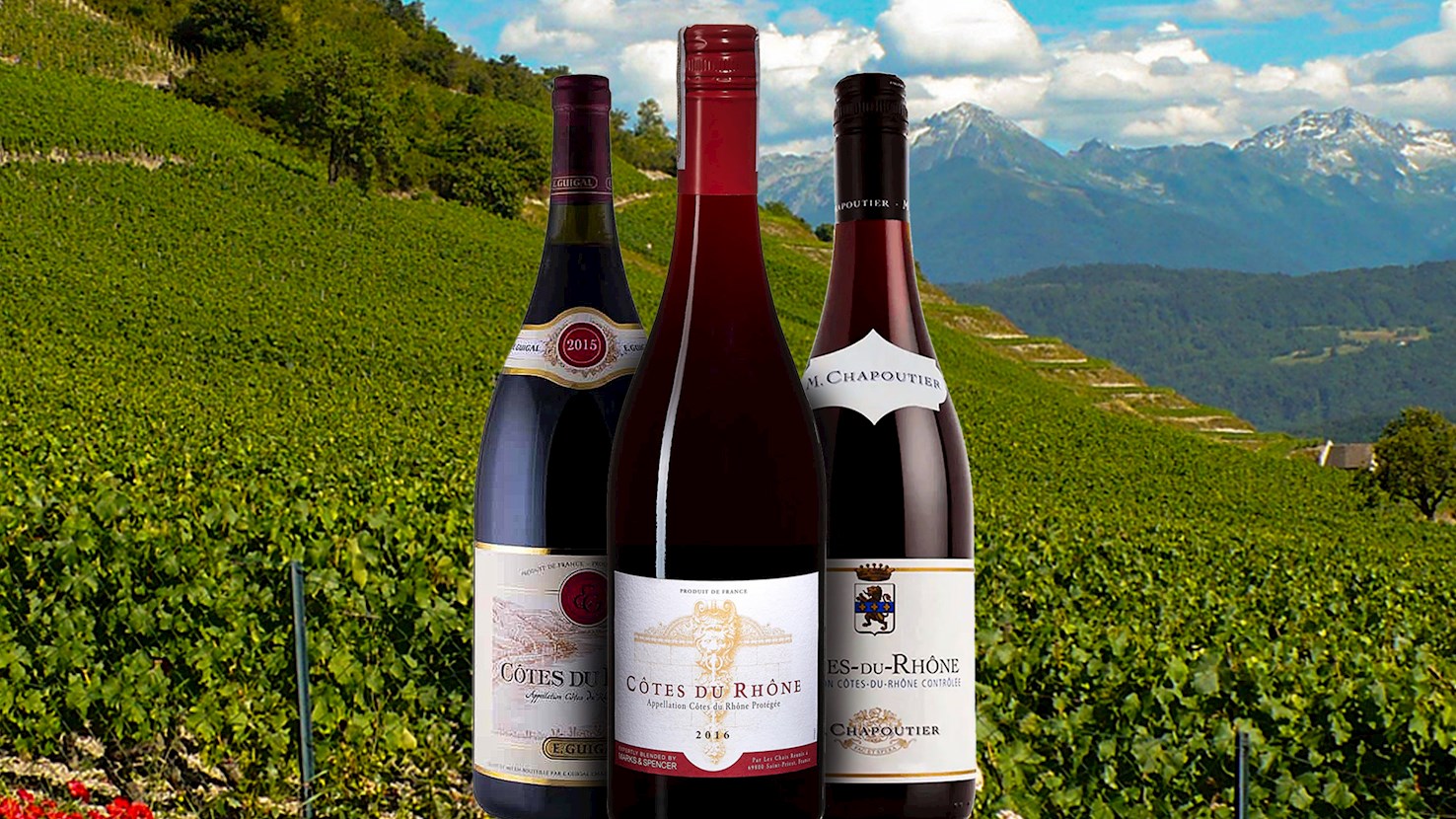
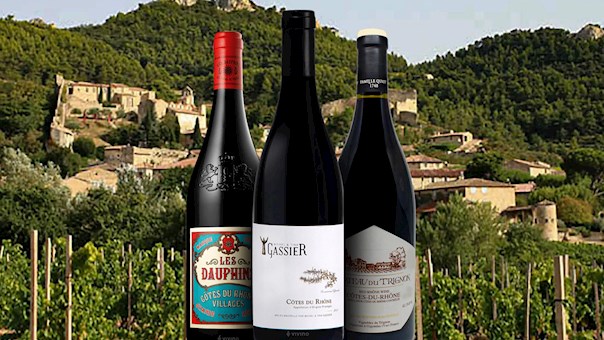
Côtes du Rhône AOC (Appellation d'Origine Contrôlée) is a designation for a wide range of wines produced in the Côtes du Rhône region, which stretches along the Rhône Valley in southeastern France. This appellation is one of the largest and most diverse in France, known for producing a variety of high-quality wines, predominantly red but also white and rosé. The Côtes du Rhône AOC encompasses a vast area from Vienne in the north to Avignon in the south, including parts of both the Northern and Southern Rhône Valley. This region benefits from a Mediterranean climate, with warm summers, mild winters, and various soil types that contribute to the diversity of the wines produced. The primary grape varieties used in red Côtes du Rhône wines are Grenache, Syrah, and Mourvèdre, often referred to as the GSM blend, with other permitted red varieties including Carignan, Cinsault, and Counoise. White Côtes du Rhône wines are made from grapes such as Grenache Blanc, Marsanne, Roussanne, Viognier, Bourboulenc, and Clairette, while rosé wines typically use a blend of red and white grape varieties. Red wines from this region typically exhibit flavors of ripe red and black fruits such as cherry, raspberry, and blackberry, along with notes of spices, herbs (garrigue), and sometimes earthy undertones, varying from light and fruity to full-bodied and complex. White wines are often fresh and aromatic, with flavors of citrus, stone fruits, and floral notes, sometimes with a touch of minerality. Rosé wines are generally fresh and fruity, with flavors of red berries and citrus, and are typically dry. Red Côtes du Rhône wines range from medium to full-bodied, with moderate to high tannins and acidity, providing good aging potential, while white and rosé wines are usually medium-bodied with balanced acidity. The winemaking techniques in the Côtes du Rhône AOC can vary widely depending on the producer and the specific sub-region. Traditional fermentation methods are common, and the use of oak barrels for aging can vary, with some producers opting for minimal oak influence to maintain the freshness of the fruit, while others use more oak to add complexity and structure. The Côtes du Rhône AOC classification is an entry-level one, covering the entire region and generally offering approachable, fruit-forward wines with good value. Thus, Côtes du Rhône wines are not just a beverage, but a culinary adventure waiting to be explored. They are versatile and can be paired with a wide range of foods. Red wines complement grilled meats, stews, and hearty dishes, while white wines pair well with seafood, poultry, and salads. Rosé wines are excellent with light appetizers, Mediterranean dishes, and summer fare. The Côtes du Rhône AOC is a prominent and diverse appellation in the Rhône Valley, producing a wide array of high-quality wines. Whether red, white, or rosé, these wines are celebrated for their versatility, balance, and reflection of the Rhône Valley's rich winemaking heritage.
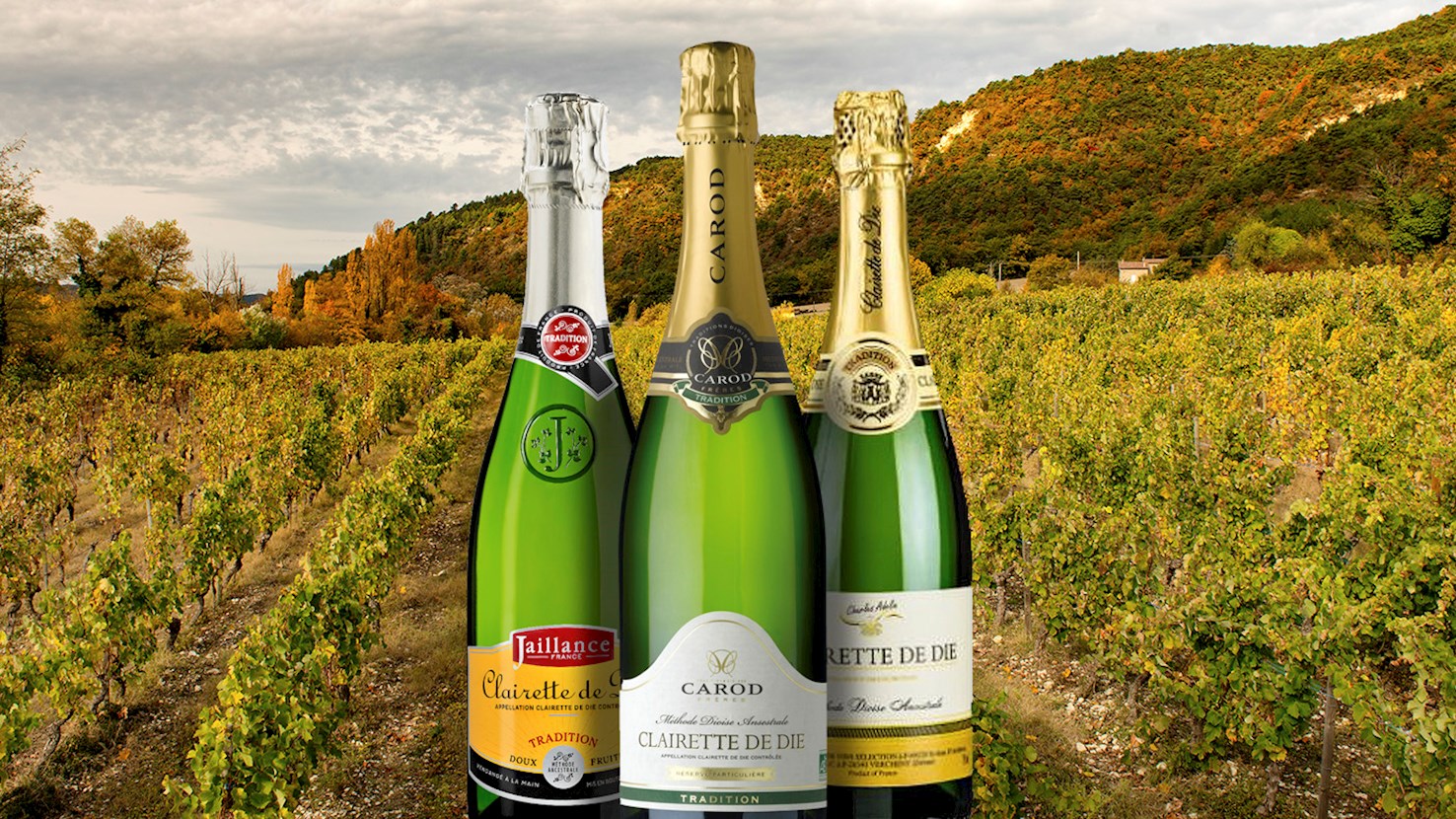
Clairette de Die is a small French appellation located in the department of Drôme that produces sparkling wines based on Muscat Blanc à Petits Grains and Clairette grapes. They are produced with méthode dioise ancestrale—a unique technique in which the wine is fermented once, starting in the tanks and continuing in the bottle, without the addition of yeast or sugars. These light and fruity wines are usually enjoyed young, while their aromatic profile usually displays aromas of peaches, apricots, roses, and citrus. It is recommended to serve them well-chilled, preferably in champagne glasses. The wines can pair well with canapés, foie gras, fruit salads, and fruit tarts, but they also make a great aperitif.
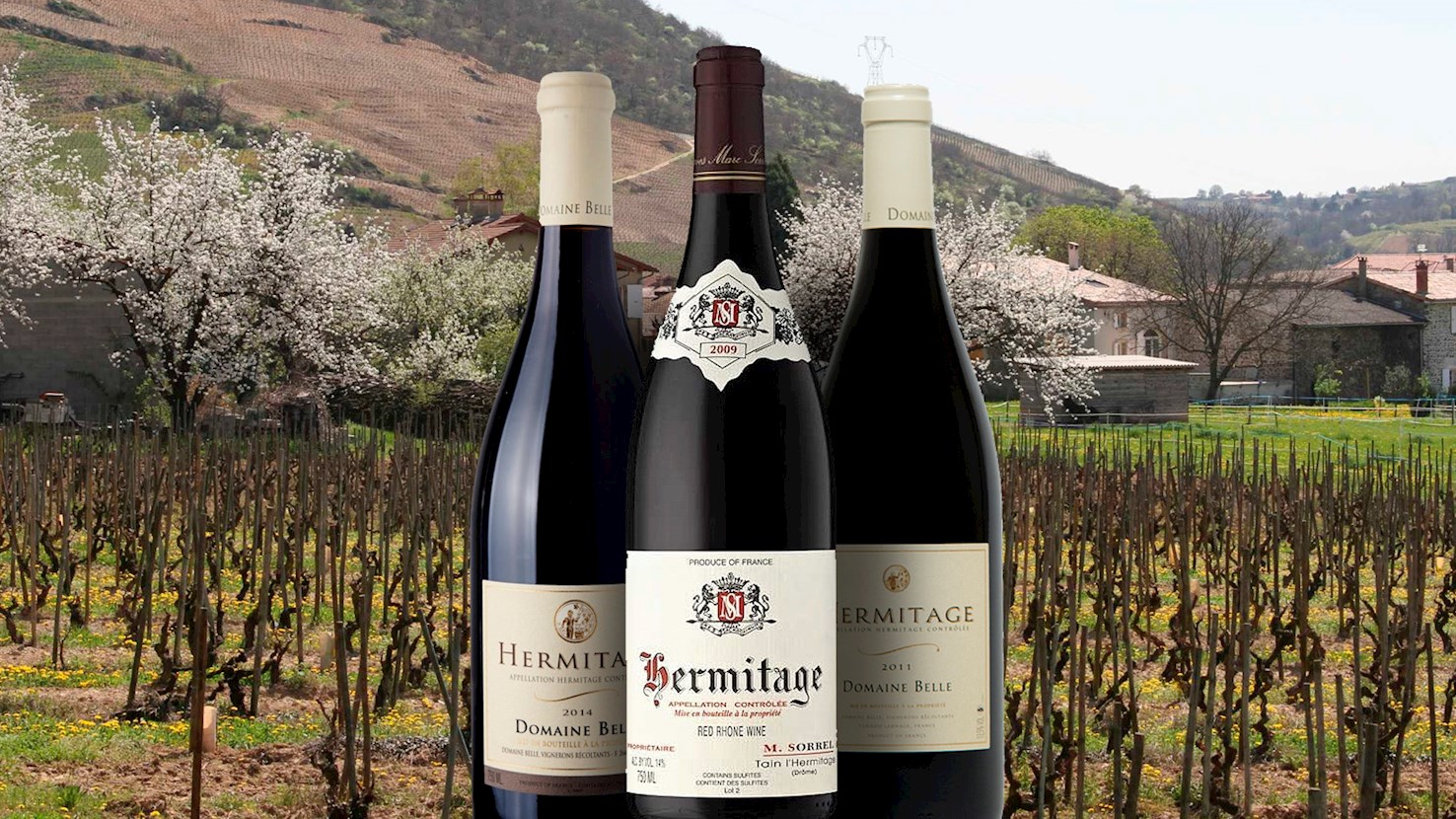
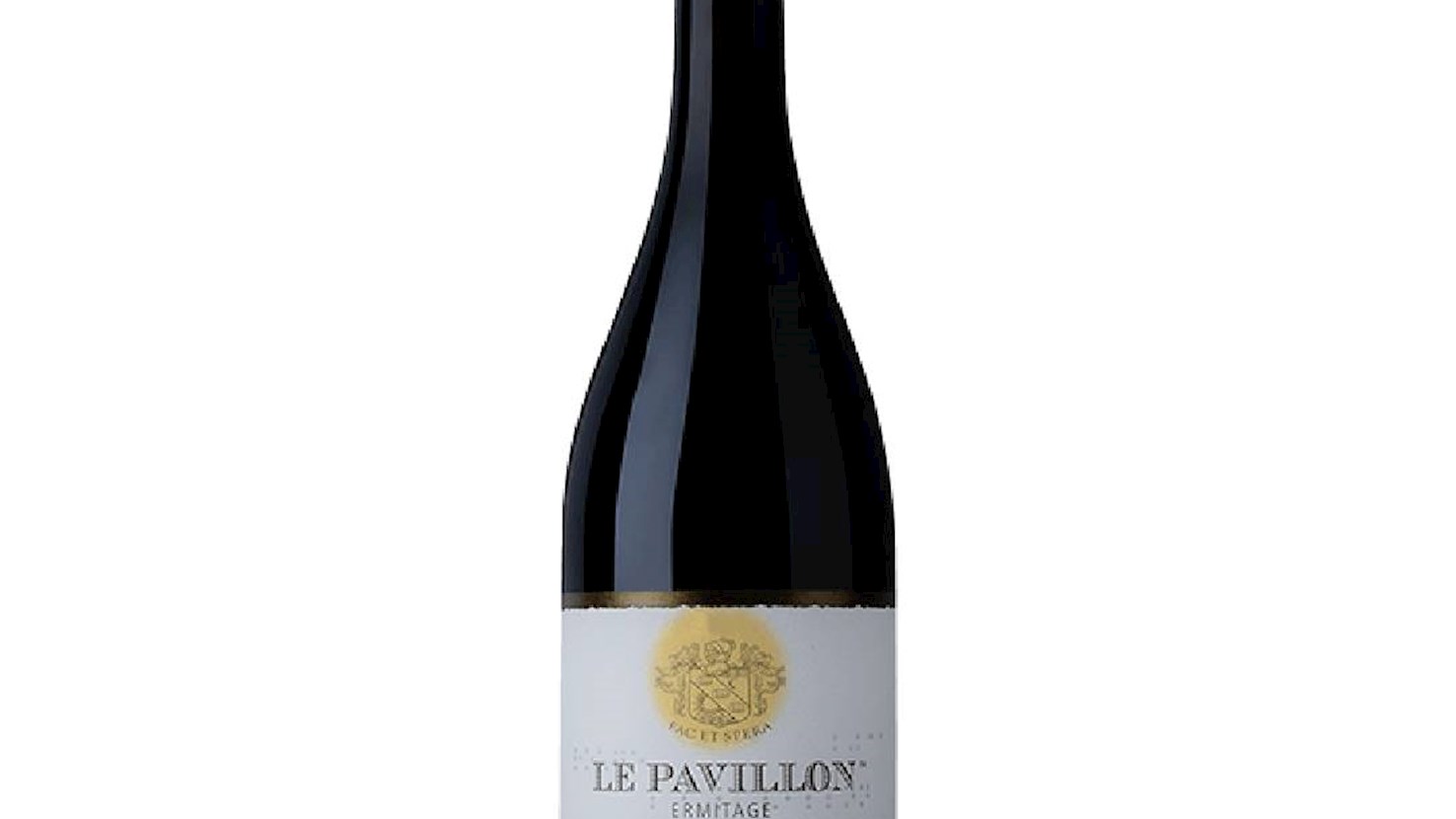
Often considered as one of the most exceptional wines in the world, red Hermitage wines are produced in the northern Rhône with Syrah as the principal grape variety. Especially praised for their longevity, these powerful, full-bodied, complex, and great-quality wines can also be opulent in their youth, displaying bright aromas of red fruit, as well as spicy and floral nuances. However, best Hermitage reds are long-lived and can be aged for decades, becoming more robust and harmonious with beautiful roundness and a long finish, while the complex aromatics display licorice, minerals, herbs, tobacco, and spices. These master-class wines can match a variety of dishes, and they naturally pair with game and beef, as well as truffles, terrines, and hearty stews.
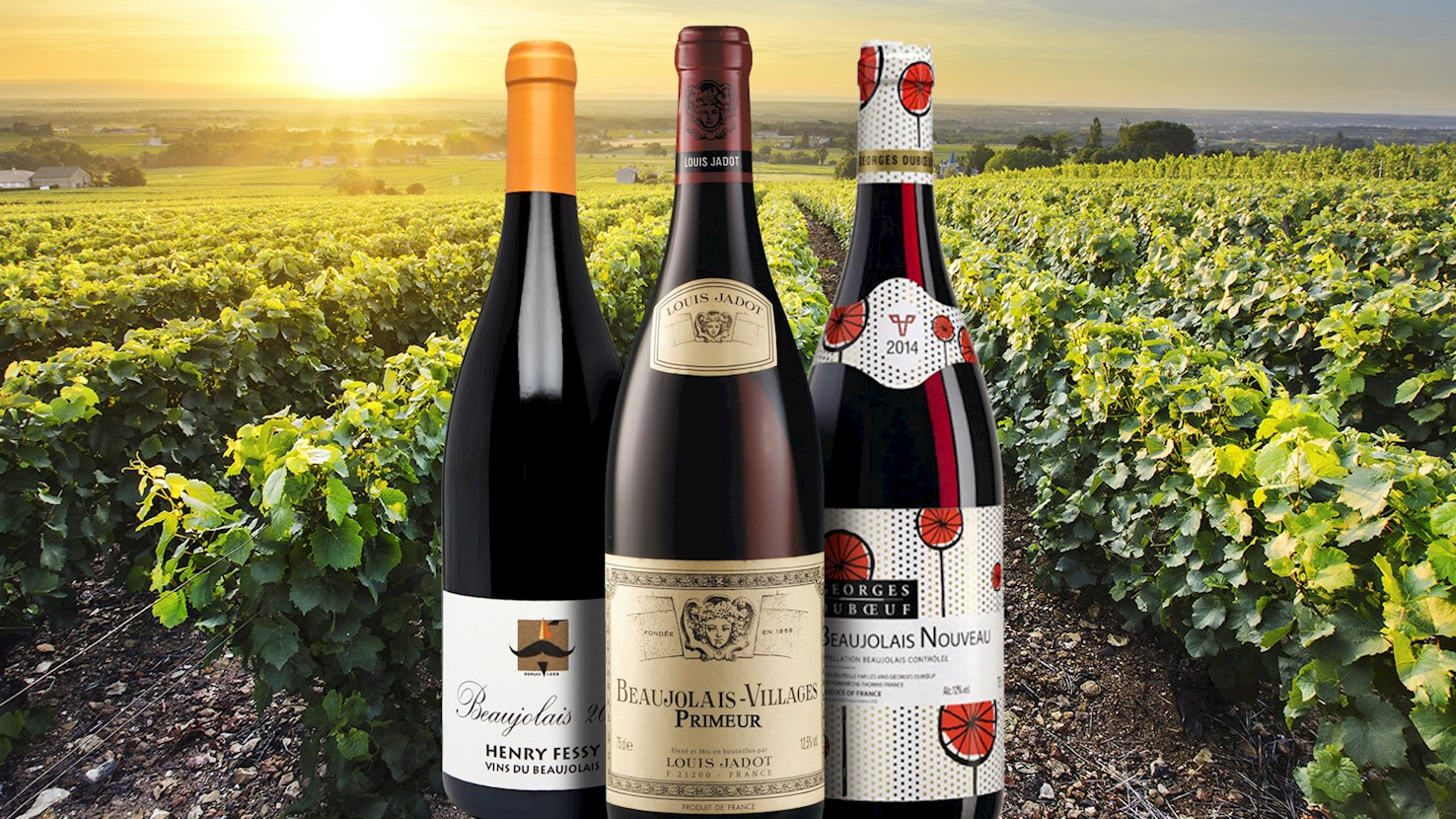
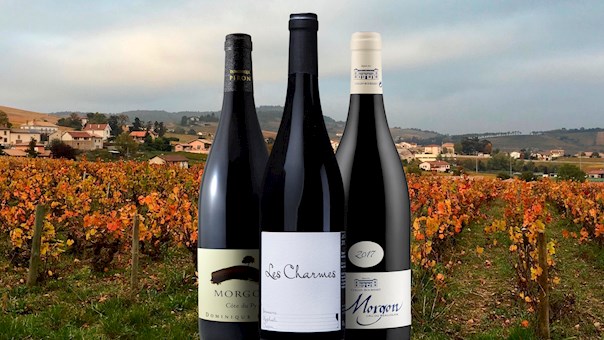
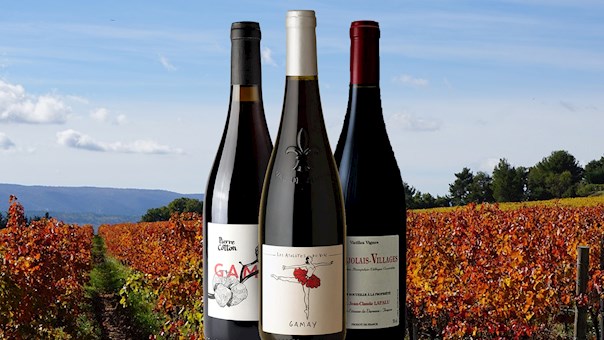
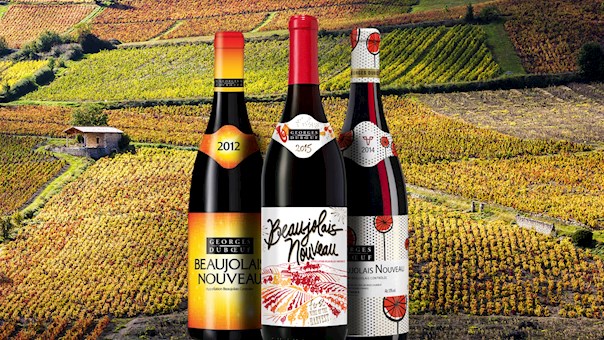
Beaujolais is a light-bodied red wine, with relatively high amounts of acidity. It is made in the historical wine producing region Province of Beaujolais, mostly from thin-skinned Gamay grape, which makes it very low in tannins, and therefore it is often treated like a white wine and served slightly chilled. Although it rarely needs decanting, after being open for a while, it will gain some aromatic complexity, with a fresh cherry and blackberry fruit nose and spicy, earthy notes in the background. It is classified in three categories: Beaujolais AOC, Beaujolais Villages AOC, and Cru Beaujolais. According to the body, Beaujolais can be paired with a wide range of dishes. Beaujolais Nouveau, the lightest and mass-produced style of this wine is typically used as an aperitif with salads; the lighter Cru Beaujolais, such as Brouilly, Régnié and Chiroubles, pairs well with poultry, while the heavier and richer, fullest bodied of Cru Beaujolais, like Morgon, Régnié, and Juliénas, pair better with red meats and stews.
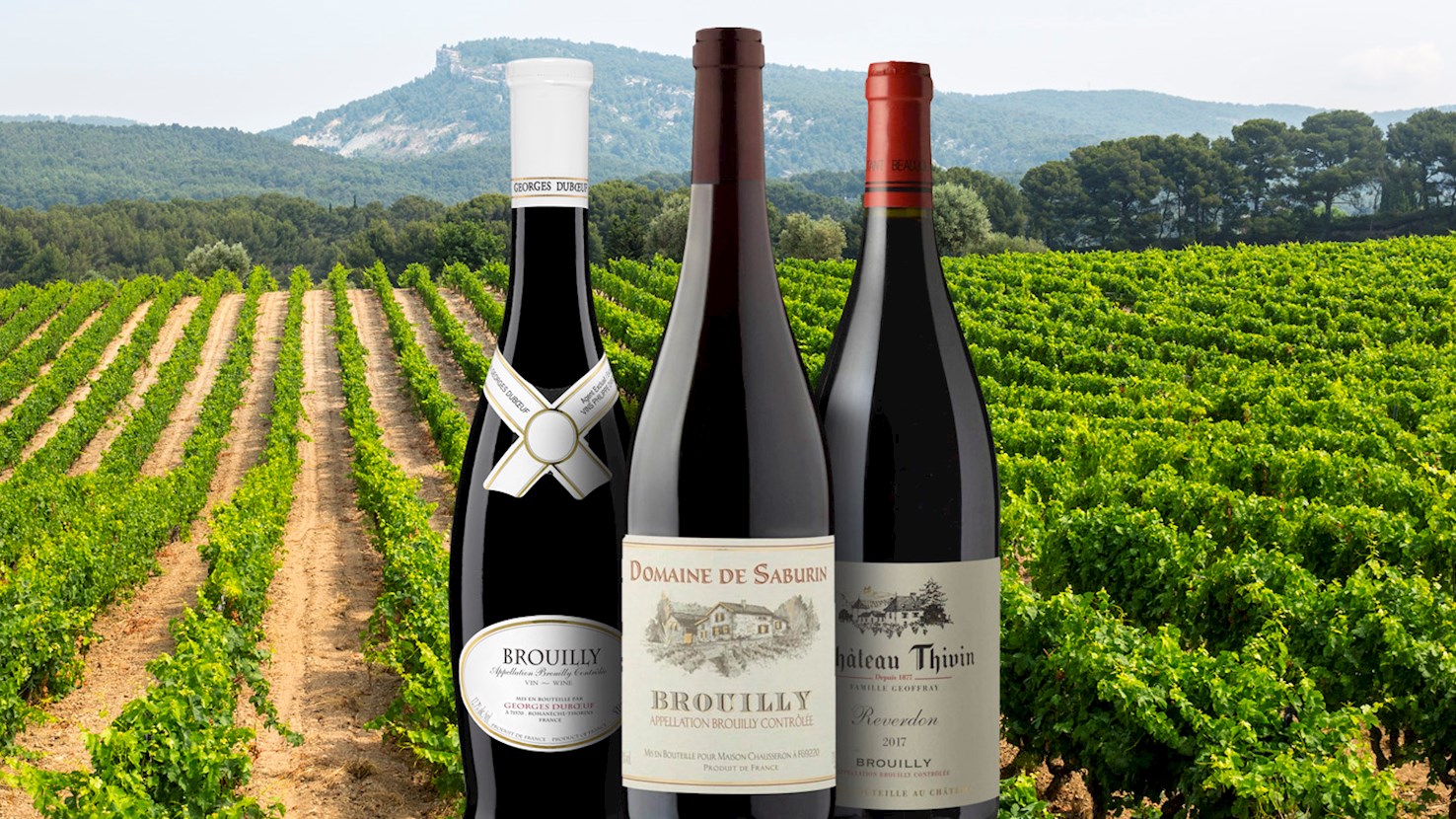
Brouilly is the southernmost and the largest of all Beaujolais crus. The region is situated around Brouilly mountain and is known for light and approachable Gamay-based wines that tend to be fruit-driven, lively, and aromatic. The appellation spreads across different terroirs, which influences the final character of these wines, but most examples are deep ruby, fruity, and juicy with mellow tannins and medium body. They are packed with fruity aromas reminiscent of red berries, plums, and peaches, which are often complemented with a subtle mineral character. Brouilly wines are best enjoyed young, and they pair well with appetizers, white meat, poultry, pasta, and cheese. They can also be served as an aperitif.
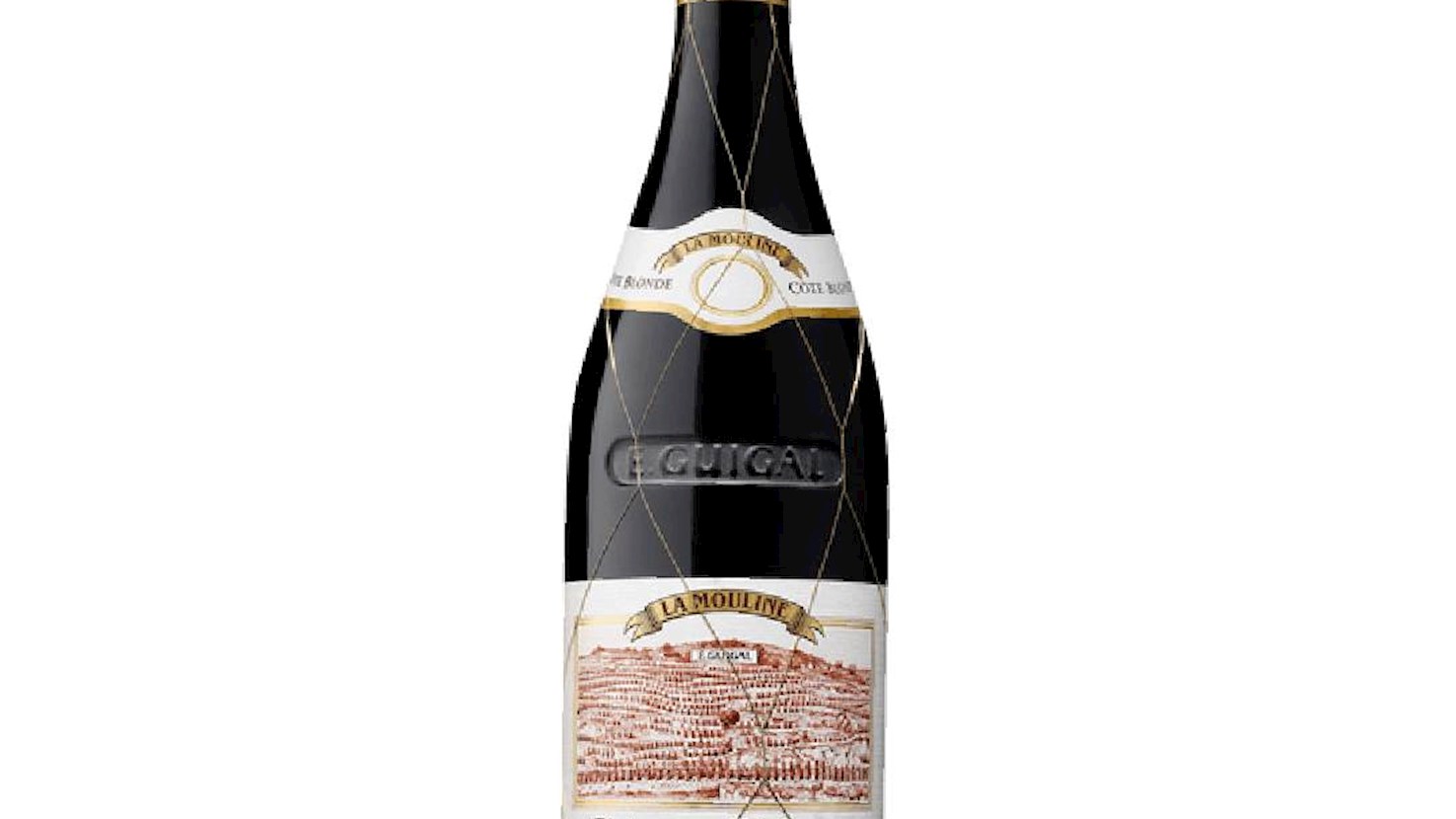
E. Guigal, established in 1946 by Étienne Guigal in Ampuis, France, is a renowned winery in the Rhône Valley. The estate is particularly celebrated for its Côte-Rôtie wines, notably the single-vineyard "La La's": La Mouline, La Landonne, and La Turque.
Under the leadership of Marcel Guigal since 1961, and now his son Philippe, the family has expanded their holdings to include prestigious vineyards across the Rhône, including Hermitage, Saint-Joseph, and Crozes-Hermitage. Their commitment to quality and traditional winemaking techniques has solidified E.
Guigal's reputation as a producer of some of the world's finest wines.
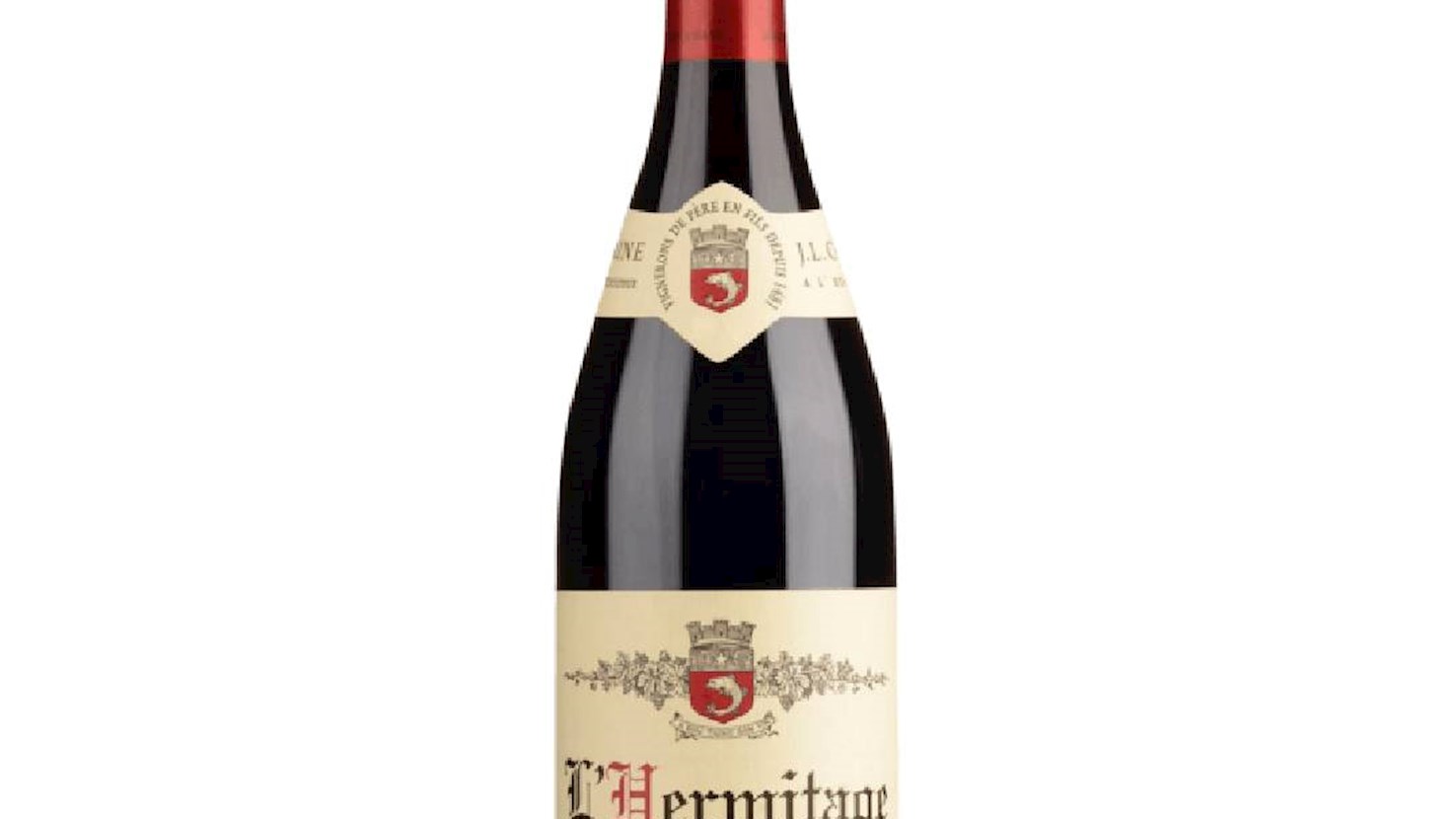
Domaine Jean-Louis Chave is a prestigious wine producer located in the village of Mauves, in the Saint-Joseph region, across the Rhône River from Hermitage - the source of their most renowned wines. The Chave family has been cultivating vines since 1481.
Today, Jean-Louis Chave leads the estate, which encompasses 14.5 hectares in Hermitage, making them one of the largest landowners in the appellation. Their wines, including both red and white Hermitage, are crafted primarily from Syrah, Marsanne, and Roussanne grape varieties.
These wines rank among the most esteemed in the Rhône Valley, consistently achieving high prices and exceptional ratings. The Chave family is renowned for their commitment to traditional winemaking techniques.
They practice organic farming, prioritize low yields, harvest grapes at full ripeness, minimize the use of new oak, and avoid filtration, focusing on minimal intervention. Their goal is to produce wines that authentically express the noble terroir of Northern Rhône.
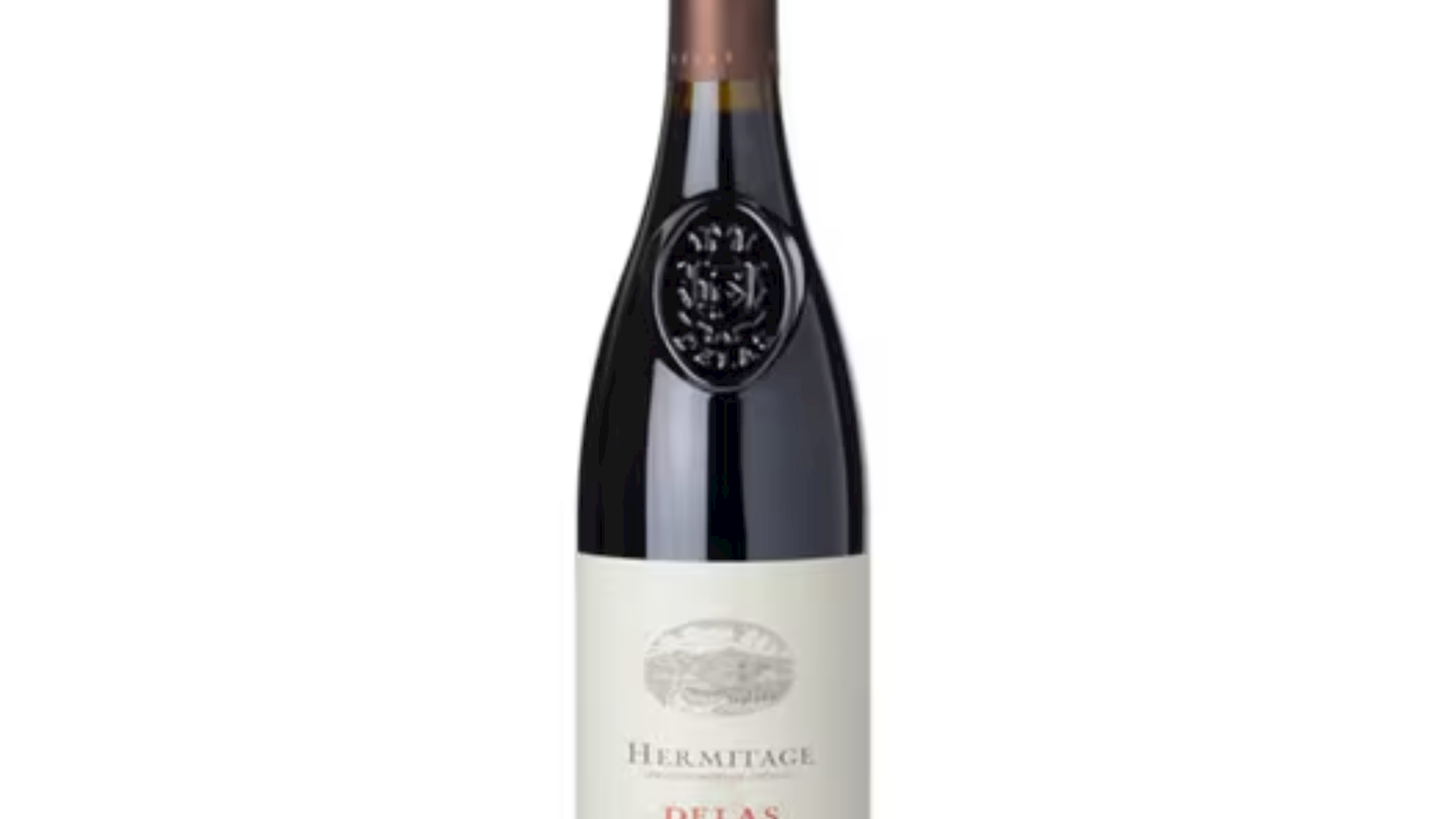
Maison Delas Frères is one of the oldest and most respected wine houses in France’s Rhône Valley. Founded in 1835 by Philippe Delas and Charles Audibert in Tournon-sur-Rhône, the estate has built a long-standing reputation for producing high-quality wines that express the distinctive terroirs of both the Northern and Southern Rhône.
In 1924, the company adopted the name Delas Frères, under which it became internationally recognized for its wines from prestigious appellations such as Hermitage, Côte-Rôtie, Crozes-Hermitage, Saint-Joseph, Cornas, Condrieu, and Châteauneuf-du-Pape. Since becoming part of the Louis Roederer group in 1993, the house has undergone significant investment in both vineyards and winemaking facilities while maintaining its commitment to tradition and terroir expression.
Today, Delas Frères owns and manages vineyards in some of the Rhône Valley’s most celebrated sites, including parcels on the famous Hermitage hill. Its wines are known for their elegance, depth, balance, and aging potential, making the house one of the benchmark producers of the Rhône region.
Awards
Decanter World Wine Awards - Best in Show
(2026)
Decanter World Wine Awards - Platinum
(2022, 2018)
Maison M. Chapoutier is a prestigious winery with a long-standing tradition, founded in 1808 in the heart of the Rhône Valley.
Under the visionary leadership of Michel Chapoutier, who took the helm in 1990, the estate has become synonymous with innovation and the authentic expression of terroir. Michel introduced biodynamic viticulture as a core philosophy, cultivating vineyards in harmony with the natural rhythms of the earth, sun, moon, and seasons.
Renowned for its unique approach, the winery has included Braille on all its labels since the mid-1990s, symbolizing inclusivity and respect for all wine lovers.
Today, Maison M. Chapoutier extends beyond the celebrated appellations of the Northern Rhône to vineyards in Australia, Portugal, Spain, Alsace, Provence, and Roussillon, always remaining true to its biodynamic principles.
A fusion of tradition, passion, and an unwavering pursuit of excellence has made M.
Chapoutier one of the most respected names in the world of wine, with its creations earning top accolades and the admiration of connoisseurs worldwide.
Domaine Georges Vernay is a prestigious family-owned winery based in the Condrieu appellation of the northern Rhône Valley and is widely regarded as a benchmark producer of Viognier. The estate was founded in the early 20th century by Francis Vernay, while his son Georges played a decisive role in preserving the Condrieu appellation at a time when it was close to disappearing, earning him the reputation as one of the key figures behind Viognier’s survival.
Today, the domaine is led by Christine Vernay, who continues the family legacy with a strong commitment to organic and biodynamic vineyard practices. The vineyards are planted on steep, terraced granite slopes that require meticulous manual work and strongly shape the wines’ character.
Domaine Georges Vernay is especially renowned for its Condrieu whites, as well as for refined red wines from Côte-Rôtie and Saint-Joseph based primarily on Syrah. The wines are defined by precision, elegance, pronounced minerality, and the ability to age gracefully.
The estate is considered one of the most influential and respected producers in the northern Rhône and a global reference point for Viognier.
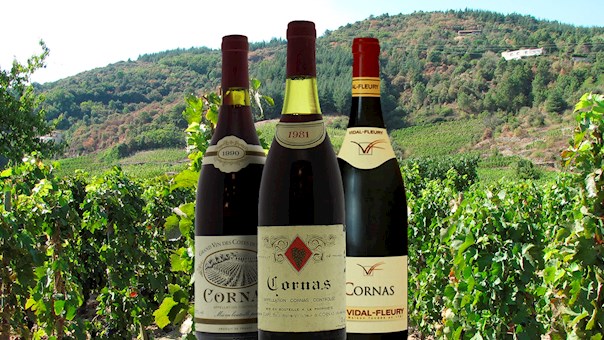
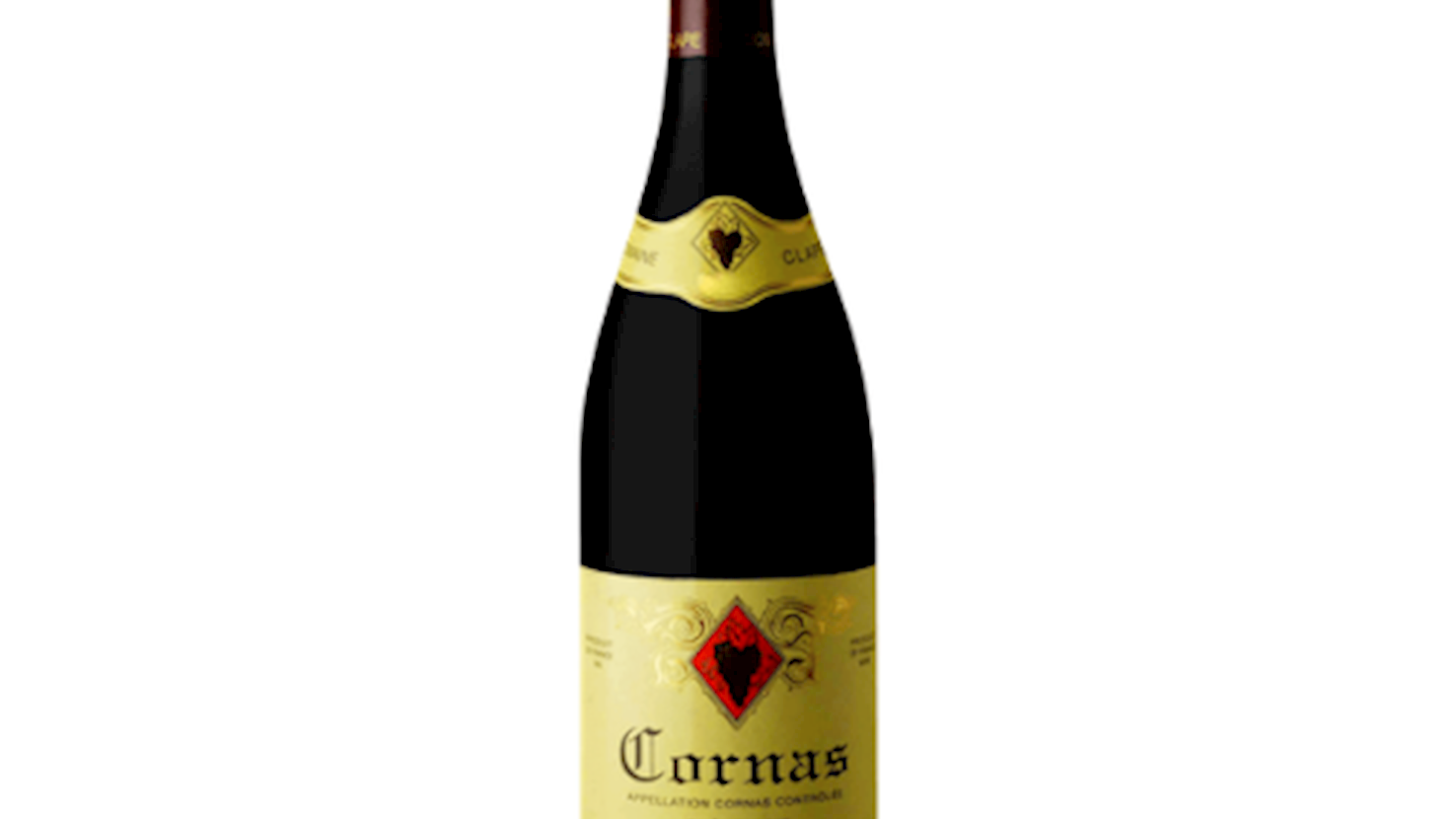
Domaine Auguste Clape is a family-run winery based in the Cornas appellation in the Northern Rhône, widely regarded as one of the most authentic expressions of Syrah in France. Its modern history began in 1949 when Auguste Clape started bottling wines under his own name, becoming one of the pioneers who helped establish the reputation of Cornas.
The vineyards are located on steep granite slopes and are worked entirely by hand, which directly contributes to the concentration and quality of the fruit. The winemaking approach remains strictly traditional, with whole-cluster fermentation and aging in large, old oak casks, without the influence of new wood.
The wines are structured and powerful, often requiring time to fully open, but rewarding with complex notes of dark fruit, spice, leather, and pronounced minerality. In addition to Cornas reds, the domaine also produces white wines from Marsanne in the Saint-Péray appellation.
Today, the estate is run by Pierre and Olivier Clape, who continue the family philosophy without modern intervention. Production remains limited but highly consistent, reinforcing its strong reputation among wine enthusiasts and collectors.
Domaine Clape is frequently considered a benchmark for traditional Northern Rhône Syrah. Its wines are particularly valued for their aging potential and their ability to clearly reflect terroir.
This consistency and authenticity firmly position the domaine among the most respected producers in Cornas.
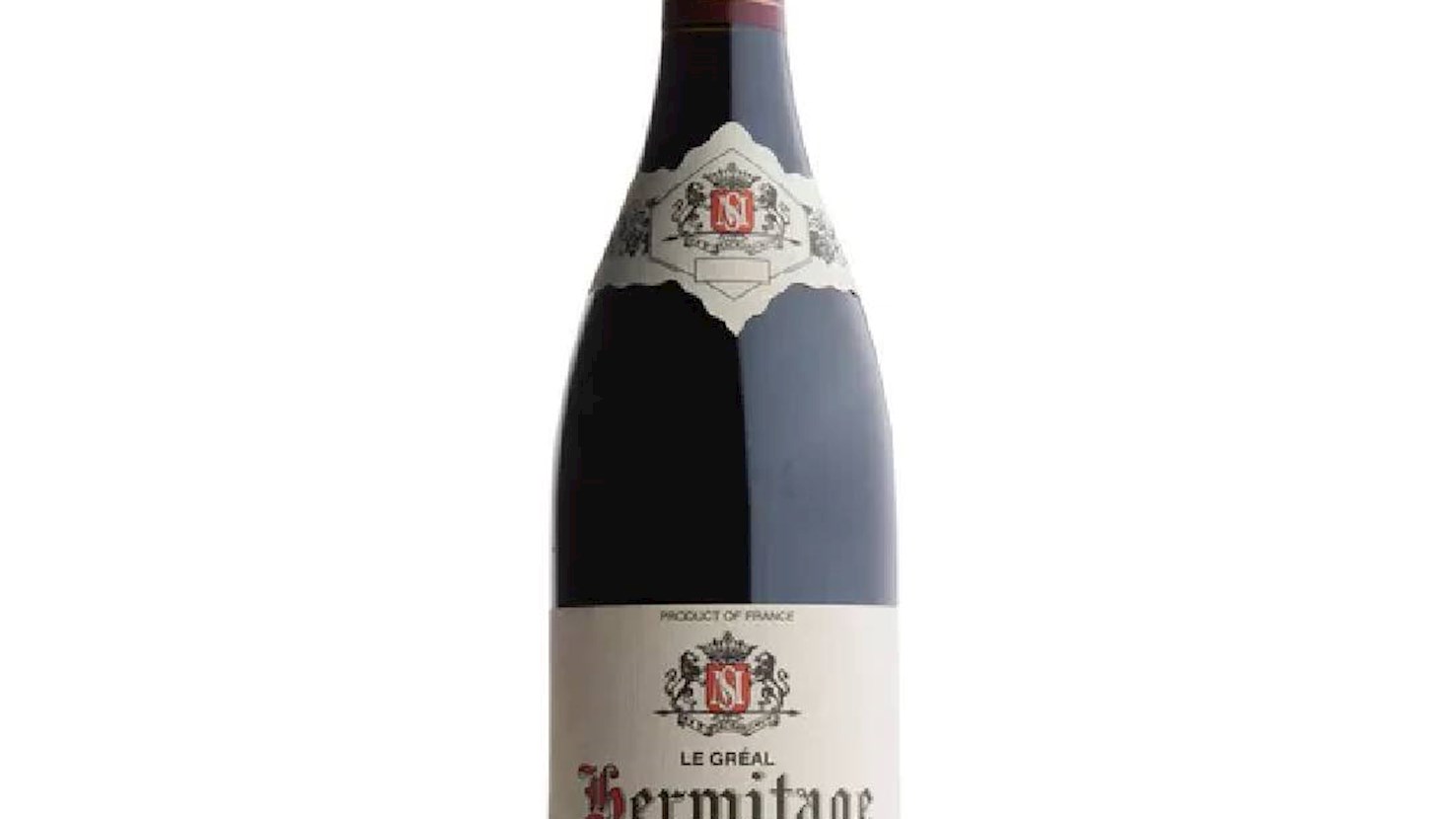
Domaine Marc Sorrel is a distinguished winery located in Tain-l'Hermitage, within the northern Rhône Valley of France. Established in 1928 by Félix Sorrel, the estate has been under the stewardship of the Sorrel family for generations.
In 1984, Marc Sorrel took over the domaine, cultivating some of the most prestigious plots on the Hermitage hillside, including Le Méal and Les Rocoules. Since 2019, Marc's son, Guillaume Sorrel, has been at the helm, continuing the family's legacy of producing exceptional wines. The estate's portfolio includes notable cuvées such as "Le Gréal," a red Hermitage crafted from select old-vine parcels, and "Les Rocoules," a powerful and refined white Hermitage.
These wines are highly regarded for their purity, balance, and aging potential, reflecting the unique characteristics of their respective terroirs.
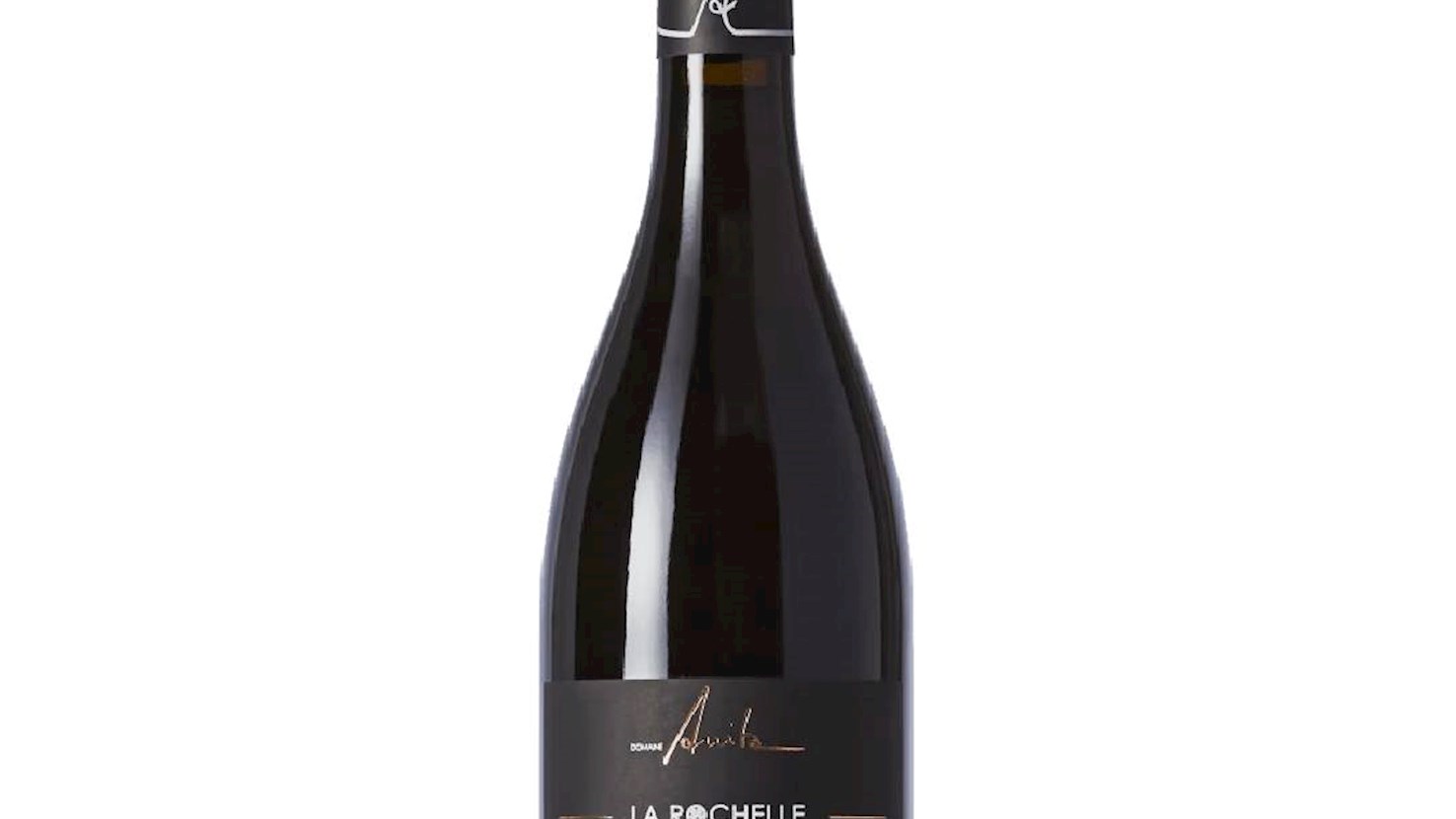
Domaine Anita is a winery located in Chénas, in the heart of the Beaujolais region of France. It was founded in 2015 by Anita Kuhnel, a former professional cyclist who transformed her passion for wine into the production of high-quality wines.
The winery encompasses 18 hectares of vineyards spread across prestigious appellations such as Moulin-à-Vent, Morgon, Chénas, and Fleurie. Anita practices sustainable viticulture, tailoring her methods to each parcel to ensure that every bottle reflects the character of its terroir.
In the cellar, Anita collaborates with Guy Marion, a former chief winemaker at Georges Duboeuf, who brings over 52 vintages of experience in Beaujolais. Together, they strive to produce terroir-driven, high-quality wines that express the essence of the grape varieties and the uniqueness of each vineyard.
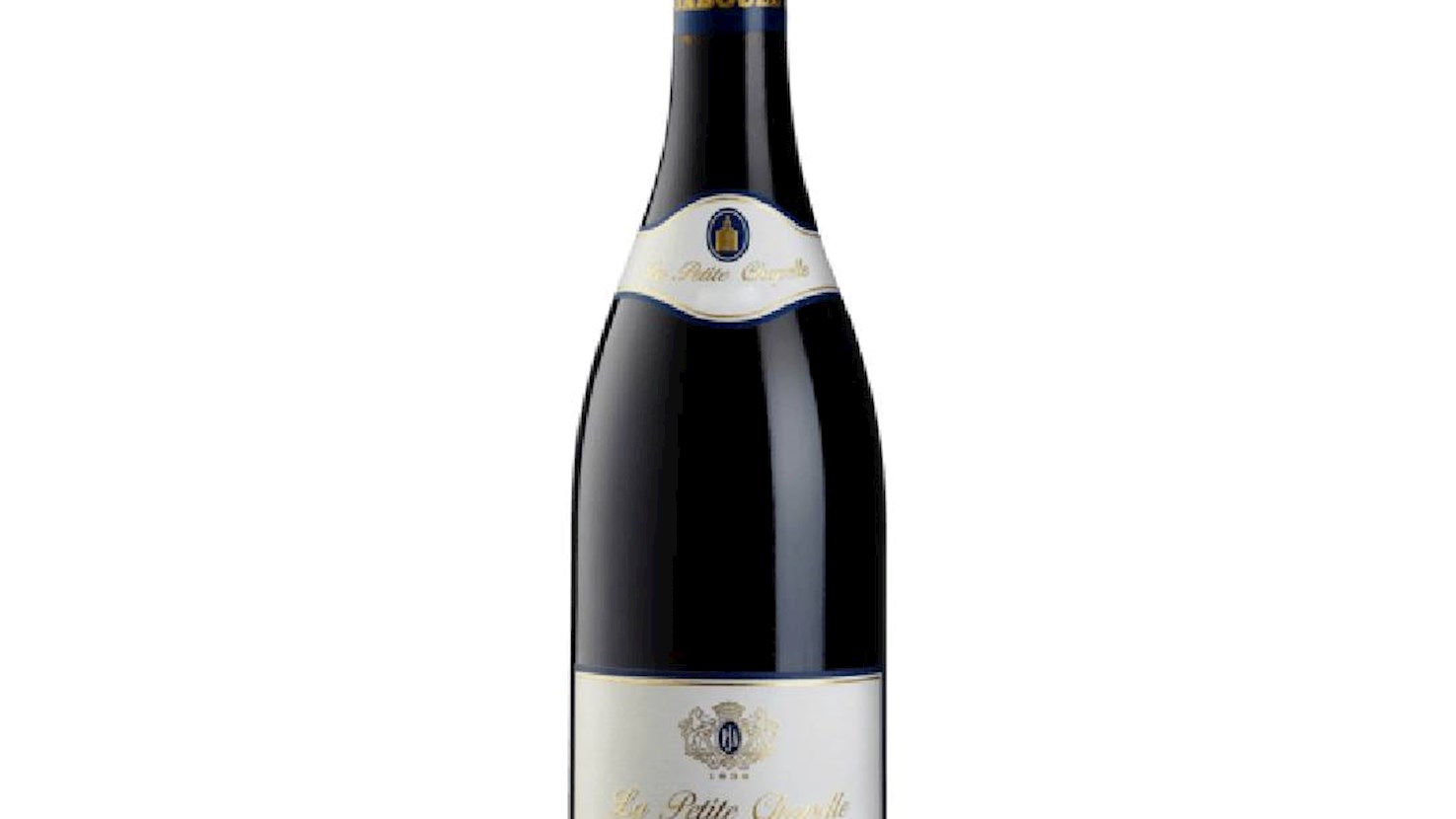
Paul Jaboulet Aîné is a name spoken with respect in the Northern Rhône. The vineyards on Hermitage and the surrounding slopes hold a natural balance of sun, wind and stone, and from that quiet come wines of clear character and refined poise.
Work in the cellar is patient and precise so that each parcel can speak in its own voice. The glass shows pure fruit, a supple frame and a long, harmonious finish.
Behind every bottle lie tradition and skill, joined by a modern care for the land. This is a house that avoids showiness and builds a subtlety that lingers.
TasteAtlas food rankings are based on the ratings of the TasteAtlas audience, with a series of mechanisms that recognize real users and that ignore bot,
nationalist or local patriotic ratings, and give additional value to the ratings of users that the system recognizes as knowledgeable.
TasteAtlas Rankings should not be seen as the final global conclusion about food. Their purpose is to promote excellent local foods,
instill pride in traditional dishes, and arouse curiosity about dishes you haven’t tried.
The initial list of top producers was compiled based on available reviews, awards, local recommendations, media and blog coverage, and consumer reviews.
The list will be updated with ratings from TasteAtlas local ambassadors and TasteAtlas users.






What People Say