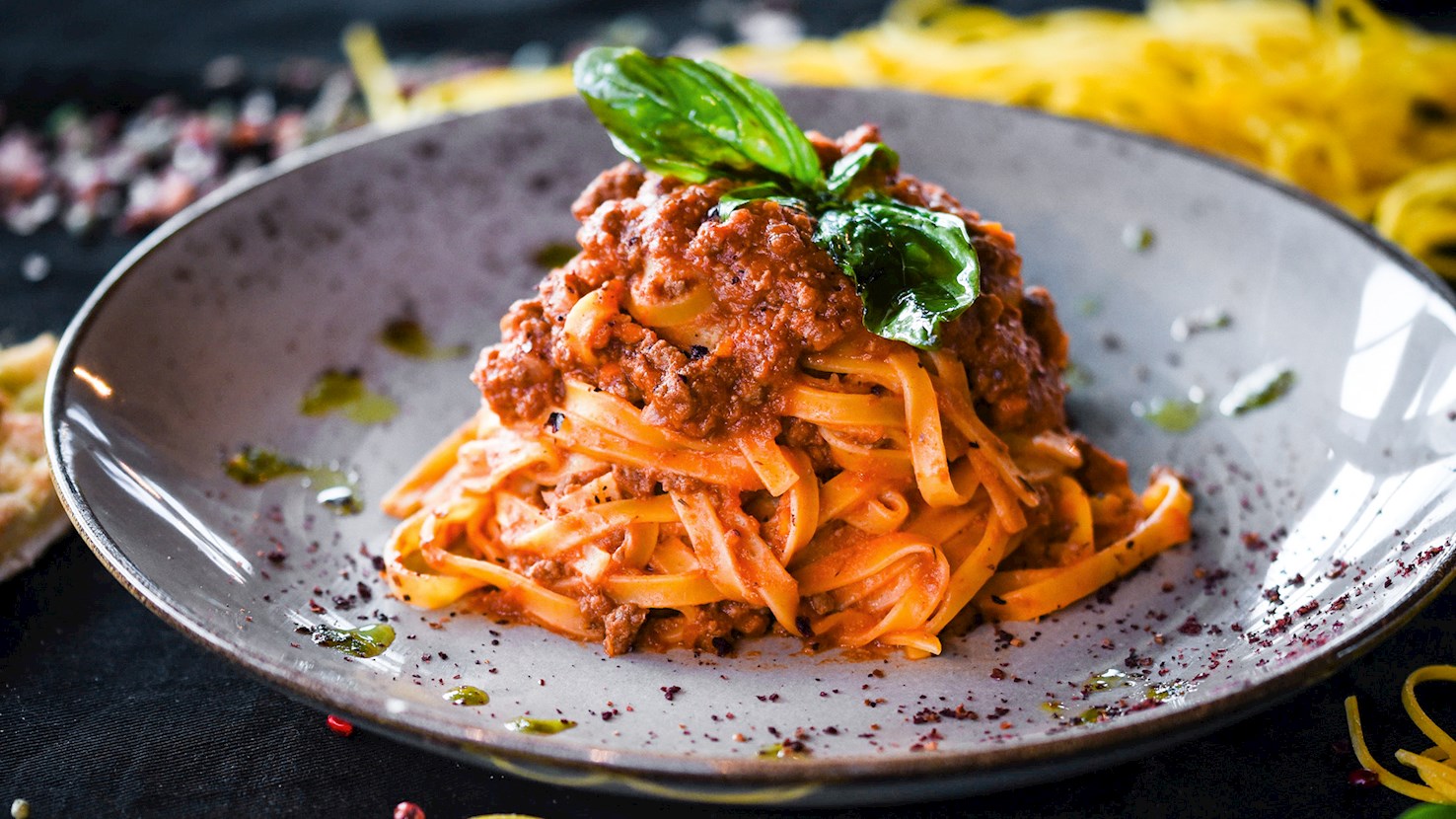
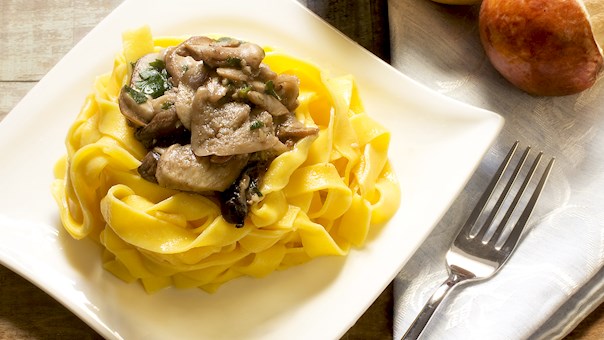
Tagliatelle al ragù alla Bolognese is a traditional dish originating from Bologna, consisting of tagliatelle pasta and a rich ragù made with a mixture of minced beef and pork, and tomatoes as key ingredients. Even though they are often thought to be synonymous, tagliatelle al ragù—one of Bologna's signature dishes—bears little or no resemblance to the dish known as spaghetti Bolognese in the rest of the world. In fact, the world famous Italian ragù alla Bolognese meat sauce is never served with spaghetti in Bologna. Instead, when it isn't served over fresh tagliatelle, you will most often find it topping a bed of some other other ribbon-like pasta, such as fettuccine or pappardelle. Regardless of the type of pasta used, what makes or breaks this classic Emilian dish is the ragù itself. Experts nowadays tend to consider the recipe for ragù alla Bolognese registered by the Italian Academy of Cuisine in October 1982 the most authentic version. However, chances are that every restaurant and trattoria in Emilia Romagna dishes out its own version of tagliatelle al ragù, and each version is surely worth trying.
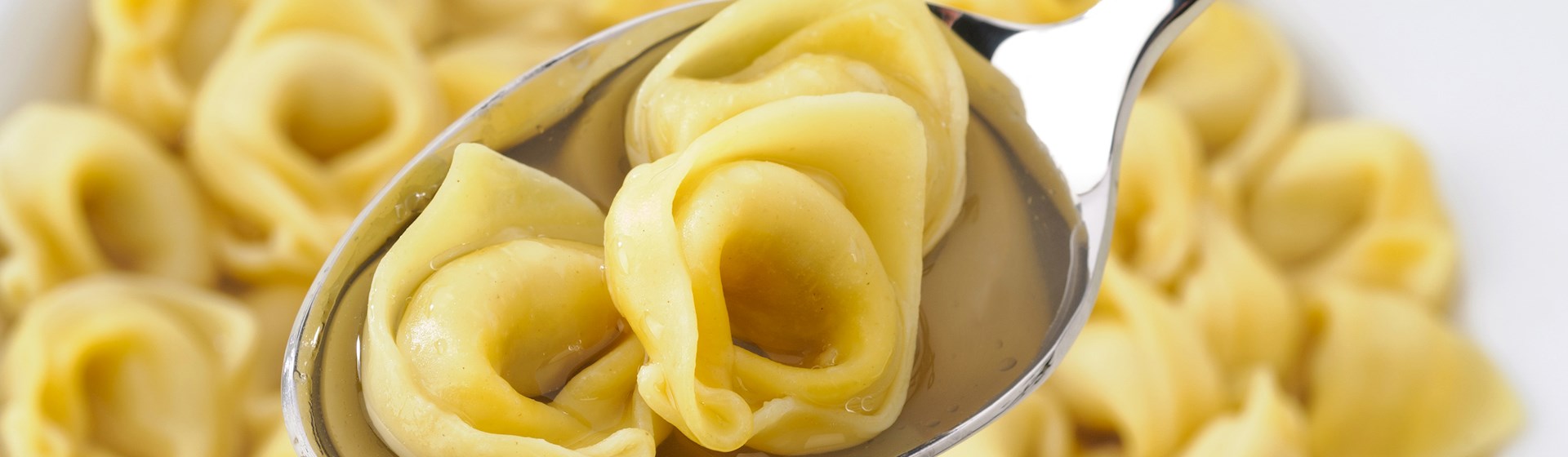
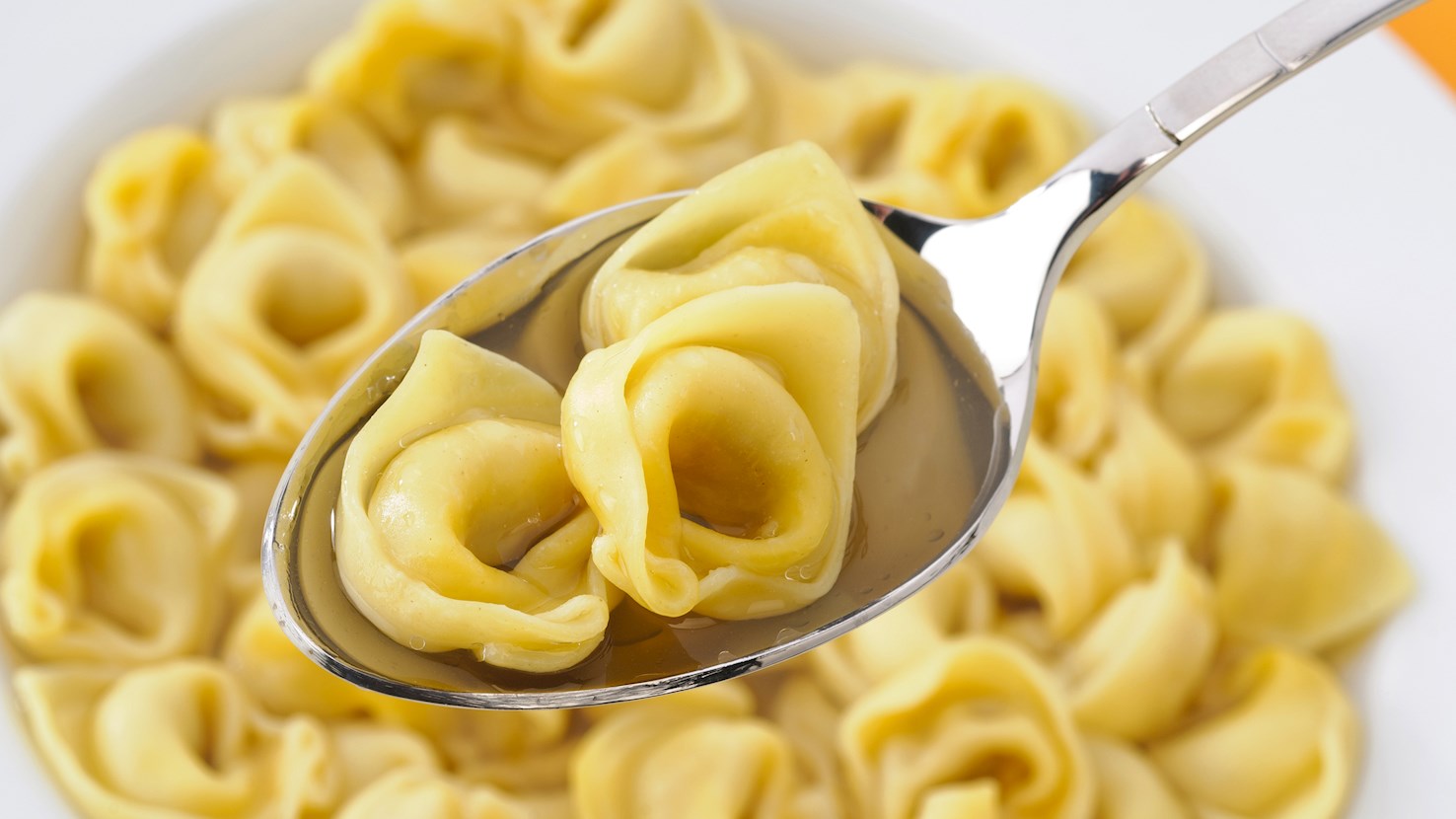
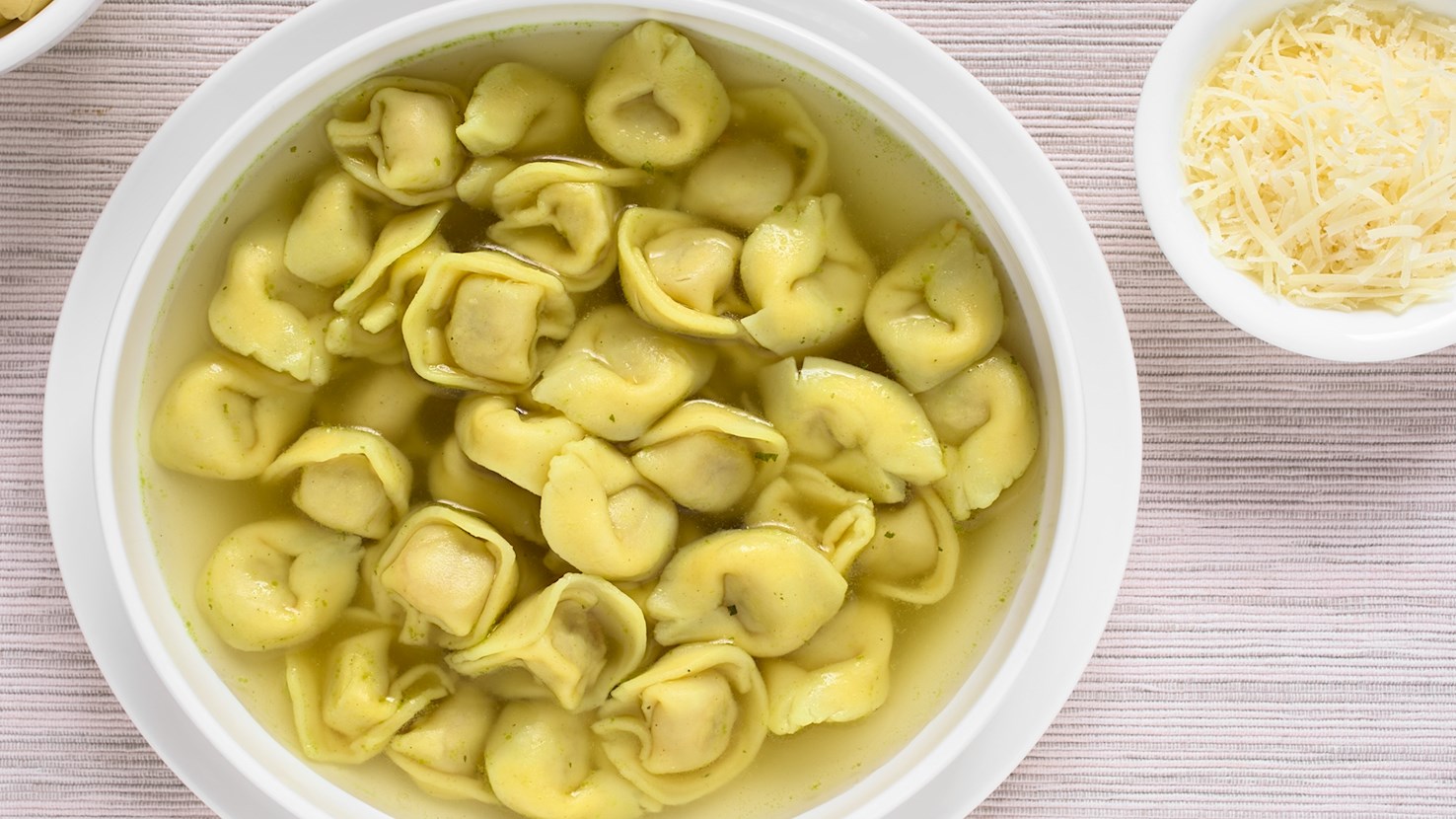
One of the most popular Italian pasta types are tortellini; an intricate creation made with a variety of ingredients securely wrapped inside a layer of egg pasta, creating a pocket which is then folded in a ring shape. They are commonly referred as navels, originating from the famous legend which claims that a chef created it after he saw the goddess Venus, and modeled it on the look of her belly button. The first written record of tortellini goes back to the 17th century, although it is probable that they were created earlier than that. It is believed that they originate from the Emilia-Romagna area, specifically cities Modena and Bologna. Unlike other pasta varieties, tortellini were considered a luxurious food, usually served during important holidays or festivities. The stuffing usually employed at the time lavish ingredients such as prosciutto, mortadella, parmesan cheese, pancetta, beef, or veal, all finely chopped to create a dense filling. Tortellini can be served in broth or sauce, but according to tradition, the only right way is to serve them submerged in a sizzling broth, usually made with chicken or beef. Serving them in soup promotes the tortellini as the star ingredient, not overshadowed by a fragrant sauce or heaps of parmesan. The original way of preparation and serving has not drastically changed; tortellini are still made with traditional egg pasta and utilize the same ingredients to create a hearty filling. However, modern variations nowadays occasionally add natural coloring to pasta, like spinach and beetroot, and tomato, cream, or ragu-like sauces are more often used to accompany the tender tortellini. Today, this refined pasta is considered a common ingredient, cherished in Italy and around the world. It is usually factory produced, but the homemade varieties, using fresh pasta, are considered to be a true delicacy. There are also tortellacci, which are basically an enlarged version of tortellini.
One of the most typical pasta dishes from Bologna is called tortellini in brodo, referring to tiny parcels of meat-filled pasta served in a golden capon broth, sometimes with the addition of grated Parmigiano Reggiano cheese. The official recipe requires the dough to be made from eggs and flour, and the filling to be made from pork loin, prosciutto, mortadella, Parmigiano Reggiano, eggs, and nutmeg. Cooking in a broth additionally boosts the flavor of this ultimate comfort food, which, due to the time-consuming preparation process used to be a dish reserved for festive occasions such as Christmas. Today, freshly made tortellini are a standard part of the gastronomic offer of Bologna, and the locals prefer to enjoy those extraordinary flavors in a simple bowl of soup rather than veiling it in heavy, creamy sauces.
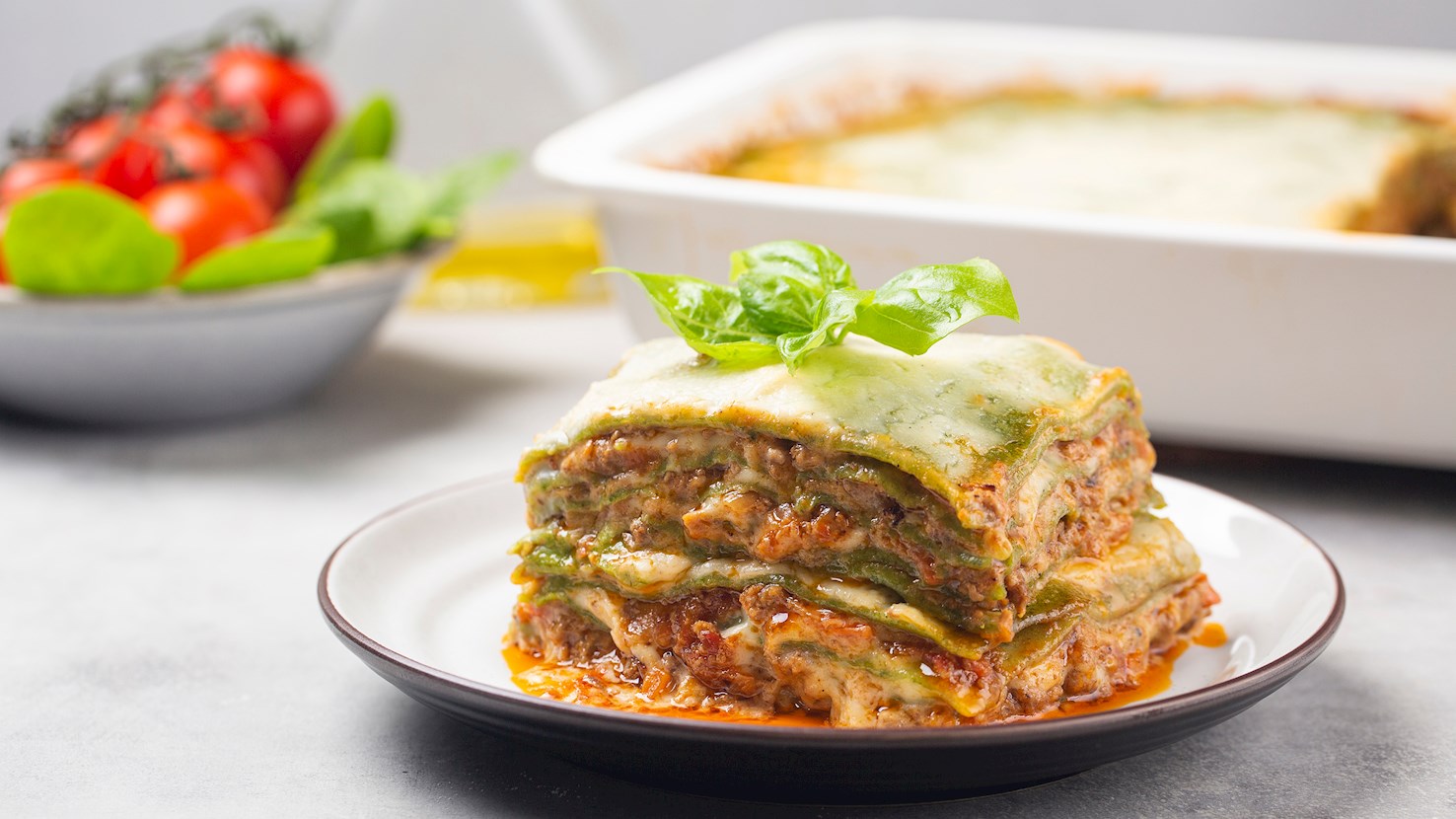
This rich and filling piatto unico (lit. single plate; one-dish meal) is traditionally made from layers of homemade, typically spinach-flavored fresh egg lasagna pasta that is topped with béchamel sauce and a rich meat sauce called ragù alla Bolognese. Lastly, lasagne alla Bolognese is generously sprinkled with the Emilian king of cheeses, Parmigiano-Reggiano, and baked until tender on the inside with a perfectly crisp, browned top. This oven-baked classic is a typical dish of the Emilia-Romagna region, and of the city of Bologna specifically. However, it has become so popular over time that it now enjoys a position as a worldwide symbol of Italian cuisine. Unfortunately, as is often the case with timeless dishes, changes to the original recipe or the substitution of lower-quality ingredients cause many renditions of lasagne alla Bolognese that fail to live up to the splendor of the original. Interestingly enough, in many bolognese households, there is a special deep oven casserole with handles called ruola, made of aluminum and used for baking lasagne alla bolognese.
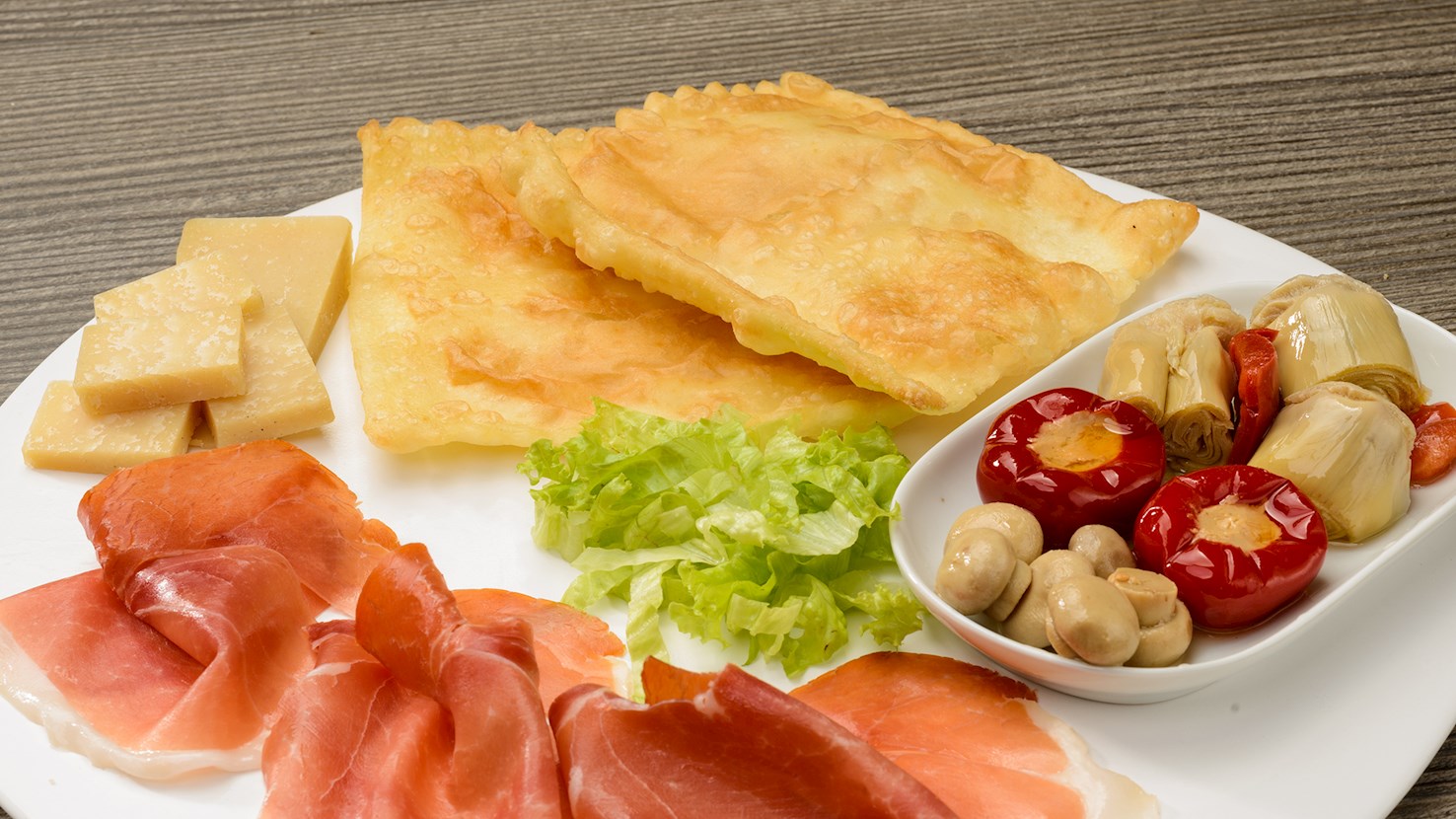
Crescentina is a type of puffed bread made with flour, lard, salt, milk and a leavening agent (sometimes with the addition of cracklings). The dough is fried in lard and served hot. Although very delicious on its own, crescentina is usually served with fresh soft cheeses and cold cuts typical for the region, or with jam and chocolate-hazelnut spreads in the sweet version. It is typical for Bologna, but similar dishes can be found throughout the Emilia Romagna region, and the name varies depending on the city: gnocco fritto in Modena, pinzino in Ferrara, torta fritta in Parma, chisulen in Piacenza. The name might vary, but these crunchy little pockets of fried dough remain a local favorite.
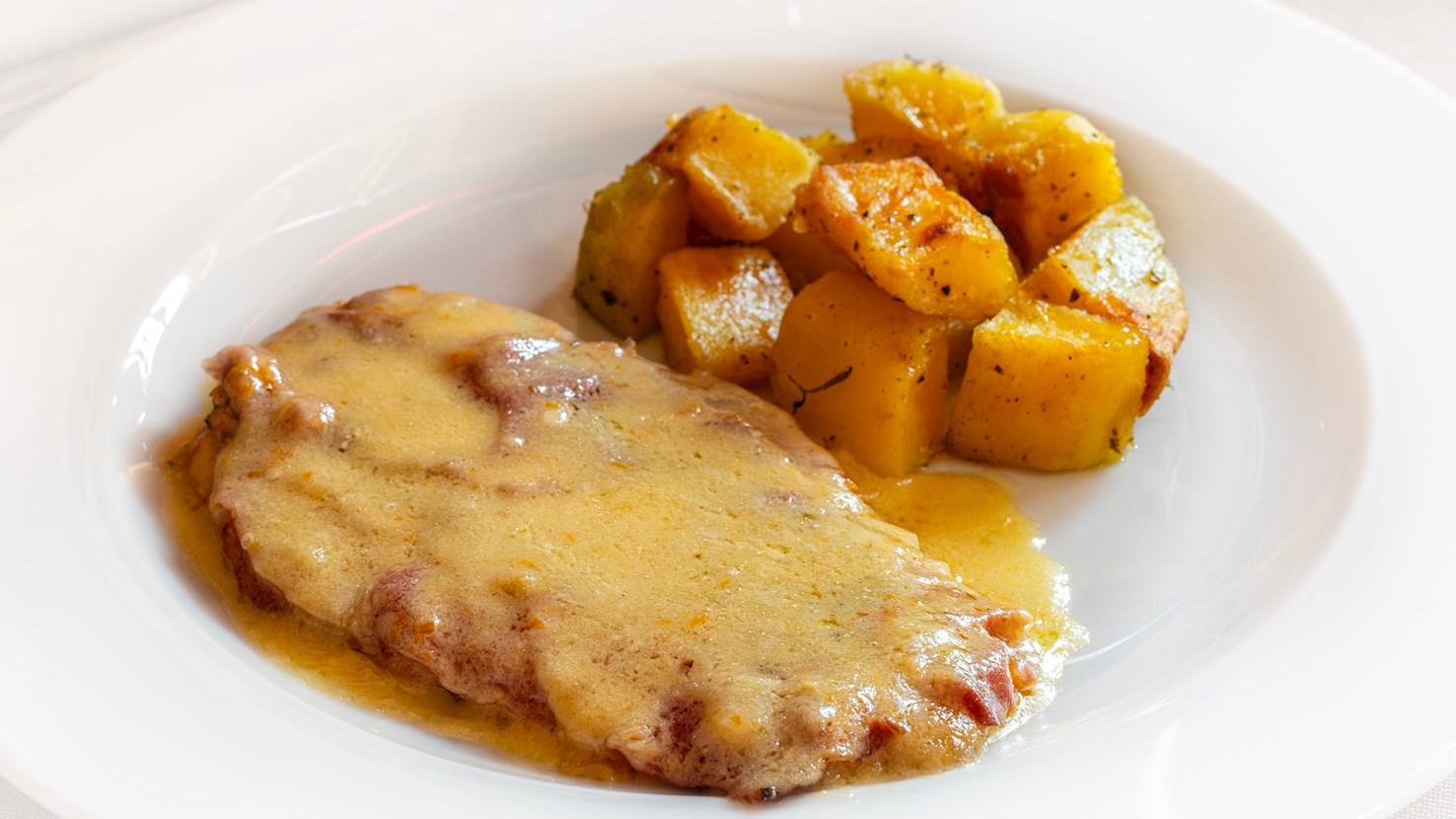
Cotoletta alla bolognese is a traditional meat dish originating from the region of Emilia-Romagna. The dish is made with veal cutlets that are pounded until thin. They're dipped in eggs and breadcrumbs, then fried in butter. Each slice of meat is topped with a slice of prosciutto crudo and grated Parmigiano-Reggiano. Broth and butter are then added to the pan and the dish is covered until the cheese melts. Before serving, this cotoletta is traditionally topped with shaved truffles.
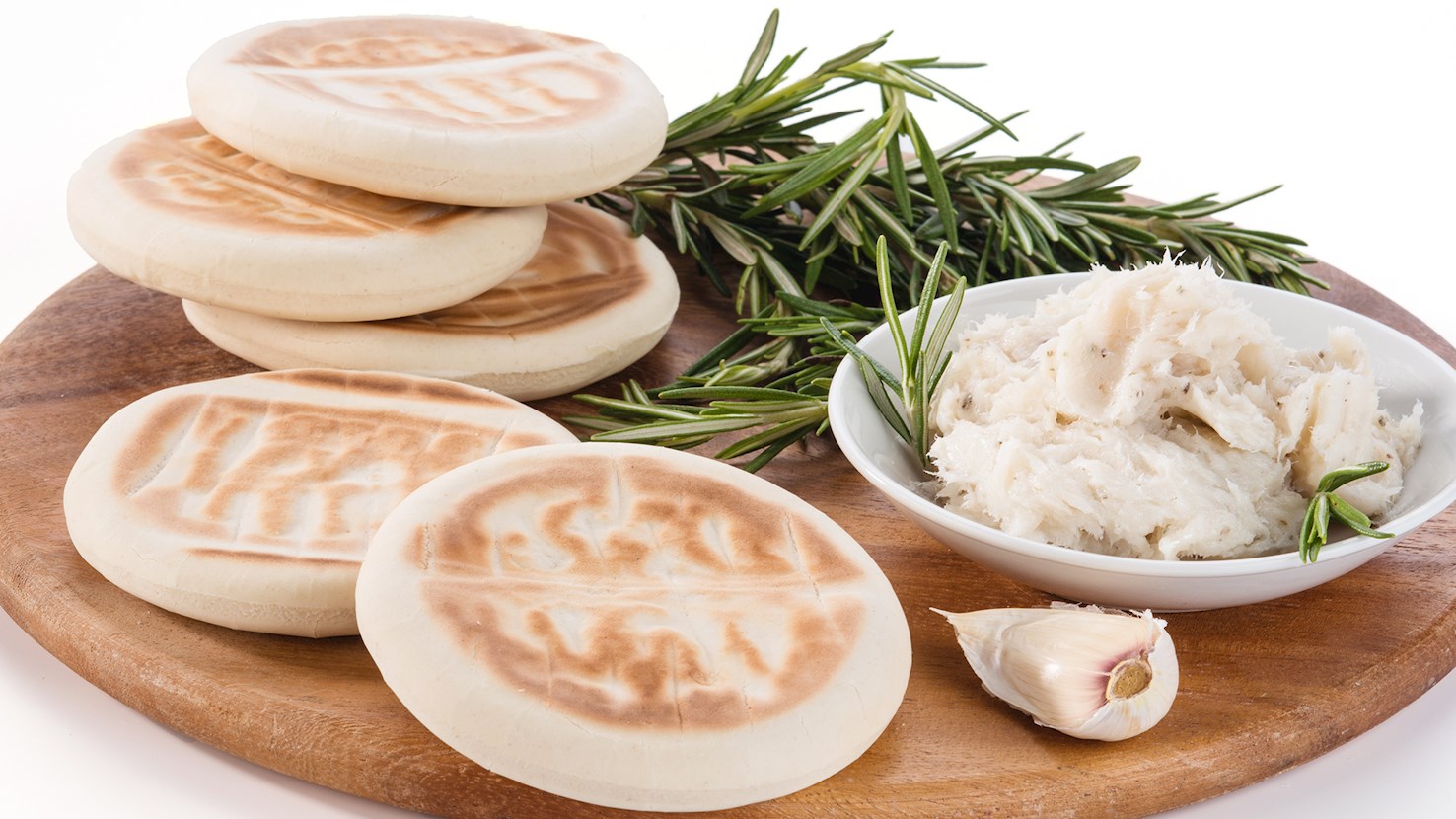
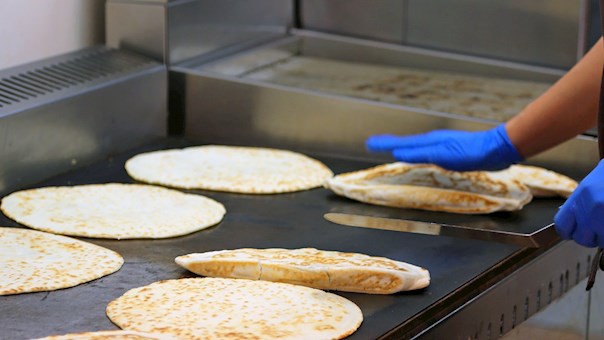
Crescentina modenese is a traditional, disk-shaped Italian bread that is crispy on the exterior and soft on the interior. It is traditionally baked in special stones called tigelle (the reason why the flatbread is sometimes called like that), and usually slathered with a spread made from lardo, rosemary, garlic, and Parmigiano-Reggiano cheese. The stones often have a decorative symbol on both sides, which is embossed on the dough as it bakes. It is believed that crescentina modenese was invented by the poor people from the Apennine Mountains near Modena, where farming families would gather around the hearth to bake their evening bread.
Pistachio is one of the most popular flavors of Italian gelato. A mainstay in every gelateria, in its original form, this frozen treat combines pistachio paste with the classic base of milk, cream, eggs, and sugar. Occasionally, crushed and toasted pistachios can be added, but the basic texture should always remain dense and creamy. Due to the high prices of pistachios and pistachio paste, many gelaterias nowadays opt for cheaper replacements, but the best pistachio is considered to be the grown in a small Sicilian town of Bronte.
Despite its name, zuppa Inglese (lit. English soup) is an original Italian layered dessert consisting of pastry cream and sponge cake that is soaked in Alchemers liqueur. The dessert was first made in the 16th century for Dukes of Este, who resided in Ferrara. According to a popular theory, it was invented by the court chefs when a diplomat from Ferrara wanted a trifle, a traditional British dessert, upon his return from a trip to England. Since the court chefs didn't have all the necessary ingredients, they made their own version, using sponge cake, pastry cream, and Alchermes herb liqueur for color. Zuppa Inglese is also made with a layer of chocolate cream, which was not included in the original recipe. Today, the dessert is usually not sold in bakeries nor cafés, as it is something that is commonly made at home. There are also numerous modernized versions of zuppa Inglese, with added ingredients such as coffee, plum jam, almonds, and candied fruits. As a testament to its popularity, there is even a gelato flavor called zuppa Inglese in Italy.
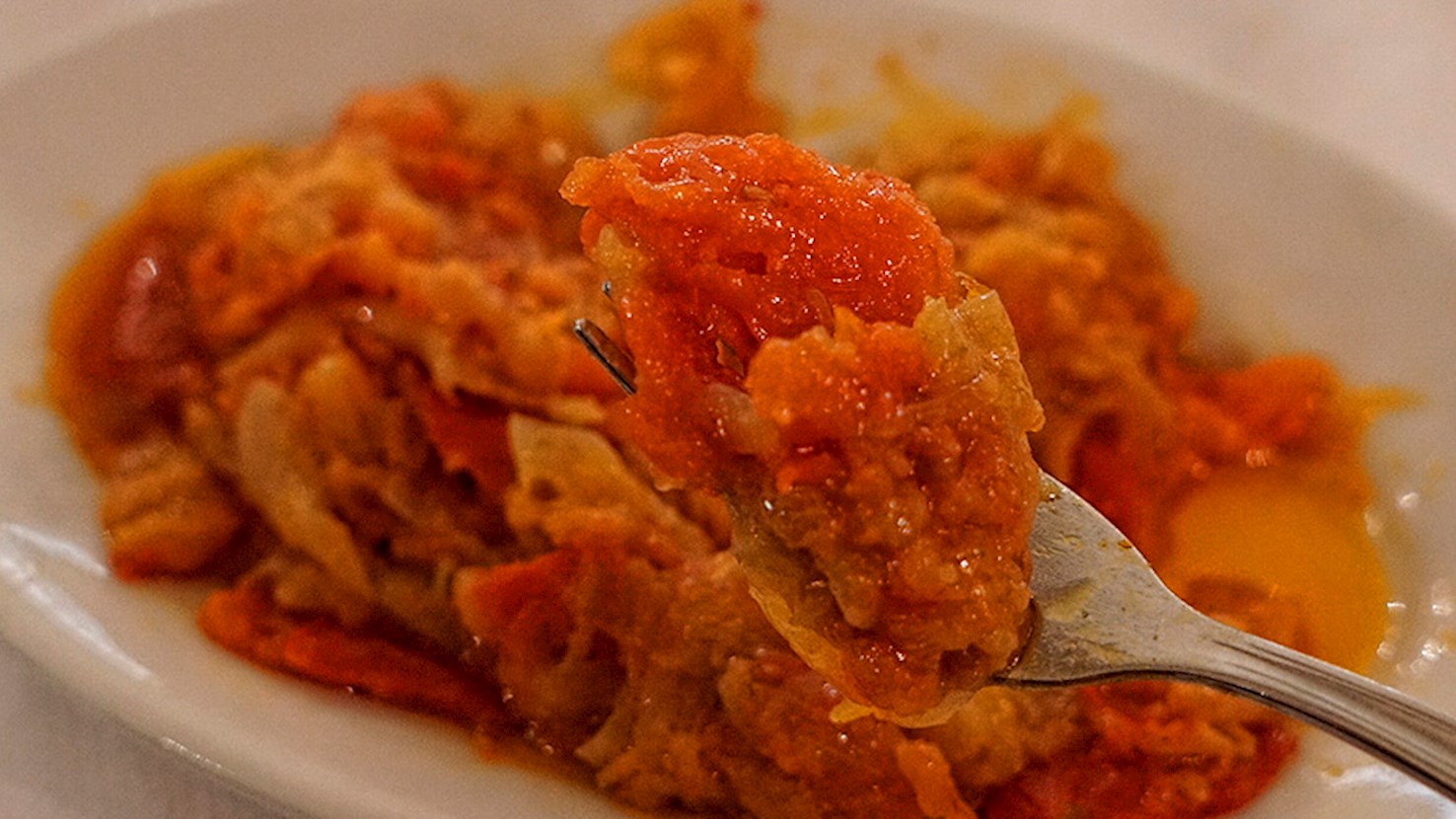
Friggione (also known as frizòn) is an onion and tomato dip, a traditional peasant dish originating from the farming villages around Bologna. It is prepared by macerating thinly sliced white onions in salt and sugar and then slowly cooking them in lard with the addition of chopped fresh tomatoes. Nowadays, the lard in recipes is often replaced with extra-virgin olive oil, but the onions remain an undisputed star of this dish: not any sort will do, and as the onions need to be sweet and delicate, the perfect choice is a famous local onion variety called medicina. Friggione shows how humble ingredients can create a tasty dish – for a full gastronomic experience, pair it with homemade bread or polenta crostini, boiled meats, or sausages.
TasteAtlas food rankings are based on the ratings of the TasteAtlas audience, with a series of mechanisms that recognize real users and that ignore bot,
nationalist or local patriotic ratings, and give additional value to the ratings of users that the system recognizes as knowledgeable.
For the “24 Traditional Foods You Have To Try in Bologna” list until September 17, 2026, 4,200 ratings were recorded, of which 3,429 were recognized by the system as legitimate.
TasteAtlas Rankings should not be seen as the final global conclusion about food. Their purpose is to promote excellent local foods,
instill pride in traditional dishes, and arouse curiosity about dishes you haven’t tried.









What People Say