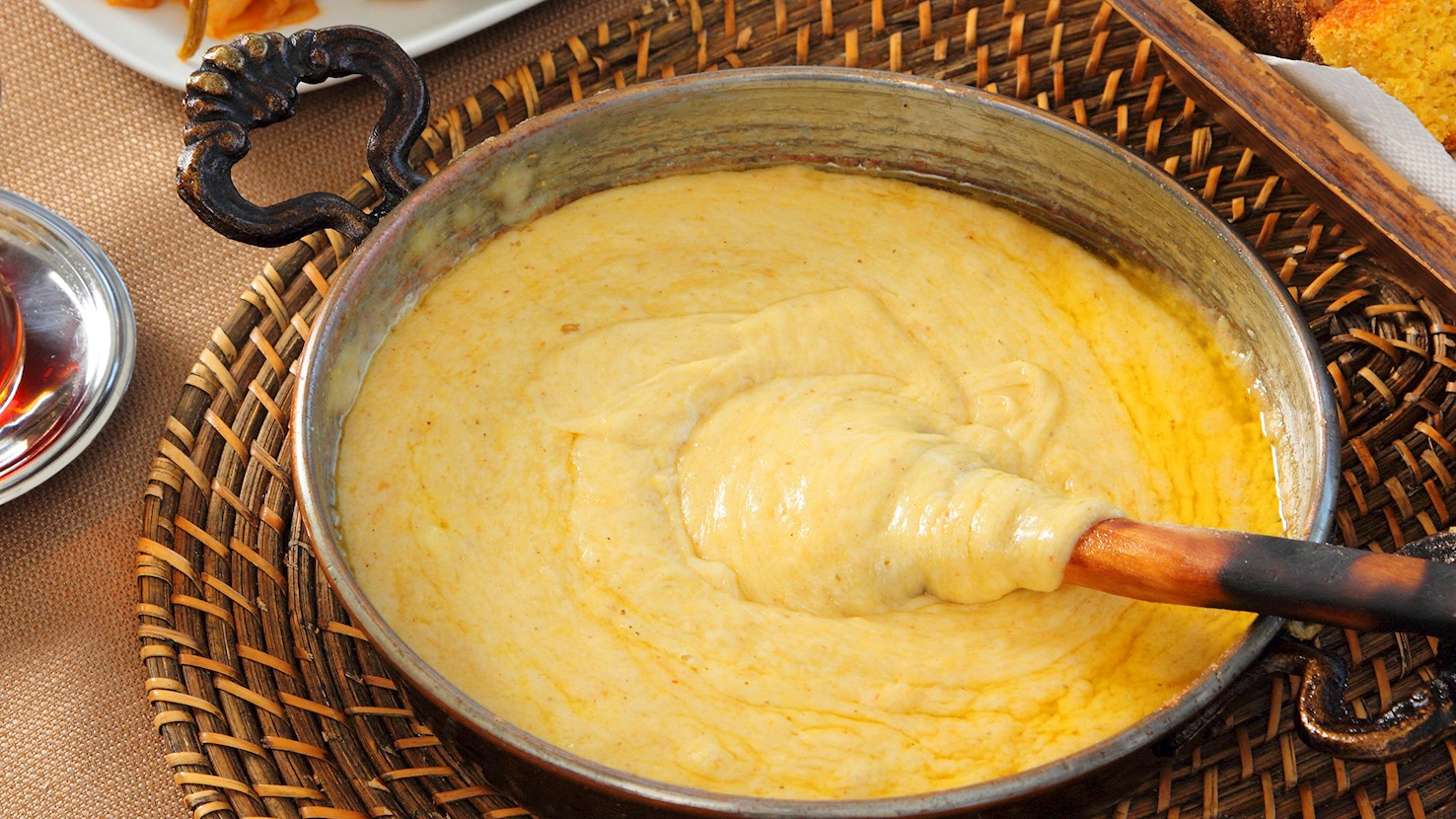
This traditional Turkish dish combines coarsely-ground cornmeal and (oftentimes) aged local cheeses such as trabzon or kashar. Grated cheese is mixed into piping hot cornmeal until it turns stringy, and the dish is then typically enriched with butter or kaymak—Turkish clotted cream. Kuymak is typical of the area surrounding the Black Sea, where it is mainly enjoyed for breakfast. It always needs to be served warm and freshly prepared.
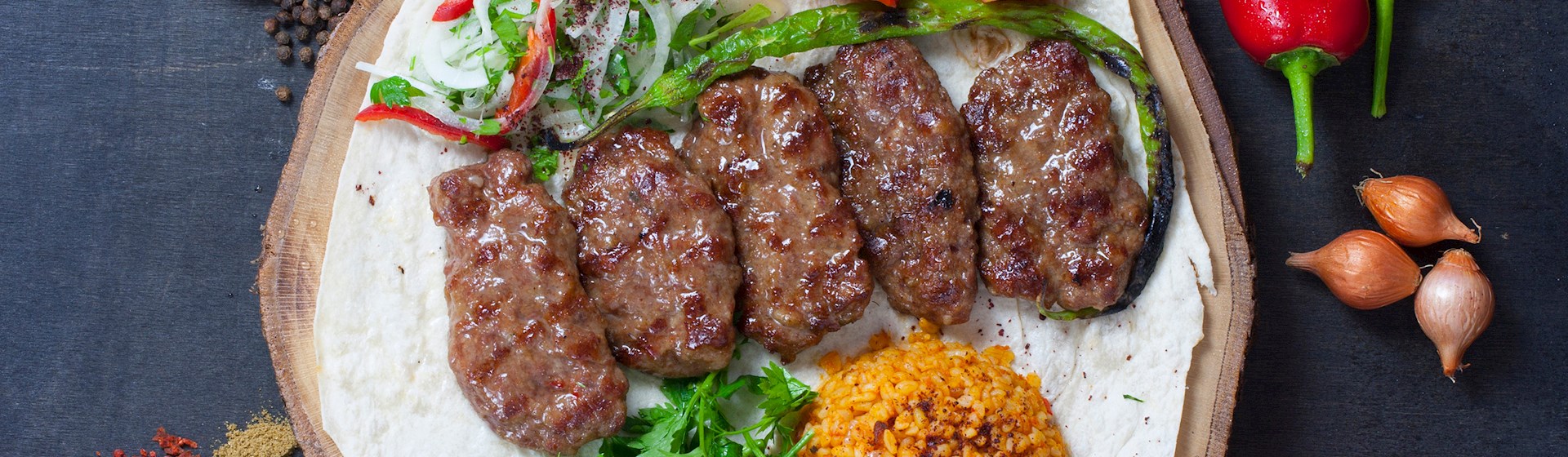
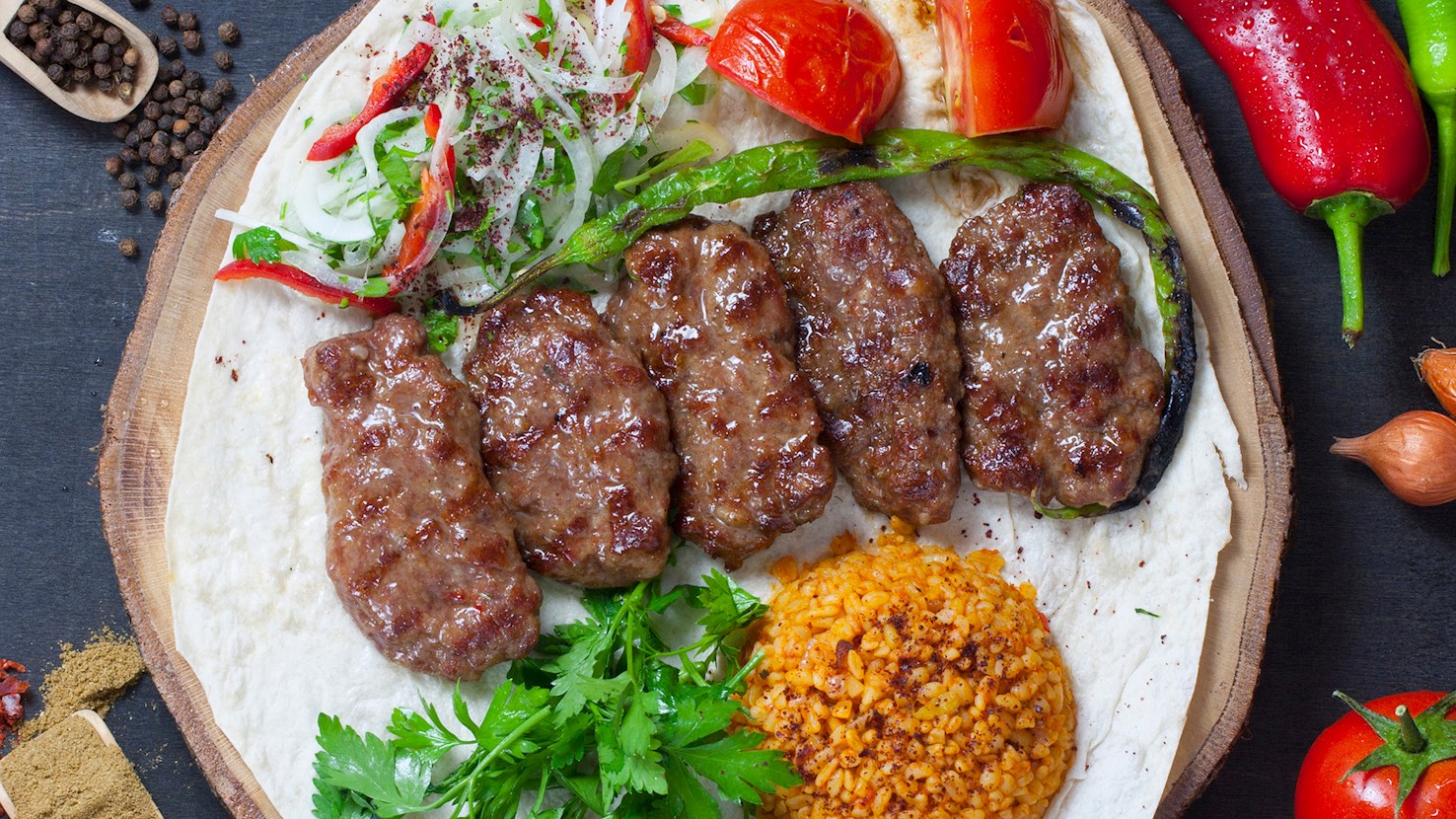
Kofta or köfte are walnut-sized fried meatballs, usually made from ground beef or lamb. It is a popular Turkish meze dish that is often prepared for special occasions and cocktail parties, since the meatballs are quite easy to prepare and can be easily consumed with a toothpick. Köfte come in various degrees of spiciness and in numerous forms - from egg-coated and fried kadin budu to Adana kofte from the south-east of Turkey. In eastern Turkey, the most popular variety is called içli köfte, full of flavor due to large amounts of butter in the filling. Another interesting variety is called cizbiz kofta, one of the most popular street food items in the country, its name coming from the sound which the thin meat patties make when placed on the grill. Whether fried, stewed, drenched in sauce, or grilled, the variations are virtually infinite and every kofta dish pairs well with a glass of turnip juice and fried potatoes on the side.
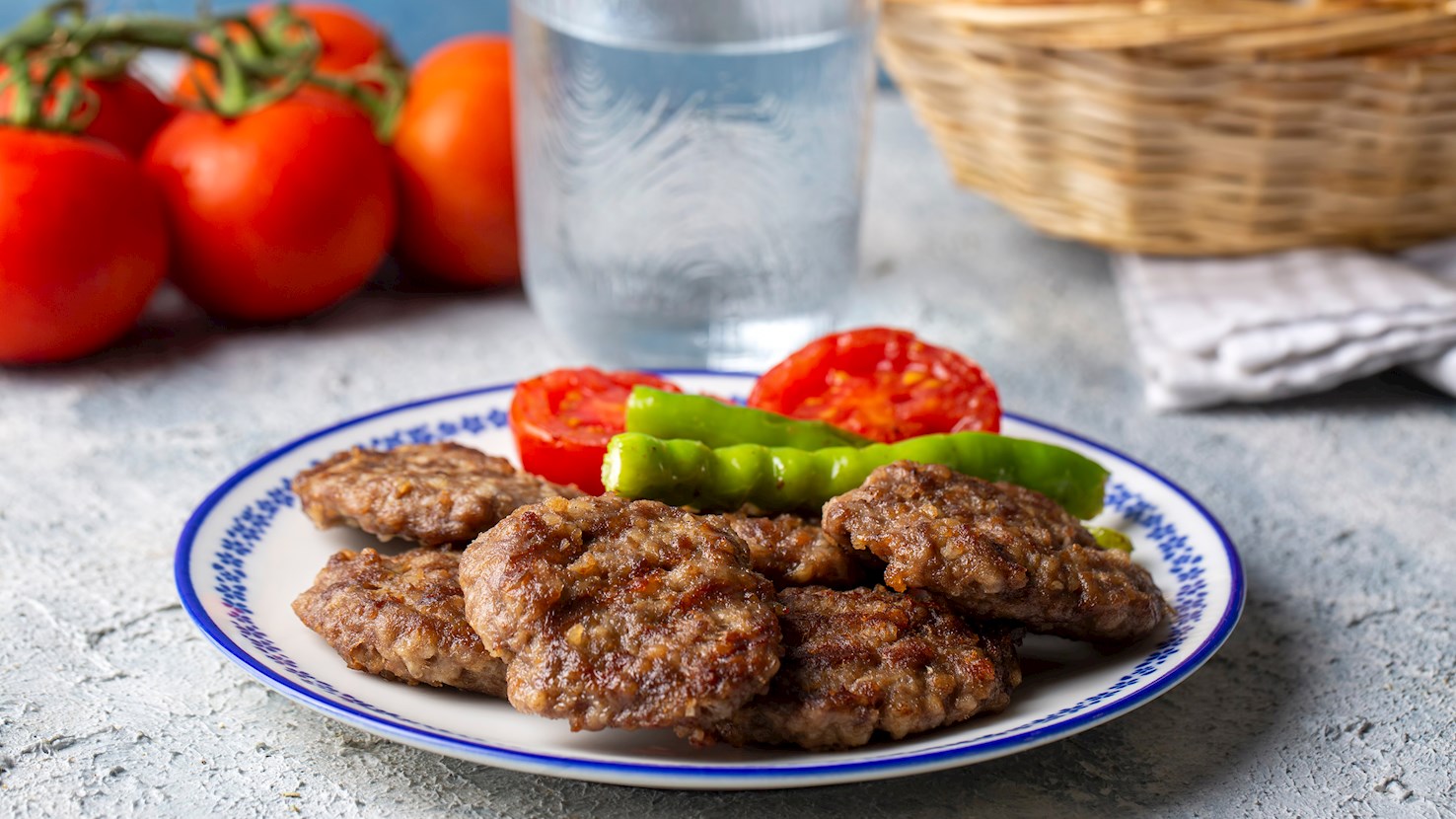
Akçaabat köftesi is a traditional dish originating from the eponymous town in Trabzon. The dish consists of fried meatballs. They are unique in a way because the locals only use the veal of the calves they breed and slaughter. The meatballs are made from ground veal, bread crumbs, grated onions, garlic, salt, and pepper. Once formed into patties, the meatballs are grilled or cooked in a skillet until golden brown. It's recommended to serve these meatballs with a green salad, bulgur pilaf, roasted vegetables, and ayran on the side.
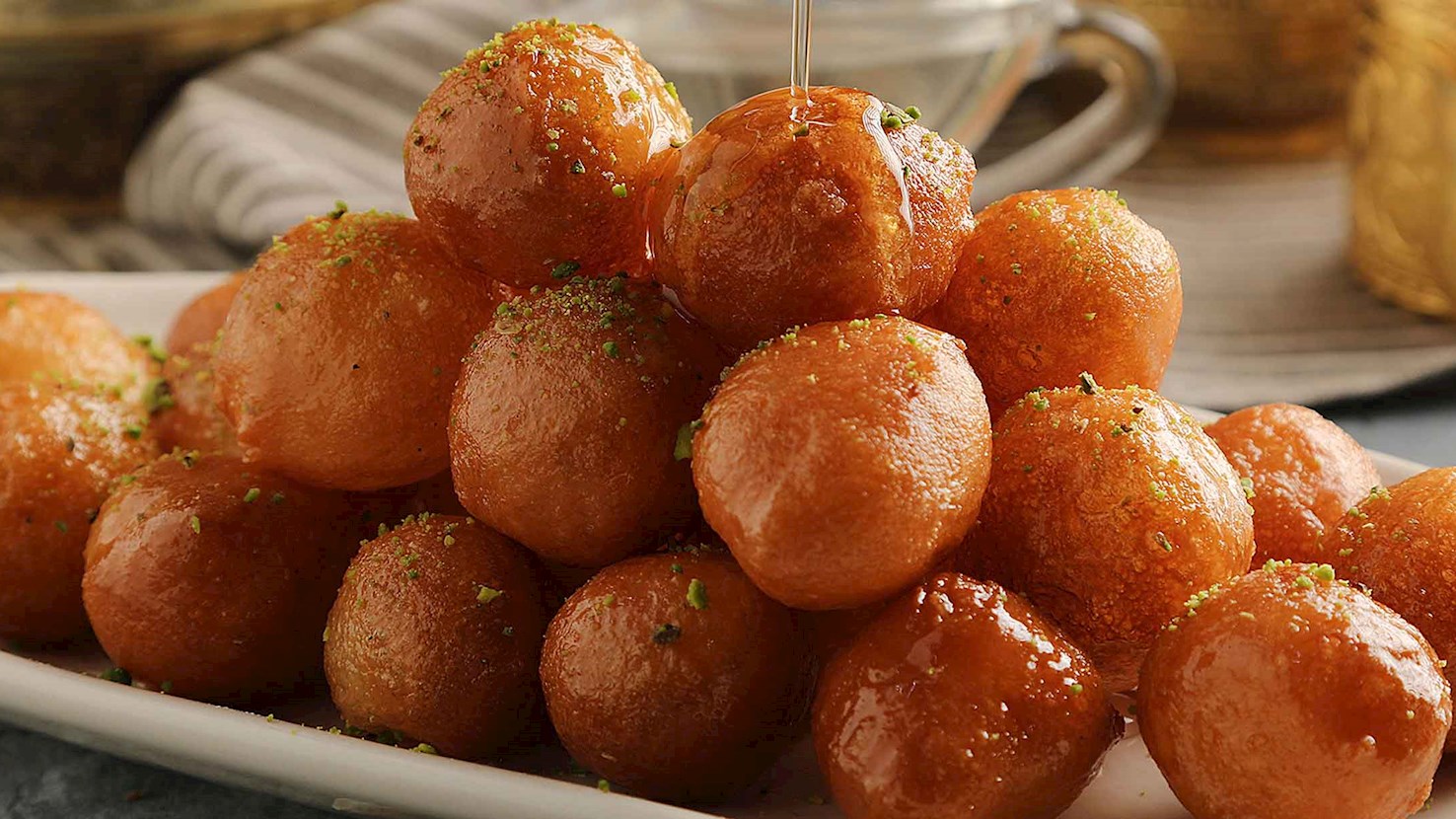
This internationally known, decadent, and sugar-packed dessert is usually made with a mixture of flour, sugar, yeast, and salt, which is deep-fried and then bathed in syrup or honey. The origin of lokma fritters is ancient but often debated. It is presumed that they first appeared in Greece or Turkey, though some suggest Arabic origin. The dish is considered to be one of the oldest recorded desserts in Greek history. It is said that the pastries were even given to winning Olympians as a treat and were called honey tokens. Loukoumades, or loukmades in Cyprus, can be found throughout the streets of Greece, in shops selling nothing else but this caloric dessert. Alternatively, loukoumades can be topped with Greek cheese, chocolate, sesame seeds, or walnuts. In Turkey, lokma fritters are best enjoyed while still warm. They are drizzled with honey or syrup and can occasionally be sprinkled with either ground cinnamon, walnuts, or pistachios. The name probably stems from from Arabic luqma, meaning bite or mouthful, and it is said that lokmas were first prepared in Turkey by the sultans' cooks in palaces of the Ottoman Empire, though the oldest documentation of a similar dish was even found in the tomb of Ramses IV. In some Middle Eastern and Levant countries, this dessert is known as luqaimat or luqmat al-qadi, which roughly translates as judge's mouthful. The deep-fried balls are usually covered with date syrup, honey, or flavored syrups, while some prefer them sprinkled with various seeds. They are also often flavored with saffron or cardamom. The dessert is traditionally made in the month of Ramadan, and consumed after iftar, or breaking the fast. The dish is also found in some African countries, where it appears under various names.
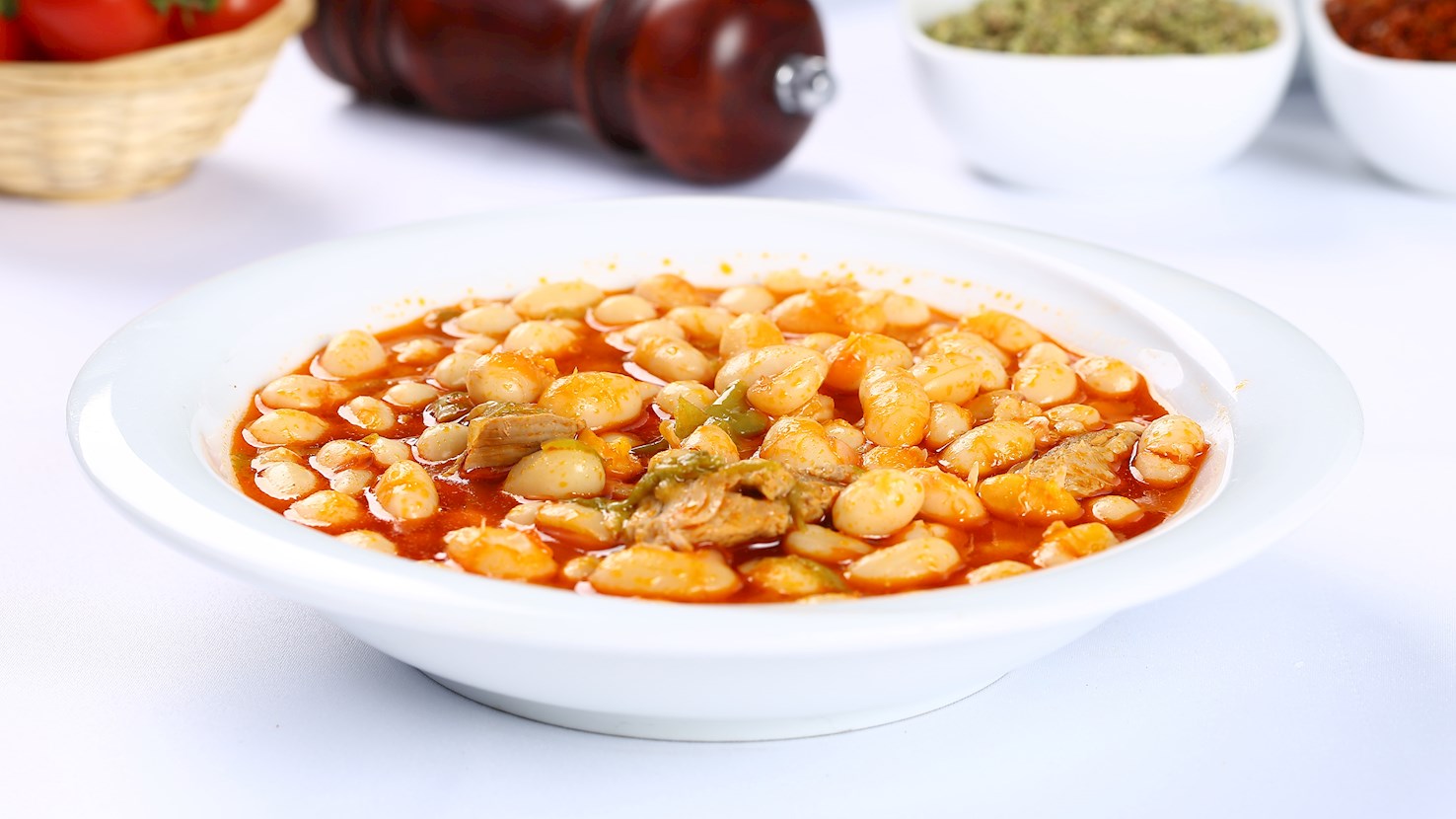
This traditional Turkish white bean stew is a staple in virtually every household and lokanta—an establishment serving simple but hearty meals to people on the go. Kuru fasulye translates to dried beans which are first soaked and then cooked together with sautéed chopped onions, green peppers, tomatoes, and salça (tomato paste). The dish can also be enriched with meat - typically lamb - in a variation known as etli kuru fasulye.
TasteAtlas food rankings are based on the ratings of the TasteAtlas audience, with a series of mechanisms that recognize real users and that ignore bot,
nationalist or local patriotic ratings, and give additional value to the ratings of users that the system recognizes as knowledgeable.
For the “5 Traditional Foods You Have To Try in Trabzon” list until May 22, 2026, 34 ratings were recorded, of which 9 were recognized by the system as legitimate.
TasteAtlas Rankings should not be seen as the final global conclusion about food. Their purpose is to promote excellent local foods,
instill pride in traditional dishes, and arouse curiosity about dishes you haven’t tried.