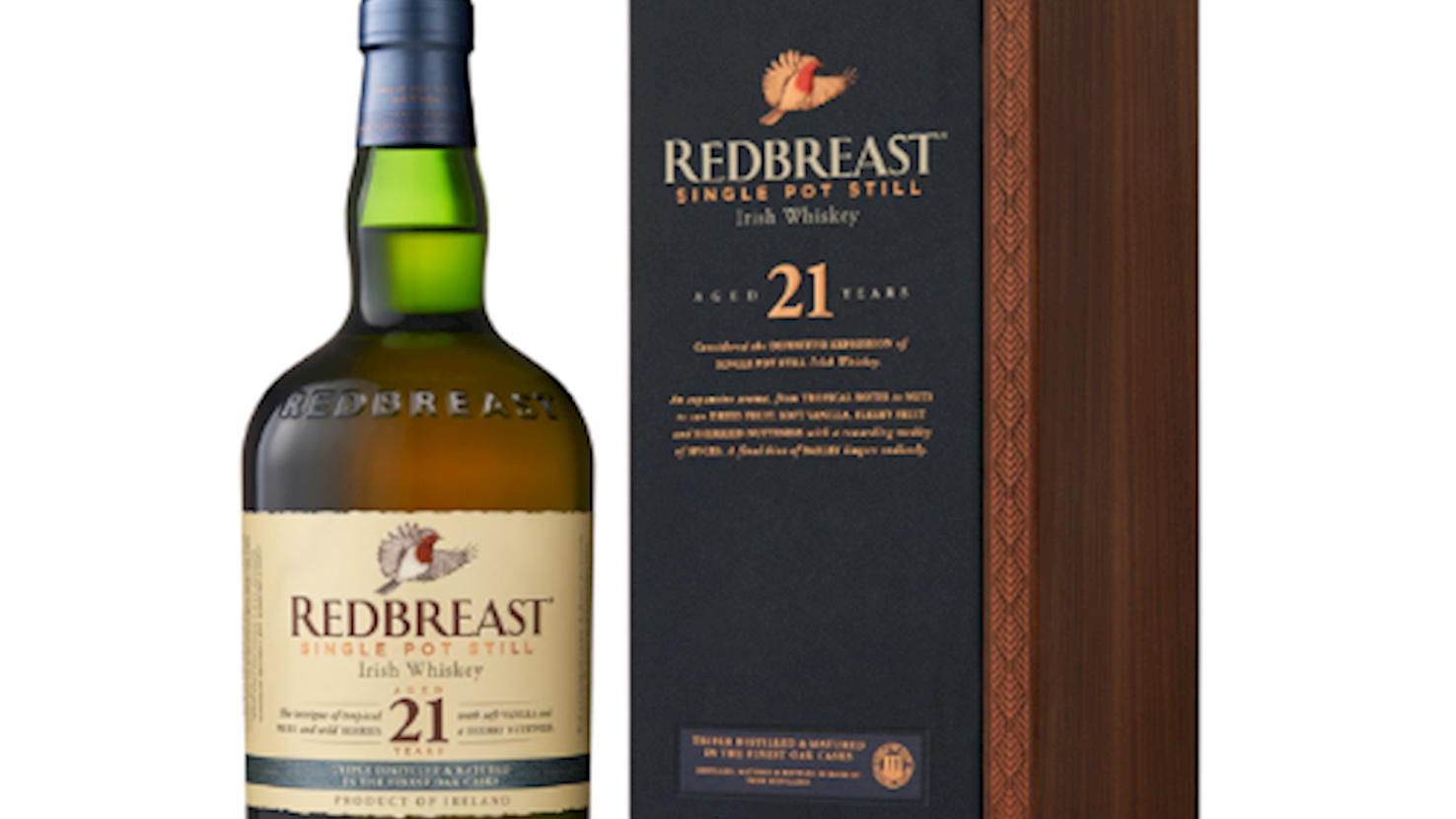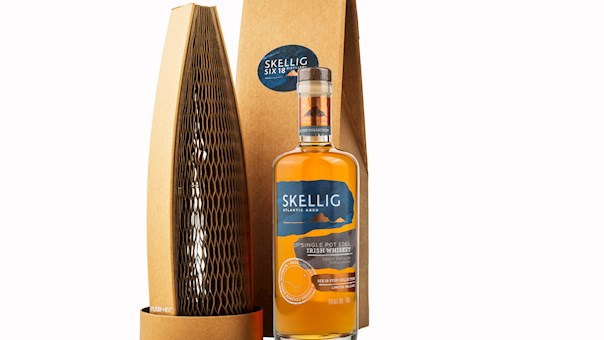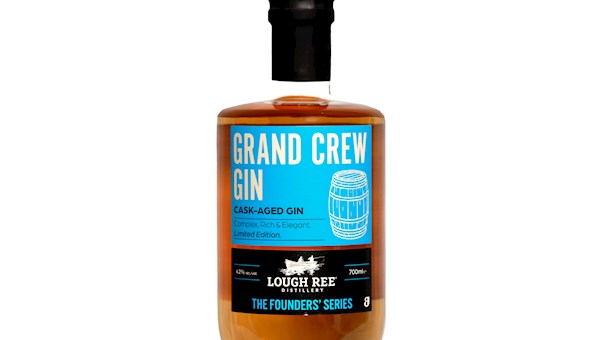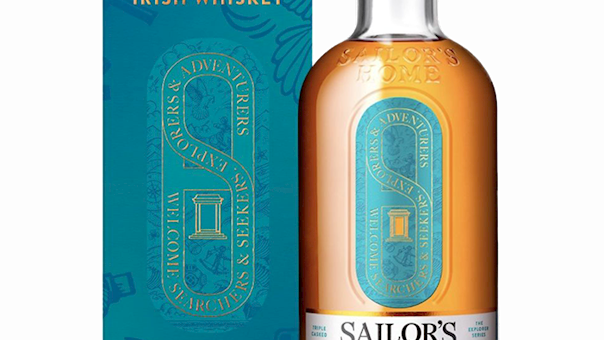
Redbreast is a brand of single pot still Irish Whiskey produced by the Irish Distillers subsidiary of Pernod Ricard. It was originally bottled by Gilbey's, a Dublin spirits merchant using distillate sourced from Jameson's Bow Street Distillery.[1] In the 1980s, the brand was purchased by Irish Distillers, the producer of Jameson.
It is the largest selling single pot still Irish whiskey in the world.
Awards
SFWSC - San Francisco World Spirits Competition - Double Gold
(2024, 2023)
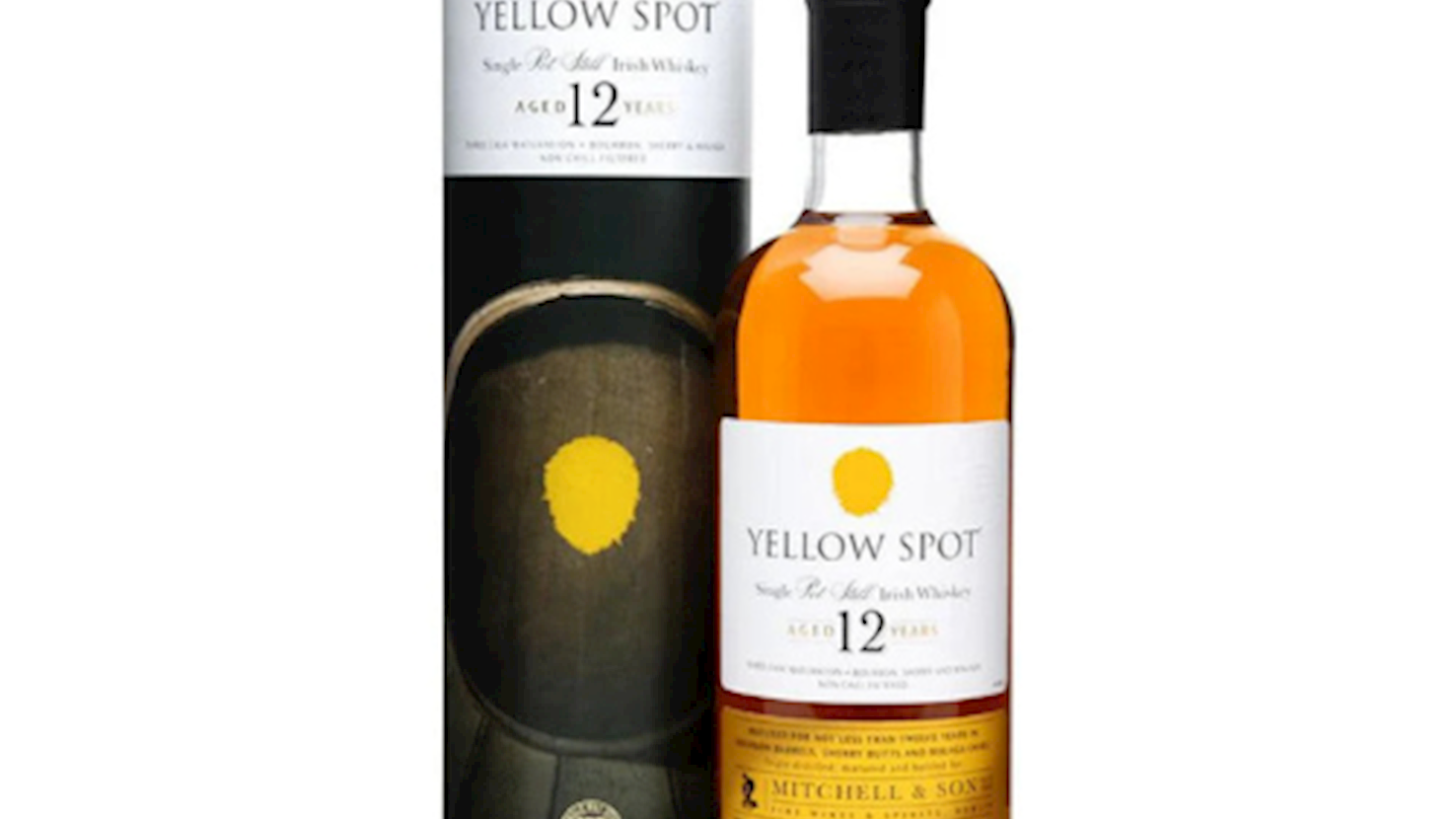
Spot Whiskey, produced by Mitchell & Son, has a rich history rooted in Dublin, Ireland, dating back to the 1800s. The brand is famous for its unique "spot" system, where barrels were marked with colored spots to indicate aging time.
Today, Spot Whiskeys, including iconic expressions like Green Spot and Yellow Spot, continue to offer exceptional single pot still Irish whiskey. The brand also explores collaborations, such as the Green Spot Quails' Gate, merging Irish heritage with global influences.
Spot Whiskeys are celebrated for both their craftsmanship and versatility in cocktails.
Awards
SFWSC - San Francisco World Spirits Competition - Double Gold
(2024, 2023)
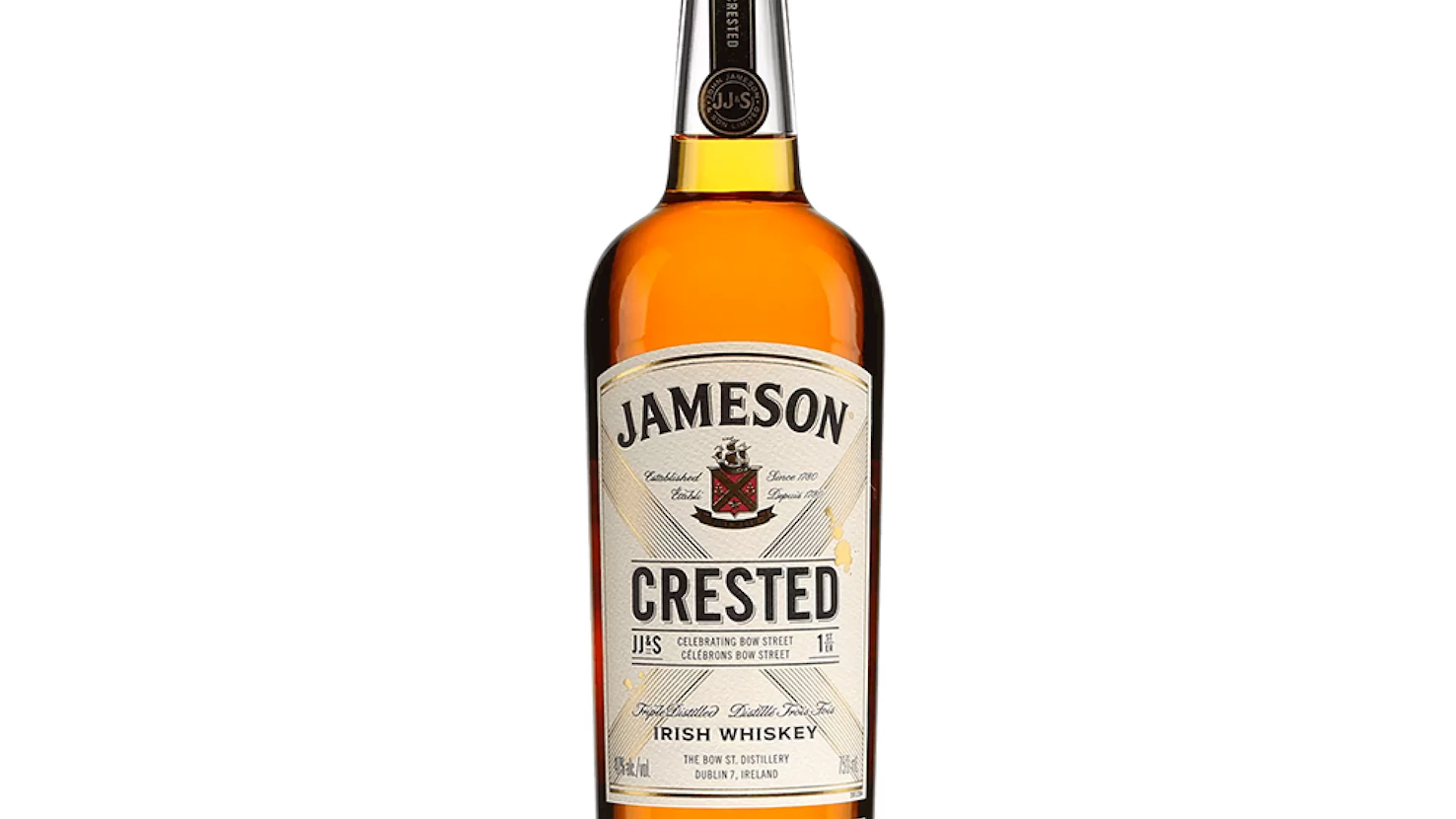
Jameson Irish Whiskey is a renowned blended Irish whiskey produced by Irish Distillers, a subsidiary of Pernod Ricard. Established in 1780 by John Jameson, the distillery was originally located on Bow Street in Dublin.
In 1975, production moved to the New Midleton Distillery in County Cork, where it continues today.
Jameson is crafted by blending rich pot still whiskey made from both malted and unmalted barley with the finest grain whiskey, all triple-distilled for smoothness. The barley is sourced locally in Ireland, and water is drawn from the Dungourney River, which flows through the distillery grounds.
Awards
SFWSC - San Francisco World Spirits Competition - Double Gold
(2024, 2023)
NYWSC - New York World Spirits Competition - Double Gold
(2024)
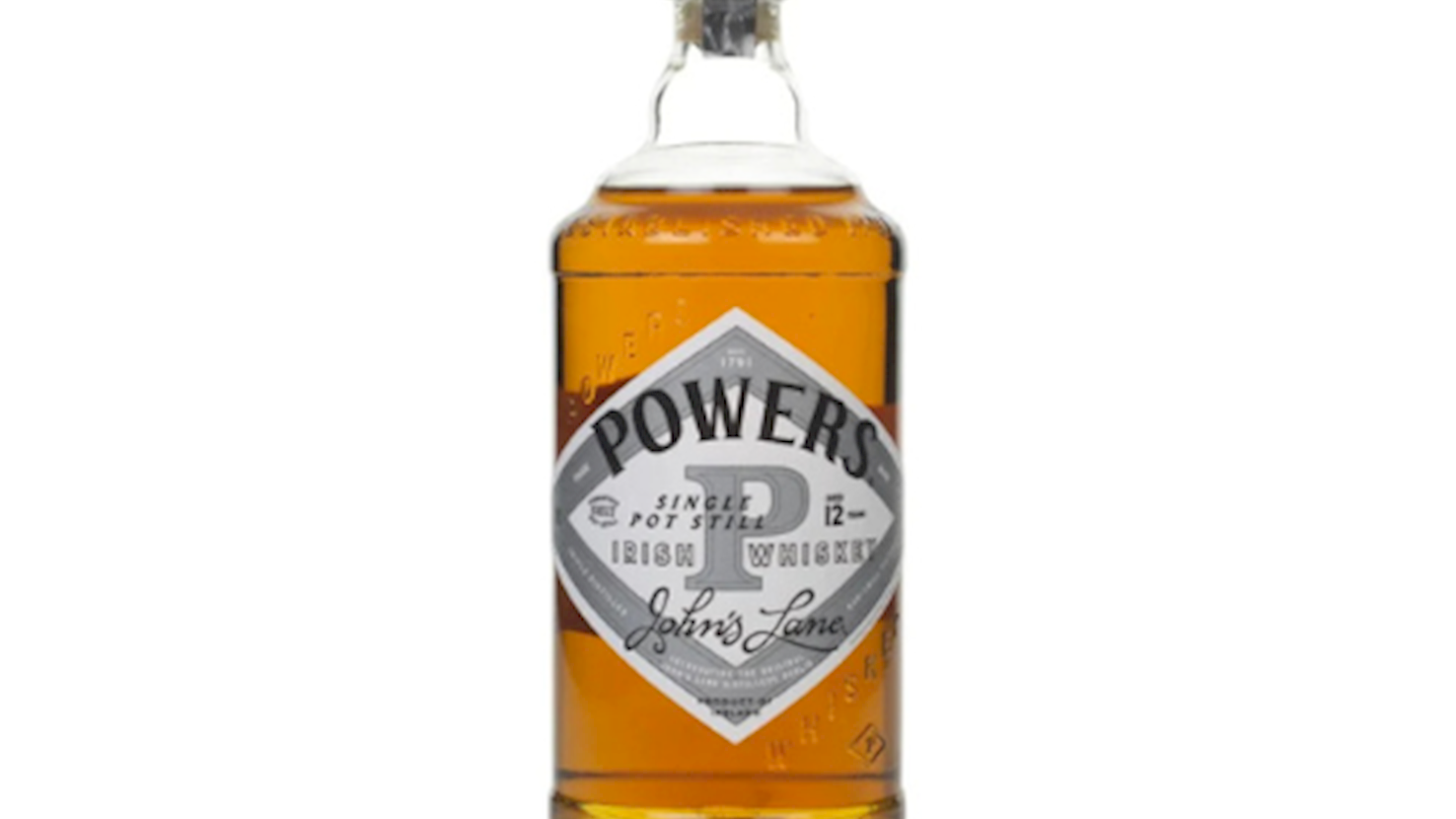
Powers Irish Whiskey is one of Ireland's most historic and respected whiskey brands, with roots dating back to 1791 when it was founded by James Power in Dublin. Originally crafted at the John's Lane Distillery, Powers is celebrated for its rich and full-bodied flavors, achieved through traditional distillation techniques.
Today, the brand is part of the Irish Distillers portfolio and is produced at the Midleton Distillery in County Cork. Known for its signature releases like Powers Gold Label, Powers Three Swallow, and Powers John's Lane, the whiskey is a favorite among enthusiasts for its balance of spice, honey, and oak notes.
Awards
SFWSC - San Francisco World Spirits Competition - Double Gold
(2024, 2023)
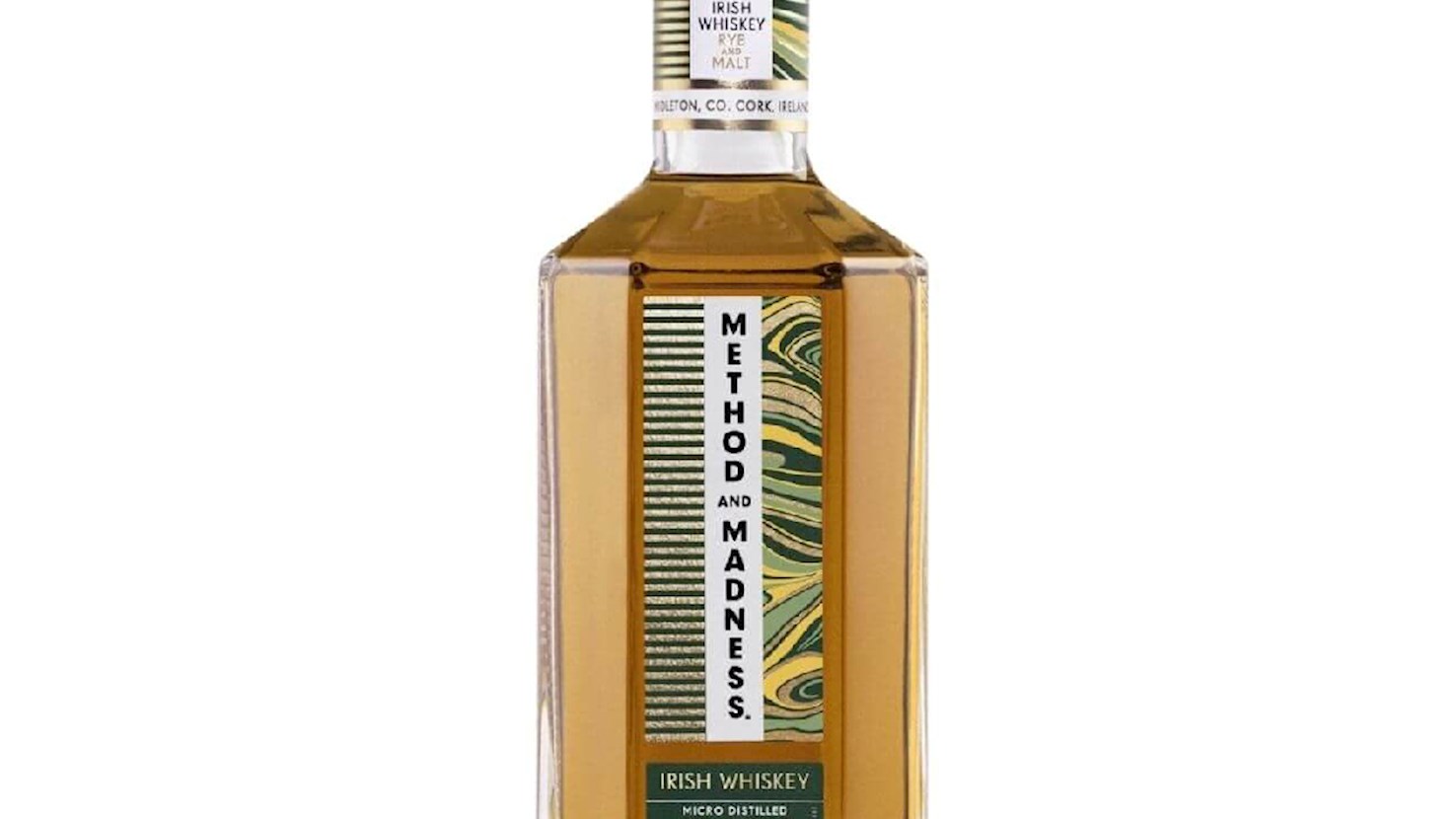
Method and Madness is an innovative Irish whiskey brand developed by the master and apprentice distillers at Midleton Distillery in County Cork, Ireland. The brand embodies a fusion of traditional craftsmanship and experimental techniques, resulting in unique expressions that push the boundaries of conventional whiskey-making.
Each product is meticulously crafted at the Midleton Micro Distillery, where seasoned expertise meets fresh creativity to produce exceptional whiskeys.
Awards
SFWSC - San Francisco World Spirits Competition - Double Gold
(2024, 2023)
NYWSC - New York World Spirits Competition - Double Gold
(2024)
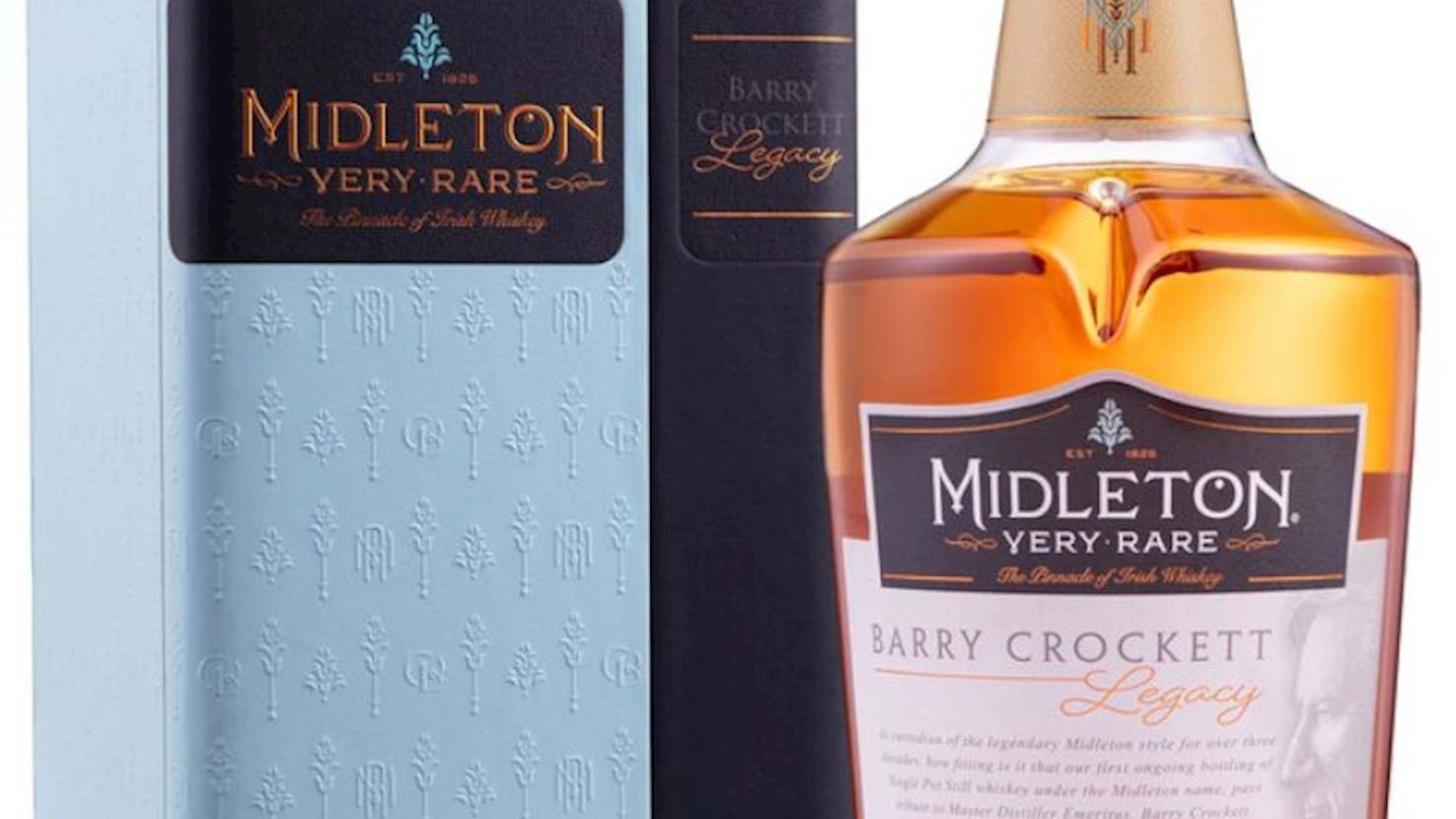
Midleton Very Rare is a prestigious series of Irish whiskeys produced by the Midleton Distillery, located in County Cork. The Midleton Very Rare series, launched in 1984 by Master Distiller Barry Crockett, is an annual release of carefully selected and blended vintages.
Each edition reflects a unique flavor profile, continuing a legacy of quality under current Master Distiller Kevin O'Gorman.
Awards
NYWSC - New York World Spirits Competition - Double Gold
(2024)
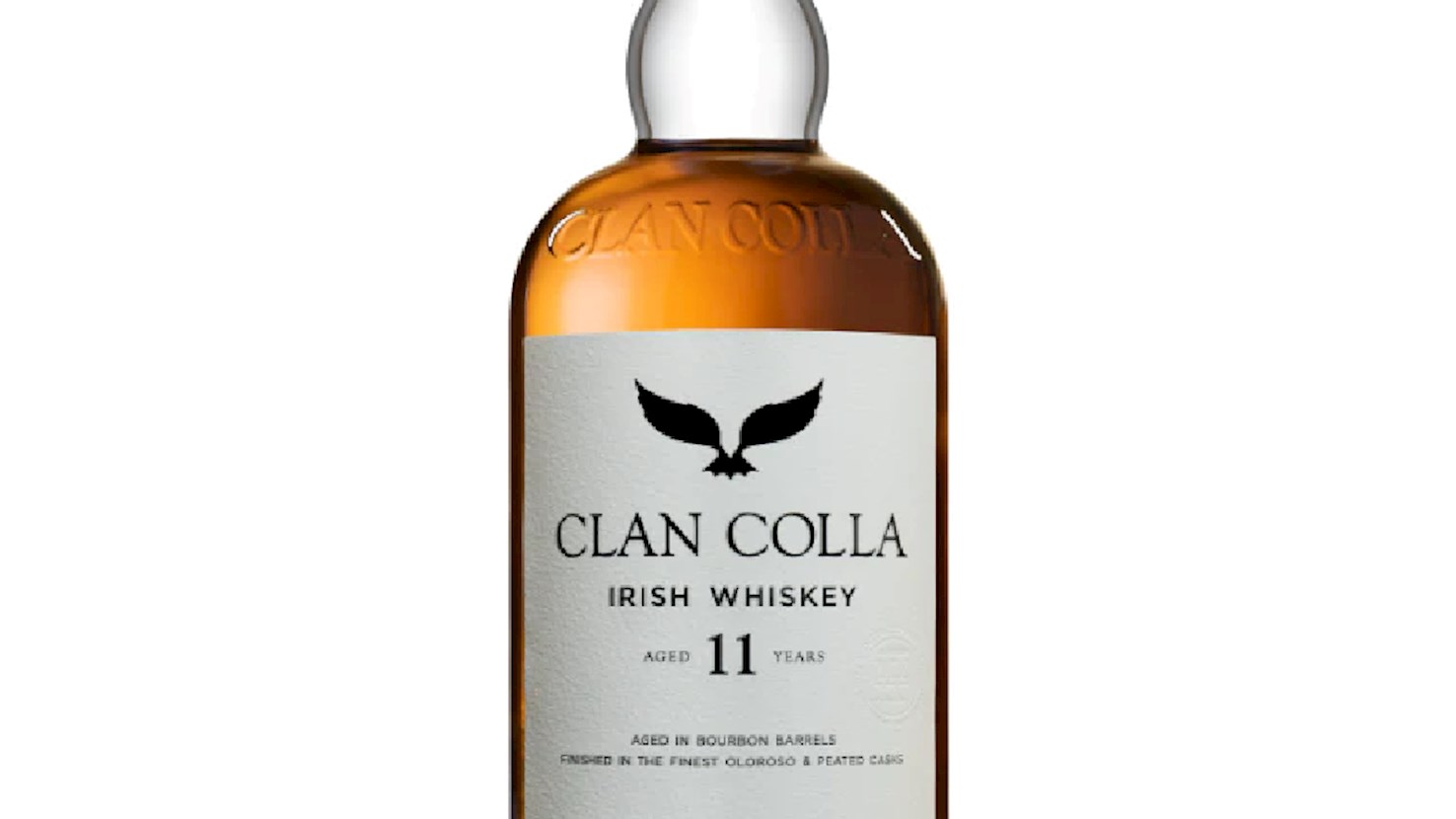
Ahascragh Distillery is Ireland's first carbon-neutral distillery, located in the village of Ahascragh, County Galway. Founded by Gareth and Michelle McAllister, the distillery revitalized a 19th-century mill, blending traditional architecture with modern technology.
It operates entirely on renewable energy sources, including wind and solar power, to achieve zero carbon emissions. Their product range includes premium Irish whiskeys like UAIS and Clan Colla, as well as Xin Gin, which combines Irish and Asian botanicals.
Awards
SFWSC - San Francisco World Spirits Competition - Double Gold
(2024)
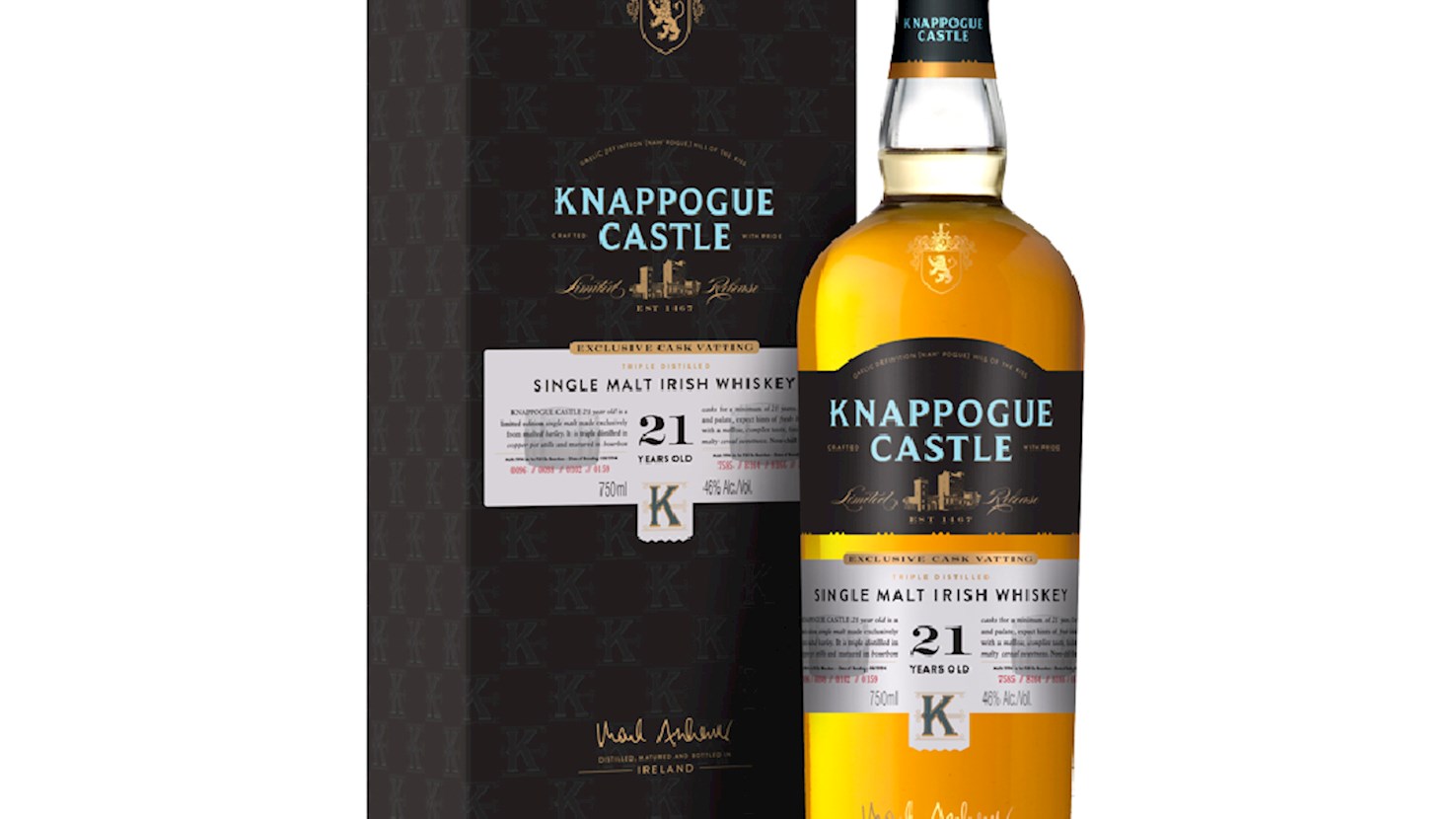
Knappogue Castle Whiskey is an esteemed Irish single malt whiskey brand with roots tracing back to the 1960s. The brand was founded by Mark Edwin Andrews, an American who, along with his wife Lavone, purchased and restored the historic Knappogue Castle in County Clare, Ireland.
During the restoration, Andrews began acquiring casks of fine pot still whiskey from top distilleries across Ireland, which he aged and bottled under the Knappogue Castle label. Today, Knappogue Castle Whiskey is celebrated for its commitment to traditional Irish whiskey-making techniques, offering expressions aged up to 16 years, each embodying the rich heritage and craftsmanship of Irish single malt whiskey.
Awards
SFWSC - San Francisco World Spirits Competition - Double Gold
(2024, 2023)
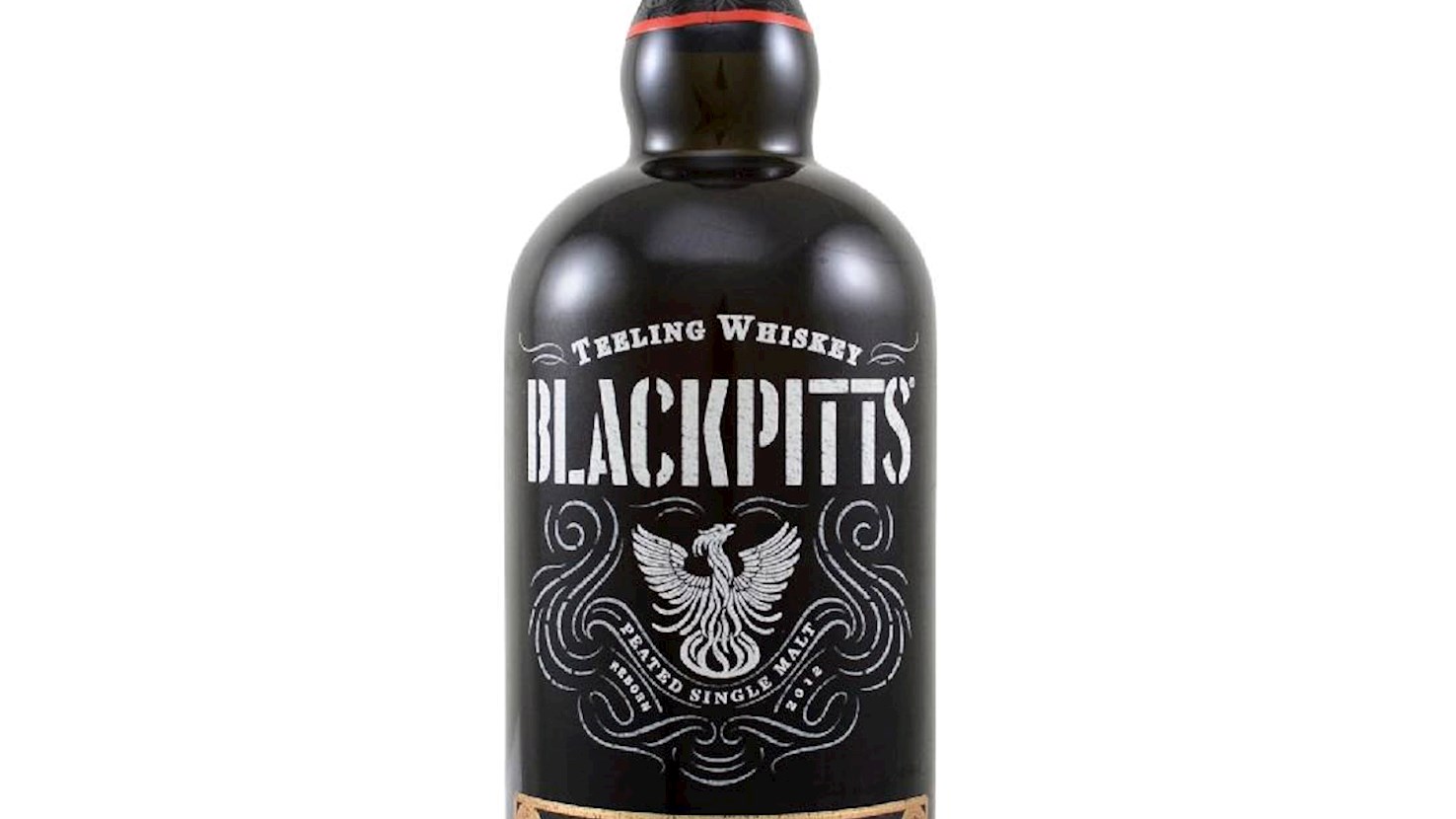
Teeling Whiskey Distillery, established in 2015, is the first new distillery in Dublin in over 125 years, reviving the city's rich whiskey-making heritage. Located in the historic Liberties area, it offers visitors a comprehensive experience of the whiskey production process, from grain to glass.
The distillery produces a range of award-winning Irish whiskeys, including Small Batch, Single Grain, Single Malt, and Single Pot Still expressions.
Awards
SFWSC - San Francisco World Spirits Competition - Double Gold
(2024, 2023)
NYWSC - New York World Spirits Competition - Double Gold
(2023)
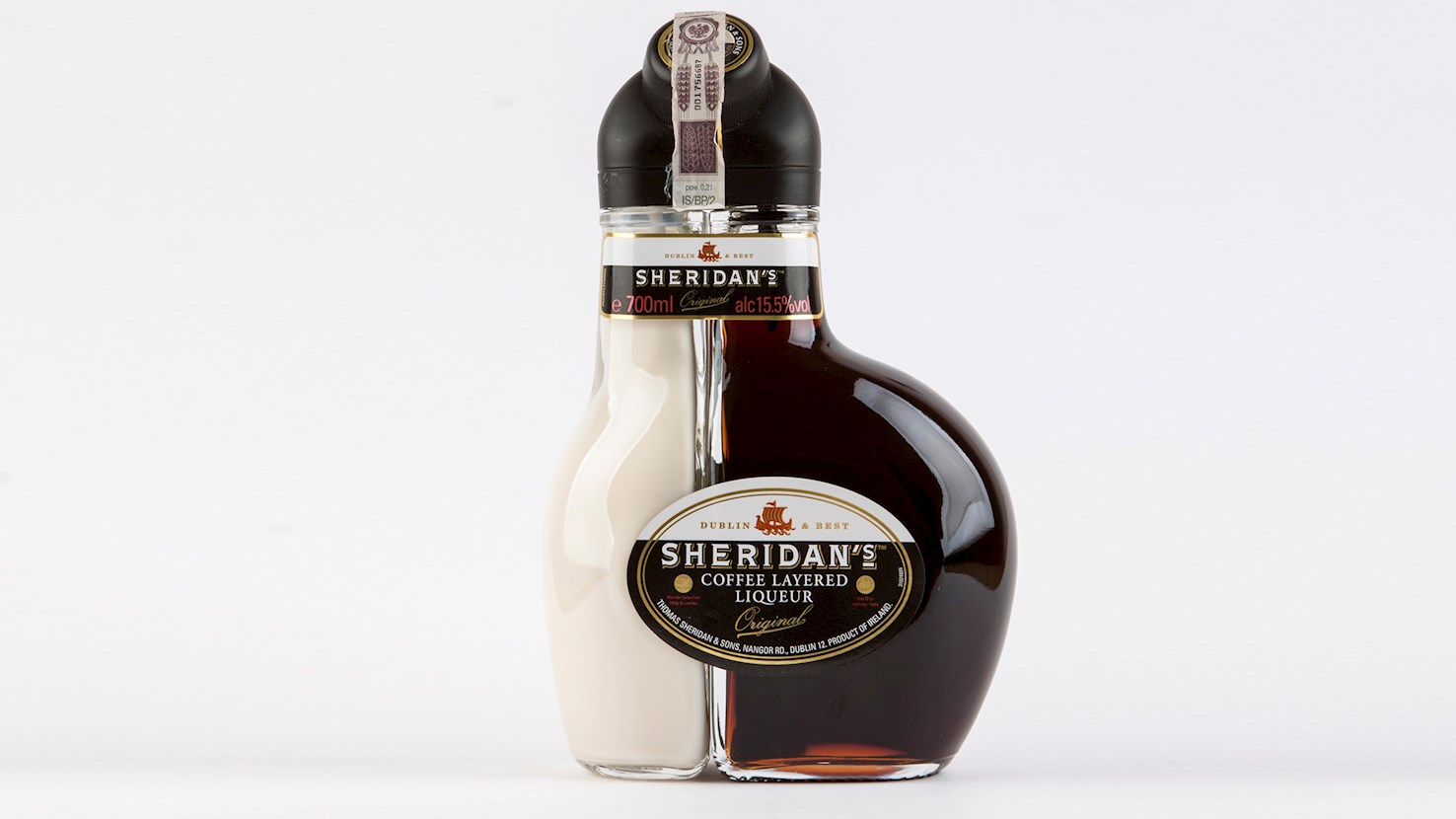
Sheridan’s is an Irish cream liqueur known for its unusual dual-bottle design that contains both a dark coffee-chocolate whiskey-based liqueur (37.6% ABV) and a white vanilla cream liqueur (15.5% ABV), which are poured simultaneously to create a layered drink. It originates from Dublin, Ireland, where it was first introduced to the market in the 1994 by the same company behind Baileys. The liqueur was created during a period when Irish cream and coffee-flavored liqueurs were enjoying global popularity, and Sheridan’s was designed to stand out not only in taste but also in its distinctive presentation. Preparation involves simply pouring from the special bottle, which releases both parts at once so that the dark and light layers naturally separate in the glass, giving it a striking visual appeal. It can be served straight in a glass to highlight the layering effect, over ice for a smoother and chilled experience, or even incorporated into cocktails and desserts where the cream and coffee flavors complement other ingredients. The design of the bottle itself is as much a part of Sheridan’s identity as the flavor, since its engineering ensures that the right proportions of each liqueur flow together. This makes it unique among cream liqueurs, as no other widely available brand is sold in this kind of dual-chamber packaging. Sheridan’s is typically enjoyed as an after-dinner drink, often replacing dessert or accompanying coffee. It is also served in bars and restaurants worldwide, particularly in places where Irish cream liqueurs are popular. When paired, it works well with coffee, chocolate-based desserts, or even simple biscuits, since the richness of the liqueur complements sweet flavors and creamy textures.
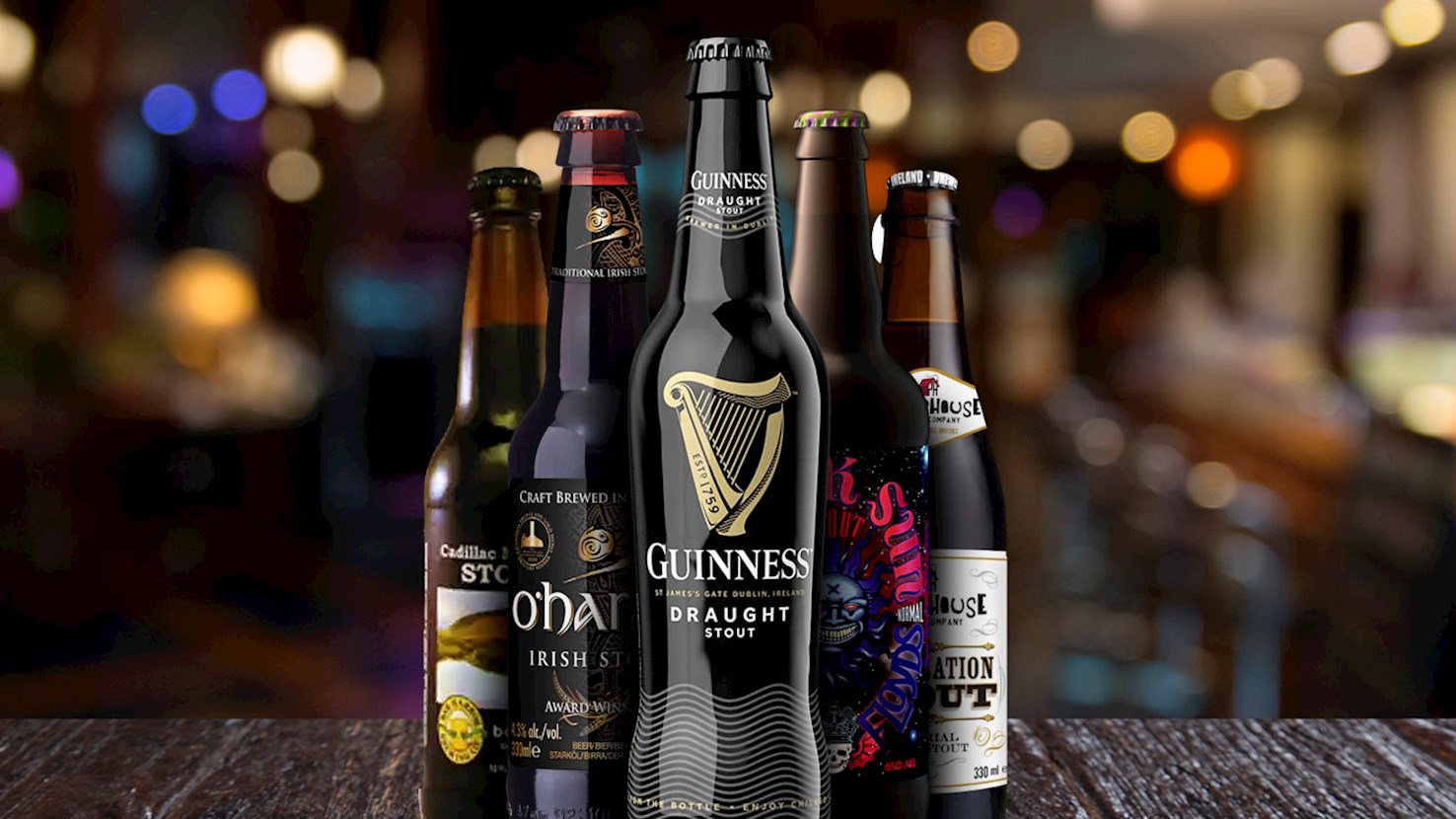
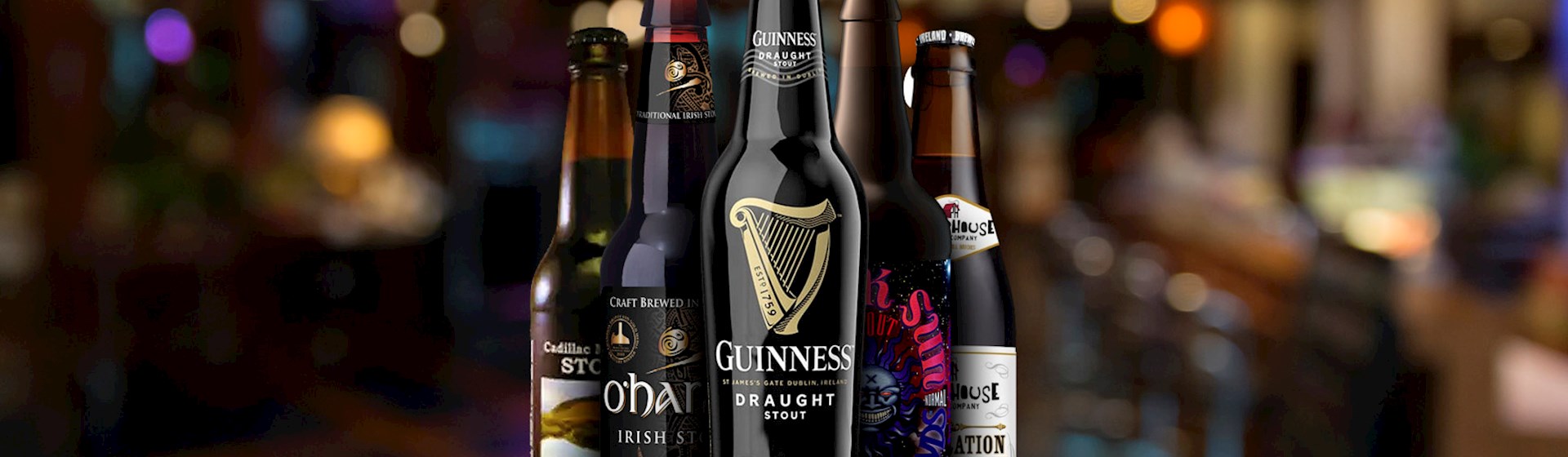
Irish dry stout evolved from stout porters—slightly stronger and fuller porters that were popular in England in the 1800s. It grew as a separate style due to the use of roasted barley, and though the style was common in Ireland and England, in the 20th century, it became the most common option in Ireland. Irish stout is one of the most popular stout varieties, and its most typical representative is a dark and opaque Guinness. Typically, Irish dry stouts will have flavors of roasted grain or malt, while the aromas are usually reminiscent of coffee, with possible hints of chocolate or cocoa. They are traditionally medium-bodied, creamy, and smooth. Modern versions are not necessarily stronger than porters, and they typically range from 4.0 to 4.5% ABV. Irish stout can pair with various dishes, but it works especially well with oysters, pork, stews, meat pies, and creamy or chocolate-based desserts. Dry Irish stouts are usually carbonated with nitrogen gas, which gives this style its distinctive silky texture.
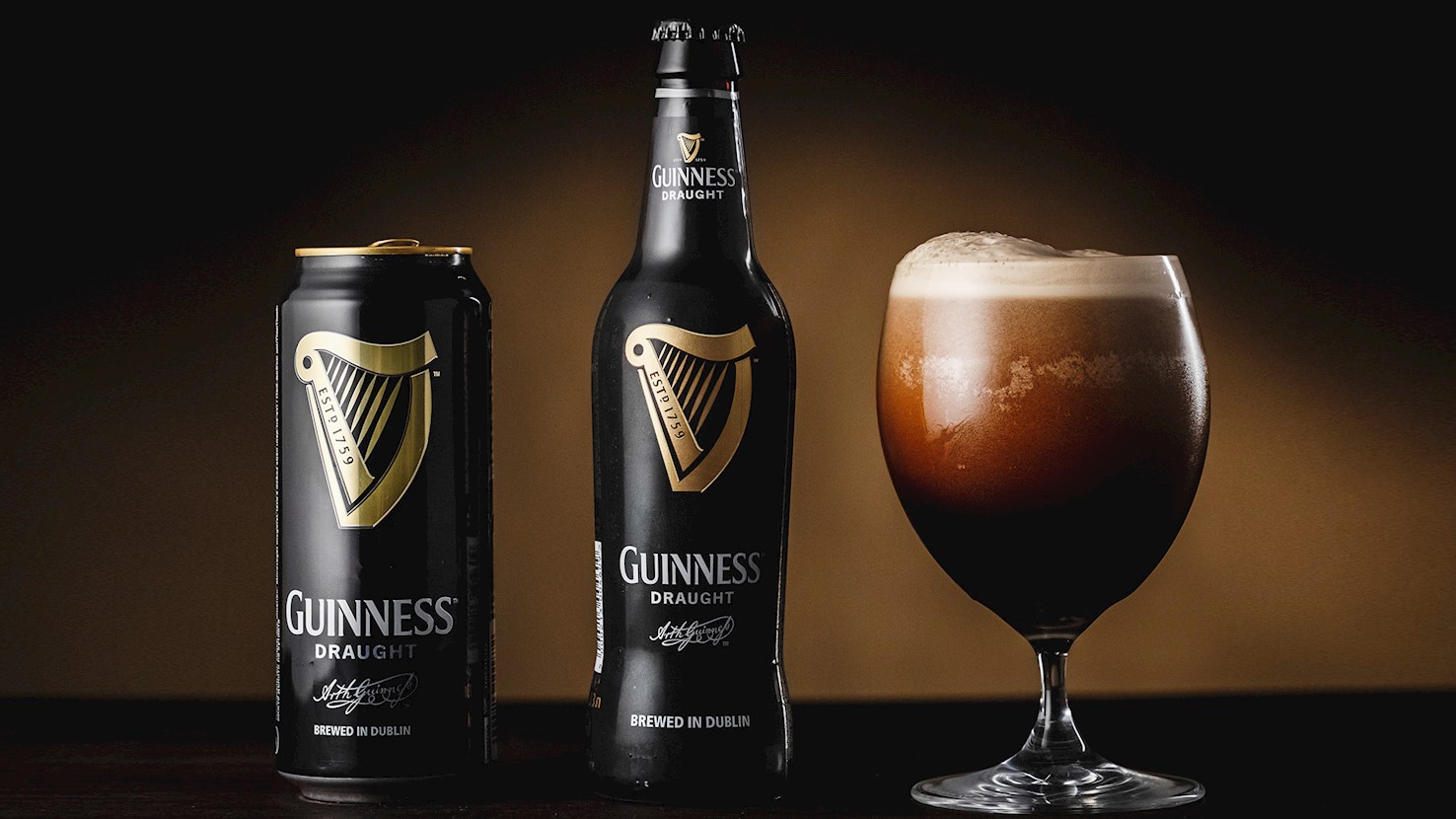
Guinness Draught is an iconic dark Irish stout that is made from malted barley and roasted unmalted barley. To this day, Guinness remains one of the most exported beers in the world. The story of its invention starts with Arthur Guinness, who founded the brewery in 1759. At the time, lagers were all the rage, but Arthur decided to experiment with a dark beer known as porter that was becoming immensely popular in England. Unlike other breweries, Guinness heavily relied on export, sending its strong black beer all across the world. Arthur passed on his business to his son Arthur Guinness II, who went on to create the largest brewery in Ireland. Guinness Draught was created in 1959—as a festive brew to celebrate the occasion when Arthur Guinness signed his 9,000-year lease. The beer was an instant success praised for its complexity and rich, creamy, and velvety texture. It combines flavors of bitter hops, malt sweetness, and roasted barley, while the typical aromas include coffee and malt. They pair best with chocolate or caramel desserts, traditional British and Irish dishes, beef, oysters, and seafood. Guinness Draught is sold in cans, bottles, and kegs, and it usually has 4.3% alcohol by volume.
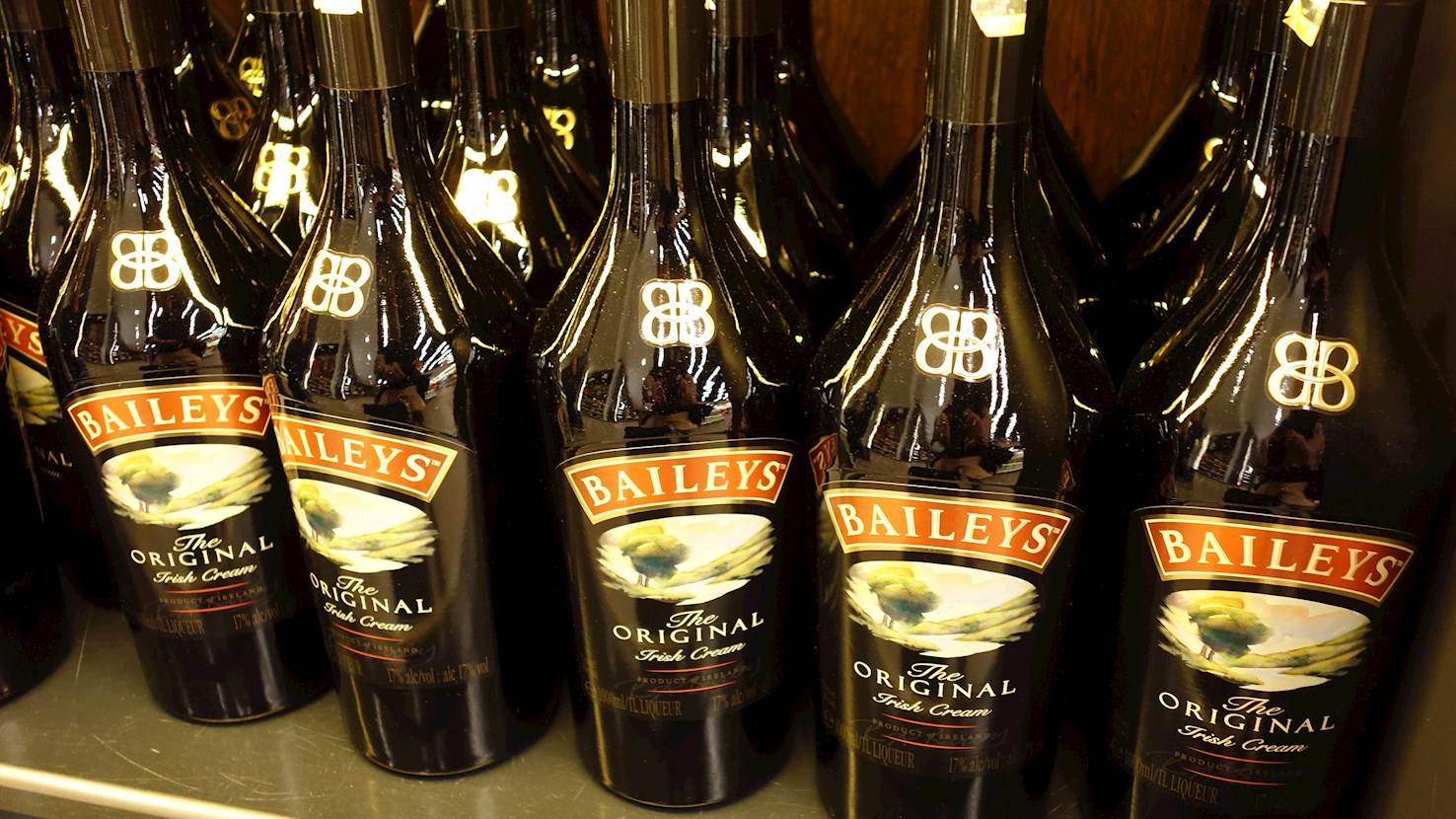
Baileys is an Irish cream liqueur created in Dublin, Ireland, that combines Irish whiskey with cream and chocolate flavoring. It was first introduced in the 1974 as an attempt to craft a new product that would appeal to international markets, particularly in North America, by blending the country’s two most well-known exports: whiskey and dairy. The formula was designed to create a shelf-stable drink where the cream would not separate from the alcohol, and its commercial success quickly established Baileys as one of the most recognized cream liqueurs worldwide. The preparation of Baileys is industrial rather than artisanal, but the method has remained largely the same since its creation. Cream is blended with Irish whiskey, sugar, and cocoa, resulting in a smooth, sweet beverage with a balance of alcohol warmth and rich dairy character. It is bottled with a moderate alcohol content, making it suitable for both casual sipping and use as an ingredient in cocktails or desserts. Over time, variations have been introduced, including flavored versions with hints of coffee, caramel, or almond. Baileys is commonly enjoyed over ice, where its creaminess is highlighted, but it is also popular mixed into coffee or hot chocolate, giving these drinks a warming and indulgent edge. It is frequently used in cocktails such as the Mudslide or layered shots where its density complements other liqueurs. Beyond drinks, it is incorporated into desserts, from cheesecakes to mousses, where its flavor blends with chocolate or coffee-based sweets. Pairings often include pastries, biscuits, or even savory cheese boards, as the balance of sweet and rich tones interacts well with contrasting textures and flavors.
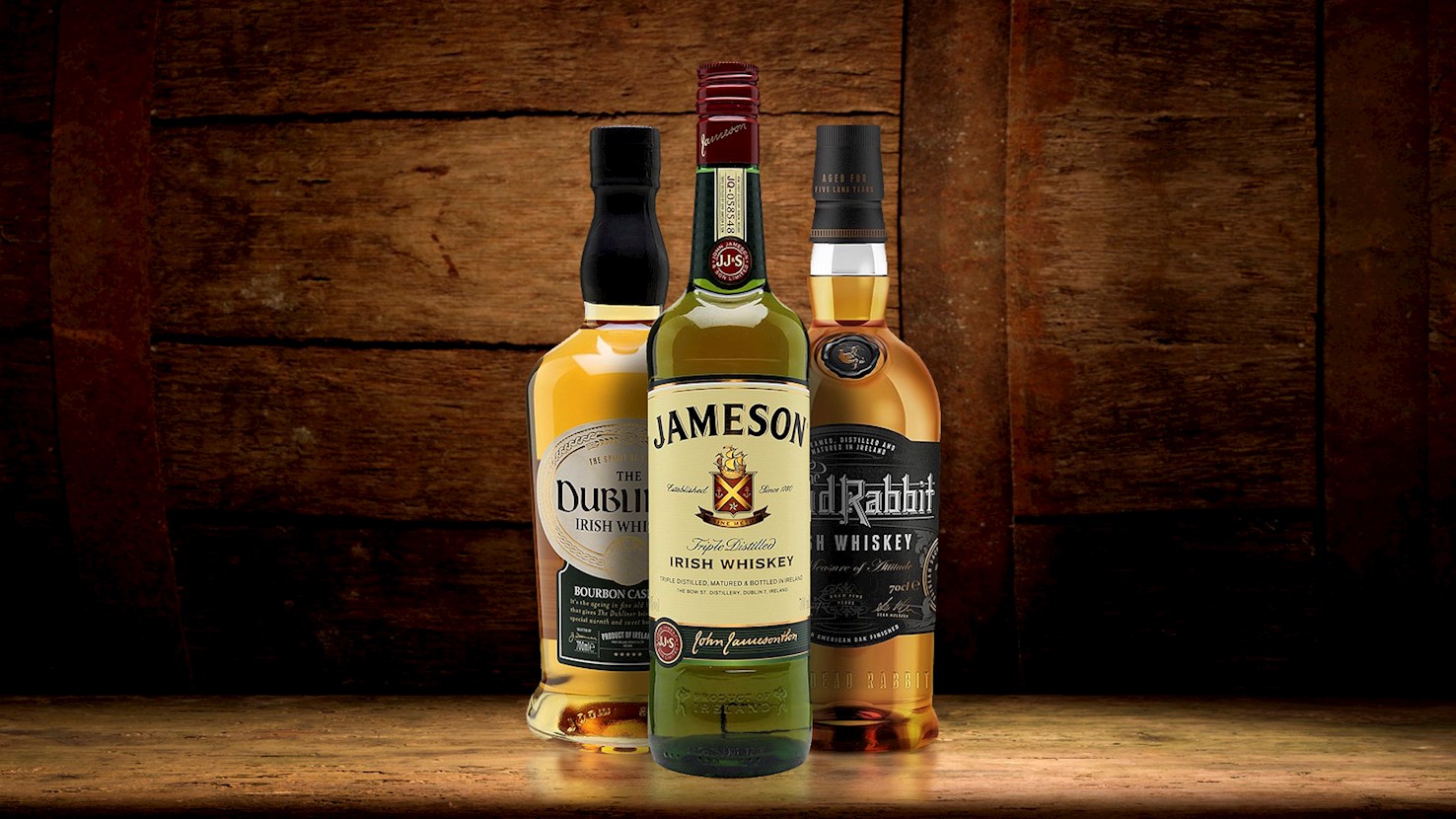
Ireland was presumably the first country that introduced distillation, primarily to produce a clear distillate known as uisge beatha—which is generally considered to be a predecessor of modern-day whiskey. Only produced and matured in the distilleries located in the Republic of Ireland and Northern Ireland, Irish whiskey is distinguished from other varieties for its smooth texture and flavor that is mainly achieved with triple distillation, though some distilleries nowadays opt for double distilled whiskey. Official guidelines stipulate that Irish whiskey can be made from malted cereals with or without whole grains of other cereals, while the basic classification divides them into single pot still (mixture of malted and unmalted barley completely distilled in a pot still within a single distillery), single malt (made from malted barley distilled in a pot still within a single distillery), single grain (produced from various grains by continuous distillation in a column or Coffey still), and the most common variety - blended Irish whiskey (a combination of various styles). The distillate must be aged in oak casks for a minimum of three years, and the drink has to be bottled at a minimum of 40% ABV. Irish whiskey is usually described as lighter and more subtle when compared to other whiskey styles, though age, grains, and distillation may significantly influence its flavor and texture. It can be served neat, on the rocks, but it also works well in cocktails and long drinks.
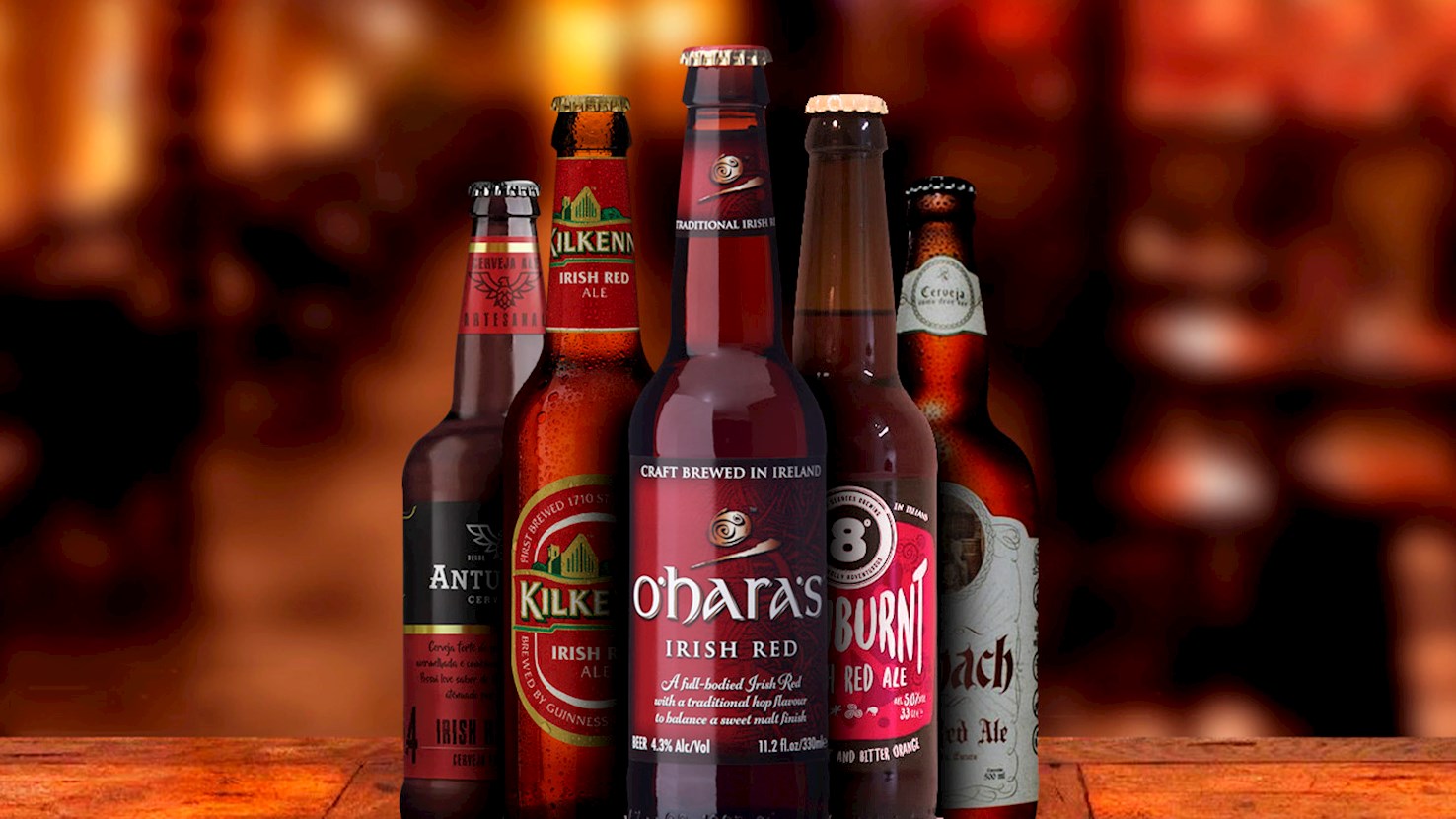
Irish red ale is a beer style that has its origin in Ireland, but whose exact history is difficult to pinpoint. Although there are significant variations, the beers falling in this category will be amber or red and moderately malty, usually with caramel or toffee sweetness. The aromas and flavors are slightly malty, with possible hints of caramel or butter, while the finish is dry and roasty. The style originated in Ireland, but it is also a mainstay in American breweries. Irish version will usually be less hoppy and less sweet than international varieties. It is believed that Irish-style red ales developed as an attempt to brew less hoppy and less bitter style of a traditional English pale ale. Sometimes, beers labeled as Irish red may be brewed as lagers. Traditional red ales from Ireland are a good pairing idea with a variety of dishes, including roasted or grilled white or red meat and spicy dishes.
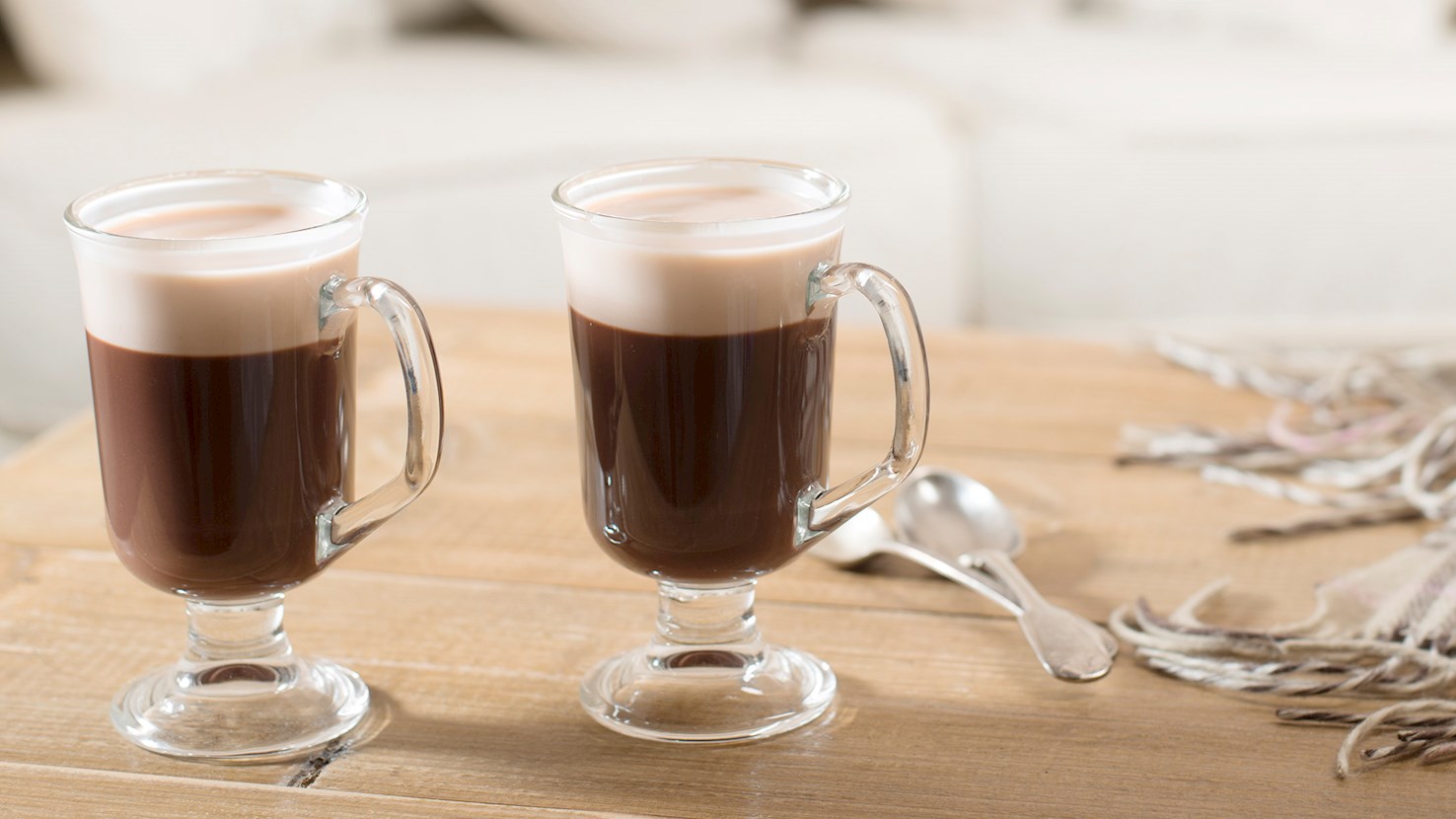
Irish coffee is a hot beverage from Ireland that combines strong brewed coffee with Irish whiskey, sugar, and lightly whipped cream served on top. Although there were some variations known in the early 20th century, the modern recipe was probably created in the mid-20th century at Foynes, a port town in County Limerick, where transatlantic flights once made stopovers. The story tells that it was offered to weary travelers as a way to warm them in cold weather, and the combination of whiskey and coffee soon gained recognition beyond Ireland when it was later introduced in the United States, particularly at the Buena Vista Café in San Francisco, which helped make the drink internationally famous. The preparation requires attention to balance. Hot, freshly brewed coffee is poured into a preheated glass, sugar is stirred in until dissolved, and Irish whiskey is added. The defining element is the cream, which must be lightly whipped so that it floats gently on top without blending into the liquid. The drink is not stirred once assembled, allowing the warm coffee and whiskey to pass beneath the cool cream as it is sipped, creating a layered effect in taste and texture. It is often enjoyed in pubs, cafés, or restaurants, particularly in colder seasons or after meals when a balance of caffeine, sweetness, and spirit offers both comfort and energy. Pairings tend to favor desserts like chocolate cake, biscuits, or fruit tarts, but it can also be served on its own as both a digestif and a coffee course.
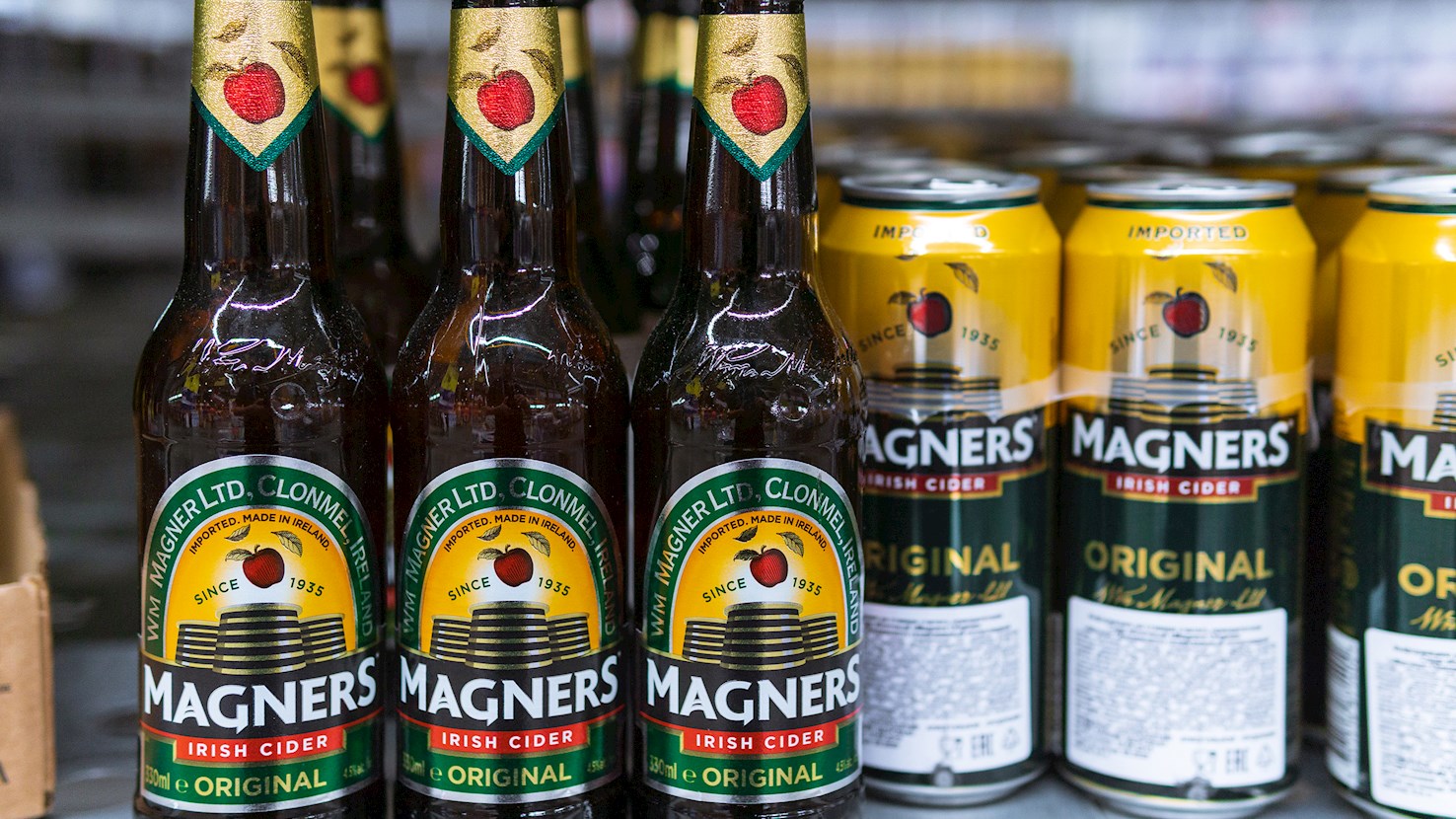
Irish cider is a fermented apple drink that comes from the orchards of Ireland, where apple growing has been part of rural life for centuries. The craft of turning apples into cider has long roots on the island, with records suggesting that it was enjoyed as far back as the early medieval period, when orchards were planted by monks who valued both the fruit and the drink that could be made from it. Over time, cider became tied to farming communities in counties such as Armagh, Kilkenny, and Tipperary, where the climate and soil were especially favorable for apple cultivation. In more recent decades, it has grown beyond a farm beverage into a recognized symbol of Irish brewing and agricultural heritage. Making cider begins with pressing freshly harvested apples into juice, which is then left to ferment with natural or added yeasts. Different apple varieties are blended to achieve balance, with bittersweet and sharp apples providing depth and acidity while sweeter apples round out the flavor. The cider is then matured, filtered, and sometimes carbonated, depending on the style being made. The range of Irish ciders extends from crisp and dry versions that highlight the sharpness of the fruit to sweeter, more mellow bottles that appeal to a broader audience. Small-scale producers often embrace traditional orchard practices and minimal intervention in fermentation, while larger producers create consistent and widely distributed brands. Irish cider has some particular characteristics that set it apart from similar drinks elsewhere. The apple varieties cultivated in Ireland’s cool, damp climate give the cider a distinctive profile, with high acidity and freshness that stand out even in sweeter versions. In regions such as Armagh, which holds a protected geographical indication for its apples, the link between land and flavor is especially celebrated, reinforcing cider’s role as both an agricultural product and a cultural expression. Today, cider is enjoyed in pubs, at festivals, and at home across Ireland. It is usually served chilled, either on its own or alongside food. Its crispness makes it a refreshing companion to hearty Irish dishes such as stews, roast pork, or cheese platters, where it cuts through richness. It also pairs well with seafood, especially shellfish, reflecting its versatility at the table. In recent years, cider has seen a revival as craft producers experiment with small batches, heritage apple varieties, and barrel aging, ensuring that while rooted in farming traditions, Irish cider continues to evolve in contemporary settings.
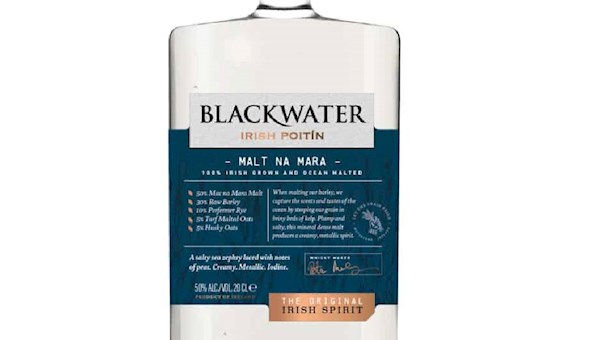
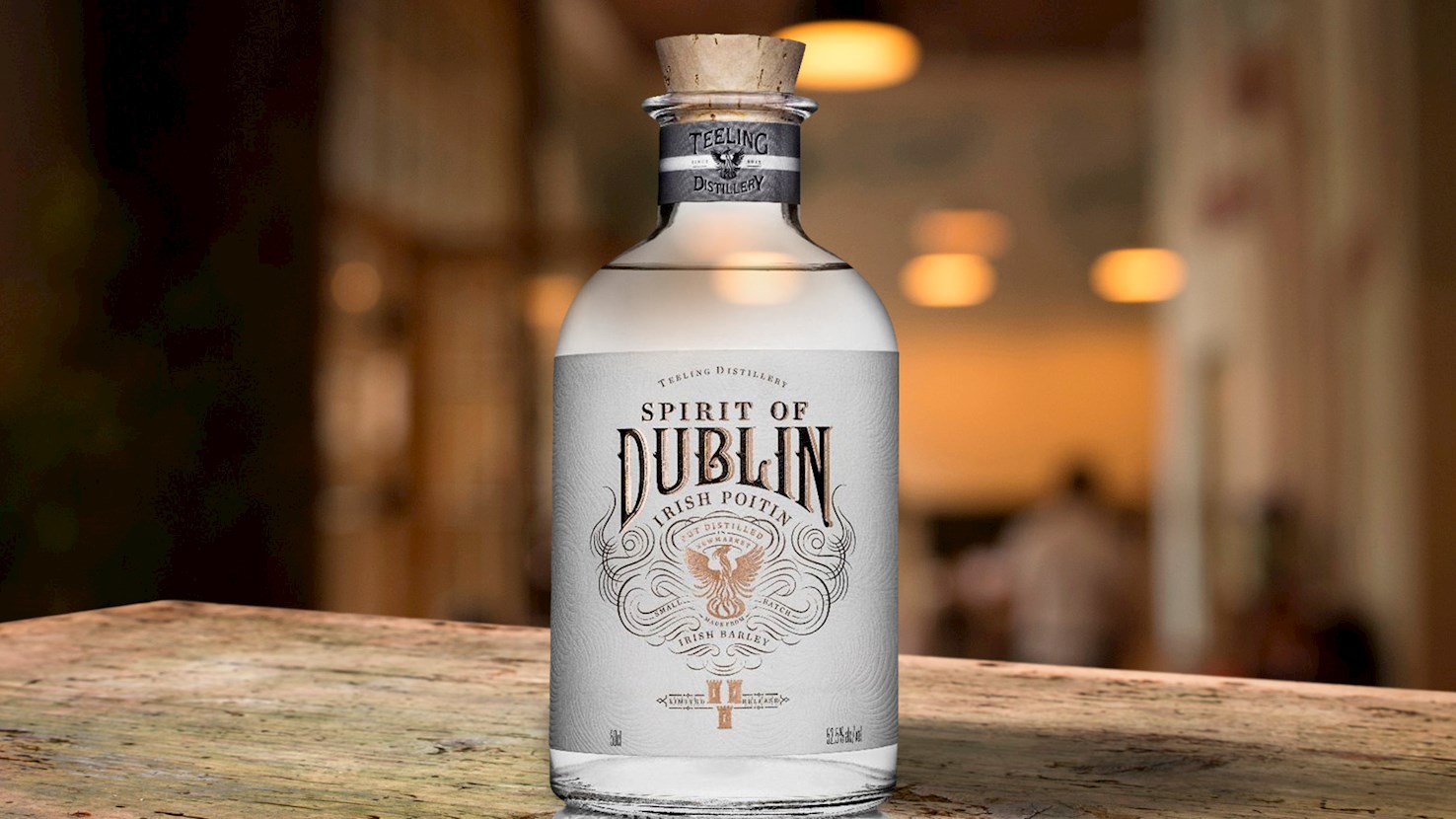
Poitín is an Irish spirit that is believed to be the predecessor of all distilled beverages in Ireland. Often dubbed as Irish moonshine, the spirit was traditionally distilled from malted grains, usually barley, wheat, oats, or rye, but through history, many other base ingredients were used such as beets or sugar, and in the 19th century many farmers distilled poitín from potatoes. However, the best versions are mostly made from grains. Poitín is a clear and potent spirit that may display a wide array of aromas, but it is always has a long-lasting, warming, and subtly spicy finish. Monks were the first who distilled the spirit, sometime in the 6th century, and the production was mostly done in small pot stills named pota. The drink was outlawed in the 1660s because the distilled spirit would sometime reach the shocking 95% ABV and because the government found it difficult to control the production and tax the drink. However, many continued with illegal production, but it was not until 1989 that production for export was officially allowed, and in 1997 the sales were made possible in the Republic of Ireland. Poitín has been awarded the geographical indication (GI) certificate by the European Union. It is recommended to enjoy poitín neat or on the rocks, but it also incorporates well into cocktails and long drinks.
Black and Black is an Irish drink consisting of a glass of stout, most often Guinness, served with a measure of blackcurrant cordial. It is a bar preparation rather than a bottled product and is poured to order in pubs across Ireland. The beverage combines the bitterness and roasted malt flavor of stout with the sweetness and fruit acidity of blackcurrant, resulting in a dark, mildly sweetened pint that softens the stout’s dryness while retaining its depth. The mixture emerged in Irish public houses during the mid-twentieth century, when flavored cordials such as blackcurrant, lime, and orange became common in bars. Adding cordials to alcoholic drinks became a practical way for bartenders to adjust flavor and sweetness according to preference. The combination of stout and blackcurrant found popularity as a simple bar request that required no special equipment or ingredients, and its name, “Black and Black,” referred directly to the dark color of both components. Over time, it became a familiar, informal order across Ireland, particularly among younger drinkers or those seeking a smoother introduction to stout. Preparation involves drawing a pint of stout and adding a measure, usually about 15–25 milliliters, of blackcurrant cordial. The cordial can be poured first, with the stout added over it, or stirred in afterward, depending on personal preference. Some bartenders add the cordial at the end so that it blends lightly through the head of the stout, producing a faintly purplish tint. The drink is served cold, in a standard pint glass, without garnish. The flavor depends on proportion: too much cordial can overpower the stout, while too little leaves only a subtle sweetness. When poured correctly, it balances roasted bitterness, mild fruit sharpness, and a soft finish. Black and Black is drunk throughout Ireland, especially in pubs where Guinness is the dominant beer on tap. It is usually consumed in the same social contexts as plain stout: over conversation, during meals, or at social gatherings. The drink pairs well with pub foods such as sausages, black pudding, or beef stew, as the sweetness from the blackcurrant complements savory flavors. It can also accompany lighter dishes like cheese toasties or crisps.
TasteAtlas food rankings are based on the ratings of the TasteAtlas audience, with a series of mechanisms that recognize real users and that ignore bot,
nationalist or local patriotic ratings, and give additional value to the ratings of users that the system recognizes as knowledgeable.
For the “Top 56 Irish Alcoholic Beverages” list until July 15, 2026, 1,032 ratings were recorded, of which 943 were recognized by the system as legitimate.
TasteAtlas Rankings should not be seen as the final global conclusion about food. Their purpose is to promote excellent local foods,
instill pride in traditional dishes, and arouse curiosity about dishes you haven’t tried.
The initial list of top producers was compiled based on available reviews, awards, local recommendations, media and blog coverage, and consumer reviews.
The list will be updated with ratings from TasteAtlas local ambassadors and TasteAtlas users.