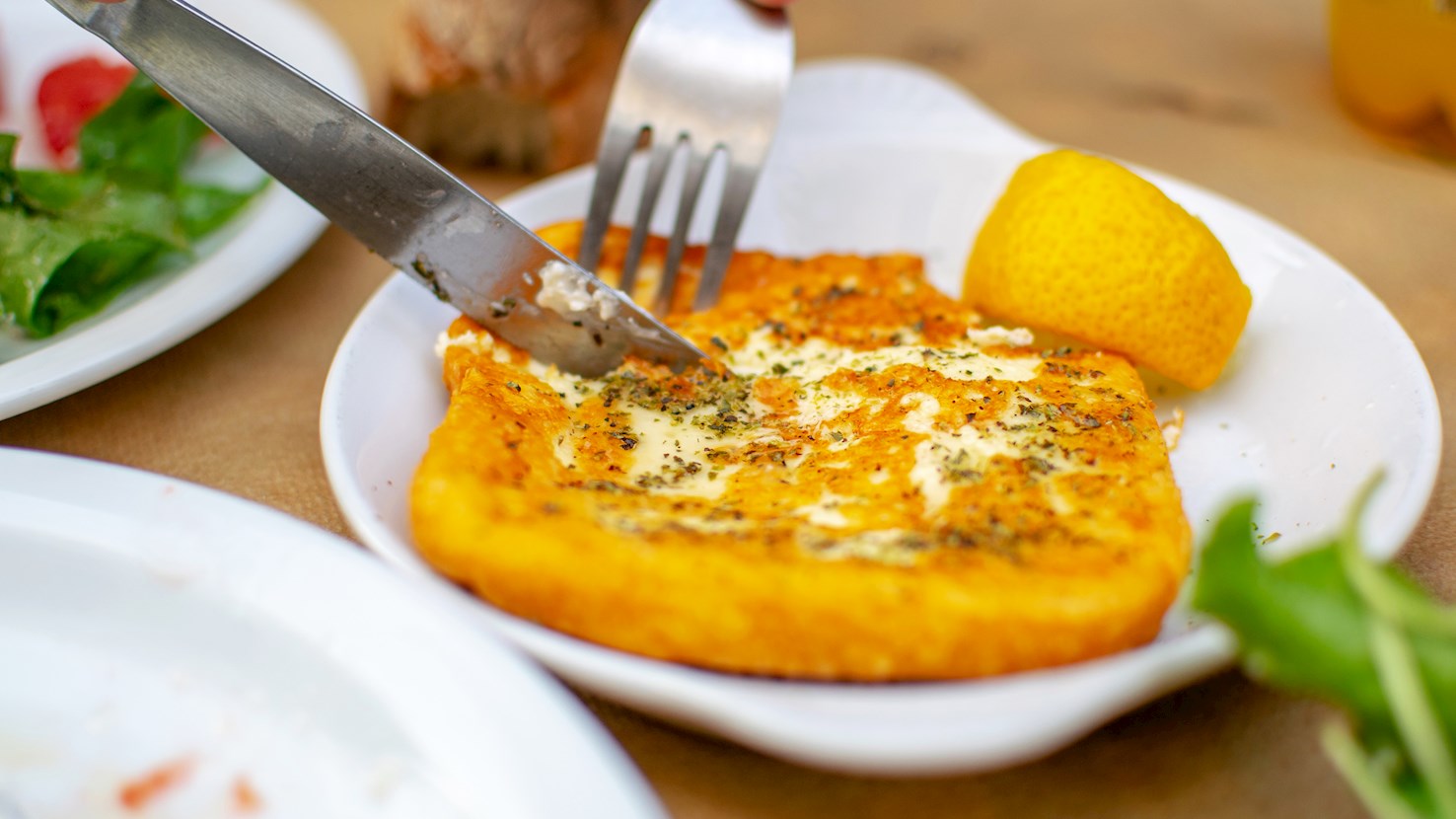
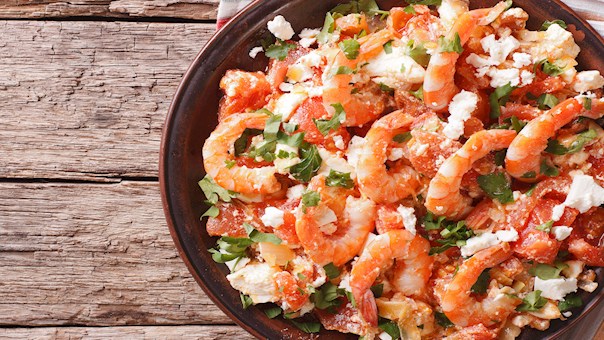
Saganaki is a highly popular Greek appetizer where various vegetables, meats, or seafood such as shrimp or mussels are wrapped in cheese, then pan-fried or seared. The cheese can also be prepared on its own, without any accompaniments. It is then pan-seared until it develops its distinctive golden crust, and served in the so-called sagani, a small, two-handled pan in which it was fried. In the past, the word saganaki referred to a method of spicing up the local cheese by Greek peasants, who would pan-fry different varieties of cheese such as feta, kashkaval or manori. While regional variations of the dish include the use of formaela cheese in Arachova and halloumi in Cyprus, the cheese used in a typical Greek saganaki is usually graviera, kefalograviera, kasseri, kefalotyri, sheep's milk feta or any other firm cheese that melts well without losing its shape. Saganaki is sometimes enlivened by a splash of traditional Greek spirits like Metaxa brandy or Ouzo, an anise-flavored aperitif. Outside of Greece, particularly in the US, saganaki is typically flambéed at the table, and this flaming culinary showmanship is a tradition which reportedly first started in Chicago's Greektown. When the lighter comes out to ignite the pan, one can often hear "Opa!", the Greek expression for joy. After cheering, the diners usually cut off chunks of cheese that are crispy on the outside and soft and runny on the inside, and then sprinkle their saganaki with lemon juice, savoring it with some freshly baked pita bread.
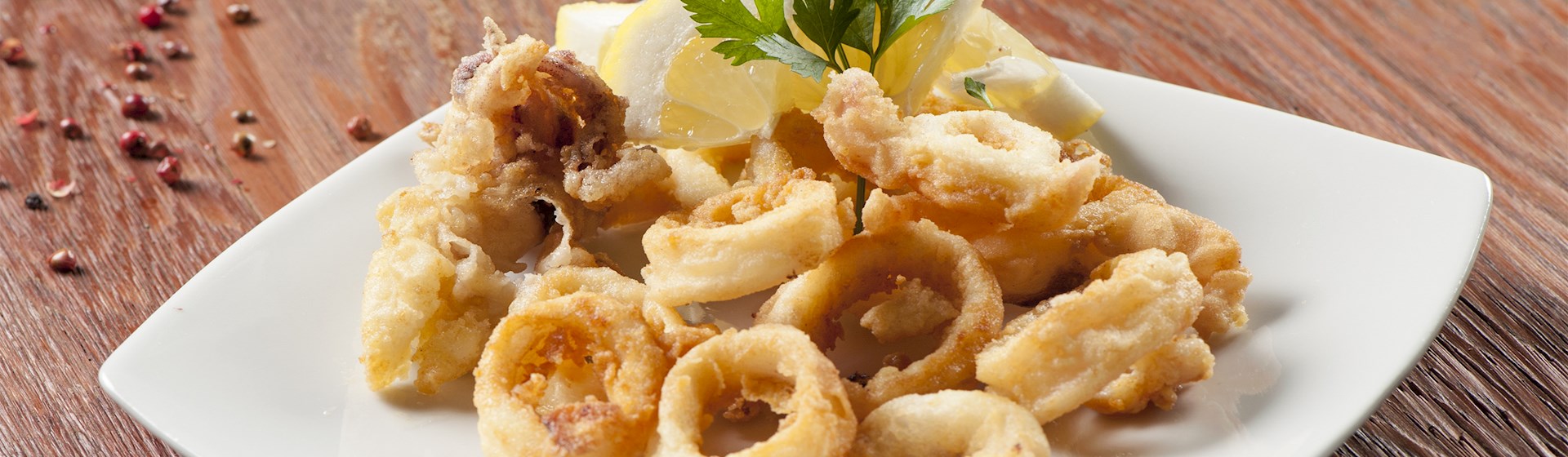
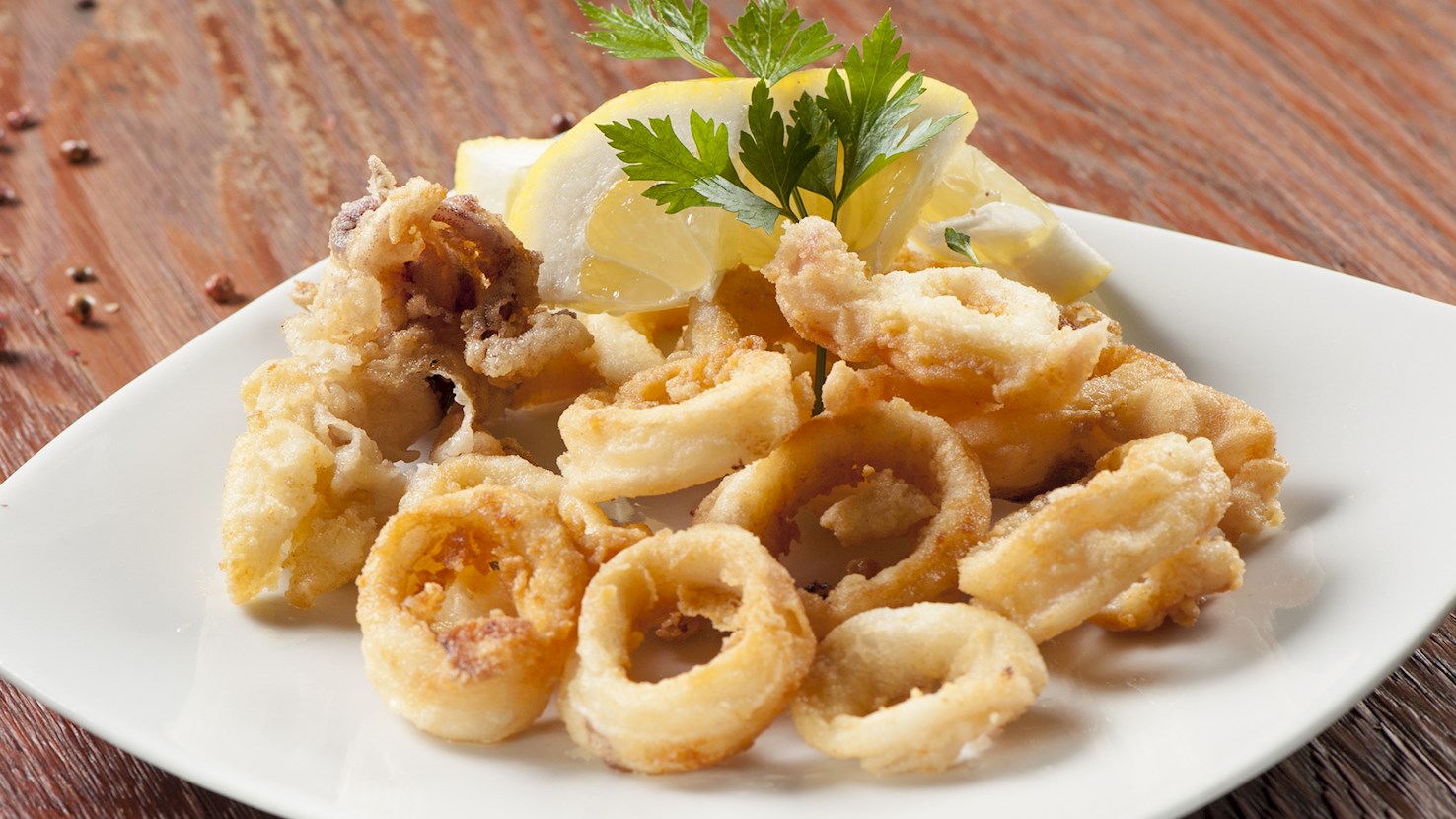
This classic Greek dish consists of squid rings and tentacles that are seasoned, dredged in flour, and fried until crispy and golden brown. Fried calamari is a restaurant staple, typically enjoyed as an appetizer or a meze dish. It is usually complemented by lemon wedges and garnished with freshly chopped parsley.
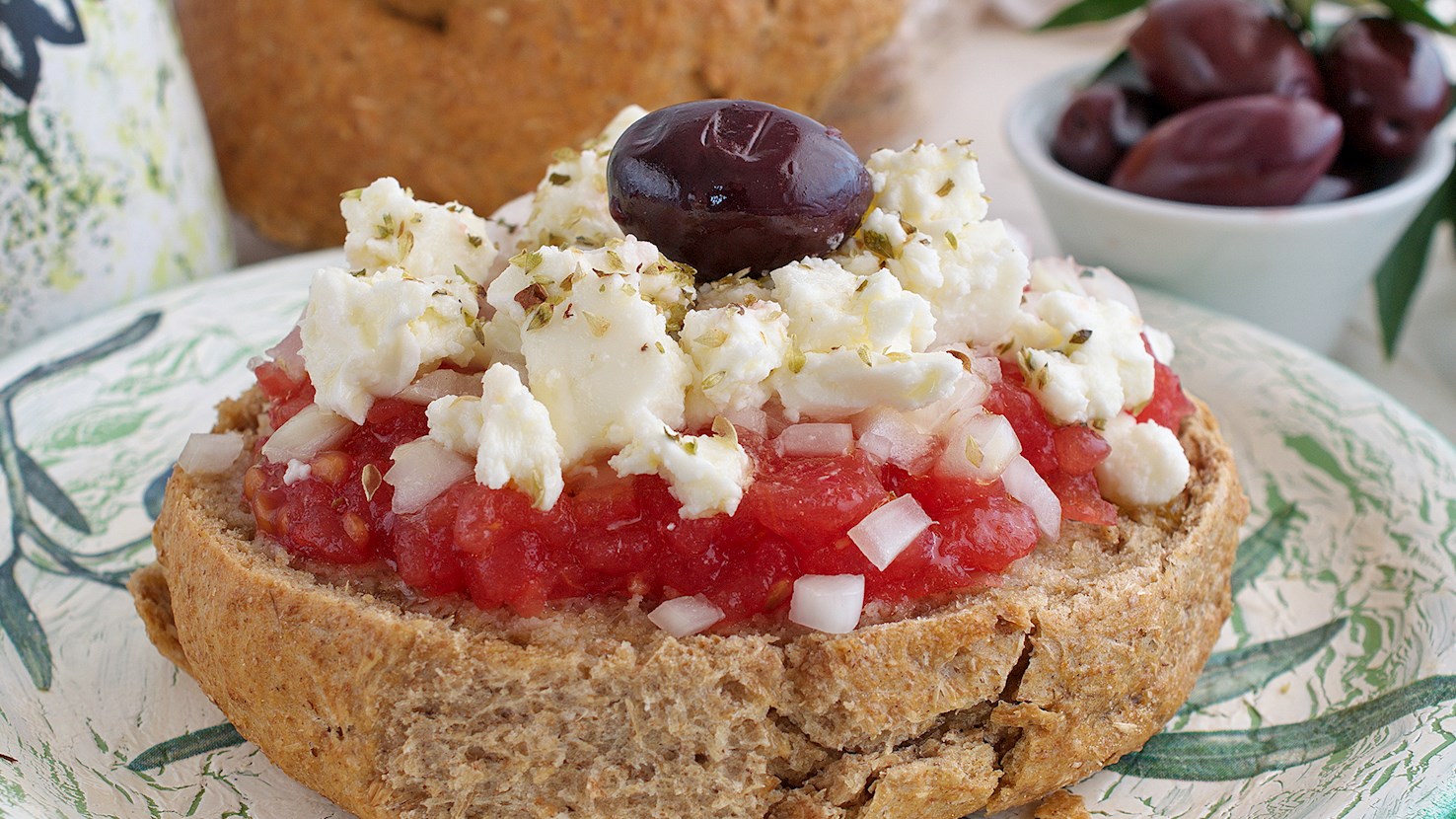
Dakos or ntakos is a traditional Cretan dish consisting of a dry barley rusk called paximadi that is topped with crumbled myzithra cheese, chopped ripe tomatoes, whole olives, capers, fresh oregano, and a few generous splashes of high-quality olive oil. It's recommended to use olive varieties such as Koroneiki, Lianes, or Tsounates. Myzithra cheese is traditionally used, and not feta, which is usually reserved for tourist restaurants. The rusk is often gently rubbed with a small piece of garlic and lightly sprinkled with sea salt. If available, kritamo (sea fennel) is also sometimes added to dakos. The dish is usually served as a meze or light dinner.
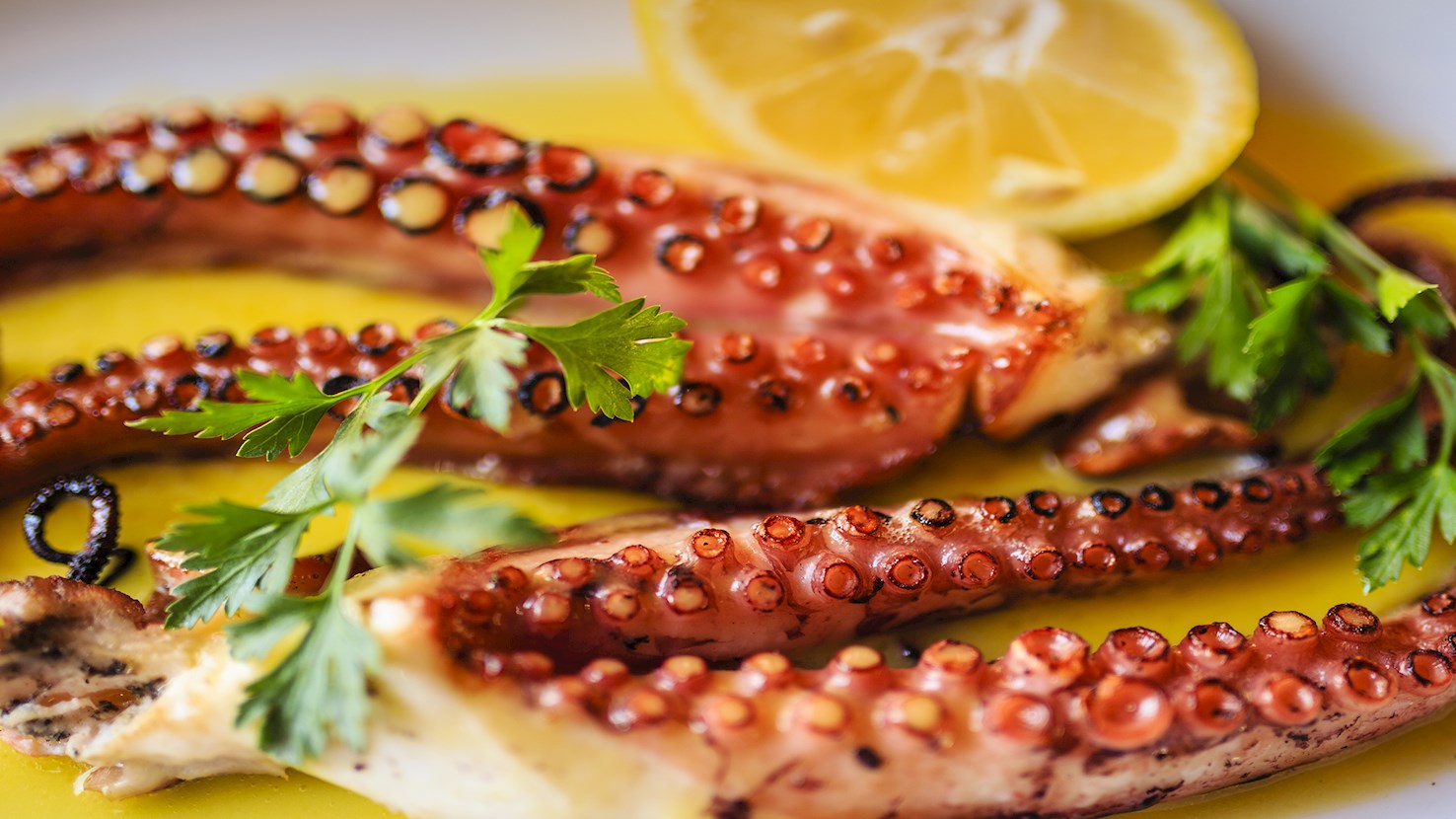
Chtapodi sti schara (grilled octopus) is a traditional octopus dish originating from Greece. Although there are variations, the dish is usually made with a combination of octopus, red wine vinegar, olive oil, and oregano. The octopus is washed, dried, and placed on a grill over a charcoal fire. It's brushed with a marinade consisting of oil, vinegar, and oregano. Once the octopus is tender, it's placed on a plate, thinly sliced and seasoned with olive oil, a drizzle of lemon, and oregano. It is mainly enjoyed as a meze dish that pairs well with crusty bread and ouzo or white wine.
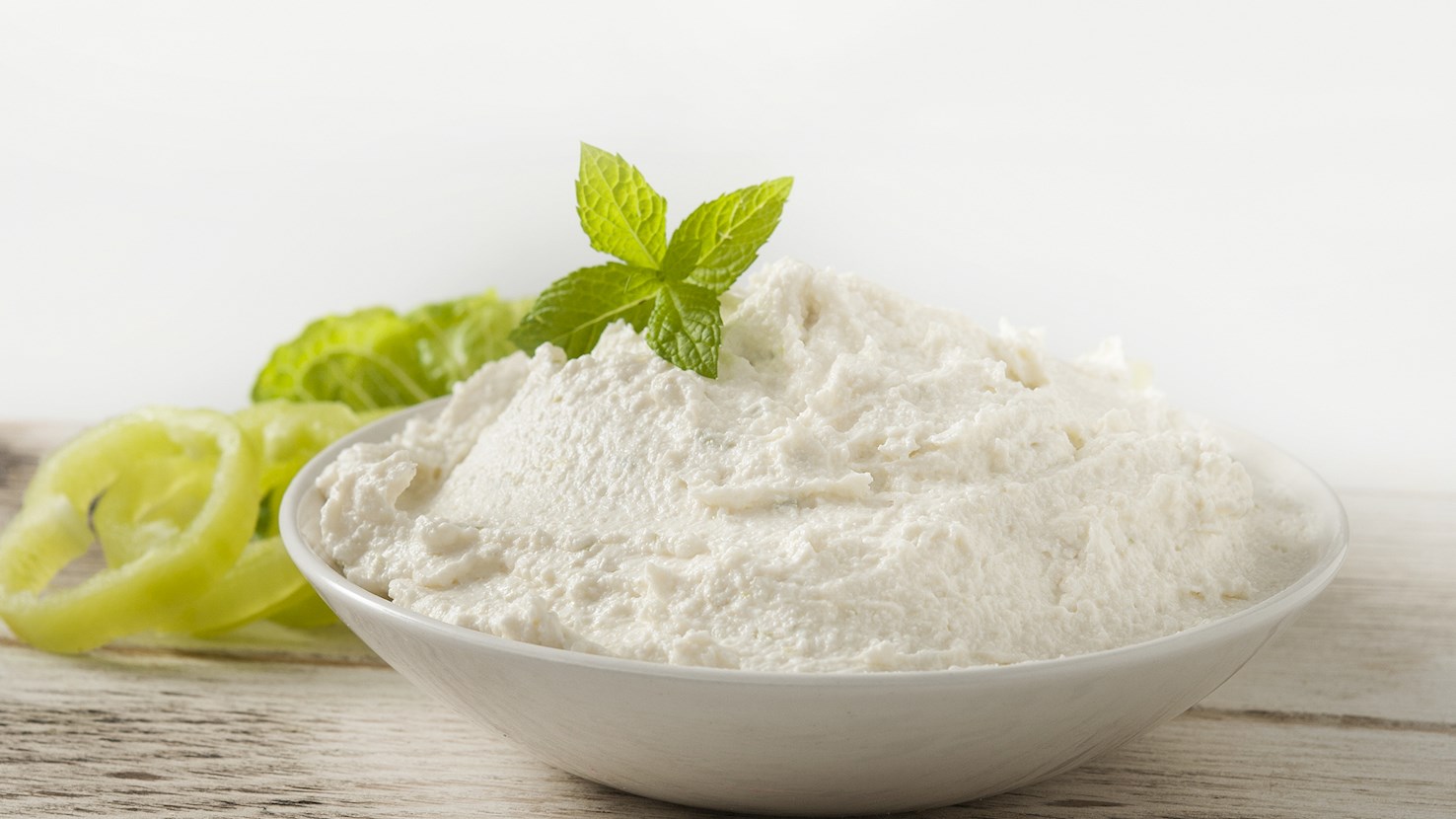
This creamy Greek dipping sauce is usually prepared with a combination of feta cheese, milk or yogurt, hot peppers, garlic, and olive oil. Although it is a traditional dish, it is regionally influenced and may contain anything from roasted red peppers to other types of cheese. Tirokafteri is a standard Greek appetizer and a typical meze dish that is usually accompanied by warm pita bread.
A quintessential seafood delicacy of the Greek island of Symi, simiako garidaki or Symi shrimp is a unique variety of tiny shrimps that inhabit the sea around the island. Bright red, delicate, and sweet, the small crustaceans are packed with flavor, which has made them famous throughout the whole country and beyond. The most common way to enjoy these tiny crustaceans is crispy-fried in olive oil and garlic, typically seasoned with nothing else than salt and pepper. Due to their delicate nature, the fried shrimps are usually eaten whole, including tails, shells, and heads. Sometimes they can be coated in flour and cornstarch before frying, and they’re commonly not enhanced with any other flavorings or sauces, except for an optional squeeze of lemon. Fried Symi shrimps make for an excellent meze dish alongside a glass of Greek ouzo or local raki. On Symi Island, a festival day has been dedicated to these special shrimps, celebrated every year in August.
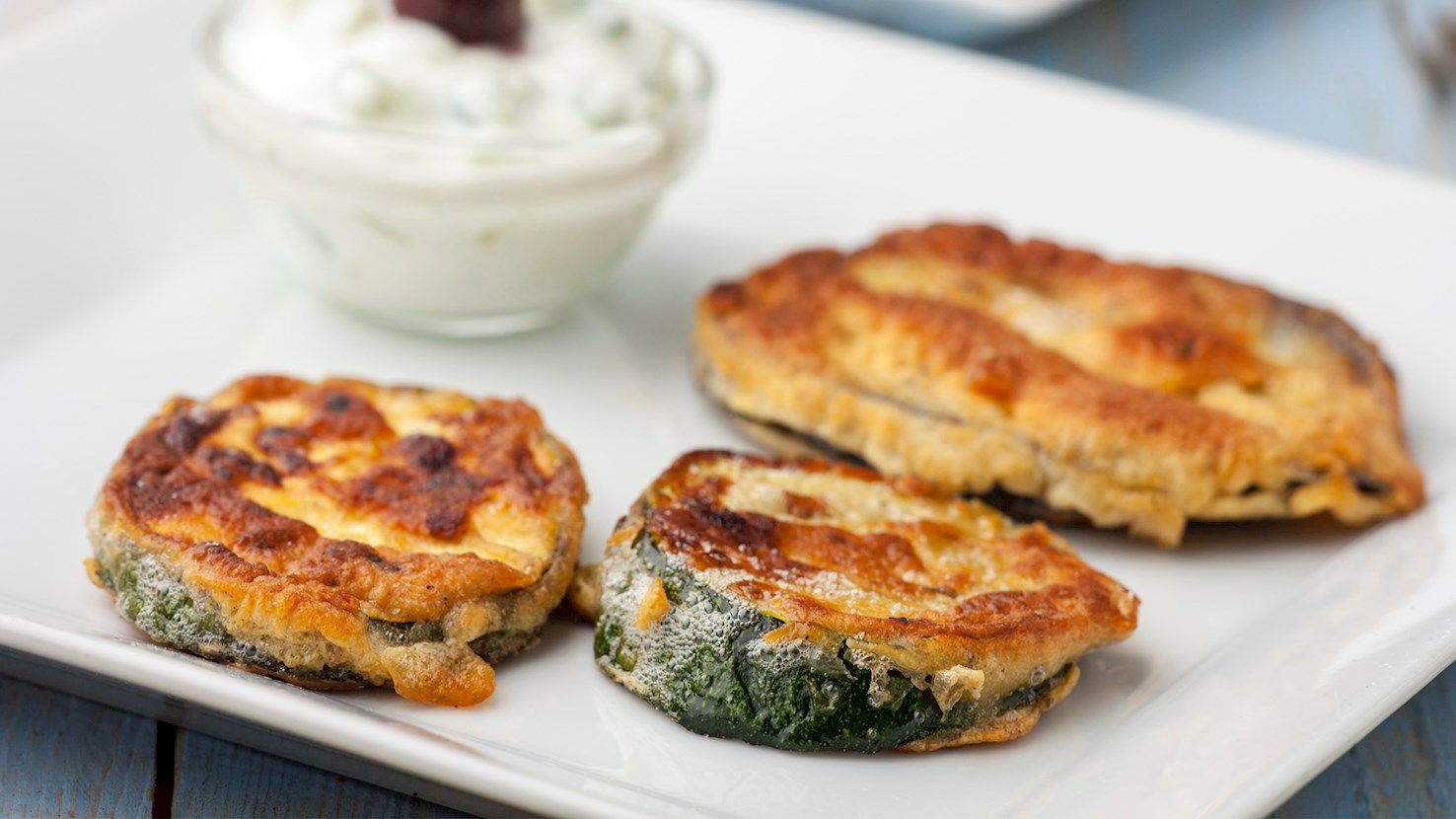
In Greece, fried zucchinis can be enjoyed as a meze or a side dish. The zucchinis are sliced, seasoned, and then simply dusted with flour or dipped in an egg batter before they are fried until crispy and golden. It is recommended to pair them with various dips such as yogurt-based tzatziki or garlicky skordalia.
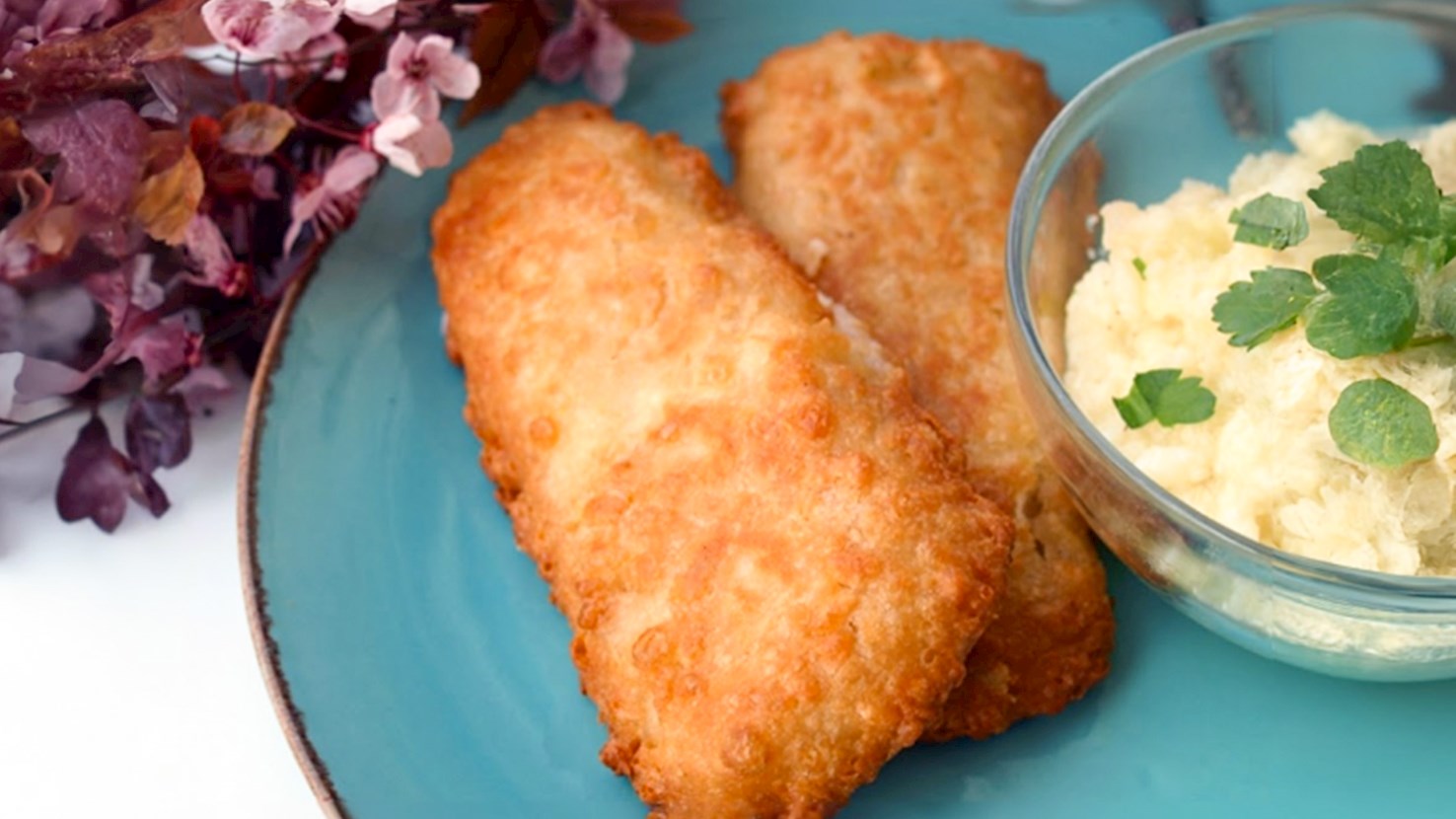
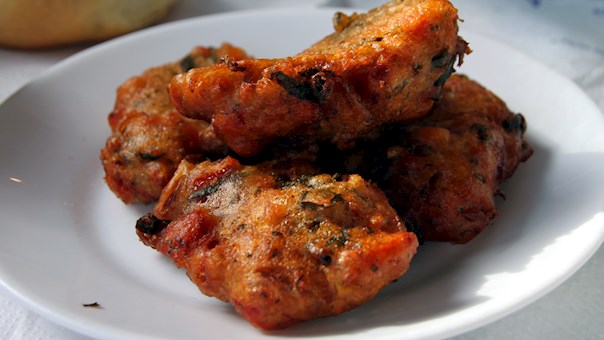
Though the term bakaliaros refers to cod fish, Greeks mainly use it to describe golden and crispy cod fritters. Whether it employs salt or fresh cod, the dish can be made with batter-fried pieces of cod or flaked cod that is then incorporated into a thick batter. The fritters are mainly served as a meze dish, and when accompanied by a thick, garlicky dip, they usually go under the name bakaliaros skordalia. Although they are eaten throughout the year, cod fritters are usually associated with a celebration that commemorates the Annunciation of Virgin Mary and the War of Independence, which is celebrated each year on March 25th.
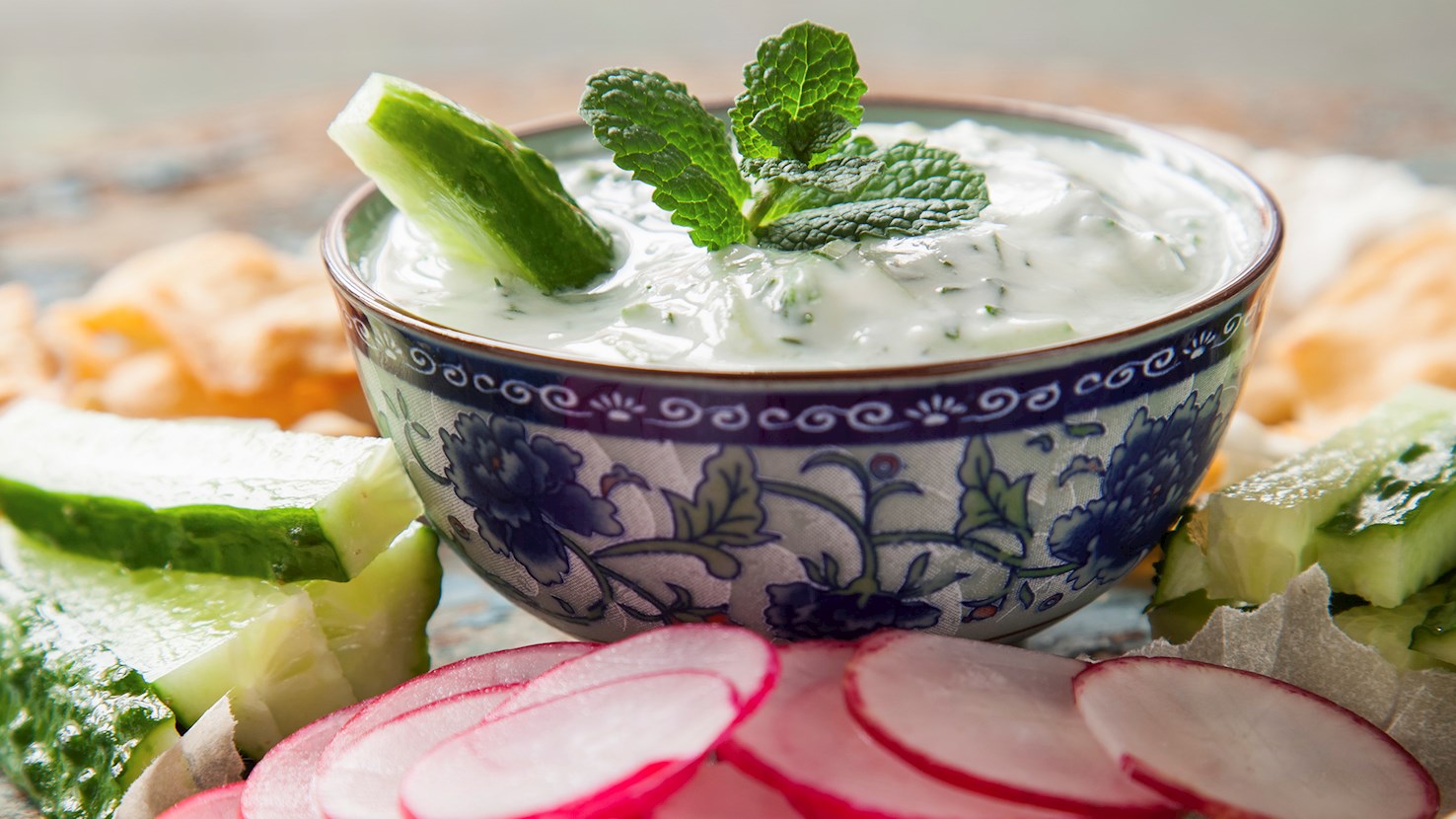
Tzatziki is a Greek concoction made from yogurt, cucumbers, garlic, and numerous herbs and spices such as dill, mint, or parsley. It is usually served as a sauce accompanying many meat dishes, as a simple dip, or an appetizer. Its name is derived from the Turkish word cacik, denoting a very similar dip, although some suspect that tzatziki was derived from the Indian raita dip. Tzatziki is always served cold, and it is especially popular to serve it with dishes such as gyros and souvlaki. Often, it is served with pita bread as part of the first course of a big meal. With its huge popularity, and the fact that it is one of the best summer dips, it is not strange that there are many regional variations of tzatziki, in countries such as Iran, Iraq, Turkey, Cyprus, Bulgaria, and Serbia.
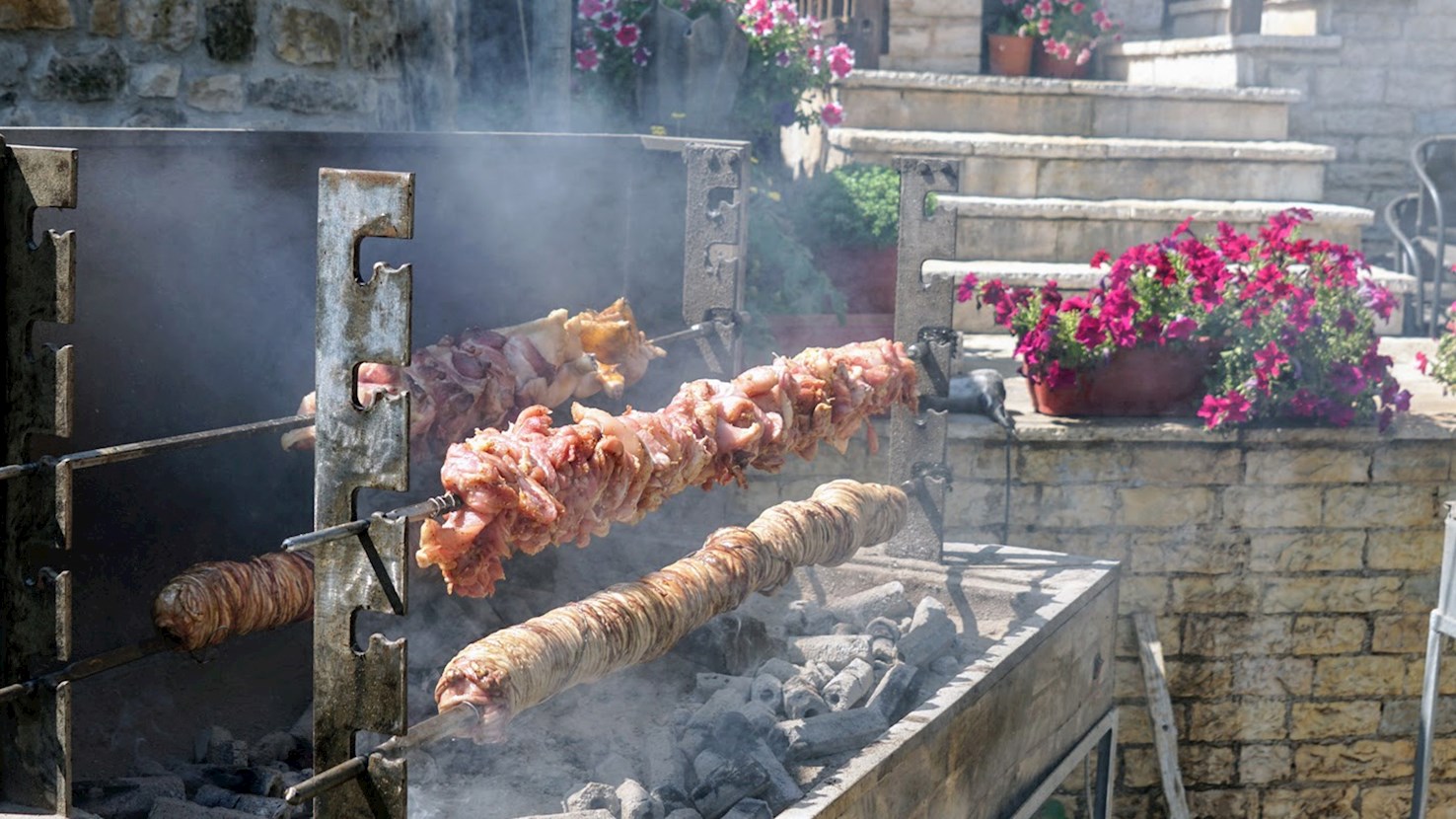
Kokoretsi is a traditional dish consisting of lamb or goat offal that is chopped into tiny pieces, seasoned with lemon juice, olive oil, salt, and pepper. The offal is then skewered, covered with caul fat to keep the pieces in place, and cooked over charcoal. It is traditionally consumed as an appetizer or meze on Easter Sunday in Greece. Although it is associated with Easter, it can usually be found throughout the year across the country. Kokoretsi is also popular throughout the Balkans, and the name of the dish comes from the Albanian word kukurec, meaning tripe. Being an internationally popular dish, kokoretsi is sometimes served as a sandwich on a flatbread, when it is topped with numerous spices and tomatoes, while others like to put it into a baguette with pickles and bell peppers.
TasteAtlas food rankings are based on the ratings of the TasteAtlas audience, with a series of mechanisms that recognize real users and that ignore bot,
nationalist or local patriotic ratings, and give additional value to the ratings of users that the system recognizes as knowledgeable.
For the “Top 44 Greek Appetizers” list until September 15, 2026, 8,607 ratings were recorded, of which 5,075 were recognized by the system as legitimate.
TasteAtlas Rankings should not be seen as the final global conclusion about food. Their purpose is to promote excellent local foods,
instill pride in traditional dishes, and arouse curiosity about dishes you haven’t tried.





What People Say