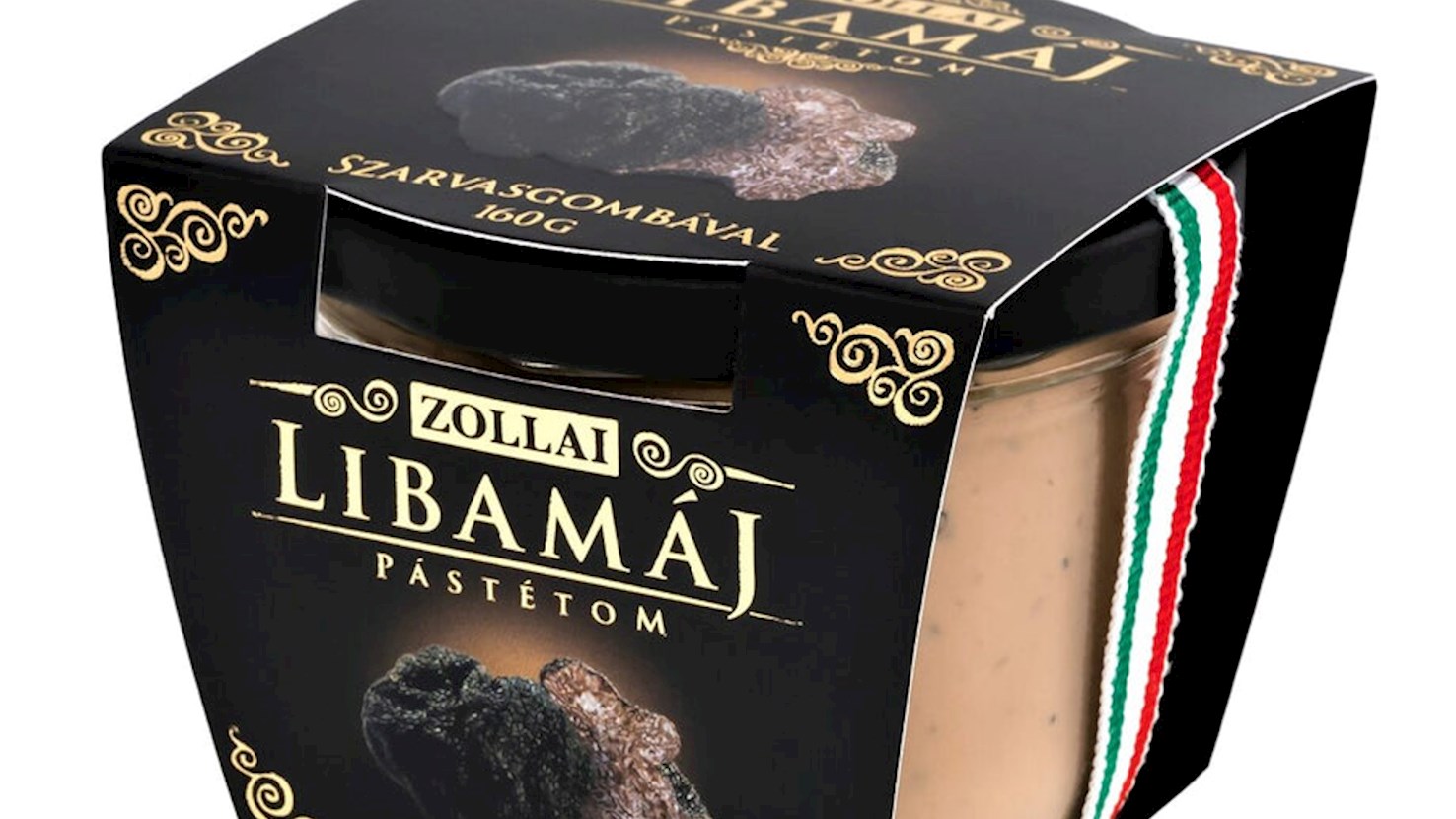
Zollai Baromfi és Húsfeldolgozó Kft. is a Hungarian company established in 1980, specializing in the production of high-quality meat products. The company is an exclusive supplier to the domestic hotel and hospitality sector, with their products also featured in the restaurants of multinational companies both locally and internationally.
They are currently working on making their products directly available to the Hungarian population. Zollai Baromfi és Húsfeldolgozó Kft. places special emphasis on the quality of their products, using traditional recipes and natural ingredients.
Their offerings include specialties such as burgers prepared with an original Croatian recipe made from pork and beef, seasoned with natural spices.
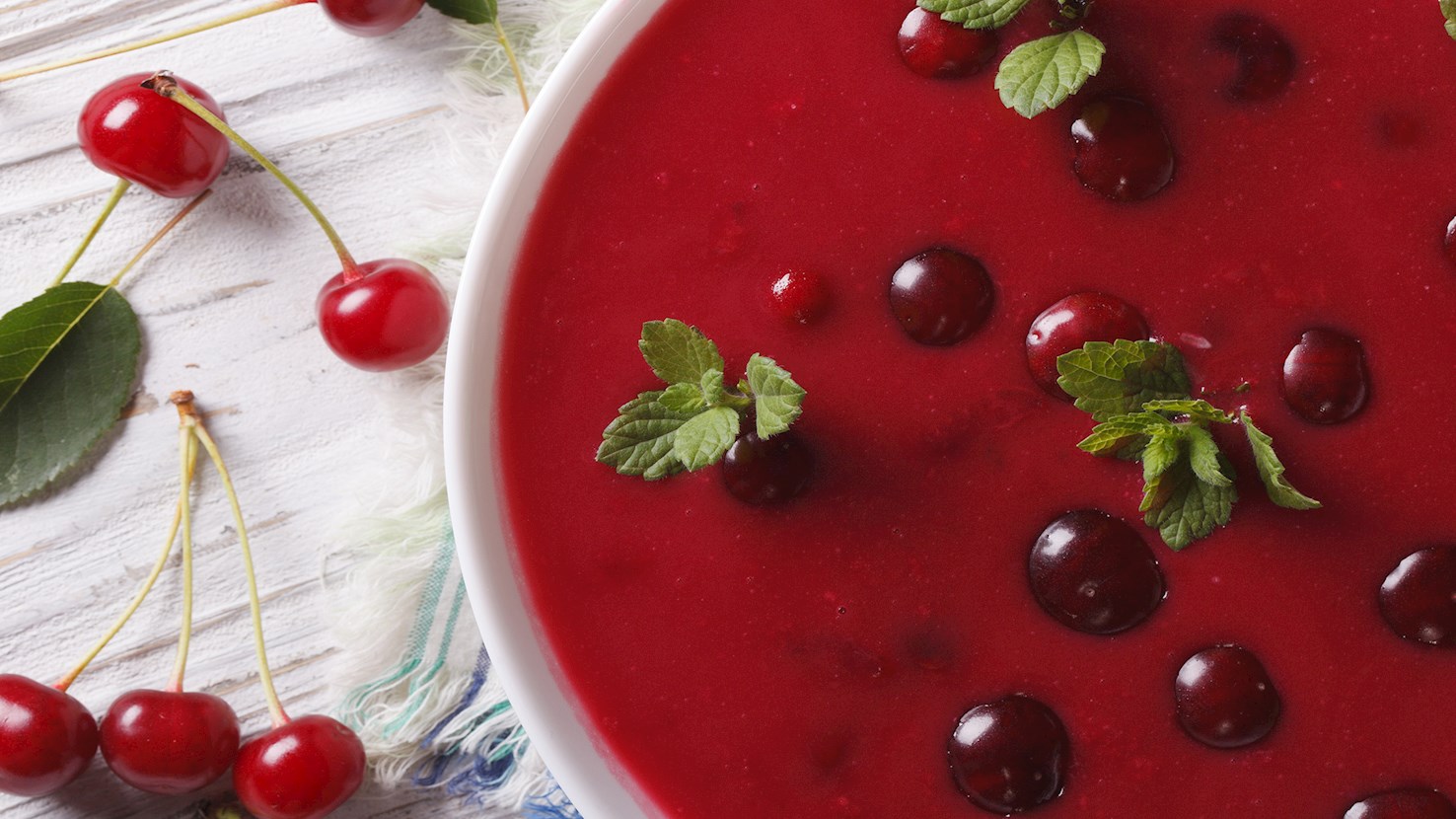
This sweet chilled soup made with sour cherries and sour cream is a traditional summertime dish. Also known as hideg meggyleves, meggykeszőce or cseresznyeleves, it is prepared throughout the country as soon as cherries come into season. Although one might be tempted to eat it as a dessert, in Hungary, this tart and creamy soup is generally served before the main course, as it makes for a refreshing alternative to the standard meat and starch fare.
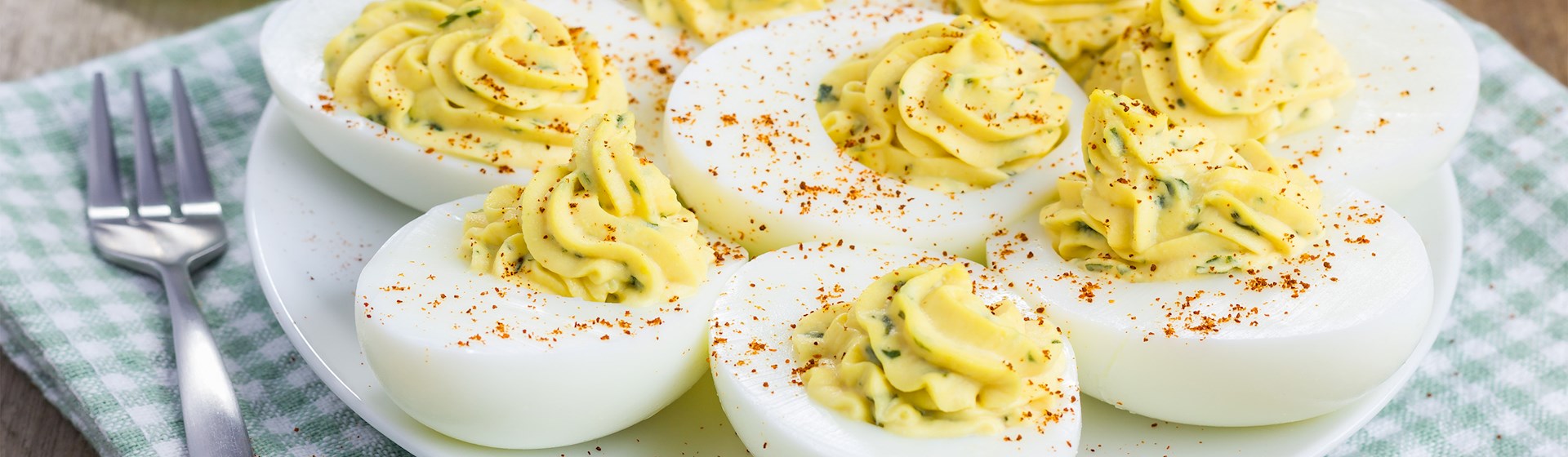
This delicious appetizer is essentially the Hungarian take on devilled eggs. It is made with hard-boiled eggs that are cut in halves and filled with a variety of ingredients – usually a combination of chopped ham or liver, mustard, mayonnaise, sour cream, paprika, minced onions, lemon juice, and chopped parsley. In order to prepare the dish, halved eggs are simply filled with the desired combination of ingredients, garnished with paprika and parsley, then served. Töltött tojás is especially popular at festive occasions and special events.
Haltepertő are traditional Hungarian fish cracklings originating from Szeged. The dish is usually made with a combination of catfish, breadcrumbs, flour, paprika, oil, and salt. The catfish fillets are cut into smaller pieces or strips that are seasoned with salt and rolled in a combination of breadcrumbs, flour, and paprika. The breaded pieces of catfish are fried in hot oil until golden brown and crisp. Haltepertő is typically served with raw onion slices and tomatoes on top. A lemon wedge is also often used for squeezing lemon juice over the fish cracklings.
Bundás csiperkegomba is a Hungarian culinary preparation consisting of breaded and deep-fried button mushrooms, typically served as a hot appetizer or a vegetarian main course. The emergence of breaded and fried vegetables in Hungarian cuisine is linked to the historical influence of the Austro-Hungarian Empire, specifically the adaptation of the Viennese Schnitzel technique to local produce. By the late 19th and early 20th centuries, as commercial mushroom cultivation became more prevalent in Central Europe, the application of the rántott (breaded) method to the csiperke (button mushroom) became a standard offering in urban taverns and family kitchens across Hungary. Preparation of bundás csiperkegomba begins with cleaning fresh button mushrooms, which are often peeled or briefly blanched in water seasoned with lemon juice to maintain their white color and remove surface impurities. The mushrooms are then subjected to a standard coating sequence: they are first dredged in wheat flour, dipped into beaten eggs seasoned with salt and black pepper, and finally rolled in fine breadcrumbs. In some variations, a thicker "coat" (bunda) is created using a batter of flour, eggs, and occasionally beer or sparkling water to increase the aeration and crispness of the shell. The prepared mushrooms are submerged in hot vegetable oil or lard at approximately 180°C and fried for two to three minutes until the breading reaches a rigid, golden-brown state. A specific technical attribute of this dish is the internal steaming effect; the moisture trapped within the mushroom cap vaporizes during frying, resulting in a tender, succulent texture that contrasts with the dry, crunchy exterior. Bundás csiperkegomba is eaten as a standalone snack, a starter, or a main dish when accompanied by sides, and it is universally available in Hungarian étkezdék (canteens) and restaurants. It is consumed with a knife and fork and is almost exclusively served with tartar sauce (tartármártás), a cold condiment based on mayonnaise, sour cream, and mustard, which provides a creamy and acidic counterpoint to the fried breading. For a complete meal, it is paired with steamed jasmine rice or parsley potatoes. In terms of beverage pairings, it is served with crisp, dry white wines such as Olaszrizling or Cserszegi Fűszeres, as their high acidity and citrus notes cut through the richness of the fried coating. For non-alcoholic options, a soda water with lemon or a lightly hopped pilsner is utilized to refresh the palate between bites of the savory, earth-flavored mushrooms.
TasteAtlas food rankings are based on the ratings of the TasteAtlas audience, with a series of mechanisms that recognize real users and that ignore bot,
nationalist or local patriotic ratings, and give additional value to the ratings of users that the system recognizes as knowledgeable.
TasteAtlas Rankings should not be seen as the final global conclusion about food. Their purpose is to promote excellent local foods,
instill pride in traditional dishes, and arouse curiosity about dishes you haven’t tried.
The initial list of top producers was compiled based on available reviews, awards, local recommendations, media and blog coverage, and consumer reviews.
The list will be updated with ratings from TasteAtlas local ambassadors and TasteAtlas users.





What People Say