

shutterstock

Top 40 North American Beef Dishes

Last updated on May 16, 2026
01

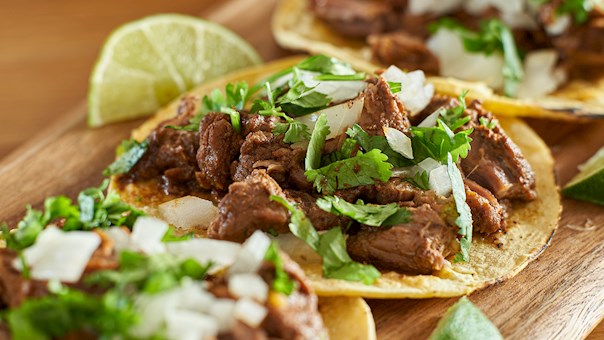
Carne asada tacos

4.4 ·

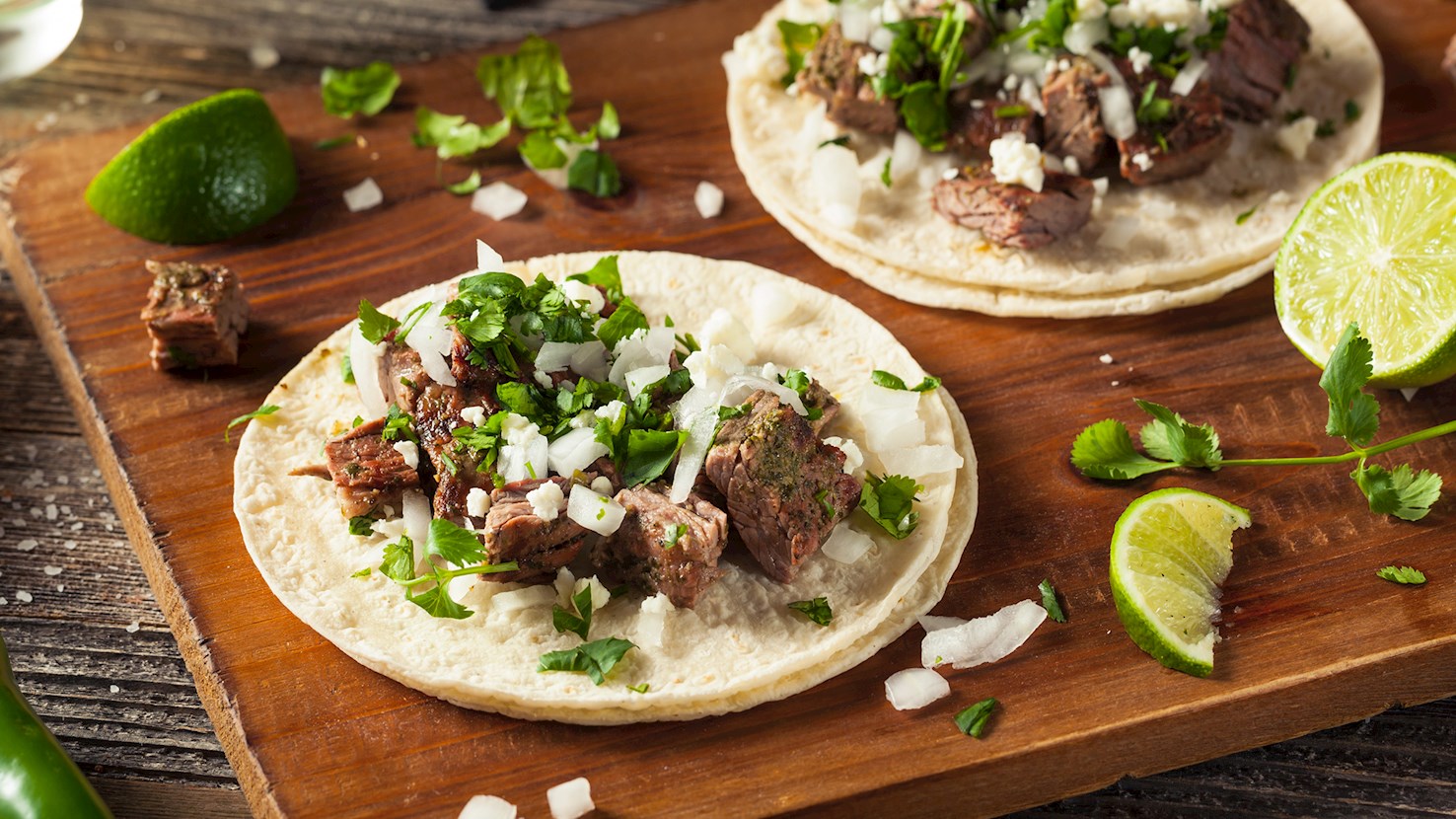
Carne asada tacos are the first tacos in history. It is believed that the first tacos appeared in the 1500s, made with thin slices of meat cooked over hot coals. The meat was placed in a corn tortilla and topped with guacamole, onions, chili peppers, and lime – also known as the carne asada taco. Over time, people started to make other versions in different regions, and nowadays we are witnessing a true taco-mania, and it all began with the simple carne asada tacos.

02

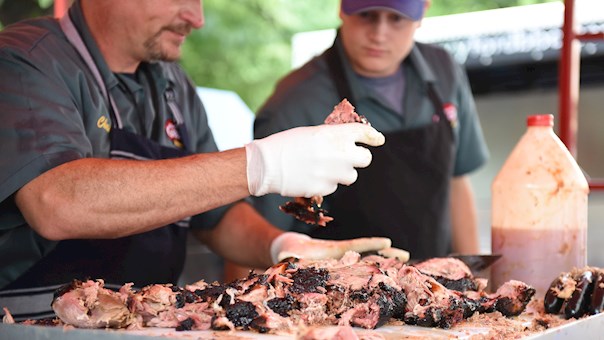
Burnt Ends

4.4 ·

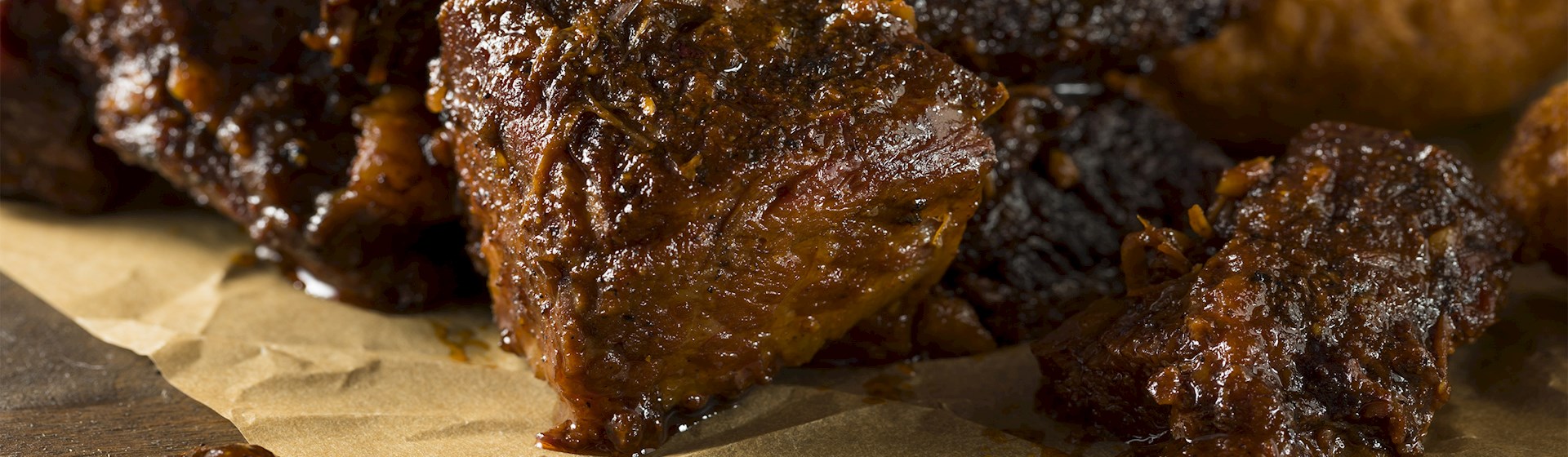
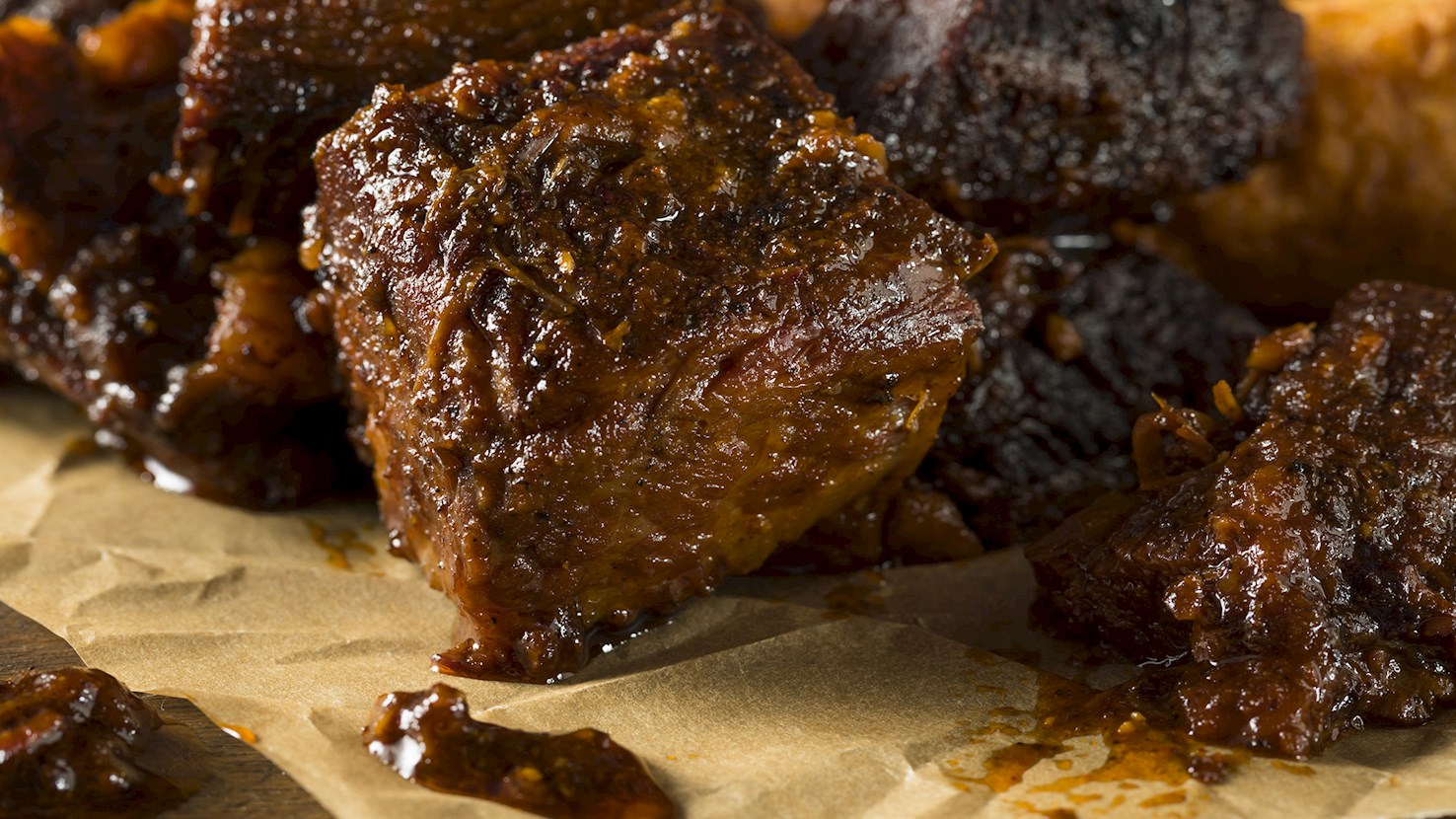
Burnt ends are a delicious specialty originating from Kansas City. The name refers to the unusually-shaped, tougher, fattier end pieces of barbecued brisket which were served as appetizers, placed into stews, or given to customers free of charge. These smoky burnt ends capture melted fat during the barbecue process, making them incredibly flavorful. Nowadays, they are a staple menu item in the city, usually served cubed on their own or smothered in barbecue sauce. Burnt ends can also be used in sandwiches or combined with baked beans and french fries.

03

Porterhouse

4.3 ·

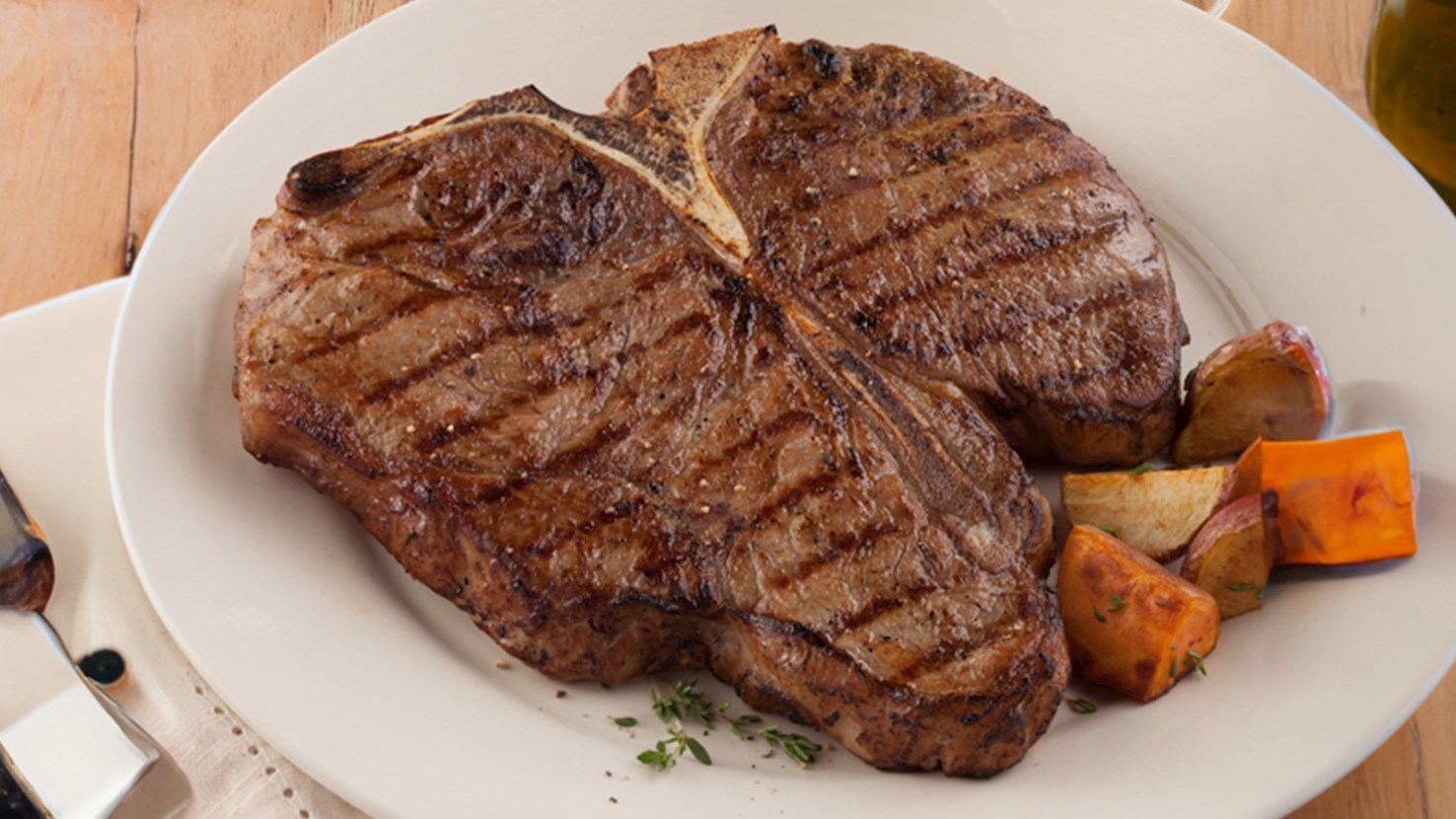
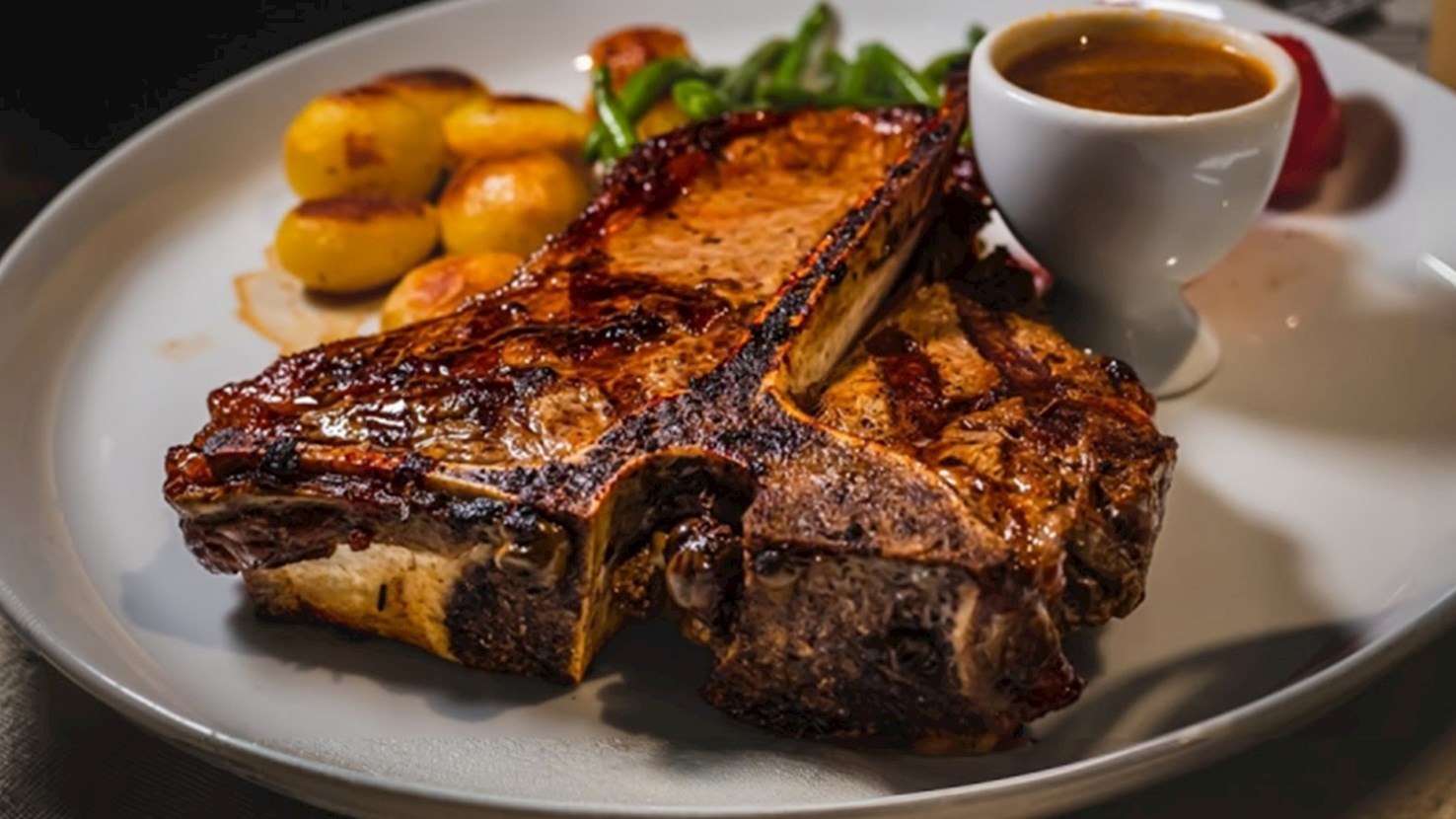
A porterhouse steak is a large, thick cut of beef taken from the rear end of the short loin. Although it is not linked to a specific country of origin, it is most commonly associated with British and American cuisines. It is named "porterhouse" because it was traditionally served in 18th-century porterhouses, which were inns or restaurants that served porter beer. The porterhouse steak is closely related to bistecca alla Fiorentina and is similar to a T-bone steak. The difference between a T-bone and a porterhouse is that the latter is cut from further back on the short loin, resulting in a larger portion of tenderloin and a larger overall size. The defining characteristic of a porterhouse steak is the T-shaped bone that runs through the center, separating two different cuts of meat: the strip steak (commonly known as the New York strip - marbled, flavorful cut known for its beefy taste) and the tenderloin (also known as filet mignon - tender and lean cut, prized for its mild flavor). A properly cooked porterhouse steak will have a juicy and tender texture with a combination of flavors from both the strip steak and the tenderloin. Due to its large size, it is often considered a steak for sharing or for those with hearty appetites. Porterhouse steaks are commonly grilled or pan-seared to enhance their natural flavors, and they are often served with accompaniments like vegetables, potatoes, or sauces.

04

Delmonico Steak

4.3 ·

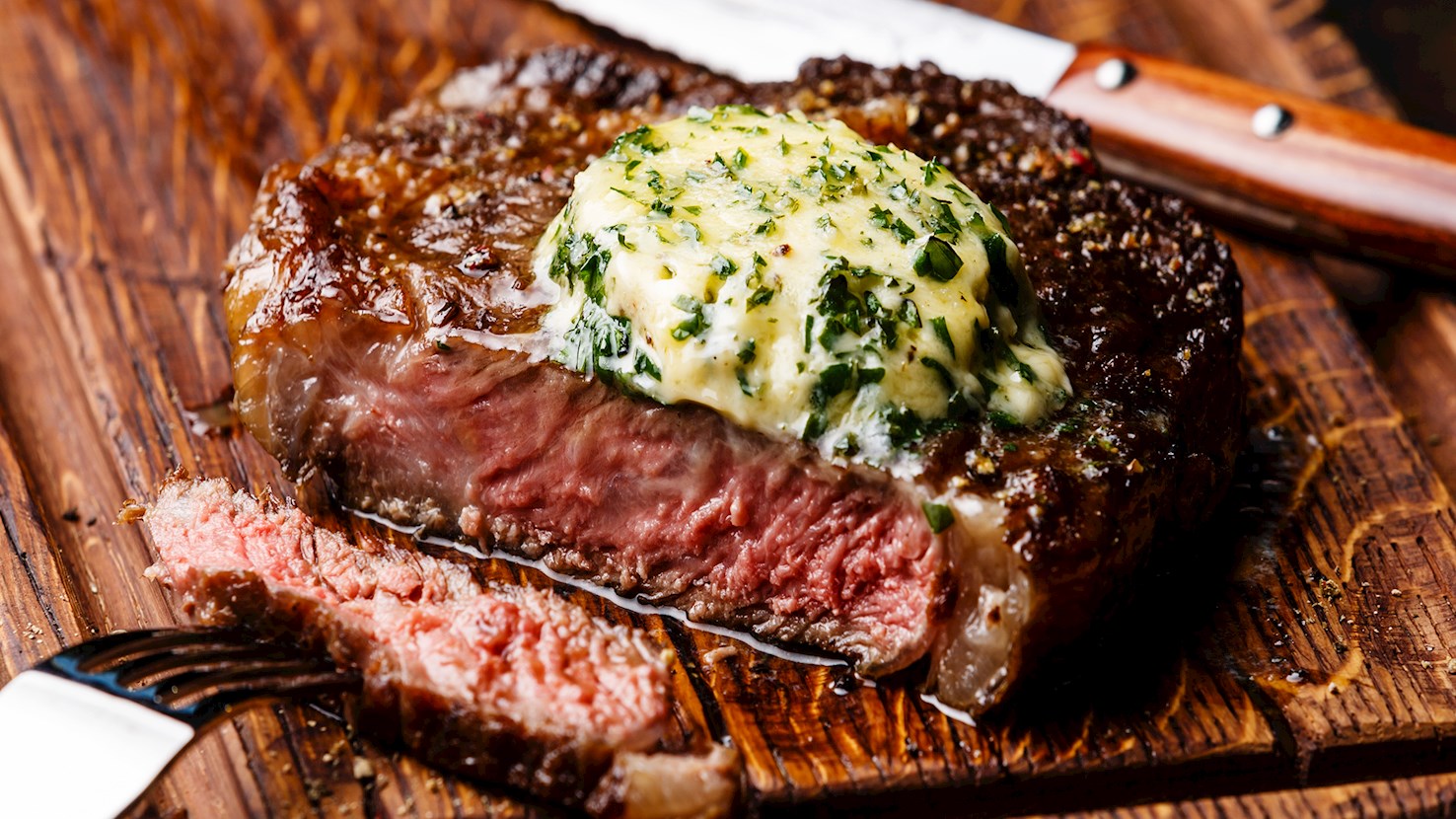
Created between 1840 and 1850, the Delmonico steak is a mystery that perplexes many. What you order in one restaurant may be different in another. Various food critics and food historians have come up with more than several differing opinions about this steak, and whether it is bone-in or -out, sirloin, or some other high-priced cut of beef. Moreover, while the two original chefs de cuisine of Delmonico Restaurant in New York City have both confirmed the preparation method, they still manage to differ slightly. If you order a Delmonico steak at Delmonico's today, you'll get a boneless rib-eye steak that's brushed with butter and beef fat after it has been taken out of the broiler. And though there are many debates about the origin of this steak, one thing can be certain: Delmonico steak is synonymous with the best piece of meat you can get when you walk into a restaurant.

05

Ribeye

4.3 ·

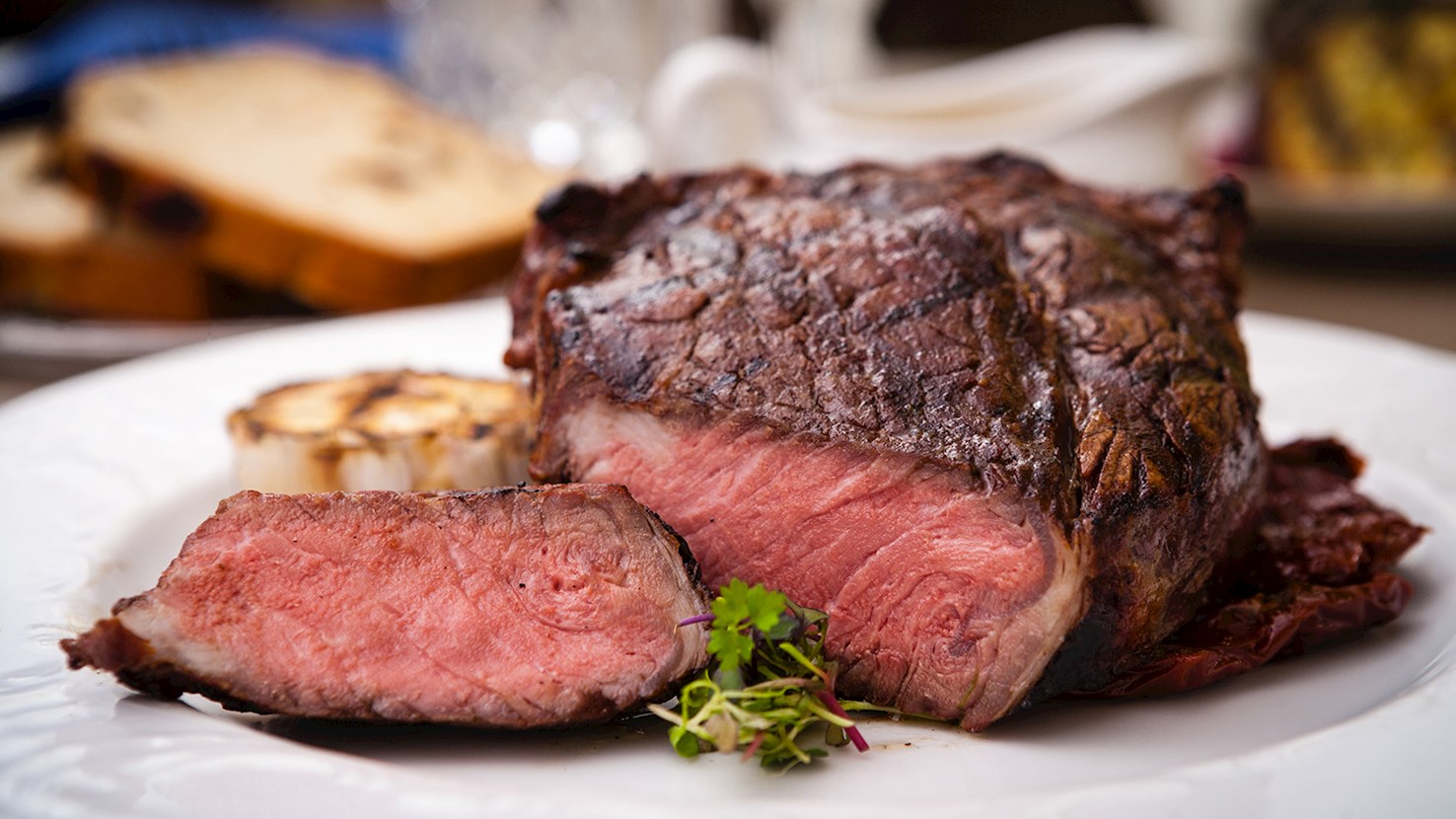
Entrecôte is a type of beef steak that's cut from between the ribs, but it's more commonly known as a thin and boneless rib-eye steak. The butchers cut bone-in rib-eyes with the bone on each side, but there are also six leftover boneless steaks from the meat between each bone-in rib-eye, and they're known as the entrecôtes. Due to the fact that these cuts are thin, it makes them great for quick cooking on the grill or in a pan (high heat), but it's important not to overcook them. The steaks are juicy, tender, and generously marbled. This type of meat cut is popular in France and Europe, and the word entrecôte means between the ribs.

06

T-bone steak

4.3 ·

T-bone steak is a popular cut of beef that comes from the short loin section of the cow. It is easily recognizable by the T-shaped bone that runs through the center of the steak, dividing two different cuts of meat. On one side of the bone is the New York strip (or striploin), known for its balance of flavor and tenderness. On the other side is a small portion of the tenderloin (or filet mignon), which is incredibly tender but less flavorful than the strip side. The T-bone steak is prized for offering both of these cuts in one piece, providing a combination of tenderness and flavor in a single steak. It is typically grilled or pan-seared and served as a hearty main dish. T-bone steaks are often associated with steakhouses and are best cooked to medium-rare or medium to preserve their tenderness and juiciness. T-bone steaks are closely related to porterhouse steaks, which are similar but have a larger portion of the tenderloin. The main difference between the two is the size of the tenderloin—porterhouse steaks are cut from the rear end of the short loin, where the tenderloin is thicker, while T-bones are cut more toward the front, where the tenderloin is smaller.

07

Surf and Turf

4.1 ·

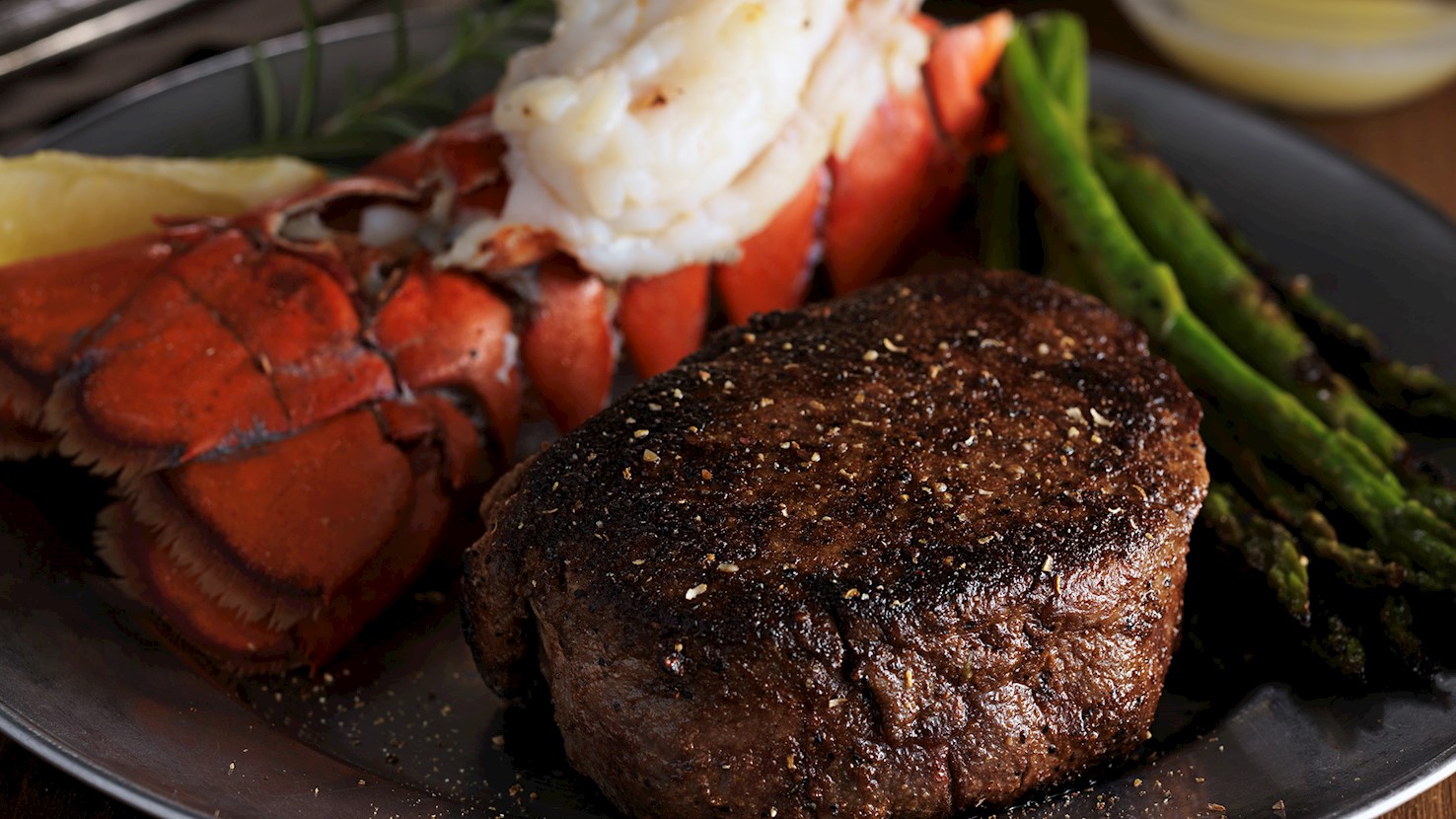
A variety of foods might be included in a surf and turf, but traditionally, it is an entrée that includes both a portion of meat and a portion of seafood. The meat is usually a steak, while the seafood might be anything from lobster to shrimps or prawns. The origins of surf and turf are hard to pinpoint, but steak and seafood meals became popular throughout the United States during the 1960s. The meat is typically grilled and served with an accompanying thick sauce, while the seafood is usually grilled, fried, baked, or boiled, depending on the choice of seafood. Although surf and turf is sometimes associated with low-quality food, it can often be the most expensive item on a menu, since it uses expensive ingredients. However, surf and turf dishes are still quite popular, and there is even a food holiday called National Surf and Turf Day, celebrated every leap year on February 29.

08

L.A. Galbi

4.1 ·

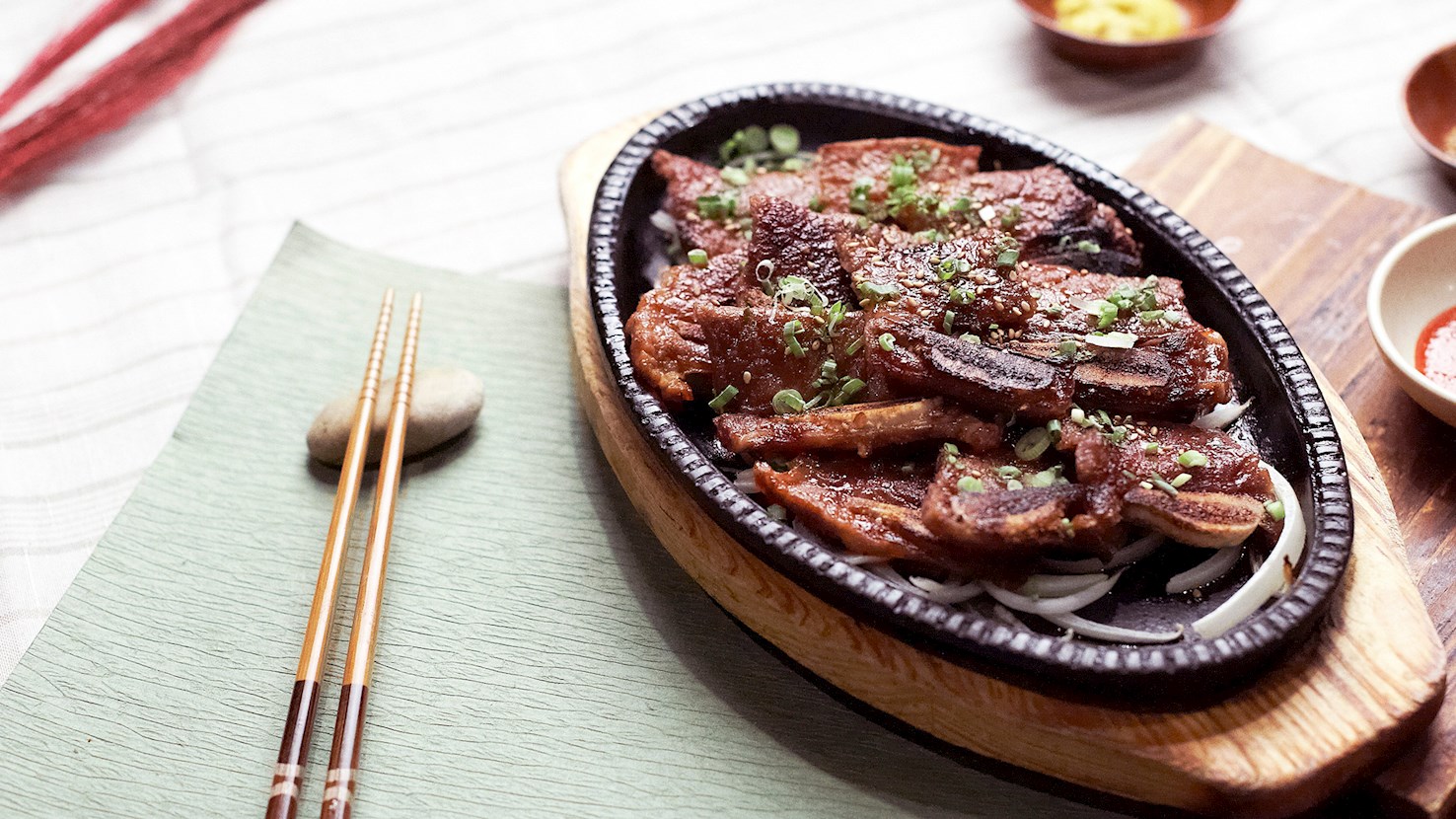
Korean galbi includes various dishes made with beef short ribs, and this version differs in the specific cut of meat. Unlike the traditional galbi in which the ribs are sliced along the bones (also known as the English cut), in L.A. galbi, the ribs are cut across the bones into thin strips. The ribs should be marinated, typically in different combinations of soy sauce, onions, and Asian pears, and are then grilled over charcoal. Two main theories explain the origin and the name of L.A. galbi. While the less popular claims that the name stems from the lateral cut, it has been widely accepted that the dish initially appeared among the Korean community in Los Angles. The dish is now equally popular throughout South Korea. Like its traditional counterpart, L.A. galbi is also served with rice and various side dishes (banchan).

09

Tacos de cabeza

4.1 ·

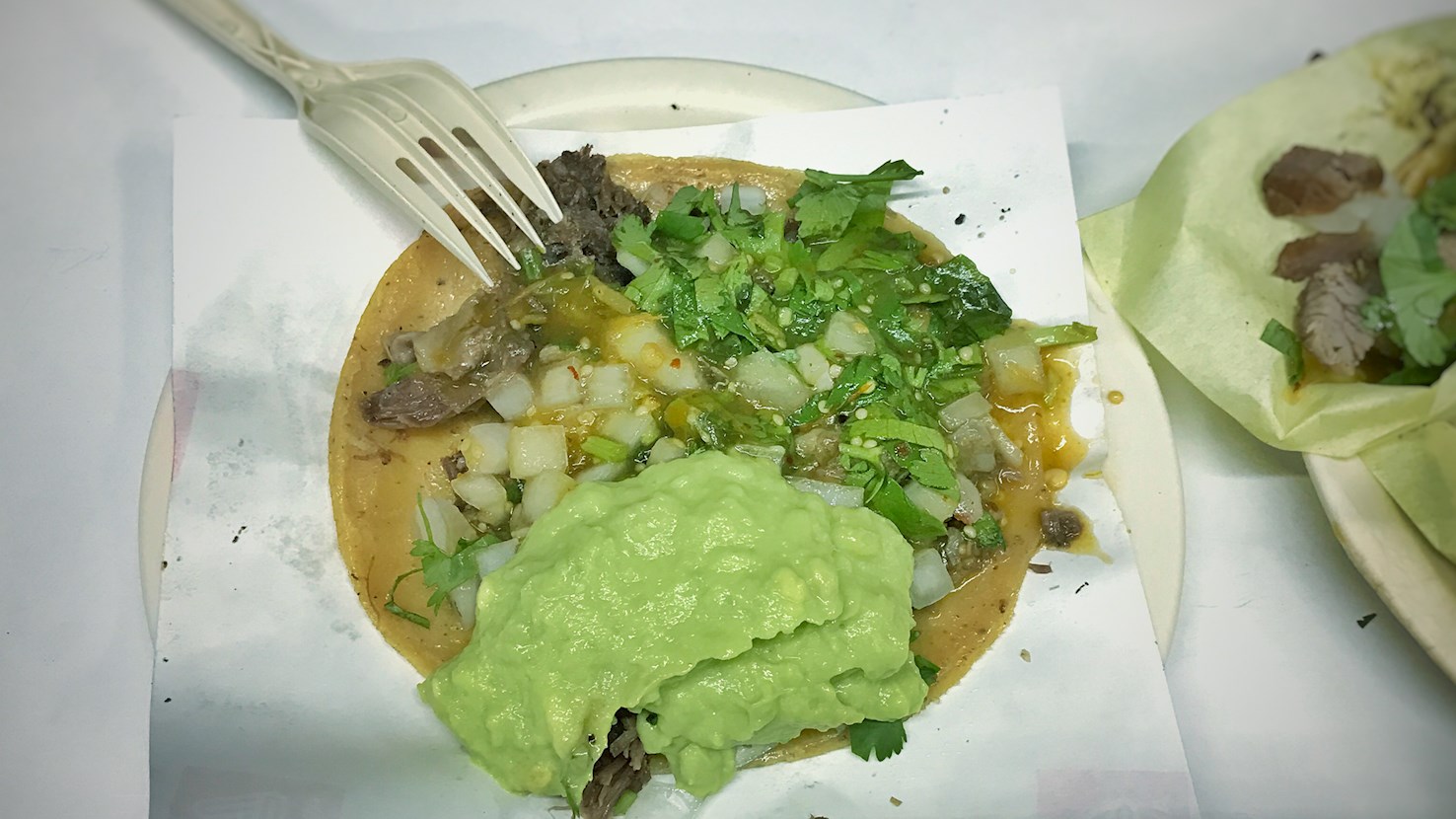
Tacos de cabeza is a popular variety of tacos, especially in Mexico City, Sonora, and the Bajío. It consists of tacos filled with steamed and shredded meat of cow's head, combined with toppings such as red or green salsa, chopped onions, and coriander. Customers can choose which type of meat they want, and usually the choice comes down to either brains, ear meat, or tongue. The dish can be found at taco stands with large metal steamers in which the meat was cooked, often in humble neighborhoods, since cow's head meat is very inexpensive.

10

Tassot

4.1 ·

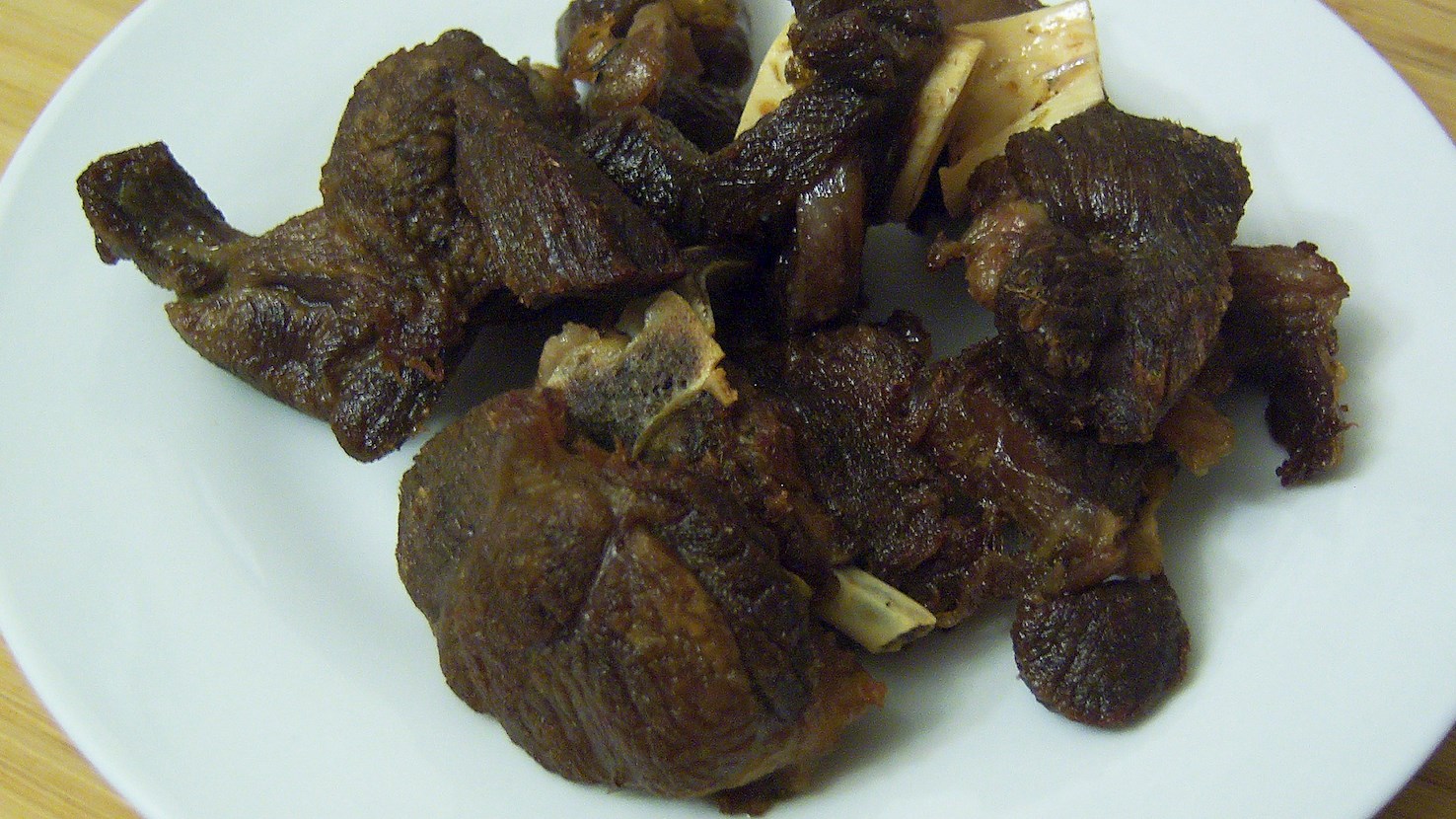
Tassot is a traditional dish made with goat meat or beef as the main ingredient. Cubed meat is usually marinated in a combination of onions, orange juice, and lemon juice. It is then fried until it develops a crispy, brownish exterior. The dish is typically served with fried plantains, rice and beans or mushroom rice, and a spicy sauce known as ti malice on the side.

Read more
View all
View map
About this ranking

TasteAtlas food rankings are based on the ratings of the TasteAtlas audience, with a series of mechanisms that recognize real users and that ignore bot, nationalist or local patriotic ratings, and give additional value to the ratings of users that the system recognizes as knowledgeable. For the “Top 40 North American Beef Dishes” list until May 16, 2026, 3,041 ratings were recorded, of which 2,087 were recognized by the system as legitimate. TasteAtlas Rankings should not be seen as the final global conclusion about food. Their purpose is to promote excellent local foods, instill pride in traditional dishes, and arouse curiosity about dishes you haven’t tried.

Similar lists