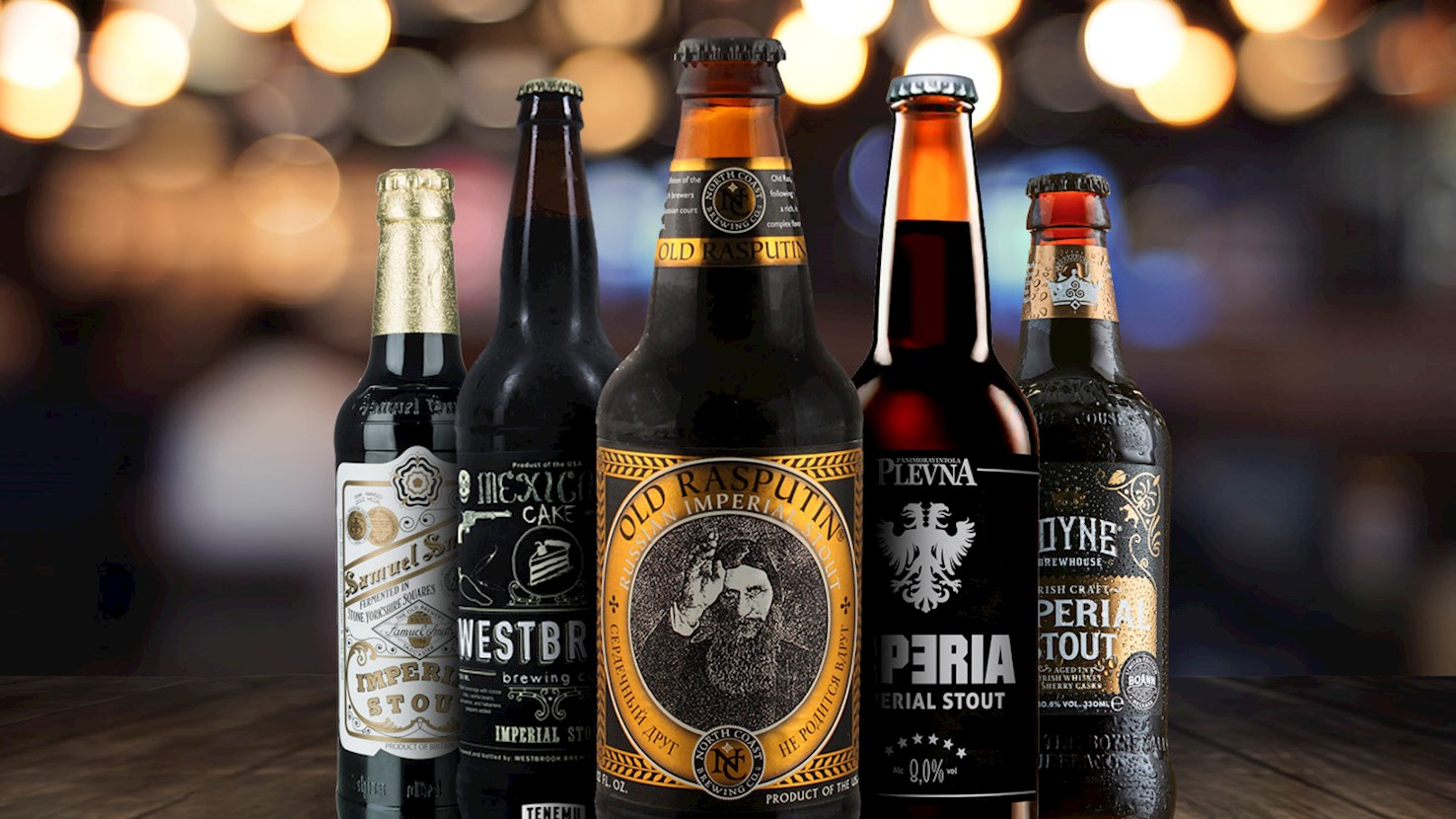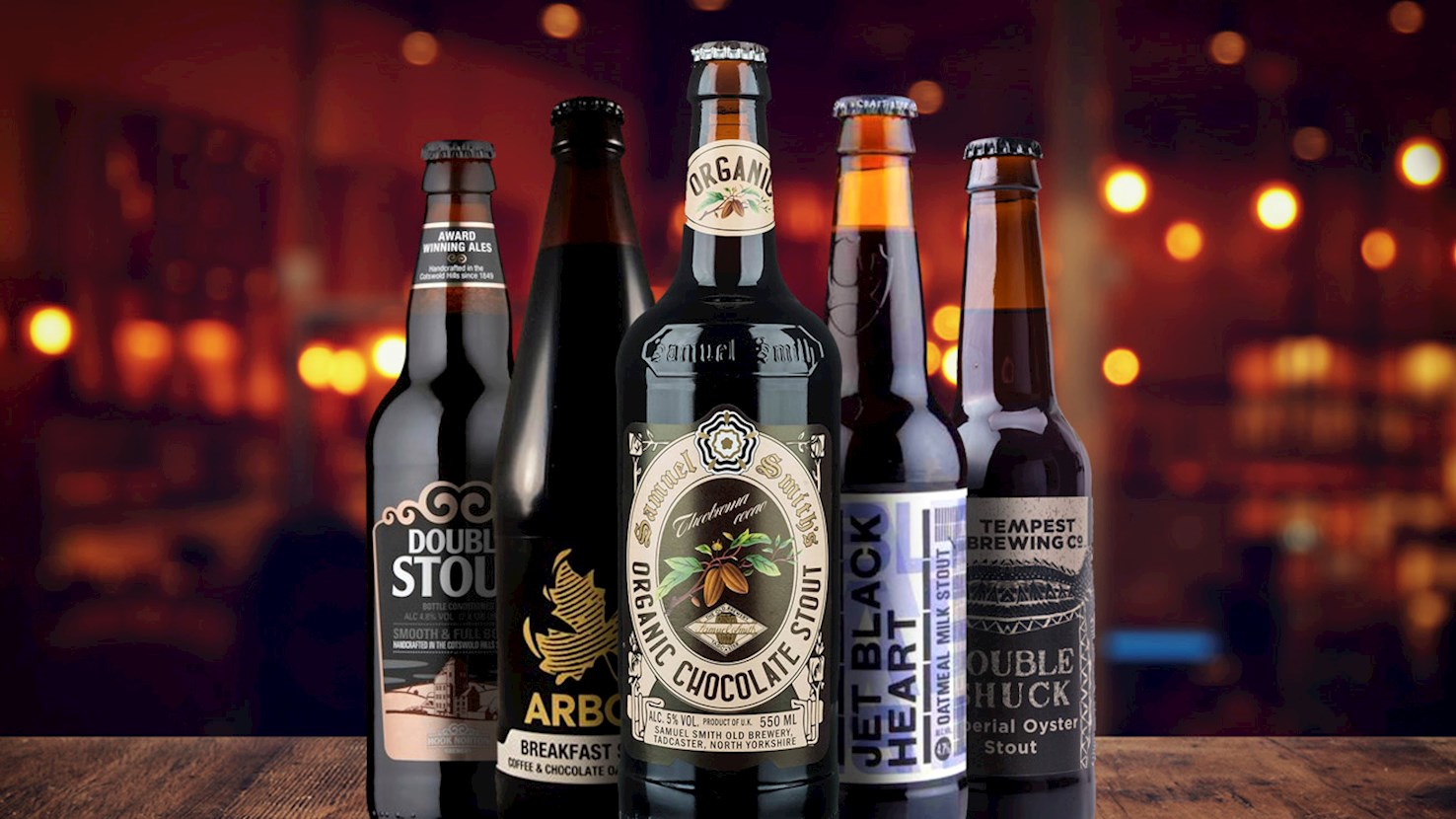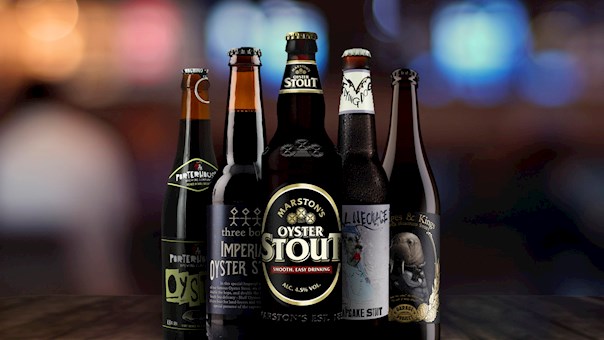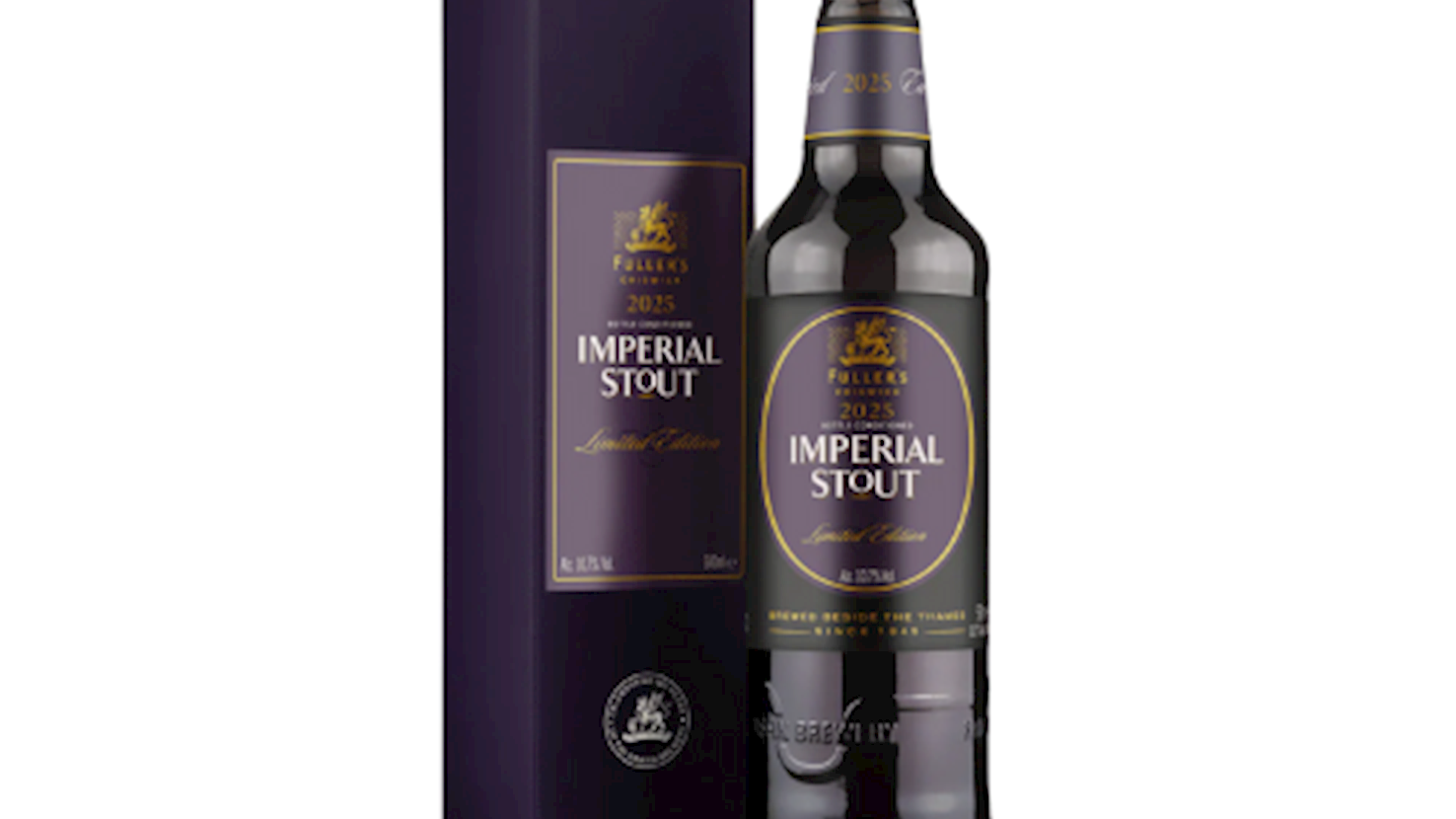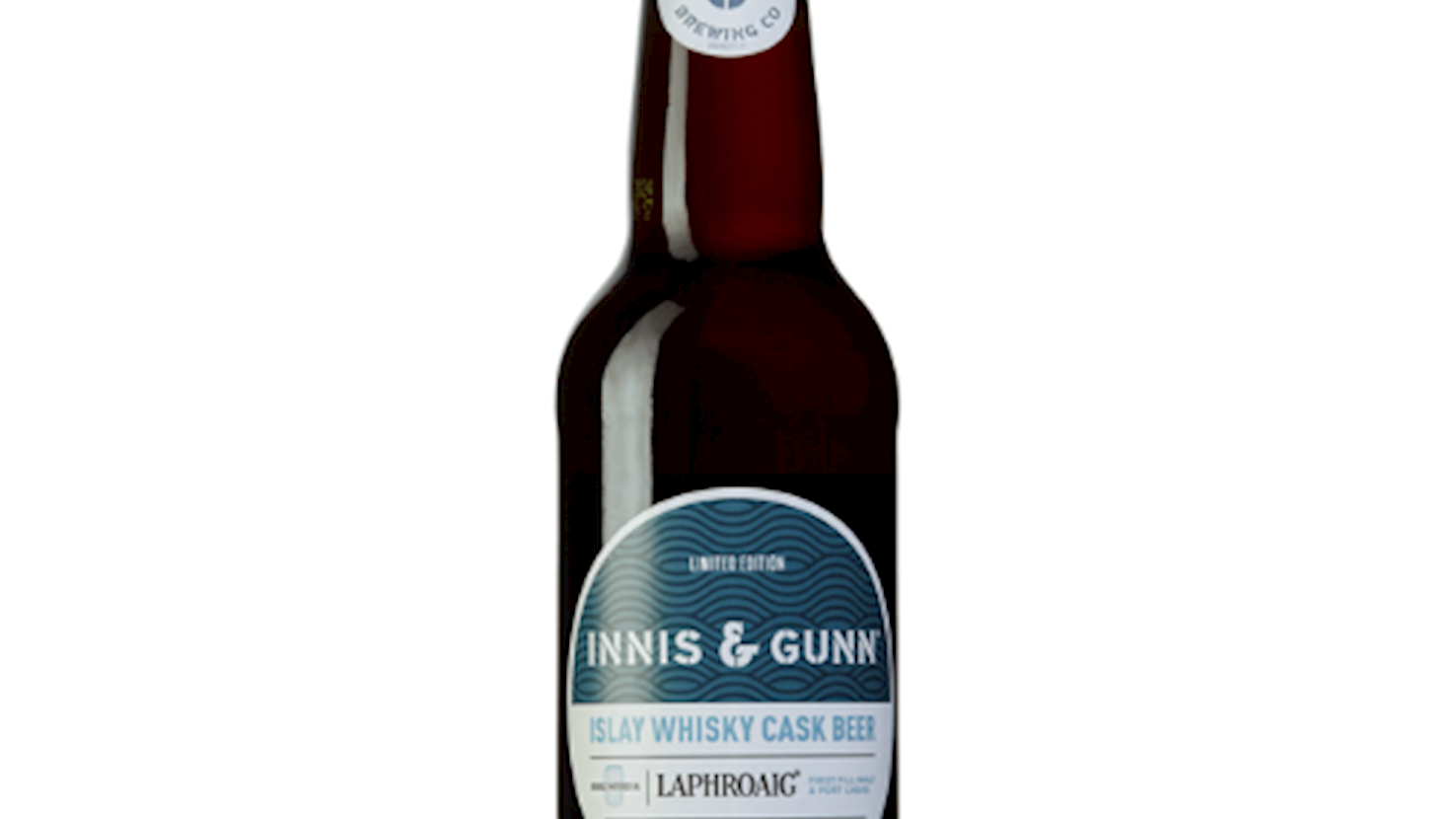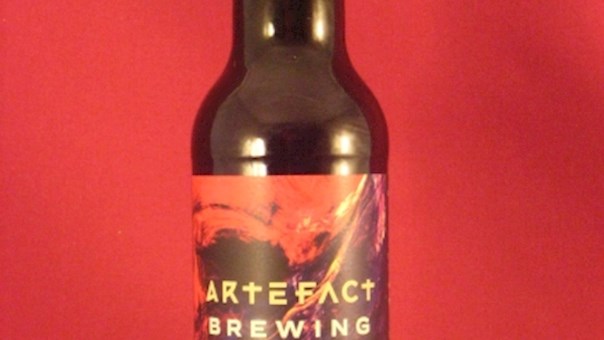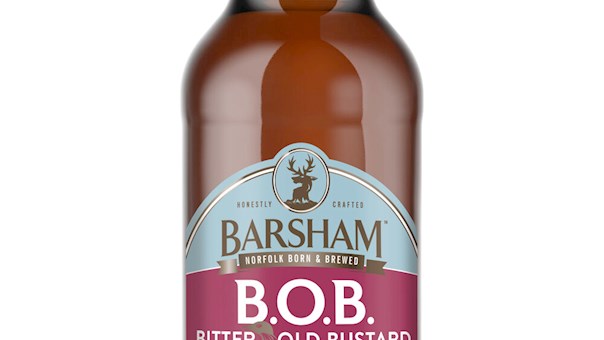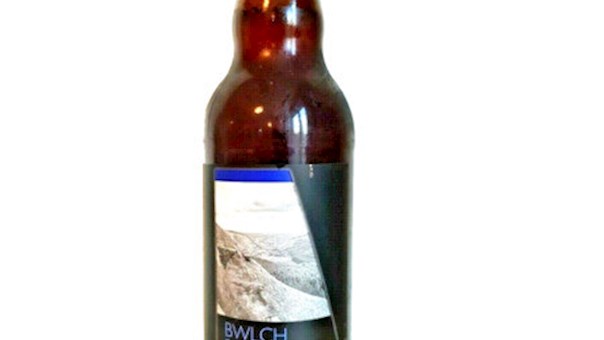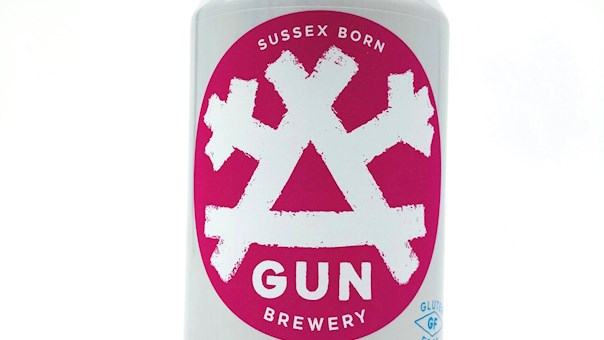
Imperial Stout is a strong and opaque dark beer that was first brewed in London, but which is mostly associated with Russia, Baltic countries, and recently with the United States. Modern imperial stouts will typically range from deep red to dark brown. They are full-bodied, rich, complex, and intense with typical flavors of roasted malt, dark and dried fruit, chocolate, and coffee. Most varieties will be high in alcohol, typically between 8 to 12% ABV, and they will mostly be high in hops and bitter hop flavors. Imperial Stouts are a great match to flavorful and hearty dishes, especially beef, but they also pair well with chocolate-based desserts and cheese. The first versions of this beer style appeared in the 18th century when British breweries started exporting the so-called extra stout or stout porter to the Russian imperial court of Catherine II of Russia. The most common legend claims that when the first batches were sent, it was noticed that stouts could not withstand the journey, and they would go bad before reaching Russia. To preserve the beer, the brewers added more hops and increased alcohol content—eventually creating a new style that will be classified as the Imperial Stout. Despite this popular legend, it is more likely that the beer was intentionally tweaked to make it richer and more suitable for the Russian royals. It has been largely accepted that the model for what would later become imperial stout has been first introduced by the London-based brewery Barclay, Perkins & Co. (formerly Thrale’s Anchor Brewery). The brewery continued to produce this specific stout until 1993—though after the merger with Courage under the name Courage Imperial Russian Stout. The style was revived in the 20th century mainly by American craft breweries.
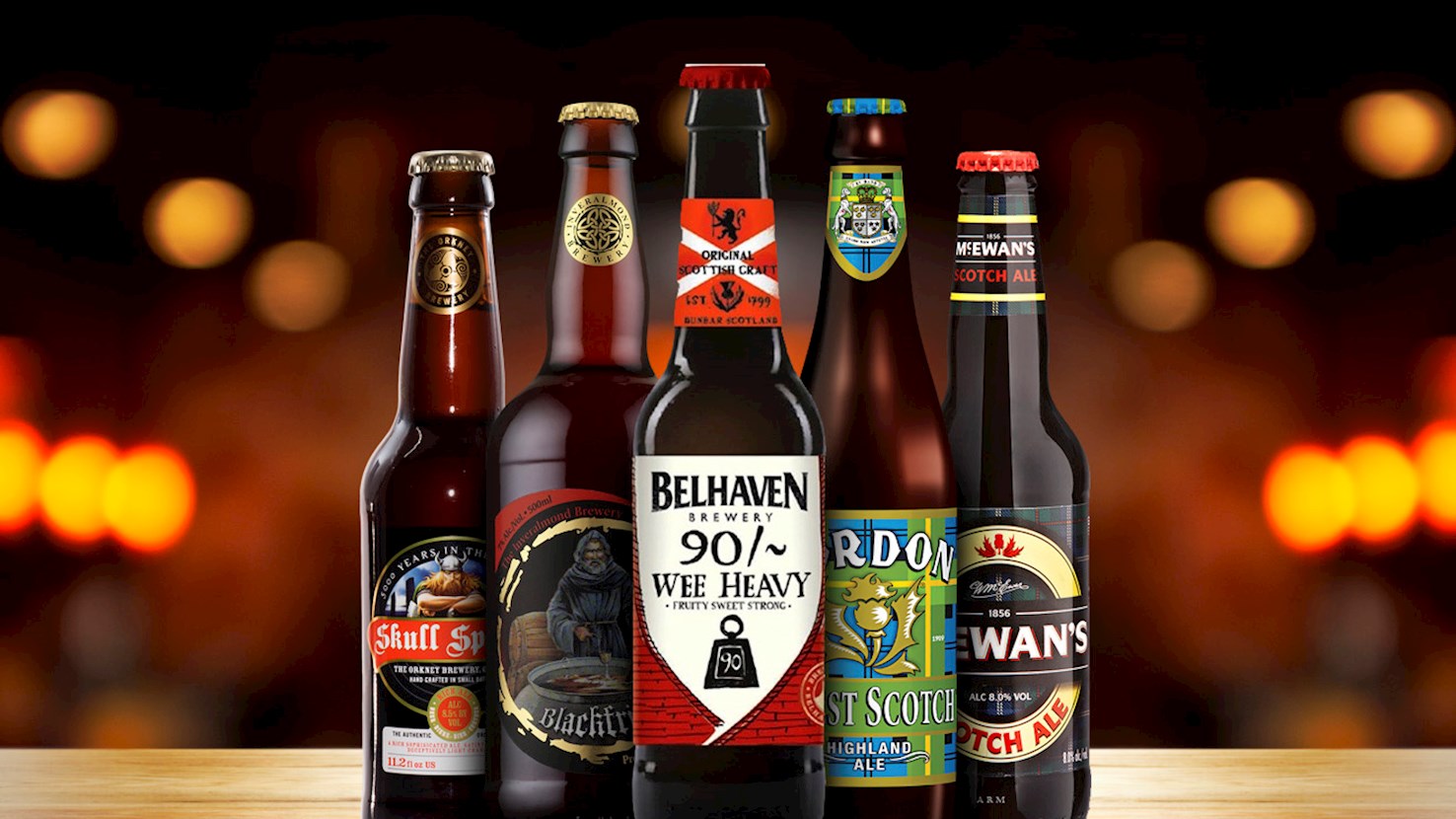
Scotch ale is a beer style distinguished for its malty character and rich caramel flavors. These big, bold, and full-bodied beers are typically light copper to dark-brown and mostly have a high alcohol content, usually falling between 6 to 10% ABV range. Their aromas and flavors are dominated by rich malty expressions and caramel-like qualities, along with typical notes of molasses, dried fruit, and plums. They often have some malty sweetness on the palate, while the hop aroma and flavor are low or absent. Scotch ale naturally pairs with rich, caramel desserts, but it also works well with roasted and grilled beef, lamb, gamey meats, smoked salmon, and aged cheese. Original Scotch ale traditionally does not have a smoky and peaty character. However, examples created in the United States sometimes include peat flavors, which is generally considered a misinterpretation of the original style.
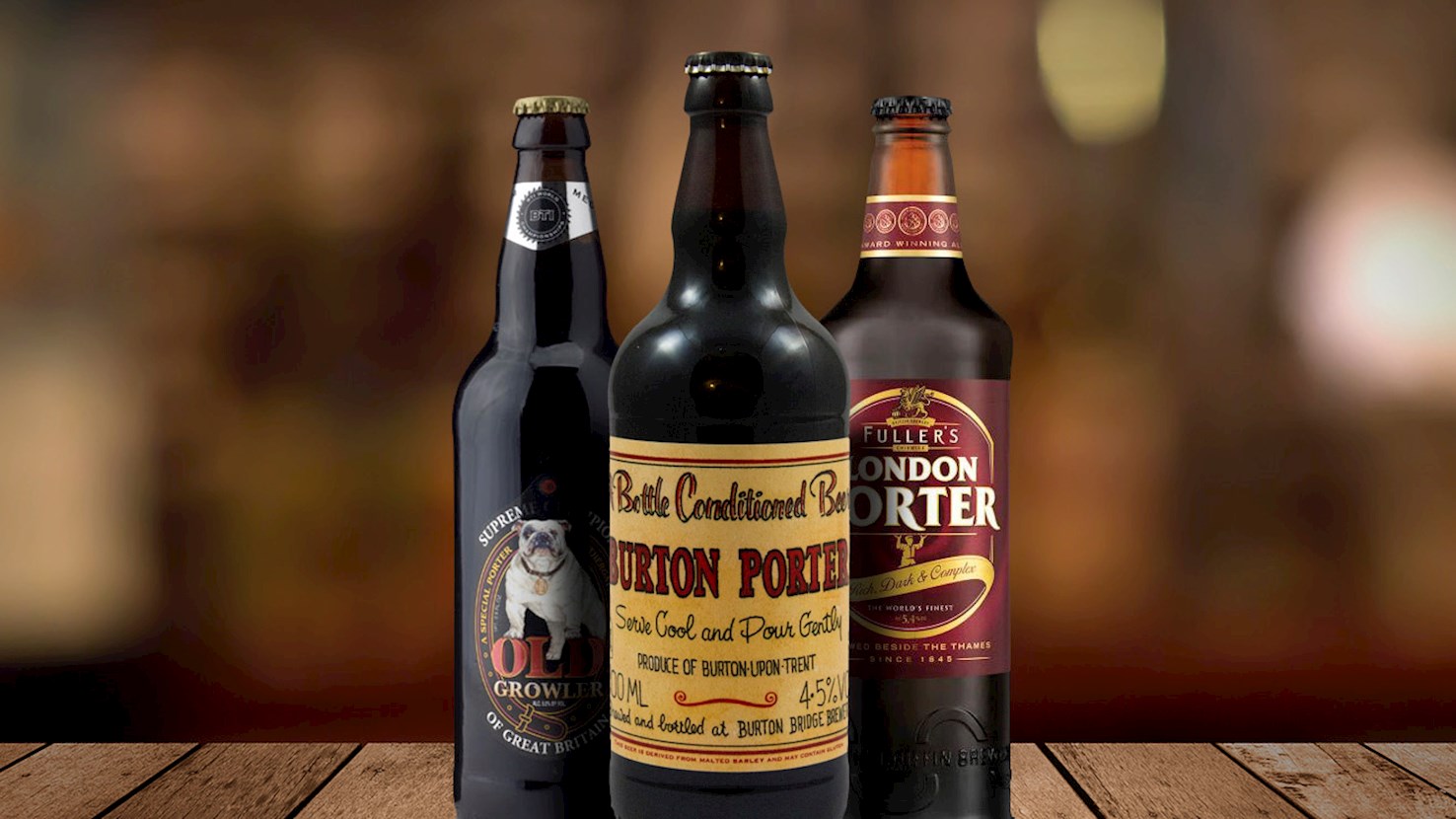
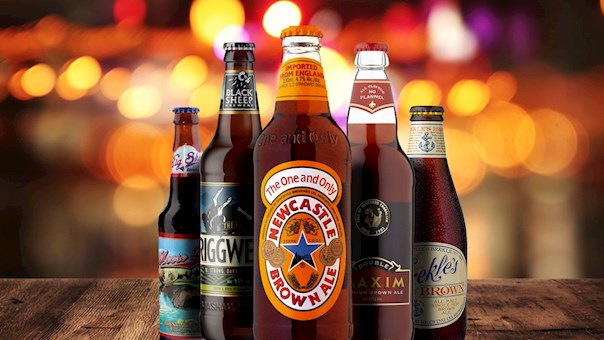
Porter is a beer style that was created in London sometime in the 18th century, but well-balanced and aromatic modern varieties do not share many similarities to the original version. Roughly defined, porter is a versatile dark ale made from dark malted barley and a hefty amount of hops. This versatile style is usually characterized by roasted, malty flavors and medium hop bitterness. Nowadays, most porter styles are classified as brown, robust, and Baltic. It is believed that this style first appeared in London alehouses that used to store three types of beer: aged, fresh, and strong, which would then be mixed in various blends. One of those blends was known as three threads—and though it is often believed that this was the origin of porter, it is also probable that it originated from the basic style known as brown beer out of a pure desire to improve the quality of the beer by adding more hops and longer aging. The name appeared because the new brew was particularly popular among the porters who carried goods around the city. By the 19th century, porter went to become the first mass-produced beer in the world that was also especially favored in American colonies, while a similar style known as plain porter was simultaneously developed in Ireland—which would later carry the name Guinness and be classified as a stout. In the mid 20th century, porter fell out of favor, and only recently it had seen somewhat of a renaissance when craft breweries tried to reintroduce this classic style. Porters can match a wide variety of dishes, but they are best paired with smoked or grilled meat, stewes, sausages, and blue cheeses. Some styles can also match chocolate-based desserts, and suprisingly even oysters.
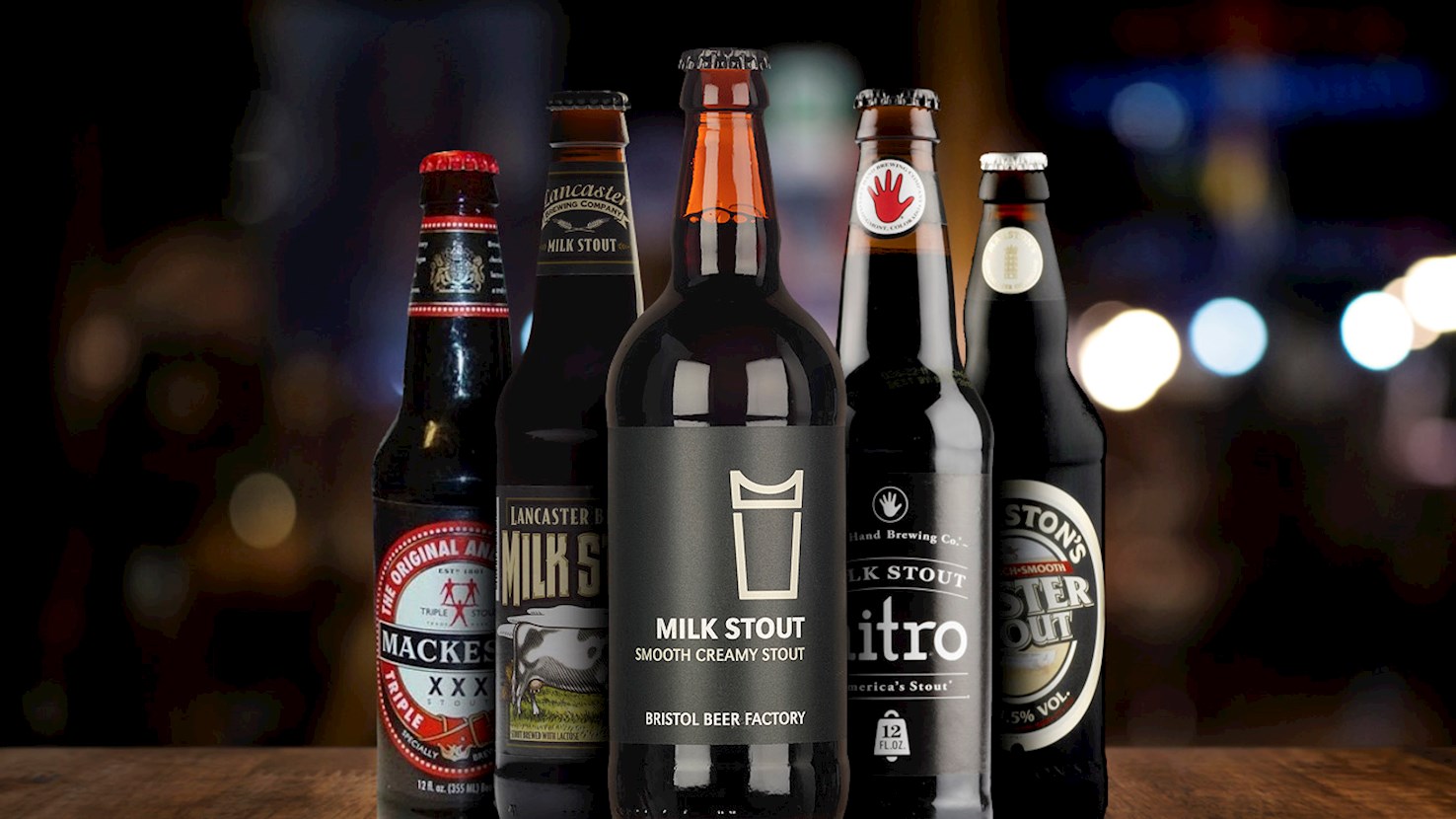
Sweet stout is a beer style that is usually brewed with the addition of milk sugar (lactose). It is also known as cream or milk stout, and it emerged in England sometime in the early 1900s. Sweet stouts are dark and full-bodied beers that have grainy malt flavors and aromas, often with hints of coffee and chocolate. They are smooth and creamy, with medium hop bitterness, while their malty character is well-balanced with medium to high sweetness. Sweet stouts are an ideal pairing with chocolate desserts, but they can also work well with creamy cheese varieties, spicy dishes, game, and rich sauces. In England, the names milk or cream stout are not used, but the terms regularly appear elsewhere. Alcohol content of sweet stouts typically ranges from 4 to 6% ABV.
Stouts are top-fermented beers that are typically dark and have distinctive roasted flavors. Their introduction is closely connected to British porter—a style that was developed in London sometime in the 18th century. Stout evolved from the desire to create a fuller and stronger porter, though this distinction is no longer present. Typical stout will have aromas of roasted barley and roasted malt reminiscent of coffee, chocolate, or cocoa. Traditional dry stouts range from black to deep brown and are usually medium-light to medium-full in body, smooth, creamy, and silky. They typically have little hop character and a long dry finish. Nowadays, the stout category is quite versatile, but the most prominent representative is the famed Guinness Stout—which is believed to be the prototype from which the style evolved. Nowadays, this category incorporates various additional ingredients and styles such as sweet, oatmeal, English, Imperial, Foreign Extra, and American stouts, which will likely have a bolder hop presence, as well as many sub-styles. The distinction is also made between draught and bottle stouts, and the former will typically be creamier and have a more persistent head. Regardless of variations and differences in style, stouts are often an excellent match to fried, salty, and spicy dishes, as well as rich and sweet desserts. They also pair well with blue-veined and aged alpine cheeses.
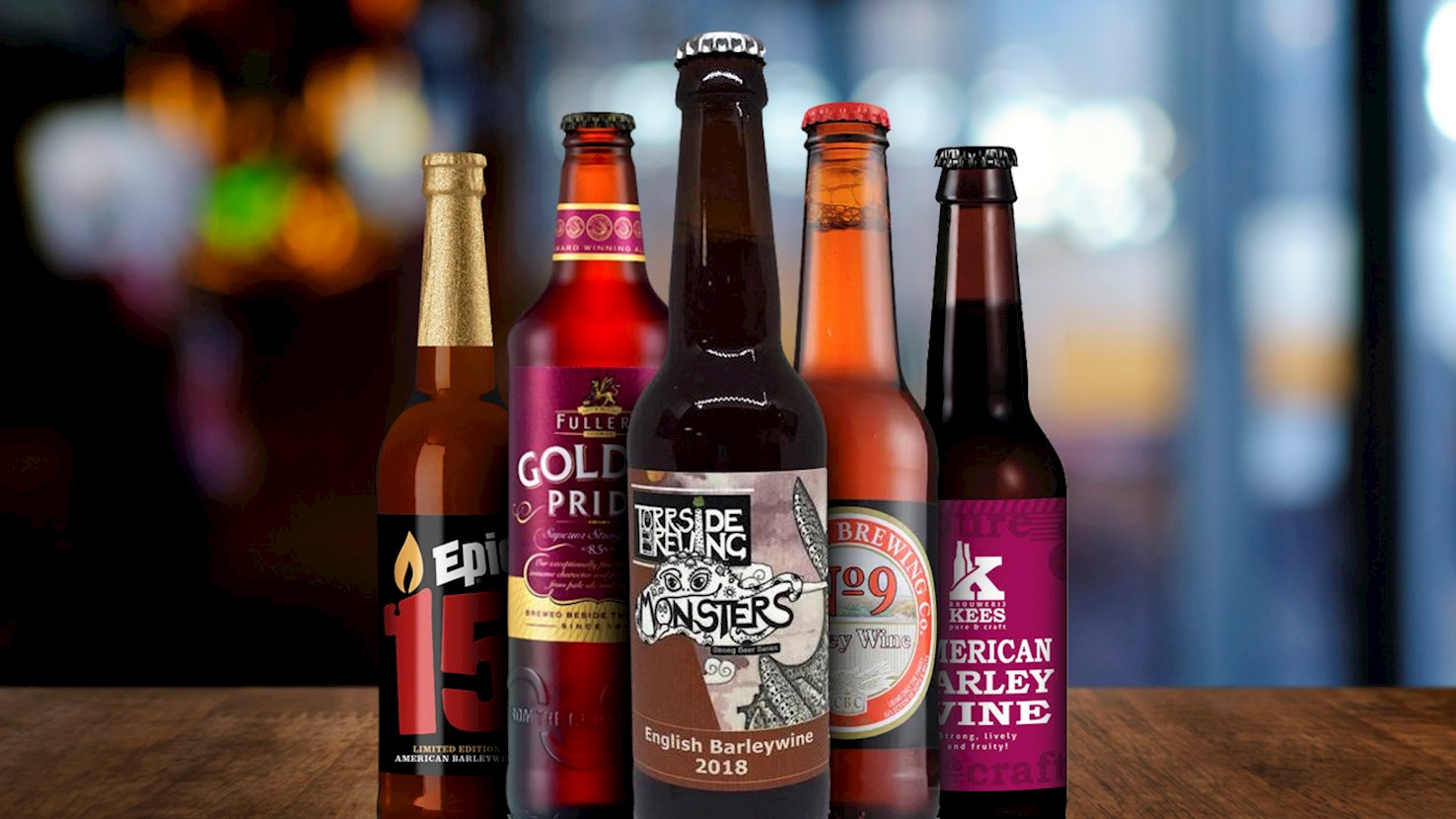
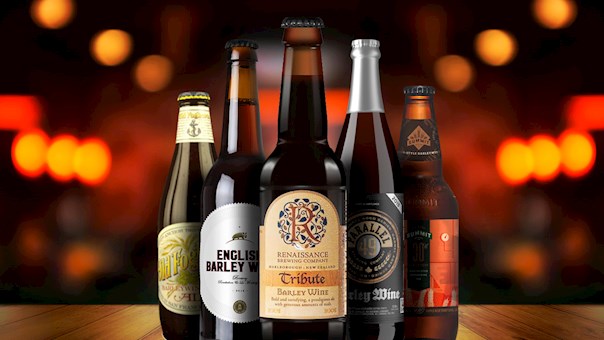
Contrary to its name, barley wine is a beer style that is best known for its dominant malty character. It is a type of extra-strong ale that has originated in England, but it is now produced worldwide. Although the name first came into use in 1903 with the introduction of No.1 Burton Ale by Bass Brewing, the style existed well before that, but it probably appeared under different names. As a style, barley wine is sometimes difficult to describe as it is incredibly versatile and often overlaps with other types. It is one of the strongest beer styles, with an alcohol content that usually falls between 7 to 12% ABV. British barley wine has a somewhat sherry-like and malty-sweet character with moderate hop bitterness and toffee and dried fruit aroma and flavors. The American version is also malty but typically has more hop bitterness. Both styles are full-bodied, big, and bold, and all the examples of the style are intended for aging, which tones and mellows the flavors. The first types of barley wine beers probably originated sometime in the 18th century. They were brewed by farmhouse brewers who would age the first run-off the mash. This first run was typically the strongest, so it could be stored longer. These strong, heavy brews were mostly reserved for the aristocracy and were intended to partially replace wine since Great Britain experienced problems with the most important wine-producing countries. In the 19th century, private brewing declined along with the taste for rich and malty strong ales. The focus was shifted to lighter and less malty styles, and barley wine fell out of favor, but the production was continued on a small scale, and several British breweries still carry on the tradition. In the 1970s, the style also appeared in the US. Anchor Brewing released the first version that would influence the emergence of American-style barley wines. Both British and American barley wines are excellent sipping beers, and they would pair nicely with richly-flavored cheese—Stilton is a classic pairing—foie gras, lamb, game meat, or beef-based dishes. They can also pair well with some desserts.
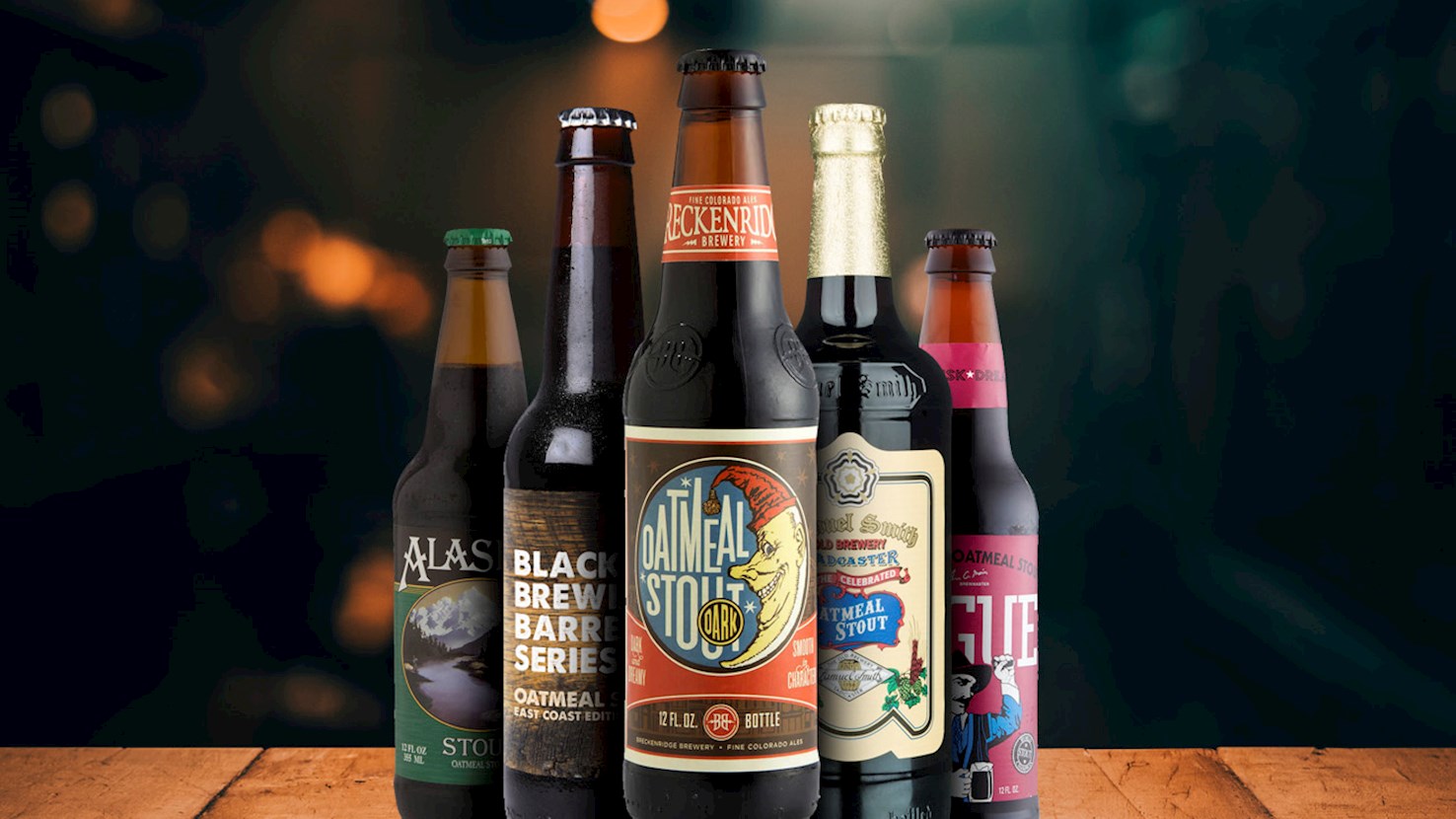
This sub-style of the classic stout is brewed with the addition of oatmeal. The style first became popular in England, sometime in the late 19th century. The beers falling in this category are typically dark and smooth, with a roasted malt character and aromas that are reminiscent of coffee. The addition of oatmeal will usually provide subtle sweetness and sometimes earthy, grainy, and nutty flavor. Hop bitterness can vary, but it is usually low to moderate. Oatmeal stouts pair well with roasted meat, rich and spicy sauces, clams, oysters, and chocolate, caramel, or fruit desserts.
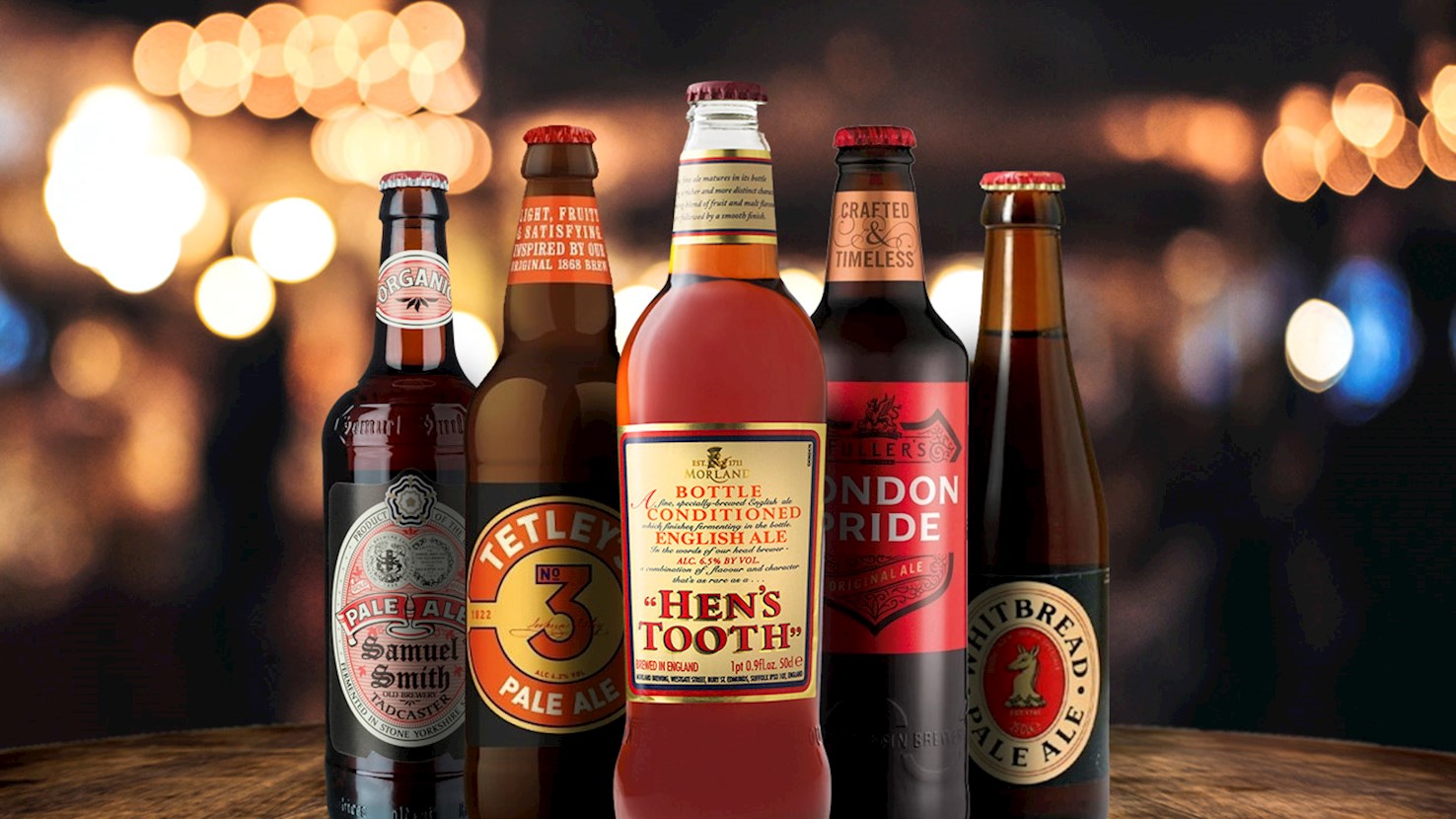
English pale ale is an incredibly versatile beer style that first originated when breweries started to use pale barley malt, which resulted in brews that were lighter than standard varieties at the time. Its place of origin is mainly associated with Burton-on-Trent, and its invention largely coincided with the development of Indian pale ales. Through history, this intricate style was known under various names such as sparkling ale, dinner ale, or bitterale. Nowadays, this style is typically gold to bronze in color, and it can range from 4.5%–5.5% ABV. The beers classified as English pale ales will mainly have earthy and moderate hop character, medium malt flavors, as well as medium bitterness and subtle fruit character. Traditional British pale ale is often interchangeably used with terms bitter and ESB (extra special bitter), though the latter two will mostly be associated with cask-conditioned draught ales. However, the three styles have vague boundaries that often overlap. English pale ales are approachable and work well with classic British fare, chicken, pork, fried dishes, shellfish, and they pair exceptionally well with British cheese varieties.
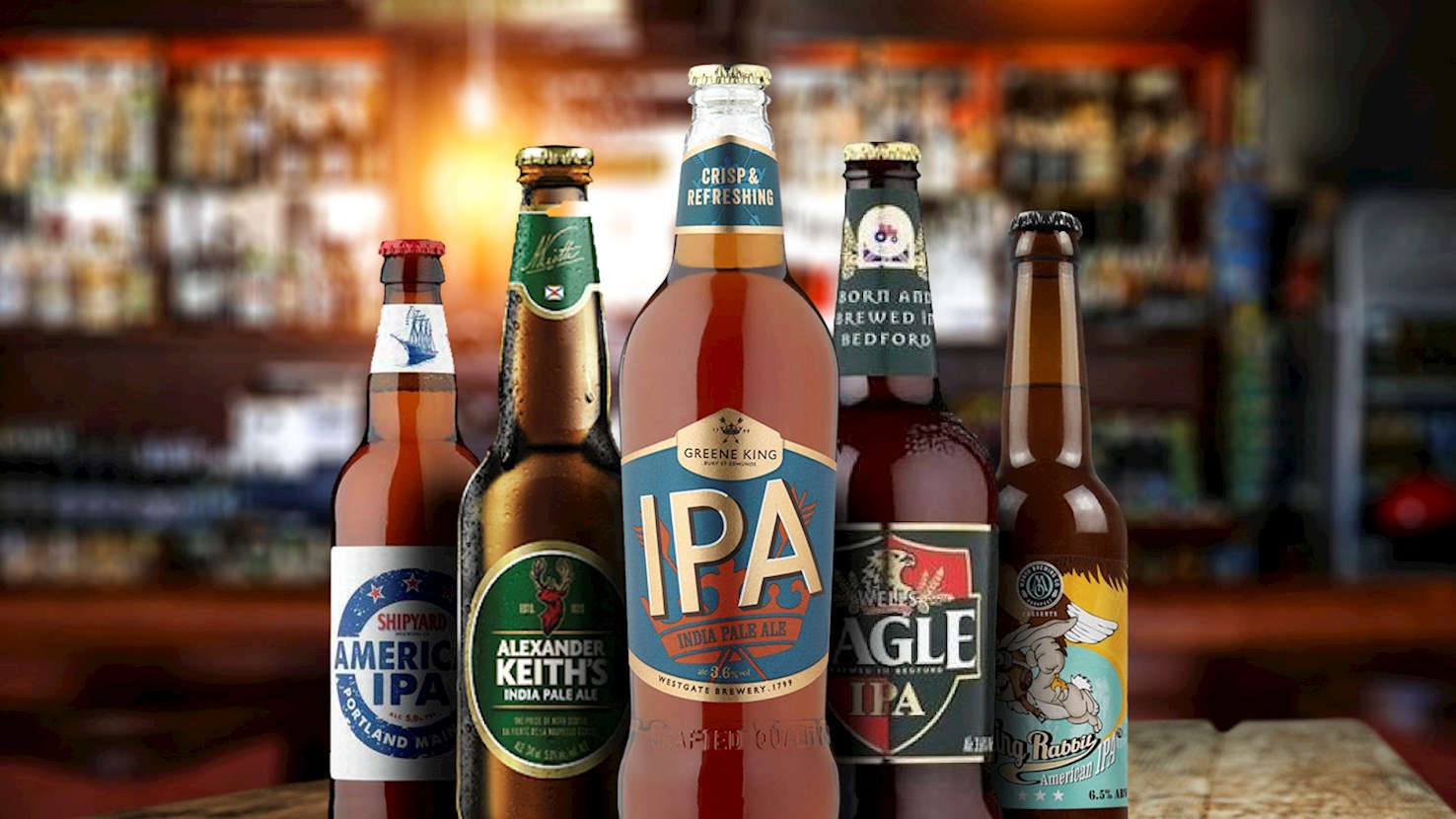
India Pale Ale is one of the most intriguing beer styles whose origin is still widely disputed, but it is believed that it first appeared out of necessity to transport pale ale brews to distant British colonies—namely India—because the climate in the colonies was too hot to brew beer. It is believed that IPA was created by increasing alcohol levels and adding more hops—which would help preserve the beer on longer voyages. Although the first reference of the name India pale ale dates back to 1830s, it is assumed that the style appeared much earlier. The prototype is believed to have been created in the 1780s, by a brewer Hodgson. By adding more hops, when the beers would reach the destination, they attained a distinctive refreshing character, and would surprisingly improve with age. Because they were light and crisp, India pale ales became a favorite in hot and humid climates. By the end of the 19th century, brewing practices shifted to lagers, and IPA slowly lost its stronghold. It was not until the 1980s that American microbreweries reintroduced it, achieving spectacular results, and making IPA one of the favorite styles nowadays. Not surprisingly, India pale ale was also reintroduced in England—where it was initially invented. Nowadays, most examples will have dominant hop character, and while English versions will have flowery and spicy nuances, American IPA tends to display a slightly different character that includes tropical fruit and pine. Most IPA styles pair well with spicy and hearty dishes, Asian cuisine, grilled and fried meat, as well as various types of cheese.
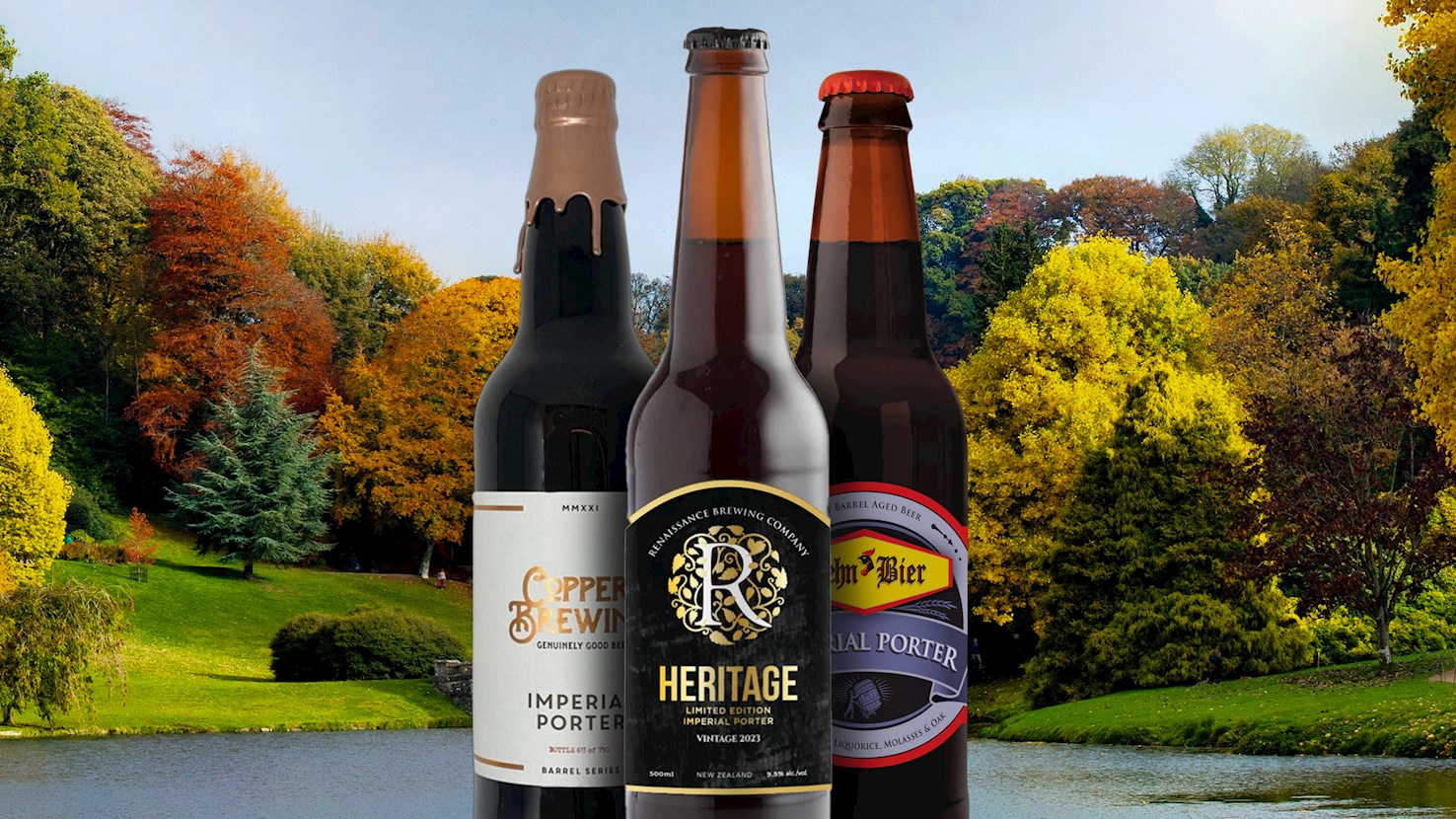
Imperial porter is a rich, dark beer style that originated in England during the 18th century as a stronger and more robust variant of the porter style, designed to appeal to drinkers seeking fuller body and higher alcohol content. The style is characterized by its deep brown to black color, complex flavors of roasted malt, chocolate, coffee, and caramel, and a smooth, velvety mouthfeel. Over time, the imperial porter evolved and spread internationally, with American craft brewers adopting and adapting the style to emphasize bolder hop profiles alongside the classic malt richness. The history of imperial porter reflects a period of innovation and adaptation within British brewing, where the increasing demand for stronger, more flavorful beers led to the creation of stronger versions of popular styles. Imperial porters were initially brewed to withstand longer storage and transportation, making them suitable for export markets and urban consumption. With the craft beer movement, the style experienced a resurgence, particularly in the United States, where brewers experimented with intensified hop bitterness and aromatic complexity while retaining the essential malt backbone that defines the style. Preparation of imperial porter involves the use of a substantial malt bill that includes roasted barley, chocolate malt, and other specialty malts to achieve the dark color and layered flavors. The brewing process balances malt sweetness with moderate hop bitterness, often using English or American hop varieties depending on the desired flavor profile. Fermentation is carried out with yeast strains that promote a clean finish while allowing the malt and hop characters to shine through. Serving imperial porter is typically done in glassware that captures its aromas and enhances the tasting experience, with the beer best enjoyed slightly warmer than lighter ales to fully appreciate its depth. Imperial porter is consumed in craft breweries, pubs, and beer festivals where its complex profile appeals to those who favor malt-forward, robust beers with nuanced flavors. It pairs well with hearty dishes such as roasted meats, stews, and rich desserts like chocolate cake, where the beer’s roasted and caramel notes complement and enhance the food.
Fuller’s Brewery is one of the most iconic British beer brands, with a rich tradition that dates back to the 19th century. Located at the historic Griffin Brewery in Chiswick, West London, the brewery has operated from the same site since 1845. Over more than a century and a half, Fuller’s Brewery has earned a reputation for producing premium-quality beer crafted using traditional methods, with a focus on balanced flavor, extended fermentation, and carefully selected ingredients. Production still takes place at the Griffin Brewery, preserving authentic processes and a distinctly British identity. Fuller’s Brewery also offers guided tours of the facility, giving visitors insight into its heritage, brewing techniques, and a chance to taste its renowned beers. Today, Fuller’s beers are exported around the globe, and the brand remains a symbol of London’s brewing legacy - combining artisanal quality with unmistakable character.
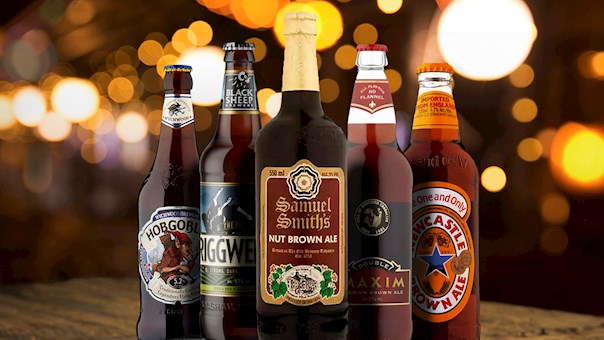
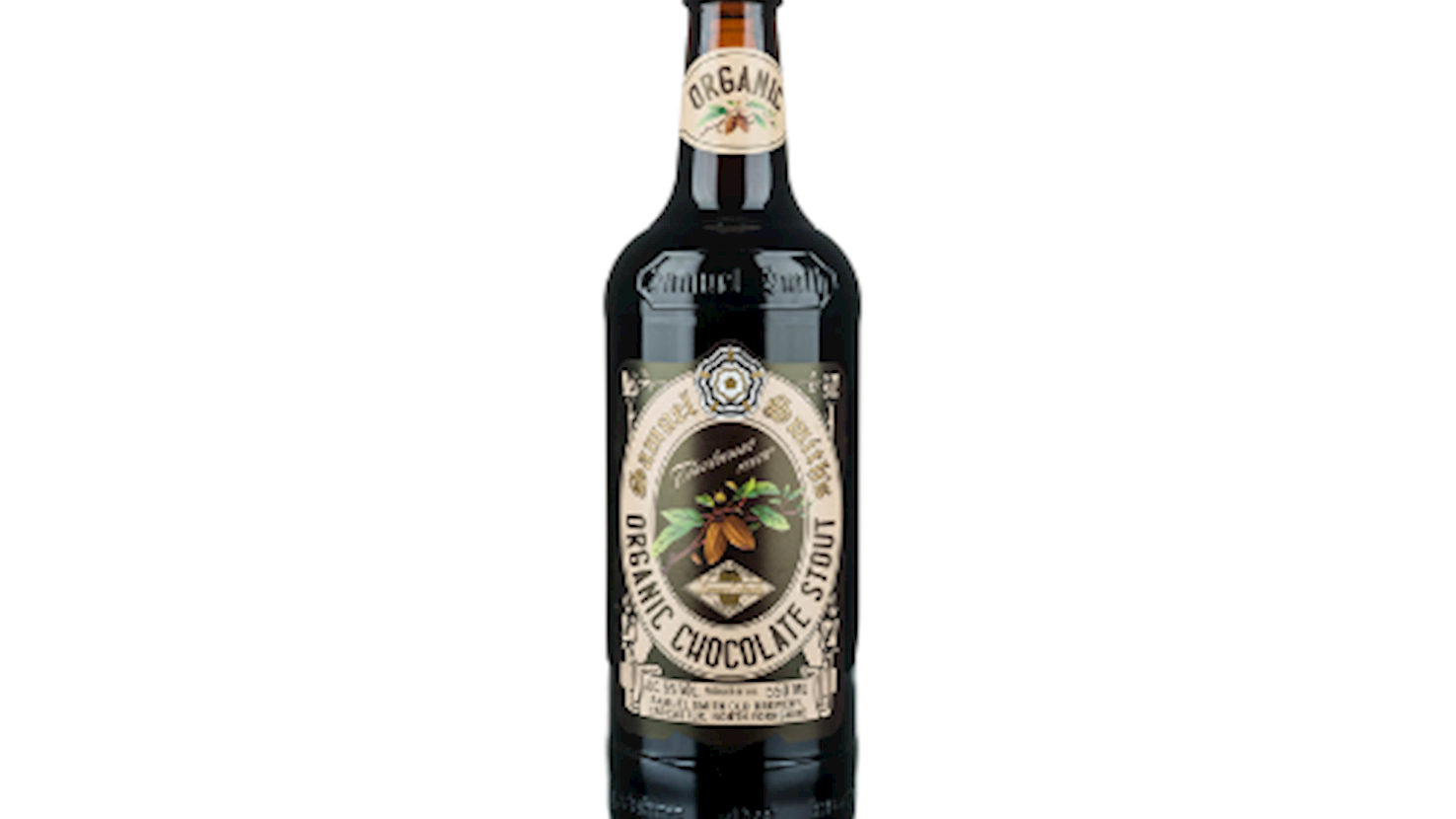
Samuel Smith's Brewery is a symbol of authentic British brewing tradition, and what makes it particularly remarkable is its unwavering commitment to preserving production methods that have largely disappeared from modern brewing. Founded in 1758, the brewery is located in the heart of Tadcaster, a town renowned for its exceptionally pure underground water, which serves as a key ingredient in all their beers. One of the most fascinating aspects is that the brewery still uses a strain of yeast that has been carefully preserved and passed down through generations since the 1800s, never replaced by commercial cultures. Fermentation takes place in open-topped stone fermenters lined with traditional Yorkshire square tiles made of stoneware clay, handcrafted according to time-honored techniques. This method allows for slower fermentation and the development of more complex flavors, giving each beer a unique character. Samuel Smith's produces exclusively within its original brewery and maintains a small-scale production, which ensures full control over the quality of their products.
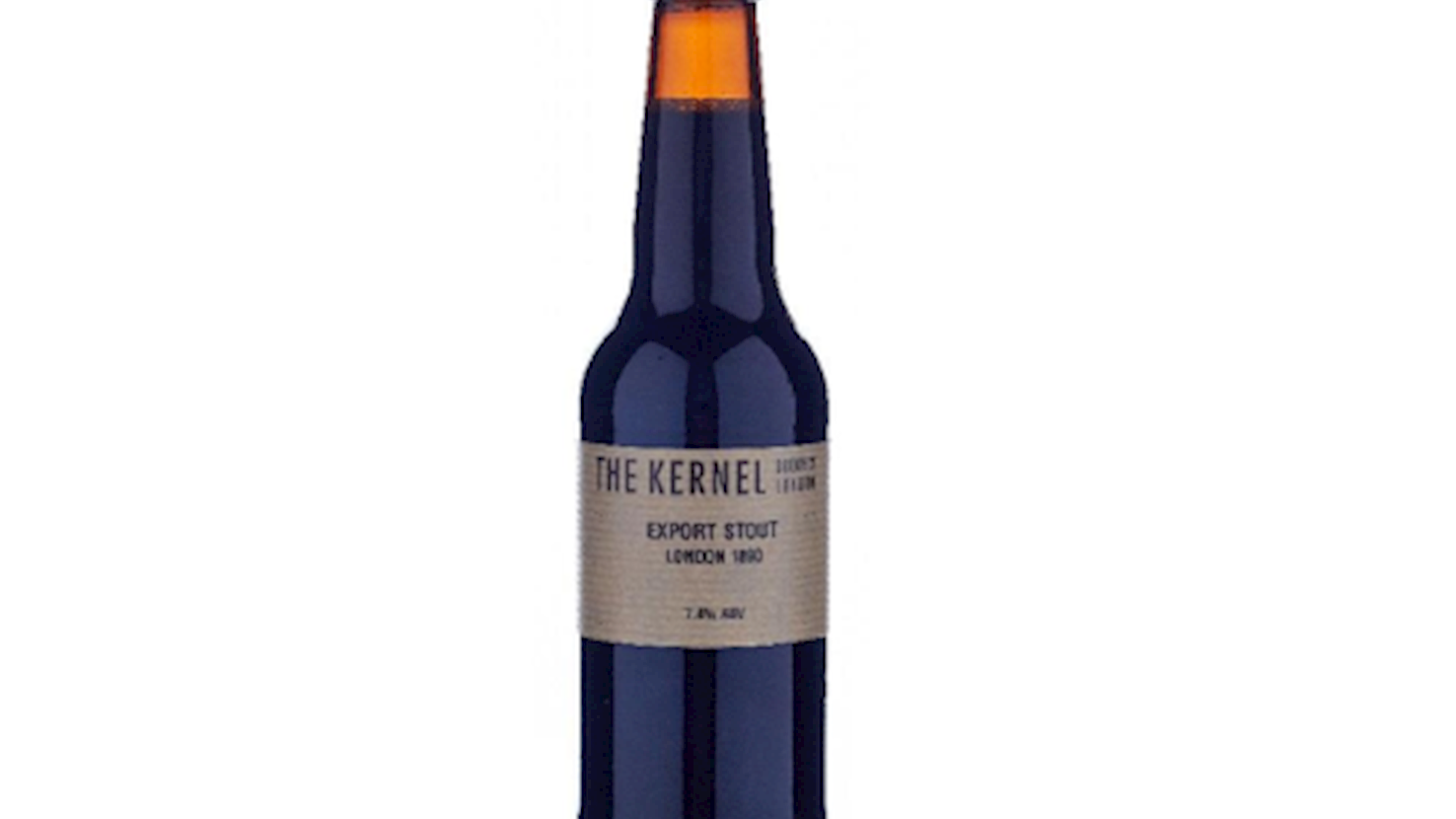
The Kernel Brewery is an independent craft brewery from London, founded in 2009 in the Bermondsey area, known as the “Beer Mile”. The brewery began in a small warehouse with a simple idea - make beer of exceptional quality without unnecessary marketing or complications. Founder Evin O’Riordain focused on ingredients, technique, and purity of style, which remains the core of their philosophy today. Kernel produces small batches that vary from release to release, as each batch reflects the seasonal character of the hops and malt used. They are best known for their pale ales and IPAs, characterized by citrus and tropical fruit aromas, while their porters and stouts carry traditional London dark-malt depth. The brewery also explores mixed fermentation and wild ales, experimenting with spontaneous fermentation and barrel aging. Their visual identity is minimalist - a simple label with essential information, without any decorative elements. Kernel believes that attention should be on what’s inside the bottle, not on the packaging. In their taproom, visitors can try limited batches that rarely reach wider distribution. The space is industrial and unpretentious, keeping the focus on the beer and the tasting experience. Their reputation has been built on authenticity and consistent quality over the years. The Kernel Brewery is considered a key contributor to the development of the modern London craft beer scene, proving that a brand built on quality is always sustainable.
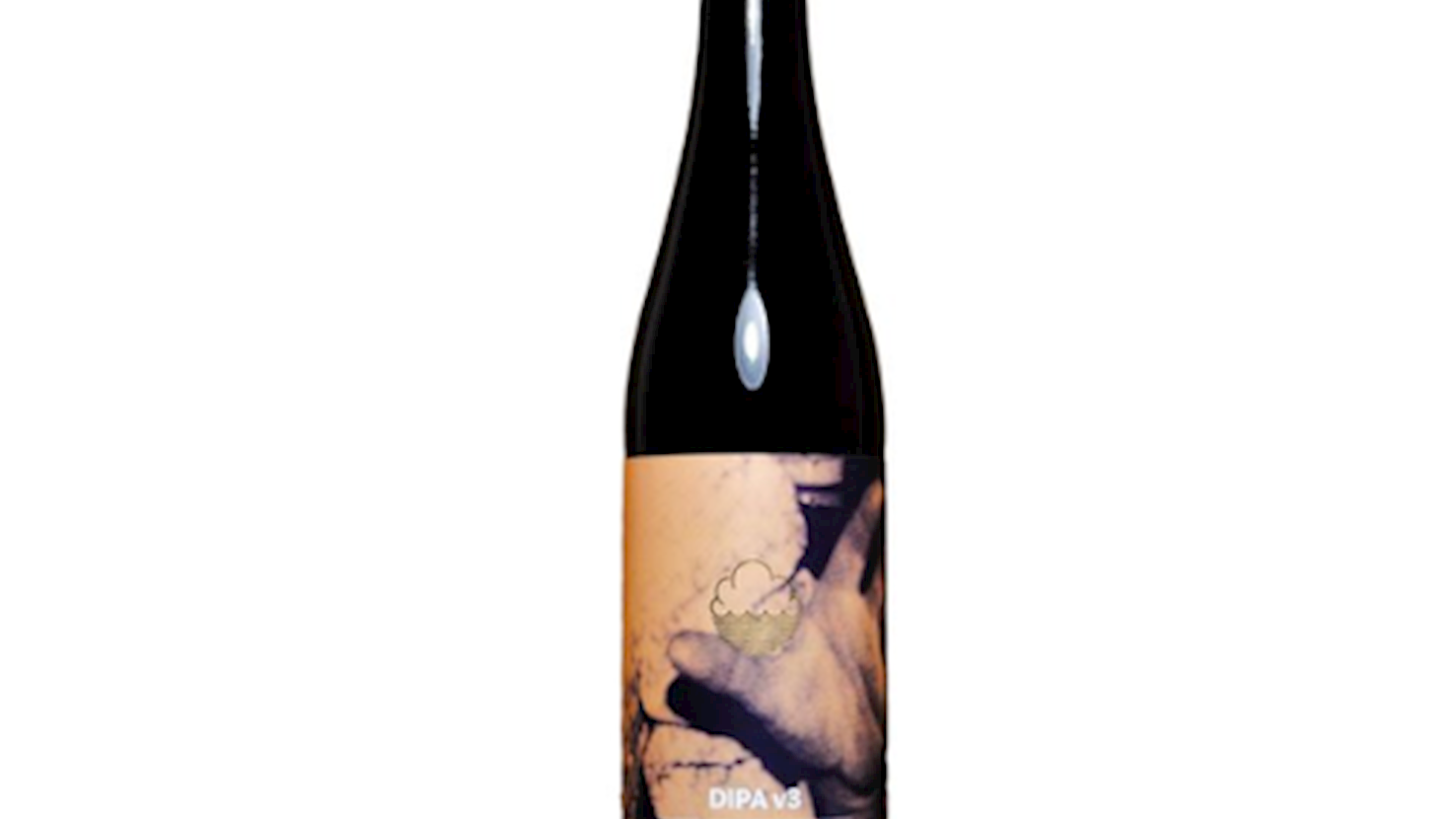
Cloudwater Brew Co is a respected independent craft brewery based in Manchester, founded by Paul Jones and James Campbell. From the outset, the brewery distinguished itself with a strong focus on exceptionally fresh seasonal beers and a refined aroma profile. Located in the Piccadilly Trading Estate, Cloudwater operates its own taproom along with a dedicated space for tastings and retail. Rather than maintaining a core lineup, the brewery embraces a dynamic rotation of seasonal styles - ranging from West Coast and hazy IPAs to stouts, lagers, and low-alcohol offerings. Through its commitment to quality, innovation, and consistency, Cloudwater has played a key role in shaping and elevating the reputation of the UK craft beer scene on the global stage.
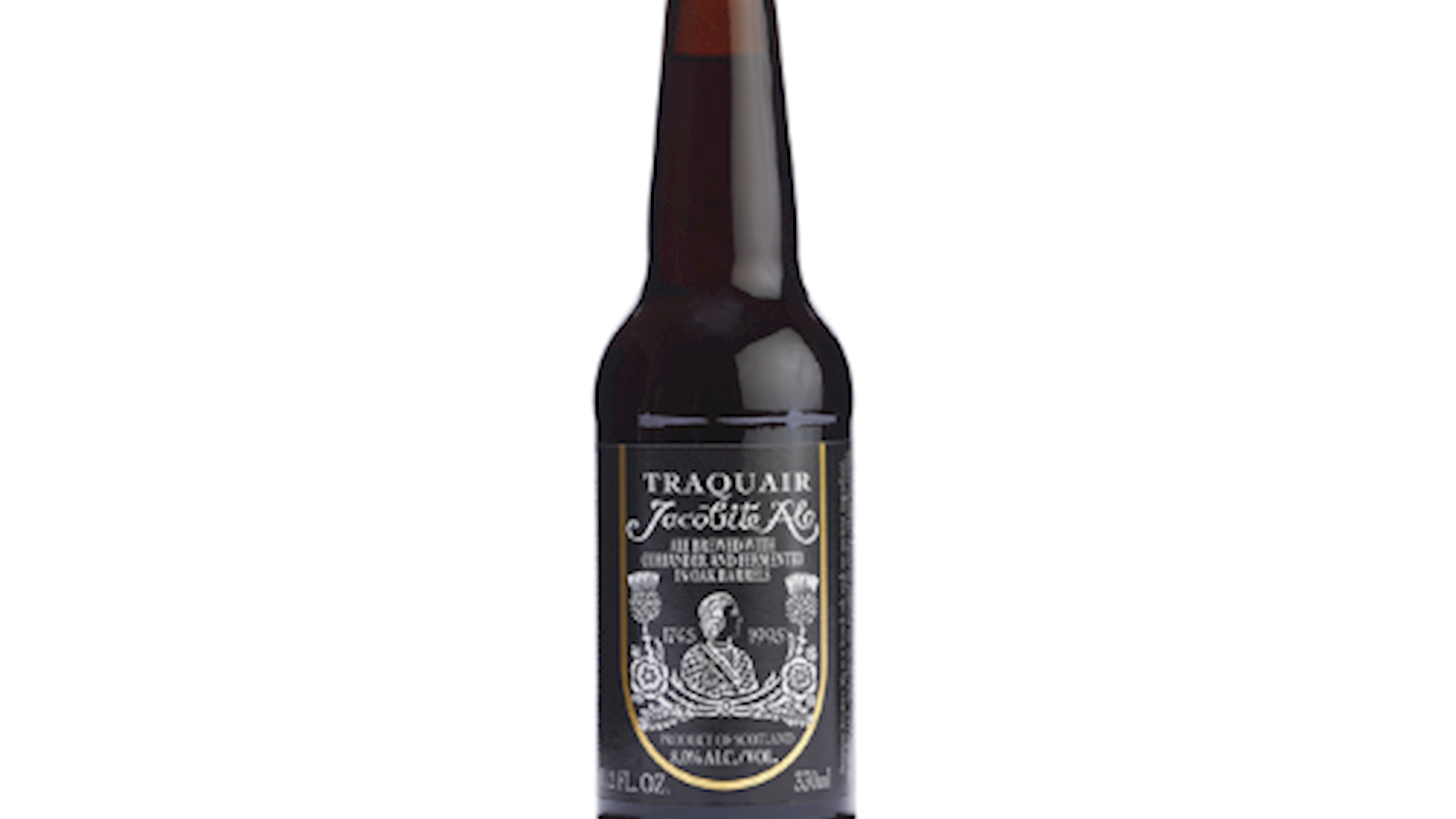
Traquair House Brewery is a unique, historic brewery located within the walls of Traquair House in Scotland, in the Scottish Borders region. It is considered the oldest private domestic brewery in the United Kingdom, with brewing traditions dating back to the 16th century, when beer was served to royal and ecclesiastical guests.
Traquair House Brewery uses authentic 18th-century equipment, including traditional oak fermenting vessels, and employs classic brewing methods without filtration or pasteurization. This results in rich, complex ales that mature and evolve in the bottle. Its most famous product is Traquair House Ale, a strong ale with deep flavors of dark malt, dried fruit, spices, and a subtle smoky character.
Today, the brewery remains family-owned and produces small-batch beers for enthusiasts around the world, staying true to the spirit of craft brewing, historical legacy, and the aristocratic character of the Scottish countryside. Visitors can tour the brewery as part of a visit to Traquair House, which also serves as a cultural landmark and family residence.
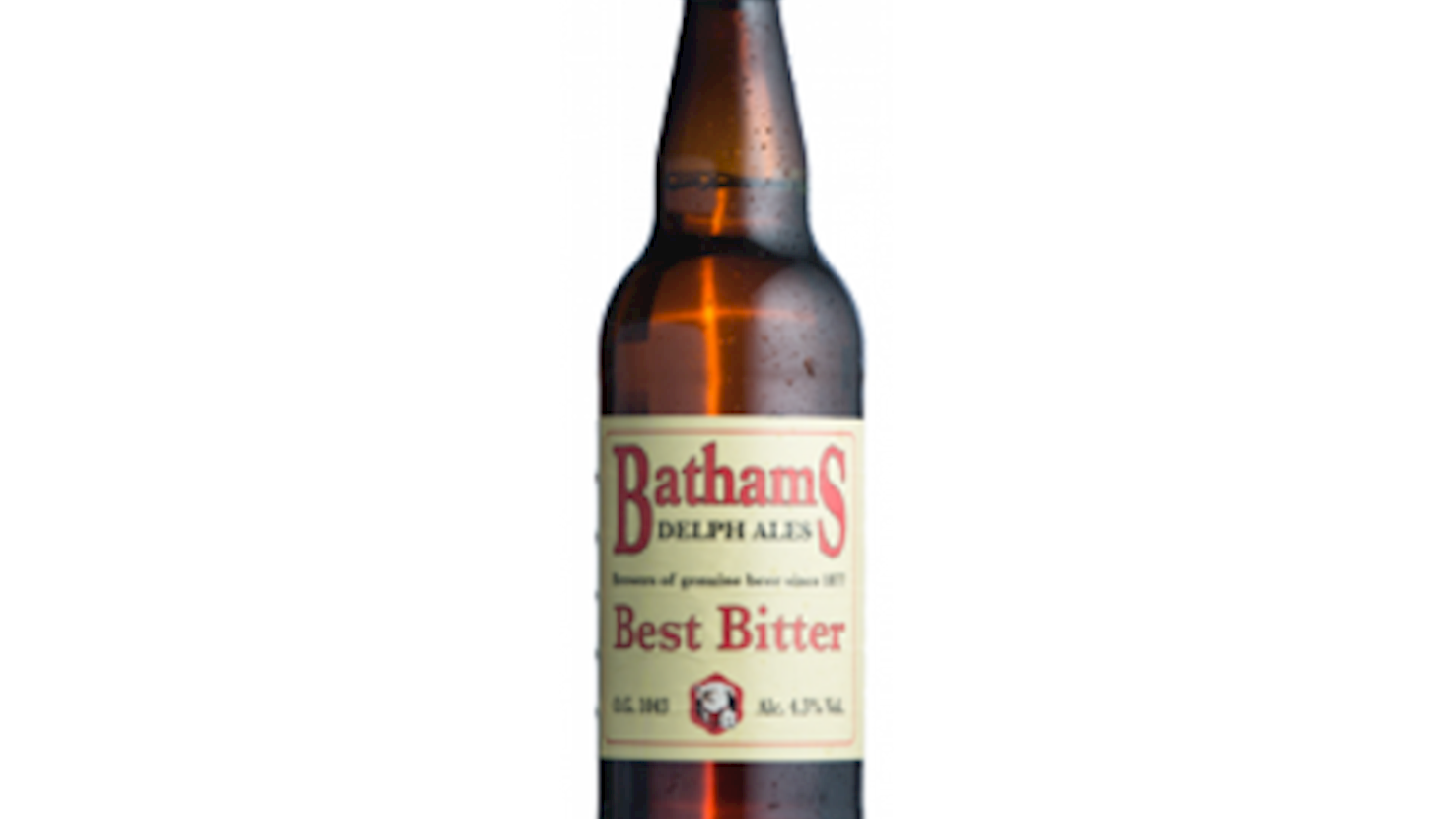
Bathams Brewery, officially known as Daniel Batham & Son, is a traditional family-run brewery from Brierley Hill in the Black Country region, founded in 1877 and still operated today by the fifth and sixth generations of the Batham family. The brewery represents classic British brewing heritage that has not adapted to modern craft beer trends, choosing instead to maintain traditional methods. Fermentation takes place in large wooden vessels, and the beers are served as cask ales - unfiltered, naturally conditioned in the barrel, and without industrial carbonation. Their Best Bitter is considered one of the finest traditional ales in the United Kingdom and frequently appears on lists of the highest-rated real ales. The distribution concept - “beer only in our own pubs” - is part of their identity and ensures that the beer is served fresh and in ideal condition. Bathams relies on simplicity: no experimental styles, extreme IPAs, or special adjuncts, but a pure focus on quality, consistency, and tradition. This is the foundation of their reputation - the beer does not change according to trends; instead, people come for authenticity. In an era dominated by modern craft innovation, Bathams stands out as proof that identity can be built on stability and continuity. Their approach shows that tradition and craftsmanship can hold the same value as innovation, especially when the result is a beer with clear character and consistent quality for well over a century.
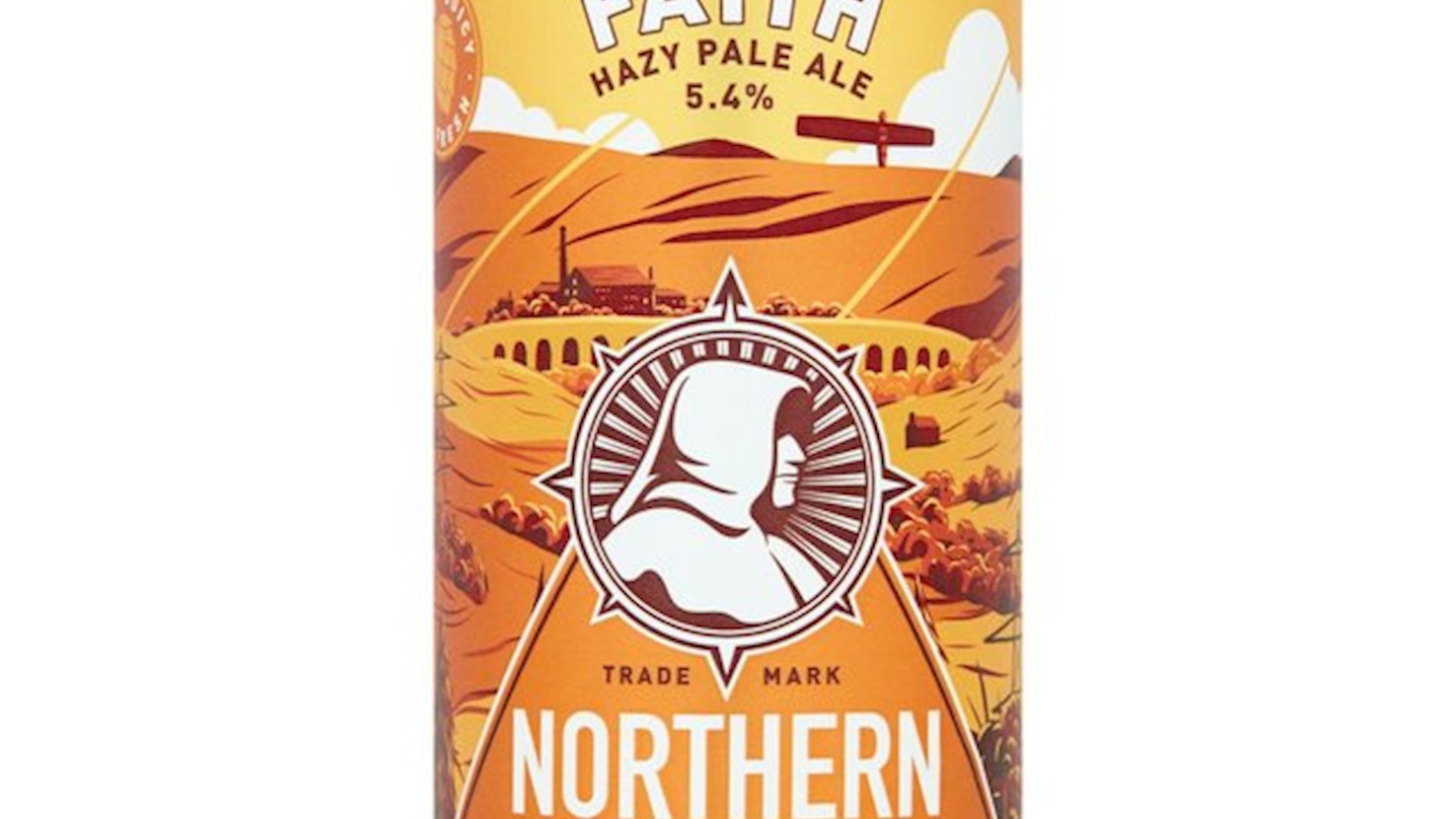
Northern Monk is an independent brewery based in Leeds, England, established in 2013. They produce a range of craft beers including IPAs, stouts, and lagers. Northern Monk uses locally sourced ingredients and has a strong emphasis on community involvement and sustainability. The brewery also runs a patrons project, collaborating with artists, athletes, and other breweries.
Buxton Brewery is an independent craft brewery located in Buxton, in the Peak District region of England, founded in 2009 as a small artisanal brewery with a focus on quality and authenticity. Its location near a natural water source, for which the town of Buxton is famous, is considered one of the key elements influencing the character of their beers. From the beginning, they have combined precise brewing technique with creativity, developing a wide range of styles - from classic ales and lagers to modern IPAs and imperial stouts. Buxton is known for using high-quality hops sourced from around the world, giving their IPAs distinctive aromas of citrus, pine, and tropical fruit. The taproom selection changes constantly, since new beers and experimental batches are a regular part of their production. Buxton Brewery emphasizes the approach “beer as an experience” - a combination of environment, ingredients, technique, and atmosphere. Their work shows how locality can be an advantage in building a strong brewing identity. The brewery sees its product as a fusion of Peak District nature and contemporary brewing innovation. Thanks to its quality and international reputation, Buxton Brewery is today one of the most notable representatives of the British craft beer scene.
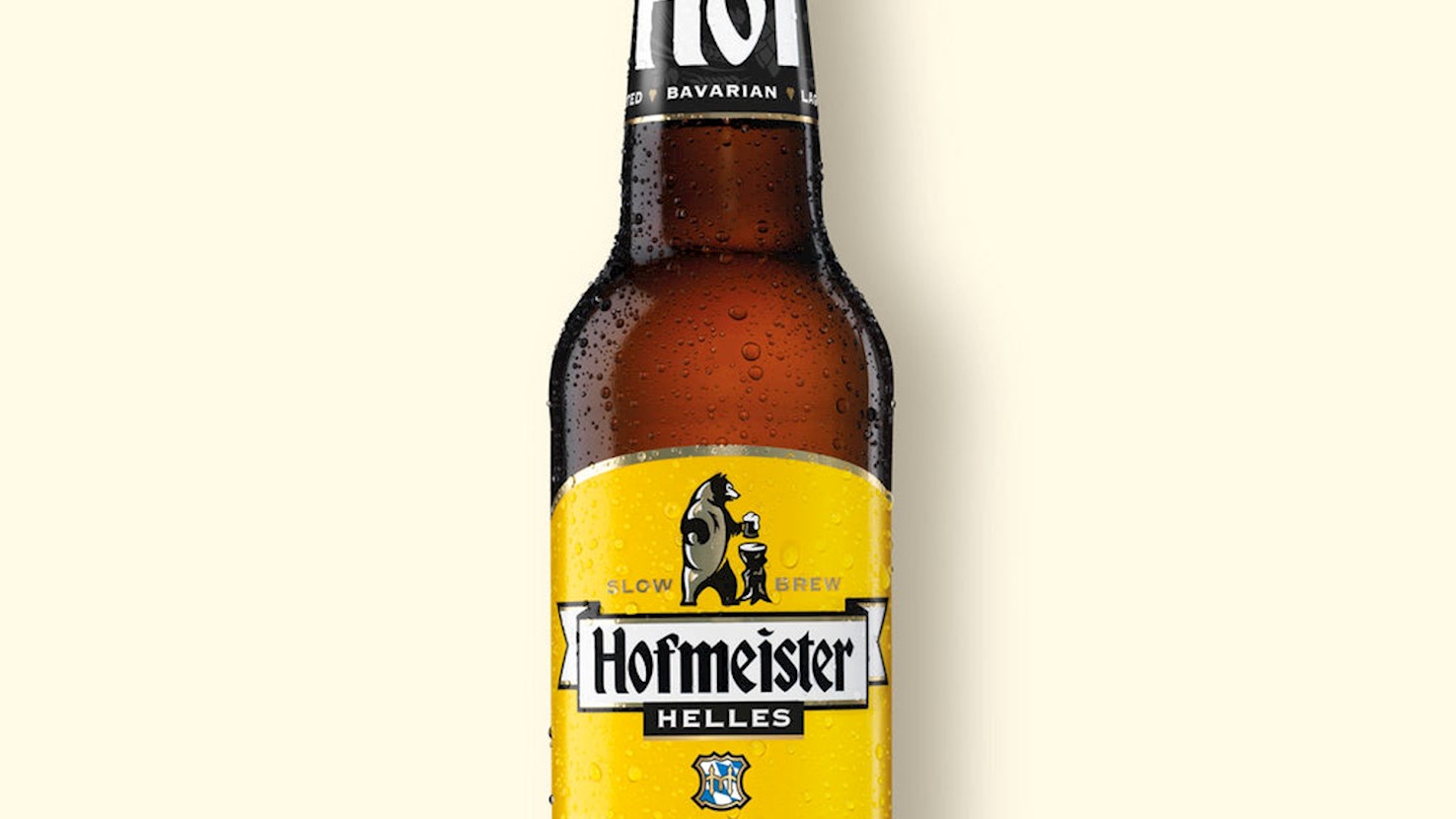
Hofmeister Brewing Company Ltd is known for producing German-style lagers. The company sources its ingredients from Bavaria and brews its beers according to the Reinheitsgebot, the German Beer Purity Law. Hofmeister Helles Lager has received several awards, highlighting its quality and authenticity. The brewery emphasizes traditional brewing methods and a commitment to high-quality ingredients.
TasteAtlas food rankings are based on the ratings of the TasteAtlas audience, with a series of mechanisms that recognize real users and that ignore bot,
nationalist or local patriotic ratings, and give additional value to the ratings of users that the system recognizes as knowledgeable.
For the “Top 100 British Beers” list until June 03, 2026, 1,335 ratings were recorded, of which 1,239 were recognized by the system as legitimate.
TasteAtlas Rankings should not be seen as the final global conclusion about food. Their purpose is to promote excellent local foods,
instill pride in traditional dishes, and arouse curiosity about dishes you haven’t tried.
The initial list of top producers was compiled based on available reviews, awards, local recommendations, media and blog coverage, and consumer reviews.
The list will be updated with ratings from TasteAtlas local ambassadors and TasteAtlas users.