


shutterstock

Top 35 Bread Soups
in the World

Last updated on May 09, 2026
01

Açorda à Alentejana

4.1 ·

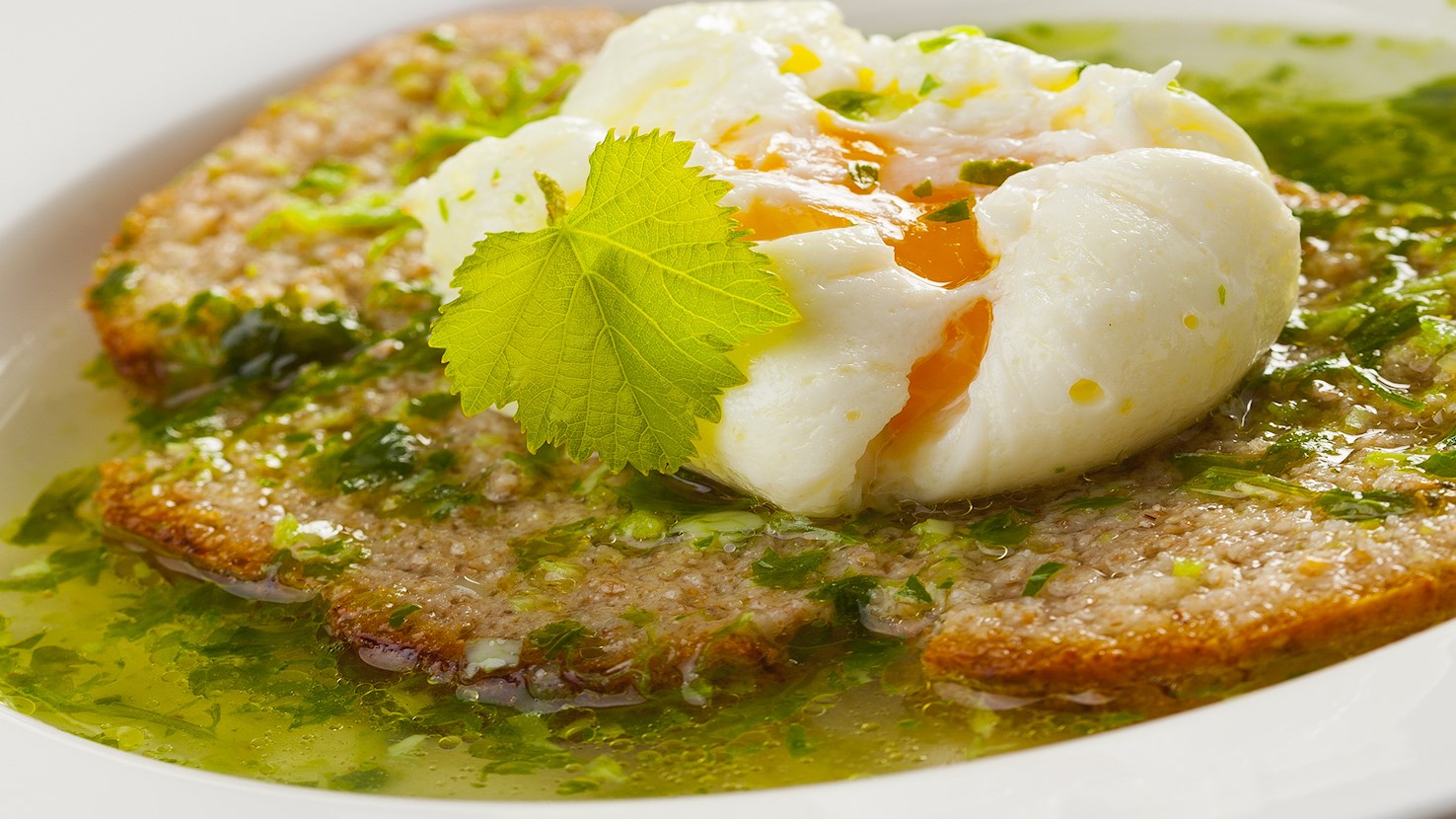
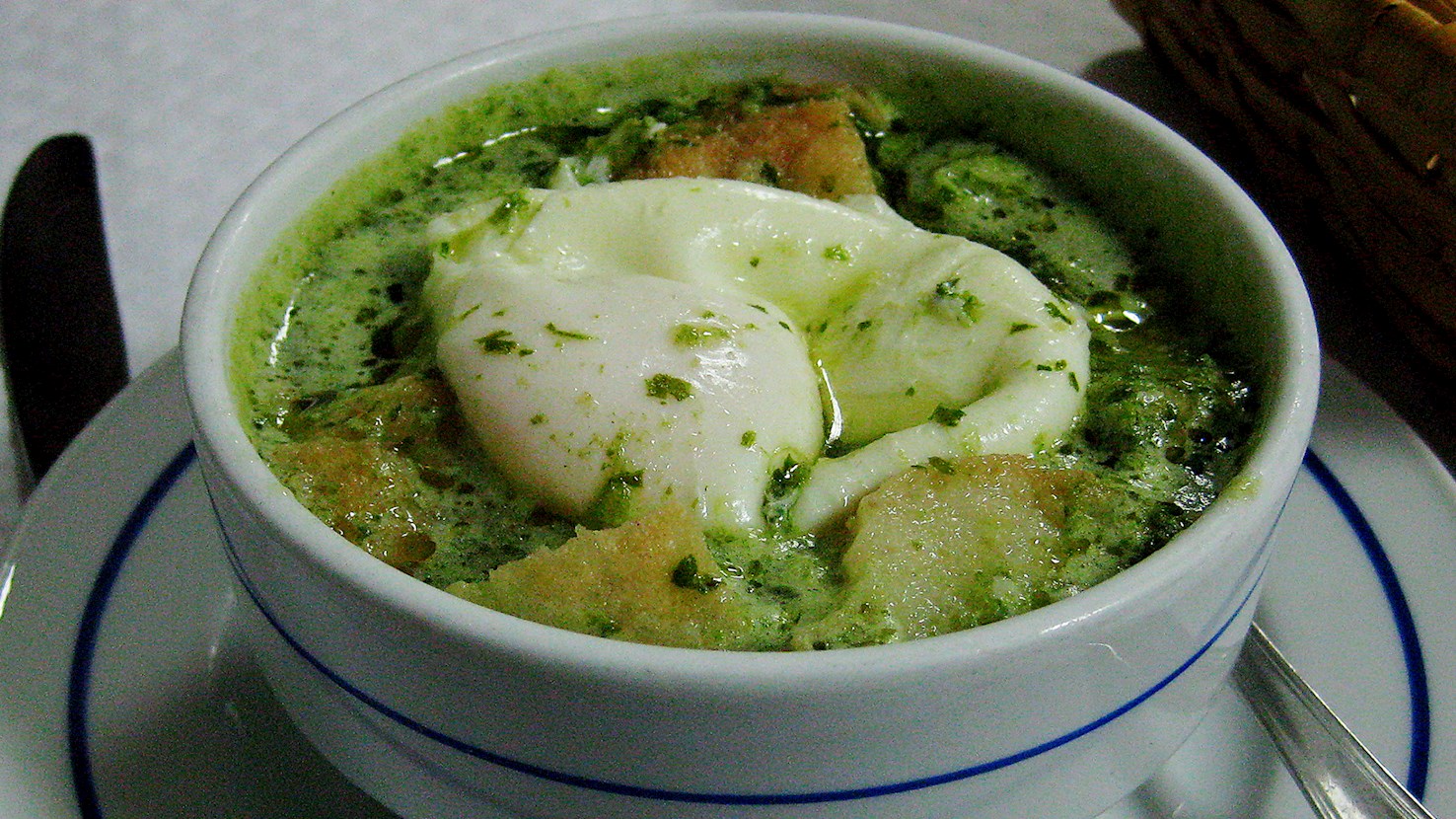
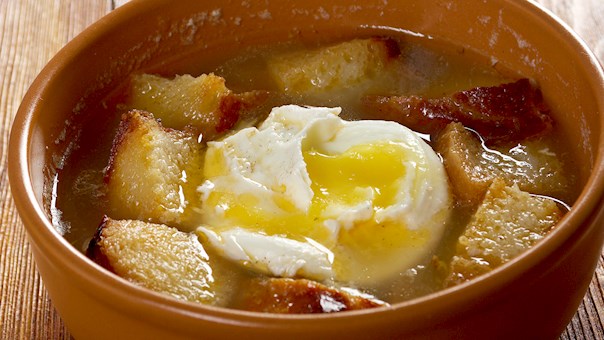
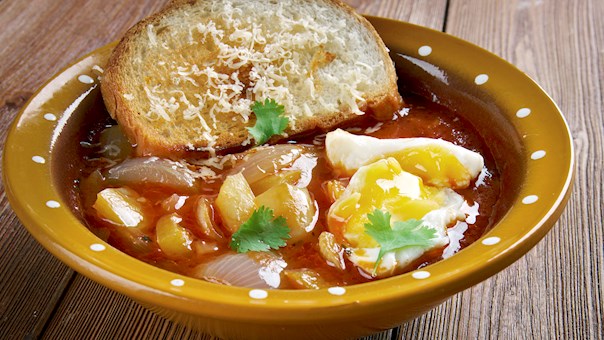
This hearty bread soup is a Portuguese classic that combines thick, crusty slices of rustic bread and a flavorful broth that is infused with garlic, olive oil, and generous amounts of fresh cilantro or mint. Although it occasionally employs meat or sausages, in its basic form the soup is traditionally served topped with a poached egg. Also popular is the seafood version of the dish, which typically employs cod fish and goes under the name of açorda de bacalhau à Alentejana. Like other varieties of açorda, Alentejana was invented as a frugal meal that soon developed into a true Portuguese classic.

02

Porra Antequerana

4 ·

Porra Antequerana is a Spanish soup originating from the Malaga town called Antequera. Originally, the soup was served warm, and it was made with old bread, tomatoes, olive oil, garlic, vegetables, pieces of ham, hard-boiled eggs, and other ingredients the peasants had on hand. The ingredients were puréed into a soup using a mortar (porra) and pestle. Over time, the soup started to be served cold, usually as an appetizer or a tapa. Nowadays, there are many variations on porra Antequerana, with some recipes adding ingredients such as tuna on top of the soup.

03

Ribollita

4 ·

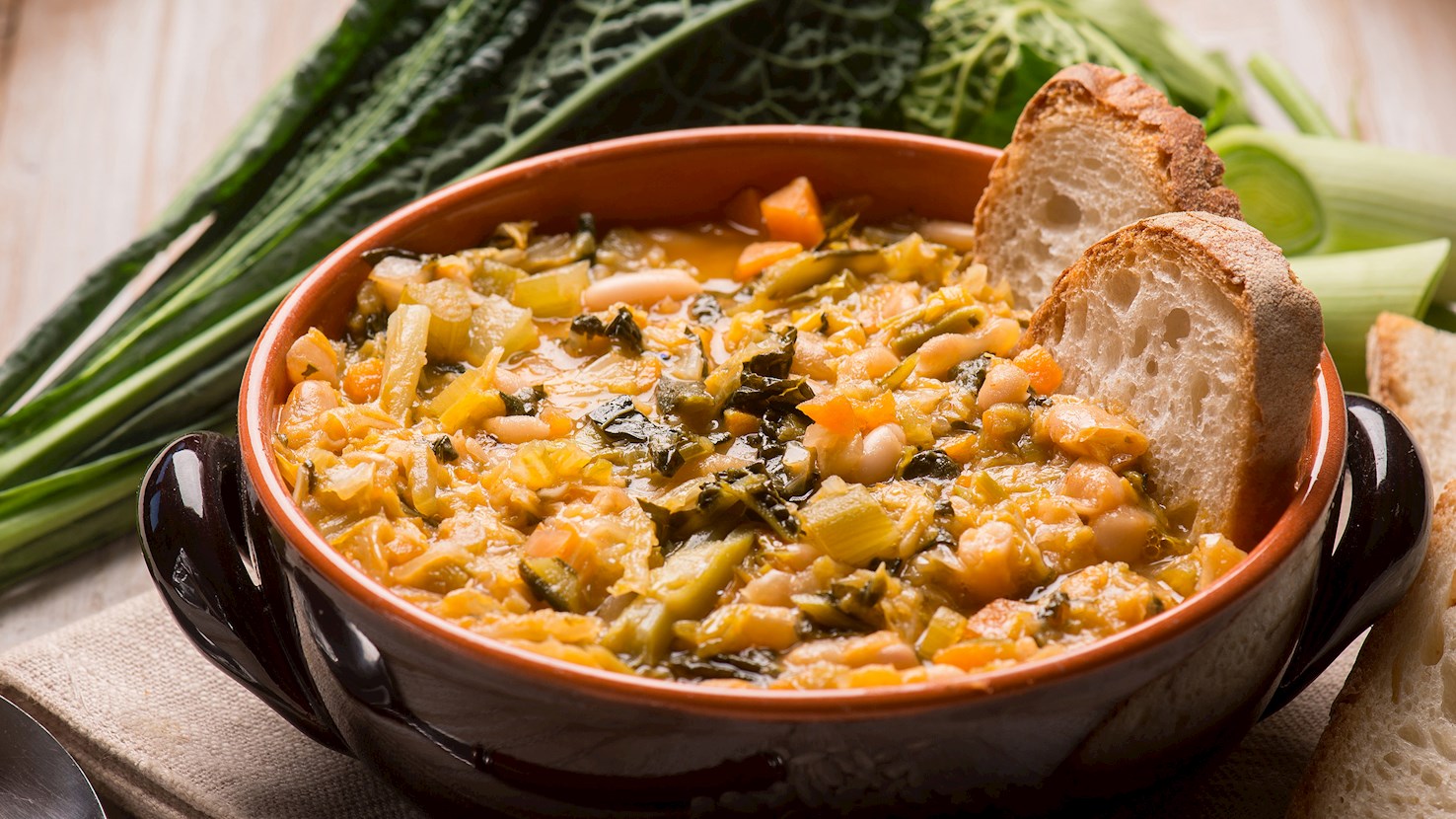
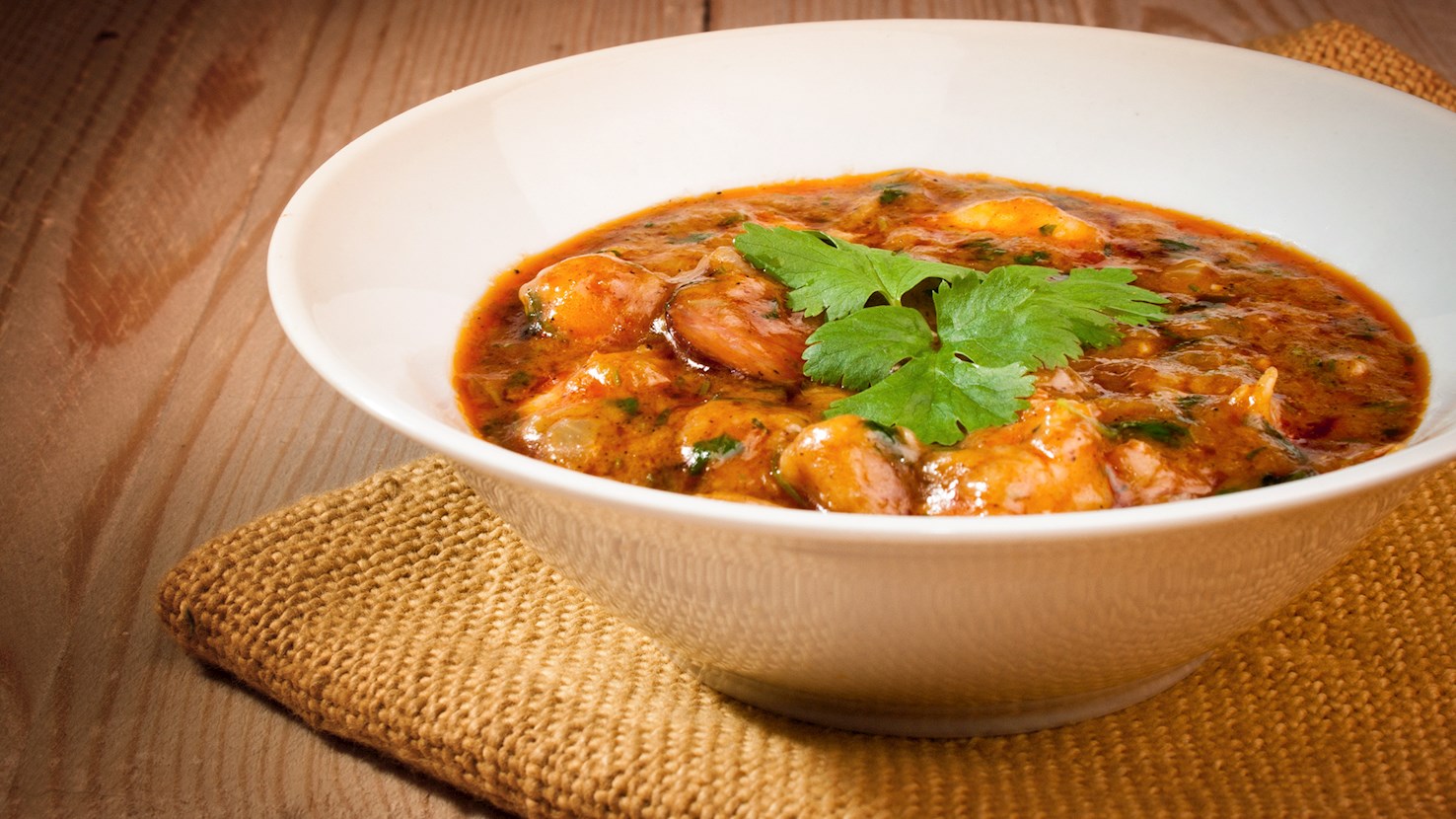
Every Tuscan family has a recipe for this soup that has been refined and passed down through generations. The name means reboiled, referring to the fact that it is commonly consumed on the day after its preparation, when it is reheated with a dash of olive oil. The key ingredients in ribollita are leftover bread, cannellini beans, and seasonal vegetables such as kale, onions, carrots, and cabbage. It is a typical winter dish, and one of its main ingredients, Tuscan kale, is available exclusively in winter. This soup was originally a peasant dish, and it was first prepared in medieval times when servants and peasants were given leftover bread, which they boiled into a soup along with vegetables and herbs from their fields. As they would make large quantities of the soup, it would get reheated over and over again, and the flavor would improve each time that it was reboiled. Cheap, nutritious, and flavorful, this traditional soup remains a staple of Tuscan cuisine.

04

Ajoblanco

3.9 ·

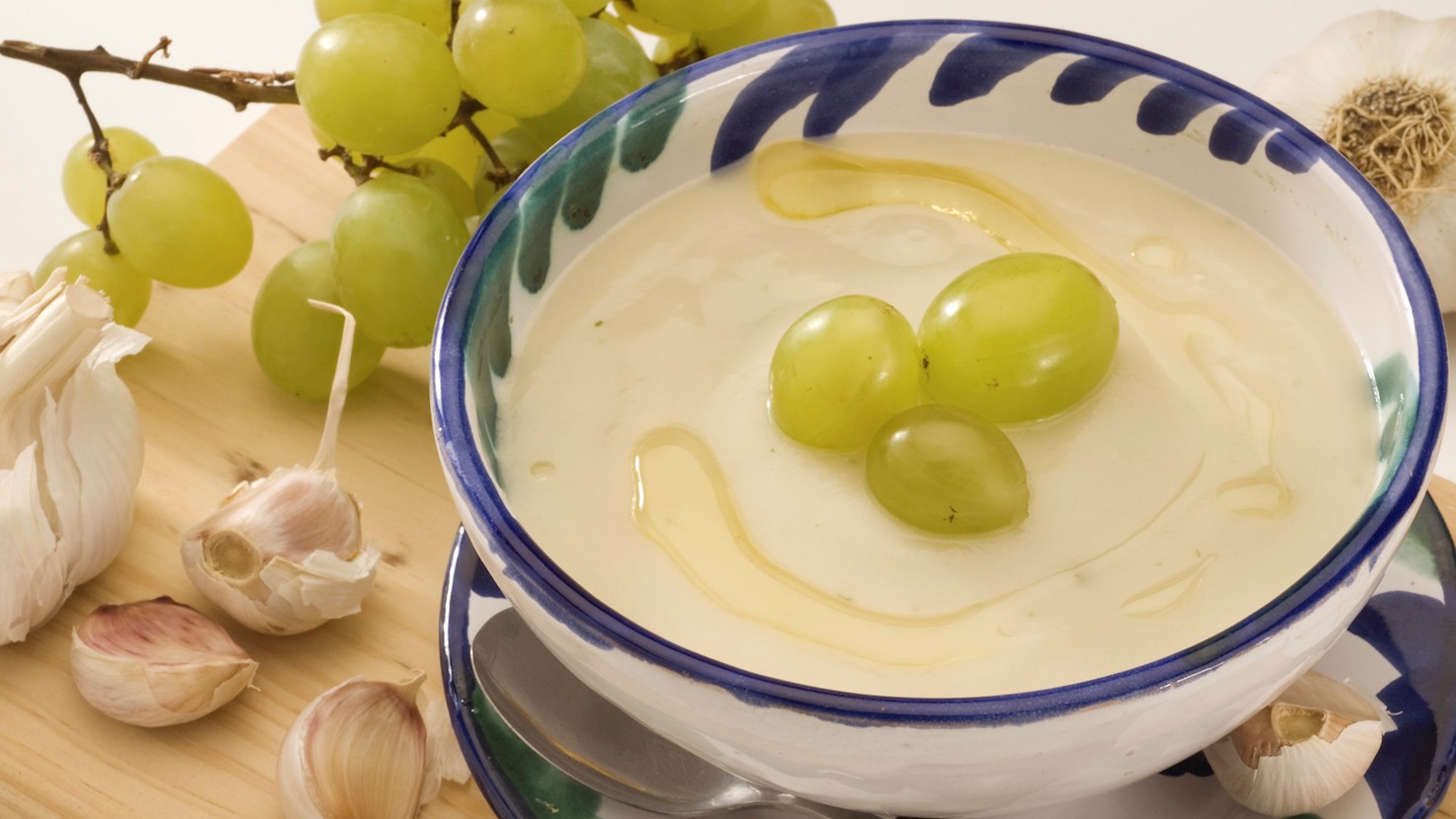
This Andalusian cold almond soup is known as the precursor of gazpacho; it originated during the Moorish middle ages, predating the arrival of tomatoes and peppers by several centuries. Ajoblanco traditionally consisted of a puréed mixture of stale bread that was moistened with vinegar and water, a hefty amount of fresh garlic, and almonds — the region's most abundant crop, but modern recipes also often include ingredients such as milk and green grapes. If available, always use Marcona almonds when making ajoblanco. The perfect starter for a summer lunch, this creamy soup is best enjoyed well chilled, drizzled with olive oil, and topped with toasted almonds.

05

Salmorejo

3.9 ·

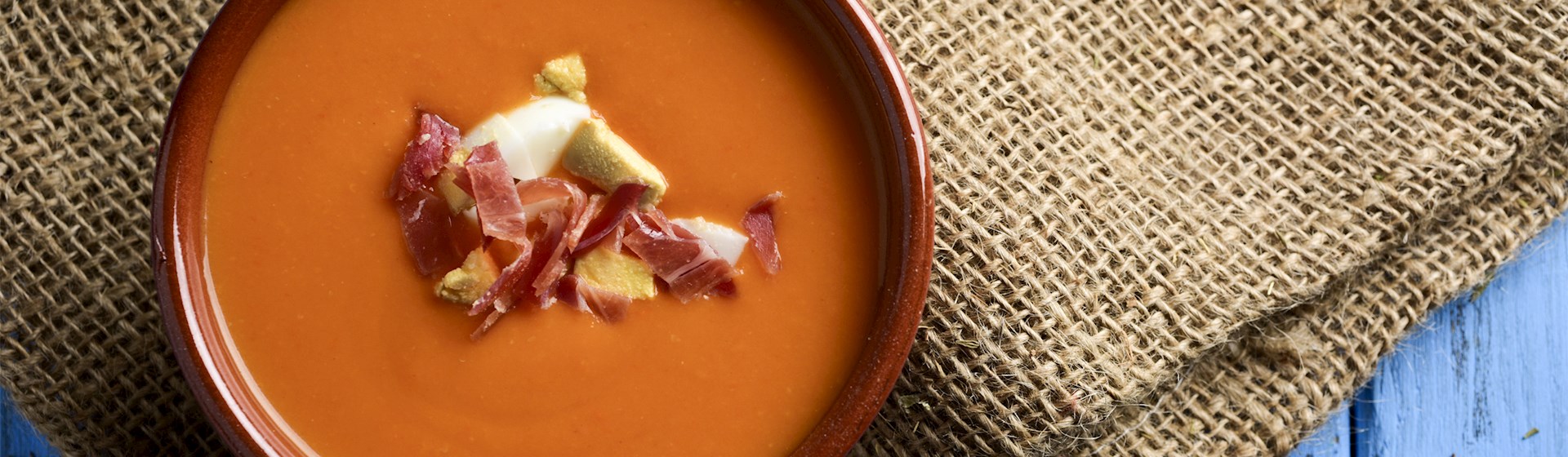
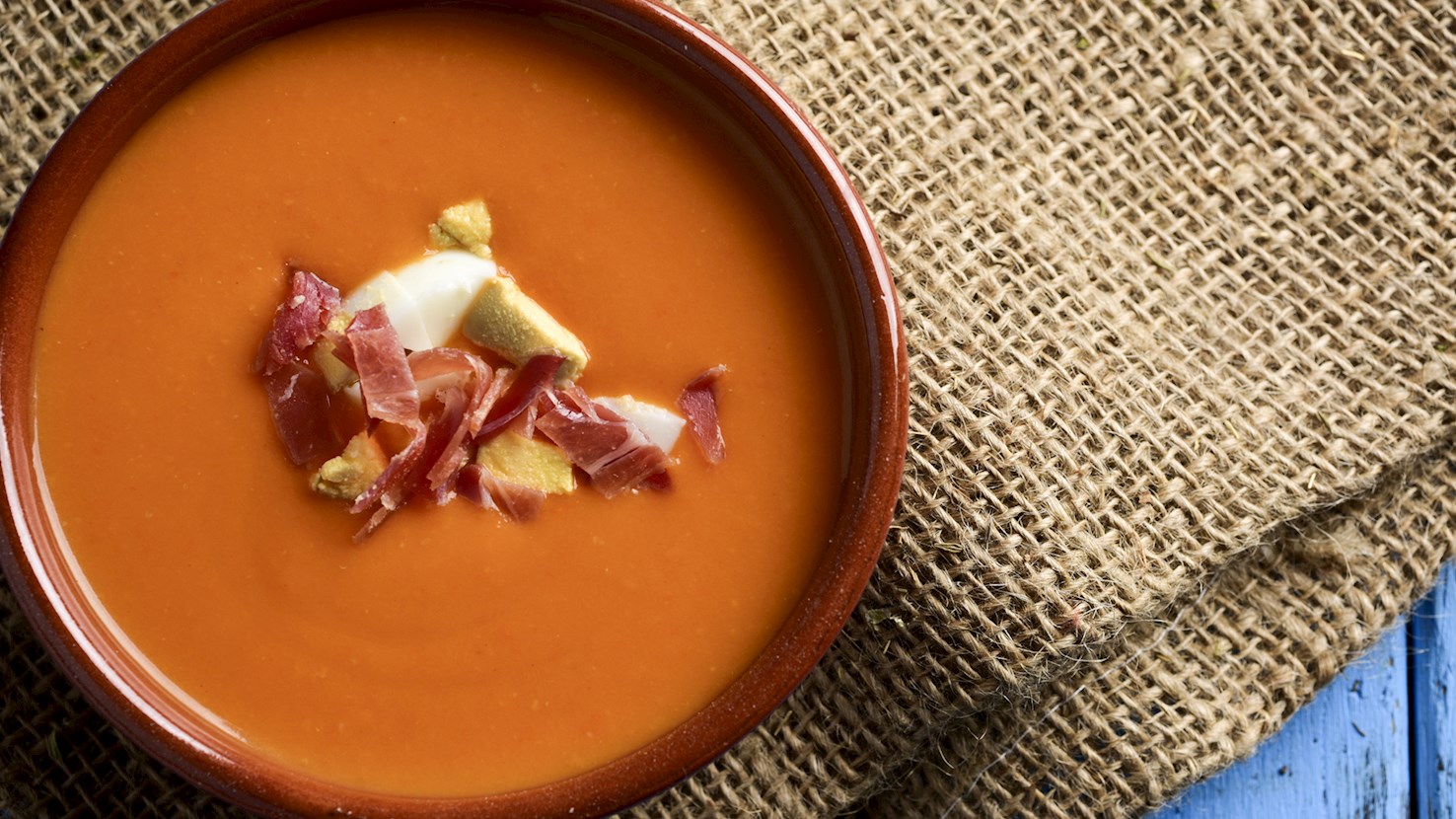
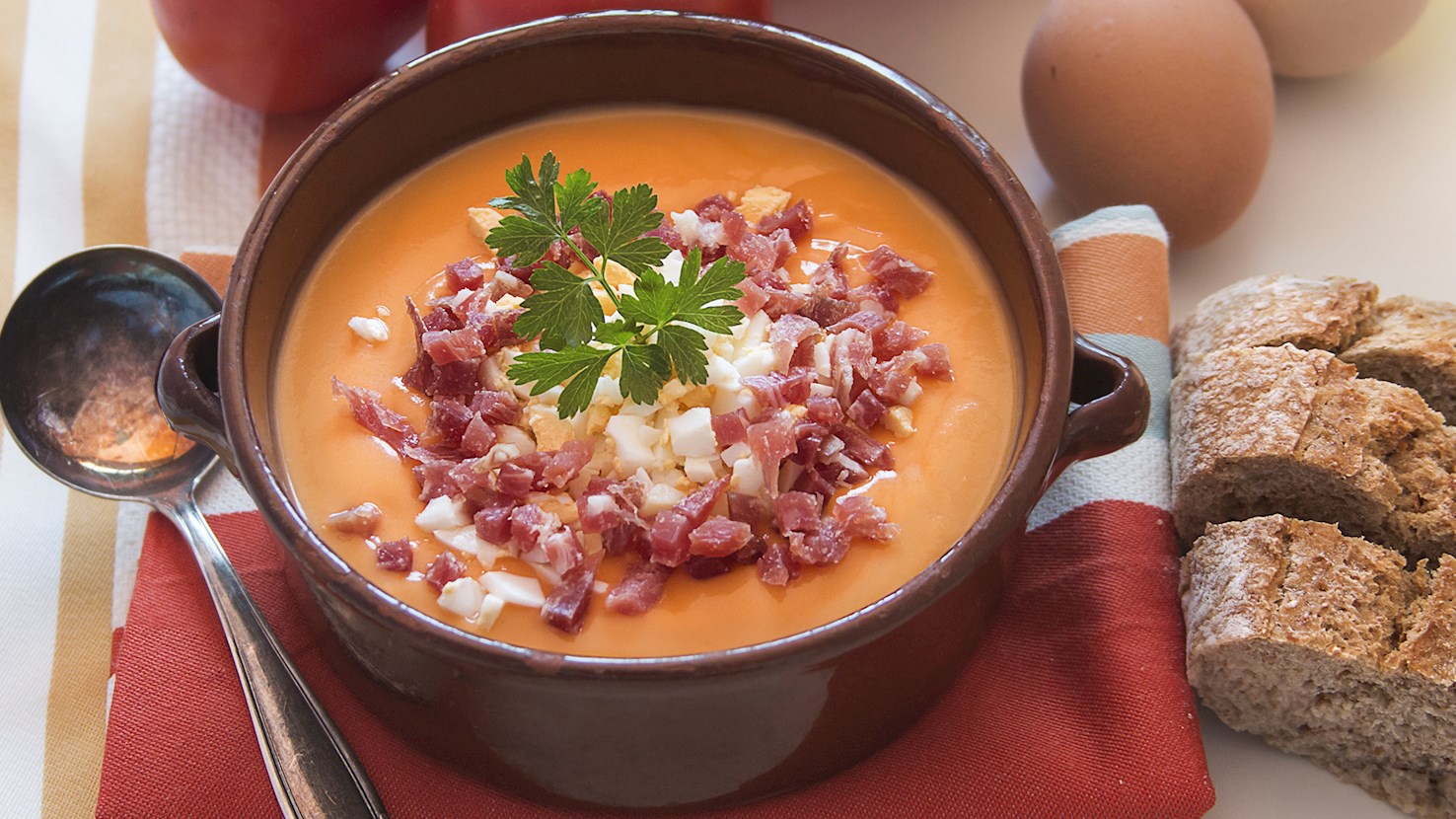
Salmorejo is a refreshing Andalusian soup that is traditionally served cold. It is especially popular during the warm, summer days. The soup consists of puréed tomatoes, bread, garlic, oil, and vinegar. Thick and creamy, salmorejo is often garnished with ingredients such as hard-boiled eggs or Spanish ham. In some cases, it can be served as a tapa dish or as a sauce accompanying toasts or omelets.

06

Pappa al pomodoro

3.8 ·

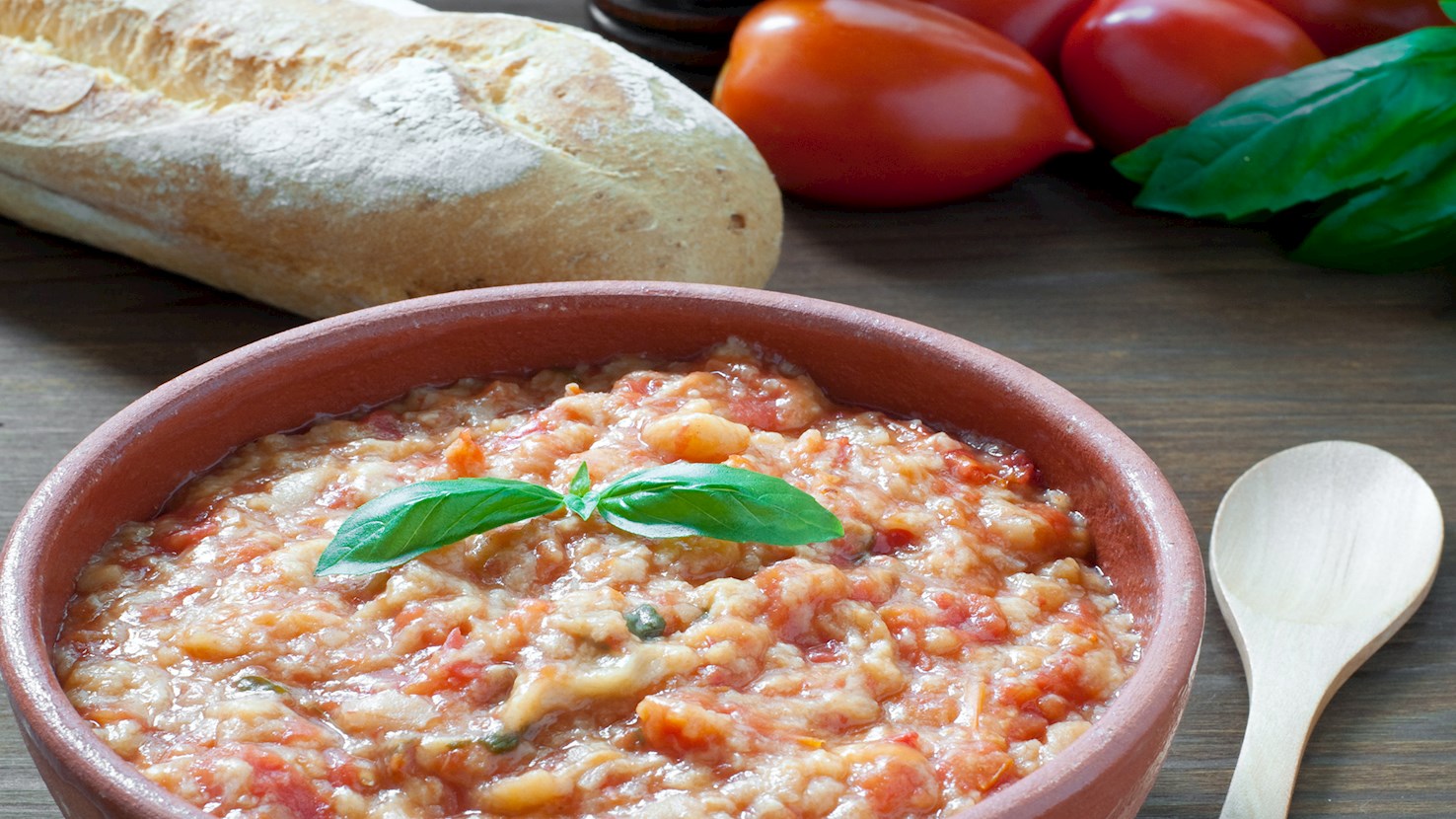
Pappa al pomodoro is a thick Tuscan soup consisting of fresh tomatoes, bread, olive oil, basil, and garlic. The soup can be served warm or chilled. For the authentic version, only costoluto fiorentino tomatoes and pane toscano bread should be used in the dish. Although it has ancient origins, pappa al pomodoro was first popularized in 1911 by the publication of Il Giornalino di Gian Burrasca.

07

Minestra di pane

3.8 ·

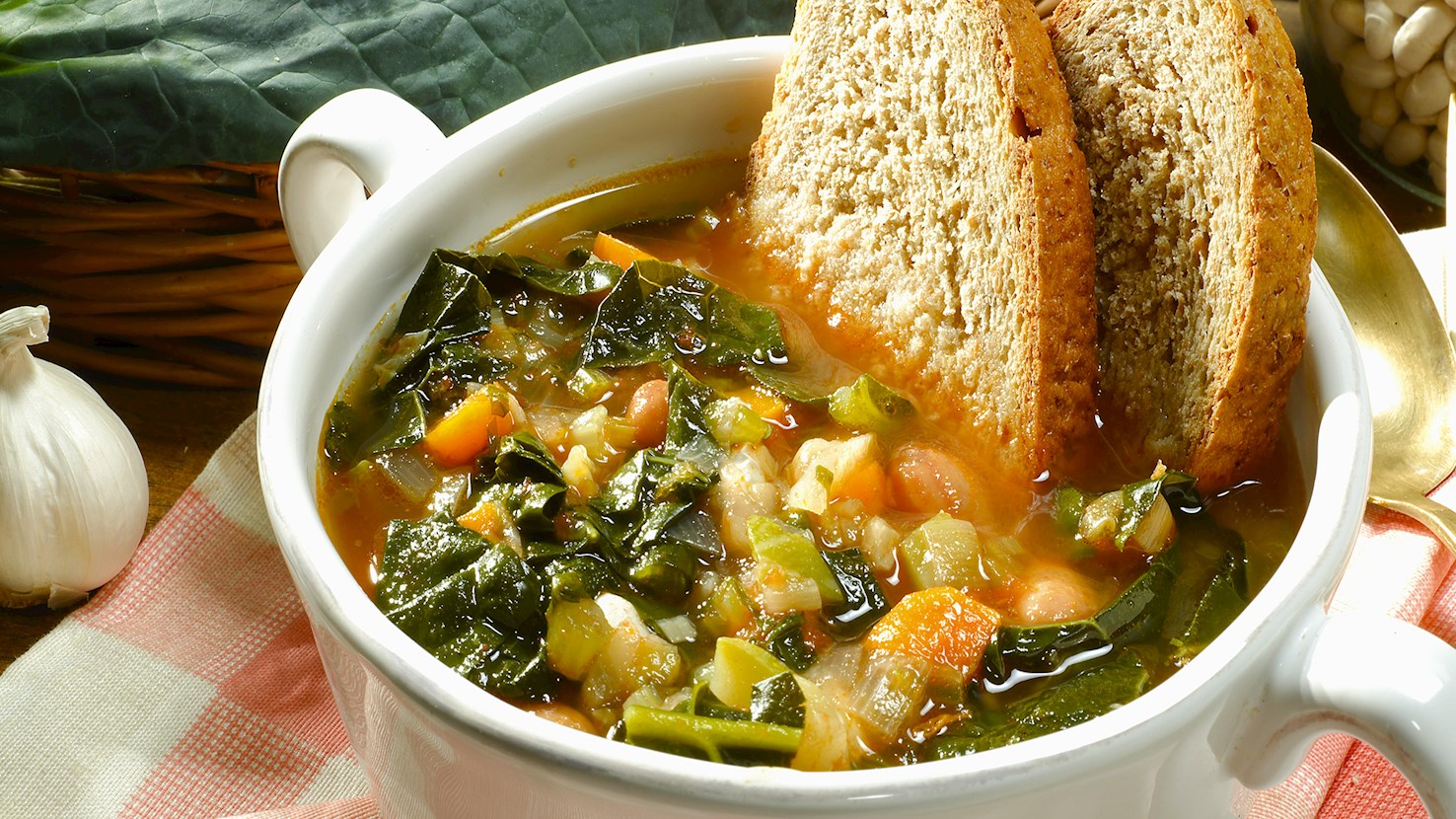
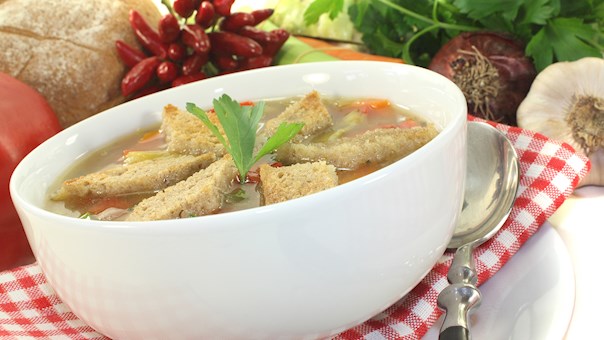
Minestra di pane, translated as bread soup, is a traditional Tuscan dish made with day-old stale bread and a mixture of fresh garden vegetables. The recipe has peasant origins (hence the use of varied offerings from the Tuscan soil) and must always incorporate two key ingredients: beans and black cabbage. The original version of minestra di pane uses unsalted pratese bread with an assortment of vegetables such as celery, potatoes, onions, carrots, courgettes, tomato paste, and olive oil. It is served as the first dish and can also be used the next day as a base for a traditional ribollita.

08

Açorda

3.8 ·

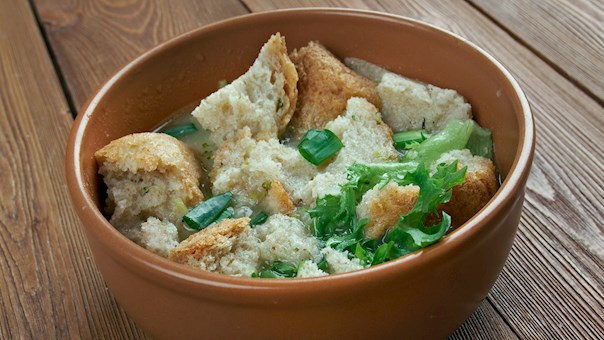
The Portuguese açorda is a popular bread soup appearing in numerous varieties throughout the country. Most açorda soups have a smooth and thick consistency and employ a variety of pounded herbs, garlic, olive oil, and boiling water that is poured over diced bread and left to soften. Two of the most famous types include the seafood-based açorda de marisco and açorda Alentejana, a regional specialty in which whole slices of bread are served over the broth. Even though it originated as a poor man’s dish, today these comforting soups represent an integral part of Portuguese national cuisine.

09

Açorda de marisco

3.8 ·

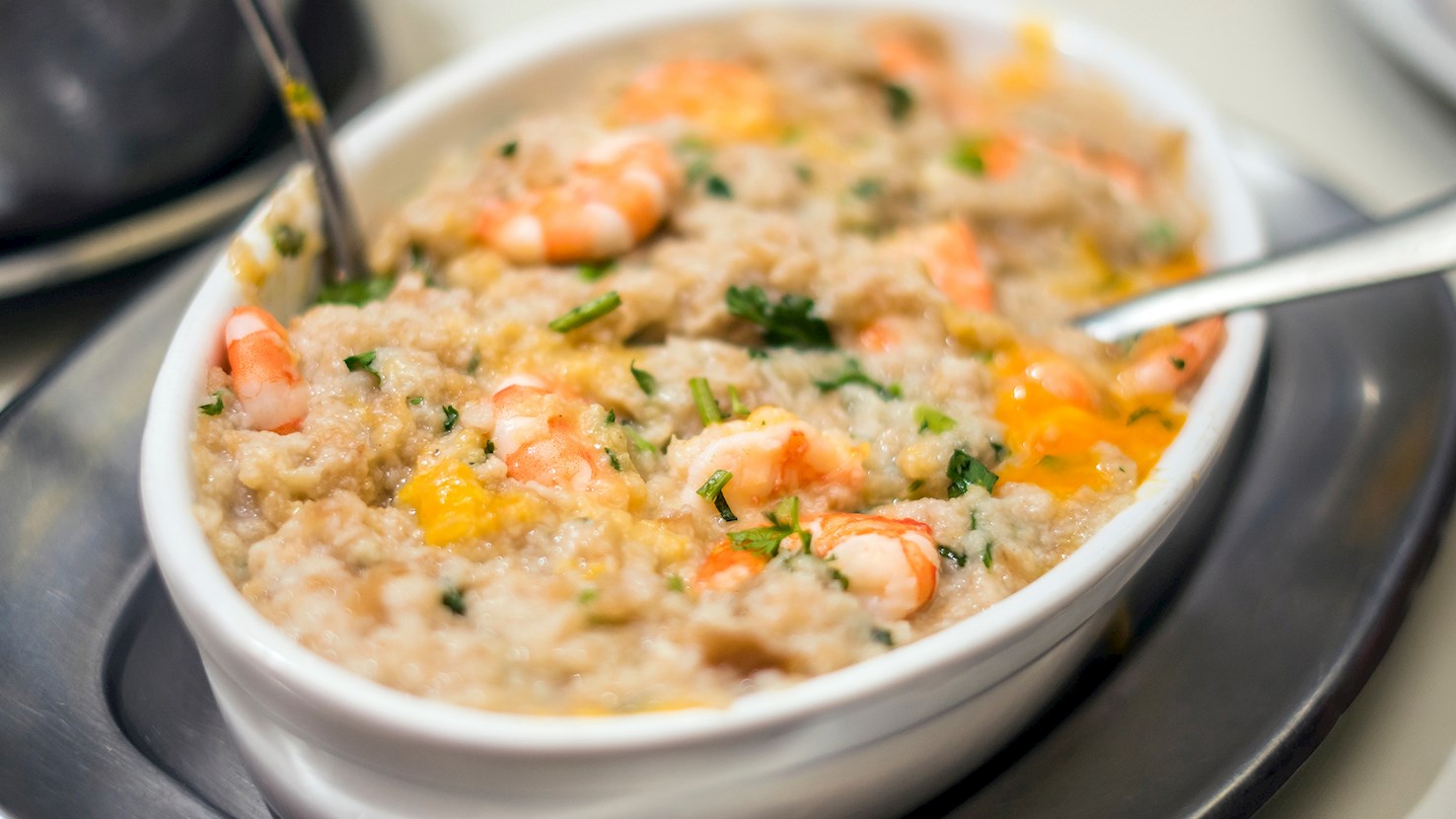
This seafood version of the popular and versatile Portuguese açorda is often described as a dry bread soup. It combines generously seasoned bread mash, usually infused with olive oil, sautéed onions, and cilantro, with various shellfish such as shrimps, cockles, or clams. Eggs are added last and are vigorously mixed with the bread base, allowing them to cook and provide the desired thickness. Açorda de marisco is traditionally decorated with shelled shrimp and cilantro and is recommended to be enjoyed warm and freshly prepared.

10

Açorda de camarão

3.7 ·

Though similar to the traditional shellfish bread soup, açorda de camarão is prepared exclusively with shrimps. The flavorful seafood broth is combined with bread, sautéed onions, cooked shrimp, and olive oil into a creamy mash that is thickened with eggs and generously seasoned with cilantro. The soup is typically garnished with shelled shrimps, and it is recommended to serve it warm and freshly prepared.

About this ranking

TasteAtlas food rankings are based on the ratings of the TasteAtlas audience, with a series of mechanisms that recognize real users and that ignore bot, nationalist or local patriotic ratings, and give additional value to the ratings of users that the system recognizes as knowledgeable. For the “Top 35 Bread Soups in the World” list until May 09, 2026, 1,237 ratings were recorded, of which 803 were recognized by the system as legitimate. TasteAtlas Rankings should not be seen as the final global conclusion about food. Their purpose is to promote excellent local foods, instill pride in traditional dishes, and arouse curiosity about dishes you haven’t tried.

Similar lists