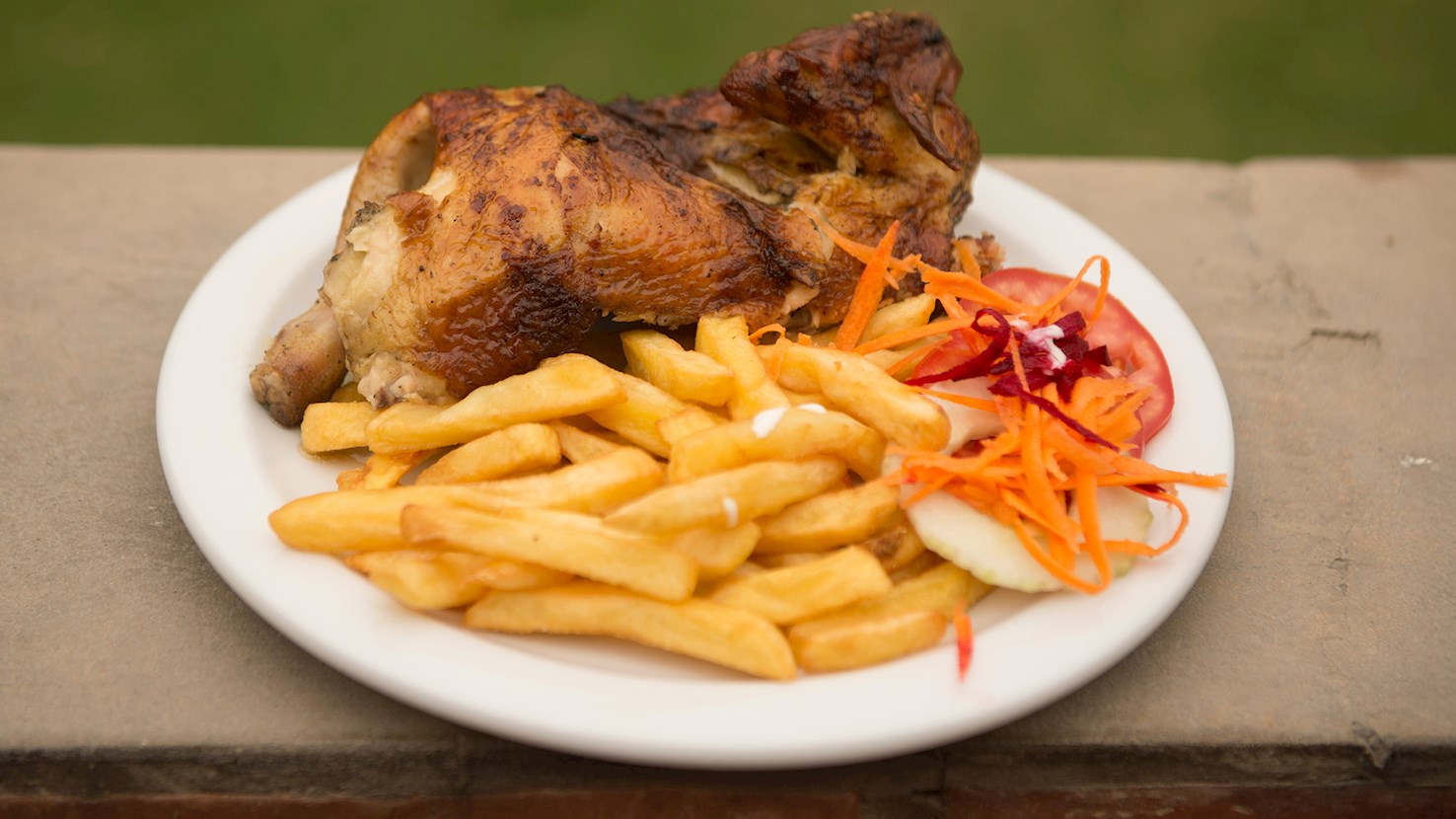
Pollo a la brasa is a popular Peruvian dish consisting of crunchy and juicy charcoal-grilled chicken that is traditionally served with French fries and salads. Today, it is one of the most consumed meals in Peru, so much that 27 million Peruvians eat it daily. The dish was first invented in Lima in the 1950s, when it was seasoned only with salt, but nowadays the chicken is often marinated in a special combination of ingredients, usually consisting of vinegar, salt, pepper, rosemary, chili, and dark beer.
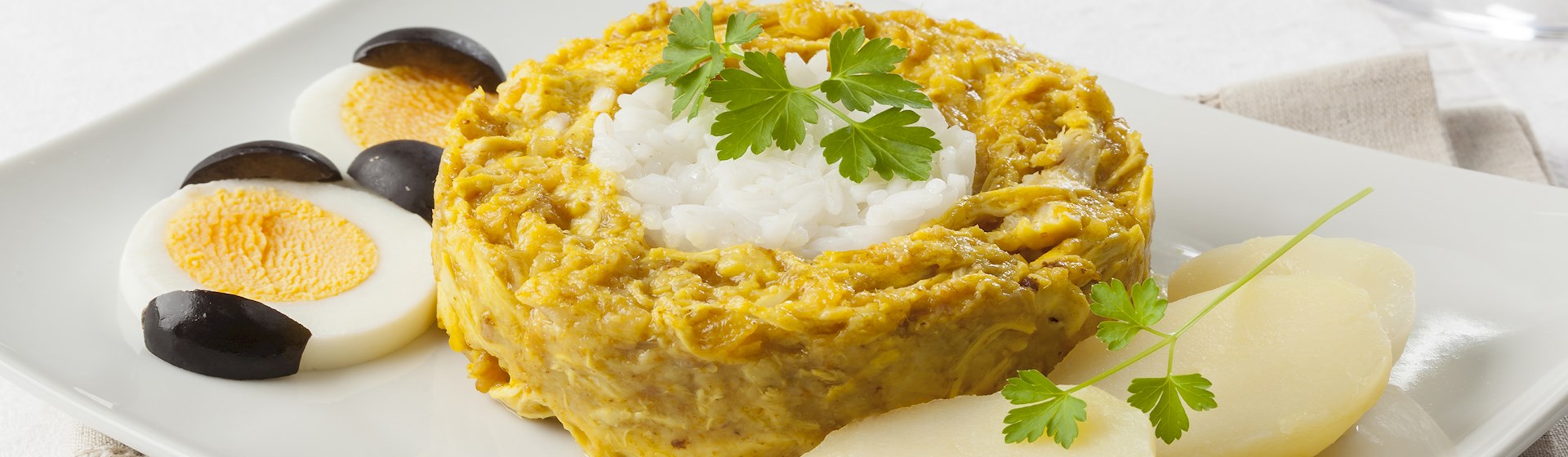
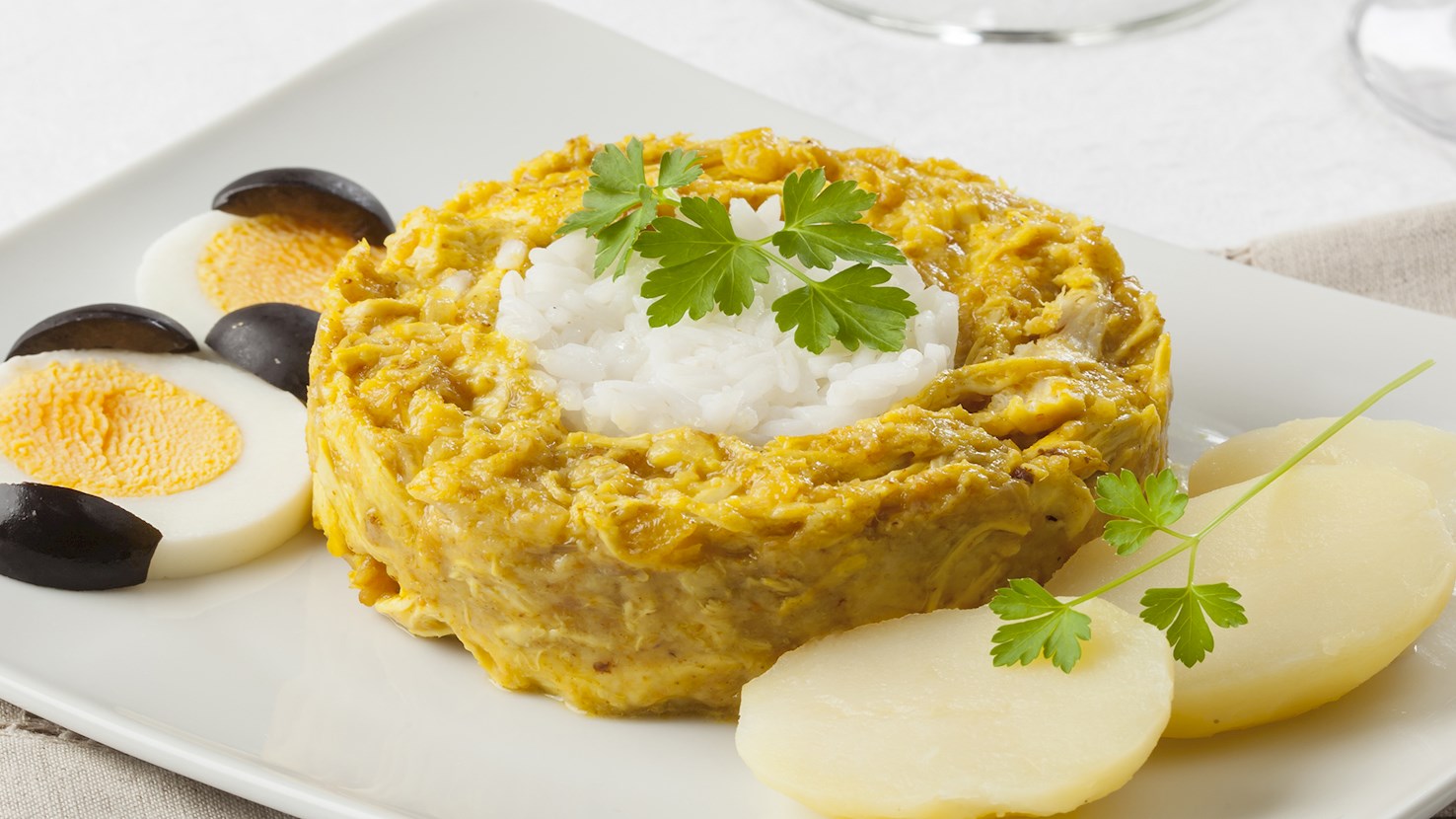
Often consumed on rainy or cold days by many Peruvians, aji de gallina is a spicy dish consisting of shredded chicken in a creamy sauce. It is traditionally served over rice and garnished with black olives and boiled potatoes. The sauce is made with aji amarillo chilis, garlic, onions, walnuts, cheese, and crustless bread, and it is usually flavored with spices such as cumin, pepper, oregano, turmeric, and parsley. It is believed that aji de gallina originated from a dish called manjar blanco, made with a combination of chicken, almonds, sugar, and rice. After its arrival in Peru, the people adapted it using local ingredients such as the aji chili, and a new dish was created in the process.
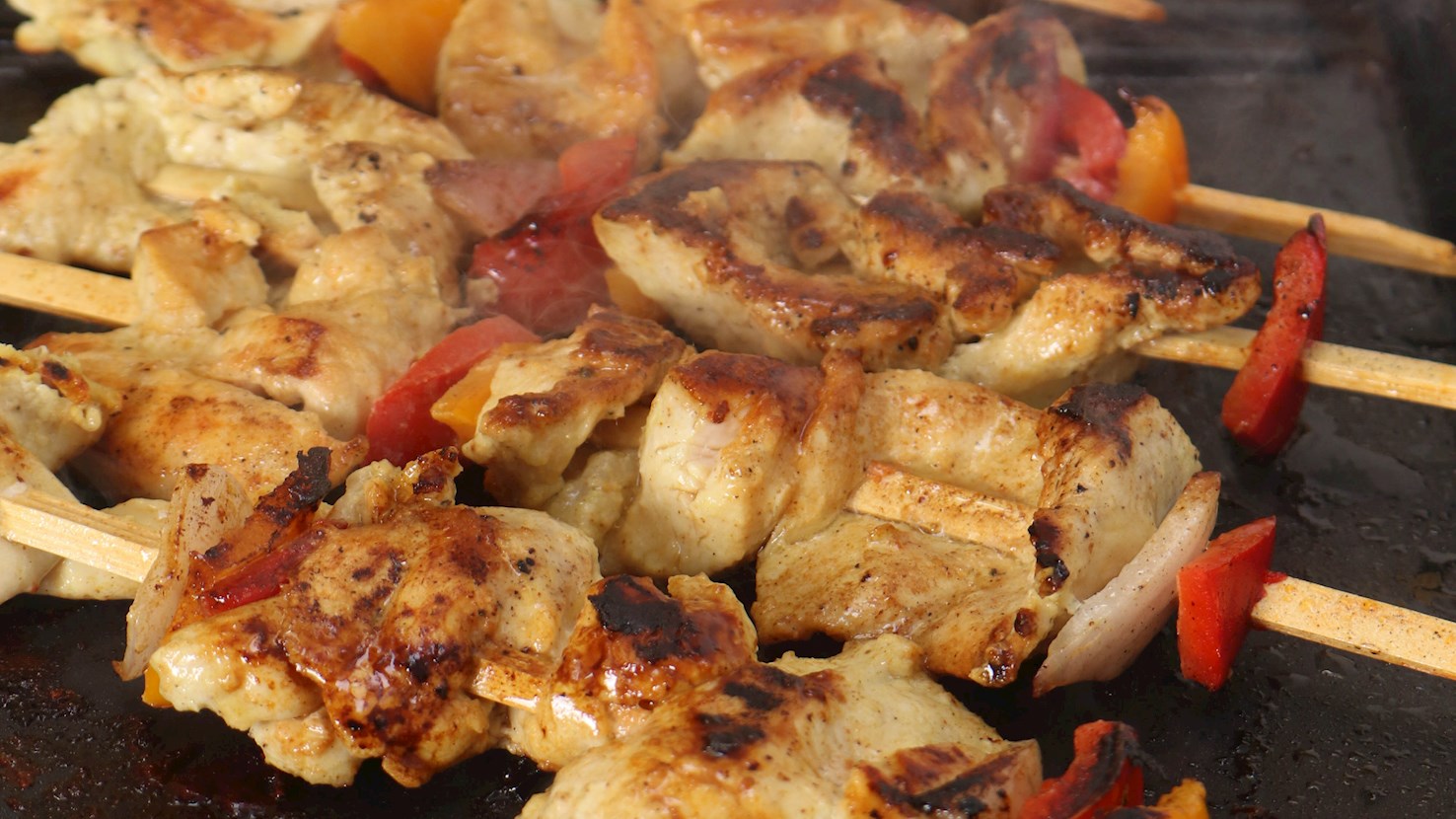
Anticucho de pollo is a traditional dish originating from Peru. These skewers are usually sold as street food and they're made with a variety of ingredients – in this case, it's chicken. Other ingredients used in the preparation of anticuchos de pollo include garlic, oil, oregano, cumin, hot peppers, salt, and pepper. The chicken breasts are cut into pieces, seasoned with salt and pepper, and flavored with garlic, oil, oregano, cumin, and chopped hot peppers. The meat is marinated, and the pieces are then threaded onto bamboo skewers and grilled until golden. Once prepared, anticuchos de pollo are often served with boiled potatoes or white rice on the side.
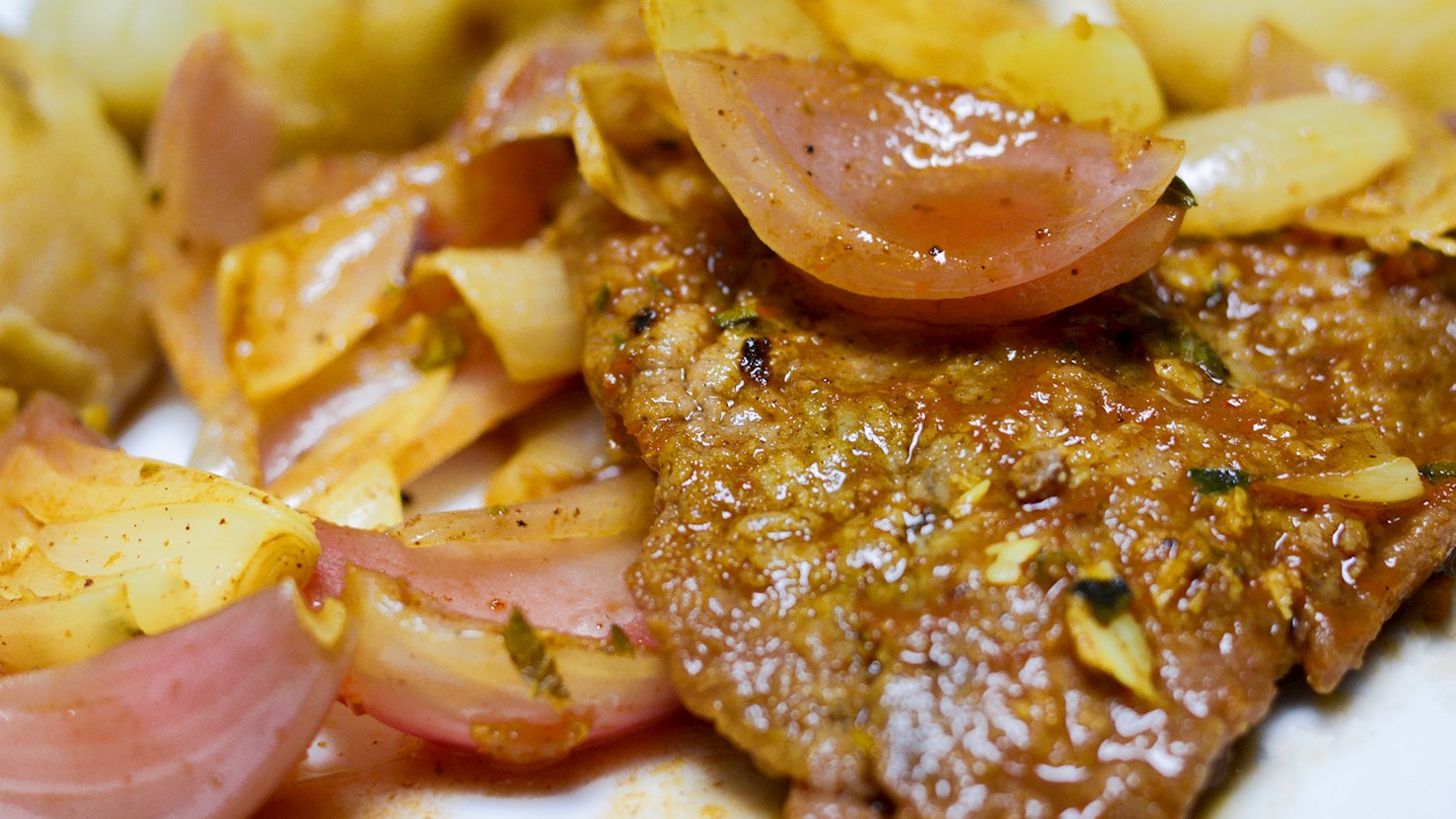
Escabeche de pollo is a Peruvian dish consisting of browned chicken pieces covered in pickling sauce. In Peru, escabeche is prepared as a pickled combination of onions, vinegar, honey, and aji peppers. Although fish escabeche is more popular, this dish is made with chicken, and when prepared, it is usually served with rice which soaks up the flavorful acidic sauce. Before serving, escabeche de pollo can be additionally garnished with olives and pieces of hard-boiled eggs, and it is often served on a bed of lettuce, which results in a very visually-appealing poultry dish.
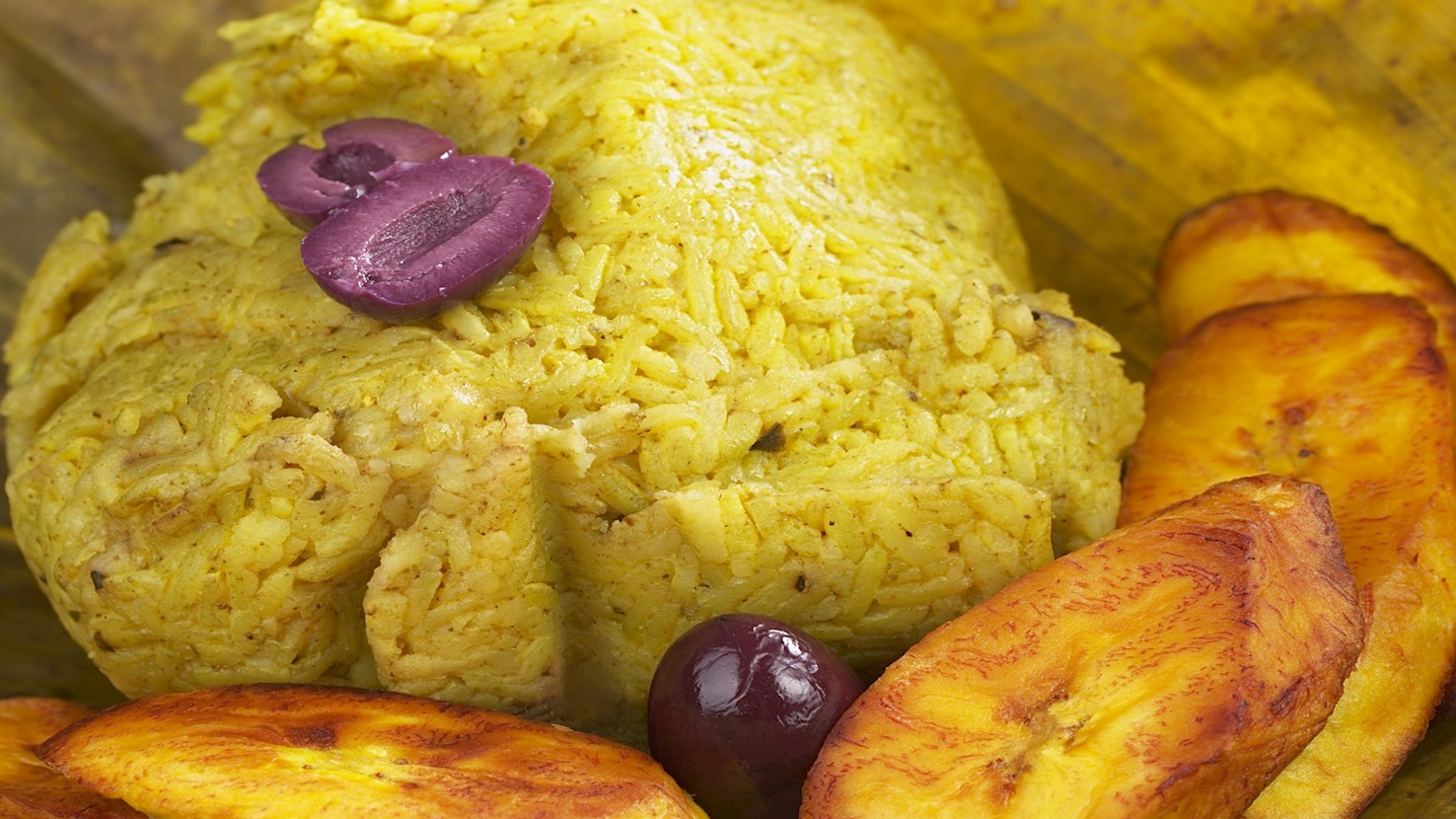
Juane is a traditional meal originating from the Peruvian jungles, consisting of chicken, hard-boiled eggs, and rice seasoned with spices that might include turmeric, oregano, and cumin. The combination of these ingredients is wrapped in waxy bijao leaves (which look like banana leaves) and cooked. It is common to pair the dish with cassava or boiled bananas. Juanes can be found in traditional restaurants, in markets, or at street vendors. The name juane refers to St. John the Baptist, because the dish is traditionally eaten on the 24th of June, during the feast of San Juan (patron saint of the Amazon). During the festivities, parcels of juanes are exchanged between family, friends, and strangers, with everybody coming together to help out with the preparation of this unique dish.
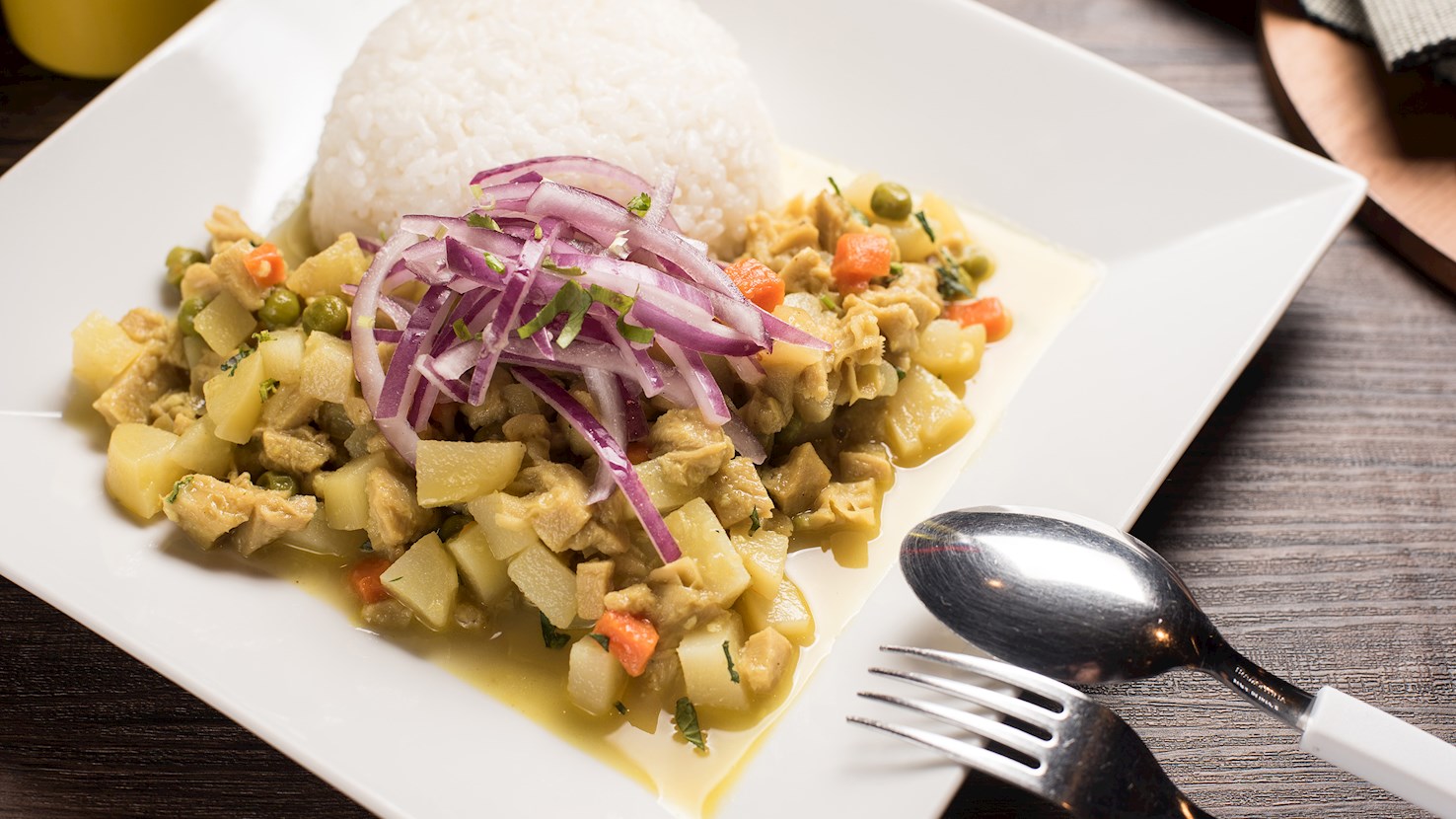
Cau cau de pollo is a variation on the typical Peruvian stew cau cau. It's usually made with a combination of chicken, chicken stock, carrots, peas, potatoes, onions, garlic, hot peppers, mint, oil, salt, and pepper. The onions, garlic, and hot peppers are sautéed in oil, seasoned with salt and pepper, and covered with chicken stock. The mint, carrots, potatoes, peas, and chicken pieces are added to the pot and simmered until the vegetables are tender and the chicken is fully cooked. The dish is traditionally served with Peruvian-style white rice on the side.
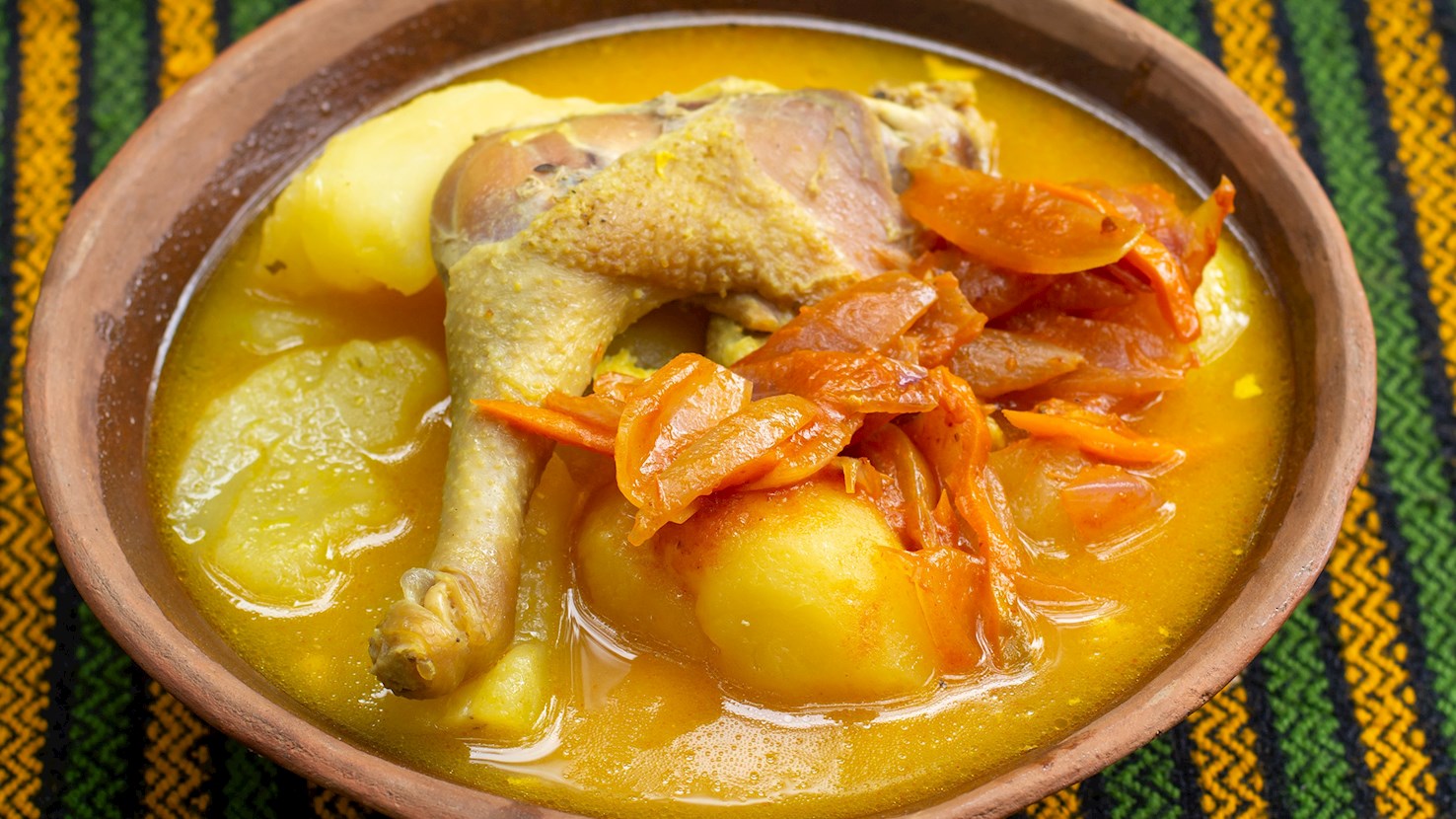
Locro de gallina is a traditional Andean chicken soup, particularly popular in Bolivia and in some parts of Peru. The primary ingredient is chicken, usually the whole chicken cut into pieces. Other key ingredients typically include potatoes (which provide the stew its thick consistency) and corn or maize. The flavor base of the stew is typically made from sautéed onions, garlic, and aji peppers. Cumin, oregano, and cilantro (coriander) are commonly used to season the stew, giving it a unique and aromatic flavor profile. Some versions of Locro de Gallina are made creamier with the addition of milk, cream, or even cheese. This gives the stew a rich and velvety texture. Locro de gallina is typically served hot, often garnished with fresh cilantro or parsley., and accompanied with rice or avocado slices.
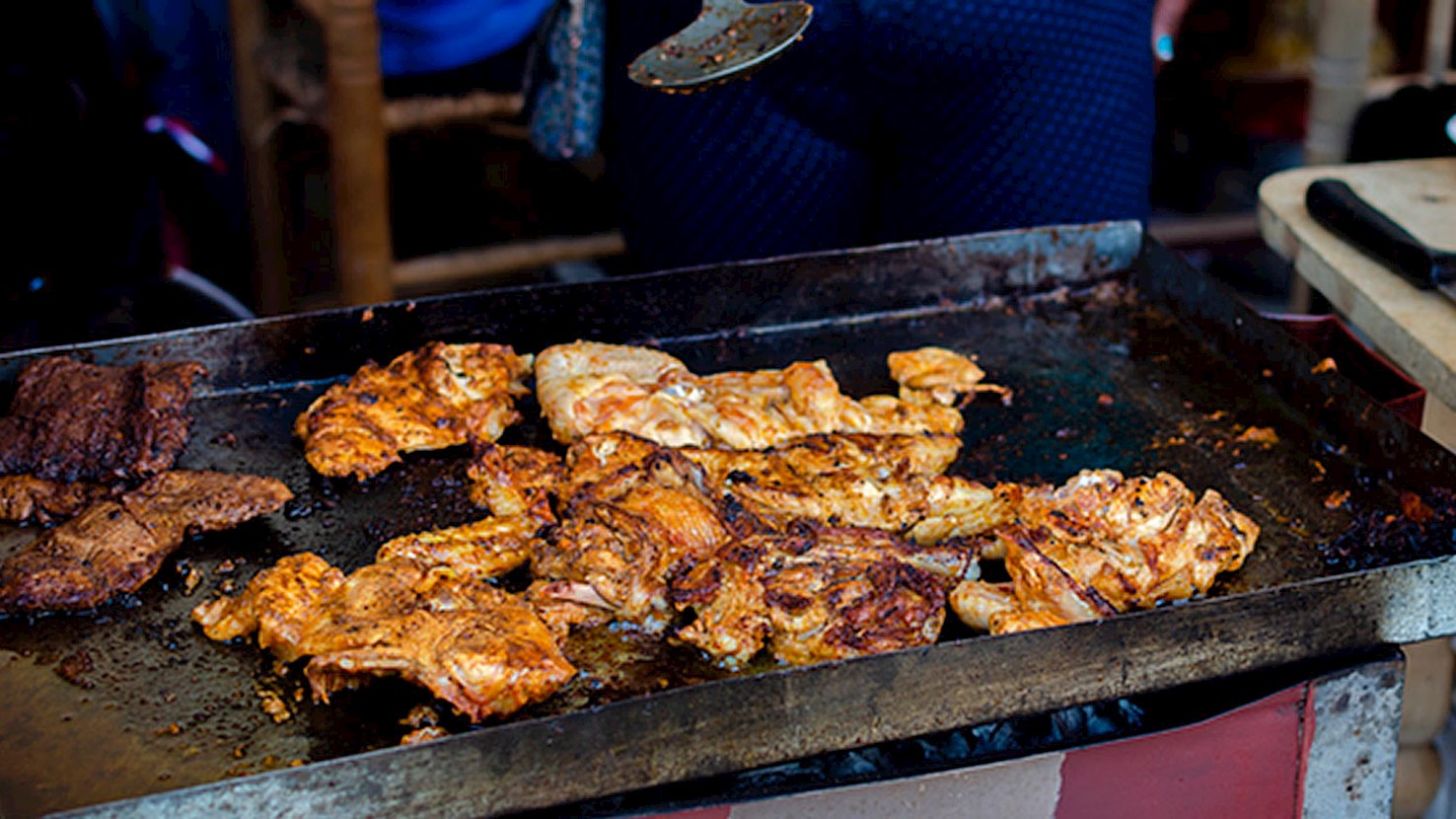
Pollada is a Peruvian chicken dish and community event that originates in urban neighborhoods, most prominently in Lima, where it developed as a practical way for families to raise money for expenses such as medical bills, school fees, or community projects. It emerged in the mid-20th century as internal migration from the Andes to coastal cities increased, leading to dense working-class districts where residents relied on collective support and low-cost cooking methods to gather funds. The dish centers on chicken pieces marinated in a mixture that commonly includes vinegar or beer, garlic, cumin, pepper, paprika, and salt, then cooked until the exterior develops a deep, seasoned crust. Depending on the cook and the scale of the gathering, the chicken may be fried, oven-roasted, or grilled over improvised charcoal setups; large batches are often prepared in aluminum pots or makeshift outdoor kitchens because polladas typically serve dozens or even hundreds of people at once. Plates are sold with accompaniments such as boiled potatoes, French fries, simple salads, or arroz chaufa, and many polladas also prepare ají sauces for added heat. What sets the event apart is that people buy not only a meal but also a means of supporting someone in need, and hosts often print tickets in advance to estimate turnout and secure funds early. Pollada is eaten mainly in homes, patios, community centers, or street-side setups, usually during evenings or weekends when neighbors are available, and it is commonly paired with soft drinks or beer, especially Peruvian lagers that complement the seasoning of the chicken without overpowering it.
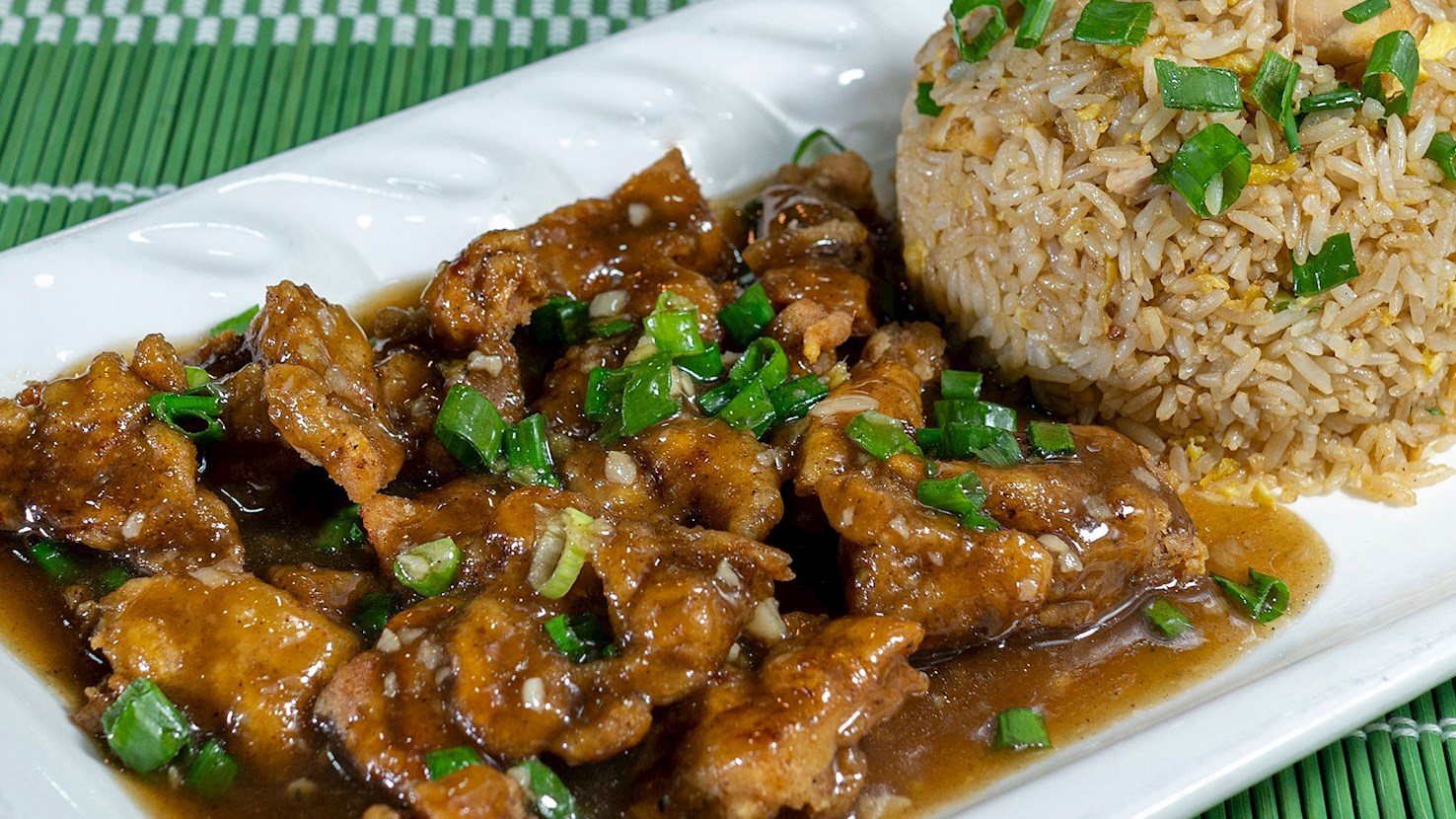
Pollo chijaukay is a classic dish from Chifa cuisine (the Chinese–Peruvian culinary fusion) that consists of pieces of chicken (traditionally, deboned chicken thighs) that are first marinated, steamed, and then battered and deep-fried until crisp. The crisp chicken is coated in a glossy, savory-sweet sauce made with chicken stock, soy sauce, garlic, oyster sauce, sesame oil, mensi sauce, ginger, scallions, Chinese rice wine, Chinese five-spice, and a touch of sugar and white pepper. The result is tender chicken with a crunchy exterior, glazed in a richly flavored sauce that reflects its Cantonese roots but adapted with Peruvian tastes. It's usually topped with scallions and sesame seeds and served with white rice or sometimes alongside noodles, making it one of the staple comfort foods in Chifa restaurants across Peru.
TasteAtlas food rankings are based on the ratings of the TasteAtlas audience, with a series of mechanisms that recognize real users and that ignore bot,
nationalist or local patriotic ratings, and give additional value to the ratings of users that the system recognizes as knowledgeable.
For the “Top 9 Peruvian Chicken Dishes” list until September 15, 2026, 2,647 ratings were recorded, of which 682 were recognized by the system as legitimate.
TasteAtlas Rankings should not be seen as the final global conclusion about food. Their purpose is to promote excellent local foods,
instill pride in traditional dishes, and arouse curiosity about dishes you haven’t tried.



What People Say