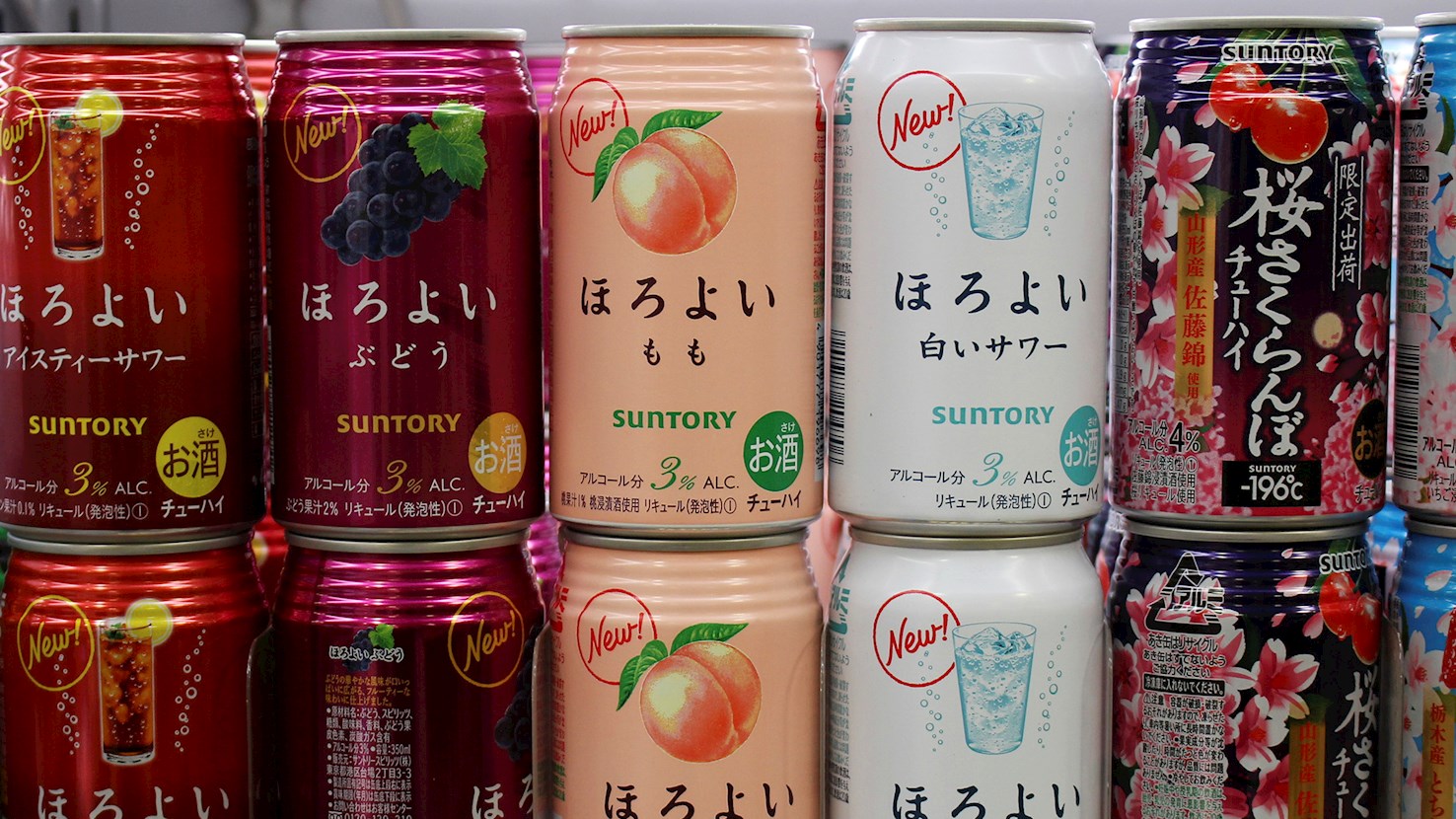
Chūhai is a mixed Japanese drink with fairly low alcohol content. In its original form, it was made with soda water and shōchū—Japanese spirit distilled from various ingredients such as barley, sweet potatoes, rice, or buckwheat. Nowadays, shōchū is sometimes replaced with vodka, and the combinations usually include various types of fruit-flavored soda water, fruit juices, or syrups. The name chūhai originated as a portmanteau of the words shōchū and highball, and it is believed that the drink first appeared in izakayas in Tokyo. Although it is still freshly prepared in bars, where it is served in high glasses or mugs, canned versions of the drink are also incredibly popular and widely available through the country. A version prepared with fresh juice typically goes under the name nama chūhai.
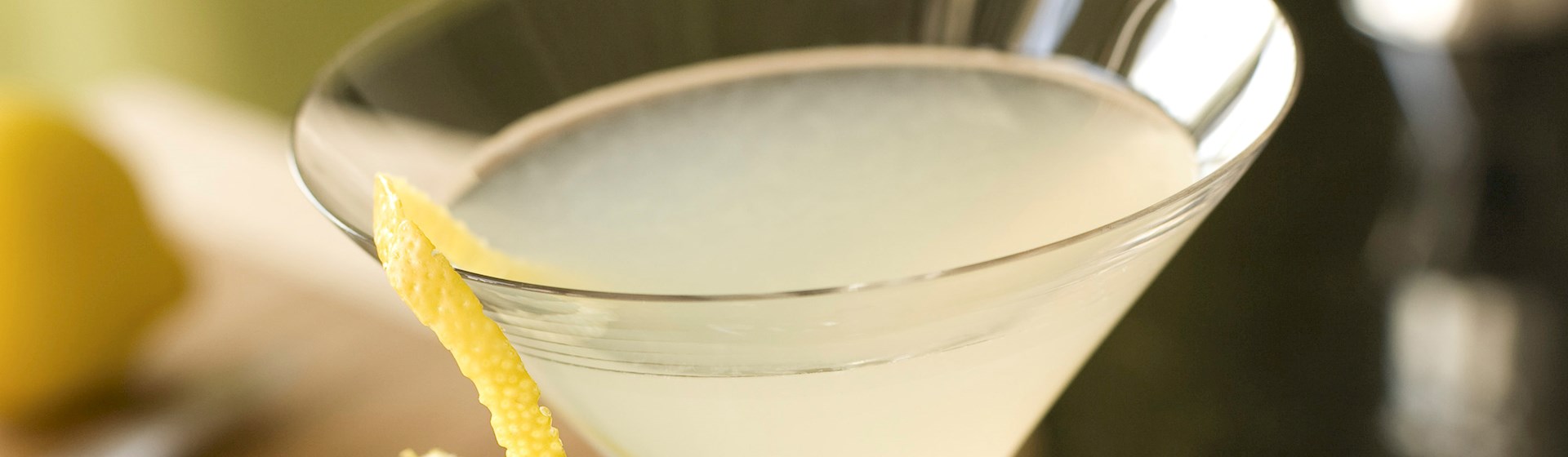
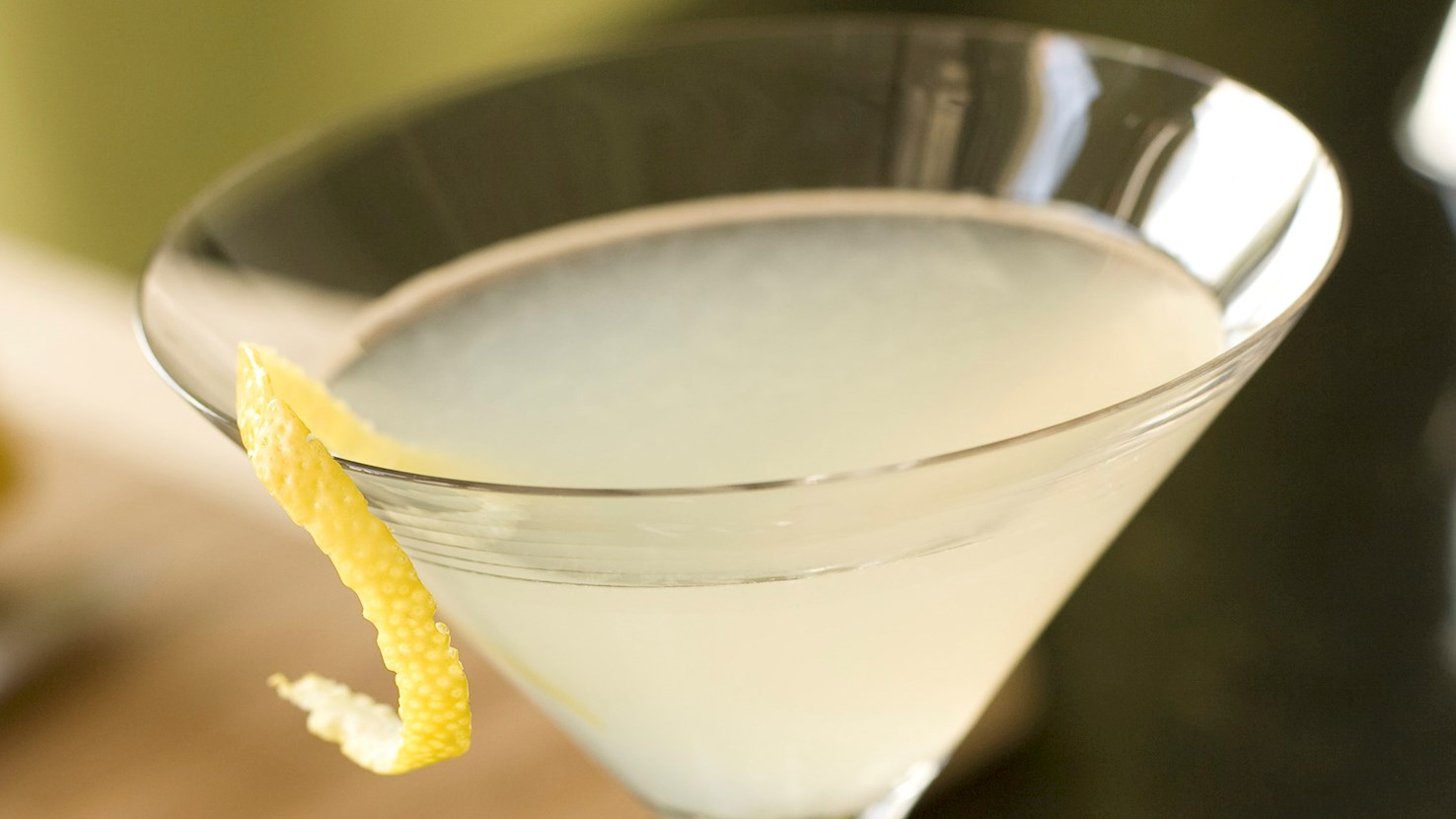
Although some claim that it originated during the 1970s as a classic disco cocktail, the elegant Kamikaze cocktail was probably invented in Tokyo after World War II, during the American occupation of Japan. Kamikaze, which means divine wind in Japanese, is made with equal parts vodka, triple sec (orange liqueur), and freshly squeezed lime or lemon juice. It is often served as an apéritif, straight up in a cocktail glass, typically with a lime or lemon twist. It is recommended to pair Kamikaze with pasta dishes or spicy chicken wings.
Haibōru or Japanese highball combines Japanese whisky and soda water, and though it may sound simple, the preparation of this cocktail entails tedious steps that have been elevated almost to an art form. The best versions would use a perfectly carved cube of ice that is first stirred until frost appears on the glass. Any excess water should be removed, and another block of ice is added before the whisky is slowly poured in the glass. The finishing touch is another block of ice, and the cocktail is then topped off with soda water. Optionally, a lemon wedge can be used as a garnish. For a perfect Japanese highball, only the best-quality Japanese whisky should be used, and it is said that when the whisky is added, the drink should be stirred exactly thirteen times clockwise. Japanese highball is a staple drink throughout the country, and apart from the high-quality versions, many izakayas—informal Japanese establishments—will also serve a cheaper version where the guest does not choose the type of whisky. Interestingly, pre-mixed canned versions are also quite popular. Although it first appeared in the 1920s, Japanese highball slowly fell out of fashion after 1980s, but Japanese whisky producer initiated its revival in the mid-2000s.
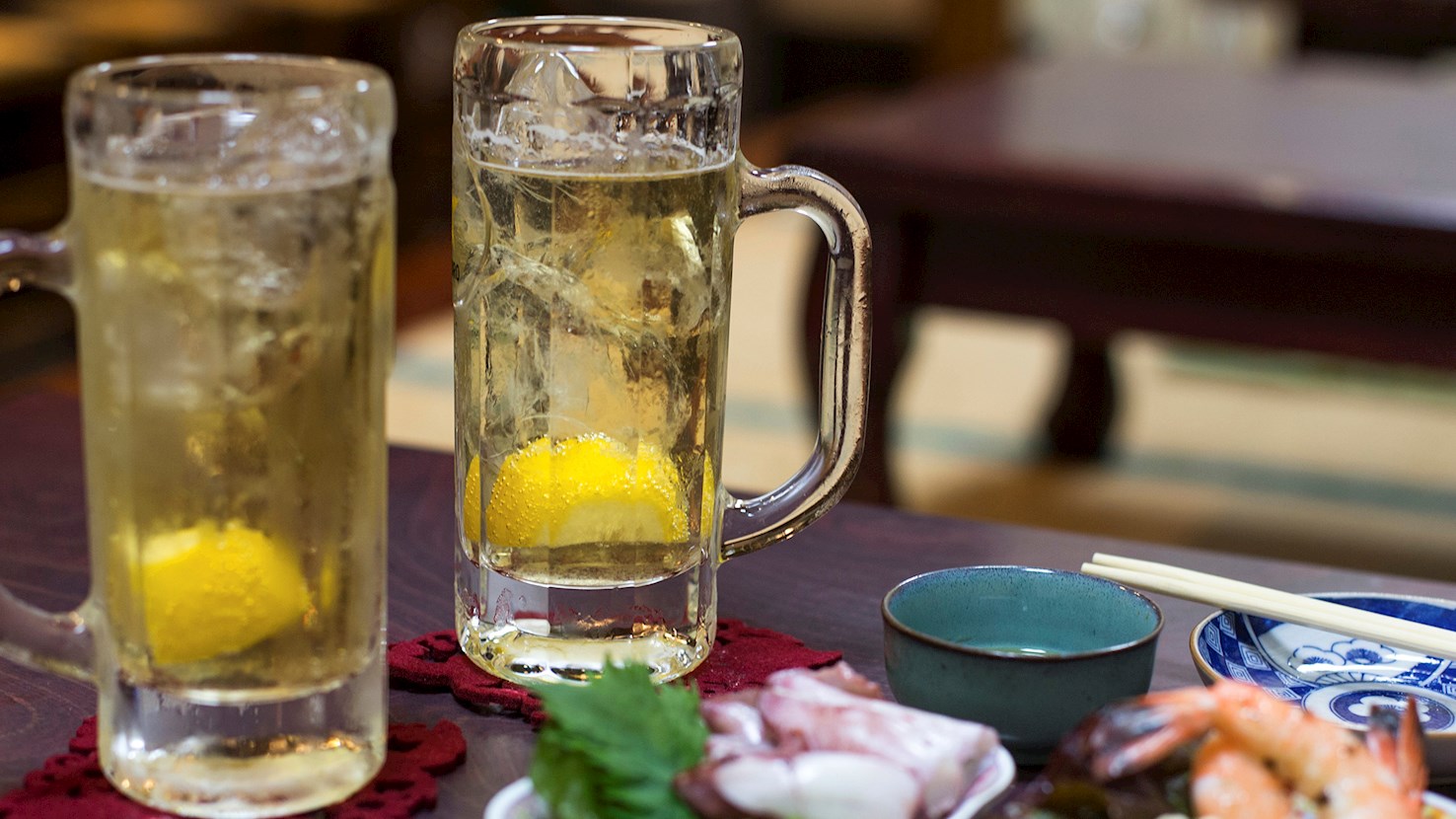
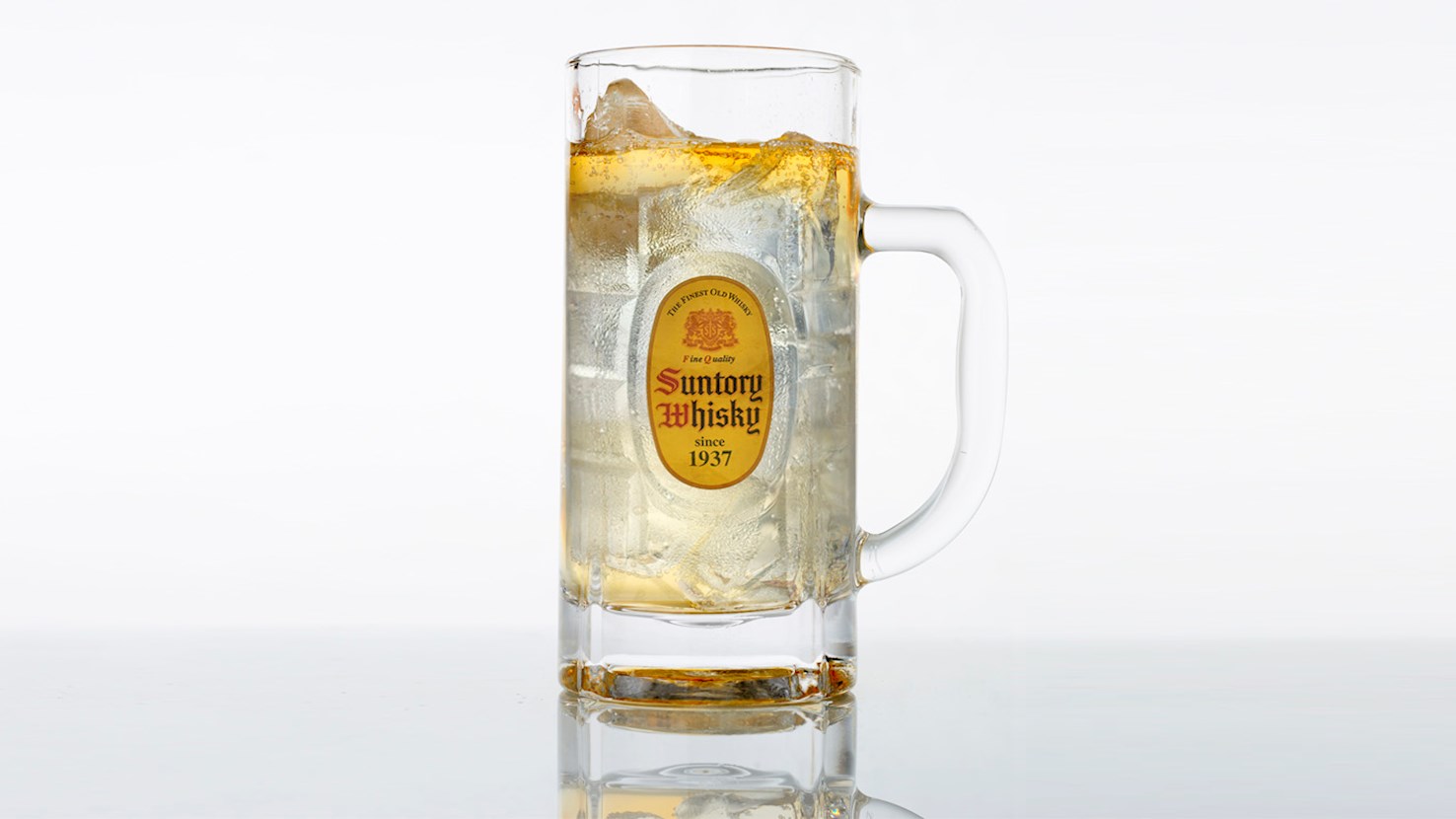
Kaku highball is a version of a Japanese highball made with Kakubin whisky and soda water. Although Japanese highball can be made with any Japanese whisky, Kakubin is the most common option, and if it is not otherwise stated, most establishments will use this whisky in a standard highball. Kaku is usually prepared and served in a large glass mug. It is made by squeezing a lemon wedge and pouring whisky in the ice-filled mug, and then topping the drink with soda water. This is a light and refreshing cocktail intended for easy drinking and pairing with food. Kakubin is a blended, golden-colored whisky (40% ABV) with a sweet, grain-like aroma. On the palate, it is creamy and displays subtle fruity and spicy notes while the finish is dry. It is a versatile whisky with a light character, making it a perfect option for cocktails. Kakubin was a creation of Shinjiro Torii, the founder of Suntory. The whisky was first released in 1937 under the name Suntory Whisky, but the name was later changed to Kakubin—meaning square bottle—as a reference to its distinctive bottle design. Kaku highball is also available in a canned version.
Bamboo is a vintage sherry-based cocktail featured in several classic cocktail books. The recipes vary in ratio, but they mainly include equal parts dry vermouth and sherry, typically fino or oloroso, and a dash of bitters. Apart from the standard version, this cocktail is sometimes altered by replacing dry with sweet vermouth or the addition of simple syrup. To make the cocktail, vermouth and sherry are poured into a glass and stirred. Bamboo is usually enjoyed as an aperitif. It is traditionally served in a coupe glass, garnished with an orange twist. Bamboo is an old cocktail with a vague history. By the early 1900s, it was already prominently featured on cocktail menus, and it is assumed that it originated sometime in the 1880s. The most cited story of its origin claims it was invented by a German bartender Louis Eppinger at the Grand Hotel in Yokohama. The first written reference dates from 1886 and Western Kansas World newspapers in which the invention is credited to an unknown Englishman.
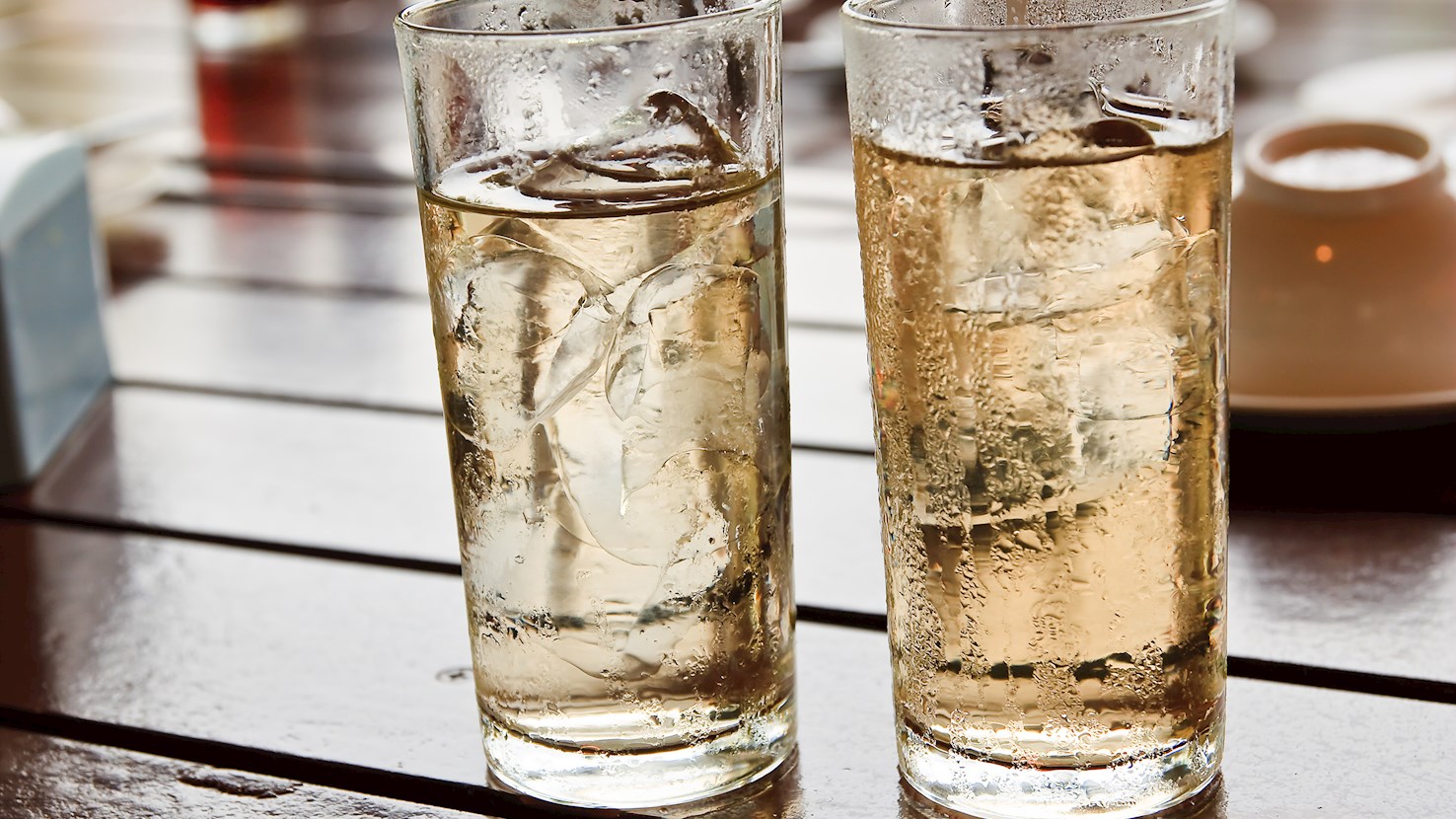
Mizuwari is a Japanese combination of shōchū and cold water. The original version was made with shōchū, but modern variations commonly use Japanese whisky or other spirits. To make the drink, a highball glass is filled with ice before adding water and shōchū or whisky. Ice can be left out if preferred. The ratio of water and spirits can vary, depending on preference and the type of spirit, but the most common option is one part spirit to two parts water. Mizuwari became popular in the 1970s, and though it is still common, Japanese highball is a more popular option nowadays.
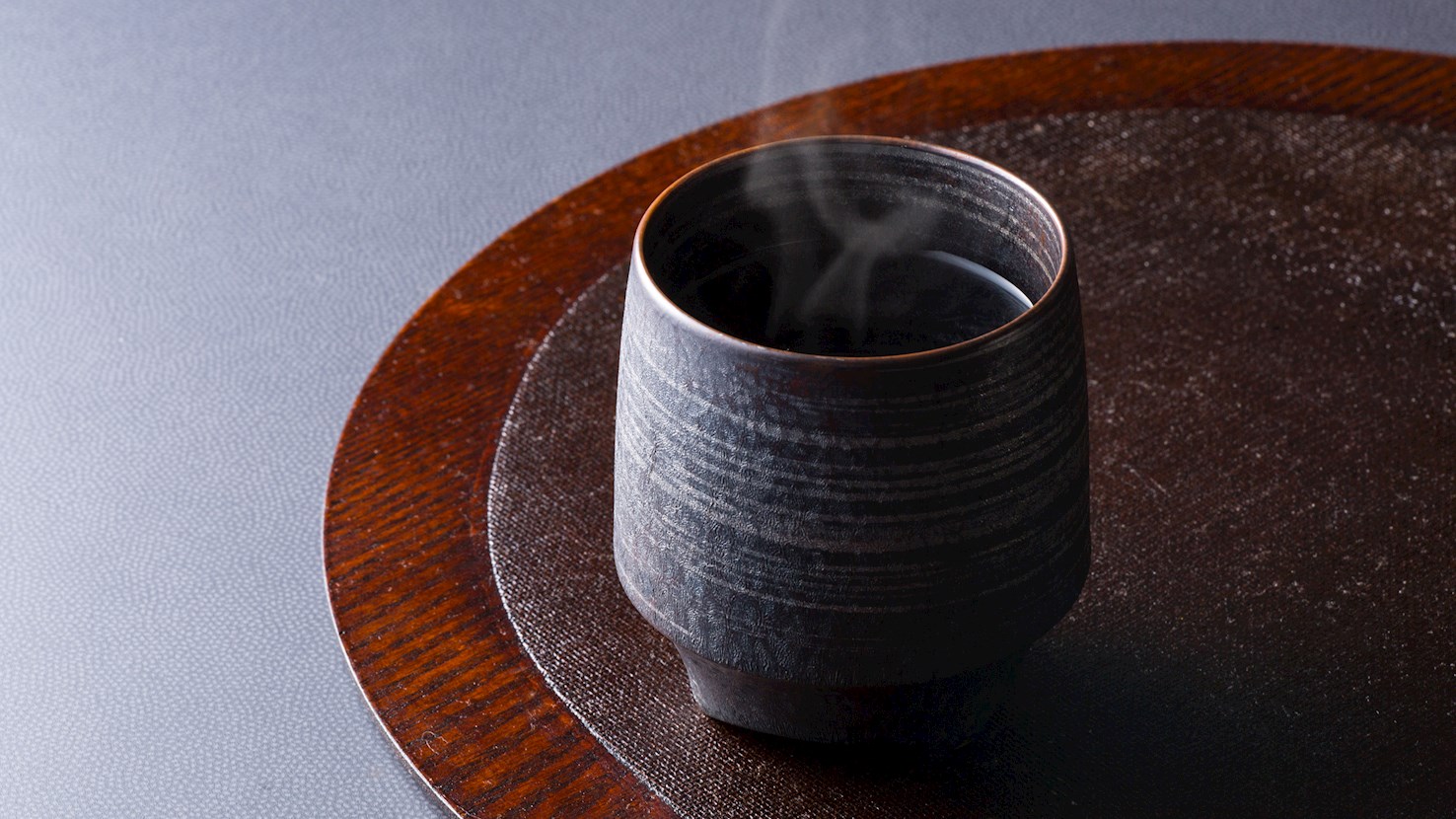
Oyuwari is a traditional combination of a strong spirit and hot water. The water is usually heated in a teapot and then added to a glass with the spirit. When preparing the drink, the water should ideally be around 80ºC/175°F. The ratio can vary, but the most common is 6:4 (six parts spirit to four parts hot water). Oyuwari stems from the ancient tradition of drinking shōchū, though many contemporary versions use whiskey. This drink is usually associated with colder seasons. The warm water helps the spirit release more flavor, thus creating a warming and flavorful beverage.
Ginza Mary is a Japanese variation on the classic Bloody Mary cocktail. It is made with a combination of vodka, sake, tomato juice, lemon juice, Tabasco sauce, soy sauce, and ground black pepper. In order to prepare it, all ingredients should be stirred with ice, then strained into a chilled old-fashioned glass. It is believed that this cocktail was named after Ginza, a popular nightlife area in Tokyo.
Ochahai is a ubiquitous cocktail crafted by pouring a measure of clear, distilled spirit—typically a neutral shōchū—into a glass generously filled with ice, then topping it with chilled, unsweetened tea. Unlike its effervescent, fruit-forward counterparts, this mixture is completely devoid of carbonation and deliberately lacks any added syrups, resulting in a crisp, deeply savory profile that essentially drinks like a remarkably smooth glass of iced tea. Because the roasted or grassy notes of the brew thoroughly mask the harshness of the alcohol, the drink has deceptive drinkability, making it a perennial favorite for long, unhurried evenings. Bartenders frequently offer a spectrum of variations tailored to diners' preferences, ranging from the deep, woody amber of oolong and the vibrant, vegetative bite of traditional green tea to the delicate, perfumed elegance of jasmine. The true brilliance of this unsweetened libation lies in its exceptional ability to cut through the heavy, oil-rich dishes that dominate pub cuisine; the natural tannins and astringent properties of the leaves effectively wash away lingering fats, continually resetting the palate for the next bite of rich pork belly or fried chicken. Technically speaking, ochahai is the umbrella term for any tea-based alcoholic mix; menus typically categorize them by the specific leaf used. There is oolong, boasting a deep amber hue; this is the most widely consumed variation. Its robust, slightly woody profile stands up perfectly against heavily sauced or grilled meats. Then there is ryokucha or sencha: made with traditional Japanese green tea, this vibrant, emerald-tinted option delivers a sharp, vegetative bite and a highly refreshing finish. Jasmine is favored for its highly aromatic, perfume-like qualities. This delicate infusion provides a lighter, more elegant drinking experience. And finally, there is mugicha, which is made from roasted barley rather than tea leaves. It is a caffeine-free option that yields a distinctly nutty, toasted flavor profile reminiscent of roasted coffee or dark bread. Beyond their culinary compatibility, these infusions are highly prized by mindful drinkers. Because the mixer is essentially pure water flavored with leaves, patrons are constantly hydrating themselves while consuming alcohol, which many locals swear is the secret to mitigating the severity of the next morning's hangover.
TasteAtlas food rankings are based on the ratings of the TasteAtlas audience, with a series of mechanisms that recognize real users and that ignore bot,
nationalist or local patriotic ratings, and give additional value to the ratings of users that the system recognizes as knowledgeable.
TasteAtlas Rankings should not be seen as the final global conclusion about food. Their purpose is to promote excellent local foods,
instill pride in traditional dishes, and arouse curiosity about dishes you haven’t tried.





What People Say