

shutterstock

Top 20 Italian Coffees

Last updated on June 24, 2026

Best Italian Coffee Types

01

Cappuccino

4.2 ·

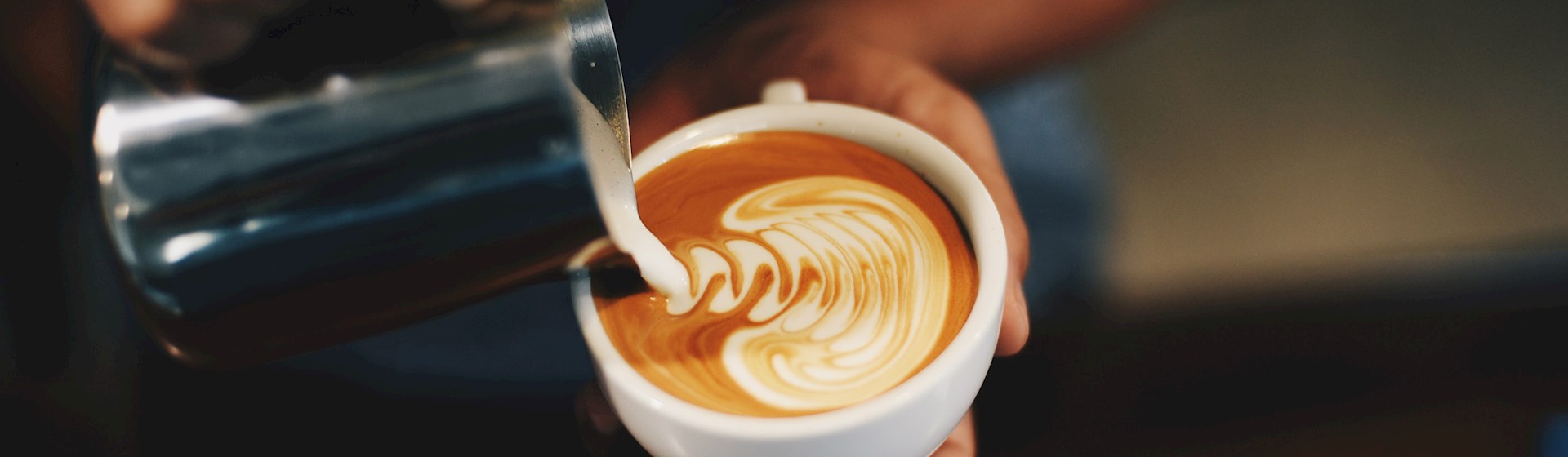
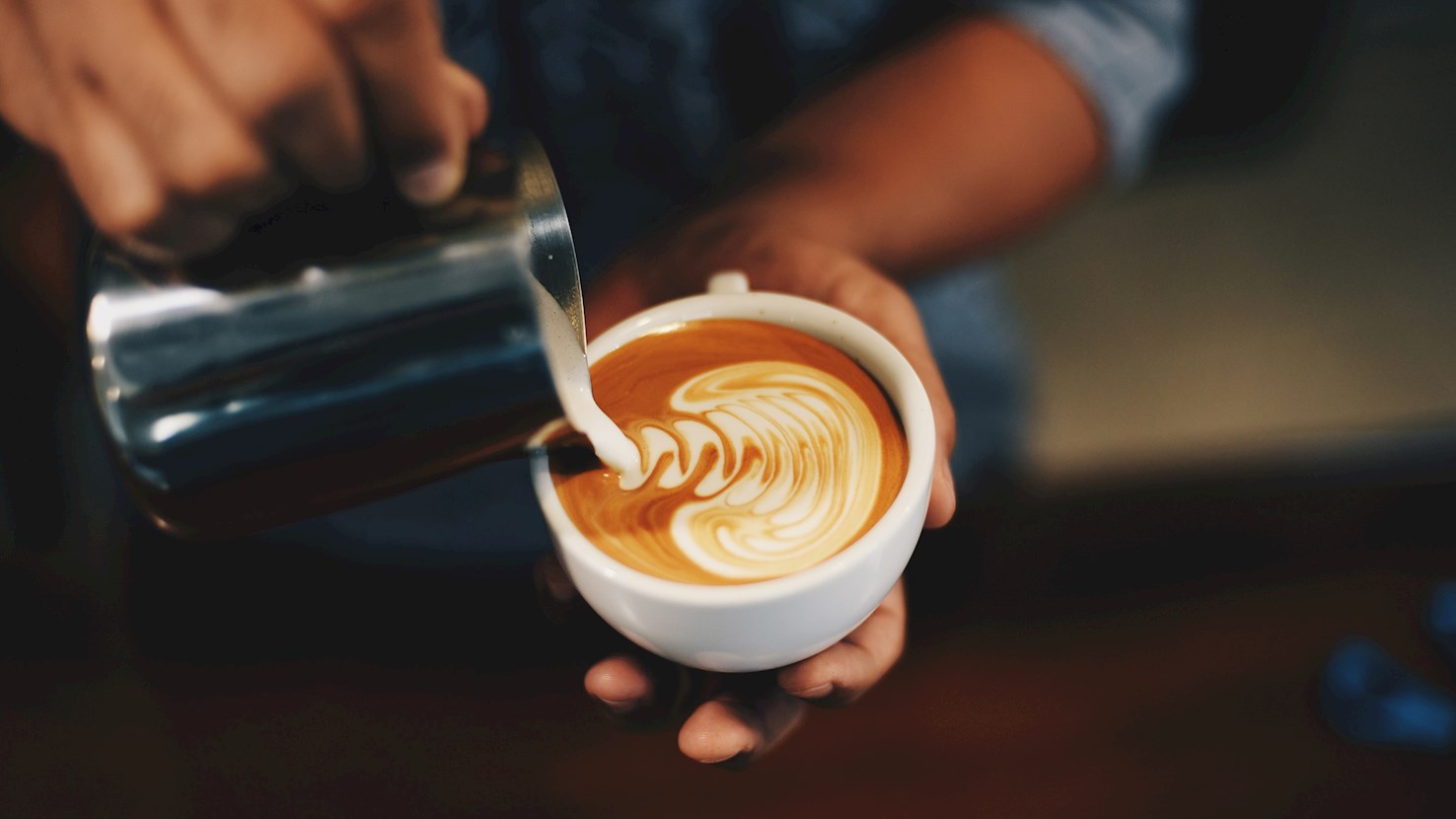
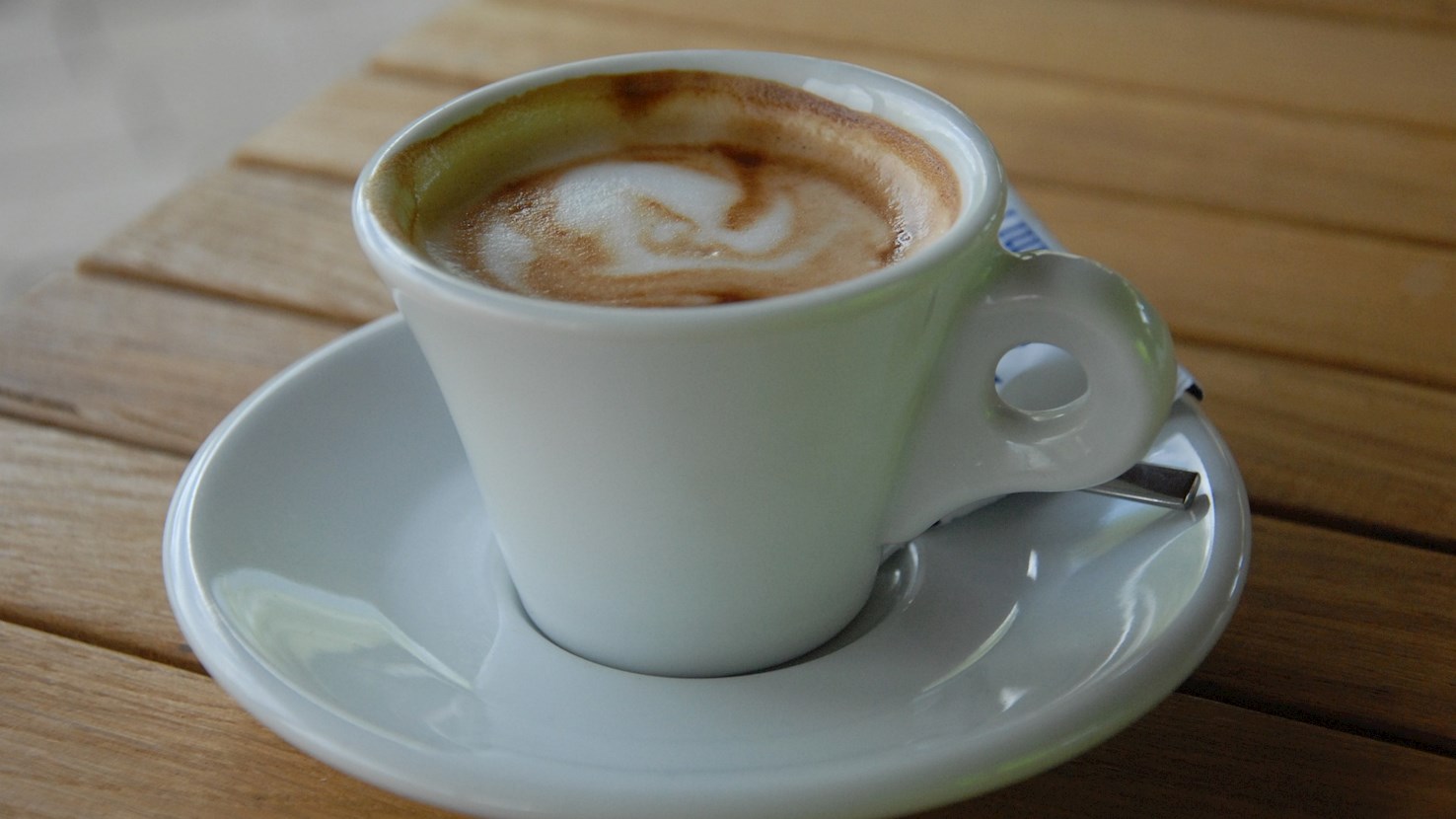
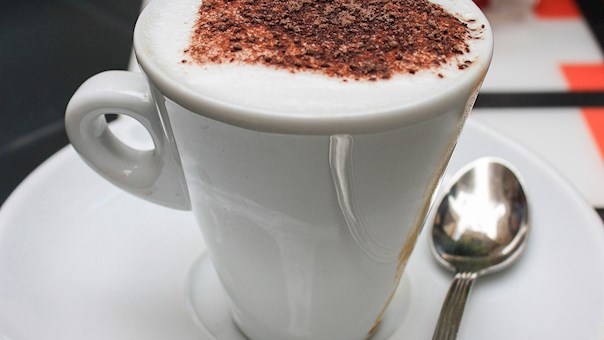
Cappuccino is an Italian coffee made with espresso and steam-foamed milk. It is believed that it developed from kapuziner—a coffee-based beverage that was enjoyed in Austrian coffee houses in the 18th century. The first mention of the word cappuccino in Italy dates back to the 1930s, but at the time the drink was topped with whipped cream, and later it gained its current form with the invention of the espresso machine. Traditional Italian cappuccino is always served in small cups, which are occasionally pre-heated, and it is prepared by pulling a single or a double shot of espresso which is then topped with a light and frothy steamed milk. The recommended ratio in Italy is to have more froth than liquid. Due to its popularity, outside of Italy, cappuccini can significantly differ from their original Italian version, and they can be enjoyed throughout the day, while the Italians would rarely drink them in the afternoon. Interestingly, it is said that the name cappuccino was inspired by the Capuchin friars, supposedly because the color combination of coffee and milk resembles those of Capuchin robes.

02

Caffè latte

4.1 ·

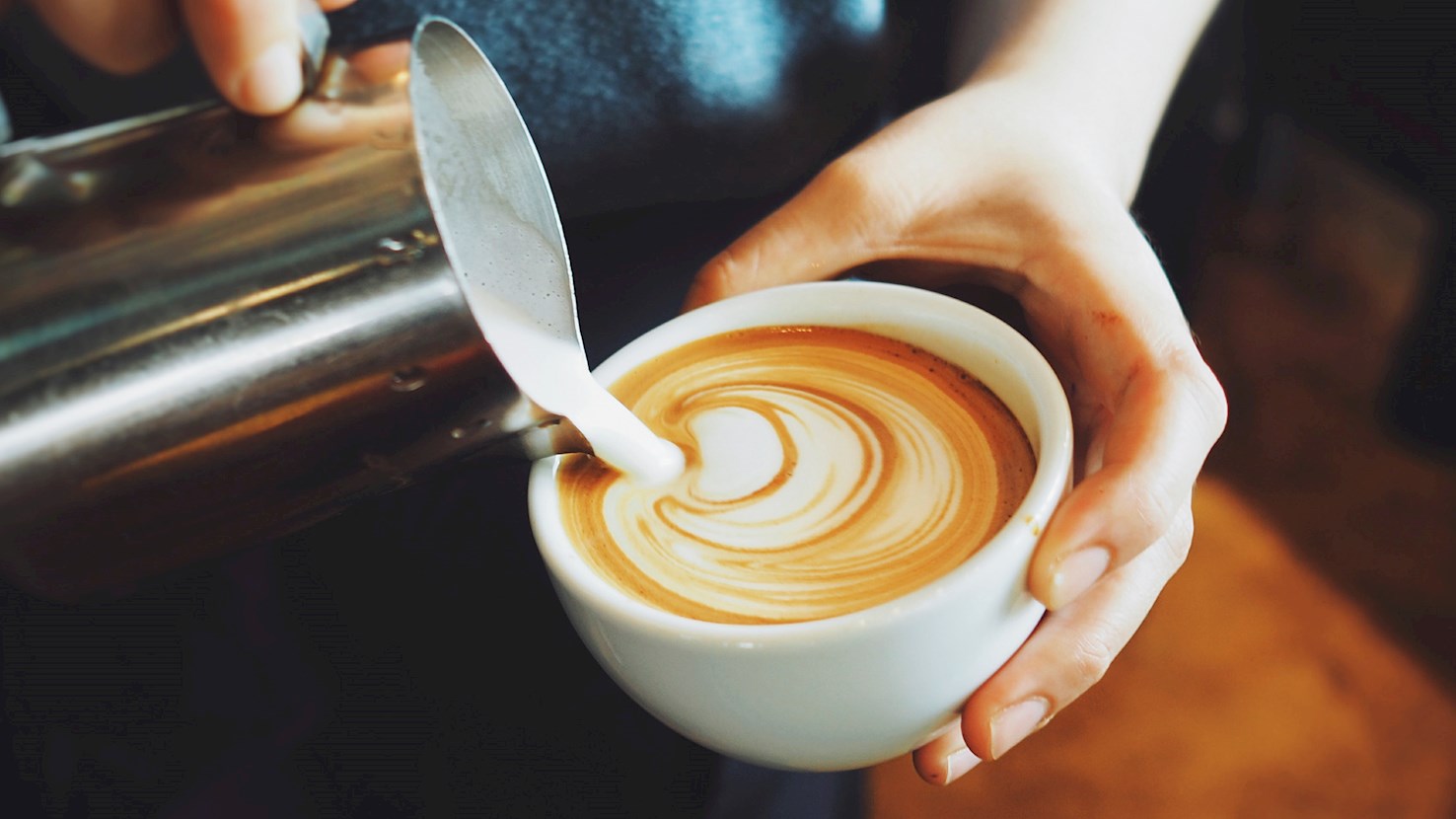
Caffè latte (caffè e latte) is an espresso-based coffee that has a somewhat vague origin. It consists of an espresso that is topped with steamed and sometimes lightly frothed milk. The usual ratio is 1:3 in favor of milk, but this often varies. The first mention of caffè latte dates back to 1867 when the term was mentioned in Italian Journeys, written by William Dean Howells. It is often claimed that it originated from cappuccino in order to make the drink more palatable for foreigners, but it belongs to a large group of European-style coffees that combine milk and coffee, such as the French caffe au lait or the Spanish café con leche. Although it has European origins, the international success of the modern caffè latte is often associated with the United States, where it became popular in the 1980s.

03

Ristretto

4.1 ·

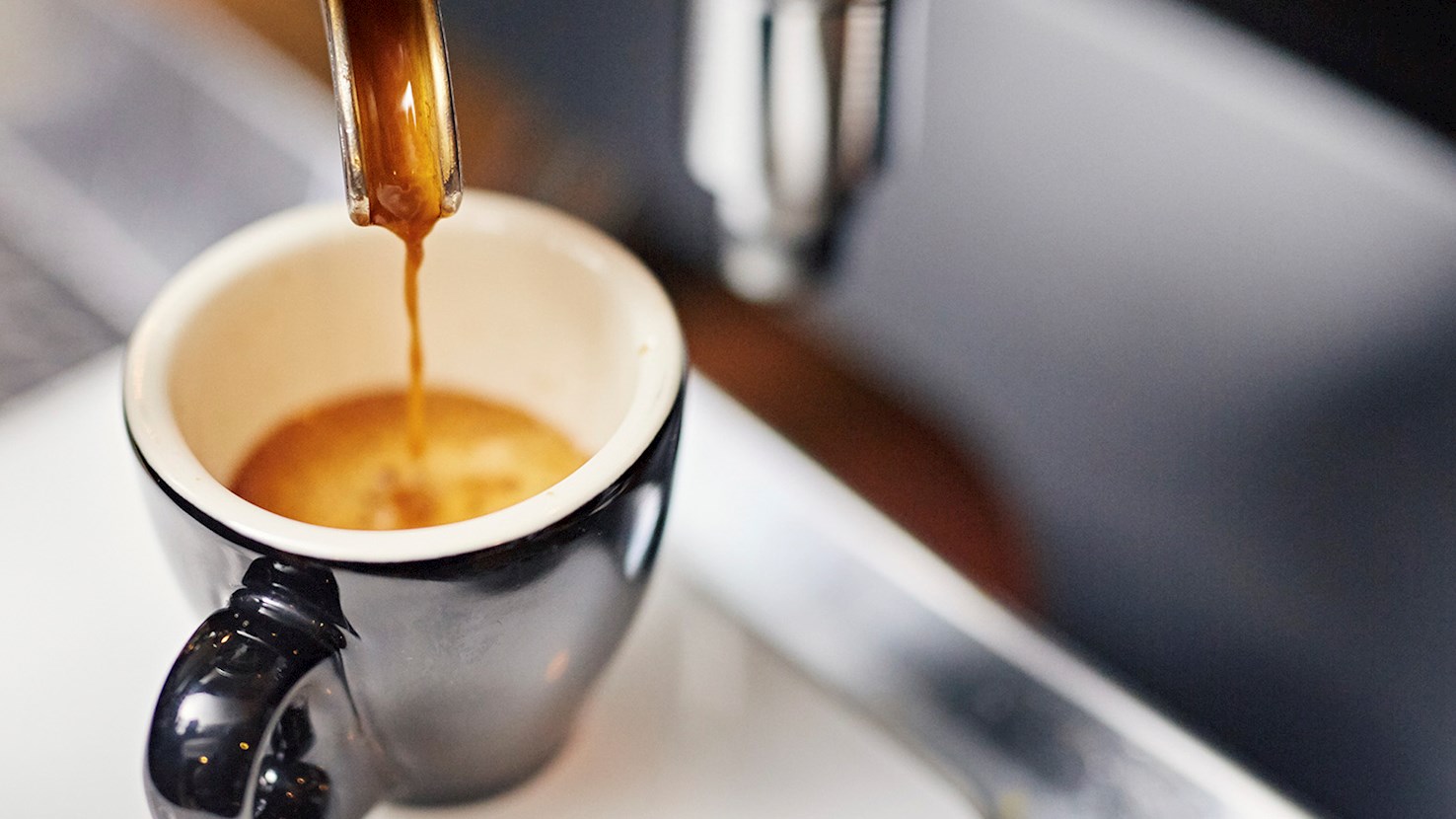
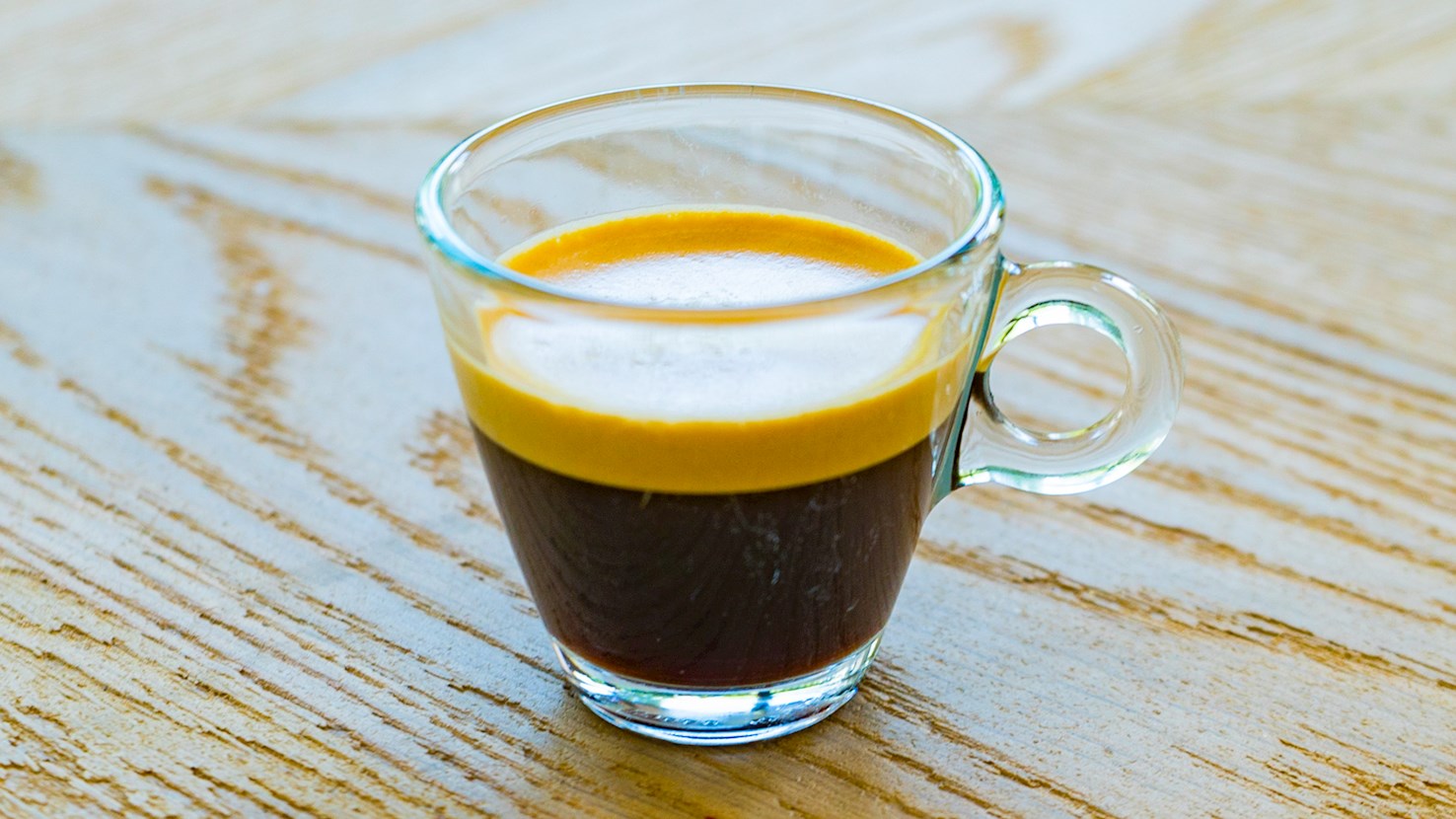
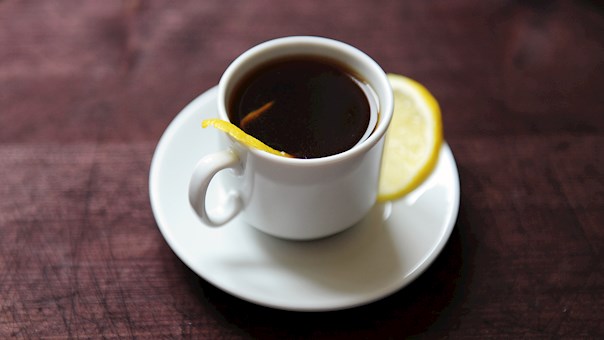
Ristretto, which means restricted in Italian, is half of a single shot of espresso. It differs from a standard espresso not only in the amount of water used for its preparation, but also in flavor, which is less bitter than regular espresso. When prepared in an espresso machine, the regular amount of finely ground coffee is extracted with half the amount of water used for classic espresso. The result is a more concentrated beverage with a different balance of compounds than in standard espresso. The color of ristretto is reminiscent of dark chocolate, while the crema is much lighter than in regular espresso. Ristretto is typically served straight in a demitasse cup.

04

Espresso

4.1 ·

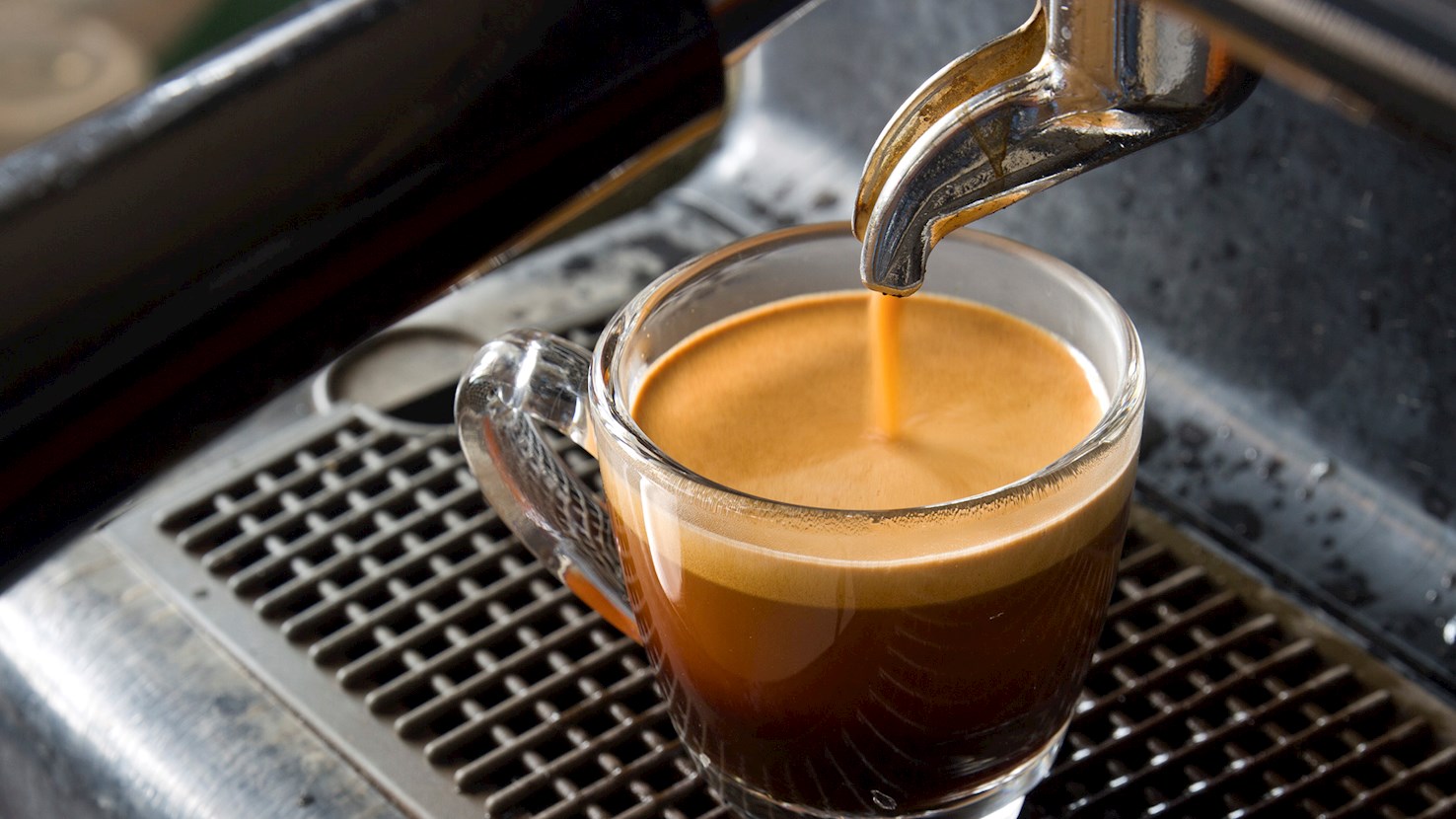
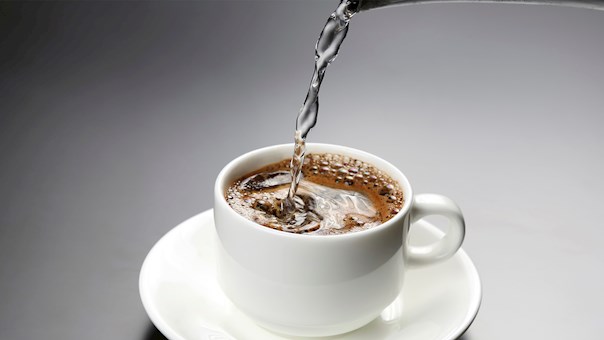
Espresso is both the name of a coffee beverage and the method of brewing coffee that originated in Italy. Nowadays it is prepared worldwide with the espresso machine - invented in Turin in 1884 by Angelo Moriondo - by forcing a small amount of hot water under high pressure through finely ground coffee beans. The coffee used for espresso is blended from several roasts and as a result of pressurized brewing, the flavors of the beverage are very concentrated, with thick and almost syrupy texture. Consequently, espresso has more caffeine than other coffee beverages, so it is traditionally served as a shot. On top of every well-made espresso is a frothy foam with a creamy consistency, known as crema. Besides the standardized shot, espresso can also be served as doppio, ristretto, and lungo. Furthermore, it can be mixed with milk or cream, so it is a base for many other coffee drinks such as caffè latte, caffè Americano, cappuccino or caffè macchiato.

05

Macchiato

4 ·

Original Italian macchiato is a coffee variety that is made by pulling a shot of espresso and topping it with only one or two teaspoons of steamed milk. The milk is only added to enhance the flavor of coffee, and should never be overpowering. The word translates as spotted or stained—referring to the small amount of milk that is meant only to stain the espresso. Unlike cappuccino that is mostly enjoyed in the morning, caffè macchiato was invented as an alternative to regular espresso, and Italians mainly enjoy it as an afternoon drink. The drink should not be confused with latte macchiato—a beverage that is made with the opposite ratio of coffee and milk.

06

Bicerin

4 ·

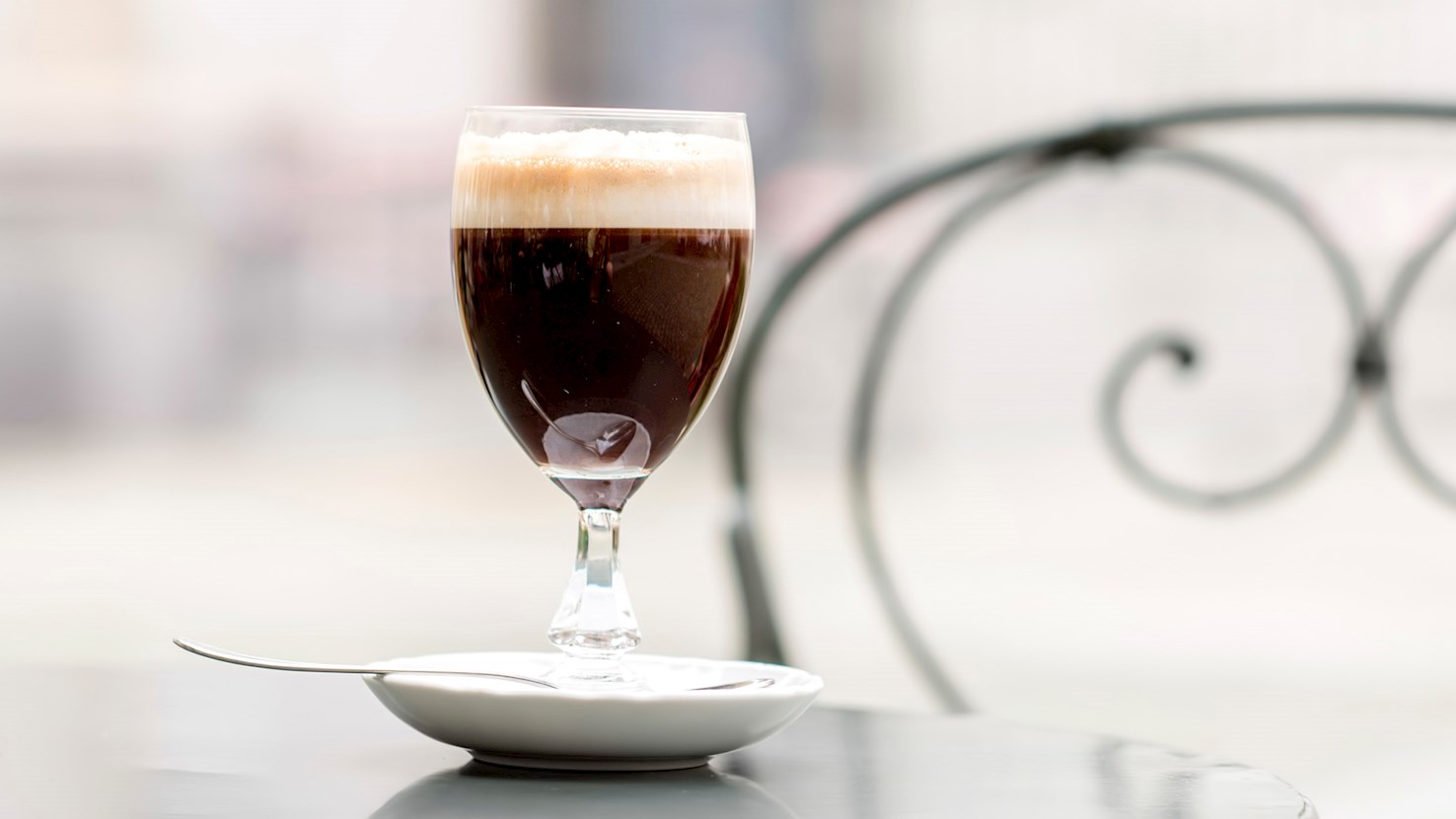
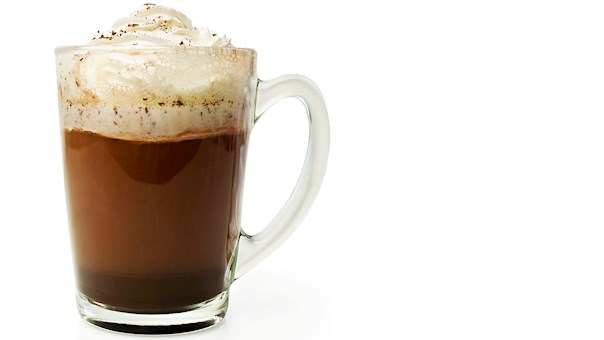
Dating back to the 18th century, this classic beverage from Turin consists of an espresso that is layered with hot chocolate, and then topped with whipped cream. It is traditionally prepared and served in tall, clear glasses, and all three layers should be visible. Although bicerin is enjoyed throughout Turin, Caffè Al Bicerin and Caffè Florio claim its origin. It is believed that its name stems from the term bicchierino, which is a diminutive of bicchiere (glass).

07

Caffè moka

3.9 ·

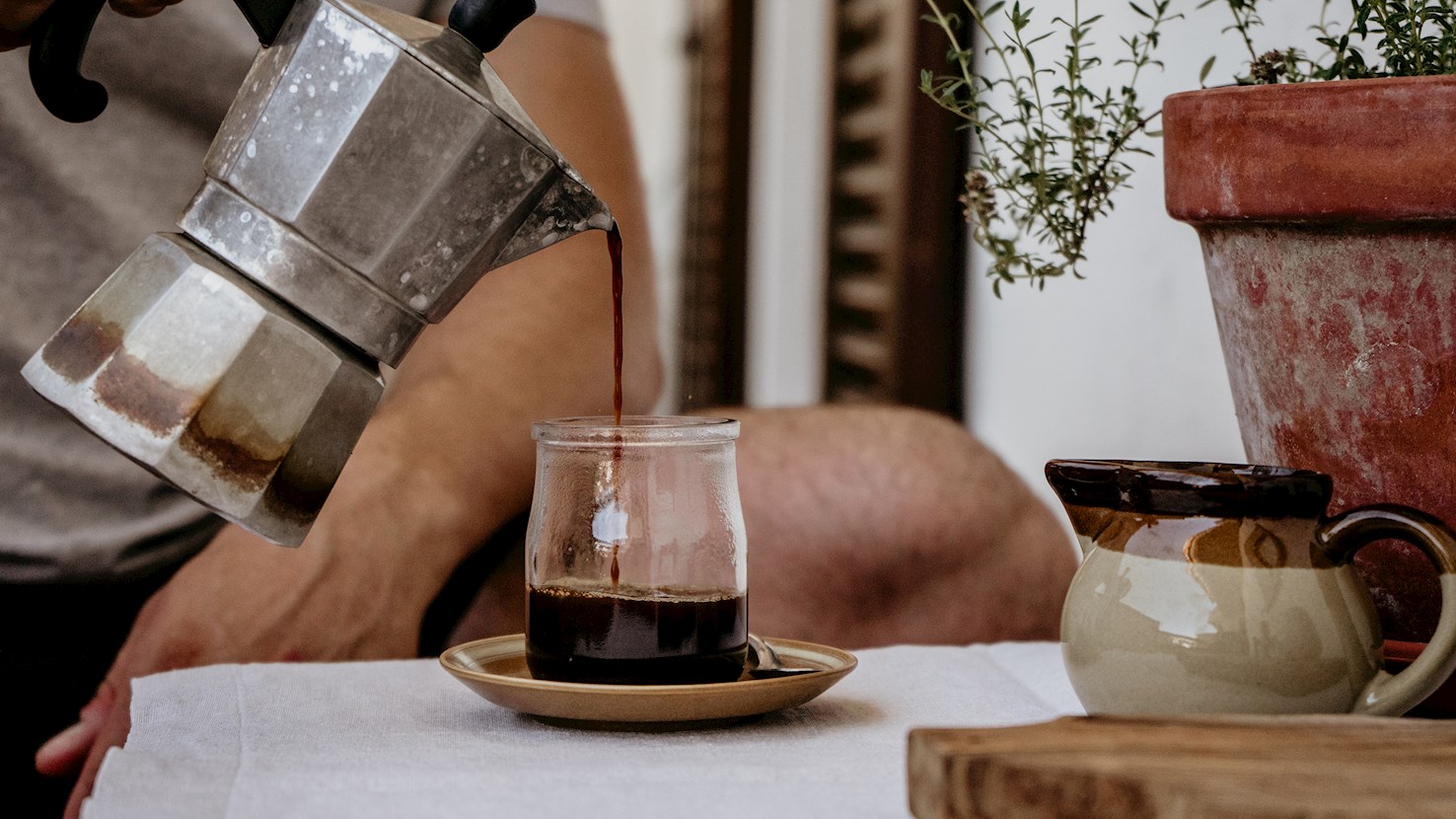
Caffè moka is an Italian-style coffee that is made with a traditional moka pot—an electric or stove-top aluminum pot that was invented in 1933 by Alfonso Bialetti. It works similar to an espresso machine—the water is heated, and the steam is then pressurized through ground coffee. The resulting coffee is full-bodied and strong with a more intense flavor profile than regular brewed coffee. The moka pot was invented as an affordable and convenient way to brew coffee that would be comparable to the iconic Italian espresso. It is mostly used for home brewing, and it got its name after the Yemeni city of Mocha—once an important port for coffee trade.

08

Shakerato

3.9 ·

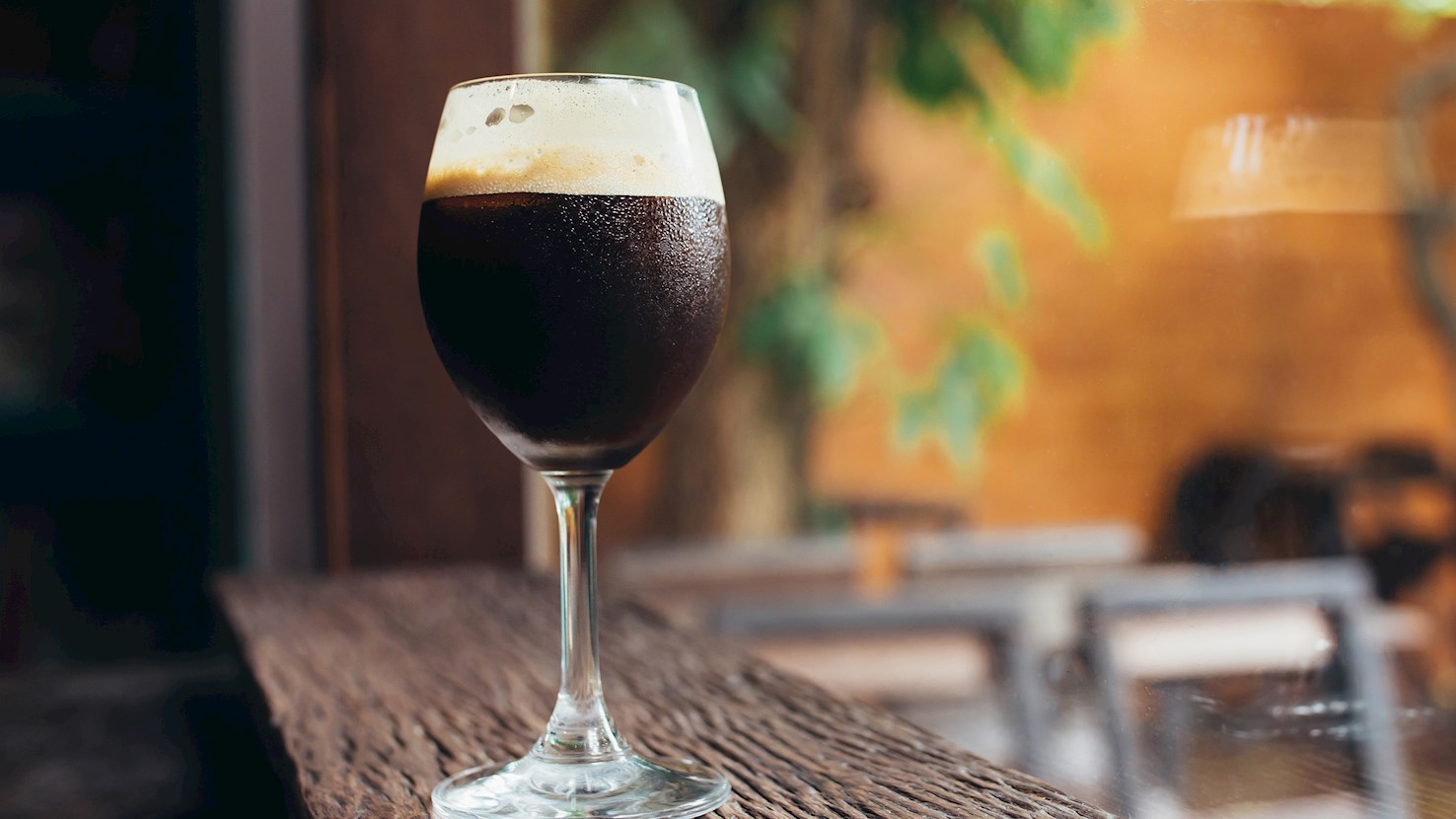
Shakerato is an Italian version of ice coffee. It consists of sweetened espresso and ice cubes that are shaken—hence the name—in a cocktail shaker. The drink is usually enjoyed during the summer as a refreshing version of traditional espresso. Because of its unique preparation, when it is poured in a glass, the drink should have a frothy layer (crema) on top. It is usually strained and served in a stemmed glass. Shakerato is commonly spiked with creamy vanilla or coffee-flavored liqueurs.

09

Marocchino

3.7 ·

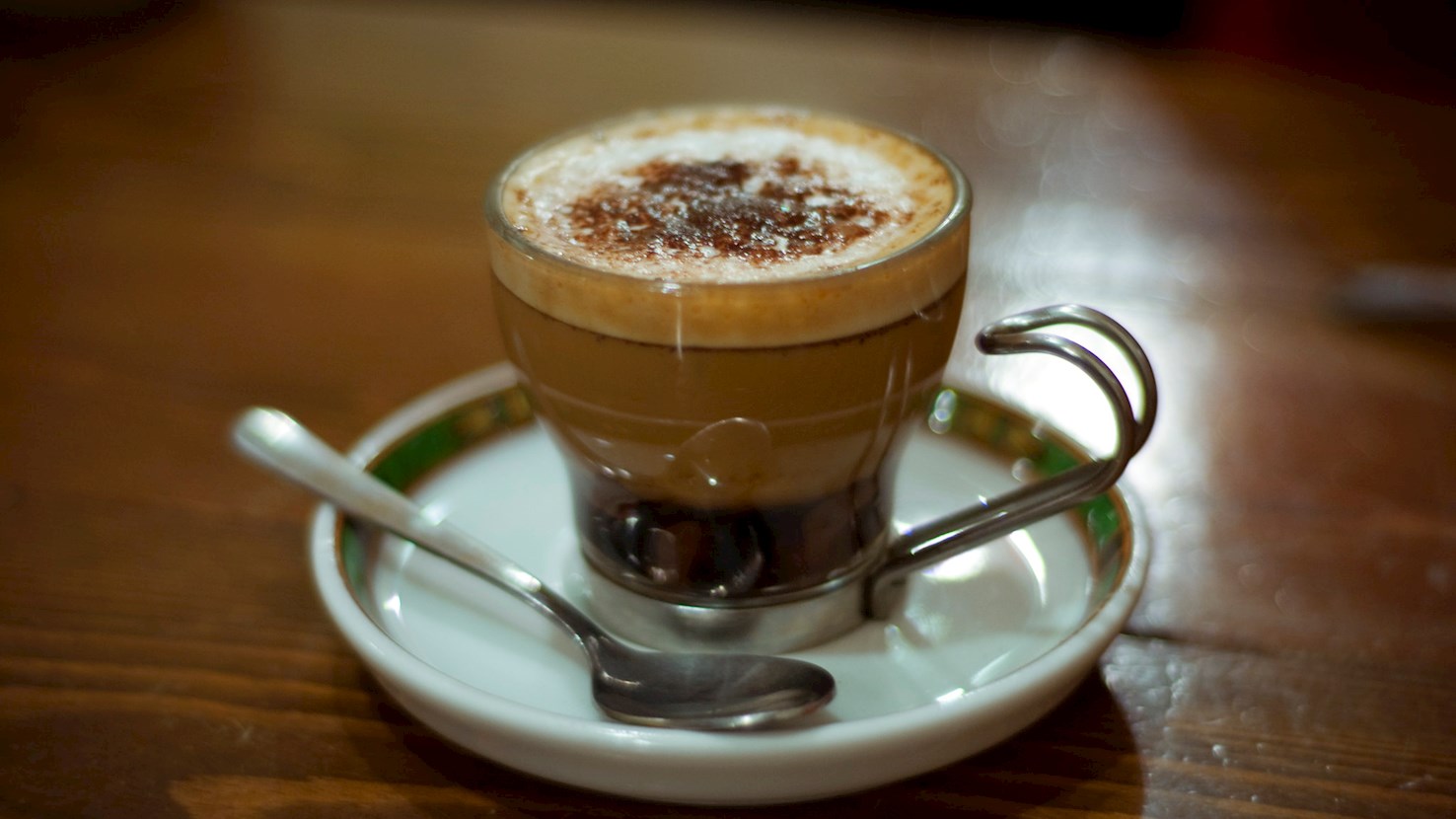
Marocchino, which is occasionally known as vetrino, is an Italian coffee variety that originated in Piedmont. It consists of a shot of espresso that is sprinkled with cocoa and then topped with frothed milk. Usually, the milk is then also dusted with cocoa powder. The origin of marocchino is associated with the Carpano Bar in Alessandria. It was invented during the first half of the twentieth century, and its inventors modeled it on bicerin—an espresso that is layered with hot chocolate and then topped with whipped cream. It is often said that the name marrocchino, which translates as Moroccan, was given due to the brownish color of the coffee—which was reminiscent of an eponymous type of fine leather that was popular in the 1930s.

10

Lungo

3.6 ·

Lungo, an Italian word meaning "long," is a type of espresso coffee drink that is made by extracting the coffee shot for a longer period of time, resulting in a larger volume of coffee. Lungo coffee is prepared using an espresso machine, just like a traditional espresso. However, the key difference lies in the extraction time and the amount of water used. While a typical espresso shot uses about 30 milliliters of water and takes around 25-30 seconds to extract, a lungo uses more water, typically around 60-90 milliliters, and takes a longer time, usually about 45-60 seconds. This extended extraction process allows more water to pass through the coffee grounds, creating a larger and more diluted beverage compared to a standard espresso. The resulting coffee has a different flavor profile compared to a regular espresso. Because of the longer extraction time, more of the coffee's soluble compounds are dissolved, which can result in a more complex and often more bitter taste. The increased volume of water also means that the coffee is less concentrated than a traditional espresso, but it still retains a strong and robust flavor. Lungo coffee is typically served in a larger cup than an espresso, often in a small mug or a larger espresso cup. It can be enjoyed on its own or with a small amount of milk or cream, depending on personal preference.

Best Italian Coffees
01

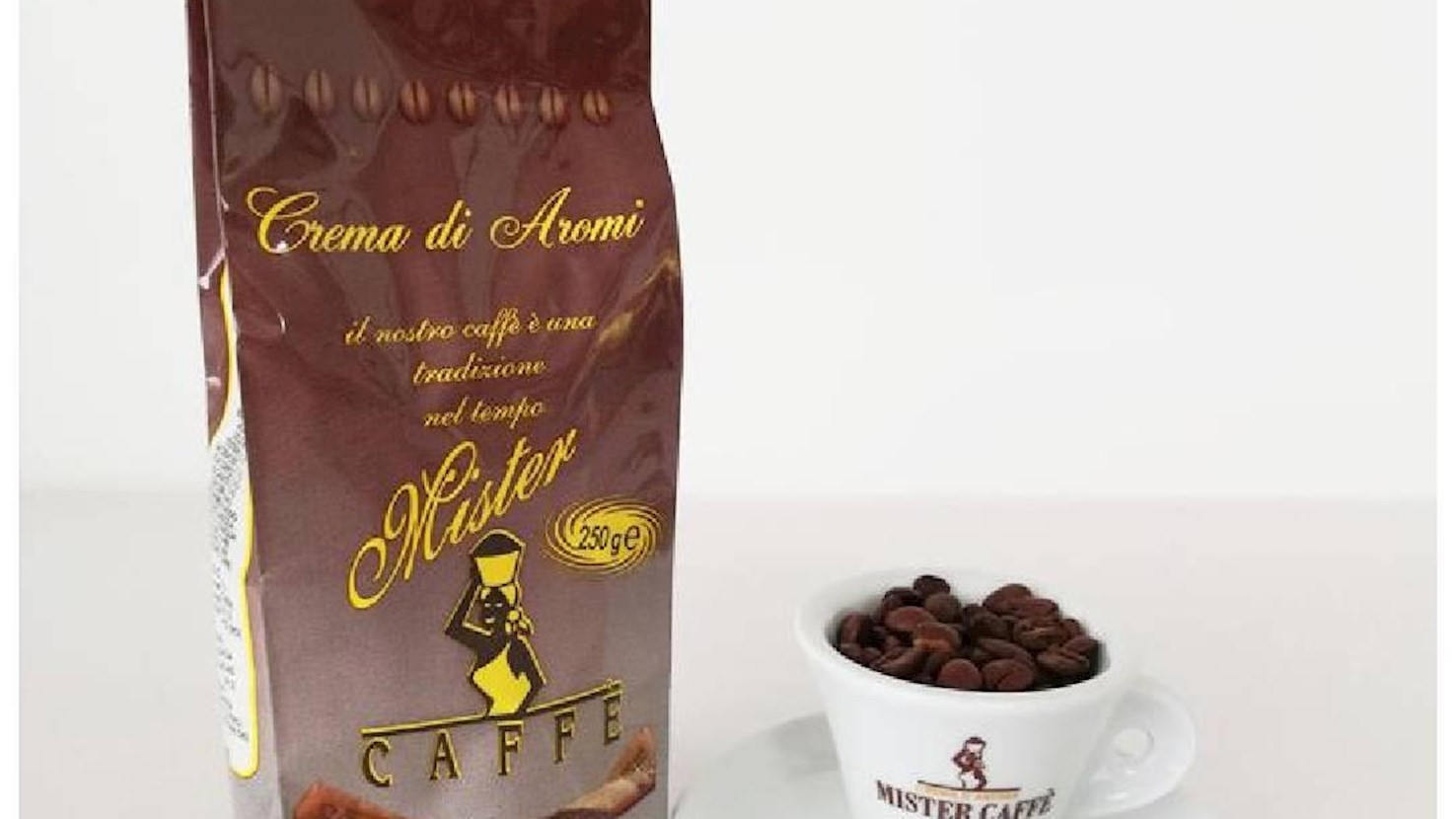
Mister Caffè

4.5 ·
Mister Caffè is an Italian company specializing in the production and distribution of high-quality, hand-roasted coffees. Their product range includes a variety of options, such as whole bean coffee, ground coffee, and compatible capsules for different espresso machines, including Nespresso, Dolce Gusto, Lavazza A Modo Mio, Lavazza Blue, Lavazza Espresso Point, and Caffitaly systems. The company takes pride in carefully selecting the finest coffee beans, skillfully blending, and expertly roasting them to deliver a superior espresso experience. They pay special attention to capsule packaging to preserve the coffee’s aroma over time, ensuring that every sip remains as fresh as if it had just been crafted by their master roaster.
Awards
Crystal Taste Award - 3 stars (2023)
Great Taste Awards - 2 Stars (2021)
02

Bugan Coffee Lab

4.4 ·
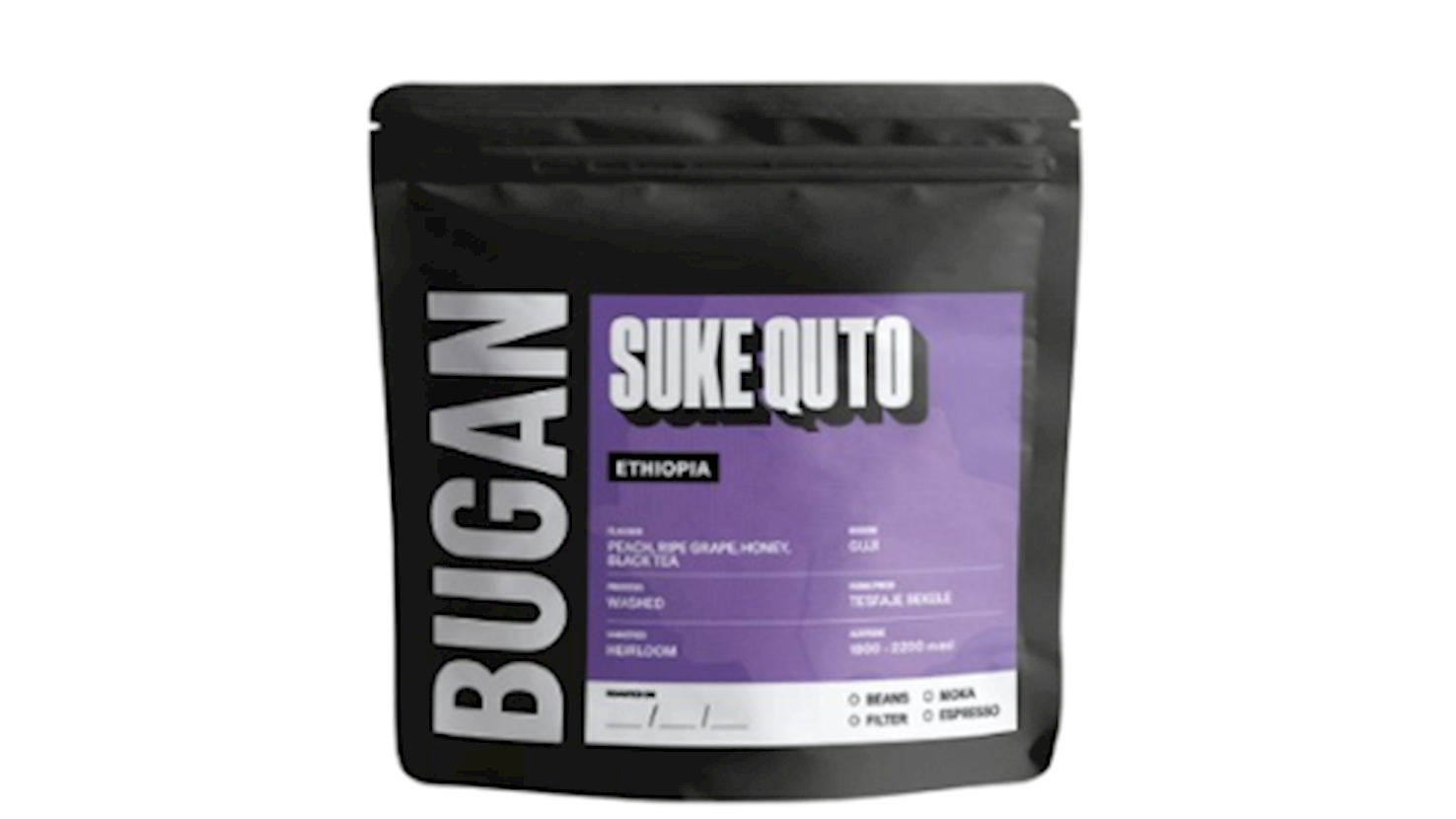
Bugan Coffee Lab is an innovative brand specializing in coffee, located in the heart of Bergamo, Italy. Their philosophy is based on the careful selection of raw beans and innovative preparation techniques, as well as providing the highest quality coffees to coffee enthusiasts around the world. Every week, Bugan Coffee Lab offers new types of coffee, allowing customers to explore diverse flavors and profiles. With a wide range of offerings, from classic espresso coffees to unique blends with special characteristics, visitors can choose from coffees with prominent fruity, floral, or spicy notes. This approach allows customers to embark on a true exploration of the complexity of flavors and the richness that coffee can provide.
03

Sant’Eustachio Il Caffè

4.4 ·
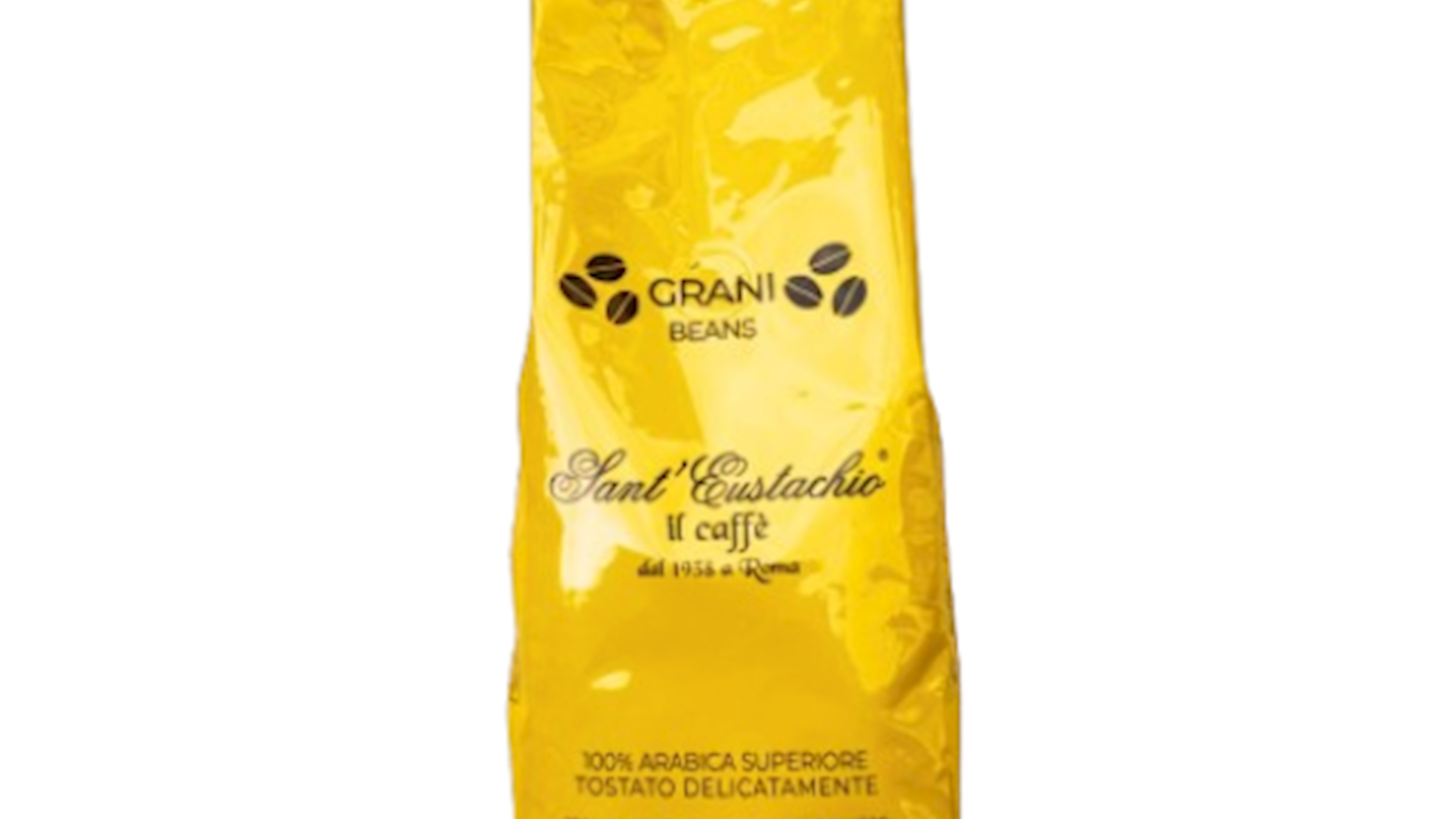
Sant’Eustachio Il Caffè is an iconic Roman coffee bar founded in 1938, located on Piazza Sant’Eustachio, just steps from the Pantheon, and widely regarded as a landmark of Italy’s espresso culture. From the outset, the brand has built its identity around in-house coffee selection and roasting, using blends composed exclusively of 100% Arabica beans. A defining feature of Sant’Eustachio Il Caffè is its traditional roasting approach, carried out with meticulous control to preserve balance, aroma, and natural sweetness. The espresso is known for its dense, persistent crema and rounded flavor profile, often enjoyed without added sugar. Despite its small, understated interior, the café has retained a strong local character and functions as a daily ritual space for Romans as well as a reference point for coffee-focused visitors. The atmosphere emphasizes function and consistency rather than spectacle, reflecting a deeply rooted bar culture. Beyond on-site service, the brand has developed a range of packaged coffees, available as whole beans, ground coffee, and capsules. These products extend the café’s signature profile to the international market. Sant’Eustachio Il Caffè stands today as a synthesis of heritage, technical expertise, and long-term quality focus.
04

Caffè Ernani

4.3 ·

Caffè Ernani is a historic Milanese coffee roaster whose origins date back to 1909, when its original roasting shop opened on Corso Buenos Aires in Milan. The company has built its reputation on carefully selecting high-quality coffee beans from some of the world's most renowned coffee-growing regions and roasting them using a distinctive medium-roast approach. This method allows the natural aromas, flavor complexity, and balance of the beans to remain clearly recognizable while avoiding the excessive bitterness often associated with darker roasts. Deeply connected to Milan’s coffee culture, Caffè Ernani combines more than a century of tradition with a modern understanding of specialty coffee. Its portfolio includes single-origin coffees, signature blends, espresso coffees, and products designed for both professional baristas and home enthusiasts. The company places strong emphasis on traceability, sensory analysis, and education, helping consumers better understand the characteristics of different coffee origins and brewing methods. Today, Caffè Ernani remains one of Milan’s notable artisan coffee brands, appreciated for preserving traditional Italian roasting expertise while embracing contemporary coffee craftsmanship.

05

Caffè Castroni

4.2 ·
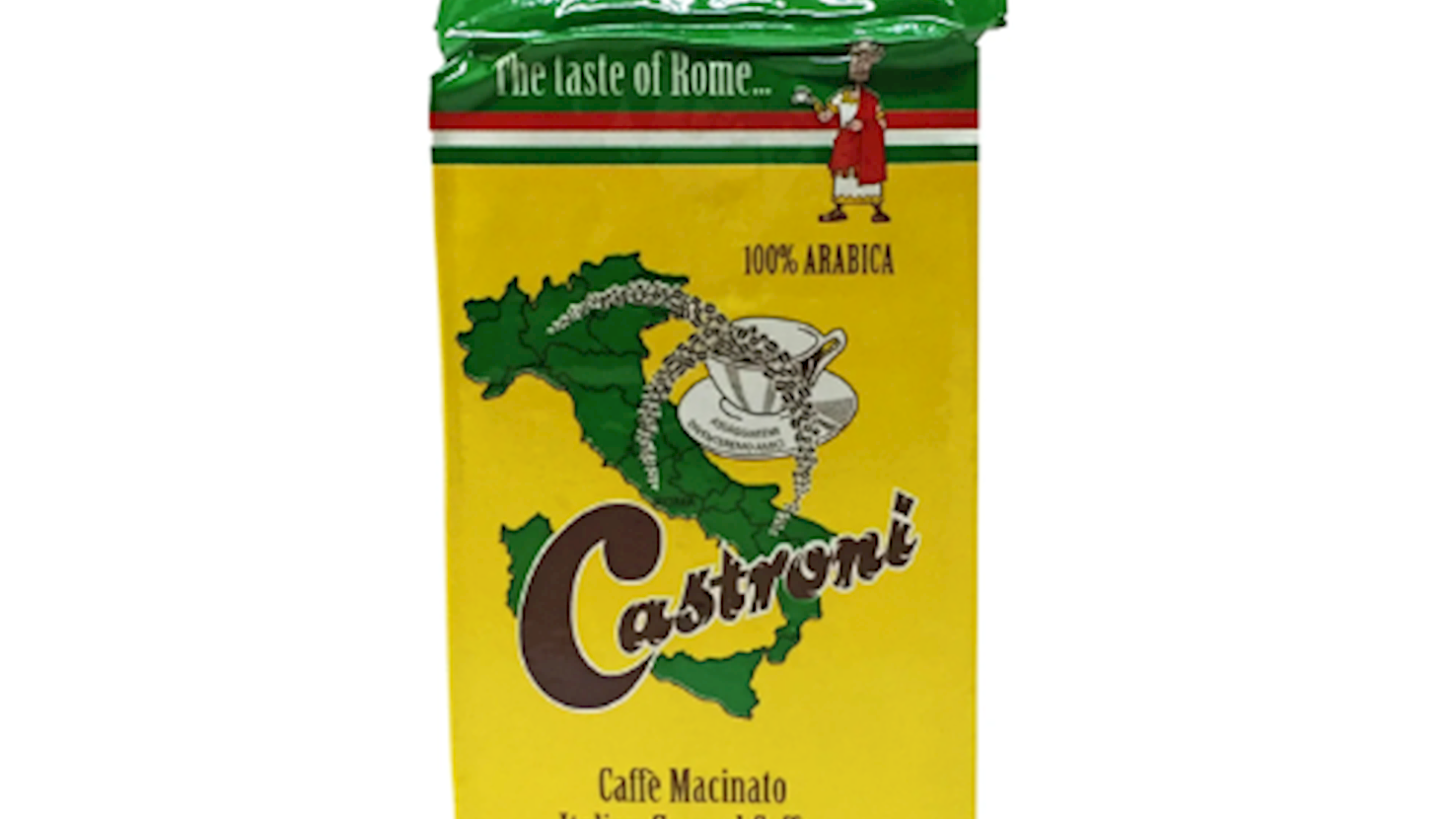
Caffè Castroni is a long-established Roman coffee and gourmet institution founded in 1932, known for combining in-house roasted coffee with a wide-ranging selection of international and Italian delicacies. What began as a small coffee-roasting business evolved into a network of café-bars and specialty food stores across Rome, maintaining a strong link between everyday espresso culture and curated gastronomy. Castroni’s coffee offering is rooted in classic Italian profiles, with blends designed for balance, structure, and consistency, suitable both for bar service and home preparation. The café spaces are functional and lively, reflecting the Roman habit of drinking espresso quickly at the counter, often alongside a simple breakfast pastry. Beyond coffee, Castroni is distinguished by its shelves filled with teas, spices, chocolates, pasta, oils, wines, and hard-to-find imported products, positioning it as a reference point for curious cooks and food professionals alike. The brand does not focus on spectacle or experimental roasting, but on reliability and breadth of choice. Caffè Castroni represents a pragmatic, everyday expression of Roman food culture, where coffee acts as an entry point into a broader gastronomic world.
06

Illycaffè

4.1 ·
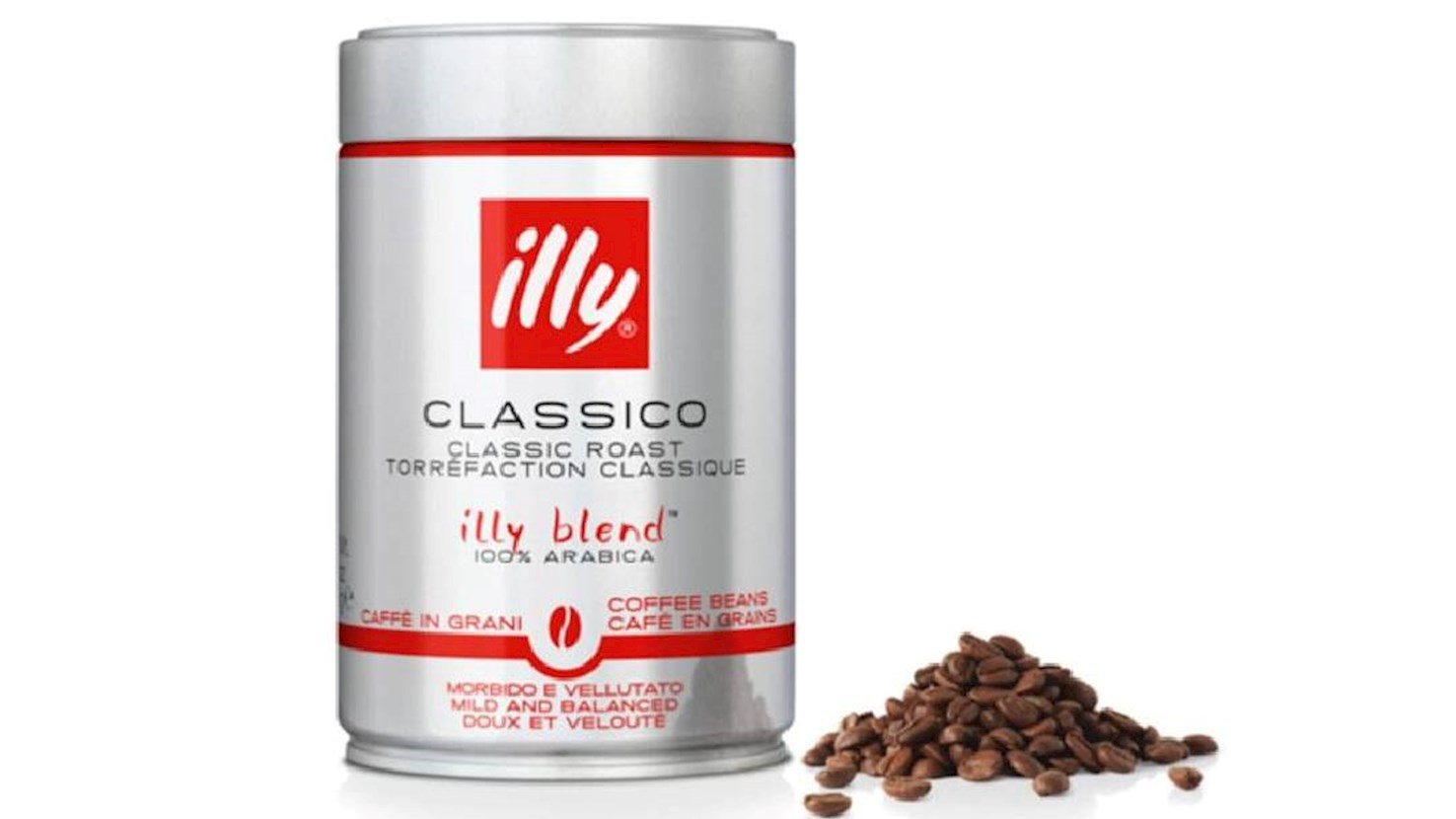
Illycaffè is an Italian family-owned company founded in 1933 in Trieste by Francesco Illy. Since then, illycaffè has become synonymous with premium coffee quality, recognized worldwide. The company is renowned for its unique blend of 100% Arabica coffee, combining nine different varieties to deliver a rich and well-balanced flavor. Illycaffè pays great attention to every step of the process, from selecting the beans to the final product, ensuring consistent quality and aroma. In addition to coffee production, illycaffè is dedicated to promoting coffee culture through educational initiatives such as Università del Caffè, which provides training and education for professionals and coffee enthusiasts around the world. Today, illycaffè continues to expand its global presence, remaining true to its core values of quality, sustainability, and a passion for perfection in every espresso.
07

Torrefazione Caffè Roen

3.8 ·
Caffè Roen is an Italian coffee roasting company founded in 1979 in Pacengo di Lazise, near Verona, on the shores of Lake Garda. The founder, Sergio Bendinelli, leveraged his previous experience in the coffee industry to create his own roasting business, focusing on producing high-quality espresso tailored to his personal taste. Initially, he used a small roastery, which allowed him to develop his first blends and start a small-scale production primarily intended for the hospitality sector. Over the years, the company experienced growth, increasing its customer base and strengthening its reputation for quality and reliability. Later, they relocated to Affi, where they built new production facilities, including spaces for tasting and training.
Awards
Crystal Taste Award - 3 stars (2024)
Read more
View all
View map
About this ranking

TasteAtlas food rankings are based on the ratings of the TasteAtlas audience, with a series of mechanisms that recognize real users and that ignore bot, nationalist or local patriotic ratings, and give additional value to the ratings of users that the system recognizes as knowledgeable. For the “Top 20 Italian Coffees” list until June 24, 2026, 2,250 ratings were recorded, of which 1,861 were recognized by the system as legitimate. TasteAtlas Rankings should not be seen as the final global conclusion about food. Their purpose is to promote excellent local foods, instill pride in traditional dishes, and arouse curiosity about dishes you haven’t tried.

The initial list of top producers was compiled based on available reviews, awards, local recommendations, media and blog coverage, and consumer reviews. The list will be updated with ratings from TasteAtlas local ambassadors and TasteAtlas users.

Similar lists