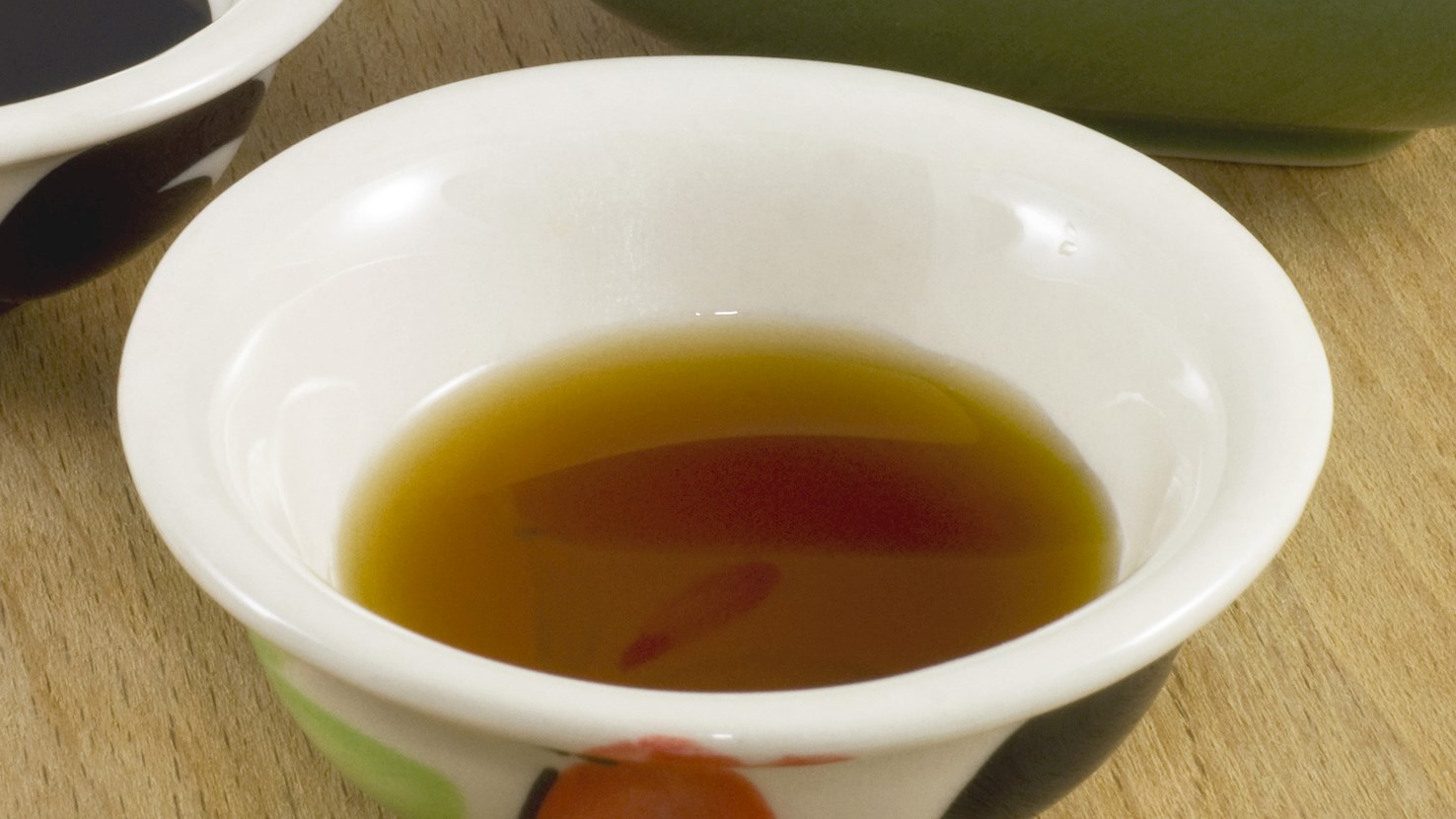
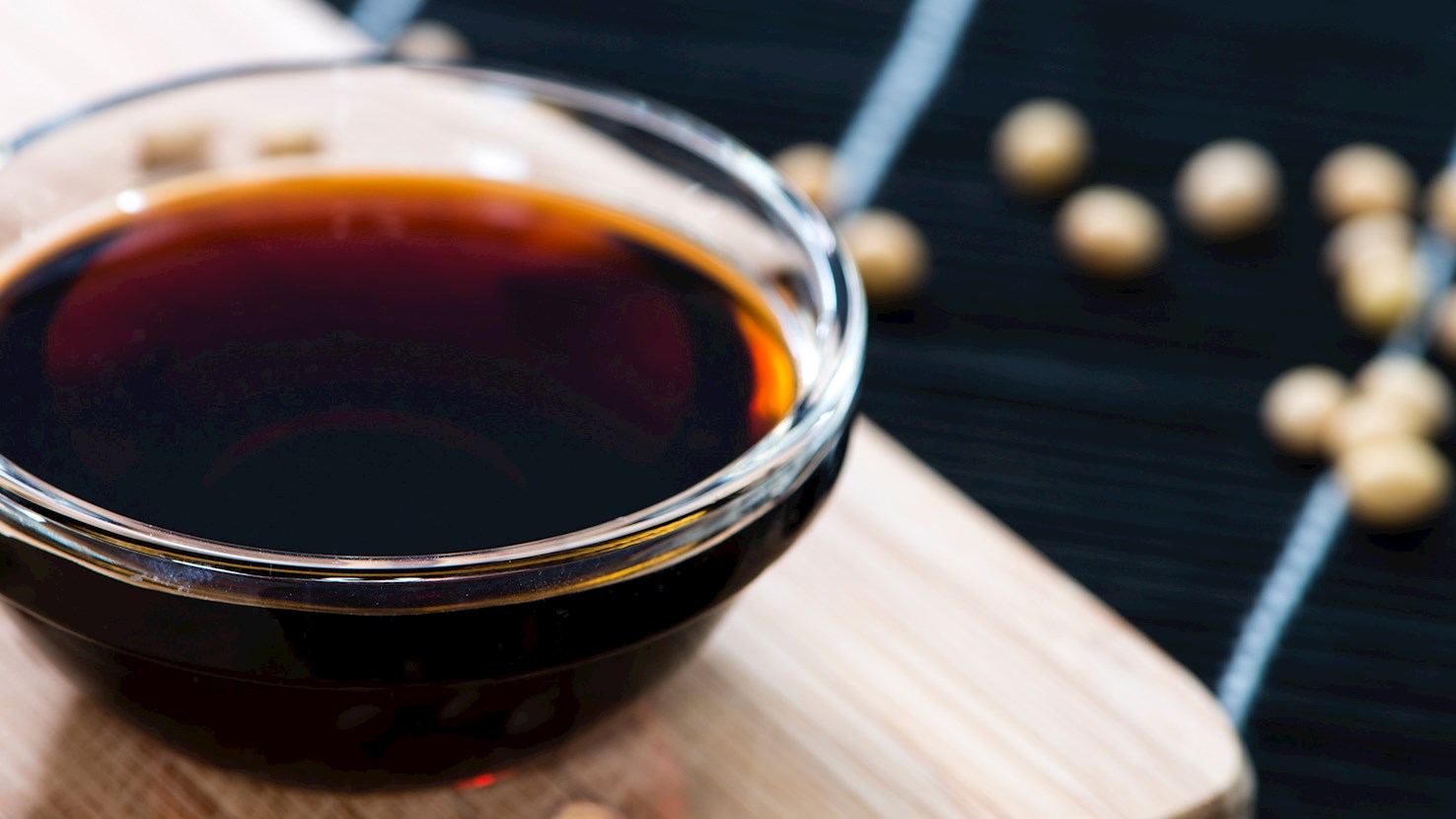
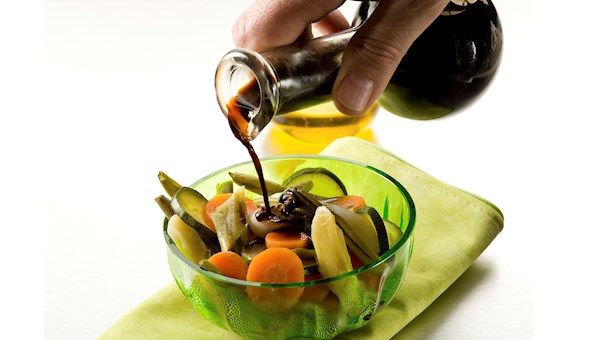
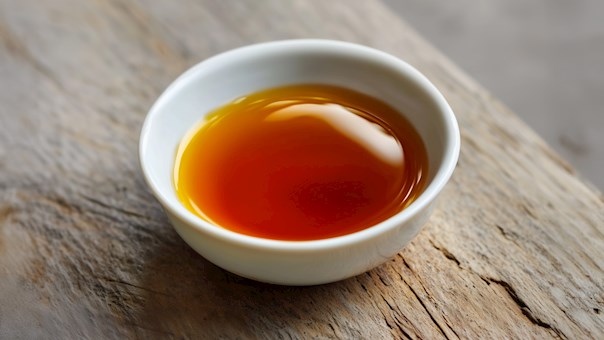
Light soy sauce or shèng chóu is a translucent, thin-bodied fermented liquid condiment made from soybeans, wheat, salt, and water. The emergence of this specific liquid can be traced back to the widespread use of soybean pastes in the Han and Tang dynasties, where the savory liquid byproduct was eventually siphoned off and developed into a standalone seasoning. Unlike meat-based sauces used in earlier eras, this legume-based alternative gained prominence due to its high glutamic acid content and its suitability for diverse dietary requirements across East Asia. Preparation begins with steaming soybeans and mixing them with roasted wheat to serve as a growth medium for Aspergillus oryzae or Aspergillus sojae molds. This mixture, known as qū, is then submerged in a brine solution and kept in large fermentation vats, often exposed to sunlight to facilitate the enzymatic breakdown of proteins into amino acids. The light version is the first extract taken from this process, harvested after several months of aging before any significant thickening or darkening occurs. A specific property of light soy sauce is its high sodium concentration combined with a low viscosity, which allows it to penetrate food surfaces quickly without altering the natural color of the ingredients. It is served both as a fundamental seasoning during the cooking process and as a cold dipping sauce. It is most frequently eaten with steamed seafood, blanched vegetables, and dumplings, where it provides a sharp, salty umami profile. Functional food pairings include white-fleshed fish, which benefit from the sauce's ability to highlight delicate flavors, and lean meats like chicken. Beverage pairings include lightly oxidized oolong teas or pale lagers, which provide a crisp finish that cleanses the palate of the high salt content inherent to the condiment.
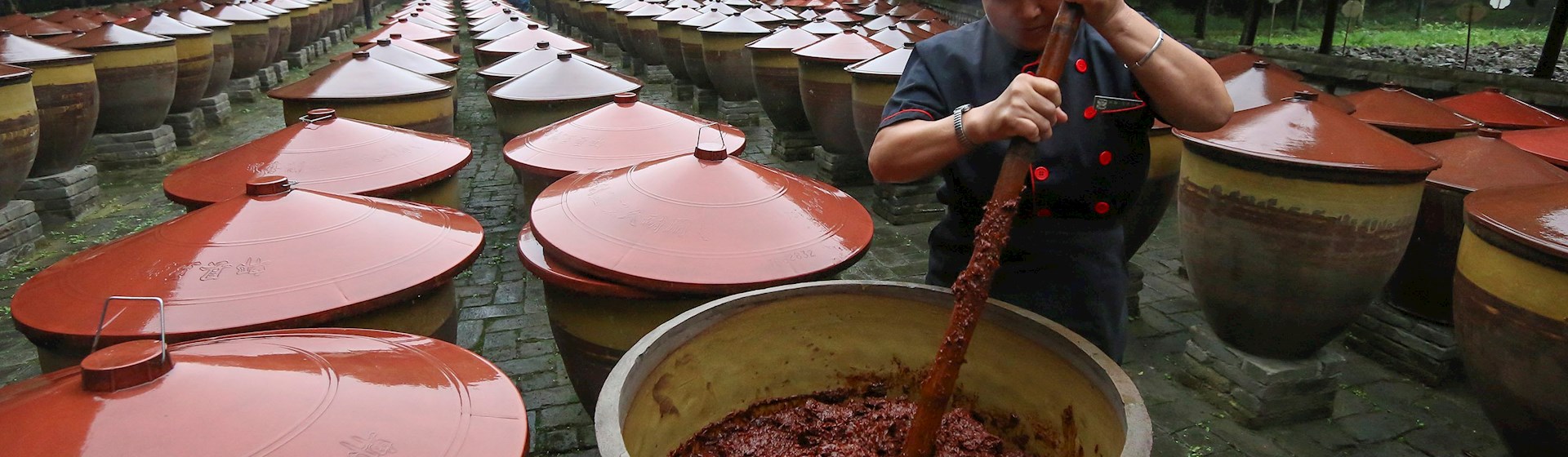
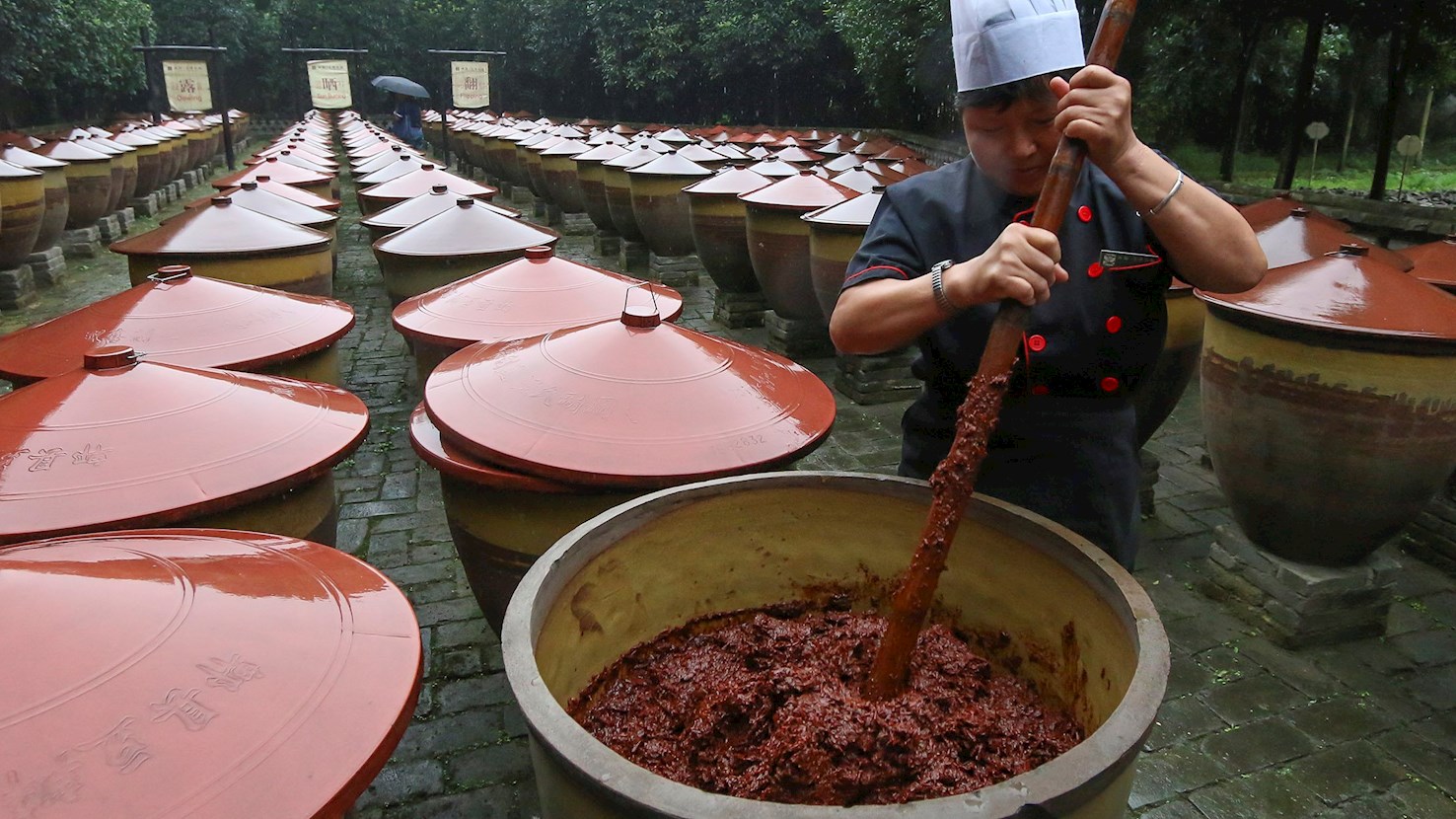
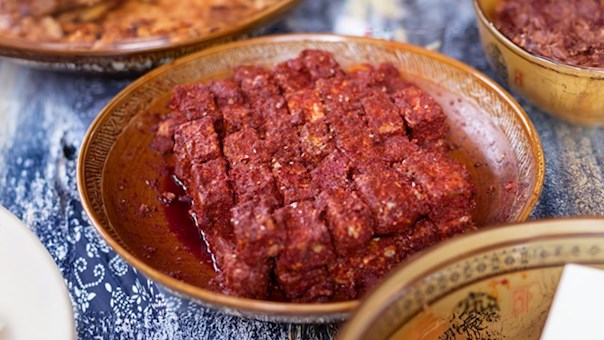
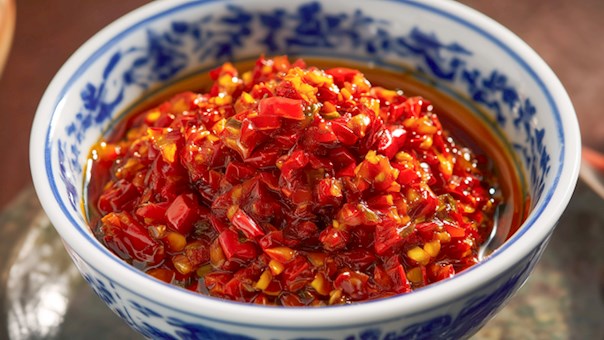
Traditionally, Sichuan's doubanjiang is a paste made from fermented broad beans, salt, chilis, and sometimes wheat flour. The ingredients are mixed and then placed in large clay pots to mature for at least a year while being daily hand-stirred. Depending on the maturation time, spanning from one to eight years, the paste will differ in color, texture, and flavor, ranging from bright red to a dark reddish-brown color. Mature doubanjiang will also have a much spicier and saltier flavor. The sauce which is often dubbed the soul of Sichuan cuisine is an important element in various dishes, most notably mapo doufu and twice-cooked pork. Asian cuisine has various fermented bean pastes made from soy beans, all of which are commonly titled as doubanjiang but only the bean paste prepared in Sichuan province is the authentic version. This bean paste has two subvarieties; one made with red oil, which is brighter and milder, and the other one produced in the town of Pixian, which is darker and with a more pungent taste.
Soy sauce or jiàng yóu is a fermented liquid condiment produced from soybeans, wheat, salt, and water, originating in China during the Han Dynasty. It evolved from ancient meat-based fermented pastes known as jiàng, which transitioned toward a legume-based production model due to the increasing availability of soybeans and the influence of vegetarian Buddhist practices. The development reached a technological plateau during the Song Dynasty, where the liquid byproduct was systematically separated from the solids to create a refined seasoning. Preparation begins with steaming soybeans and roasting wheat, which are then inoculated with a mold culture, typically Aspergillus oryzae or Aspergillus sojae, to create kōji or qū. This mixture is combined with a saltwater brine and transferred to fermentation vats where enzymes break down the proteins into amino acids and the starches into simple sugars over a period of several months to years. The resulting liquid is extracted, pasteurized, and filtered to produce light soy sauce (shèng chóu), or aged further with the addition of molasses to create dark soy sauce (lǎo chóu). A specific chemical property of jiàngyóu is its high concentration of glutamic acid, which triggers the umami taste receptors on the human tongue. Unlike many other fermented condiments, high-quality jiàng yóu relies on the Maillard reaction occurring slowly at ambient temperatures to develop its dark pigmentation and complex aroma compounds. The condiment is used both as a cooking ingredient and a table seasoning across every province of China and throughout the global Chinese diaspora. It is utilized in the "red braising" technique to provide color and savory depth to proteins, and it is frequently served as a dipping sauce for dumplings or cold appetizers. Common food pairings include steamed fish, where the salinity of the sauce enhances the delicate flavors of the seafood, and stir-fried vegetables where the sugars in the sauce undergo caramelization. For beverage pairings, jiàng yóu-heavy dishes are often accompanied by Shàoxīng rice wine, which shares similar fermentation metabolites, or roasted oolong teas that provide a tannic structure to balance the savory intensity of the fermented soy.
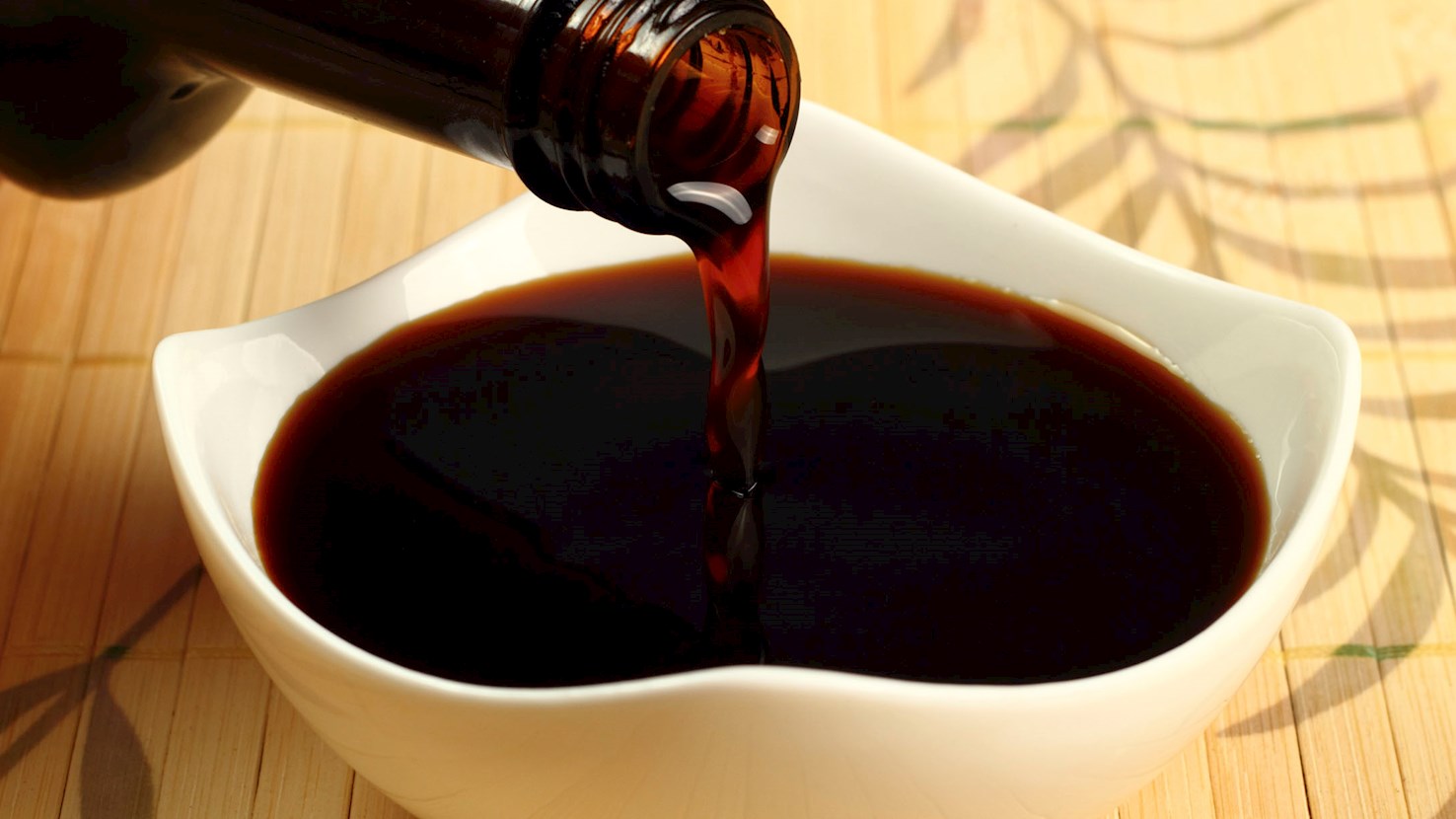
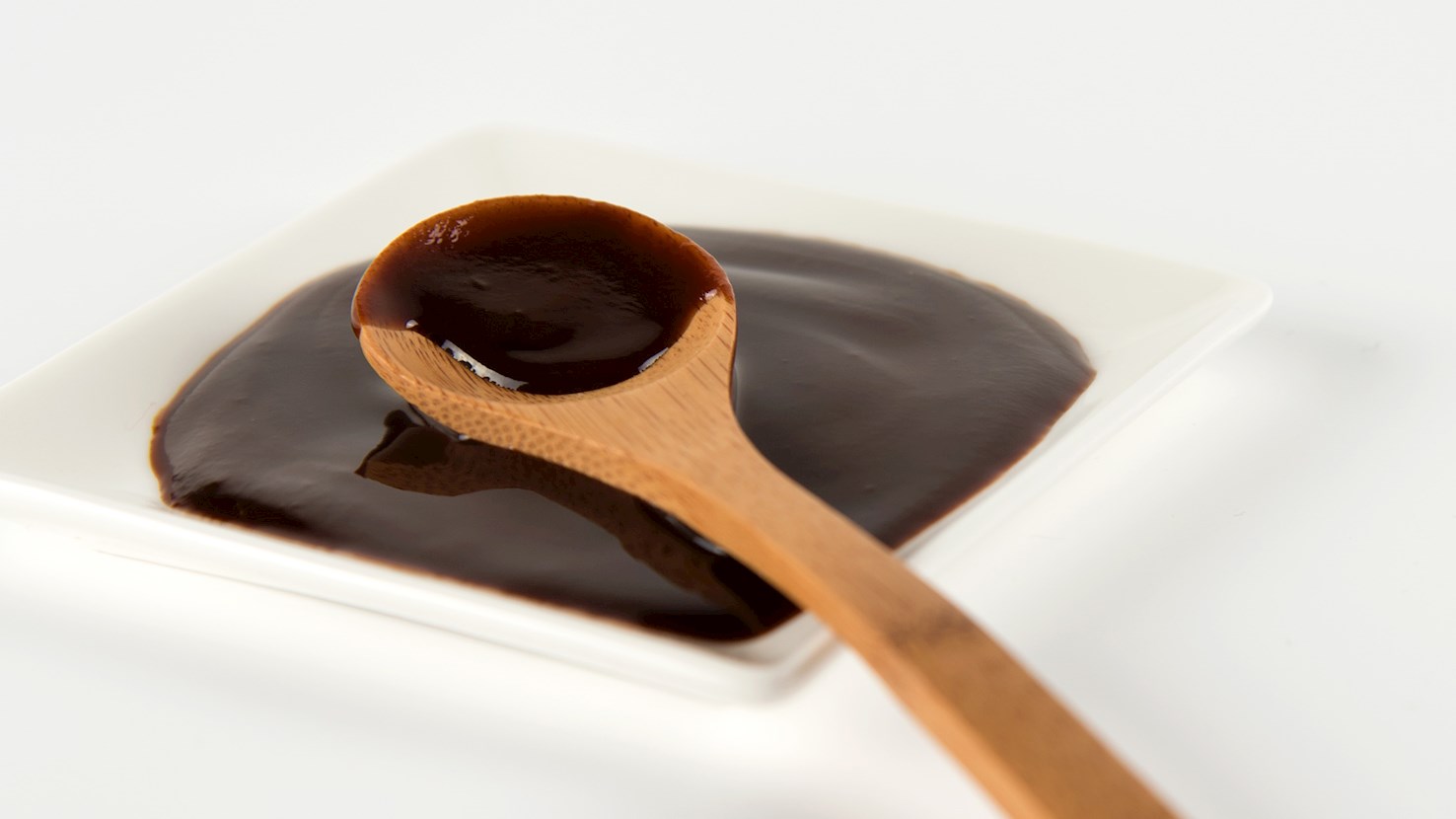
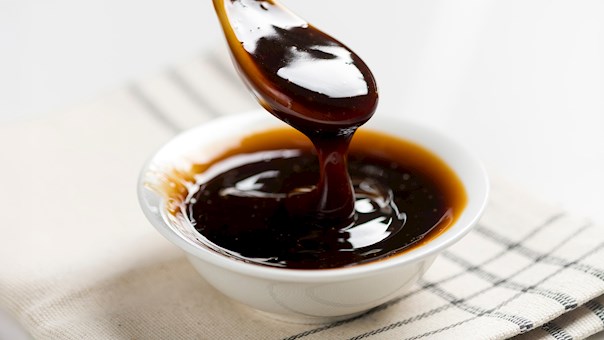
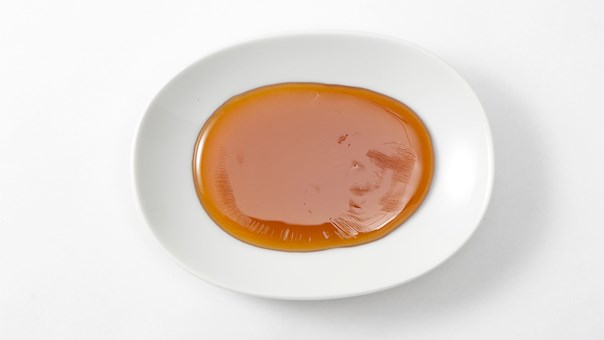
Dark soy sauce, known in Mandarin as lǎo chóu, is a viscous, fermented condiment that is primarily used to impart a deep mahogany color and a savory-sweet depth to cooked dishes. Its development followed the establishment of light soy sauce as a primary seasoning, appearing as a specialized derivative through extended maturation and the addition of specific thickening agents. The manufacturing process begins with a base of fermented soybeans and roasted wheat, which undergoes a significantly longer aging period than standard soy sauce, often ranging from several months to years. During this time, a non-enzymatic browning known as the Maillard reaction occurs between the amino acids and reducing sugars, resulting in the development of complex aromatic compounds and a naturally darker pigment. Most commercial versions are further modified through the inclusion of molasses or caramel color, which increases the total dissolved solids and creates a syrup-like consistency that is capable of adhering to the surfaces of proteins and starches. A specific property of dark soy sauce is its lower salt concentration relative to light soy sauce, despite its more intense visual appearance and pungent aroma. It contains a high concentration of nitrogenous compounds and esters that provide a "sauce-like" and slightly smoky flavor profile when exposed to high heat. The condiment is served almost exclusively as a cooking ingredient rather than a table seasoning, utilized most notably in the "red braising" (hóngshāo) technique to glaze meats. It is also a critical component in stir-fried noodle dishes like beef chow fun, where it provides the characteristic dark color and a subtle caramelized sugar notes. Functional food pairings include fatty meats like pork belly, where the sauce's acidity and savory notes balance the lipid content, and starchy vegetables like potatoes or taro. For beverage pairings, the robust and earthy profile of dark soy sauce is complemented by aged Shàoxīng rice wines or full-bodied black teas, such as Pu-erh, which share similar fermentation-derived metabolites.
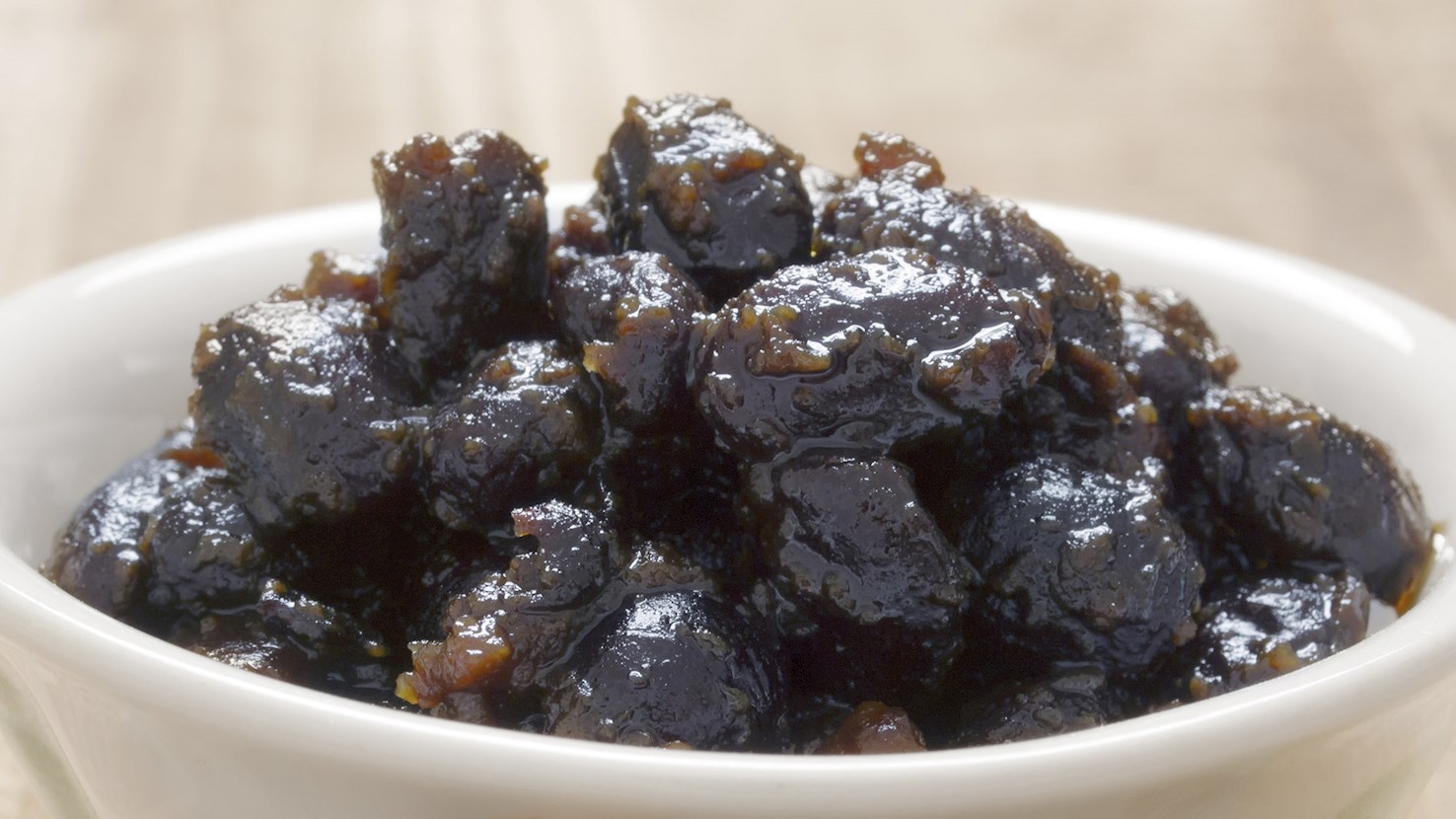
Black bean sauce, also known as douchi sauce, is a popular condiment in Chinese cuisine. It's made with fermented and salted black soybeans, which are used to give the sauce a strong, savory, and slightly bitter flavor. The beans are typically mashed and mixed with other ingredients such as garlic, ginger, sugar, and soy sauce to create a rich, thick sauce. Black bean sauce is often used in stir-fry dishes, marinades, and as a base for other sauces. It's particularly known for its use in dishes such as mapo tofu, black bean chicken, and jjajangmyeon, a Korean-Chinese noodle dish. The unique taste of black bean sauce brings a depth of flavor to dishes that is often described as "umami," a fifth basic taste that is best described as savory.
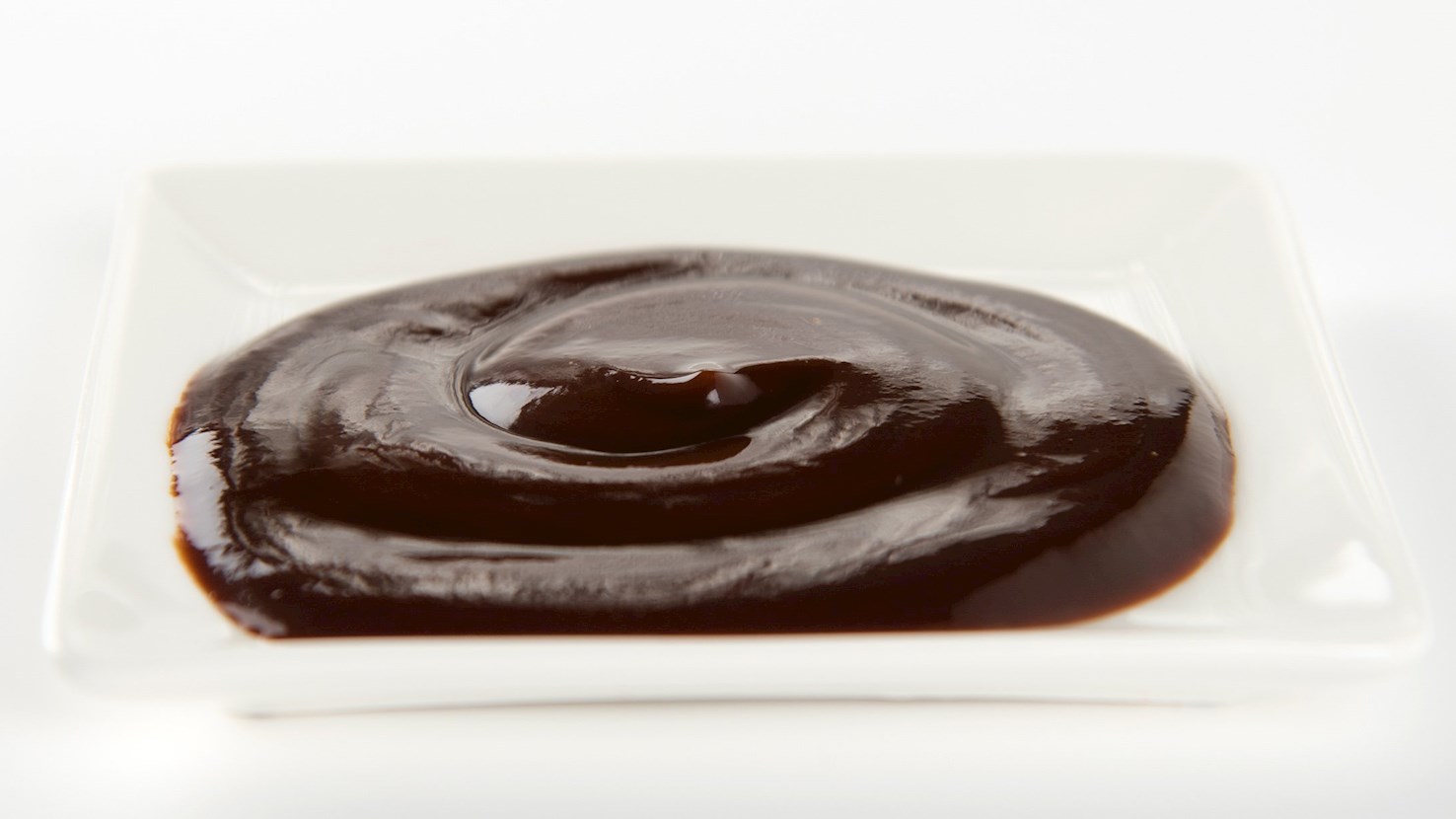
Sweet bean sauce, or tianmianjiang in Chinese, is a popular condiment made with ground yellow bean sauce cooked along with sugar, water, and peanut or corn oil until the sugar melts completely. This sauce is typically reddish-dark brown or black in color and has a thick and smooth texture. It can be used as a base for stir-fries, but it can also be added to various dishes based on noodles, fried rice, tofu, or meat. Available in most Asian supermarkets, this sauce is mandatory for the preparation of the well-known Peking duck.
Shāchá jiàng is a savory Chinese sauce made from ground soybeans, garlic, shallots, dried shrimp, fish, and spices such as chili and white pepper. It originates from the southern coastal provinces of China, particularly Fujian and Guangdong, and is most closely associated with Teochew and Minnan cuisines. The sauce has a thick, grainy texture and a deep brown color, with a complex flavor that combines saltiness, umami, mild heat, and a subtle seafood undertone. Outside of China, it is sometimes called Chinese satay sauce, although it differs from Southeast Asian satay sauces, which are typically peanut-based. Shāchá jiàng serves both as a cooking ingredient and as a dipping sauce, valued for its ability to enrich soups, stir-fries, and hot pots. The development of shāchá jiàng was influenced by trade and cultural exchange along China’s southern coast. Fujian and Guangdong were major maritime centers during the Ming and Qing dynasties, maintaining contact with Southeast Asia, where similar spice blends were already common. Local cooks adapted these influences to available ingredients, using dried seafood and fermented soy to create a sauce suited to Chinese tastes. Over time, the sauce became a regional staple, particularly in the Teochew and Hokkien communities, and spread to Taiwan and Southeast Asian Chinese enclaves. In these regions, it became a defining flavor base for local dishes, particularly hot pot broths, stir-fried meats, and noodle soups. Preparation involves frying minced garlic and shallots in oil until aromatic, then adding ground dried shrimp or fish, fermented soybeans, and spices. The mixture is slowly cooked until it forms a thick paste, which is then cooled and stored. Commercial versions are often made using a base of soybean oil and ground ingredients cooked over low heat for several hours to allow the flavors to combine and deepen. The sauce’s distinctive character comes from the combination of seafood and soy elements, which produce a savory complexity balanced by mild sweetness and chili warmth. Some variations emphasize seafood flavor, while others are more focused on spice or umami. The finished sauce has a rich aroma and a lingering taste that enhances both simple and complex dishes. It is used as a flavoring base in noodle soups, particularly the Fujian-style shāchá noodles, as well as in marinades for beef, pork, and seafood. It is also an essential component in Teochew-style hot pot, where it is mixed with soy sauce, vinegar, or sesame paste to create a personalized dipping sauce. In Taiwan, it serves as a key seasoning for sha-cha beef, a stir-fried dish combining thinly sliced meat with leeks and cabbage. The sauce is typically added toward the end of cooking to preserve its aroma and prevent burning, as its oil content makes it sensitive to high heat. Shāchá jiàng is eaten across southern China, Taiwan, and Southeast Asia, both in home kitchens and in restaurant cooking. It is served with grilled or steamed seafood, meats, noodles, and hot pot ingredients. The sauce pairs well with plain rice or congee, where its umami and spice provide balance. Its bold yet smooth flavor complements beers, light lagers, or mild rice wines, which help cleanse the palate between bites. When used in cooking, it harmonizes with garlic, soy sauce, and chili, forming the base of many southern Chinese stir-fry and soup recipes.
Also known as Chinese fermented black beans, douchi is an indispensable part of Chinese cuisine. The black soybeans are heavily salted and fermented, resulting in an extremely salty ingredient with a robust and pungent flavor. They are rarely eaten plain and are usually used in classic Chinese dishes as a condiment or a seasoning. Since their taste resembles a mix of soy and fish sauce, they are often added to provide a unique flavor to Chinese culinary classics. In the cooking process, they develop a slightly sweet taste, which is a perfect match for stir-fry dishes, rice, and various Chinese sauces. They are also common in meat dishes and classic Chinese soups, in which they enhance the freshness of other ingredients and provide a sharp background flavor. It is believed that douchi has been used in Chinese cuisine for centuries, with the earliest written mention dating back to 173 BC. There are also numerous products created with this unusual ingredient, the most famous of them being black bean sauce, which is also one of the key ingredients in classic Chinese cuisine. Nowadays, packed douchi can be found in stores and supermarkets across China and in many international supermarkets around the world.
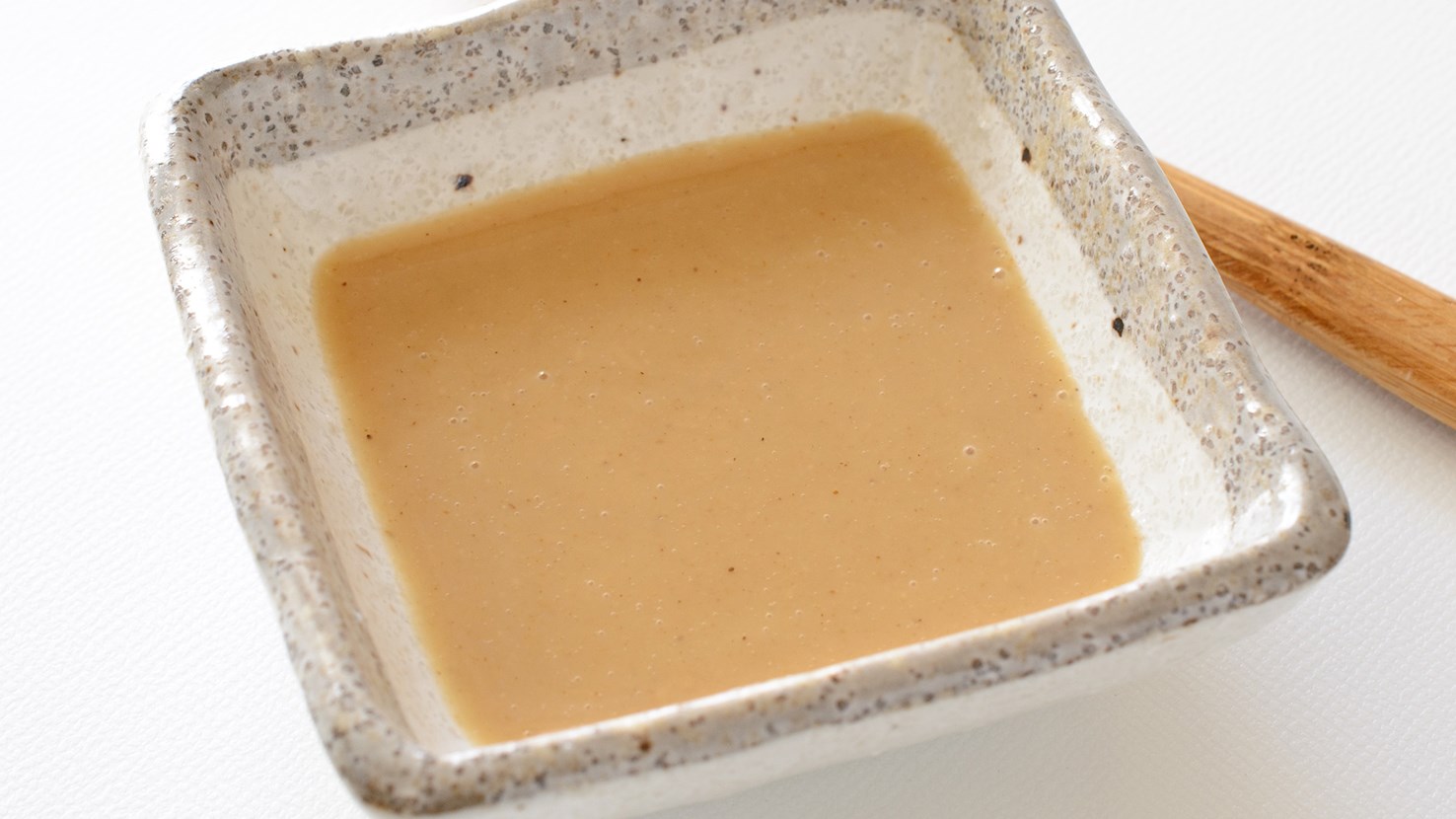
Zhī ma jiàng is the Chinese term for sesame paste, which is an ingredient that plays a central role in many Chinese dishes. This sesame paste is particularly popular in both Northern and Sichuan cuisines. It is typically made from toasted, unhulled sesame seeds, giving it a darker color and a more robust, nuttier flavor compared to tahini (a Middle Eastern sesame paste made from hulled sesame seeds). In Chinese cuisine, zhī ma jiàng is used in various dishes. It is mixed with noodles, used as a dip for hot pot dishes, or incorporated into sauces and dressings to add richness and depth.
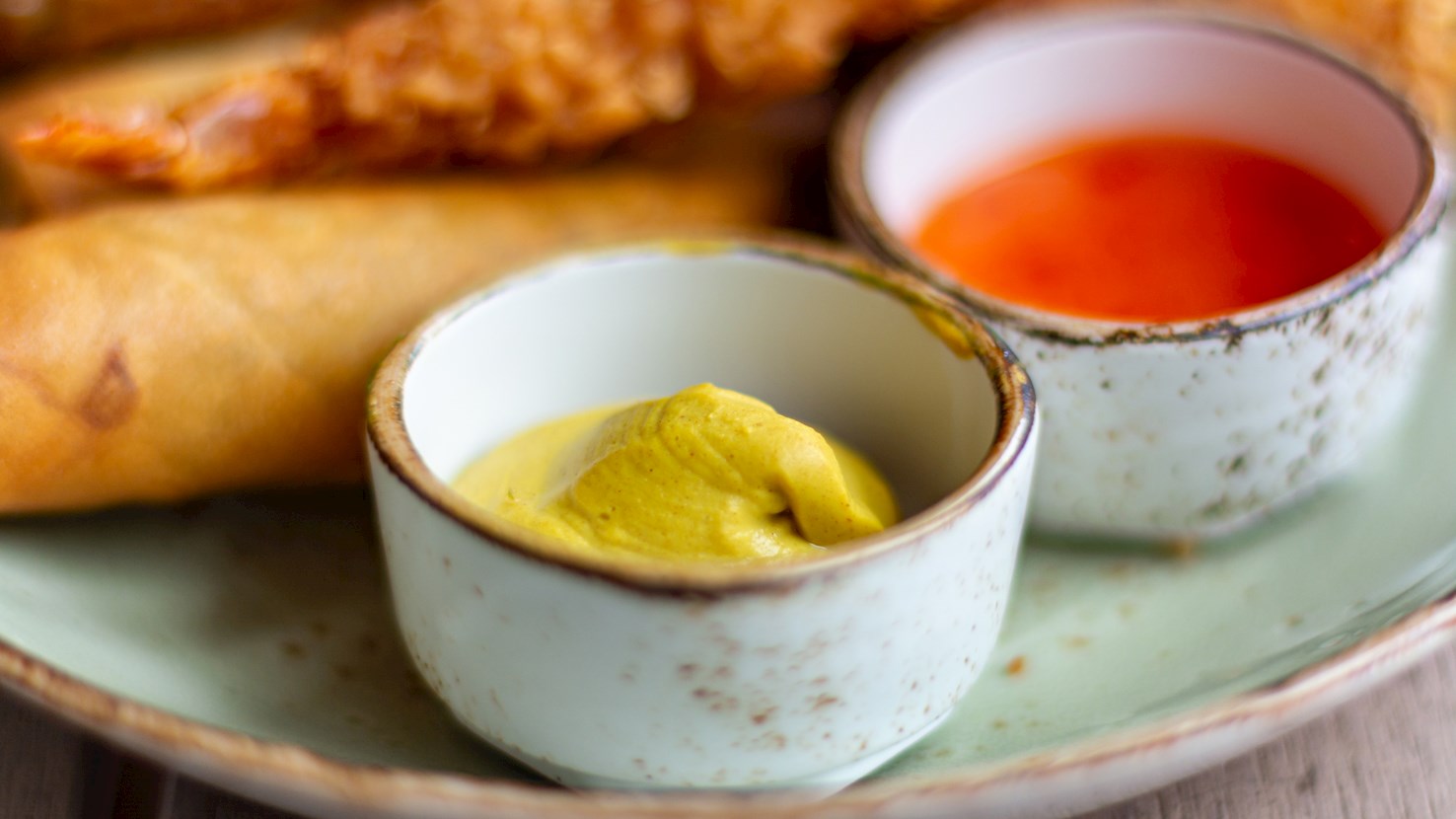
Chinese hot mustard is a traditional type of mustard originating from China. This mustard is typically made with a combination of powdered brown mustard seeds and water or vinegar. The addition of water makes the mustard hotter, while the addition of vinegar results in somewhat milder mustard. Chinese hot mustard is characterized by its sharp, pungent, and spicy flavors. It’s often used in Chinese and Chinese-American dishes such as spring rolls, wontons, or egg rolls. Its spicy kick and heat pair well with fried dishes. This mustard is typically served in Chinese restaurants in China, Taiwan, and the United States.
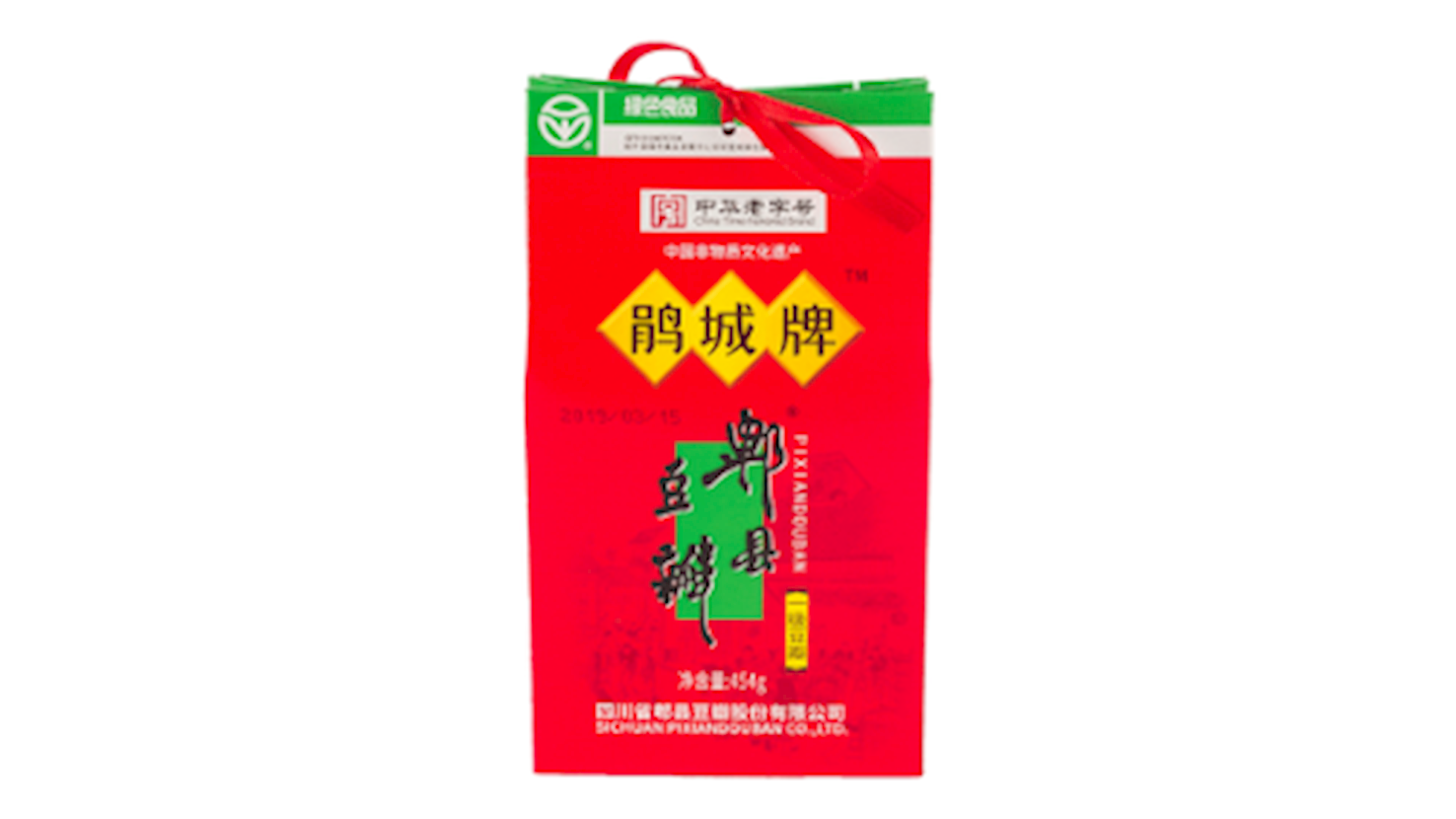
Sichuan Pixian Douban is a historic brand from Pidu District (formerly Pixian) in Sichuan Province, known for producing traditional doubanjiang made from fermented fava beans and chili peppers. Its production dates back to the 17th century, giving the brand an exceptional heritage and a strong connection to the local climate and microbial environment that shape the fermentation process.
The core of their method involves long, natural sun-fermentation, the use of the local Erjingtiao chili variety, and aging in clay vessels, resulting in a deeply layered, umami-rich flavor profile. The brand holds a protected geographical indication, ensuring that the paste originates directly from Pixian and follows traditional, region-specific techniques.
It is recognized for its thick texture, visible bean-and-chili structure, and a distinctive aroma that cannot be reproduced through industrial shortcuts. Because of its authenticity, Pixian douban is considered the benchmark for Sichuan cuisine and the foundation of classics such as Mapo tofu and twice-cooked pork.
Despite partial modernization of the industry, the brand continues to uphold original methods that preserve the unique character of natural fermentation. This combination of tradition, terroir, and craftsmanship makes Sichuan Pixian Douban one of China’s most respected and influential producers of doubanjiang.
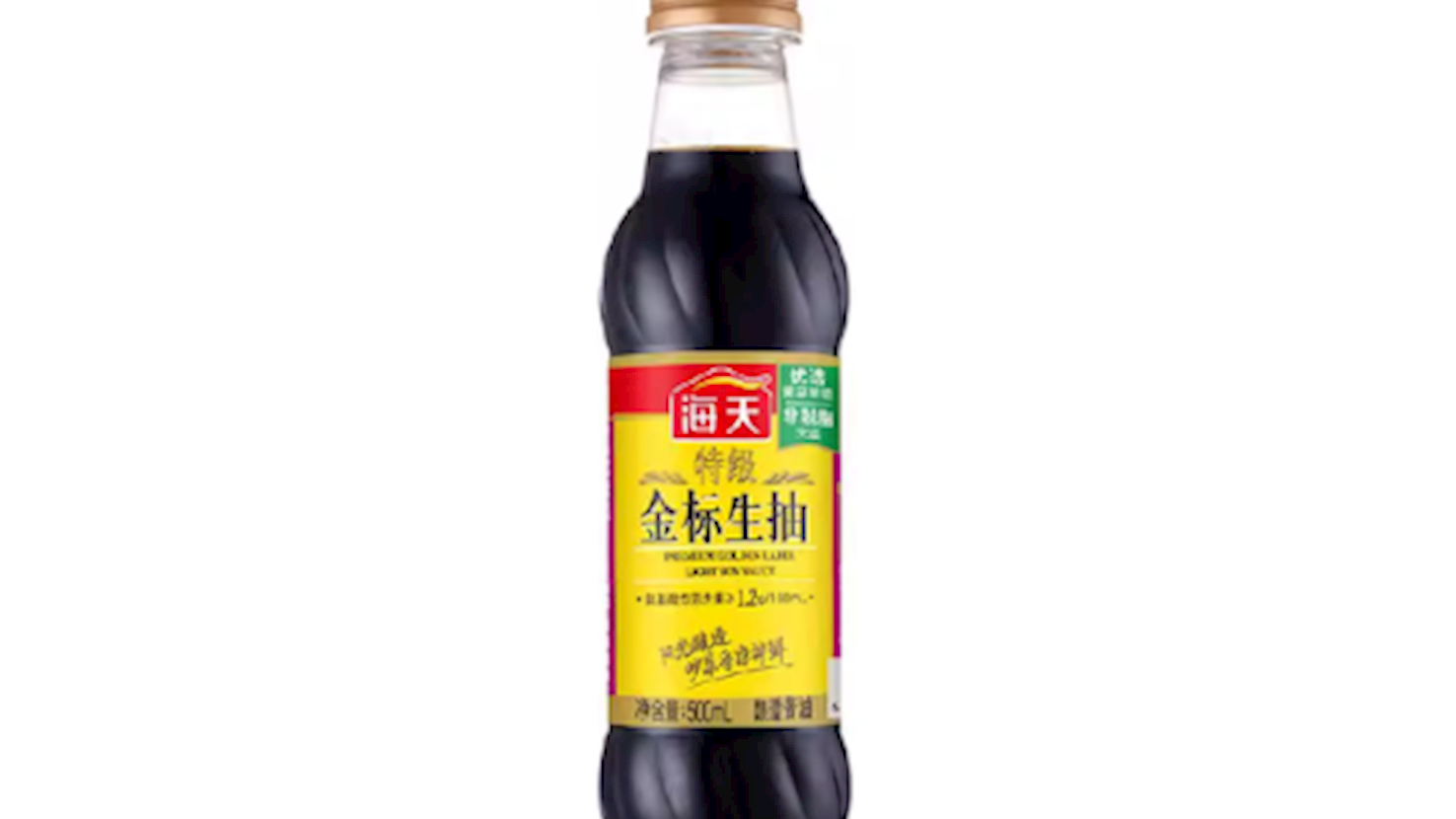
Haitian is China’s largest producer of soy sauce, oyster sauce, and other fermented seasonings, with roots that trace back to traditional workshops of the 16th century in Foshan, Guangdong Province. Its product range covers a broad selection of seasonings - from various types of light and dark soy sauce to oyster sauce, marinades, and modern ready-to-cook sauces designed for global markets.
Haitian is regarded as a benchmark brand in its category due to its consistent quality, adaptability to both domestic and international consumers, and continuous technological innovation in production. The brand has a strong export presence and serves as one of the key gateways for introducing authentic Chinese flavors to international gastronomy.
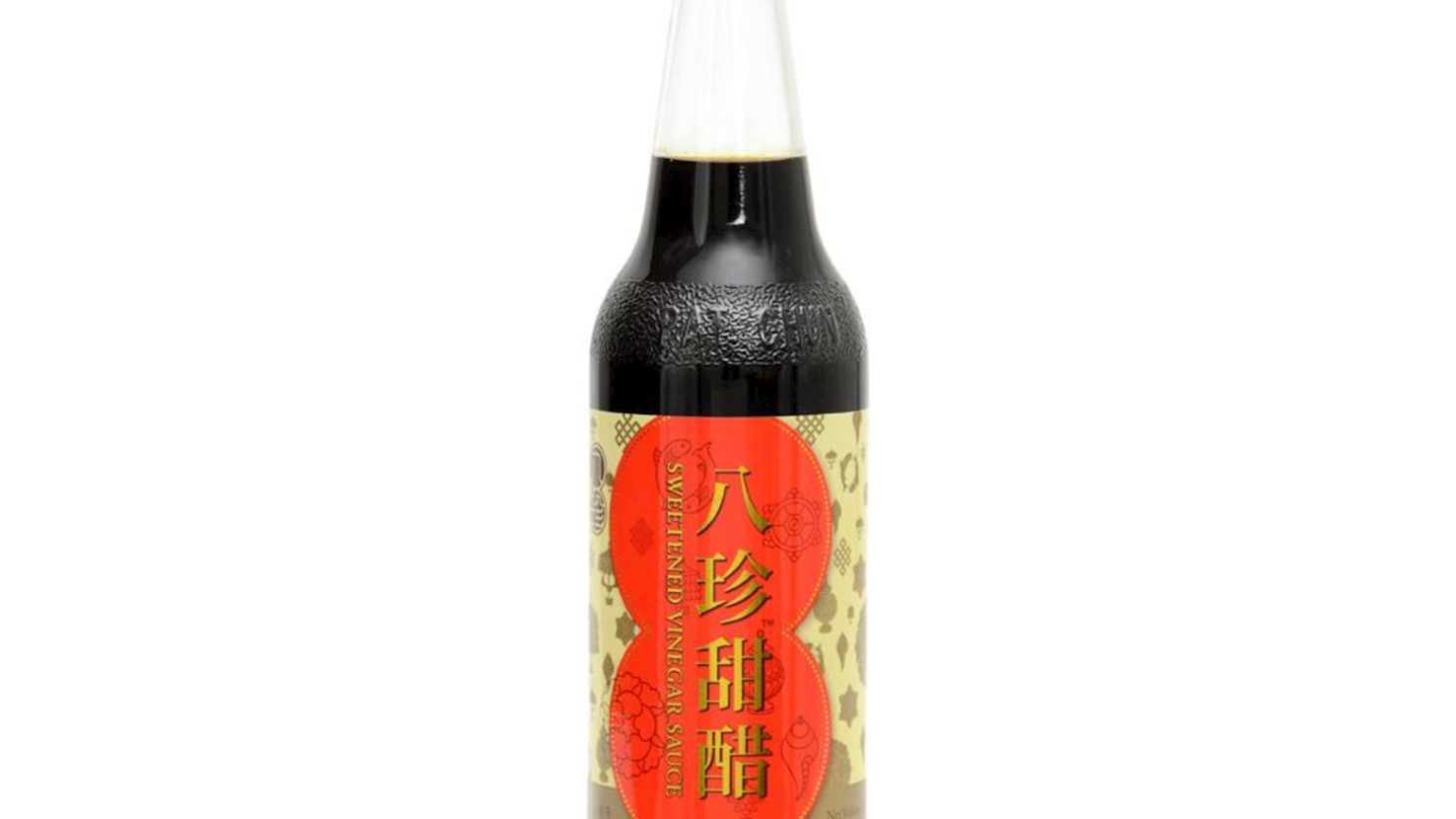
Pat Chun is a Hong Kong family-owned producer of fermented sauces, vinegars, and traditional food products, founded in 1932. The brand was established by Ng Wai Sum, who continued the culinary tradition inherited from his father, a renowned Cantonese chef. Since its founding, the company has specialized in producing vinegars and sauces using traditional natural fermentation methods, with many of its products still made through extended aging without the use of preservatives or artificial flavor enhancers. Over more than nine decades, Pat Chun has become one of Hong Kong's best-known food brands, particularly recognized for its sweet vinegar, premium soy sauce, and other fermented condiments. Today, its portfolio includes more than one hundred products, ranging from various types of vinegar and soy sauces to cooking sauces, pickled vegetables, seasonings, traditional festive specialties, and mooncakes. Production remains based in Hong Kong, where the company continues to apply natural aging techniques that are deeply rooted in Chinese culinary tradition.
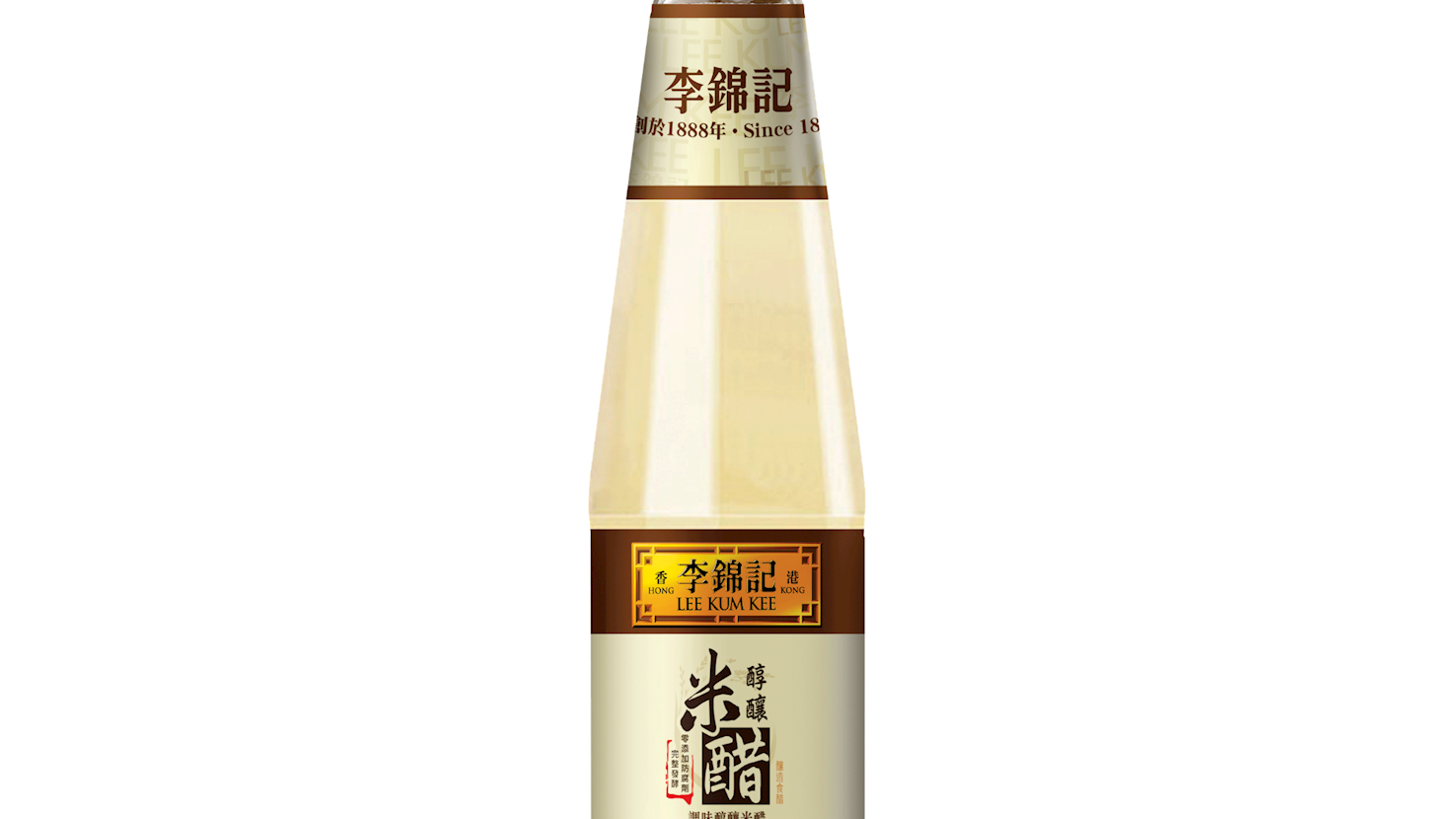
Lee Kum Kee is a Hong Kong-based manufacturer of sauces and condiments and one of the world's oldest and most recognized Asian food brands. Founded in 1888 by Lee Kum Sheung, the company originated after he accidentally invented oyster sauce, which remains its flagship product and one of the most influential ingredients in Chinese cuisine. Over more than 130 years, Lee Kum Kee has grown into a global company offering more than 300 sauces and seasonings, including soy sauces, hoisin sauce, XO sauce, chili sauces, marinades, cooking oils and ready-to-use recipe sauces. The company operates production facilities in China, Hong Kong, Malaysia and the United States, while distributing its products to more than 100 countries and regions worldwide. Lee Kum Kee places a strong emphasis on food safety, quality control and sustainable manufacturing practices, combining traditional recipes with modern production technology. Its products are widely used by both home cooks and professional chefs and have become staples in Asian restaurants around the world. With a heritage spanning more than a century, Lee Kum Kee is widely regarded as one of the leading global ambassadors of authentic Chinese cuisine and a symbol of quality and culinary tradition.
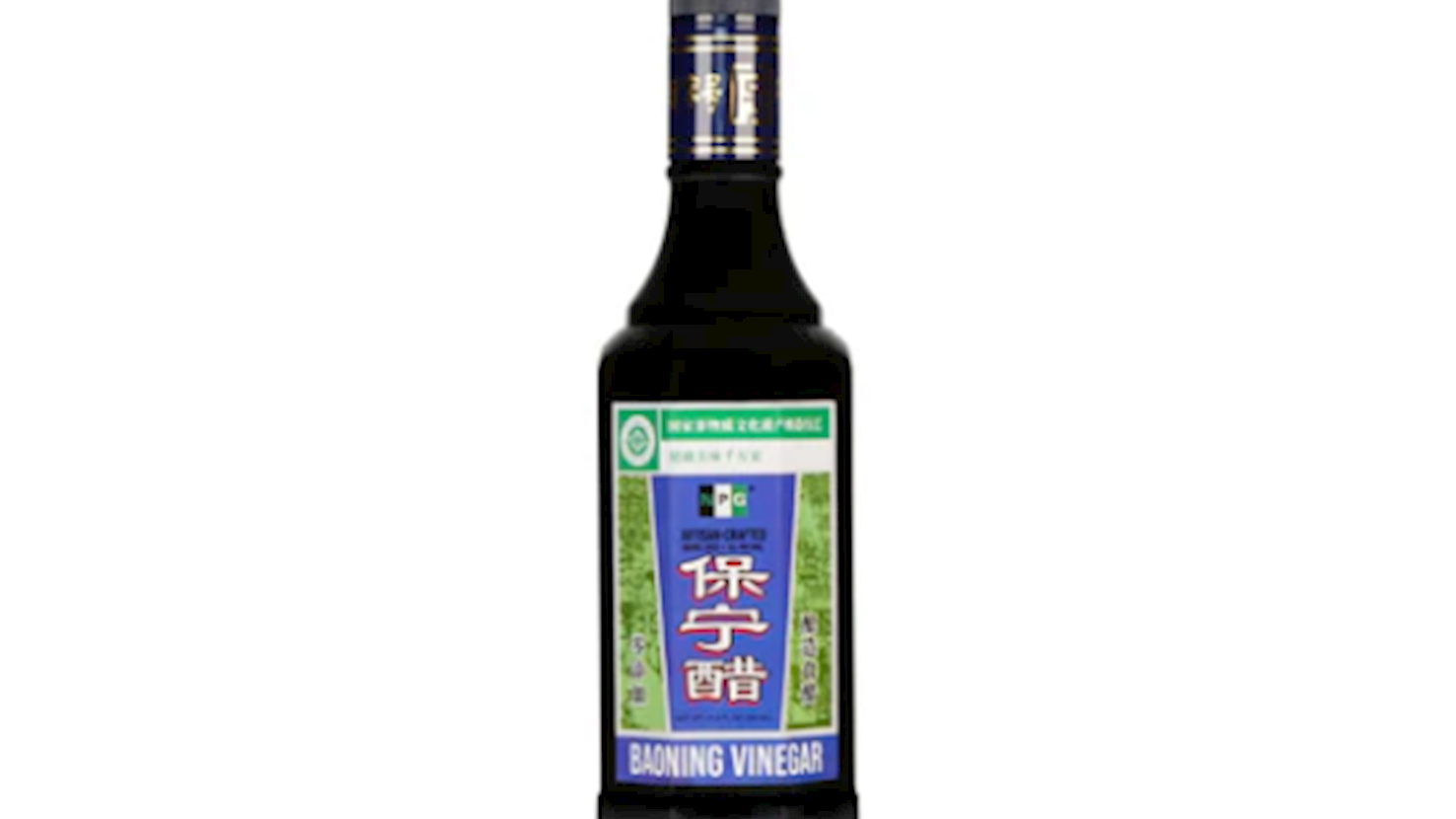
Sichuan Baoningcu is a traditional vinegar producer from Sichuan Province, known for its long history and preserved fermentation methods rooted in local artisanal practices. Production relies on slow, natural fermentation in clay vessels, using high-quality grains and region-specific water, which give the vinegar its characteristic aroma, gentle acidity, and layered flavor.
Their range includes classic and long-aged vinegars, organic varieties, and specialty lines designed for both professional kitchens and everyday home cooking. Today, Baoningcu is regarded as one of the key representatives of authentic Sichuan vinegar craftsmanship, with products widely used in traditional Chinese cuisine as well as in international gastronomy that values pronounced, naturally fermented character.
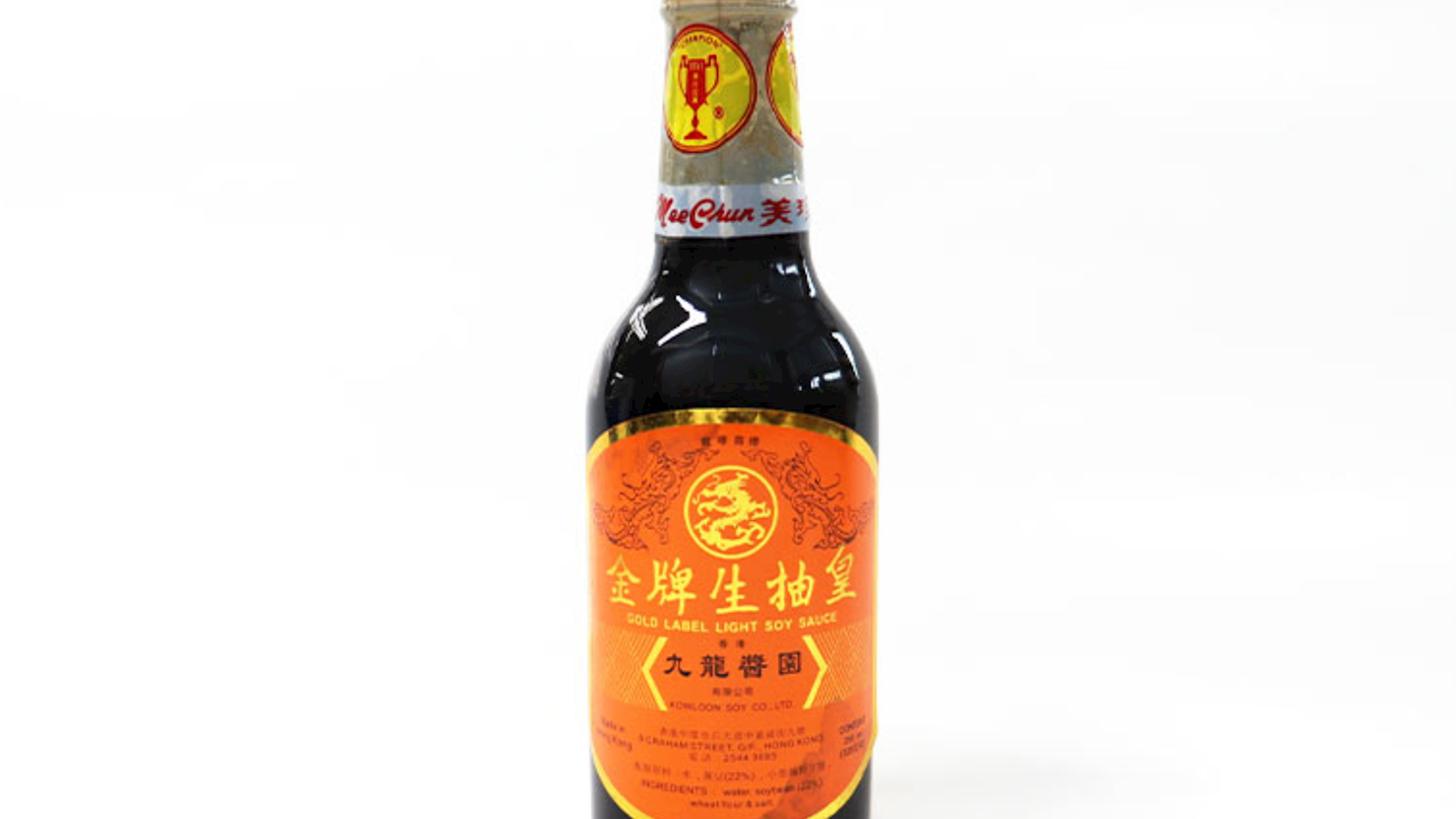
Kowloon Soy Company is one of Hong Kong's oldest soy sauce manufacturers and the city's last remaining producer to continue making premium soy sauce using traditional sun fermentation in large ceramic jars. Founded in 1917 under the name Mee Chun, the company adopted the name Kowloon Soy Company during the Japanese occupation of Hong Kong and has retained it ever since. Its production is based on naturally fermenting non-GM soybeans in salt brine for several months, allowing the sauce to develop a deep, complex umami flavor without the use of rapid industrial processing methods. In addition to light and dark soy sauces, the company produces oyster sauce, hoisin sauce, fermented soybean products, vinegar and traditional Chinese condiments. Remaining committed to small-batch craftsmanship despite competition from large industrial brands, Kowloon Soy Company is widely regarded as a guardian of Hong Kong's culinary heritage. Its products are valued by both professional chefs and home cooks for their authentic flavor, traditional production methods and consistently high quality, making the company an enduring symbol of artisanal soy sauce production in Hong Kong.
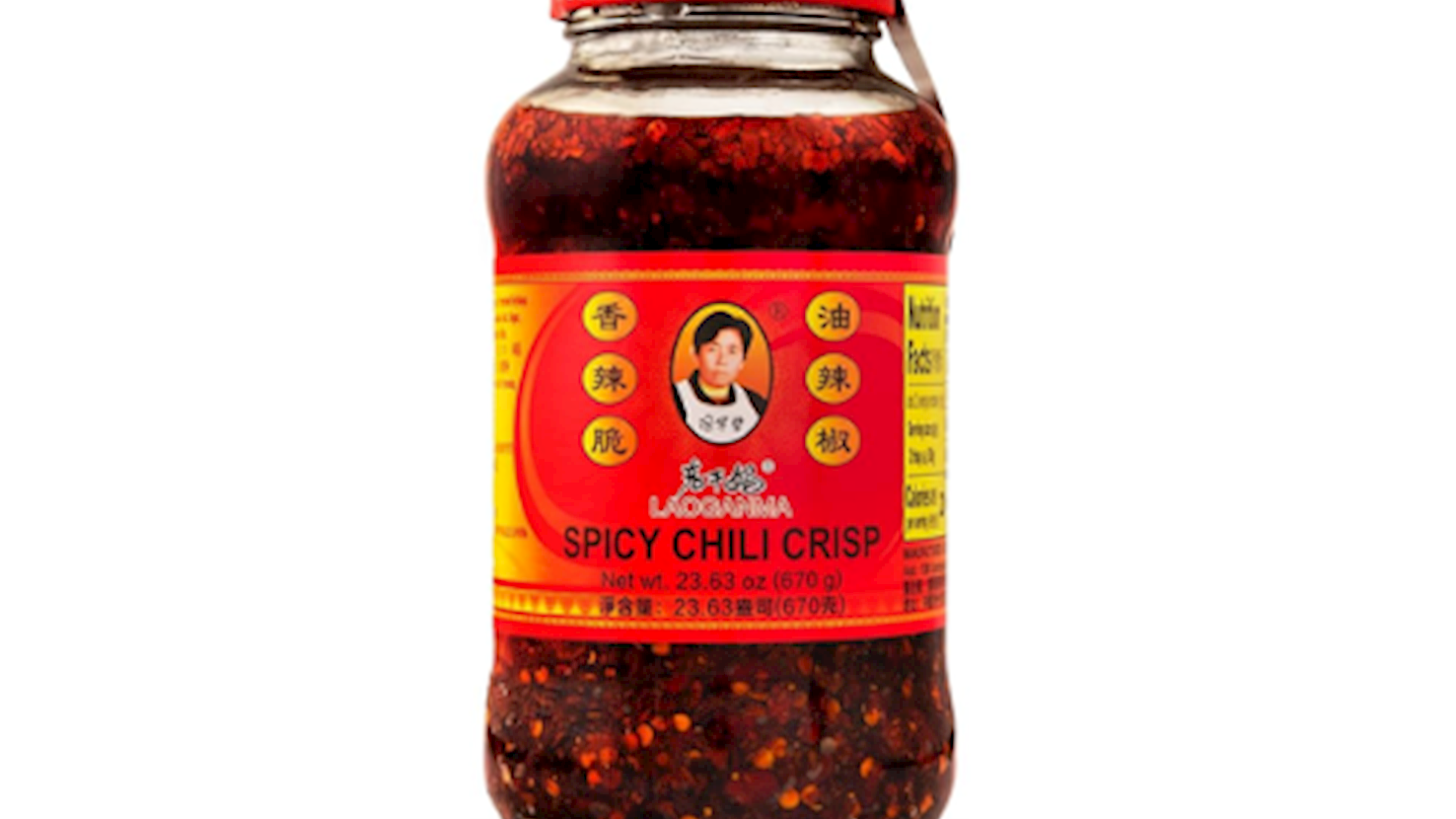
Lao Gan Ma is a Chinese brand renowned worldwide for its authentic chili sauces originating from Guizhou Province. The company was founded in 1997 by Tao Huabi, a woman of remarkable entrepreneurial determination who began her journey modestly, running a small noodle restaurant.
The sauce she created - made from chili peppers, fermented soybeans, and oil-quickly became recognized for its aromatic depth and layered flavor. The brand has grown into a cultural icon of Chinese cuisine, known for its label featuring the portrait of its founder - a simple yet striking image that has become synonymous with homemade taste.
Its product range includes various chili sauces used in households and restaurants across the globe. The uniqueness of Lao Gan Ma lies in the perfect balance between spiciness, saltiness, and umami, making it suitable for almost any dish - from noodles and rice to meat and vegetables.
Today, the company exports to over 30 countries and produces millions of jars annually while maintaining its traditional production methods. Its philosophy reflects a blend of tradition and ingenuity-proof that a local product, built on simple ingredients and genuine flavor, can become a global phenomenon.
Lao Gan Ma has become not only an essential part of countless kitchens but also a story of perseverance and quality that transcends the boundaries of gastronomy.
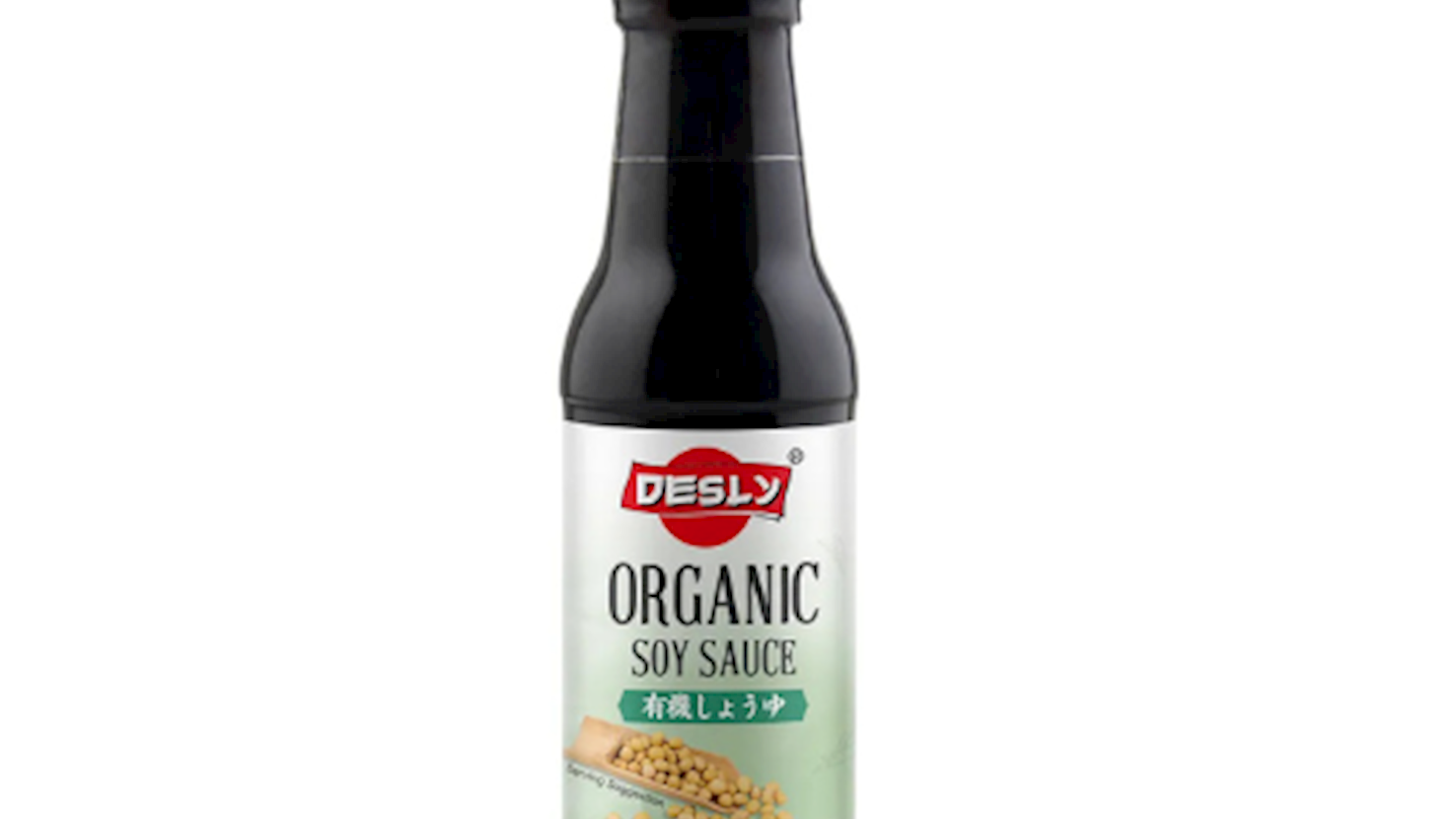
Desly Foods is a well-established manufacturer specializing in the production of high-quality canned food products. Founded in 1996, the company has grown into one of China's leading producers, exporting to international markets.
Desly offers a wide range of products, including canned vegetables, fruits, and ready-to-eat meals. With a focus on food safety and quality, they adhere to rigorous standards, ensuring their products meet both local and global requirements.
The company operates advanced processing facilities, utilizing state-of-the-art technology to maintain consistency and efficiency. Desly is committed to sustainable practices, including using eco-friendly packaging and reducing environmental impact.
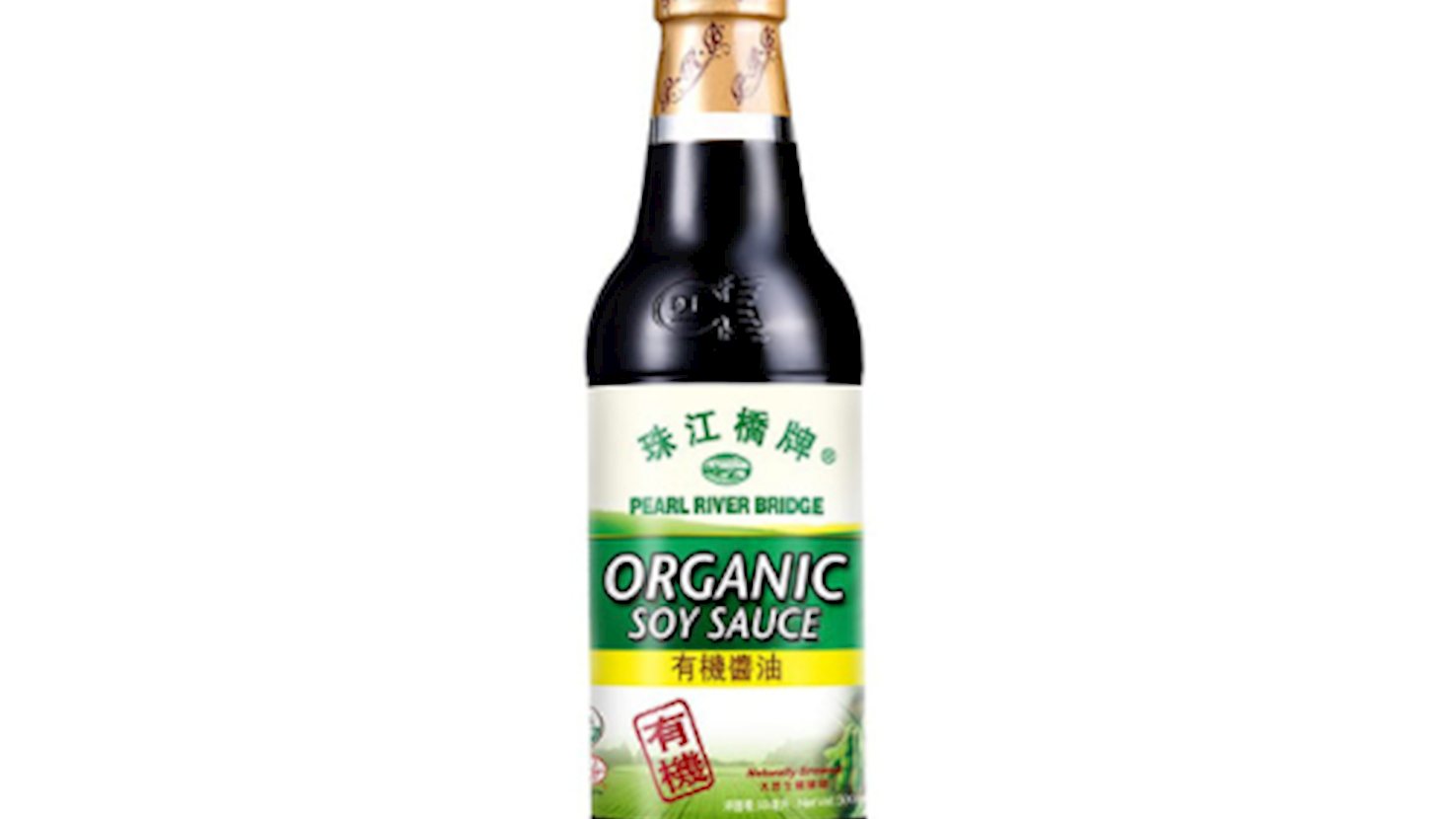
Pearl River Bridge is a renowned Chinese food manufacturer, best known for producing high-quality soy sauces, vinegars, and other condiments. Established in 1958, the company has become a leading brand in both domestic and international markets.
With a commitment to using traditional brewing techniques and premium ingredients, Pearl River Bridge is recognized for its rich, authentic flavors that enhance the taste of a wide variety of dishes. The company’s product range includes soy sauces, oyster sauces, vinegars, and other seasonings that cater to both professional chefs and home cooks alike.
Pearl River Bridge has gained a reputation for consistency, quality, and innovation in the culinary industry.
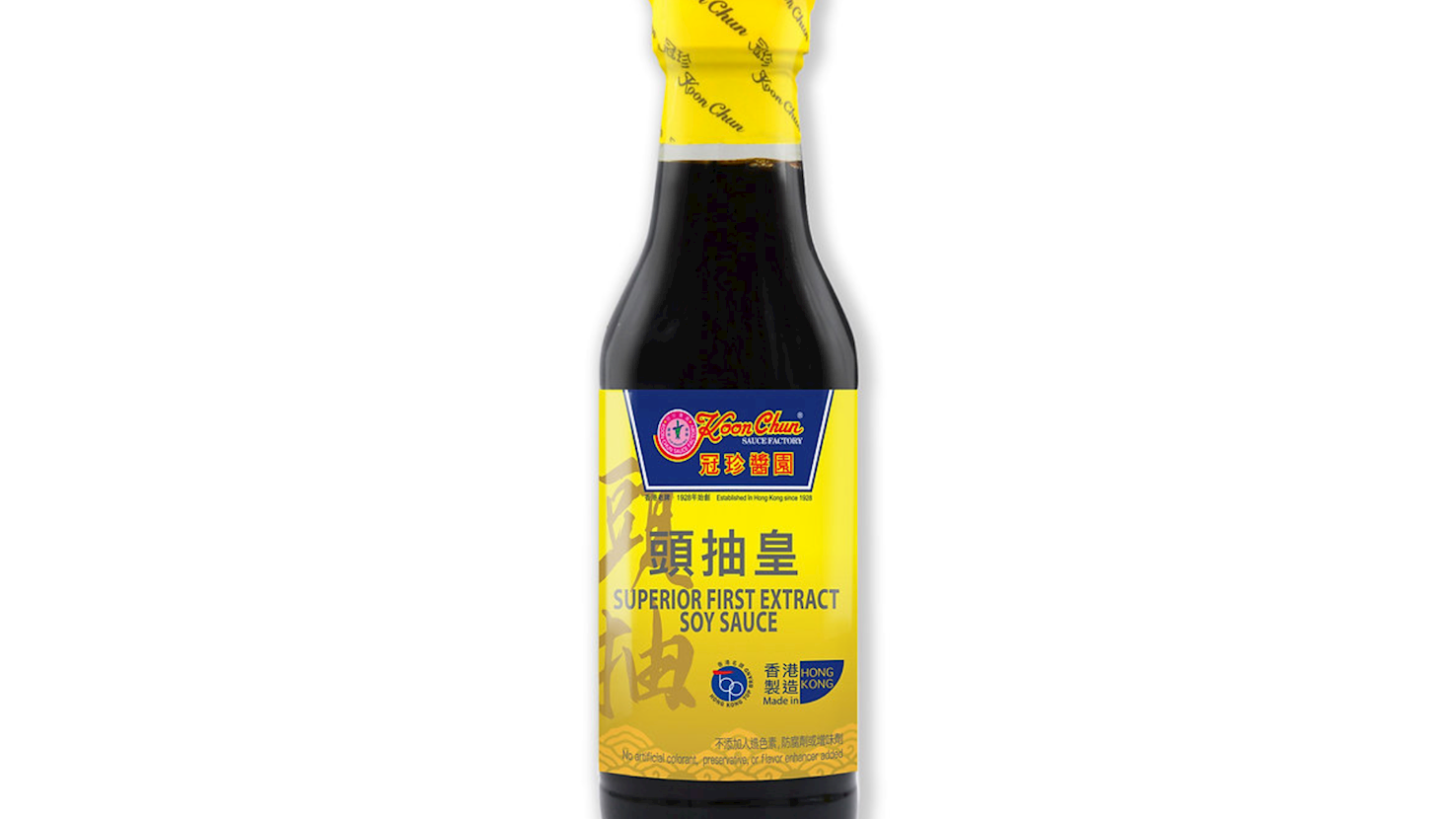
Koon Chun Sauce Factory is a producer of traditional Chinese sauces and condiments whose history dates back to 1928. The company was founded in Kowloon City, and since 1968 its production has been based in Yuen Long, where its factory remains today. For nearly a century, it has specialized in the production of naturally fermented soy sauces and other traditional Cantonese condiments. The company uses non-genetically modified Canadian soybeans and follows a traditional sun-fermentation process that lasts at least six months, without the use of chemical fermentation accelerators, preservatives, or added monosodium glutamate. Its product range includes various types of soy sauce, hoisin sauce, oyster sauce, Chee Hou sauce, black bean sauce, chili sauce, black rice vinegar, and other products commonly used in Chinese cuisine. Koon Chun is known for producing only first-extract soy sauce rather than second or third extracts, resulting in a richer flavor and a higher concentration of natural aromas. Throughout much of its history, the company focused on export markets, and its products became well recognized among Chinese communities and professional chefs around the world.
TasteAtlas food rankings are based on the ratings of the TasteAtlas audience, with a series of mechanisms that recognize real users and that ignore bot,
nationalist or local patriotic ratings, and give additional value to the ratings of users that the system recognizes as knowledgeable.
For the “Top 32 Chinese Condiments” list until October 21, 2026, 870 ratings were recorded, of which 796 were recognized by the system as legitimate.
TasteAtlas Rankings should not be seen as the final global conclusion about food. Their purpose is to promote excellent local foods,
instill pride in traditional dishes, and arouse curiosity about dishes you haven’t tried.
The initial list of top producers was compiled based on available reviews, awards, local recommendations, media and blog coverage, and consumer reviews.
The list will be updated with ratings from TasteAtlas local ambassadors and TasteAtlas users.








What People Say