


shutterstock

Top 19 Dutch Cookies

Last updated on May 15, 2026

Best Dutch Cookies

01

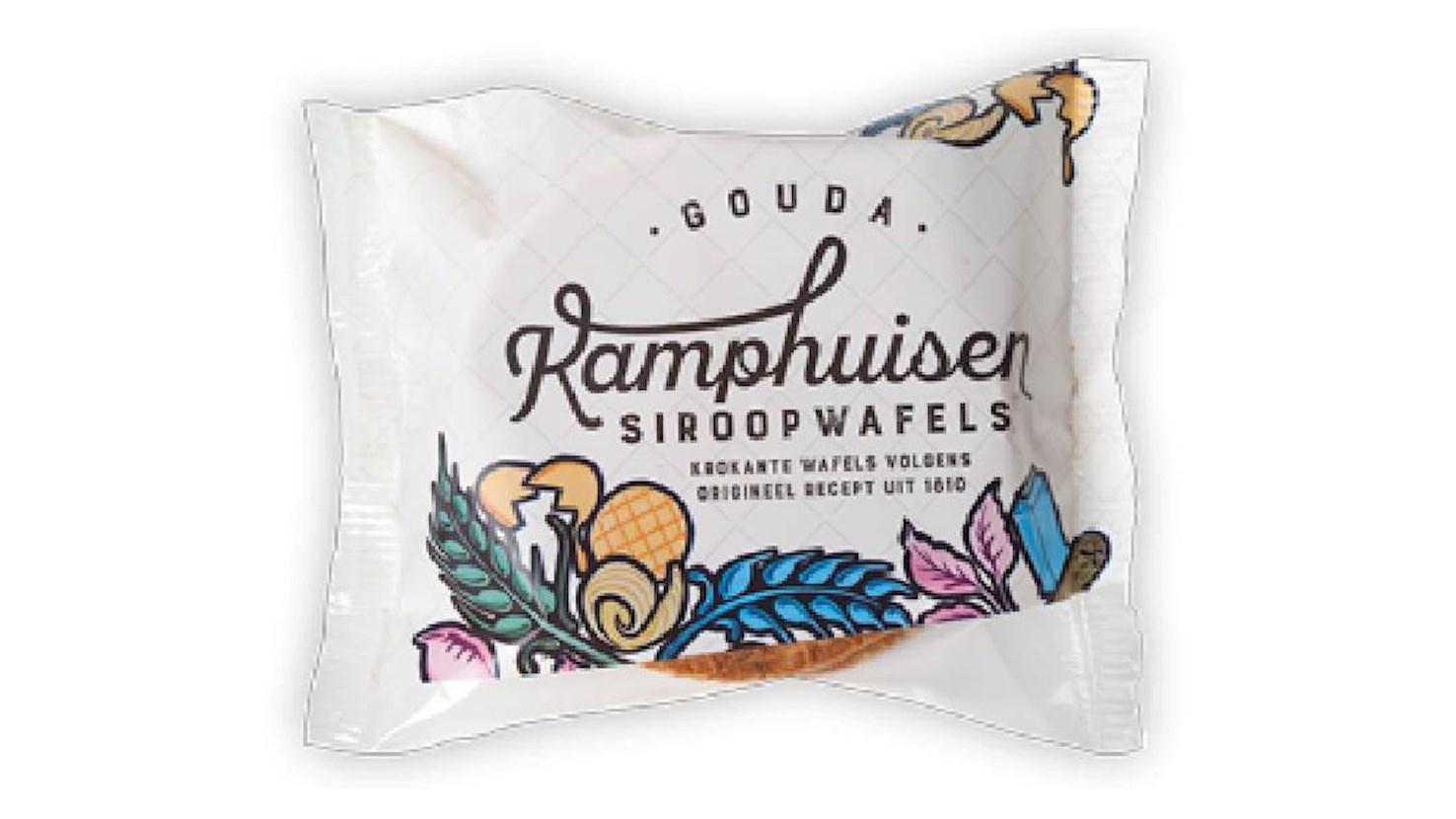
Siroopwafelfabriek

4.8 ·
Siroopwafelfabriek is a place where the scent of tradition fills the air and every bite tells a story more than two centuries old. Nestled in the heart of Gouda, in a beautifully preserved historic building, this unique syrup waffle factory not only preserves but brings to life the legacy of the Netherlands’ most beloved sweet treat – the stroopwafel. The original recipe, dating back to 1810, remains a closely guarded secret. Yet, the process is as authentic as ever: freshly prepared dough, rich caramel syrup, and precise baking in traditional irons. But Siroopwafelfabriek is much more than a production site – it’s an immersive experience. Visitors of all ages are invited to step behind the scenes, watch the waffles being made, play interactive games, and even try to “crack” the recipe safe. Each warm, freshly baked waffle – crisp on the outside, soft and sticky within – is a delicious expression of quality, craftsmanship, and heritage. Combining history with hands-on discovery, Siroopwafelfabriek offers an unforgettable journey through the sights, smells, and flavors of Dutch culture – perfect for families, curious travelers, and true lovers of sweets.
02

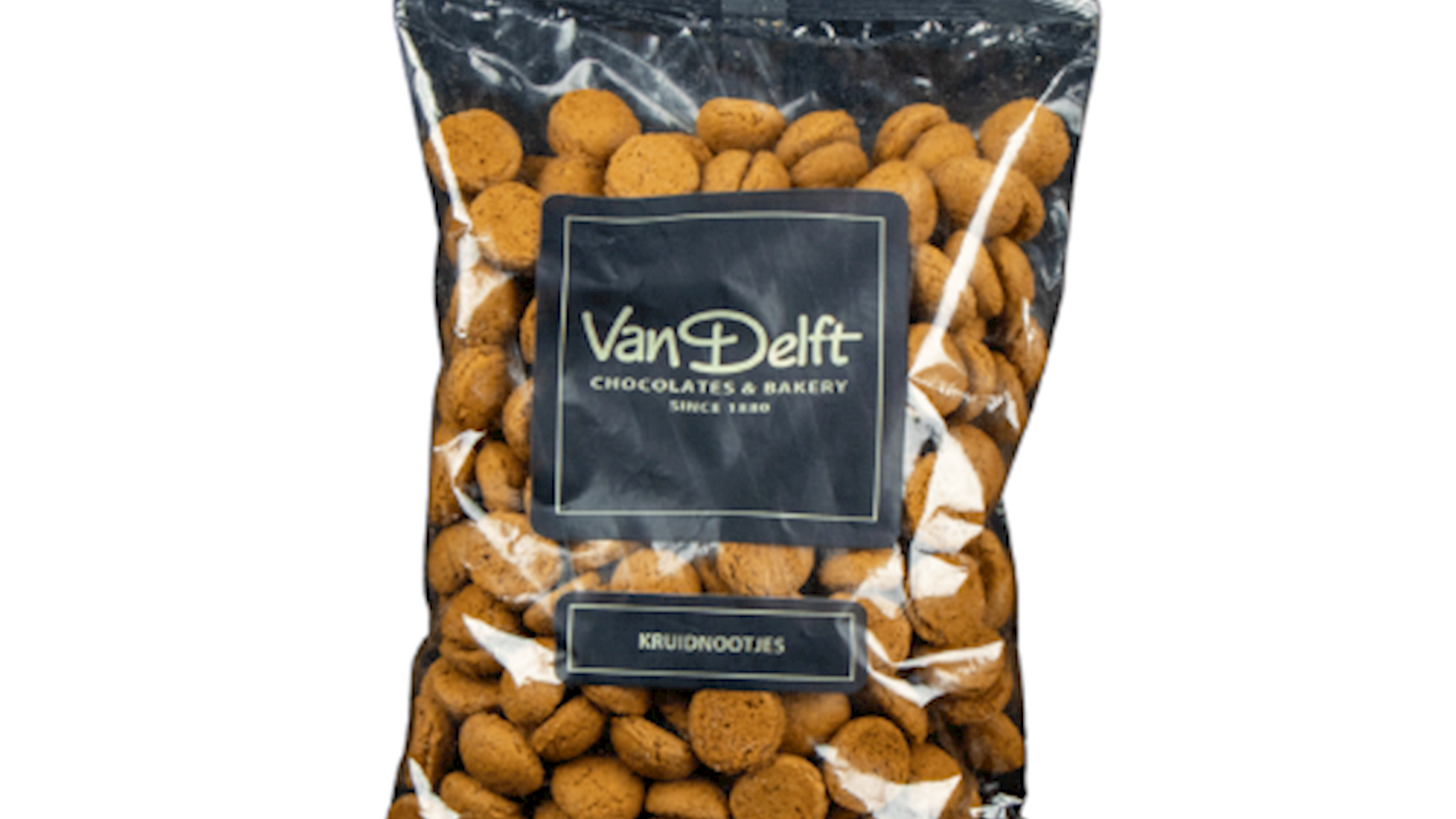
Van Delft Chocolates & Bakery

4.7 ·
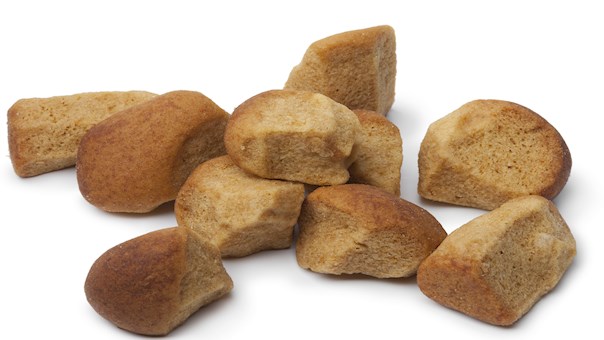
Van Delft Chocolates & Bakery is a Dutch confectionery producer with origins dating back to 1880, when it began as a local bakery focused on traditional spiced biscuits. Over time, it developed into the world’s largest producer of pepernoten, a small, spiced cookie closely linked to the Sinterklaas season in the Netherlands. The company’s core identity remains strongly tied to this product, which it has continuously adapted through a wide range of variations, particularly chocolate-coated versions in multiple flavors. Its portfolio today extends beyond classic pepernoten to include biscuits, chocolate products, and gift-oriented assortments, reflecting both tradition and product diversification. A key aspect of its approach is the combination of large-scale industrial production with ongoing innovation in taste, format, and packaging. Van Delft also operates through seasonal retail concepts, including pop-up stores that align with peak demand during autumn and winter. In addition to its own branded products, the company has a strong presence in private-label manufacturing for major retailers. Sustainability initiatives, especially in cocoa sourcing, are increasingly part of its positioning. Overall, it represents a balance between heritage, specialization, and scalable production within the European confectionery sector.
03

Davelaar

4.5 ·
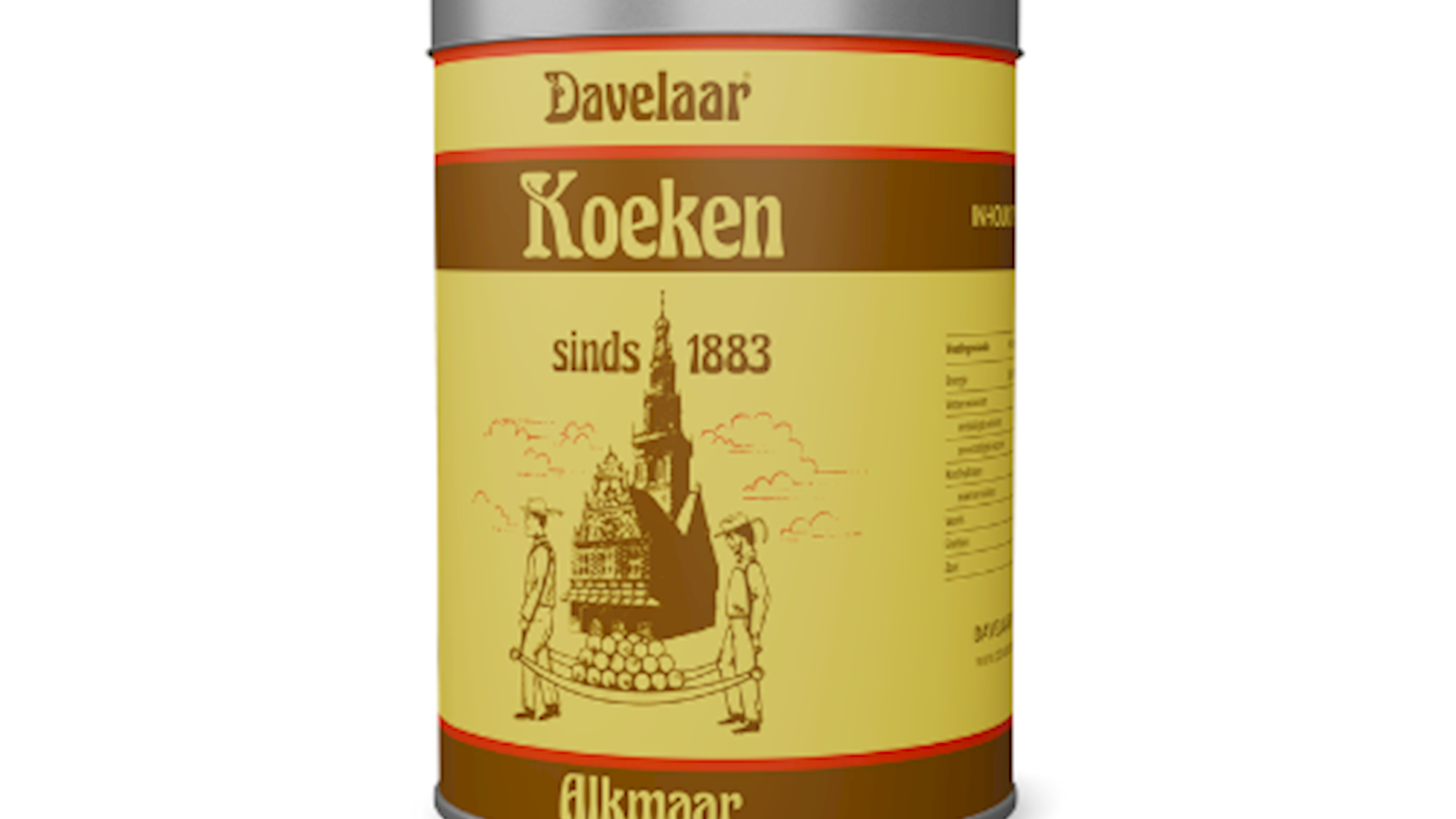
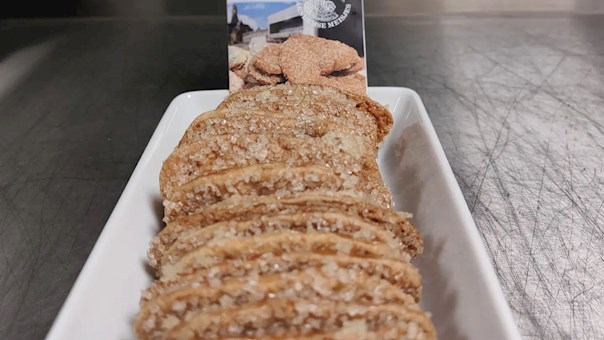
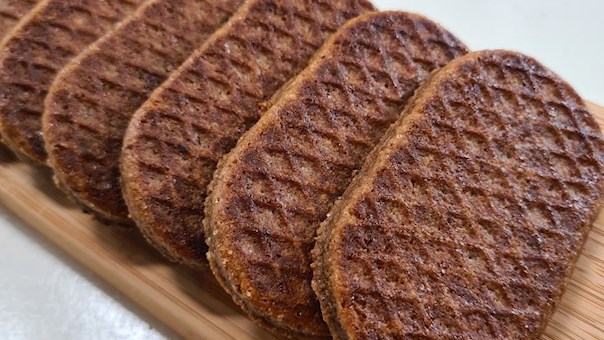
Davelaar is a Dutch biscuit producer with origins dating back to 1883, known for its long-standing focus on traditional flat shortcrust-style biscuits. The brand gained wider recognition in the early 20th century when Dirk Davelaar expanded production and distribution, helping establish these biscuits as a familiar product across the Netherlands. Its core offering consists of large, thin biscuits made from a simple combination of flour, sugar, and fat, sometimes complemented by subtle additions such as cinnamon. The texture is firm yet crumbly, with a slightly crisp bite and a mild, buttery profile supported by light caramelized notes. Rather than relying on complex flavors, the product emphasizes balance and consistency, making it suitable for everyday consumption. Traditionally packaged in metal tins, these biscuits have developed a recognizable visual identity alongside their long shelf life. In recent years, the company has updated product naming to align with contemporary standards, while maintaining a recipe that remains close to the original.

Best Dutch Cookies

01

Stroopwafel

4.2 ·

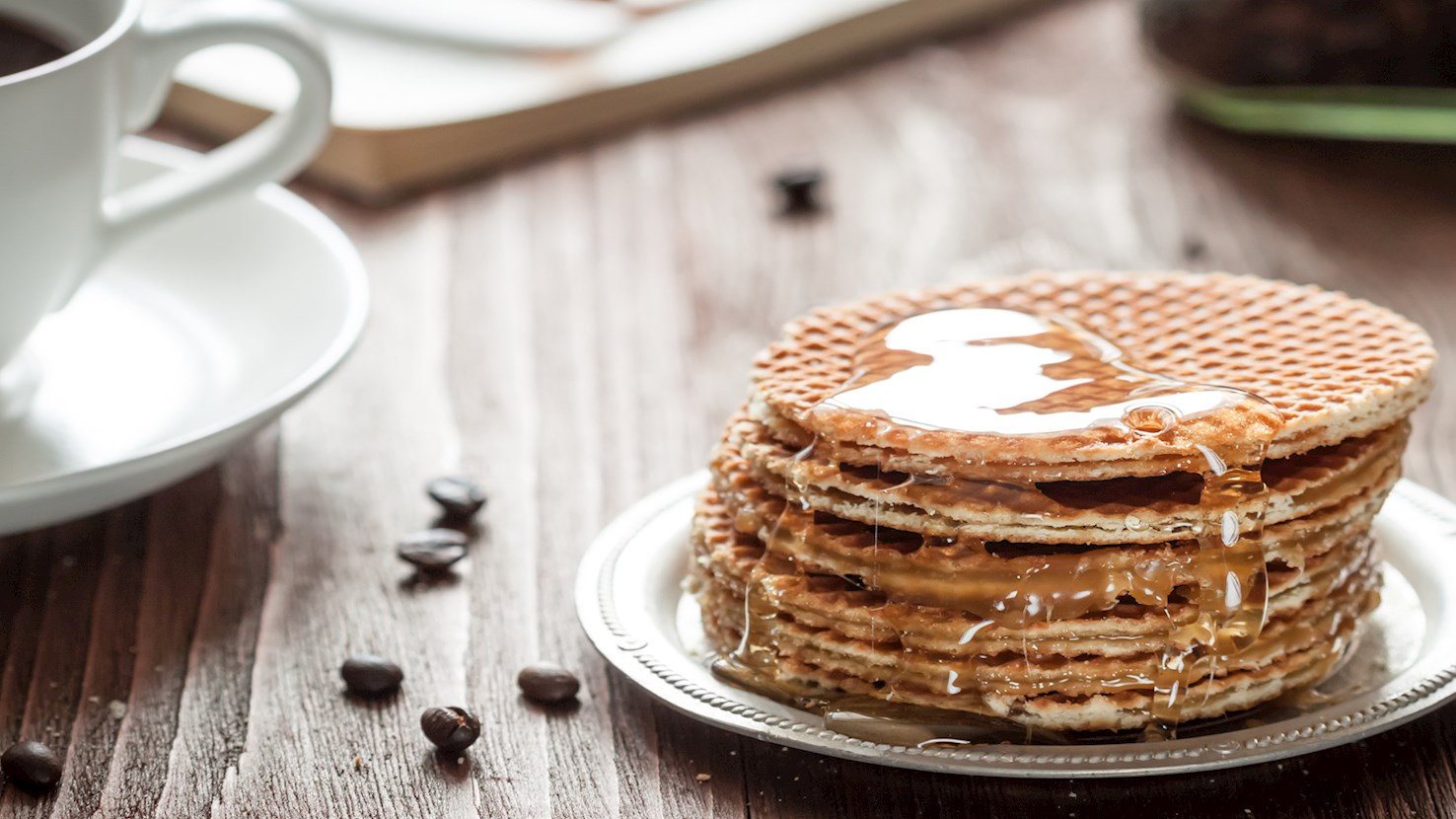
These delicious Dutch cookies consist of a very thin layer of syrup, sugar, butter, and cinnamon that is sandwiched between two thin wafers. Stroopwafels were invented in the late 18th century in the city of Gouda, and many sources give credit to a baker named Gerard Kamphuisen as their inventor. In the Netherlands, stroopwafels are traditionally consumed with tea or coffee, and it is a custom to place a cookie on top of the cup and let it steam for a few minutes, so that the cookie is heated and the syrupy layer softens.

02

Speculaas

4 ·

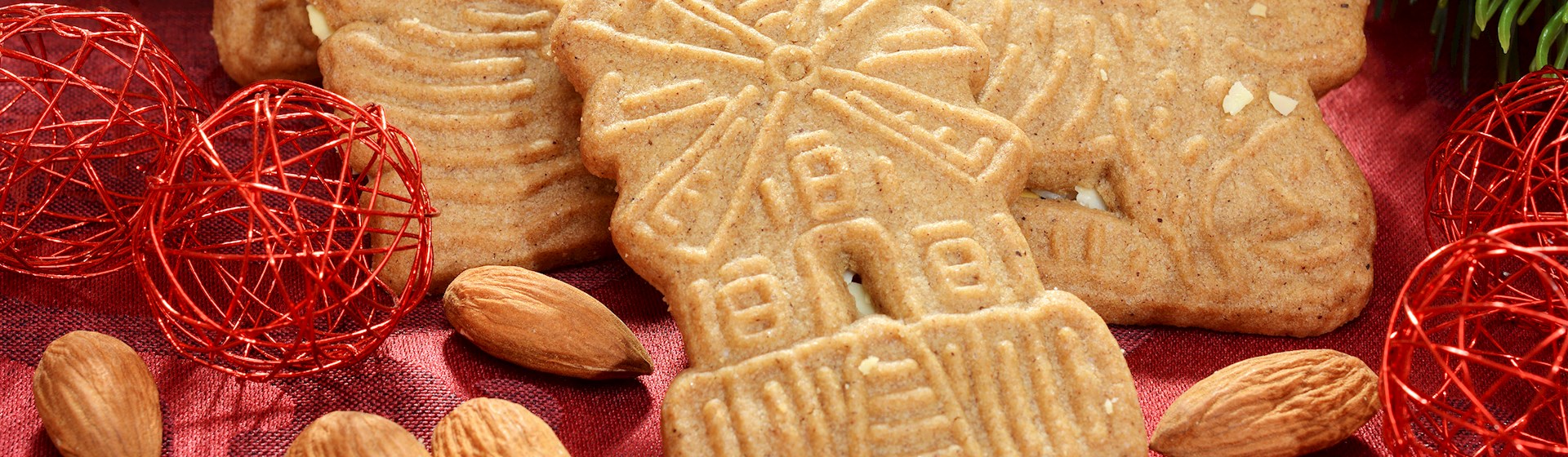
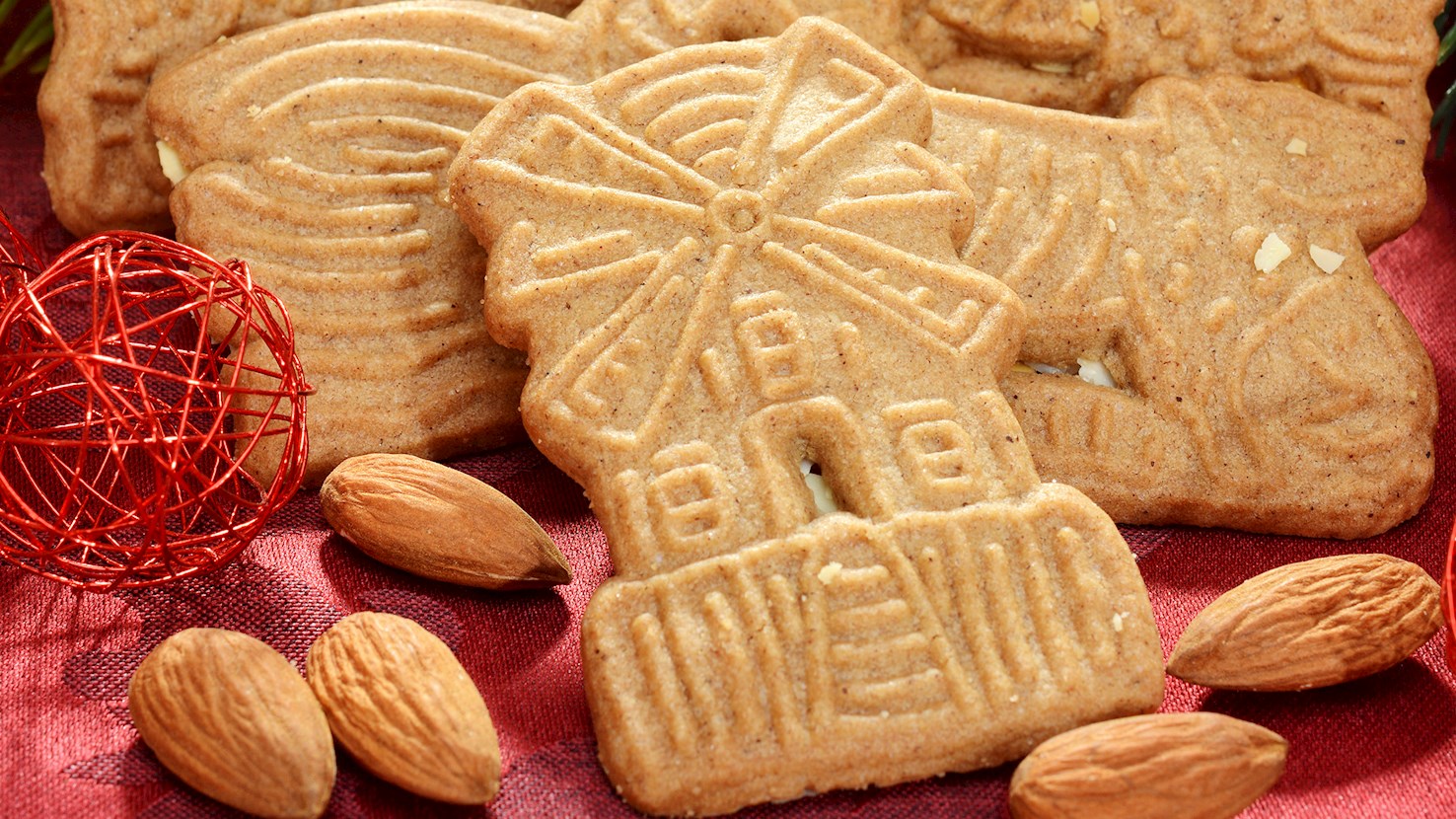
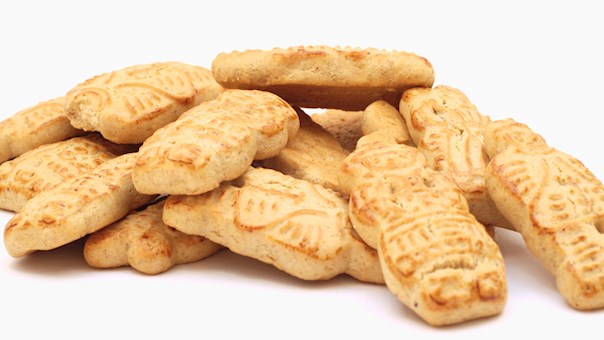
Speculaas are spiced cookies mainly made in Belgium and the Netherlands, although they are also popular in Germany (Rhineland and Westphalia), Luxembourg and northern France. With an intense fragrance of cinnamon, cloves, nutmeg, and ginger, the cookies are traditionally baked on the eve of St Nicholas Day, celebrated on December 5 and December 6. Before going to bed, the children put their shoes by the chimney, and if they behaved well, they are rewarded with speculaas in their shoes. There are a few theories on the origin of its name - one says it derives from the Latin word speculum, meaning a mirror, referring to the mirrored images that the cookies are decorated with. Another popular theory claims the origin of speculaas stems from specerij, the Dutch word for spice. The third theory suggests that it derives from the Latin speculator, referring to a bishop, such as St Nicholas. And how about the issue of speculaas vs. speculoos? Apparently, speculoos is just the Belgian word for these cookies, but without any (or most of) the once-expensive spices, as loos means without in Dutch. Also, the word speculaas doesn't exist in French, so they're always called speculoos in France. Today, the cookies are not reserved only for the St Nicholas Day or for Christmas, but are available the whole year round, ideally paired with a cup of hot tea or coffee.

03

Gevulde koek

3.8 ·

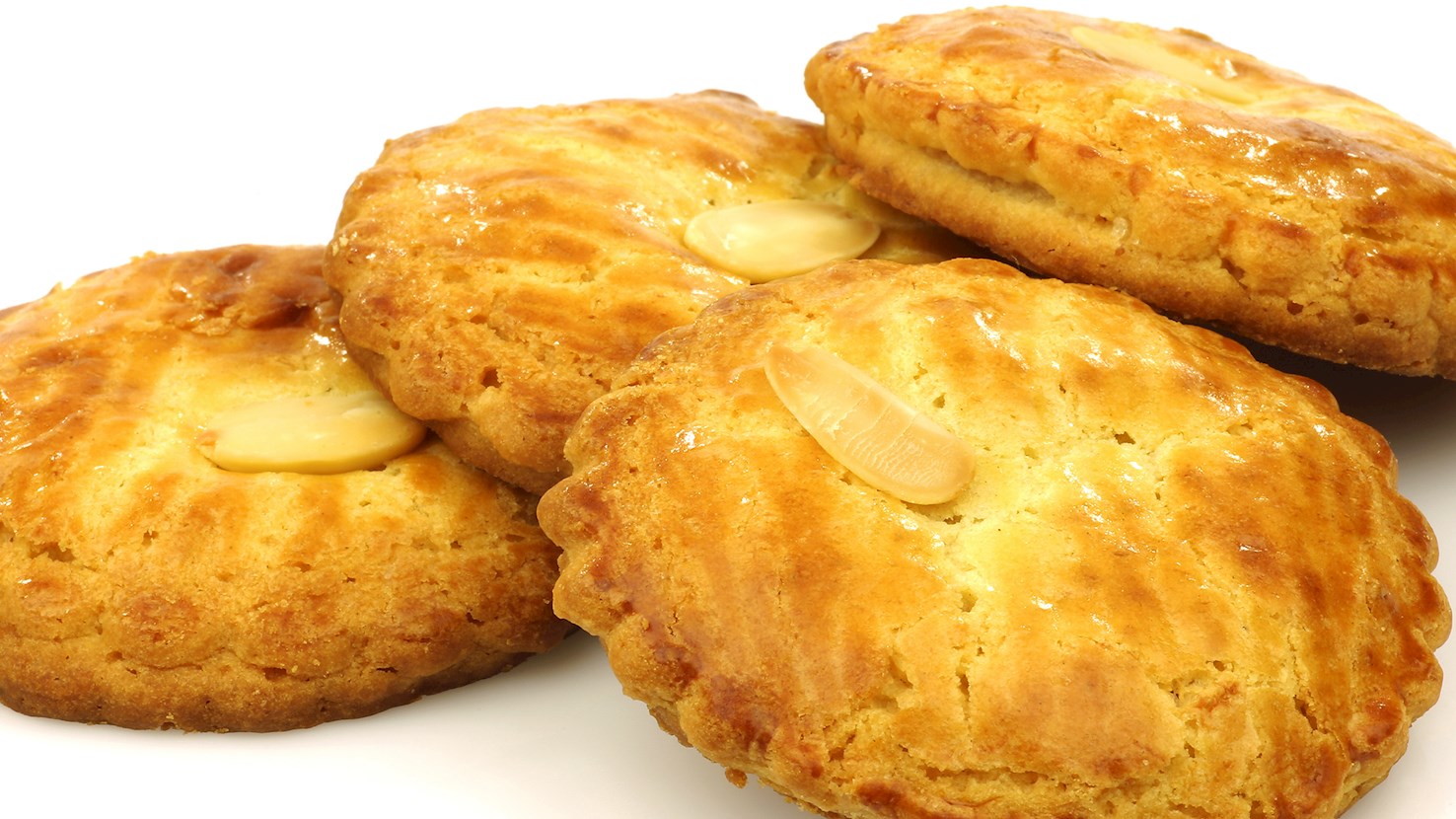
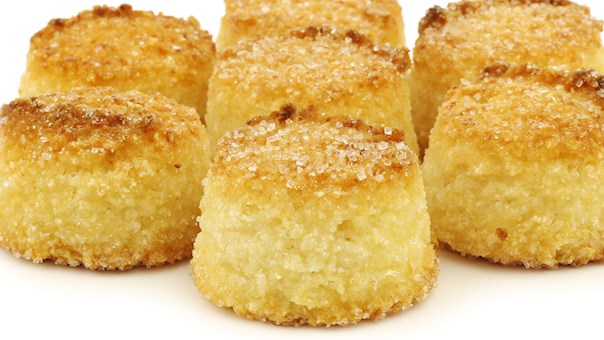
Gevulde koek is a popular Dutch cookie with a tender, crumbly texture and a buttery flavor. The name of this tasty treat means filled cookie, referring to the fact that it is filled with a sweet, moist almond paste. The cookies can be found throughout the country, from posh bakeries to small kiosks located at most Dutch train stations.

04

Kruidnoten

3.6 ·

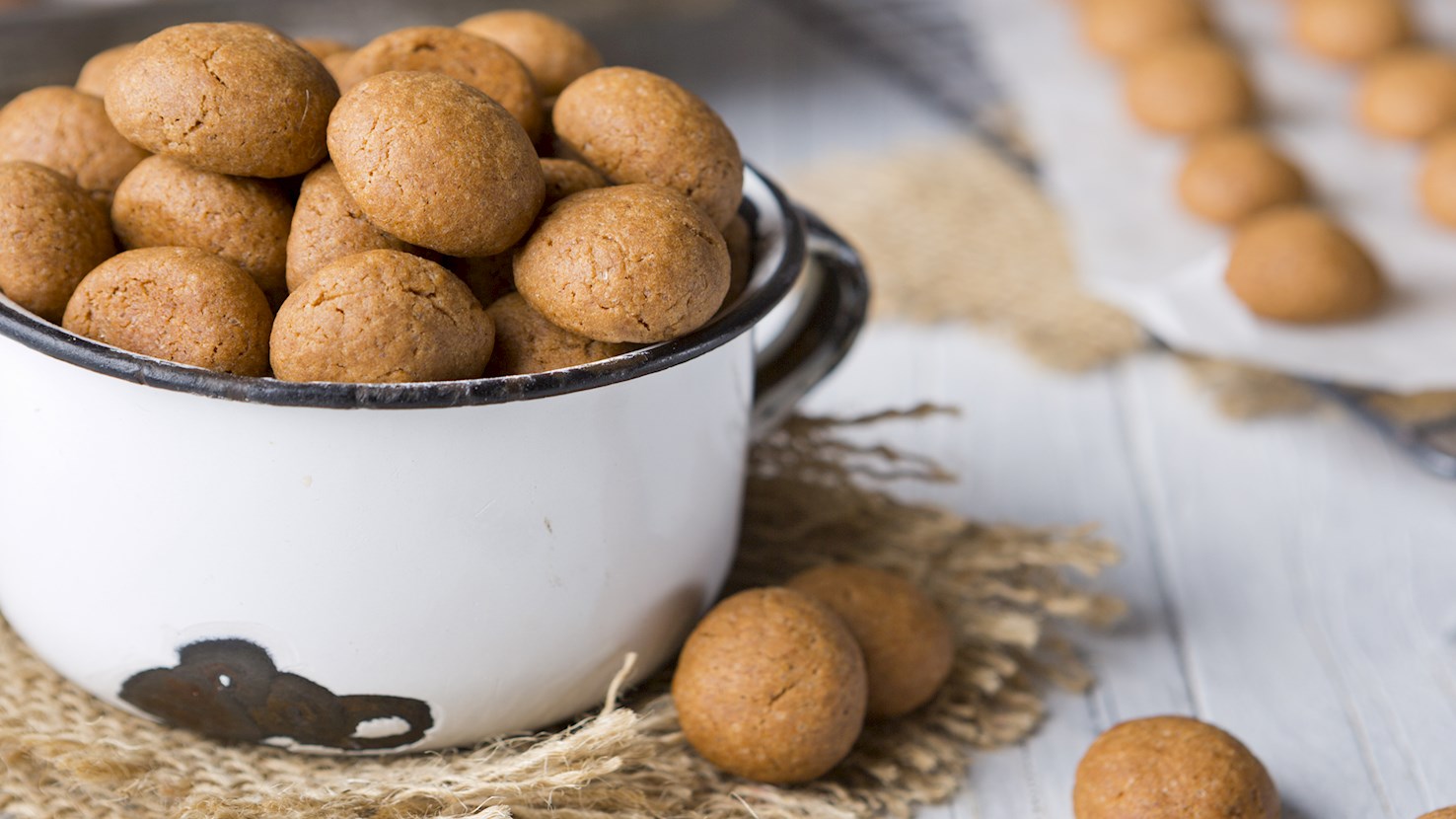
Kruidnoten are popular Dutch cookies consisting of flour, sugar, butter, and milk. They are heavily spiced with a variety of ingredients such as ginger, cardamom, cinnamon, white pepper, cloves, and nutmeg. The cookies are traditionally baked in a round shape, unlike pepernoten, which are shaped into squares. There is also a chocolate-covered variety of kruidnoten called chocolade-kruidnoten.

05

Kletskop

3.6 ·

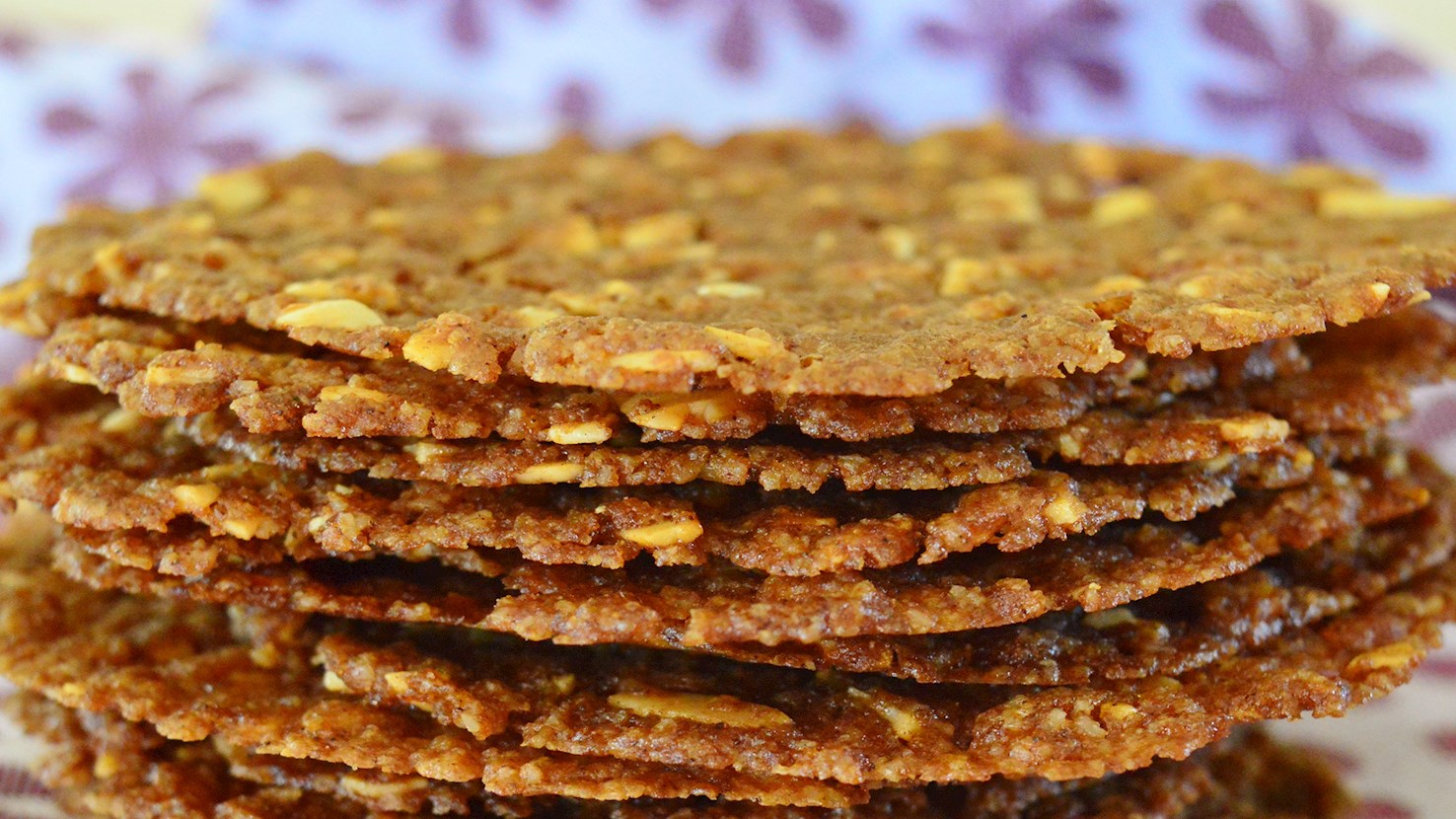
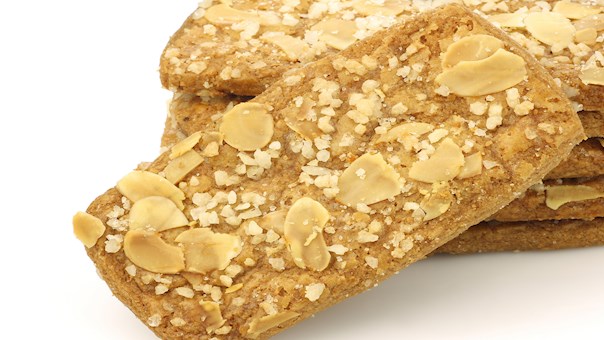
Kletskop is a traditional cookie consisting of flour, butter, sugar, salt, and either almonds or peanuts. The cookies are usually flavored with cinnamon and have a delicate, crispy texture. It is recommended to serve kletskoppen with a cup of tea or coffee on the side.

06

Krakeling

3.5 ·

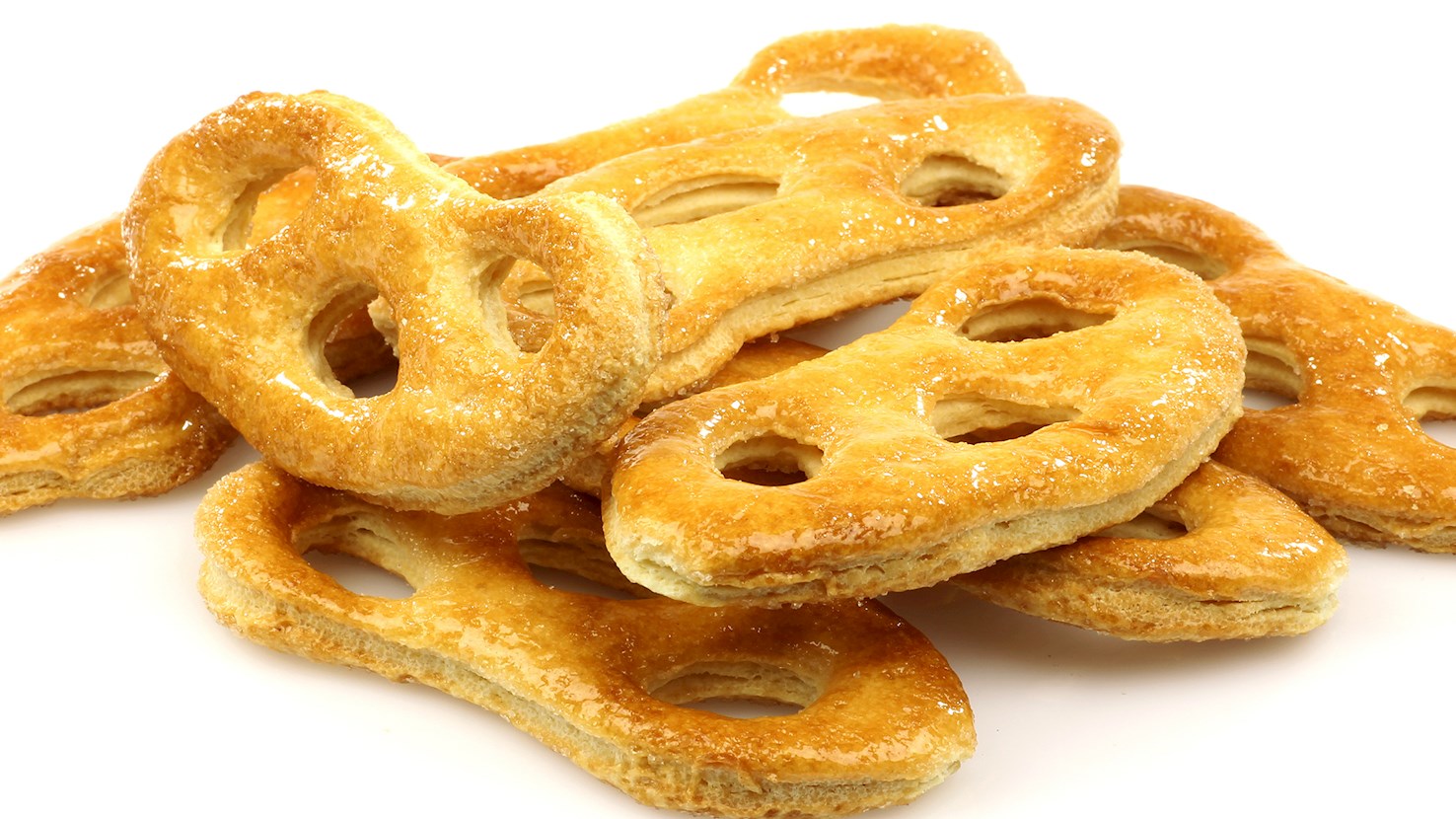
Krakeling is a Dutch variety of a sweet kringle, which is itself a variety of a pretzel due to its shape. It is typically topped with sugar or cinnamon. When made in a larger shape, krakeling is traditionally consumed with coffee at funerals and cremations because its shape symbolizes the beginning and the end of life.

07

Kaasstengels

3.5 ·

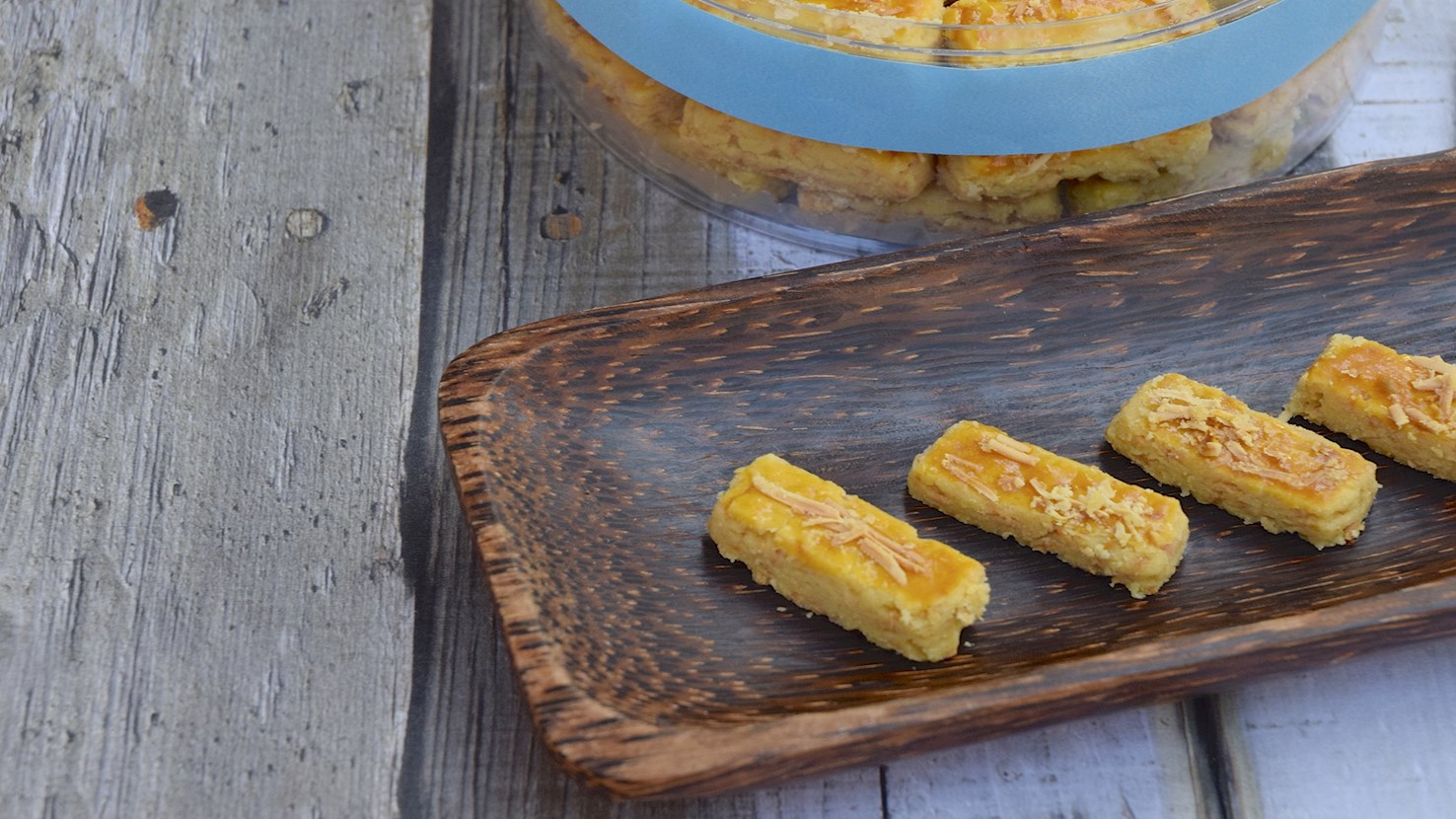
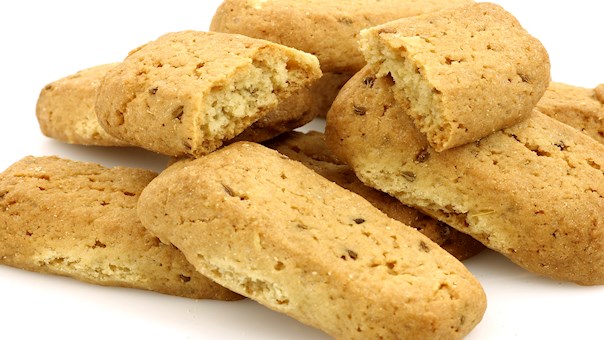
Kaasstengel is a savory cookie that is popular throughout the Netherlands and Indonesia. It consists of flour, margarine, baking powder, egg yolks, and Dutch cheeses such as Edam or Gouda. Cream, powdered milk, or cornstarch are sometimes added to the combination in order to develop a richer and crispier texture. In the past, kaasstengels were often used as an accompaniment to soups or salads, but today they are mostly consumed as a snack, especially during Ramadan in Indonesia and during Christmas in the Netherlands.

08

Jodenkoek

3.4 ·

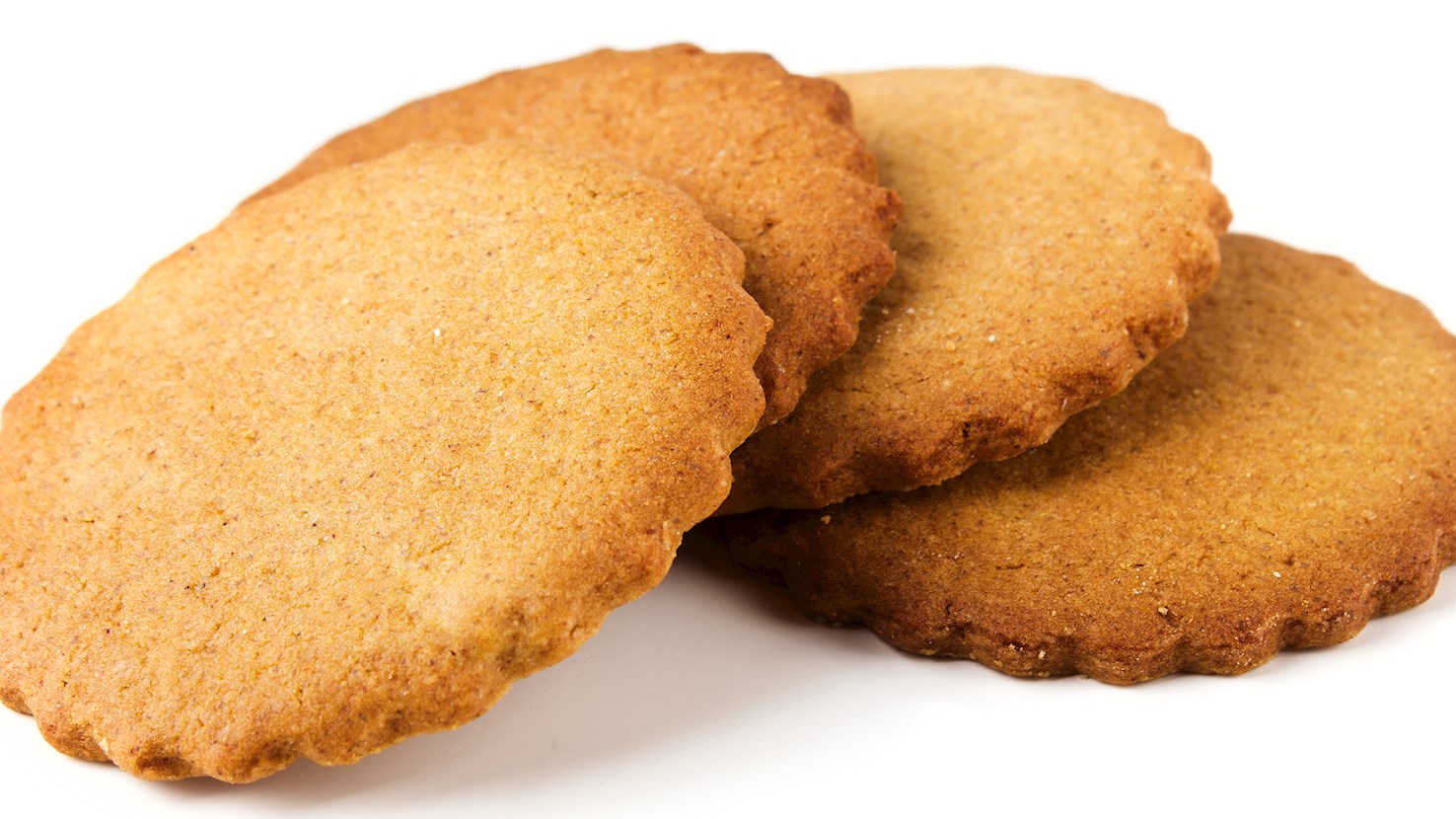
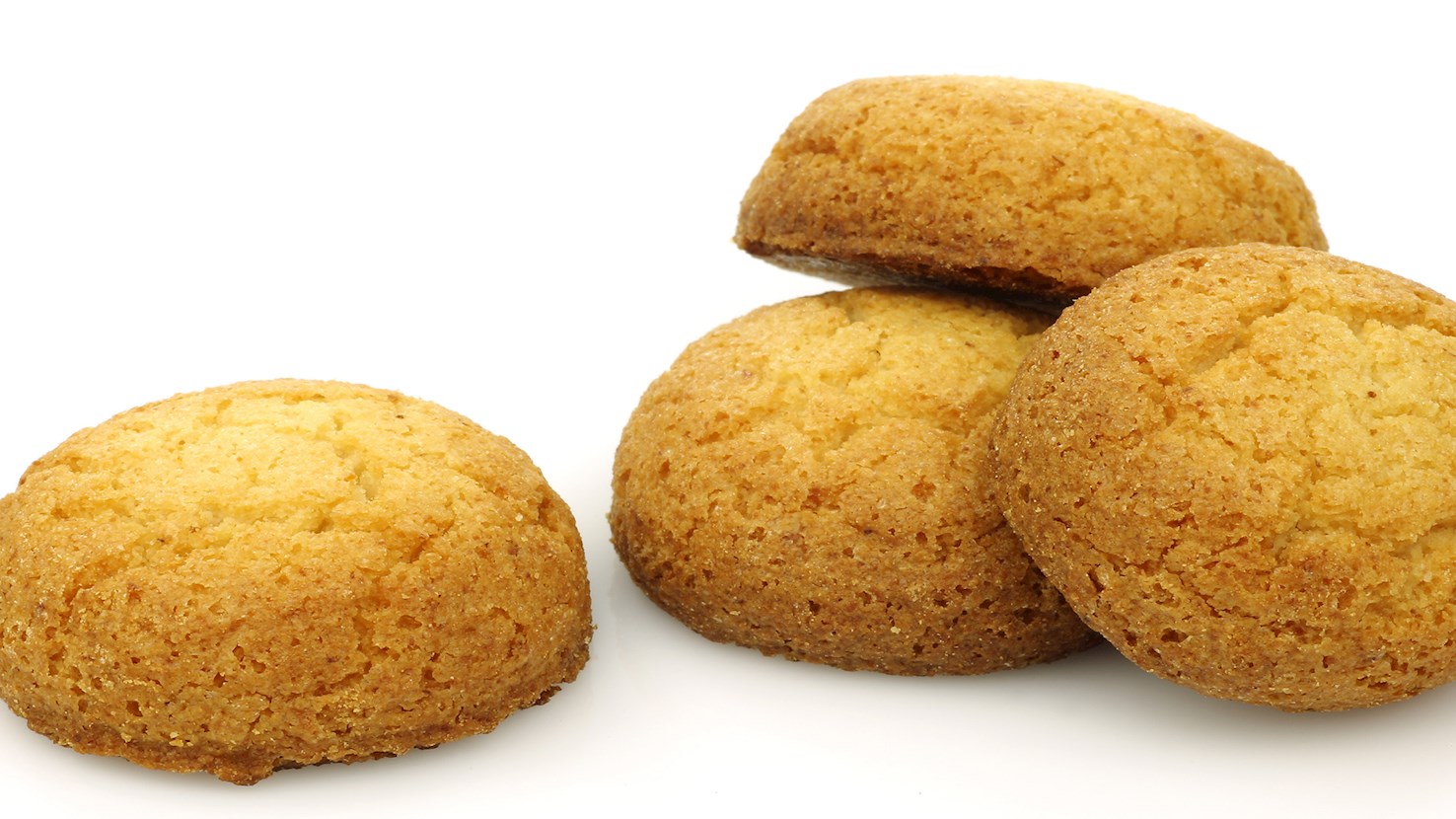
Jodenkoeken or Jewish cookies are large, round, and flat shortbread cookies dating back to the 17th century. These cookies have a sandy texture and a wonderful buttery flavor. They consist of flour, salt, cinnamon, sugar, milk, and butter. It is believed that the cookies were first made by a retiring Jewish baker in the early 1920s, who then sold his bakery to a cookie baker named Davelaar, and he continued to sell them in metal cookie cans with a yellow wrapper. Today, jodenkoeken are still packed in tin boxes in order to remain crunchy and as fresh as possible. For the best experience, pair them with a cup of hot tea, coffee, or hot chocolate.

09

Bokkepootjes

3.3 ·

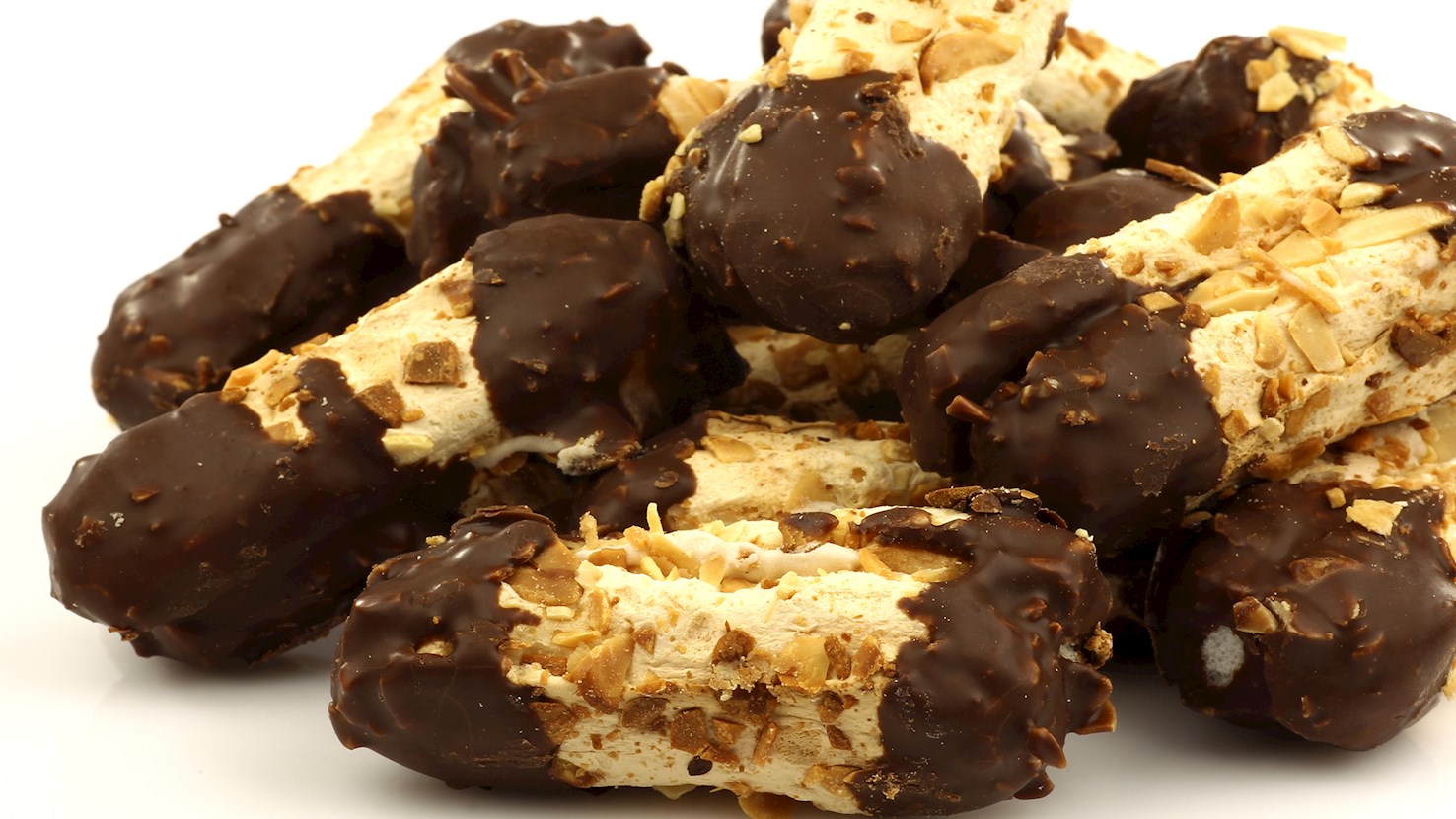
Crunchy on the outside and soft on the inside, bokkepootjes are traditional Dutch cookies consisting of a light meringue that is dipped in chocolate. The meringue is filled with butter cream or other ingredients such as almond paste or apricot jam. The name bokkepootjes means goat's feet, referring to the visual resemblance between the cookies and the hooves of a small goat.

10

Bitterkoekjes

3.3 ·

Bitterkoekjes are traditional Dutch almond cookies with a flavor that is reminiscent of the Italian amaretti, although bitterkoekjes have a chewier interior. The cookies consist of almond paste, sugar, and eggs, similar to macarons, so making them takes a bit of practice and knowledge as they can be quite tricky to prepare. Even though they can be made throughout the year, bitterkoekjes are especially popular during the festive Christmas season in the Netherlands.

Read more
View all
View map
About this ranking

TasteAtlas food rankings are based on the ratings of the TasteAtlas audience, with a series of mechanisms that recognize real users and that ignore bot, nationalist or local patriotic ratings, and give additional value to the ratings of users that the system recognizes as knowledgeable. For the “Top 19 Dutch Cookies” list until May 15, 2026, 1,659 ratings were recorded, of which 1,476 were recognized by the system as legitimate. TasteAtlas Rankings should not be seen as the final global conclusion about food. Their purpose is to promote excellent local foods, instill pride in traditional dishes, and arouse curiosity about dishes you haven’t tried.

The initial list of top producers was compiled based on available reviews, awards, local recommendations, media and blog coverage, and consumer reviews. The list will be updated with ratings from TasteAtlas local ambassadors and TasteAtlas users.

Similar lists