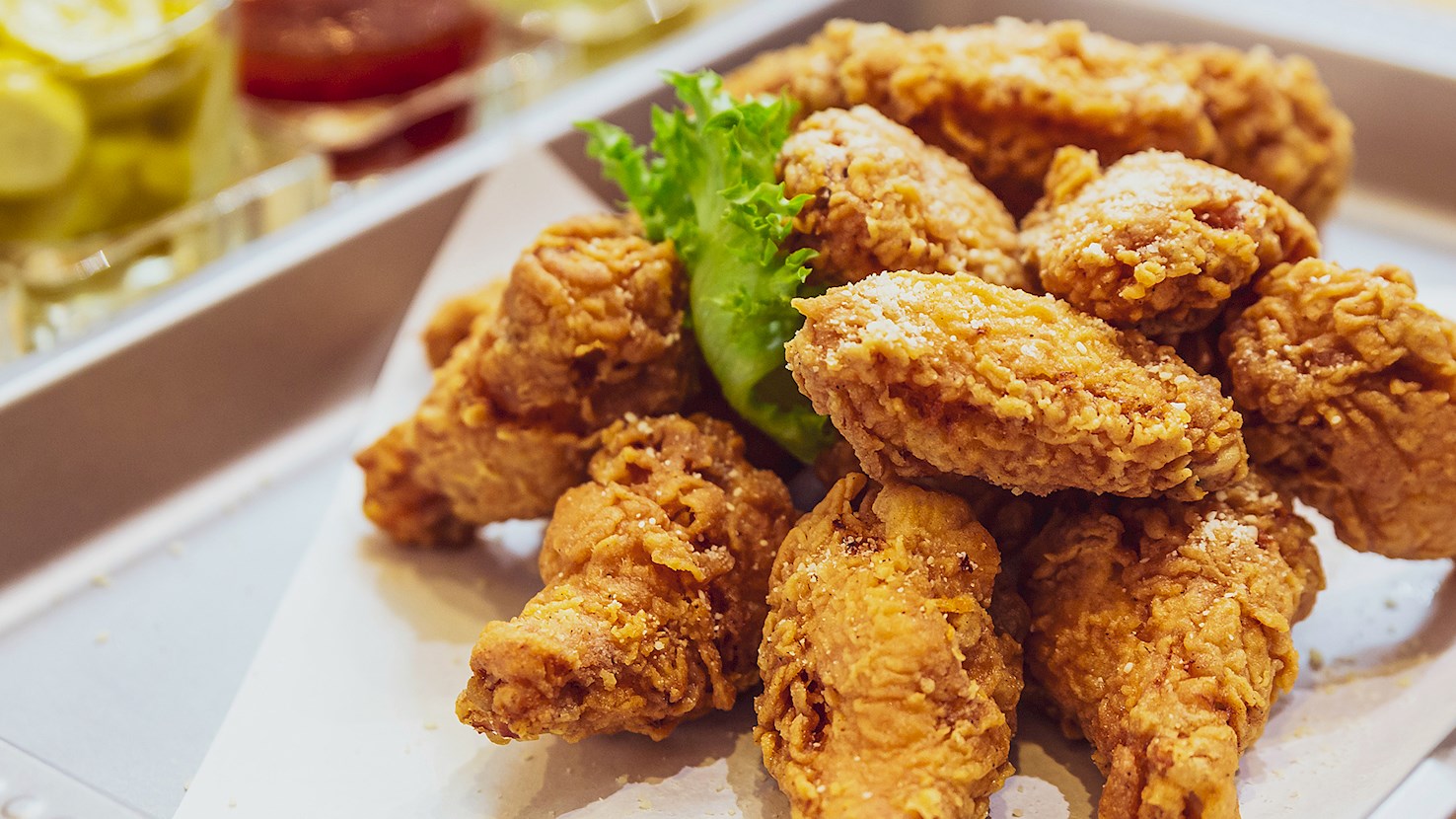
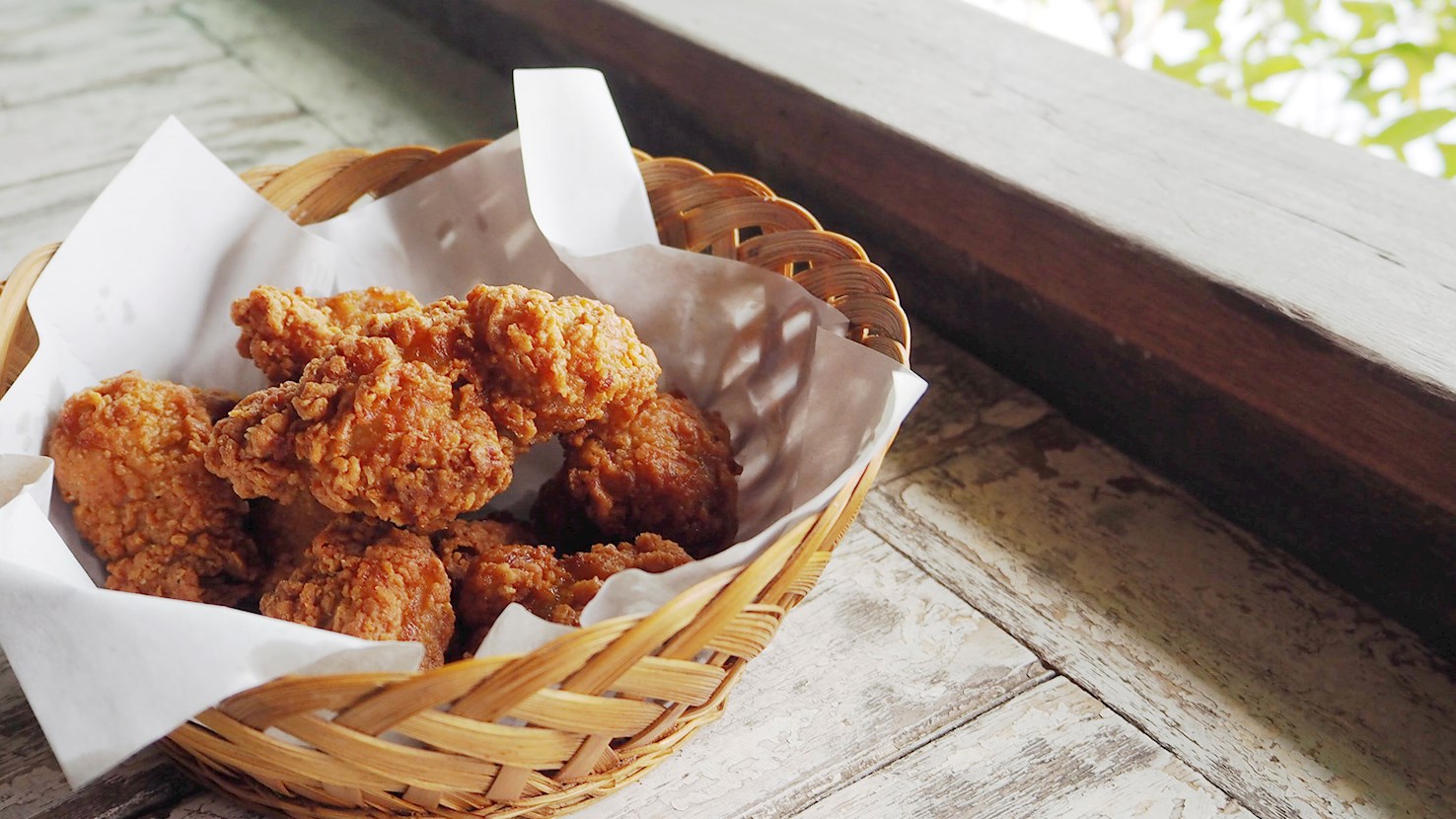
Chikin, or Korean fried chicken (KFC), is a popular dish in Korean cuisine that consists of battered and deep-fried chicken pieces. Fried chicken was introduced to South Korea by the American military during the Korean War in the 1950s. American soldiers brought the concept of fried chicken to the country, and it quickly gained popularity among Koreans. In the 1970s and 1980s, the fried chicken industry in South Korea expanded with the emergence of various fried chicken restaurant chains. These chains started experimenting with different flavors and sauces, moving beyond the original, stripped-down version of fried chicken. Finally, at the beginning of the 21st century, Korean fried chicken gained international popularity, mostly because of its unique preparation methods, distinct flavors, and crunchy texture. A few key characteristics differentiate Korean fried chicken from other types of fried chicken. One of the defining features of Korean fried chicken is the double frying technique. The chicken is first fried at a lower temperature to cook the meat thoroughly, then fried at a higher temperature to achieve a crispy and crunchy outer layer. Korean fried chicken is often served with various flavorful sauces and seasonings. Some popular sauce options include spicy gochujang (Korean red pepper paste), soy garlic, honey butter, sweet and tangy, and more. These sauces can be applied to the fried chicken either by tossing the chicken in the sauce or by drizzling the sauce over the chicken. Korean fried chicken is served with various side dishes, such as pickled radishes, coleslaw, and even refreshing slices of watermelon, and is often accompanied by beer (this combination is known as chimaek).
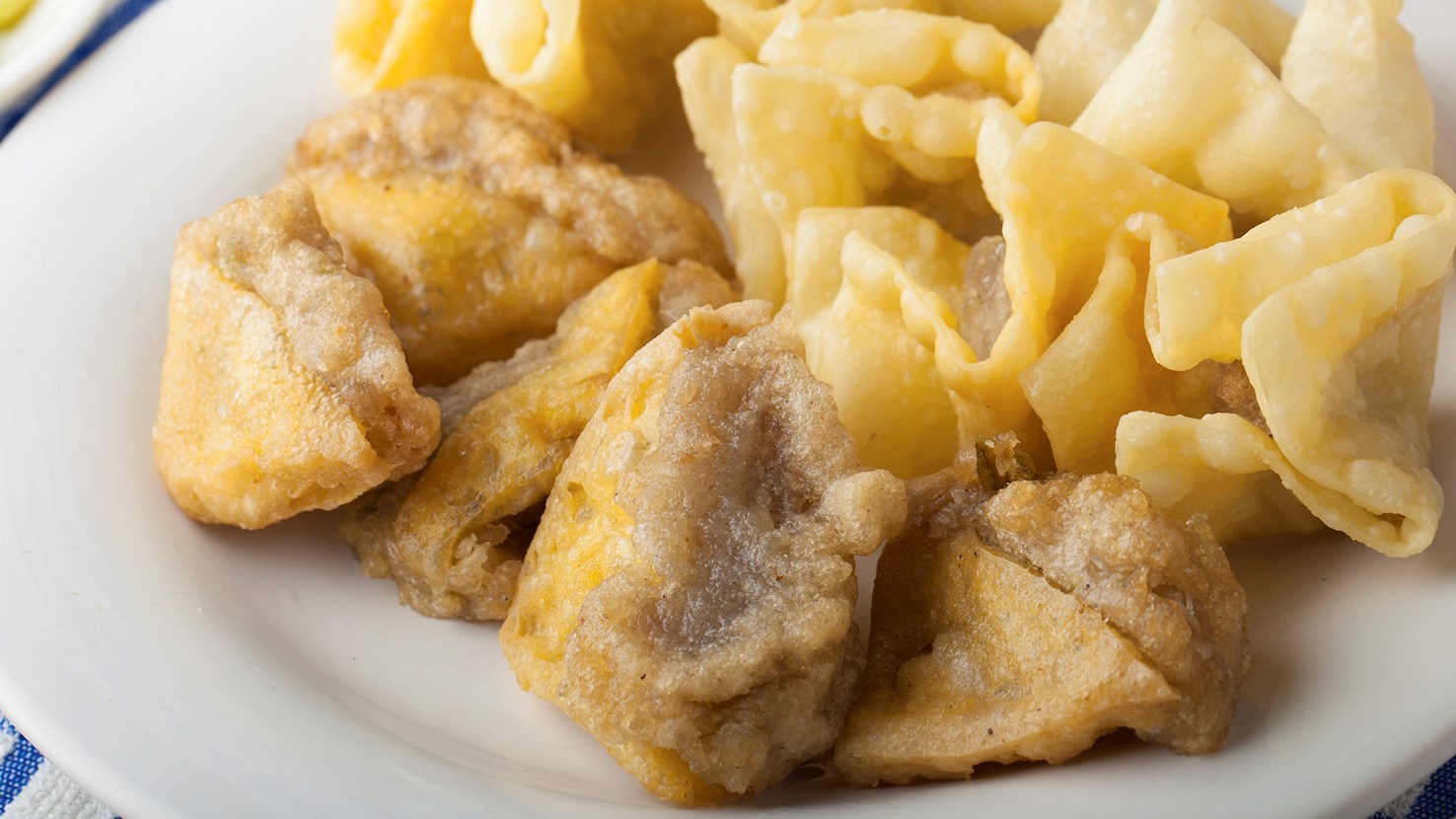
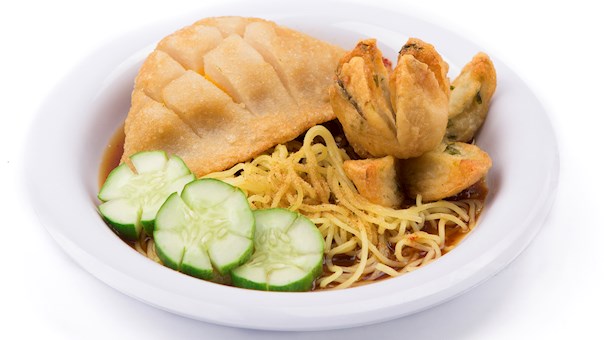
One of the most famous snacks in Indonesia is batagor, a fried fish dumpling served in a traditional spicy sauce. It has roots in the Chinese culinary tradition, which has left a trace on many Indonesian dishes. Although this famous snack is reminiscent of the more famous Chinese dumpling, its distinguishable characteristic is that it is fried, not steamed. The most common fish used to make the dish is wahoo, but tuna, mackerel, and even prawns can also be used. Potatoes, tofu, or cabbage are also occasionally added to the dish. Batagor is the perfect snack because of the way it is served. When fried, the dumplings are cut into small bite-sized pieces and covered in peanut, soy, and chili sauce with a splash of lime juice. It was invented in the 1980s in Bandung, but today it can be found throughout Indonesia. Since it is quickly prepared, it is commonly sold by street vendors, but it can also be found in many Indonesian restaurants.
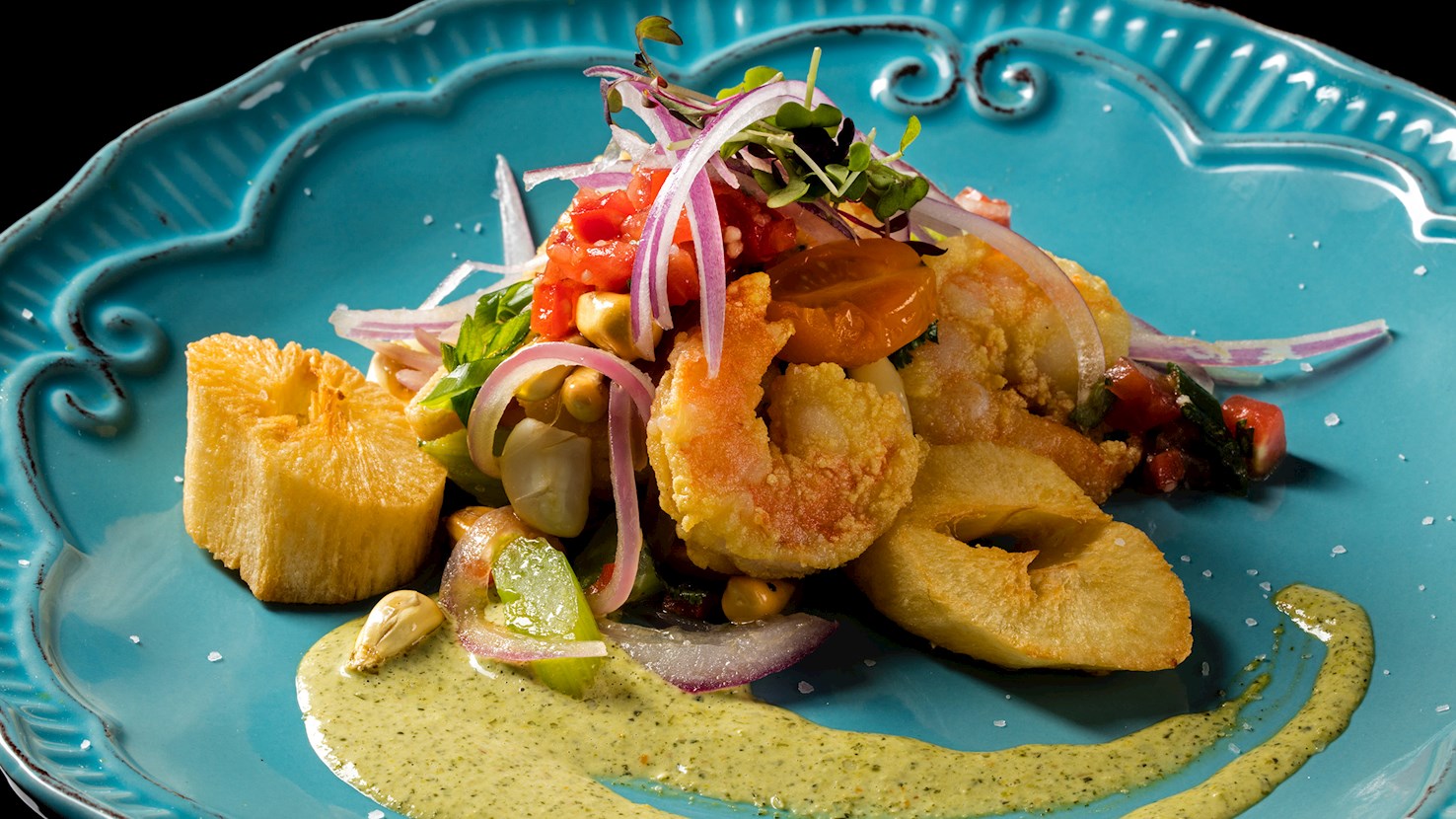
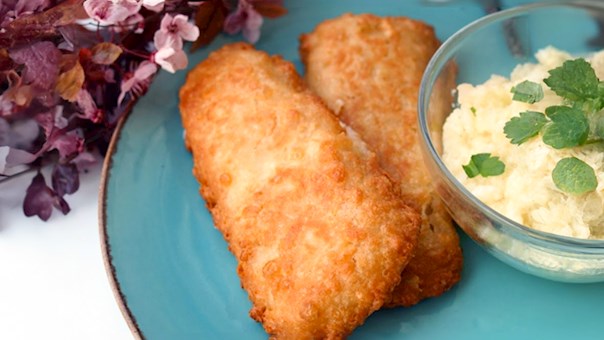
Peruvian jalea is a seafood dish of lightly breaded and deep-fried fish - most often tuna, halibut, cod, or striped bass - and other mixed seafood like octopus, squid, shrimps, and scallops. It is traditionally served with thinly sliced and fried plantains called chifles, and topped with a refreshingly tart salad of lime-marinated red onions, tomatoes, and cilantro. With an abundance of fresh local seafood during Lent weeks which coincide with the end of the summer in South America, jalea has become one of the Peruvian favorites of the fasting season, widely available in numerous cevicherias, restaurants specialized in ceviche and other seafood dishes. Jalea Peruana is typically enjoyed with salsa criolla, ají amarillo and rocoto sauces, and sided with some yucca chips or - for an extra crunch - sprinkled with toasted Andean chulpe corn nuts called canchas. The tasty palette of condiments also includes either mayonnaise or tartar sauce, and lime wedges.
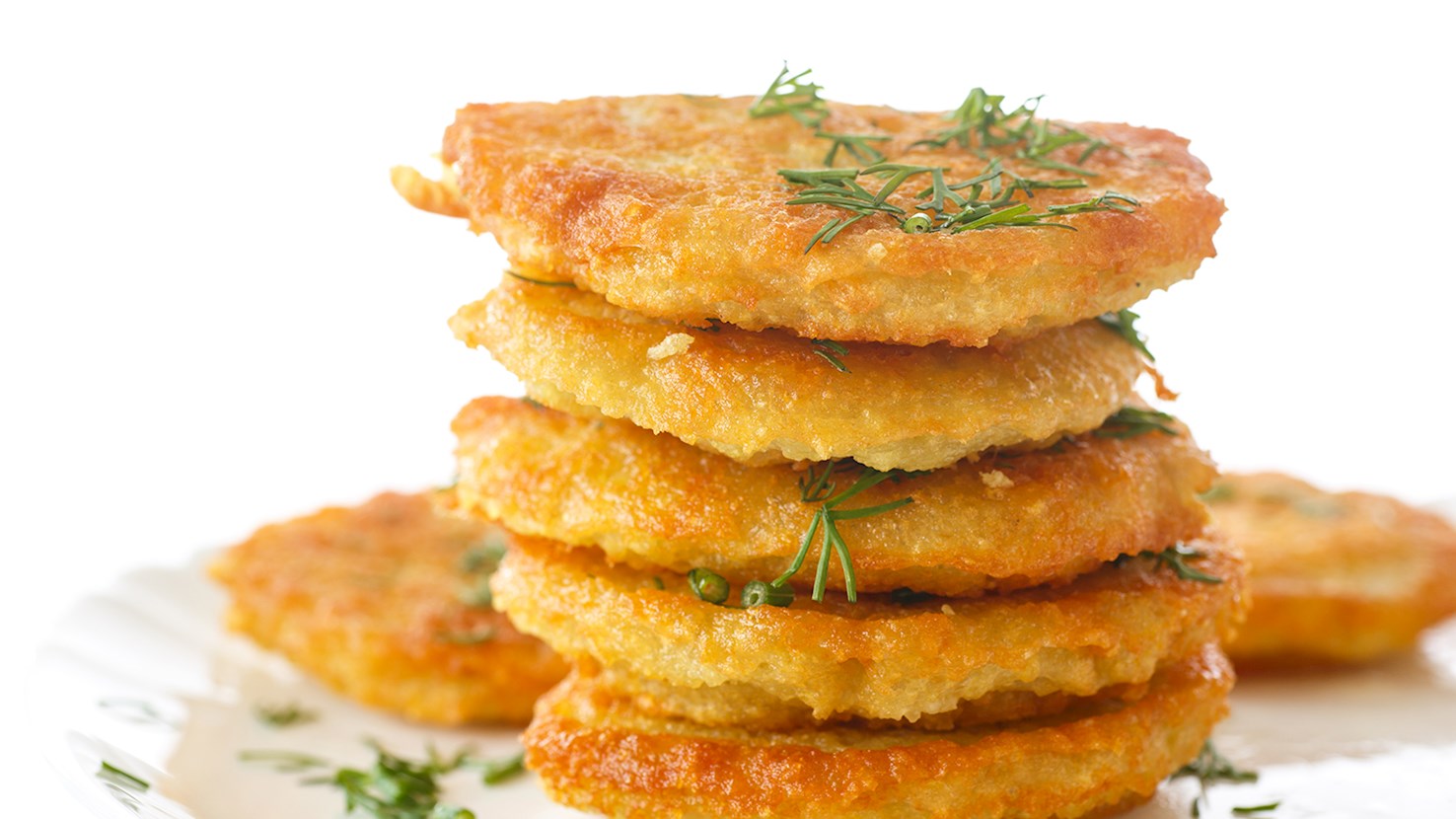
Maakouda are traditional potato fritters that are popular throughout the Maghreb, especially in Morocco, Algeria, and Tunisia. The fritters are usually prepared plain, but they can also be stuffed with meat, tuna, or cheese, although not that often. They're made with potatoes, parsley, garlic, flour, salt, and pepper. The potatoes are boiled, mashed, and mixed with other ingredients into small disks which are then deep-fried in hot oil until golden brown. Maakouda is traditionally served as an appetizer, a side dish, or an ingredient in a long sandwich roll that's usually sold as street food and served with harissa, coriander, and lemon juice. The fritters are especially popular during the month of Ramadan.
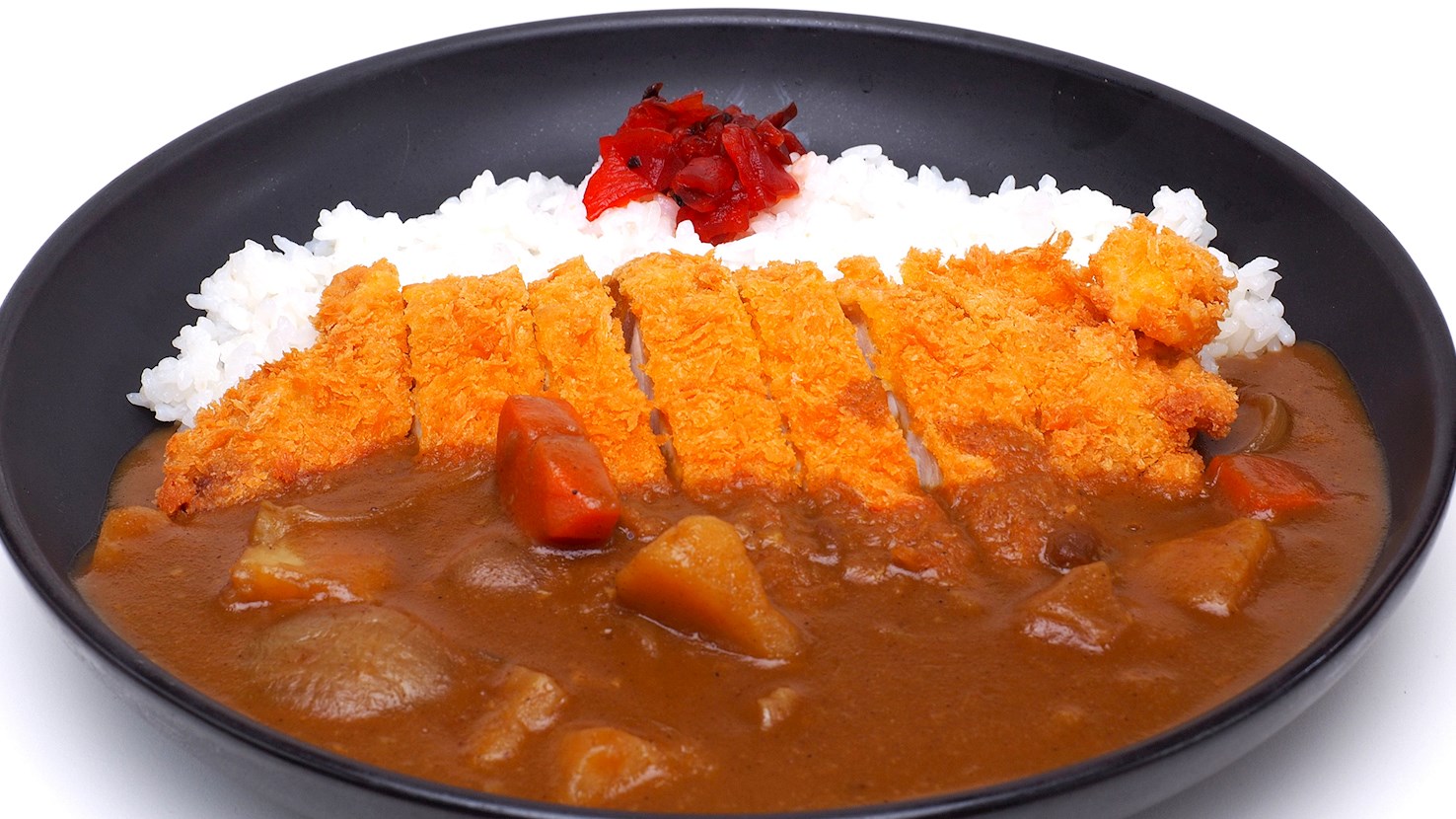
Katsu karē brings together steamed rice, thick curry sauce, and a crisp breaded cutlet, most commonly pork tonkatsu, on the same plate. It combines two foods that developed in Japan through yōshoku, the Japanese adaptation of Western-style cooking: curry rice and the breaded meat cutlet. Japanese curry began taking shape during the Meiji period after curry powder reached Japan through Britain rather than directly from India. British-style curry had already evolved into a thickened stew made with curry powder and flour, and in Japan this approach was further adapted to rice, eventually producing the mild, thick, slightly sweet curry sauce now associated with karē raisu. Curry also entered the diet of the Imperial Japanese Navy during the late 19th century, where meat-and-vegetable curry served with rice became part of efforts to provide sailors with more nutritionally varied meals. Tonkatsu followed another route through yōshoku cooking, developing from European-style cutlets into the distinct Japanese preparation of pork coated with flour, egg, and coarse panko breadcrumbs and deep-fried until crisp. Putting the two together seems inevitable today, but the precise first appearance of katsu karē is disputed. Kawakin in Asakusa traces a curry-and-cutlet dish called Kawakin-don to 1918, while Ōroji in Shinjuku served a similar combination called ton-don from the early 1920s. Ginza Swiss provides the best-known postwar story: in 1948, professional baseball player Shigeru Chiba, a regular customer, asked the restaurant to place a cutlet directly on his curry rice so he could eat both together, and the restaurant subsequently made the combination a regular item under the name katsu curry. Contemporary katsu karē begins with Japanese curry, usually prepared by slowly cooking onions with carrots, potatoes, and sometimes meat before thickening and seasoning the liquid with curry roux. Commercial curry roux blocks are extremely common in Japanese homes and produce the characteristic glossy, substantial sauce, while restaurants may make their own roux and spice blends. Japanese curry is generally milder and sweeter than many South Asian curries, with sweetness sometimes reinforced by grated apple, honey, or slowly cooked onion. The cutlet is prepared separately so that its exterior remains crisp. Pork loin or tenderloin is seasoned, coated with flour, dipped in beaten egg, covered generously with panko, and deep-fried until the breadcrumbs are golden and the meat is cooked through. It is then rested briefly and sliced into thick strips before being placed beside or on top of the rice. Curry sauce is spooned around or partly over the cutlet; covering only part of it allows some of the panko crust to stay crunchy, while completely covering it produces a softer crust that absorbs the sauce. Rice usually occupies one side of the plate, the curry fills the other, and the sliced cutlet forms the boundary between the two, although presentation varies considerably. Pork is the standard choice, but chicken katsu is also common, and restaurants may offer beef cutlets, shrimp, croquettes, cheese-filled cutlets, or combinations of several fried toppings. The dish can also be ordered by heat level in specialist curry shops, although the basic Japanese curry profile remains more rounded and stew-like than sharply spicy. Fukujinzuke, a sweet-and-salty assortment of finely chopped pickled vegetables, is one of the most common accompaniments, adding acidity and crunch against the rich curry and fried pork. Rakkyo, small pickled scallion bulbs with a stronger sweet-sour flavor, are another standard curry condiment. Finely shredded cabbage, familiar from tonkatsu meals, may also be served on the side, particularly when the cutlet is treated as prominently as the curry itself. Katsu karē is eaten throughout Japan in curry shops, yōshoku restaurants, casual cafeterias, railway stations, university dining halls, and homes, and its combination of rice, sauce, and fried meat makes it a complete meal rather than a dish requiring many side courses. It is best served immediately after the cutlet is fried, while the panko still contrasts with the soft rice and thick curry. A cold Japanese lager works particularly well with the fried coating and rich sauce, while unsweetened green tea or cold barley tea provides a lighter pairing.
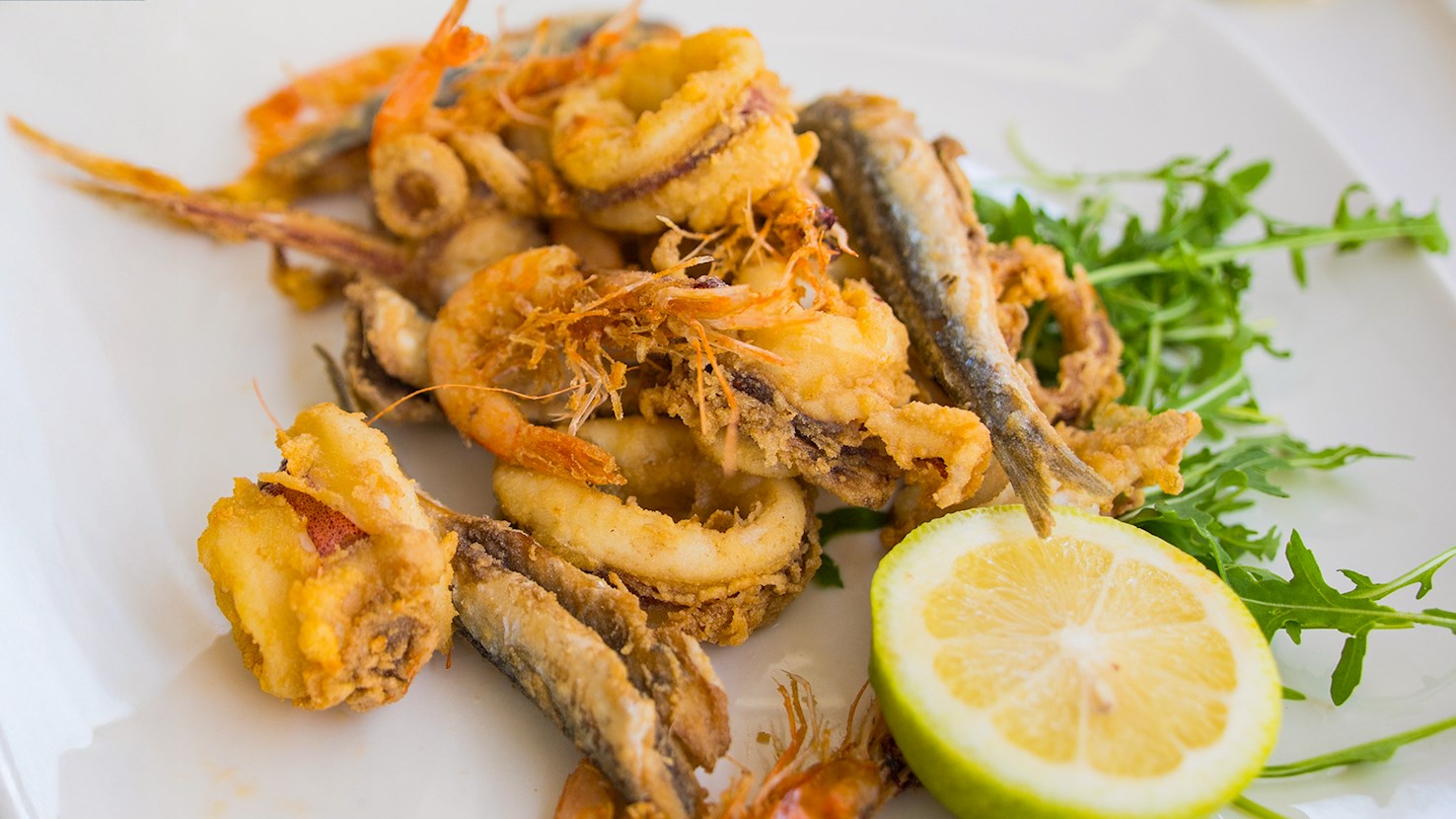
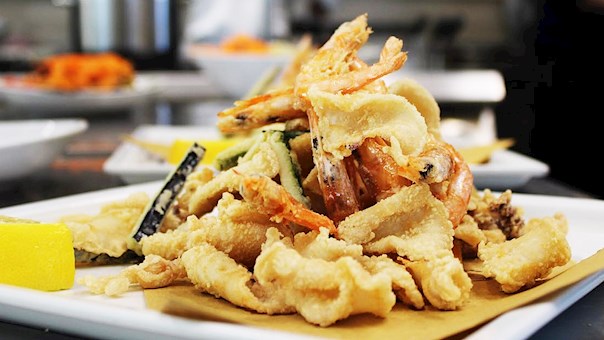
Assorted fried seafood known as fritto misto di pesce is hugely popular in Campania, but it is also found all over Italy. However, fritto misto is one of those dishes that differs widely across the country. Along the Italian seaside, it will always include crustaceans and mollusks, typically shrimp and squid, and often paranza, which is a collective name for very small whole fish such as fresh anchovies, sardines, baby mackerel, or mullet. Depending on the region, fritto misto is sometimes batter-fried, but the simplest method of preparing it is lightly coating the food in flour and quickly deep-frying it in hot oil until it forms a nice golden brown crust.
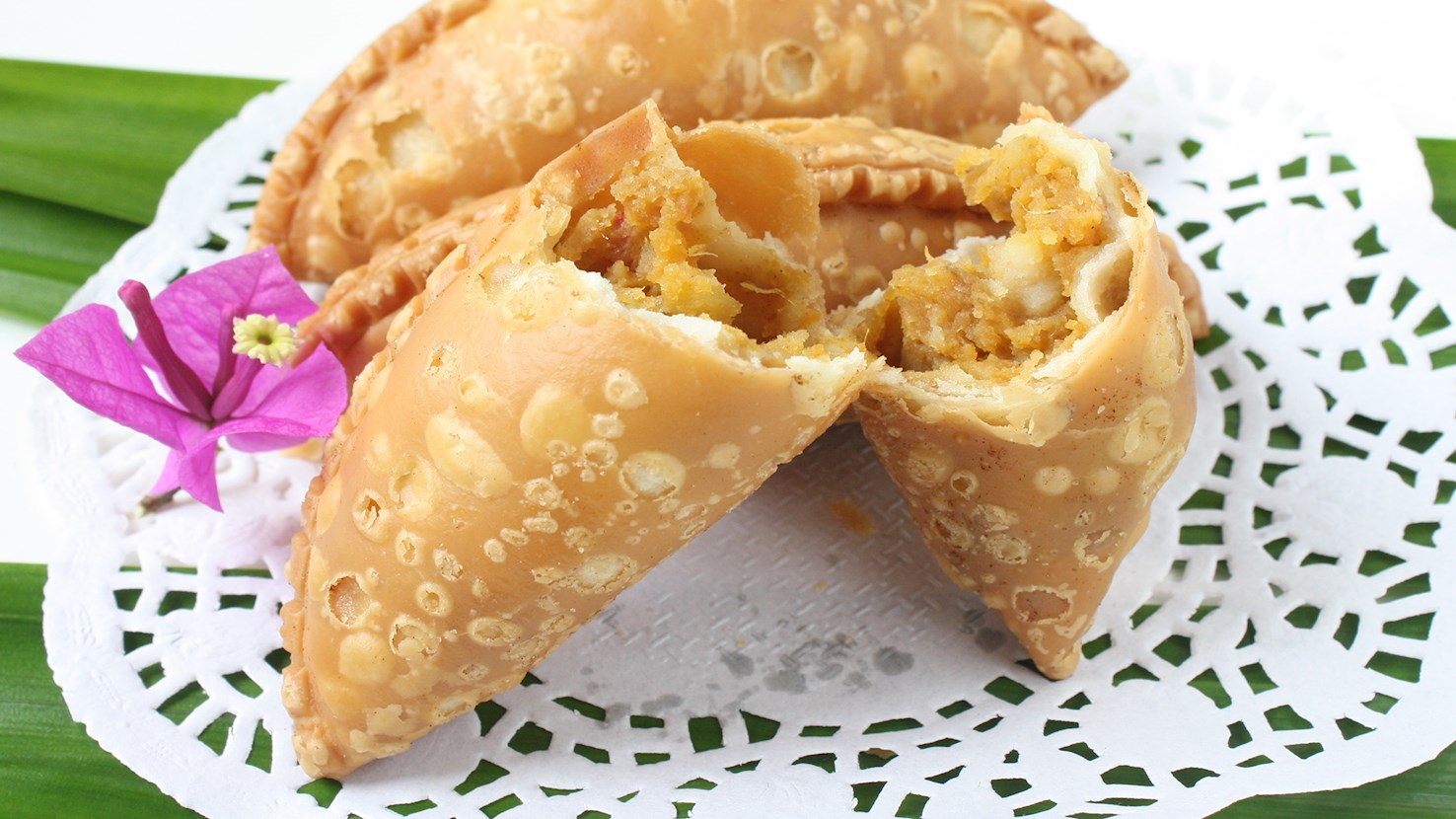
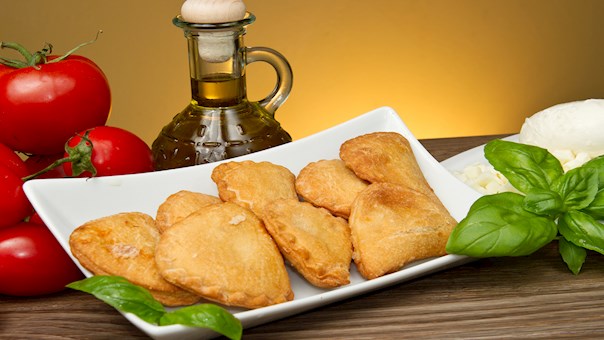
Karipap or curry puff is a small, deep-fried or baked pastry shell filled with thick chicken and potatoes curry. It is believed that the flavorful snack was invented by the Malays from the Malay Peninsula and parts of Sumatra and Borneo. It is a popular breakfast item or an afternoon snack which can be found at numerous stores, bars, and markets. Because of its simplicity and flavor, karipap quickly became popular outside Malaysia, especially in Thailand and Singapore. Today there are numerous versions of karipap, so instead of potato and chicken curry, it can be filled with various other ingredients such as tuna, sardines, and beef rendang. Crispy and flaky on the exterior, hot and soft on the interior, karipap is a snack that remains a staple of Southeast Asian cuisine.
Also known as dry-frying, karaage is a Japanese cooking technique in which various foods are first lightly coated in arrowroot starch, then deep-fried. The use of arrowroot starch preserves the natural water content of fried foods and produces a crispy outer surface, but alternatively, other coating ingredients such as wheat flour, tapioca, or potato starch can also be used. Karaage can be used for frying various meats and fish, but it is most often associated with chicken, and involves a special variant called tatsutaage, where pieces of chicken are first marinated in a mixture of sake, soy sauce, and sugar which are then lightly covered with arrowroot starch and deep-fried. This method makes the meat succulent on the inside and particularly crispy on the outside. If not specified otherwise, karaage usually refers to fried chicken, but apart from chicken, the technique is sometimes used with other ingredients such as askarei (flounder), ika (bits of squid), and gobo (burdock root). Japanese karaage dishes are usually seasoned with garlic and ginger, and served with soy sauce on the side. They are a staple of informal Japanese gastropubs called izakayas, casual places for after-work drinks and snacks, but they are also available freshly fried as take-out food in numerous supermarkets and convenience stores.
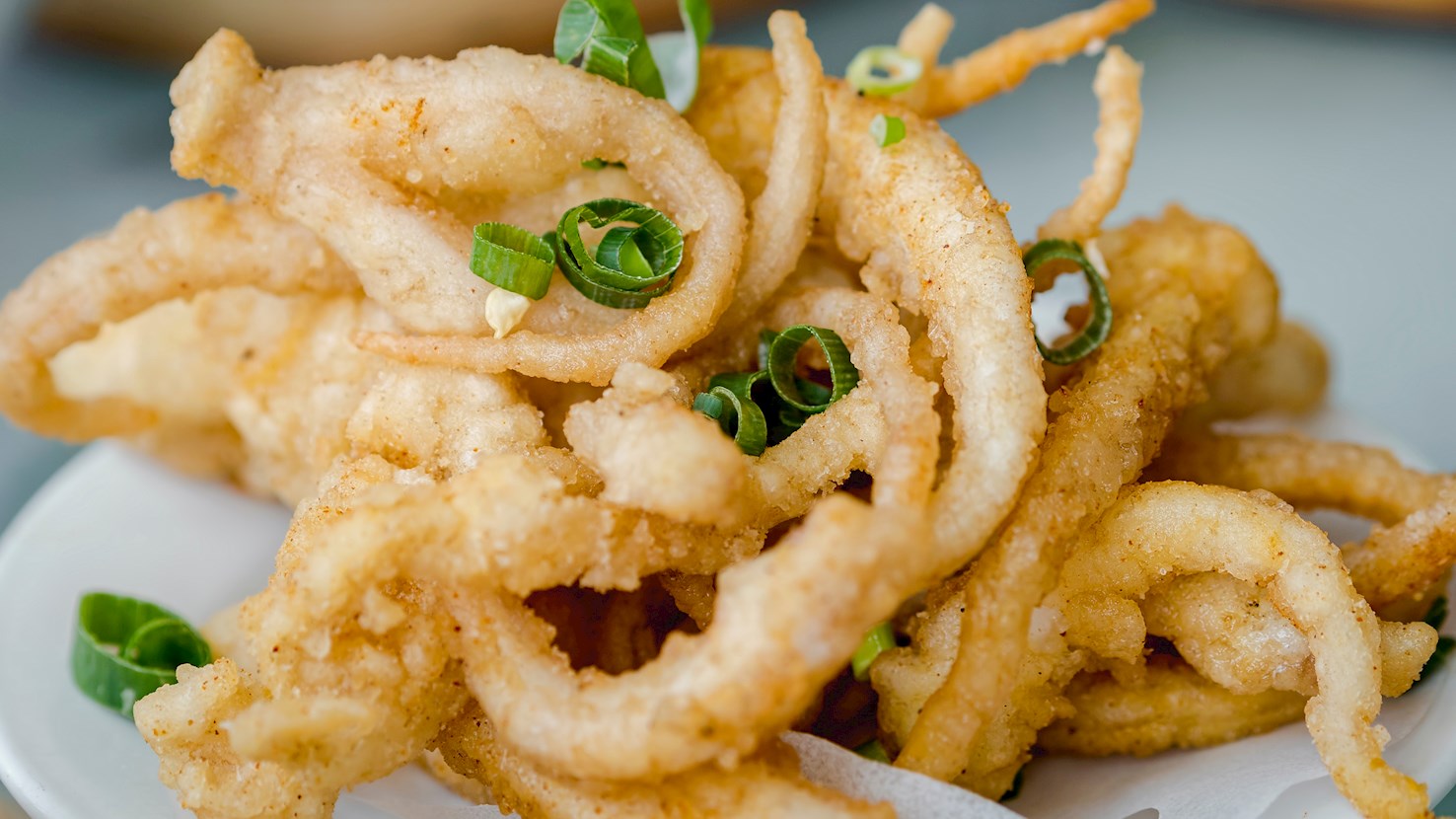
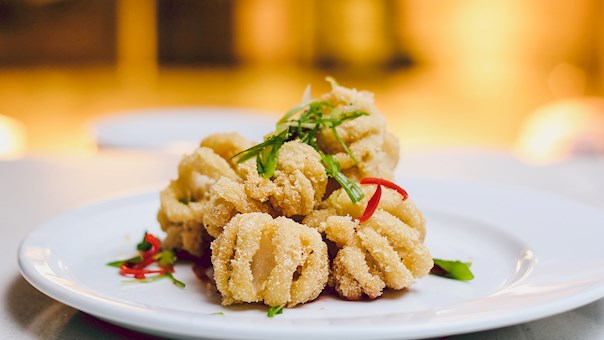
Jiao yan you yu or salt-and-pepper squid is a traditional dish originating from Guangzhou. This Cantonese dish is usually made with a combination of squid, potato flour, scallions, Shaoxing wine, garlic, oil, hot peppers, Sichuan pepper or white pepper, and salt. The surface of the squid is cross-hatched and the body is cut into bite-sized pieces. It's mixed with Shaoxing wine, drained, dredged in flour, and deep-fried in hot oil until lightly golden. The squid is removed from the pan. The garlic, scallions, and hot peppers are stir-fried in the same oil, and the squid is placed back into the pan with a mixture of Sichuan pepper and salt. The dish is stir-fried a bit more, tossed, and served hot as an appetizer or a main course.
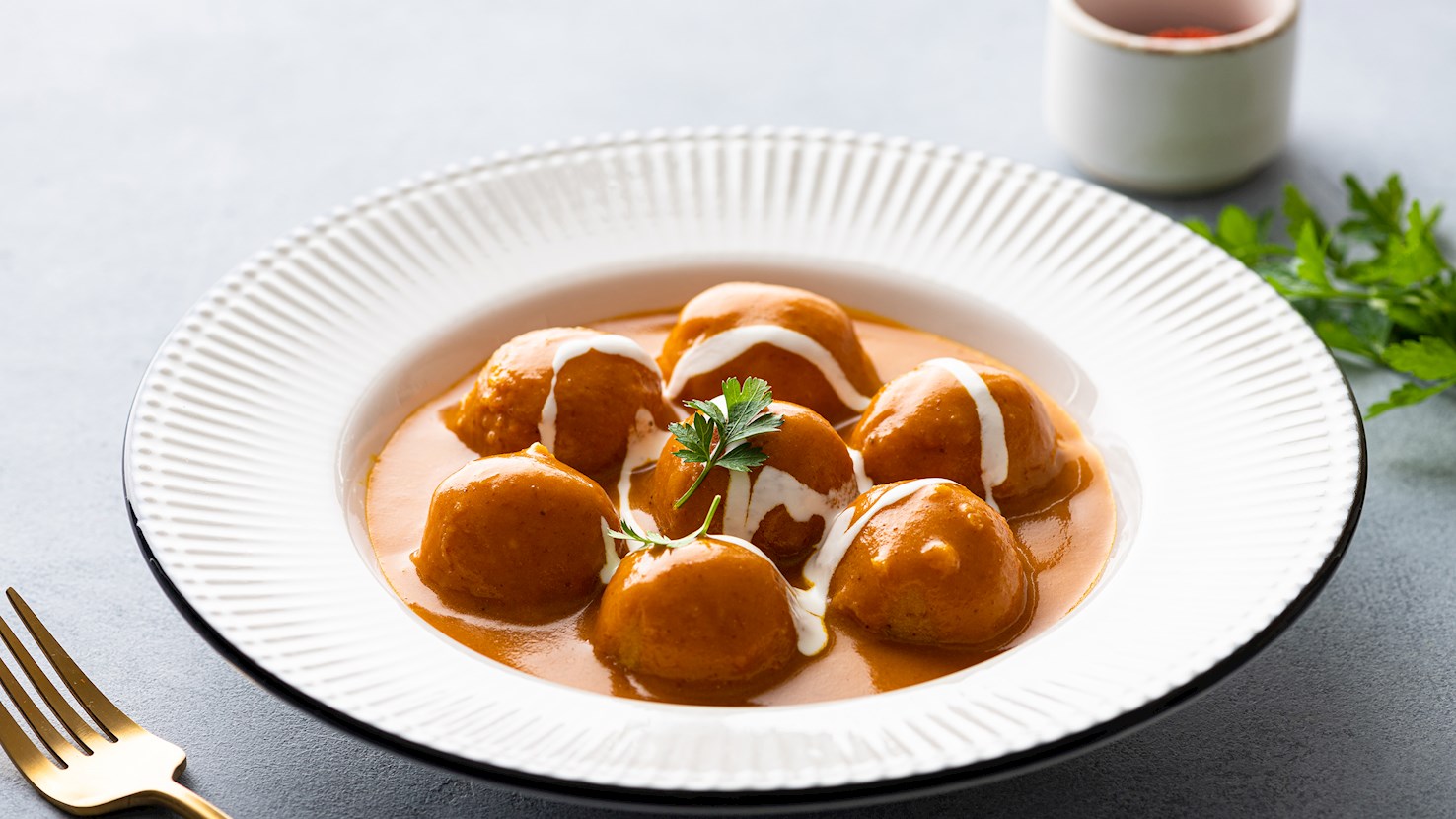
Malai kofta is a traditional North Indian dish consisting of fried potato and paneer balls in a creamy sauce. The dish is commonly served at festivals, celebrations, and weddings due to its rich texture and flavors. A typical dish of Mughal cuisine, developed in Medieval India by the cooks of the Mughal Empire, it is essentially a vegetarian substitute for a meatball curry, malai meaning cream, and kofta meaning dumplings. The dish is often prepared in a unique wok called a kadai, hence the other name of the dish, kadai kofta. Some food historians believe that these deep-fried dumplings have incorporated the influences of Turkish and Persian food cultures within them. The best and most usual accompaniments to malai kofta include naan bread and rice, and the dish is commonly garnished with shredded paneer and chopped coriander.
TasteAtlas food rankings are based on the ratings of the TasteAtlas audience, with a series of mechanisms that recognize real users and that ignore bot,
nationalist or local patriotic ratings, and give additional value to the ratings of users that the system recognizes as knowledgeable.
For the “Top 100 Deep-fried Dishes in the World” list until October 15, 2026, 29,021 ratings were recorded, of which 22,996 were recognized by the system as legitimate.
TasteAtlas Rankings should not be seen as the final global conclusion about food. Their purpose is to promote excellent local foods,
instill pride in traditional dishes, and arouse curiosity about dishes you haven’t tried.









What People Say