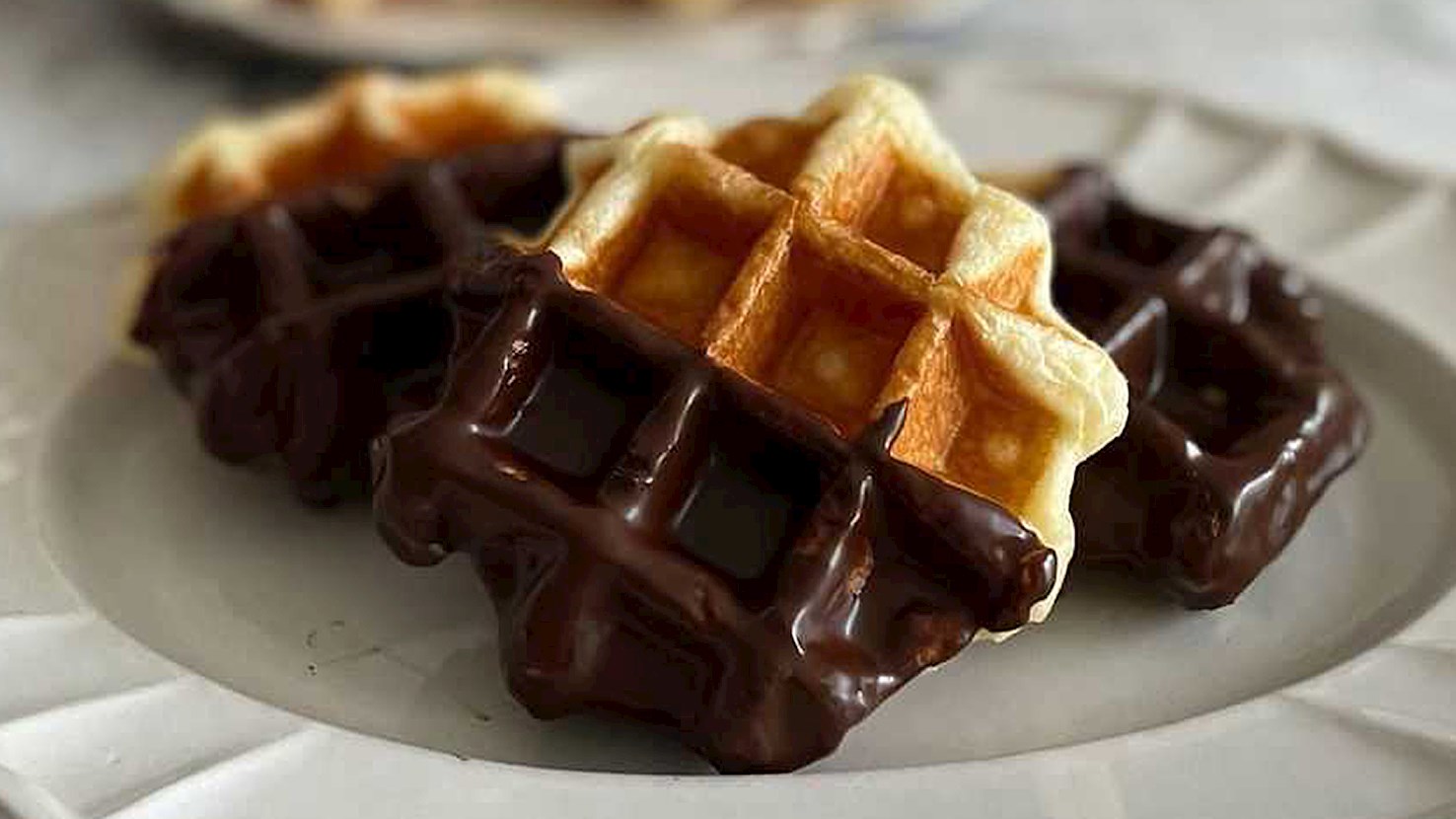
Liège waffles are one of the two most popular waffle varieties in Belgium. These unevenly shaped, chewy treats are made with a thick, brioche-like dough which is sweetened with pearl sugar and baked in a specially-designed waffle pan. During the baking process, the pearl sugar melts and gives the waffles a unique caramel flavor. Although the origin of Liège waffles is somewhat vague, it is believed they were influenced by French culinary traditions and made famous by the skillful Liège bakers. In Liège, these waffles are usually enjoyed plain, but they can also be topped with powdered sugar, whipped cream, chocolate, or various fruits.
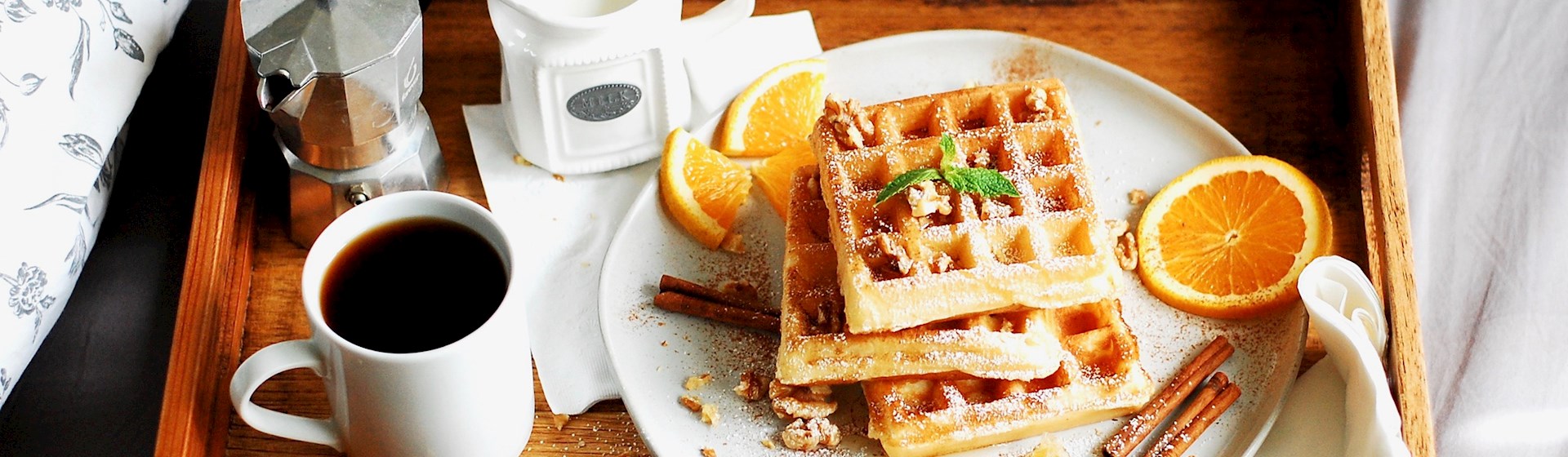
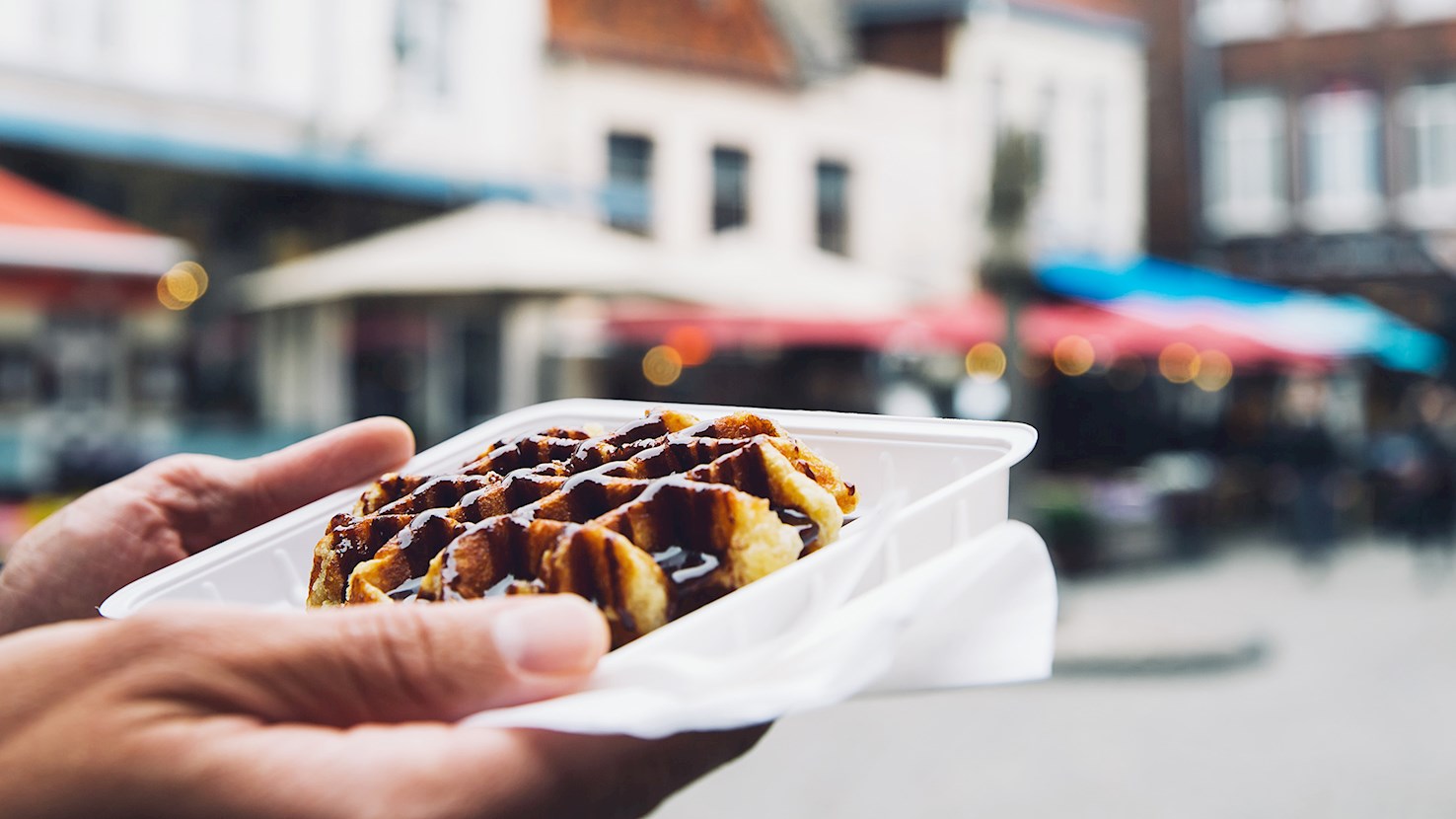
Delicious and fragrant waffles are the most famous Belgian culinary trademark. Made with thick dough or thin batter, the cakes are baked in a specially designed waffle iron which creates an unusual checkered pattern on the top and bottom of each cake. In Belgium, there are two distinct varieties of this national dessert: the light Brussels waffle, and the denser Liege waffle. The key distinction is in the batter: while the Brussels waffle batter is thin and runny, the Liege variety is made with a thick, brioche-like dough which produces a cake with uneven edges and dense texture. However, this distinction is only recognized in Belgium, while everywhere else in the world, this popular dessert is known simply as the Belgian waffle. Even though waffles have been present in Belgian cuisine since the Middle Ages, and were initially made with a mixture of barley and oats, they were made famous at World’s Fair, held in New York in 1964. Maurice Vermersch, the innovator of the modern waffle version, decided to offer the waffles to American citizens, which proved to be a big hit. Since then, waffles have become a common breakfast staple in traditional American diners. However, in Belgium, waffles are regarded as street food - they are almost always eaten by hand, on-the-go. They are usually served plain or dusted with powdered sugar, but modern versions may be topped with anything from whipped cream and chocolate to caramel or sliced fruits.
Brussels waffle is one of the two Belgian waffle varieties, a delicious cake enjoying the status of Belgium's national dessert. The waffle is made from a thin, yeasted batter that is baked in a specially-designed appliance, giving the waffle an unusual, checkered pattern. The thin, runny batter helps in creating defined edges and a perfectly rectangular shape of the cake. However, the most important addition is the leavening agent, in this case, yeast, providing airiness and lightness. Although the waffle is light on the inside, it is crunchy and crispy on the outside, with an appealing golden-brown color. This traditional Belgian dessert is usually sold at bakeries and numerous food stands across Belgium. It is almost always eaten by hand and is rarely served in restaurants. Traditionally, it is served plain or dusted with powdered sugar. However, modern Brussels waffles are often topped with ingredients such as chocolate, whipped cream, caramel, or sliced fruits.
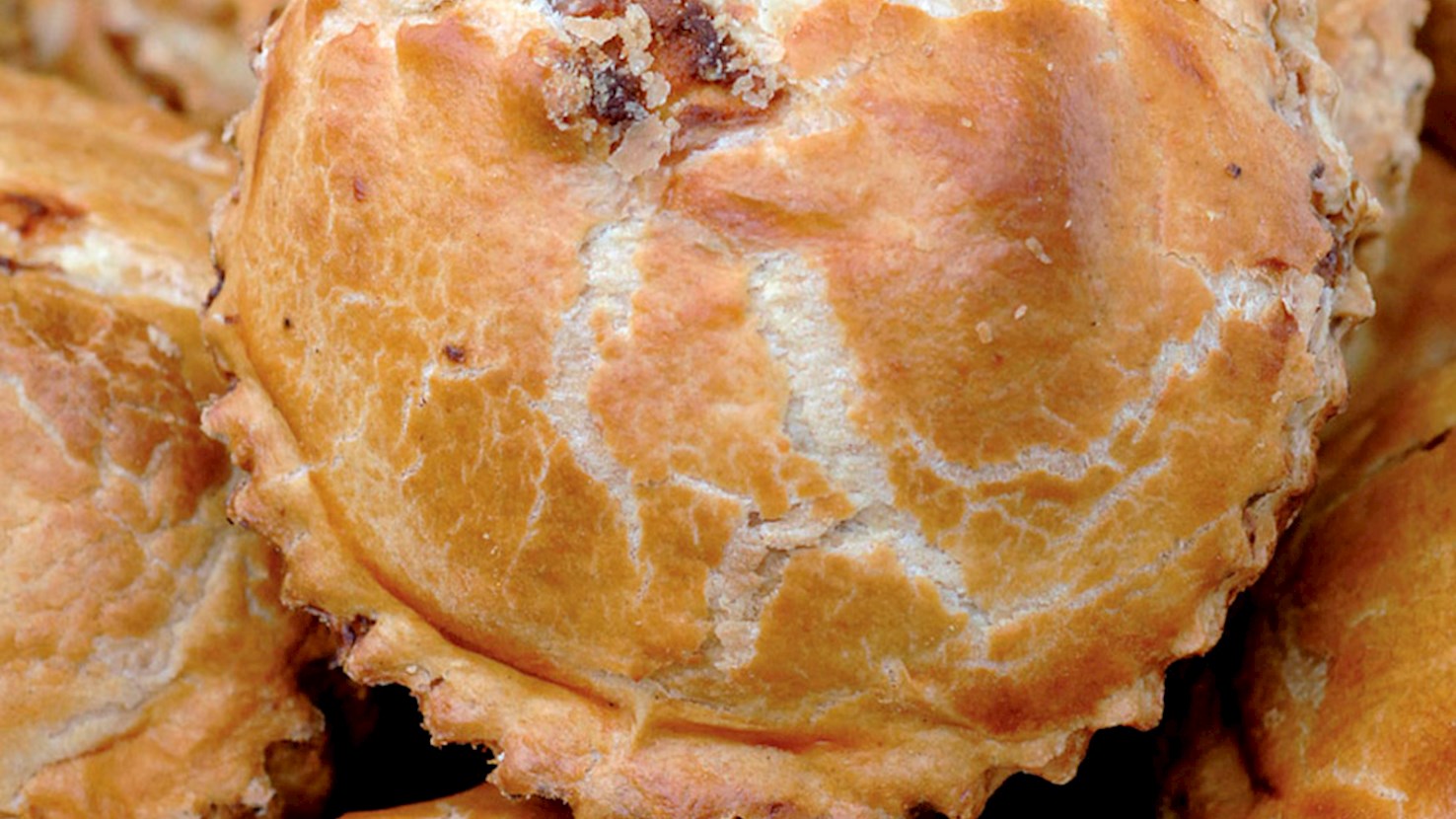
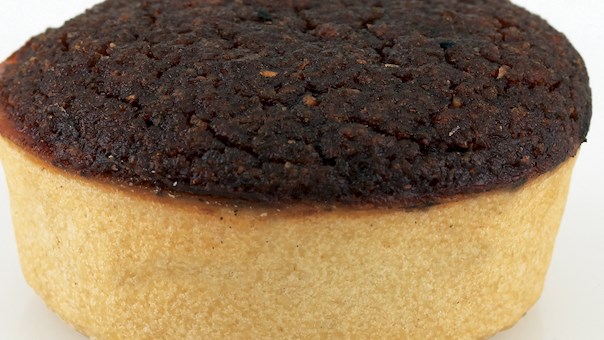
A typical dessert of the East Flanders, mattentaart is a small puff pastry pie with a tender, almond-flavored cheese curd filling called mattenbrij. These delicious Flemish pies are traditionally made in the city of Geraardsbergen and the neighboring village of Lierde, and their production depends heavily on the Geraardsbergen area's dairy produce, since genuine mattentaarts are prepared using only fresh milk, butter, and buttermilk from the local farms. Although the origins of mattentaart can be traced back to the Middle Ages, the oldest known recipe was found in Een Notabel Boecxken van Cokeryen, the first cookbook in Dutch, written and published in 1514 by Thomas van Der Noot. Later on, the famed mattentaarts were even depicted by the Flemish Renaissance painter and printmaker Pieter Bruegel the Elder in his 1567 painting The Peasant Wedding. And even though mattentaart is today famous throughout Belgium and abroad, in 2006, this pie has been declared a regional product protected by the European Union which means it can only be called mattentaart if it is produced in Geraardsbergen or Lierde.
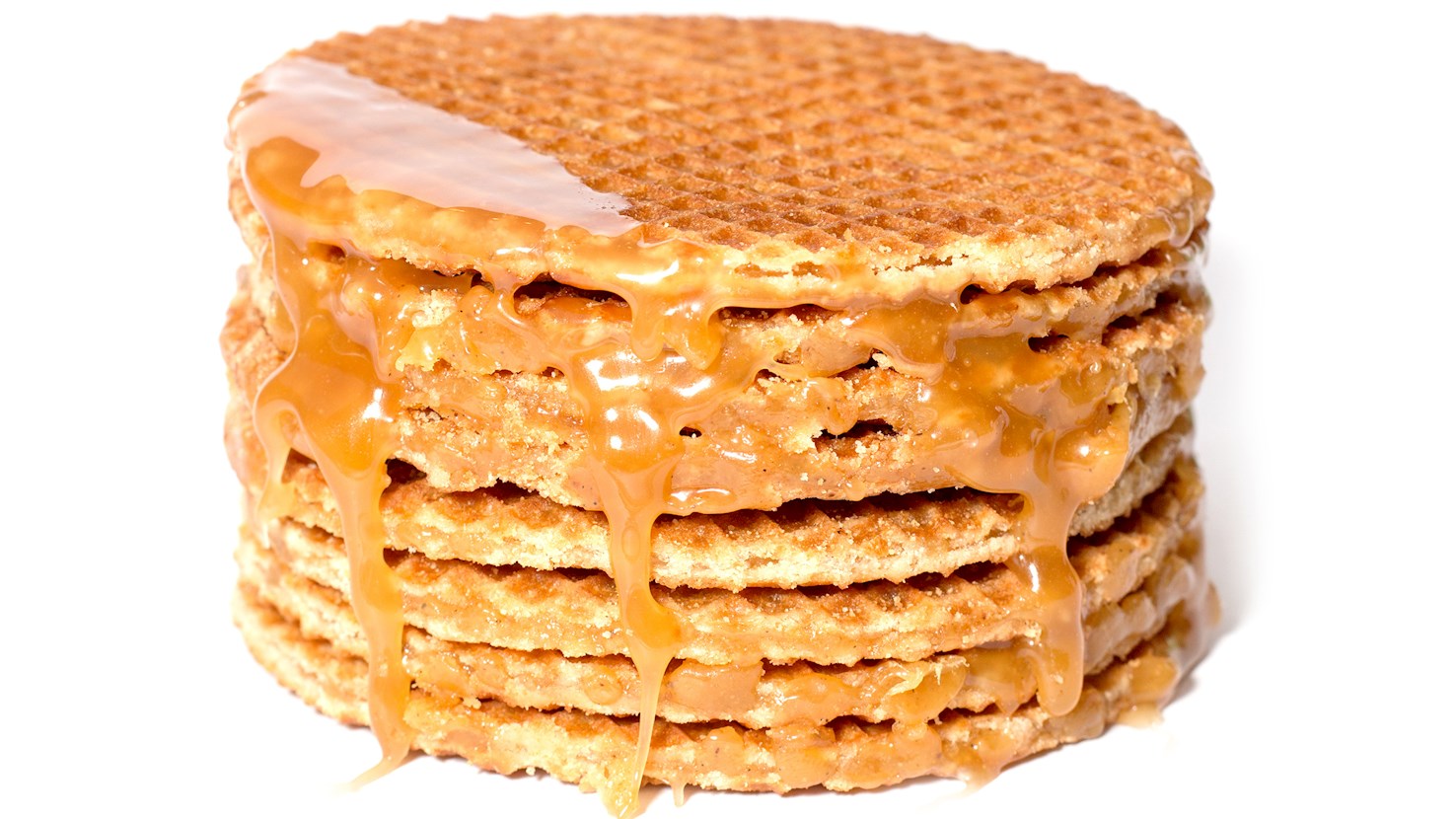
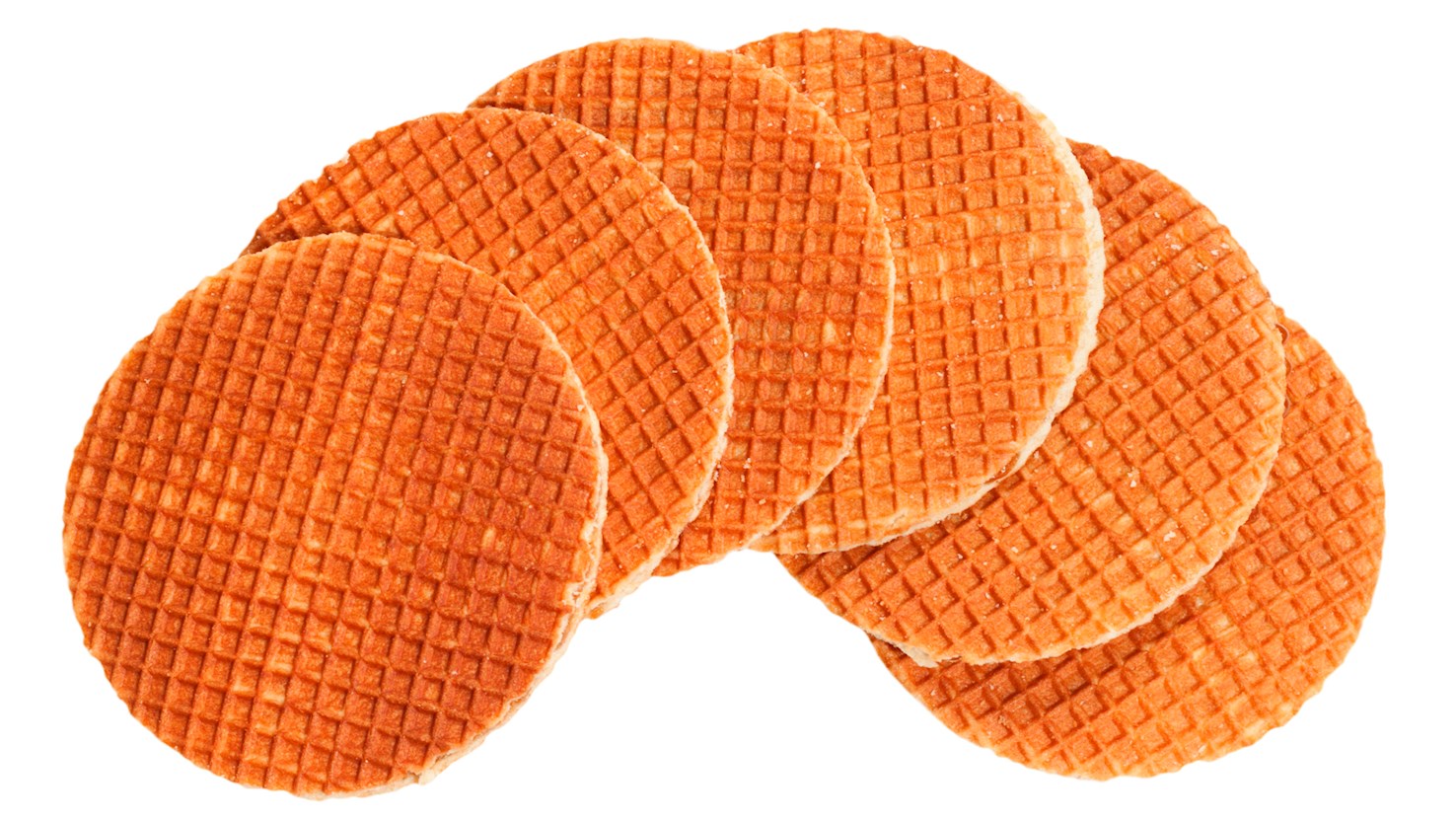
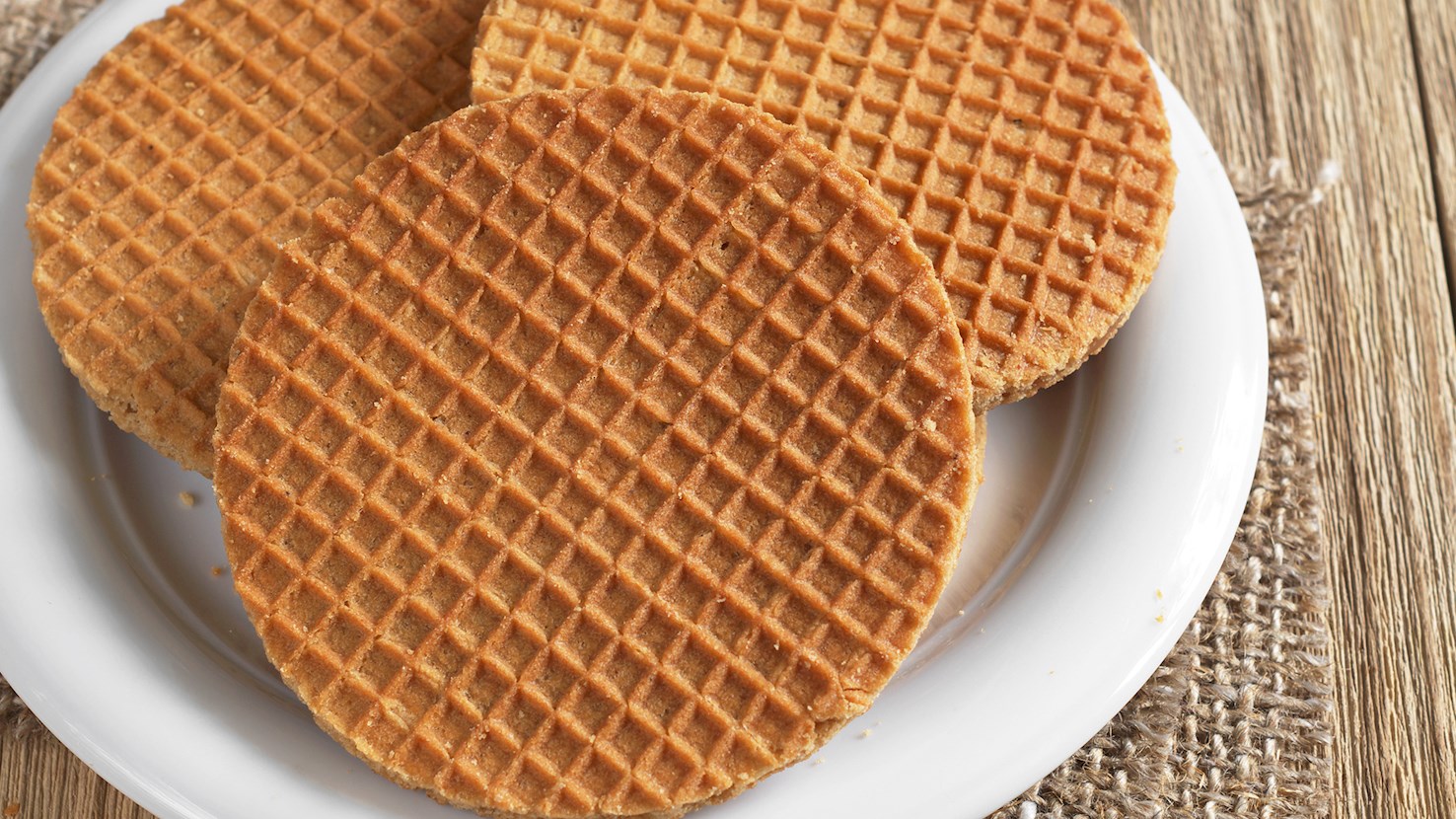
The lacquemant is a thin, oval, syrup-filled waffle from Liège, closely associated with the city’s fairgrounds, especially the large October fair held along Boulevard d’Avroy. Unlike the thick, pearl-sugar-studded Liège waffle, a lacquemant is made from a relatively thin yeast dough that is pressed in a fine-patterned waffle iron, sliced horizontally while still warm, filled with a fragrant sugar syrup, and then covered with more of the same syrup on the outside. The result is soft and slightly chewy rather than crisp, with syrup working its way through the waffle so thoroughly that eating one without sticky fingers is nearly impossible. Orange blossom is one of the flavors most strongly associated with the syrup, often accompanied by cinnamon or other warm spices, but each fairground family tends to guard its own formula closely. The sweet is so strongly identified with Liège today that its arrival at the fair is treated almost as a seasonal event. Yet, its beginnings appear to lie partly across the Belgian border in northern France. Regional accounts generally credit Désiré Smidts, better known as Désiré de Lille, with creating the lacquemant around 1903. According to the best-known version of the story, Smidts worked for a fairground business in Lille known as the Établissements Lacquemant, where he and a pastry cook developed a thin waffle served with syrup. He later returned to Belgium and brought the preparation into the Liège fairground world, naming it after his former employer. Family and fairground accounts have repeated the details, but no single contemporary recipe document preserves them; still, local sources consistently link Désiré de Lille, the early 20th century, and the emergence of the Liège lacquemant. Over the following decades, other fairground families began producing their own versions, and the sweet became inseparable from the Foire de Liège. By the 1920s, businesses such as the Plouette family operation were already building reputations around their own lacquemants, and competition between sellers became intense enough that recipes, suppliers, and preparation details were treated as commercial secrets. The waffle itself begins with a soft yeasted dough rather than the pourable batter used for many breakfast waffles. Flour is mixed with yeast and liquid, usually together with sugar, eggs, butter or another fat, and salt, then allowed to rise until light enough to produce a flexible rather than dense wafer. Small portions of dough are rolled or shaped into elongated ovals and cooked in a waffle iron with a fine grid. Some recipes use pieces of roughly twenty grams, which gives an idea of how much smaller and thinner they are than a standard Brussels or Liège waffle. As soon as the waffle leaves the iron, split it horizontally while it's still flexible and warm. This step must be done quickly and cleanly: once the waffle cools, cutting it without breaking the two thin layers becomes much harder. Syrup is spread generously between the halves, the waffle is closed again, and additional syrup is poured or brushed over the surface. The syrup is what truly defines the lacquemant. Recipes differ, but sugar syrup flavored with orange-blossom water is one of the most recognizable forms, while some family versions include cinnamon. Differences in spice balance distinguish one fairground seller from another. The syrup needs to remain fluid enough to penetrate the warm waffle rather than setting immediately into a hard glaze. As the lacquemant rests, the dough absorbs some of it and softens, so a freshly assembled one has more contrast between waffle and filling, while one that has sat for a while becomes more uniformly tender and saturated. This also explains why lacquemants differ from syrup simply poured over a finished waffle: the waffle is designed to become part of the syrup rather than merely carry it on top. The fine grid on the surface catches extra syrup, while the thin dough keeps the sweet from becoming overwhelmingly bread-like. They are generally stacked or served on small plates at fairground stalls, often with extra syrup pooling underneath, and many people buy several at once rather than eating only one. The Foire de Liège remains their most famous setting, and the lacquemant is widely regarded as one of the defining foods of the event. Although they can now be found elsewhere in Belgium and have occasionally been sold in cities such as Namur, they remain much more closely tied to Liège than most Belgian waffles. That geographic identity is strong enough that chefs around Liège have begun using the flavor of lacquemant outside its original format, turning the syrup into components for ice cream, macarons, panna cotta, tiramisu, and even savory sauces for duck, game, veal sweetbreads, and Liège-style meatballs. These reinterpretations show how recognizable the syrup itself has become, but the classic version is still a fairground sweet eaten warm or at room temperature, usually by hand and with no accompaniment more complicated than a napkin. Coffee is probably the easiest beverage pairing because its bitterness cuts through the concentrated sugar without interfering with the orange-blossom aroma, while strong black tea works for the same reason. Café au lait suits a softer, breakfast-like serving, although lacquemants are much more closely associated with fairs and afternoon or evening snacking than with breakfast. If an alcoholic drink is wanted, a small glass of peket, Liège’s juniper spirit, is a fitting regional choice, particularly after rather than alongside a very syrupy portion, while a dry sparkling wine can provide acidity and refresh the palate.
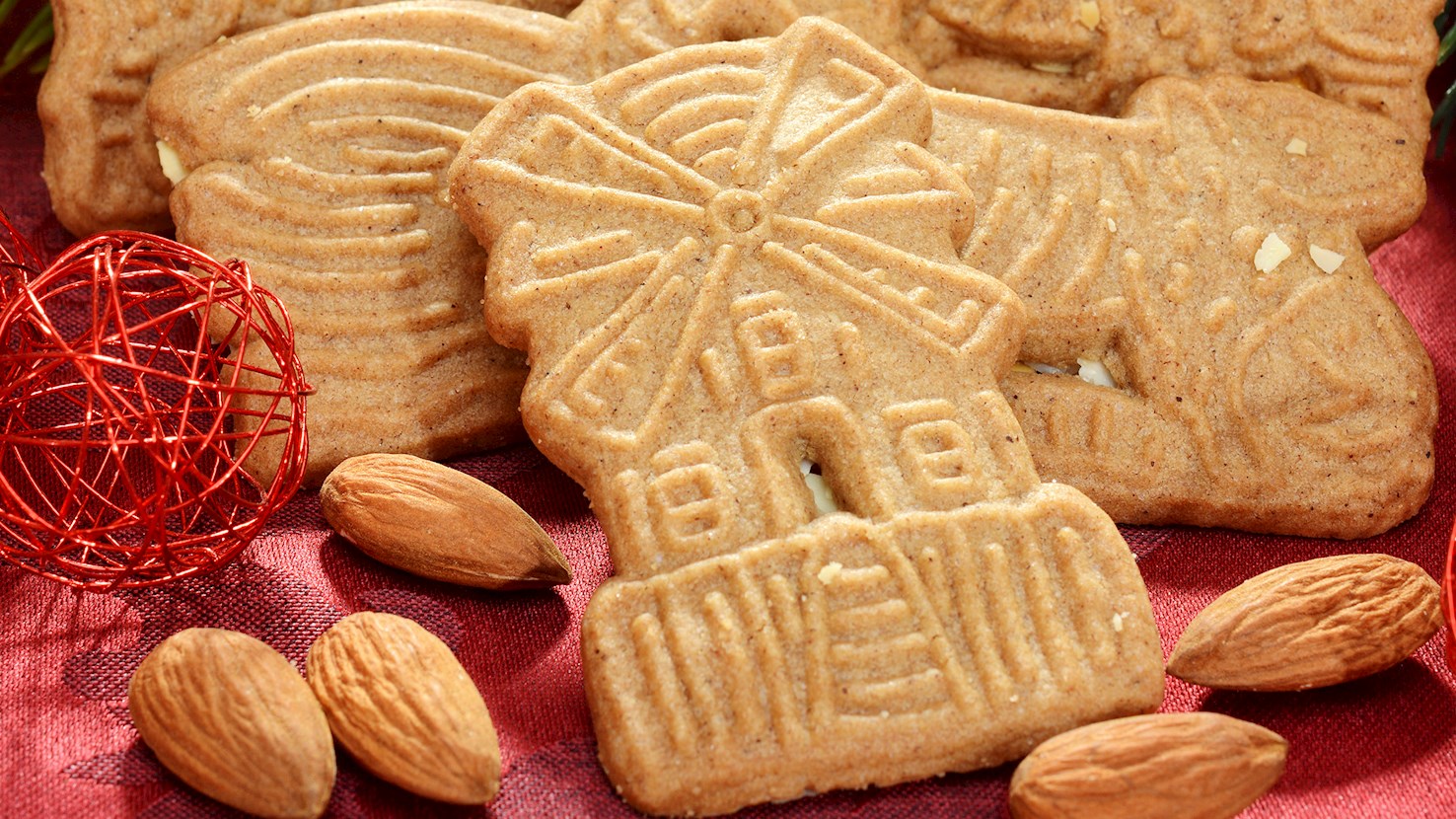
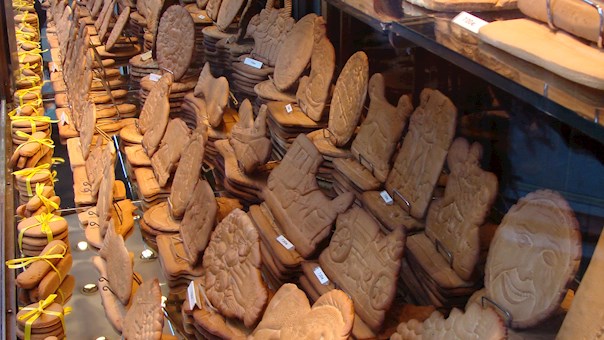
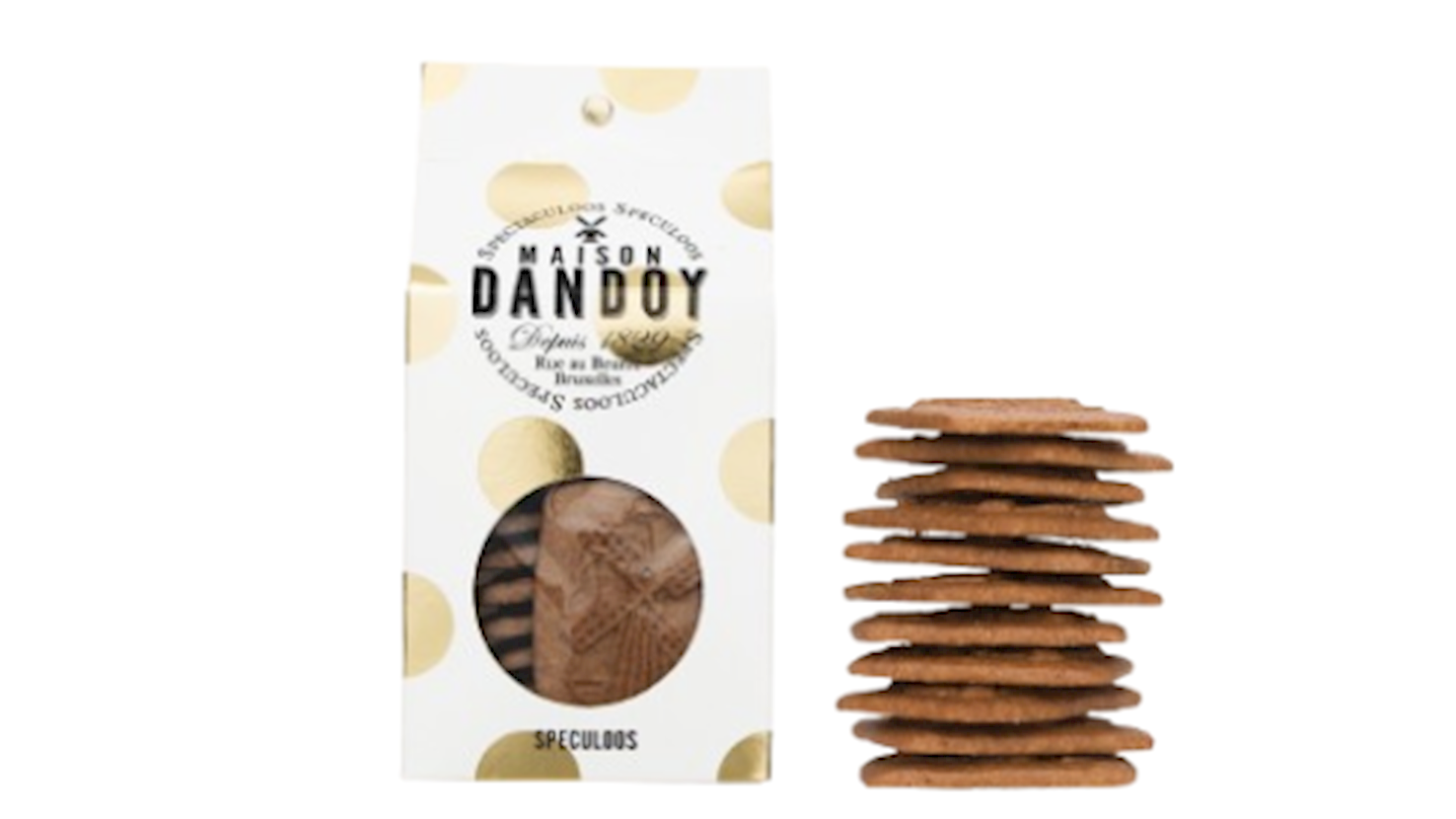
Speculaas are spiced cookies mainly made in Belgium and the Netherlands, although they are also popular in Germany (Rhineland and Westphalia), Luxembourg and northern France. With an intense fragrance of cinnamon, cloves, nutmeg, and ginger, the cookies are traditionally baked on the eve of St Nicholas Day, celebrated on December 5 and December 6. Before going to bed, the children put their shoes by the chimney, and if they behaved well, they are rewarded with speculaas in their shoes. There are a few theories on the origin of its name - one says it derives from the Latin word speculum, meaning a mirror, referring to the mirrored images that the cookies are decorated with. Another popular theory claims the origin of speculaas stems from specerij, the Dutch word for spice. The third theory suggests that it derives from the Latin speculator, referring to a bishop, such as St Nicholas. And how about the issue of speculaas vs. speculoos? Apparently, speculoos is just the Belgian word for these cookies, but without any (or most of) the once-expensive spices, as loos means without in Dutch. Also, the word speculaas doesn't exist in French, so they're always called speculoos in France. Today, the cookies are not reserved only for the St Nicholas Day or for Christmas, but are available the whole year round, ideally paired with a cup of hot tea or coffee.
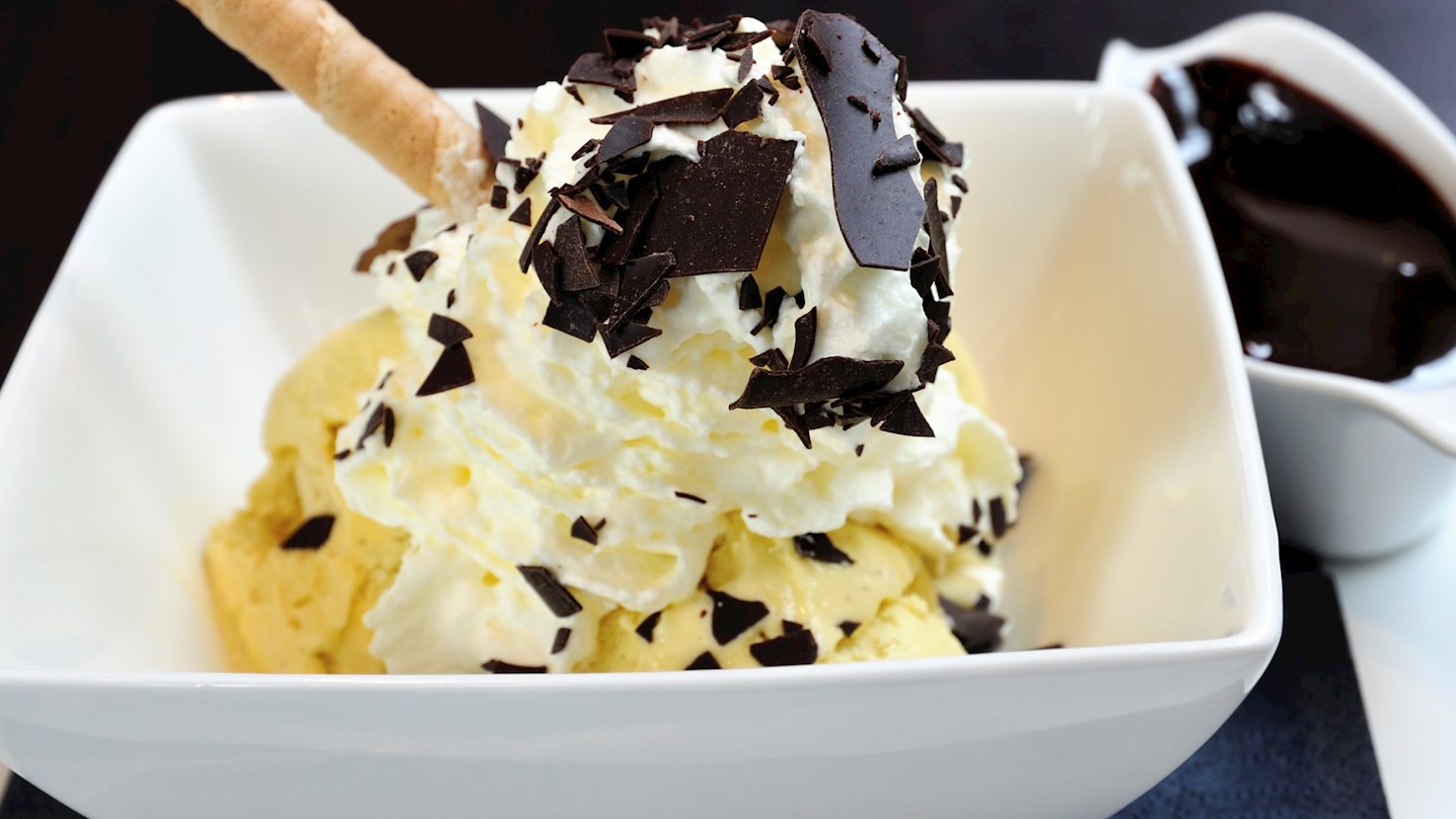
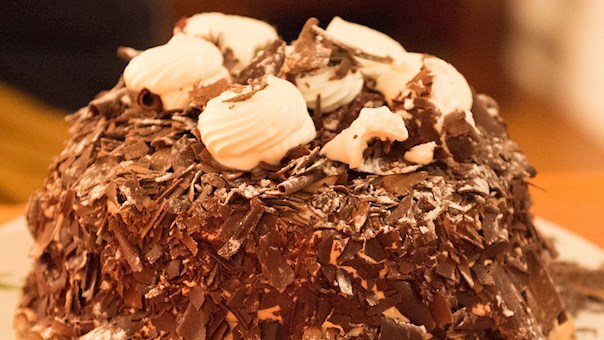
La dame blanche is a sweet dessert from Belgium, consisting of vanilla ice cream, whipped cream, and a warm chocolate fudge made with chocolate, milk and vanilla extract. The dessert, which shares its name with a famous French opera based on Scottish writer Sir Walter Scott's works, is commonly found in most Belgian restaurants. Cherish Raspberry, a Belgian Lambic beer, acts as a perfect accompaniment to this classic dessert.
Flemish waffle is a traditional product consisting of flour, yeast, butter, milk, eggs, salt, and vanilla sugar. Unlike Brussels and Liège waffle, the Flemish variety is usually consumed without any toppings after it has cooled down. It is recommended to prepare the waffles in large batches as they can be preserved for a few weeks if stored properly.
Also known as Kempense galetten, these flavorful waffles are mostly popular in Belgium. They are characterized by a hard and crunchy texture. Upon consumption, the waffles become crumbly and buttery in the mouth. Despite their name, galettes campinoises should not be confused with the French galettes, which are essentially savory buckwheat pancakes.
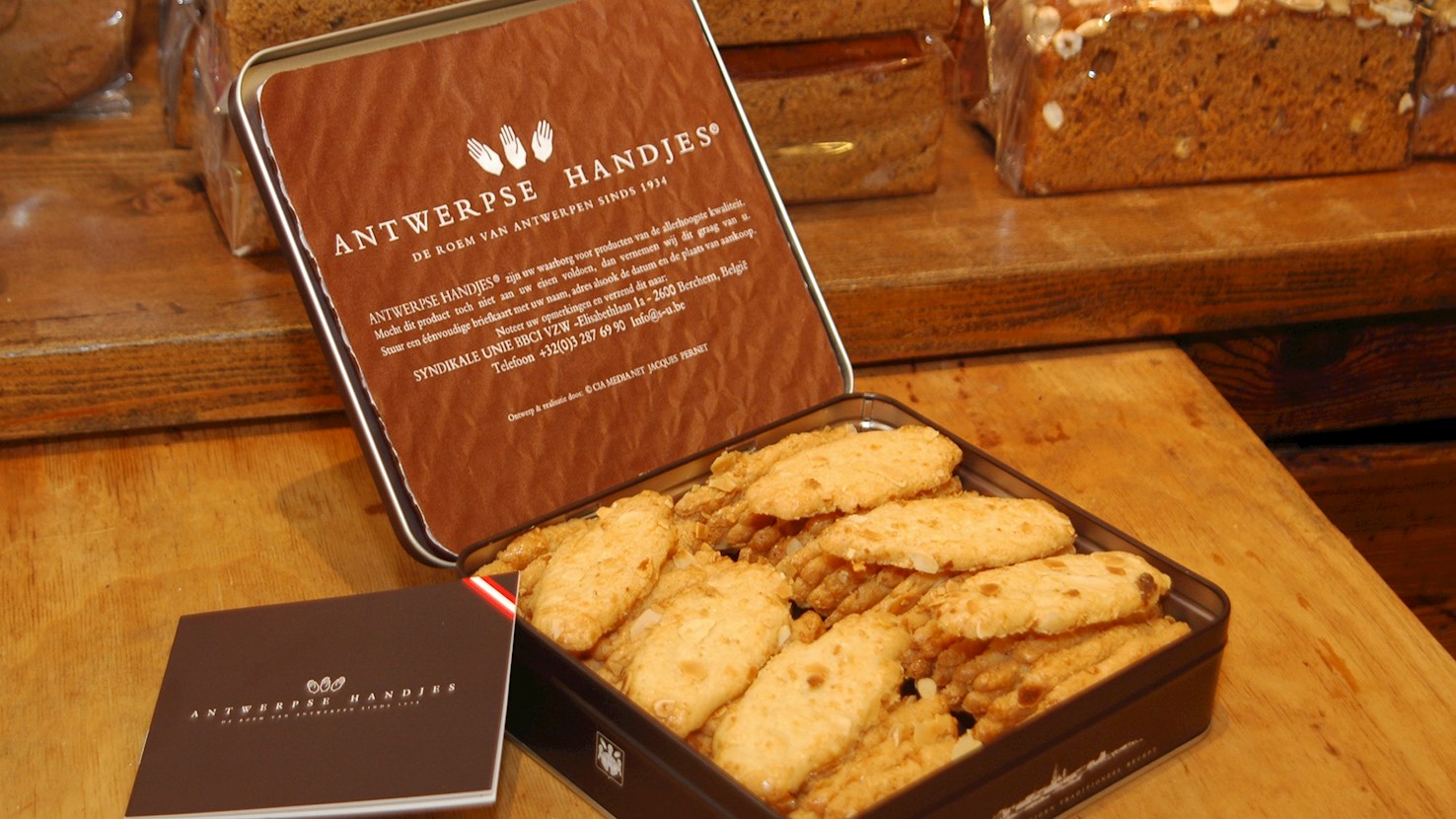
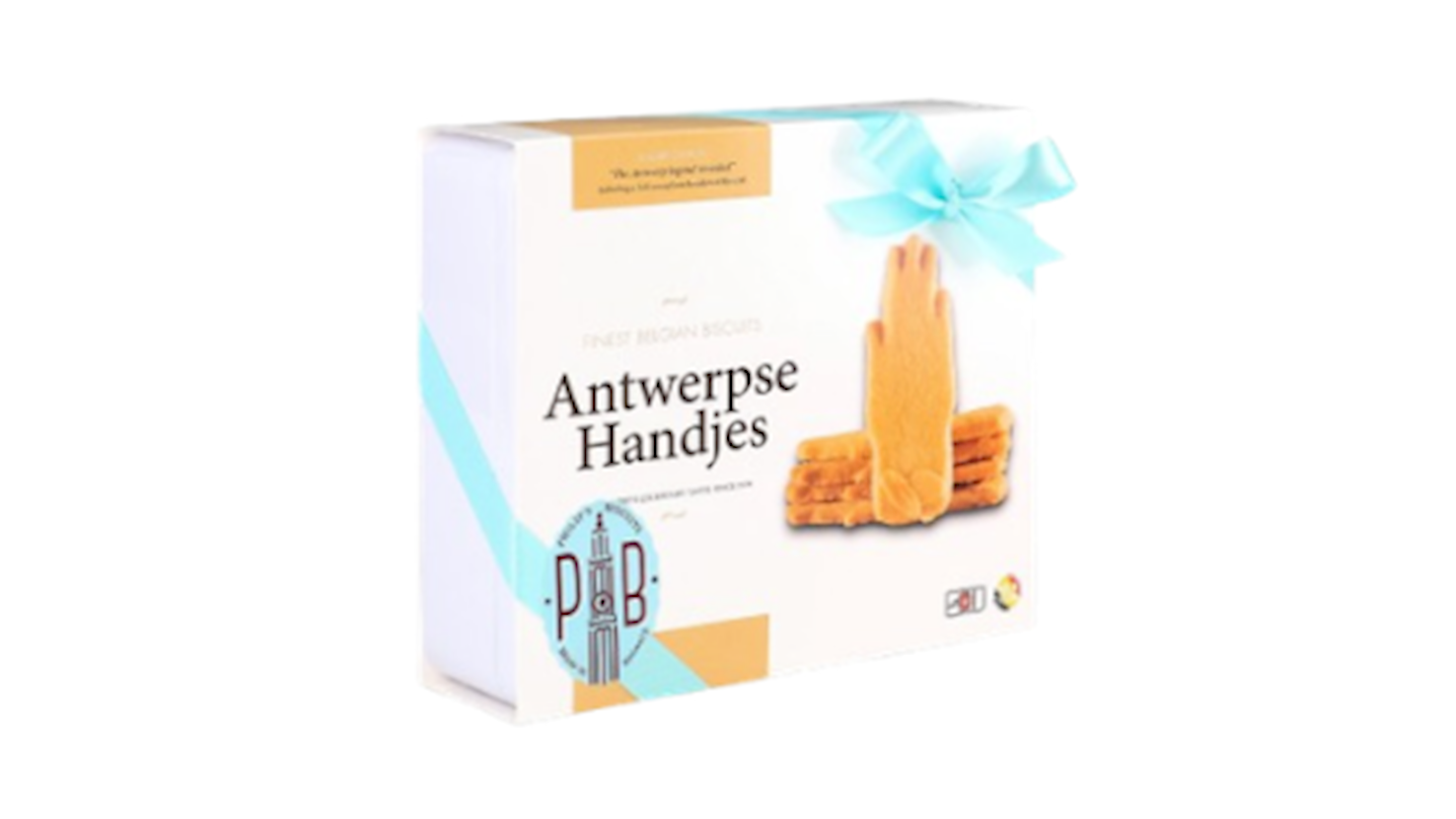
Antwerpse handjes are traditional Belgian hand-shaped cookies originating from Antwerp. The cookies date back to 1934 and they're made with a combination of flour, eggs, butter, sugar, and almonds. The dough is shaped into small hands and the cookies are then baked until golden. Antwerpse handjes are a symbol of Antwerp and they're sold in bakeries across the city. The shape of a hand refers to the legend of Brabo, a Roman soldier who cut off the hand of the giant Antigoon who imposed a tax for each ship that wanted to enter the port. Brabo threw the severed hand in the Scheldt river. In Dutch, the phrase throwing the hand is hand werpen, and over time it became – Antwerpen.
Philip's Biscuits is a Belgian artisanal biscuit brand based in Antwerp, founded in 1991 with a focus on small-scale production rooted in local baking traditions. The company began as a workshop in Hemiksem and developed into a recognized producer known for handmade cookies that emphasize natural ingredients and controlled production methods.
Its identity is closely tied to Antwerp’s historical reputation as a center for biscuit making, which is reflected in its use of regional specialties such as speculaas and Antwerpse Handjes. The product range includes a variety of traditional and contemporary biscuits, often presented in carefully designed packaging that supports both everyday consumption and gift use.
Production remains workshop-based, allowing for flexibility in recipes and ongoing experimentation with flavors while maintaining consistency in core products. In addition to manufacturing, the brand operates boutique-style retail locations, primarily in Antwerp, where the presentation and environment reinforce its artisanal positioning.
A key aspect of its approach is balancing tradition with selective innovation, adapting classic formats without losing their recognizable character. The company’s scale allows it to maintain a strong connection between production, branding, and retail experience.
Maison Dandoy is a family-owned biscuit maker with a long-standing tradition of crafting fine baked goods, renowned for its exceptional quality and dedication to artisanal methods. For generations, it has preserved original recipes and time-honored techniques, remaining true to natural ingredients and handcrafted production.
Their signature biscuits - especially the iconic speculoos - are made without compromise, using real butter, brown sugar, and carefully selected spices.
Maison Dandoy offers products that blend rich heritage with a modern sensibility, where each biscuit tells a story of simplicity, flavor, and elegance. Their approach combines tradition with thoughtful design, sustainable practices, and a deep respect for every detail - from baking to packaging.
Maison Dandoy doesn’t just make biscuits; it creates moments to be remembered.
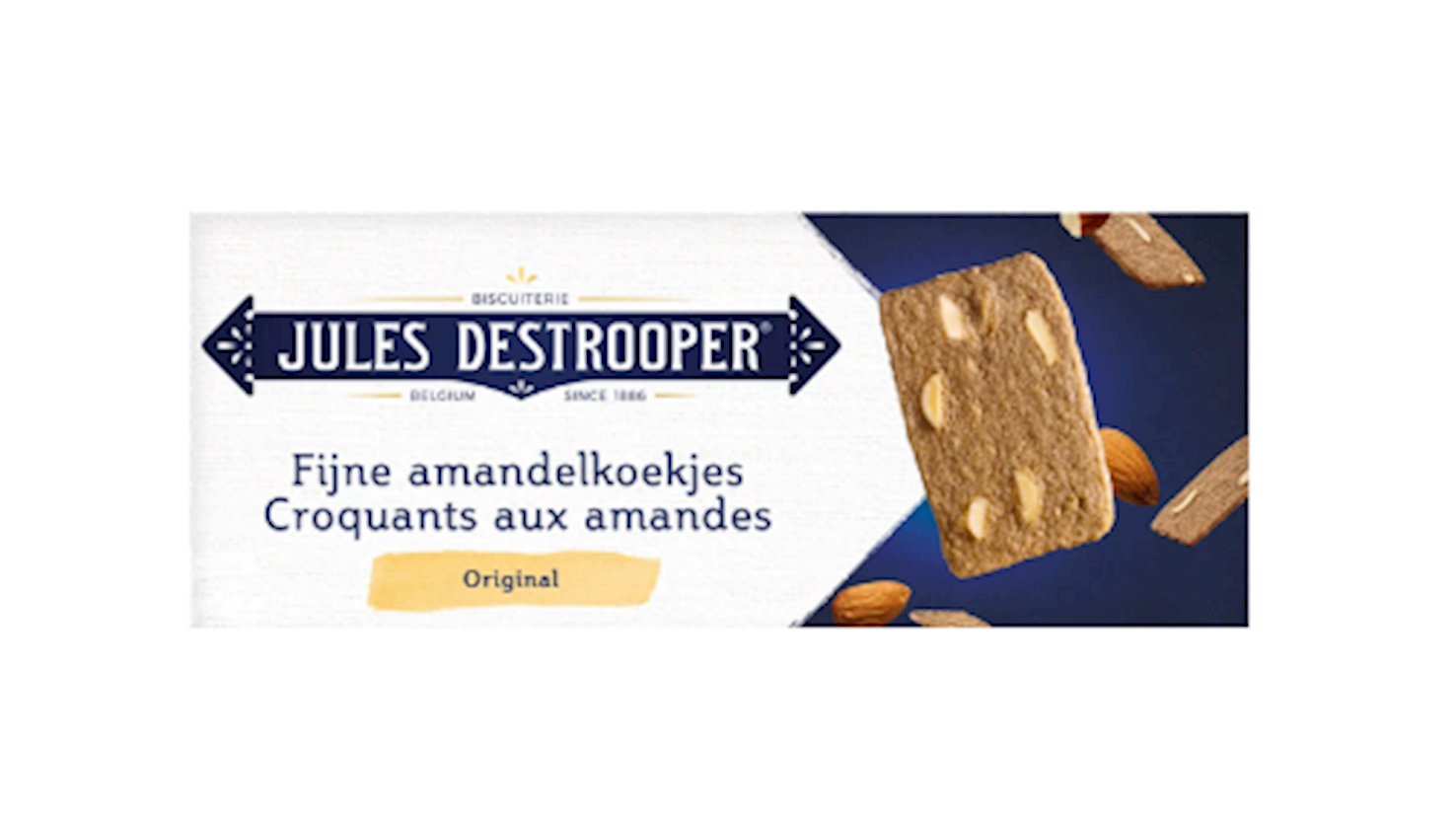
Jules Destrooper is a renowned biscuit maker with a rich tradition spanning over a century. Founded on a family recipe and a passion for premium ingredients, this Belgian brand has become synonymous with refined taste and timeless craftsmanship.
Their most iconic creations - almond thins, butter crisps, and delicately spiced biscuits - are made using only natural ingredients, without artificial additives, and always in accordance with the original recipes.
The brand seamlessly blends heritage with modern sensibility, evident not only in flavor but also in elegant packaging and a strong commitment to sustainability. Jules Destrooper is proudly recognized with a Royal Warrant, a mark of excellence and trust.
Today, their products delight customers around the world, while the brand remains faithful to its core values: authenticity, simplicity, and enduring quality in every bite.
TasteAtlas food rankings are based on the ratings of the TasteAtlas audience, with a series of mechanisms that recognize real users and that ignore bot,
nationalist or local patriotic ratings, and give additional value to the ratings of users that the system recognizes as knowledgeable.
For the “Top 20 Belgian Desserts” list until October 15, 2026, 2,188 ratings were recorded, of which 1,944 were recognized by the system as legitimate.
TasteAtlas Rankings should not be seen as the final global conclusion about food. Their purpose is to promote excellent local foods,
instill pride in traditional dishes, and arouse curiosity about dishes you haven’t tried.
The initial list of top producers was compiled based on available reviews, awards, local recommendations, media and blog coverage, and consumer reviews.
The list will be updated with ratings from TasteAtlas local ambassadors and TasteAtlas users.






What People Say