shutterstock

Top 10 Francilien Desserts

Last updated on June 15, 2026

Best Francilien Desserts
01

Pierre Hermé

4.7 ·
Pierre Hermé is a contemporary French luxury pâtisserie brand founded by Pierre Hermé, widely regarded as one of the most influential pastry chefs of modern times. Built on a philosophy of precision, balance, and creative freedom, the house is known for redefining classic French pastry through bold yet disciplined flavor pairings. Pierre Hermé’s work emphasizes clarity of taste, where each ingredient is clearly expressed without excess sweetness or decorative distraction. The brand is especially renowned for its macarons, which range from rigorously executed classics to highly original combinations that have reshaped expectations of the category. Beyond macarons, the portfolio includes entremets, chocolates, viennoiserie, and seasonal creations, all produced with meticulous attention to ingredients, texture, and structure. With boutiques and salons in Paris and major cities worldwide, Pierre Hermé positions pastry as a form of contemporary culinary expression, merging technical mastery with a distinctly modern aesthetic.
02

Ladurée

4.5 ·
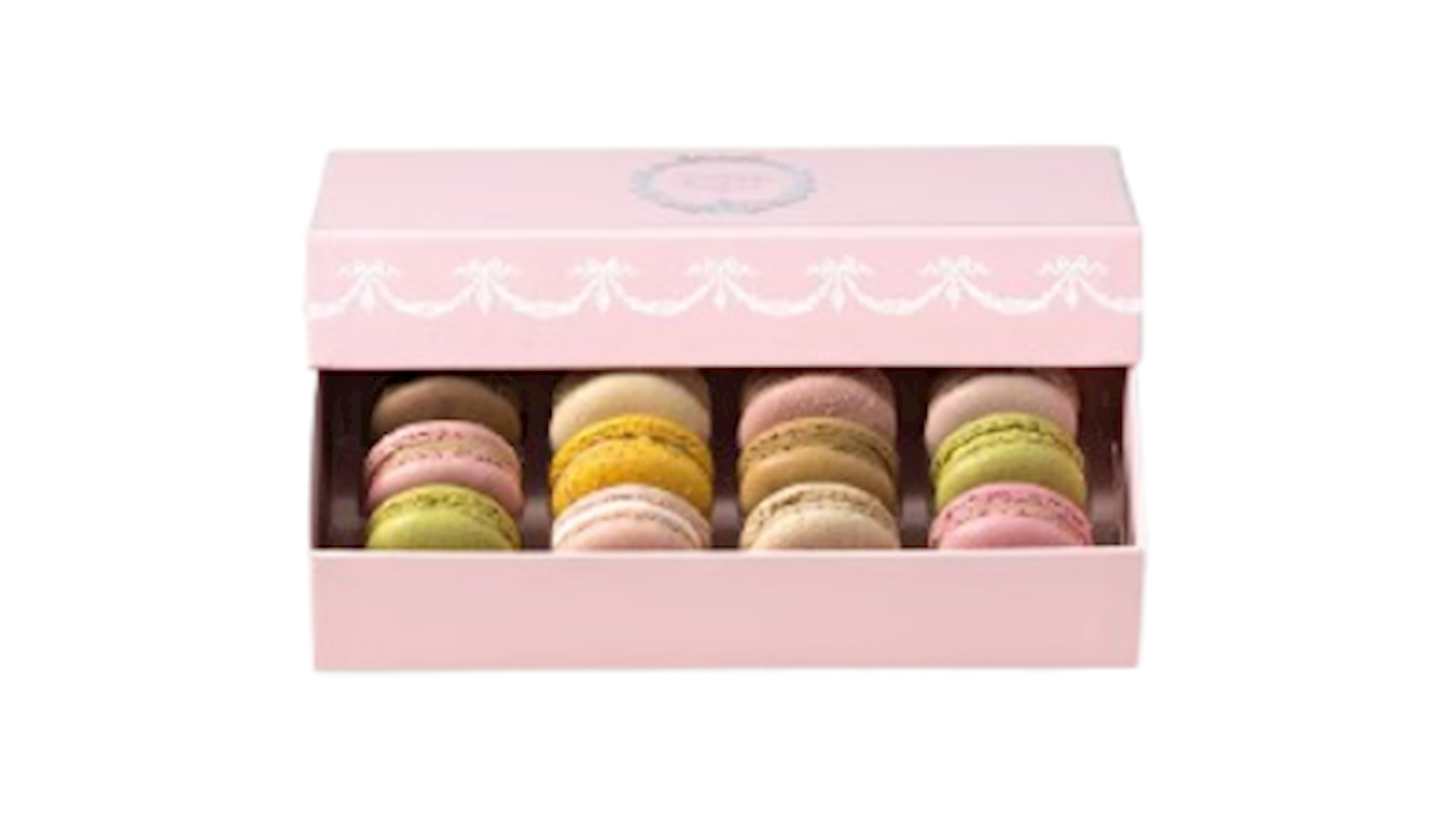
Ladurée is a historic French pâtisserie and luxury confectionery brand founded in 1862 in Paris by Louis-Ernest Ladurée. Originally established as a bakery on Rue Royale, Ladurée gradually evolved into one of the most recognizable names in French pastry, closely associated with the refinement of Parisian art de vivre. The brand is internationally celebrated for its macarons, which have become its defining signature and a global symbol of French elegance. Ladurée’s identity rests on a balance of tradition and aesthetics, combining classic pastry techniques with a highly curated visual universe inspired by 18th-century salons. In the late 19th century, it was among the first to introduce the concept of a tea salon, creating a social space where pastries, tea, and refined hospitality converged. Today, Ladurée operates an extensive international network of boutiques and salons, offering macarons, pastries, chocolates, teas, and luxury gift collections. The brand’s continued relevance lies in its ability to preserve heritage while presenting French pastry as a cultural and experiential product rather than simple confectionery.
03

Poilâne

4.2 ·
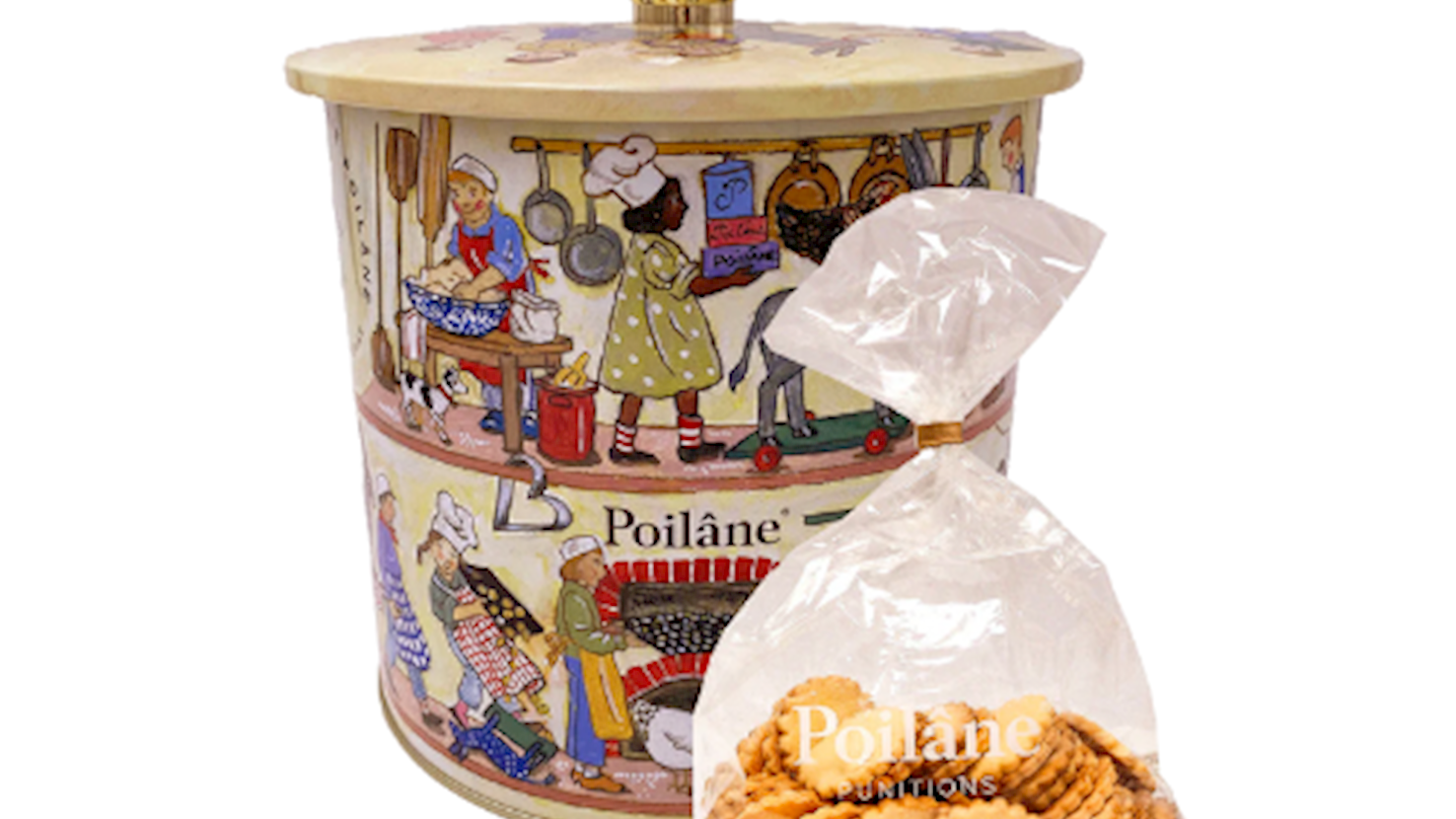
Poilâne is an iconic Parisian bakery founded in 1932, internationally recognised for its commitment to traditional bread-making and its signature sourdough loaf, pain Poilâne. The bakery built its reputation on the use of natural levain, simple ingredients and long fermentation, resulting in bread with a dense crumb, pronounced grain character and a thick, aromatic crust. Baking in wood-fired ovens has long been central to Poilâne’s identity, contributing to the loaf’s distinctive texture and depth of flavour. While the house offers a wider range of products, including biscuits and pastries, the large round sourdough loaf remains its defining expression. Poilâne is often cited as a reference point for artisanal baking, influencing generations of bakers seeking to revive slow, craft-driven methods. Today, the brand balances international recognition with a strong attachment to its original philosophy, treating bread not as a commodity, but as a cultural and culinary object shaped by time, technique and raw materials.

Best Francilien Desserts

01

Paris-Brest

4.1 ·

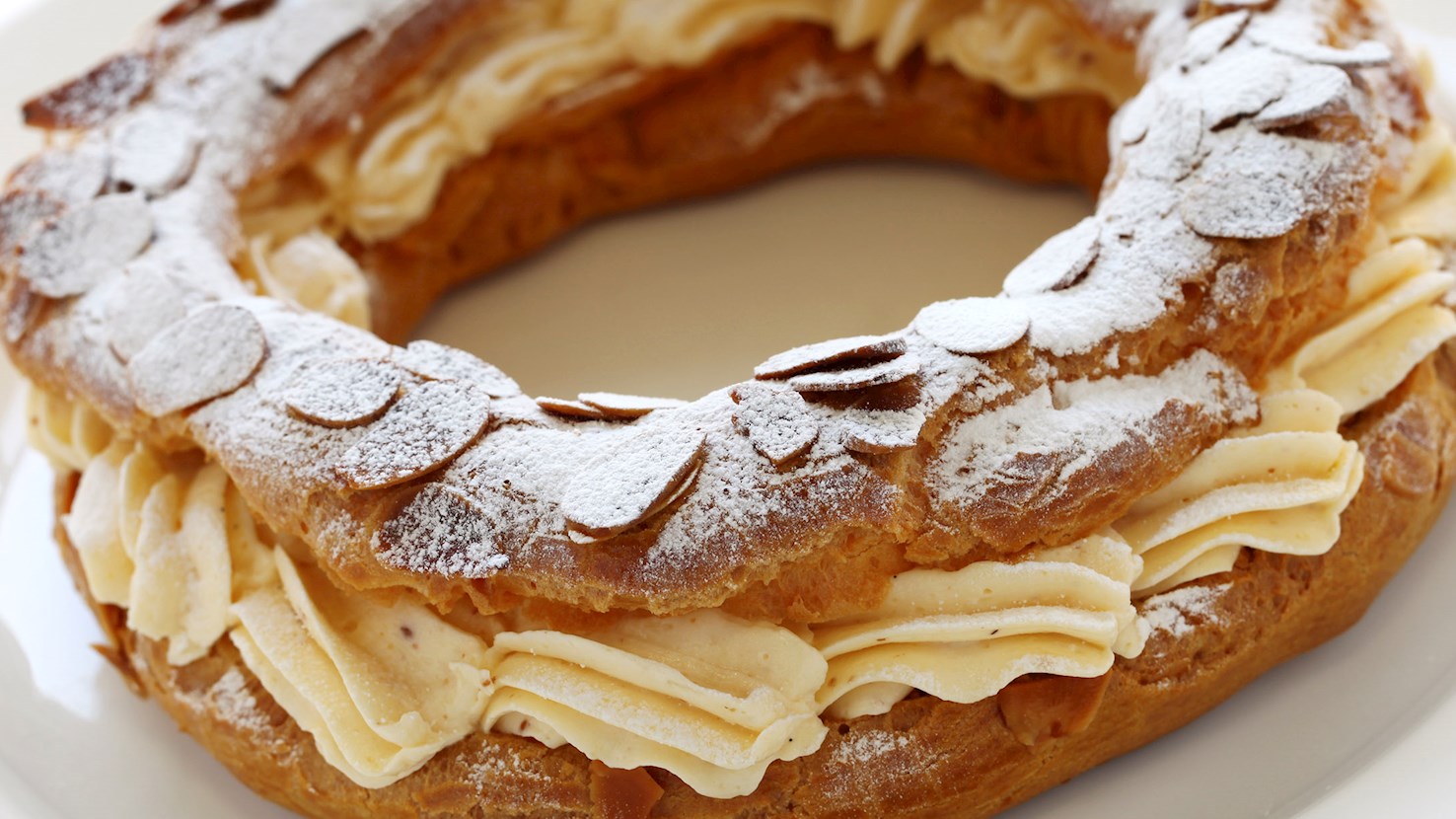
Created in 1910 by chef Louis Durand to celebrate the famous Paris-Brest-Paris bicycle race, which led from the center of Paris past the door of his pastry shop in Maisons-Laffitte to Brittany and back, this decadent dessert is a true French classic found in pâtisseries all over the country. With a shape resembling that of a bicycle wheel, Paris-Brest is made with a ring of pâte à choux – a puffy hollow pastry traditionally flavored with fleur de sel, topped with flaked almonds, and baked until golden brown. The airy pastry ring is then sliced horizontally and filled with a rich hazelnut and almond mousseline praliné cream, while the upper crust is generously dusted with powdered sugar. Regardless of the numerous creative interpretations and modern takes on this classic recipe, the perfect Paris-Brest should always be dominated by the toasted nutty flavor and aroma of praline cream.

02

Religieuse

4.1 ·

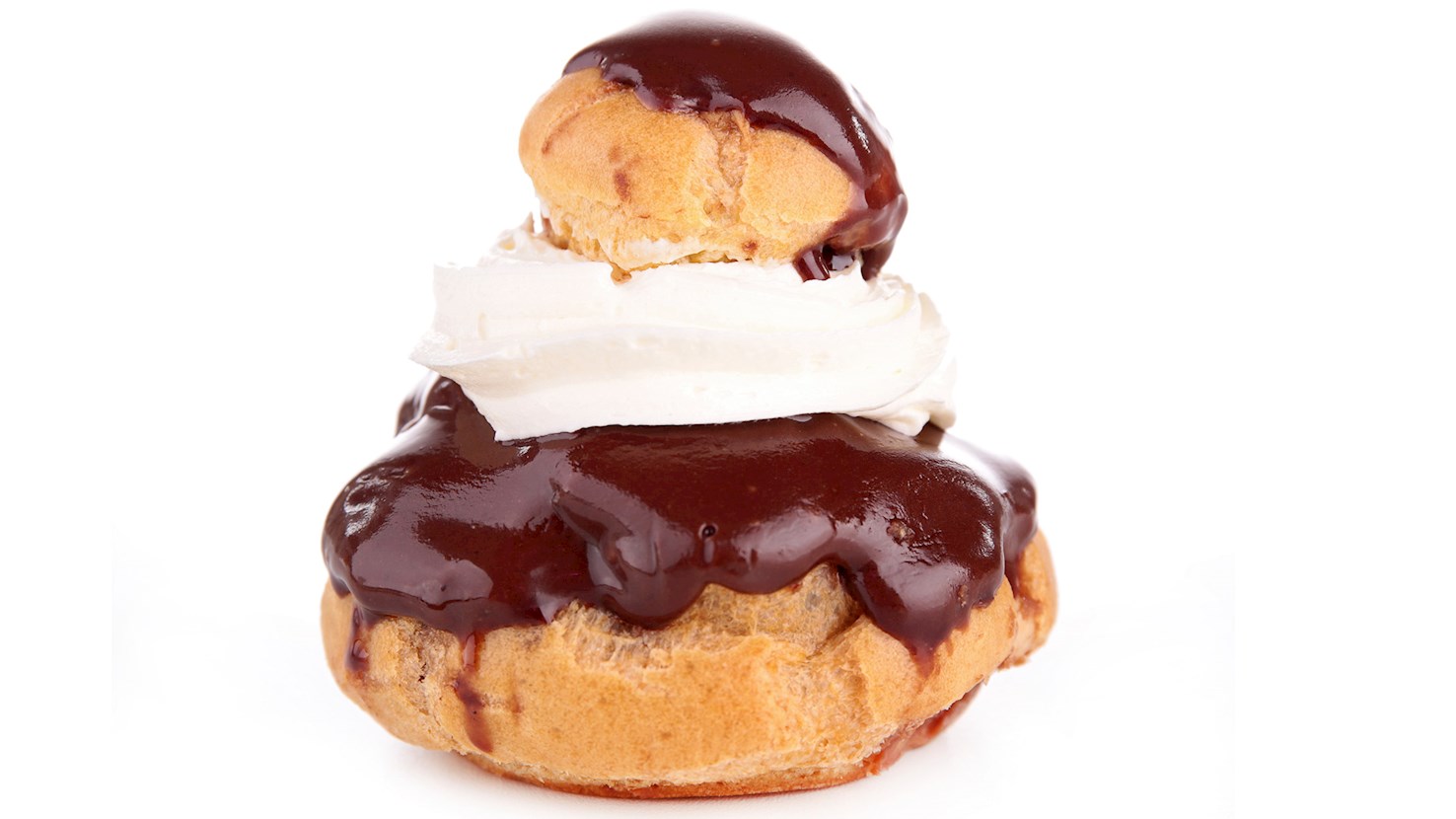
The intricate religieuse is a popular choux pastry dessert which has been a part of the French confectionery heritage since the 19th century. These tempting sweet treats are made with two spherical choux pastries, one bigger than the other one, each filled with a velvety crème pâtissière. Each piece is individually covered in chocolate ganache which can be seen running from the sides of the pastry. The dessert is assembled and glued together with decorative buttercream. These small pastries have long historical and religious importance in France–it is believed that they were invented by Frascati, a pastry chef who worked in a famous Parisian pâtisserie. Originally, the shape of the dessert was rectangular, but at the end of the 19th century, its shape was round, and it got the name religieuse, which translates to a nun. Numerous theories suggest that the round form and the name were influenced by nuns, because when assembled, the chocolate ganache covering the pastry resembles a nun’s habit. Regardless of the origin of the name, these tempting treats are still one of the acclaimed examples of French confectionery tradition.

03

Gâteau opera

3.9 ·

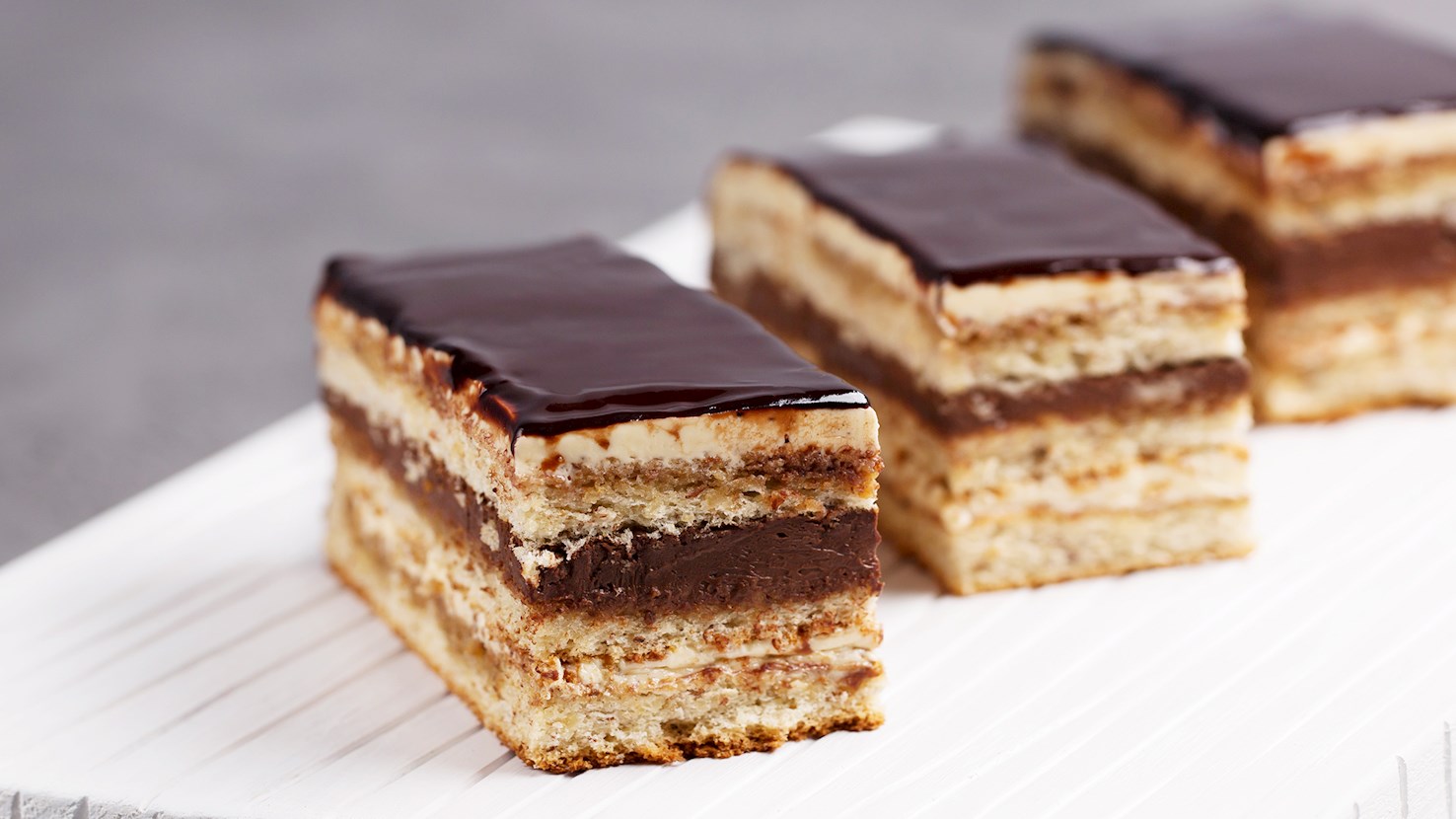
In its original form, gâteau opera combines coffee-flavored buttercream, chocolate ganache, and layers of biscuit Joconde—a light almond sponge that is infused with coffee syrup or Grand Marnier liqueur. Each cake is topped with a thin layer of chocolate ganache and is usually decorated with a symbol of a note, musical instruments, or merely the word opera written in chocolate. Although there are many conflicting stories of its origin, it is believed that the cake was invented at the Parisian patisserie Dalloyau by a pastry chef named Cyrique Gavillon. At the time, this sophisticated dessert was considered a novelty, compared to the lavishly decorated classics that were popular at the time.

04

Macarons

3.8 ·

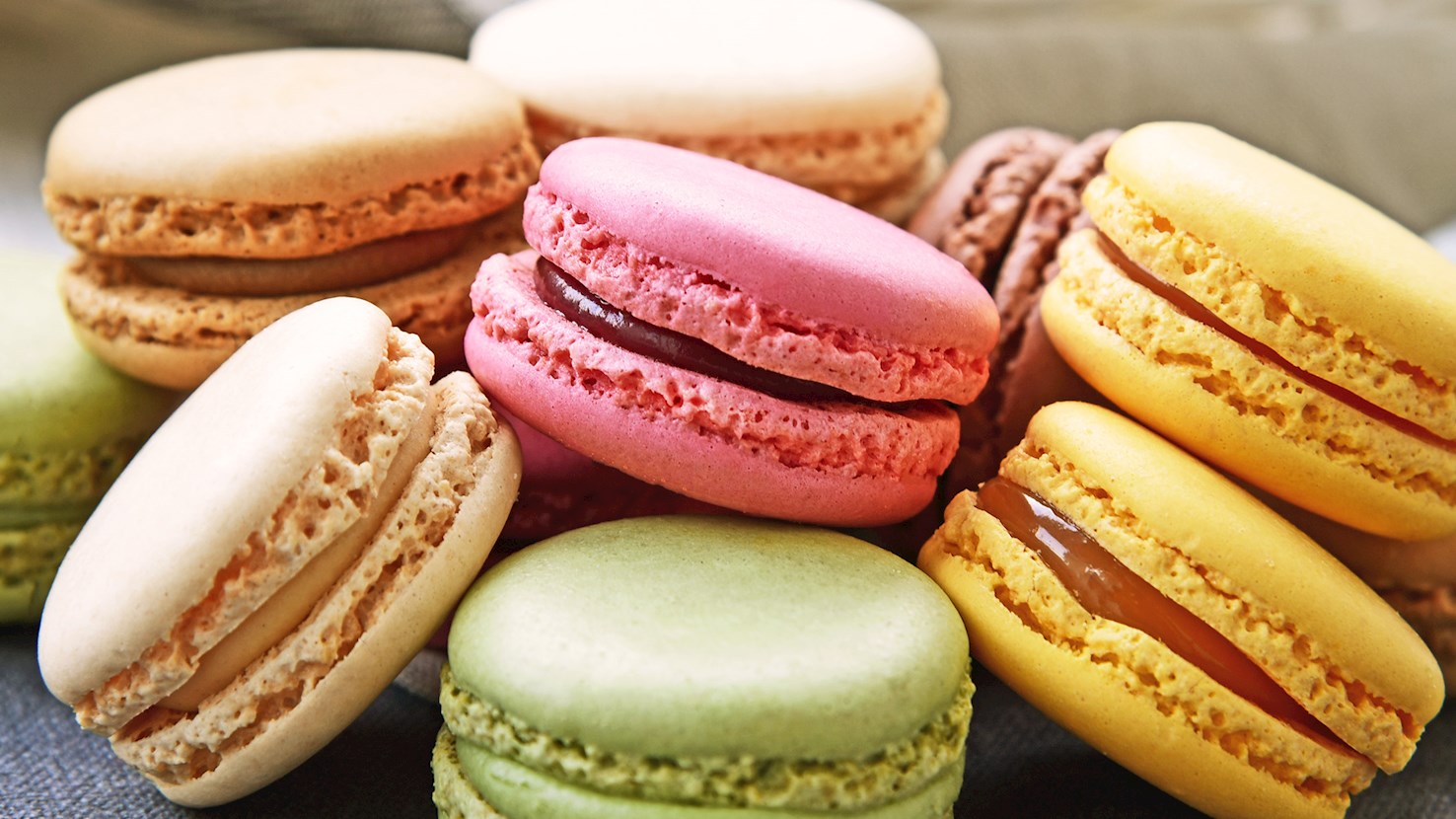
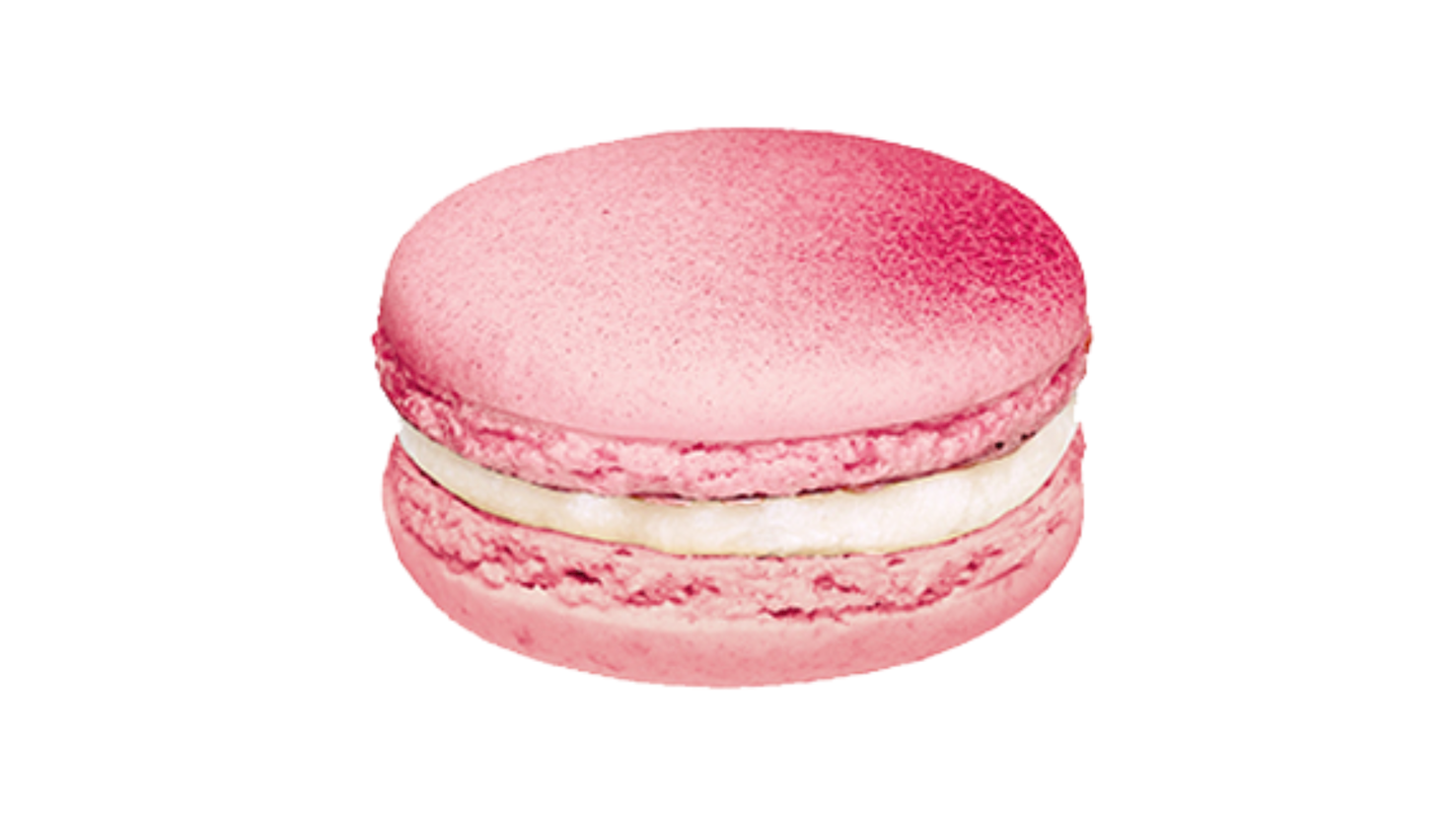
These small, round, sweet meringue-based cookie sandwiches with filling in the middle are light and crunchy on the outside and chewy in the middle. Macarons, which first appeared in Italy in 1533 (albeit without the filling), got their name from the Italian word maccherone, which means fine dough. They were originally made for the marriage of the Duke of Orléans, who later became King Henry II of France. Food historians credit Pierre Desfontaines as the inventor of the macaron. He was the first to fill the cookies with a creamy ganache and stick them together, turning the humble almond cookie into the versatile treat we know today. Macarons are the most popular type of cookie in Paris, but they are popular throughout the rest of the world as well, and they appear with different fillings and in various sizes, colors, and flavors.

05

Bûche de Noël

3.8 ·

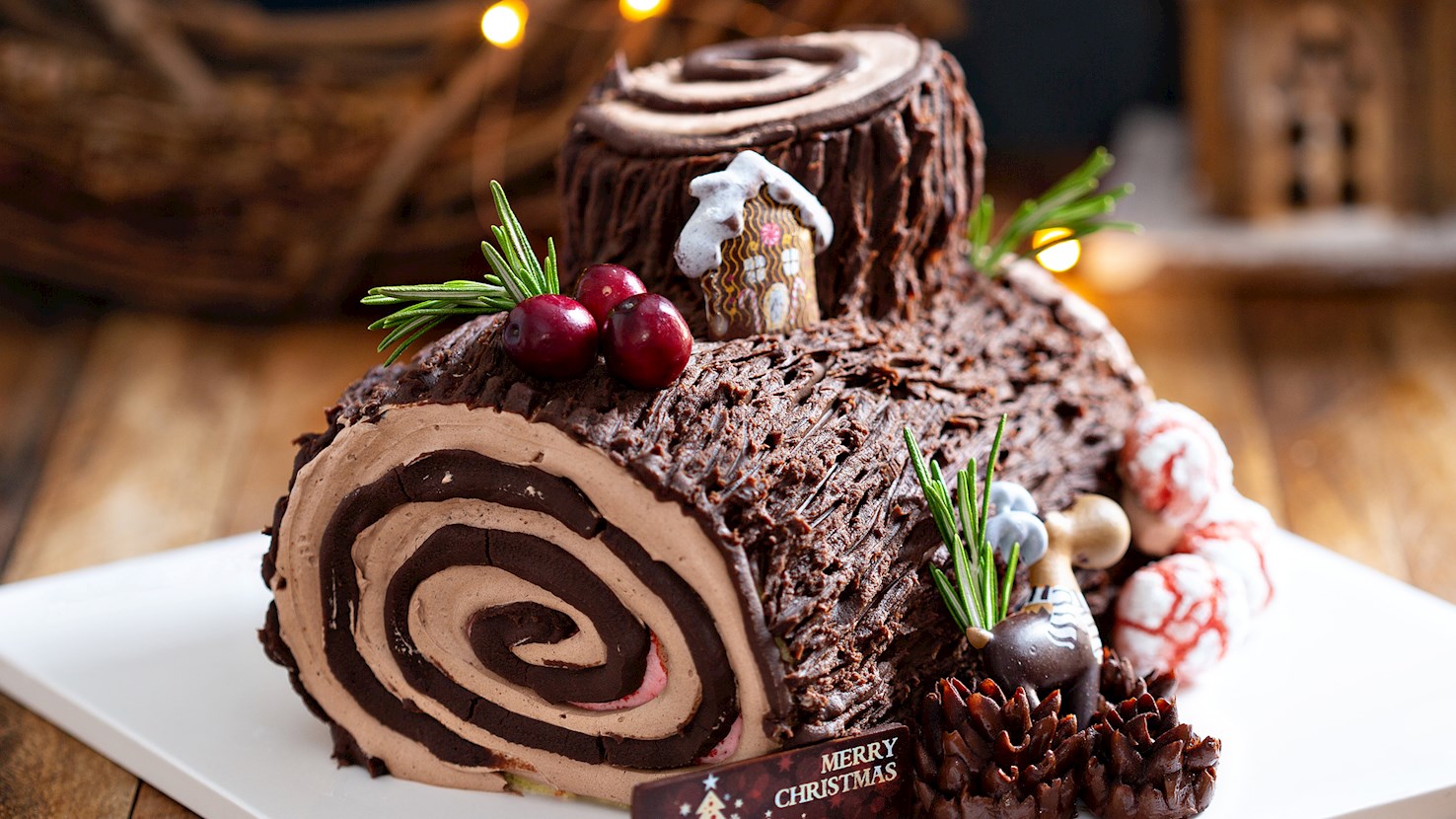
This elaborately decorated, rolled, and filled sponge cake is frosted with chocolate buttercream made to look like a tree bark. Some of the decorations might include marzipan sticks, sugar cobwebs, and meringue mushrooms. The origins of the cake can be traced back to the old Celtic tradition of celebrating the winter solstice, the shortest day of the year. The Celts would burn a log as an offering to the Sun for returning to Earth. As the tradition disappeared with the arrival of home stoves, the huge log was replaced by a small branch that was traditionally set in the middle of the dining table, surrounded by delicacies and sweets that were given to guests as treats. Over time, the branch transformed into the Yule log cake we know today, but whether it was a Parisian or Lyonnaise creation is still the subject of heated debate. What we do know is that Parisian bakers helped popularize it in the 19th century, and that the oldest written reference to the cake can be found in a tome called The English Huswife that dates back to 1615. Since then, it has become the most popular traditional Christmas cake throughout France, and it is made in a wide variety of colors and flavors.

06

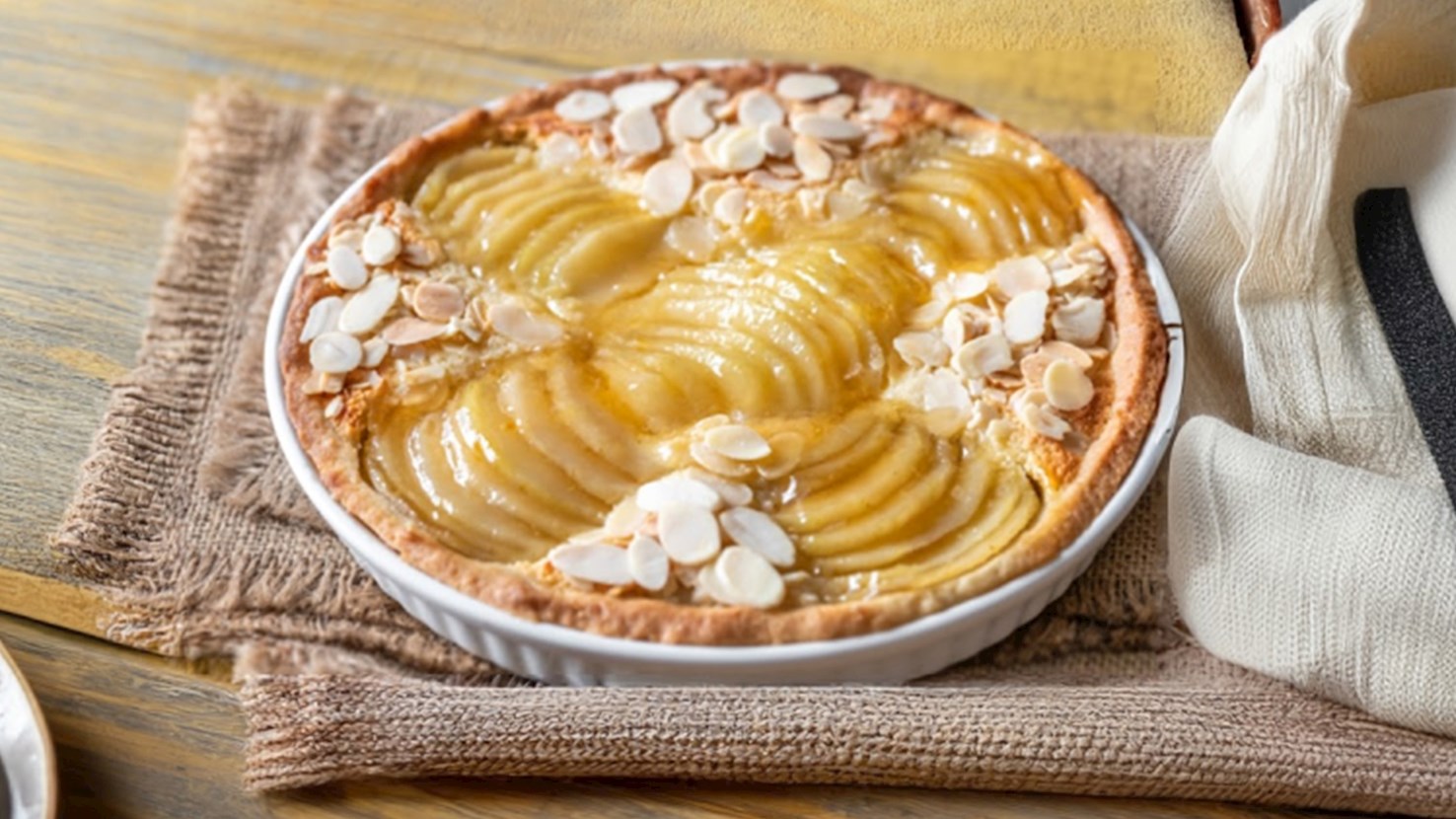
Tarte Bourdaloue

3.6 ·

The tarte Bourdaloue, also known as pear almond tart, is a classic French pastry created in the late 19th century. Named after Bourdaloue Street in Paris, where its inventor was based, the tart typically consists of poached pear halves placed on a shortcrust pastry filled with frangipane or almond cream. The dessert has developed variations such as poached fruits on rice or semolina pudding. This tart showcases the rich flavors of pears and the creamy texture of almond filling, often enjoyed as a delectable treat in French cuisine.

07

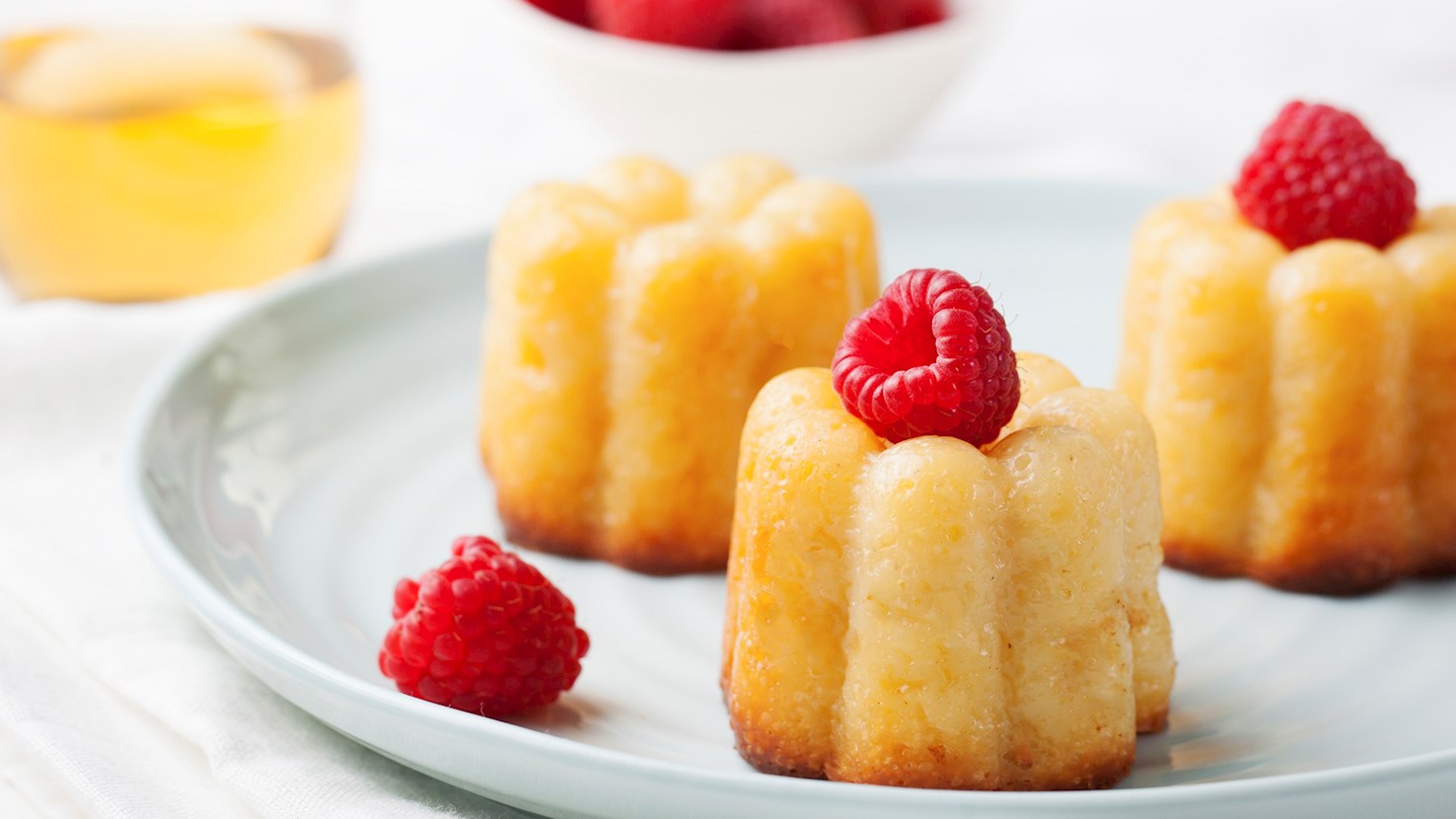
Baba au rhum

3.4 ·

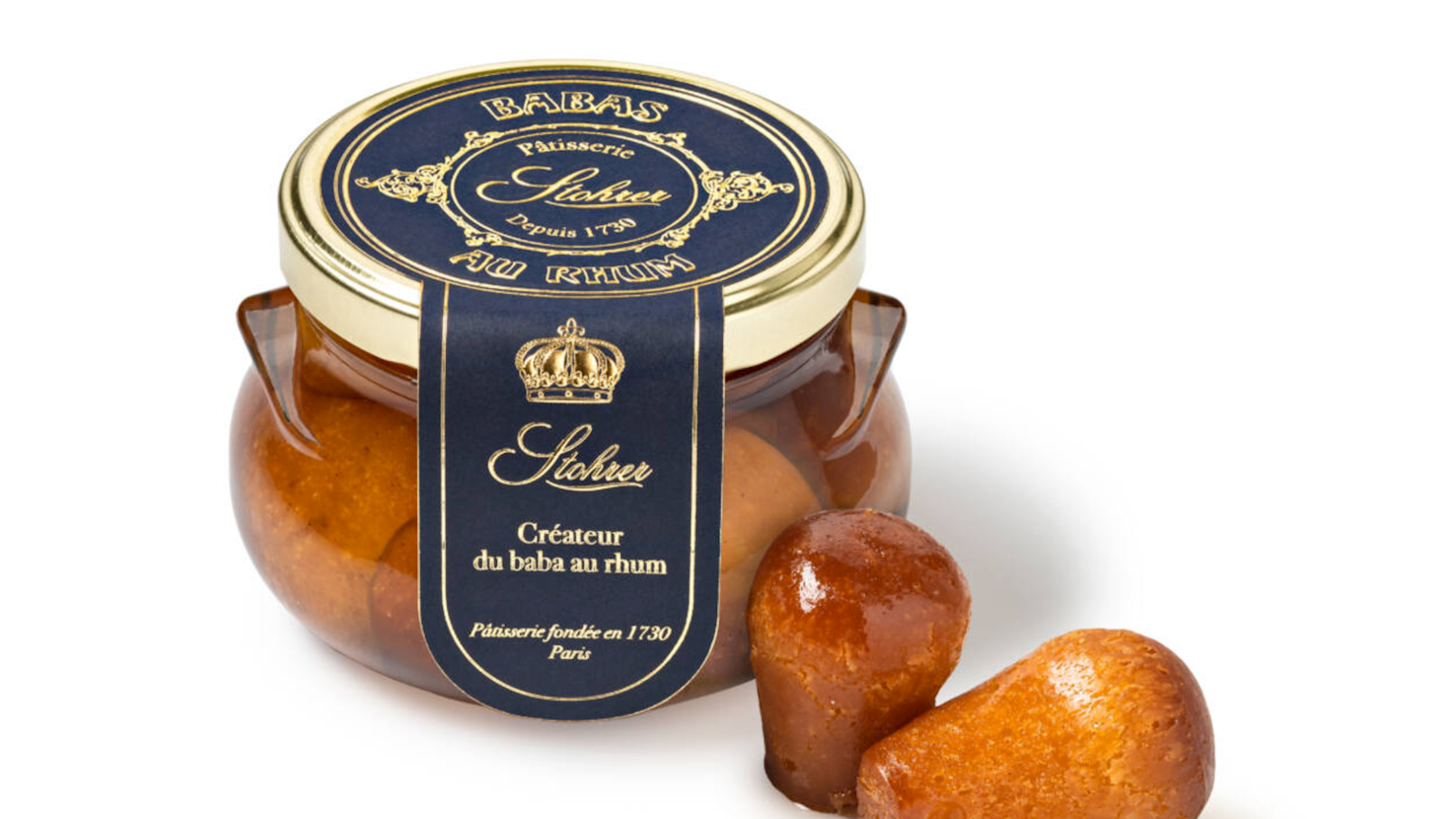
Also known as rum baba, these small yeast dough sponge cakes are filled with raisins or currants, baked in a ring mold, and soaked in rum. The hole in the center of the cake is filled with either pastry cream, fresh fruit, or whipped cream. This dessert is believed to have been invented by pastry chef Nicolas Stohrer, who cooked for exiled Polish King Stanislas Lesczyńska when he came to France after his daughter’s marriage to Louis XV. Stohrer’s pâtisserie in Paris first began to sell baba cakes in 1730, while the addition of rum to the cakes has been noted in recipes since 1835. Some say that baba au rhum was named after Ali Baba, a hero from 1001 Nights and the favorite character of King Stanislas, while others say that the name stems from the Slavic word baba, which means “grandmother” or “old woman”. Baba au rhum are served on a plate with a traditional cherry garnish, ideally with a bit of whipped cream on top. Along with Poland and France, varieties of baba au rhum are also quite popular in Naples, Italy.

08

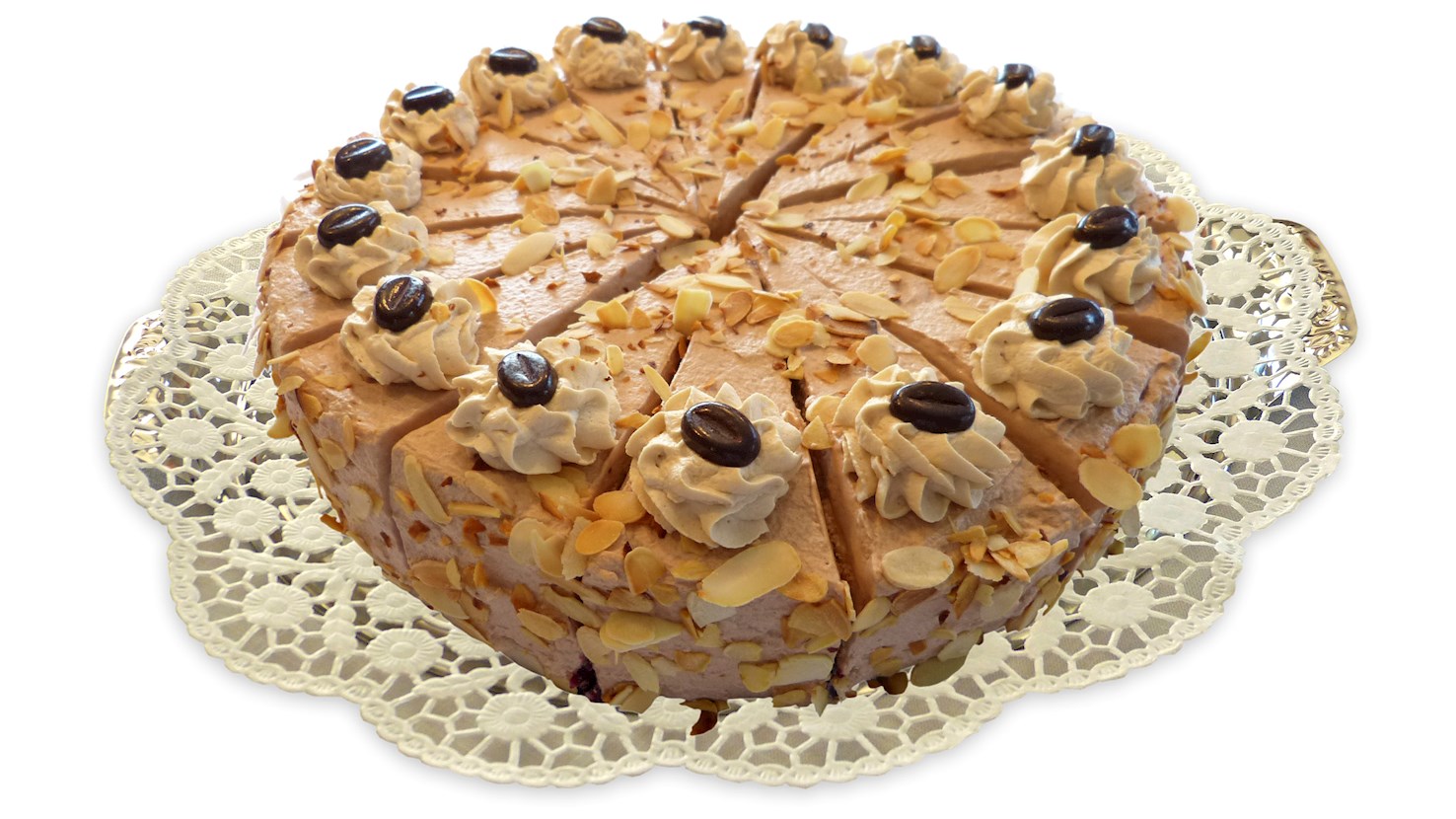
Moka

3 ·

Gâteau moka is a classic French cake. It consists of two layers genoise sponges that are soaked with coffee syrup. The layers and the whole cake are then coated in a coffee-flavored buttercream. The sides of the cake are usually garnished with chopped almonds or almond flakes, while the top is decorated with piped buttercream and chocolate-covered coffee beans. Moka cake was invented in 1857 by a Parisian pastry chef Guignard, and it was probably named after Mocha, a port city on the Red Sea coast of Yemen that was once a center of the coffee trade.

09

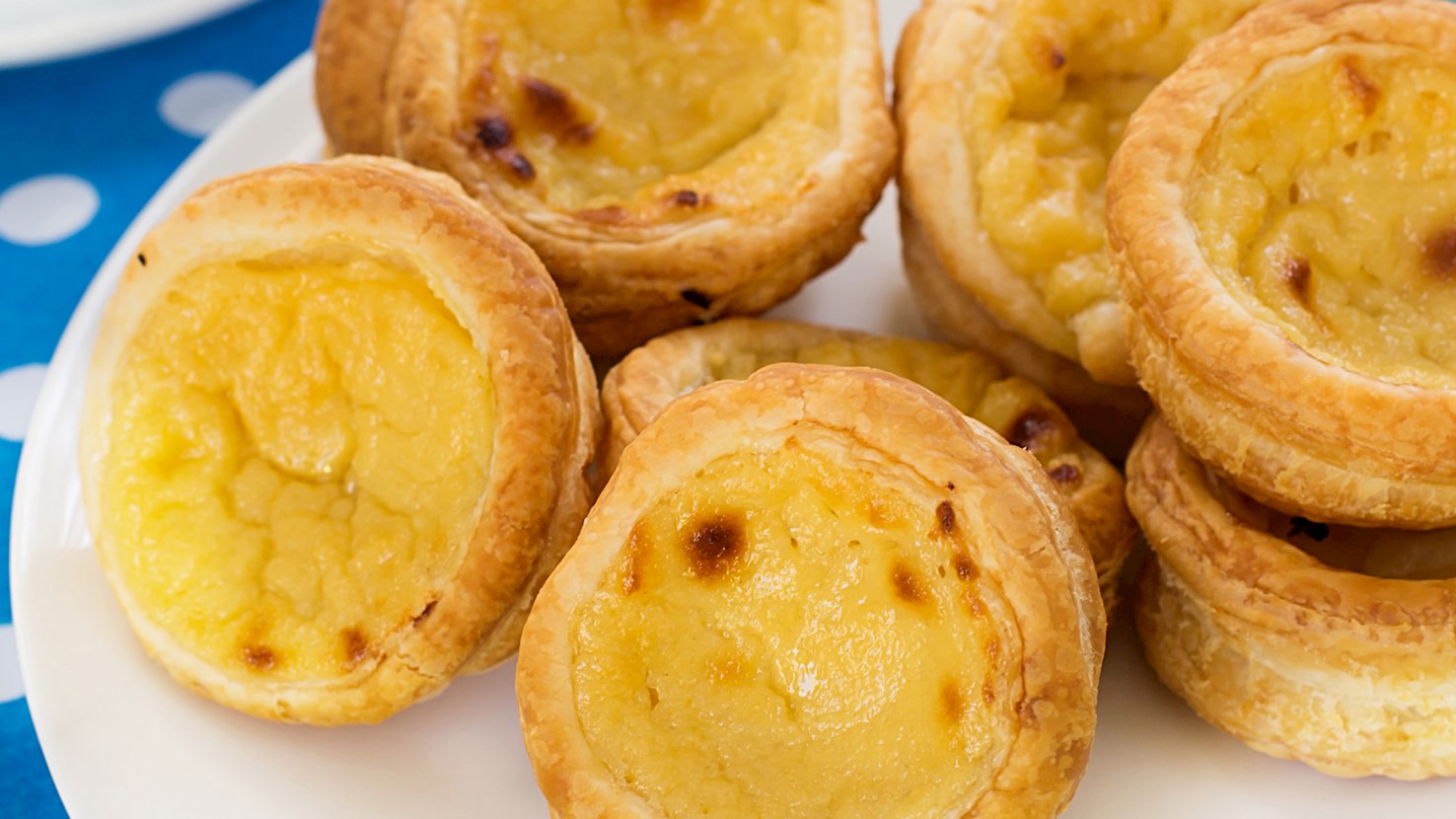
Niflette

n/a ·

Niflette is a traditional puff pastry tartlet originating from Provins in Seine et Marne. It is usually made with a combination of puff pastry and pastry cream consisting of egg yolks, flour, milk, sugar, and sometimes orange blossom water. The puff pastry is cut into rounds that are superimposed and a hole in made in the two upper circles. The holes are filled with pastry cream and the pastry tartlet is baked until golden brown. Once done, niflettes are sometimes sprinkled with icing sugar and then enjoyed piping hot with a cup of hot chocolate on the side. Niflette was originally made for All Saints Day, but nowadays it can be bought from mid-October to mid-November. The name is derived from the Latin ne flete, which means cry no more, as the pastry tartlets were given to crying orphans who came out of the church in the olden days.

10

Soufflé Rothschild

n/a ·

Soufflé Rothschild is a sweet souffle flavored with candied fruit macerated in Danzinger Goldwasser, an herbal liqueur with real gold flakes, as one of its defining ingredients. Marie-Antoine Carême created it in honor of his employer, James Mayer de Rothschild, founder of the French branch of the Rothschild family and the wealthiest man at the time, hence the name. The souffle is served topped with strawberries and sprinkled with powdered sugar.

Read more
View all
View map
About this ranking

TasteAtlas food rankings are based on the ratings of the TasteAtlas audience, with a series of mechanisms that recognize real users and that ignore bot, nationalist or local patriotic ratings, and give additional value to the ratings of users that the system recognizes as knowledgeable. For the “Top 10 Francilien Desserts” list until June 15, 2026, 1,773 ratings were recorded, of which 1,570 were recognized by the system as legitimate. TasteAtlas Rankings should not be seen as the final global conclusion about food. Their purpose is to promote excellent local foods, instill pride in traditional dishes, and arouse curiosity about dishes you haven’t tried.

The initial list of top producers was compiled based on available reviews, awards, local recommendations, media and blog coverage, and consumer reviews. The list will be updated with ratings from TasteAtlas local ambassadors and TasteAtlas users.

Similar lists