shutterstock

Top 21 Lombard Desserts

Last updated on June 15, 2026

Best Lombard Desserts
01

Torta Paradiso

4.2 ·

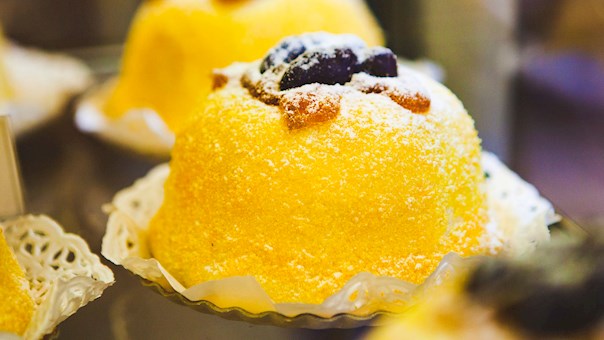
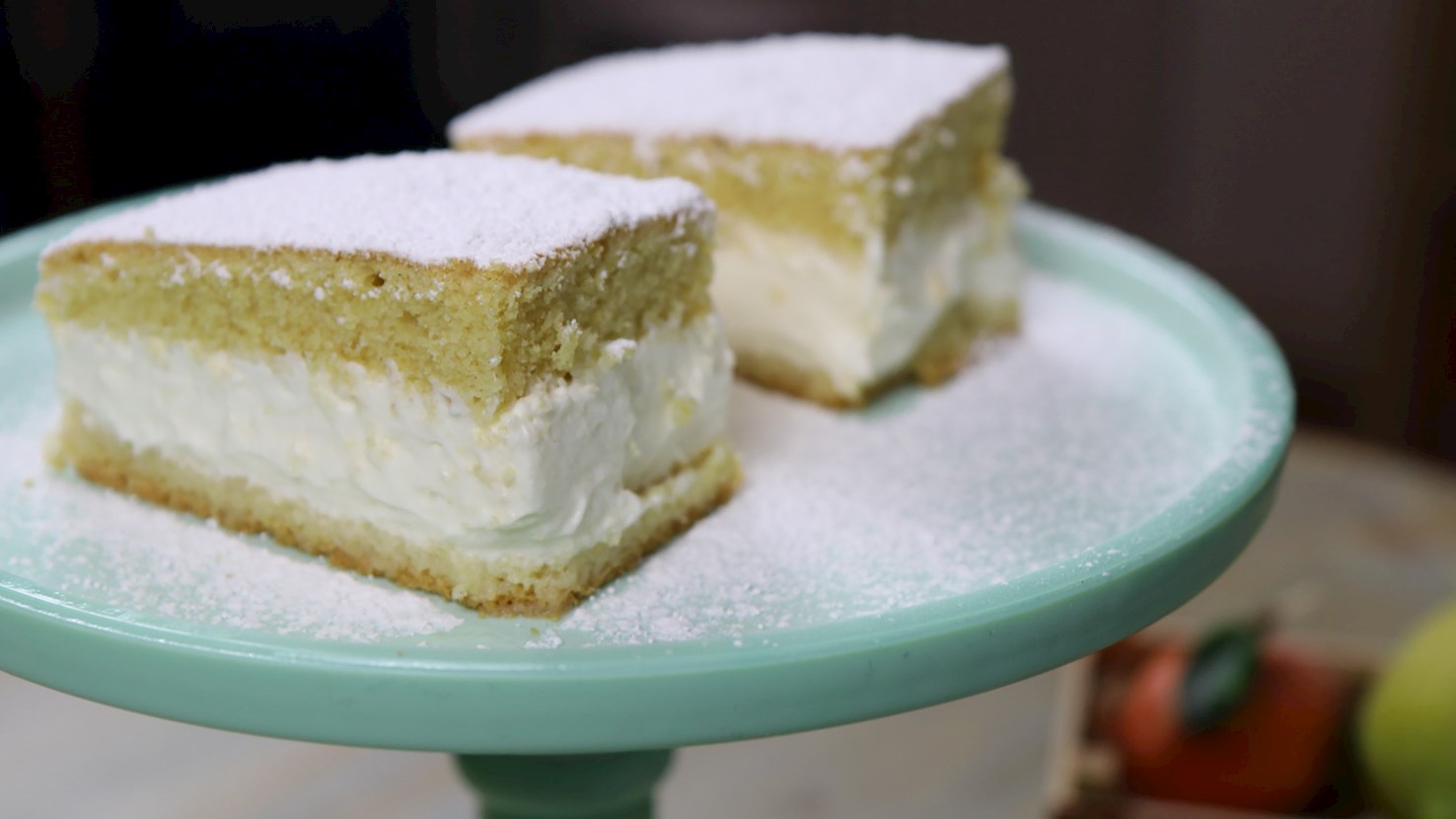
A classic in Italian pastry and the symbol of the city of Pavia, torta Paradiso is a simple sponge cake variation that mainly uses the three essential cake ingredients - sugar, flour, and butter. Created by Enrico Vigoni in the early 1800s, Torta Paradiso lends itself perfectly as a dessert all on its own, or to various tasty fillings like creams, custards, or spreads. The unmistakable softness, fragrance, and sweetness also make it a popular choice for a breakfast treat - accompanied by espresso, milk or tea.

Best restaurants
02

Stracciatella

4.1 ·

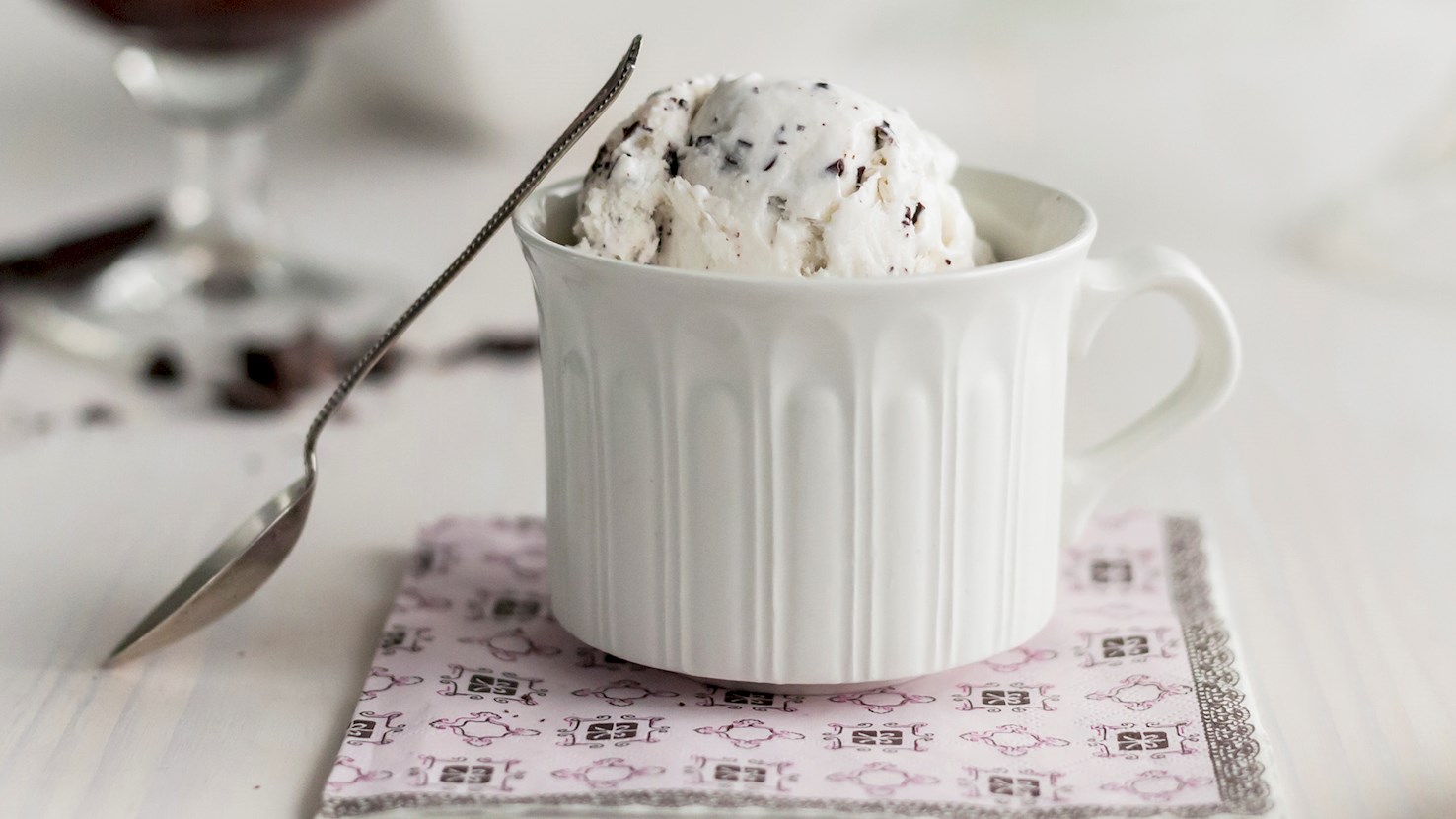
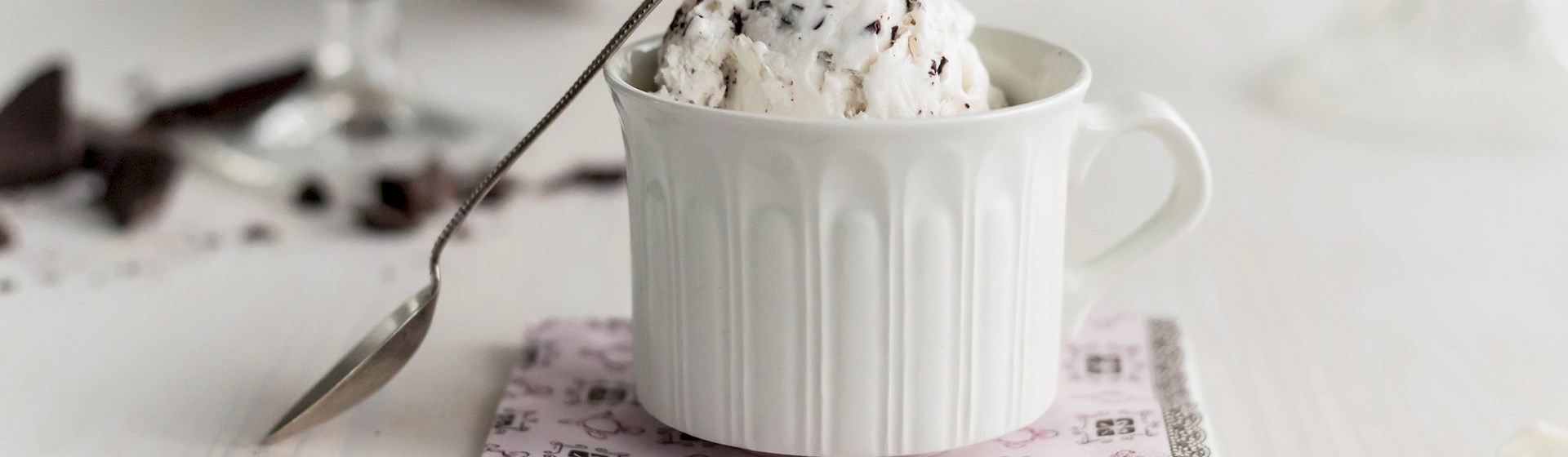
Stracciatella is a variety of Italian gelato (ice cream), consisting of milk, cream, and sugar, with chocolate bits swirled inside the mixture. It was originally invented in 1962 at the Ristorante La Marianna in Bergamo by Enrico Panattoni, who first decided to crack pieces of chocolate into the ice cream. He was supposedly inspired by the soup of the same name, made by cracking eggs into a broth, a process similar to cracking chocolate into gelato. Stracciatella is characterized by its smooth texture with a slight crunch. Its name is derived from the Italian stracciare, meaning to tear or shred into pieces. Today, stracciatella is one of the most popular ice cream varieties in the world.

03

Colomba Pasquale

3.7 ·

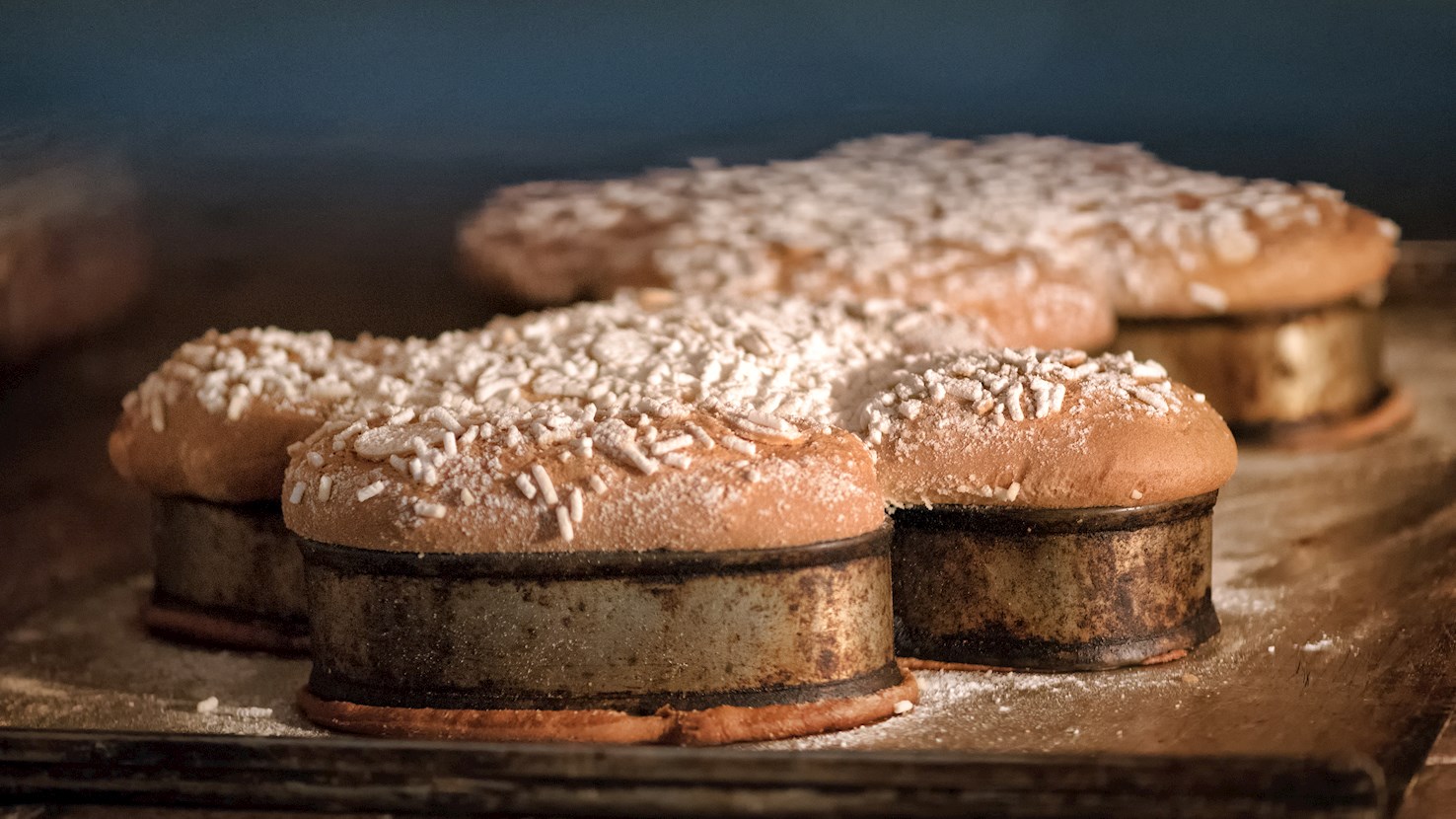
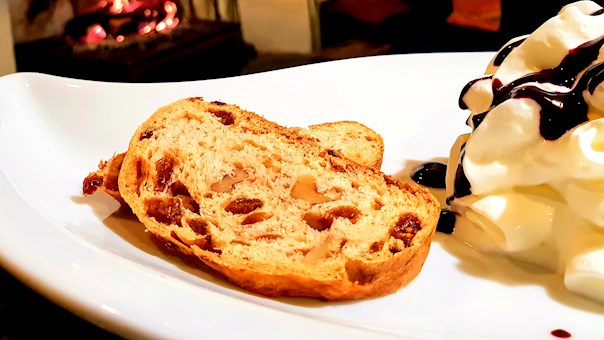
Colomba pasquale is a traditional sweet bread that is prepared for Easter. It is shaped to resemble a dove, covered in sugar, and studded with almonds. The dough is usually made with sugar, flour, eggs, yeast, and butter. The name of the dessert means Easter dove, referring to its shape. Spongy, buttery, and sweet, the bread is often stuffed with candied fruit or lemon zest on the interior.

04

Amaretti di Saronno

3.6 ·

Legend says that these crispy bittersweet cookies were invented some three centuries ago when the Cardinal of Milan visited the town of Saronno in Italy. Two young lovers, Giuseppe and Osolina, presented him with sweets made from a mixture of sugar, apricot kernels and egg whites, wrapped in pairs, which symbolized their love. The Cardinal was very pleased with the gift, so he gave his blessings to the couple, who got married and lived happily ever after. Although the name amaretti di Saronno is often generically used for any crispy amaretto cookie, the exclusive right to produce these airy Lombardian cookies under that name is in the hands of the Lazzaroni family.

05

Torta Sbrisolona

3.6 ·

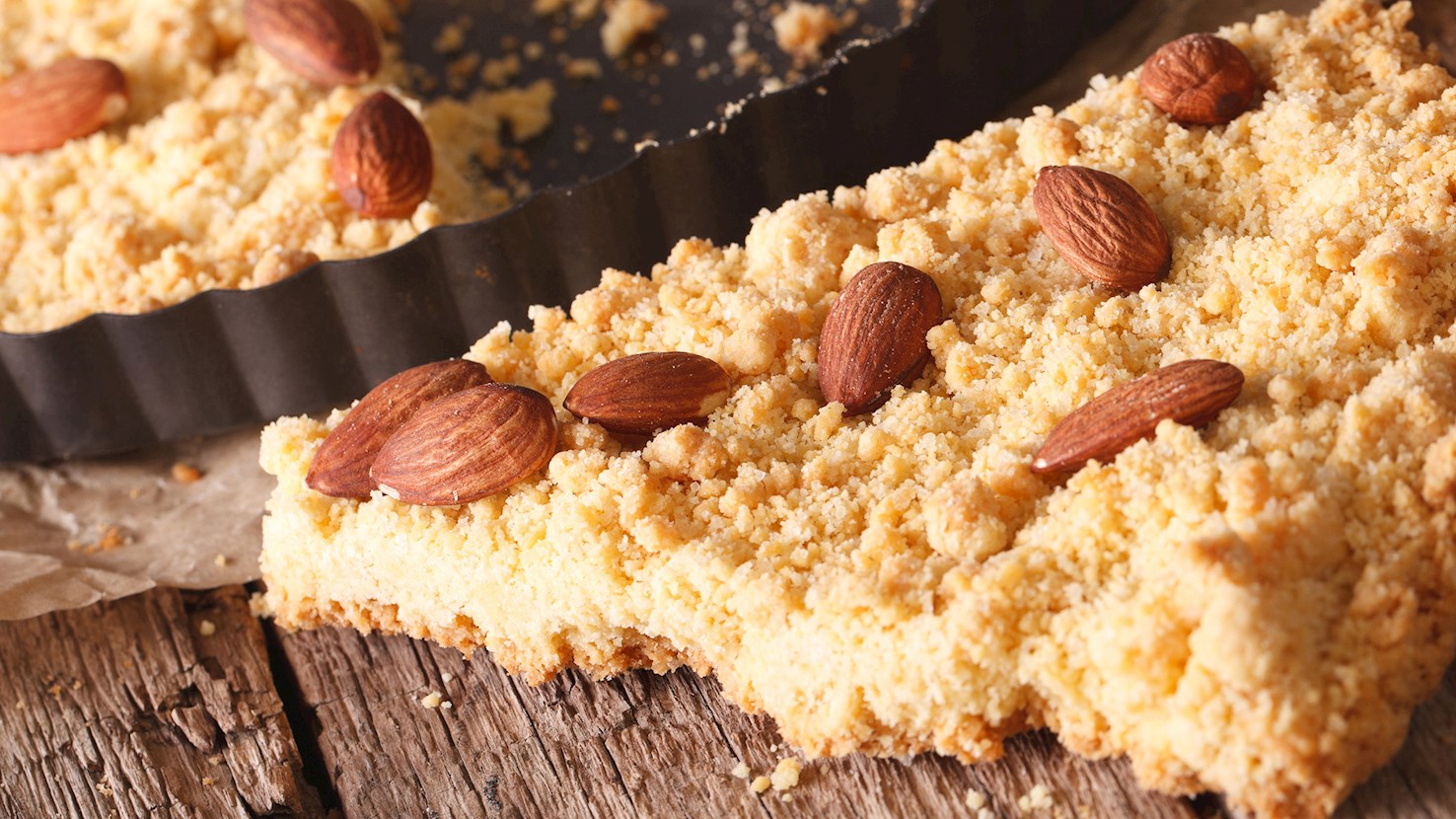
Sbrisolona is a crunchy, crumbly, buttery cake dating back to the 16th century. It used to be called the tart of three cups because it was made with a cup of cornmeal, a cup of wheat flour, and a cup of sugar, mixed with lard or butter. Although it started as a poor man’s cake, made with inexpensive ingredients, sbrisolona was also served at the tables of the noble families, enriched with more expensive ingredients such as nuts and spices. Traditionally prepared for Carnival, nowadays it can be found all year long. Being very crumbly, this cake is not served sliced, but broken into bite-sized pieces, and eaten by hands, preferably dipped in grappa. It is usually served with dessert wines such as the sweet local Malvasia, Vin Santo, or the Passito of Pantelleria. Both Mantua and Cremona lay claim to this cake - the Mantua version contains almonds, while the Cremona version contains walnuts.

06

Brutti ma buoni

3.6 ·

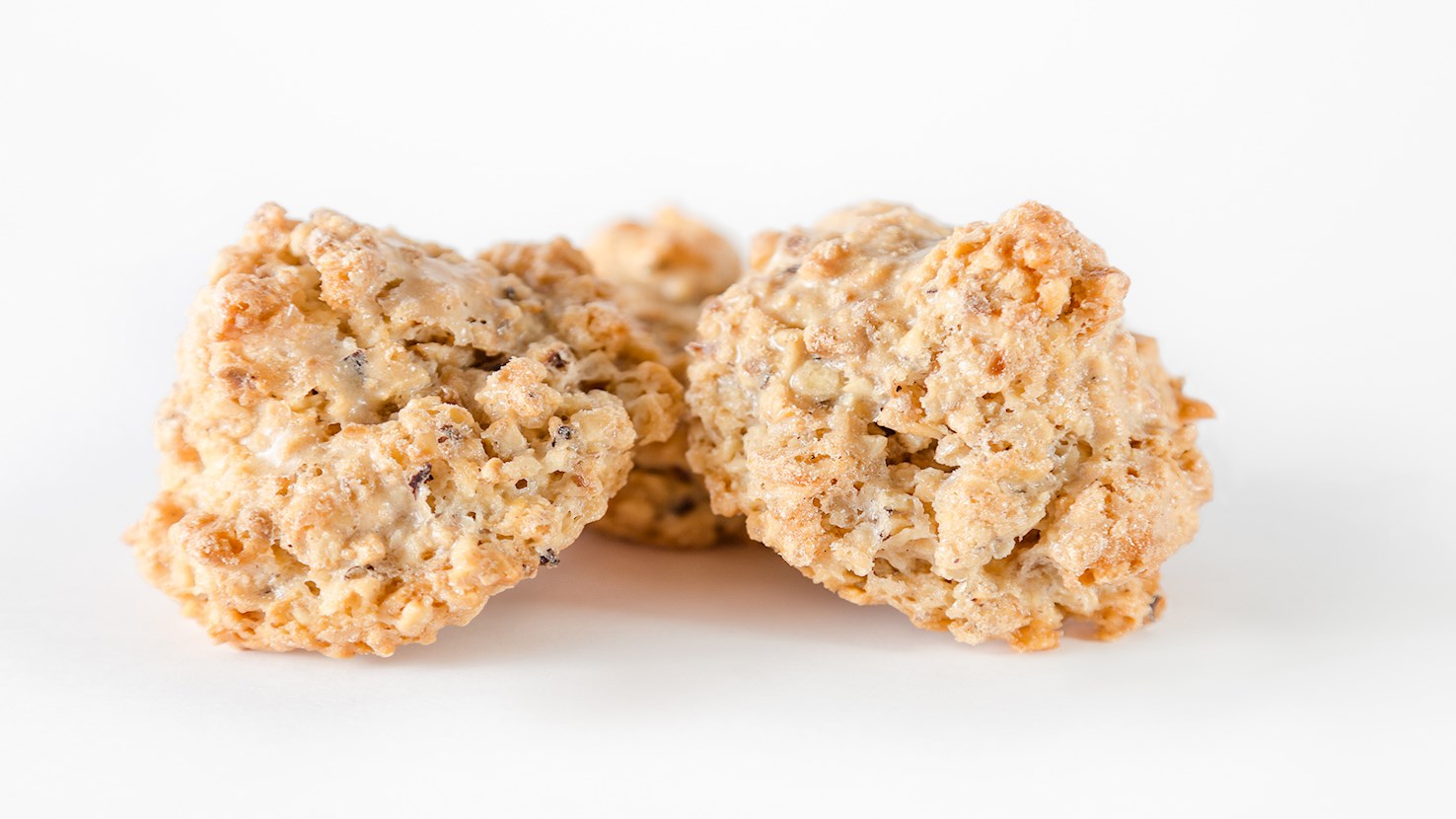
Brutti ma buoni are crunchy and chewy Italian cookies believed to originate from Gavirate, a small city north of Milan. The first recipe was supposedly created in 1878 by Costantino Veniani, a pastry chef and owner of Pasticceria Veniani, a pastry shop. The name of these cookies reveals all – although they are visually unappealing, the cookies taste great, hence their name which can be translated as ugly but good. They are typically made with egg whites, almonds, butter, sugar, flour, cinnamon, and vanilla extract. In Tuscany, the cookies are usually made with hazelnuts instead of almonds. The concoction is baked until it becomes dry and firm, and the cookies are then left to cool down a bit before consumption. Brutti ma buoni are especially popular at festivities and during the holiday seasons.

07

Tortionata

n/a ·

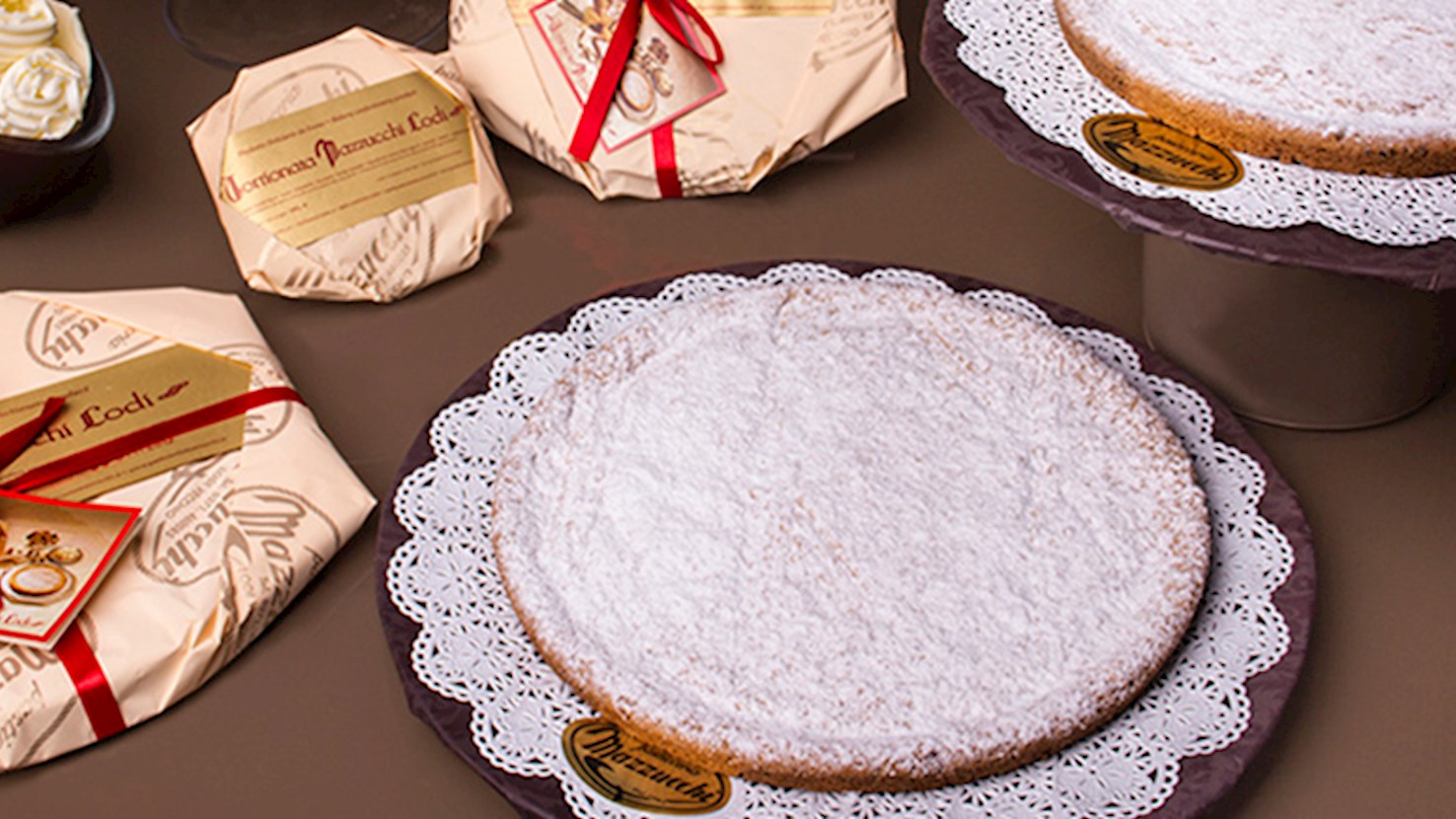
Tortionata or tortjonata is a crispy, crumbly almond cake from the city of Lodi, named after tortijon - a piece of twisted wire that was once used to cut the cake. Created in the 19th century by a pastry chef named Carlo Tacchinardi, it is made with flour, butter, sugar, almonds and lemon zest. In fact, it is pretty similar to the more famous sbrisolona, only made without cornflour. Tortionata is not sliced, but broken and served in pieces, then dusted with powdered sugar. Enjoy it with a glass of sweet Malvasia from the hills of Piacenza.

08

Torta Bertolina

n/a ·

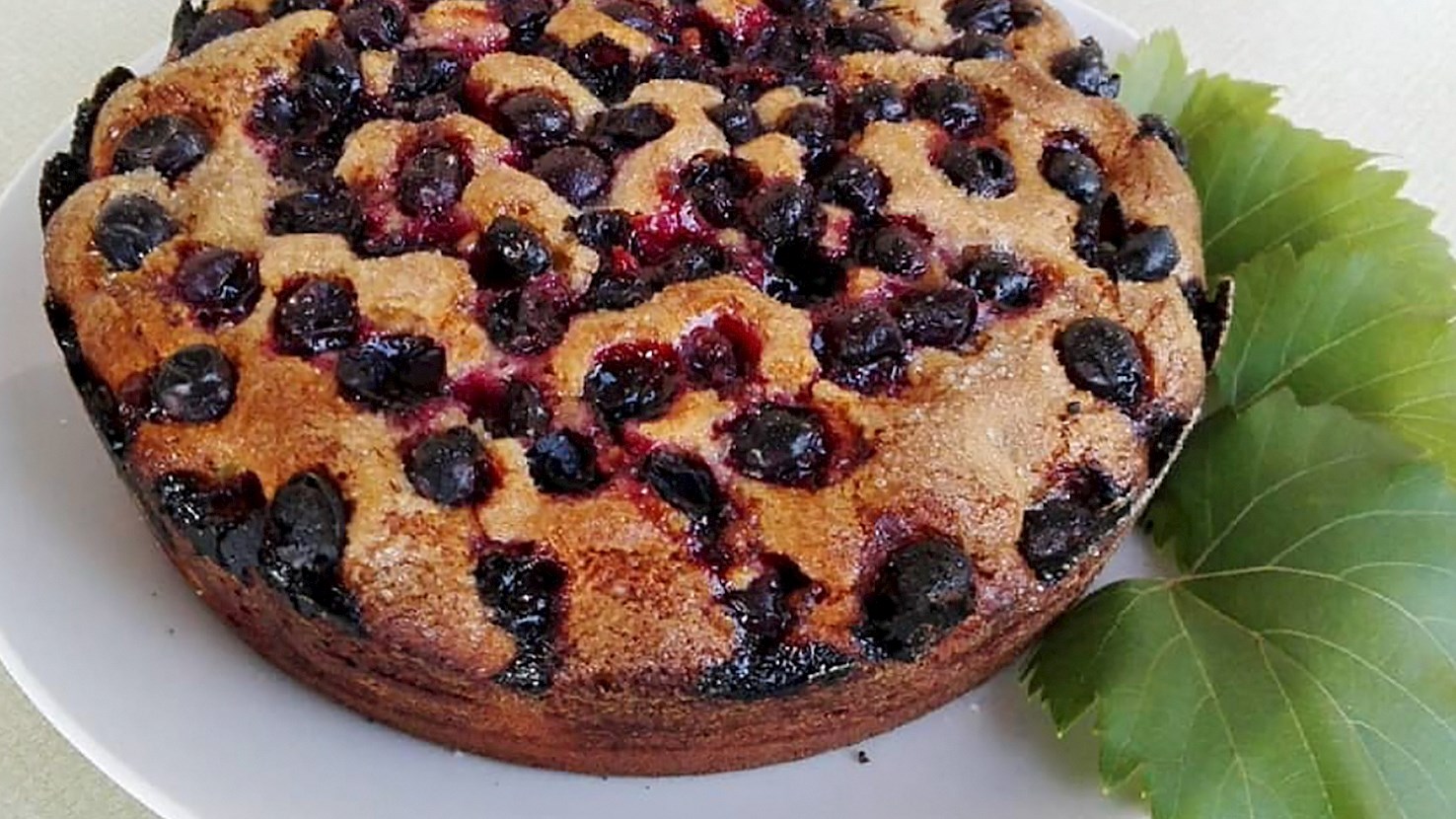
Torta Bertolina is a simple, golden-brown, round cake made with fragrant uva fragola, also known as Concord or strawberry grapes, as the main ingredient. Its exact origins are unknown, but nowadays it is usually associated with the northern Italian province of Cremona, especially the city of Crema. Since it is usually homemade, there are many variations of the recipe, but the main characteristics always remain unchanged: sweet golden crust spotted with dark purple grapes and the unmistakable scent of sweet uva fragola.

09

Amaretti di Gallarate

n/a ·

Amaretti, the famous Italian almond cookies are so popular in their homeland that almost every region has their version of the recipe, using different proportions and combinations of the basic ingredients: sweet and bitter almonds, apricot kernels, eggs, and sugar. Lombardy's version, amaretti di Gallarate, are made with sugar, egg whites, and both sweet and bitter almonds – they are very soft, irregularly shaped, and dusted with powdered sugar before serving.

10

Torta Elvezia

n/a ·

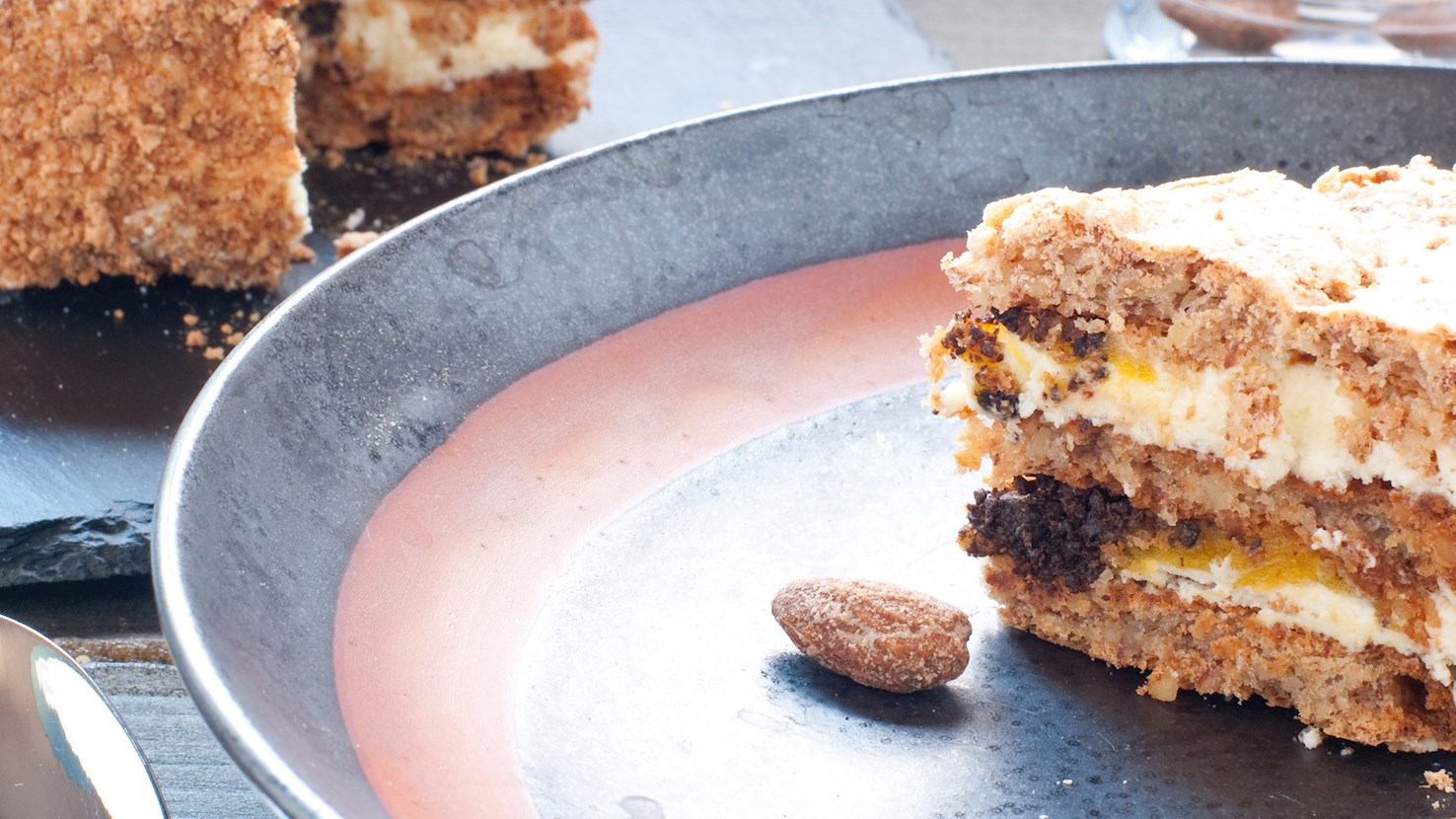
Elvezia cake is one of the signature dishes of Mantuan gastronomy, created in the 18th century by Samson Putcher, a pastry chef of Swiss origin. In this rich dessert, he combined Swiss pastry techniques with local ingredients by alternating layers of round dacquoise-style pastry discs and a luscious filling consisting of zabaione, butter, chocolate, and Marsala wine. The versions additionally enriched with whipped cream and chocolate drops also exist, and to fully enjoy the flavors of this refined cake, make sure it is served at room temperature.

Best Lombard Desserts

01

Pasticceria Veniani

4.8 ·
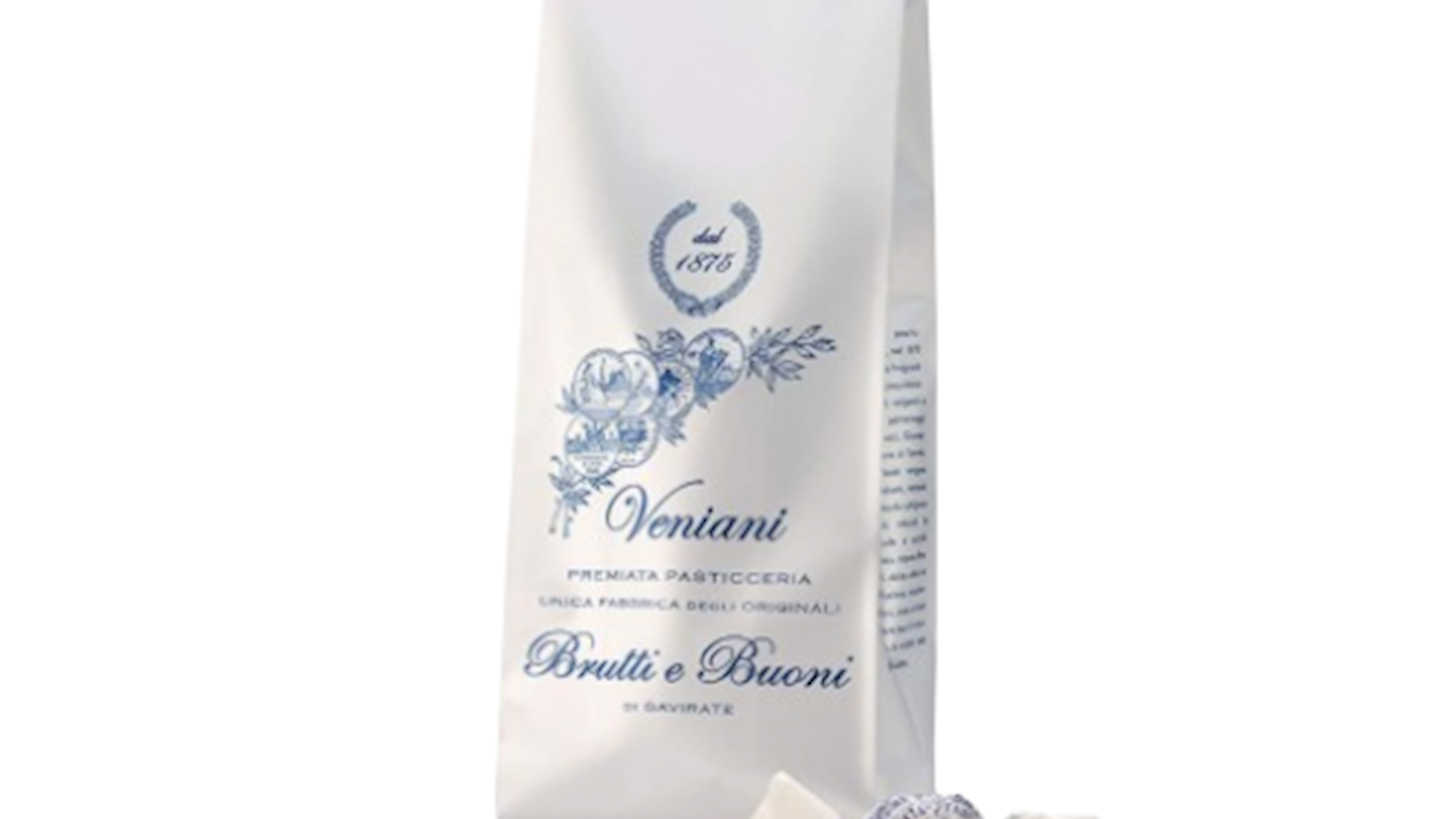
Pasticceria Veniani is a historic Italian pastry producer based in Gavirate, Lombardy, founded in 1875 and closely associated with the origin of the “Brutti e Buoni” biscuits. The company’s identity is strongly centered on this single product, first created in 1878, which remains the core of its production. These biscuits are made from a simple combination of almonds, hazelnuts, sugar, egg whites, and natural vanilla, resulting in a flavor profile defined by roasted nut notes and moderate sweetness. Their irregular shape, reflected in the name meaning “ugly but good”, contrasts with a refined texture that is crisp on the outside and lighter inside. Production follows an artisanal approach, with a continued emphasis on manual preparation and packaging, reinforcing continuity with traditional methods. While the company has introduced variations such as chocolate or flavored versions, these remain secondary to the original formulation. The brand maintains a strong link to its place of origin, where the product is considered a regional specialty. Its approach prioritizes consistency and preservation rather than diversification or large-scale industrial expansion. Overall, it represents a focused, heritage-driven model built around a single, well-defined confectionery product.
02

Giovanni Galli

4.8 ·

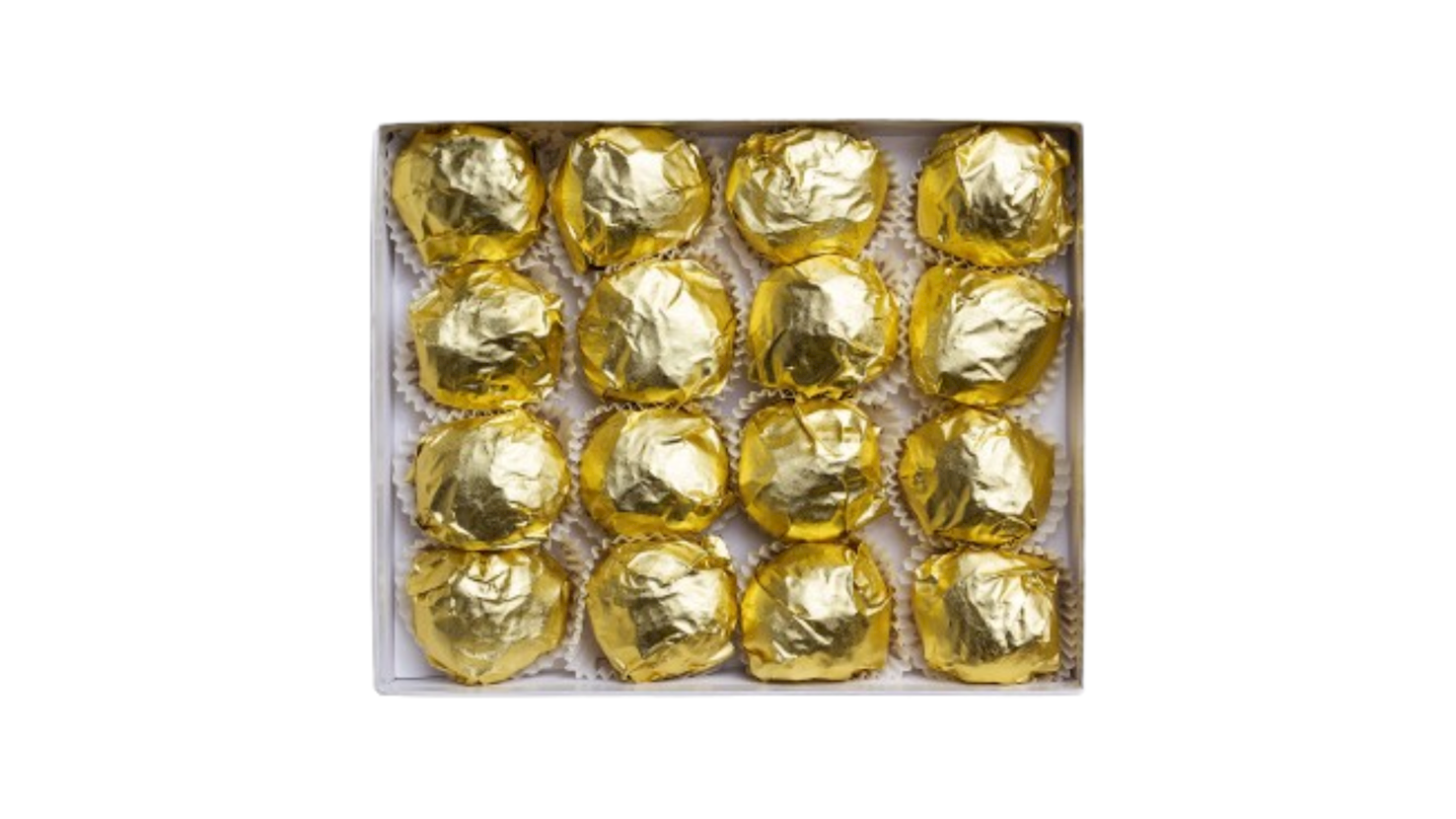
Giovanni Galli is a historic Milanese confectionery and chocolate house founded in 1911 in Milan by Giovanni Galli. The company is best known for its artisanal marrons glacés, candied chestnuts that remain its signature specialty and one of the classic sweets of Milanese tradition. Since its early years, Giovanni Galli has focused on handmade production, with marrons glacés and pralines still prepared almost entirely by hand and without added preservatives. Its range includes candied chestnuts, chocolate pralines, boeri, fondants, almond paste sweets, candied fruit, chocolate bars and cakes. The brand is closely tied to Milan’s old pastry-shop culture, with historic stores that preserve the atmosphere of traditional early twentieth-century confectionery. In 1942, the original shop was destroyed during wartime bombing, but the wooden counter and glass display cases were saved and are still part of the company’s heritage. Giovanni Galli remains a small, highly specialized producer rather than a broadly internationalized brand, which reinforces its reputation for continuity, craftsmanship and local identity. Its products are sold through its Milan shops and official online store, making the company a strong example of a traditional urban confectionery rooted in place and history.

03

Carlo Cracco

4.5 ·

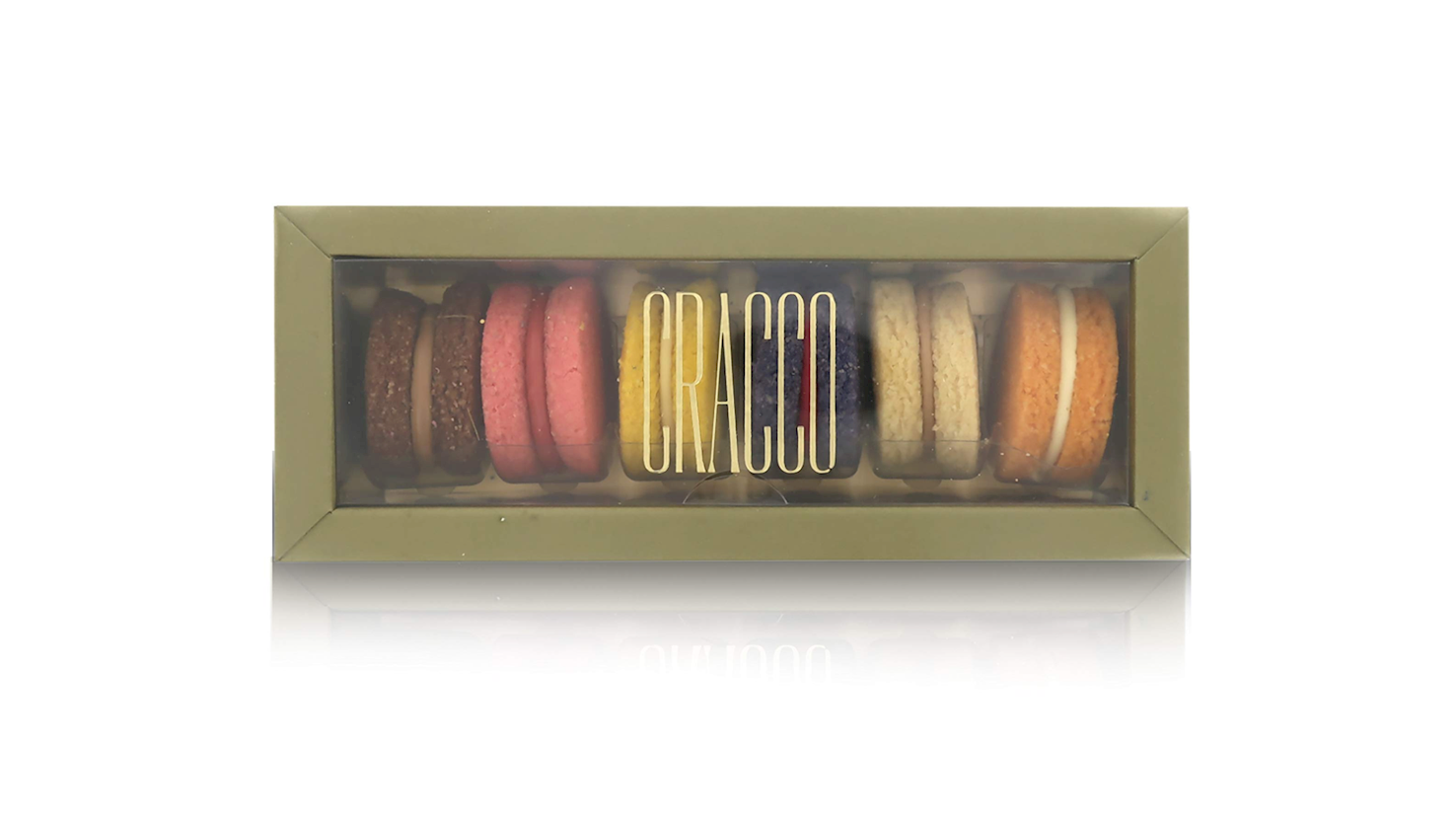
Carlo Cracco is one of Italy’s most renowned chefs, but in recent years he has also developed a distinctive identity as a producer of premium artisanal food products. Leveraging decades of culinary expertise, he has expanded beyond fine dining to create a range of gourmet specialties that reflect his personal approach to quality ingredients and traditional Italian craftsmanship. His branded collection includes artisanal panettoni, chocolates, preserves, olive oil, fruit juices, wines, and other carefully curated products inspired by regional Italian food culture. A significant part of this project is connected to Vistamare, the agricultural estate established by Carlo Cracco and his wife Rosa Fanti in Emilia-Romagna, where agricultural production is transformed into high-quality food products sold through his restaurants and online shop. Cracco’s philosophy as a producer mirrors his culinary style: combining tradition, research, and meticulous attention to raw materials while highlighting authentic Italian flavors. His seasonal panettoni have become particularly well known, featuring innovative recipes alongside classic Italian baking techniques. Through these products, Carlo Cracco has successfully translated the standards of a Michelin-starred chef into a gourmet brand that reaches consumers beyond the restaurant experience, offering a selection of artisanal foods that embody contemporary Italian gastronomy.

04

Sant Ambroeus

4.5 ·

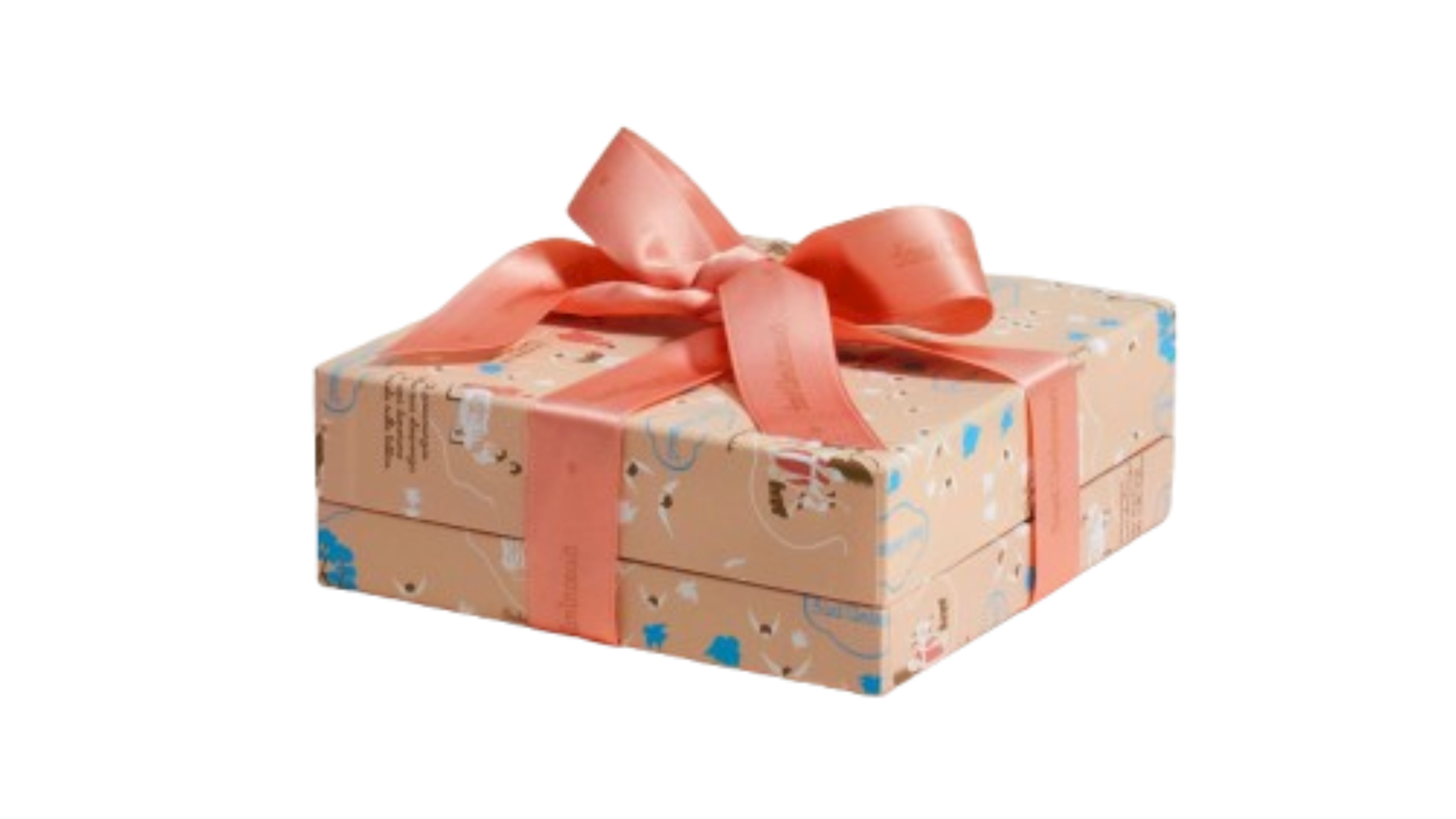
Sant Ambroeus is a historic Milanese café, pastry shop, and restaurant brand that has become an internationally recognized symbol of Italian hospitality. Founded in Milan in 1936 by members of the Cattaneo family, it quickly established itself as a favorite gathering place for artists, intellectuals, and business leaders thanks to its elegant atmosphere, traditional pastries, and refined Milanese cuisine. Over the decades, the brand expanded beyond Italy, opening its first New York location in 1982 and gradually building a prestigious presence across the United States. Today, Sant Ambroeus operates restaurants, cafés, coffee bars, and gelaterias in cities including New York, Palm Beach, Aspen, and Milan, while remaining deeply rooted in its Milanese heritage. The company is particularly renowned for its artisanal pastries, panettone, gelato, espresso culture, and classic Italian dishes prepared with high-quality ingredients. Its reputation for elegance, consistency, and authentic Italian craftsmanship has made it one of the most recognizable Italian culinary brands both in Italy and abroad.

Read more
View all
View map
About this ranking

TasteAtlas food rankings are based on the ratings of the TasteAtlas audience, with a series of mechanisms that recognize real users and that ignore bot, nationalist or local patriotic ratings, and give additional value to the ratings of users that the system recognizes as knowledgeable. For the “Top 21 Lombard Desserts” list until June 15, 2026, 653 ratings were recorded, of which 526 were recognized by the system as legitimate. TasteAtlas Rankings should not be seen as the final global conclusion about food. Their purpose is to promote excellent local foods, instill pride in traditional dishes, and arouse curiosity about dishes you haven’t tried.

The initial list of top producers was compiled based on available reviews, awards, local recommendations, media and blog coverage, and consumer reviews. The list will be updated with ratings from TasteAtlas local ambassadors and TasteAtlas users.

Similar lists