shutterstock

Top 60 Dutch Desserts

Last updated on June 15, 2026

Best Dutch Desserts
01

Nonnevot

4.3 ·

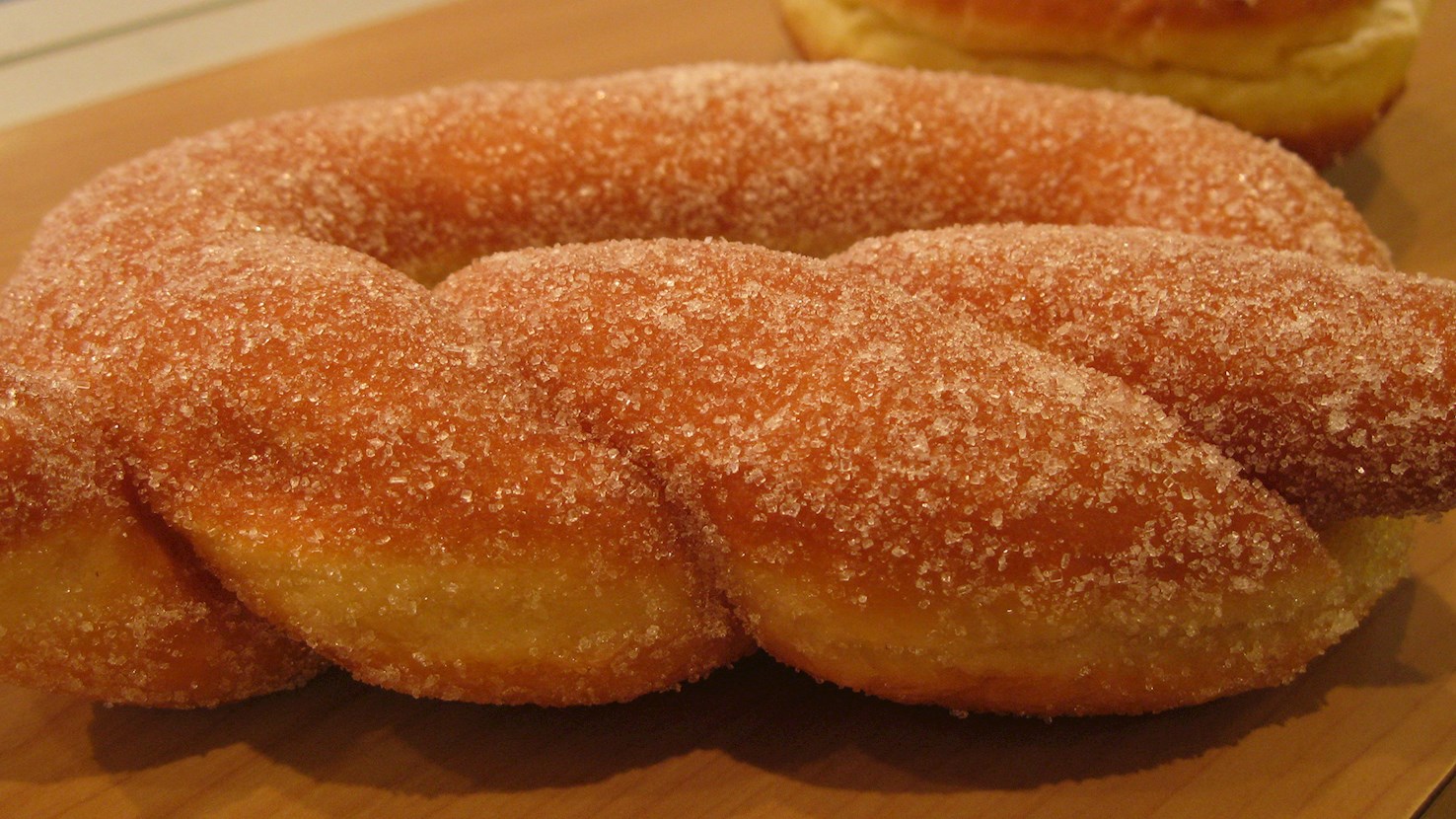
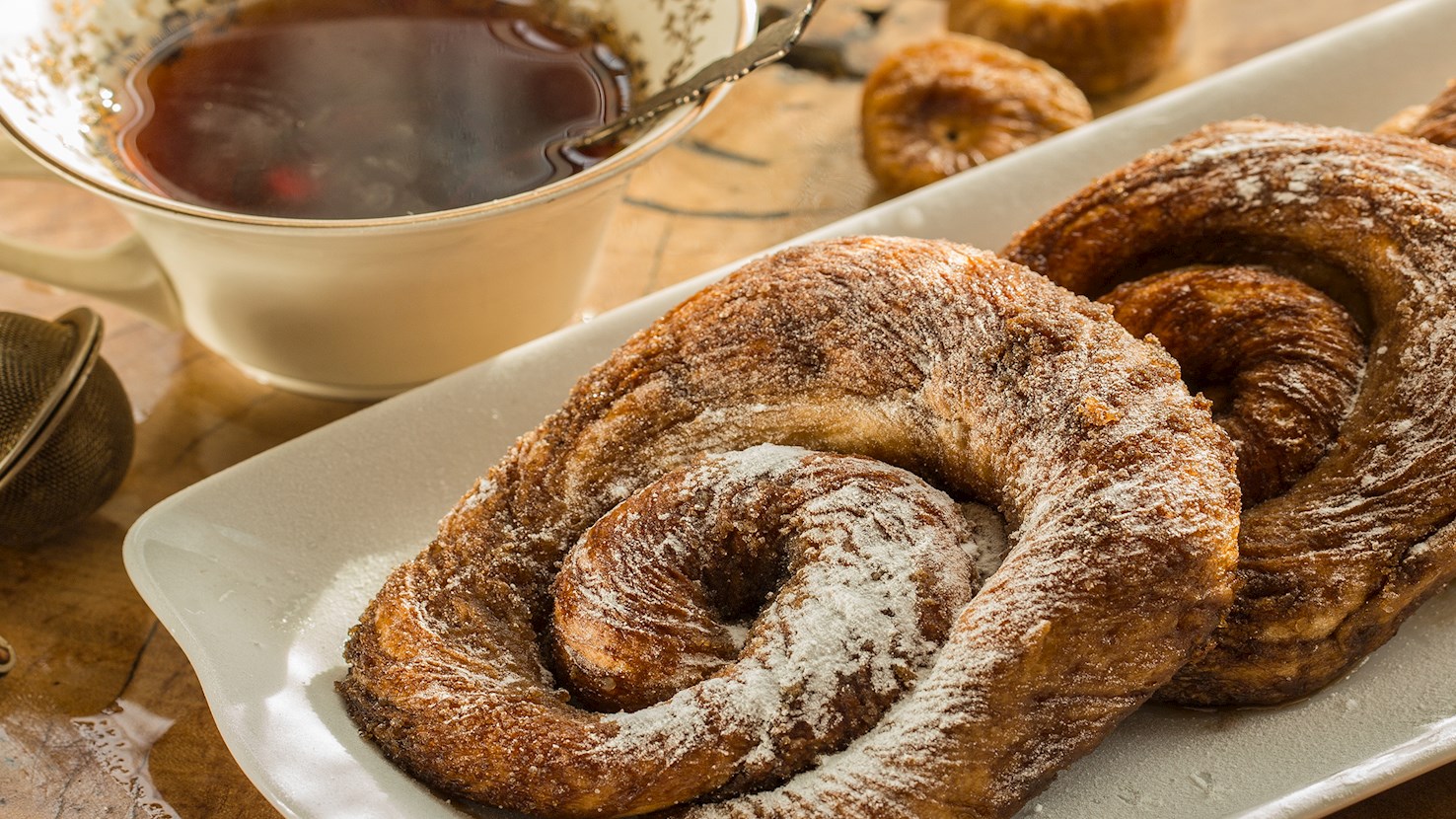
Nonnevot is a unique pastry originating from Limburg, dating back to at least the 17th century. The dough is prepared with flour, yeast, milk, salt, butter, lard, and brown sugar. It is then deep-fried until it develops a golden-brown color. Although nonnevot has traditionally been associated with the carnival, today it can be bought in many regional bakeries. The unusual name of this pastry means nun's butt, referring to its knotted shape and the knot on the back of a nun's uniform.

02

Appeltaart

4.2 ·

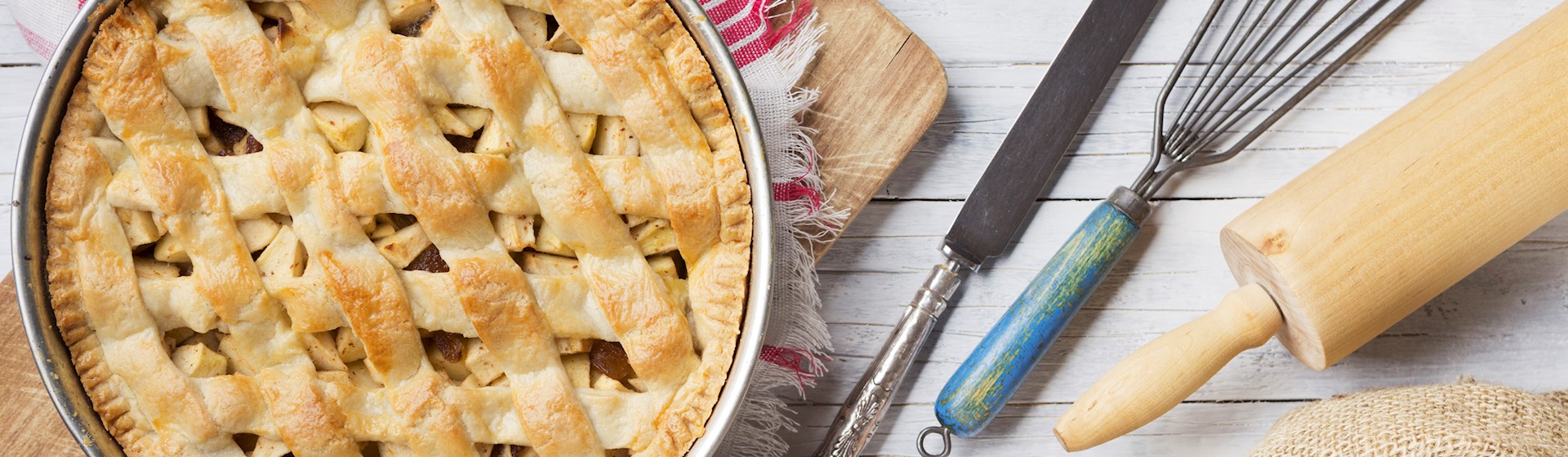
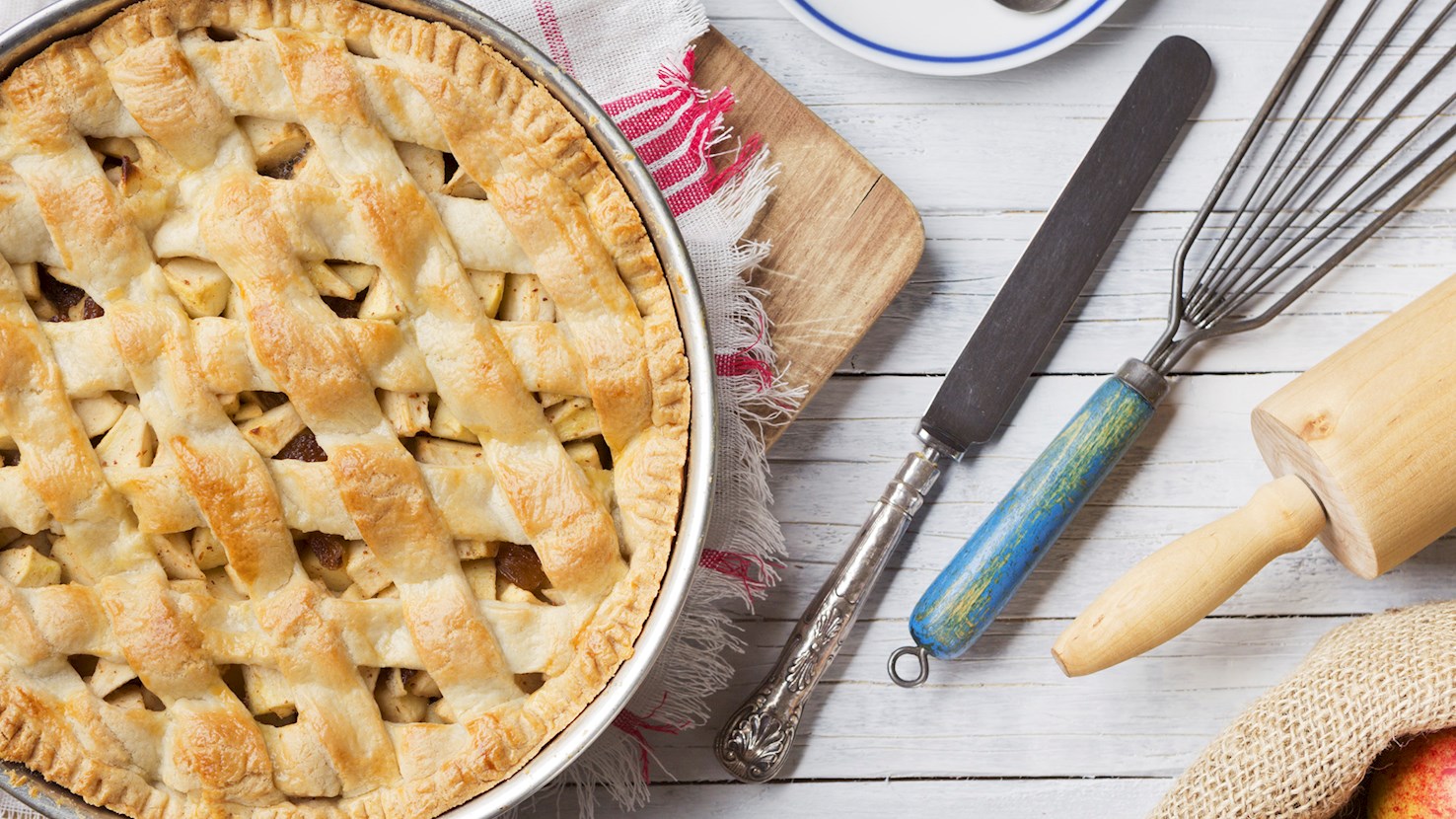
Appeltaart is a traditional apple pie that is very often accompanied by a cup of hot coffee. Although it is essentially the same as most apple pies, Dutch appeltaart differs from the classic American apple pie in many ways: it is baked in a spring-form pan, making it deeper; it is drier on the interior; it is full of big chunks of apple, currants, and raisins, and it is full of speculoos spices such as cinnamon, lemon juice, and other warm spices. Appeltaart dates back to the Middle Ages and it is believed that the baking time was measured by the number of prayers one had to say until it was ready to be taken out of the oven since ovens with temperature controls didn't exist at the time. In the Netherlands, appeltaart is usually served at room temperature and topped with a dollop of whipped cream, what is known as appeltaart met slagroom. This traditional dessert is one of the first pies that the young people learn to prepare in the Netherlands, but it is believed that the best ones are made by grandmas.

03

Stroopwafel

4.2 ·

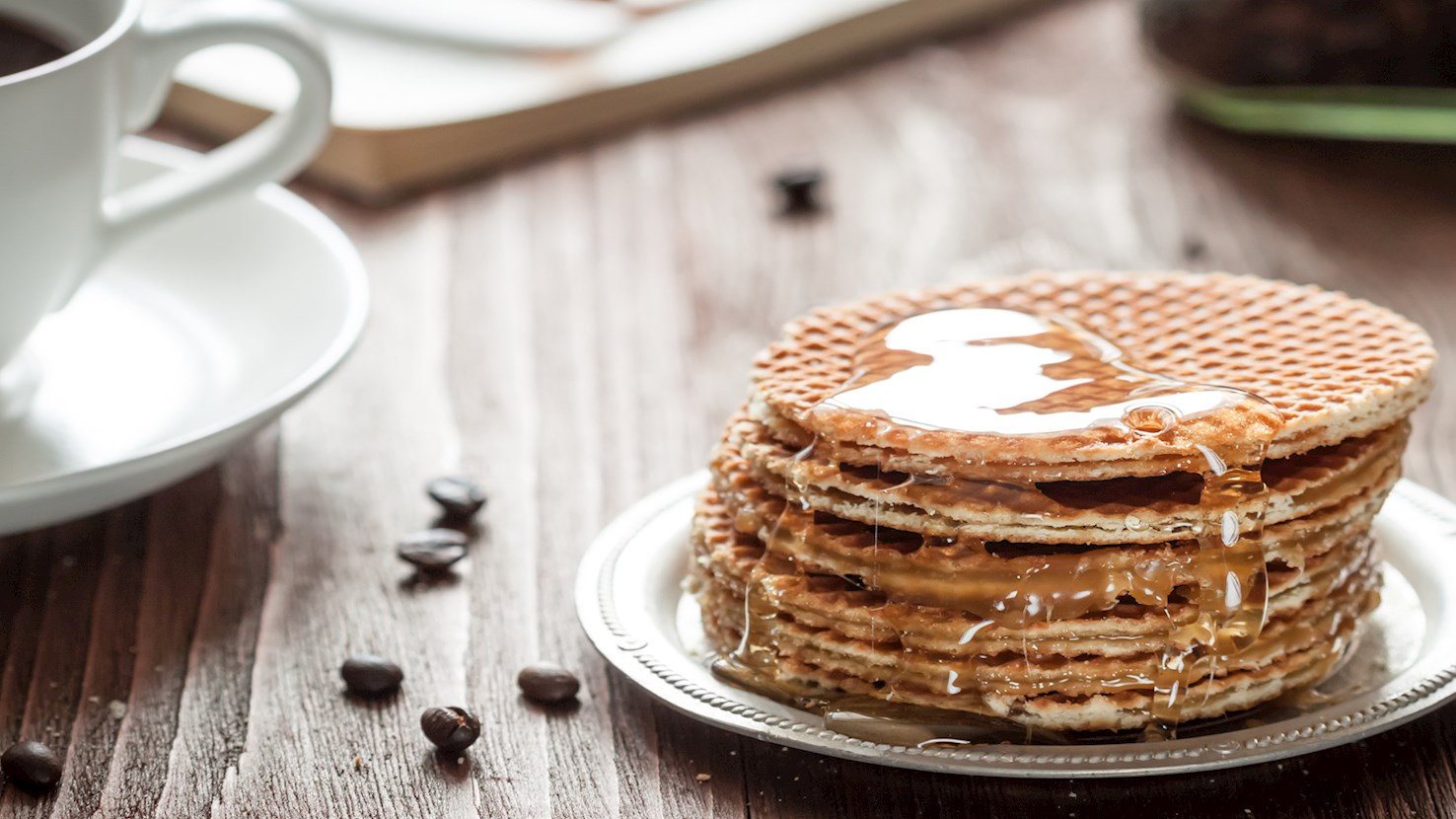
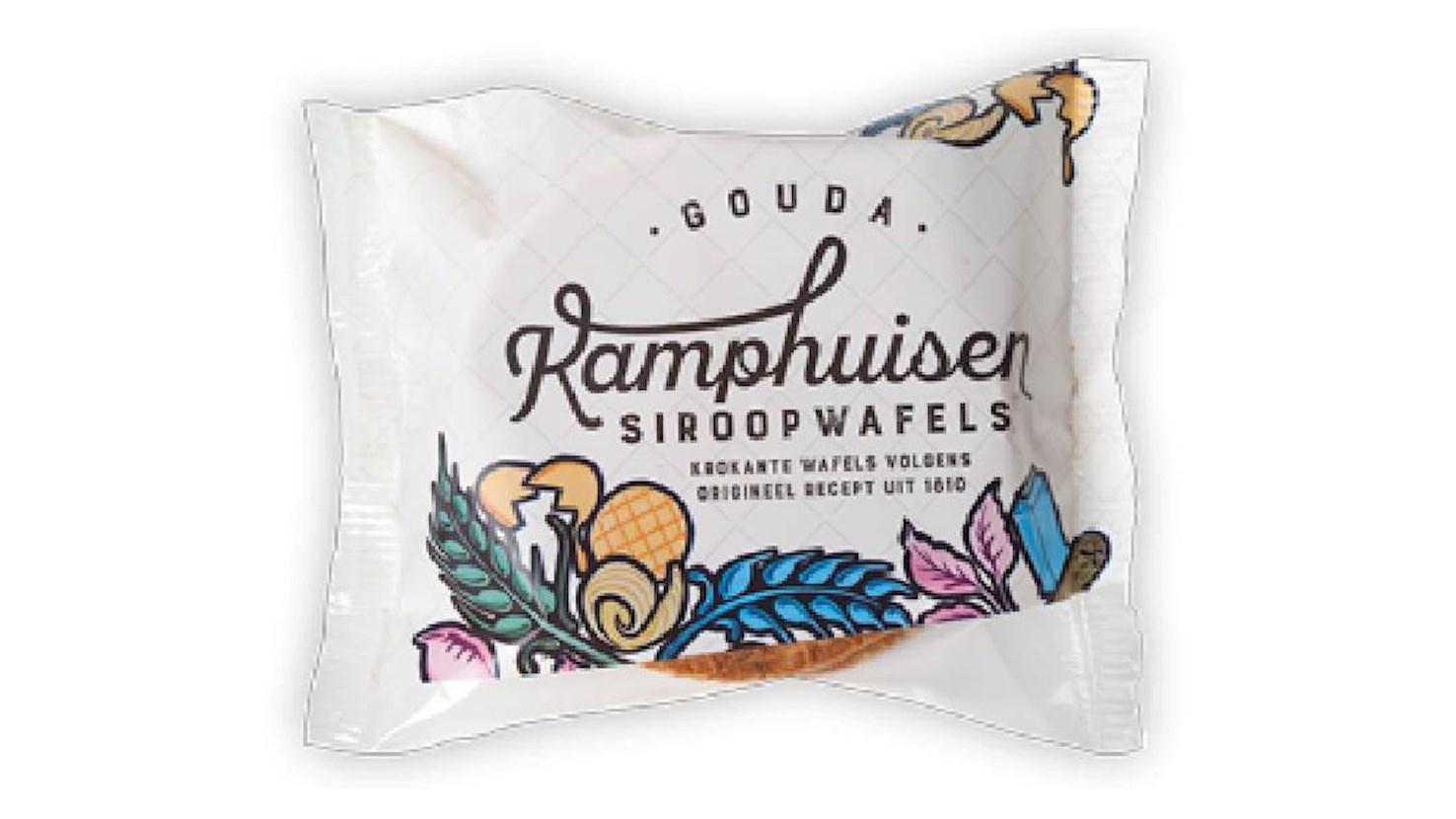
These delicious Dutch cookies consist of a very thin layer of syrup, sugar, butter, and cinnamon that is sandwiched between two thin wafers. Stroopwafels were invented in the late 18th century in the city of Gouda, and many sources give credit to a baker named Gerard Kamphuisen as their inventor. In the Netherlands, stroopwafels are traditionally consumed with tea or coffee, and it is a custom to place a cookie on top of the cup and let it steam for a few minutes, so that the cookie is heated and the syrupy layer softens.

04

Poffertjes

4.2 ·

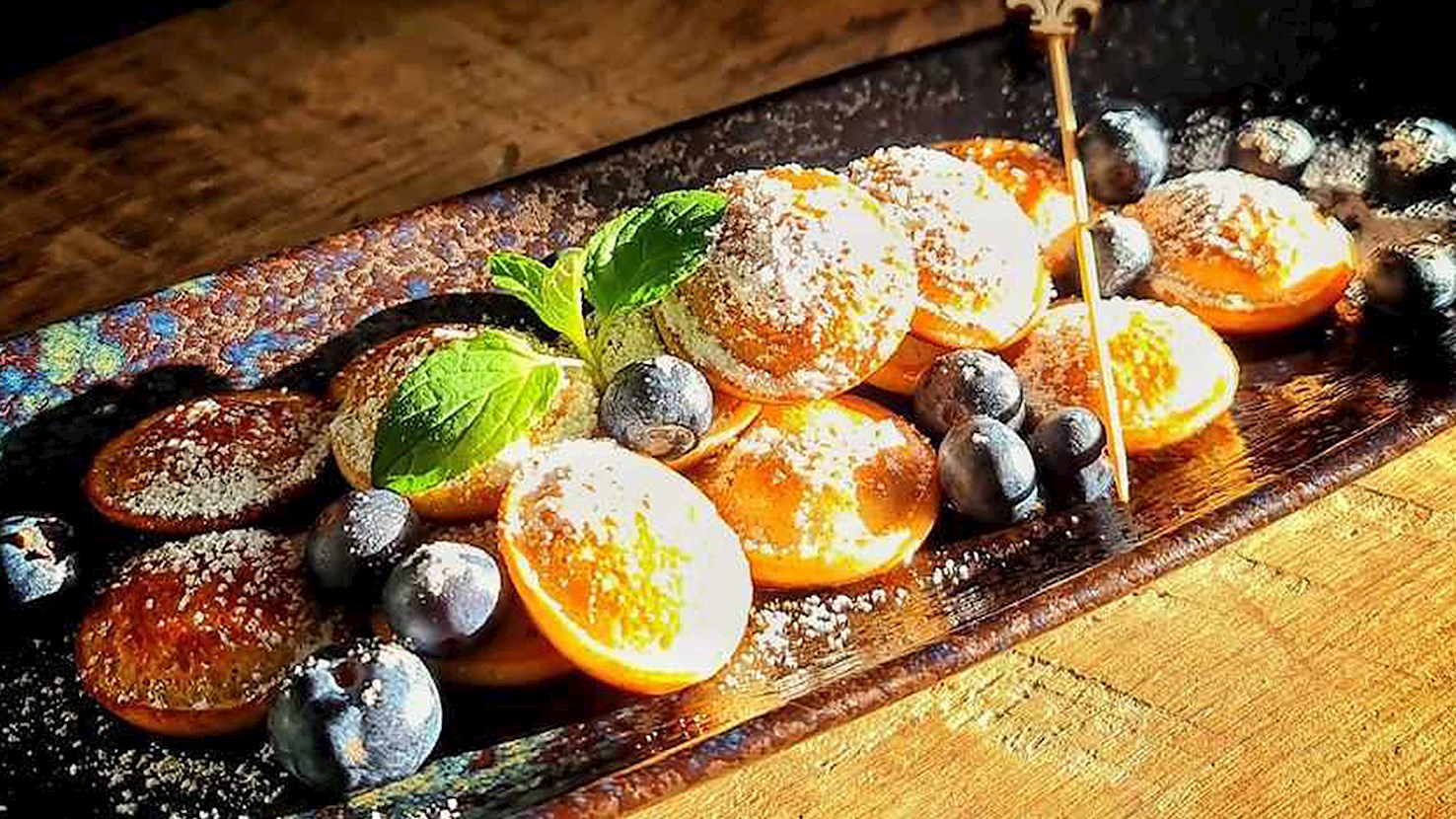
Poffertjes are small, round, and puffy Dutch pancakes made with yeast and buckwheat flour. They are baked in a special pan called poffertjespan, and usually served warm on a piece of cardboard paper when prepared outdoors, at festivals and outdoor events. They are consumed as a snack, and are rarely eaten for breakfast. Traditionally, poffertjes are topped with melted butter and powdered sugar, although there are a number of other, non-traditional toppings such as whipped cream, fresh fruit, or rum. During the Christmas and New Year period, poffertjes can be found throughout Dutch streets at numerous street carts. It is believed that poffertjes have roots in a Dutch Abbey, where they were used as a type of communion host. When the churchgoers tasted the small pancakes and liked them, poffertjes became very popular, so local stallholders seized the opportunity and started selling them as snacks. The first recipe for poffertjes is found in a cookbook from the mid-1700s, when the dish was considered a poor man's meal. Today, poffertjes are a staple of most Dutch weddings, birthday parties, and various festive occasions.

05

Boterkoek

4.2 ·

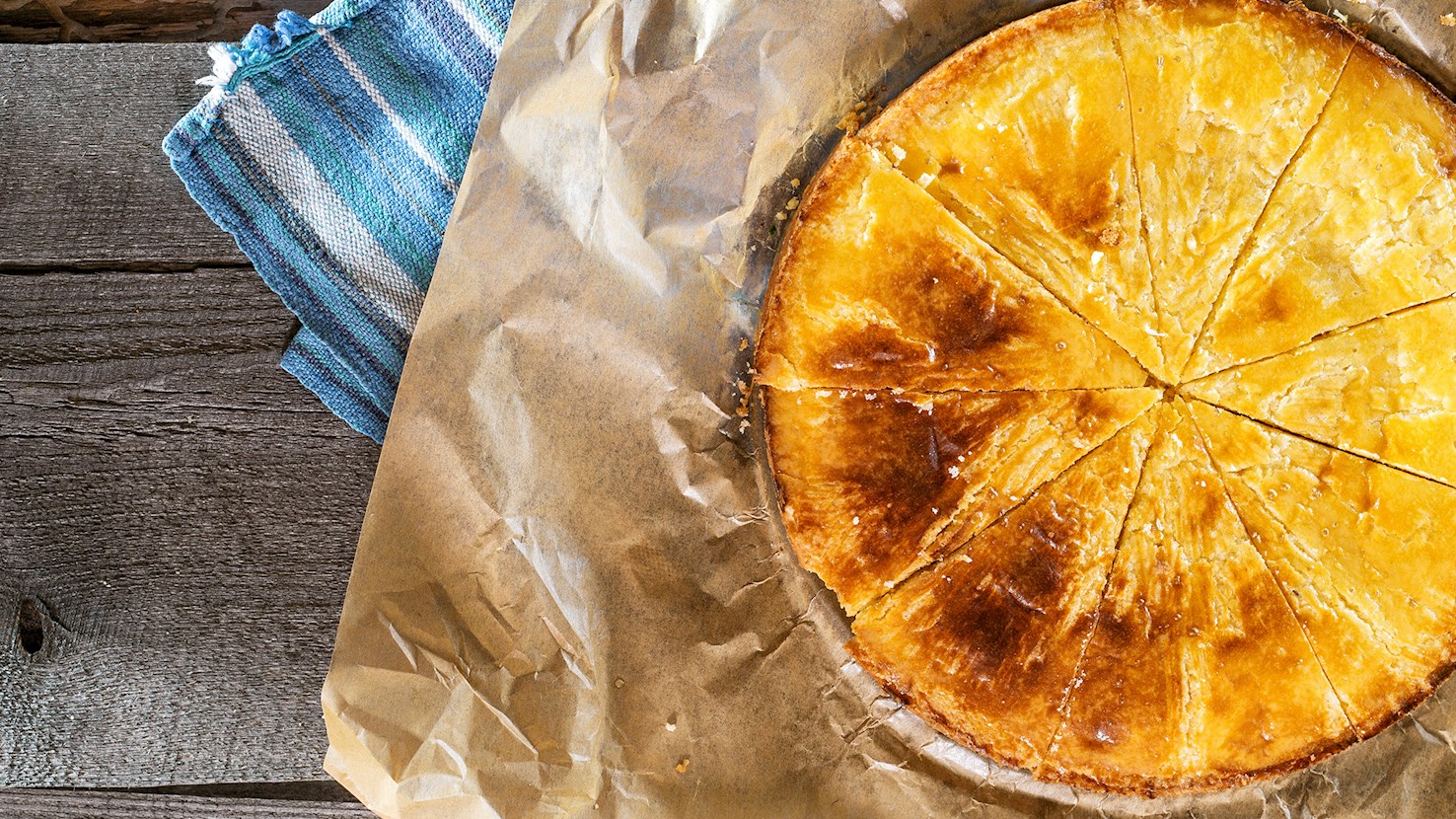
Boterkoek is a traditional cake made with a combination of butter, flour, sugar, eggs, and vanilla. If desired, almond extract, almond shavings, and lemon zest can be added to the ingredients for extra flavor. The sticky dough is simply brushed with beaten eggs and decorated with a criss-cross pattern on top before being baked in the oven until golden brown. Once done, the cake is cut into narrow slices or squares. This dense butter cake is usually served with a cup of coffee on the side in the Netherlands.

06

Pannekoek

4.1 ·

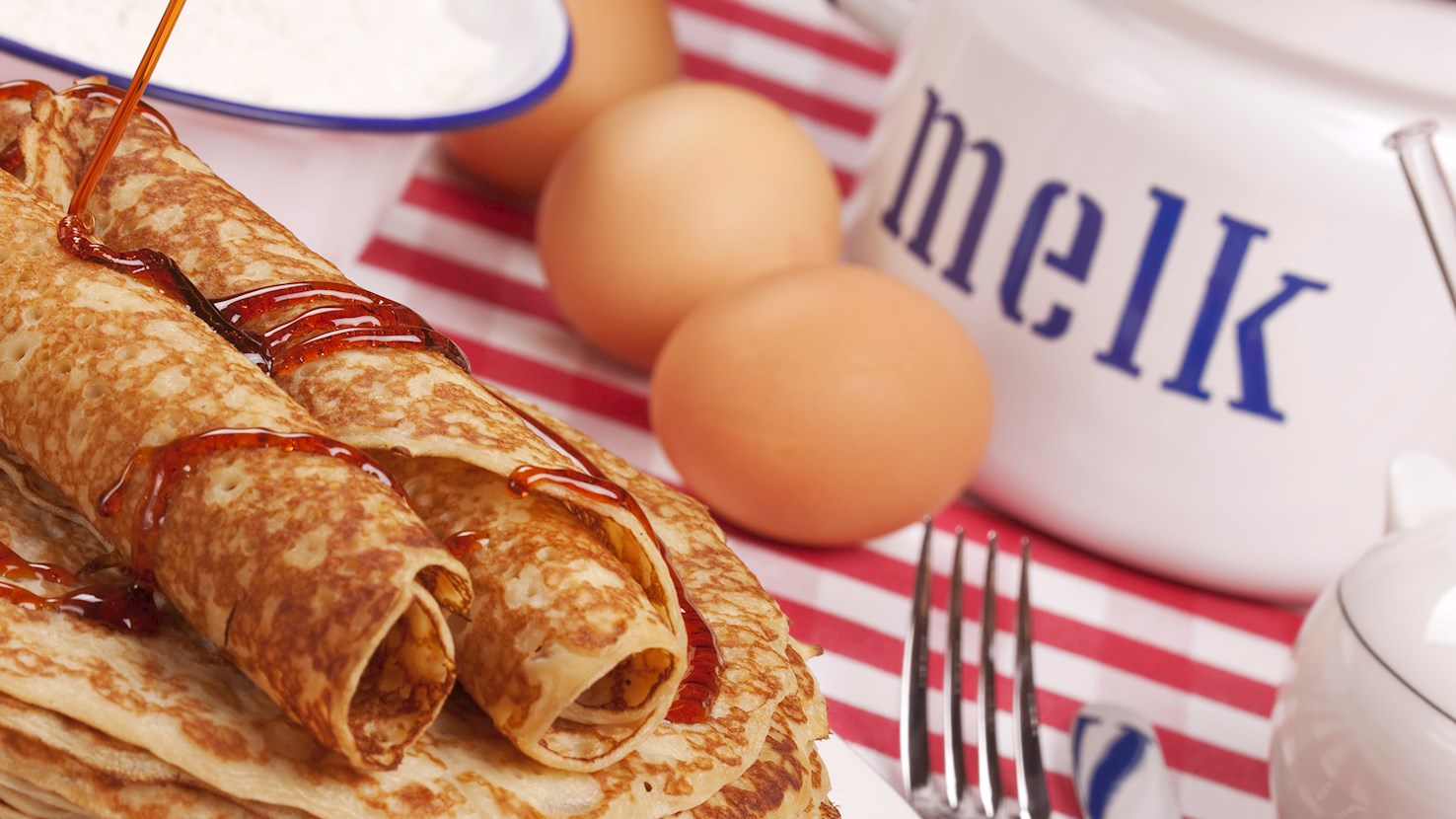
Pannekoek is a variety of Dutch pancakes that are somewhere between American pancakes and crêpes in terms of thickness, consisting of milk, flour, salt, and eggs. In the Netherlands, pannekoeken are usually eaten for dinner, lunch, or dessert, but rarely for breakfast. They are typically served with molasses syrup (stroop), sugar, apples, and cinnamon, but when made as a hearty lunch, some cooks like to add bacon and cheese to plain pancakes. Pannekoeken are also popular in Belgium and South Africa, where it is common to serve them with cinnamon sugar and a single lemon wedge. South Africans love to eat the pancakes when it is cold and raining outside, so much that the cold, damp weather is known as pancake-weather in the country.

07

Zeeuwse bolus

4.1 ·

Zeeuwse bolus is a sweet Dutch pastry that is quite similar to the famous cinnamon roll. Best consumed warm, the sticky, gooey, and tender bolussen consist of flour, milk, salt, sugar, yeast, and butter. They are traditionally flavored with a combination of dark brown sugar and ground cinnamon, which melts nicely when these treats are baked. It is believed that bolussen were originally prepared by Sephardic Jewish bakers in the early 17th century. Today, Zeeuwse bolussen are said to taste the best when paired with some butter and a cup of coffee on the side.

08

Vlaai

4.0 ·

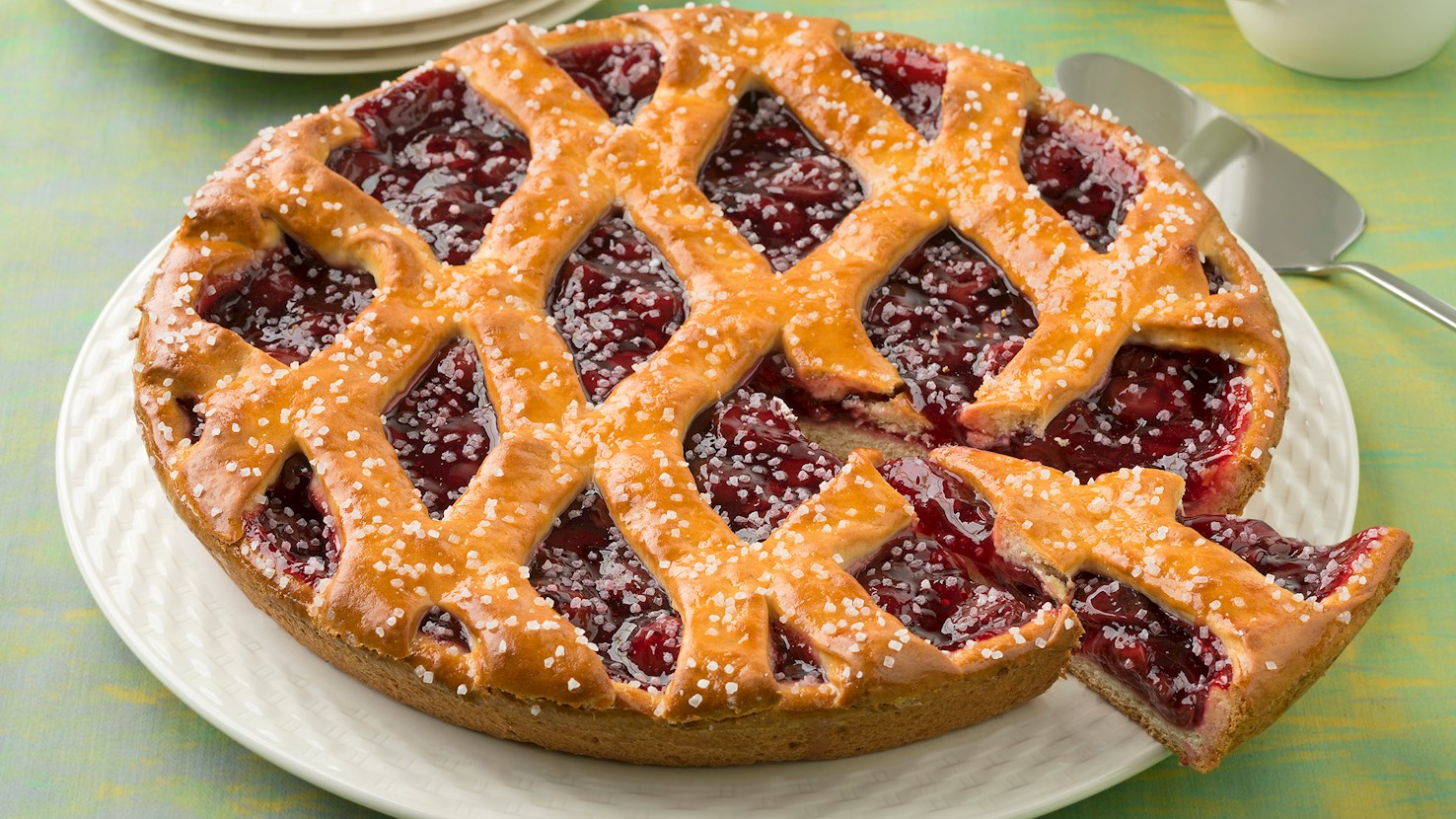
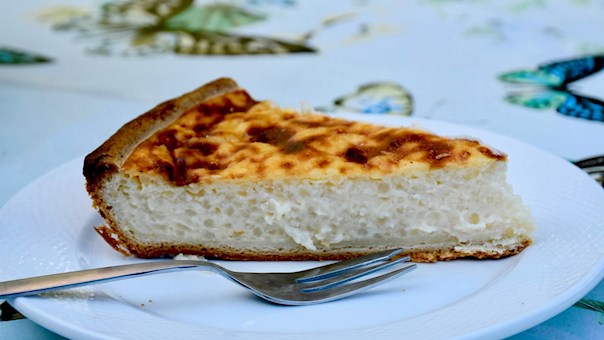
Vlaai is a sweet pie originating from the province of Limburg. It consists of a yeast pie base and a filling of creamy custard which is topped with streusel, a crumbly topping. The pie has a rich history: it was first consumed by Germanic tribes who used to drizzle the dough with fruit juice or honey, and later, it was used in monasteries as a special, sacrificial bread. Over the years, vlaai was brought over to Maastricht, where it was used for festivities and celebrations such as birthdays and weddings. Today, there are numerous varieties of vlaai–filled with chocolate, rice pudding, or fruits such as cherries, strawberries, apples, and bananas.

09

Speculaas

4.0 ·

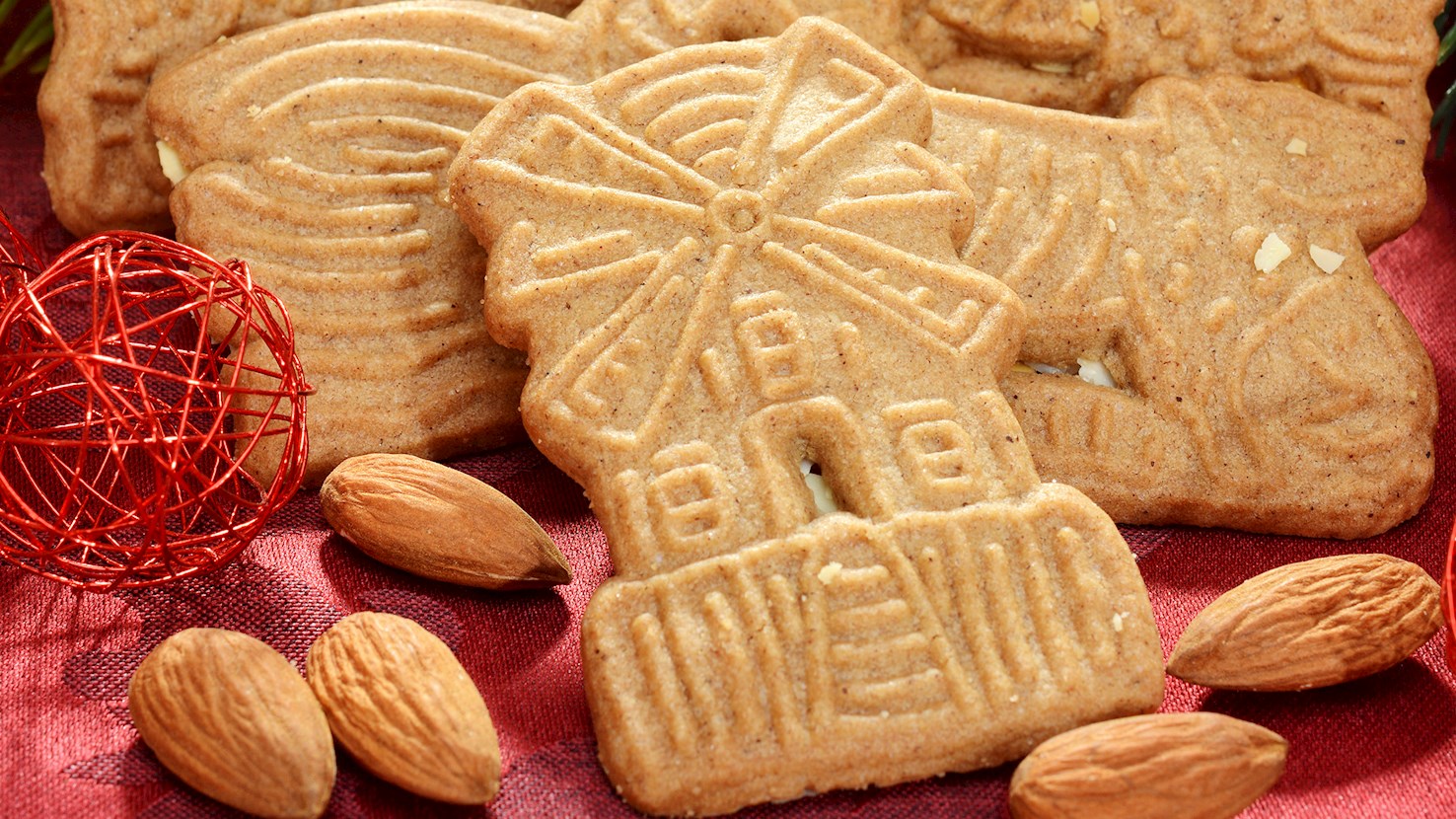
Speculaas are spiced cookies mainly made in Belgium and the Netherlands, although they are also popular in Germany (Rhineland and Westphalia), Luxembourg and northern France. With an intense fragrance of cinnamon, cloves, nutmeg, and ginger, the cookies are traditionally baked on the eve of St Nicholas Day, celebrated on December 5 and December 6. Before going to bed, the children put their shoes by the chimney, and if they behaved well, they are rewarded with speculaas in their shoes. There are a few theories on the origin of its name - one says it derives from the Latin word speculum, meaning a mirror, referring to the mirrored images that the cookies are decorated with. Another popular theory claims the origin of speculaas stems from specerij, the Dutch word for spice. The third theory suggests that it derives from the Latin speculator, referring to a bishop, such as St Nicholas. And how about the issue of speculaas vs. speculoos? Apparently, speculoos is just the Belgian word for these cookies, but without any (or most of) the once-expensive spices, as loos means without in Dutch. Also, the word speculaas doesn't exist in French, so they're always called speculoos in France. Today, the cookies are not reserved only for the St Nicholas Day or for Christmas, but are available the whole year round, ideally paired with a cup of hot tea or coffee.

10

Appelflap

4.0 ·

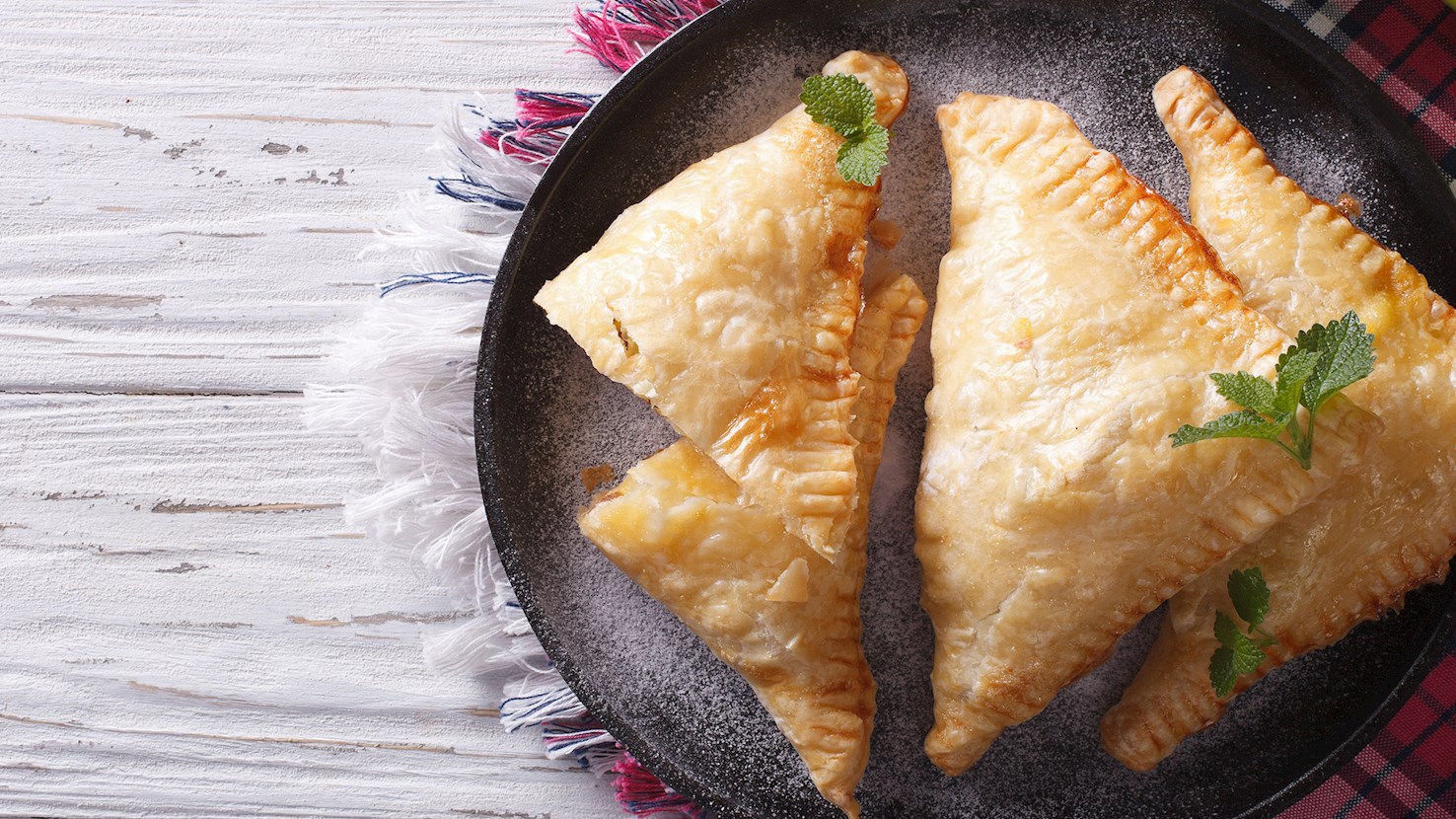
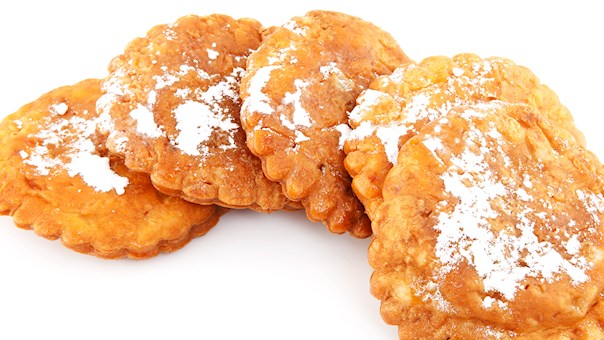
A traditional, sweet Dutch pastry known as appelflap consists of pastry dough that is filled with apples, raisins, sugar, and cinnamon. The dessert is traditionally covered with sugar granules on top. It can be found throughout the country in numerous bakeries or places where coffee and tea are served. The crispy appelflap is also often served for breakfast as a hot and tasty treat.

11

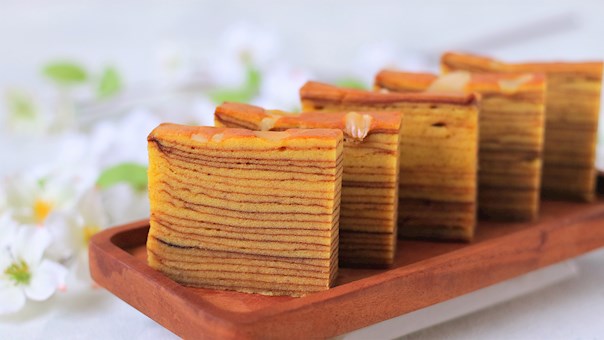
Spekkoek

3.9 ·
12

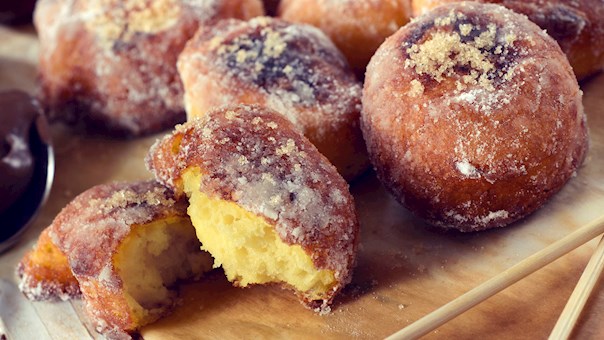
Oliebol

3.9 ·
13

Appelbeignet

3.8 ·
16

Gevulde koek

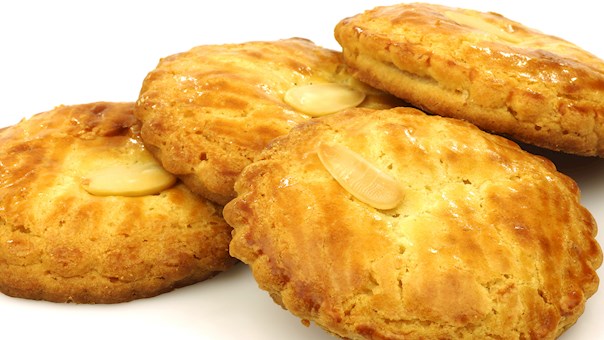
3.8 ·
17

Vla

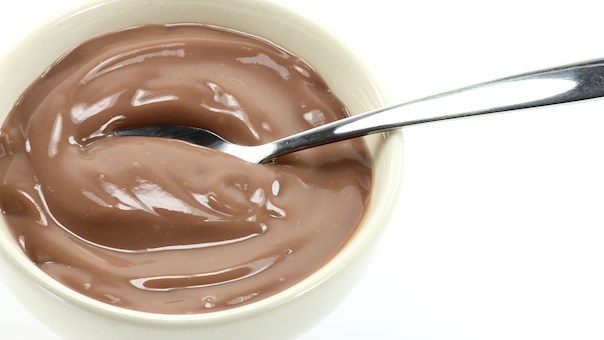
3.7 ·
18

Kruidnoten

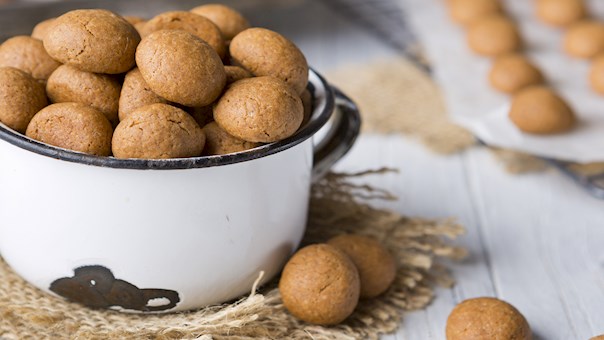
3.6 ·
19

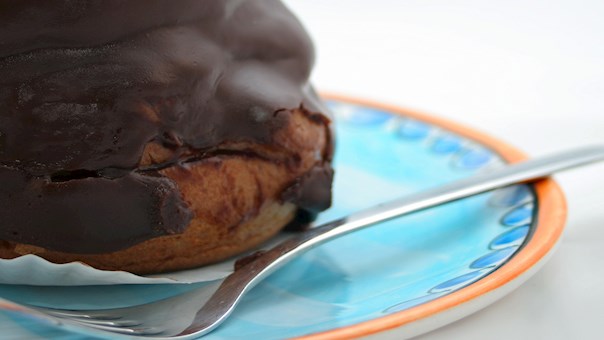
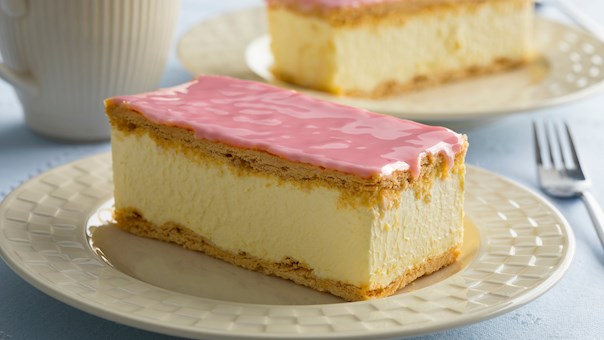
Tompouce

3.6 ·

Best Dutch Desserts
01

Siroopwafelfabriek

4.8 ·
Siroopwafelfabriek is a place where the scent of tradition fills the air and every bite tells a story more than two centuries old. Nestled in the heart of Gouda, in a beautifully preserved historic building, this unique syrup waffle factory not only preserves but brings to life the legacy of the Netherlands’ most beloved sweet treat – the stroopwafel. The original recipe, dating back to 1810, remains a closely guarded secret. Yet, the process is as authentic as ever: freshly prepared dough, rich caramel syrup, and precise baking in traditional irons. But Siroopwafelfabriek is much more than a production site – it’s an immersive experience. Visitors of all ages are invited to step behind the scenes, watch the waffles being made, play interactive games, and even try to “crack” the recipe safe. Each warm, freshly baked waffle – crisp on the outside, soft and sticky within – is a delicious expression of quality, craftsmanship, and heritage. Combining history with hands-on discovery, Siroopwafelfabriek offers an unforgettable journey through the sights, smells, and flavors of Dutch culture – perfect for families, curious travelers, and true lovers of sweets.
02

Van Delft Chocolates & Bakery

4.7 ·
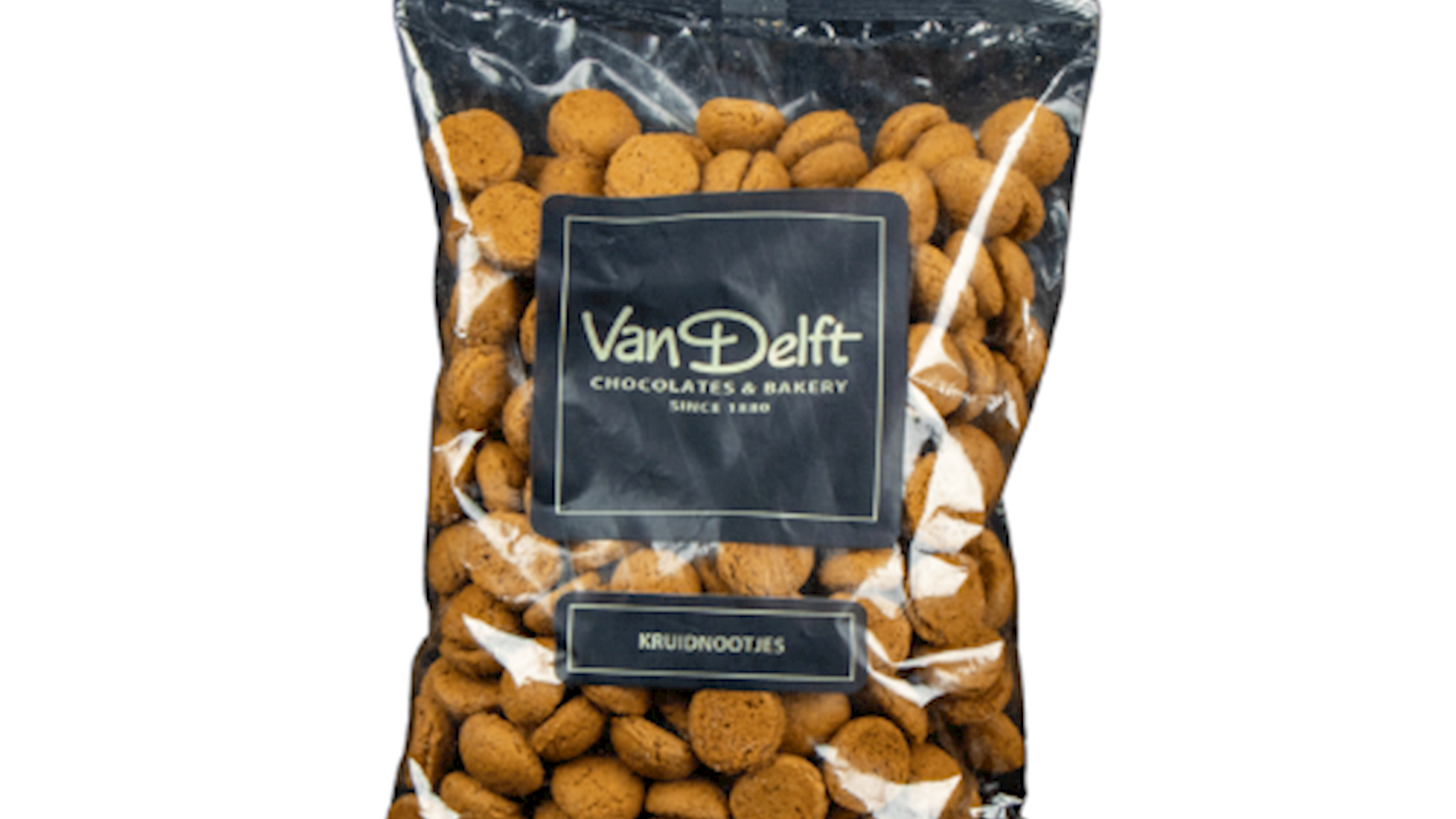
Van Delft Chocolates & Bakery is a Dutch confectionery producer with origins dating back to 1880, when it began as a local bakery focused on traditional spiced biscuits. Over time, it developed into the world’s largest producer of pepernoten, a small, spiced cookie closely linked to the Sinterklaas season in the Netherlands. The company’s core identity remains strongly tied to this product, which it has continuously adapted through a wide range of variations, particularly chocolate-coated versions in multiple flavors. Its portfolio today extends beyond classic pepernoten to include biscuits, chocolate products, and gift-oriented assortments, reflecting both tradition and product diversification. A key aspect of its approach is the combination of large-scale industrial production with ongoing innovation in taste, format, and packaging. Van Delft also operates through seasonal retail concepts, including pop-up stores that align with peak demand during autumn and winter. In addition to its own branded products, the company has a strong presence in private-label manufacturing for major retailers. Sustainability initiatives, especially in cocoa sourcing, are increasingly part of its positioning. Overall, it represents a balance between heritage, specialization, and scalable production within the European confectionery sector.
03

Davelaar

4.5 ·
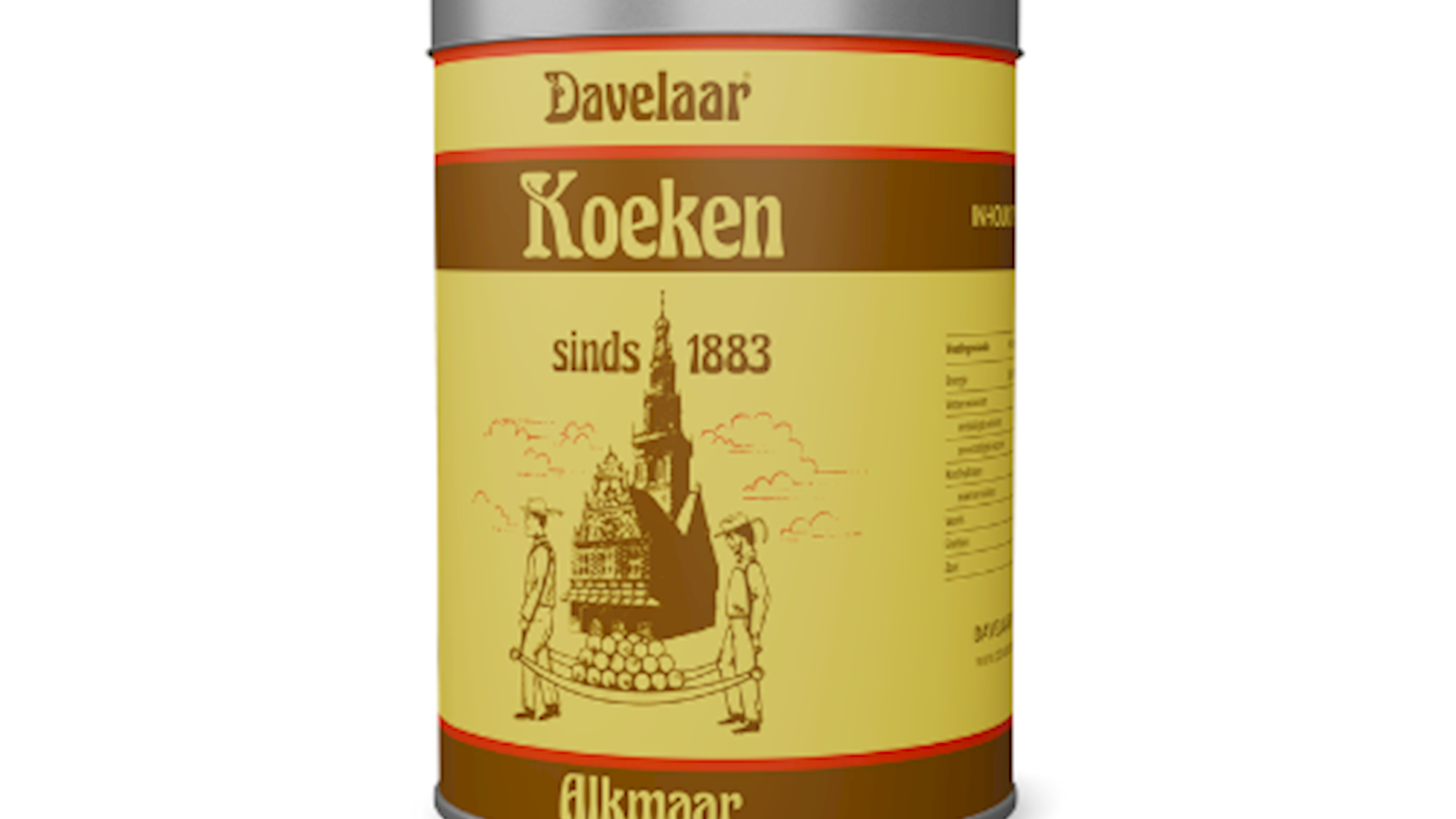
Davelaar is a Dutch biscuit producer with origins dating back to 1883, known for its long-standing focus on traditional flat shortcrust-style biscuits. The brand gained wider recognition in the early 20th century when Dirk Davelaar expanded production and distribution, helping establish these biscuits as a familiar product across the Netherlands. Its core offering consists of large, thin biscuits made from a simple combination of flour, sugar, and fat, sometimes complemented by subtle additions such as cinnamon. The texture is firm yet crumbly, with a slightly crisp bite and a mild, buttery profile supported by light caramelized notes. Rather than relying on complex flavors, the product emphasizes balance and consistency, making it suitable for everyday consumption. Traditionally packaged in metal tins, these biscuits have developed a recognizable visual identity alongside their long shelf life. In recent years, the company has updated product naming to align with contemporary standards, while maintaining a recipe that remains close to the original.
Read more
View all
View map
About this ranking

TasteAtlas food rankings are based on the ratings of the TasteAtlas audience, with a series of mechanisms that recognize real users and that ignore bot, nationalist or local patriotic ratings, and give additional value to the ratings of users that the system recognizes as knowledgeable. For the “Top 60 Dutch Desserts” list until June 15, 2026, 3,823 ratings were recorded, of which 3,423 were recognized by the system as legitimate. TasteAtlas Rankings should not be seen as the final global conclusion about food. Their purpose is to promote excellent local foods, instill pride in traditional dishes, and arouse curiosity about dishes you haven’t tried.

The initial list of top producers was compiled based on available reviews, awards, local recommendations, media and blog coverage, and consumer reviews. The list will be updated with ratings from TasteAtlas local ambassadors and TasteAtlas users.

Similar lists