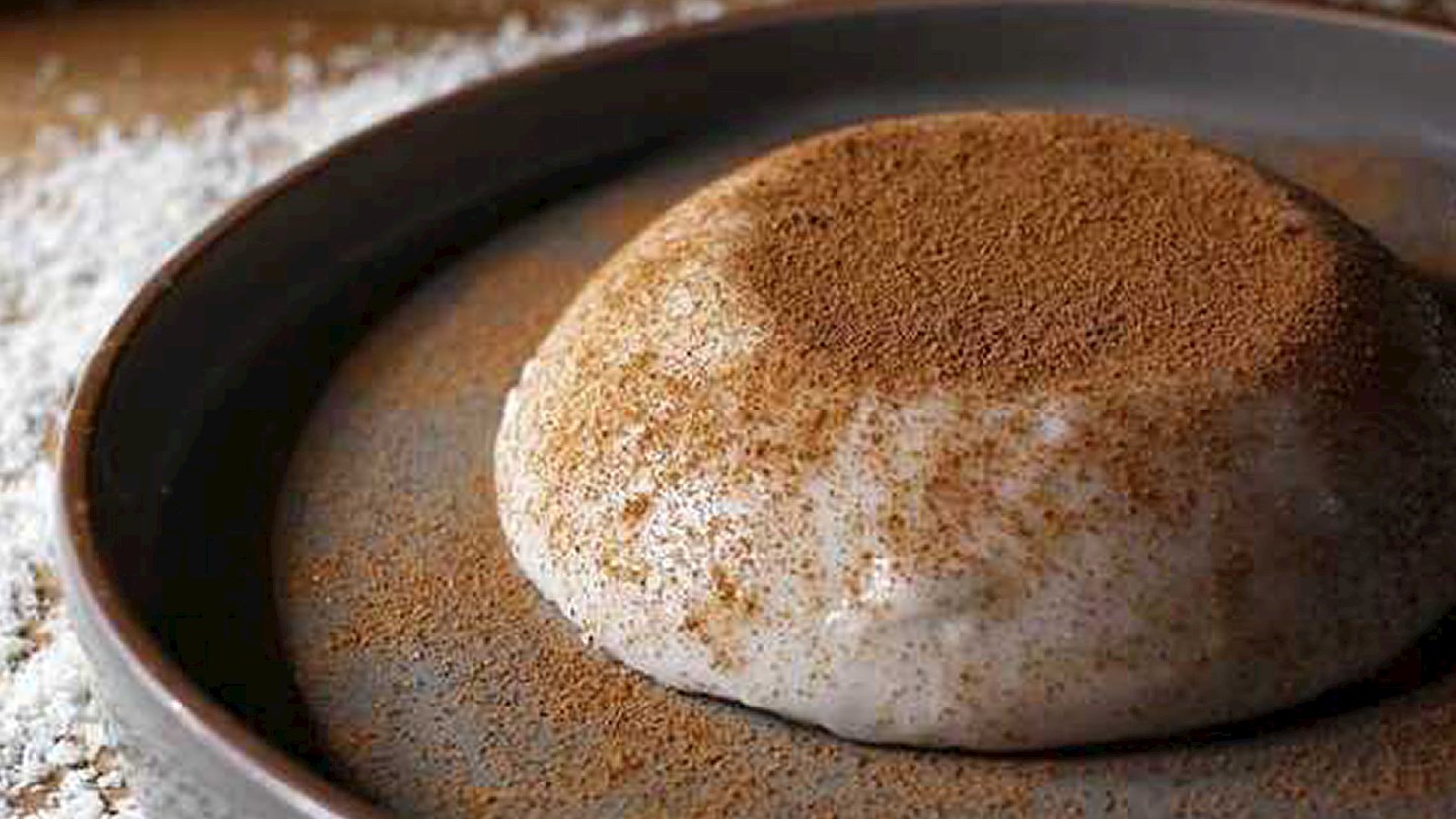
This creamy pudding is one of Puerto Rico’s specialties, made by cooking coconut milk with cornstarch and sugar, then topping the concoction with cinnamon. The end result is a slightly firm pudding with a smooth custard-like texture, and it is typically served cold. The name tembleque means wiggly, referring to a slight wiggle when the pudding is shaken. This rich dessert can also be flavored with vanilla, nutmeg, or rum, if desired. It is especially popular at birthday parties and similar festive occasions.
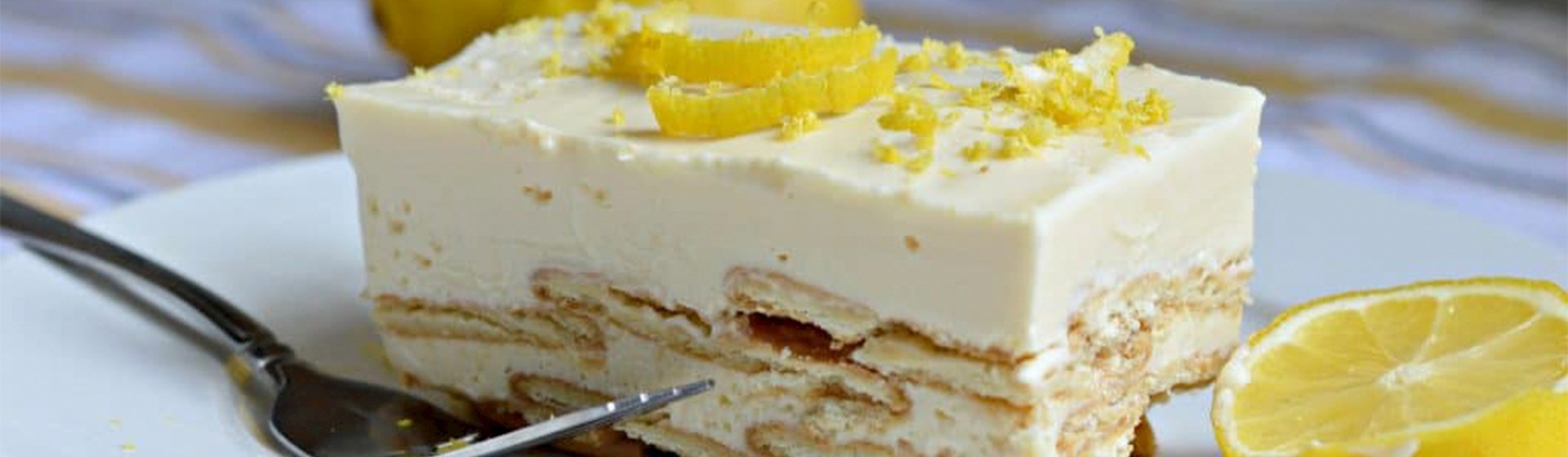
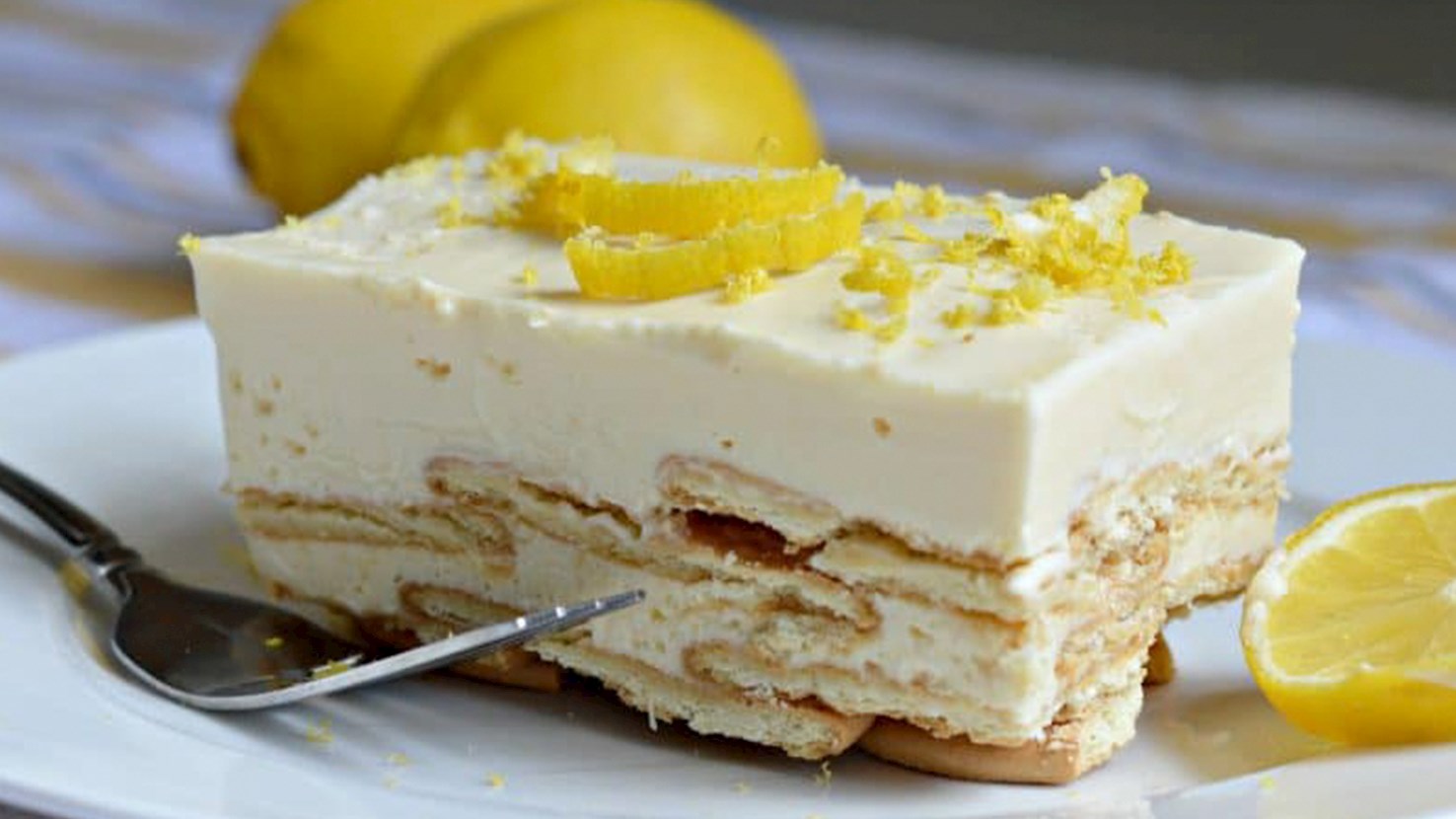
Carlota de limón is a refreshing Mexican no-bake dessert consisting of alternating layers of crumbled Maria cookies and cream made from lime juice and milk. The cream should be frozen to the point where it almost reaches the consistency of ice cream. This flavorful dessert is traditionally served during Easter and Christmas seasons.
Frozen custard comes from the "Custard Capital of the World", Milwaukee, Wisconsin, where it's sold more than anywhere else around the globe. It is a gourmet ice cream treat made with eggs, cream, and sugar, and it originated from Coney Island, New York, when it was a popular carnival treat. As the popularity of frozen custard grew, it quickly spread to the Midwest. As there is far less air added than in other similar treats, the result is a thick and dense custard with tons of flavor. A lot of frozen custard fans believe it is better than ice cream since it is served before being refrozen and mantains a soft, yet heavy consistency, so it is a unique regional treat in which you can really feel the difference when talking about flavor.
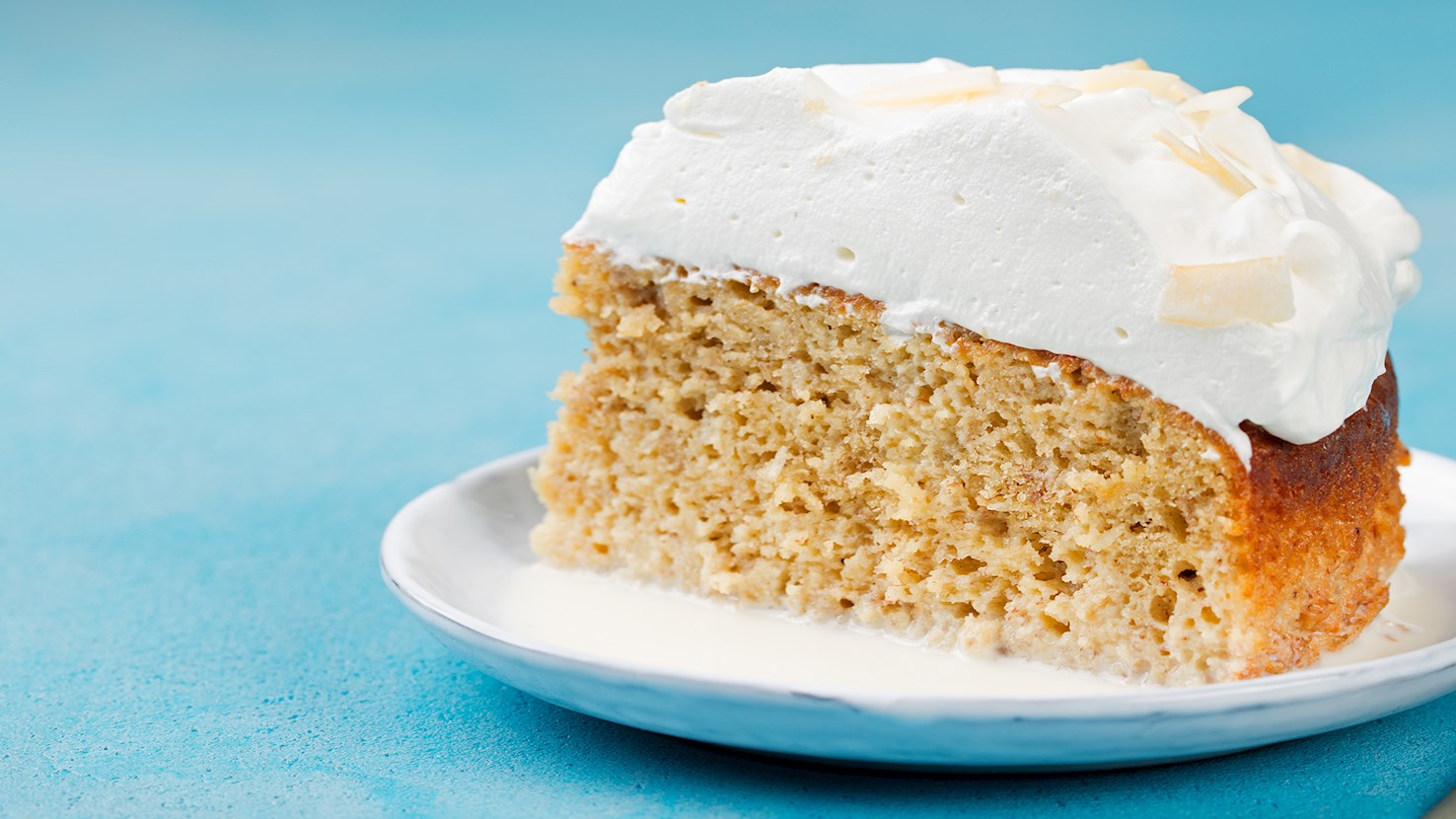
Tres leches cake is a dense, highly saturated sponge cake soaked in a specific mixture of three distinct dairy components consisting of evaporated milk, sweetened condensed milk, and heavy cream or whole milk, which is then topped with whipped cream and distributed widely throughout Latin America, with Mexico, Nicaragua, and coastal regions of the Caribbean basin serving as its primary cultural and commercial hubs. The widespread formulation of this dessert proliferated during the mid-twentieth century following the commercial mass-marketing of shelf-stable canned milk products by transnational food corporations such as Nestlé, who printed structured soaking recipes directly onto the labels of evaporated and condensed milk cans across Central and South America to stimulate consumer demand for manufactured dairy commodities, effectively modifying older European wine-soaked sponge configurations, like British trifles and Italian tiramisu, to suit regional supply chains. Preparation requires baking a light, aerated sponge cake containing a high volume of whipped egg whites and minimal fat, which produces an open, resilient crumb structure that prevents the matrix from collapsing when saturated. Once the cake cools completely, the entire upper surface is punctured repeatedly with a fork or skewer to create vertical fluid pathways, and a thoroughly blended mixture of equal parts evaporated milk, sweetened condensed milk, and heavy cream is poured slowly over the top until the liquid is fully absorbed into the cellular cavities of the baked crumb. Tres leches cake is served chilled directly from the refrigeration unit to stabilize the saturated dairy matrix, sliced into square portions, and standardly garnished with a dusting of ground cinnamon or a single fresh berry to introduce a mild aromatic contrast to the high concentration of sugar. It is eaten globally within pan-Latino restaurants, local bakeries, and domestic households, acting as a centerpiece dessert during birthdays, weddings, Mother's Day celebrations, and quinceañeras across Mexico, Central America, and Latino communities within the United States. For food and beverage pairings, the high sugar concentration and intense dairy fats of the soaked sponge demand bitter, acidic, or highly roasted flavor compounds to strip the palate between bites, meaning it is eaten alongside fresh acidic fruits like mango, passion fruit, or kiwi, and paired with unsweetened hot black coffee, bold espresso, dark roasted chicory teas, or small pours of aged dark rum.
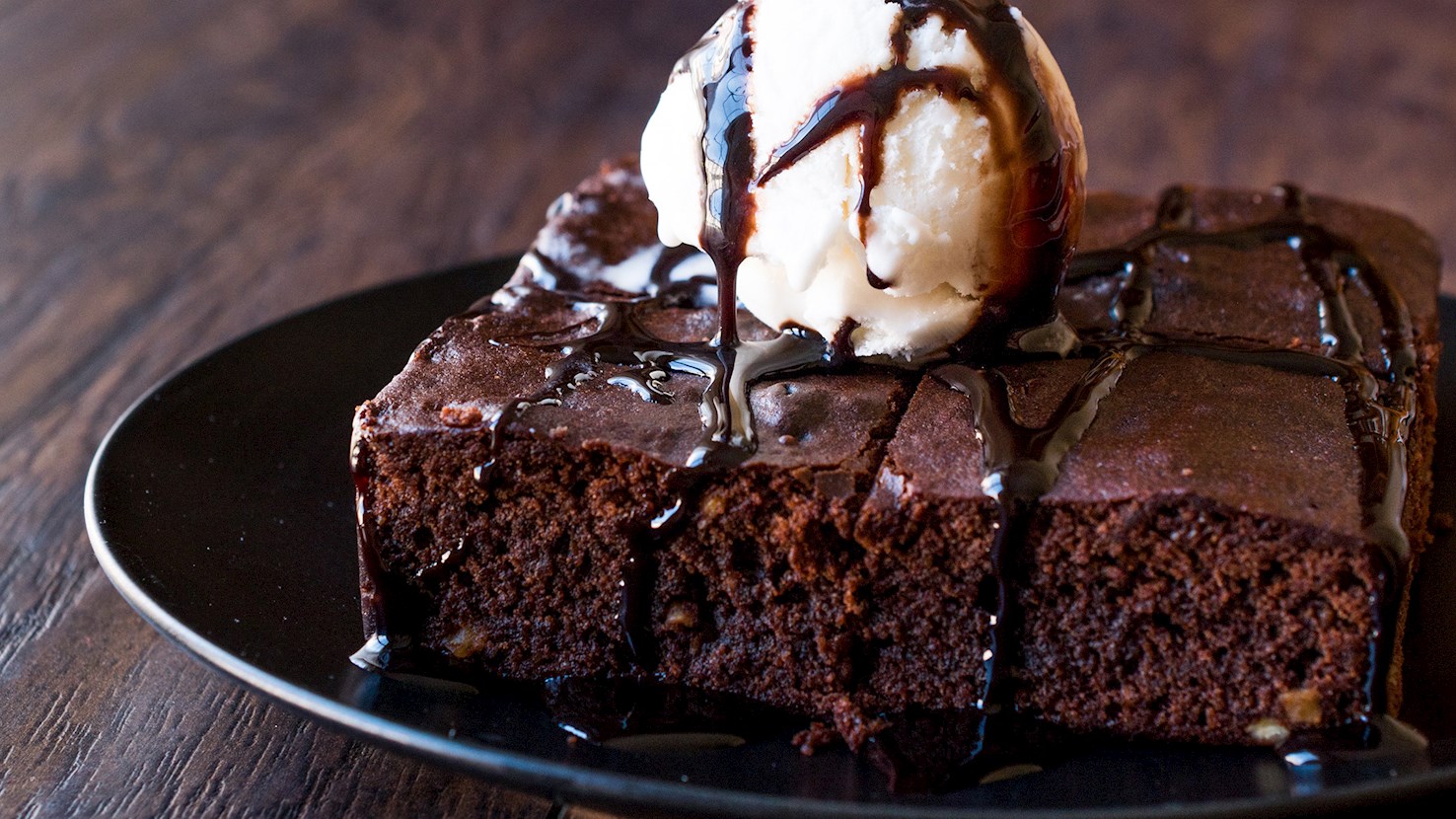
As the name suggests, brownie sundae is a type of ice cream sundae with added brownies. Squares or pieces of rich, warm, and moist chocolate brownies are typically layered in a serving bowl with a few scoops of ice cream on top, and the whole thing is then finished with a drizzle of sweet sauces or syrups such as hot chocolate fudge, caramel sauce, or strawberry sauce. Any ice cream flavor can be used for this dessert, and some of the most common flavors include vanilla, chocolate, strawberry, caramel, coffee, and cheesecake. Whipped cream, nuts, diced fruit, sprinkles, and chocolate chips are just a few common additions to this sweet treat.
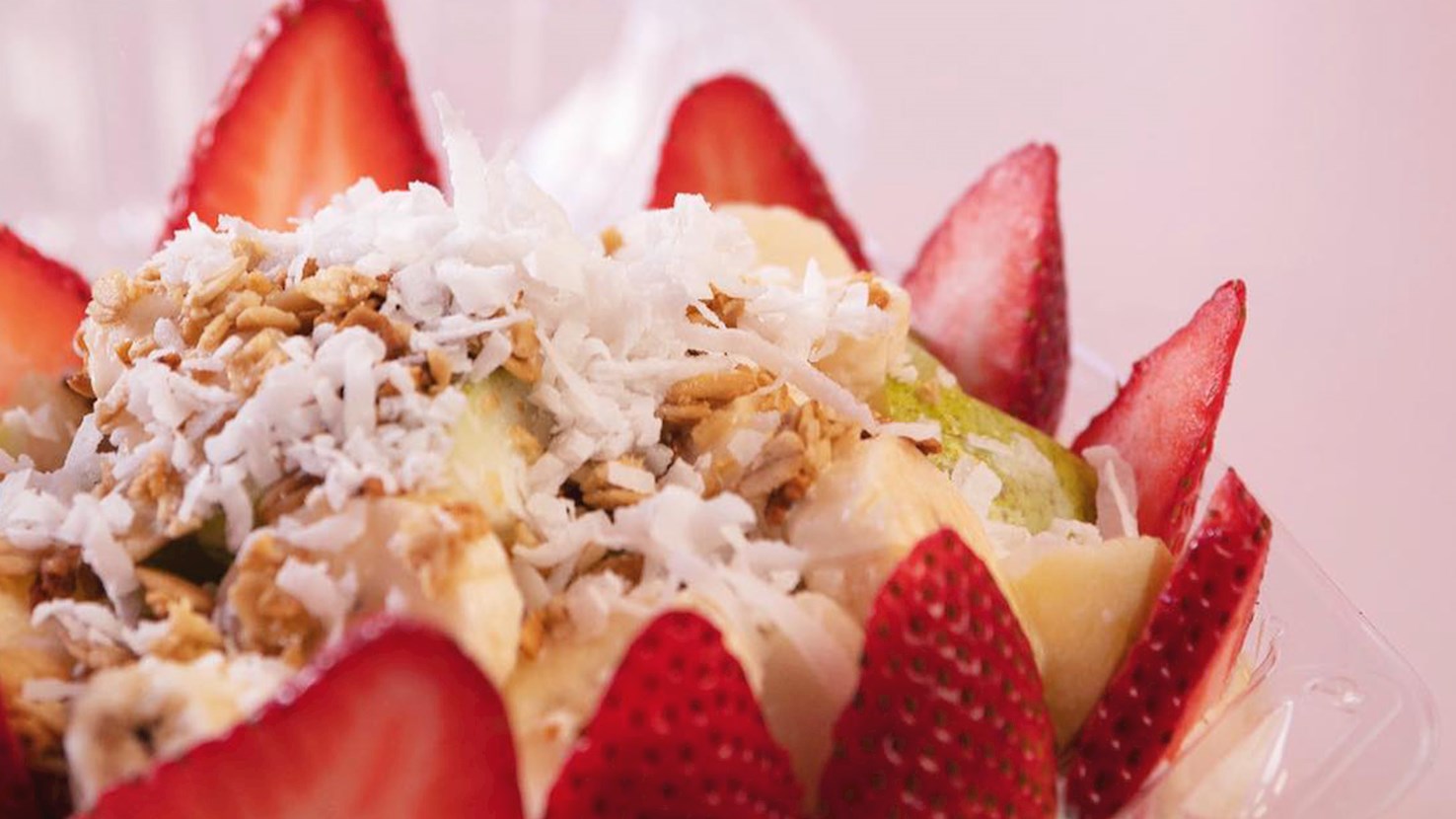
Bionico is a popular Mexican street food item in the form of a fruit cocktail, originating from Guadalajara. Chopped fruits such as papaya, strawberries, cantaloupe, apples, and bananas are topped with a sweet cream mixture, granola, pecans, raisins, and desiccated coconut. The dish was invented in the early 1990s as a healthy breakfast meal. As its popularity grew, the dessert spread throughout Mexico and even to some parts of the United States. Today, bionico is mostly served by street vendors or it can be bought at numerous juice bars and ice cream shops.
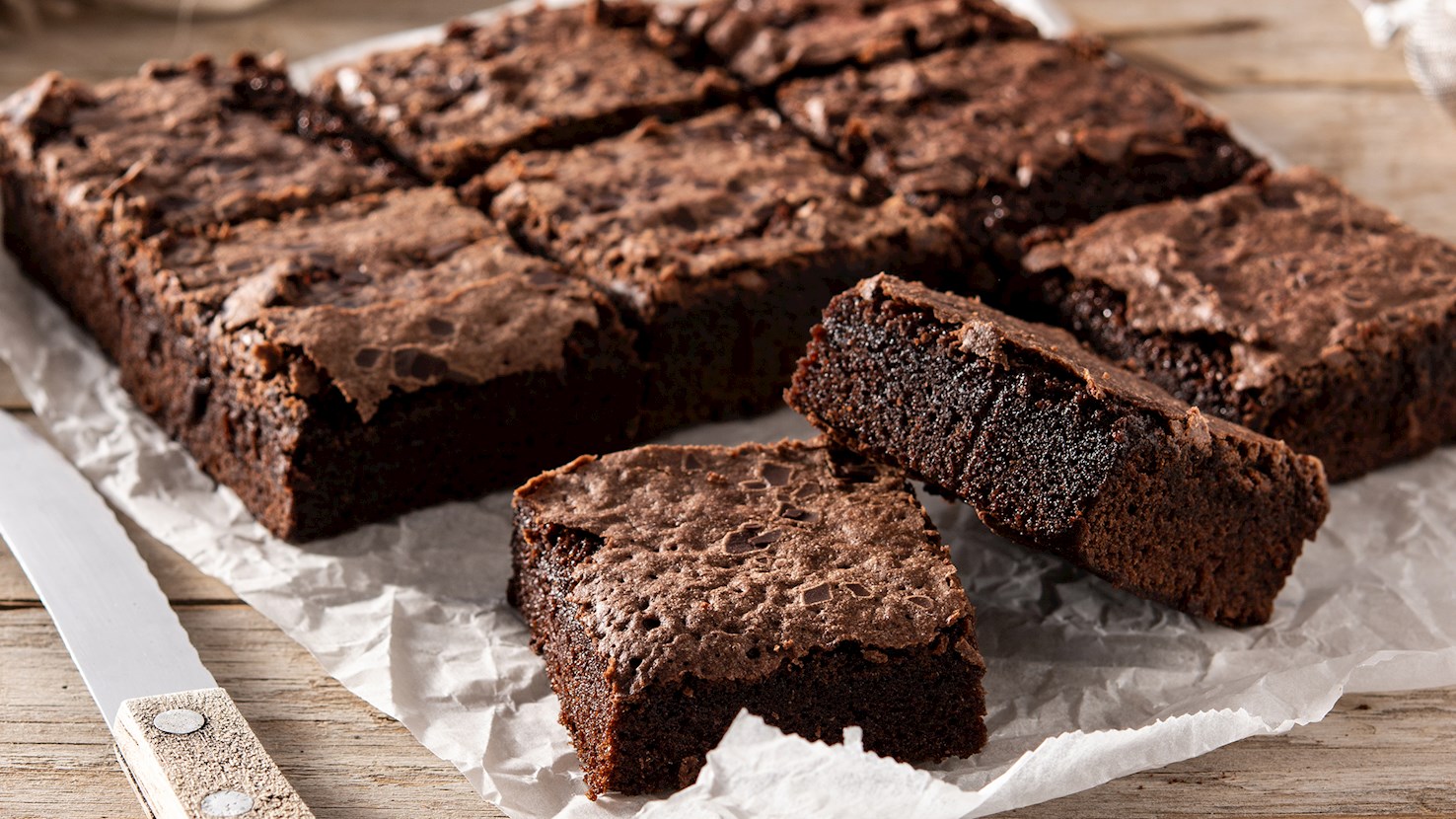
Deliciously chewy, dense and fudgy with a rich chocolate flavor, the beloved brownies are one of the most popular American desserts. Some claim that Bertha Palmer, wife of the owner of Palmer House Hotel, asked the chef to invent a new chocolate dessert to serve at the 1893 Colombian Exposition. Others say that it was an accident, when Brownie Schrumpf, a librarian, excluded baking powder from a chocolate cake and was left with a thick, black cake bar. Regardless of the origins, what really popularized the brownies were instant, boxed mixes from the 1950s made by two brands - Duncan Hines and Betty Crocker. Of course, the best brownies are not the ones from a box. Some prefer them underbaked, moist, and fudgy on the interior, while some like them well-baked until they develop a spongy texture. The chocolate used for brownies must be of high quality, dark and bittersweet. Nowadays, there is a number of brownie varieties with added walnuts, pecans, chocolate chips, or even chili powder. Portable, easy to prepare and satisfying, brownies are said to taste the best when paired with a glass of cold milk.
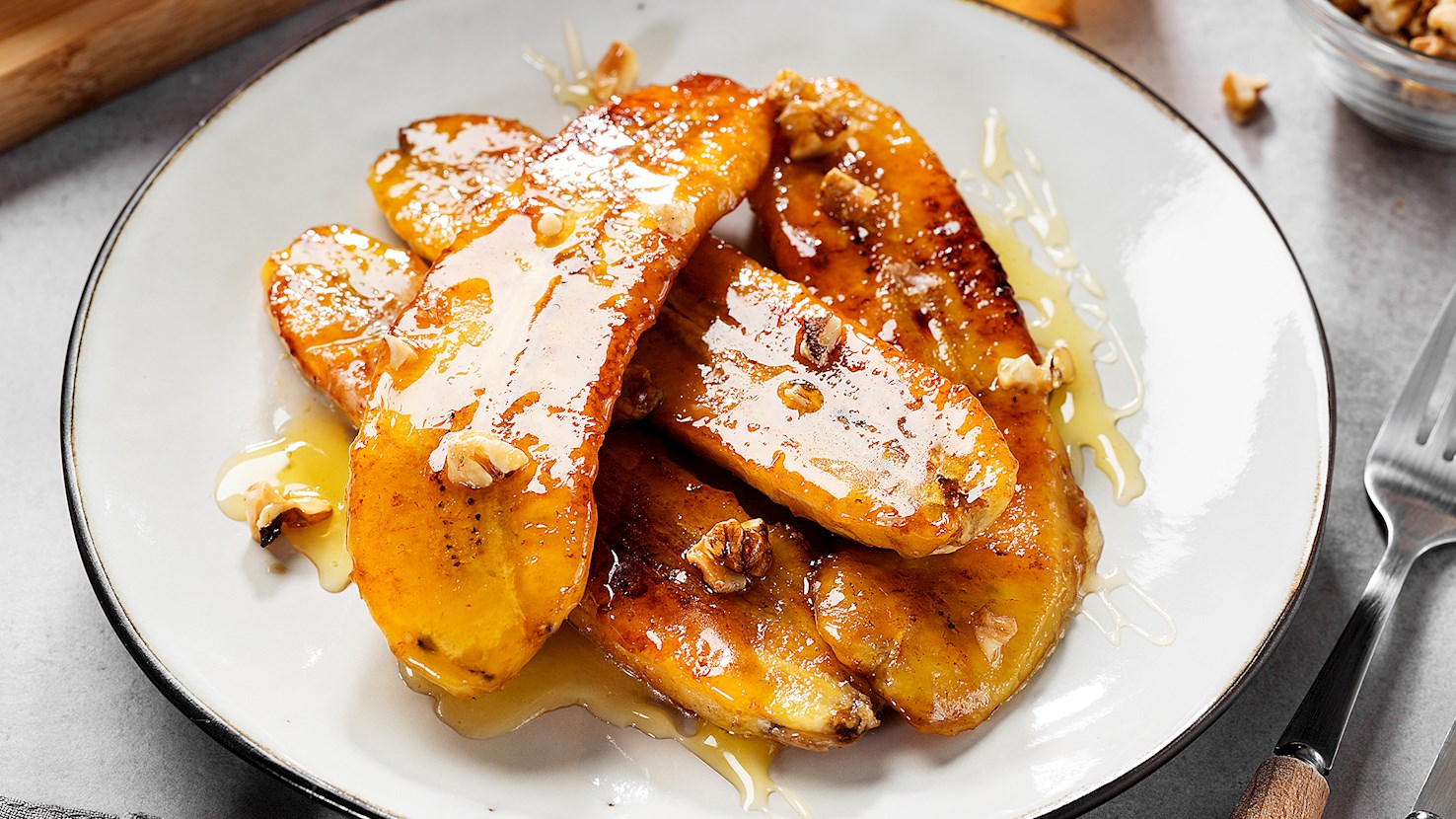
Bananas Foster is an iconic dessert created in New Orleans in 1951. It consists of bananas sautéed in a combination of rum, brown sugar, banana liqueur, butter, and spices. When the bananas are slightly tender and begin to brown, cooks set the alcohol on fire with the famous flambé technique. Bananas are usually served with a scoop or two of vanilla ice cream. Because the process is so visually attractive, the dessert is often prepared alongside tables in most restaurants. It was invented by Paul Blangé, a chef from the New Orleans restaurant called Brennan's. He named it in honor of Stephen Foster, a local businessman who used to frequent the restaurant. Since 1951, bananas Foster rose in popularity, and it is still one of the most popular items on Brennan's menu.
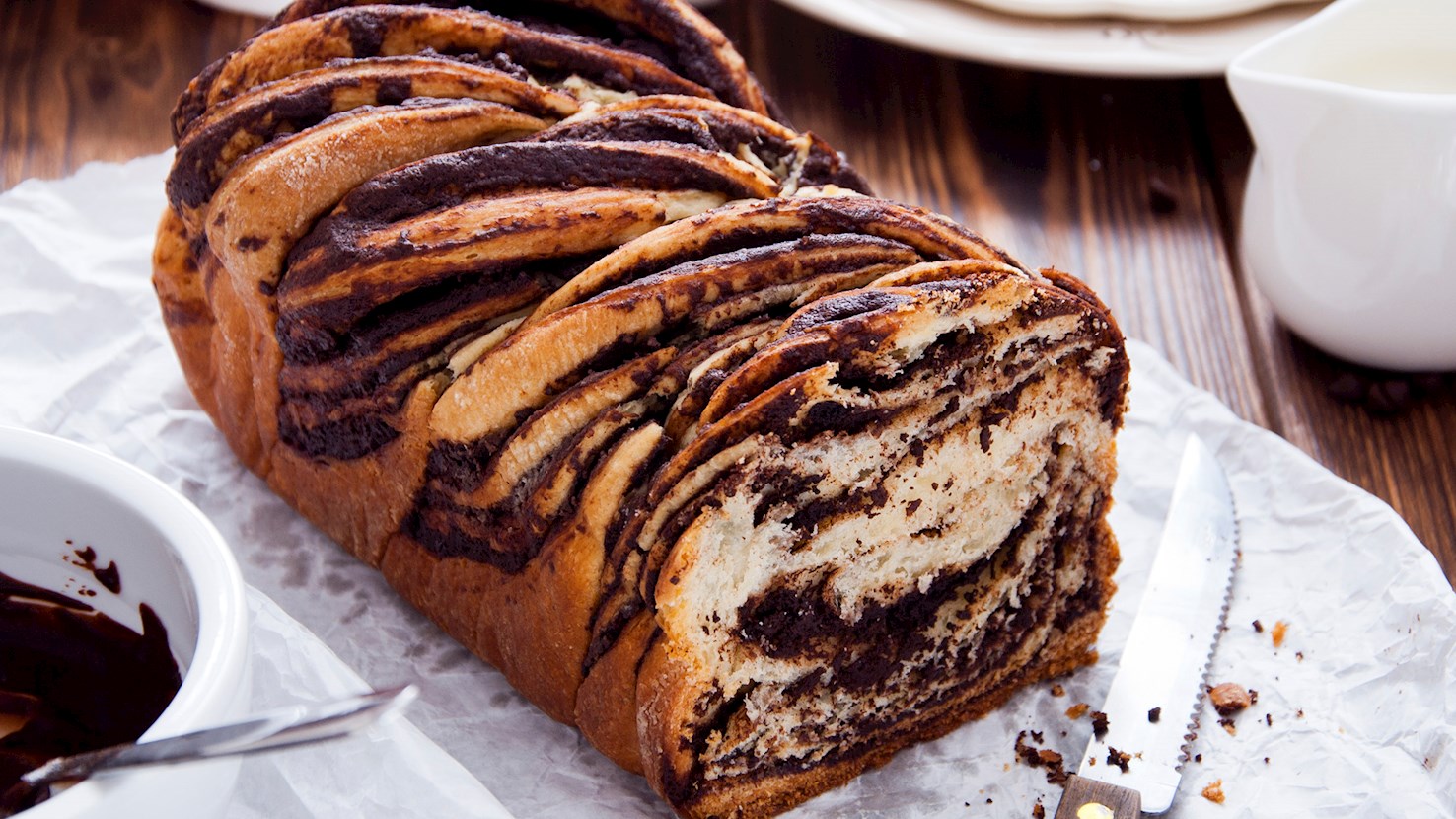
In Europe, babka is a term usually associated with a simple Polish sweet, yeasted, bundt-shaped bread, but there is another version of babka which became extremely popular in North American cities with large Jewish populations: the rich, buttery, swirly loaf of yeasted dough, woven with ribbons of filling. The most popular filling is chocolate, but cinnamon and hazelnuts are also used quite often. As if the buttery dough and luscious chocolate filling aren't rich enough, this version, typically baked in a high loaf pan, is often finished with a generous layer of streusel topping, which results in a truly decadent dessert that, in terms of richness, surpasses the original.
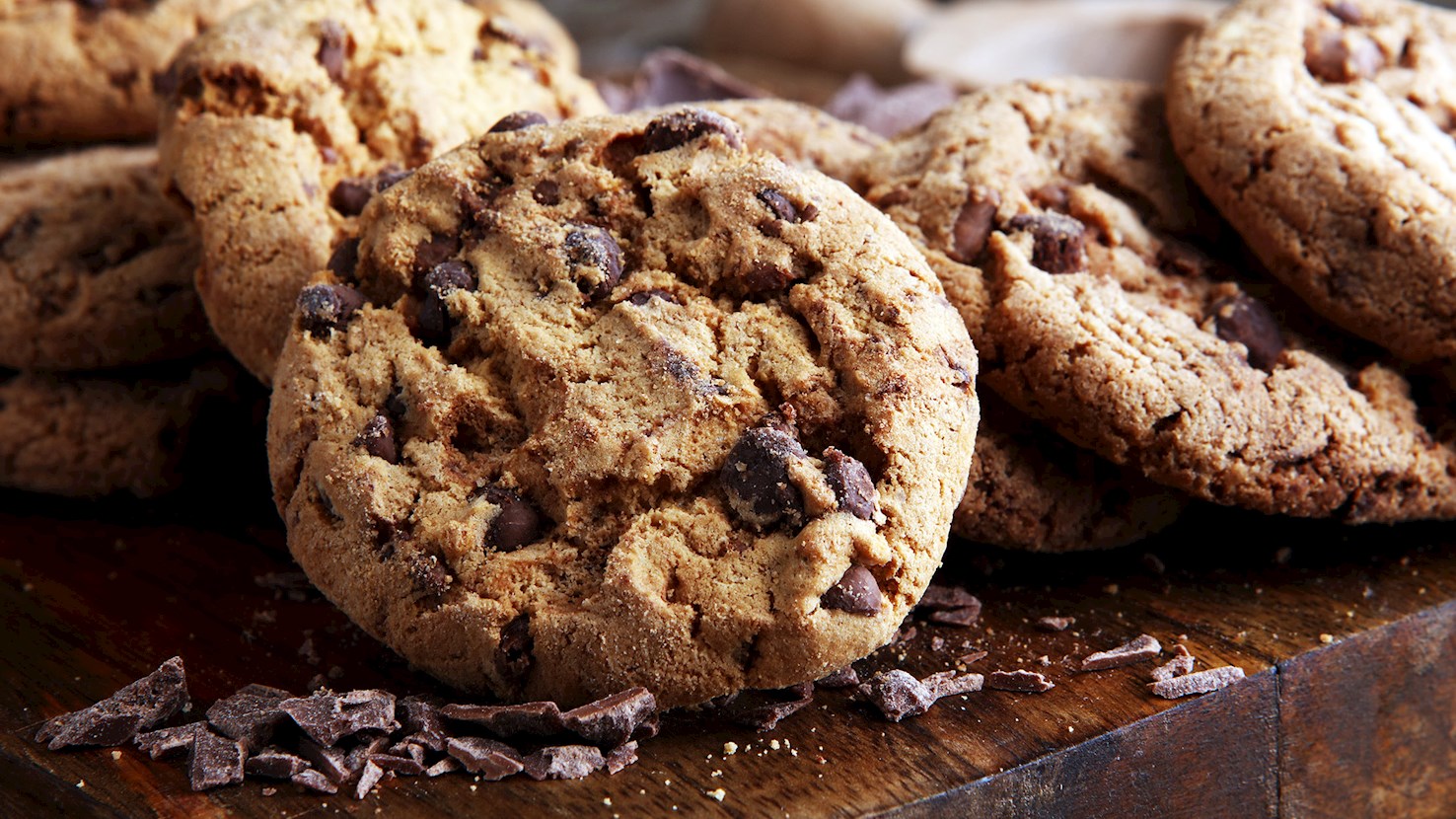
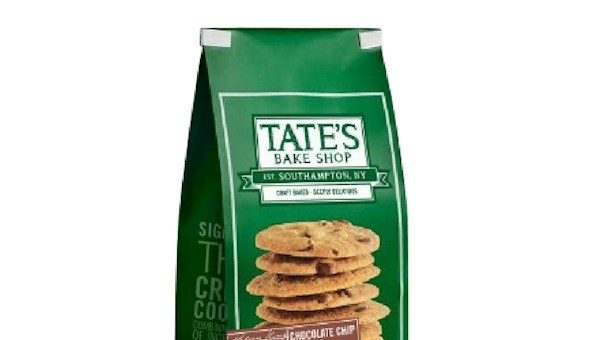
Usually accompanied by a glass of milk or a cup of hot tea or coffee, chocolate chip cookies are well balanced between salty and sweet in flavor, tenderly chewy in texture, and filled with small melting chocolate pyramids, bringing a generation of Americans back to their childhood. The origin story of these sweet treats is incredibly interesting, almost as the cookies themselves. The Toll House Inn was a popular bed-and-breakfast in Whitman, Massachusetts, bought by Ruth Graves Wakefield and her husband in 1930. Ruth's cooking was so good that the inn gained an excellent reputation in a short span of time. Enter Duncan Hines, a traveling salesman from Kentucky who began compiling a list of the best roadside eateries in 1935. First, he included the Toll House Inn's Indian pudding on the list, and a decade later, he also included the chocolate chip cookies that we all know and love today. Ruth was baking chocolate cookies when she found out that she didn't have any more baker's chocolate. Instead, she used a new, semisweet chocolate that she got from her friend Andrew Nestlé, broke it into small pieces, and places them in her batter for buttered sugar cookies. The chocolate didn't melt like she thought it would, and the result was a cookie that Ruth originally called the Toll House chocolate crunch cookie. The Boston press published her recipe, and the sales of both Nestlé chocolate and the cookies skyrocketed. Nestlé and Wakefield made a deal - he would print the recipe on the chocolate, and she would get a lifetime supply of chocolate. The recipe is printed on the chocolate package up to this day, giving everyone a chance to make their own chocolate chip cookies.
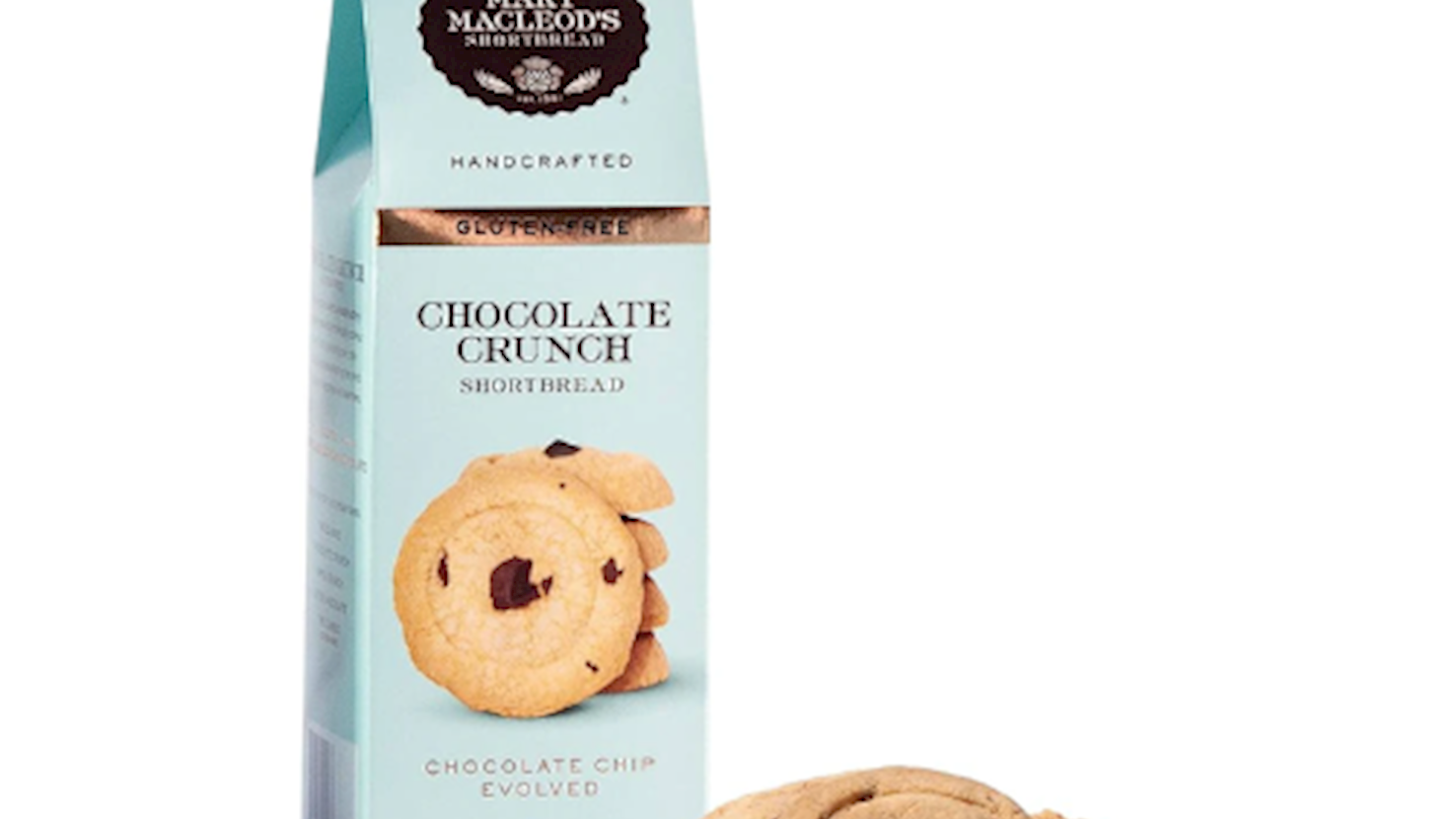
Mary Macleod’s Shortbread is a Canadian bakery renowned for its luxurious, handcrafted shortbread cookies, made according to the original recipe from 1981. The brand was founded by Mary Macleod, a woman who believed that the simplest things are often the most beautiful – as long as they're made with love and the finest ingredients.
Mary started her business in a small workshop in Toronto, insisting that every cookie be hand-mixed and shaped, using only pure butter, flour, sugar, and carefully selected add-ins. The brand’s assortment includes both classic and modern variations of cookies – from the pure buttery original to those with chocolate chunks, pecans, caramel, hazelnuts, spices, and more.
Today, nearly half a century later, the brand remains a symbol of quality, tradition, and refined indulgence.
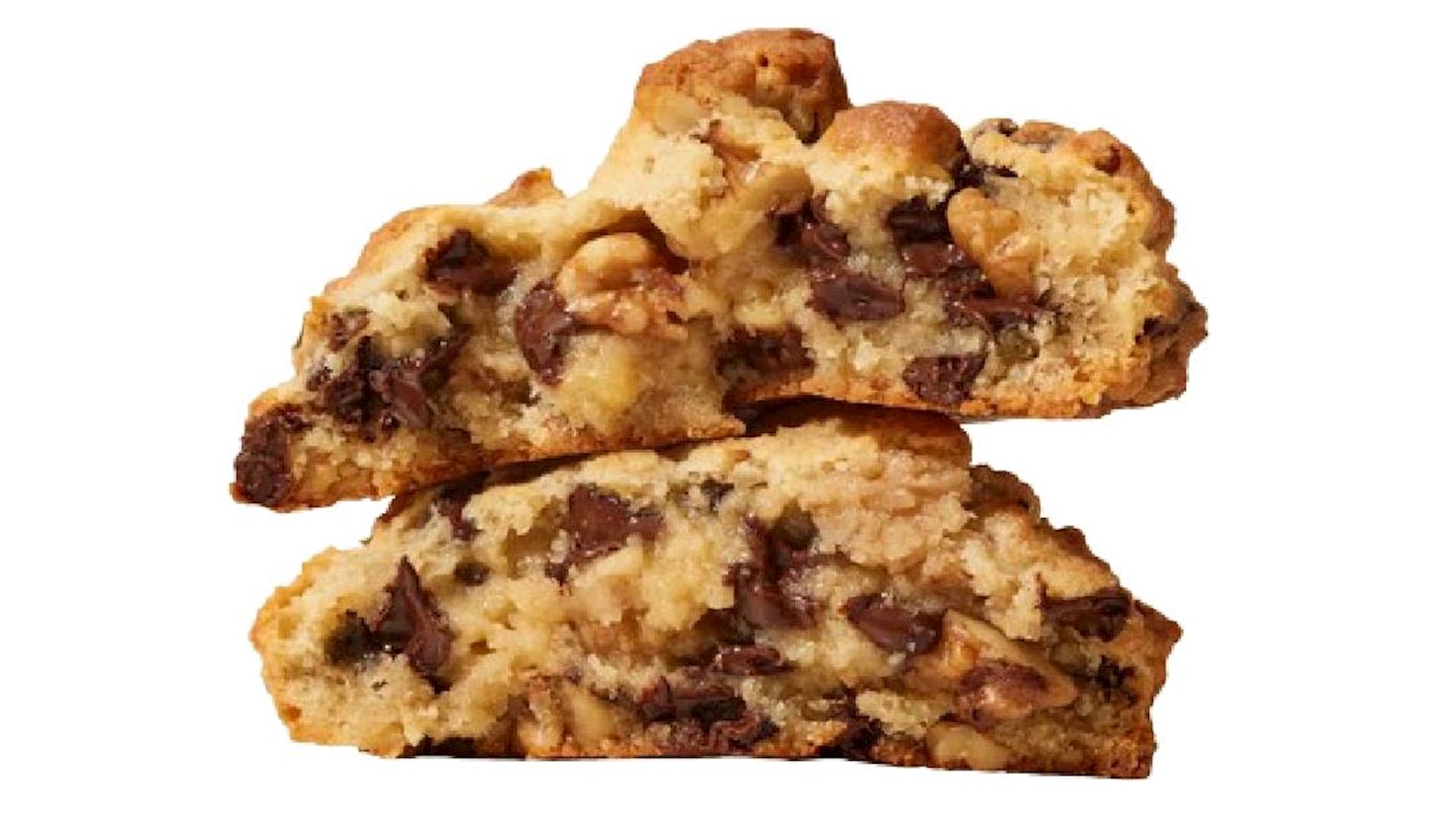
Levain Bakery is a legendary American bakery born in the heart of New York City, globally celebrated for its rich, hand-crafted cookies that captivate with their aroma, taste, and texture. Founded in 1995 out of friendship and a shared passion for baking, Levain began as a small neighborhood shop on the Upper West Side - but quickly rose to fame thanks to its now-iconic chocolate chip walnut cookie: crispy on the outside, irresistibly gooey on the inside, and often hailed as one of the best cookies in the world.
At the core of Levain’s philosophy is simplicity - high-quality ingredients, careful preparation, and a deep commitment to craftsmanship.
Every cookie is freshly baked by hand each day, with the same warmth and care you'd find in a cherished family kitchen. Today, with locations across the United States, Levain remains true to its roots - uncompromised, authentic, and devoted to flavor that transcends trends.
What makes Levain truly special is not just the size of its cookies, but the comfort they bring.
Each treat is a reminder of how a simple bite can spark genuine joy. Whether you're visiting in person or ordering from afar, Levain cookies remain a heartfelt symbol of dedication to truly exceptional baking.
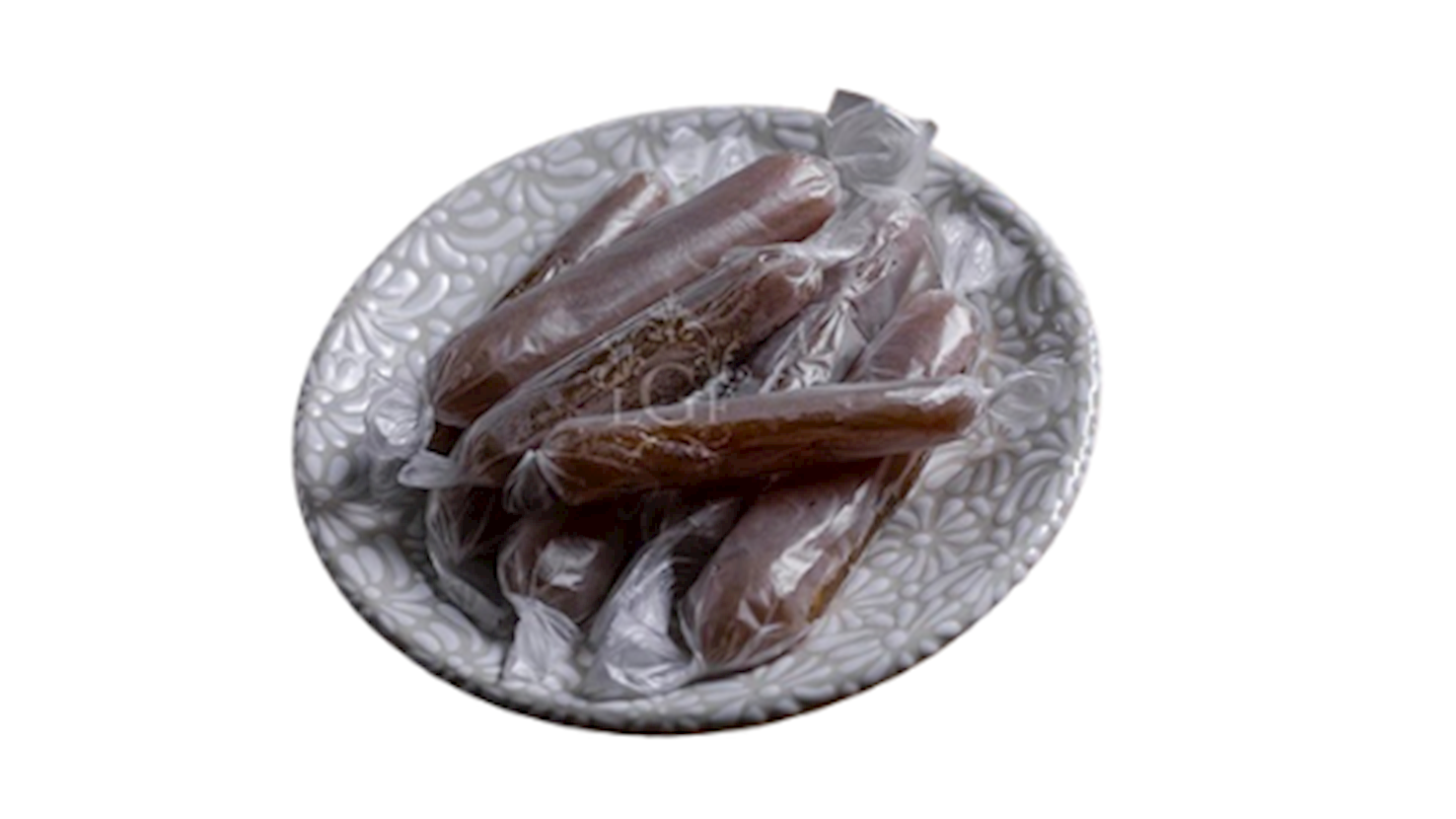
La Gran Fama is a historic confectionery from Puebla, founded in the 19th century and known for its handcrafted traditional Mexican sweets made according to long-preserved local recipes. The shop began as the first specialized producer of camotes, sweet treats made from sweet potato, and gradually expanded its selection to more than 300 varieties of cookies, tortitas, macarrones, and other classic regional confections.
Located in the old part of Puebla, near important sites linked to the Mexican Revolution, it carries strong cultural and historical significance. All products are made by hand, using local ingredients and techniques that highlight the authentic flavors of Puebla’s confectionery heritage.
The shop’s original façade and elegant, old-world interior add to its charm, evoking the atmosphere of traditional European patisseries. With its long history, wide assortment, and consistent quality, La Gran Fama is considered a culinary landmark of Puebla and an essential stop for anyone seeking to experience the city’s sweet traditions.
Burtree Puddings is a family-run dessert producer based in Darlington, known for its handmade, traditional British puddings. They use locally sourced ingredients and have won several awards for their products.
Burtree Puddings offers a range of desserts, including sticky toffee pudding and Christmas puddings.
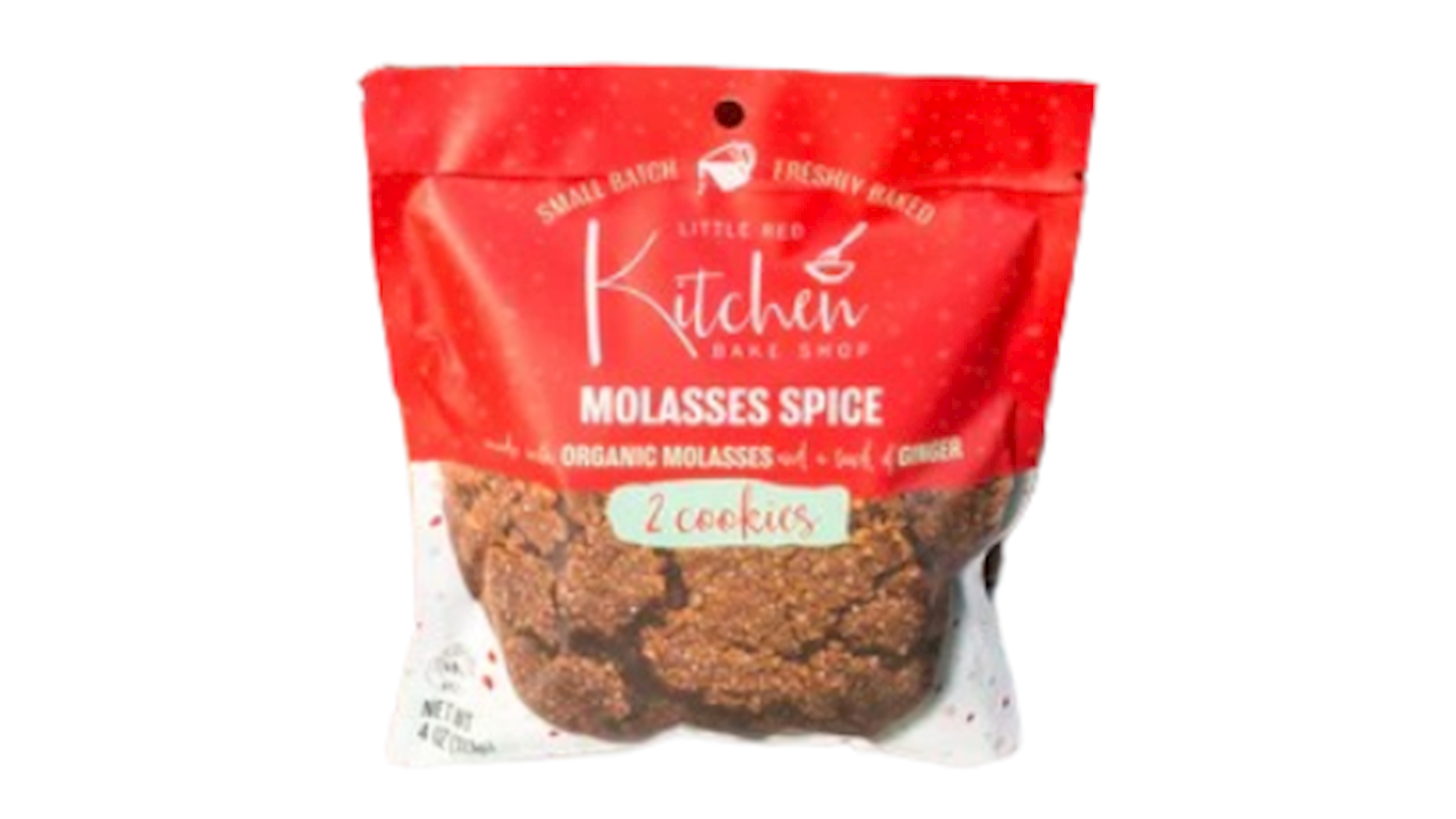
Little Red Kitchen Bake Shop is a Brooklyn-based bakery founded in 2014 by Susan Palmer, which has evolved from a small home baking project into an established brand focused on handcrafted, small-batch baked goods. The company specializes in gourmet cookies, cookie pies, brownies, and baking kits, all made with an emphasis on high-quality ingredients such as organic and fair trade components, without the use of artificial flavors or preservatives.
Its production approach prioritizes freshness and consistency, with items baked in small batches and often shipped the same day. The flavor profile is rooted in familiar, nostalgic recipes inspired by traditional home baking, while seasonal variations and limited releases add diversity to the assortment.
The brand has also expanded into formats like subscription boxes and DIY baking kits, responding to evolving consumer preferences and interest in interactive food experiences. Over time, Little Red Kitchen Bake Shop has built a strong direct-to-consumer presence across the United States.
It is positioned as a modern bakery that combines artisanal methods with scalable distribution while maintaining a clear focus on ingredient quality and product integrity.
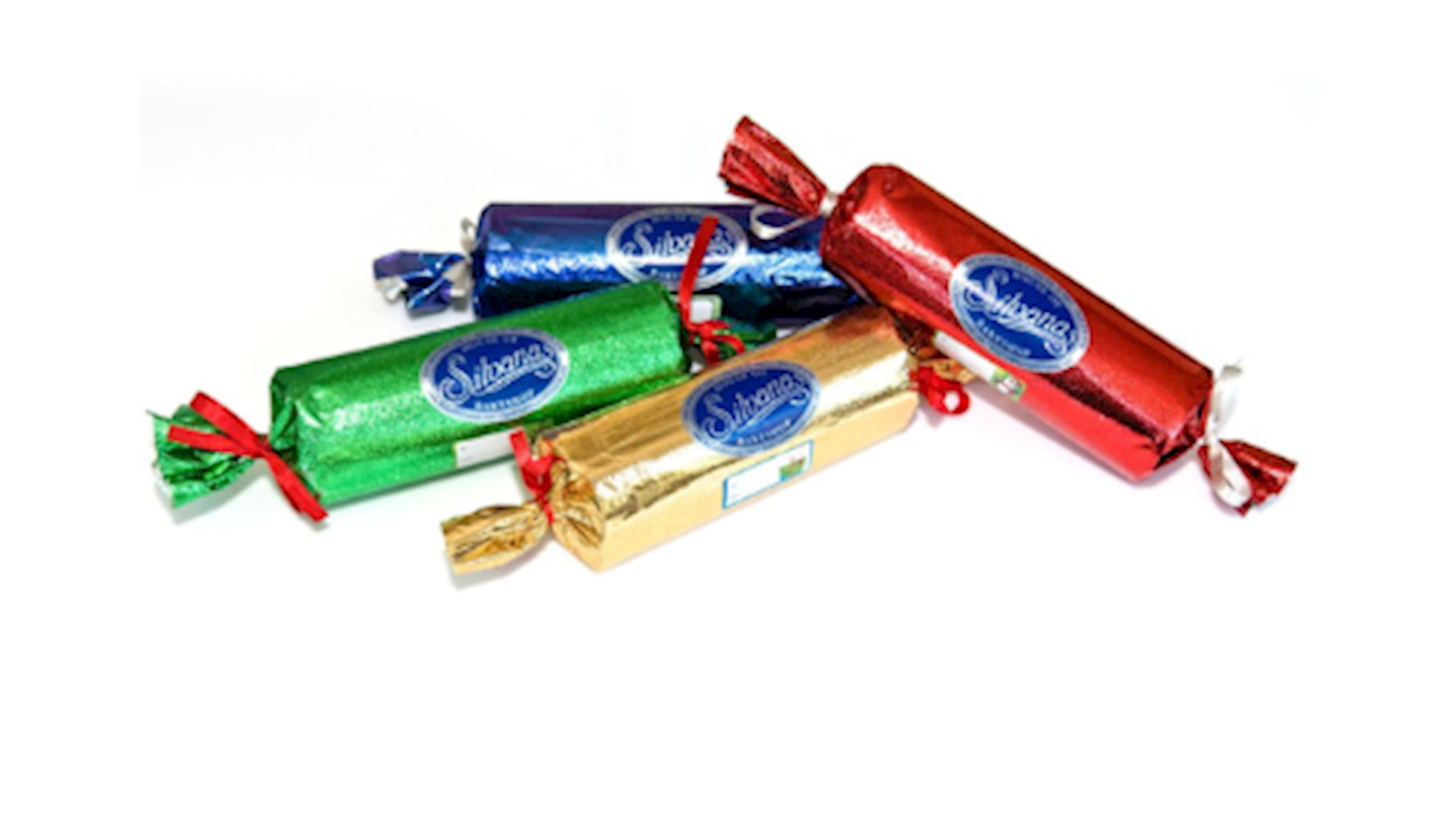
House of Silvanas is a specialty bakery centered on traditional Filipino confectionery, with a primary focus on silvanas - frozen sandwich cookies made from delicate cashew-meringue wafers layered with buttercream and finished with a coating of fine crumbs. The product is defined by its contrast in texture, combining a light, crisp exterior with a rich, creamy center, typically served chilled to preserve its structure.
The brand offers multiple flavor variations, including ube, mango, chocolate, mocha, and pandan, each built on the same base while introducing subtle differences in aroma and sweetness. In addition to silvanas, the range includes other Filipino classics such as sans rival, a layered cashew-meringue cake, polvoron, a crumbly milk-based confection, and ensaimada, a soft, buttery brioche-style pastry.
The concept is rooted in family recipes originating from the Philippines, adapted into a focused bakery model that prioritizes consistency and recognizable flavor profiles. Production emphasizes controlled preparation and proper storage conditions, particularly the need to keep silvanas frozen to maintain their characteristic texture.
Rather than diversifying broadly, House of Silvanas maintains a narrow, product-driven identity, where its core offering functions as a representative example of Filipino dessert tradition in an international context.
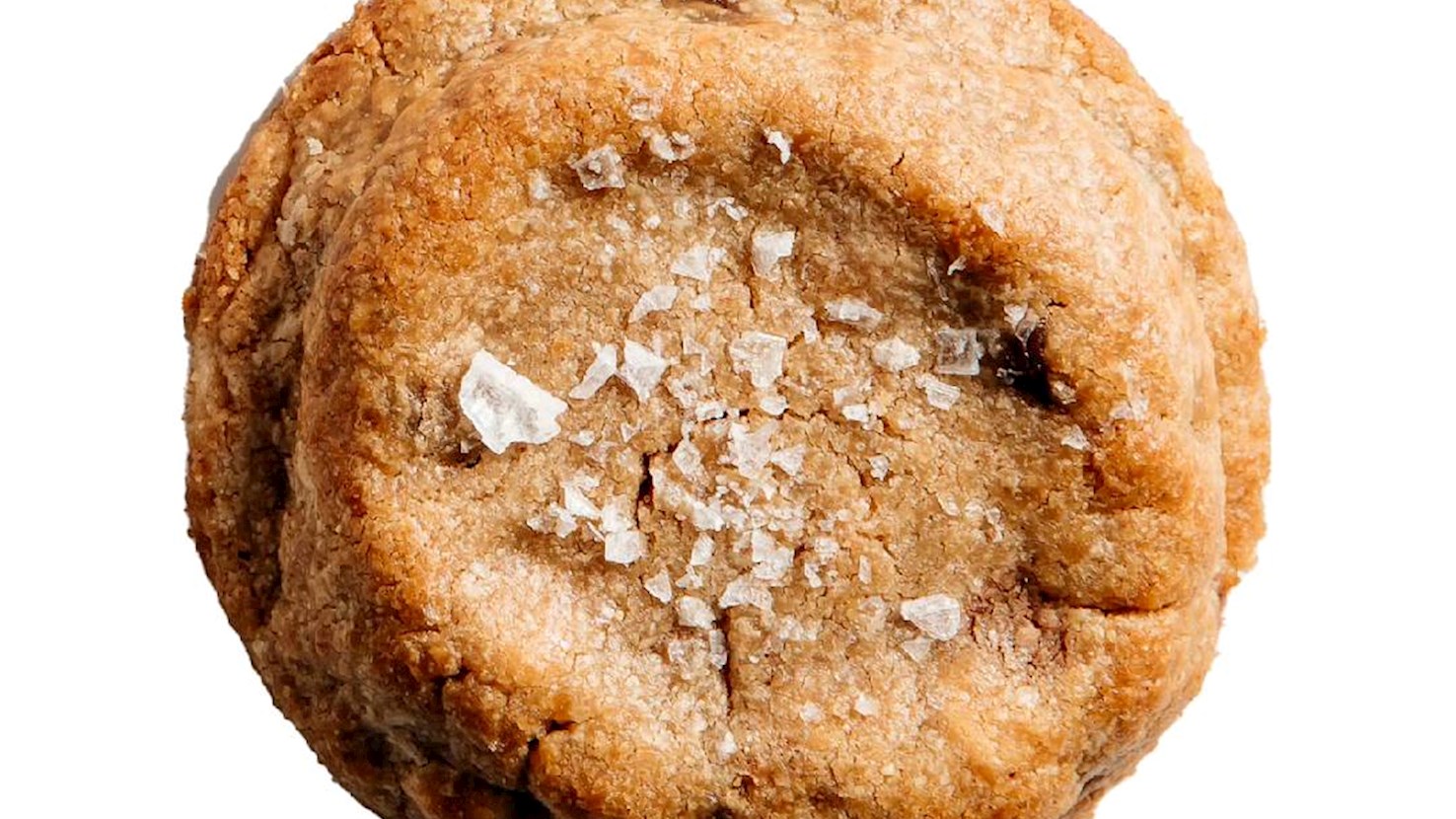
Last Crumb is a brand that transforms the cookie into a work of art—an experience crafted for those who expect more from a sweet. Each cookie is the result of a carefully orchestrated, multi-day process using only the finest ingredients: rich, golden butter, thoughtfully sourced chocolates, roasted nuts, and inventive mix-ins that come together in a symphony of flavor and texture.
Rather than offering a standard product line, Last Crumb operates through exclusive, limited-edition drops.
Each collection is thoughtfully curated, wrapped in sleek, luxurious packaging, and paired with bold, memorable names. From the moment the box arrives to the final bite, everything is designed to surprise, delight, and indulge.
What sets Last Crumb apart is not just its impeccable quality, but the emotion it evokes—of joy, indulgence, and discovery.
This isn’t just a cookie; it’s a moment to savor, an experience to share, and a gift that leaves a lasting impression.
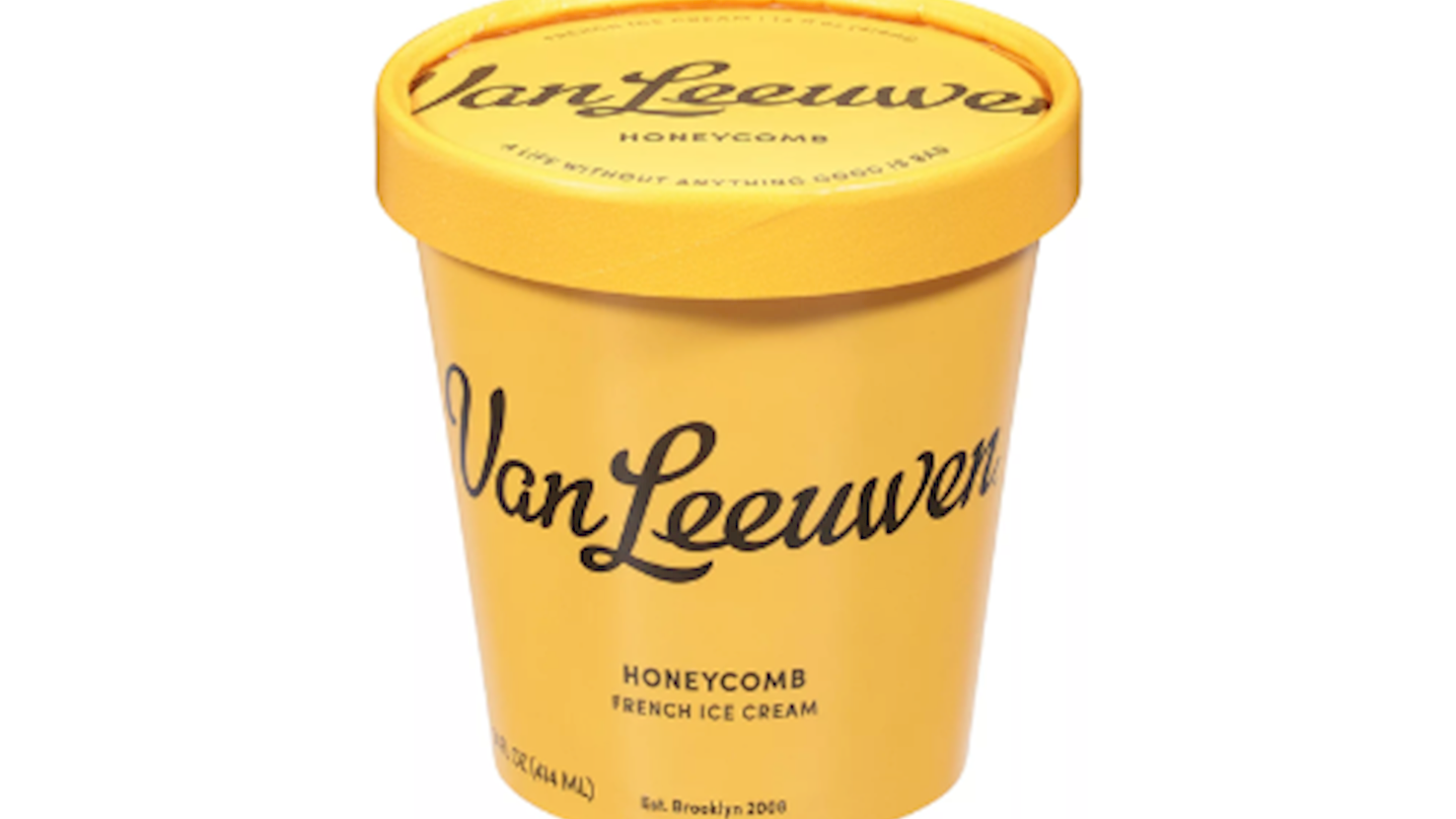
Van Leeuwen Ice Cream is an American ice cream company founded in New York City in 2008 by Ben Van Leeuwen, Pete Van Leeuwen, and Laura O’Neill. The brand began as a single yellow ice cream truck operating on the streets of New York with a mission to create high-quality ice cream using simple, carefully selected ingredients.
Van Leeuwen is best known for its French-style ice cream, made with milk, cream, cane sugar, and egg yolks, which delivers a rich texture and intense flavor. In addition to its traditional dairy offerings, the company has gained recognition for its extensive range of vegan ice cream flavors.
The product portfolio includes classic varieties such as vanilla, chocolate, and pistachio, alongside innovative seasonal and limited-edition creations. Over time, Van Leeuwen has grown from a local New York venture into a nationally recognized premium ice cream brand with numerous scoop shops and widespread retail distribution.
The company is distinguished by its minimalist visual identity, commitment to ingredient quality, and approach to elevating everyday ice cream through artisanal craftsmanship. Today, Van Leeuwen Ice Cream is regarded as one of the leading contemporary premium ice cream brands in the United States.
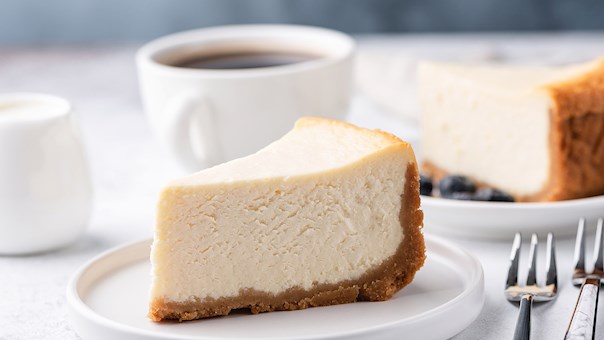
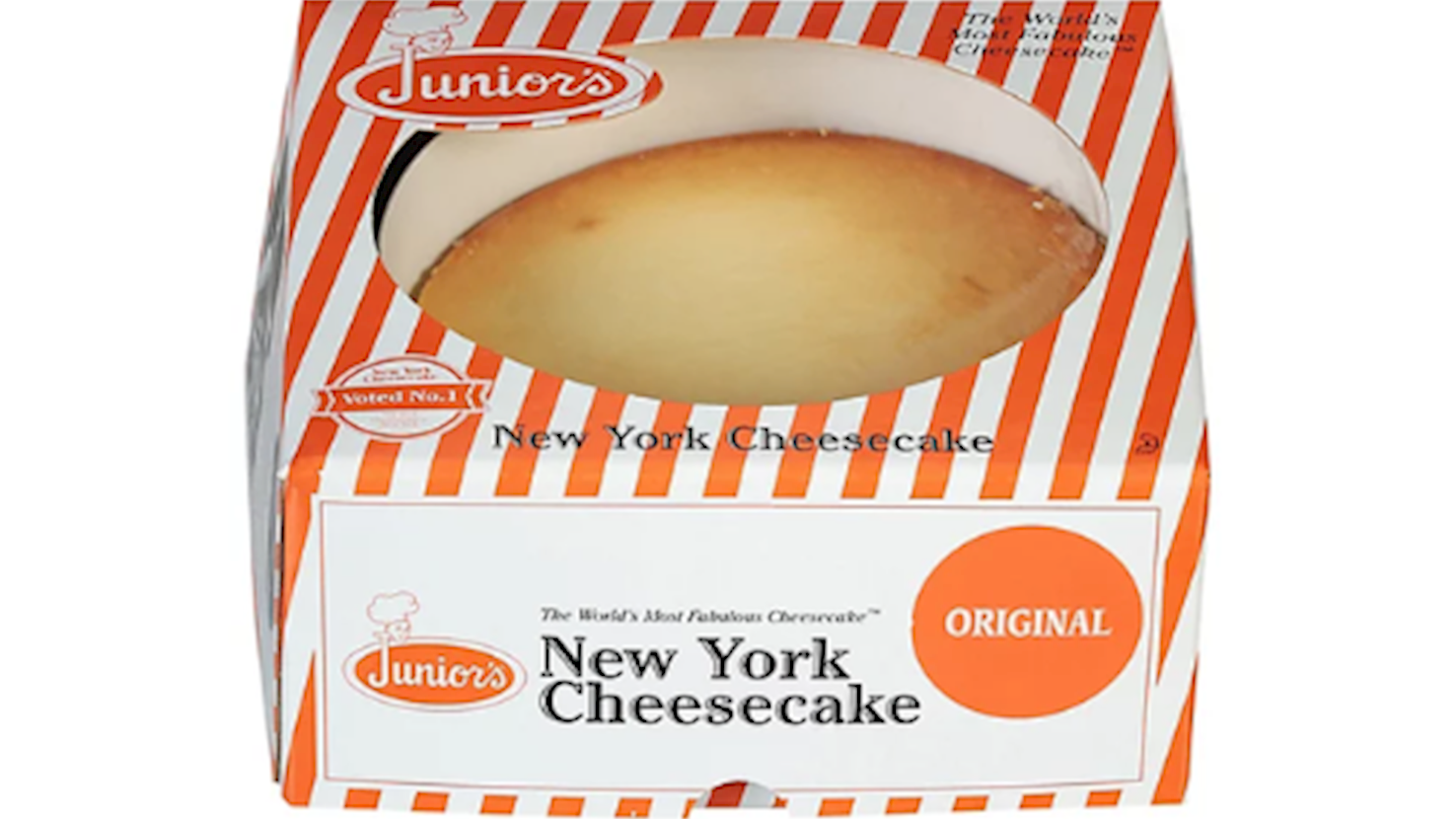
Junior's is one of New York City’s most iconic bakeries and restaurants, best known for its legendary New York-style cheesecake, widely regarded as one of the most famous cheesecakes in the United States. Founded in 1950 by Harry Rosen in Brooklyn, the company grew from a family restaurant tradition that dates back to 1929.
Junior’s was created with the vision of combining a classic American restaurant experience with exceptional baked desserts, but it was its cheesecake that ultimately became the brand’s defining product. The original recipe was developed in collaboration with master baker Eigel Peterson and is distinguished by its unique sponge cake crust rather than the traditional graham cracker base commonly used in American cheesecakes.
Over the decades, Junior’s has become a culinary landmark of New York, attracting both local customers and visitors from around the world. The bakery is celebrated for its rich, creamy texture, premium ingredients, and commitment to traditional baking methods.
While the company offers numerous cheesecake variations featuring fruit, chocolate, caramel, and other flavors, the Original New York Cheesecake remains its most recognized product. Junior’s has expanded beyond its flagship Brooklyn location with additional restaurants and bakeries while also shipping its cheesecakes nationwide.
Today, the brand is considered a symbol of authentic New York dessert culture and one of the most influential names in American cheesecake making.
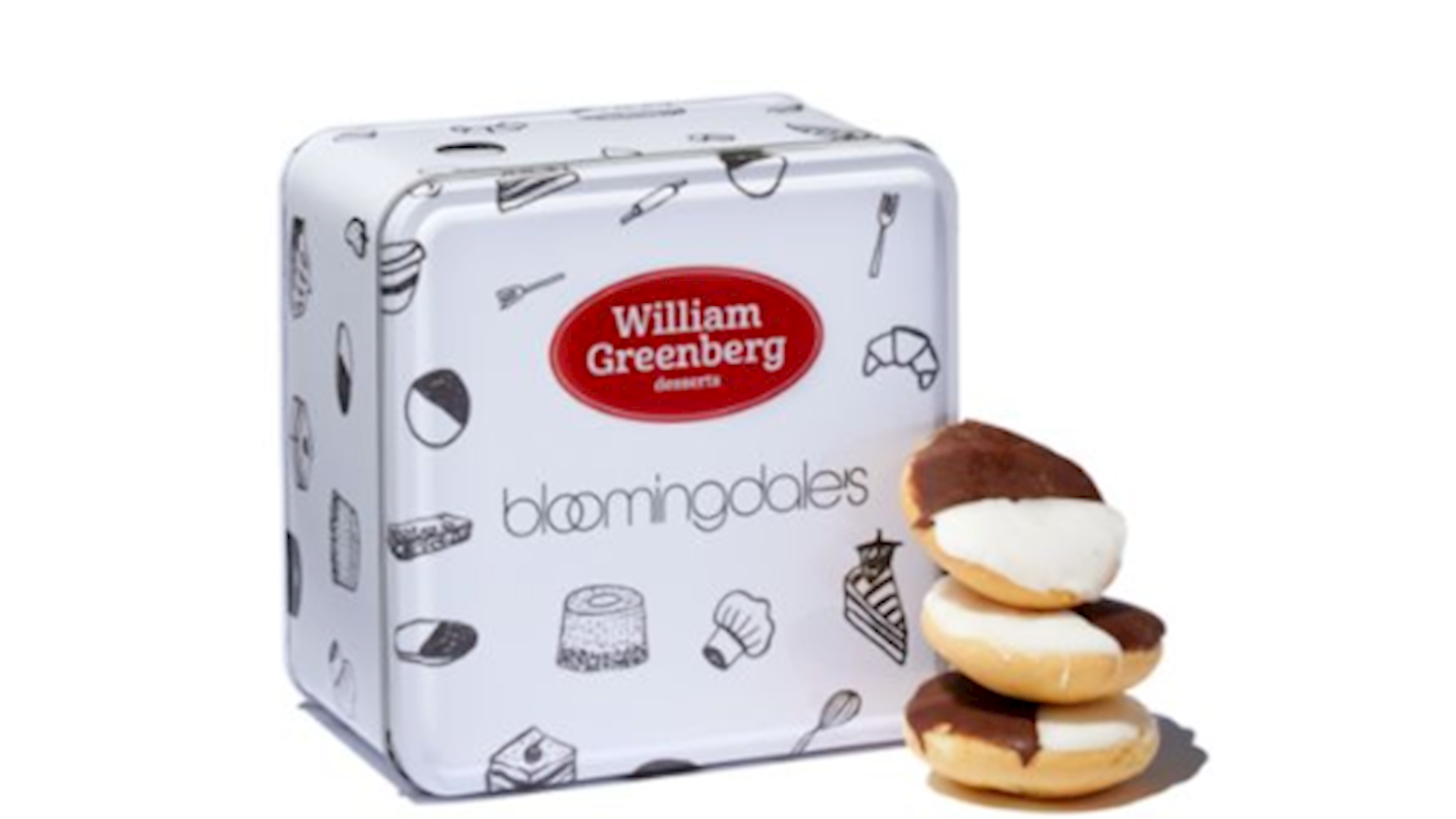
William Greenberg is a classic New York bakery rooted in Jewish dessert traditions, founded in 1946 by William Greenberg Jr. after his return from World War II. Drawing on family recipes learned from his aunt, Greenberg built the bakery around familiar, carefully executed sweets rather than novelty, focusing on consistency, balance, and recognizable flavors.
The brand became especially known for its black and white cookies, widely regarded as a reference point for the style, as well as rugelach, brownies, babka, and other baked goods associated with mid-century New York Jewish bakeries. From its Upper East Side base, William Greenberg Desserts developed a loyal following across generations, becoming part of everyday neighborhood life as well as a destination for visitors seeking authentic local pastries.
The bakery has always emphasized kosher production and straightforward ingredients, avoiding unnecessary embellishment. Although ownership changed in the 1990s, the core recipes and standards have been preserved.
Today, William Greenberg continues to operate in Manhattan and ship nationwide, maintaining its identity as a custodian of traditional New York dessert culture.
TasteAtlas food rankings are based on the ratings of the TasteAtlas audience, with a series of mechanisms that recognize real users and that ignore bot,
nationalist or local patriotic ratings, and give additional value to the ratings of users that the system recognizes as knowledgeable.
For the “Top 100 North American Desserts” list until October 15, 2026, 23,975 ratings were recorded, of which 21,208 were recognized by the system as legitimate.
TasteAtlas Rankings should not be seen as the final global conclusion about food. Their purpose is to promote excellent local foods,
instill pride in traditional dishes, and arouse curiosity about dishes you haven’t tried.
The initial list of top producers was compiled based on available reviews, awards, local recommendations, media and blog coverage, and consumer reviews.
The list will be updated with ratings from TasteAtlas local ambassadors and TasteAtlas users.








What People Say