shutterstock

Top 64 Portuguese Desserts

Last updated on June 15, 2026

Best Portuguese Desserts
01

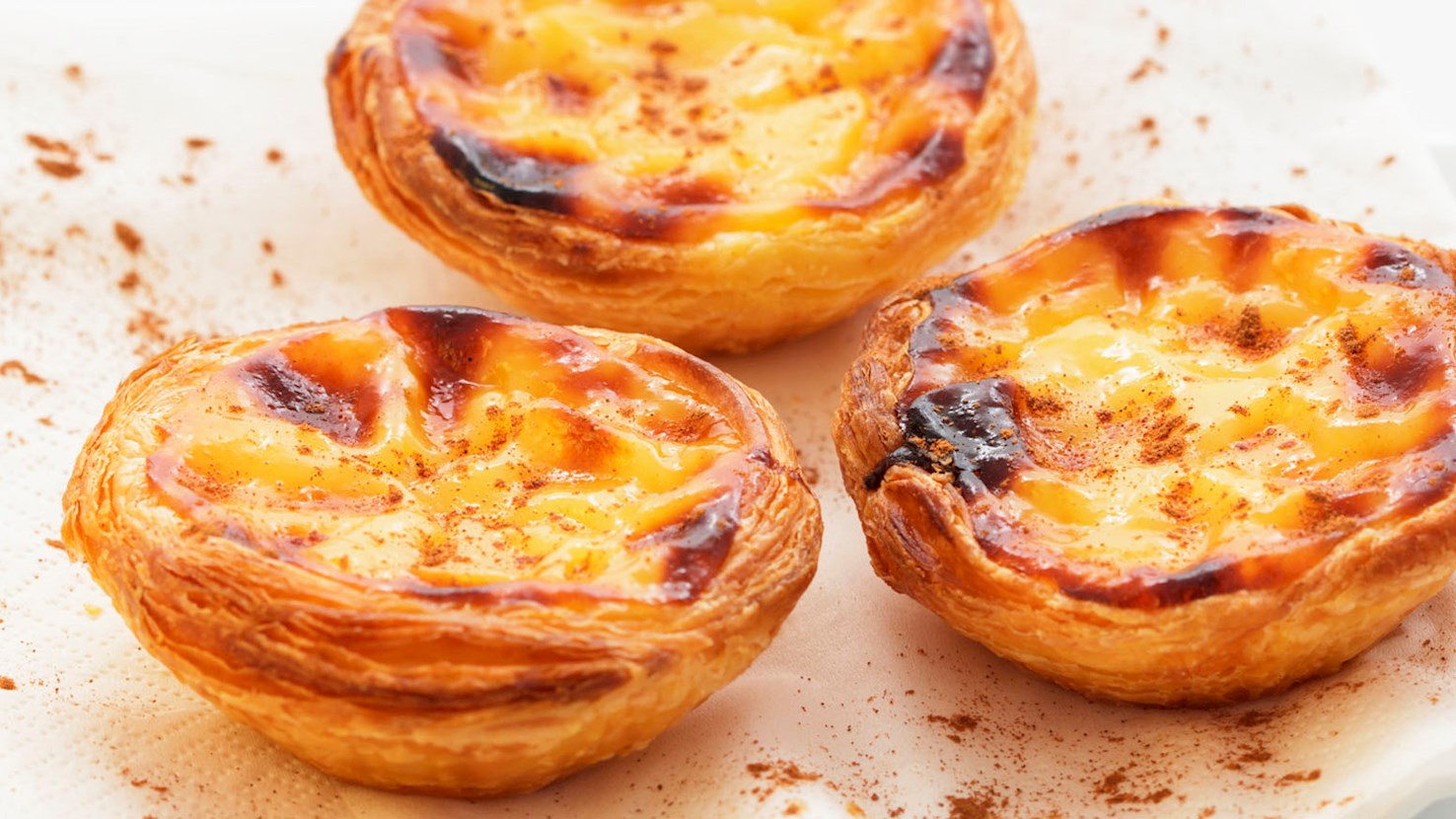
Pastel de Belém

4.6 ·

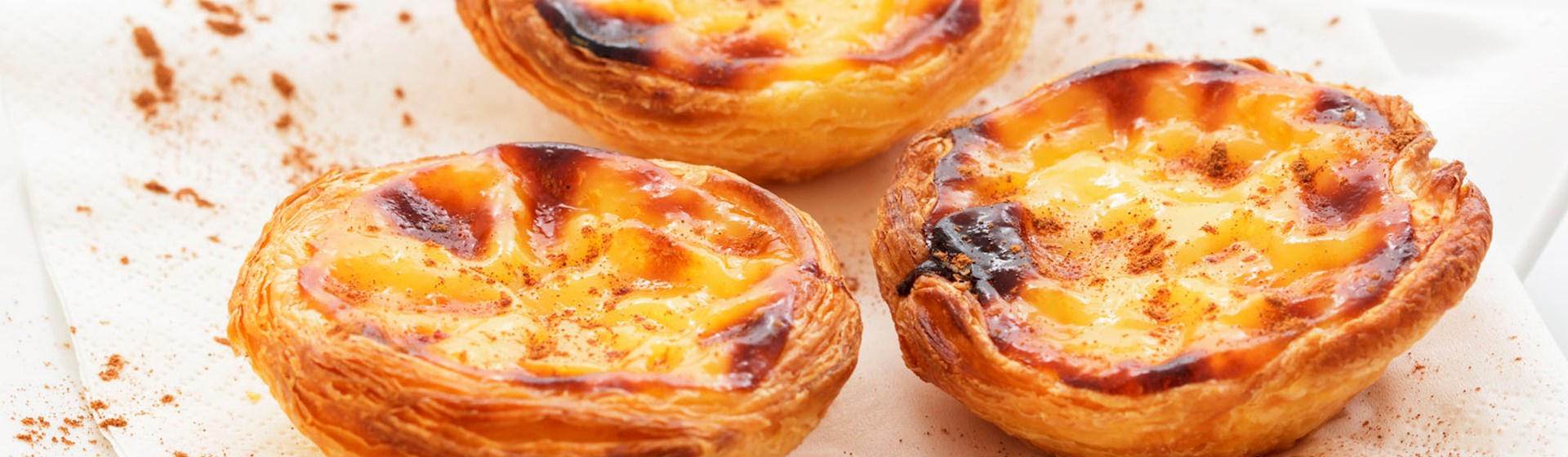
Pastel de Belém is a traditional egg custard tart and a predecessor to the famous pastel de nata. The tarts are made with a pastry shell that's filled with a combination of milk, eggs, sugar, lemon, and cinnamon. The first recipe for pastel de Belém dates back to 1837 when it was produced by the monks of the Jerónimos monastery. Only the custard tarts produced at the Fábrica Pastéis de Belém can be called pastel de Belém, while all the others, produced by other patisseries in Lisbon are called pastel de nata. Regardless of the name, these tarts can be served hot or cold and in 2009, The Guardian listed pastel de Belém as one of the 50 'best things to eat' in the world.

02

Pastel de nata

4.5 ·

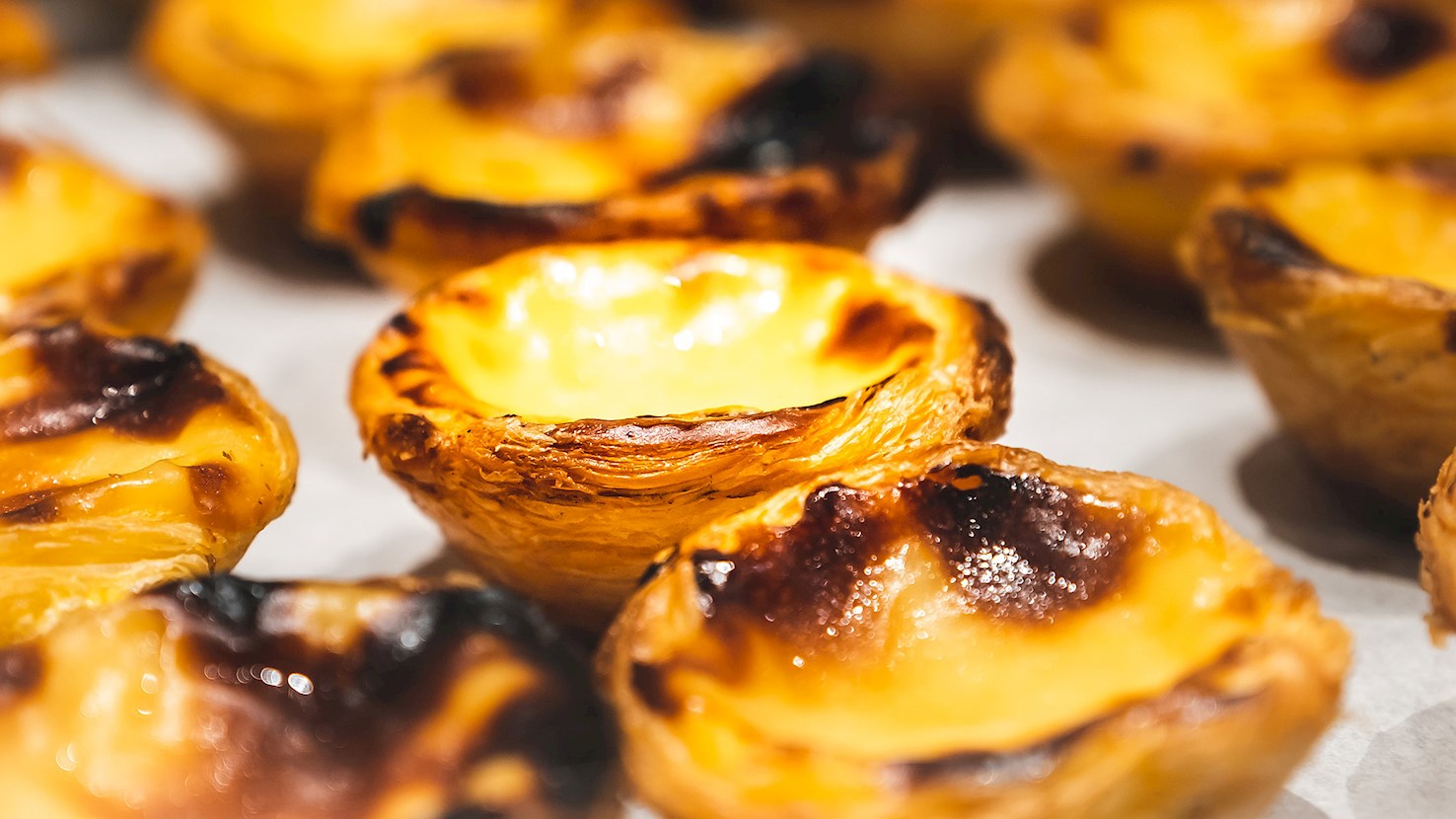
Pastel de nata is a traditional egg custard tart that is popular throughout the world. It is believed that for the best result, the filling should not be too sweet and should not have flavors of lemon nor vanilla. Instead, the tarts should be sprinkled with cinnamon and, ideally, paired with a cup of coffee. Originally, this treat was made before the 18th century by Catholic monks and nuns in Santa Maria de Belém in Lisbon. The tart was made from leftover egg yolks that were used in the clearing of wines and starching of clothes. Later on, the clerics made a deal with a nearby bakery to start selling pastel de nata commercially, and the product was a huge success. It is still hugely popular, and the fact can be supported by long lines of people who are waiting on their pastel de nata in front of numerous Portuguese bakeries. However, pastel de Belém's recipe is kept secret, and only the ones produced at the Fábrica Pastéis de Belém can be called pastel de Belém, while all the other egg custard tarts from other producers in Lisbon are called pastel de nata.

03

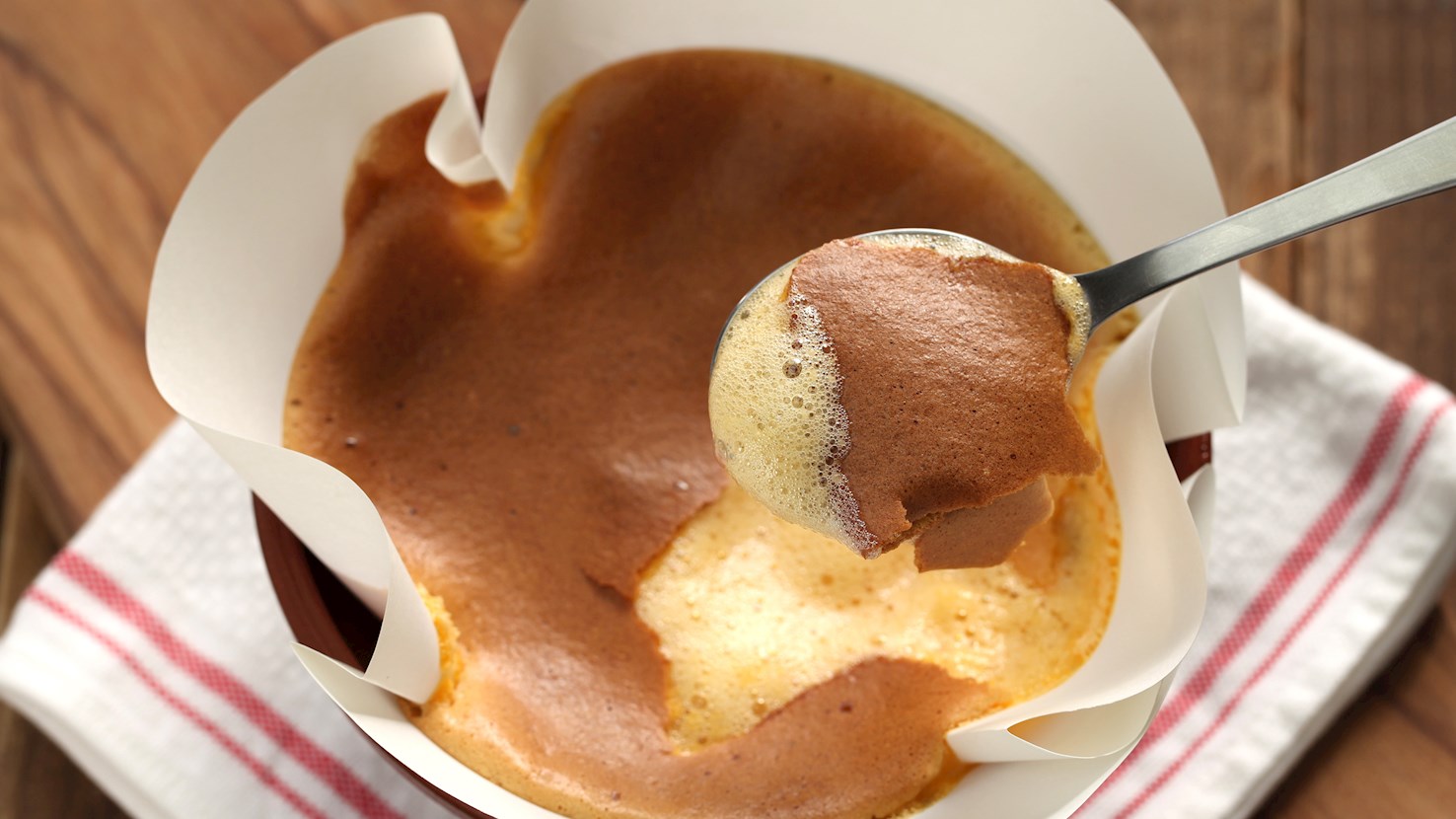
Pão de Ló de Ovar

4.4 ·

Pão de Ló de Ovar may be the most famous Portuguese cake, dating back to the 18th century when it was made in convents by nuns. The earliest written evidence about this sponge cake dates back to 1781, in a book called Irmandade dos Passos, where it is said that pão de Ló de Ovar was a sweet offered to the priests who took the wooden framework to carry the statues in the Holy Week procession. This creamy sponge cake is traditionally made from eggs, sugar, and flour, and today, it is often seen at most food fairs in Portugal. The cake is popular throughout the country, not just in the municipality of Ovar, where it is traditionally produced.

04

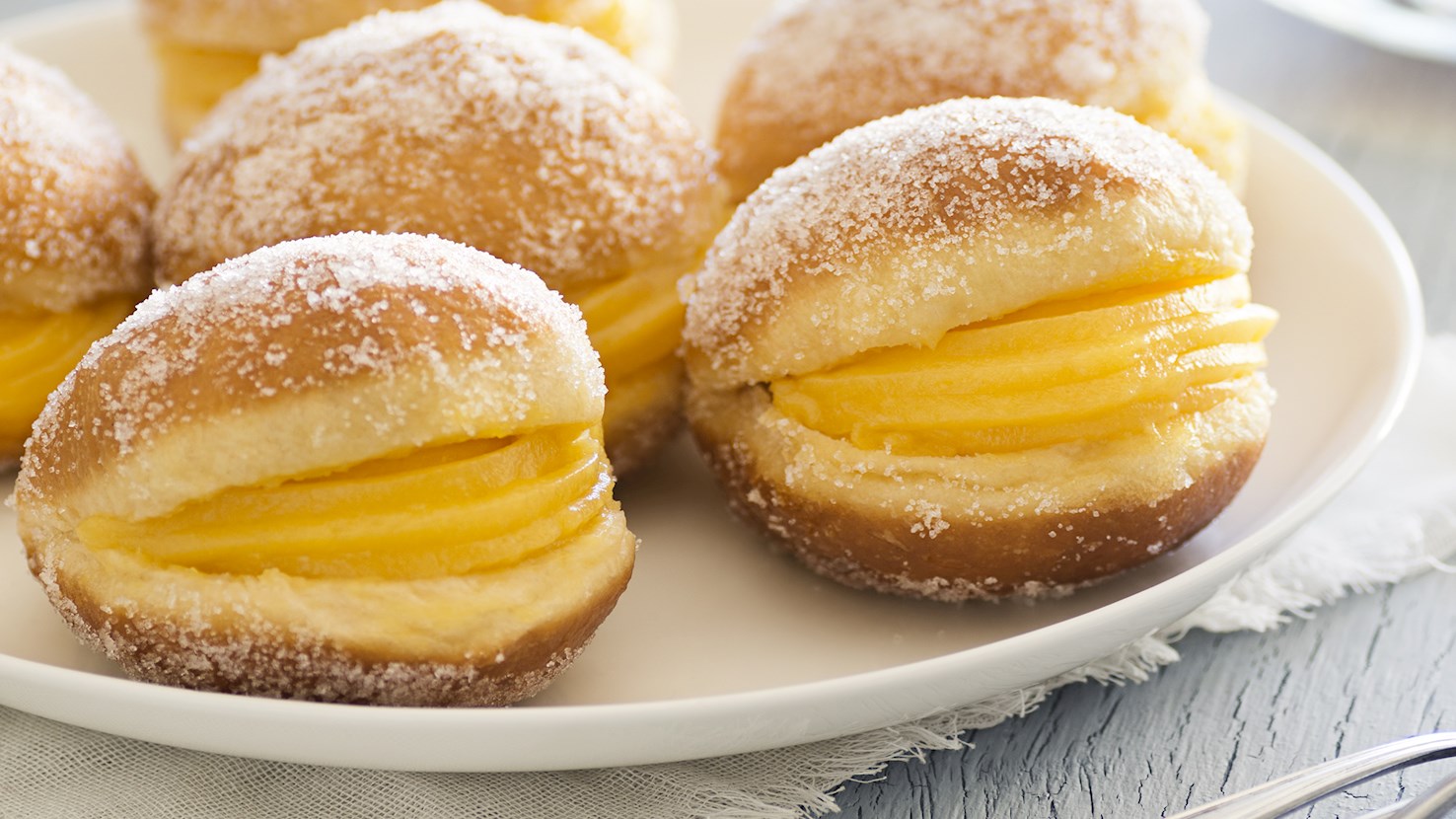
Bola de Berlim

4.2 ·

Bolas de Berlim are Portuguese donuts that are sliced in half, then filled with sweet and creamy egg-based custard. Fluffy on the exterior and thick and creamy on the interior, these donuts are typically rolled in granulated sugar before being filled with the custard. On the Portuguese coast, vendors sell these tasty balls on numerous beaches, and locals love to consume them while sunbathing. Although bolas de Berlim are typically filled with custard, they can also be ordered sem creme, meaning without the creamy filling.

Best restaurants
05

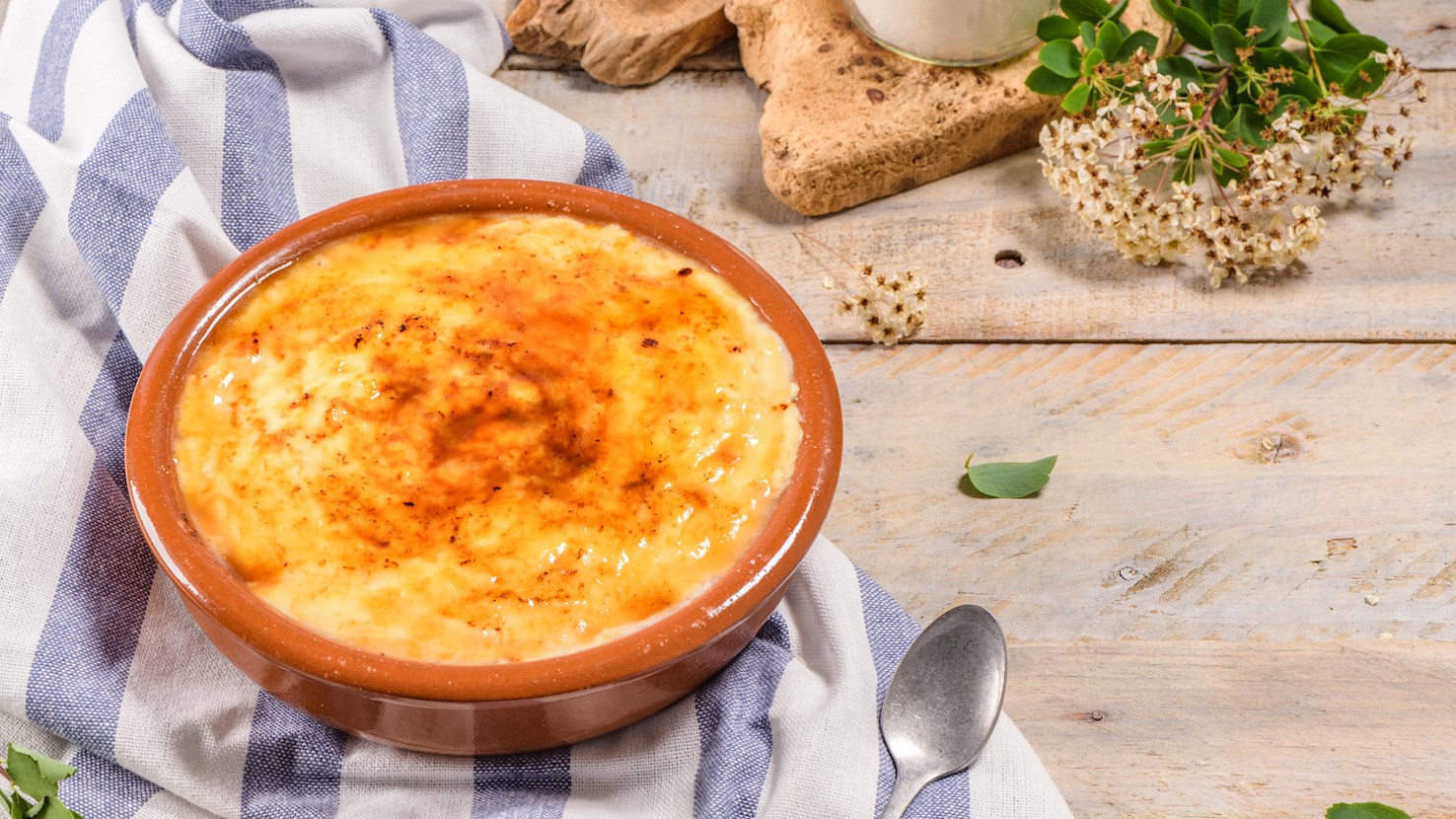
Leite de creme

4.1 ·

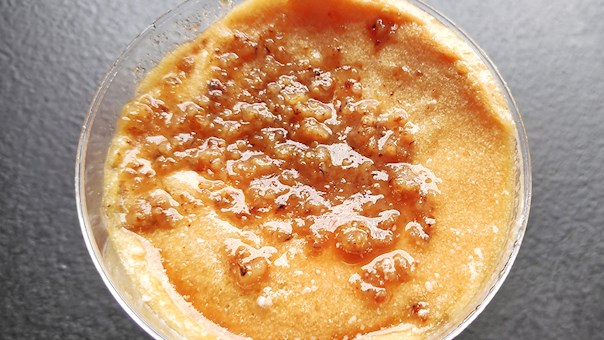
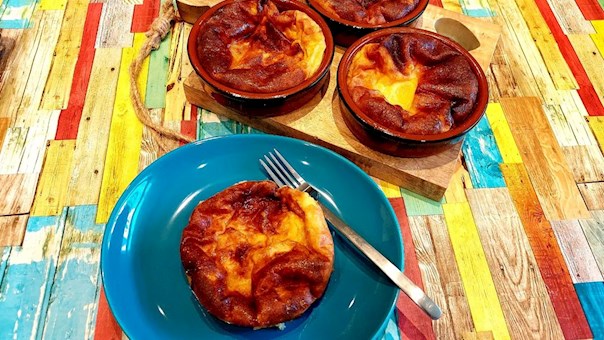
Leite de creme is a traditional egg custard originating from Portugal. It's made with a combination of egg yolks, milk, sugar, corn starch, cinnamon, and grated lemon peel. The eggs are beaten with the milk, then mixed with sugar and corn starch. The combination is heated over low heat with cinnamon and lemon peel, and it's necessary to stir the mixture continuously. When the consistency becomes thick, leite de creme is poured into ramekins and left to cool. Before serving, a bit of sugar is sprinkled on top and it's browned with a blowtorch.

06

Queijinhos de amêndoa

4.1 ·

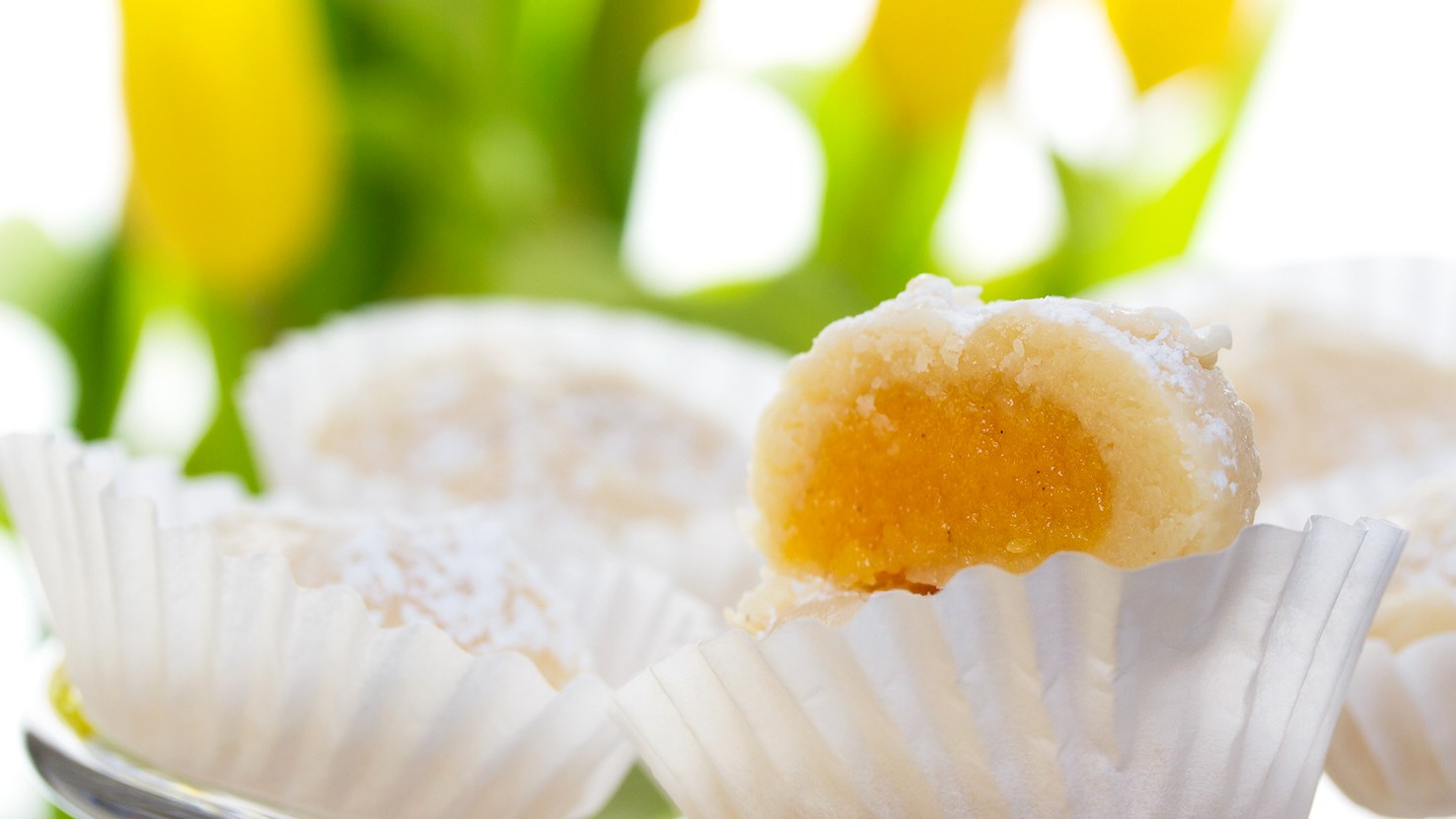
These sugar-coated Portuguese treats consist of an almond shell and a creamy egg-based filling. The shell combines ground almonds and egg whites, while the center is made with traditional Portuguese doce de ovos - a smooth, rich custard consisting of egg yolks and sugar. The name of these delectable desserts roughly translates as small almond cheeses, due to their cylindrical forms and white shells that make them visually similar to cheese wheels. Queijinhos de amêndoa are mainly enjoyed in the region of Algarve.

07

Malasadas

4.1 ·

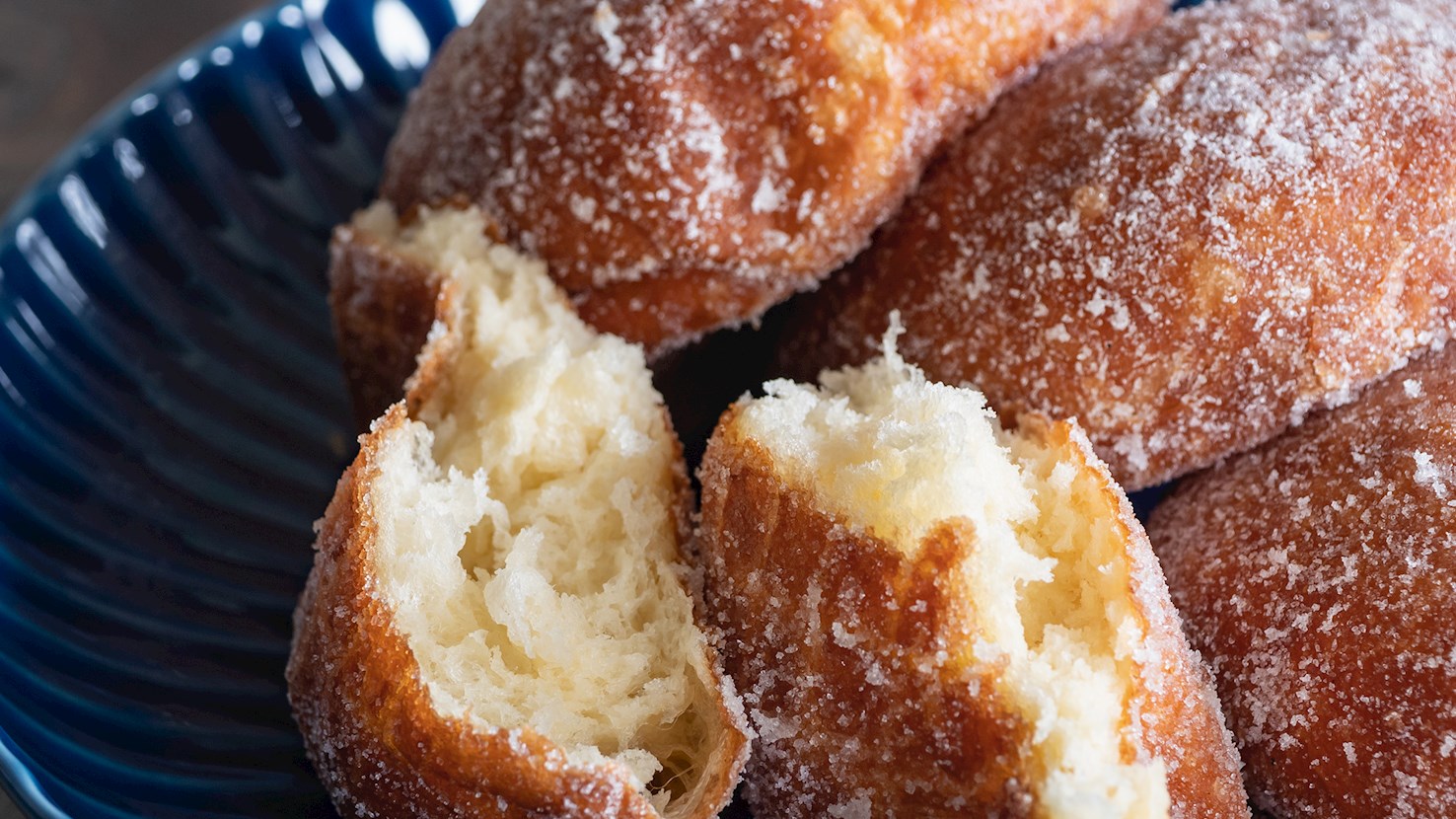
Malasadas are traditional Portuguese yeast-leavened doughnuts made from eggs, flour, sugar, and milk. They are sometimes coated with cinnamon or granulated sugar. The original Portuguese malasadas don't have any holes or fillings, but the variations prepared in Hawaii do. The popularity of malasadas in Hawaii is not accidental – Portuguese laborers from the Azores came to Hawaii in the 19th century to work in the plantations. They brought their traditional foods with them, including the malasadas, which were originally prepared in order to use all the sugar and lard in one's home before Lent. Nowadays, malasadas are especially popular on Fat Tuesday. The Hawaiian malasadas can be filled with various ingredients such as chocolate, guava, or coconut pudding (haupia). The name malasadas means poorly cooked, referring to the sugary exterior that's contrasted by a soft crumb.

08

Toucinho do céu

4.0 ·

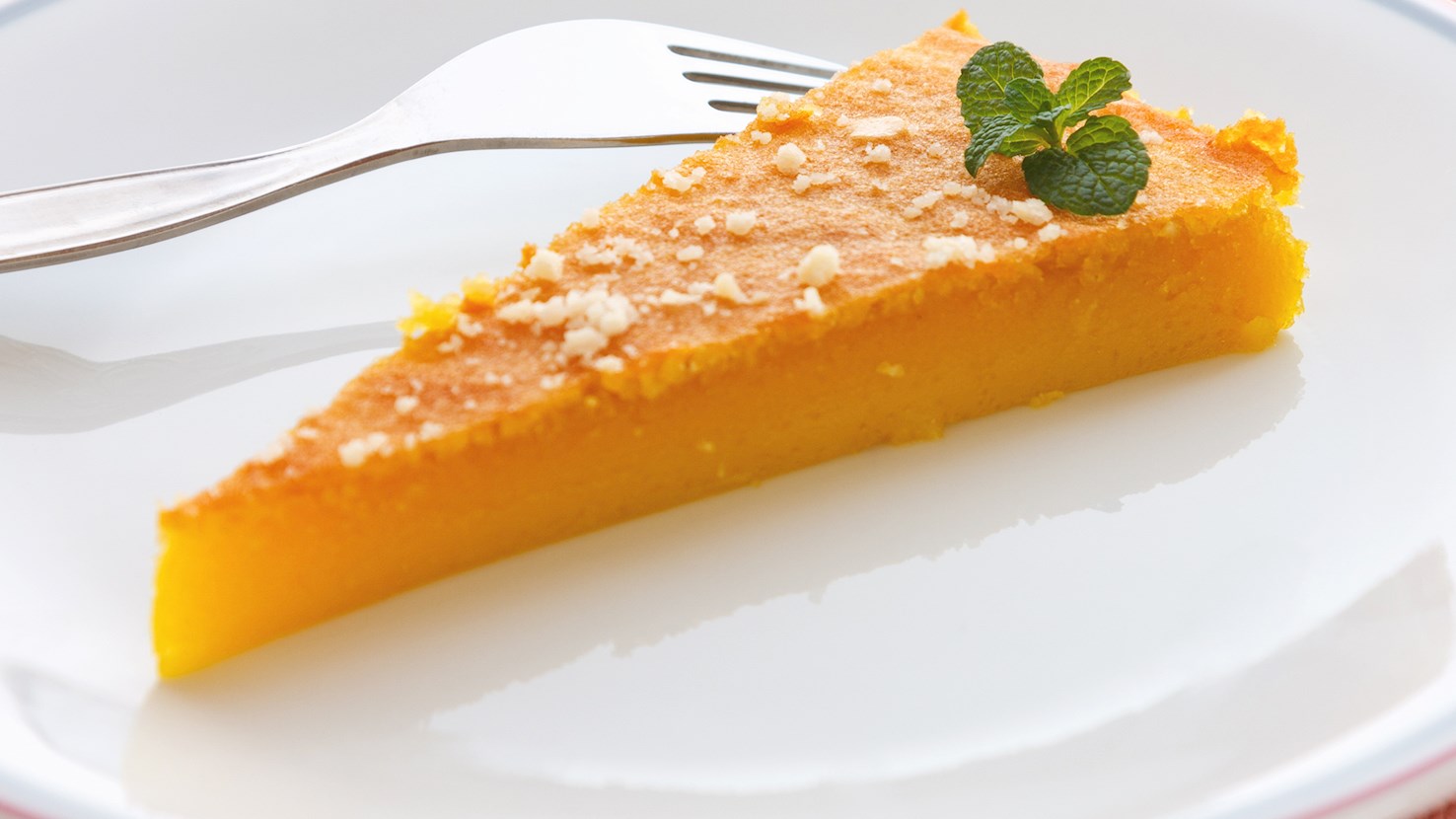
Toucinho do céu is one of many Portuguese sweets that were initially prepared at convents. In its simplest form, this traditional cake combines sugary syrup, lard, ground almonds, and a hefty amount of egg yolks, while the common additions include various spices and chila squash. Although not much is known about its history and the place of origin, the varieties of this Portuguese-style almond cake are found throughout the country, but the most popular local versions hail from Guimarães, Murça, and Trás-os-Montes. Interestingly, the name of the dish translates as pork from heaven, presumably because some of the first recipes included pork lard.

09

Serradura

4.0 ·

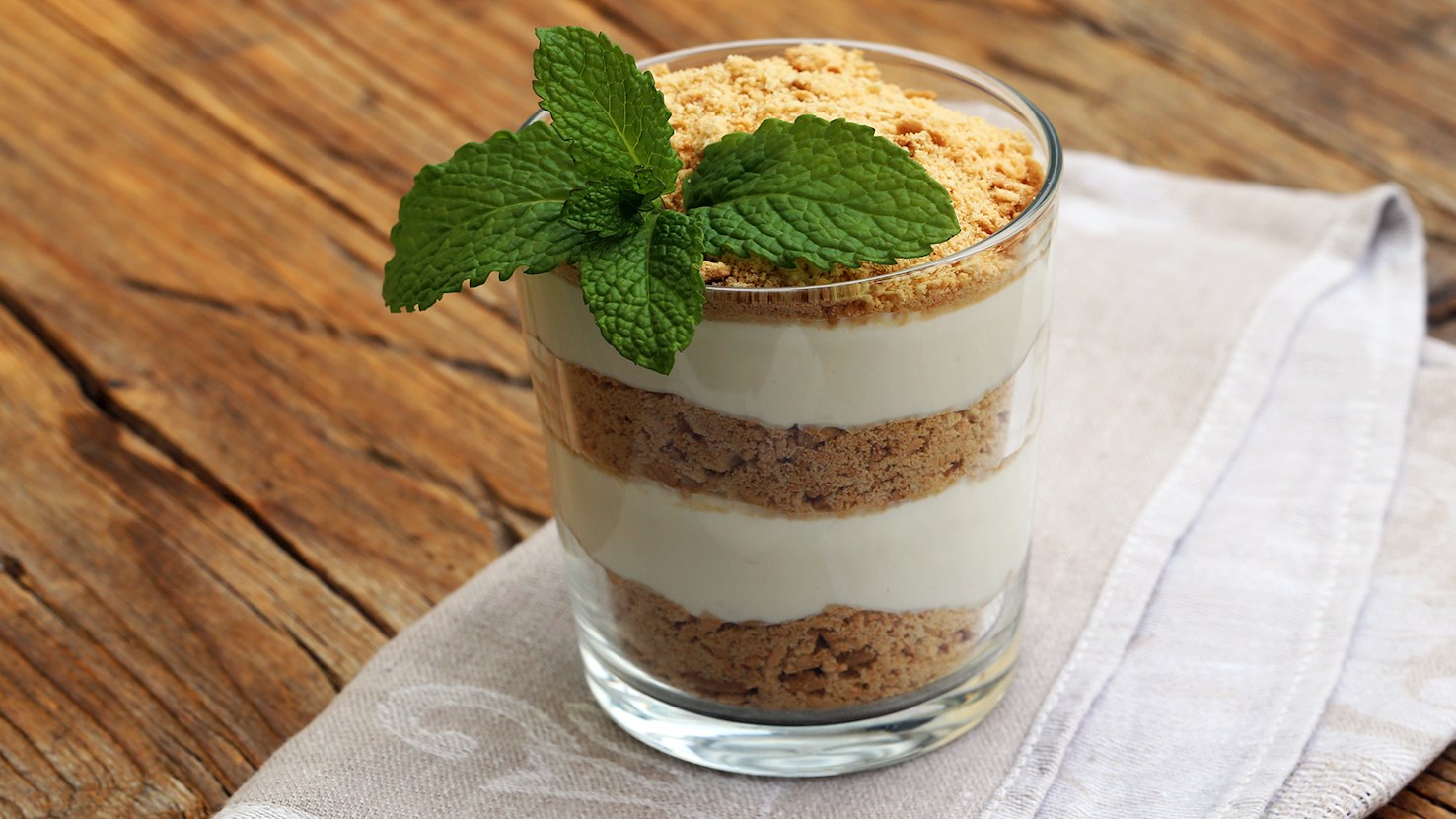
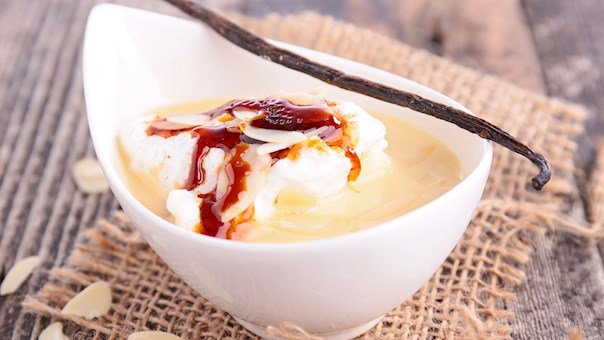
Serradura is a Portuguese and Macanese dessert which consists of finely crushed tea cookies layered between a velvety combination of whipped cream and condensed milk. Traditionally, the cream was infused with vanilla, but modern varieties appear in different flavor combinations. Although the name, which translates from Portuguese as sawdust pudding, indicates Portuguese origin, this sweet treat has become incredibly popular in Macau. It can be bought in numerous bakeries, and it is a common dessert found on the menus of Portuguese-style restaurants in Macau.

10

Bolinhos de chuva

3.9 ·

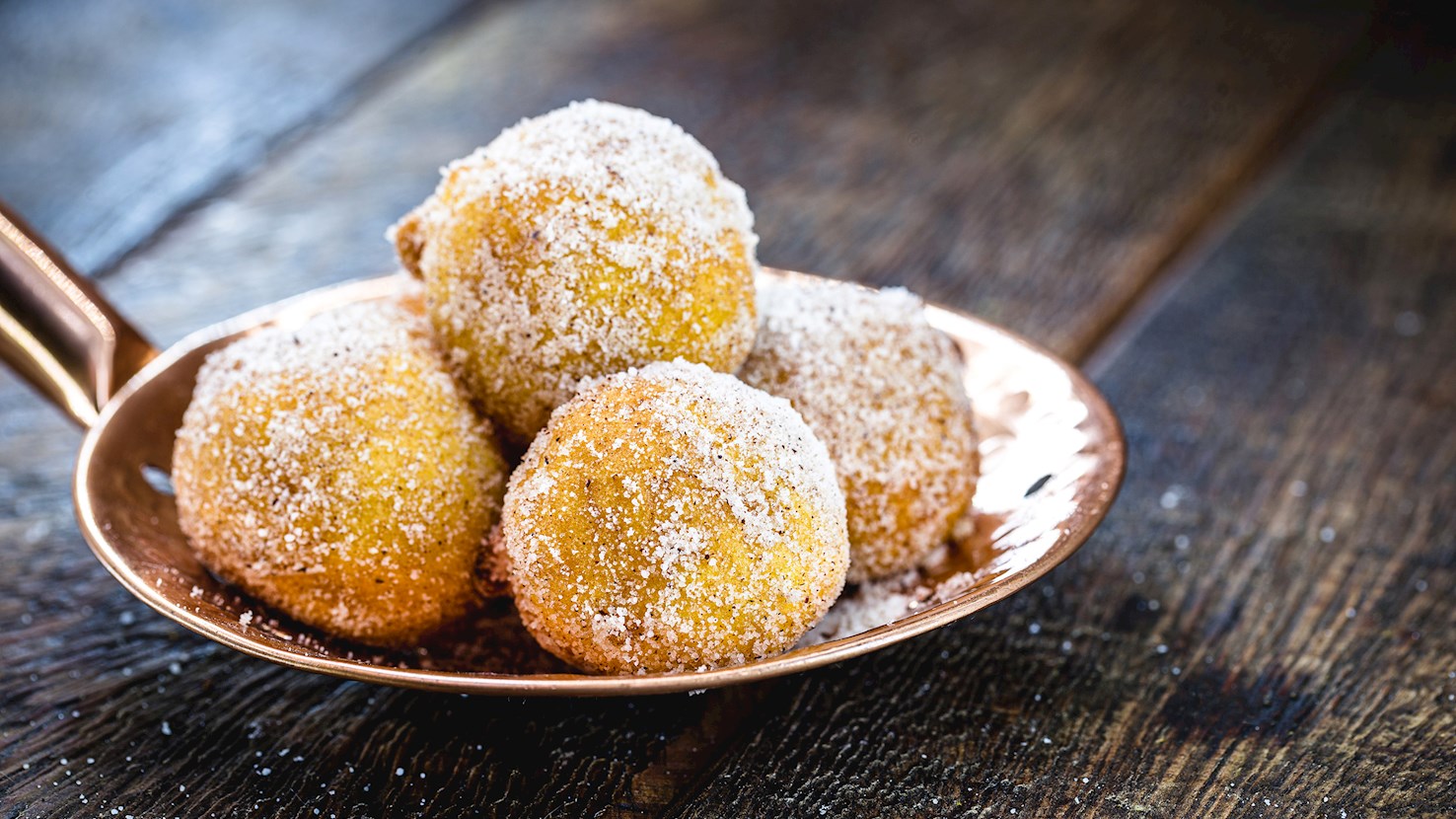
Bolinhos de chuva are traditional Portuguese and Brazilian sweet fritters. These easy-to-make pastries call for dough made of eggs, wheat flour, sugar, milk, baking powder, and salt, shaped into small balls and fried in vegetable oil until golden brown and crispy on the outside. When done, bolinhos de chuva are dusted with powdered sugar and cinnamon. The legend says that the name (which roughly translates to "rain cakes") originates from the times when the whole family used to gather in the kitchen during rain storms and prepare these delicious treats. To this day, bolinhos de chuva remain a beloved snack or dessert (especially among children), tasty on their own but also often dipped in dulce de leche or chocolate ganache.

Best Portuguese Desserts

01

Paupério

4.7 ·
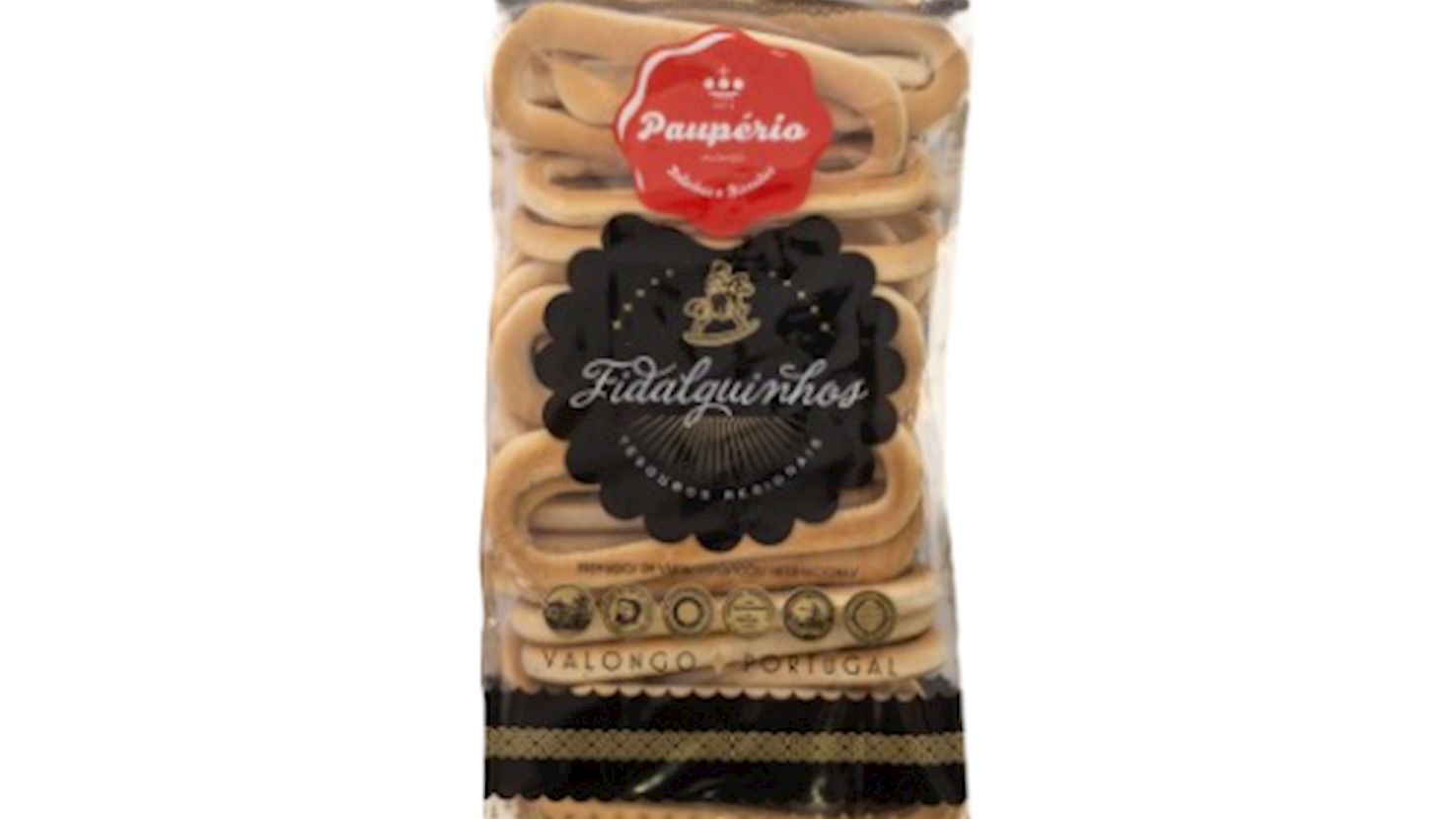
Paupério is a historic Portuguese brand from Valongo, founded in 1874, specializing in traditional biscuits and small pastries made according to old family recipes. Production still relies on simple, high-quality ingredients and artisanal methods, preserving the authentic flavors that have defined the brand for six generations. The assortment includes a wide range of products - from classic butter biscuits and crisp, delicate cookies to aromatic varieties with lemon, vanilla or warm spices. Paupério is also known for its retro tins and decorative packaging, which carry a strong sense of nostalgia and form a key part of the brand’s identity. The flavors are gentle, balanced and clearly defined, while the textures often combine crispiness with a soft, buttery melt. Thanks to its long tradition, consistent quality and distinctive presentation, Paupério has become synonymous with classic Portuguese confectionery and is frequently chosen as a gift or a refined treat for special occasions.
02

Fábrica Santo António

4.6 ·
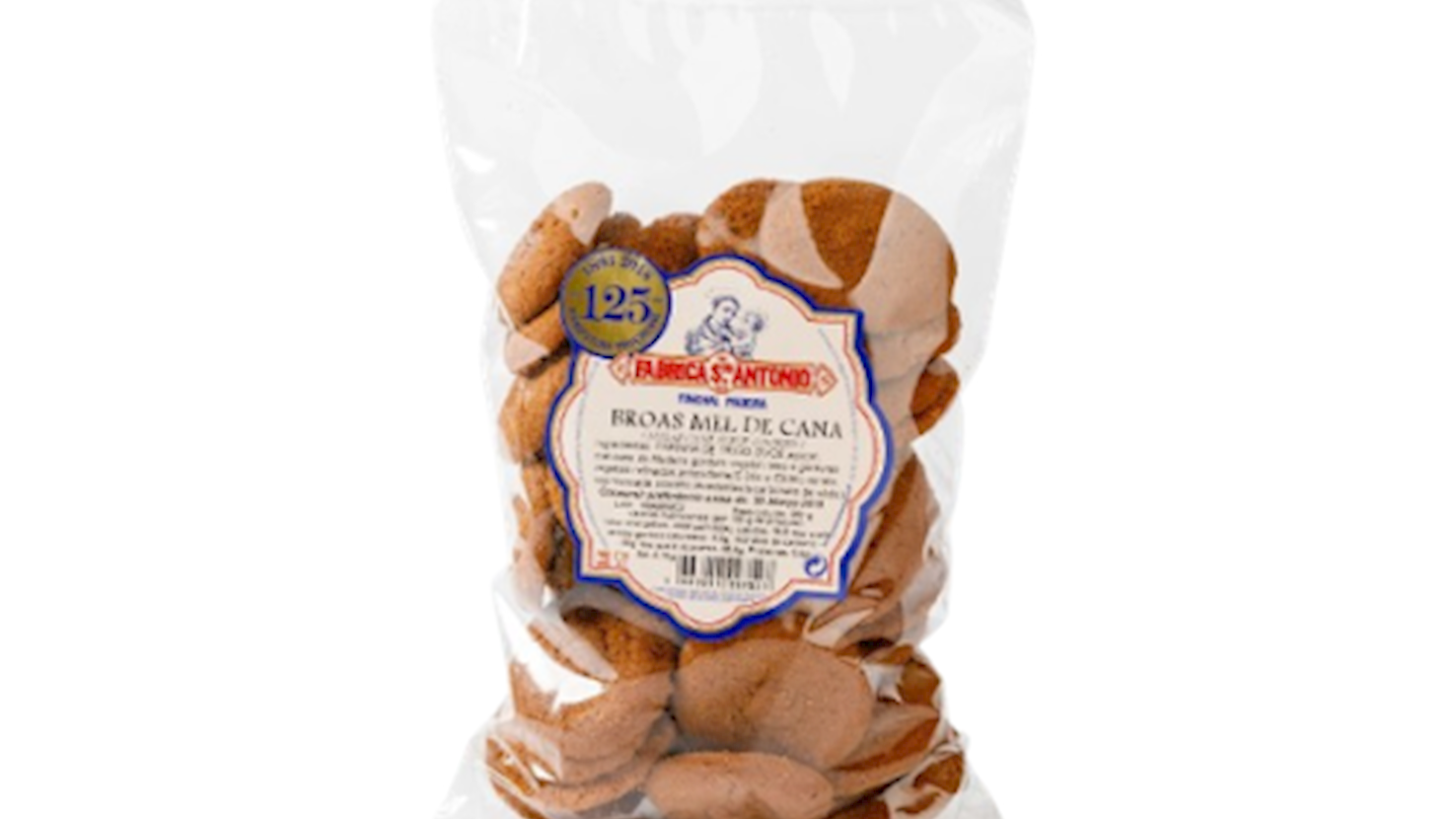
Fábrica Santo António is a historic Portuguese confectionery and fruit-based producer located in Funchal on the island of Madeira, founded in 1893 and still run by the same family across several generations. The brand began as the island’s first biscuit factory, strongly influenced by British tea culture, and over time grew into one of the most recognizable names in Madeiran gastronomic tradition. Its range includes traditional biscuits, cakes made with sugar-cane molasses, handmade sweets, as well as jams and marmalades from local and tropical fruits. Special emphasis is placed on preserving original recipes and production methods, using carefully selected ingredients and minimal technological intervention. Production still takes place in the historic factory building, which also serves as a retail space known for its authentic atmosphere and traditional packaging. The brand has a strong presence both among local residents and visitors to the island, who often regard it as an essential gastronomic reference of Madeira.
Read more
View all
View map
About this ranking

TasteAtlas food rankings are based on the ratings of the TasteAtlas audience, with a series of mechanisms that recognize real users and that ignore bot, nationalist or local patriotic ratings, and give additional value to the ratings of users that the system recognizes as knowledgeable. For the “Top 64 Portuguese Desserts” list until June 15, 2026, 5,522 ratings were recorded, of which 4,109 were recognized by the system as legitimate. TasteAtlas Rankings should not be seen as the final global conclusion about food. Their purpose is to promote excellent local foods, instill pride in traditional dishes, and arouse curiosity about dishes you haven’t tried.

The initial list of top producers was compiled based on available reviews, awards, local recommendations, media and blog coverage, and consumer reviews. The list will be updated with ratings from TasteAtlas local ambassadors and TasteAtlas users.

Similar lists