shutterstock

Top 15 Swiss Desserts

Last updated on June 15, 2026

Best Swiss Desserts

01

Jakob’s Basler Leckerly

4.9 ·
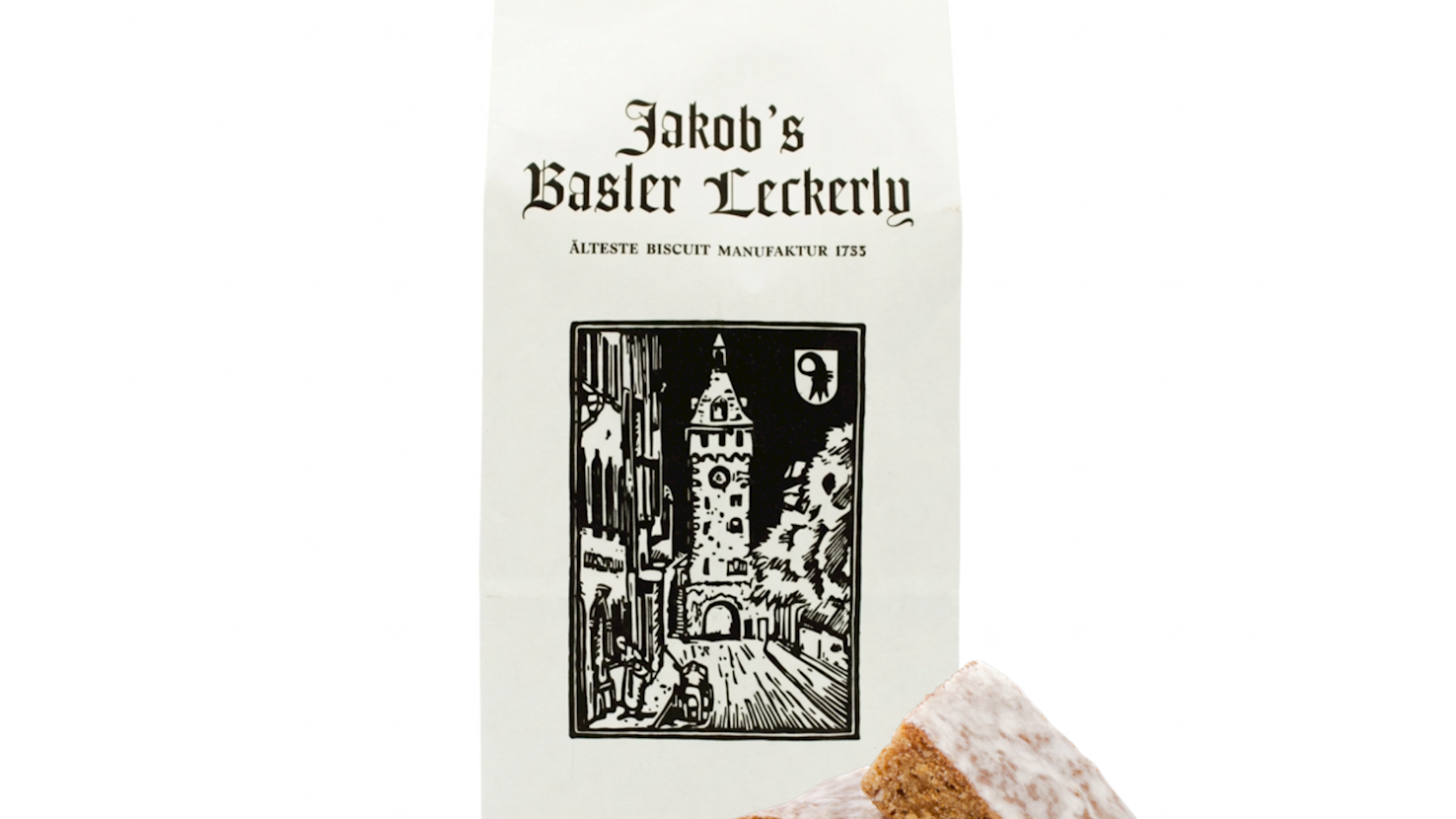
Jakob’s Basler Leckerly is a traditional Swiss confectionery producer based in Basel, with origins dating back to 1753, making it one of the oldest continuously operating bakeries in the country. The company is strongly focused on a single specialty, Basler Läckerli, which defines both its identity and production approach. These biscuits are made from a dense mixture of honey, nuts, candied citrus peel, and spices, then finished with a thin sugar glaze and cut into rectangular pieces. Compared to more industrial versions, Jakob’s Läckerli are known for their thicker structure, pronounced honey flavor, and slightly softer, more compact texture. Production remains closely aligned with traditional methods, carried out within a manufactory setting rather than large-scale industrial lines. The brand maintains a clear connection to the culinary heritage of Basel, where Läckerli have been a regional specialty for centuries. In addition to production, the company operates a retail and visitor-oriented space where customers can observe parts of the process and purchase products directly. While the assortment has expanded modestly with variations such as chocolate-coated versions, the core recipe and product format have remained largely unchanged.
02

Kambly

4.7 ·
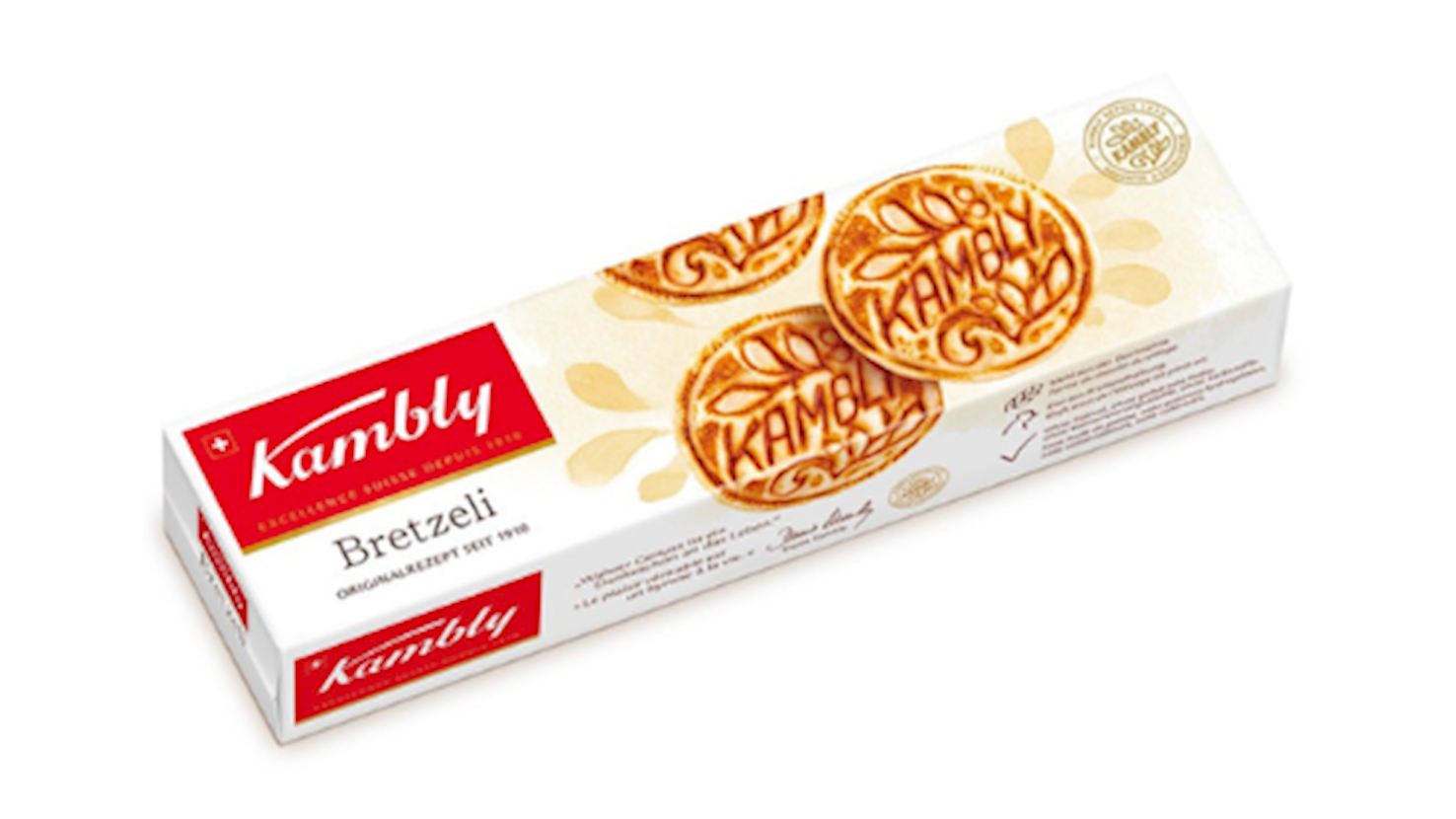
Kambly is a Swiss premium biscuit manufacturer founded in 1910 in the village of Trubschachen, in the Emmental region, by Oscar Robert Kambly. The company remains family-owned and is now managed by the fourth generation, which plays a key role in preserving its heritage and consistent quality standards. Kambly is best known for its iconic “Bretzeli” a thin, crisp biscuit based on a traditional recipe dating back to 1906, which has become a symbol of the brand. Its portfolio includes a wide range of sweet and savory biscuits, often made with butter, chocolate, nuts, and caramel, all reflecting a focus on refined taste and careful craftsmanship. The company emphasizes the use of high-quality, locally sourced ingredients, particularly dairy from the Emmental region, reinforcing its strong “Swiss made” identity. Kambly products are exported to more than 50 countries, positioning the brand as an internationally recognized representative of Swiss biscuit-making tradition. In addition to production, the company has developed the “Kambly Experience” center at its headquarters, offering visitors insight into the manufacturing process and product tastings. Overall, Kambly’s identity is built on a balance of tradition, family values, and controlled growth, with a clear focus on long-term quality rather than mass industrial expansion.

Best Swiss Desserts

01

Swiss Meringue

3.9 ·

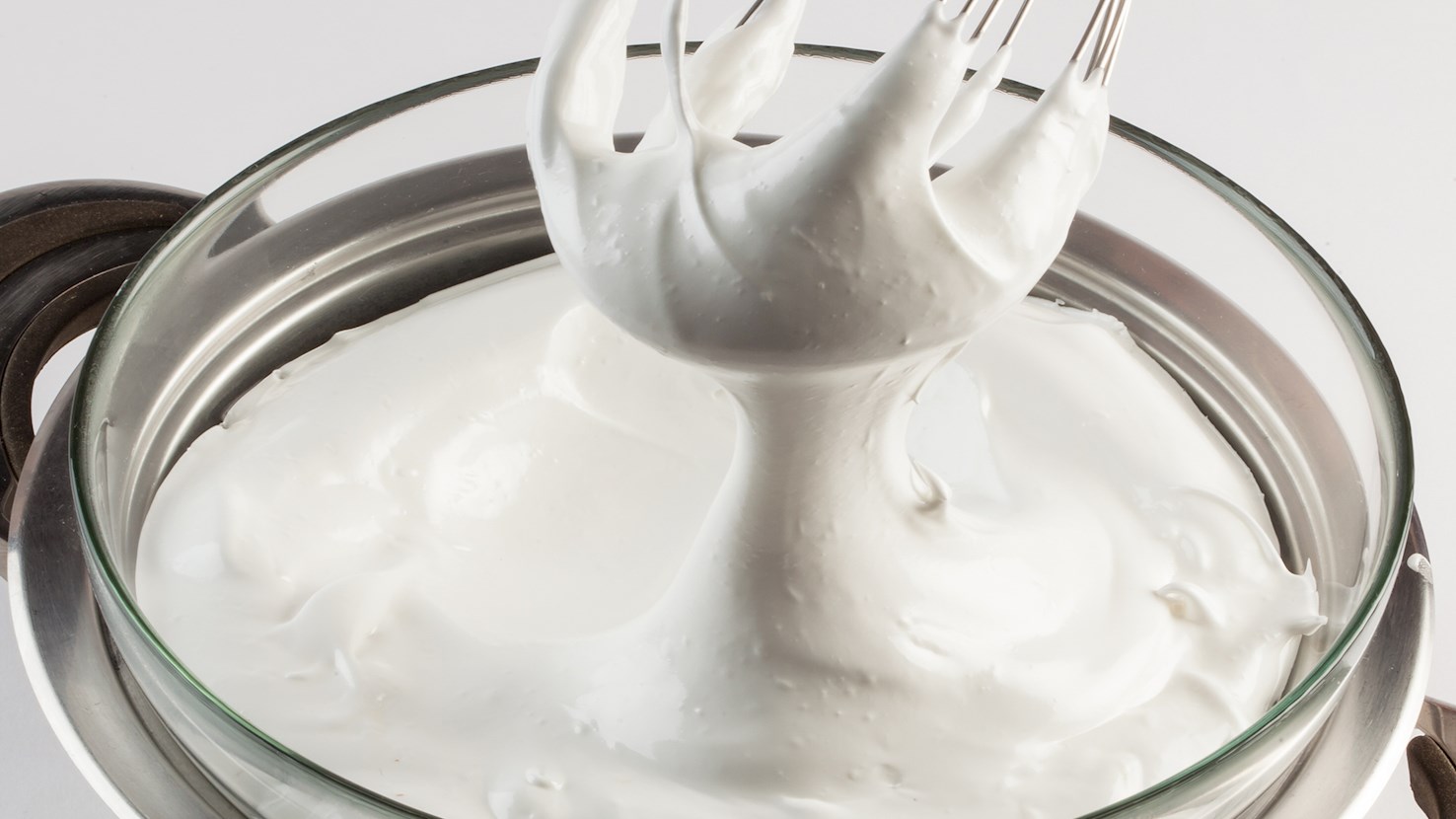
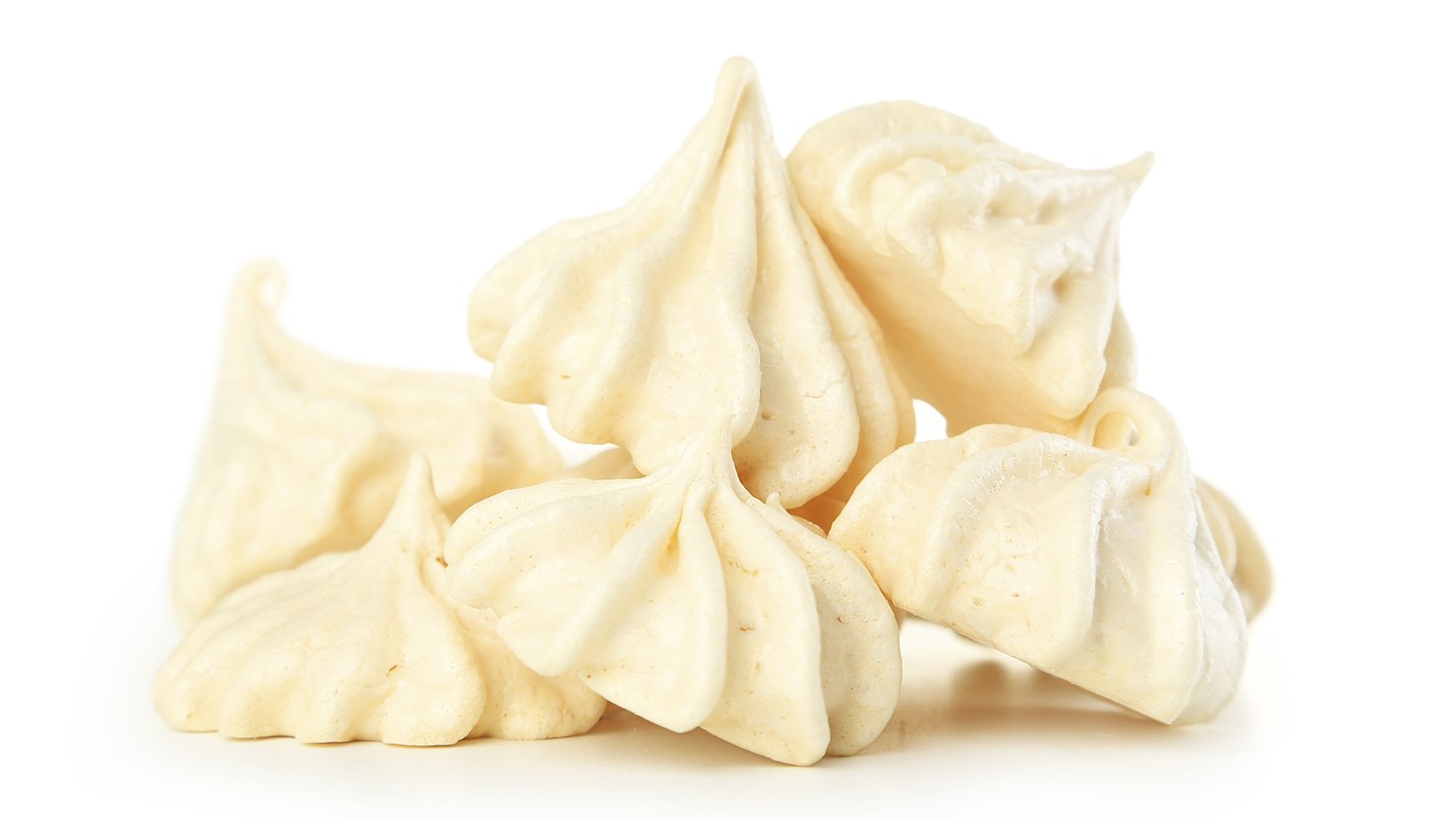
Fluffier than its French counterpart and as stable as its Italian counterpart, Swiss meringue is a light and airy concoction consisting of egg whites and sugar. The ingredients are steadily whisked over a bain-marie until they cool and develop a thick and glossy meringue, which is then usually baked. It is often used as a base for buttercream frostings, pavlova, meringue cookies, or any kind of meringue-topped pie.

Best restaurants
02

Basler Läckerli

3.6 ·

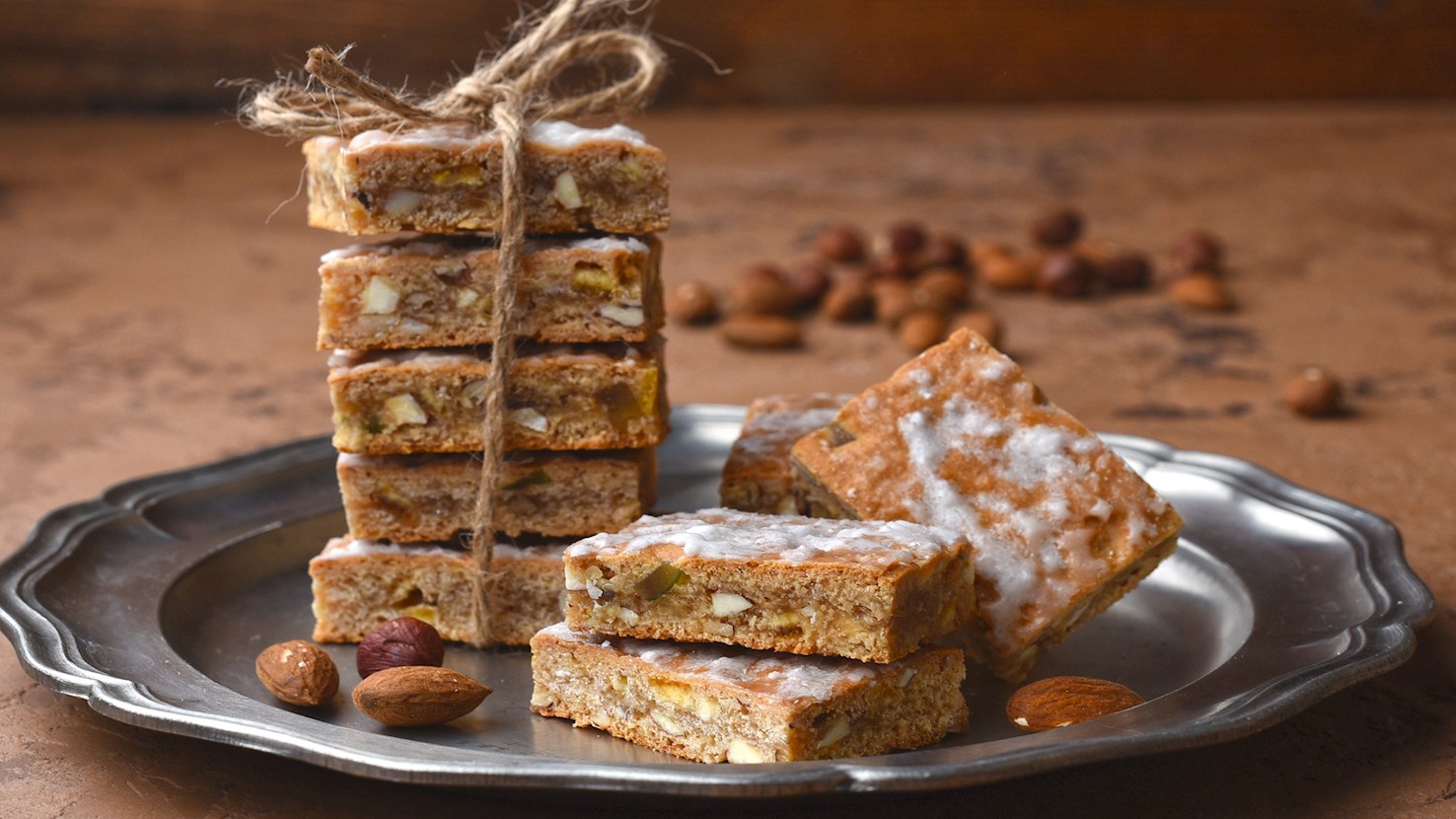
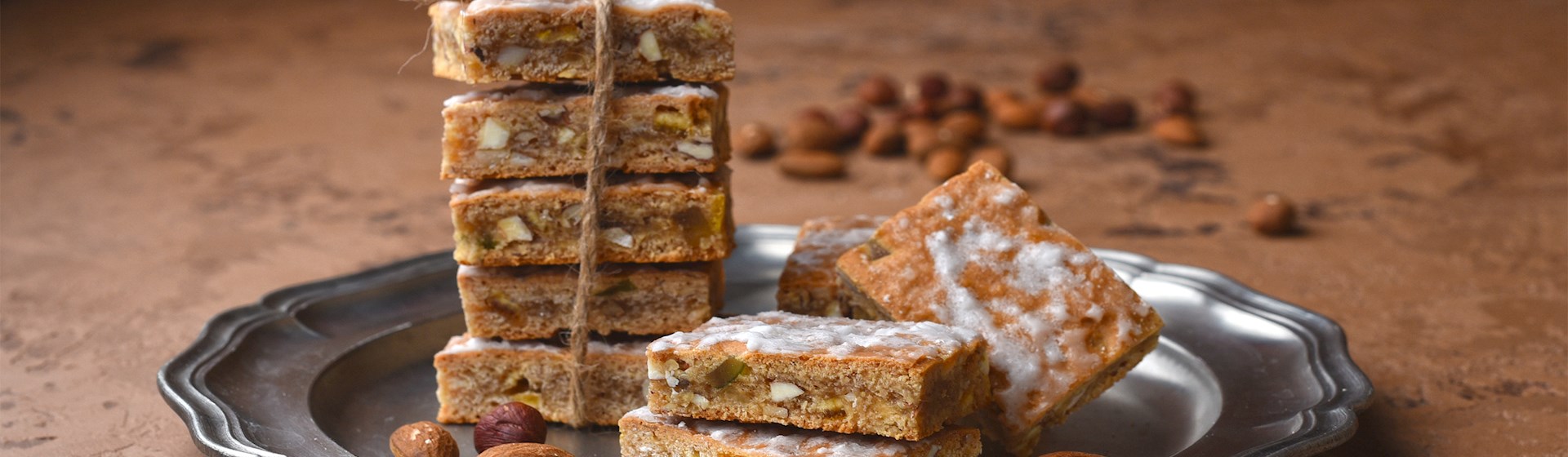
Basler läckerli is a hard, spiced Swiss biscuit consisting of hazelnuts, almonds, candied peel, honey, and Kirsch. These cookies are a specialty of Basel, where it is believed that they have been prepared ever since the Middle Ages. Once baked, the biscuits are traditionally cut into rectangular pieces, then topped with sugar glaze. Nowadays, they are typically enjoyed during Christmastime, although they can be bought or prepared throughout the year.

03

Bündner Nusstorte

3.5 ·

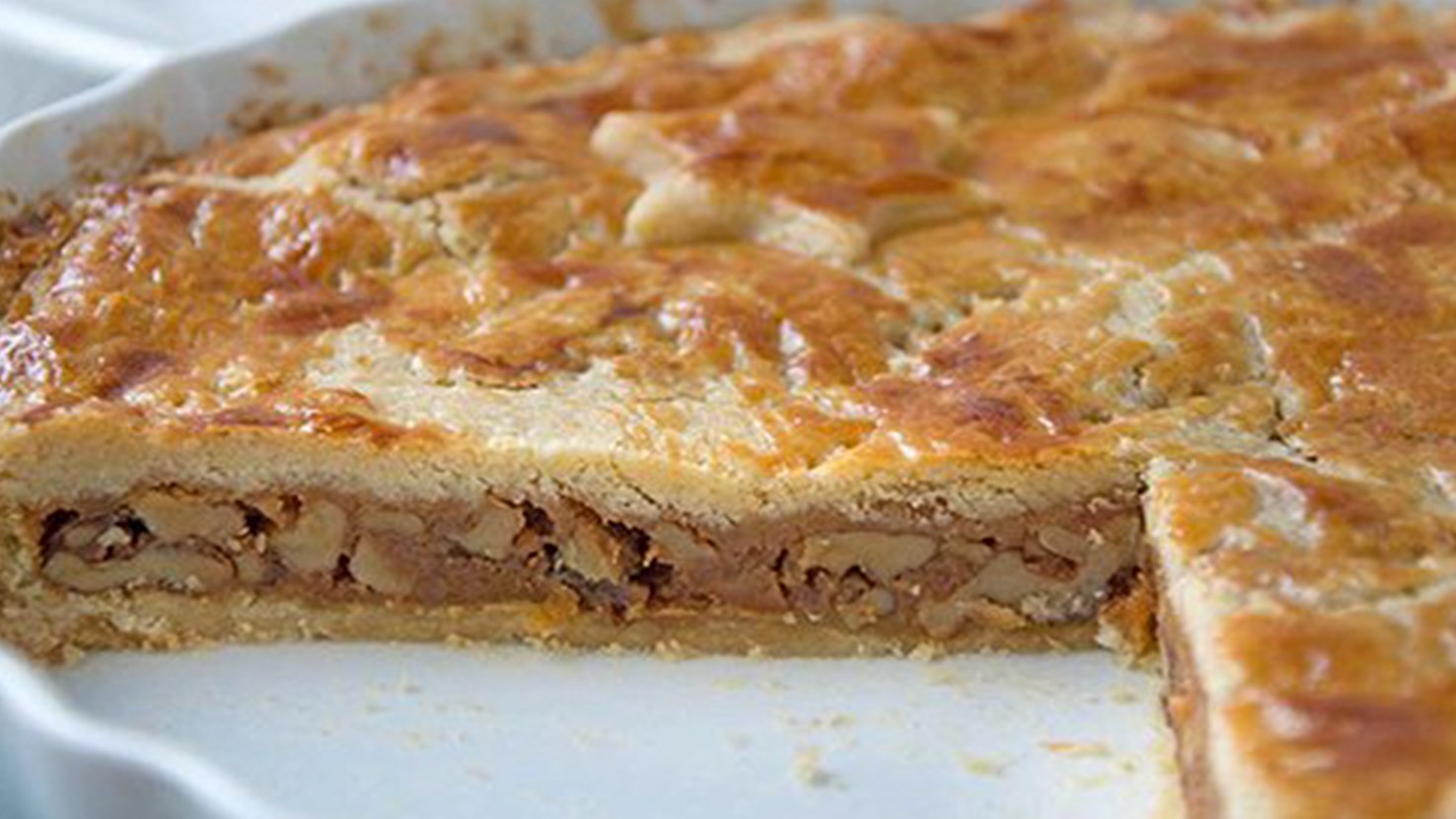
Originating from Graubünden in Switzerland, this dish is a traditional tart consisting of a shortbread pastry filled with nuts and caramel. Walnuts are typically used for the filling, but other nuts may also be used, although very rarely. The oldest known recipe dates back to 1900, and in 1934, a confectioner named Fausto Pult presented the cake to the public at the Swiss Sample Fair in Basel. Nowadays, the cake is usually served cut into slices and paired with coffee or tea on the side.

04

Torta di pane ticinese

3.5 ·

Torta di pane is a traditional dessert originating from Ticino, the country's Italian-speaking canton. The dessert is made with cubes of stale bread, milk, eggs, sugar, lemon zest, cinnamon, nutmeg, vanilla, cocoa powder, almonds, raisins, pine nuts, and butter. The addition of grappa is optional, as is the confectioners' sugar, used for finishing the dish. Once the dessert has been baked, it is left to cool down, then cut and served. Torta di pane is often served in grottos – rustic restaurants that are usually located outdoors and offer the region's old specialties.

05

Wähe

3.4 ·

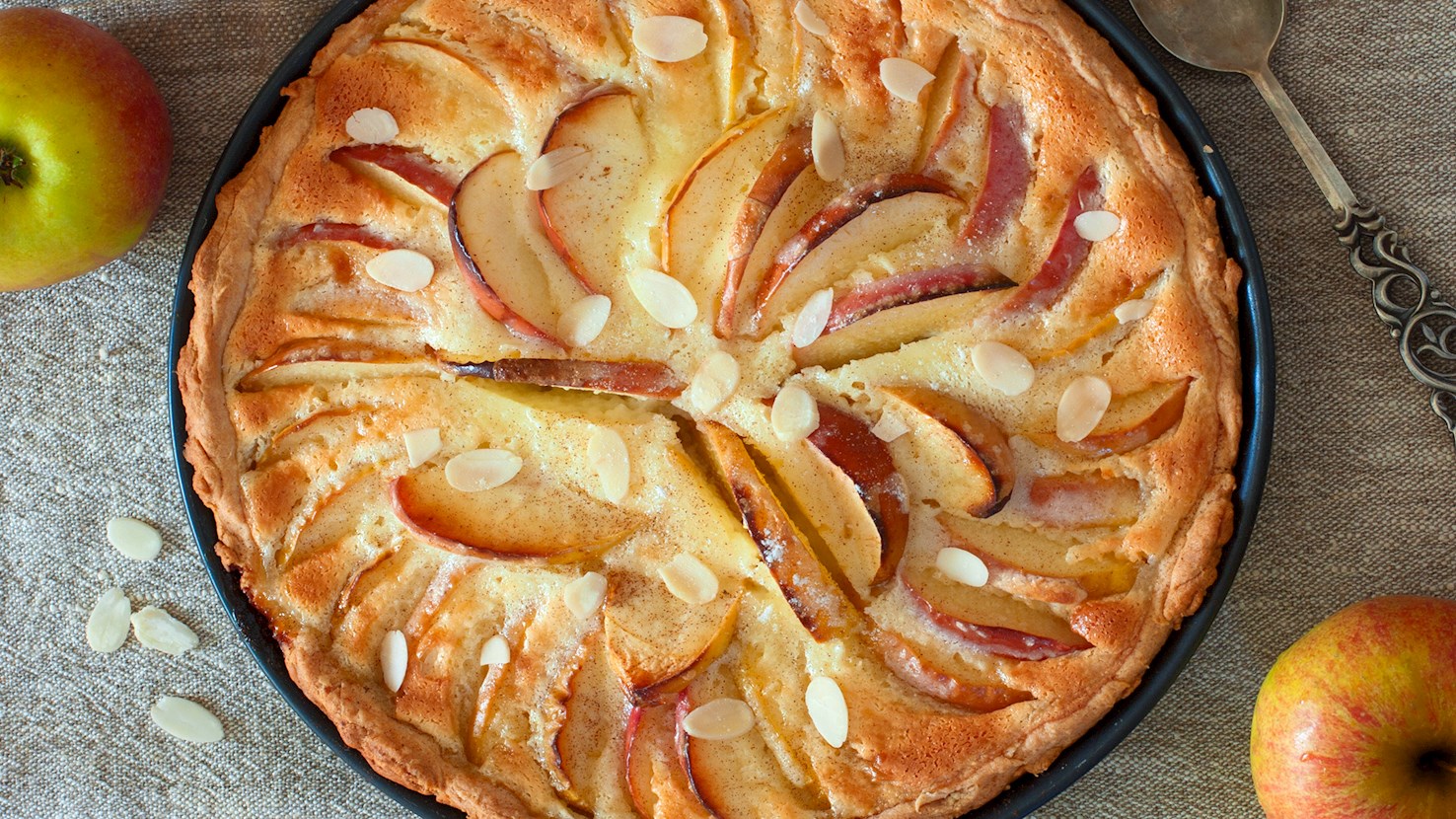
Wähe is a delicious Swiss tart made in sweet and savory versions. The sweet version is prepared with seasonal fruits such as plums, apricots, rhubarb, and apples, while the savory ones typically include cheese, spinach, or onions, similar to the French quiche. It is believed that the first versions of wähe were baked at home with leftover bread dough. Even though wähe was considered a poor man’s meal in the past, over time, the dish became popular with the middle class and was often consumed during fasting or on Fridays. Nowadays, both the sweet and the savory versions are prepared throughout the country.

06

Meringue

3.3 ·

The sweet, airy, featherweight delicacy known as meringue is made with a handful of ingredients: egg whites, sugar, some kind of acid such as cream of tartar or vinegar, and the most important, although invisible component - air. Meringue is incredibly versatile and it is mostly prepared to turn desserts into works of art: it can be whipped into frostings for cakes, spooned on pies, incorporated into cakes to make them fluffy, or mixed with chocolate, fruits, and ground nuts for extra flavor. The origins of meringue are still somewhat shrouded in mystery, but the Larousse Gastronomique claims it was either invented by a Swiss pastry chef with Italian origins, named Gasparini, or by King Stanislas I Leszcynski's chef, because some believe that the word meringue comes from the Polish word marzynka. There are also other sources claiming that meringue is an English invention. Regardless of the origins, most food historians agree on the fact that meringue was shaped with a spoon until the early 19th century, and the famous French chef Antoine Carême first started using a pastry bag in order to form this decadent dessert into a more aesthetically pleasing shape. Meringue can be consumed in its soft or hard form, and is usually prepared using French, Italian, or Swiss methods, which all differ from one another. These three methods gave life to a wide variety of popular desserts, including the beloved meringue cake.

Best restaurants
07

Carac

3.1 ·

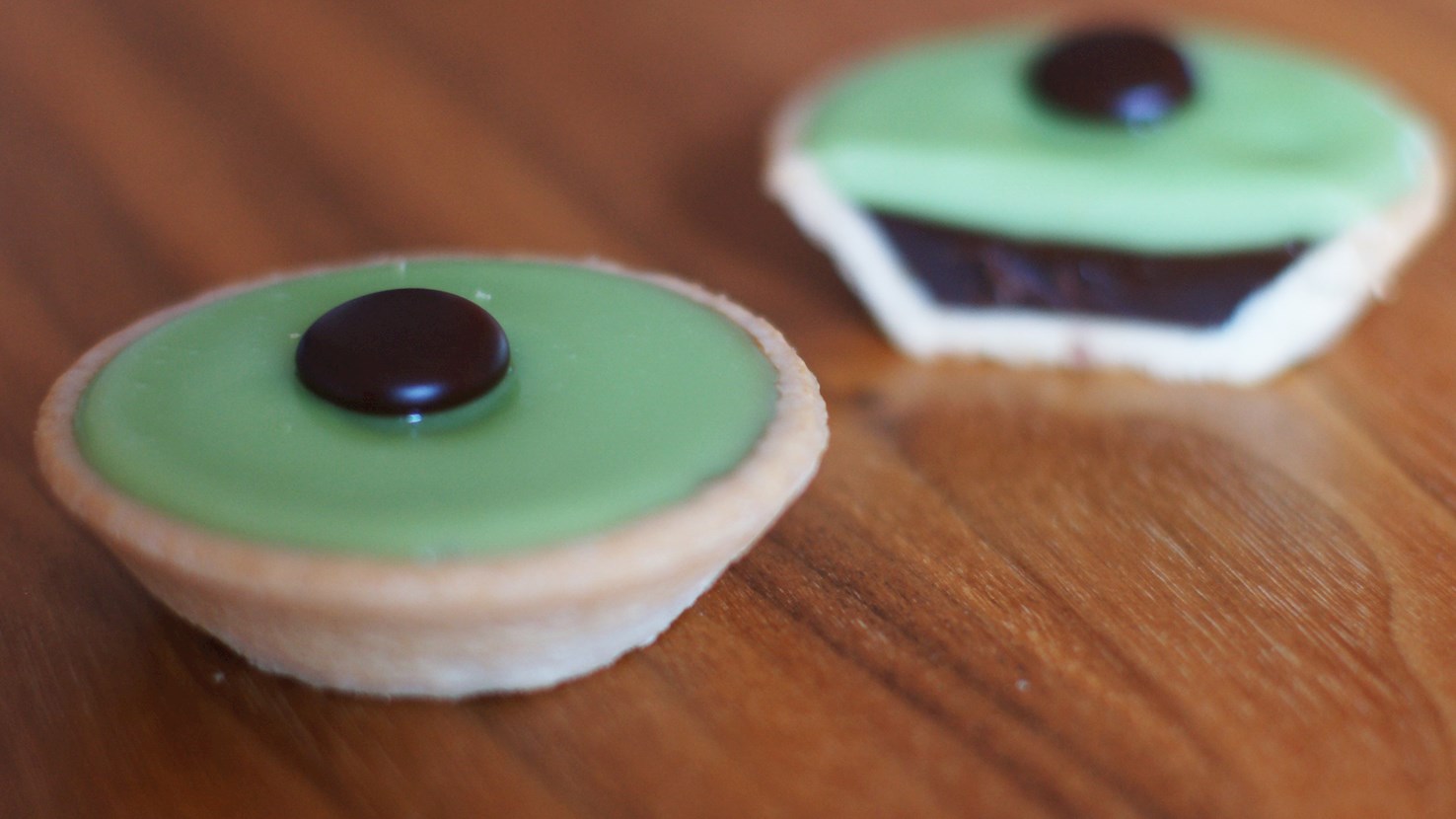
Carac is a small Swiss pastry prepared with shortbread pie crust, chocolate, cream, and green icing. It is especially popular in the French part of the country. Even though most of these pastries are prepared in smaller sizes, they can also be enlarged for festive events and gatherings, when they are served sliced, just like regular pies or cakes. The origin of carac is still quite murky, but it is known that the pastry was available in the early 20th century, while the name carac is phonetically linked to caraque, referring to a type of cocoa of high quality.

08

Zuger Kirschtorte

3 ·

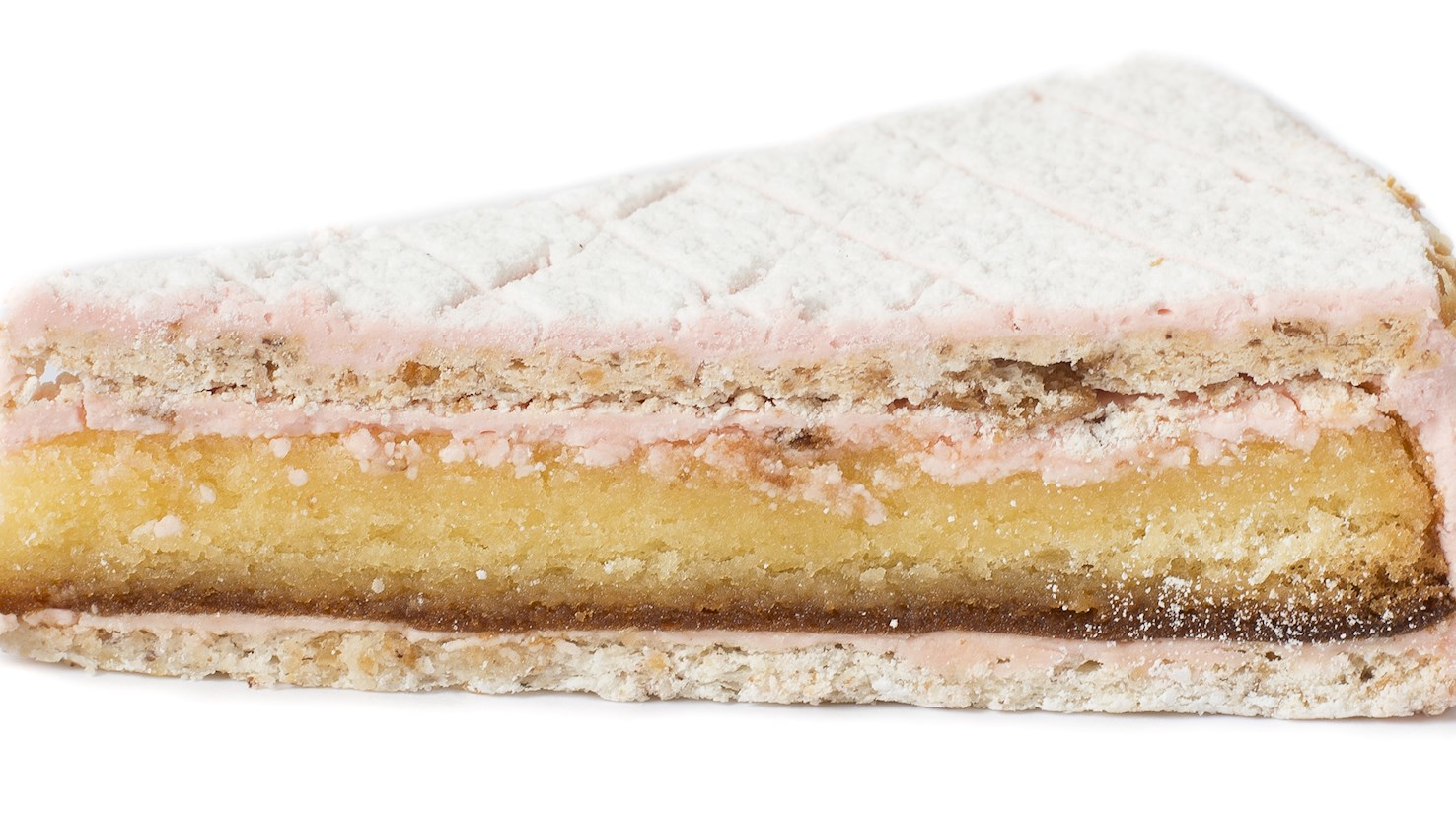
Zuger kirschtorte is a Swiss layer cake made with layers of sponge cake, butter cream, and nut meringue. It is traditionally flavored with Kirschwasser, a cherry brandy, while its place of origin is the city of Zug, hence the name. The first cake was prepared by a pastry chef named Heinrich Höhn in 1921,in a confiserie and coffee house called Treichler. The sides of the cake are typically decorated with roasted almonds, while the top is lightly dusted with icing sugar. This tasty cake is so popular that it was even consumed by Charlie Chaplin and Audrey Hepburn.

09

Tirggel

2.6 ·

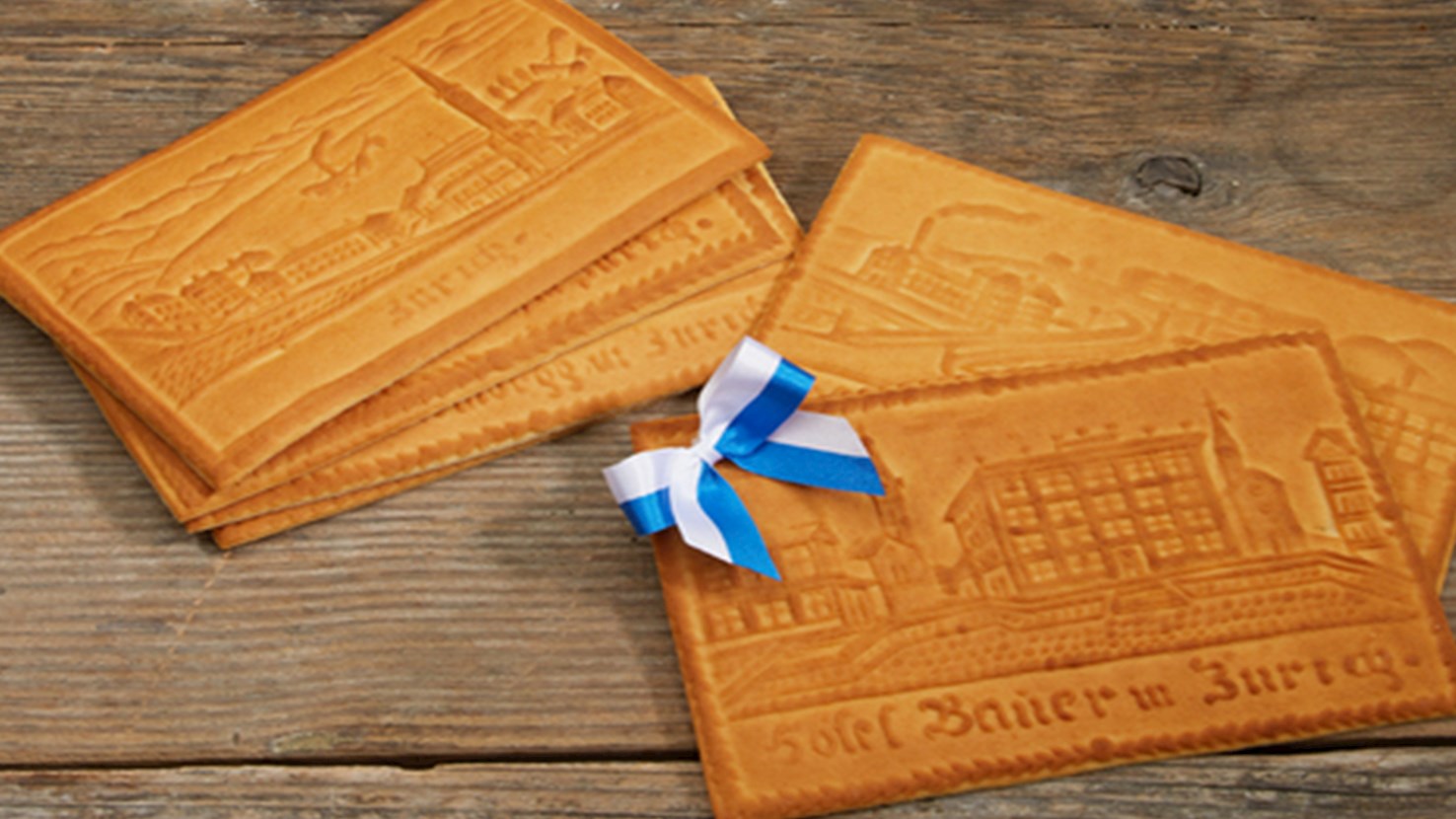
Tirggel are traditional Swiss Christmas cookies made with flour, honey, and sugar. They are thin and very hard, characterized by images on the top which are usually associated with the Zürich Canton, romance, and Biblical stories. It is believed that the name tirggel is derived from the word torggeln, which refers to stirring a thick dough. The first written mention of tirggel can be found in 1461 witch trial court documents. The cookies were a luxury item in the 15th and 16th centuries, and before 1840, only city bakers had the rights to bake them. After 1840, all bakers could bake them, and they gained popularity over the years, so nowadays everyone can enjoy these crunchy festive treats.

10

Brischtner Nytlä

n/a ·

Brischtner nytlä or gedörrte birnen mit rahm is a traditional dessert originating from Switzerland. It's made with a simple combination of dried pears, sugar, red wine, and whipped cream. The red wine is mixed with sugar and a bit of water, and the combination is simmered over medium heat. The pears are added to the pan and cooked until soft. While they're cooking, the pears should be completely covered with the liquid. Once softened, the pears are taken out of the pan, quartered, and the seeds and stem are discarded. The remaining liquid should be syrupy, and the pears are placed back into the pan until everything cools down a bit. The pears are arranged on a plate, then topped with the sauce and a few clouds of whipped cream before serving.

Best restaurants
Read more
View all
View map
About this ranking

TasteAtlas food rankings are based on the ratings of the TasteAtlas audience, with a series of mechanisms that recognize real users and that ignore bot, nationalist or local patriotic ratings, and give additional value to the ratings of users that the system recognizes as knowledgeable. For the “Top 15 Swiss Desserts” list until June 15, 2026, 657 ratings were recorded, of which 573 were recognized by the system as legitimate. TasteAtlas Rankings should not be seen as the final global conclusion about food. Their purpose is to promote excellent local foods, instill pride in traditional dishes, and arouse curiosity about dishes you haven’t tried.

The initial list of top producers was compiled based on available reviews, awards, local recommendations, media and blog coverage, and consumer reviews. The list will be updated with ratings from TasteAtlas local ambassadors and TasteAtlas users.

Similar lists