Matija Babić

Top 33 Alsatian Foods

Last updated on June 24, 2026

Best Alsatian food products

01
Fruit Product

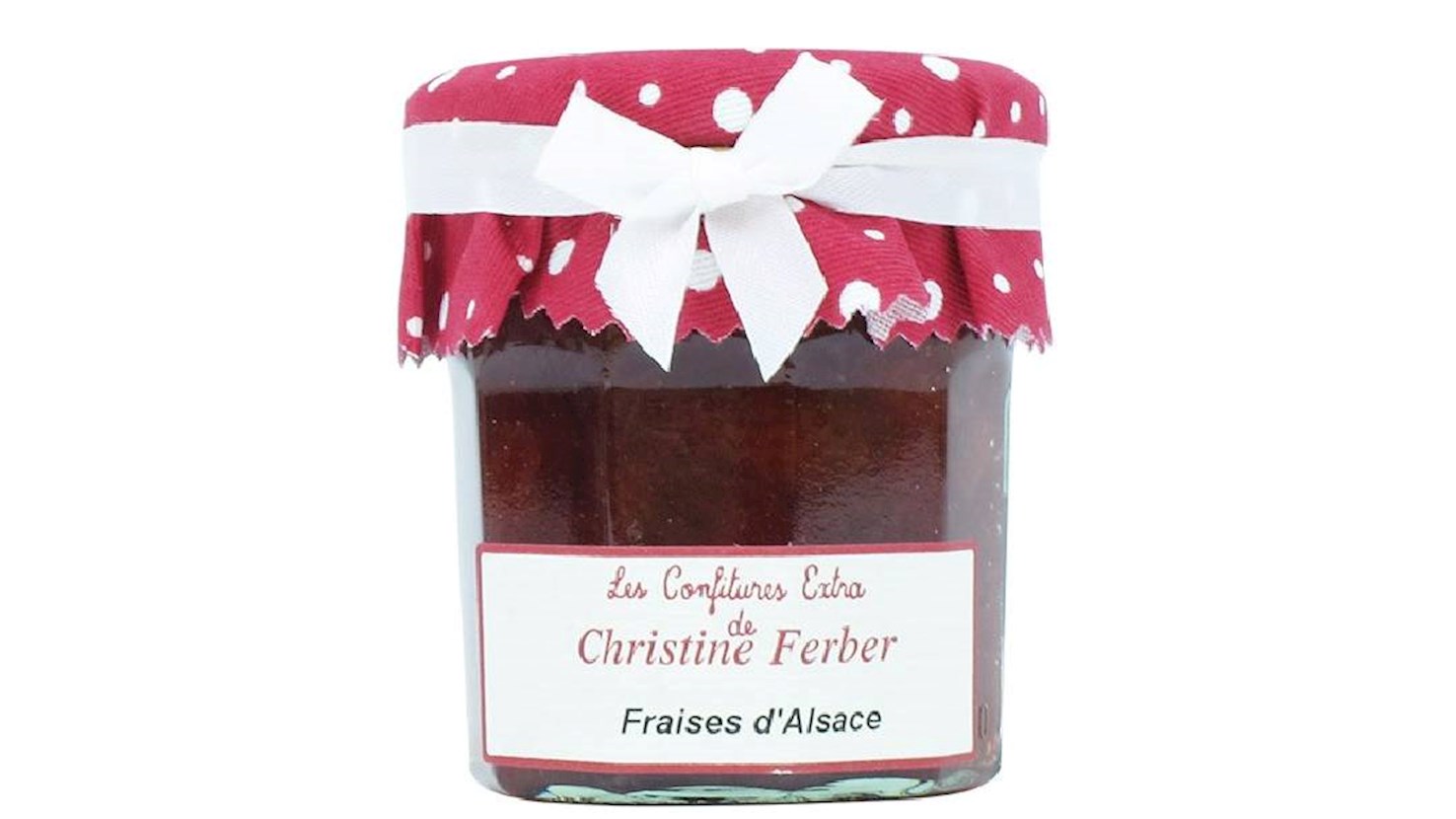
Christine Ferber

5.0 ·
Christine Ferber is a legendary French pastry chef and master of jams, known worldwide as “The Jam Fairy”. From her hometown of Niedermorschwihr, in the heart of Alsace, she has been creating preserves since the 1980s that captivate with their vibrant colors, enticing aromas, and perfect balance of flavors. Her philosophy is simple yet demanding - to use only the finest, carefully selected fruits and prepare them by hand, in small batches, using traditional copper pans. Every jar is the result of patience, craftsmanship, and an unfailing sense for harmony in taste. Christine blends the classic with the unexpected - from timeless favorites like strawberry or raspberry to original creations such as peach with lavender or apricot with Madagascar vanilla. Her products grace the tables of the world’s finest restaurants and the homes of true gourmets, bringing joy and a touch of luxury to every bite.
02
Cheese

Fromagerie Antony

5.0 ·
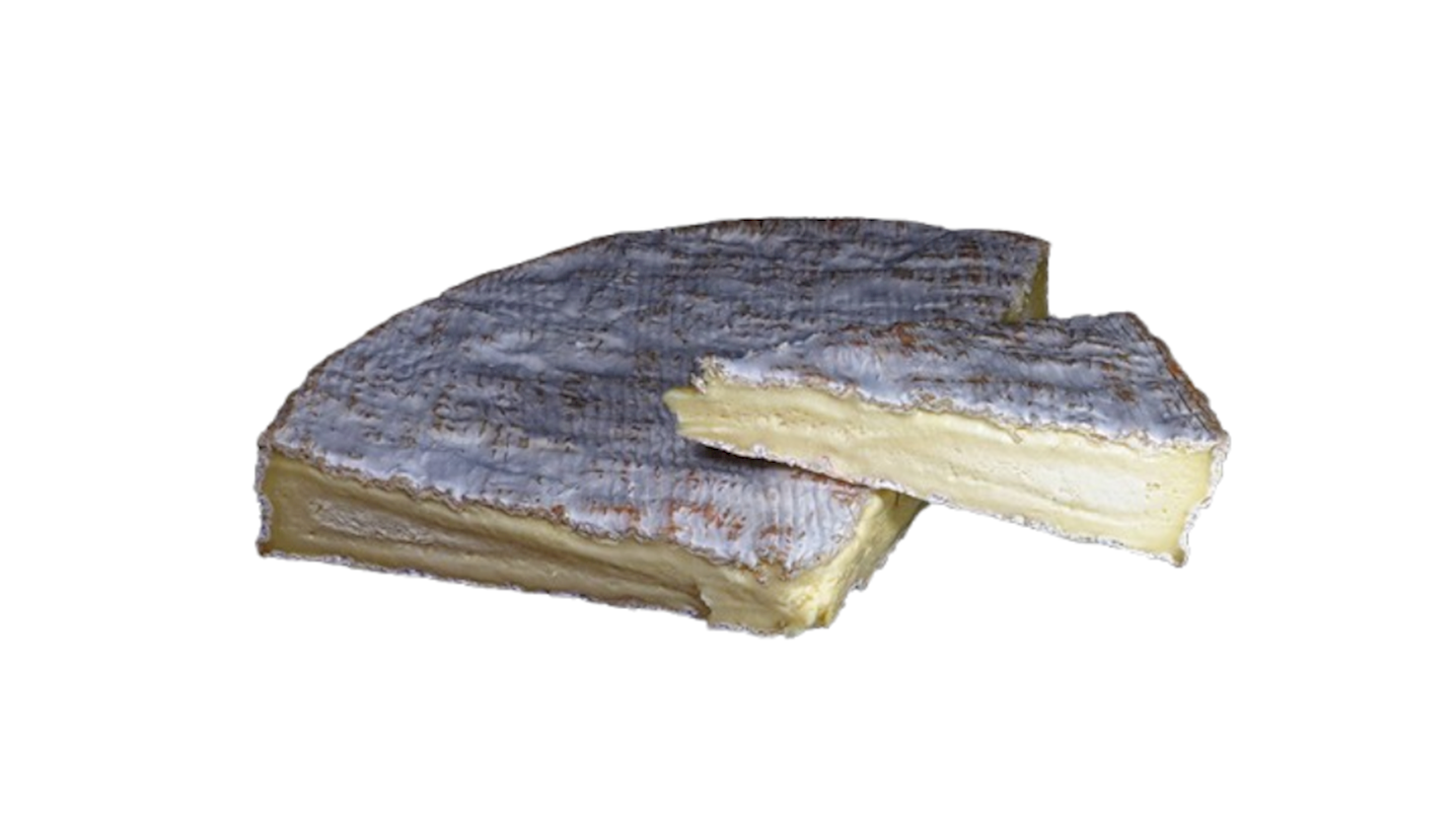
Fromagerie Antony is a renowned French cheese affineur located in Vieux-Ferrette, Alsace. Founded by Bernard Antony, the family-run business specializes in selecting and maturing artisan cheeses from various regions, supplying esteemed establishments worldwide. Their six cellars, nestled behind a half-timbered building, provide an ideal environment for cheeses to mature under meticulous care. The fromagerie offers a unique "Cheese Ceremony," a tasting experience that guides participants through a curated selection of fine cheeses, highlighting the distinct craftsmanship of their producers and the nuances of the affinage process. Visitors can purchase cheeses directly from their shop in Vieux-Ferrette, open six days a week, or from their mobile store at various markets in southern Alsace.
03
Wine

Domaine Paul Ginglinger

4.9 ·
Awards
Decanter World Wine Awards - Platinum (2019)
04
Wine

Cave De Ribeauvillé

4.9 ·
Awards
Decanter World Wine Awards - Platinum (2016)
IWSC- International wine & spirit competition - Gold (2022, 2020)
05
Wine

Domaine Weinbach

4.9 ·
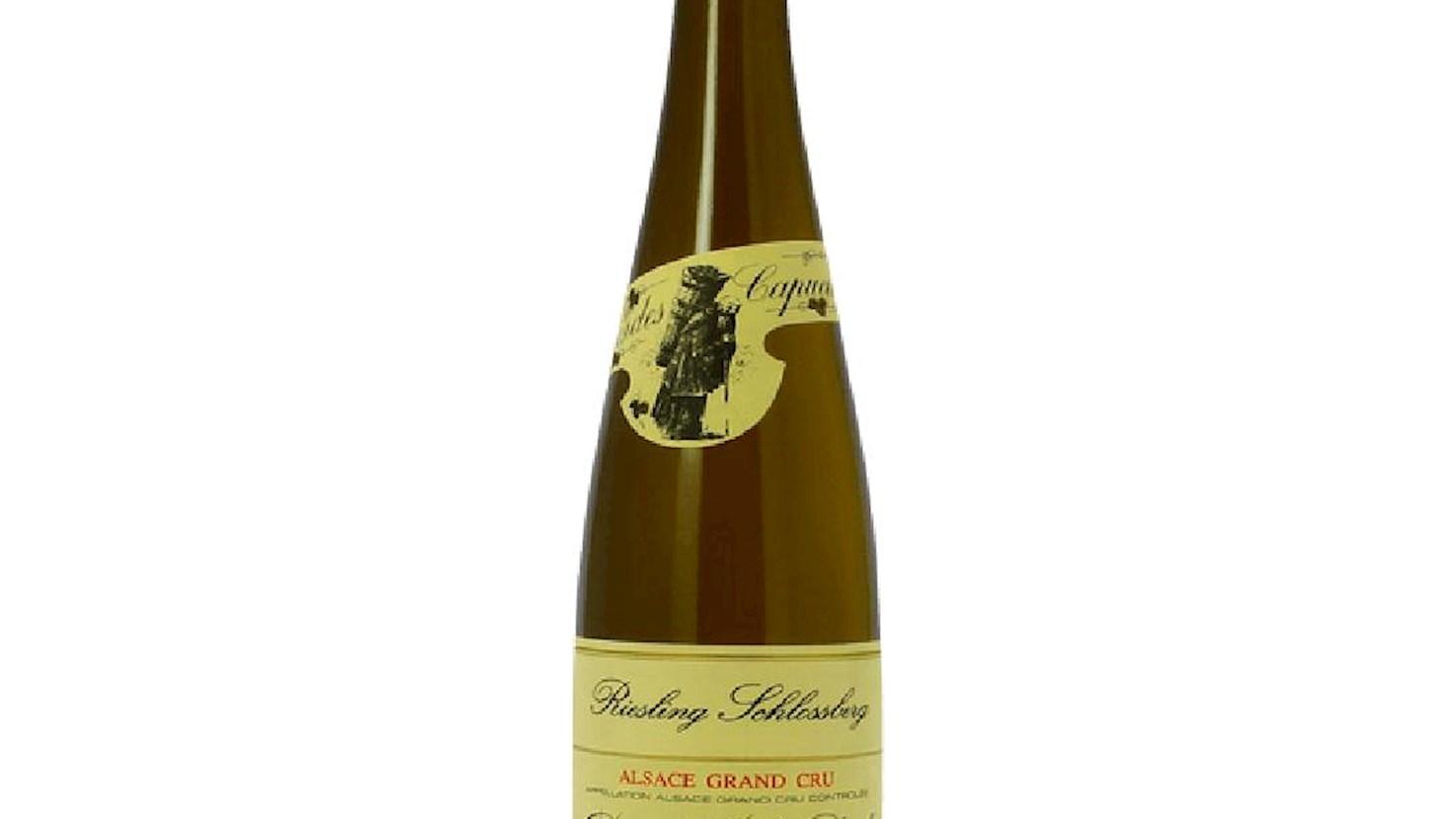
Domaine Weinbach is a family-owned winery located in Kaysersberg, in the Alsace wine region of France. It is named after a small stream that flows through the estate and was founded in 1612 by Capuchin monks. The vineyards of Domaine Weinbach cover approximately 38 hectares and include prestigious parcels such as Clos des Capucins and several Grand Cru vineyards, including Schlossberg, Furstentum, and Mambourg. The winery is renowned for its wines made from varieties such as Riesling, Gewürztraminer, Pinot Gris, and Sylvaner, which reflect the diversity and richness of the terroir. Since 2005, Domaine Weinbach has adopted biodynamic viticulture methods, contributing to the production of wines that embody the purity, elegance, and authenticity of each terroir.
Awards
James Suckling - 100 points (2024)
Vivino - 4.4
06
Wine

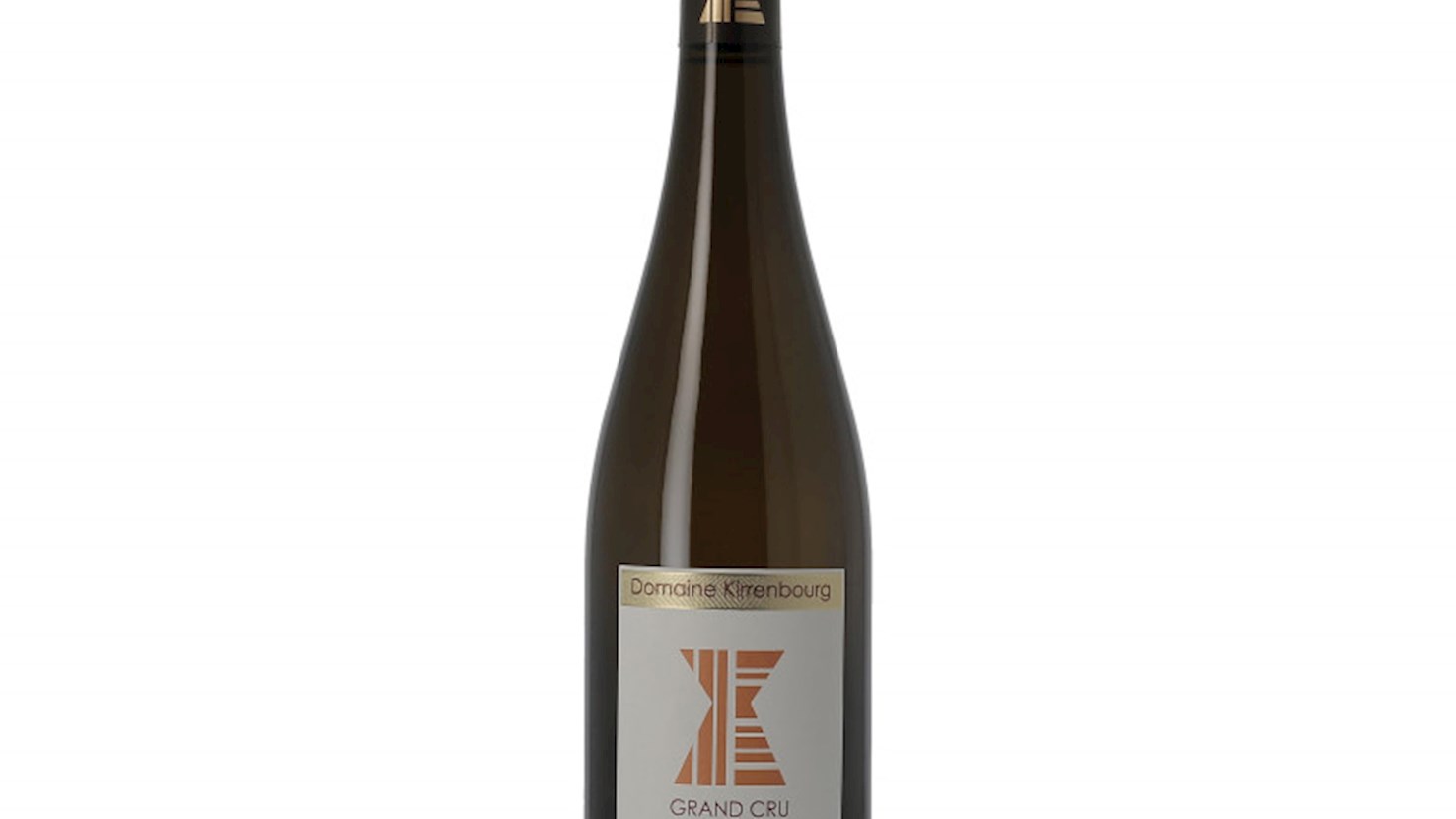
Domaine Kirrenbourg

4.9 ·
Awards
Decanter World Wine Awards - Platinum (2023)
07
Wine

Domaine Albert Hertz

4.9 ·
Awards
IWSC- International wine & spirit competition - Gold (2020)
08
Wine

Domaine Trimbach

4.9 ·
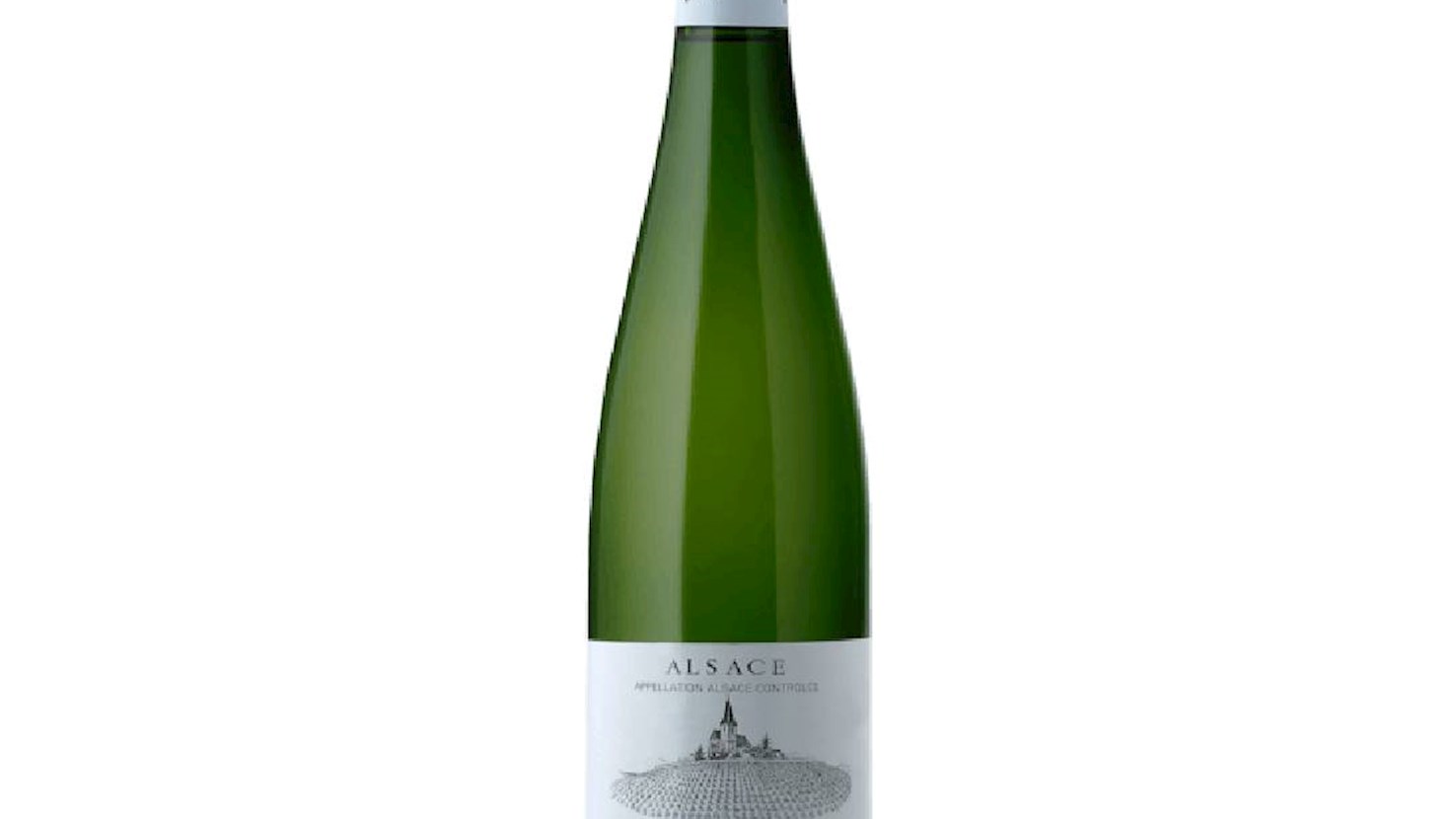
Trimbach is a family-run winery from Ribeauvillé, in the heart of Alsace, with a tradition dating back to 1626. For 13 generations, the Trimbach family has remained faithful to its philosophy of crafting wines defined by precision, clarity, and balance. Their hallmark is the production of elegant, dry Rieslings, alongside other classic Alsace varietals that reflect the unique terroir of the region. The estate combines deep respect for tradition with a constant pursuit of refinement and modern expression, resulting in wines celebrated worldwide for their authenticity and finesse. Today, Trimbach stands as a symbol of excellence and consistency, guided by their timeless motto: “balance, balance, and balance“.
Awards
Falstaff - 100
Vivino - 4.5
09
Wine

Domaine Barmès-Buecher

4.8 ·
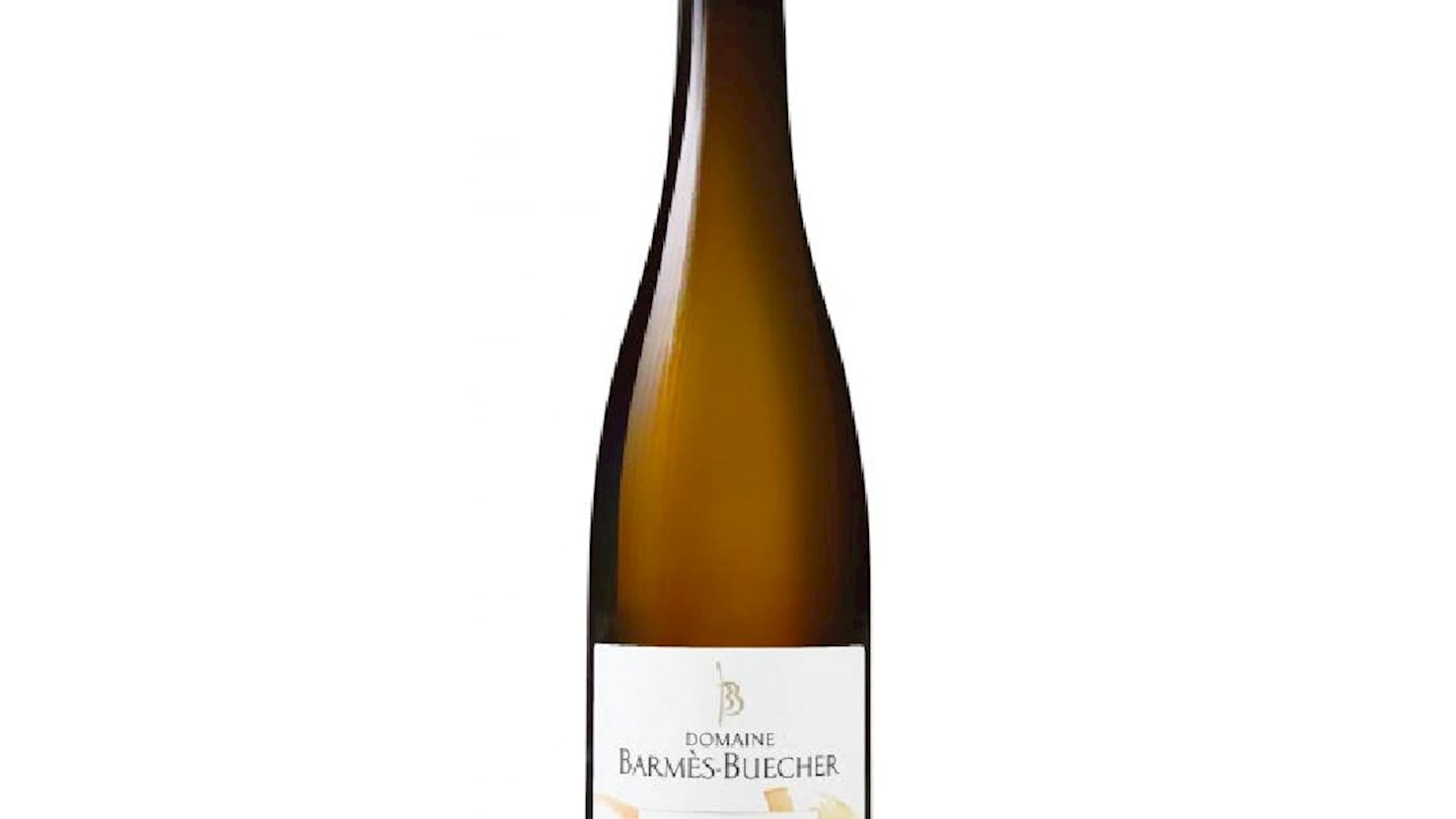
Domaine Barmès-Buecher is a family-owned winery located in the heart of Alsace, in the village of Wettolsheim, near Colmar and Eguisheim. Established in 1985 through the merging of the vineyards of the Barmès and Buecher families, the estate now spans 18 hectares of vineyards on the slopes of the Vosges Mountains. Since 2001, Domaine Barmès-Buecher has been certified for biodynamic production, reflecting their commitment to environmental preservation and respect for the land inherited from their ancestors. Their philosophy emphasizes adapting to each vineyard individually to ensure their wines reflect the uniqueness and characteristics of each terroir.
Awards
James Suckling - 99 points (2024)
10
Wine

Mure

4.8 ·
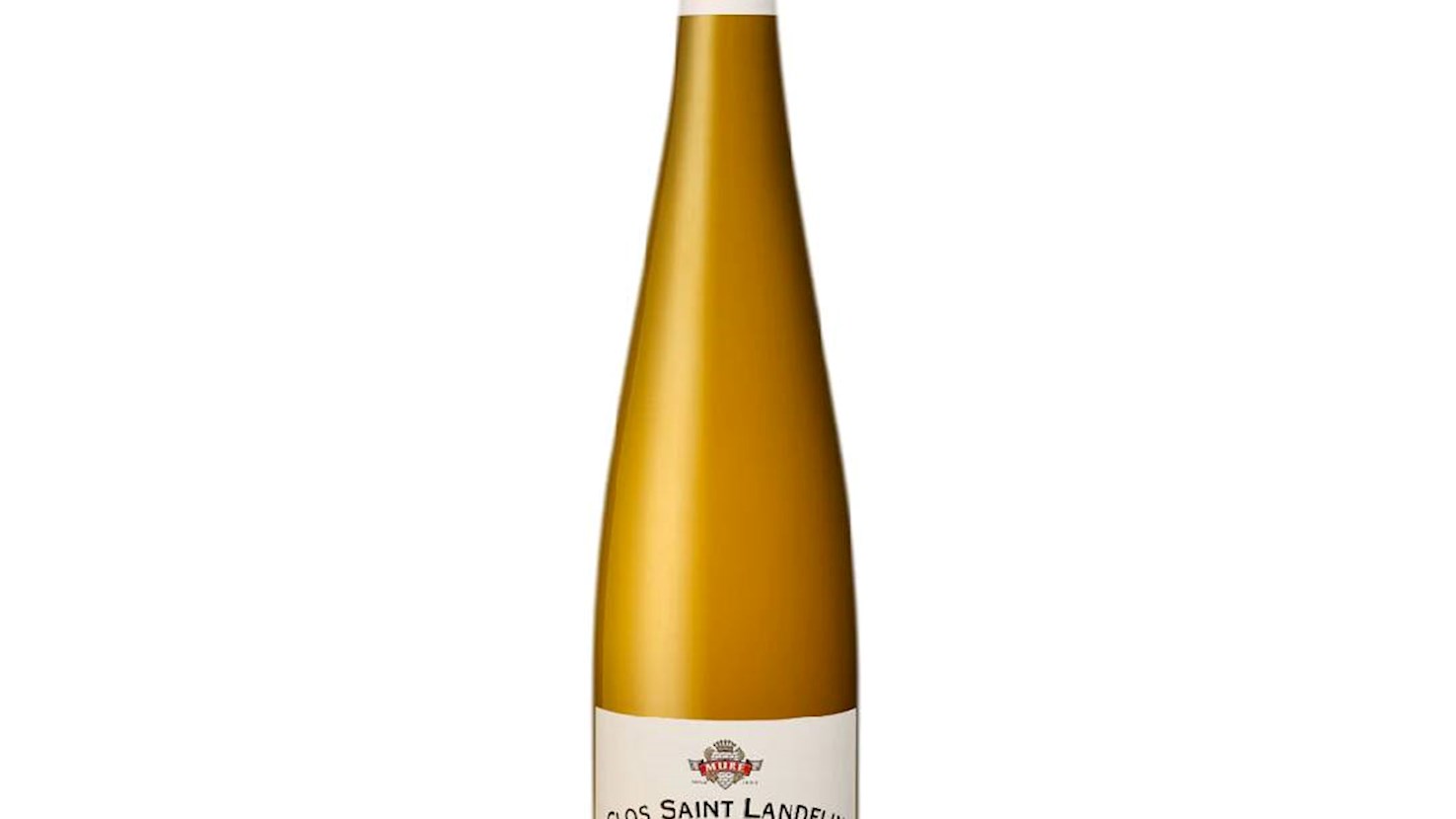
Domaine Muré is a family-owned winery located in Rouffach, in the southern part of Alsace, France. The winery's history dates back to 1650 when Michel Muré moved to Westhalten and began cultivating vineyards. In 1935, Alfred Muré acquired Clos Saint Landelin, a 12-hectare vineyard that remains exclusively owned by the Muré family today. This vineyard, situated south of Rouffach, is renowned for its exceptional microclimate and terroir, enabling the production of elegant and complex wines with fine fruit aromas and significant aging potential. Domaine Muré produces a wide range of wines, including Riesling, Gewürztraminer, Pinot Gris, Muscat, and Pinot Noir, reflecting the diversity of Alsace grape varieties and terroirs.
Awards
James Suckling - 98 points (2023)

Best Alsatian foods

01
Snack

Tarte flambée

4.3 ·

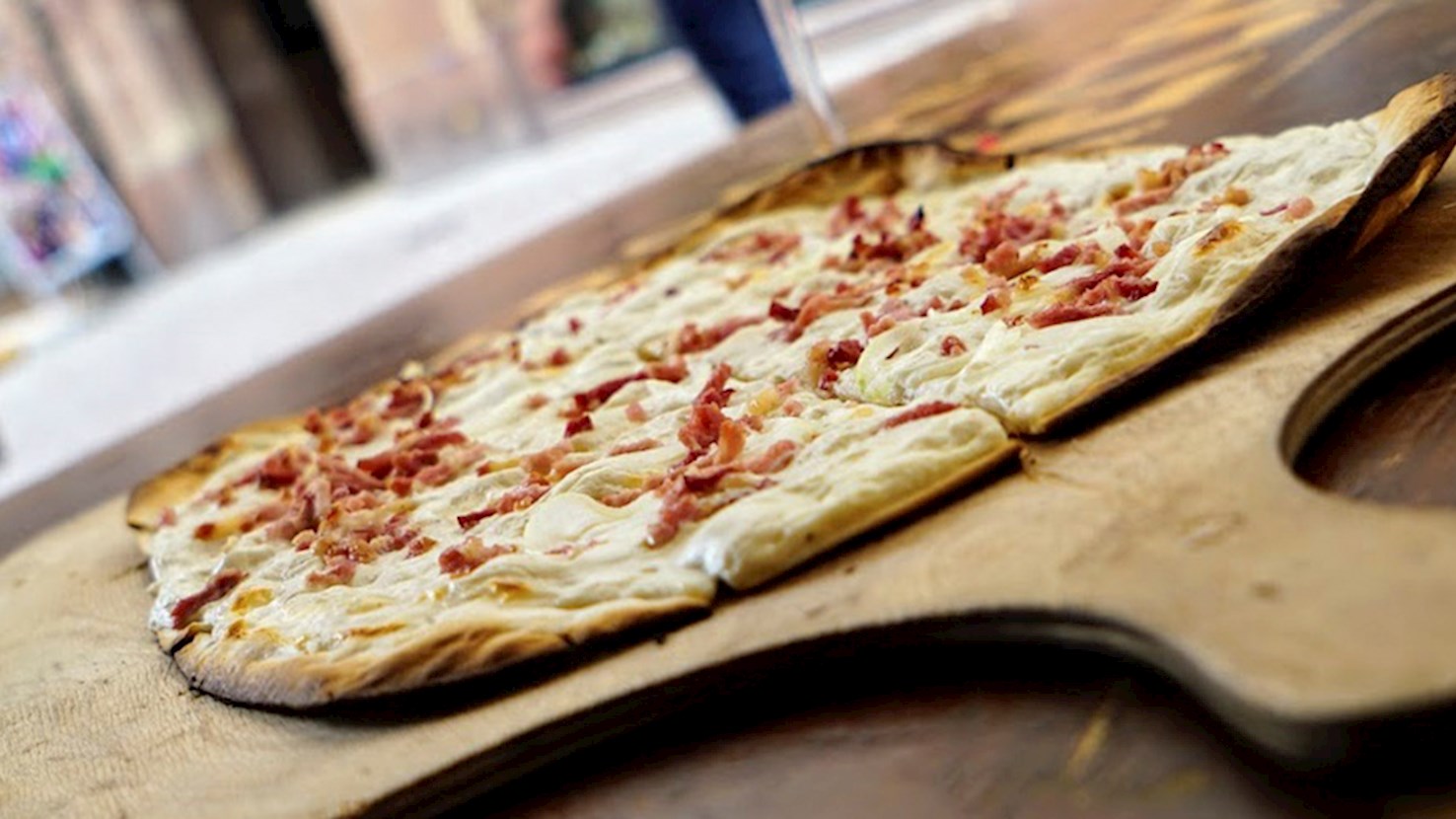
Tarte flambée is a thin, crispy, rectangular baked dough that is topped with tart and spreadable cheese (fromage blanc) or melting ripe cheese (Munster), créme fraîche, crispy bacon, and thinly sliced roasted onions. A pinch of salt, ground pepper, peanut oil and nutmeg add extra layers of flavor to this beloved snack. Also known as flammeküche in Germany, the flaming tart takes its name from the fact that it is baked at a close proximity to hot embers in a brick oven. Of course, due to its popularity, it spread well beyond Alsace, so there are many varieties of the dish with added mushrooms or tomatoes. Tarte flambée pairs perfectly with dry white wines and foamy local beers, both of them specialties of the Alsace region.

02
Cheese

Munster

4.1 ·

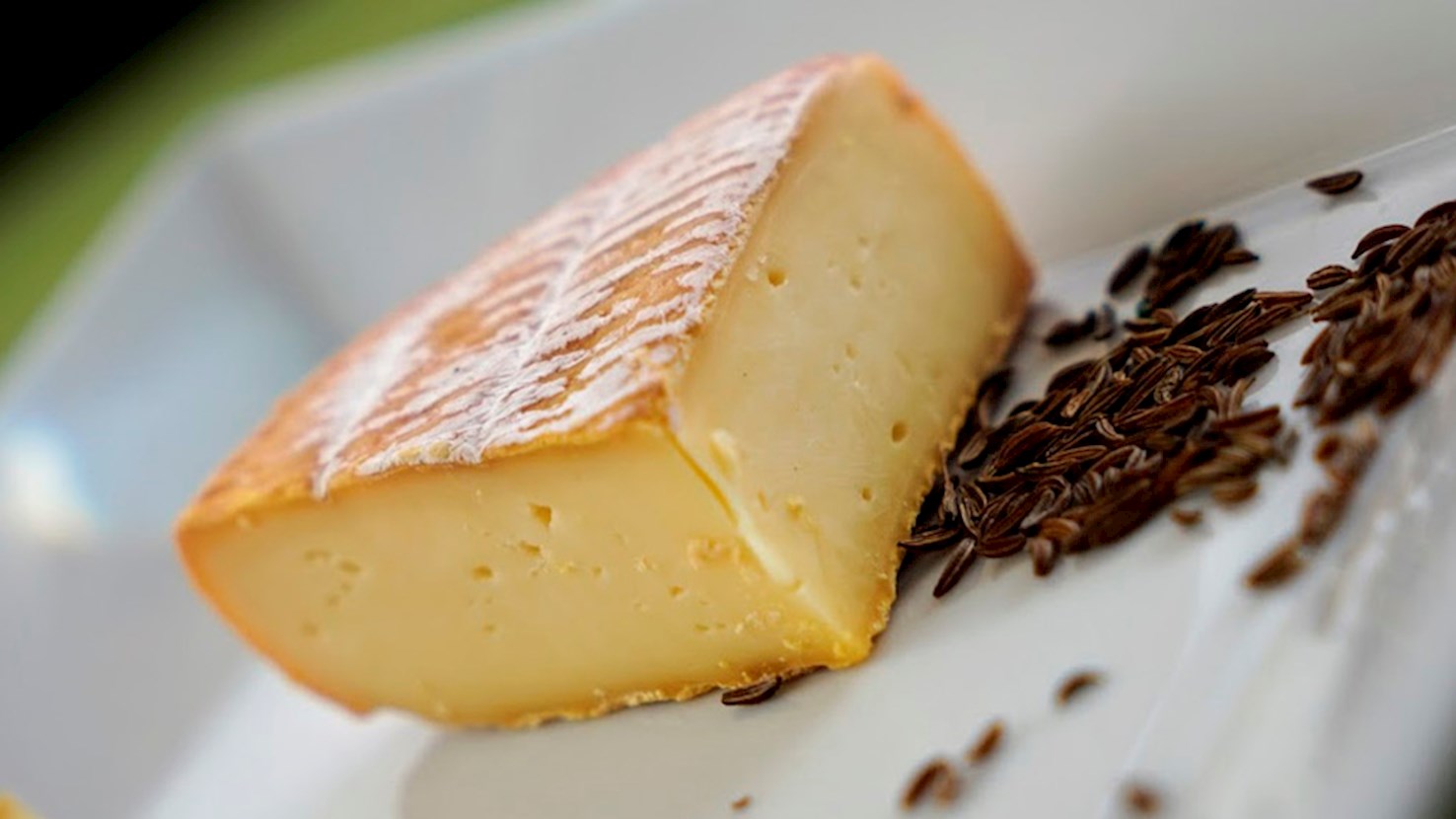
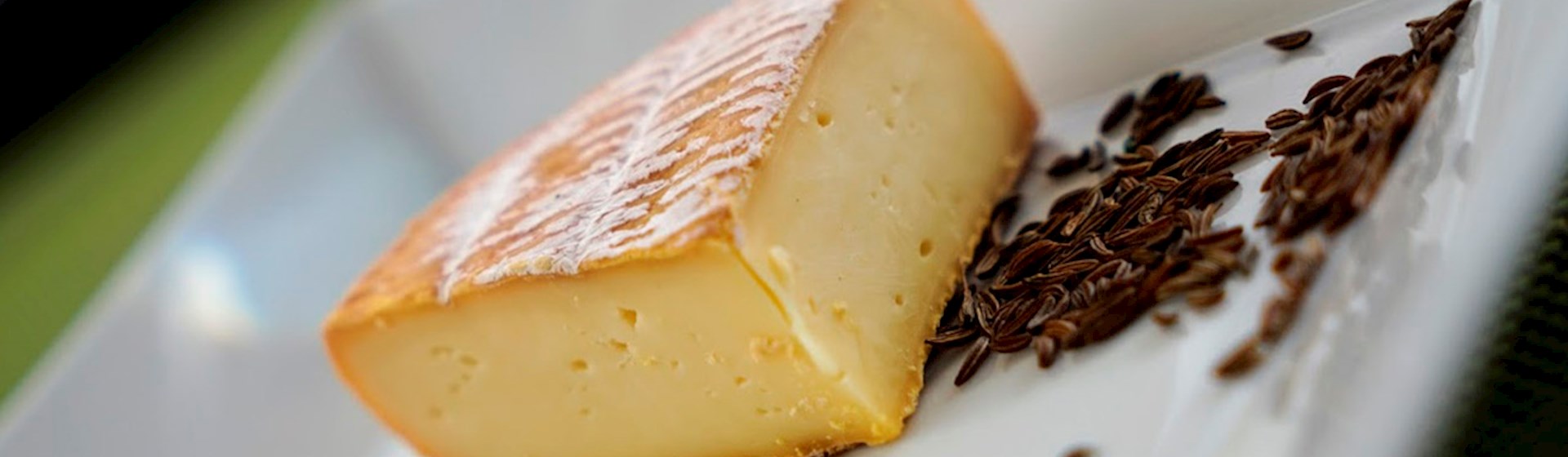
Munster is a soft, creamy cheese with an orange-colored washed rind, produced in the Alsace and Lorraine area in France. The cheese is made from cow's milk: smaller cheeses mature in cellars for at least 14 days, and regular sized cheeses for at least 21 days. Its name comes from a small town called Munster (Monastery), where monks have been making the cheese since the Middle Ages. Munster's aroma is strong and pungent, similar to that of fried eggs, and the flavor is tangy, so it is best enjoyed with strong beers, full-bodied red wines. Serve it with fresh salads, potatoes, and diced onions.

03
Cookie

Bredele

3.9 ·

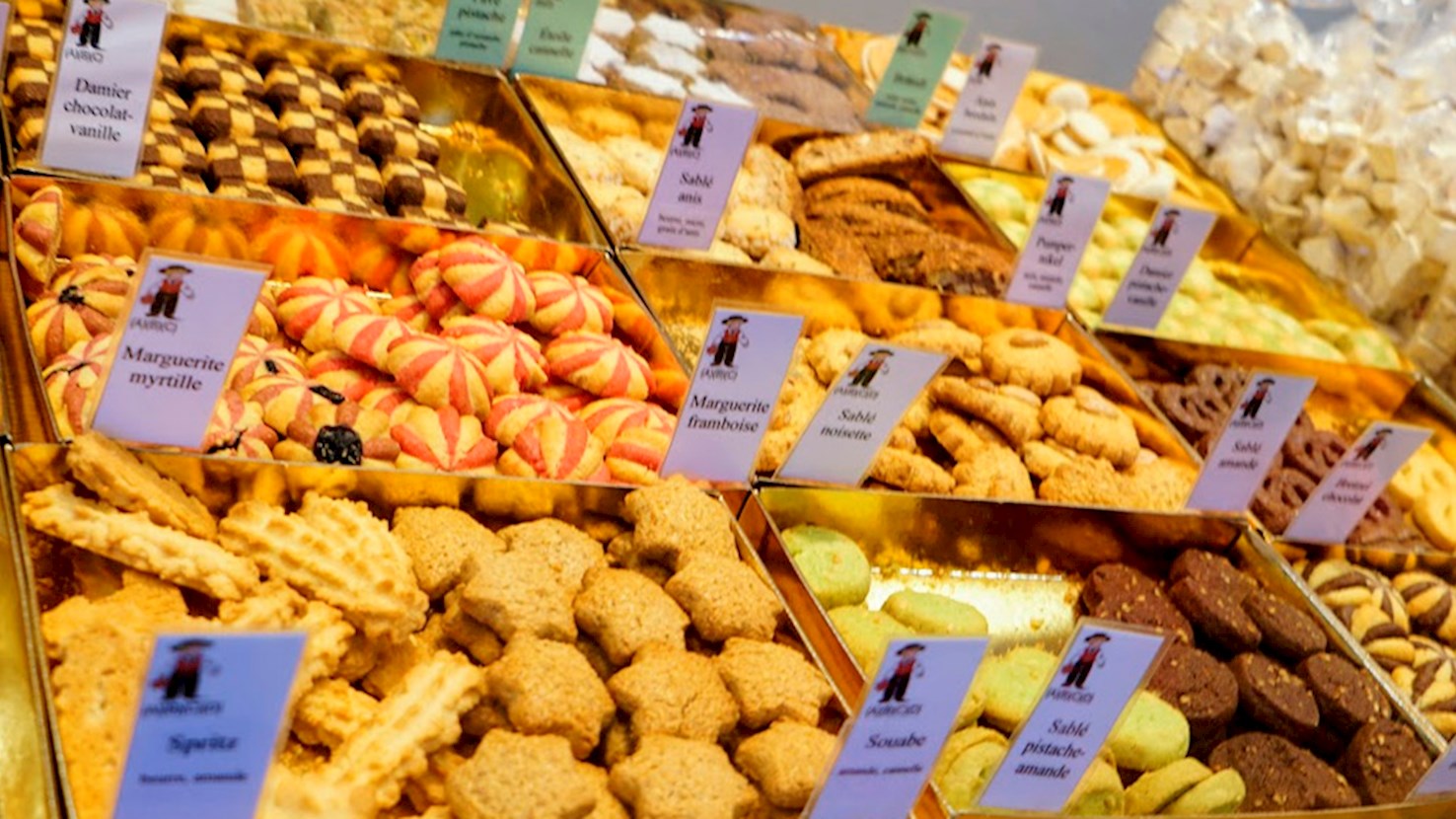
Bredele are small biscuits that are traditionally prepared during the festive Christmas season in the French region of Alsace. The biscuits come in many shapes and flavors such as lemon, honey, and almond. Although the first known recipes for bredele date back to the 14th century, they rose in popularity around the 18th and the early 19th century, when cookie-cutters were introduced to French kitchens. Today, the biscuits are often made at home and stored in tin boxes to keep them fresh until Christmas Eve, when they are usually served with tea, coffee, or Alsatian wines such as Muscat and Gewurztraminer.

04
Bread

Bretzel d'Alsace (Pretzel)

3.9 ·

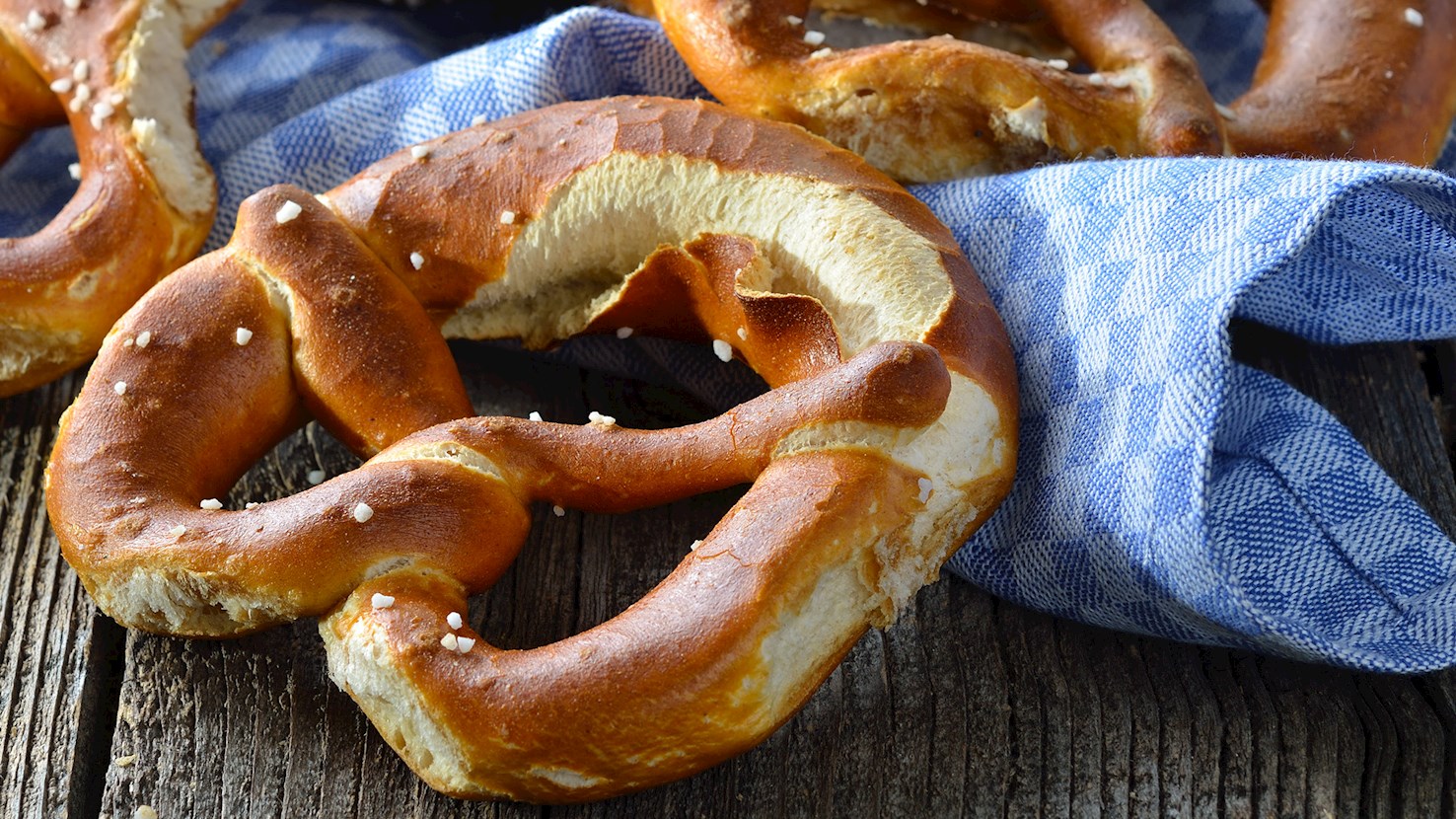
Considered an iconic symbol of Germany, the pretzel is a type of traditional baked good that is made by combining flour, salt, malt, yeast, and water. The resulting dough is then shaped into a well-known knotted shape of a pretzel before it is baked. Pretzels are often dipped in a lye solution (natronlauge in German) before they are baked, and then they are called laugenbrezel, a Bavarian-style pretzel distinguished by a nice, brown, and crispy exterior that surrounds the soft interior. Coarse salt is usually sprinkled over the surface of the pretzels, but other toppings may also be used, including sesame, pumpkin, sunflower, or poppy seeds. Regional variations of the pretzel abound, with some of them using fat to obtain a softer dough and others calling for different types of flour such as whole wheat flour or spelt flour. German pretzels come in both sweet and savory versions, and their texture may range from soft to hard. They are usually enjoyed warm as a snack with butter or along with German wurst sausages and a cold German beer on the side for an authentic German experience. The pretzel is a favorite street snack and a staple at any festival, holiday, and Christmas market in the country. Its versatile nature has given rise to numerous variations including New Year’s pretzels (neujahrbrezel), Oktoberfest pretzels (also called wiesnbrezn), and Lent pretzels (fastenbrezeln), among many others. In Alsace, France, the pretzel is known as bretzel d'Alsace.

05
Tart

Tarte à l'oignon

3.8 ·

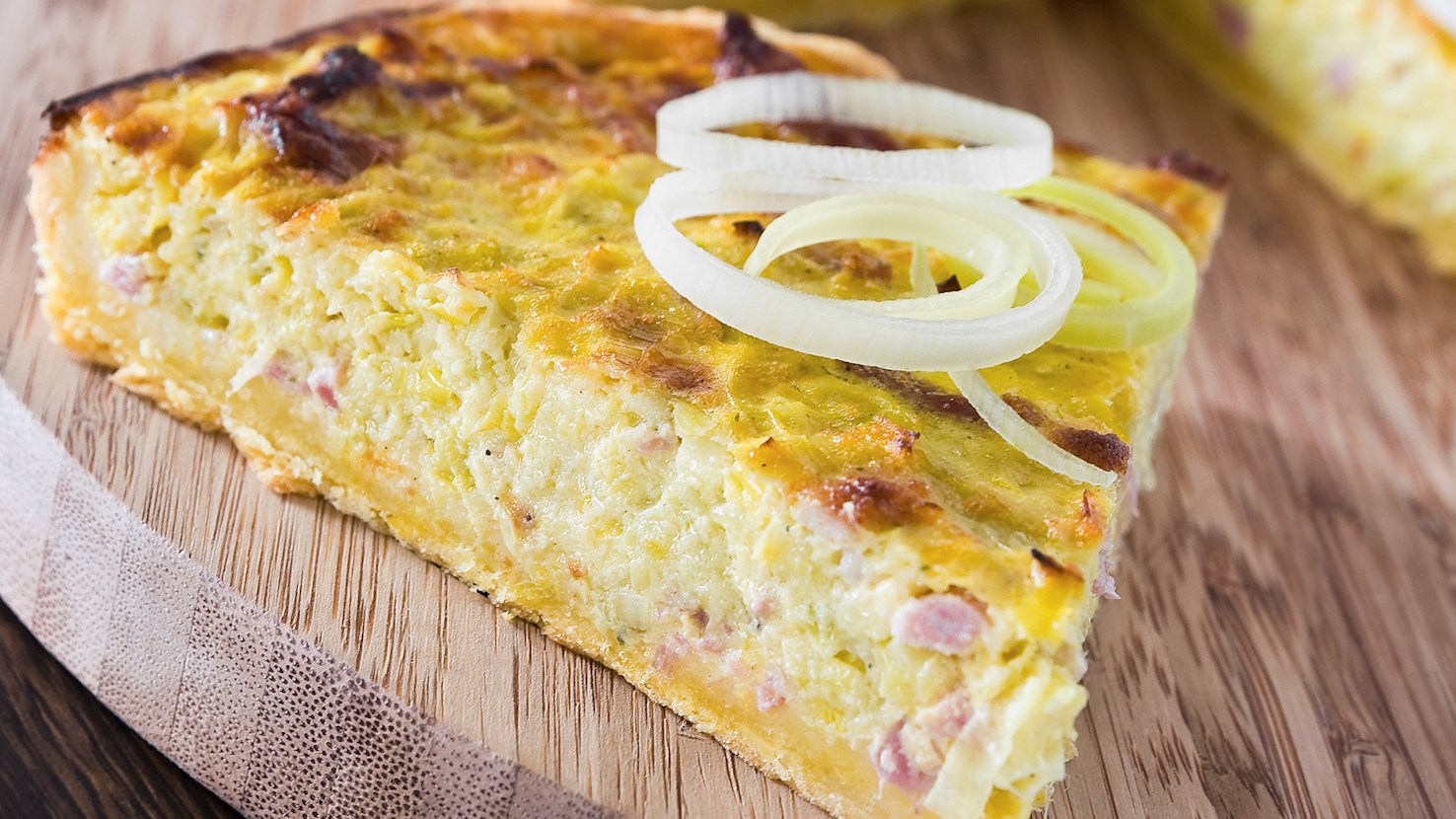
Tarte à l'oignon is a fragrant, savory onion tart from the Alsace region in France. Essentially, it is an open-face pie that is filled with a rich and flavorful custard of eggs, bacon, and onions. Although it is a cousin to the famous quiche Lorraine, it is not as deep as traditional quiches. The most popular story about the origin of the onion tart says that it was a baked good with which the bakers would test the heat of the ovens, depending on the time it took to bake it. If the tart was baked in a certain amount of time, that meant that the oven was hot enough for bread to be baked in it. Today, the tart is enjoyed throughout France, with the sweetness of the onions contrasting with the salty, smoky bacon. The whole dish is typically spiked with thyme, while anchovies are sometimes used in order to accentuate the flavors even more.

06
Stew

Baeckeoffe

3.7 ·

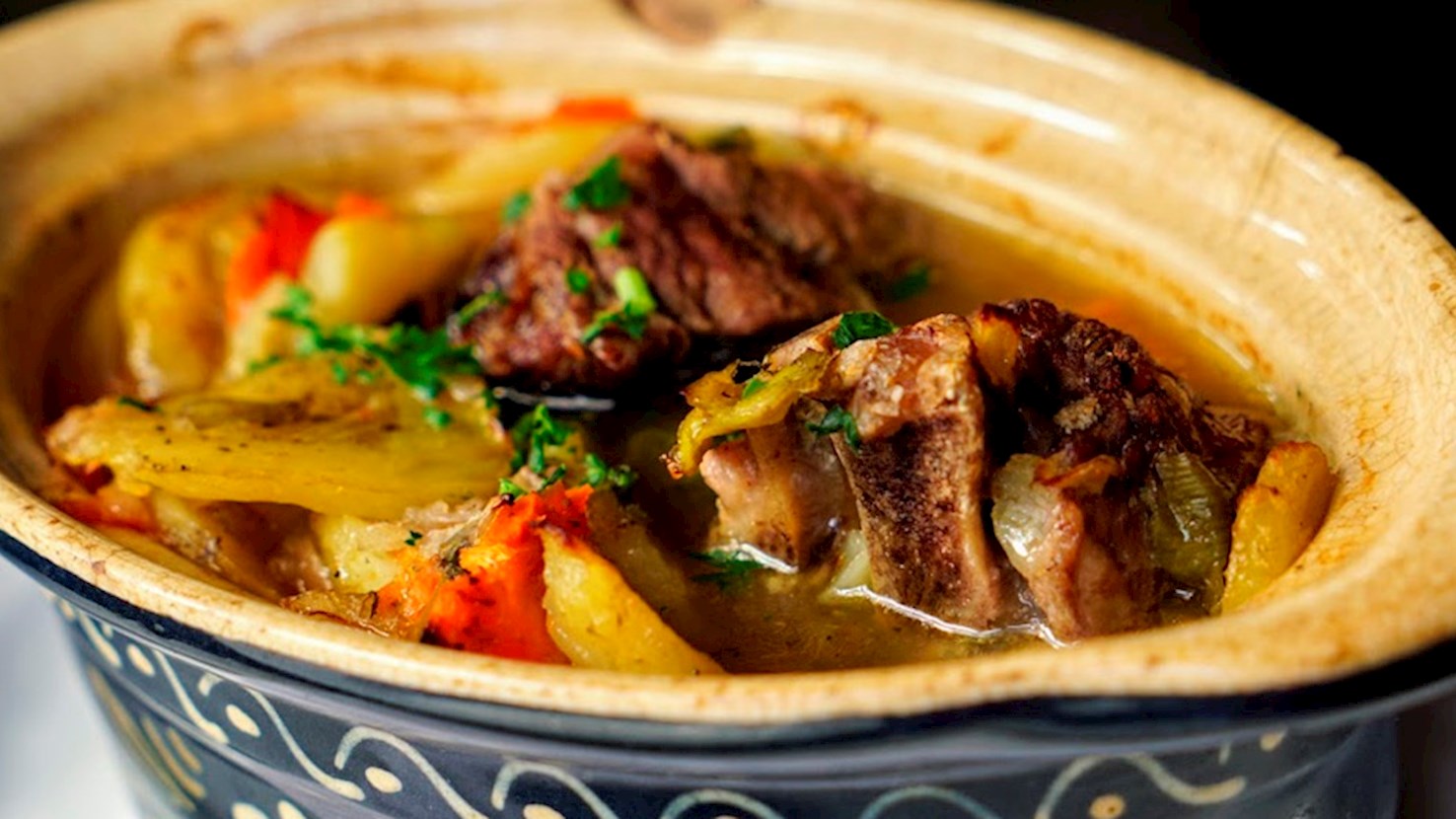
Baeckeoffe is a one-pot dish from the French region of Alsace containing vegetables, potatoes, wine, and three types of marinated meat - pork, beef, and lamb. The name of this typical peasant's dish is literally translated to baker's oven, as French women would leave the pots for the baker in the early morning. They left to do the laundry, and when they would return home with their children after school, they would pick up the pot from the baker. Another theory about the origin of the dish says that it was made on Saturday evening and left in the bakers' oven overnight to cool. The next day, the women would pick up the dish along with a loaf of bread from the baker, then consume baeckeoffe with some bread on the side.

07
Cooked Sausage

Knack d'Alsace

3.7 ·

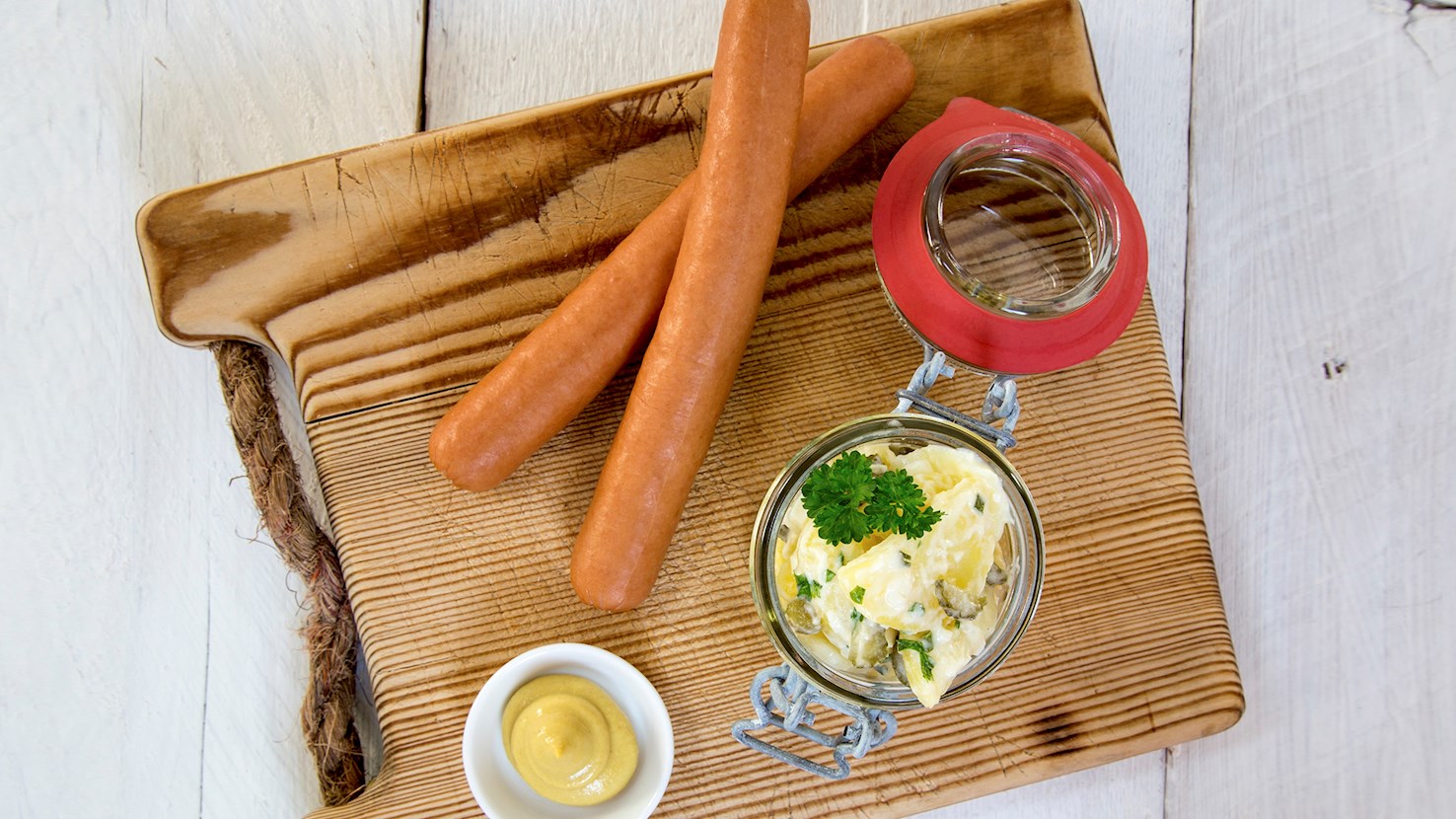
Knack d'Alsace are cooked and smoked sausages made from pork and beef, so they are darker pink in color than the famous Frankfurters. The sausages are produced in the French region of Alsace. Their unique name comes from the sound they make when they are bitten into (knack). Pork and beef are made into a paste and mixed with sugar, crushed ice, salt, plasma, spirits, spices, aromas, and natural additives before being placed into sheep casings. The smoking process is done over beechwood exclusively. The sausages have a hard, crispy texture and a delicate, smoky, and meaty flavor. Traditionally, they are served in pairs on paper plates, accompanied by boiled potatoes, mustard, and sauerkraut.

08
Stew

Coq au Riesling

3.7 ·

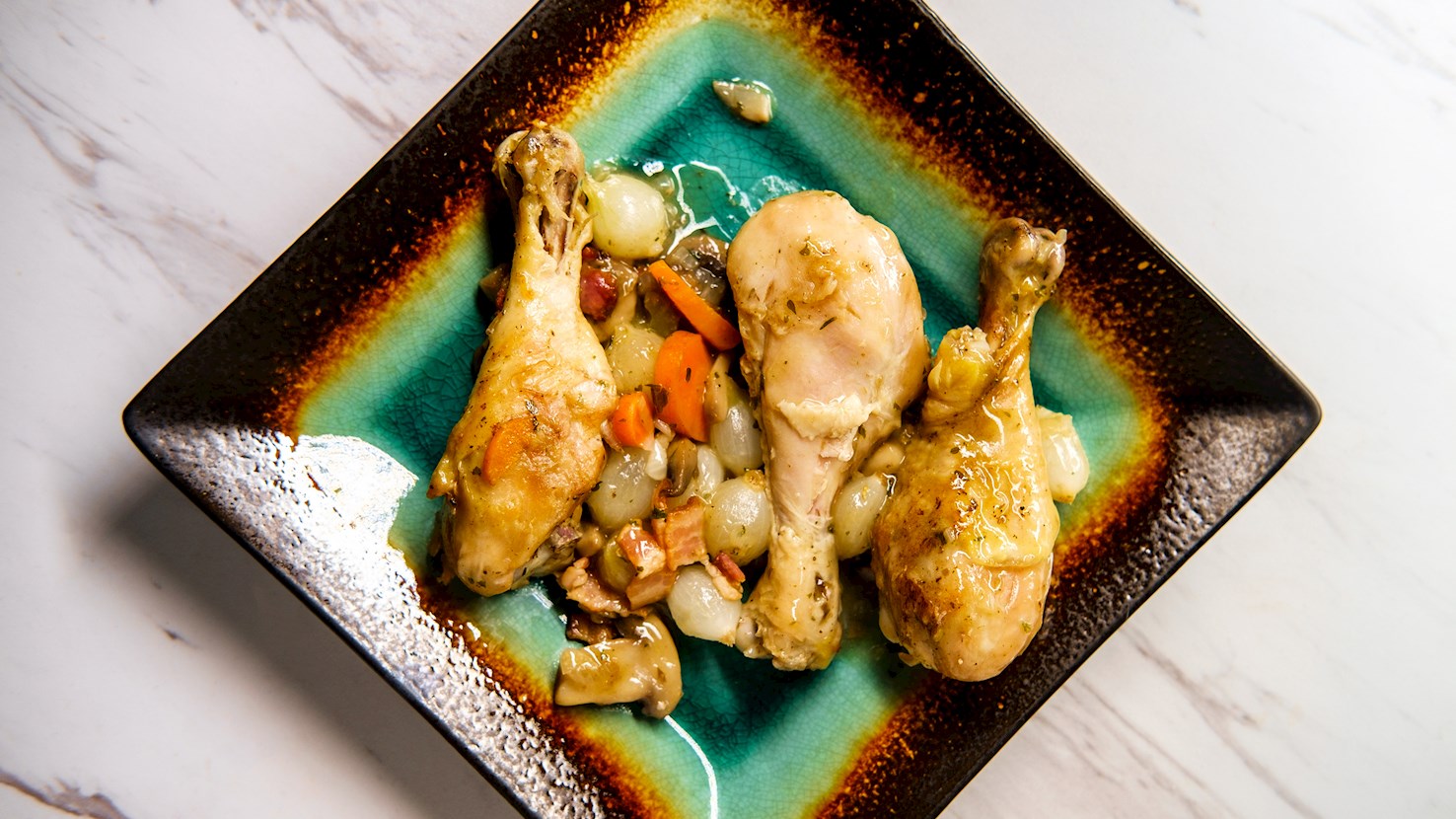
An Alsatian version of the classic coq au vin, known as coq au Riesling is a dish consisting of chicken, mushrooms, onion, lardons, and dry Riesling wine from Alsace, recognized as one of the best wines in the world. It is said that the dish is even better when reheated the next day due to the flavors that deepen when left in the fridge overnight. The chicken can be served over egg noodles, white rice, boiled potatoes, or the more traditional spätzle, making for a great comfort dish, especially on a cold winter's night.

09
Stew

Pot-au-feu

3.6 ·

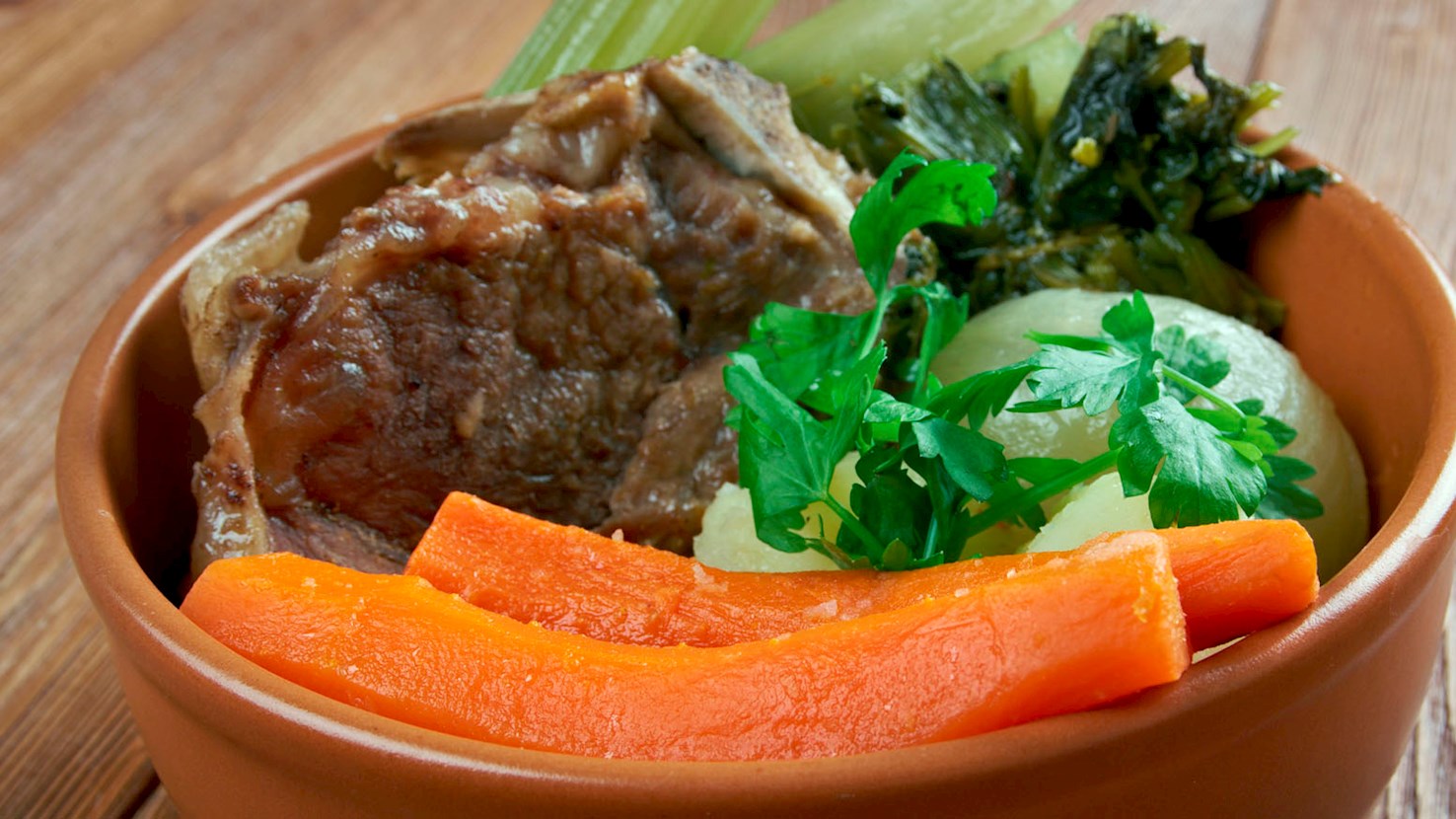
Simply put, this French classic is a stew-like dish of boiled meat and vegetables. However, it is not as simple as it might appear at first glance. Pot-au-feu, French for “pot on fire”, is one of the oldest French peasant winter dishes. It was originally made over an open fire with cheap, inferior cuts of meat, vegetables such as potatoes, onions, carrots, leeks and turnips, and whatever other ingredients were available. The result was a savory stew that helped one make it through the cold season. The use of tough cuts of meat and low cooking temperature means a long cooking time to make the meat tender, sometimes even an entire day. The dish is traditionally considered finished when the broth gets a gelatinous texture. As it is one of the most popular dishes in France, every region expectedly has its own twist on the dish, however, the common thread among all of them is that the broth is served first and the meat second. With its wonderful aromas and succulent, tender meat, a serving of pot-au-feu paired with a glass of dry red wine is an authentic experience that is more than worth the time invested in preparing it.

10
Meat Dish

Choucroute garnie

3.5 ·

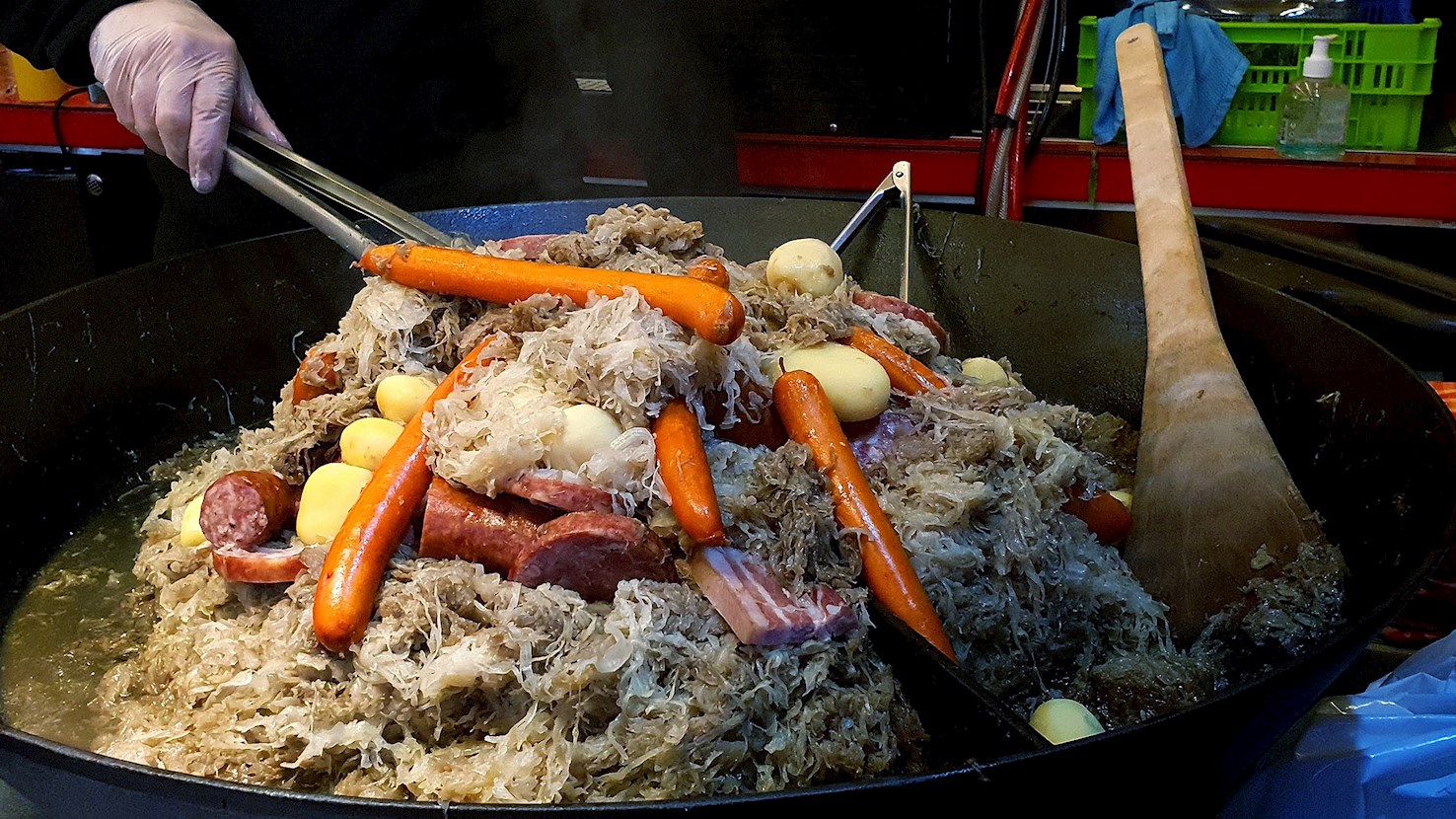
Choucroute Garnie is a typical winter dish coming from the French Alsace region. At its base is the silky, pungent, fermented cabbage known as sauerkraut, infused with flavors of goose fat, onions, garlic, juniper berries, caraway, and white wine such as the local dry Riesling. Sauerkraut is garnished with a hefty number of ingredients such as smoked or fresh beef and pork sausages, pork loin, pork shoulder, and bacon. The ultimate version of the dish, called choucroute royale is served with added calf or pork liver dumplings that are poached and sautéed with onions. Ever since the dish became a national treasure and a staple of French brasseries, other variations emerged, such as choucroute á la juif, where pork is replaced with beef and beef sausages, and choucroute des navets, a version made with turnips. The Alsatian soil is ideal for the production of cabbage for pickling, so homemade sauerkraut can be found in many households throughout the region. Typical accompaniments to the dish include Dijon mustard, grainy moutarde ancienne, boiled potatoes, and an obligatory glass of beer or Riesling on the side.

Read more
View all
View map
About this ranking

TasteAtlas food rankings are based on the ratings of the TasteAtlas audience, with a series of mechanisms that recognize real users and that ignore bot, nationalist or local patriotic ratings, and give additional value to the ratings of users that the system recognizes as knowledgeable. For the “Top 33 Alsatian Foods” list until June 24, 2026, 1,511 ratings were recorded, of which 1,320 were recognized by the system as legitimate. TasteAtlas Rankings should not be seen as the final global conclusion about food. Their purpose is to promote excellent local foods, instill pride in traditional dishes, and arouse curiosity about dishes you haven’t tried.

The initial list of top producers was compiled based on available reviews, awards, local recommendations, media and blog coverage, and consumer reviews. The list will be updated with ratings from TasteAtlas local ambassadors and TasteAtlas users.

Similar lists