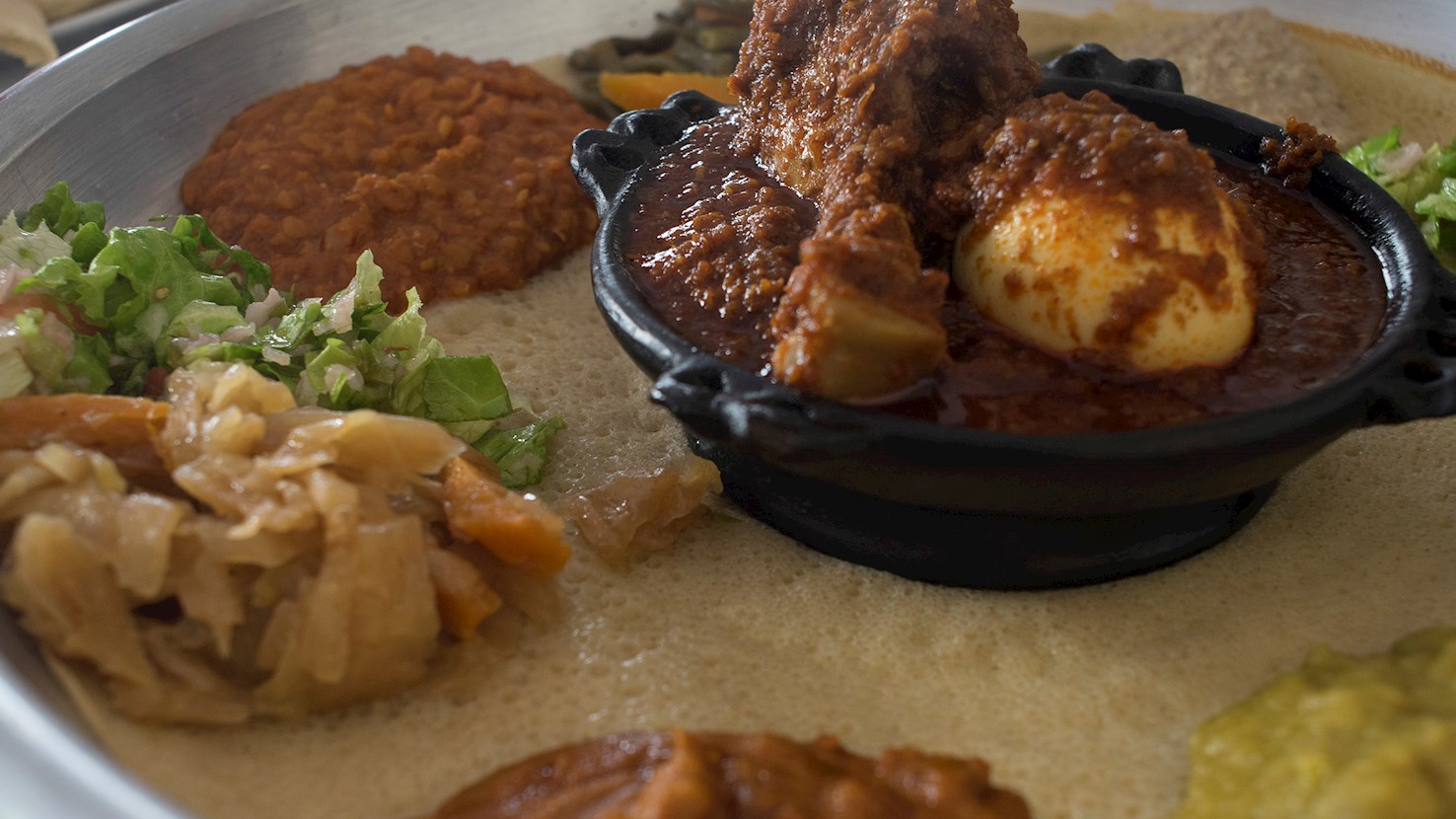
Beyaynetu is an assortment meal served on a large round of injera and made up of several separately prepared stews, legumes, vegetables, salads, and, depending on the version, meat or fresh cheese. Its Amharic name conveys the idea of “of each kind” or “assorted,” which fits the dish well because beyaynetu does not have one fixed recipe. The most familiar form is yetsom beyaynetu, the meatless version eaten during Ethiopian Orthodox Christian fasting periods, when meat, dairy, and eggs are avoided. These fasting practices helped shape a large repertoire of plant-based Ethiopian dishes and made mixed vegetable and legume platters especially common on Wednesdays, Fridays, and during longer fasting seasons. A typical plate may include misir wat, a spicy red lentil stew; kik alicha, mild yellow split peas; shiro, a smooth chickpea or broad-bean flour stew; gomen, cooked leafy greens; cabbage, carrots, potatoes, green beans, or beetroot; and a fresh tomato-and-onion salad. The precise combination changes according to restaurant, household, season, and availability, so the variety itself is more important than any particular set of components. Each element is cooked separately, allowing the platter to combine contrasting flavors and textures: one stew may be rich with berbere and chili, another mild and turmeric-scented, while greens contribute bitterness, vegetables sweetness, and salad freshness and acidity. In fasting versions, vegetable oil replaces the clarified butter used in many non-fasting dishes. Once the components are ready, small portions are arranged across the injera, usually with extra rolled or folded injera served alongside. Diners tear off pieces with the right hand and use them to pick up individual portions or combine several foods in the same bite. The injera underneath gradually absorbs the sauces and is eaten along with the toppings rather than functioning merely as a serving base. Non-fasting beyaynetu follows the same assortment principle but may include tibs, meat stews, chicken, or ayib, a mild fresh curd cheese. These versions are often richer and more varied in fat and protein, while the fasting form depends mainly on pulses, vegetables, spices, and grains. Beyaynetu is eaten throughout Ethiopia, particularly at lunch and dinner, and is widely available in restaurants in Addis Ababa and other cities. Larger platters are well suited to communal meals, while smaller versions are commonly ordered by one person. The best accompaniments depend on what is included on the plate, but injera is essential, while water, tea, tella, or tej can accompany the meal. Ethiopian coffee is commonly served afterward.
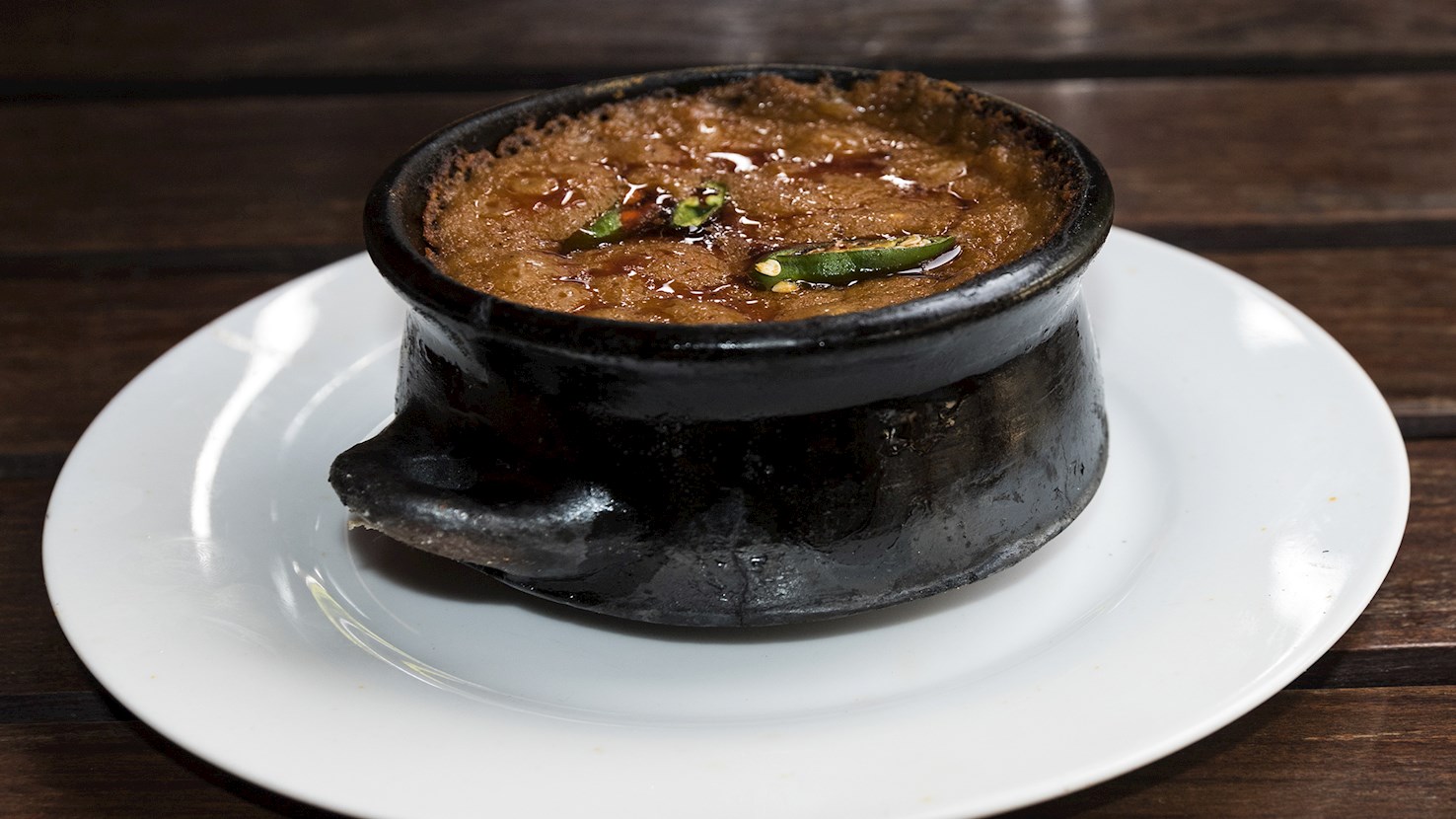
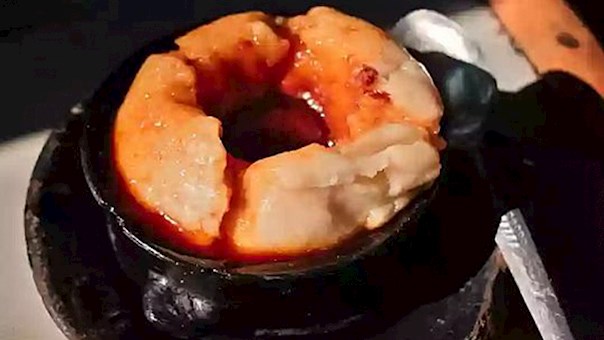
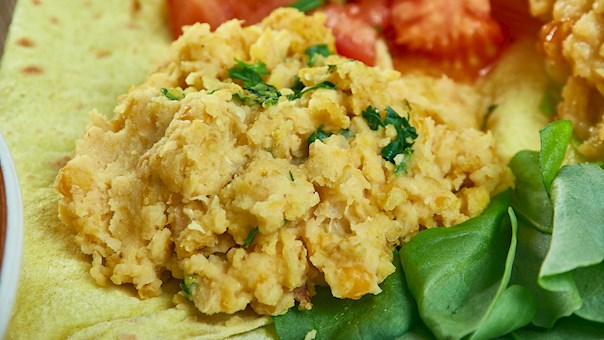
Shiro wat, known simply as shiro and tsebhi shiro, is a smooth pulse-flour stew shared by Ethiopian and Eritrean cuisines, most commonly made from finely ground chickpeas, field peas, fava beans, or a mixture of several legumes. Unlike stews built from whole lentils or beans, shiro begins with a flour that dissolves into the cooking liquid and thickens it into an even, creamy sauce, making its texture as important to its identity as its seasoning. Shiro developed in a region where pulses have long provided an important complement to cereal-based foods, and turning roasted legumes into a shelf-stable flour offered several practical advantages: the dry mixture could be stored for extended periods and transformed into a substantial meal much faster than whole dried beans. Chickpea versions are commonly produced by soaking the seeds, drying and roasting them, removing the hulls, and milling the cotyledons into a fine powder; other legumes undergo comparable processing, and spices such as garlic, korarima, chili, herbs, and ginger can be ground into the mixture itself. This ready-made seasoned flour helps explain why shiro occupies such a prominent place in everyday home cooking. To make the stew, finely chopped onions are softened in oil or seasoned clarified butter and commonly joined by garlic, ginger, chili, berbere, tomato, or peppers, depending on the household and region. Water is added before the shiro flour is introduced gradually, with continuous stirring preventing lumps as the ground pulses hydrate. The mixture quickly changes from a thin liquid into a smooth sauce and is then simmered until the raw flour character disappears and the desired consistency is reached. Recent food-science research describes shiro wat as a quick-cooking stew made from roasted pulse flour combined with onions and aromatics and served primarily with injera. Thickness varies considerably: an everyday shiro may remain loose enough to spread across injera, whereas shiro tegamino is cooked much thicker and richer, often served bubbling in a small clay vessel and sometimes enriched with additional seasoned butter. Another variation, bozena shiro, incorporates meat, showing that the pulse base itself does not automatically make every form meatless. The most widespread fasting version, however, is prepared entirely with vegetable oil and contains no meat, butter, or other animal products. This makes shiro especially important during Ethiopian and Eritrean Orthodox fasting periods, when animal-derived foods are excluded and pulse-based meals become central to the table. Shiro is therefore not simply a substitute for meat but a well-established dish with its own flour mixtures, textures, and regional preferences. In Ethiopia it is consumed extensively in both rural and urban households, while Eritrean dietary research likewise records shiro flour made from mixtures of peas, beans, red pepper, garlic, and other spices and eaten together with injera. At serving time, the hot stew is spooned onto injera, whose porous surface readily absorbs the sauce while its sourness contrasts with the earthy pulses and chili seasoning. It may be eaten alone for a simple lunch or dinner or included among the components of a larger fasting platter with lentils, greens, cabbage, potatoes, beetroot, or fresh tomato salad. Bread can also accompany it, particularly when injera is unavailable. Water and tea suit simpler meals, while tella or suwa can accompany a larger spread, and coffee commonly follows.
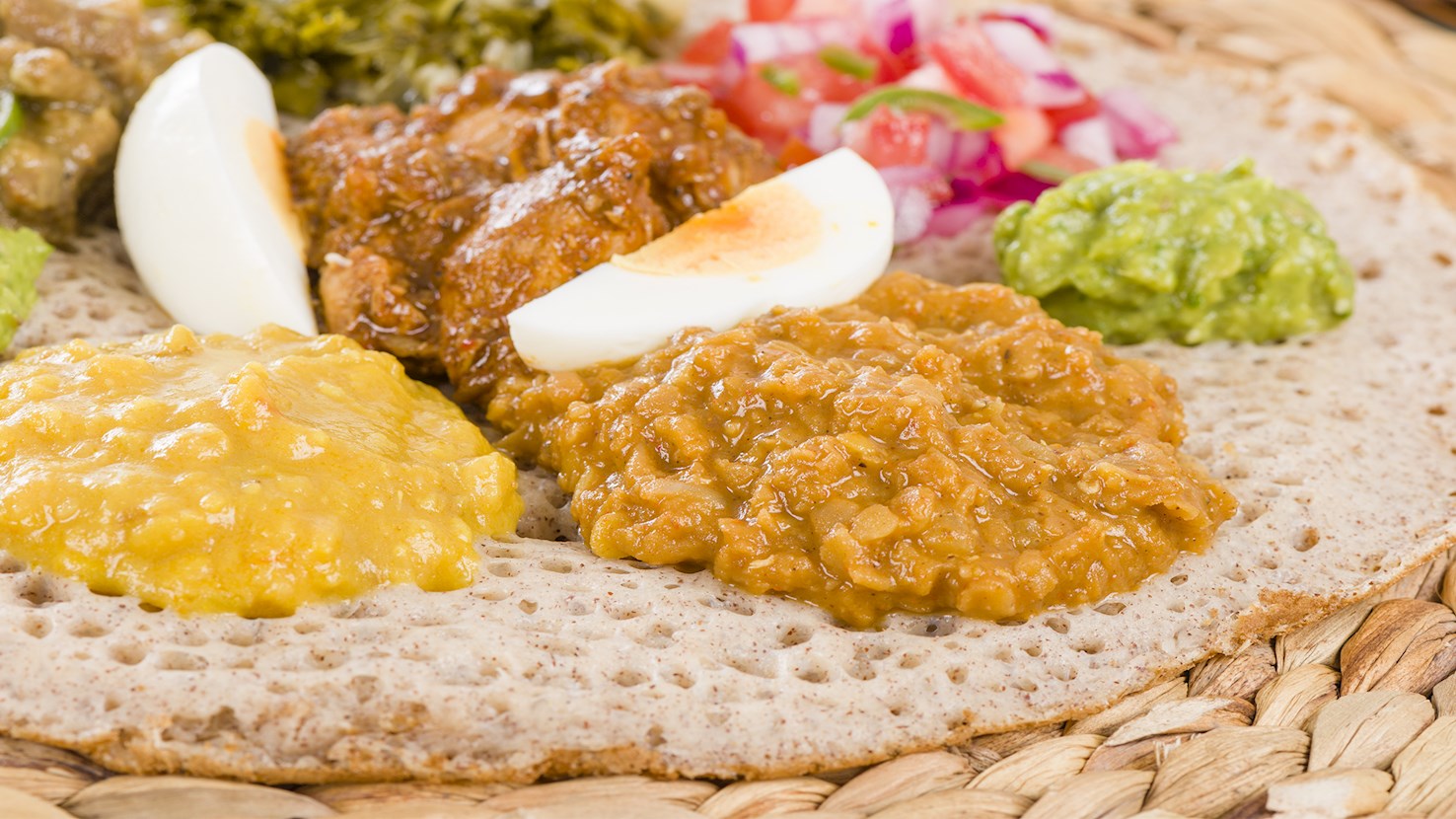
Kik alicha is a mild yellow split-pea stew, recognizable by its golden color, creamy texture, and gentle seasoning with turmeric, ginger, garlic, and onions rather than the chile-heavy berbere used in many red stews. The name reflects the dish itself: kik refers to split peas, while alicha describes a milder style of stew prepared without berbere, a distinction that separates it from hotter pulse dishes served on the same injera platter. Split peas and other pulses have long been important foods in the Ethiopian highlands, where they provide an inexpensive, storable source of protein and play an especially significant role during Orthodox Christian fasting periods, when meat, eggs, and dairy products are excluded from the diet. Kik alicha consequently became one of the standard meat-free dishes served during fasting, although it is eaten throughout the year as well. The preparation usually begins with finely chopped onions cooked until soft, followed by garlic, ginger, and turmeric, which gives the stew its characteristic yellow color and mild earthy flavor. Yellow split peas are added with water and simmered slowly until very tender, with many cooks allowing them to partially collapse so that the stew thickens naturally into a smooth, substantial consistency. Vegetable oil is used for fasting versions, while niter kibbeh, the aromatic clarified butter seasoned with Ethiopian spices, may be used when dairy is permitted, producing a richer finish. Green chilies may occasionally be added whole for aroma, but pronounced chile heat is deliberately absent; the purpose of an alicha is to provide a mild counterpart to dishes seasoned heavily with berbere. The finished dish ranges from a thick stew with some recognizable pieces of split pea to an almost purée-like consistency, depending on the household, but it should remain soft enough to be easily scooped with injera. Kik alicha is commonly served as part of a shared platter or beyaynetu alongside stronger dishes such as misir wat, shiro, gomen, cabbage and potatoes, or meat stews when fasting restrictions do not apply, with its mild turmeric seasoning providing contrast to the hotter components of the meal. It is eaten by tearing pieces of injera and using them to scoop up the peas, and it is found in Ethiopian homes and restaurants as both an everyday pulse dish and an important fasting food. Water, tea, or coffee fit naturally with the meal, while beer or tej can accompany it when it is served outside fasting periods.
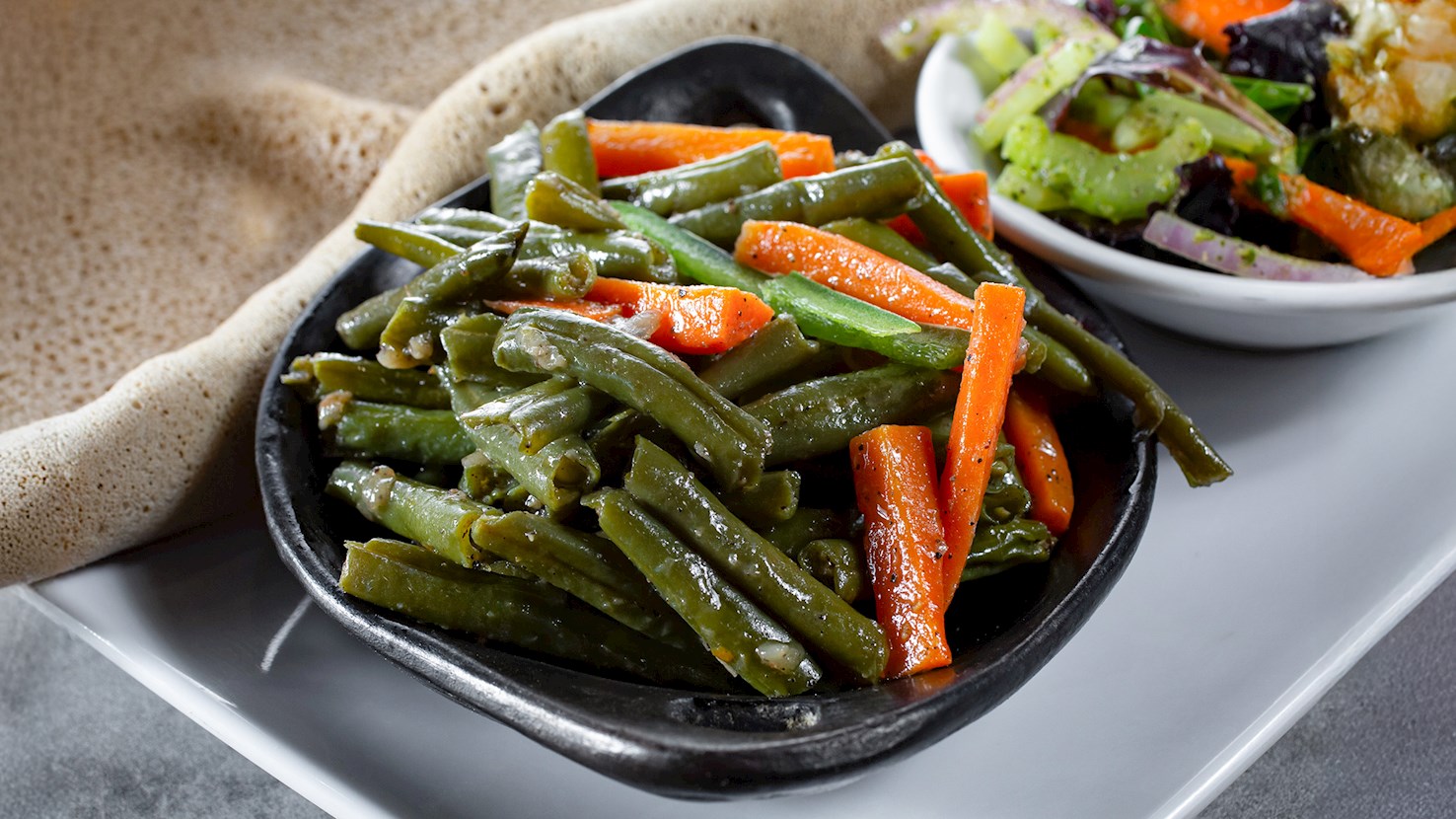
Fossolia is a traditional dish made with green beans as the primary ingredient. Apart from the green beans, the dish also contains onions, garlic, ginger, carrots, and tomatoes. Fossolia is cooked for a long time until the liquids evaporate and the vegetables become very tender. Once cooked, the dish is seasoned with ground pepper, then served as a side dish or on a piece of injera flatbread.
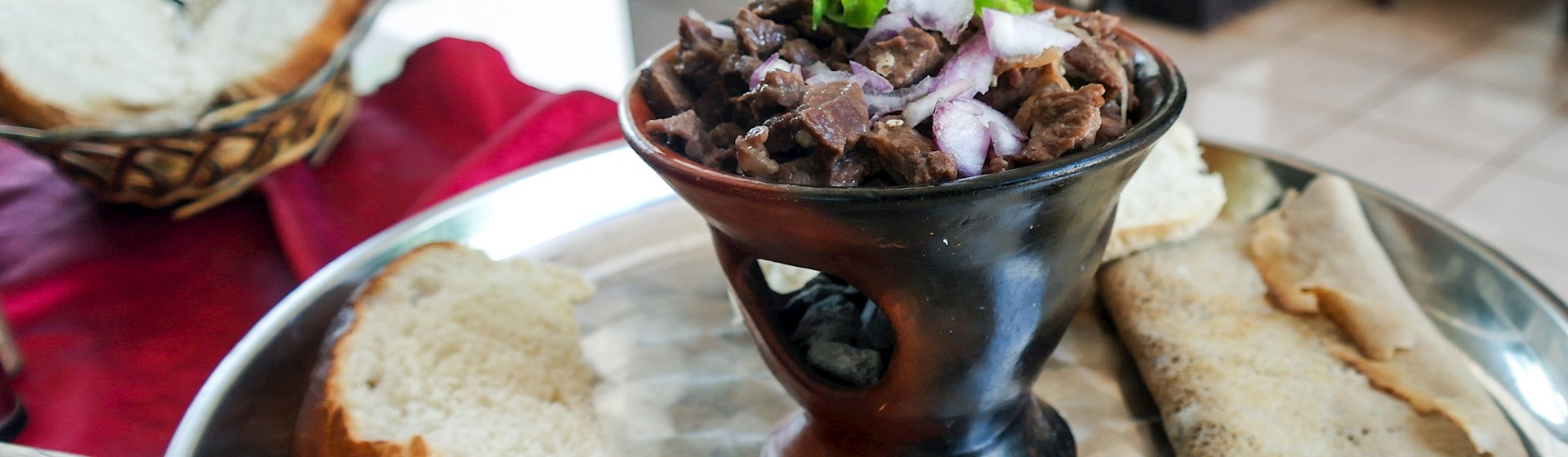
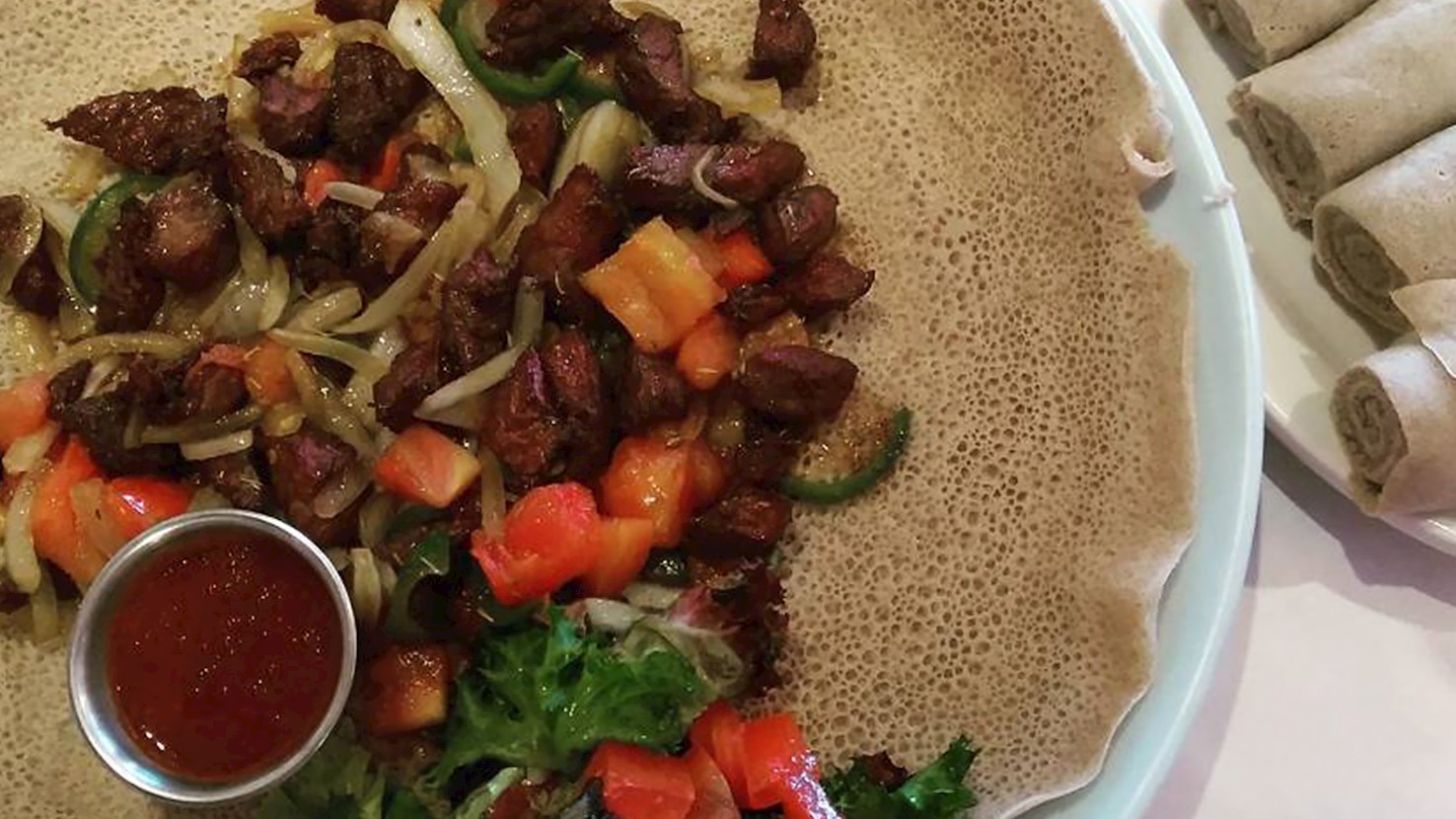
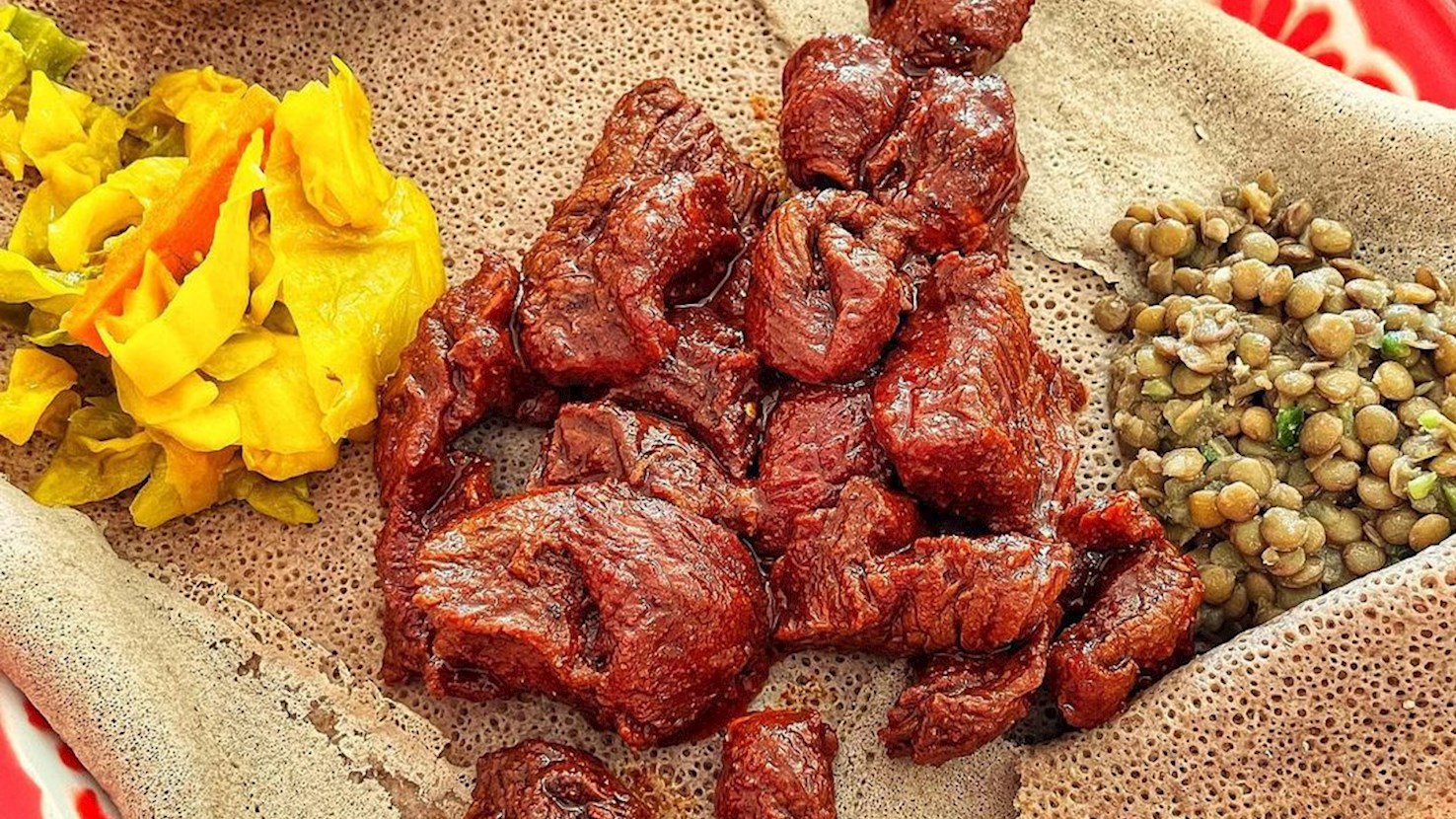
Derek tibs is a meat dish made by frying pieces of beef, lamb, or goat over high heat until the meat is deeply browned and the pan is left almost completely dry, giving it a noticeably firmer and more seared character than many other forms of tibs. The name explains the defining feature: derek means “dry” in Amharic, while tibs refers to fried or sautéed meat, and Ethiopian descriptions distinguish it from juicier tibs preparations by the absence of a substantial sauce or kulet. Tibs has long been part of Ethiopian meat cookery and is strongly associated with communal meals, restaurants, holidays, and occasions when freshly slaughtered meat is available. What separates this version from other members of the tibs family is mainly technique rather than a completely different set of ingredients: the meat is cut into chunks or strips and cooked over strong heat in oil, butter, or niter kibbeh until its released moisture evaporates and some edges become crisp and darkly browned. Onion and fresh green chili are common additions, while garlic, ginger, black pepper, and rosemary may also be used; tomato appears in some recipes but is kept limited so that the finished dish remains dry rather than becoming saucy. Fresh rosemary is particularly common as an aromatic and may be cooked with the meat or placed over it just before serving. Unlike awaze tibs, in which the meat is coated with a spicy berbere-based sauce, derek tibs usually keeps the chili sauce separate, allowing the browned flavor and texture of the meat to remain dominant. The meat is sometimes transferred directly from the pan to a heated earthenware serving dish set over hot coals, which keeps it sizzling at the table and prevents the fat from cooling and solidifying. Derek tibs is normally eaten hot with injera, using pieces of the sour flatbread to pick up the meat, onions, and peppers, and a small serving of awaze is commonly provided alongside for those who want additional heat. Beef is especially common, although lamb and goat versions follow essentially the same method. Because the dish is rich, salty, and intensely browned, injera provides its most characteristic accompaniment, while fresh vegetables or mild side dishes can provide contrast. Tej, Ethiopian honey wine, or beer are also natural beverage pairings with tibs, although no single drink is required for derek tibs itself.
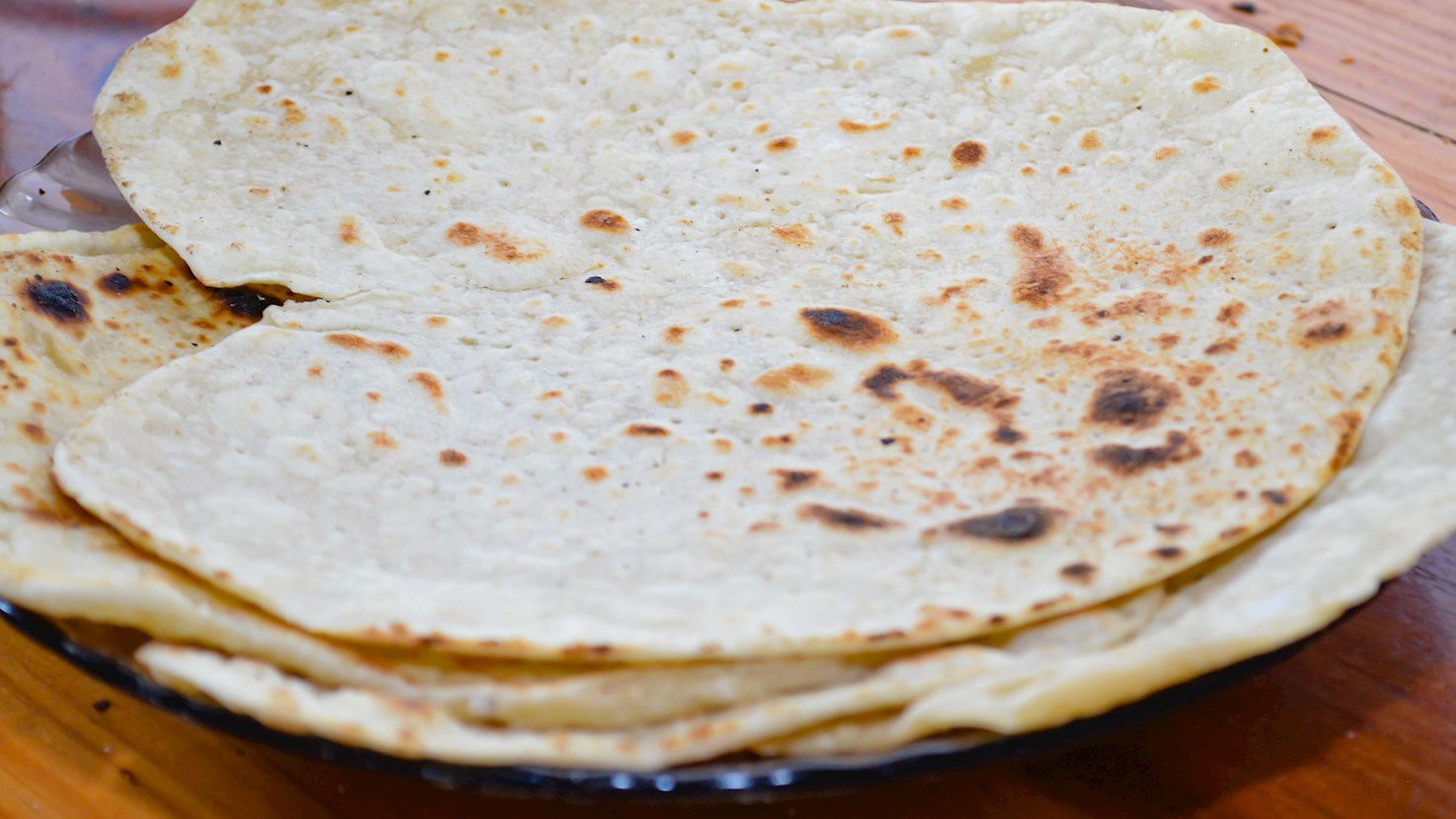
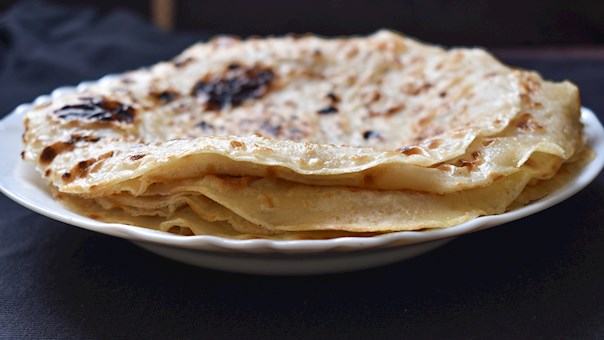
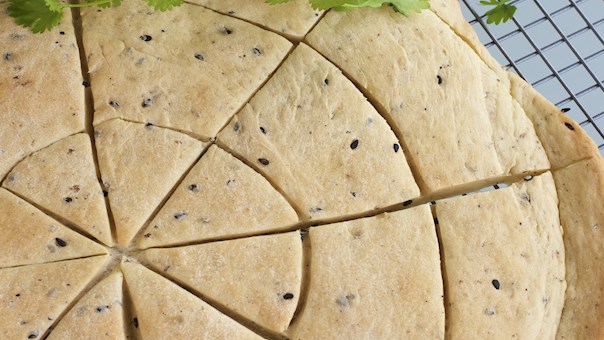
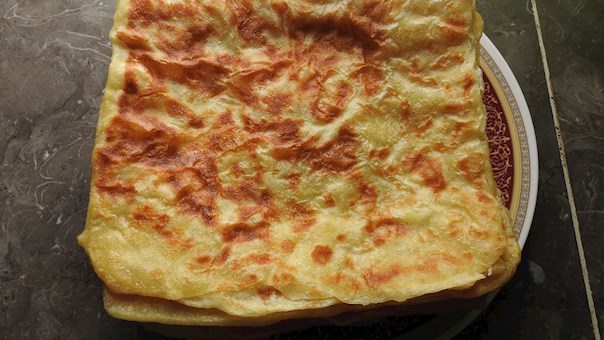
Kitcha is an unleavened flatbread from Eritrea and northern Ethiopia, made from a basic dough of flour, water, and salt and cooked directly on a hot griddle or pan. In Ethiopia, the same bread is commonly known as kita or kitta, while kitcha is the more characteristic Tigrinya name used in Eritrea and Tigray. It belongs to the wider group of quick breads found across the Horn of Africa, where breads without yeast or long fermentation have long been part of everyday cooking because they can be prepared quickly and with very few ingredients. Wheat flour is the most common base, although other grains or flour blends can also be used depending on local availability and household preference. The dough is mixed until soft and pliable, then flattened into a thick round, usually by hand, and cooked on a dry or lightly greased griddle until both surfaces develop browned spots and the center is fully cooked. Some versions are relatively thin and flexible, while others are thicker and more substantial, with a soft interior and lightly crisped exterior. Unlike injera, kitcha is not fermented, so it has no pronounced sourness and no spongy, porous structure. Its flavor is mild and cereal-forward, which makes it especially suitable for serving with strongly seasoned foods or for tearing into pieces and mixing with fat and spices. Its best-known preparation is kitcha fit-fit, in which freshly cooked or leftover bread is broken into small pieces and tossed with clarified butter or oil and berbere, sometimes with onion, garlic, tomato, or a little water added to soften the bread and distribute the seasoning. Kitcha can also be served whole or cut into wedges with eggs, yogurt, fresh cheese, lentils, stews, or cooked vegetables. In Eritrea it is especially associated with breakfast and is often eaten with tea or coffee, while in northern Ethiopia it appears in similar morning meals and in dishes such as kita fir-fir. Because it is quick to make, neutral in flavor, and able to absorb butter, sauces, and spices well, kitcha functions both as a bread on its own and as the base for more elaborate breakfast dishes.
Gored gored is an Ethiopian raw-beef specialty made from substantial cubes of fresh beef rather than finely minced meat, giving it a firm, chewy texture that clearly separates it from kitfo. The defining feature is the cut: tender beef is sliced into bite-sized cubes, often with some fat left attached, and served raw or, in some versions, only very lightly warmed. Gored gored belongs to Ethiopia’s much wider culture of eating fresh raw beef, alongside tere siga or kurt and kitfo. Studies of Ethiopian food habits confirm that raw and lightly cooked beef remain common in many parts of the country and are especially associated with social gatherings, festive occasions, butcher shops, and meals built around freshly slaughtered cattle. A frequently repeated oral explanation claims that Ethiopian soldiers began eating uncooked meat during wartime to avoid lighting fires that might reveal their position, but researchers note that written evidence establishing this story is lacking, so it is better treated as folklore rather than a confirmed account. Preparation is deliberately simple because the quality and texture of the beef are central. Tenderloin, round, or similarly lean and tender cuts are commonly chosen, trimmed and cut with a sharp knife into roughly bite-sized pieces. Some versions are served almost unseasoned, with awaze and mitmita provided separately for dipping, while others lightly coat the cubes with niter kibbeh, berbere, mitmita, or awaze immediately before serving. An Ethiopian Ministry of Labor and Skills training manual, for example, gives a version in which cubed raw beef is mixed with berbere, awaze, mitmita, salt, and melted niter kibbeh, showing that the degree of seasoning is not completely standardized. This flexibility also explains why descriptions sometimes differ: gored gored is not defined by one exact spice formula but by keeping the meat in recognizable cubes rather than mincing it or presenting it as long strips. Kitfo is chopped very finely and mixed thoroughly with seasoned butter and mitmita, while tere siga is generally cut directly from a larger piece of raw beef and eaten with condiments; gored gored occupies a distinct position between the two in terms of cutting and serving. Because it is commonly eaten raw, freshness and hygienic handling are particularly important. Ethiopian food-safety studies have documented significant microbial and zoonotic risks associated with raw-beef consumption, especially where slaughter, storage, or handling conditions are poorly controlled. Gored gored is typically served with injera and strongly flavored condiments rather than elaborate side dishes. Awaze supplies a thick chili-based sauce, mitmita adds concentrated heat, and lemon can provide acidity, while ayib or cooked greens offer a milder contrast on larger platters. It may be ordered as a dish in its own right or appear as part of a larger meat-focused meal, particularly during celebrations and communal gatherings. The dish is especially at home in Ethiopian butcher-restaurants and meat restaurants, where access to freshly cut beef is part of the appeal. Tej or beer can accompany a richer serving, while water works well with heavily seasoned versions, and Ethiopian coffee is commonly taken later in the meal.
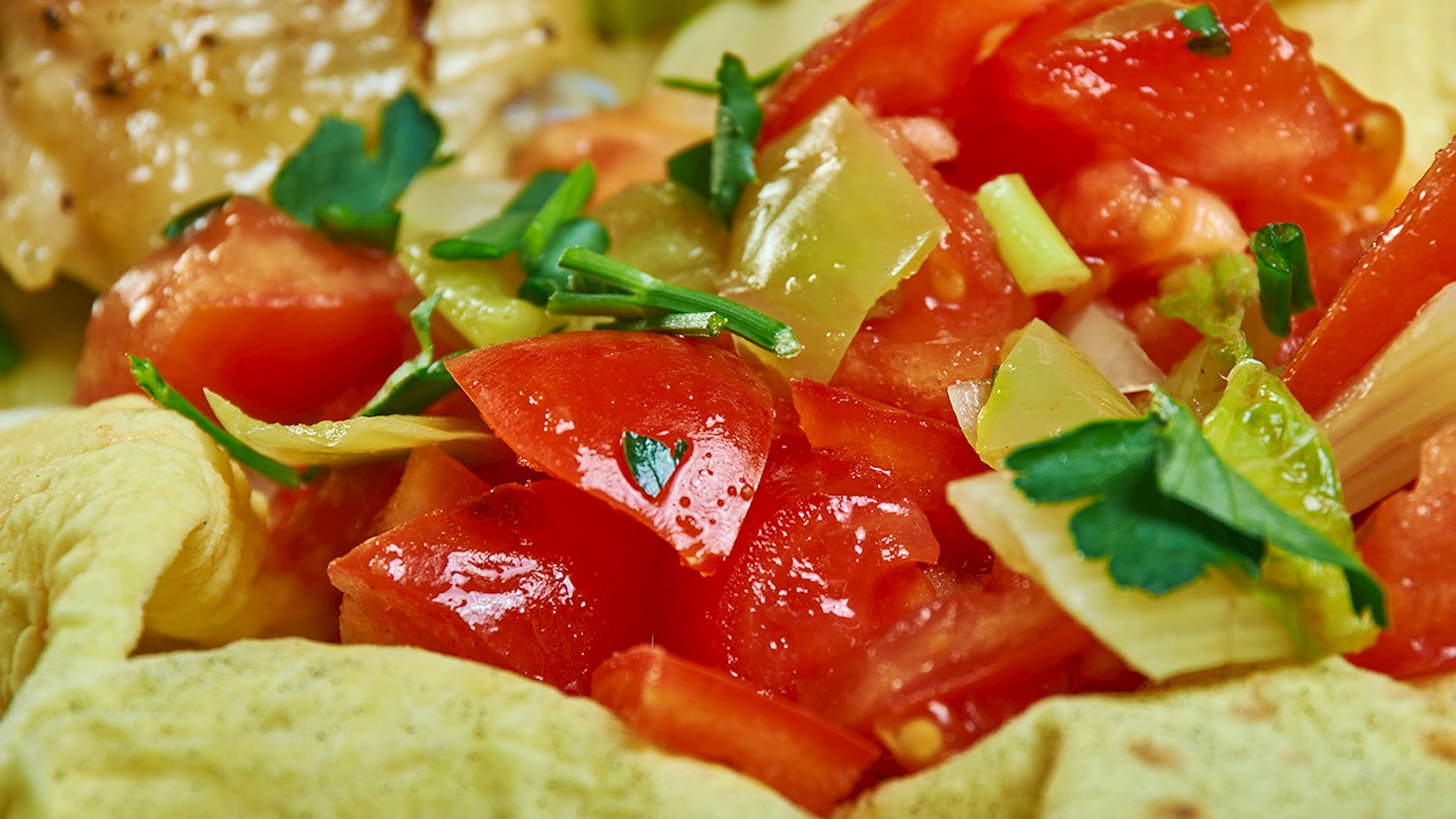
Timatim salata is a refreshing Ethiopian salad that's also quite popular in Eritrea. The salad consists of diced tomatoes, onions, and finely chopped hot peppers. It is typically seasoned with berbere spices, oil, vinegar, and lemon juice. The dish is most commonly consumed after spicy Ethiopian wat dishes, but it is also often served on top of injera flatbreads. If timatim salata is combined with shredded injera, it is then known as timatim firfir.
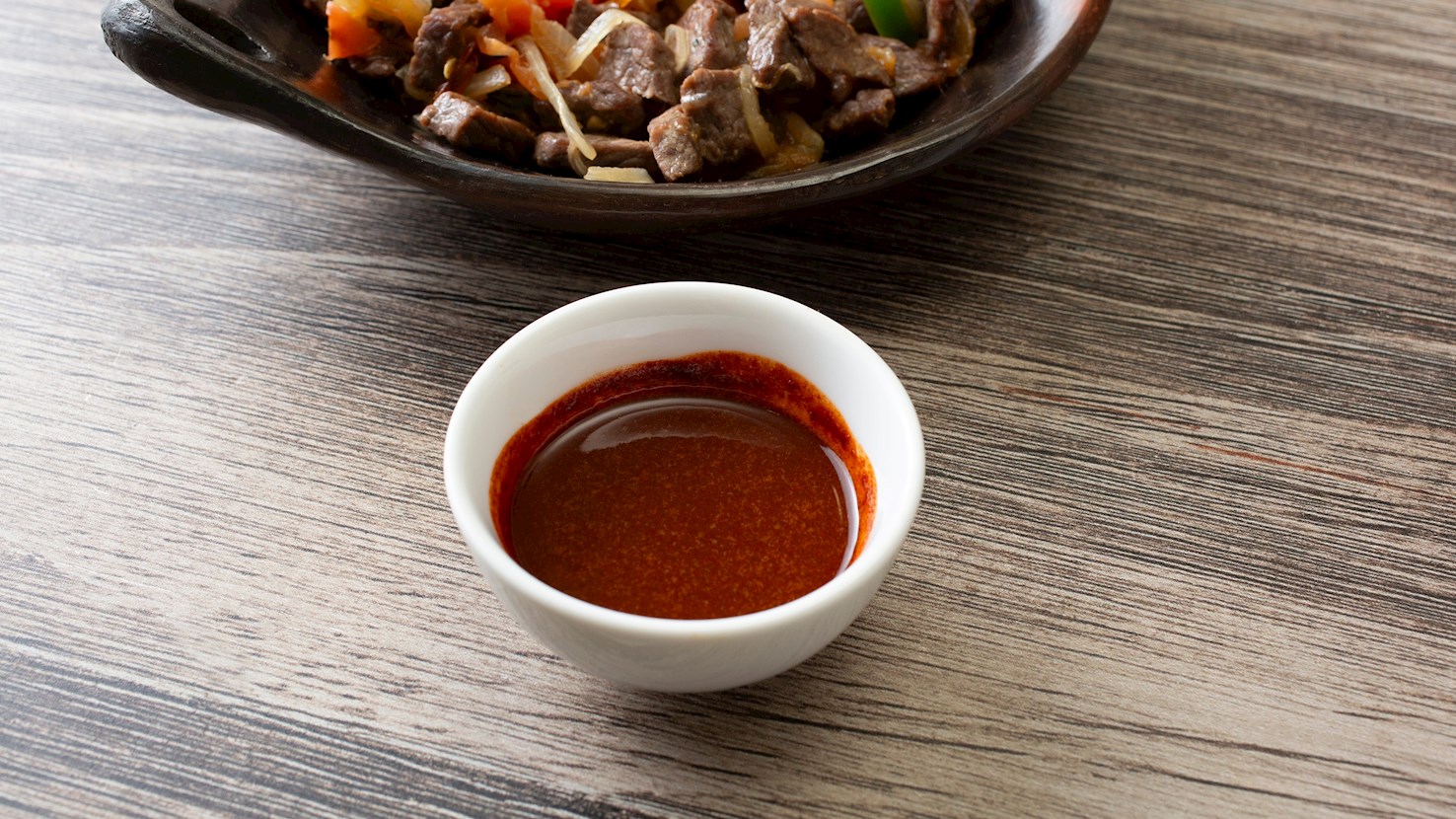
Awaze is a traditional sauce or spice paste that's served with most main dishes in the country. It's usually made with ingredients such as berbere spice blend, t'ej (Ethiopian honey wine), and oil. The ingredients are simply mixed together until the desired consistency is reached, and the sauce is then consumed immediately or stored in the fridge. It can be used as a sauce or a dip for meat, but it's also often added to stews such as wat or used as a sandwich spread. If desired, the sauce can be enriched with ginger and garlic – everyone makes their awaze in a different way and there are many versions of the sauce.
Dabo kolo is a crunchy snack from Ethiopia and Eritrea made from small pieces of seasoned wheat dough that are fried, toasted, or baked until crisp. The pieces are usually about the size of a pea or corn kernel and can be mildly sweet, savory, or spicy. The name comes from two Amharic words. Dabo means bread, while kolo refers to roasted grains such as barley or wheat that are eaten as a snack. Dabo kolo essentially applies the small size and crunchy texture of kolo to pieces of bread dough. The basic dough is usually made from wheat flour, water, salt, and a small amount of sugar. Oil or butter may be worked into the dough, although recipes vary. Some versions also contain milk or a raising agent such as baking powder. Seasoning is equally flexible. Berbere is one of the best-known additions and gives the snack a warm, spicy flavor, but it is not used in every version. Turmeric, ginger, cayenne, coriander, fenugreek, and other spices can also appear. Some dabo kolo is only lightly seasoned with salt and sugar. The ingredients are mixed into a fairly stiff dough and kneaded until smooth. Small portions are rolled into thin ropes and cut into tiny cubes or short pieces. They can also be shaped by hand into small pellets, rings, or irregular pieces. Dabo kolo can be cooked in several ways. One method is to fry the pieces in oil until golden and crisp. Another is to toast them in a dry or lightly oiled skillet or on a griddle, stirring frequently so that they brown evenly without burning. Oven-baked versions are also common. In every case, the aim is to remove enough moisture that the pieces become dry and crunchy rather than soft like bread. The snack should be allowed to cool completely after cooking. Once dry, it keeps well in an airtight container, making it convenient to carry, store, and serve in large quantities. Its small size and long-lasting crunch are part of why it is often compared with crackers, pretzels, or roasted grain snacks. Sweet versions are also common. Honey or additional sugar may be added to the dough, creating a lightly sweet snack rather than a full dessert. Some recipes combine sweetness with spices, while others omit hot spices entirely. Turmeric may be used mainly for color as well as flavor. Some recipes mix teff with wheat flour, particularly modern variations. Dabo kolo is normally wheat-based, and unlike injera, its dough does not need to be fermented. Using teff therefore gives it a darker color and a more pronounced grain flavor, but it does not necessarily make it sour. Dabo kolo is eaten as an everyday snack and during gatherings and celebrations. It is associated with festive occasions including Enkutatash, the Ethiopian New Year, and it also appears within Beta Israel food traditions. Ethiopian Jewish communities have served forms of dabo and dabo kolo around Shabbat and religious celebrations. People commonly eat it by hand from a bowl, tray, or small paper packet, and it can be served with coffee or tea. Coffee is a natural accompaniment in Ethiopia, but dabo kolo doesn't require a particular drink and is often eaten on its own between meals.
Gesha Village Coffee Estate – Redefining Excellence in Coffee Cultivation Gesha Village Coffee Estate is a world-renowned coffee farm located in western Ethiopia, near the border with South Sudan, in a region known for its lush forests and rich biodiversity. Founded in 2011 by Rachel Samuel and Adam Overton, who transitioned from careers in photography and documentary filmmaking to coffee farming, Gesha Village is dedicated to preserving and elevating the legacy of Ethiopian coffee.
Spanning 471 hectares, with 341 hectares dedicated to coffee cultivation and 27% of the land preserved for natural conservation, the estate is home to over 730,000 coffee trees. Gesha Village is best known for cultivating Gesha 1931, a variety traced back to the nearby Gori Gesha forest, where the legendary Gesha variety was originally discovered.
The estate employs meticulously controlled processing methods, including both natural and washed techniques, resulting in coffees with exquisite flavor profiles characterized by jasmine, brown sugar, and raspberry notes. Beyond coffee production, Gesha Village is committed to sustainability and community development, as demonstrated by the establishment of the first high school in the area in 2021, providing essential educational opportunities for local families.
The estate has gained global recognition, achieving record-breaking auction prices, including a remarkable $105 per pound, the highest price ever paid for an African coffee. Their mission is to connect the world to Ethiopia through an exceptional coffee experience while preserving the environment and improving the livelihoods of the surrounding community.
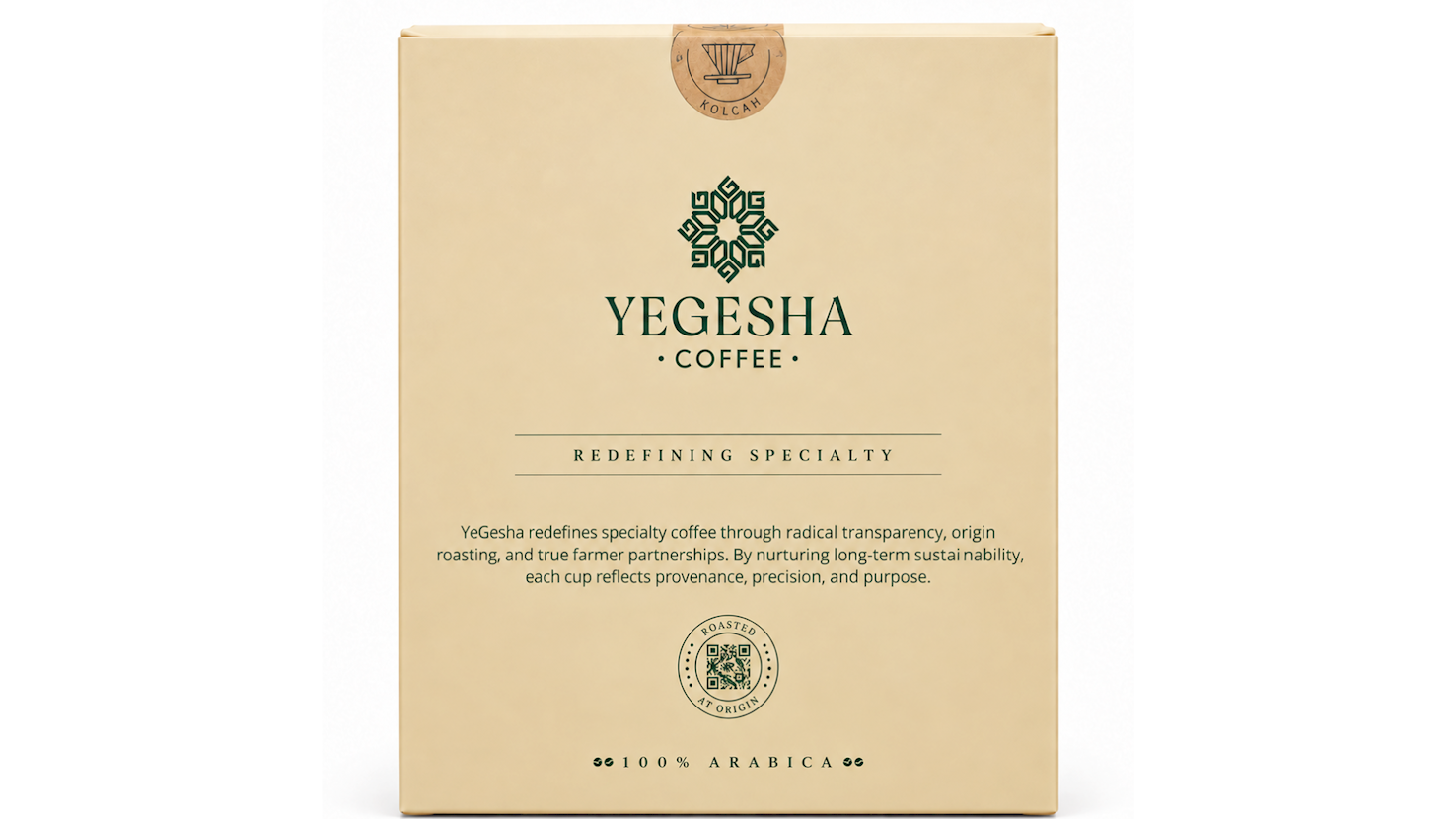
YeGesha Coffee is an Ethiopian specialty coffee brand, roastery, and café based in Addis Ababa. The brand is particularly dedicated to promoting Gesha coffee, a variety originating from the eponymous region in southwestern Ethiopia and prized for its complex aromatic profile, pronounced sweetness, and elegant floral notes.
YeGesha selects Ethiopian Arabica beans, roasts them in-house, and prepares them using various brewing methods to highlight their origin and natural characteristics. Gesha coffee is central to its offering, while the café also serves espresso, filter coffee, cold brew, and Ethiopian macchiato. Its approach combines contemporary specialty coffee culture with Ethiopia’s long tradition of cultivating, roasting, and preparing coffee. Gesha is especially recognizable for its aromas of jasmine and other flowers, nuances of tea and tropical fruit, and clean, lingering sweetness.
In addition to serving café customers, YeGesha presents itself as a link between Ethiopian coffee and roasters, cafés, and specialty coffee buyers. This reflects the brand’s ambition to introduce Ethiopia’s native Gesha heritage to a broader international audience.
TasteAtlas food rankings are based on the ratings of the TasteAtlas audience, with a series of mechanisms that recognize real users and that ignore bot,
nationalist or local patriotic ratings, and give additional value to the ratings of users that the system recognizes as knowledgeable.
For the “Top 51 Ethiopian Foods” list until October 21, 2026, 921 ratings were recorded, of which 794 were recognized by the system as legitimate.
TasteAtlas Rankings should not be seen as the final global conclusion about food. Their purpose is to promote excellent local foods,
instill pride in traditional dishes, and arouse curiosity about dishes you haven’t tried.
The initial list of top producers was compiled based on available reviews, awards, local recommendations, media and blog coverage, and consumer reviews.
The list will be updated with ratings from TasteAtlas local ambassadors and TasteAtlas users.







What People Say