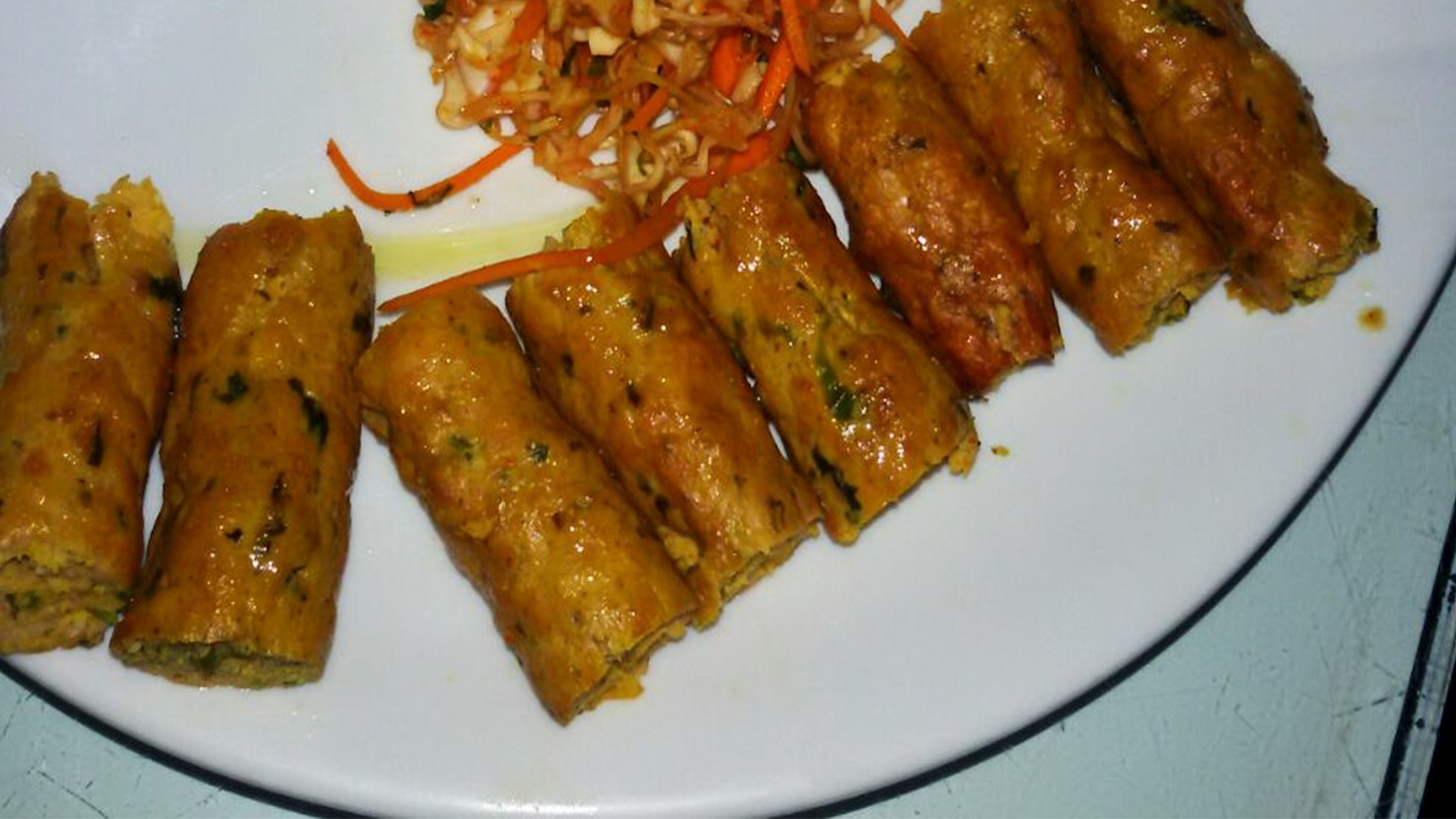
Patrode is a savory vegetarian dish from Malvani and Maharashtrian cuisine. Basic ingredients are the same throughout the entire region - taro (colocasia) leaves stuffed (or chopped up) with a mixture of gram flour, tamarind, jaggery, and various spices, while patrode variations differ only in shape (sliced rolls or dumplings) and the cooking method (steamed or fried).
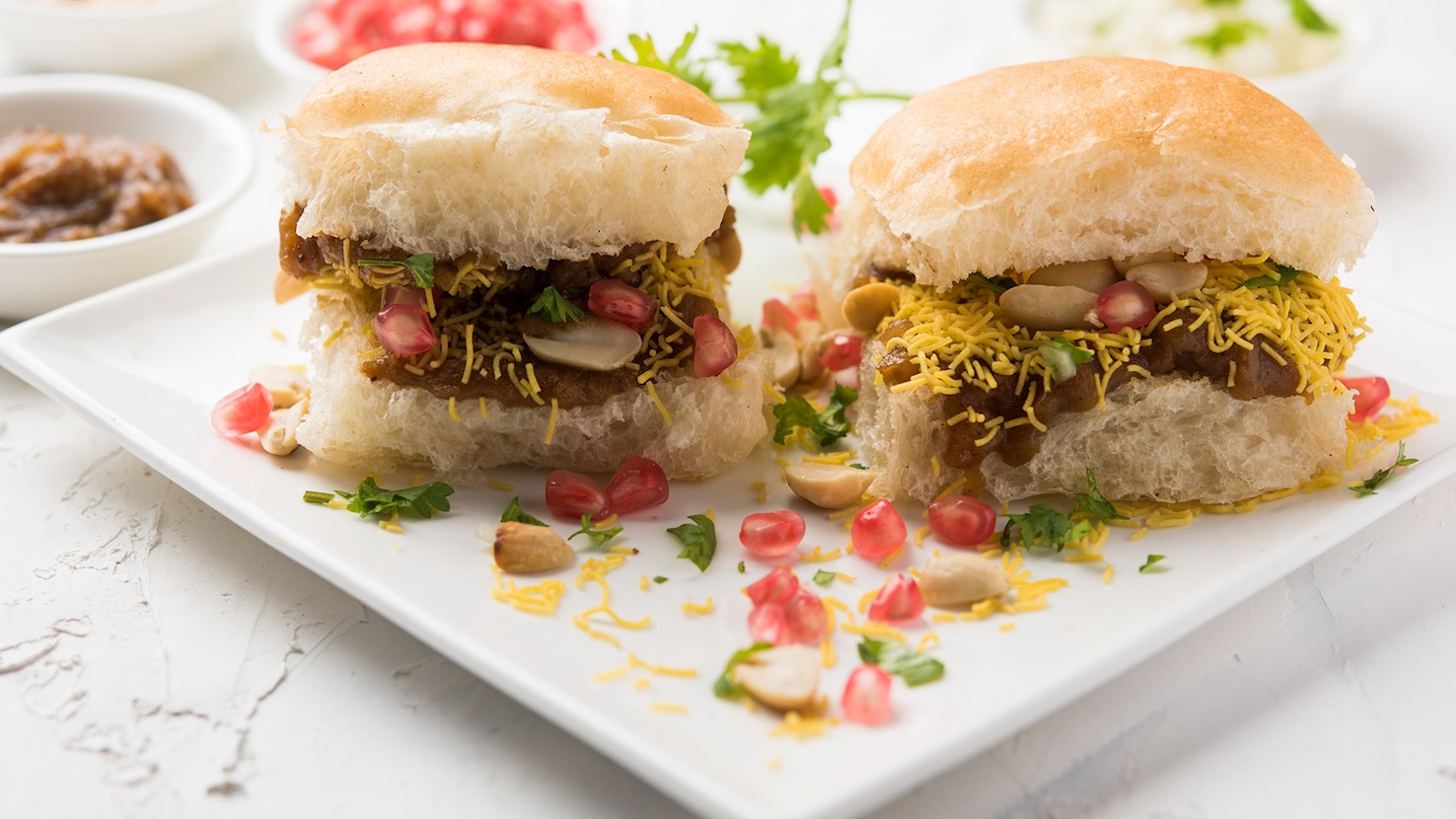
Although it originates from Kutch in Indian Gujarat, this filling snack is also enjoyed in other parts of the country. Dabeli combines toasted ladi pav buns and a filling that is made with mashed potatoes and a spice mix usually consisting of coriander, turmeric, cardamom, fennel seeds, coriander, chili peppers, and other spices. The filling is topped with roasted peanuts, pomegranate seeds, and sev — tiny, crispy noodles made from ground chickpeas, while typical additions also include different chutney varieties. Dabeli, which translates as pressed, is mainly sold and enjoyed as street food.
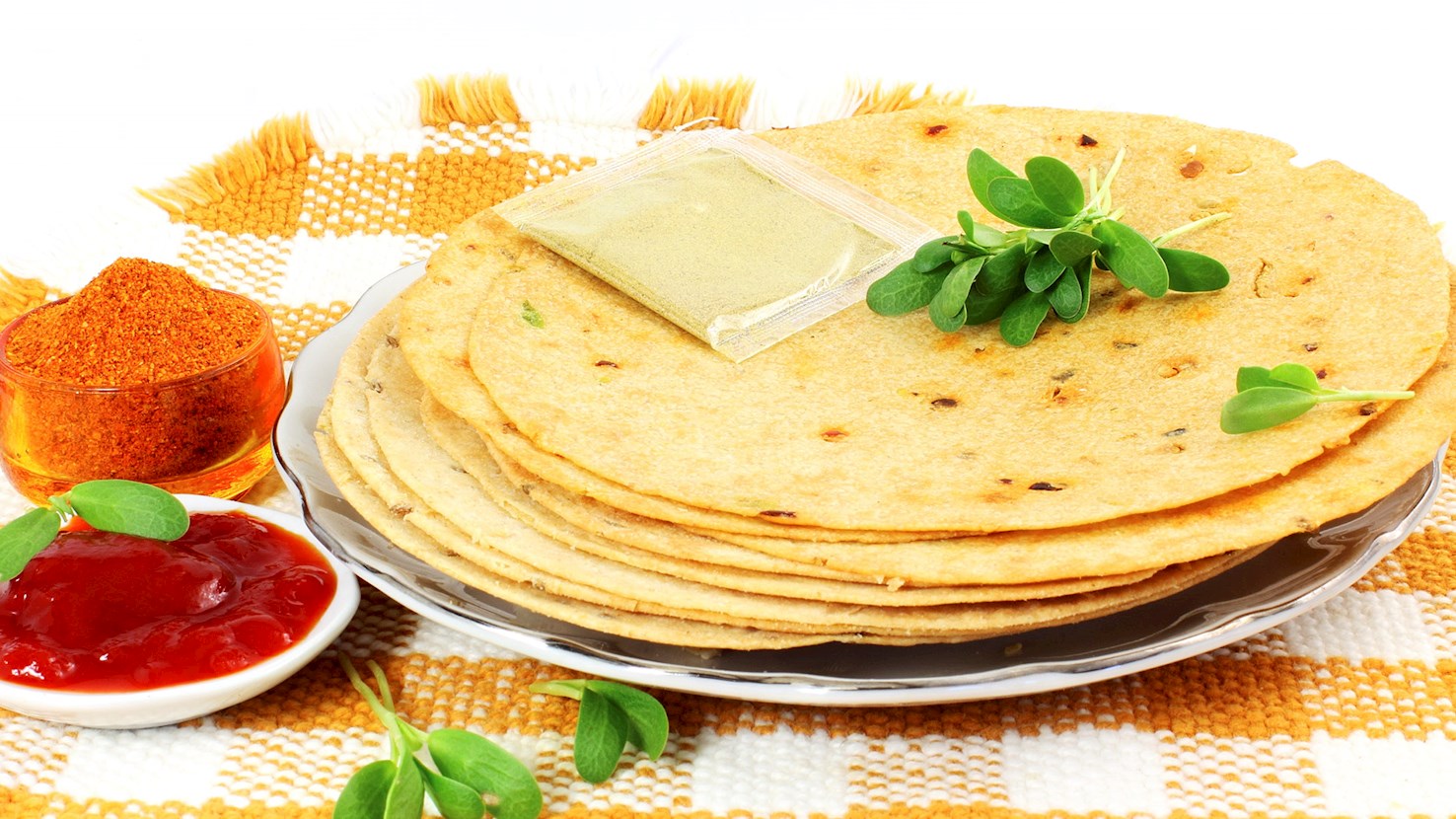
Khakhra is a popular, crispy flatbread originating from the Indian state of Gujarat. Made with wheat flour, moth bean, and oil, the crackers are typically consumed for breakfast, providing a healthy snack that is best enjoyed when accompanied by chutneys or curries. Since khakhra is very similar to chapati, another popular Indian flatbread, it is believed that a cook in Gujarati roasted leftover chapatis on a griddle and served them with tea for breakfast, creating khakhras in the process. Khakhra can also be transformed into a sweet snack by spreading some ghee and sugar on top of it. Today, the snack has moved out of Gujarat and became popular throughout the world, but it is still believed that a true Gujarati home is incomplete without its khakhras.
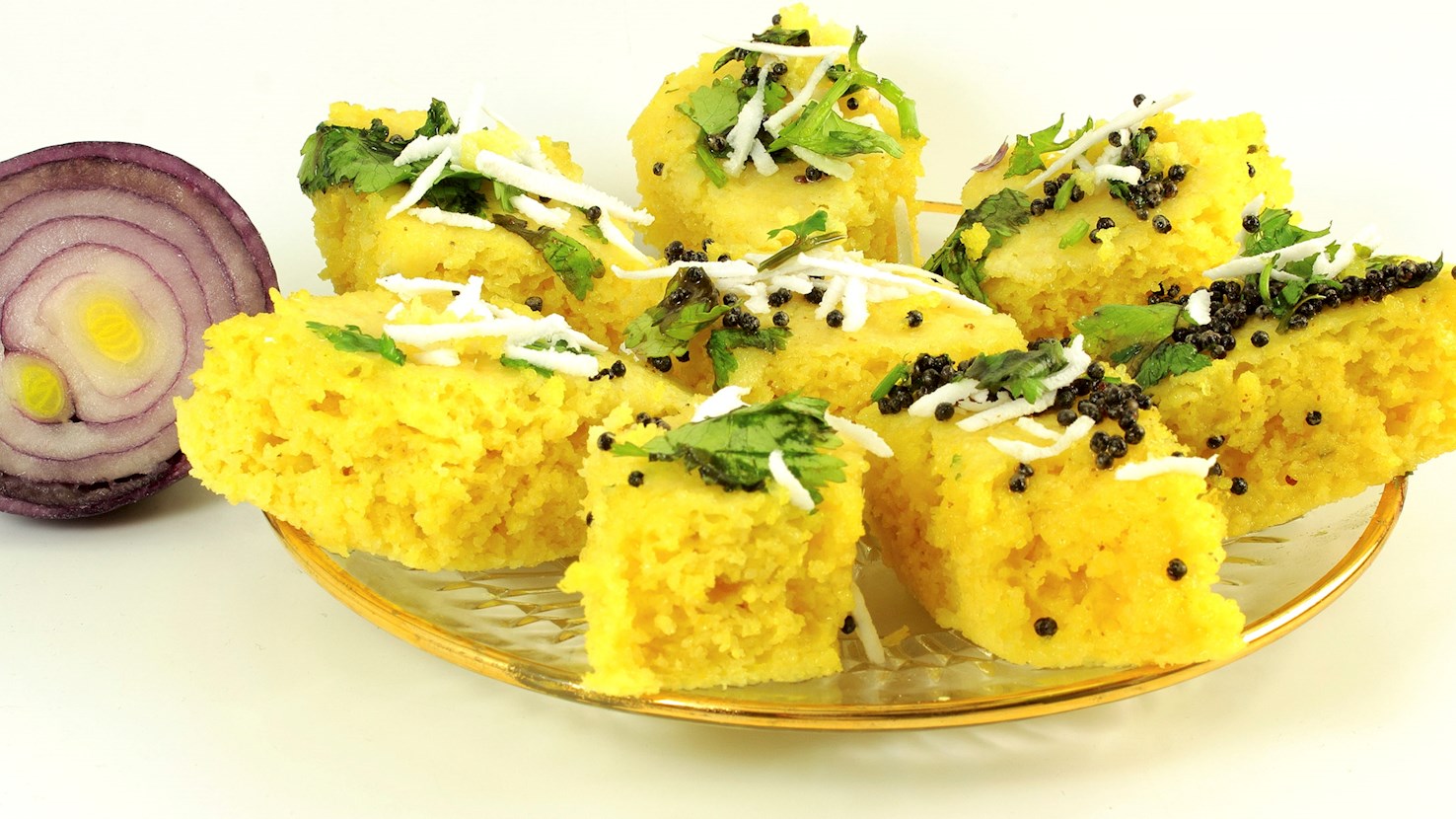
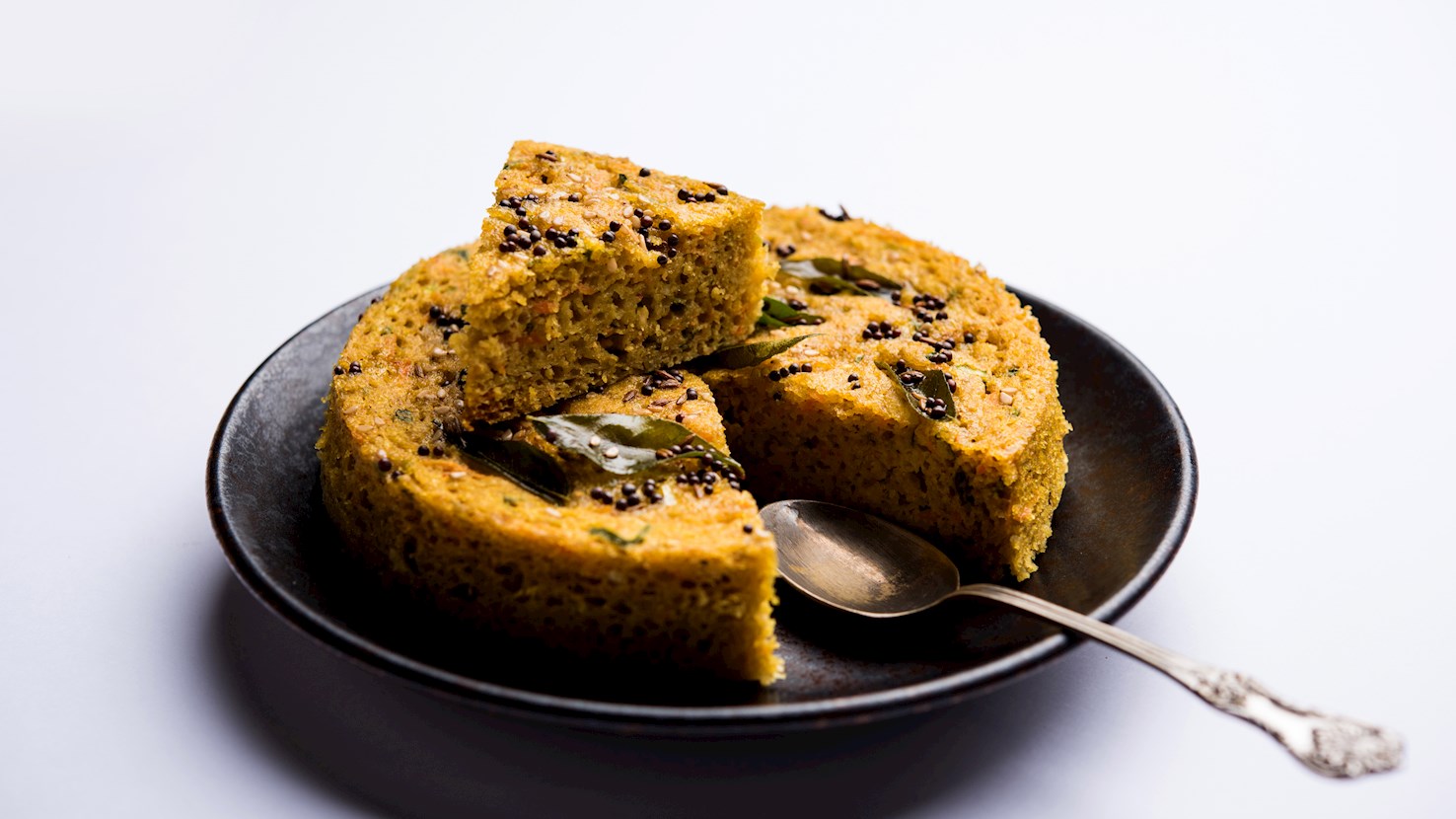
Originating from the Indian state of Gujarat, dhokla is a vegetarian snack consisting of fermented gram flour batter and rice. Spices such as chili and ginger are added to the batter in order to improve the flavor of the dish. When baked, dhokla is often garnished with coriander, coconut, or chopped chilies, and it is typically accompanied by besan chutney. Because it is a popular dish and a favorite vegetarian snack, dhokla has many variations, such as semolina, rice powder, or cheese dhokla. Fluffy, low in calories, and packed with protein, it is unsurprising that dhokla remains a staple food of Gujarat.
Pathia is a tomato-based curry that is usually served in Indian takeaways across the United Kingdom. It is a dish which unites the sweet, spicy, and sour flavors by using hot red and green peppers, cane sugar, and lime juice. Unlike most traditional curries, pathia does not have a creamy consistency and it does not incorporate ginger. However, just like many other curry varieties, the main ingredients are versatile and can include meat, seafood, or vegetables. The dish is believed to have originated in India among the Parsi people, the ethnic group who came to India from Iran and mainly populated the Indian state of Gujarat. Traditionally, it was served on special occasions, but today it is often consumed on a daily basis. Although the Parsi population still prepares pathia, in the United Kingdom it has a reputation as one of the most beloved Indian dishes. It is usually served alongside rice or flatbread.
Sukhdi is a traditional sweet originating from Gujarat. It’s made with a simple combination of jaggery, ghee, and whole wheat flour, also known as atta. In Maharashtra, this sweet is known as gur papdi or gol papdi. In order to prepare the sweet, the ghee is melted and wheat flour is added to the pan. The combination is cooked for a few minutes until it browns. The heat is then turned off and jaggery is added to the mix. Once cooled, sukhdi is cut into squares or diamonds, then served. If properly prepared, the texture should be soft, crumbly, and melting on the tongue. Sukhdi is traditionally prepared and eaten during winter.
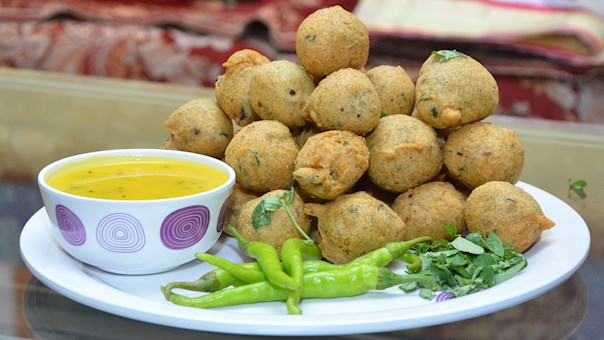
Muthia, also spelled muthiya, are savory dumplings made from flour, vegetables or leafy greens, and spices. They can be steamed or deep-fried and are eaten as a snack, breakfast food, or as part of dishes such as undhiyu. The name comes from the Gujarati word muthi, meaning “fist,” and refers to the traditional way the dough is squeezed or shaped by hand. Depending on the recipe, muthia can be formed into small fist-shaped dumplings, oval pieces, or longer logs that are steamed and sliced. There is no firmly documented account of when muthia were first created. They belong to Gujarat's large family of savory snacks known as farsan and use ingredients common in Gujarati home cooking, particularly grain and pulse flours, leafy vegetables, gourds, herbs, and spices. The flour mixture varies considerably. Chickpea flour, or besan, is especially common and is often combined with whole wheat flour. Coarse wheat flour, millet flour, sorghum flour, or semolina may also be included. Fresh fenugreek leaves produce methi muthia, while grated bottle gourd is used for dudhi na muthia. Spinach, amaranth, purslane, cabbage, and even bitter-gourd peel can also be used. The dough is usually seasoned with ginger, green chili, turmeric, red chili powder, sesame seeds, carom seeds, coriander, cumin, and salt. Gujarati versions often include a little sugar or jaggery along with lemon juice or another sour ingredient, creating the sweet, sour, and spicy balance common in the region's cooking. Oil is worked into the mixture for tenderness. Some recipes also contain yogurt. The amount of water depends on the vegetables being used. Fenugreek and other less watery vegetables generally require some water or yogurt to bring the flour together. The dough should be soft enough to shape but firm enough to hold its form during cooking. For the typical steamed version, the dough is shaped into thick logs or cylinders and steamed until firm and fully cooked. After cooling slightly, the logs are cut into rounds. The slices can be eaten as they are, but they are especially good after being tempered in hot oil with mustard seeds, sesame seeds, curry leaves, and sometimes asafoetida. They are tossed in the pan until the edges become lightly browned while the centers remain soft. Muthia can also be fried. Fried methi muthia are usually shaped into smaller dumplings and placed directly into moderately hot oil without steaming first. They develop a crisp, browned exterior and a softer center. This fried version has an important place in undhiyu, Gujarat's famous winter mixed-vegetable dish. Small fenugreek muthia are cooked with vegetables such as purple yam, potatoes, green beans, eggplant, and unripe banana in a mixture flavored with coconut, coriander, sesame, peanuts, green garlic, and spices. The dumplings absorb some of the seasoning and cooking juices while retaining their shape. The steamed version is usually sliced and tempered before serving as a snack, while the smaller fried version works particularly well when later cooked with vegetables or gravy. Muthia are commonly served warm with green coriander, mint chutney, or sweet-and-sour tamarind chutney. A squeeze of lemon can also be added. They pair well with tea and can be eaten for breakfast, as an afternoon snack, or as part of a larger Gujarati meal.
Handvo is a traditional savory cake or snack originating from Gujarat. It's made with rice, lentils, and vegetables such as carrots, bottle gourd (calabash), and fenugreek. There are many variations on this savory cake, so ingredients such as hot chili peppers, sesame seeds, ginger, and mustard seeds can also be expected. The rice and lentils are usually soaked and ground into a dough that's fermented overnight. Once mixed with all the other ingredients, the batter is poured into a pot or pan and baked until the top becomes browned and crispy. Handvo is typically served with green chutney on the side.
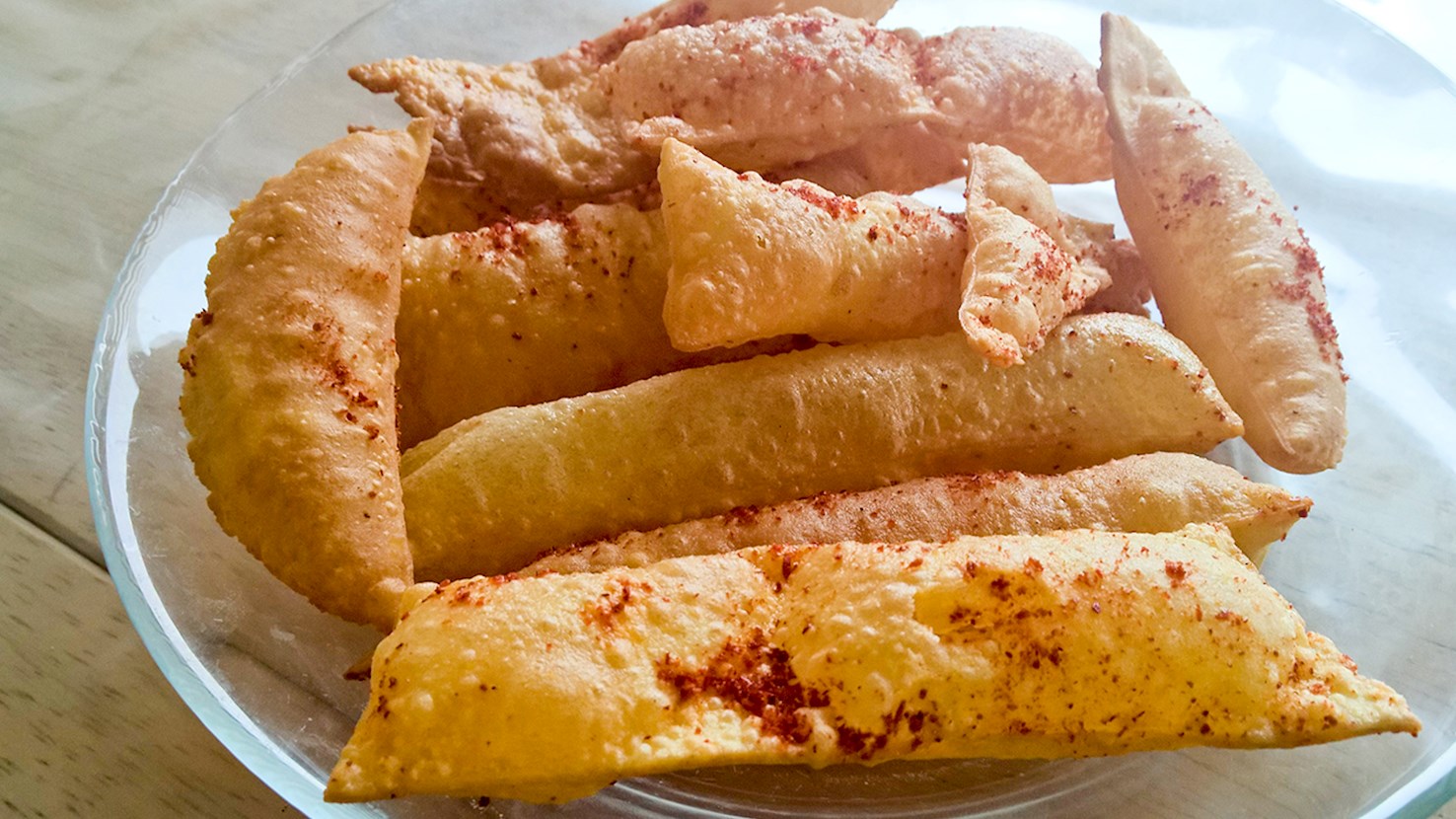
Chorafali is a traditional snack originating from the region of Gujarat. The fritters are made with a combination of chola dal flour(or a mix of besan and urad dal flour), salt, baking soda, and oil which is used for deep-frying. The dough is pounded with a pestle, rolled, flattened, and cut into long strips. Once done and puffed up, the fritters are seasoned with a combination of chili powder, black salt, dried mango powder (amchur), and salt. These crispy and mildly spicy snacks are especially popular in Gujarat during Diwali festival.
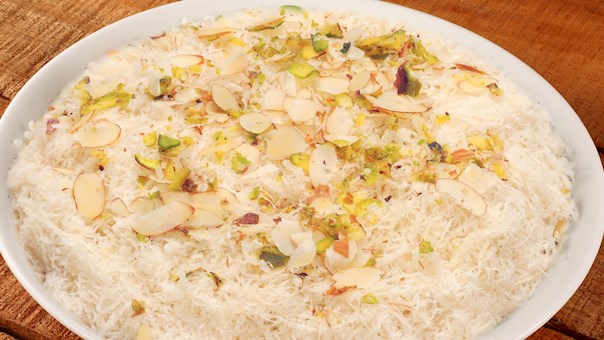
Doodhpak is a specialty of Gujarati and Parsi cuisines, consisting of milk, rice, and sugar. It is typically flavored with spices such as cardamom, nutmeg, or saffron, and a variety of dry fruit and nuts such as almonds, pistachios, and charoli (also known as chironji). In India, this traditional creamy dessert is usually prepared for special occasions and festivals, and it is typically enjoyed with warm puris (fried puffed bread) or pakora (crispy-fried Indian snacks) on the side.
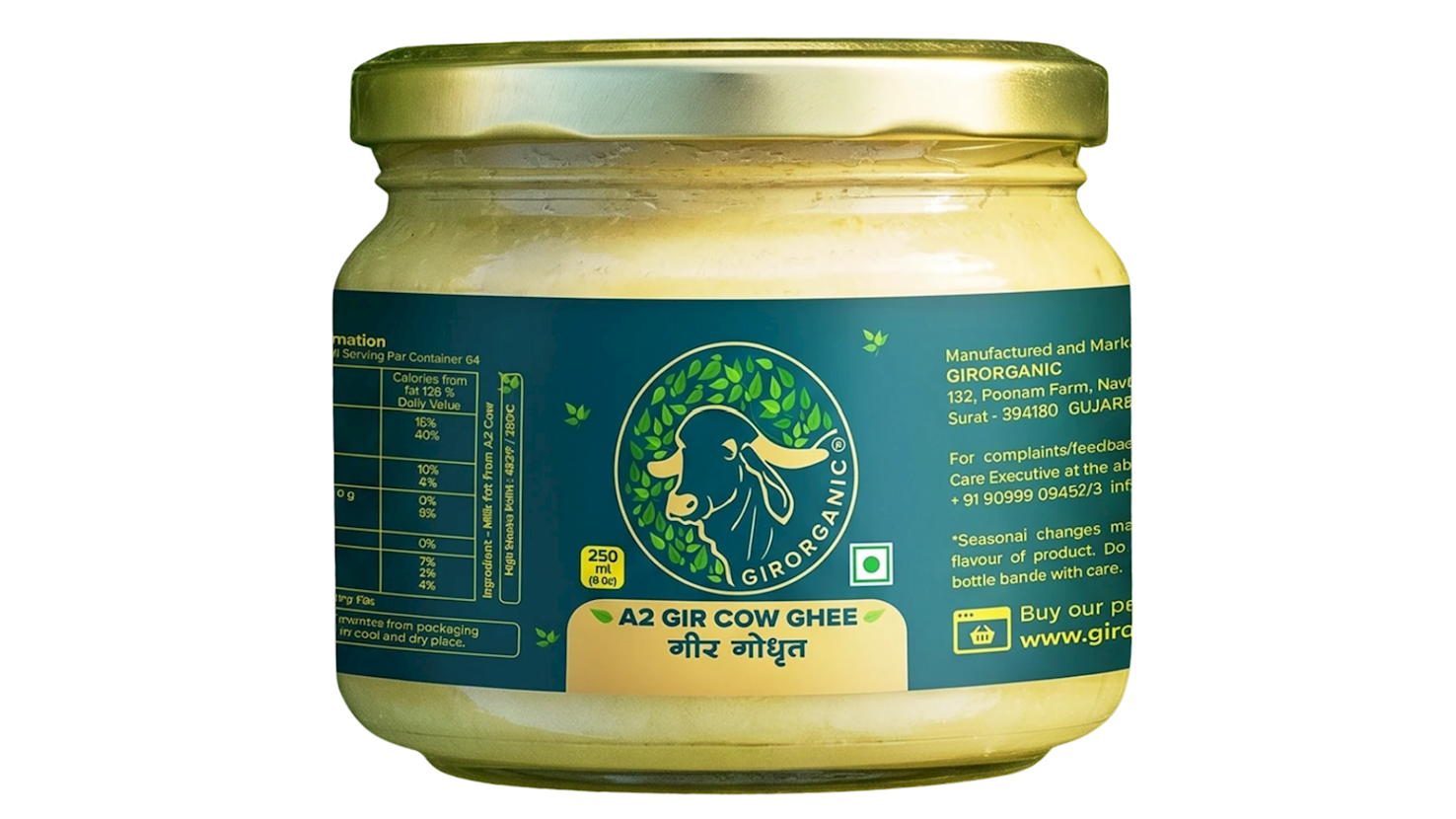
GirOrganic is an Indian organic food producer founded in 1990 in the state of Gujarat. The business began with five or six cows of the indigenous Indian Gir breed, while the company states that its herd now comprises more than 450 animals. Production takes place across more than 500 acres of certified organic farmland in the Surat and Chhota Udaipur areas. The cows are fed fodder grown on the company’s land without synthetic fertilizers. Manure and other farm by-products are used as natural means of maintaining soil fertility. The brand’s best-known product is A2 ghee made from the milk of Gir cows. It is prepared using a traditional process in which the milk is first transformed into butter and then slowly heated to separate the water and milk solids. In addition to milk and ghee, the range includes wood-pressed oils, stone-ground flour and spices, pulses, peanut butter, honey, natural sweeteners, and pickled vegetables. Some of these products are made from ingredients grown on the company’s own organic farmland.
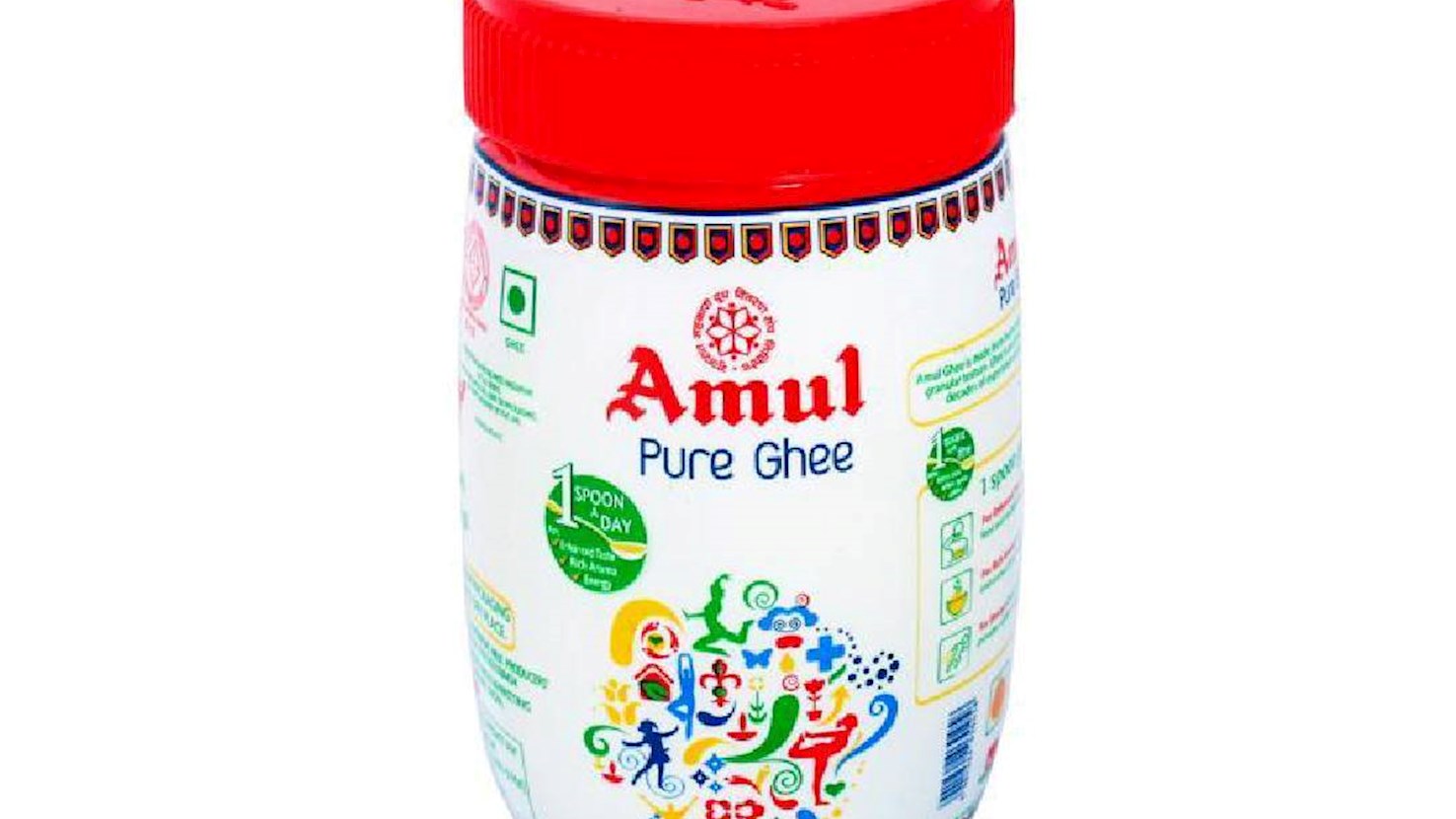
Amul is a leading Indian and globally recognized dairy producer, synonymous with premium quality, rich tradition, and innovation in the dairy industry. As India’s largest dairy cooperative, Amul unites millions of farmers and sources the finest fresh milk to create a diverse range of products, including milk, butter, cheese, yogurt, ghee, ice cream, and other dairy specialties.
Its commitment to quality and authentic taste ensures that every product retains its natural freshness and nutritional value. By combining traditional production methods with modern technology, Amul has become one of the most trusted brands for households, the foodservice sector, and the food industry worldwide.
With a strong focus on sustainability, community support, and advancements in dairy farming, Amul continues to set the benchmark for excellence, delivering not just products but a promise of freshness, taste, and nutritional goodness in every bite.
TasteAtlas food rankings are based on the ratings of the TasteAtlas audience, with a series of mechanisms that recognize real users and that ignore bot,
nationalist or local patriotic ratings, and give additional value to the ratings of users that the system recognizes as knowledgeable.
TasteAtlas Rankings should not be seen as the final global conclusion about food. Their purpose is to promote excellent local foods,
instill pride in traditional dishes, and arouse curiosity about dishes you haven’t tried.
The initial list of top producers was compiled based on available reviews, awards, local recommendations, media and blog coverage, and consumer reviews.
The list will be updated with ratings from TasteAtlas local ambassadors and TasteAtlas users.














What People Say